Metabolic Health
Explore the importance of metabolic health in modern wellness, its biological mechanisms, key sub-topics, and practical approaches to improving your well-being.

Metabolic health is a critical aspect of modern wellness, focusing on the body's ability to efficiently process energy and maintain balance. It encompasses various factors, including blood sugar levels, cholesterol, and overall energy metabolism. By understanding and improving metabolic health, individuals can enhance their overall well-being, prevent chronic diseases, and support their body's natural functions. Various practices, such as nutrition, exercise, and mindful living, play a vital role in cultivating optimal metabolic health.
Intro Summary
Metabolic health is increasingly recognized as a cornerstone of overall wellness in today's fast-paced world. It refers to the body's ability to convert food into energy efficiently while maintaining a balance that supports various physiological functions. This category encompasses a range of factors, including insulin sensitivity, lipid profiles, and body composition. Understanding and improving metabolic health is essential for preventing chronic diseases such as diabetes, heart disease, and obesity, which are prevalent in modern society.
Practicing good metabolic health involves adopting lifestyle choices that foster energy balance and support the body's natural processes. This can include mindful eating, regular physical activity, and stress management techniques. By prioritizing metabolic health, individuals can enhance their vitality, improve their mental clarity, and contribute to their long-term well-being.
The Underlying Biology / Mechanism
At the core of metabolic health lies a complex interplay of biological processes that govern how the body utilizes energy. Metabolism is the sum of all chemical reactions that occur within the body to maintain life, including the conversion of food into energy, the synthesis of necessary compounds, and the elimination of waste. Two primary metabolic pathways are involved: catabolism, which breaks down molecules to release energy, and anabolism, which builds up components the body needs.
Insulin, a hormone produced by the pancreas, plays a crucial role in regulating blood sugar levels. When we eat, our blood sugar rises, prompting insulin release to help cells absorb glucose for energy. In healthy metabolic function, this process runs smoothly, maintaining stable blood sugar levels. However, factors such as poor diet and sedentary behavior can lead to insulin resistance, where cells become less responsive to insulin, resulting in elevated blood sugar levels and increased fat storage. Over time, this can lead to metabolic disorders.
Key Sub-Topics Within This Category
Insulin Sensitivity
Body Composition
Energy Expenditure
Lipid Metabolism
Hormonal Balance
Micronutrient Status
Biomarkers, Tests, and Data Points That Matter
Monitoring metabolic health involves assessing various biomarkers and data points that provide insights into how well the body functions. Common tests include:
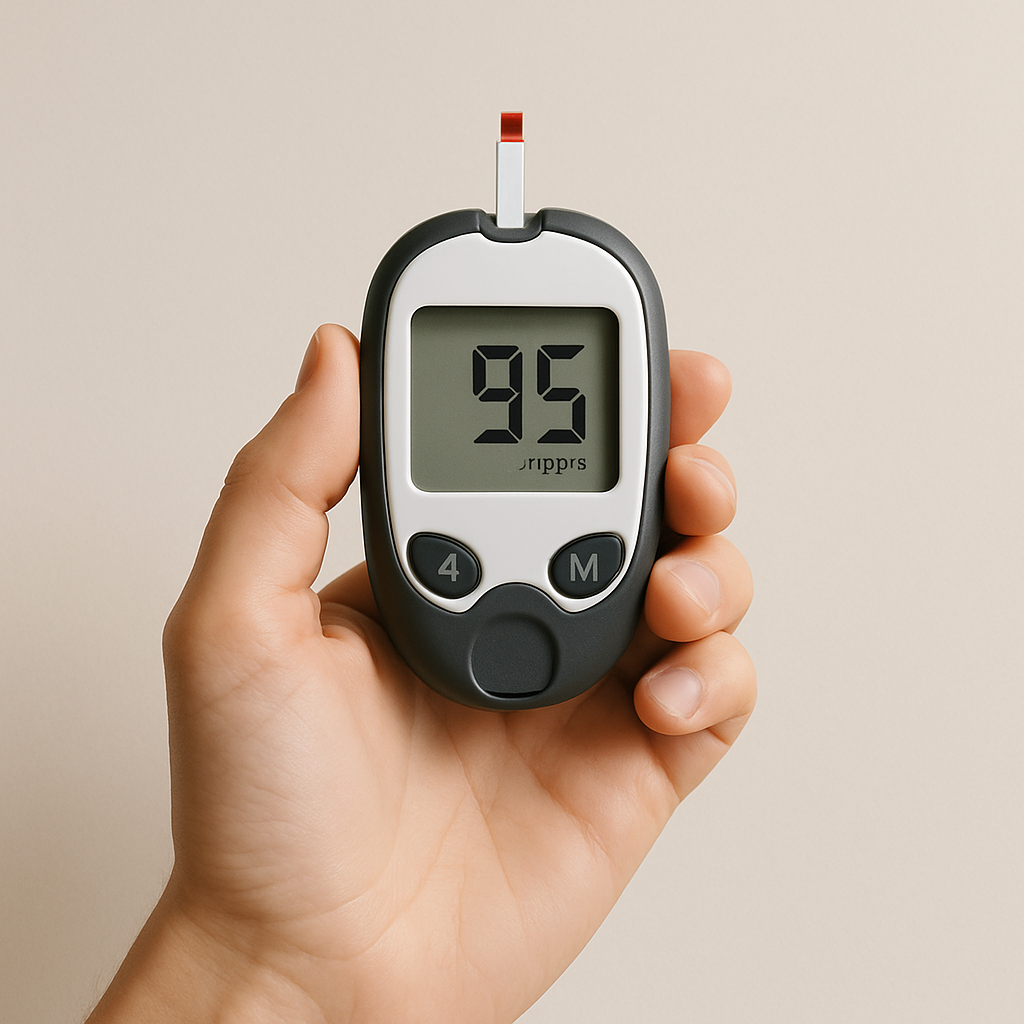
- Fasting Blood Glucose: Measures blood sugar levels after fasting, indicating insulin sensitivity.
- Hemoglobin A1c: Reflects average blood sugar levels over the past 2-3 months, useful for assessing long-term glucose control.
- Lipid Profile: Evaluates cholesterol levels and triglycerides, important for cardiovascular health.
- Body Mass Index (BMI): A simple calculation using height and weight to assess body composition.
- Waist Circumference: Measures abdominal fat, which is a risk factor for metabolic syndrome.
It's important to note that reference ranges for these tests can vary among individuals, and context matters. Consulting with a healthcare professional is crucial for accurate interpretation.
Functional Actions This Category Targets
Improving metabolic health can enhance several functional actions within the body:
- Energy Production: Optimizing how the body generates and uses energy from food.
- Fat Storage and Mobilization: Regulating fat storage and supporting fat utilization for energy when needed.
- Blood Sugar Regulation: Maintaining stable blood sugar levels to prevent spikes and crashes.
- Cholesterol Management: Supporting healthy cholesterol levels to reduce cardiovascular risk.
- Hormonal Regulation: Balancing hormones that influence metabolism and energy use.
Body Systems It Most Supports
Metabolic health is interconnected with several body systems, including:
- Endocrine System: Regulates hormones that control metabolism, such as insulin and cortisol.
- Cardiovascular System: Influences heart health and blood vessel function, which are affected by metabolic processes.
- Digestive System: Impacts how food is processed and nutrients are absorbed, affecting overall metabolism.
- Nervous System: Plays a role in energy regulation and the response to stress, influencing metabolic health.
Common Goals
Individuals seeking to improve their metabolic health often have specific goals in mind, such as:
- Enhancing insulin sensitivity
- Achieving a healthy body composition
- Lowering blood sugar and cholesterol levels
- Increasing overall energy levels
- Reducing the risk of chronic diseases
Approaches & Interventions (lifestyle, nutrition, supplements, devices)
Various approaches can support metabolic health, including:
Lifestyle Interventions
- Regular Exercise: Engaging in both aerobic and resistance training helps improve insulin sensitivity and promote fat loss.
- Stress Management: Practices such as meditation and yoga can help regulate hormones that affect metabolism.
- Sleep Hygiene: Prioritizing quality sleep supports hormonal balance and metabolic efficiency.
Nutrition Strategies
- Whole Foods: Emphasizing fruits, vegetables, whole grains, and lean proteins to provide essential nutrients.
- Balanced Macronutrients: Ensuring an appropriate balance of carbohydrates, proteins, and fats for energy needs.
- Mindful Eating: Practicing portion control and being aware of hunger signals to prevent overeating.
Supplements
- Omega-3 Fatty Acids: May support healthy cholesterol levels and reduce inflammation.
- Chromium: A mineral that can enhance insulin sensitivity.
- Probiotics: Support gut health, which is linked to metabolic function.
Devices
- Fitness Trackers: Monitor physical activity levels and encourage movement.
- Continuous Glucose Monitors: Provide real-time data on blood sugar levels, aiding in dietary choices.
Safety, Edge Cases & When to Consult a Clinician
While many lifestyle changes are safe and beneficial, some individuals may have specific health conditions or concerns that require professional guidance. It is essential to consult a healthcare provider if:
- You experience significant changes in weight or appetite.
- You have a family history of metabolic disorders.
- You are considering starting a new exercise or nutrition program.
- You have underlying health conditions that may affect metabolism, such as thyroid disorders.
How It Bridges to Ancient Wisdom & Natural Remedies
Metabolic health has been a focus of traditional medicine practices for centuries. Ancient cultures emphasized the importance of diet, physical activity, and natural remedies to support the body's energy systems. For example, Ayurvedic medicine promotes balanced nutrition and herbal remedies to enhance metabolism, while Traditional Chinese Medicine emphasizes the role of qi (energy) in maintaining health. Many natural remedies, such as herbal supplements and adaptogens, are now being explored for their potential benefits on metabolic health.
FAQs (6)
What is metabolic health?
Metabolic health refers to how well the body processes and utilizes energy from food, including factors like blood sugar levels, cholesterol, and body composition.
Why is metabolic health important?
Good metabolic health is essential for preventing chronic diseases, maintaining energy levels, and supporting overall well-being.
How can I improve my metabolic health?
Improving metabolic health can involve lifestyle changes, such as regular exercise, balanced nutrition, and stress management techniques.
What tests can assess metabolic health?
Common tests include fasting blood glucose, hemoglobin A1c, lipid profiles, and measurements of body composition.
Are there supplements for metabolic health?
Some supplements, such as omega-3 fatty acids and chromium, may support metabolic health, but it's important to consult a healthcare provider before starting any new supplements.
When should I see a clinician regarding my metabolic health?
Consult a healthcare provider if you experience significant changes in weight, have a family history of metabolic disorders, or have underlying health conditions that may affect metabolism.
Explore Metabolic Health
15 subcategories









Frequently asked
What is metabolic health?
Metabolic health refers to how well the body processes and utilizes energy from food, including factors like blood sugar levels, cholesterol, and body composition.
Why is metabolic health important?
Good metabolic health is essential for preventing chronic diseases, maintaining energy levels, and supporting overall well-being.
How can I improve my metabolic health?
Improving metabolic health can involve lifestyle changes, such as regular exercise, balanced nutrition, and stress management techniques.
What tests can assess metabolic health?
Common tests include fasting blood glucose, hemoglobin A1c, lipid profiles, and measurements of body composition.
Are there supplements for metabolic health?
Some supplements, such as omega-3 fatty acids and chromium, may support metabolic health, but it's important to consult a healthcare provider before starting any new supplements.
When should I see a clinician regarding my metabolic health?
Consult a healthcare provider if you experience significant changes in weight, have a family history of metabolic disorders, or have underlying health conditions that may affect metabolism.