Wellness Metabolism
Discover the role of wellness metabolism in enhancing metabolic health, its mechanisms, applications, and safety considerations.
Explore the concept of wellness metabolism within the broader framework of metabolic health. Understand its mechanisms, evidence, practical applications, and how it supports various body systems. Learn about relevant biomarkers, common goals, safety considerations, and its compatibility with other wellness practices.
What It Is
Wellness metabolism refers to the processes and pathways involved in how our bodies convert food into energy, maintain homeostasis, and regulate various metabolic functions to promote overall health and well-being. This concept encompasses not only the biochemical reactions that occur within our cells but also the lifestyle factors that influence these metabolic processes, such as nutrition, physical activity, and stress management.
At its core, wellness metabolism aims to optimize metabolic health by ensuring that the body functions efficiently, thereby reducing the risk of metabolic disorders such as obesity, diabetes, and cardiovascular diseases. Achieving a balanced and responsive metabolism is essential for maintaining energy levels, supporting immune function, and promoting longevity.
Mechanism / How It Works
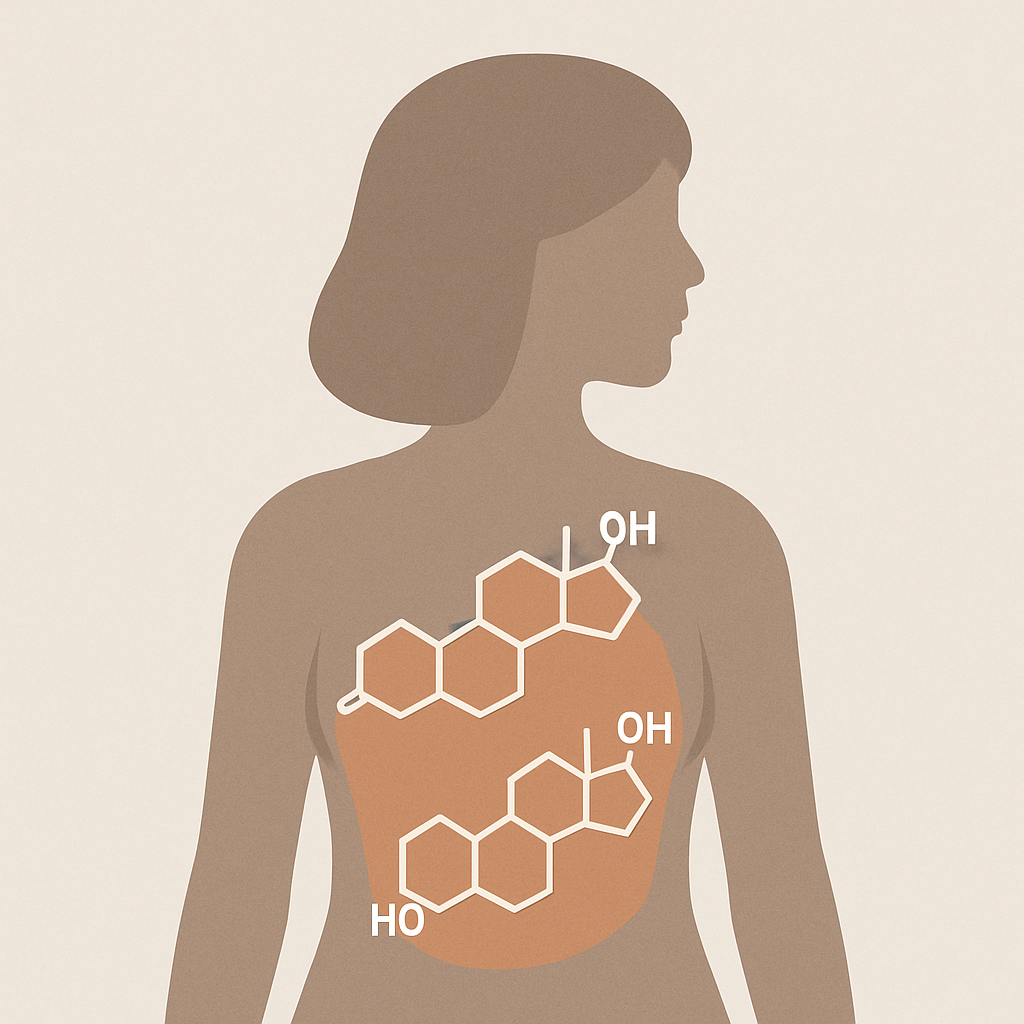
The mechanisms of wellness metabolism involve a complex interplay of hormones, enzymes, and cellular pathways. Key hormones such as insulin and glucagon regulate blood sugar levels, while thyroid hormones influence the rate of metabolism. Additionally, mitochondria, known as the powerhouses of the cell, are responsible for converting nutrients into usable energy through oxidative phosphorylation.
Environmental factors, including diet and exercise, also play a crucial role in modulating these metabolic processes. For instance, consuming a balanced diet rich in whole foods can enhance metabolic flexibility, allowing the body to switch efficiently between burning carbohydrates and fats for energy. Regular physical activity stimulates metabolic pathways and promotes muscle mass, which can further enhance basal metabolic rate.
Evidence Summary
The evidence surrounding wellness metabolism is evolving, with a growing body of research illuminating its significance in metabolic health. Preliminary studies suggest that lifestyle interventions, such as dietary modifications and exercise, can significantly improve metabolic markers, including insulin sensitivity and lipid profiles.
However, clinical studies often present conflicting results, with variations in individual responses to dietary patterns and exercise regimens. While some individuals may experience substantial improvements in metabolic health through specific interventions, others may not see the same benefits. This variability highlights the need for personalized approaches to wellness metabolism, as factors such as genetics, environment, and existing health conditions can greatly influence outcomes.
Practical Application
To effectively integrate wellness metabolism into daily life, consider the following practical applications:
- Balanced Nutrition: Focus on a diet rich in whole foods, including fruits, vegetables, lean proteins, whole grains, and healthy fats.
- Regular Physical Activity: Aim for a mix of aerobic exercises and strength training to promote muscle mass and metabolic health.
- Stress Management: Incorporate mindfulness practices, such as meditation and yoga, to reduce stress and its impact on metabolism.
- Hydration: Maintain adequate hydration, as water is essential for metabolic reactions.
Common pitfalls include reliance on fad diets, neglecting physical activity, and underestimating the impact of stress on metabolism. It is crucial to adopt a holistic approach that considers all aspects of health.
Relevant Biomarkers & Tracking
Monitoring specific biomarkers can provide insight into metabolic health and the effectiveness of wellness metabolism strategies. Key biomarkers to consider include:
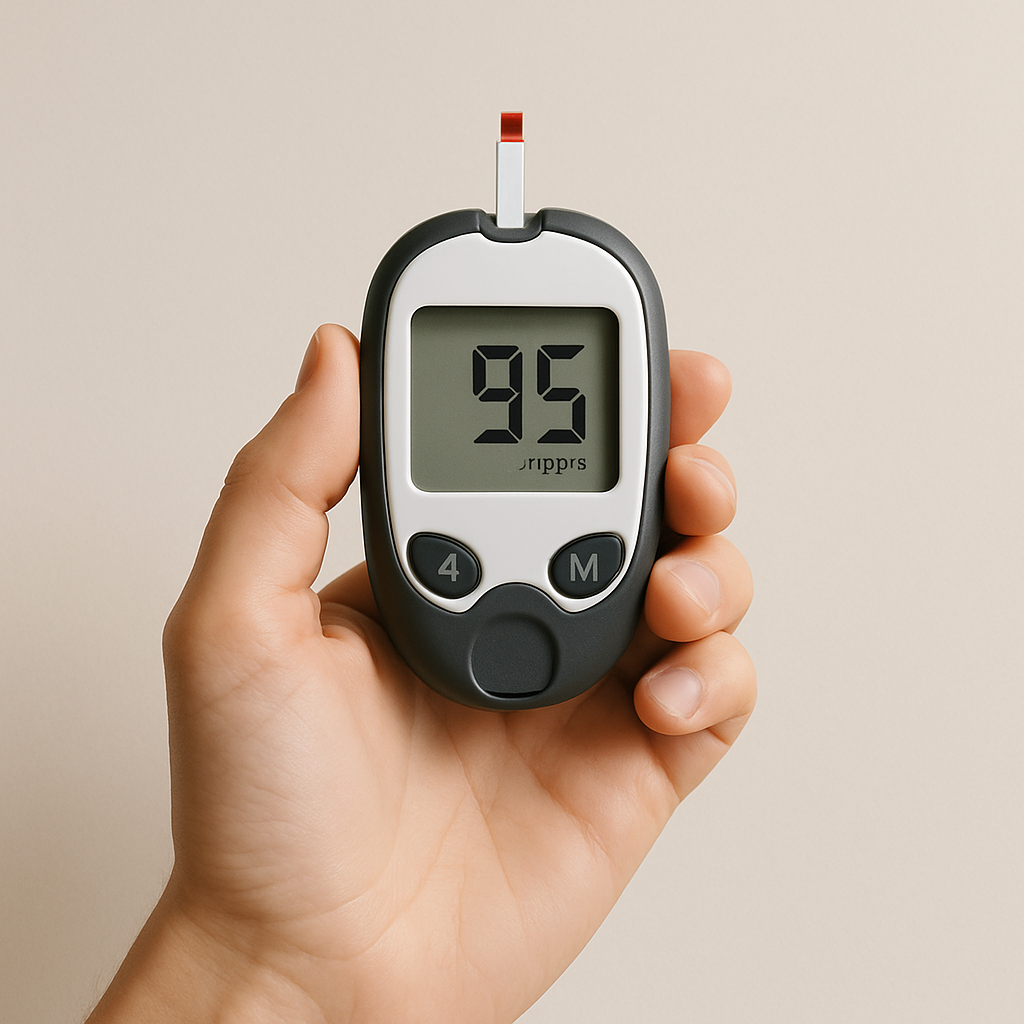
- Blood glucose levels
- Insulin sensitivity (e.g., through HOMA-IR)
- Lipid profiles (cholesterol and triglycerides)
- Basal metabolic rate (BMR)
- Body composition metrics (muscle mass vs. fat mass)
Tracking these markers can help individuals identify trends and adjust their wellness metabolism strategies accordingly.
Body Systems Supported
Wellness metabolism supports multiple body systems, including:
- Endocrine System: Regulates hormones that control metabolism.
- Musculoskeletal System: Promotes muscle health and physical function.
- Nervous System: Influences energy expenditure and appetite regulation.
- Digestive System: Aids in nutrient absorption and metabolism.
By fostering a healthy metabolism, individuals can enhance overall body function and resilience.
Common Goals
Individuals pursuing wellness metabolism often aim for the following goals:
- Improved energy levels
- Enhanced weight management
- Better blood sugar control
- Increased muscle mass
- Overall better metabolic health
Focusing on these goals can lead to a more sustainable and healthful lifestyle.
Safety, Contraindications & Edge Cases
While wellness metabolism strategies are generally safe for most individuals, certain contraindications and edge cases should be considered. Individuals with specific health conditions, such as diabetes or thyroid disorders, should consult healthcare professionals before making significant dietary or lifestyle changes. Additionally, those who are pregnant, nursing, or have eating disorders may require tailored advice to ensure safety.
Pairs Well With
Wellness metabolism can be effectively paired with various ancient and natural practices to enhance overall health, including:
- Ayurvedic dietary principles that focus on balance and individual constitution.
- Traditional Chinese Medicine approaches that emphasize harmony within the body.
- Herbal supplements known for their metabolic support, such as green tea extract and cinnamon.
Integrating these practices can provide a comprehensive approach to metabolic health.
FAQs (5)
- What is the difference between metabolism and wellness metabolism? Wellness metabolism focuses on optimizing metabolic health through lifestyle interventions, while metabolism refers to the biochemical processes of converting food into energy.
- Can I improve my metabolism through diet alone? While diet plays a significant role, combining dietary changes with regular exercise and stress management is essential for optimal metabolic health.
- How can I measure my metabolic health? Key biomarkers, such as blood glucose, insulin sensitivity, and lipid profiles, can provide insight into your metabolic health.
- Are there any risks associated with metabolic interventions? Individuals with pre-existing health conditions should consult healthcare professionals before making significant lifestyle changes.
- What role does exercise play in wellness metabolism? Exercise is crucial for enhancing metabolic rate, promoting muscle health, and improving insulin sensitivity.
Frequently asked
What is the difference between metabolism and wellness metabolism?
Wellness metabolism focuses on optimizing metabolic health through lifestyle interventions, while metabolism refers to the biochemical processes of converting food into energy.
Can I improve my metabolism through diet alone?
While diet plays a significant role, combining dietary changes with regular exercise and stress management is essential for optimal metabolic health.
How can I measure my metabolic health?
Key biomarkers, such as blood glucose, insulin sensitivity, and lipid profiles, can provide insight into your metabolic health.
Are there any risks associated with metabolic interventions?
Individuals with pre-existing health conditions should consult healthcare professionals before making significant lifestyle changes.
What role does exercise play in wellness metabolism?
Exercise is crucial for enhancing metabolic rate, promoting muscle health, and improving insulin sensitivity.