Sleep Devices
Discover sleep devices that support better sleep and wellness. Learn about their mechanisms, evidence, practical use, and safety considerations.
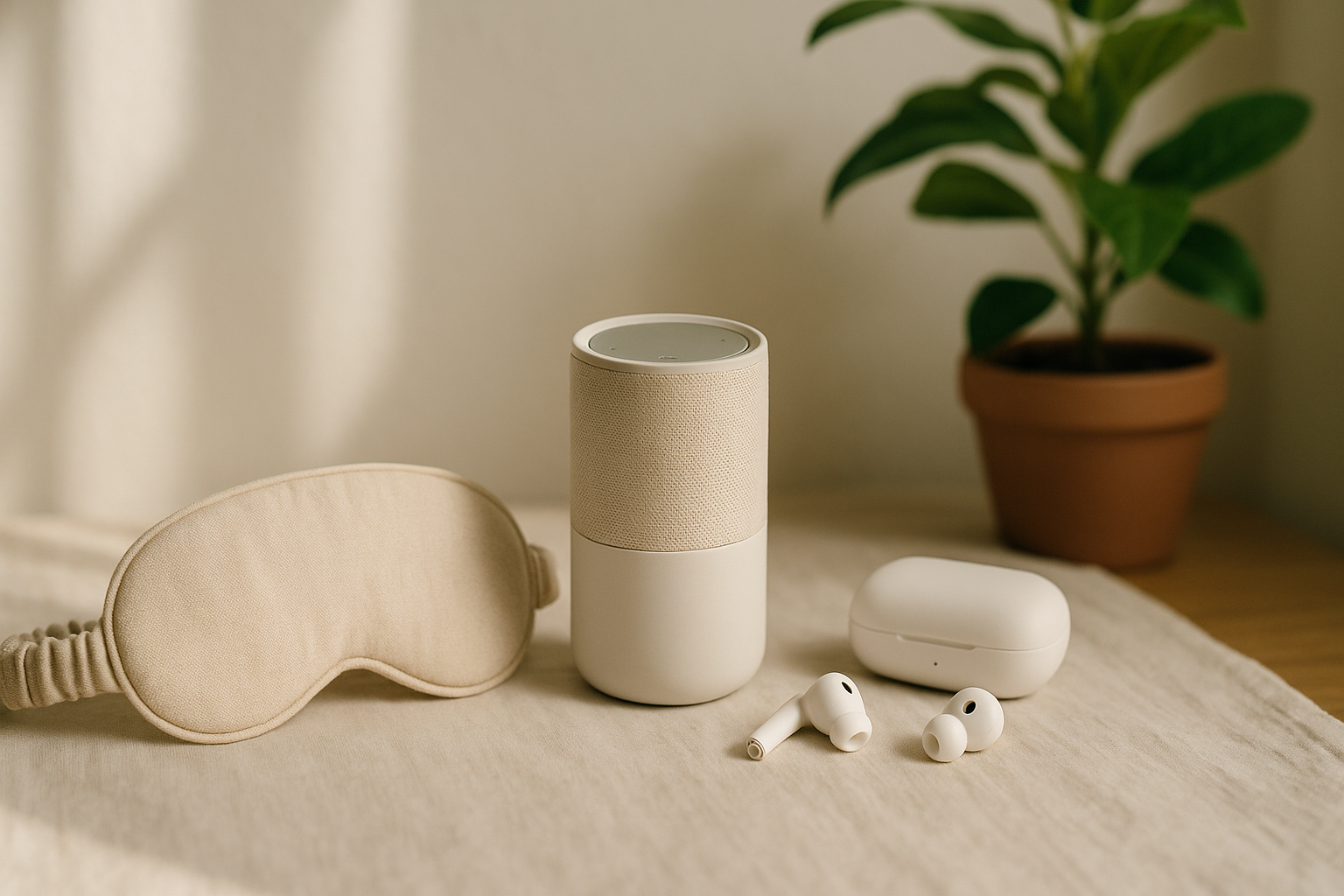
Explore the world of sleep devices, designed to enhance sleep quality and overall wellness. This guide delves into their functionality, evidence-based findings, and practical applications.
What It Is
Sleep devices are technological tools designed to enhance the quality of sleep and improve overall wellness. These devices range from wearable gadgets that monitor sleep patterns to smart mattresses and sound machines that create an optimal sleeping environment. The aim is to address common sleep disturbances and promote restorative sleep.
With the rise of sleep-related issues in modern society, sleep devices have gained popularity as part of the wellness technology category. They often utilize various sensors and algorithms to track sleep stages, analyze data, and provide insights that help users make informed changes to their sleep habits.
Mechanism / How It Works
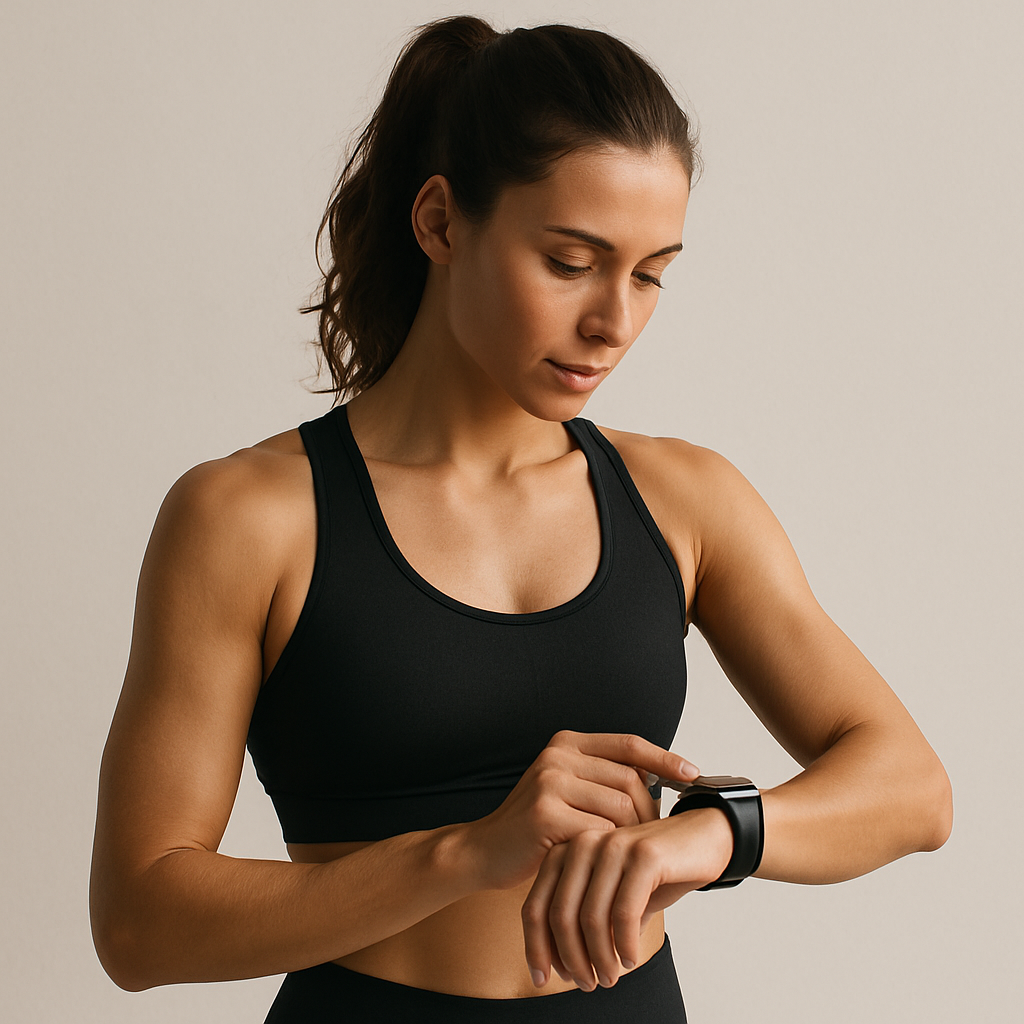
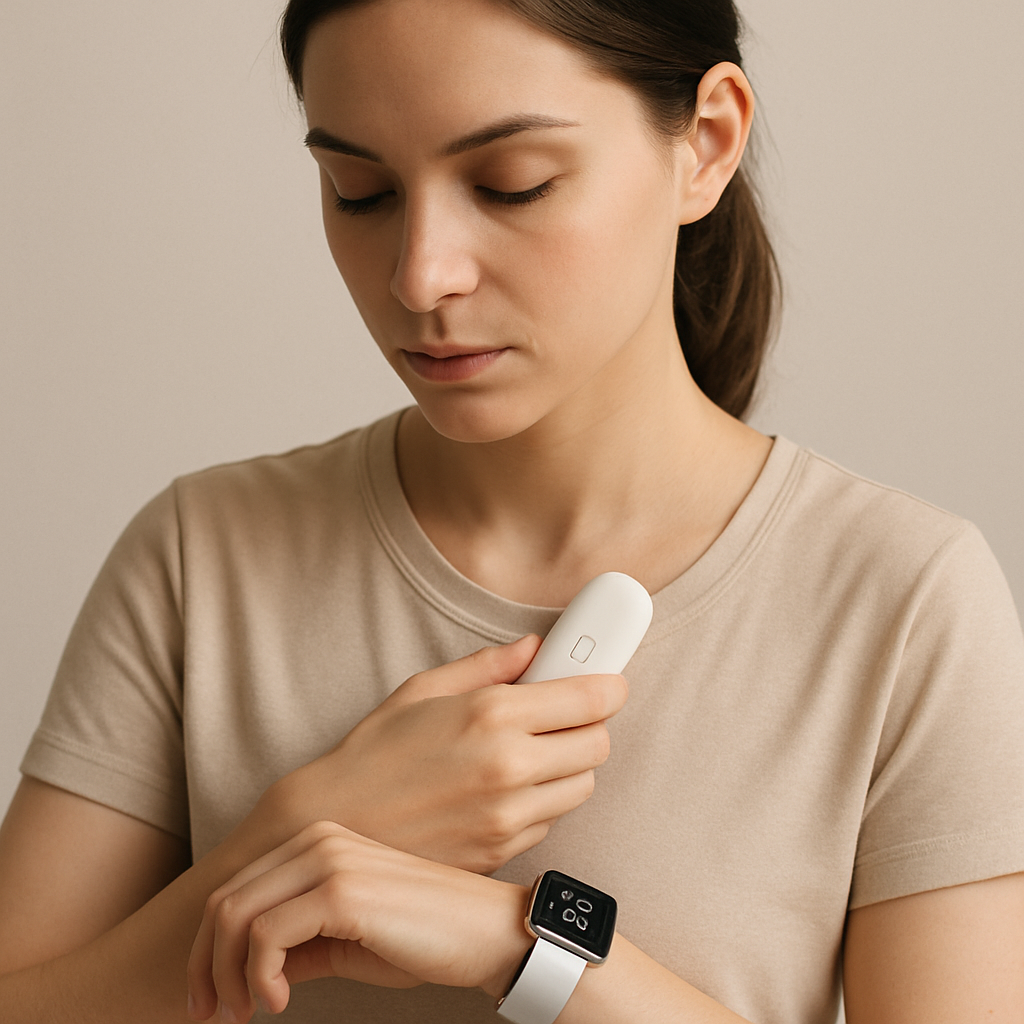
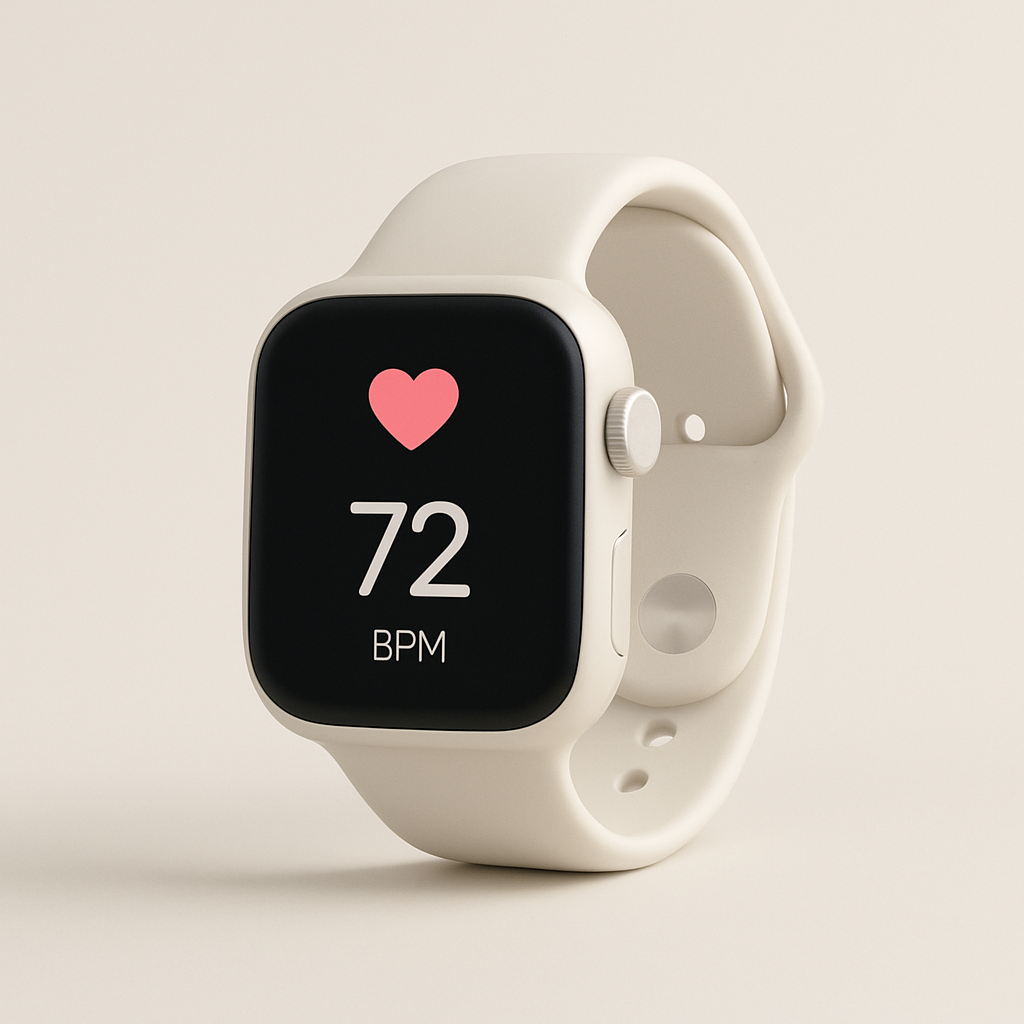
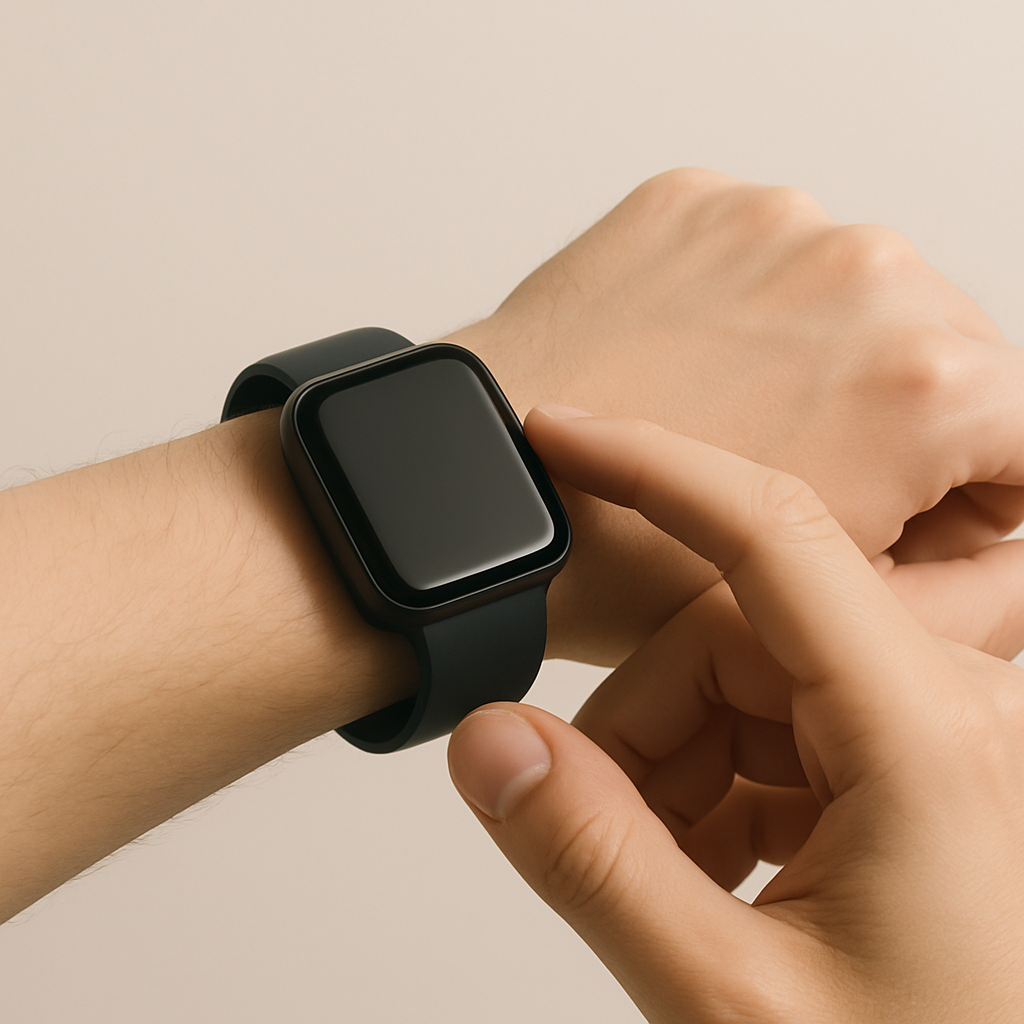
Sleep devices typically work by monitoring physiological signals such as heart rate, body temperature, and movement during sleep. Wearable devices like smartwatches or fitness trackers use sensors to collect this data, which is then processed through algorithms to determine sleep stages and overall sleep quality.
Some devices employ additional features, such as white noise machines that create soothing sounds to mask disruptive noises or smart lighting systems that adjust brightness to align with the body's circadian rhythms. By providing feedback and recommendations based on the collected data, these devices help users optimize their sleep environment and routines.
Evidence Summary
The efficacy of sleep devices varies based on the type and technology used. Preliminary studies indicate that many wearable sleep trackers can accurately monitor sleep patterns, providing insights that may lead to improved sleep hygiene. However, clinical evidence supporting the effectiveness of specific devices in enhancing sleep quality is still emerging.
Some clinical trials have shown positive outcomes, particularly with devices that offer guided relaxation or sound therapy. However, conflicting evidence exists regarding the accuracy of sleep data reported by some consumer-level devices. More rigorous research is needed to establish standardized metrics for evaluating these technologies.
Practical Application
To effectively incorporate sleep devices into daily routines, users should establish consistent sleep schedules and utilize the feedback provided by their devices. This may include adjusting bedtime, creating a relaxing pre-sleep routine, or modifying the sleep environment based on insights from the device.
Common pitfalls include over-reliance on technology, which can lead to anxiety about sleep quality, and neglecting other essential sleep hygiene practices. Users should aim to balance technology use with natural sleep-promoting habits, such as reducing screen time before bed and creating a comfortable sleeping environment.
Relevant Biomarkers & Tracking
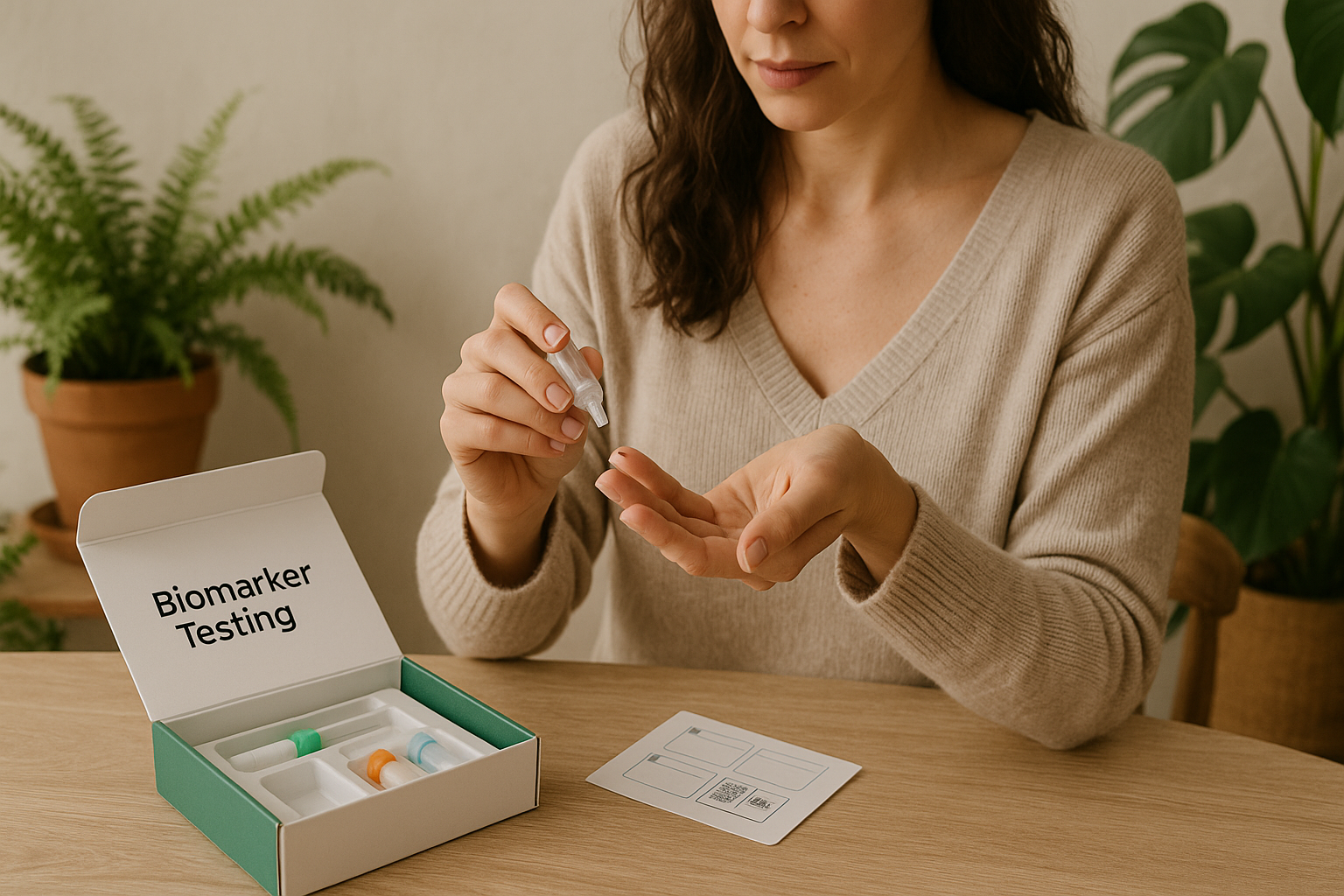
Key biomarkers tracked by sleep devices include:
- Heart rate variability
- Sleep duration
- Sleep efficiency
- Time spent in each sleep stage (light, deep, REM)
- Body temperature
These metrics can provide valuable insights into sleep quality and overall health, helping users identify patterns and make necessary adjustments.
Body Systems Supported
Sleep devices primarily support the following body systems:
- Nervous System: Enhances relaxation and reduces stress.
- Endocrine System: Regulates hormones related to sleep and stress.
- Cardiovascular System: Monitors heart rate and promotes cardiovascular health through improved sleep.
Common Goals
Users of sleep devices often aim to achieve:
- Improved sleep quality and duration
- Enhanced mood and cognitive function
- Reduced daytime fatigue
- Better management of sleep disorders
Safety, Contraindications & Edge Cases
While sleep devices are generally safe for most users, certain contraindications exist. Individuals with specific medical conditions, such as severe sleep apnea or heart conditions, should consult healthcare professionals before using these devices. Additionally, reliance on technology may lead to sleep anxiety in some users.
Edge cases include those who may find wearable devices uncomfortable or disruptive during sleep. It's essential for users to assess their comfort and adjust their use accordingly.
Pairs Well With
Sleep devices can be effectively paired with various ancient or natural counterparts, such as:
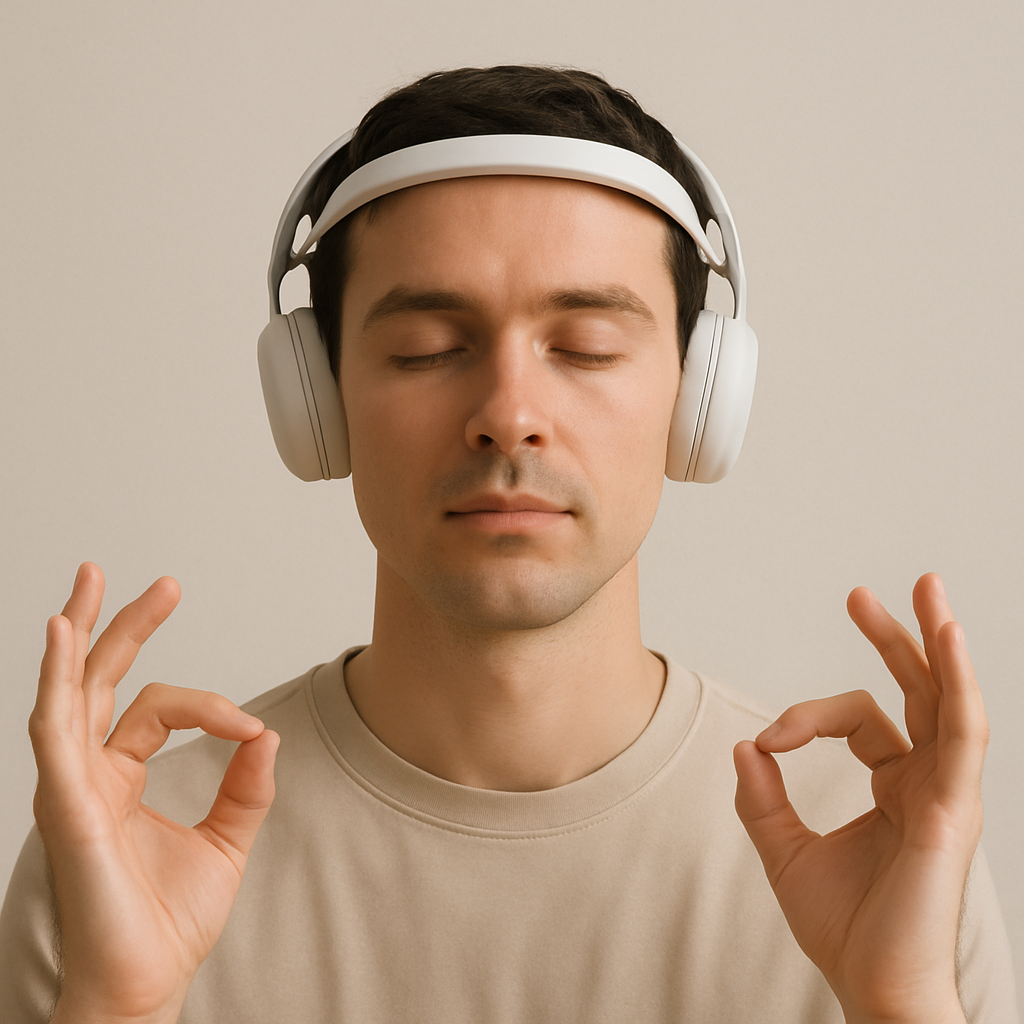
- Meditation and mindfulness practices
- Aromatherapy and essential oils
- Herbal teas known for their calming effects
- Traditional sleep rituals, such as warm baths or reading before bed
FAQs (5)
- What types of sleep devices are available? Sleep devices include wearable trackers, smart mattresses, sound machines, and sleep monitoring apps.
- Can sleep devices improve my sleep quality? Many users report improved sleep quality through insights gained from sleep devices, although individual results may vary.
- Are there any risks associated with using sleep devices? For most users, sleep devices are safe, but individuals with certain medical conditions should consult a healthcare provider.
- How accurate are sleep trackers? The accuracy of sleep trackers can vary; while some provide reliable data, others may not be as precise.
- Can sleep devices help with insomnia? Some sleep devices offer features that promote relaxation and better sleep hygiene, which may help manage insomnia symptoms.
Frequently asked
What types of sleep devices are available?
Sleep devices include wearable trackers, smart mattresses, sound machines, and sleep monitoring apps.
Can sleep devices improve my sleep quality?
Many users report improved sleep quality through insights gained from sleep devices, although individual results may vary.
Are there any risks associated with using sleep devices?
For most users, sleep devices are safe, but individuals with certain medical conditions should consult a healthcare provider.
How accurate are sleep trackers?
The accuracy of sleep trackers can vary; while some provide reliable data, others may not be as precise.
Can sleep devices help with insomnia?
Some sleep devices offer features that promote relaxation and better sleep hygiene, which may help manage insomnia symptoms.