Calming Techniques
Explore effective calming techniques for nervous system regulation, including mechanisms, evidence, practical applications, and safety considerations.
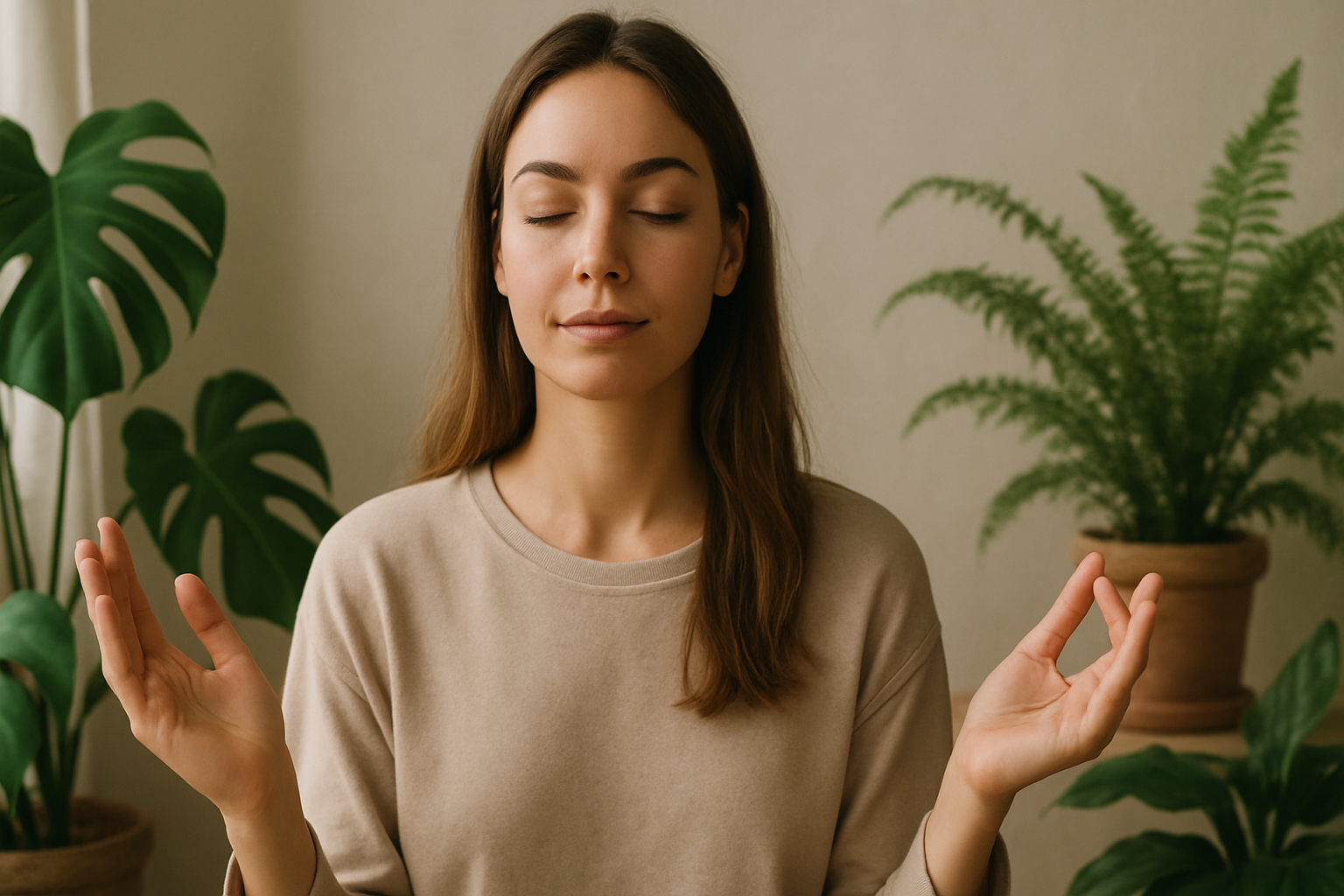
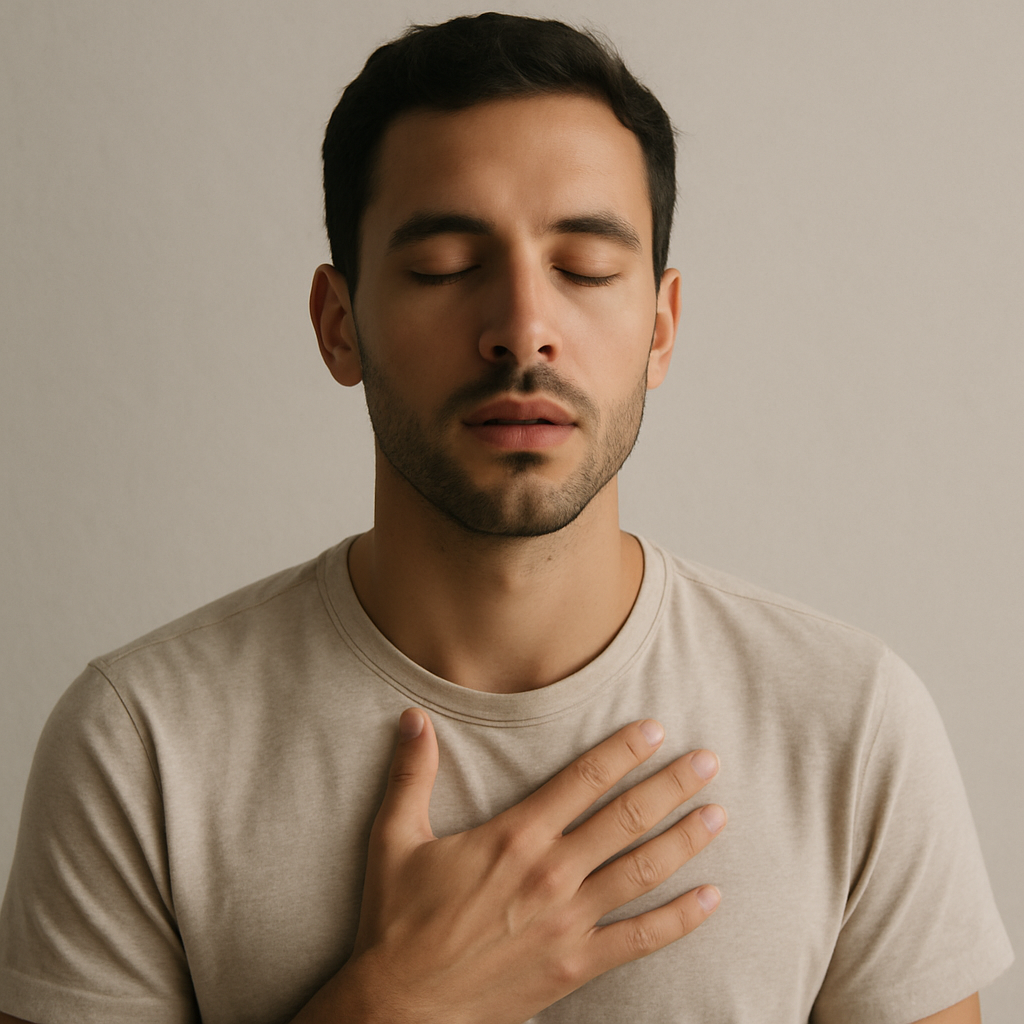
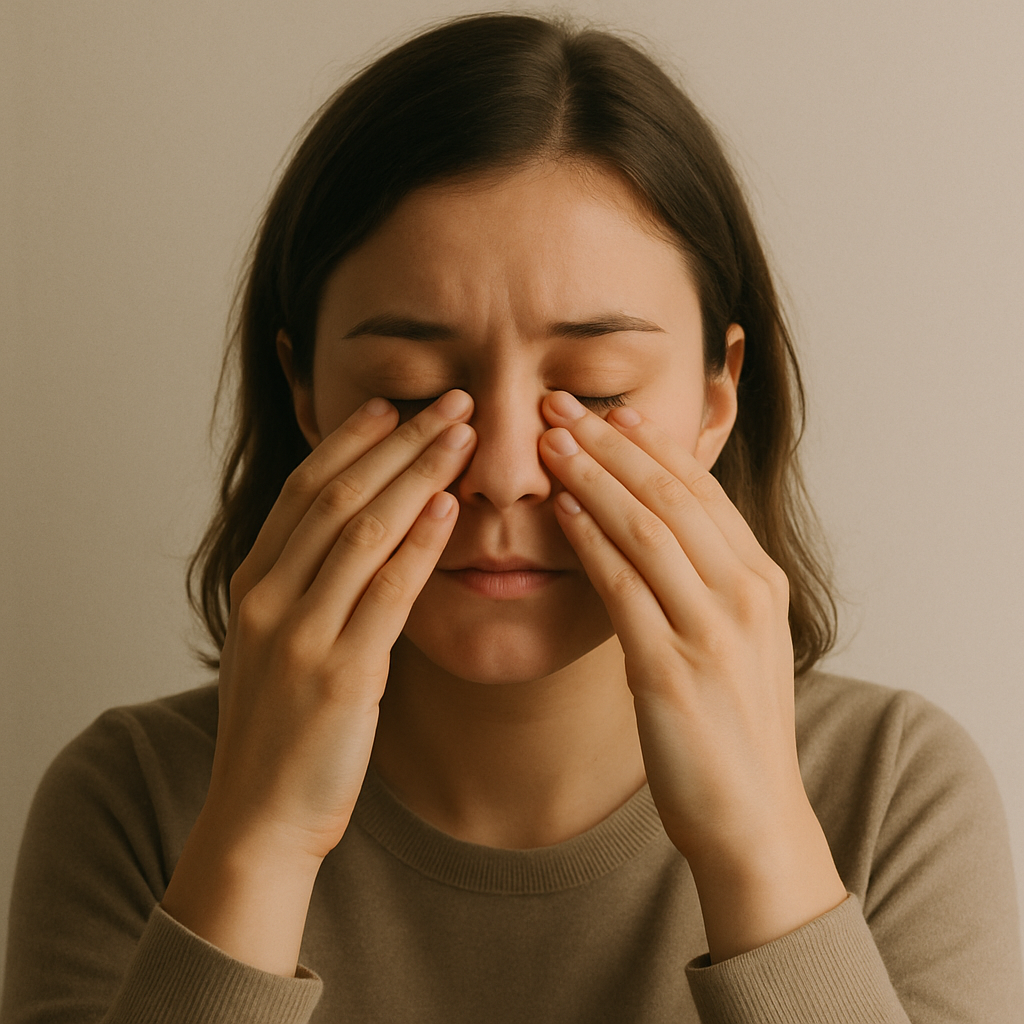
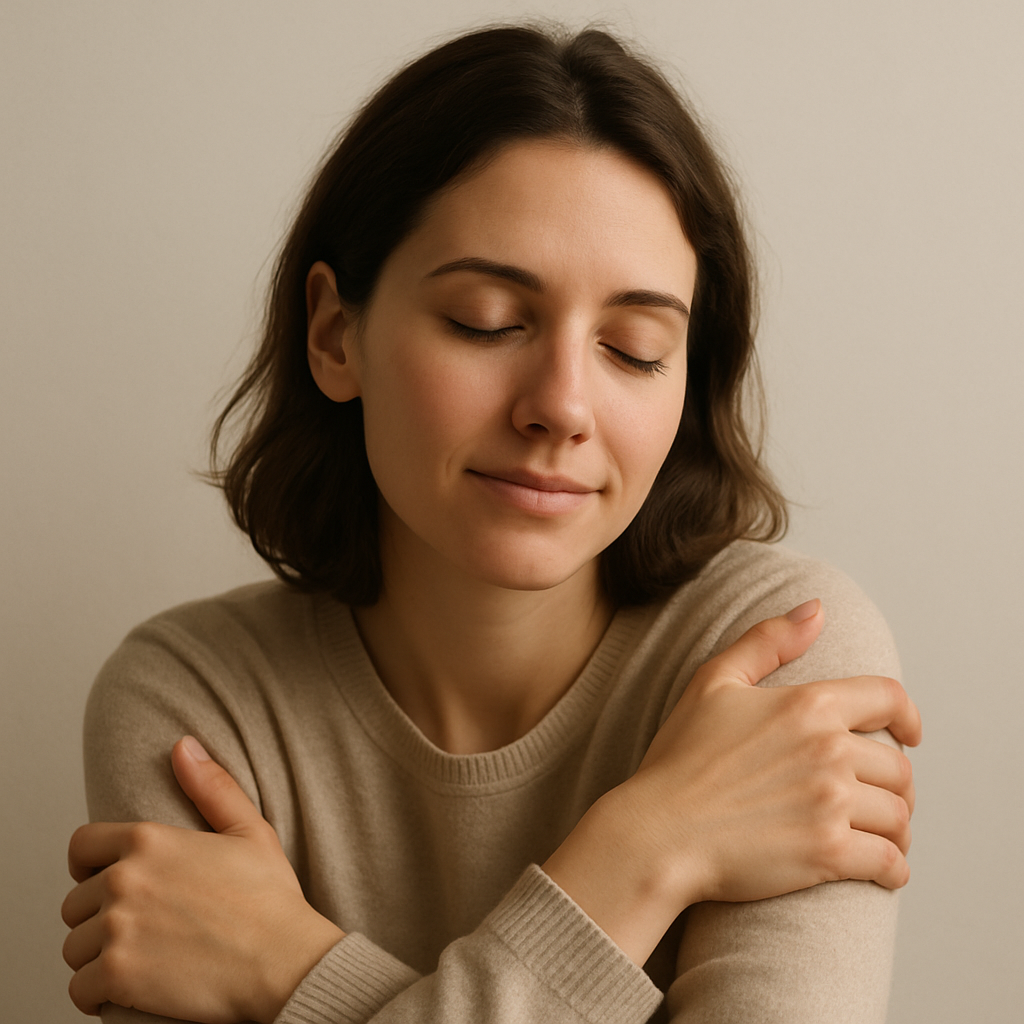
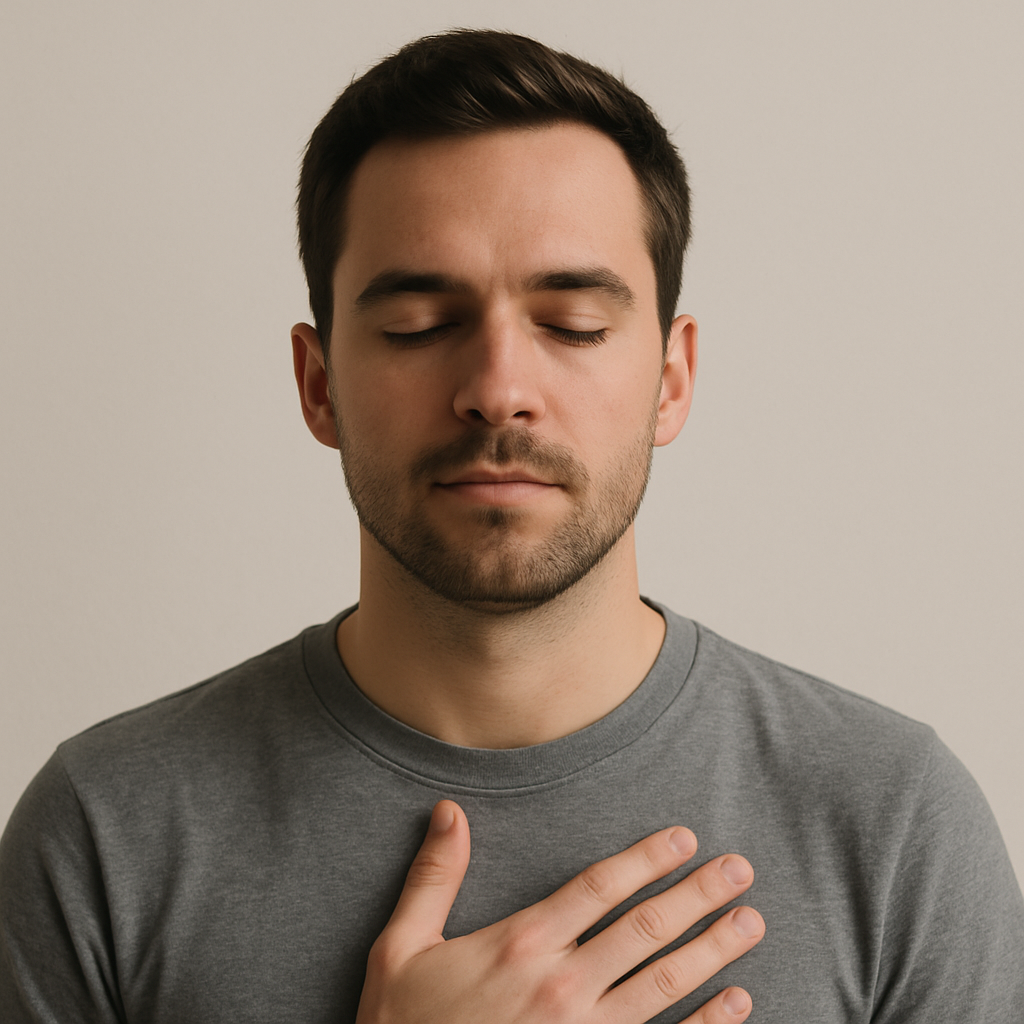
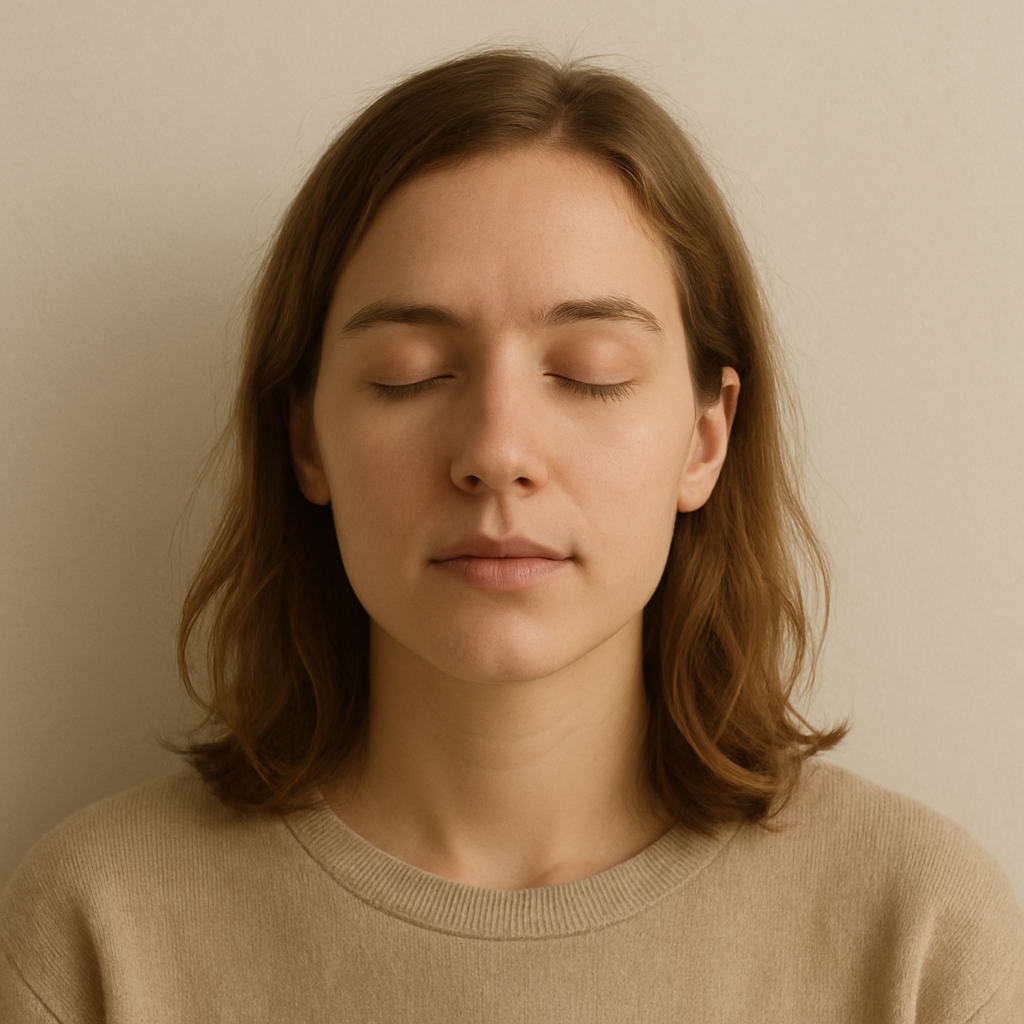
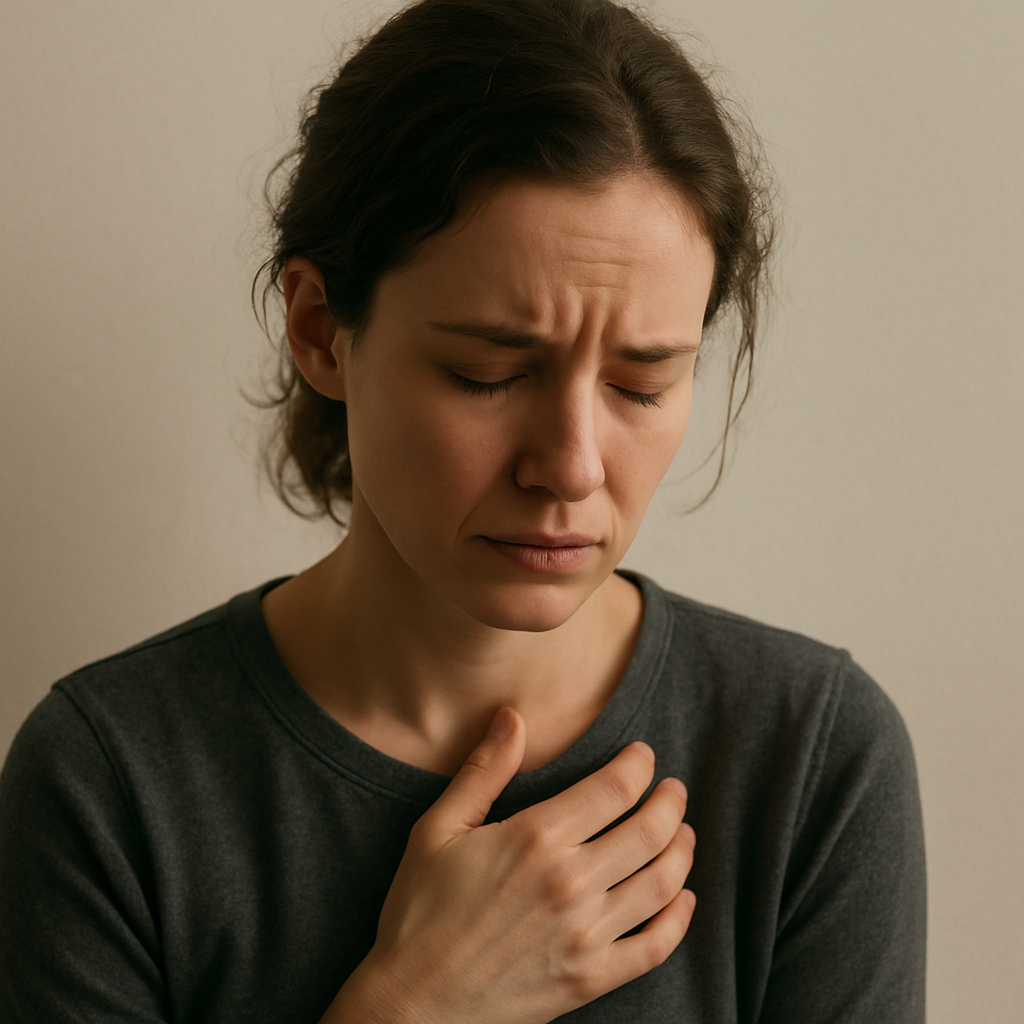
Calming techniques are essential practices aimed at regulating the nervous system to promote relaxation and reduce stress. These methods leverage various approaches, including breathing exercises, mindfulness, and gentle movement, to help individuals manage anxiety and enhance overall well-being.
What It Is
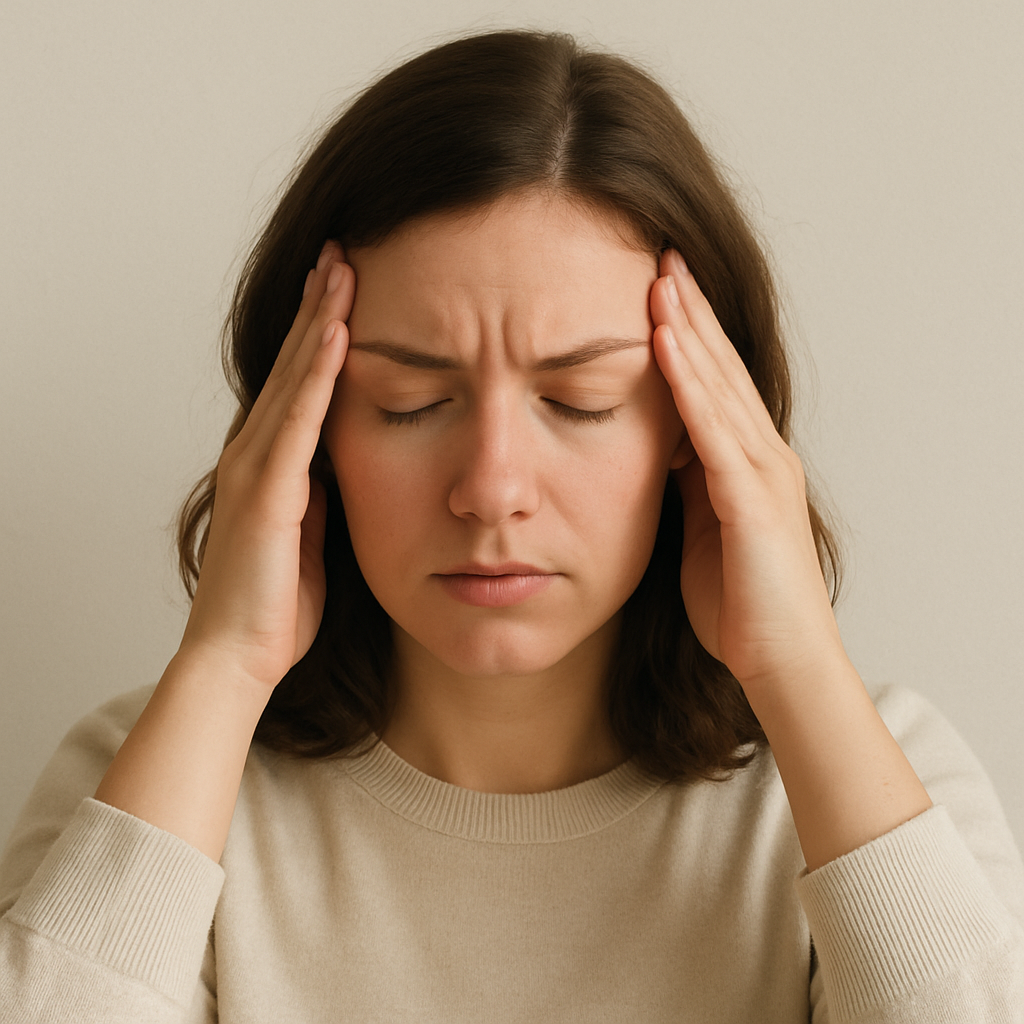
Calming techniques refer to a range of practices designed to soothe the nervous system and promote a state of relaxation. These methods are particularly beneficial for individuals experiencing stress, anxiety, or heightened emotional responses. By engaging in calming techniques, individuals can learn to manage their physiological and psychological responses to stressors, fostering a sense of overall well-being.
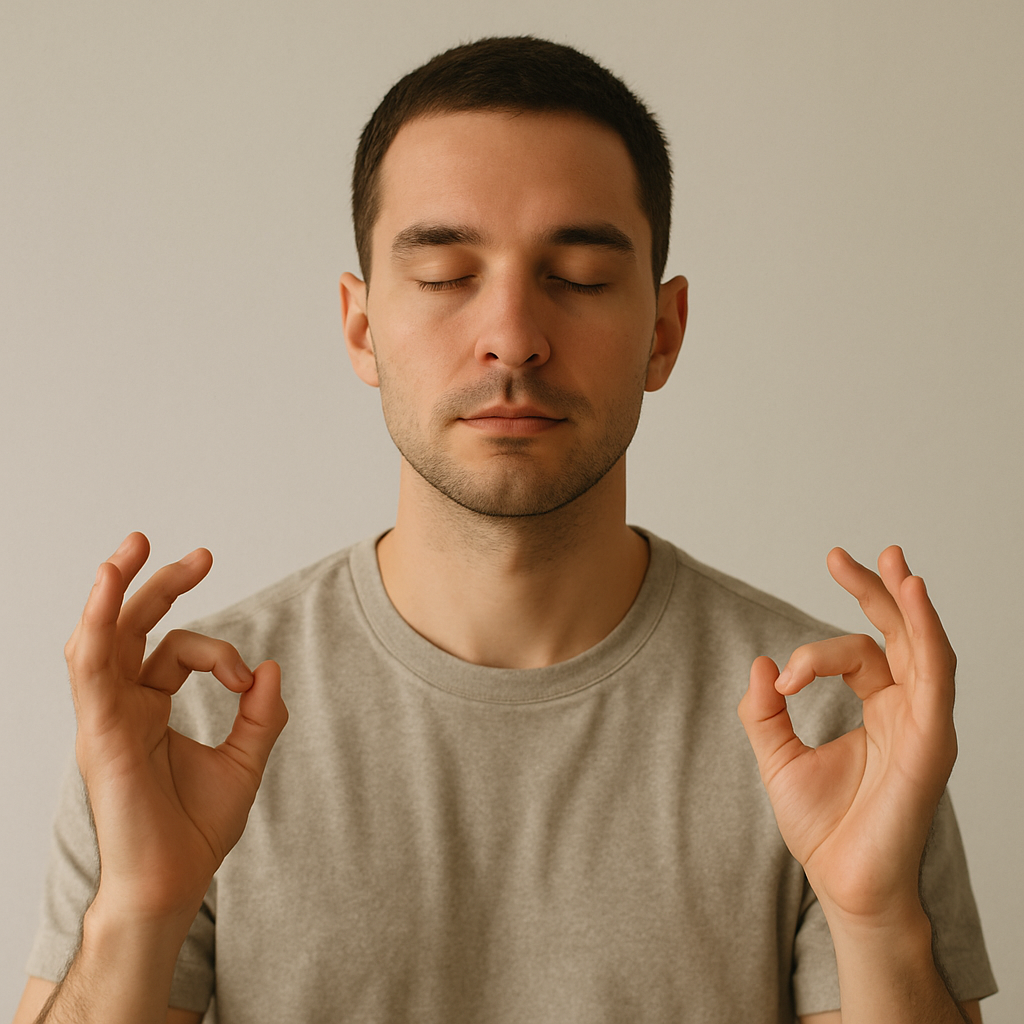
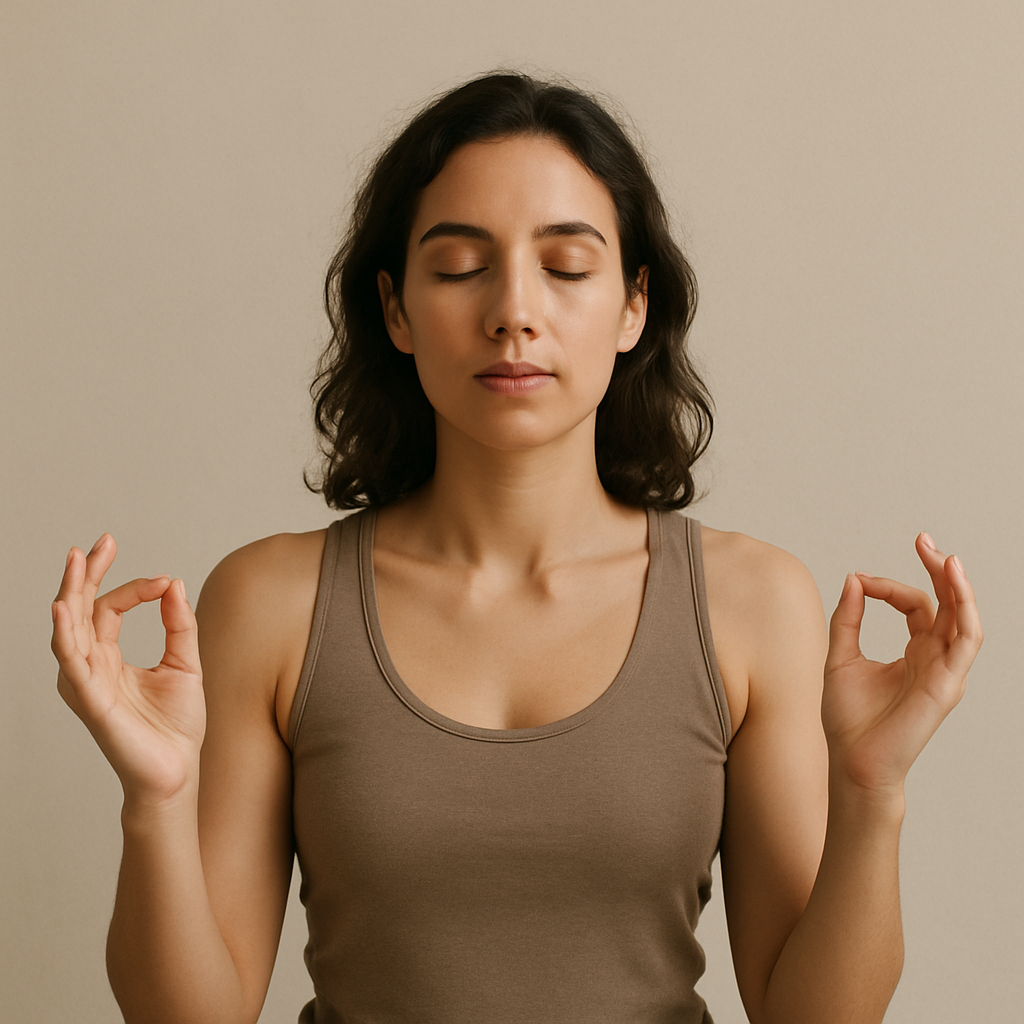
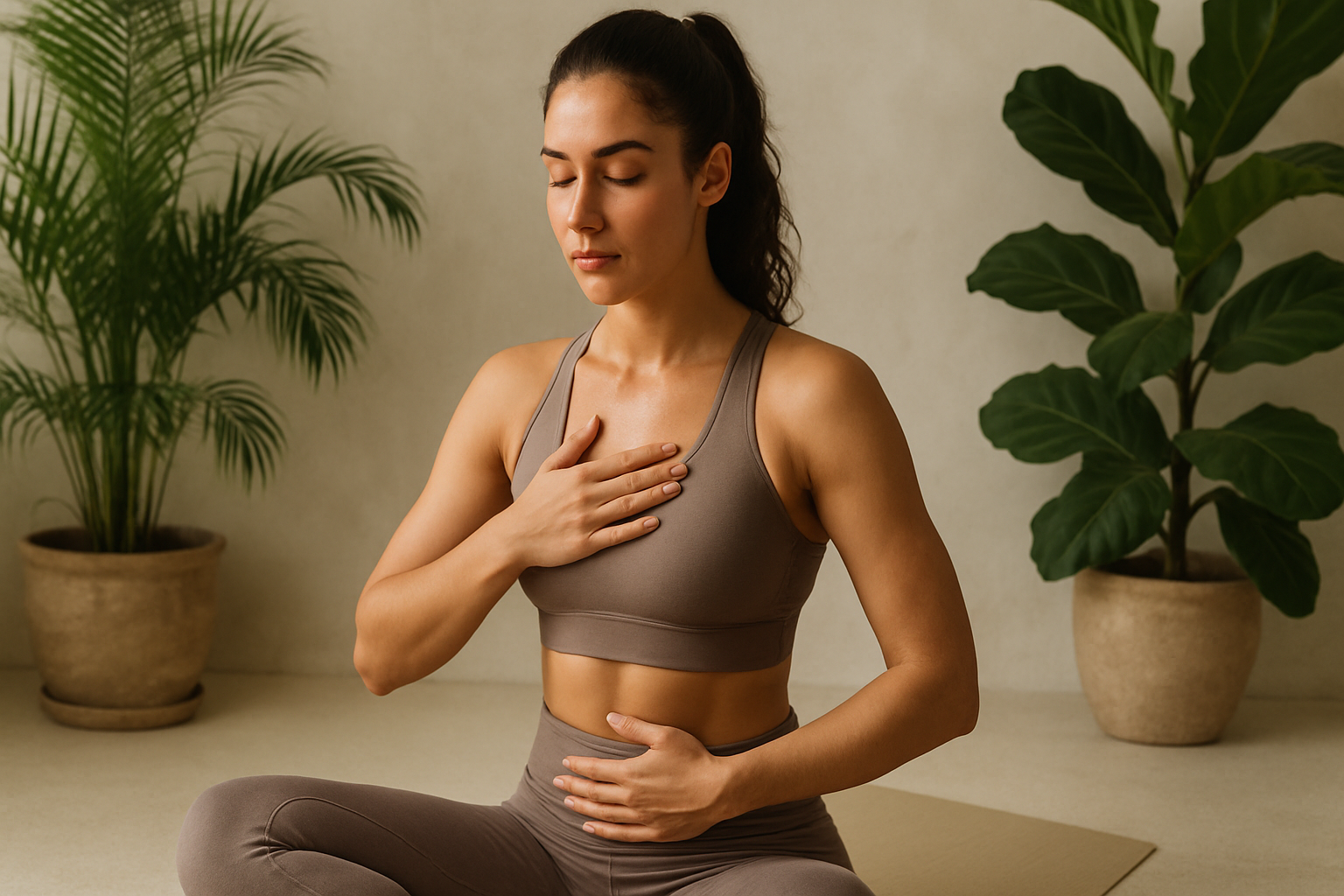
These techniques can include deep breathing exercises, mindfulness meditation, progressive muscle relaxation, and gentle movement practices such as yoga or tai chi. Each technique aims to activate the body’s relaxation response, counteracting the effects of stress and anxiety on the nervous system. The goal is to create a state of equilibrium, allowing individuals to respond more effectively to daily challenges.
Mechanism / How It Works
The effectiveness of calming techniques lies in their ability to influence the autonomic nervous system (ANS), which has two primary branches: the sympathetic nervous system (SNS) and the parasympathetic nervous system (PNS). The SNS is responsible for the body's fight-or-flight response, while the PNS promotes relaxation and recovery.
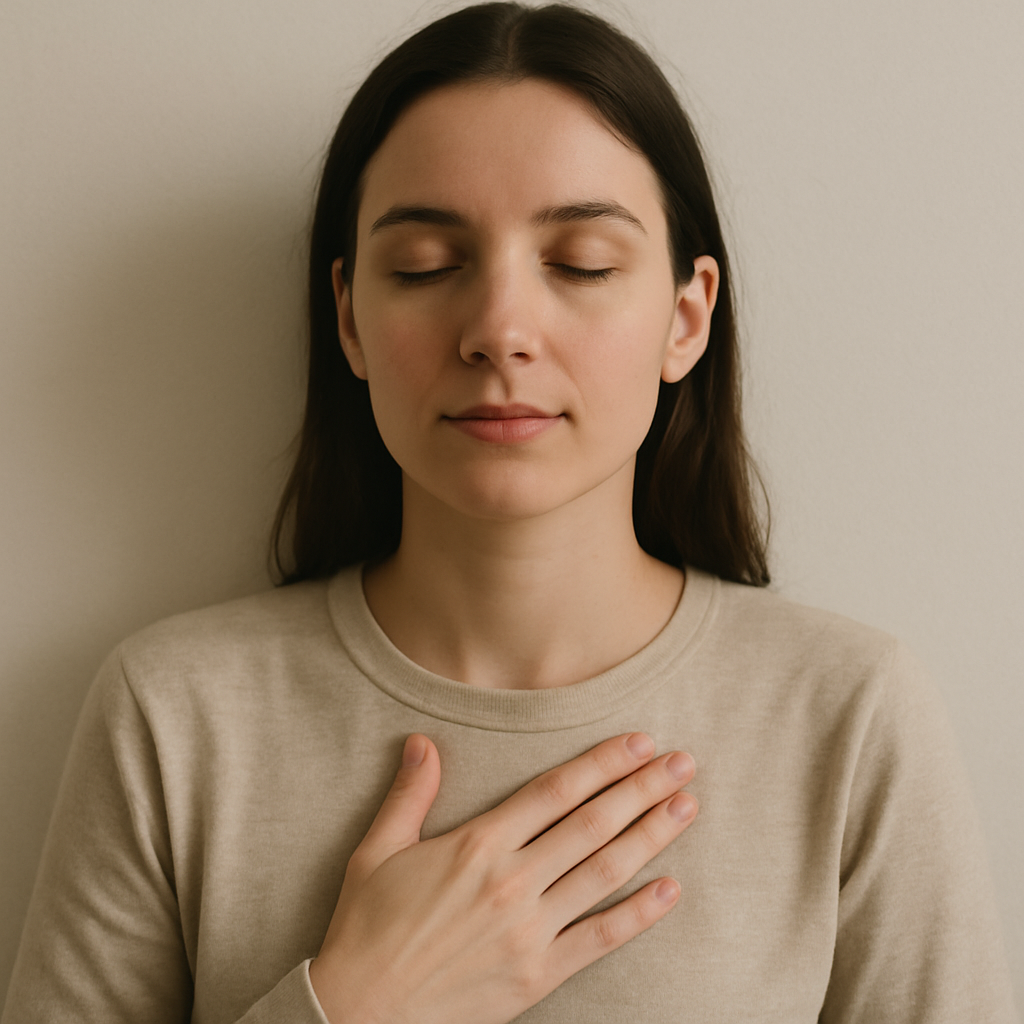
Calming techniques work by stimulating the PNS, leading to physiological changes such as decreased heart rate, reduced blood pressure, and lower levels of stress hormones. For example, deep breathing activates the diaphragm, which helps signal the brain to enter a state of calm. Similarly, mindfulness practices encourage individuals to focus on the present moment, reducing racing thoughts and anxiety. By utilizing these techniques, individuals can effectively shift their nervous system from a state of heightened arousal to one of relaxation.
Evidence Summary
The body of research surrounding calming techniques is growing, with numerous studies highlighting their potential benefits. Evidence suggests that practices such as mindfulness meditation and deep breathing can lead to significant reductions in anxiety and stress levels. For instance, a meta-analysis found that mindfulness-based interventions were effective in reducing anxiety across various populations.
However, while many studies indicate positive outcomes, the evidence is not without its limitations. Some research presents conflicting results or lacks rigorous methodological designs. Additionally, the effects of calming techniques can vary significantly among individuals, influenced by factors such as personal preferences, cultural backgrounds, and specific stressors. Therefore, while there is promising evidence supporting the efficacy of calming techniques, further research is needed to establish standardized protocols and understand individual variations in response.
Practical Application
Incorporating calming techniques into daily life can be straightforward and beneficial. Here are some practical applications:
- Set Aside Time: Dedicate specific time each day to practice calming techniques, such as morning meditation or evening deep breathing exercises.
- Use Reminders: Utilize reminders or cues throughout the day to engage in brief calming practices, especially during stressful moments.
- Combine Techniques: Experiment with combining different techniques, such as pairing deep breathing with gentle stretching or mindfulness meditation.
- Join a Group: Consider participating in group classes or workshops focused on calming techniques, which can provide support and motivation.
Common pitfalls include setting unrealistic expectations for immediate results or neglecting the practice due to a busy lifestyle. It is essential to approach these techniques with patience and consistency for optimal benefits.
Relevant Biomarkers & Tracking
Tracking progress when implementing calming techniques can help individuals understand their effectiveness. Relevant biomarkers may include:
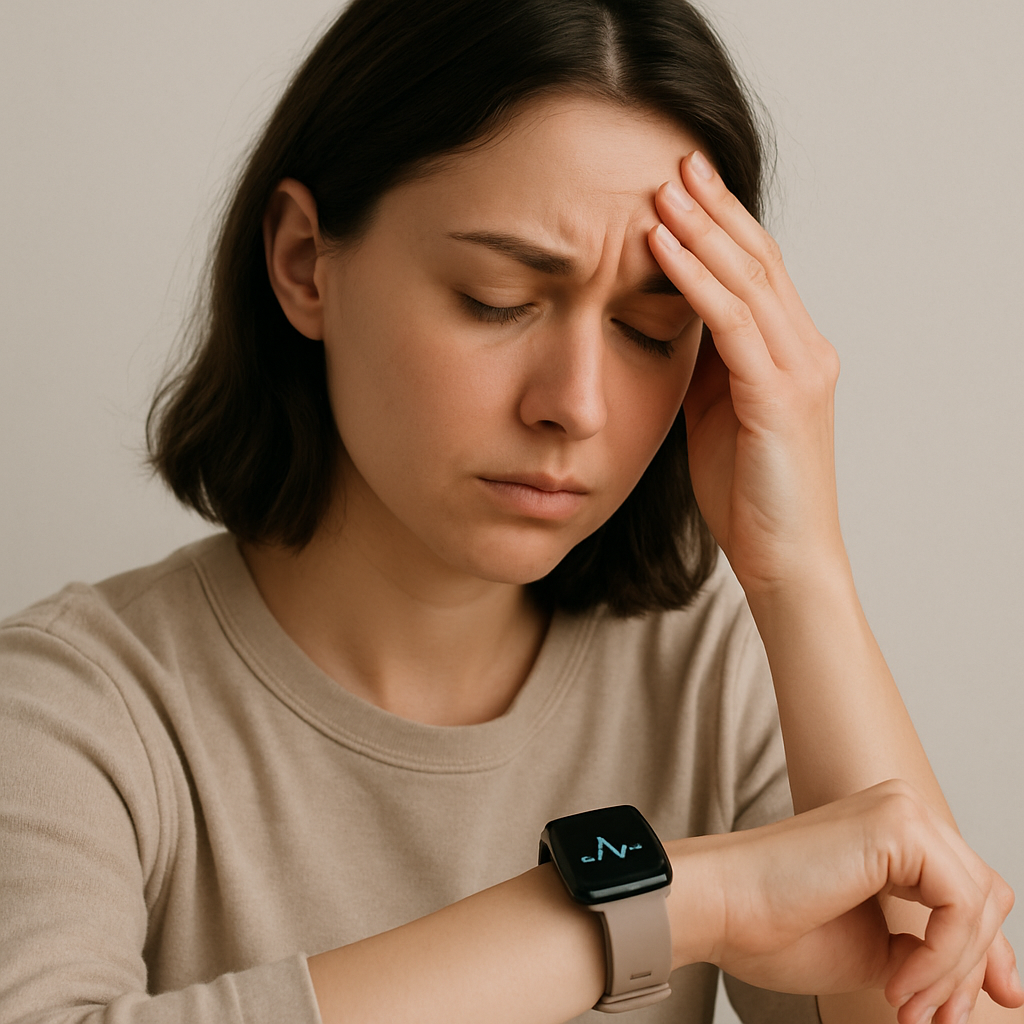
- Heart Rate Variability (HRV): Higher HRV is associated with better stress management and relaxation.
- Cortisol Levels: Monitoring cortisol, a stress hormone, can provide insights into the body’s stress response.
- Subjective Well-Being: Self-reported measures of anxiety and mood can help gauge the psychological impact of calming techniques.
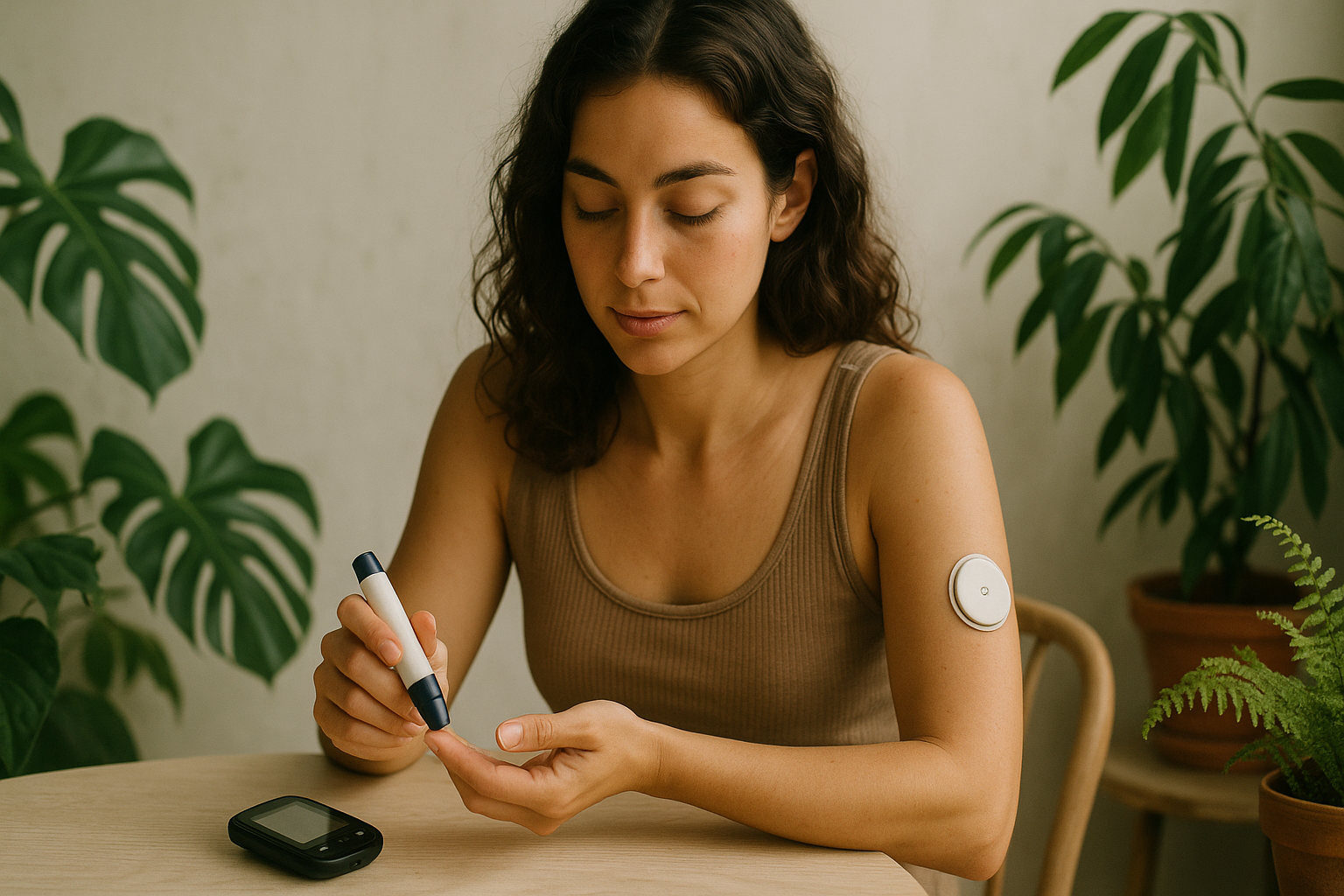
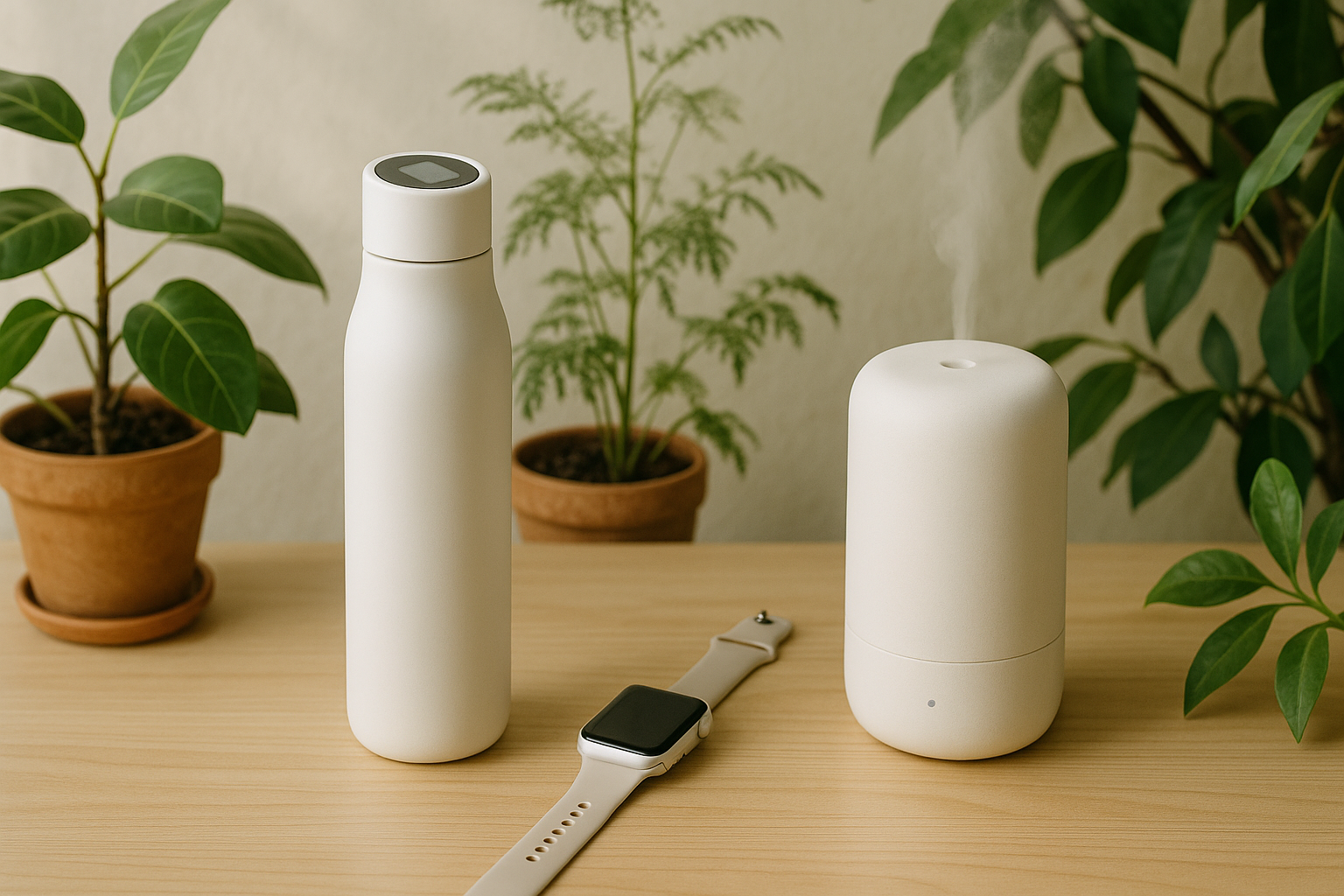
Using wearable technology or journals can assist in tracking these biomarkers and personal progress over time.
Body Systems Supported
Calming techniques primarily support the nervous system but also have positive effects on other body systems, including:
- Respiratory System: Deep breathing exercises enhance lung function and promote relaxation.
- Cardiovascular System: Calming practices can lower blood pressure and improve heart health.
- Endocrine System: Reducing stress can lead to balanced hormone levels, particularly cortisol.
By supporting these systems, calming techniques contribute to overall health and wellness.
Common Goals
The main goals of integrating calming techniques into daily life include:
- Reducing Anxiety: Lowering feelings of anxiety and enhancing emotional resilience.
- Enhancing Relaxation: Promoting a state of relaxation to counteract stress.
- Improving Focus: Enhancing concentration and mental clarity through mindfulness.
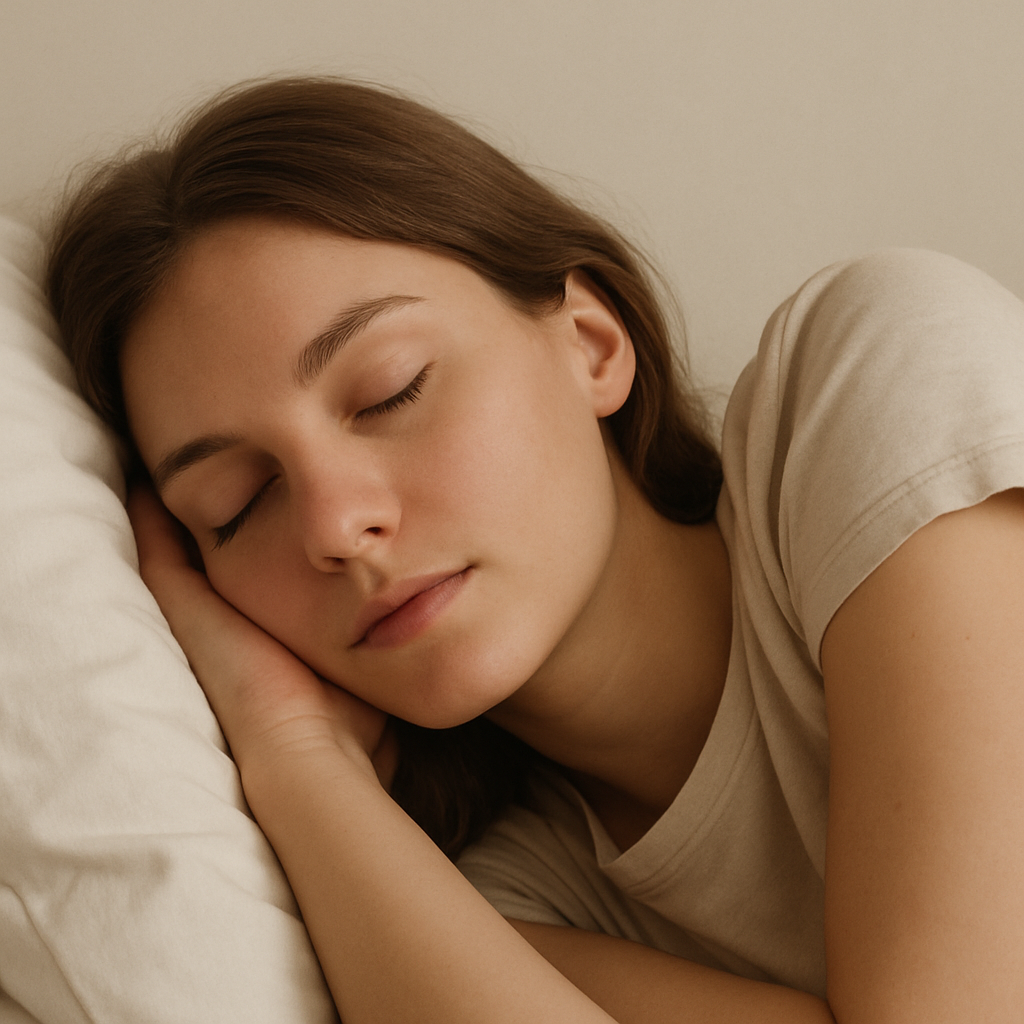
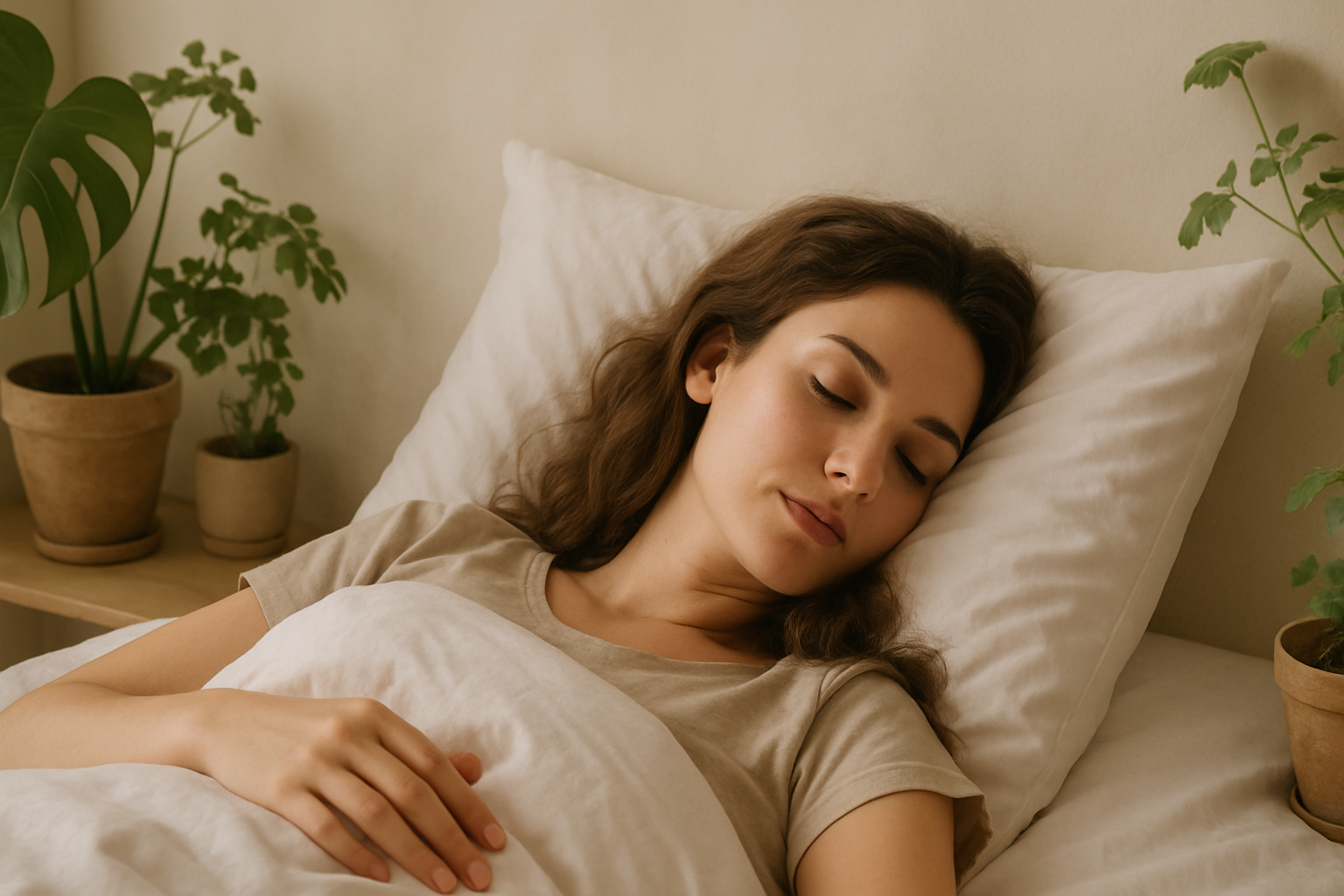
- Promoting Better Sleep: Utilizing calming techniques to improve sleep quality and duration.
Setting specific, achievable goals can help individuals stay motivated and track their progress.
Safety, Contraindications & Edge Cases
While calming techniques are generally safe for most individuals, there are considerations to keep in mind:
- Pre-existing Conditions: Individuals with certain health conditions, such as severe anxiety disorders or respiratory issues, should consult a healthcare provider before beginning new practices.
- Trauma History: Those with a history of trauma may find some techniques, particularly mindfulness, triggering. It is essential to approach these practices with care and seek professional guidance if needed.
- Medication Interactions: Some calming techniques may interact with medications, particularly those affecting the central nervous system.
Ultimately, it is crucial to listen to one's body and adjust practices as necessary to ensure a positive experience.
Pairs Well With
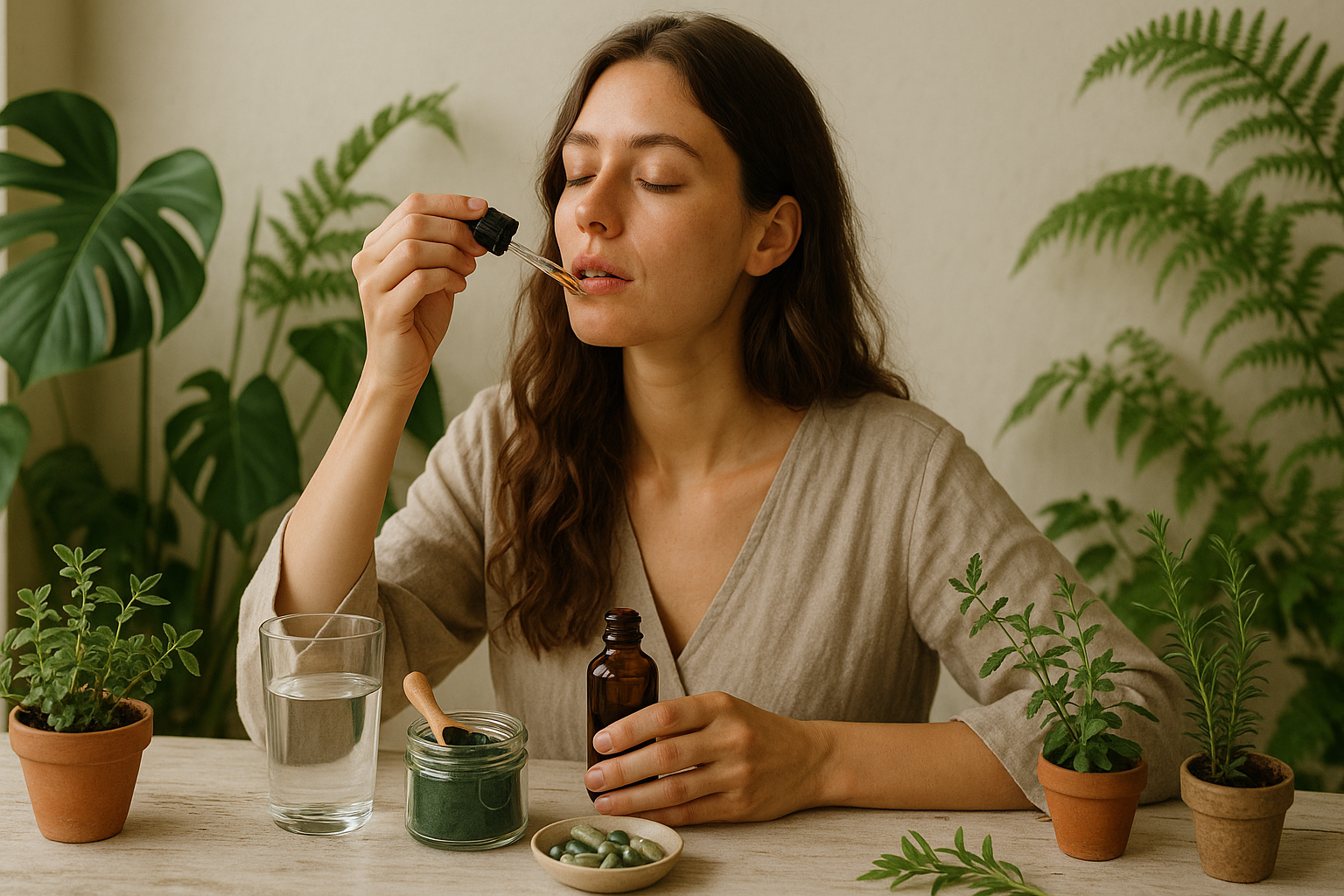
Calming techniques can complement various ancient and natural practices, enhancing their effectiveness and providing a holistic approach to wellness. Some of these pairs include:
- Herbal Remedies: Herbal teas, such as chamomile or lavender, can enhance relaxation when combined with calming techniques.
- Yoga: Gentle yoga practices can be integrated with mindfulness techniques to further promote relaxation.
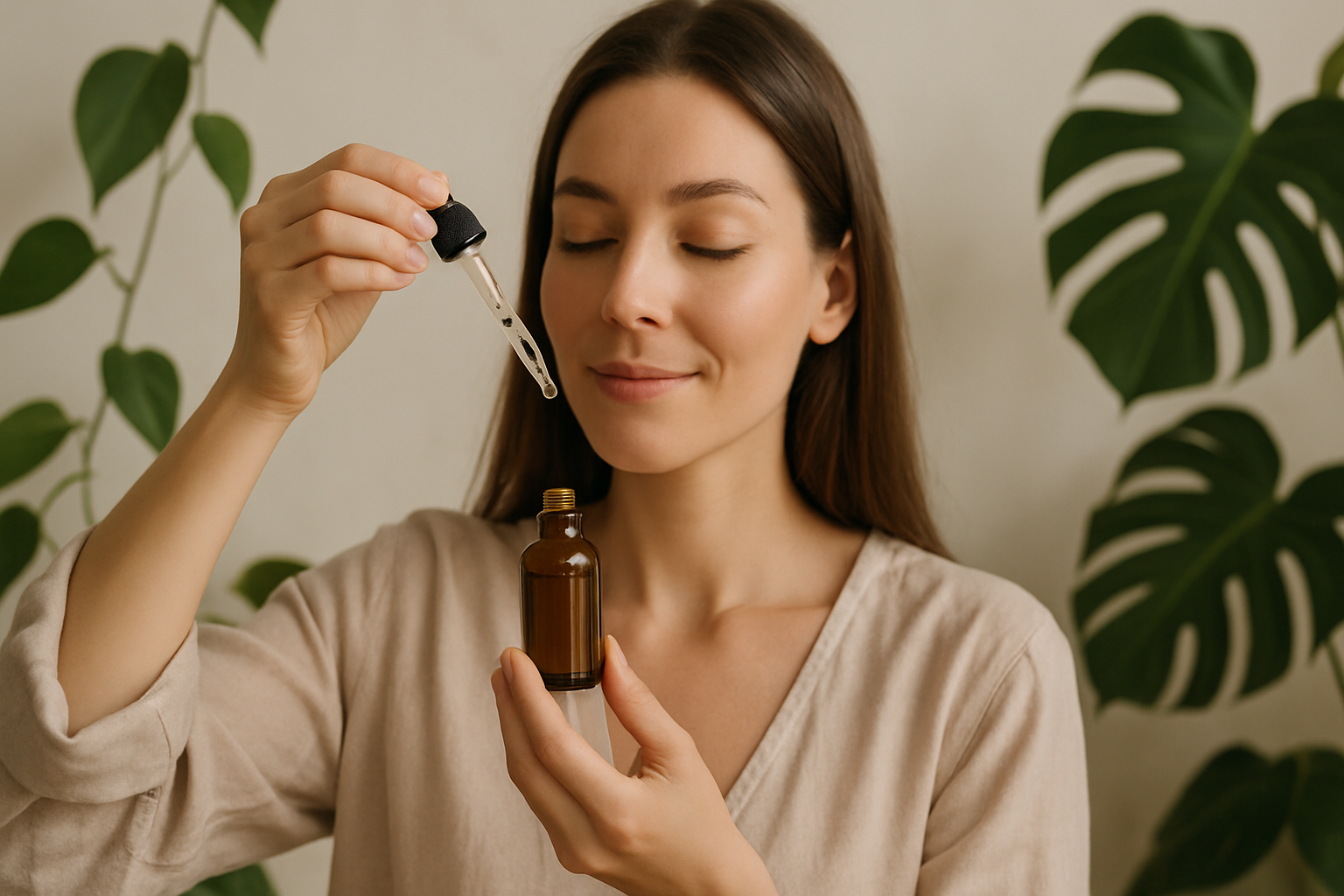
- Aromatherapy: Essential oils, such as bergamot or frankincense, can be used alongside calming practices to create a soothing environment.
FAQs (5)
- What are some quick calming techniques I can use in stressful situations? Simple techniques include deep breathing, counting to ten, or taking a short walk.
- How often should I practice calming techniques for them to be effective? Practicing daily, even for a few minutes, can lead to significant benefits over time.
- Can calming techniques help with sleep issues? Yes, incorporating calming practices into your bedtime routine can promote better sleep quality.
- Are there any side effects associated with calming techniques? Generally, calming techniques are safe, but some individuals may experience discomfort with certain practices, particularly if they have a history of trauma.
- Can I combine different calming techniques? Absolutely! Mixing various techniques can enhance their effectiveness and provide a more personalized approach to relaxation.
Frequently asked
What are some quick calming techniques I can use in stressful situations?
Simple techniques include deep breathing, counting to ten, or taking a short walk.
How often should I practice calming techniques for them to be effective?
Practicing daily, even for a few minutes, can lead to significant benefits over time.
Can calming techniques help with sleep issues?
Yes, incorporating calming practices into your bedtime routine can promote better sleep quality.
Are there any side effects associated with calming techniques?
Generally, calming techniques are safe, but some individuals may experience discomfort with certain practices, particularly if they have a history of trauma.
Can I combine different calming techniques?
Absolutely! Mixing various techniques can enhance their effectiveness and provide a more personalized approach to relaxation.