Stress Regulation
Discover how stress regulation plays a vital role in maintaining nervous system health and overall wellness.

Explore the intricacies of stress regulation within the broader context of nervous system regulation, highlighting its mechanisms, practical applications, and the body systems it supports.
What It Is
Stress regulation refers to the processes and strategies that help individuals manage stress effectively. It involves both physiological and psychological components, aiming to maintain homeostasis and promote resilience in the face of stressors. In the context of the nervous system, stress regulation plays a crucial role in how our bodies respond to challenges, whether they be environmental, emotional, or physical.
When the body perceives a threat, the autonomic nervous system activates the fight-or-flight response, releasing hormones such as cortisol and adrenaline. While this response is essential for survival, chronic stress can lead to dysregulation, resulting in various health issues. Effective stress regulation helps mitigate these effects, promoting a sense of calm and balance.
Mechanism / How It Works
The mechanisms of stress regulation involve a complex interplay between the brain, hormones, and the autonomic nervous system. The hypothalamus plays a key role in this process by signaling the pituitary gland to release adrenocorticotropic hormone (ACTH), which in turn stimulates the adrenal glands to produce cortisol. This cascade of hormonal responses prepares the body to handle stress.
Additionally, the parasympathetic nervous system counteracts the stress response by promoting relaxation and recovery. Techniques such as deep breathing, mindfulness, and meditation can activate this system, helping to restore balance. Regular engagement in these practices can enhance one’s ability to manage stress over time.
Evidence Summary
The research surrounding stress regulation is extensive, yet still evolving. Preliminary studies suggest that mindfulness-based interventions can significantly reduce stress levels and improve emotional well-being. Clinical trials have shown that practices such as meditation and yoga can decrease cortisol levels and enhance resilience to stress.
However, evidence is mixed regarding the effectiveness of various stress regulation techniques for all individuals. Some studies indicate that while mindfulness may benefit many, it may not be equally effective for everyone due to differences in personality, lifestyle, and existing mental health conditions. More research is needed to understand these nuances fully.
Practical Application
- Mindfulness Meditation: Set aside 10-20 minutes daily to practice mindfulness or meditation. Focus on your breath and allow thoughts to pass without judgment.
- Physical Activity: Engage in regular exercise, which has been shown to reduce stress and improve mood.
- Breathing Techniques: Practice deep breathing exercises to activate the parasympathetic nervous system and promote relaxation.
- Social Support: Maintain strong connections with friends and family, as social support can buffer against stress.
Common pitfalls include neglecting self-care, relying solely on external factors for stress relief, and failing to recognize stress triggers. It's essential to develop a consistent practice and be patient with oneself as you learn to manage stress more effectively.
Relevant Biomarkers & Tracking
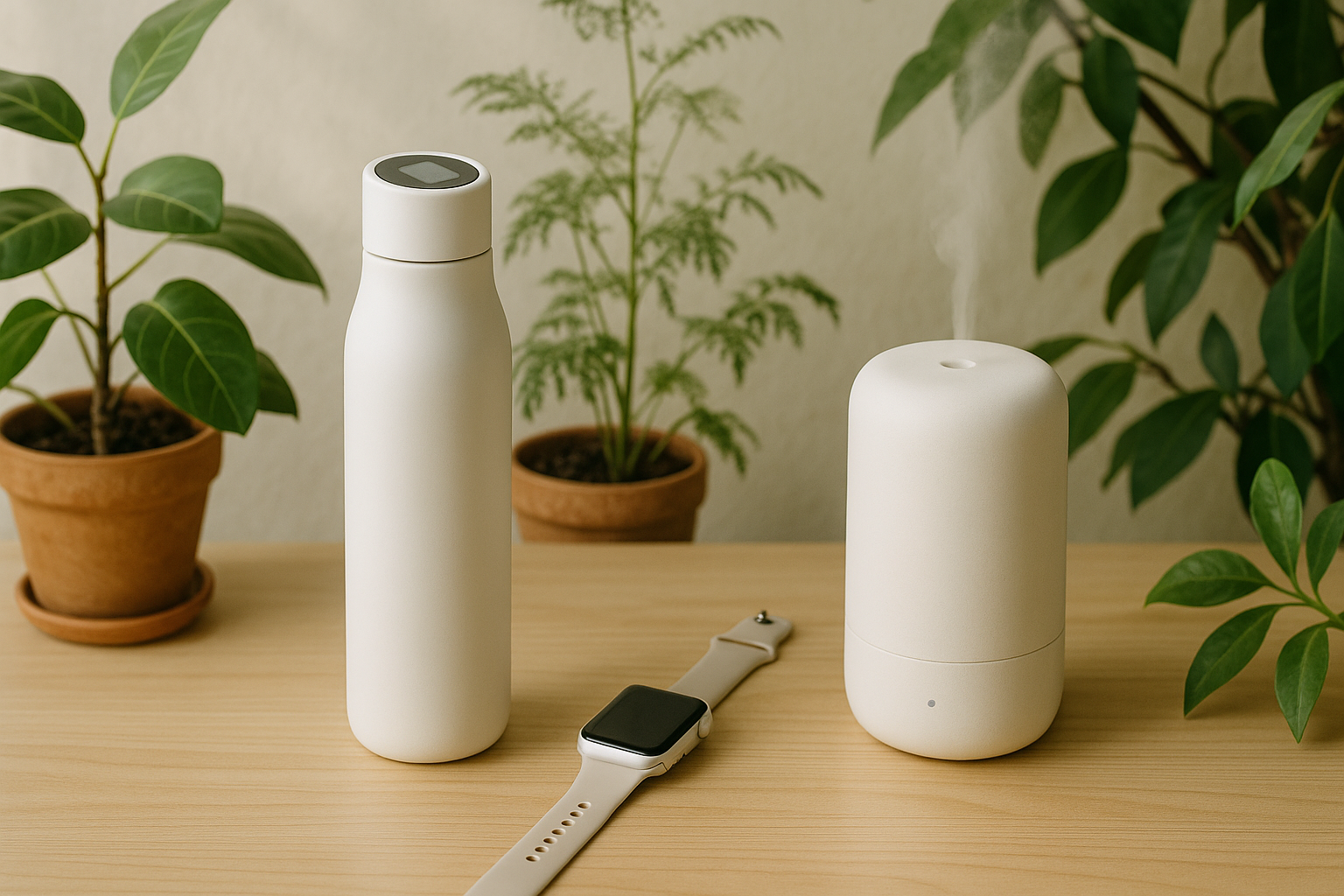
Tracking biomarkers can provide insight into how well one is managing stress. Common biomarkers include:
- Cortisol Levels: Measuring cortisol through saliva or blood tests can indicate stress levels.
- Heart Rate Variability (HRV): A higher HRV is associated with better stress regulation and resilience.
- Blood Pressure: Monitoring blood pressure can help assess the physiological impact of stress.
Keeping a journal to track stressors, emotional responses, and coping strategies can also be beneficial. This practice allows for reflection and adjustment of stress management techniques as needed.
Body Systems Supported
Stress regulation positively impacts several body systems, including:
- Nervous System: Helps maintain balance between the sympathetic and parasympathetic systems.
- Endocrine System: Regulates hormone levels, particularly cortisol.
- Cardiovascular System: Reduces the risk of stress-induced hypertension and promotes heart health.
- Immune System: Chronic stress can weaken immunity; effective regulation can enhance immune function.
Common Goals
The primary goals of stress regulation include:
- Reducing overall stress levels.
- Improving emotional resilience.
- Enhancing physical well-being.
- Promoting mental clarity and focus.
- Encouraging healthy relationships and communication.
Safety, Contraindications & Edge Cases
While stress regulation techniques are generally safe, some individuals may experience discomfort when beginning practices like mindfulness or meditation. It is essential to approach these practices gently and seek guidance if needed. Individuals with specific mental health conditions, such as severe anxiety or PTSD, should consult a healthcare professional before starting new stress management techniques.
Additionally, relying solely on stress regulation without addressing underlying issues can be a pitfall. A holistic approach that includes professional support when necessary is advisable.
Pairs Well With
Stress regulation techniques can be complemented by various ancient or natural practices, such as:
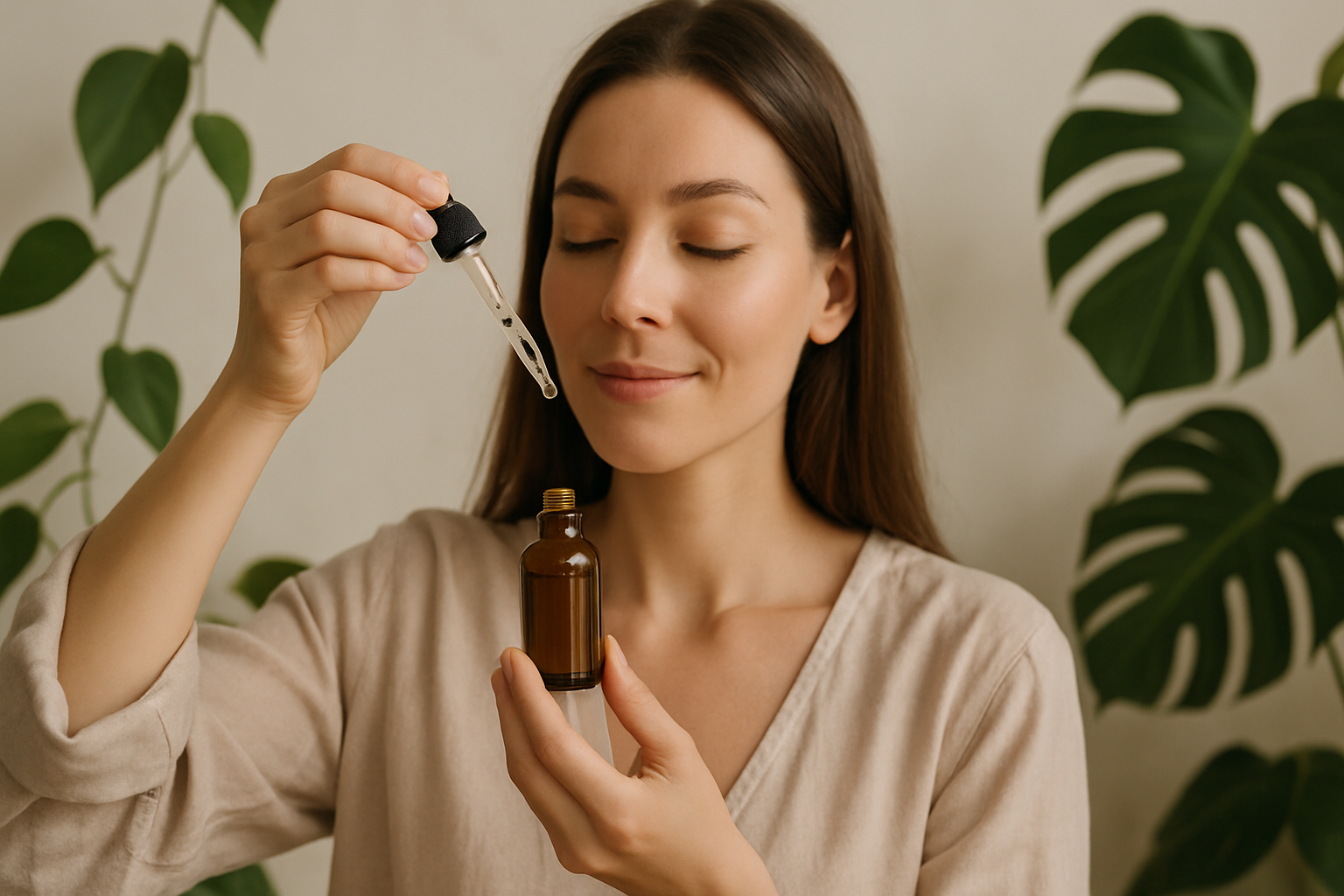
- Aromatherapy: Utilizing essential oils like lavender or chamomile can enhance relaxation.
- Herbal Remedies: Adaptogens such as ashwagandha and rhodiola may support the body’s stress response.
- Yoga: Combining physical postures with breathwork can be an effective way to manage stress.
FAQs (5)
- What are the best techniques for stress regulation? Common techniques include mindfulness meditation, deep breathing exercises, regular exercise, and maintaining social connections.
- How do I know if I am effectively managing my stress? Monitoring biomarkers like cortisol levels and heart rate variability, along with self-reflection through journaling, can provide insights.
- Is stress regulation beneficial for everyone? While many benefit from stress regulation techniques, individual results may vary based on personal circumstances.
- Can stress regulation prevent chronic illness? While it may reduce the risk, it is not a commonly explored prevention method for chronic illnesses.
- When should I seek professional help for stress management? If stress becomes overwhelming or interferes with daily life, it is advisable to consult a healthcare professional.
Frequently asked
What are the best techniques for stress regulation?
Common techniques include mindfulness meditation, deep breathing exercises, regular exercise, and maintaining social connections.
How do I know if I am effectively managing my stress?
Monitoring biomarkers like cortisol levels and heart rate variability, along with self-reflection through journaling, can provide insights.
Is stress regulation beneficial for everyone?
While many benefit from stress regulation techniques, individual results may vary based on personal circumstances.
Can stress regulation prevent chronic illness?
While it may reduce the risk, it is not a guaranteed prevention method for chronic illnesses.
When should I seek professional help for stress management?
If stress becomes overwhelming or interferes with daily life, it is advisable to consult a healthcare professional.