Reproductive System
Reproductive organs and cycles.
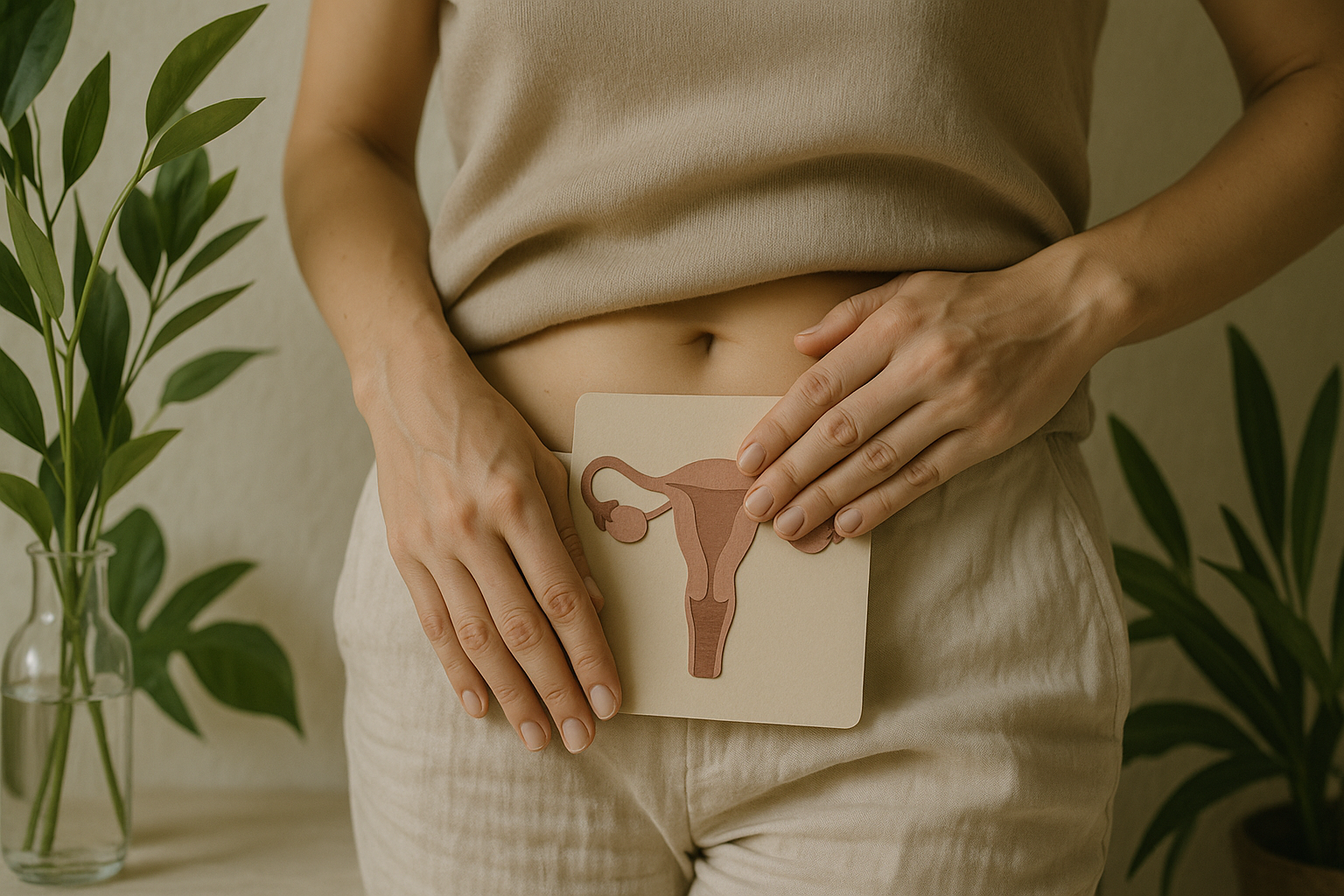
What This System Does
The reproductive system is essential for human reproduction and encompasses the organs and structures involved in producing offspring. In males, it includes the testes, vas deferens, seminal vesicles, prostate gland, and penis, while in females, it encompasses the ovaries, fallopian tubes, uterus, and vagina. This system not only facilitates reproduction but also plays a critical role in the production of hormones such as estrogen and testosterone, which are vital for sexual health and secondary sexual characteristics.
In females, the reproductive system is responsible for the menstrual cycle, ovulation, and pregnancy. In males, it is responsible for the production of sperm and the regulation of testosterone levels, which influence libido and overall sexual function. The balance of hormones produced by this system affects physical, emotional, and mental well-being.
Signs This System Is Out of Balance
- Irregular menstrual cycles or missed periods
- Unusual changes in libido
- Fertility issues or difficulty conceiving
- Menstrual cramps or pain
- Unexplained weight changes
- Hot flashes or night sweats
- Changes in breast tissue or discharge
- Low energy or fatigue
- Skin changes, such as acne or hair loss
- Mood swings or emotional instability
Common Contributing Factors
Several factors can contribute to imbalances in the reproductive system:
- Lifestyle: Sedentary behavior, excessive alcohol consumption, smoking, and high-stress levels can negatively impact hormone production and reproductive health.
- Environment: Exposure to environmental toxins, endocrine disruptors, and pollutants can interfere with hormonal balance and reproductive function.
- Nutritional: Poor dietary choices, such as low nutrient intake or excessive processed foods, can affect hormonal health and overall reproductive function.
- Hormonal: Hormonal imbalances, such as polycystic ovary syndrome (PCOS) or low testosterone levels, can disrupt normal reproductive processes.
- Structural: Issues such as fibroids, endometriosis, or anatomical abnormalities can cause discomfort and affect fertility.
Natural Approaches Across the Three Pillars
Ancient Wisdom
Ancient cultures have long recognized the importance of the reproductive system and have developed various practices to support it. Ayurvedic medicine focuses on balancing the body's energies through diet, herbal remedies, and lifestyle practices. Traditional Chinese Medicine (TCM) emphasizes the role of Qi (energy) and blood flow, using acupuncture and herbal treatments to restore balance.
Natural Remedies
Several natural ingredients can support reproductive health:
- Vitex (Chaste Tree Berry): Known for its ability to regulate menstrual cycles and support hormonal balance.
- Evening Primrose Oil: Rich in omega-6 fatty acids, it may help alleviate PMS symptoms and support skin health.
- Macafem: A root that is said to balance hormones and improve energy levels.
- Red Clover: Often used to alleviate symptoms of menopause and support overall reproductive health.
- Fertility Herbs: Such as raspberry leaf, nettle leaf, and dong quai, which may support menstrual health and reproductive function.
Modern Wellness
Today, various lifestyle changes, biomarkers, and wellness protocols can enhance reproductive health:
- Regular Exercise: Engaging in moderate physical activity can help maintain a healthy weight and reduce stress, both of which are important for hormonal balance.
- Balanced Diet: Focusing on whole foods, healthy fats, lean proteins, and plenty of fruits and vegetables can provide essential nutrients for reproductive health.
- Mindfulness Practices: Techniques such as yoga, meditation, and deep breathing can help manage stress, which is vital for hormonal balance.
- Hormonal Testing: Monitoring hormone levels through blood tests can help identify imbalances and guide treatment.
- Regular Check-Ups: Routine gynecological or urological exams can help identify potential issues early on.
Conditions Frequently Involving This System
- Polycystic Ovary Syndrome (PCOS)
- Endometriosis
- Fibroids
- Infertility
- Menstrual Disorders (e.g., amenorrhea, dysmenorrhea)
- Menopause Symptoms
- Sexually Transmitted Infections (STIs)
- Prostate Disorders (e.g., benign prostatic hyperplasia)
- Hormonal Imbalance
- Pelvic Inflammatory Disease (PID)
Lifestyle & Habit Foundations That Support It
Maintaining a healthy reproductive system involves adopting positive lifestyle habits, including:
- Eating a balanced diet rich in vitamins and minerals.
- Staying hydrated to support overall body function.
- Engaging in regular physical activity to enhance circulation and hormone regulation.
- Managing stress through mindfulness and relaxation techniques.
- Avoiding smoking and limiting alcohol consumption.
- Getting adequate sleep to support hormonal health.
- Scheduling regular check-ups with healthcare providers to monitor reproductive health.
When to Seek Professional Care
It is essential to consult a healthcare professional if you experience any of the following:
- Severe or prolonged menstrual pain.
- Irregular menstrual cycles or changes in menstrual flow.
- Difficulty conceiving after one year of trying (or six months if over age 35).
- Persistent fatigue or changes in energy levels.
- Unexplained weight gain or loss.
- Any unusual changes in breast tissue or discharge.
- Changes in libido or sexual function.
FAQs
What are the main functions of the reproductive system?
The reproductive system's primary functions include the production of gametes (sperm in males and eggs in females), the regulation of sexual hormones, and the facilitation of reproduction through fertilization and gestation in females.
How can I balance my hormones naturally?
Balancing hormones naturally can involve adopting a healthy diet, engaging in regular exercise, managing stress effectively, and considering natural supplements or herbal remedies under the guidance of a healthcare provider.
What lifestyle changes can improve reproductive health?
Incorporating a balanced diet, regular physical activity, stress management techniques, and avoiding harmful substances like tobacco and excessive alcohol can significantly benefit reproductive health.
How does age affect reproductive health?
As individuals age, particularly women, reproductive health can be affected by hormonal changes, decreased fertility, and an increased risk of reproductive conditions. Men may also experience changes in testosterone levels as they age.
When should I see a doctor about reproductive health issues?
If you experience significant changes in your menstrual cycle, persistent pain, difficulty conceiving, or other concerning symptoms, it is advisable to consult a healthcare professional.
Are there specific foods that support reproductive health?
Foods rich in healthy fats (like avocados and nuts), antioxidants (such as berries and leafy greens), and lean proteins can support reproductive health. Additionally, whole grains and legumes provide essential nutrients for hormone regulation.