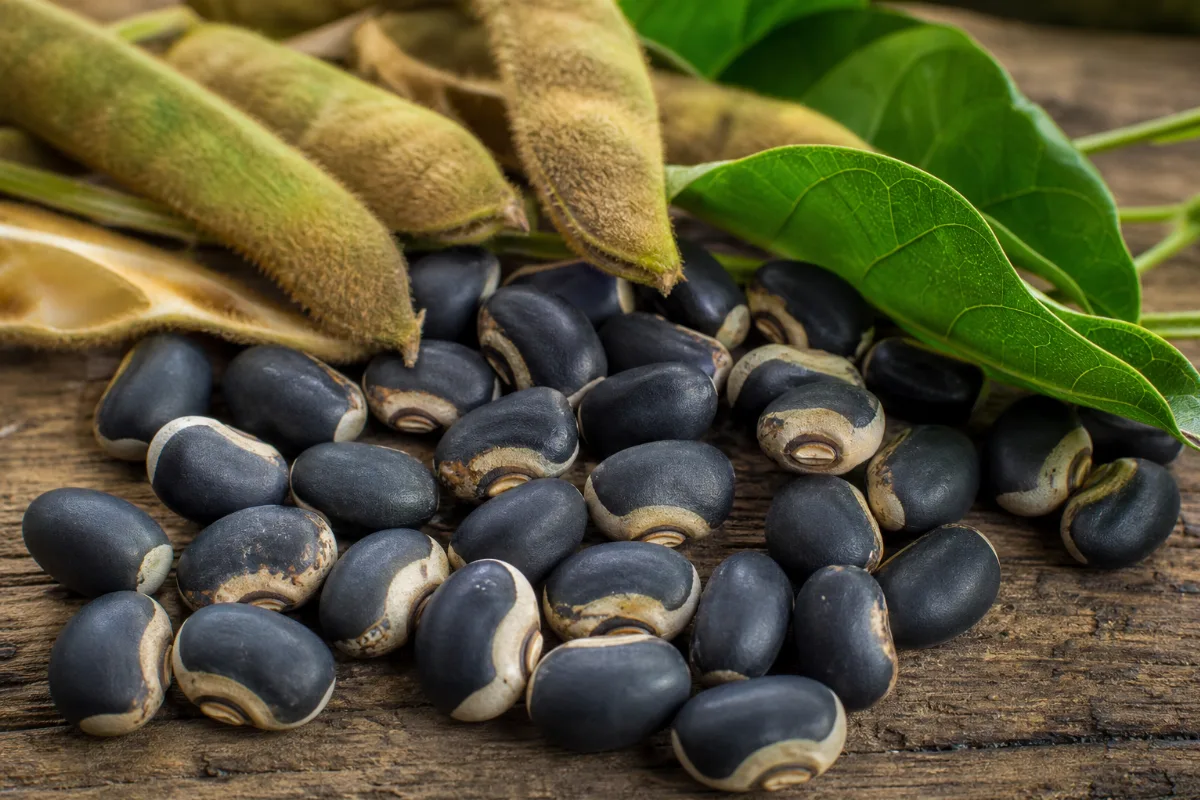
Herbs & Botanicals · Herbs · Velvet bean, natural L-DOPA source, small trials, safety first
Mucuna Pruriens
Mucuna pruriens (L.) DC. · also called Velvet bean, kapikacchu, cowhage
Mucuna pruriens is a tropical bean plant. Its seeds naturally contain levodopa (L-DOPA), the main Parkinson's medicine. Small trials in people with Parkinson's found movement benefit similar to levodopa, but the plant is a drug-strength source and has caused serious harm when overused.
General information, not medical advice. Last substantive update · Not medically reviewed. A named clinician has not signed off on this page. How this page is made
About Mucuna Pruriens
Mucuna pruriens (velvet bean) is a tropical legume whose seeds contain levodopa (L-DOPA), a drug used to treat Parkinson's. A few small trials in people with Parkinson's found that roasted seed powder worked about as well as levodopa medicines, but long-term safety is not known and the neurologists who ran the trials say it should stay within trials or specialist care. Fertility and stress claims rest on uncontrolled studies. Products vary hugely in levodopa content, and overuse and raw seeds have caused serious harm.
What it is
Mucuna pruriens (L.) DC. is a plant in the legume family (Fabaceae). The seeds are the part used. The pods are covered with hairs that cause intense itching on contact.
Seed levodopa has been measured at between 0.58% and 6.42% of dry weight in one study of 56 seed samples. Serotonin and mucunain are often mentioned, but we could not confirm them in the sources we read.
What the research shows
The best human research is in Parkinson's disease: five small trials (108 people) reviewed in 2025, three rated low quality. Single doses of seed powder gave faster or longer 'on' time than levodopa tablets, but a 16-week pilot saw half of people stop for stomach upset or worse movement, and a 12-month open-label trial in Ghana (32 people) found similar outcomes to levodopa with more side effects (not statistically different).
For male fertility, three uncontrolled studies from one Indian group report better sperm count and hormones. They had no placebo group. Mood and blood sugar results come from animals only.
A food-like plant that acts like a drug
Reviewers describe Mucuna as a potent dopaminergic therapy needing the same caution as levodopa medicines. Overuse has caused dyskinesia, psychosis and dopamine dysregulation, where a person cannot stop taking more.
Product amounts are unpredictable: levodopa ranged from 6% to 141% of the label in six products, and 2 to 241 mg per serving in 16 US products.
At a glance
Traditional uses history, not proof
- Parkinson's-like illness in Ayurveda (called Kampavata, per a product-quality paper)
- Male tonic and aphrodisiac (widely repeated; not verified in a historical source)
Studied for research
- Parkinson's disease movement symptoms, low certainty (small trials, 108 people in a 2025 review)
- Faster or longer 'on' time versus levodopa, low (single-dose studies)
- Male fertility and testosterone, very low (uncontrolled studies)
- Stress in infertile men, very low (no placebo)
- Mood and blood sugar: animal studies only
Main compounds
- Levodopa (L-DOPA, CID 6047), the main active chemical
- Serotonin and 5-HTP: not verified in the seed
- Hairs on pods cause itching
Common forms
- Roasted seed powder (used in trials)
- Capsule or extract supplements (levodopa content varies from 6% to 141% of label in one test)
- Raw seeds (can poison)
Research links: Systematic review of Mucuna trials in Parkinson's (2025) · Advice review: To Bean or Not to Bean (2026) · Levodopa content of US supplements (JAMA Neurology 2022) · Research Library · Genes & Biomarkers Library
The plant and its history
- Accepted scientific name
- Mucuna pruriens (L.) DC. (velvet bean)
- Naming authority
- (L.) DC., as returned by the GBIF Backbone (usageKey 2951499).
- Common names
- Velvet bean (English); Kapikacchu (Sanskrit/Hindi (supplied name; not verified in a source read)); Cowhage / cowitch (English (used in the nutrient-graph notes; not verified in a source read))
- Botanical family
- Fabaceae (legume / pea family).
- Classification
- Plantae > Tracheophyta > Magnoliopsida > Fabales > Fabaceae > Mucuna > Mucuna pruriens
- Native range
- Described as growing in tropical areas worldwide in the trial papers; not verified further.
- Habitat
- Not verified.
- What the plant looks like
- Roots: Not described in sources read.; Stems: Not described.; Leaves: Not described.; Flowers: Not described.; Fruit: A pod with hairs that cause itching; the seeds are the part used (Reunion case; trials).
- Cultivation
- Not verified.
- Harvest and processing
- Trials used roasted, ground seeds. Raw seeds are linked to poisoning. A 2024 guidance paper covers how to grow, store and supply Mucuna for trials.
- Look-alikes and adulterants
- Name: Other Mucuna varieties; Note: Four varieties were compared in one study (var. pruriens, hirsuta, utilis, thekkadiensis); levodopa content differed between them.
- Sustainability and conservation
- Not verified.
Traditional use and history history, not clinical proof
| Tradition or era | Documented use | Source |
|---|---|---|
| Ayurvedic medicine, India | Seed powder used for 'Kampavata', now understood to be Parkinson's disease (as stated in a paper on product quality). | p28922612 |
| Aphrodisiac and male tonic use | Widely repeated; NOT verified from a historical source. | p18001713 |
Traditional use shows how a plant was used. It does not show that a supplement works or is safe today.
What is inside, and how it may work
What the plant contains and how those compounds act in cells and animals. Laboratory and animal mechanisms are not proven effects in people.
Main compounds
| Compound | Family | Where it is concentrated | Activity studied | Level of evidence |
|---|---|---|---|---|
| Levodopa (L-dopa) PubChem 6047 | amino acid, dopamine precursor | Seed 0.58% to 6.42% of seed dry weight across 56 accessions; 4.02% in the Japanese seed powder used in a trial; 4 to 6% stated in the 2025 review | Converted to dopamine in the brain; the basis of the Parkinson's effect and many of the side effects. 22 25 10 19 | Human data |
| Serotonin PubChem 5202 | monoamine | Not verified Not verified | Listed among compounds of interest in the request and in unreferenced nutrient-graph notes; no source read confirms its presence in the seed. NOT verified. 20 | Laboratory research |
| 5-Hydroxytryptophan (5-HTP) and tryptamines PubChem 144 | serotonin precursors | Seed (possible) Not verified | The 2026 clinic review says improper processing in a Mozambique outbreak may have produced serotonin-like alkaloids and neurotoxic metabolites, possibly including 5-HTP and tryptamines (secondary statement). 7 21 | Laboratory research |
| Mucunain (itch protein) in the hairs | protein/enzyme (reported) | Hairs on pods and seeds Not verified | The hairs cause intense itching on skin contact; the specific compound mucunain was not named in the abstracts read. NOT verified. 14 12 | Other |
Mechanisms, receptors and pathways
| Target or pathway | Gene or receptor | What was found | Level |
|---|---|---|---|
| Dopamine replacement | Dopamine pathway (levodopa converted by DOPA decarboxylase) | Levodopa from the seed is converted to dopamine. Without a decarboxylase inhibitor more is converted outside the brain, raising stomach and heart side effects. 7 4 | Human data |
| Higher drug exposure | Levodopa blood level | In 8 and 11 patients, Mucuna gave higher levodopa levels (AUC +165.3%, +55.67% above comparator); onset was faster in the first study. 11 2 | Human data |
| COMT inhibition (possible) | COMT | A lower 3-O-methyl-dopa/levodopa ratio after Mucuna in 7 patients suggested a COMT-inhibiting effect (authors' interpretation). 25 | Human data |
| Different brain firing patterns | Substantia nigra reticulata, subthalamic nucleus | In parkinsonian monkeys Mucuna did not increase the bursting firing seen with levodopa+carbidopa and a water extract eased parkinsonism without dyskinesia. 13 | Animal research |
| Semen and hormone effects | Hypothalamus-pituitary-testis axis; dopamine, adrenaline, noradrenaline | In infertile men treatment raised testosterone, LH and the catecholamines and lowered FSH and prolactin (uncontrolled study). 26 | Human data |
| Antioxidant effects in semen | SOD, catalase, glutathione, lipid peroxide | Markers moved towards normal in infertile men (uncontrolled). 27 1 | Human data |
| Blood glucose lowering | Not defined | Seed extract lowered glucose in diabetic rats. 15 | Animal research |
Absorption, metabolism and elimination
- Absorption
- Single doses of seed powder gave faster and higher levodopa blood levels than a levodopa/carbidopa tablet in 8 people (peak +110%, AUC +165.3%) and than a levodopa/benserazide tablet in 11 people (AUC ratio 155.67%). Tmax and half-life were similar in the second study.
- Distribution
- No data found.
- Metabolism
- Without a decarboxylase inhibitor, more levodopa is converted outside the brain. A COMT-inhibiting effect was suggested in 7 patients.
- Elimination
- Half-life was similar to the levodopa tablet in the 11-person study.
- Bioavailability
- Varies with product; levodopa content differs widely between products and seeds.
Isolated compounds versus whole extracts
Trials used whole roasted seed powder. A 2017 trial found high-dose Mucuna similar to levodopa alone at the same dose, with a more favourable tolerability profile, and a monkey study suggests a water extract may act differently from levodopa. Whether other seed compounds matter in people is unproven.
Nutritional composition
The seed is a food legume in some countries (a review calls it a natural food legume), but it needs proper preparation. It is not a normal dietary source of nutrients and raw seeds are unsafe.
1 mixed findings3 low certainty4 very low certainty3 not enough evidence
What was looked at
The 11 benefits and uses checked for Mucuna Pruriens, each with how strong the evidence is. Tap one to open it.
- Parkinson's disease: movement symptomsLow certainty
- Parkinson's: faster and longer 'on' timeLow certainty
- Dyskinesia (uncontrolled movements)Mixed findings
- Parkinson's: tolerability and adding carbidopaLow certainty
- Stress in men with infertilityVery low certainty
- Low mood and depressionNot enough evidence
- Semen quality in men with infertilityVery low certainty
- Testosterone and reproductive hormonesVery low certainty
- Antioxidant markers in semenVery low certainty
- Blood sugarNot enough evidence
- Sexual desire and aphrodisiac useNot enough evidence
Lab markers tracked in the studies
Parkinson's motor scores (UPDRS and similar)Time in the 'on' stateLevodopa blood level (AUC)Dyskinesia ratingSerum cortisolSperm count (concentration)Sperm motilityTestosterone and LHSeminal lipid peroxideBlood glucose (rats)
What is Mucuna Pruriens good for?
The studied uses and how strong the human evidence is. 'Low' and 'very low' mean small or weak studies. 'Insufficient' means no human trial. Safety comes first: see the Safety tab.
Benefits, one by one
Each card is a research question, not a promise. Tap a goal to filter. Open a card to see the studies, doses and limits.
Parkinson's disease: movement symptoms
Low certaintySmall trials in people with Parkinson's found that Mucuna seed powder eased movement symptoms about as well as levodopa medicines. The evidence is limited and the plant is a drug-strength source of levodopa, so this is not a casual supplement use.
10 studiesTrials used roasted seed powder, not supplements. Product levodopa co…
Studies, doses and limits
What the trials found
A 2025 systematic review found 5 trials with 108 people in total; three were rated low quality. Single-dose crossover trials (Katzenschlager 2004, 8 people; Cilia 2017, 18 people; Hasshou 2024, 7 people; Thai trial 2025, 11 analysed) found motor benefit similar to or longer than levodopa. A 16-week crossover pilot (14 people) found similar benefit in those who tolerated it, but half stopped. A 12-month open-label trial in 32 untreated people in Ghana found similar outcomes to levodopa plus a decarboxylase inhibitor. Neurologists who ran the trials advise use only in trials or under neurologist plans.
Results
Most trials show symptom benefit comparable to levodopa medicines, in small groups and mostly with single doses.
Effect sizes as reported
Review: 5 trials, 108 people; no pooled estimate. Individual trials: see the 'on' time and tolerability entries.
Why this rating
Several small trials agree, but the reviewers rate three of five trials low quality, most are single-dose, some are open-label or single-blind, and long-term data are scarce.
Form and dose studied
Trials used roasted seed powder, not supplements. Product levodopa content varies widely (see the Safety tab).
Who was studied
Adults with Parkinson's, mostly advanced disease or treatment-free in low-income settings.
Limits
Small numbers, short follow-up, mostly single doses, different preparations. No evidence in the trials read that it slows the disease.
Why researchers looked
Mucuna seed naturally contains levodopa, the main Parkinson's medicine. Levodopa is turned into dopamine in the brain.
Traditional use
Kampavata, an Ayurvedic illness now understood to be Parkinson's disease, is named in a paper on product quality (Soumyanath 2018). Other traditional claims were not verified.
Proposed mechanism Animal research
Levodopa from the seed is converted to dopamine. Whether other seed compounds add anything is unproven. In monkeys, a water extract eased parkinsonism without dyskinesia, which hints at a different action from levodopa alone (animal result).
A proposed mechanism does not show that the effect happens in people.
Mucuna seed is a natural source of levodopa, a strong drug. It needs the same caution as levodopa medicines. Overuse has caused dyskinesia, dopamine dysregulation syndrome and psychosis. Use only with a neurologist.
Parkinson's: faster and longer 'on' time
Low certaintyIn single-dose studies, Mucuna powder started working sooner or kept people moving well for longer than a levodopa tablet. Blood levels of levodopa were also higher, which is part of why strength and side effects both matter.
5 studiesSingle doses of roasted seed powder or a seed preparation.
Studies, doses and limits
What the trials found
Katzenschlager 2004: with 30 g mucuna, onset of effect was 34.6 vs 68.5 min and 'on' time was 21.9% (37 min) longer than levodopa/carbidopa. Thai 2025: 'on' time without dyskinesia was 232.2 vs 161.8 min (p = 0.01) with higher drug exposure (AUC ratio 155.67%). Hasshou 2024: 'on' time prolonged about 2-fold in 7 people. Cilia 2017: high dose gave longer 'on' time than levodopa plus benserazide.
Results
Longer 'on' time in four small single-dose crossover studies.
Effect sizes as reported
Katzenschlager: 21.9% longer 'on' time, p = 0.021. Thai trial: 232.2 vs 161.8 min, p = 0.01; AUC ratio 155.67% (90% CI 134.59-180.04).
Why this rating
Consistent direction but each study had 7 to 18 people, single doses, short follow-up, and different comparators.
Form and dose studied
Single doses of roasted seed powder or a seed preparation.
Who was studied
People with Parkinson's with motor complications.
Limits
Single-dose, tiny numbers. A higher drug level can also mean more side effects. The Thai trial was single-blind.
Why researchers looked
'On' time is the time when Parkinson's medicine is working and movement is good.
Traditional use
Kampavata, an Ayurvedic illness now understood to be Parkinson's disease, is named in a paper on product quality (Soumyanath 2018). Other traditional claims were not verified.
Proposed mechanism Pharmacological theory
Higher and faster levodopa blood levels from the seed powder; one small study suggested a COMT-inhibiting effect from a metabolite ratio (inference).
A proposed mechanism does not show that the effect happens in people.
Mucuna seed is a natural source of levodopa, a strong drug. It needs the same caution as levodopa medicines. Overuse has caused dyskinesia, dopamine dysregulation syndrome and psychosis. Use only with a neurologist.
Dyskinesia (uncontrolled movements)
Mixed findingsIn single-dose trials, Mucuna did not cause more dyskinesia than levodopa, and sometimes less. But in real-world self-treatment and a 16-week trial, overuse and poor tolerability were serious problems. This is a double-edged topic.
8 studiesRoasted seed powder in trials vs commercial capsules in the case repo…
Studies, doses and limits
What the trials found
Single-dose trials: no significant difference in dyskinesias (Katzenschlager 2004), fewer dyskinesias (Cilia 2017), no increase (Hasshou 2024, Thai 2025). The 2025 review reported no dyskinesia in its five trials. Against this, a case report describes dyskinesias and dopamine dysregulation after long overuse of a supplement, and a 2026 clinic review links overuse to dyskinesia.
Results
No extra dyskinesia in single-dose trials; real-world overuse has caused it.
Why this rating
Trials point one way (not worse) while case reports and clinical experience point the other.
Form and dose studied
Roasted seed powder in trials vs commercial capsules in the case report.
Who was studied
People with Parkinson's.
Limits
Single doses cannot show what happens with years of use. Self-dosing is unmonitored.
Why researchers looked
Long-term levodopa can cause dyskinesia. Early reports suggested Mucuna might cause less.
Traditional use
Kampavata, an Ayurvedic illness now understood to be Parkinson's disease, is named in a paper on product quality (Soumyanath 2018). Other traditional claims were not verified.
Proposed mechanism Animal research
Monkey study: water extract eased parkinsonism without drug-induced dyskinesia, with different brain firing patterns than levodopa+carbidopa.
A proposed mechanism does not show that the effect happens in people.
Do not self-adjust doses; stop and call your neurologist if movements worsen.
Parkinson's: tolerability and adding carbidopa
Low certaintyNausea and stomach upset are common with Mucuna powder. Half of people in one 16-week trial stopped it. One case report found that adding carbidopa helped. This is a safety and tolerability topic, not a benefit claim.
5 studiesPowder from roasted seed; supernatant water in the extension.
Studies, doses and limits
What the trials found
Cilia 2018: 7 of 14 (50%) stopped Mucuna (4 stomach side effects, 3 worsening motor performance); dropouts then tolerated a 'supernatant water' preparation. Africa 2026: adverse events 56% vs 37.5% (p = 0.48), 12.5% stopped. Thai 2025: more mild nausea and dizziness with Mucuna. Radder 2019: carbidopa added to Mucuna in one woman gave marked motor improvement.
Results
Frequent stomach upset; tolerability limits long-term use.
Effect sizes as reported
Dropout 7 of 14 in the pilot; adverse events 56% vs 37.5% (not significant).
Why this rating
Small trials and a single case report.
Form and dose studied
Powder from roasted seed; supernatant water in the extension.
Who was studied
People with Parkinson's.
Limits
Case report is one person; do not add carbidopa on your own.
Why researchers looked
Without a drug that blocks early breakdown of levodopa (a decarboxylase inhibitor), more levodopa is converted outside the brain, which raises stomach and heart side effects.
Traditional use
Kampavata, an Ayurvedic illness now understood to be Parkinson's disease, is named in a paper on product quality (Soumyanath 2018). Other traditional claims were not verified.
Proposed mechanism Pharmacological theory
Mucuna is normally taken without a decarboxylase inhibitor, so more peripheral conversion of levodopa occurs (stated in the 2026 clinic review).
A proposed mechanism does not show that the effect happens in people.
Combining Mucuna with carbidopa or other Parkinson's drugs is a medical decision.
Stress in men with infertility
Very low certaintyOne uncontrolled study in 60 stressed infertile men found lower stress and lower seminal oxidative damage after 3 months of Mucuna seed powder. There was no placebo group, so this cannot show the plant did it.
1 studiesSeed powder, 5 g per day, 3 months (Shukla 2010).
Studies, doses and limits
What the trials found
Shukla 2010: 60 infertile men with psychological stress (questionnaire and raised serum cortisol) and 60 healthy fertile controls. After 3 months of 5 g/day seed powder, stress and seminal lipid peroxide were significantly reduced and sperm count and motility improved. Numbers were not in the abstract.
Results
Reported improvement in stress, no placebo.
Effect sizes as reported
Statistically significant improvements reported; exact values not in the abstract.
Why this rating
Single uncontrolled before-after study, no blinding described, same research group as other fertility studies; funding not stated in the abstract.
Form and dose studied
Seed powder, 5 g per day, 3 months (Shukla 2010).
Who was studied
Infertile Indian men with stress.
Limits
No placebo; controls were healthy men, not a comparison for treatment.
Why researchers looked
Stress can lower semen quality; Mucuna has been proposed to help through dopamine and antioxidant effects.
Traditional use
Kampavata, an Ayurvedic illness now understood to be Parkinson's disease, is named in a paper on product quality (Soumyanath 2018). Other traditional claims were not verified.
Proposed mechanism Preliminary mechanism
Proposed dopamine and antioxidant effects; not shown in this study design.
A proposed mechanism does not show that the effect happens in people.
Mucuna's dopamine effects can also cause mood changes (see Safety tab).
Low mood and depression
Not enough evidenceNo human trial of Mucuna for depression was found. Animal studies suggest antidepressant-like effects, but they cannot show what happens in people. Mucuna can also cause psychiatric side effects.
2 studiesNot applicable.
Studies, doses and limits
What the trials found
A 2024 review collected animal studies and states that clinical trials are needed. No human trial of mood was identified in the sources read.
Results
Animal evidence only.
Why this rating
No human trial; animal evidence cannot be transferred.
Limits
Animal-only evidence.
Why researchers looked
Mucuna raises dopamine through levodopa, and dopamine is involved in mood.
Traditional use
Kampavata, an Ayurvedic illness now understood to be Parkinson's disease, is named in a paper on product quality (Soumyanath 2018). Other traditional claims were not verified.
Proposed mechanism Animal research
Animal models show effects on dopamine, serotonin, noradrenaline, oxidative stress and inflammation.
A proposed mechanism does not show that the effect happens in people.
Psychosis, hallucinations and dopamine dysregulation have been reported with Mucuna levodopa supplements.
Semen quality in men with infertility
Very low certaintyThree studies from one Indian group report better sperm count and movement in infertile men after Mucuna seed powder. None used a placebo group, so the result is very uncertain.
4 studiesSeed powder; 5 g/day for 3 months in one study.
Studies, doses and limits
What the trials found
Ahmad 2008: 60 infertile men vs 60 healthy controls; sperm concentration and motility rose, with partial recovery in men with low motility. Shukla 2009: 75 infertile men vs 75 controls; sperm count and motility 'significantly recovered'. Shukla 2010: 60 stressed infertile men, 5 g/day for 3 months; sperm count and motility improved. A 2021 systematic review of 20 herbal RCTs (1,519 men) includes Mucuna among eleven treatments and reported benefit in all but one study, but its abstract does not separate Mucuna results.
Results
Improved sperm count and motility reported; no placebo-controlled data read.
Effect sizes as reported
Statistically significant improvements; actual values not in the abstracts.
Why this rating
Before-after designs without placebo, no blinding described, same research group, doses and funding not stated in two abstracts. Pregnancy outcomes were not reported in the abstracts.
Form and dose studied
Seed powder; 5 g/day for 3 months in one study.
Who was studied
Indian men attending infertility screening.
Limits
Three uncontrolled before-after studies from the same Lucknow, India research group; controls were healthy fertile men, not placebo. Doses not given in two abstracts.
Why researchers looked
Mucuna is used in Ayurveda as a male tonic. Seminal oxidative damage and hormone changes were proposed as reasons it could help.
Traditional use
Aphrodisiac and male tonic uses are widely repeated; no historical source was read, so treat as NOT verified.
Proposed mechanism Preliminary mechanism
Reported changes in dopamine, adrenaline, noradrenaline and antioxidant markers in semen and blood.
A proposed mechanism does not show that the effect happens in people.
Mucuna acts on dopamine; see the Safety tab. No safety outcomes were reported in the fertility abstracts.
Testosterone and reproductive hormones
Very low certaintyOne study reported higher testosterone and LH and lower FSH and prolactin in infertile men after Mucuna. It had no placebo group and is the only human hormone data found.
1 studiesSeed powder.
Studies, doses and limits
What the trials found
Shukla 2009: in 75 infertile men, treatment significantly improved testosterone, LH and levels of dopamine, adrenaline and noradrenaline, and reduced FSH and prolactin.
Results
Hormone levels moved in the 'healthy' direction.
Effect sizes as reported
Statistically significant; numbers not in the abstract.
Why this rating
Single uncontrolled before-after study.
Form and dose studied
Seed powder.
Who was studied
Infertile Indian men.
Limits
No placebo, no blinding described; hormone changes are not the same as better health or fertility.
Why researchers looked
Dopamine can influence the hormones that control the testes.
Traditional use
Not verified.
Proposed mechanism Preliminary mechanism
Dopamine from levodopa is thought to act through the hypothalamus-pituitary-testis axis (stated by the authors; not proven here).
A proposed mechanism does not show that the effect happens in people.
Raised testosterone from Mucuna has not been shown in healthy men.
Antioxidant markers in semen
Very low certaintyIn infertile men, lipid peroxide (a marker of oxidative damage) fell and antioxidant vitamins and enzymes rose after Mucuna powder. This is a lab-marker result, not a health outcome.
2 studiesSeed powder.
Studies, doses and limits
What the trials found
Ahmad 2008: lipid peroxidation fell; lipids, vitamins A, C and E recovered. Shukla 2010: lipid peroxide fell and SOD, catalase, glutathione and ascorbic acid were restored.
Results
Marker changes reported.
Effect sizes as reported
Statistically significant; no numbers in the abstracts.
Why this rating
Marker changes only; no placebo.
Form and dose studied
Seed powder.
Who was studied
Infertile men.
Limits
Uncontrolled; markers only.
Why researchers looked
Oxidative stress in semen is linked to poor sperm quality.
Traditional use
Not verified.
Proposed mechanism Preliminary mechanism
Antioxidant effects of seed compounds, per the authors.
A proposed mechanism does not show that the effect happens in people.
None noted.
Blood sugar
Not enough evidenceNo human trial of Mucuna for blood sugar was found. A rat study showed large glucose falls with a seed extract. Because of this, anyone on diabetes medicine should be careful.
1 studiesNone.
Studies, doses and limits
What the trials found
No human trial found. Rat study: blood glucose fell 18.6% to 55.4% across doses at 8 hours; glibenclamide 59.7%.
Results
Animal evidence only.
Effect sizes as reported
Rats: glucose fell 18.6% to 55.4% (5 to 100 mg/kg).
Why this rating
Animal evidence only.
Limits
Rodent model; doses not comparable to people.
Why researchers looked
Traditional use in diabetes is often repeated but was not verified in a source read.
Traditional use
Not verified.
Proposed mechanism Animal research
Extract lowered glucose in alloxan-induced diabetic rats.
A proposed mechanism does not show that the effect happens in people.
Possible added effect with diabetes medicines is theory only (no human data).
Sexual desire and aphrodisiac use
Not enough evidenceMucuna is widely sold as an aphrodisiac. No human trial of libido or sexual function was found in the sources read.
1 studiesNone.
Studies, doses and limits
What the trials found
No human trial identified. The fertility studies above measured semen and hormones, not desire.
Results
No human data.
Why this rating
No trials.
Limits
No trials.
Why researchers looked
Marketed as a sex-drive herb because of its dopamine effect.
Traditional use
Aphrodisiac use is widespread but was not verified from a historical source.
Proposed mechanism Pharmacological theory
Dopamine is involved in sexual desire (theory).
A proposed mechanism does not show that the effect happens in people.
Dopaminergic drugs can cause impulse-control problems such as hypersexuality (levodopa drug label).
Connections to the rest of health
How Mucuna Pruriens connects to the rest of our health knowledge graph. Every link says what kind of connection it is. A safety link (for example to the liver) is a warning, not a benefit. A study that merely mentions a topic never creates a benefit link.
Explore every connection: goals, body systems, organs, symptoms, genes
A. Wellness goals
| Connected to | Kind of connection | Evidence status | Context | Studies |
|---|---|---|---|---|
| Brain Health | Demonstrated clinical effect | Low certainty | Parkinson's disease: movement symptoms: Small trials in people with Parkinson's found that Mucuna seed powder eased movement symptoms about as well as levodopa medicines. The evidence is limited and the plant is a drug-strength source of levodopa, so this is not a casual supplement use. Parkinson's: faster and longer 'on' time: In single-dose studies, Mucuna powder started working sooner or kept people moving well for longer than a levodopa tablet. Blood levels of levodopa were also higher, which is part of why strength and side effects both matter. | 10 11 4 5 2 6 25 7 3 13 28 |
| Brain Health | Adverse effect or risk | Low certainty | Parkinson's: tolerability and adding carbidopa: Nausea and stomach upset are common with Mucuna powder. Half of people in one 16-week trial stopped it. One case report found that adding carbidopa helped. This is a safety and tolerability topic, not a benefit claim. | 5 6 2 23 7 |
| Stress Reduction | Potential benefit | Very low certainty | Stress in men with infertility: One uncontrolled study in 60 stressed infertile men found lower stress and lower seminal oxidative damage after 3 months of Mucuna seed powder. There was no placebo group, so this cannot show the plant did it. | 27 |
| Mens Vitality | Potential benefit | Very low certainty | Stress in men with infertility: One uncontrolled study in 60 stressed infertile men found lower stress and lower seminal oxidative damage after 3 months of Mucuna seed powder. There was no placebo group, so this cannot show the plant did it. Semen quality in men with infertility: Three studies from one Indian group report better sperm count and movement in infertile men after Mucuna seed powder. None used a placebo group, so the result is very uncertain. | 27 1 26 24 |
| Mood Balance | Preliminary mechanism | Not enough evidence | Low mood and depression: No human trial of Mucuna for depression was found. Animal studies suggest antidepressant-like effects, but they cannot show what happens in people. Mucuna can also cause psychiatric side effects. | 16 28 |
| Fertility Support | Potential benefit | Very low certainty | Semen quality in men with infertility: Three studies from one Indian group report better sperm count and movement in infertile men after Mucuna seed powder. None used a placebo group, so the result is very uncertain. | 1 26 27 24 |
| Hormone Balance | Potential benefit | Very low certainty | Testosterone and reproductive hormones: One study reported higher testosterone and LH and lower FSH and prolactin in infertile men after Mucuna. It had no placebo group and is the only human hormone data found. | 26 |
| Fertility Support | Biological association | Very low certainty | Antioxidant markers in semen: In infertile men, lipid peroxide (a marker of oxidative damage) fell and antioxidant vitamins and enzymes rose after Mucuna powder. This is a lab-marker result, not a health outcome. | 1 27 |
| Blood Sugar Balance | Preliminary mechanism | Not enough evidence | Blood sugar: No human trial of Mucuna for blood sugar was found. A rat study showed large glucose falls with a seed extract. Because of this, anyone on diabetes medicine should be careful. | 15 |
| Libido Support | Traditional use | Not enough evidence | Sexual desire and aphrodisiac use: Mucuna is widely sold as an aphrodisiac. No human trial of libido or sexual function was found in the sources read. | 30 |
| Mens Vitality | Traditional use | Not enough evidence | Sexual desire and aphrodisiac use: Mucuna is widely sold as an aphrodisiac. No human trial of libido or sexual function was found in the sources read. | 30 |
B. Body systems
| Connected to | Kind of connection | Evidence status | Context | Studies |
|---|---|---|---|---|
| Nervous System | Biological association | Low certainty | Studied for: Parkinson's disease: movement symptoms Studied for: Parkinson's: faster and longer 'on' time | 10 11 4 5 2 6 25 7 3 13 28 23 16 |
| Digestive System | Biological association | Low certainty | Studied for: Parkinson's: tolerability and adding carbidopa | 5 6 2 23 7 |
| Stress Mood | Biological association | Very low certainty | Studied for: Stress in men with infertility Studied for: Low mood and depression | 27 16 28 |
| Reproductive System | Biological association | Very low certainty | Studied for: Stress in men with infertility Studied for: Semen quality in men with infertility | 27 1 26 24 30 |
| Endocrine System | Biological association | Very low certainty | Studied for: Testosterone and reproductive hormones Studied for: Blood sugar | 26 15 |
E. Health conditions
| Connected to | Kind of connection | Evidence status | Context | Studies |
|---|---|---|---|---|
| Melanoma | Contraindication | Low certainty | Drug-label caution, inferred. Preparation or compound: Mucuna seed |
30 17 |
| Dopamine dysregulation syndrome | Adverse effect or risk | Low certainty | Case report. Preparation or compound: Mucuna supplement |
28 |
| Pregnancy | Contraindication | Very low certainty | Avoid; no data. Preparation or compound: Mucuna seed |
30 |
| Parkinson's disease | Demonstrated clinical effect | Low certainty | Small trials found benefit similar to levodopa; neurologist supervision needed. Preparation or compound: Roasted seed powder |
10 4 |
| Male infertility | Potential benefit | Very low certainty | Uncontrolled studies only. Preparation or compound: Seed powder |
1 26 |
I. Biomarkers
| Connected to | Kind of connection | Evidence status | Context | Studies |
|---|---|---|---|---|
| Parkinson's motor scores (UPDRS and similar) | Biological association | Low certainty | Measured in trials: lowered. A lab change is not the same as a health benefit. | 4 6 10 |
| Time in the 'on' state | Biological association | Low certainty | Measured in trials: raised. A lab change is not the same as a health benefit. | 11 2 25 |
| Levodopa blood level (AUC) | Biological association | Low certainty | Measured in trials: raised. A lab change is not the same as a health benefit. | 11 2 |
| Dyskinesia rating | Biological association | Mixed findings | Measured in trials: no-change. A lab change is not the same as a health benefit. | 11 4 28 |
| Serum cortisol | Biological association | Very low certainty | Measured in trials: lowered. A lab change is not the same as a health benefit. | 27 |
| Sperm count (concentration) | Biological association | Very low certainty | Measured in trials: raised. A lab change is not the same as a health benefit. | 1 26 27 |
| Sperm motility | Biological association | Very low certainty | Measured in trials: raised. A lab change is not the same as a health benefit. | 1 27 |
| Testosterone and LH | Biological association | Very low certainty | Measured in trials: raised. A lab change is not the same as a health benefit. | 26 |
| Seminal lipid peroxide | Biological association | Very low certainty | Measured in trials: lowered. A lab change is not the same as a health benefit. | 1 27 |
| Blood glucose (rats) | Biological association | Not enough evidence | Measured in trials: lowered. A lab change is not the same as a health benefit. | 15 |
J. Genes, receptors and enzymes
| Connected to | Kind of connection | Evidence status | Context | Studies |
|---|---|---|---|---|
| COMT (catechol-O-methyltransferase) | Preliminary mechanism | Human | A metabolite ratio suggested COMT inhibition. | 25 |
K. Biological pathways
L. Active compounds
| Connected to | Kind of connection | Evidence status | Context | Studies |
|---|---|---|---|---|
| Levodopa (L-dopa) | Biological association | Human | Converted to dopamine in the brain; the basis of the Parkinson's effect and many of the side effects. Preparation or compound: Seed |
22 25 10 19 |
| Serotonin | Biological association | In vitro | Listed among compounds of interest in the request and in unreferenced nutrient-graph notes; no source read confirms its presence in the seed. NOT verified. Preparation or compound: Not verified |
20 |
| 5-Hydroxytryptophan (5-HTP) and tryptamines | Biological association | In vitro | The 2026 clinic review says improper processing in a Mozambique outbreak may have produced serotonin-like alkaloids and neurotoxic metabolites, possibly including 5-HTP and tryptamines (secondary statement). Preparation or compound: Seed (possible) |
7 21 |
| Mucunain (itch protein) in the hairs | Biological association | Other | The hairs cause intense itching on skin contact; the specific compound mucunain was not named in the abstracts read. NOT verified. Preparation or compound: Hairs on pods and seeds |
14 12 |
Each connection is stored with the ingredient, the connected record, the kind of connection, the evidence status, the supporting studies, the preparation or compound involved, and a review date (last reviewed October 25, 2026).
The evidence
The research centre for Mucuna Pruriens. Every record here was checked against PubMed or the publisher's page; we never list a study we have not verified.
Evidence by outcome
Bars show how many studies we found for each outcome, not how well it works. People are added up across trials only (reviews are not added, to avoid double counting).
How we rate evidence
High certainty
Several well-run trials or reviews agree; further research is unlikely to change the picture much.
Moderate certainty
Good trials point the same way, but some doubt remains.
Low certainty
Small, short or inconsistent trials. The finding could change with better research.
Very low certainty
Very little or very weak human data. Treat as a possibility only.
Mixed findings
Trials or reviews disagree with each other.
Not enough evidence
Not enough human research to say either way.
Evidence against
Good research found no benefit, or found harm.
We take the reviewers' own risk-of-bias and GRADE statements where they exist, and otherwise judge from study size, design, consistency, directness and whether a product matches what is sold. Many publications do not make evidence high. Method note: We searched PubMed, read abstracts of the trials and reviews, and read two reviews and a case report in full. Statements about drug interactions come from levodopa drug labels and are marked as inference. Pages that could not be opened are marked not read.
Study library: every study we checked 30
| Study | Design | People | Product, dose, length | Result |
|---|---|---|---|---|
| Ahmad 2008 Effect of Mucuna pruriens on semen profile and biochemical parameters in seminal plasma of infertile men Fertil Steril · PMID 18001713 · DOI |
Other |
120 60 healthy fertile men (controls) and 60 men in infertility screening, India |
Mucuna pruriens seed powder seed powder Not given in abstract Not given in abstract · vs Healthy fertile men (not a placebo group) |
Treatment inhibited lipid peroxidation and raised sperm concentration and motility in all infertile groups. Oligozoospermic men recovered sperm concentration; motility was not restored to normal in asthenozoospermic men. Seminal lipids, vitamins A, C and E recovered. Statistically significant; numbers not in abstract Methods, limits and fundingOutcomes: Semen profile, lipid peroxide, fructose, antioxidant vitamins Limitations: Prospective before-after study with healthy-men comparison, no placebo. Dose not in abstract. Read: abstract |
| Boonmongkol 2025 Comparative efficacy of Mucuna pruriens and conventional levodopa in Parkinson's disease: a randomized controlled trial on pharmacokinetics and clinical perspectives from Asia J Neural Transm (Vienna) · PMID 40137945 · DOI |
Controlled trial |
12 12 people with Parkinson's and motor complications (11 analysed) |
Mucuna powder vs levodopa/benserazide dispersible tablets seed powder 30 g MP vs two 100/25 levodopa tablets Single sessions, two-week washout (crossover, single-blind) · vs Levodopa/benserazide 100/25 x2 |
MP gave higher exposure: geometric mean AUC 12,424.81 vs 7981.69 ng.h/mL; ratio 155.67%. Tmax and half-life were similar. 'On' time without dyskinesia 232.2 vs 161.8 min (p = 0.01). Mild, short-lived nausea and dizziness were more frequent with MP. AUC ratio 155.67% (90% CI 134.59 to 180.04) Methods, limits and fundingOutcomes: Blood levels (AUC, Cmax, Tmax, half-life), 'on' time, adverse events Limitations: Eleven analysed, single-blind, single doses. Read: abstract |
| Caronni 2024 Mucuna pruriens to treat Parkinson's disease in low-income countries: Recommendations and practical guidelines from the farmer to clinical trials Parkinsonism Relat Disord · PMID 38797572 · DOI |
Review |
Expert review (authors who run the Mucuna trials) | Mucuna pruriens seed |
MP could be an affordable alternative or add-on to levodopa where levodopa is hard to get; tolerability varies; caution until long-term data exist. Aim: more clinical trials before promoting individual use. n/a Methods, limits and fundingOutcomes: Practical recommendations Limitations: Expert opinion from the group that ran the trials. Funding and conflicts: One author is an associate editor of the journal (stated). Read: abstract |
| Cilia 2017 Mucuna pruriens in Parkinson disease: A double-blind, randomized, controlled, crossover study Neurology · PMID 28679598 · DOI |
Controlled trial |
18 18 people with advanced Parkinson's |
Roasted Mucuna seed powder (no pharmacological processing) vs dispersible levodopa/benserazide, levodopa alone, MP plus benserazide, placebo seed powder (roasted) MP low 12.5 mg/kg; MP high 17.5 mg/kg; LD+DDCI 3.5 mg/kg Single doses (six-way crossover) · vs Levodopa+benserazide; levodopa alone; placebo |
Low-dose MP gave similar motor response to LD+DDCI with fewer dyskinesias and adverse events. High-dose MP gave greater improvement at 90 and 180 min and longer 'on' time with fewer dyskinesias. High-dose MP had fewer adverse events than LD+DDCI and LD without DDCI. No differences in cardiovascular response. Met all non-inferiority outcomes (single dose). Methods, limits and fundingOutcomes: Motor response at 90 and 180 min, 'on' duration, adverse events, blood pressure, dyskinesias Limitations: Single doses only, 18 people, advanced disease. Abstract-level reading. Registration: NCT02680977 Read: abstract |
| Cilia 2018 Daily intake of Mucuna pruriens in advanced Parkinson's disease: A 16-week, noninferiority, randomized, crossover, pilot study Parkinsonism Relat Disord · PMID 29352722 · DOI |
Controlled trial |
14 14 people with Parkinson's with motor fluctuations and dyskinesias |
Mucuna powder from roasted seeds vs levodopa/carbidopa seed powder (roasted) Not given in abstract 16 weeks (crossover) · vs Levodopa/carbidopa |
Seven of 14 (50%) stopped Mucuna early: 4 for gastrointestinal side effects and 3 for worsening motor performance. No one stopped during the levodopa/carbidopa phase. In those who tolerated Mucuna, response was similar to levodopa/carbidopa. Dropouts moved to Mucuna 'supernatant water' (median 16 weeks), which was well tolerated. Half stopped Mucuna early. Methods, limits and fundingOutcomes: Quality of life, motor and non-motor symptoms, tolerability, adverse events Limitations: Pilot, 14 people; tolerability problems limited the result. Registration: NCT02680977 Read: abstract |
| Cilia 2026 Mucuna pruriens in untreated Parkinson's disease in sub-Saharan Africa: A 12-month, multicenter, randomized, controlled trial J Parkinsons Dis · PMID 41269916 · DOI |
Controlled trial |
32 32 people with untreated Parkinson's disease in Ghana |
Mucuna powder from roasted seeds vs levodopa plus decarboxylase inhibitor seed powder (roasted) Weight- and stage-adjusted; not given in abstract 12 months (open-label) · vs Levodopa + DDCI |
MP improved quality of life, motor and non-motor symptoms over 12 months with outcomes similar to levodopa + DDCI. Adverse events were more frequent with MP (56% vs 37.5%, p = 0.48). Most were mild; 12.5% led to stopping. Similar outcomes; adverse events 56% vs 37.5% (not significant) Methods, limits and fundingOutcomes: Quality of life, motor and non-motor symptoms, adverse events Limitations: Open-label, 32 people, phase 2. Authors call for larger double-blind trials. Funding and conflicts: No conflicts declared. Registration: PACTR201611001882367 Read: abstract |
| Cilia 2026 "To Bean or Not to Bean": Therein lie the hype and the hope. Advice to people with Parkinson in my clinic about Mucuna pruriens J Parkinsons Dis · PMID 42053204 · DOI |
Review |
Clinic advice review (Parkinson's neurologists) | Mucuna pruriens seed |
Properly processed MP gave symptom benefits comparable to commercial levodopa in trials; long-term safety data scarce. MP is a potent dopaminergic therapy needing the same caution as levodopa drugs. Overuse linked to dyskinesia, dopamine dysregulation syndrome and psychiatric problems; toxicity from improper seed preparation reported. Use should stay in trials or neurologist-led plans. Full text also notes common adverse events (nausea, dizziness, somnolence), highly variable product levodopa, and that MP is not formally approved or registered for Parkinson's by regulators such as FDA or EMA. n/a Methods, limits and fundingOutcomes: Safety and advice Limitations: Narrative expert review by authors of the main trials. Funding and conflicts: No conflicts declared. Read: full-text |
| Cohen 2022 Levodopa Content of Mucuna pruriens Supplements in the NIH Dietary Supplement Label Database JAMA Neurol · PMID 35939305 · DOI |
Other |
16 16 US Mucuna pruriens supplements listed in the NIH Dietary Supplement Label Database (of 20 identified) |
Mucuna pruriens supplements (laboratory analysis) seed (products) |
Levodopa was found in 15 of 16 products, from 2 mg to 241 mg per recommended serving. The paper warns that the levodopa may unpredictably complicate management of Parkinson's and other diseases. Range 2 to 241 mg per serving Methods, limits and fundingOutcomes: Levodopa amount per recommended serving Limitations: One sample per brand; batch variation unknown. Read in the full text. Funding and conflicts: Author Cohen reports grants from The Pew Charitable Trusts and Consumers Union and a civil suit with a supplement company (outside this work). Read: full-text |
| GBIF 2026 GBIF Backbone: Mucuna pruriens (L.) DC. (usageKey 2951499) GBIF · Source |
Other in-vitro |
unspecified |
Accepted species, exact match, confidence 99; family Fabaceae; order Fabales. Methods, limits and fundingRead: full-text | |
| Hammoud 2025 Mucuna pruriens Treatment for Parkinson Disease: A Systematic Review of Clinical Trials Parkinsons Dis · PMID 40860042 · DOI |
Systematic review |
108 People with Parkinson's disease; 5 clinical trials, mean age 60 |
Mucuna pruriens (various preparations) compared with levodopa seed (various) Varied between trials Varied · vs Levodopa |
466 articles found; 5 trials (108 people) included. Quality: one high, one some concerns, three low. Findings consistently showed better symptoms and fewer therapy complications: shorter time to 'on', longer 'on' time, fewer adverse events, no dyskinesia reported. Narrative synthesis, no pooled estimate. Authors: promising but evidence limited. Methods, limits and fundingOutcomes: Parkinson's symptoms, time in the 'on' state, adverse events Limitations: Five small trials, three rated low quality, different preparations, narrative synthesis only. Funding and conflicts: No conflicts declared. Read: abstract |
| Katzenschlager 2004 Mucuna pruriens in Parkinson's disease: a double blind clinical and pharmacological study J Neurol Neurosurg Psychiatry · PMID 15548480 · DOI |
Controlled trial |
8 8 people with Parkinson's with short levodopa response and 'on' dyskinesias |
Mucuna seed powder preparation vs levodopa/carbidopa (single doses) seed powder 15 g and 30 g mucuna preparation vs 200/50 mg LD/CD Single doses at weekly intervals (crossover) · vs Levodopa/carbidopa 200/50 mg |
30 g mucuna: faster onset (34.6 vs 68.5 min, p = 0.021); 'on' time 21.9% (37 min) longer (p = 0.021); peak levodopa blood level 110% higher; area under curve 165.3% larger (p = 0.012). No significant difference in dyskinesias or tolerability. See results. Methods, limits and fundingOutcomes: Motor scores, 'on' time, levodopa blood levels, dyskinesias Limitations: Eight people, single doses, 4 hours of follow-up. Authors call for a longer controlled study. Read: abstract |
| Lang-Illievich 2024 The effect of photobiomodulation on histamine and Mucuna pruriens-induced pruritus, hyperknesis and alloknesis in healthy volunteers: A double-blind, randomized, sham-controlled study PLoS One · PMID 39024251 · DOI |
Controlled trial |
17 17 healthy volunteers |
Mucuna pruriens applied to the skin as an itch model hair/spicule (skin test) Single session · vs Sham light treatment |
Mucuna was used to induce itch in healthy volunteers. Low-level light did not reduce Mucuna-induced itch (itch difference 0.8, 95% CI -2.3 to 3.8, p = 0.61). No effect of light on Mucuna-induced itch (-2.3 to 3.8) Methods, limits and fundingOutcomes: Itch intensity Limitations: The trial tests a light treatment, not Mucuna. It shows Mucuna on skin is used as a research itch trigger. Funding and conflicts: No competing interests declared. Read: abstract |
| Lieu 2012 The Antiparkinsonian and Antidyskinetic Mechanisms of Mucuna pruriens in the MPTP-Treated Nonhuman Primate Evid Based Complement Alternat Med · PMID 22997535 · DOI |
Animal research animal |
Parkinsonian monkeys | Mucuna pruriens endocarp powder (with and without carbidopa) and a water extract seed endocarp · vs Levodopa + carbidopa |
Each treatment eased parkinsonism. Levodopa+carbidopa increased bursting firing in one brain area; Mucuna did not. A water extract eased parkinsonism without drug-induced dyskinesias, suggesting a mechanism different from levodopa alone. Animal result Methods, limits and fundingOutcomes: Parkinsonism, dyskinesia, neuron firing in the basal ganglia Limitations: Monkey study; cannot be assumed for people. Read: abstract |
| Maillot 2022 Poisoning After Ingestion of Mucuna pruriens Seeds on Reunion Island Wilderness Environ Med · PMID 34895813 · DOI |
Case report |
1 58-year-old woman, Reunion Island |
Five raw Mucuna pruriens seeds raw seed 5 raw seeds Single ingestion |
About 40 min after eating the seeds: nausea, vomiting, abundant diarrhoea, then confusion, hallucinations and amnesia. Vitals normal on arrival; only nausea lingered. The authors note the plant is also known for intense itching from contact with the hair on the beans. Poisoning Methods, limits and fundingOutcomes: Symptoms Limitations: One case; she ate the seeds after reading articles on the internet. Read: abstract |
| Majekodunmi 2011 Evaluation of the anti-diabetic properties of Mucuna pruriens seed extract Asian Pac J Trop Med · PMID 21914541 · DOI |
Animal research animal |
Alloxan-induced diabetic rats and mice | Crude ethanolic extract of Mucuna seeds seed 5 to 100 mg/kg in rats 8 hours; chronic dosing · vs Glibenclamide 5 mg/kg/day |
Blood glucose fell 18.6% to 55.4% across doses at 8 h (glibenclamide 59.7%). Adverse reactions were seen at higher doses (8 to 32 mg/kg) in the mouse toxicity test; no deaths. Animal result Methods, limits and fundingOutcomes: Blood glucose Limitations: Rats and mice only; no human data. Read: abstract |
| Mata-Bermudez 2024 Mucuna pruriens, a Possible Treatment for Depressive Disorders Neurol Int · PMID 39585071 · DOI |
Review animal |
Animal models of depression (review) | Mucuna pruriens unspecified |
Review of animal evidence for antidepressant-like effects (dopamine, serotonin, noradrenaline, oxidative stress, inflammation). The authors state clinical trials are needed. n/a Methods, limits and fundingOutcomes: Antidepressant-like effects in animals Limitations: Animal evidence only; no human trial. Funding and conflicts: No conflicts declared. Read: abstract |
| MedlinePlus (US National Library of Medicine) 2024 Carbidopa and Levodopa (patient drug information) MedlinePlus (US National Library of Medicine) · Source |
Authoritative guidance |
unspecified |
Drug information for levodopa/carbidopa medicines, not Mucuna. Tells patients to report MAO inhibitors (phenelzine, selegiline, tranylcypromine) taken now or in the past two weeks; to report melanoma or an undiagnosed skin growth; to report pregnancy or breastfeeding; says the drug has caused hallucinations, psychosis and impulse control disorders. Diabetes appears in the list of conditions to tell the doctor about. Methods, limits and fundingRead: full-text | |
| NCCIH 2026 NCCIH: no Mucuna pruriens page (HTTP 404 at /health/mucuna-pruriens) NCCIH · Source |
Authoritative guidance |
unspecified |
Page not found when opened on 2026-10-25; no NCCIH Mucuna statement was read. Methods, limits and fundingRead: summary-only | |
| PubChem 2026 PubChem: Levodopa (CID 6047) PubChem · Source |
Other in-vitro |
unspecified |
CID 6047, formula C9H11NO4, title Levodopa. Methods, limits and fundingRead: summary-only | |
| PubChem 2026 PubChem: Serotonin (CID 5202) PubChem · Source |
Other in-vitro |
unspecified |
CID 5202, formula C10H12N2O, title Serotonin. Methods, limits and fundingRead: summary-only | |
| PubChem 2026 PubChem: 5-Hydroxytryptophan (CID 144) PubChem · Source |
Other in-vitro |
unspecified |
CID 144, formula C11H12N2O3, title (+-)-5-Hydroxytryptophan. Methods, limits and fundingRead: summary-only | |
| Pulikkalpura 2015 Levodopa in Mucuna pruriens and its degradation Sci Rep · PMID 26058043 · DOI |
Other in-vitro |
56 56 seed accessions of four Mucuna pruriens varieties (laboratory) |
Mucuna pruriens seeds (laboratory) seed |
L-dopa varied from 0.58% to 6.42% of dry weight. On repeated extraction an average of 52.11% of L-dopa degraded in the lab test. 0.58% to 6.42% dry weight Methods, limits and fundingOutcomes: L-dopa content and breakdown Limitations: Laboratory study; the degradation finding is from an extraction test, not from people. Read: abstract |
| Radder 2019 Mucuna Pruriens Combined with Carbidopa in Parkinson's Disease: A Case Report J Parkinsons Dis · PMID 30856121 · DOI |
Case report |
1 48-year-old woman with Parkinson's |
Carbidopa added to Mucuna pruriens unspecified Not given in abstract Not given in abstract |
Adding carbidopa to Mucuna gave marked motor improvement. Single case. Methods, limits and fundingOutcomes: Motor scores (MDS-UPDRS, video) Limitations: One person; no control. Read: abstract |
| Roozbeh 2021 A Systematic Review on Use of Medicinal Plants for Male Infertility Treatment J Family Reprod Health · PMID 34721595 · DOI |
Systematic review |
1519 20 RCTs, 1519 men, eleven herbal treatments including Mucuna pruriens |
Several plants (Mucuna pruriens is one of them) various · vs Placebo |
All studies except one reported benefit for sperm and reproductive parameters. The abstract does not separate out Mucuna results. n/a Methods, limits and fundingOutcomes: Sperm and reproductive parameters Limitations: Plant-by-plant results not in abstract; further trials and side-effect data requested by authors. Read: abstract |
| Sakata 2024 Japanese Mucuna pruriens (Hasshou Beans) Showed Fast-acting and Long-lasting Effects in Parkinson's Disease Intern Med · PMID 38462520 · DOI |
Other |
7 7 people with Parkinson's |
Roasted Mucuna seed powder (4.02% levodopa) vs levodopa/carbidopa seed powder (roasted) 11 g MP vs 100/10 mg LD/CD Single doses (crossover) · vs Levodopa/carbidopa 100/10 mg |
MP prolonged 'on' time 2-fold compared with LD/CD. Levodopa levels were higher after MP, with no increase in dyskinesia. The metabolite ratio suggested a COMT-inhibiting effect of MP. 'On' time about 2-fold Methods, limits and fundingOutcomes: 'On' time, levodopa levels, metabolites, dyskinesia Limitations: Seven people, single dose, crossover; the COMT idea is an inference from a metabolite ratio. Funding and conflicts: No conflicts declared. Read: abstract |
| Shukla 2009 Mucuna pruriens improves male fertility by its action on the hypothalamus-pituitary-gonadal axis Fertil Steril · PMID 18973898 · DOI |
Other |
150 75 healthy fertile men (controls) and 75 men in infertility screening, India |
Mucuna pruriens seed powder (dose not in abstract) seed powder Not given in abstract Not given in abstract · vs Healthy fertile men (not a placebo group) |
Treatment significantly improved testosterone, LH, dopamine, adrenaline and noradrenaline and lowered FSH and prolactin in infertile men. Sperm count and motility were significantly recovered. Statistically significant; numbers not in abstract Methods, limits and fundingOutcomes: Testosterone, LH, FSH, prolactin, seminal and blood dopamine/adrenaline/noradrenaline, sperm count and motility Limitations: Prospective before-after study; the control group is healthy men, not placebo. No blinding described. Same research group as two other studies. Read: abstract |
| Shukla 2010 Mucuna pruriens Reduces Stress and Improves the Quality of Semen in Infertile Men Evid Based Complement Alternat Med · PMID 18955292 · DOI |
Other |
120 60 infertile men with psychological stress (questionnaire and raised serum cortisol) and 60 healthy fertile controls, India |
Mucuna pruriens seed powder seed powder 5 g per day 3 months · vs Healthy fertile men (not a placebo group) |
Stressed infertile men had low sperm count and motility, high cortisol and lipid peroxide. After 3 months, stress and lipid peroxide were significantly reduced and sperm count and motility improved. Antioxidant markers (SOD, catalase, glutathione, ascorbic acid) were restored. Statistically significant; numbers not in abstract Methods, limits and fundingOutcomes: Stress, serum cortisol, semen quality, seminal oxidative markers Limitations: Before-after study, no placebo group, no blinding described. Same group as other fertility studies. Read: abstract |
| Sohutskay 2024 Dopamine Dysregulation Syndrome Presenting as Overuse of Mucuna pruriens Levodopa Supplement J Mov Disord · PMID 38768952 · DOI |
Case report |
1 Woman with Parkinson's disease since age 47 |
Commercial Mucuna pruriens supplement bought online seed (product) 3 to 5 capsules about every 3 hours, later about 100 capsules over 2 days From age 54 over several years |
Brief hallucinations and paranoia, dyskinesias, vomiting and agitation, a psychotic episode, hiding medication and taking extra doses, attributed to dopamine dysregulation syndrome. Treatment switched to extended-release carbidopa/levodopa plus a rotigotine patch; she lacked insight; family arranged long-term care. Serious harm in one patient Methods, limits and fundingOutcomes: Psychiatric and motor complications Limitations: Single case; she also used prescribed Parkinson's medicine. Read in the full text (PubMed has no abstract). Funding and conflicts: No conflicts declared. Read: full-text |
| Soumyanath 2018 Analysis of Levodopa Content in Commercial Mucuna pruriens Products Using High-Performance Liquid Chromatography with Fluorescence Detection J Altern Complement Med · PMID 28922612 · DOI |
Other |
6 Six commercial Mucuna products |
Mucuna pruriens products (laboratory analysis) seed or extract (products) · vs Label claims |
Levodopa ranged from 6% to 141% of label claims. No product was within the 90 to 110% pharmacopeial limits. Maximum daily levodopa delivered ranged from 14.4 to 720 mg/day. Certificates of analysis were inconsistent. 6% to 141% of label Methods, limits and fundingOutcomes: Levodopa content versus label Limitations: Six products only. Funding and conflicts: No competing interests. Read: abstract |
| UK electronic Medicines Compendium 2024 SINEMET 12.5 mg/50 mg Tablets: Summary of Product Characteristics (levodopa/carbidopa drug label) UK electronic Medicines Compendium · Source |
Authoritative guidance |
unspecified |
This is the label for a levodopa/carbidopa medicine, not for Mucuna. Used to show what levodopa drugs are known to do; applying it to Mucuna seed is an inference. Contraindications: non-selective MAO inhibitors; suspicious undiagnosed skin lesions or a history of melanoma; narrow-angle glaucoma; severe psychoses. Interactions: postural hypotension with antihypertensives; phenothiazines, butyrophenones and risperidone may reduce effect; iron salts reduce absorption; selegiline plus carbidopa-levodopa may cause severe orthostatic hypotension. Effects: dyskinesias; psychotic episodes with delusions, hallucinations; impulse control disorders. Pregnancy: levodopa and carbidopa-levodopa caused malformations in rabbits. Breast-feeding: carbidopa excretion into human milk unknown. Methods, limits and fundingRead: full-text |
What we do not know yet
- No large placebo-controlled trial of Mucuna in Parkinson's.
- No evidence that Mucuna slows Parkinson's disease.
- No placebo-controlled trial for fertility, stress or testosterone.
- No Mucuna-specific interaction, melanoma, liver or pregnancy data.
- EMA/HMPC, LactMed, Commission E, WHO and LiverTox not found or not read; NCCIH has no page.
- Serotonin and mucunain in the seed were not verified.
How new research is added
New studies are found by a saved PubMed search and placed in a review queue. A person reads each one before it changes any rating or safety wording.
Lab markers
What changed in blood or saliva tests during trials. A changed number is not the same as feeling or being healthier, and we give no "normal ranges".
Hormonal 2
Serum cortisol
Lowered in trials
A stress hormone measured in blood.
Very low certaintyResults and what it means
Why it was measured
Used to define stress in the study.
Statistical vs. clinical meaning
No numbers in the abstract; no placebo group.
Safety implication
None noted.
| Study | Result | People | Product |
|---|---|---|---|
| 27 | Cortisol was raised at the start; the abstract reports stress improved but gives no cortisol numbers. | 60 stressed infertile men | 5 g/day seed powder, 3 months |
Testosterone and LH
Raised in trials
Male sex hormone and the pituitary hormone that drives it.
Very low certaintyResults and what it means
Metabolic 1
Blood glucose (rats)
Lowered in trials
Sugar in the blood.
Not enough evidenceResults and what it means
Other 7
Parkinson's motor scores (UPDRS and similar)
Lowered in trials
Standard rating scales of movement in Parkinson's disease.
Low certaintyResults and what it means
Why it was measured
Shows whether movement symptoms improved.
Statistical vs. clinical meaning
Clinically meaningful scales, but small groups and mostly single doses.
Safety implication
Dopaminergic drug effects; see Safety tab.
| Study | Result | People | Product |
|---|---|---|---|
| 4 | High-dose Mucuna gave greater motor improvement at 90 and 180 min than levodopa+benserazide (reported as met non-inferiority). | 18 people with advanced Parkinson's | Roasted seed powder, single dose |
| 6 | Quality of life, motor and non-motor symptoms improved over 12 months, similar to levodopa+DDCI. | 32 untreated people, Ghana | Roasted seed powder, 12 months |
Time in the 'on' state
Raised in trials
Time when Parkinson's medicine works and movement is good.
Low certaintyResults and what it means
Why it was measured
Directly relevant to daily function.
Statistical vs. clinical meaning
Consistent but tiny single-dose studies.
Safety implication
Higher blood levels may raise side effects.
| Study | Result | People | Product |
|---|---|---|---|
| 11 | 'On' time 21.9% (37 min) longer with 30 g mucuna than levodopa/carbidopa (p = 0.021). | 8 people | Single dose |
| 2 | 'On' time without dyskinesia 232.2 vs 161.8 min (p = 0.01). | 11 analysed | 30 g powder vs levodopa/benserazide |
| 25 | 'On' time prolonged about 2-fold. | 7 people | 11 g powder vs 100/10 LD/CD |
Levodopa blood level (AUC)
Raised in trials
How much levodopa reaches the blood over time.
Low certaintyResults and what it means
Why it was measured
Shows drug exposure from the plant.
Statistical vs. clinical meaning
A drug-level measure, not a clinical benefit.
Safety implication
Higher exposure can mean more nausea, dizziness and other levodopa effects.
Dyskinesia rating
No clear change in trials
Rating of uncontrolled movements.
Mixed findingsResults and what it means
Why it was measured
Key safety outcome with levodopa.
Statistical vs. clinical meaning
Single-dose results vs real-world reports of dyskinesia from overuse.
Safety implication
Overuse can cause dyskinesia.
Sperm count (concentration)
Raised in trials
Number of sperm per volume of semen.
Very low certaintyResults and what it means
Why it was measured
Main semen quality measure.
Statistical vs. clinical meaning
Before-after, no placebo.
Safety implication
None noted.
Sperm motility
Raised in trials
How well sperm move.
Very low certaintyResults and what it means
Why it was measured
Part of semen quality.
Statistical vs. clinical meaning
Before-after, no placebo.
Safety implication
None noted.
Seminal lipid peroxide
Lowered in trials
A marker of oxidative damage in semen.
Very low certaintyResults and what it means
Why it was measured
Marker of oxidative stress.
Statistical vs. clinical meaning
Marker only; uncontrolled.
Safety implication
None noted.
Safety
What studies and official sources say about side effects, medicines and who should check first. Each point shows what kind of evidence it comes from.
Main points to know 8
- Mucuna seed is a natural source of levodopa, a strong drug. Clinic neurologists who ran the Mucuna trials call it a potent dopaminergic therapy needing the same caution as levodopa medicines. They advise use only in clinical trials or neurologist-led plans until long-term safety is shown. Authoritative guidance 7 3
- Overuse can cause dopamine dysregulation, psychosis and dyskinesia. A case report describes a woman with Parkinson's who took large amounts of a commercial Mucuna supplement and developed hallucinations, paranoia, dyskinesias and a psychotic episode, attributed to dopamine dysregulation syndrome. Case report 28 7
- Levodopa content in products is unpredictable. Six commercial products held 6% to 141% of their label claim of levodopa (14.4 to 720 mg/day delivered). A US label-database analysis of 16 products found 2 to 241 mg per serving, and one had none. Other 29 8
- Raw or poorly prepared seeds can poison. A woman who ate 5 raw seeds had nausea, vomiting, abundant diarrhoea, confusion, hallucinations and amnesia within about 40 minutes. Case report 14 7
- Interactions with Parkinson's drugs, MAO inhibitors and other medicines. Levodopa medicines are contraindicated with non-selective MAO inhibitors, can lower blood pressure with blood pressure drugs, and are less effective with some antipsychotics. These facts come from levodopa drug labels and apply to Mucuna by inference; no Mucuna-specific interaction study was found. (Inference: this is a levodopa-medicine label, not a Mucuna source.) Pharmacological theory 30 17
- Skin cancer caution (melanoma). Levodopa drug labels advise against use in people with a history of melanoma or suspicious undiagnosed skin lesions. No Mucuna-specific melanoma study was read; this is an inference from the drug label. Authoritative guidance 30 17
- Pregnancy and breastfeeding: avoid. No Mucuna pregnancy or breastfeeding safety data were found. Levodopa and carbidopa-levodopa caused malformations in rabbits (drug label), and carbidopa passage into human milk is unknown. Authoritative guidance 30
- Itching from hairs on raw pods. The hairs on the pods and beans are well known for causing intense itching on skin contact; Mucuna is used as a research itch trigger in volunteers. Case report 14 12
Side effects 8
| Effect | How often | Severity and recovery | Evidence |
|---|---|---|---|
| Nausea, dizziness, sleepiness More frequent with Mucuna than levodopa in the Thai trial; listed as common in trials by the 2026 clinic review. | Not given as a rate | mild to moderate Usually transient | Controlled trial 7 2 |
| Stomach upset leading to stopping the powder Seven of 14 stopped overall; 3 more for worsening motor performance. | 4 of 14 stopped for stomach side effects in one trial | moderate Not stated | Controlled trial 5 |
| Adverse events overall 12.5% stopped because of them. | 56% with Mucuna vs 37.5% with levodopa+DDCI over 12 months (not significant) | mostly mild Not stated | Controlled trial 6 |
| Dyskinesia from overuse Single-dose trials found no extra dyskinesia; overuse in practice has caused it. | No rate found | serious Not stated | Case report 28 7 |
| Hallucinations, paranoia, psychosis, dopamine dysregulation syndrome Also after eating raw seeds. | No rate found | serious Not stated | Case report 28 14 |
| Low blood pressure on standing (theory) Levodopa-drug label effect; no Mucuna-specific rate. (Inference: this is a levodopa-medicine label, not a Mucuna source.) | No rate found | unknown Not stated | Pharmacological theory 30 |
| Itching and skin irritation from pod hairs Contact with the hairs, not eating the seed. | No rate found | mild to severe Not stated | Case report 14 12 |
| Impulse-control problems (gambling, hypersexuality, compulsive buying) Levodopa-drug label effect. (Inference: this is a levodopa-medicine label, not a Mucuna source.) | No rate found | serious Not stated | Pharmacological theory 30 |
Liver
No Mucuna liver injury report was found in the sources read. NIH LiverTox could not be opened (it showed a human-check page), so its assessment was not read. Not finding reports is not proof of safety. 7
How often. No frequency of human liver injury was found.
Monitoring. No agency monitoring advice was found.
This is a safety connection. It is not evidence that Mucuna Pruriens supports liver health.
Medicines and supplements 7
| With | Why it matters | Importance | Evidence | What to do |
|---|---|---|---|---|
| Levodopa, carbidopa, benserazide and other Parkinson's drugs (dopamine agonists, MAO-B and COMT inhibitors) drug | Mucuna adds levodopa, so effects and side effects can add up. The 2026 clinic review says there is no clear guidance for combining Mucuna with these drugs or for reducing prescribed doses. | Can cause too much dopamine effect: dyskinesia, nausea, psychosis. | Authoritative guidance Low certainty 7 28 | Do not combine without your neurologist. |
| MAO inhibitors (phenelzine, tranylcypromine) and selegiline drug | Non-selective MAO inhibitors are contraindicated with levodopa/carbidopa; selegiline plus carbidopa-levodopa may cause severe orthostatic hypotension. | Possible dangerous blood pressure effects. (Inference: this is a levodopa-medicine label, not a Mucuna source.) | Pharmacological theory Low certainty 30 17 | Do not combine unless a doctor directs it. |
| Antipsychotics (phenothiazines, butyrophenones, risperidone) drug | These block dopamine D2 receptors and may reduce levodopa's effect. Levodopa can also worsen psychosis. | Reduced effect; psychiatric risk. (Inference: this is a levodopa-medicine label, not a Mucuna source.) | Pharmacological theory Low certainty 30 | Ask your prescriber. |
| Blood pressure medicines drug | Postural hypotension can occur when levodopa/carbidopa is added to antihypertensives. | Dizziness or fainting on standing. (Inference: this is a levodopa-medicine label, not a Mucuna source.) | Pharmacological theory Low certainty 30 | Tell your doctor; blood pressure may need checking. |
| Diabetes medicines drug | A rat study showed large glucose falls with a Mucuna extract. No human data. MedlinePlus lists diabetes as a condition to mention to doctors for levodopa. | Possible additive blood-sugar lowering; unproven in people. | Animal research Very low certainty 15 17 | Monitor sugar closely and tell your doctor. |
| Iron supplements drug | Levodopa/carbidopa absorption falls with ferrous sulphate or gluconate (drug label). | Possible weaker effect. (Inference: this is a levodopa-medicine label, not a Mucuna source.) | Pharmacological theory Low certainty 30 | Ask a pharmacist about timing. |
| Other dopamine-raising or mood-altering supplements and herbs other | Combinations are untested. The Reunion case notes toxicity may also follow combination with other psychoactive plants (as stated in the 2026 clinic review). | Unknown. | Authoritative guidance Very low certainty 7 | Avoid combining. |
Who should check first 7
| Situation | Advice | Evidence |
|---|---|---|
| Taking levodopa, carbidopa or other Parkinson's medicine without your neurologist's agreement | Do not self-add Mucuna. | Authoritative guidance 7 |
| Taking non-selective MAO inhibitors | Avoid (levodopa drug contraindication). (Inference: this is a levodopa-medicine label, not a Mucuna source.) | Pharmacological theory 30 |
| History of melanoma or suspicious undiagnosed skin lesions | Avoid (levodopa drug contraindication). (Inference: this is a levodopa-medicine label, not a Mucuna source.) | Authoritative guidance 30 17 |
| Narrow-angle glaucoma or severe psychosis | Avoid (levodopa drug contraindications). (Inference: this is a levodopa-medicine label, not a Mucuna source.) | Authoritative guidance 30 |
| Pregnancy and breastfeeding | Avoid; no Mucuna data, and rabbit malformations with levodopa drugs. | Authoritative guidance 30 17 |
| Children | No Mucuna safety data were found; avoid. | Authoritative guidance |
| Heart disease, low blood pressure, diabetes, psychiatric illness | Medical supervision needed; ask your doctor. | Pharmacological theory 30 17 |
Overdose, product quality and regulators
Summary. The seed contains levodopa and possibly other active compounds. Raw seeds can cause vomiting, diarrhoea, confusion and hallucinations. The 2026 clinic review also describes a Mozambique outbreak (1989) linked to improper processing, with vomiting, diarrhoea, confusion and coma (secondary report, not read at source).
Animal. In mice, an ethanolic seed extract was relatively safe at low doses; adverse reactions appeared at 8 to 32 mg/kg with no deaths (rodent study).
Human doses studied. Single doses of seed powder and roasted powder daily up to 12 months in trials; amounts not given in all abstracts.
High dose or long term signals. Long-term overuse linked to dyskinesia and dopamine dysregulation (case reports). A review notes one patient who used Mucuna alone for two decades developed severe motor fluctuations needing deep brain stimulation (secondary report).
Overdose response. The Reunion Island patient recovered from nausea; the 2024 overuse case did not recover insight.
Genotoxicity. Not found.
Toxic plant parts. Raw seeds (levodopa and other compounds) and the hairs on pods and seeds (itch).
No contamination (metals, pesticides, microbes) testing of Mucuna products was found. The main quality problem is levodopa content.
Levodopa content varies from label. 6% to 141% of label claims in six products; none within 90 to 110%. 29
US label-database products. Levodopa in 15 of 16 products (2 to 241 mg per serving). Labels sometimes did not list levodopa; one sample per brand. 8
Natural variation and breakdown. Seeds ranged from 0.58% to 6.42% of dry weight; lab extraction tests showed about 52% degradation of L-dopa. 22
Multi-herb Ayurvedic products. Contents of mixed products were not studied in the sources read.
| Body | Action | Date |
|---|---|---|
| US Food and Drug Administration (United States) | Mucuna is not formally approved or registered for Parkinson's by FDA or EMA; it is sold as a dietary supplement with limited oversight (2026 clinic review). source | 2026 |
| NCCIH (US NIH) (United States) | No NCCIH Mucuna pruriens page exists at the expected address (HTTP 404). Not found. source |
When to get medical help
- Hallucinations, paranoia, confusion or severe agitation after taking Mucuna.
- Repeated vomiting or diarrhoea after eating seeds.
- New uncontrolled movements, fainting, or very low blood pressure.
- A new or changing mole or skin lesion.
- Taking more Mucuna than planned or hiding use (possible dopamine dysregulation).
Stop the supplement and contact a clinician or emergency service. In the US, Poison Control is 1-800-222-1222.
General information only, not medical advice. Ask a clinician or pharmacist before use, especially with medicines, in pregnancy or with a health condition. See the Natural Remedy Safety guide.
Frequently asked questions
What is Mucuna pruriens?
Does Mucuna help Parkinson's disease?
Is Mucuna safer than levodopa?
Can Mucuna boost testosterone or fertility?
Does Mucuna reduce stress or help mood?
What are the side effects?
Which medicines interact with Mucuna?
Does L-DOPA in Mucuna raise melanoma risk?
Is Mucuna safe in pregnancy or breastfeeding?
No Mucuna data were found. Levodopa drugs caused malformations in rabbits, and carbidopa in milk is unknown. Avoid unless a doctor advises otherwise.
Why does the plant cause itching?
Do supplements contain what the label says?
Explore by health goal
Brain HealthMens VitalityFertility SupportStress ReductionMood BalanceHormone BalanceBlood Sugar BalanceLibido Support
Editorial transparency
- Written by
- AlternativeMed editorial team. Research compiled with AI assistance, then checked against PubMed records.
- Medical review
- None. This page has not been reviewed by a physician or pharmacist.
- First published
- 2026-10-25
- Last substantive update
- 2026-10-25
- How we research
- We searched PubMed, read abstracts of the trials and reviews, and read two reviews and a case report in full. Statements about drug interactions come from levodopa drug labels and are marked as inference. Pages that could not be opened are marked not read.
- How we rate evidence
- See "How we rate evidence" in the Evidence tab.
- Independence
- No product is promoted on this page. No affiliate links are shown.
Sources 30
Each source was opened and checked. Where we read only the abstract, it says so. The small numbers in the text point here.
- Ahmad MK, Mahdi AA, Shukla KK et al.. Effect of Mucuna pruriens on semen profile and biochemical parameters in seminal plasma of infertile men. Fertil Steril. 2008. PMID 18001713. DOI 10.1016/j.fertnstert.2007.07.1314. (abstract)
- Boonmongkol T, Phokaewvarangkul O, Vimolmangkang S et al.. Comparative efficacy of Mucuna pruriens and conventional levodopa in Parkinson's disease: a randomized controlled trial on pharmacokinetics and clinical perspectives from Asia. J Neural Transm (Vienna). 2025. PMID 40137945. DOI 10.1007/s00702-025-02914-2. (abstract)
- Caronni S, Del Sorbo F, Barichella M et al.. Mucuna pruriens to treat Parkinson's disease in low-income countries: Recommendations and practical guidelines from the farmer to clinical trials. Parkinsonism Relat Disord. 2024. PMID 38797572. DOI 10.1016/j.parkreldis.2024.106983. (abstract)
- Cilia R, Laguna J, Cassani E et al.. Mucuna pruriens in Parkinson disease: A double-blind, randomized, controlled, crossover study. Neurology. 2017. PMID 28679598. DOI 10.1212/WNL.0000000000004175. (abstract)
- Cilia R, Laguna J, Cassani E et al.. Daily intake of Mucuna pruriens in advanced Parkinson's disease: A 16-week, noninferiority, randomized, crossover, pilot study. Parkinsonism Relat Disord. 2018. PMID 29352722. DOI 10.1016/j.parkreldis.2018.01.014. (abstract)
- Cilia R, Cham M, Obese V et al.. Mucuna pruriens in untreated Parkinson's disease in sub-Saharan Africa: A 12-month, multicenter, randomized, controlled trial. J Parkinsons Dis. 2026. PMID 41269916. DOI 10.1177/1877718X251383721. (abstract)
- Cilia R, Katzenschlager R. "To Bean or Not to Bean": Therein lie the hype and the hope. Advice to people with Parkinson in my clinic about Mucuna pruriens. J Parkinsons Dis. 2026. PMID 42053204. DOI 10.1177/1877718X261442075. (full-text)
- Cohen PA, Avula B, Katragunta K, Khan I. Levodopa Content of Mucuna pruriens Supplements in the NIH Dietary Supplement Label Database. JAMA Neurol. 2022. PMID 35939305. DOI 10.1001/jamaneurol.2022.2184. (full-text)
- GBIF. GBIF Backbone: Mucuna pruriens (L.) DC. (usageKey 2951499). GBIF. 2026. (full-text)
- Hammoud F, Ismail A, Zaher R et al.. Mucuna pruriens Treatment for Parkinson Disease: A Systematic Review of Clinical Trials. Parkinsons Dis. 2025. PMID 40860042. DOI 10.1155/padi/1319419. (abstract)
- Katzenschlager R, Evans A, Manson A et al.. Mucuna pruriens in Parkinson's disease: a double blind clinical and pharmacological study. J Neurol Neurosurg Psychiatry. 2004. PMID 15548480. DOI 10.1136/jnnp.2003.028761. (abstract)
- Lang-Illievich K, Klivinyi C, Schulze-Bauer H et al.. The effect of photobiomodulation on histamine and Mucuna pruriens-induced pruritus, hyperknesis and alloknesis in healthy volunteers: A double-blind, randomized, sham-controlled study. PLoS One. 2024. PMID 39024251. DOI 10.1371/journal.pone.0307034. (abstract)
- Lieu CA, Venkiteswaran K, Gilmour TP et al.. The Antiparkinsonian and Antidyskinetic Mechanisms of Mucuna pruriens in the MPTP-Treated Nonhuman Primate. Evid Based Complement Alternat Med. 2012. PMID 22997535. DOI 10.1155/2012/840247. (abstract)
- Maillot A, Schmitt C, Marteau A. Poisoning After Ingestion of Mucuna pruriens Seeds on Reunion Island. Wilderness Environ Med. 2022. PMID 34895813. DOI 10.1016/j.wem.2021.10.004. (abstract)
- Majekodunmi SO, Oyagbemi AA, Umukoro S, Odeku OA. Evaluation of the anti-diabetic properties of Mucuna pruriens seed extract. Asian Pac J Trop Med. 2011. PMID 21914541. DOI 10.1016/S1995-7645(11)60161-2. (abstract)
- Mata-Bermudez A, Diaz-Ruiz A, Silva-Garcia LR et al.. Mucuna pruriens, a Possible Treatment for Depressive Disorders. Neurol Int. 2024. PMID 39585071. DOI 10.3390/neurolint16060112. (abstract)
- MedlinePlus (US National Library of Medicine). Carbidopa and Levodopa (patient drug information). MedlinePlus (US National Library of Medicine). 2024. (full-text)
- NCCIH. NCCIH: no Mucuna pruriens page (HTTP 404 at /health/mucuna-pruriens). NCCIH. 2026. (summary-only)
- PubChem. PubChem: Levodopa (CID 6047). PubChem. 2026. (summary-only)
- PubChem. PubChem: Serotonin (CID 5202). PubChem. 2026. (summary-only)
- PubChem. PubChem: 5-Hydroxytryptophan (CID 144). PubChem. 2026. (summary-only)
- Pulikkalpura H, Kurup R, Mathew PJ, Baby S. Levodopa in Mucuna pruriens and its degradation. Sci Rep. 2015. PMID 26058043. DOI 10.1038/srep11078. (abstract)
- Radder DLM, Tiel Groenestege AT, Boers I et al.. Mucuna Pruriens Combined with Carbidopa in Parkinson's Disease: A Case Report. J Parkinsons Dis. 2019. PMID 30856121. DOI 10.3233/JPD-181500. (abstract)
- Roozbeh N, Amirian A, Abdi F et al.. A Systematic Review on Use of Medicinal Plants for Male Infertility Treatment. J Family Reprod Health. 2021. PMID 34721595. DOI 10.18502/jfrh.v15i2.6447. (abstract)
- Sakata M, Miyamoto K, Koh J et al.. Japanese Mucuna pruriens (Hasshou Beans) Showed Fast-acting and Long-lasting Effects in Parkinson's Disease. Intern Med. 2024. PMID 38462520. DOI 10.2169/internalmedicine.3171-23. (abstract)
- Shukla KK, Mahdi AA, Ahmad MK et al.. Mucuna pruriens improves male fertility by its action on the hypothalamus-pituitary-gonadal axis. Fertil Steril. 2009. PMID 18973898. DOI 10.1016/j.fertnstert.2008.09.045. (abstract)
- Shukla KK, Mahdi AA, Ahmad MK et al.. Mucuna pruriens Reduces Stress and Improves the Quality of Semen in Infertile Men. Evid Based Complement Alternat Med. 2010. PMID 18955292. DOI 10.1093/ecam/nem171. (abstract)
- Sohutskay DO, Suen RM, Ali F et al.. Dopamine Dysregulation Syndrome Presenting as Overuse of Mucuna pruriens Levodopa Supplement. J Mov Disord. 2024. PMID 38768952. DOI 10.14802/jmd.24067. (full-text)
- Soumyanath A, Denne T, Hiller A et al.. Analysis of Levodopa Content in Commercial Mucuna pruriens Products Using High-Performance Liquid Chromatography with Fluorescence Detection. J Altern Complement Med. 2018. PMID 28922612. DOI 10.1089/acm.2017.0054. (abstract)
- UK electronic Medicines Compendium. SINEMET 12.5 mg/50 mg Tablets: Summary of Product Characteristics (levodopa/carbidopa drug label). UK electronic Medicines Compendium. 2024. (full-text)
Where to buy
Check the label first. Whatever you buy, look for these:
- The plant part and the extract type or ratio on the label
- A standardized amount of the active compounds, where relevant
- A third-party testing mark (USP, NSF or ConsumerLab)
- Interactions: ask a pharmacist if you take medicines, are pregnant or have a medical condition
Talk to a pharmacist or doctor before you start any supplement, especially if you take medicines. See the Safety tab for interactions.
Support our free guides: as an Amazon Associate we earn from qualifying purchases. Full disclosure.


