Herbs & Botanicals · Herbs · Pacific root with short-term anxiety evidence and a serious safety warning
Kava
Piper methysticum G.Forst. · also called Kava, kava kava, kawa, ava, awa, yagona (Fiji), yangona, yati
Kava is the root of a Pacific pepper-family plant, drunk as a water-based ceremonial beverage and sold as capsules, tablets, extracts and drinks for relaxation and anxiety. Its research is mostly on anxiety, but regulators have warned about rare, serious liver injury.
General information, not medical advice. Last substantive update · Not medically reviewed. A named clinician has not signed off on this page. How this page is made
About Kava
Kava (Piper methysticum) is a Pacific plant whose root is made into a calming drink. In medicine it was sold in Europe as an anxiety extract until liver injury reports led to withdrawals from 2002. Short-term trials suggest a small anxiety benefit, but the best recent trial found none for diagnosed anxiety disorder. Safety is the dominant issue: rare but serious liver injury, dangerous combinations with alcohol and sedatives, skin changes and risks in pregnancy.
What it is
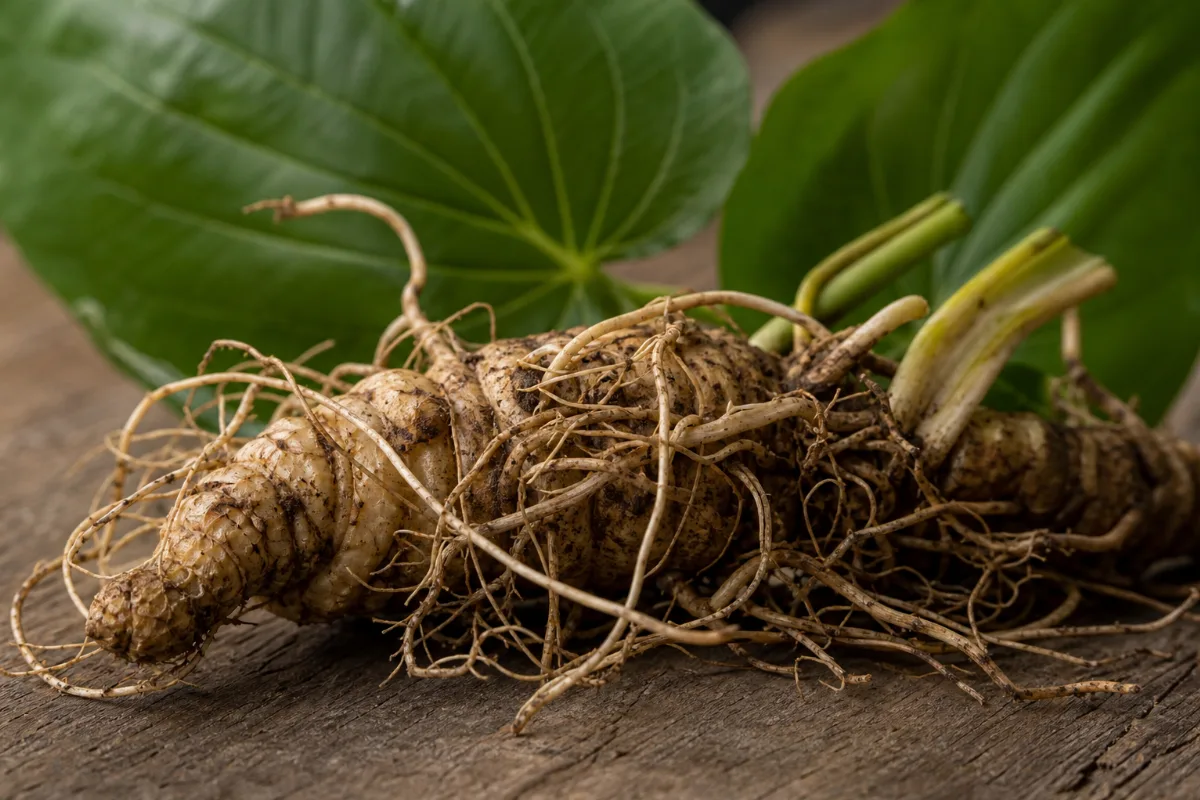
Kava is the root and rhizome of Piper methysticum, a plant of the pepper family from the Pacific islands. The same species is sold as a traditional drink, as water, ethanol or acetone extracts, and as supplements. These products are not the same: they have different mixes of kavalactones and, for liver risk, different histories.
Some databases list the plant as Macropiper methysticum, but regulators and the medical literature use Piper methysticum. 'Noble' kava varieties and 'non-noble' or 'two-day' types also differ in chemistry; non-noble types have more flavokavain B.
Traditional and current uses
In the Pacific, kava is a ceremonial and social drink. In 1990s Europe, standardised extracts such as WS 1490 and LI 150 became anxiety medicines. After liver injury reports, Germany revoked authorisations in 2002 (an ethanolic revocation was later cancelled by a 2015 court), and several European countries, Canada and Australia took action. In 2017 the EMA committee concluded that no EU herbal monograph could be set.
Today kava is sold in the US as a dietary supplement and in kava bars. Poison-centre reports have risen since 2011, and many involve kava mixed with kratom.
What the research shows
For anxiety, results are mixed. The Cochrane review found a benefit in short trials of up to 24 weeks, but the review is old (searches to 2002). Later Australian trials of a water extract were positive at 6 weeks and null at 16 weeks. Several earlier trials used named commercial extracts, and funding is often not stated, so industry links are possible.
The sources disagree on the solvent of one well-known extract: the EMA report calls WS 1490 an acetone extract, while Thomsen and Schmidt argue the evidence points to ethanol. We state both. Water-based traditional kava has not been tested in a long placebo-controlled trial.
How it may work
Kavalactones appear to act on the brain's calming (GABA) pathways and other targets, mostly shown in lab and rat studies. They also inhibit liver enzymes (CYP2B6, CYP3A4 and others) in the lab, which may matter for medicine interactions, though human studies cited by the EMA mostly did not show this.
At a glance
Traditional uses history, not proof
- Pacific Islands: a ceremonial and social drink made from the root, used for relaxation and ritual (EMA assessment report).
- European herbal handbooks (Commission E, ESCOP, WHO) listed kava extract for anxiety, tension and restlessness; the EMA report lists these.
- Reported skin effects in heavy drinkers were first noted on Captain Cook's Pacific voyages (Norton and Ruze).
Studied for research
- Short-term anxiety, low
- Generalized anxiety disorder (formal diagnosis), mixed
- Anxiety versus standard drugs (no placebo), very low
- Sleep and insomnia, insufficient
- Women's sexual drive (side-finding), insufficient
Main compounds
- Kavalactones (kavain, dihydrokavain, methysticin, dihydromethysticin, yangonin, desmethoxyyangonin), the main active compounds
- Flavokavains A and B, chalcones; flavokavain B is higher in non-noble kava and toxic to liver cells in lab tests
- Pipermethystine, found in stems and leaves, not the root; suspected toxin in adulterated material
Common forms
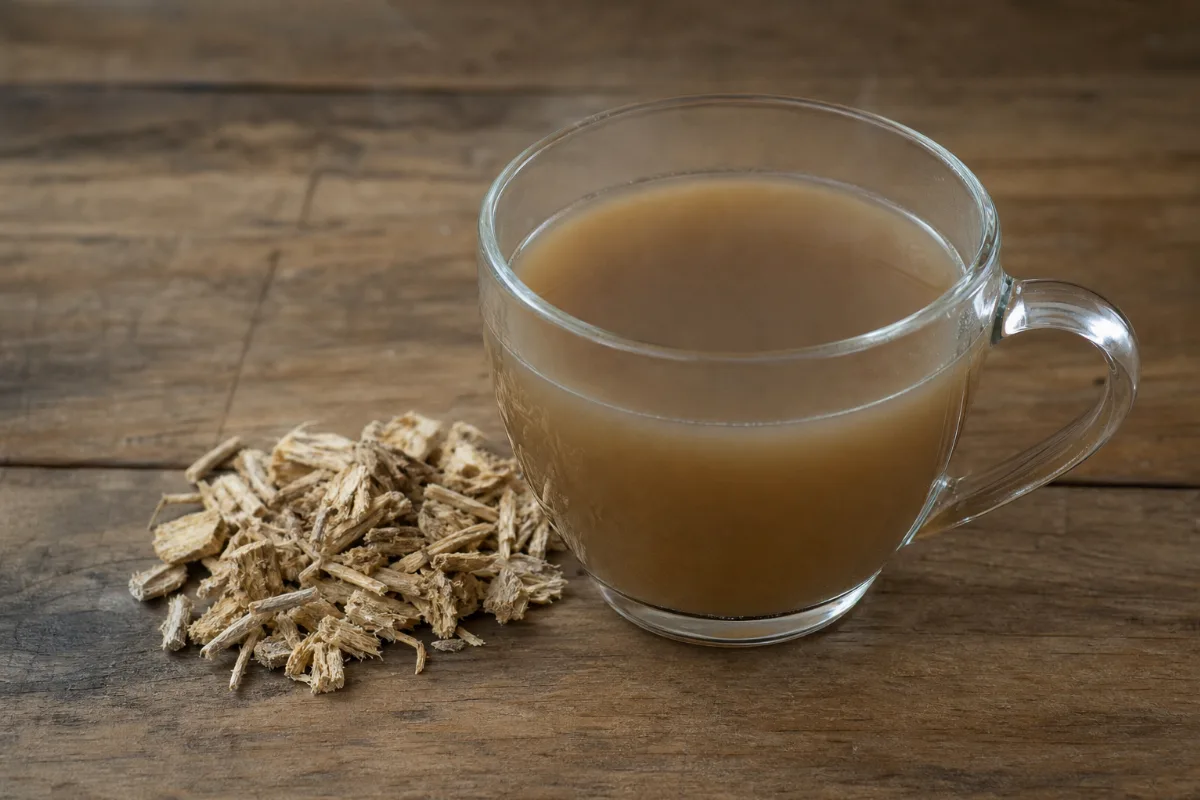
- Traditional water-based drink of root powder
- Aqueous (water) extract tablets used in Australian trials
- Ethanol extracts (e.g. LI 150) and acetone extracts (e.g. WS 1490, per EMA)
- Kava mixed with kratom in some products
- Capsules and ready-to-drink beverages sold in the US as dietary supplements
Research links: EMA public statement on kava rhizome (European Medicines Agency) · EMA assessment report on kava rhizome · NCCIH: Kava · Cochrane review: Kava extract for treating anxiety · LiverTox: Kava (NIDDK) · Research Library · Genes & Biomarkers Library
The plant and its history
- Accepted scientific name
- Piper methysticum G.Forst.
- Naming authority
- G.Forst., 1786 (NCBI Taxonomy, taxid 130404)
- Synonyms
- Macropiper methysticum (G.Forst.) Hook. & Arn. (accepted name in the GBIF backbone, where Piper methysticum G.Forst. is a heterotypic synonym); Piper methysticum is the name used by NCBI, GRIN, ITIS and by regulators and the medical literature
- Common names
- Kava (English); Kava kava (English); Kawa (English/German); Ava / awa (Pacific); Yagona / yangona (Fijian); Yati (Pacific)
- Botanical family
- Piperaceae (pepper family, which also holds black pepper).
- Classification
- Plantae > Tracheophyta > Magnoliopsida > Piperales > Piperaceae > Piper > Piper methysticum
- Native range
- The Pacific islands (Melanesia, Polynesia, Micronesia) per Norton and Ruze; Hawaii and Vanuatu varieties are discussed in the EMA report.
- Habitat
- Not verified from a botanical source read.
- What the plant looks like
- Roots: The root and rhizome are the traditional and medicinal part (EMA).; Stems: Stem peelings are sometimes mixed into trade material and are a quality concern (EMA).; Leaves: Leaves are not the traditional medicinal part; not verified further.; Flowers: Not verified.; Fruit: Not verified.
- Cultivation
- Not verified in detail. The EMA report says kava varieties differ by island; 'noble' kava types and 'non-noble' (including two-day or tudei) types are discussed.
- Harvest and processing
- Traditional: roots are pounded or ground and mixed with water. Industrial: aqueous, ethanol or acetone extracts (EMA). Detailed methods not verified.
- Look-alikes and adulterants
- Name: Kava stems and leaves; Note: Not the traditional part; may contain pipermethystine; found as adulterant in trade (EMA).; Name: Noble versus non-noble (two-day) kava; Note: Different chemical profiles; noble types have less flavokavain B (EMA, citing Lebot).; Name: Kava-kratom blends; Note: Products sold together; kratom is a different plant with opioid-like effects (MMWR 2026).
- Sustainability and conservation
- Not verified.
The plant and the parts used
Traditional use and history history, not clinical proof
| Tradition or era | Documented use | Source |
|---|---|---|
| Pacific Islands (centuries) | Kava is a ceremonial and social drink made from the root; a pillar of South Pacific societies and economies. It is used for relaxation and ritual. Norton and Ruze say the skin effects were first reported by Captain James Cook's expeditions. | p8021378 |
| Pacific traditional medicine | The EMA report lists traditional uses including urinary tract infections (2 to 4 g dried root as decoction, BHP 1993) and anxiety, tension and restlessness in handbooks (Commission E 1998, ESCOP 2003, WHO 2004). | s-ema-ar-kava |
| 1990s Europe | Kava extracts became herbal anxiety medicines in Germany and Europe, including the acetone extract WS 1490 (on the German market until 2002) and ethanol extract LI 150. | s-ema-ar-kava |
| 2002 and after | Liver injury reports led to withdrawals in several countries; Germany revoked authorisations in 2002 (ethanolic revocation cancelled by a 2015 court decision). EMA ruled in 2017 that no EU monograph could be set. | s-ema-ps-kava |
| 2010s to today | Kava bars and ready-to-drink kava products grew in the United States and Australia; poison-centre reports have risen since 2011. | p41926333 |
Traditional use shows how a plant was used. It does not show that a supplement works or is safe today.
What is inside, and how it may work
What the plant contains and how those compounds act in cells and animals. Laboratory and animal mechanisms are not proven effects in people.
Main compounds
| Compound | Family | Where it is concentrated | Activity studied | Level of evidence |
|---|---|---|---|---|
| Kavain PubChem 5281565 | kavalactone (kavapyrone) | Root and rhizome; higher in noble kava not stated | Major kavalactone; reported on GABA and other targets in lab work 7 16 | Laboratory research |
| Dihydrokavain PubChem 10220256 | kavalactone | Root Over 67% of kavalactones in one water extract | Major in water extracts 6 16 | Laboratory research |
| Methysticin PubChem 5281567 | kavalactone | Root Enriched in ethanol extract in one study | Inhibited CYP3A4/1A2 in a lab assay 6 16 | Laboratory research |
| Dihydromethysticin PubChem 88308 | kavalactone | Root not stated | Inhibitor of CYP2B6 (probably mechanism-based) in lab work 35 16 | Laboratory research |
| Yangonin PubChem 5281575 | kavalactone | Root Enriched in ethanol extract in one study | Reported on liver receptors in mice (cholestasis models; not read) 6 16 | Animal research |
| Desmethoxyyangonin PubChem 5273621 | kavalactone | Root not stated | One of the six major kavalactones 7 16 | Laboratory research |
| Flavokavain B PubChem 5356121 | chalcone | Higher in non-noble kava varieties not stated | Cytotoxic to liver cells in lab work; suggested but unproven contributor to liver risk 6 7 16 | Laboratory research |
| Flavokavain A PubChem 235736 | chalcone | Root not stated | Minor chalcone 7 16 | Laboratory research |
| Pipermethystine | alkaloid | Stem peelings and leaves, not root Traces up to 0.85% in stem peelings | Suspected toxin in adulterated material; no PubChem ID verified 7 | Laboratory research |
Mechanisms, receptors and pathways
| Target or pathway | Gene or receptor | What was found | Level |
|---|---|---|---|
| GABA-A receptor binding | GABRA/GABRB | A hydroethanolic kava extract increased binding of a GABA-A probe in rat brain areas (up to 358% over control in hippocampus) (EMA review). 7 | Laboratory research |
| Monoamine uptake and sodium or calcium channels | SLC6A/ion channels | EMA lists reuptake inhibition and modulation of voltage-dependent Na+ and Ca2+ channels in lab studies. 7 | Laboratory research |
| Cytochrome P450 enzymes | CYP2B6, CYP3A4, CYP1A2, CYP2D6 | Lab studies show inhibition of several CYP enzymes by kava extracts or dihydromethysticin; EMA says in vivo human studies mostly did not show modulation. 35 6 7 | Laboratory research |
| Intestinal CYP3A and P-glycoprotein | CYP3A, ABCB1 | In rats kava raised midazolam exposure and increased fexofenadine uptake in cells. 18 | Animal research |
| GABA transporter genetics in anxiety trials | SLC6A1 | In Sarris 2013, GABA transporter variants were associated with response in the kava group; in Sarris 2020 no SLC6A1 variants were linked to response and one allele favoured placebo. 23 26 | Human data |
| Skin cytochrome P450 and cholesterol metabolism | CYP enzymes | Kava dermopathy may relate to P450 function in skin or cholesterol metabolism (hypotheses). 20 11 | Human data |
Absorption, metabolism and elimination
- Absorption
- Limited human data. Lab Caco-2 cell work found differences in kavalactone absorption between ethanolic and aqueous extracts (EMA).
- Distribution
- Not established in the sources read.
- Metabolism
- Kavalactones are broken down by liver enzymes; kavain bioactivation has been studied in lab work (Wang 2019, not read). Several are CYP inhibitors in lab tests.
- Elimination
- Not established in the sources read.
- Bioavailability
- Not established for kava products in people; reviews say basic ADME work is needed (Bian 2020).
Isolated compounds versus whole extracts
Kava is not one thing. Water, ethanol and acetone extracts differ in kavalactones and other compounds, and a reconstituted mixture of the main kavalactones did not reproduce the CYP effects of the whole extract in one lab study. Noble and non-noble varieties also differ (flavokavain B). Effects seen with one product should not be assumed for another.
Nutritional composition
Kava is not a nutrient source. It is used as a root beverage or an extract; no nutrient table applies.
1 mixed findings1 low certainty1 very low certainty3 not enough evidence
What was looked at
The 6 benefits and uses checked for Kava, each with how strong the evidence is. Tap one to open it.
- Anxiety symptoms in the short term (weeks)Low certainty
- Diagnosed generalized anxiety disorder (GAD)Mixed findings
- Anxiety compared with standard drugs (buspirone, opipramol)Very low certainty
- Sleep and insomniaNot enough evidence
- Sexual drive in women (secondary finding)Not enough evidence
- Traditional social and ceremonial relaxation (Pacific)Not enough evidence
Lab markers tracked in the studies
Hamilton Anxiety Rating Scale (HAMA)State-Trait Anxiety Inventory, state part (STAI-State)Insomnia Severity Index (ISI)Arizona Sexual Experience Scale (ASEX)Alanine aminotransferase (ALT) and other liver testsBraking reaction time in a driving simulator
What is Kava good for?
The main proposed uses and how strong the human evidence is for each. 'Low' means the studies are few, small, short or disagree. Safety warnings apply to every use.
Benefits, one by one
Each card is a research question, not a promise. Tap a goal to filter. Open a card to see the studies, doses and limits.
Anxiety symptoms in the short term (weeks)
Low certaintySeveral older European trials and a Cochrane review found kava extract lowered anxiety scores more than placebo over 1 to 24 weeks. The newer, larger Australian trial did not confirm this for diagnosed generalized anxiety disorder.
6 studiesTrials used different kava extracts: acetone (WS 1490 per EMA), ethan…
Studies, doses and limits
What the trials found
The Cochrane review (Pittler and Ernst 2003) pooled 11 placebo-controlled trials (645 people) and found a lower Hamilton Anxiety score with kava in six trials (n = 345). The network meta-analysis of herbs for anxiety (Zhang 2022, 29 trials) also found kava lowered anxiety overall. Individual trials: WS 1490 (Gastpar 2003, 141 people) missed its pre-planned comparison but showed a benefit in an exploratory analysis; an aqueous extract in 75 people with generalized anxiety disorder (Sarris 2013) showed a moderate effect over 6 weeks. In a large online trial of people with both anxiety and poor sleep (Jacobs 2005, 391 people) kava did no better than placebo.
Results
Mixed but leaning positive in short, older trials; null in the largest and longest trial of one aqueous extract.
Effect sizes as reported
Cochrane: 5.0 points lower HAMA (95% CI 1.1 to 8.8). Network meta-analysis: mean difference -2.46 (95% CrI -4.47 to -0.32). Sarris 2013: d = 0.62, remission 26% vs 6%. Jacobs 2005: no benefit (2.7 points greater fall with placebo, CI -0.8 to +6.2).
Why this rating
The Cochrane authors called the trials small and short and asked for better long-term safety data; the review is old (searches to 2002). The two best-quality recent trials point in different directions, and the largest (Sarris 2020) found no effect, so confidence is low. No reviewer GRADE rating was given in the abstracts.
Form and dose studied
Trials used different kava extracts: acetone (WS 1490 per EMA), ethanol (LI 150, Connor 2002) and water (Sarris trials). Amounts are not discussed here; ask a doctor or pharmacist.
Who was studied
Adults with anxiety, generalized anxiety disorder or tension; not children.
Limits
Short trials (4 to 8 weeks mostly); extracts differ; some trials are tied to named commercial extracts; placebo response is large.
Why researchers looked
Kava is the best-known Pacific plant for relaxation and was sold in Europe as an anxiety medicine until safety warnings in 2002.
Traditional use
In the Pacific, the root is made into a water-based drink shared in social and ceremonial settings to relax and ease tension. The EMA report notes this long tradition.
Proposed mechanism Preliminary mechanism
Kavalactones in the root act on the brain's calming (GABA) system and other signalling targets, mostly shown in lab and animal work (EMA assessment report).
A proposed mechanism does not show that the effect happens in people.
Kava carries a serious safety warning: rare but severe liver injury, dangerous mixing with alcohol and sedatives, and skin changes with heavy use. See the safety section before considering any kava product.
Diagnosed generalized anxiety disorder (GAD)
Mixed findingsFor people with a formal GAD diagnosis the picture is mixed: one small 6-week trial was positive, but a larger 16-week trial of the same kind of water-based extract found no benefit, and NCCIH says kava does not appear helpful for GAD.
5 studiesAqueous extract tablets in the Sarris trials; ethanolic extract in Co…
Studies, doses and limits
What the trials found
Connor 2002 (37 adults, an ethanolic extract per EMA) found improvement in both groups and no difference. Sarris 2013 (aqueous extract, 6 weeks) was positive; Sarris 2020 (171 people, aqueous extract, 16 weeks) found no significant benefit and, if anything, a small lean to placebo, with more memory complaints and tremor in the kava group and more abnormal liver tests. The herbal network meta-analysis found kava possibly ineffective in the GAD subgroup. NCCIH (April 2025) says kava does not appear helpful for generalized anxiety disorder.
Results
Mixed: 2 trials null (Connor 2002, Sarris 2020), 1 positive (Sarris 2013).
Effect sizes as reported
Sarris 2020: placebo-favouring difference of 1.37 HAMA points (p = 0.25); remission 17.4% kava vs 23.8% placebo (p = 0.46). Sarris 2013: p = 0.046, d = 0.62.
Why this rating
Small positive trial, then a larger longer trial with the opposite result and a null early trial. Not a safe basis for treating GAD with kava.
Form and dose studied
Aqueous extract tablets in the Sarris trials; ethanolic extract in Connor 2002.
Who was studied
Adults with a GAD diagnosis, mostly not on other medicine.
Limits
Only one aqueous extract was tested at one dose; results may not apply to other extracts, to situational anxiety, or to traditional drinks. Authors of Sarris 2020 say earlier work supports kava mainly for short-term situational anxiety.
Why researchers looked
GAD is a long-lasting condition, so researchers tested kava over longer periods than for short-term worry.
Proposed mechanism Preliminary mechanism
Kavalactones are thought to calm nerve signalling in the brain; this has not been shown to explain a benefit in GAD.
A proposed mechanism does not show that the effect happens in people.
Kava carries a serious safety warning: rare but severe liver injury, dangerous mixing with alcohol and sedatives, and skin changes with heavy use. See the safety section before considering any kava product.
Anxiety compared with standard drugs (buspirone, opipramol)
Very low certaintyOne 8-week German trial found a kava extract worked about as well as two standard anxiety medicines, but it had no placebo group.
2 studiesEthanol extract LI 150 (ethanol 96% per EMA).
Studies, doses and limits
What the trials found
Boerner 2003 gave 129 outpatients with GAD either kava extract LI 150, buspirone 10 mg or opipramol 100 mg a day. About 75% in each group were responders and about 60% reached remission, with no significant differences between groups.
Results
Equivalent outcomes in each group; no placebo to show whether any of them beat placebo.
Effect sizes as reported
About 75% responders in each arm; about 60% full remission.
Why this rating
One trial, no placebo, comparators not first-line (EMA assessor), and a named commercial extract; the result cannot show kava works.
Form and dose studied
Ethanol extract LI 150 (ethanol 96% per EMA).
Who was studied
Outpatients with GAD, 127 analysed.
Limits
No placebo arm; funding not stated in the abstract; named manufacturer product.
Why researchers looked
To see how kava stacks up against drugs people actually take.
Proposed mechanism Pharmacological theory
Not applicable.
A proposed mechanism does not show that the effect happens in people.
Kava carries a serious safety warning: rare but severe liver injury, dangerous mixing with alcohol and sedatives, and skin changes with heavy use. See the safety section before considering any kava product.
Sleep and insomnia
Not enough evidenceEvidence for sleep is thin. A small unblinded pilot saw improvement, but a large placebo-controlled trial and a review of herbs for insomnia found no benefit over placebo.
4 studiesWheatley: kava 120 mg a day for 6 weeks (extract type not stated).
Studies, doses and limits
What the trials found
Wheatley 2001 (24 people, stress-induced insomnia) saw improved stress and sleep ratings (p < 0.01) but had no placebo group. Jacobs 2005 (391 people with anxiety and insomnia) found no sleep effect for valerian and no anxiety effect for kava versus placebo. The Leach 2015 review of herbs for insomnia (14 trials, 1,602 people, including kava) found no significant difference from placebo on any of 13 measures, and called the evidence insufficient.
Results
No reliable benefit shown.
Effect sizes as reported
Wheatley: improvement in both herbs, p < 0.01 (uncontrolled). Leach: no significant difference vs placebo on 13 measures.
Why this rating
One uncontrolled pilot, one null placebo-controlled trial and a null review; the best evidence says no clear benefit.
Form and dose studied
Wheatley: kava 120 mg a day for 6 weeks (extract type not stated).
Who was studied
Adults with stress-related or general insomnia.
Limits
Small, uncontrolled or not kava-specific; no sleep recordings.
Why researchers looked
Kava is a calming plant, so people use it to help sleep.
Traditional use
Traditional kava drinking is used to relax in the evening; sleep trials are modern.
Proposed mechanism Preliminary mechanism
Kavalactones act on calming brain pathways; no sleep-specific mechanism is established.
A proposed mechanism does not show that the effect happens in people.
Kava carries a serious safety warning: rare but severe liver injury, dangerous mixing with alcohol and sedatives, and skin changes with heavy use. See the safety section before considering any kava product. A case report describes liver injury in a man who took kava drink to help sleep.
Sexual drive in women (secondary finding)
Not enough evidenceIn a 6-week anxiety trial, women taking an aqueous kava extract reported higher sexual drive on one scale than women taking placebo. It was a side-finding, not a planned test.
1 studiesAqueous extract, 120 to 240 mg kavalactones a day for 6 weeks (trial …
Studies, doses and limits
What the trials found
Sarris 2013 (75 people with GAD) reported that kava significantly increased women's sexual drive on a sub-scale of the Arizona Sexual Experience Scale (p = 0.040) with no negative effects in men.
Results
A single small secondary result.
Effect sizes as reported
p = 0.040 on one ASEX sub-domain (women).
Why this rating
One exploratory analysis in a small trial; not confirmed.
Form and dose studied
Aqueous extract, 120 to 240 mg kavalactones a day for 6 weeks (trial design, not advice).
Who was studied
Women and men with GAD in one Australian trial.
Limits
Exploratory outcome; no replication; the benefit was linked to anxiety improvement, and the larger 16-week trial did not confirm the anxiety benefit.
Why researchers looked
Researchers checked sexual effects because anxiety medicines often affect them.
Proposed mechanism Preliminary mechanism
Not established; the authors noted sexual improvement tracked anxiety reduction.
A proposed mechanism does not show that the effect happens in people.
Kava carries a serious safety warning: rare but severe liver injury, dangerous mixing with alcohol and sedatives, and skin changes with heavy use. See the safety section before considering any kava product.
Traditional social and ceremonial relaxation (Pacific)
Not enough evidenceAcross the Pacific, a water-based kava drink is shared to relax and bring people together. This is a long tradition, not proof from trials of any health benefit.
2 studiesWater-based drink of root powder, traditional.
Studies, doses and limits
What the trials found
No controlled trial of ceremonial drinking was found. The EMA assessment report and a 2020 review (Bian) describe traditional use; heavy regular drinking is linked to skin changes (kava dermopathy) and, in some reports, liver and withdrawal problems.
Results
Cultural use documented; no trial evidence.
Why this rating
Traditional use is evidence of culture, not of benefit or safety; EMA concluded long-standing use did not prove safety.
Form and dose studied
Water-based drink of root powder, traditional.
Who was studied
Pacific Islander communities.
Limits
Intake in ceremonies can be far higher than in trials; the EMA report treats ceremonial drinking as overdosage compared with extract doses.
Why researchers looked
Kava is a pillar of social and cultural life in many Pacific societies.
Traditional use
The EMA report describes kava as a ritual tranquillising drink with a very long South Pacific tradition; the roots are pounded or ground and mixed with water.
Proposed mechanism Preliminary mechanism
Kavalactones act on calming brain pathways (lab and animal work).
A proposed mechanism does not show that the effect happens in people.
Kava carries a serious safety warning: rare but severe liver injury, dangerous mixing with alcohol and sedatives, and skin changes with heavy use. See the safety section before considering any kava product.
Connections to the rest of health
How Kava connects to the rest of our health knowledge graph. Every link says what kind of connection it is. A safety link (for example to the liver) is a warning, not a benefit. A study that merely mentions a topic never creates a benefit link.
Explore every connection: goals, body systems, organs, symptoms, genes
A. Wellness goals
| Connected to | Kind of connection | Evidence status | Context | Studies |
|---|---|---|---|---|
| Anxiety Support | Potential benefit | Low certainty | Anxiety symptoms in the short term (weeks): Several older European trials and a Cochrane review found kava extract lowered anxiety scores more than placebo over 1 to 24 weeks. The newer, larger Australian trial did not confirm this for diagnosed generalized anxiety disorder. Diagnosed generalized anxiety disorder (GAD): For people with a formal GAD diagnosis the picture is mixed: one small 6-week trial was positive, but a larger 16-week trial of the same kind of water-based extract found no benefit, and NCCIH says kava does not appear helpful for GAD. | 22 40 10 23 14 7 5 26 19 3 |
| Calm Relaxation | Potential benefit | Low certainty | Anxiety symptoms in the short term (weeks): Several older European trials and a Cochrane review found kava extract lowered anxiety scores more than placebo over 1 to 24 weeks. The newer, larger Australian trial did not confirm this for diagnosed generalized anxiety disorder. | 22 40 10 23 14 7 |
| Stress Reduction | Potential benefit | Low certainty | Anxiety symptoms in the short term (weeks): Several older European trials and a Cochrane review found kava extract lowered anxiety scores more than placebo over 1 to 24 weeks. The newer, larger Australian trial did not confirm this for diagnosed generalized anxiety disorder. | 22 40 10 23 14 7 |
| Better Sleep | Potential benefit | Not enough evidence | Sleep and insomnia: Evidence for sleep is thin. A small unblinded pilot saw improvement, but a large placebo-controlled trial and a review of herbs for insomnia found no benefit over placebo. | 36 14 15 38 |
| Sleep Quality | Potential benefit | Not enough evidence | Sleep and insomnia: Evidence for sleep is thin. A small unblinded pilot saw improvement, but a large placebo-controlled trial and a review of herbs for insomnia found no benefit over placebo. | 36 14 15 38 |
| Womens Wellness | Potential benefit | Not enough evidence | Sexual drive in women (secondary finding): In a 6-week anxiety trial, women taking an aqueous kava extract reported higher sexual drive on one scale than women taking placebo. It was a side-finding, not a planned test. | 24 |
| Libido Support | Potential benefit | Not enough evidence | Sexual drive in women (secondary finding): In a 6-week anxiety trial, women taking an aqueous kava extract reported higher sexual drive on one scale than women taking placebo. It was a side-finding, not a planned test. | 24 |
| Calm Relaxation | Traditional use | Not enough evidence | Traditional social and ceremonial relaxation (Pacific): Across the Pacific, a water-based kava drink is shared to relax and bring people together. This is a long tradition, not proof from trials of any health benefit. | 7 2 |
B. Body systems
| Connected to | Kind of connection | Evidence status | Context | Studies |
|---|---|---|---|---|
| Nervous system | Drug or supplement interaction | Very low certainty | Additive sedation; coma reported in one alprazolam case. Reduced levodopa effect in one case report. Preparation or compound: Kava with alcohol, benzodiazepines, sedatives |
7 19 13 |
| Reproductive system | Contraindication | Very low certainty | EMA contraindicates; one case of newborn skin changes. Preparation or compound: Kava in pregnancy and lactation |
7 27 |
| Hepatic system | Contraindication | Very low certainty | EMA contraindication. Preparation or compound: Kava with liver disease or alcohol abuse |
7 |
| Nervous System | Biological association | Low certainty | Studied for: Anxiety symptoms in the short term (weeks) Studied for: Diagnosed generalized anxiety disorder (GAD) | 22 40 10 23 14 7 5 26 19 3 36 15 38 2 |
| Stress Mood | Biological association | Low certainty | Studied for: Anxiety symptoms in the short term (weeks) Studied for: Diagnosed generalized anxiety disorder (GAD) | 22 40 10 23 14 7 5 26 19 |
| Sleep Recovery | Biological association | Not enough evidence | Studied for: Sleep and insomnia | 36 14 15 38 |
| Reproductive System | Biological association | Not enough evidence | Studied for: Sexual drive in women (secondary finding) | 24 |
C. Body parts and organs
| Connected to | Kind of connection | Evidence status | Context | Studies |
|---|---|---|---|---|
| Liver | Adverse effect or risk | Low certainty | Rare but serious liver injury reported worldwide; regulators acted in 2002. Preparation or compound: Kava root preparations (water, ethanol, acetone extracts) |
7 31 38 |
| Skin | Adverse effect or risk | Low certainty | Kava dermopathy: scaly skin; acute eruptions also reported. Preparation or compound: Heavy or long-term kava use |
20 11 1 |
I. Biomarkers
| Connected to | Kind of connection | Evidence status | Context | Studies |
|---|---|---|---|---|
| Hamilton Anxiety Rating Scale (HAMA) | Biological association | Low certainty | Measured in trials: mixed. A lab change is not the same as a health benefit. | 22 23 26 |
| State-Trait Anxiety Inventory, state part (STAI-State) | Biological association | Low certainty | Measured in trials: no-change. A lab change is not the same as a health benefit. | 14 |
| Insomnia Severity Index (ISI) | Biological association | Not enough evidence | Measured in trials: no-change. A lab change is not the same as a health benefit. | 14 15 |
| Arizona Sexual Experience Scale (ASEX) | Biological association | Not enough evidence | Measured in trials: mixed. A lab change is not the same as a health benefit. | 24 |
| Alanine aminotransferase (ALT) and other liver tests | Biological association | Low certainty | Measured in trials: mixed. A lab change is not the same as a health benefit. | 24 26 10 |
| Braking reaction time in a driving simulator | Biological association | Low certainty | Measured in trials: no-change. A lab change is not the same as a health benefit. | 25 |
J. Genes, receptors and enzymes
| Connected to | Kind of connection | Evidence status | Context | Studies |
|---|---|---|---|---|
| SLC6A1 (GABA transporter) | Preliminary mechanism | Human | Variants studied as predictors of kava response in two trials; results inconsistent. | 23 26 |
| CYP2B6 | Preliminary mechanism | In vitro | Inhibited by kava extracts and dihydromethysticin in lab work. | 35 |
| CYP3A4 | Preliminary mechanism | In vitro | Inhibited by kava extracts in an in vitro assay; midazolam levels rose in rats. | 6 18 |
K. Biological pathways
| Connected to | Kind of connection | Evidence status | Context | Studies |
|---|---|---|---|---|
| GABA-A receptor signalling | Preliminary mechanism | In vitro | Proposed route for calming effects; lab and animal work. | 7 |
L. Active compounds
| Connected to | Kind of connection | Evidence status | Context | Studies |
|---|---|---|---|---|
| Kavain | Biological association | In vitro | Major kavalactone; reported on GABA and other targets in lab work Preparation or compound: Root and rhizome; higher in noble kava |
7 16 |
| Dihydrokavain | Biological association | In vitro | Major in water extracts Preparation or compound: Root |
6 16 |
| Methysticin | Biological association | In vitro | Inhibited CYP3A4/1A2 in a lab assay Preparation or compound: Root |
6 16 |
| Dihydromethysticin | Biological association | In vitro | Inhibitor of CYP2B6 (probably mechanism-based) in lab work Preparation or compound: Root |
35 16 |
| Yangonin | Biological association | Animal | Reported on liver receptors in mice (cholestasis models; not read) Preparation or compound: Root |
6 16 |
| Desmethoxyyangonin | Biological association | In vitro | One of the six major kavalactones Preparation or compound: Root |
7 16 |
| Flavokavain B | Biological association | In vitro | Cytotoxic to liver cells in lab work; suggested but unproven contributor to liver risk Preparation or compound: Higher in non-noble kava varieties |
6 7 16 |
| Flavokavain A | Biological association | In vitro | Minor chalcone Preparation or compound: Root |
7 16 |
| Pipermethystine | Biological association | In vitro | Suspected toxin in adulterated material; no PubChem ID verified Preparation or compound: Stem peelings and leaves, not root |
7 |
Each connection is stored with the ingredient, the connected record, the kind of connection, the evidence status, the supporting studies, the preparation or compound involved, and a review date (last reviewed October 25, 2026).
Evidence at a glance: what changed in 6 lab markers
Tap a number to show only those markers. Counts are markers, not people.
The evidence
The research centre for Kava. Every record here was checked against PubMed or the publisher's page; we never list a study we have not verified.
Evidence by outcome
Bars show how many studies we found for each outcome, not how well it works. People are added up across trials only (reviews are not added, to avoid double counting).
How we rate evidence
High certainty
Several well-run trials or reviews agree; further research is unlikely to change the picture much.
Moderate certainty
Good trials point the same way, but some doubt remains.
Low certainty
Small, short or inconsistent trials. The finding could change with better research.
Very low certainty
Very little or very weak human data. Treat as a possibility only.
Mixed findings
Trials or reviews disagree with each other.
Not enough evidence
Not enough human research to say either way.
Evidence against
Good research found no benefit, or found harm.
We take the reviewers' own risk-of-bias and GRADE statements where they exist, and otherwise judge from study size, design, consistency, directness and whether a product matches what is sold. Many publications do not make evidence high. Method note: We searched PubMed, read abstracts directly, and read the European Medicines Agency's assessment report and public statement on kava rhizome in full, plus the NCCIH page. LiverTox, the WHO 2007 report and some national rules could not be read and are marked as not verified.
Study library: every study we checked 40
| Study | Design | People | Product, dose, length | Result |
|---|---|---|---|---|
| Abid 2026 Diagnosing Acute Kava Dermopathy: A Case Report of a Characteristic Cutaneous Eruption. Med J Aust · PMID 41486963 · DOI |
Case report |
1 41-year-old woman in Australia with no Pacific travel |
Kava taken for anxiety and insomnia root 6 weeks |
Widespread itchy red eruption after 6 weeks of kava; biopsy showed inflammation around hair follicles and sebaceous-gland necrosis (acute kava dermopathy); liver tests were mildly abnormal. Single case Methods, limits and fundingOutcomes: Skin biopsy, liver tests Limitations: Single case; mechanism is a hypothesis. Funding and conflicts: Funding and conflicts not stated in the abstract. Read: abstract |
| Bian 2020 Kava as a Clinical Nutrient: Promises and Challenges. Nutrients · PMID 33027883 · DOI |
Review |
Kava research overview | Kava root preparations; aqueous, organic-solvent and commercial products root |
Calls rare liver toxicity linked to certain preparations unproven in mechanism, stresses the diversity of kava products and the lack of standardisation, and urges quality control and basic pharmacology (absorption, metabolism) studies. Not applicable Methods, limits and fundingOutcomes: Composition, mechanisms, therapeutic potential and risks Limitations: Narrative review; the abstract gives no numbers. Funding and conflicts: Some authors also work on new kava-based products and trials; any commercial link is not stated in the abstract. Read: abstract |
| Boerner 2003 Kava-Kava extract LI 150 is as effective as Opipramol and Buspirone in Generalised Anxiety Disorder--an 8-week randomized, double-blind multi-centre clinical trial in 129 out-patients. Phytomedicine · PMID 12807341 · DOI |
Controlled trial |
129 Outpatients with generalized anxiety disorder (ICD-10 F41.1); 127 analysed |
Kava extract LI 150 (named commercial product; EMA report: ethanol 96% extract) root 400 mg extract a day 8 weeks · vs buspirone 10 mg a day and opipramol 100 mg a day (no placebo arm) |
No significant differences between the three groups on any efficacy or safety measure. About 75% were responders (half or more fall in HAMA) in each group. About 75% responders in each arm Methods, limits and fundingOutcomes: HAMA and responder rate at week 8 Limitations: No placebo group, so it cannot show kava beats placebo; comparators are not first-line treatments (EMA assessor comment). Funding and conflicts: Funding not stated in the abstract. LI 150 is a named manufacturer product; a commercial link is possible, not verified. Read: abstract |
| Cassidy 2024 Kava Withdrawal Treated With Phenobarbital-A Case Report and Literature Review. J Addict Med · PMID 38829029 · DOI |
Case report |
1 Man admitted after a fall while intoxicated on kava; plus a systematic search of 9 studies |
Heavy kava use (escalating amounts for weeks) unspecified heavy weeks |
Delirium on stopping heavy kava, treated with phenobarbital; the search found 8 studies with low controlled doses showing no withdrawal symptoms and one series of heavy users with seizure-like events. Single case plus review Methods, limits and fundingOutcomes: Withdrawal syndrome, literature review Limitations: One case; shows that heavy use, unlike low controlled doses, can be followed by withdrawal. Funding and conflicts: Funding and conflicts not stated in the abstract. Read: abstract |
| Connor 2002 A placebo-controlled study of Kava kava in generalized anxiety disorder. Int Clin Psychopharmacol · PMID 12131602 · DOI |
Controlled trial |
37 Adults with DSM-IV generalized anxiety disorder |
Kava extract (the EMA assessment report describes it as an ethanolic extract with no further detail) root (per EMA report) 4 weeks · vs matching placebo |
Both groups improved and there was no difference in the main analysis. In after-the-fact (post-hoc) analyses kava did better on one scale in low-anxiety people and placebo did better in high-anxiety people. Both were well tolerated. No significant difference in the principal analysis Methods, limits and fundingOutcomes: HAMA, HADS, SARA Limitations: Very small; post-hoc subgroup findings are weak evidence. Funding and conflicts: Funding and conflicts not stated in the abstract. Read: abstract |
| Daniels 2026 Kavalactone profiling of Piper methysticum root and rhizome extracts and the modulation of CYP450 activity in vitro. Chem Biol Interact · PMID 42431523 |
Laboratory research in-vitro |
Aqueous and ethanol extracts made from the same kava biomass; human hepatocytes; enzyme assays | Aqueous and ethanol kava extracts root/rhizome lab concentrations |
Water and ethanol extracts have different kavalactone mixes: ethanol was richer in methysticin and yangonin, while dihydrokavain made up over 67% of the water extract's kavalactones. Neither extract was toxic to human liver cells in the test, but flavokavain B was. Both extracts inhibited CYP3A4 and CYP1A2 in the assay. Dihydrokavain over 67% of kavalactones in the water extract Methods, limits and fundingOutcomes: Kavalactone profile, liver-cell toxicity, CYP activity Limitations: Lab study; the authors' view that a causal link remains undefined is theirs. Funding and conflicts: Funding not stated in the abstract. Read: abstract |
| EMA Committee on Herbal Medicinal Products (HMPC) 2017 Assessment report on Piper methysticum G. Forst., rhizoma (EMA/HMPC/450589/2016) EMA/HMPC/450589/2016 · Source |
Authoritative guidance |
Adults; trials and case reports on kava preparations; European regulators' actions | Kava root and rhizome: aqueous, ethanolic and acetone extracts root/rhizome |
Final report dated 21 November 2017 (published 13 April 2018). Concludes that the benefit-risk balance for oral kava for anxiety disorders is unfavourable and that an EU herbal monograph cannot be established. Notes withdrawal of products since 2002 in the Czech Republic, France, Spain, UK, Hungary and Portugal; Germany revoked authorisations in 2002 and a 2015 court decision cancelled the revocation for ethanolic preparations. Records an NTP-listed (2B) mouse liver tumour (hepatoblastoma) signal from one kava preparation. Contraindicates use in pregnancy, lactation, liver disease and alcohol abuse. Methods, limits and fundingOutcomes: Efficacy, safety, liver cases, interactions, pregnancy, regulatory status by country, benefit-risk Limitations: Authoritative European Union assessment of traditional and trial evidence; trials were small, short and of mixed quality (as the report states). Read: full-text |
| EMA Committee on Herbal Medicinal Products (HMPC) 2017 Public statement on Piper methysticum G. Forst., rhizoma (EMA/HMPC/450588/2016) EMA/HMPC/450588/2016 · Source |
Authoritative guidance |
Herbal products containing kava root | Kava root and rhizome root/rhizome |
Final (21 November 2017). No EU monograph can be established: toxicology concern (carcinogenic potential in animals) and liver reactions including transplants and deaths make the benefit-risk balance unfavourable. May be reassessed if new safety and efficacy data become available. Methods, limits and fundingOutcomes: Whether an EU herbal monograph can be set Limitations: Regulatory document, not a trial. Read: full-text |
| GBIF; NCBI Taxonomy 2026 GBIF and NCBI Taxonomy records for Piper methysticum G.Forst. api.gbif.org; NCBI taxonomy (taxid 130404) · Source |
Database |
Plant identity | Piper methysticum root |
NCBI Taxonomy taxid 130404: Piper methysticum G.Forst., 1786, family Piperaceae. The GBIF backbone lists Piper methysticum G.Forst. as a heterotypic synonym of Macropiper methysticum (G.Forst.) Hook. & Arn. (key 4186474), while GRIN, ITIS and other datasets inside GBIF accept Piper methysticum. Checked 2026-10-25. Methods, limits and fundingOutcomes: Accepted name, family Limitations: Naming differs between databases; regulators and literature use Piper methysticum. Read: full-text |
| Gastpar 2003 Treatment of anxiety, tension and restlessness states with Kava special extract WS 1490 in general practice: a randomized placebo-controlled double-blind multicenter trial. Phytomedicine · PMID 14692723 · DOI |
Controlled trial |
141 Adult outpatients with neurotic anxiety (DSM-III-R) in German general practice |
Kava special extract WS 1490 (a named commercial product; the EMA report says acetone 75% extract, while Thomsen and Schmidt 2021 argue it was ethanolic) root 150 mg a day (3 x 50 mg) 4 weeks plus 2 weeks follow-up · vs placebo |
The planned comparison of final ASI scores was not significant (p > 0.05). A later exploratory analysis favoured the extract (p < 0.01). 73% of treated people improved by more than 5 ASI points versus 56% on placebo. Well tolerated, with no change in liver tests. The authors note the benefit was smaller than in earlier trials with 300 mg a day. 73% vs 56% with ASI fall over 5 points Methods, limits and fundingOutcomes: Anxiety Status Inventory (ASI) and other scales Limitations: Main pre-planned comparison missed significance; the favourable result came from an exploratory analysis. Solvent of the extract is disputed between sources. Funding and conflicts: Funding not stated in the abstract. WS 1490 is a named manufacturer product, so a commercial link is possible; not verified. Read: abstract |
| Hannam 2014 Kava dermopathy in Fiji: an acquired ichthyosis? Int J Dermatol · PMID 25069767 · DOI |
Cross sectional |
1000 Over 1000 people examined in Fiji in 2012 |
Traditional kava drinking root regular or heavy use |
Kava dermopathy was a common skin finding among people examined; it resembles inherited scaly skin disease (lamellar ichthyosis). The authors suggest a functional defect in cytochrome P450 enzymes in skin may be involved. Common finding (no rate given in abstract) Methods, limits and fundingOutcomes: Skin examination Limitations: Abstract gives no percentages; mechanism is a suggestion. Funding and conflicts: Funding and conflicts not stated in the abstract. Read: abstract |
| Health Canada 2002 Health Canada stop-sale order on kava products (August 2002) canada.ca / trade press · Source |
Authoritative guidance |
Canadian consumers | Kava products root |
From search results: Health Canada advised in January 2002, then in August 2002 issued a stop-sale order and recall request for kava products; a 2008 Health Canada notice said the order had been in effect since August 2002. The EMA report adds 11 case reports were submitted in August 2002. Whether kava has since been re-licensed was NOT established. Methods, limits and fundingOutcomes: Stop-sale order Limitations: Not read on the Health Canada site; current status not verified. Read: summary-only |
| Izzo 2009 Interactions between herbal medicines and prescribed drugs: an updated systematic review. Drugs · PMID 19719333 · DOI |
Systematic review |
128 case reports or series and 80 trials on seven herbs including kava | Kava (Piper methysticum) among seven herbs unspecified |
Kava increases clearance of chlorzoxazone (a CYP2E1 probe) and may interact with alprazolam, levodopa and paroxetine. The authors note the significance of many herb-drug interactions is uncertain. Not applicable Methods, limits and fundingOutcomes: Herb-drug interactions Limitations: Kava-specific detail is only in the abstract summary. Funding and conflicts: Funding not stated in the abstract. Read: abstract |
| Jacobs 2005 An internet-based randomized, placebo-controlled trial of kava and valerian for anxiety and insomnia. Medicine (Baltimore) · PMID 16010204 · DOI |
Controlled trial |
391 US adults with both anxiety and insomnia, recruited online |
Kava (and, in another arm, valerian); product details not given in the abstract unspecified 4 weeks of supply · vs placebo |
Neither kava nor valerian relieved anxiety or insomnia more than placebo. Placebo groups improved a lot (14.4 points on STAI-State, 8.3 on ISI). Anxiety: 2.7 points greater fall with placebo than kava (95% CI -0.8 to +6.2) Methods, limits and fundingOutcomes: STAI-State anxiety; Insomnia Severity Index (ISI) Limitations: Internet trial with remote verification; product form and dose not in the abstract. Funding and conflicts: Funding and conflicts not stated in the abstract. Read: abstract |
| Leach 2015 Herbal medicine for insomnia: A systematic review and meta-analysis. Sleep Med Rev · PMID 25644982 · DOI |
Systematic review |
1602 Adults with insomnia; 14 randomised trials of valerian, chamomile, kava and wuling |
Oral herbal single-herb products including kava unspecified varied varied · vs placebo or active control |
No statistically significant difference between any herbal medicine and placebo or active control on any of the 13 measures. Kava, chamomile and wuling had similar or fewer adverse events per person than placebo. The reviewers found insufficient evidence to support herbal medicine for insomnia. No significant difference on any measure Methods, limits and fundingOutcomes: Thirteen sleep measures; adverse events Limitations: Few trials per herb; most small. Kava-specific numbers are not in the abstract. Funding and conflicts: Funding and conflicts not stated in the abstract. Read: abstract |
| NCBI PubChem 2026 PubChem compound records for the major kavalactones pubchem.ncbi.nlm.nih.gov · Source |
Database |
Compound identity | Kavalactones and flavokavains root |
CIDs checked by name lookup on 2026-10-25: kavain 5281565, methysticin 5281567, dihydrokavain 10220256, dihydromethysticin 88308, yangonin 5281575, desmethoxyyangonin 5273621, flavokavain A 235736, flavokavain B 5356121. Methods, limits and fundingOutcomes: CID and formula Limitations: Identity only. Read: full-text |
| NIDDK LiverTox LiverTox: Kava (NIDDK, NCBI Bookshelf NBK548637) NCBI Bookshelf · Source |
Authoritative guidance |
Clinical liver injury reports | Kava root |
NOT directly read: the Bookshelf page blocked automated access. A search-engine summary says the chapter estimates clinically apparent kava liver injury at less than 1 per 1,000,000 daily doses, that 50 to 100 cases have been published or discussed, and that some groups dispute causality. The likelihood category letter was not seen. Methods, limits and fundingOutcomes: Liver injury frequency and case counts Limitations: Verified only from a search summary; do not rely on the figures until the chapter is read. Read: summary-only |
| Nascimento 2024 Evaluation of the Effects of Extracts Containing Valeriana officinalis and Piper methysticum on the Activities of Cytochrome P450 3A and P-Glycoprotein. Planta Med · PMID 39013429 · DOI |
Animal research animal |
Male Wistar rats and Caco-2 cells | Kava-kava extract capsule (13.7 mg kavain per capsule) and valerian root (extract) single exposure · vs midazolam alone |
Kava raised midazolam peak level about 4-fold and total exposure from 994 to 4139 ng.h/mL by blocking its breakdown in the gut wall (CYP3A), and increased fexofenadine uptake 3.5-fold in cells. Midazolam given into a vein was not affected. Midazolam AUC 994.3 to 4139 ng.h/mL Methods, limits and fundingOutcomes: Midazolam blood levels; fexofenadine uptake in cells Limitations: Rat and cell data; not proven in people. In humans earlier studies cited by EMA found no CYP modulation in vivo. Funding and conflicts: Funding and conflicts not stated in the abstract. Read: abstract |
| National Center for Complementary and Integrative Health (NIH) 2025 Kava (NCCIH, page last updated April 2025) nccih.nih.gov · Source |
Authoritative guidance |
General public | Kava supplements root |
Kava may help anxiety but may need several weeks, does not appear helpful for generalized anxiety disorder, and evidence is insufficient for other conditions. Linked to rare, sometimes serious or fatal liver injury; suggested contributors include undesirable plant varieties or parts, alcohol use, contamination or adulteration, genetics, and large or prolonged amounts. First cases involved alcohol or acetone extracts; others involved water-prepared drinks. Do not combine with benzodiazepines, alcohol or other sedating substances. May carry special risks in pregnancy or breastfeeding. Long-term high doses may cause kava dermopathy. Methods, limits and fundingOutcomes: Effectiveness, safety, interactions, pregnancy Limitations: Consumer summary; the page text read does not cover the 2002 FDA advisory, bans or driving. Read: full-text |
| Norton 1994 Kava dermopathy. J Am Acad Dermatol · PMID 8021378 · DOI |
Review |
Heavy kava drinkers | Traditional kava beverage root heavy, regular drinking long-term |
Heavy kava drinkers get a reversible scaly (ichthyosiform) skin eruption called kava dermopathy; the cause is unknown but may relate to cholesterol metabolism. The effect was first noted on Captain Cook's Pacific voyages. Not applicable Methods, limits and fundingOutcomes: Skin findings Limitations: Historical review; cause not established. Funding and conflicts: Funding and conflicts not stated in the abstract. Read: abstract |
| Peredy 2025 Prolonged Serotonergic Symptoms in a Pediatric Patient: Suspected Interaction Between Prescription Medications and Kava Supplement. Cureus · PMID 40510098 · DOI |
Case report |
1 16-year-old girl taking duloxetine, venlafaxine, aripiprazole and zolpidem |
Two kava preparations taken for anxiety for a month unspecified about 1 month |
Presented with facial twitching, palpitations, sweating and hyperreflexia; symptoms resisted standard treatment and lasted 72 hours after stopping serotonergic drugs. The authors suggest kavalactone inhibition of CYP2D6 and monoamine oxidase may have raised drug levels; this is a theory. Single case Methods, limits and fundingOutcomes: Clinical course Limitations: One case with several drugs; kava as the cause is suspected, not proven. Funding and conflicts: Funding and conflicts not stated in the abstract. Read: abstract |
| Pittler 2003 Kava extract for treating anxiety. Cochrane Database Syst Rev · PMID 12535473 · DOI |
Systematic review |
645 Adults with anxiety in 11 randomised, double-blind, placebo-controlled trials (searches to August 2002) |
Kava extract as the only ingredient (mono-preparations); extract types are not broken down in the abstract root/rhizome (not stated in abstract) 1 to 24 weeks across trials · vs placebo |
Meta-analysis of six trials (n = 345) found a lower HAMA total score with kava than with placebo. Adverse events in the reviewed trials were mild, transient and infrequent. The reviewers called kava relatively safe for short-term use (1 to 24 weeks) but asked for more long-term safety data. Weighted mean difference 5.0 HAMA points in favour of kava (95% CI 1.1 to 8.8; p = 0.01) Methods, limits and fundingOutcomes: Hamilton Anxiety scale (HAMA) total score; adverse events Limitations: Old review (searches to 2002), before the later and larger Australian trials; pooled mixed anxiety populations and different extracts; trials were small and short. Reviewers' overall wording is 'appears to be an effective symptomatic treatment' rather than a GRADE rating. Funding and conflicts: Conflict of interest statement in the record: None. Read: abstract |
| Sarris 2013 Kava in the treatment of generalized anxiety disorder: a double-blind, randomized, placebo-controlled study. J Clin Psychopharmacol · PMID 23635869 · DOI |
Controlled trial |
75 Adults with generalized anxiety disorder and no mood disorder; 58 analysed after a 1-week placebo run-in |
Aqueous extract of kava ('water-soluble' type), tablets root (aqueous extract) 120 or 240 mg kavalactones a day, raised if no response 6 weeks · vs placebo |
Kava lowered anxiety more than placebo (moderate effect). Remission (HAMA 7 or less) was 26% with kava and 6% with placebo. More headaches with kava (p = 0.05); no other adverse-effect differences and no liver-test differences. P = 0.046, Cohen d = 0.62 (d = 0.82 in moderate to severe GAD, P = 0.02) Methods, limits and fundingOutcomes: HAMA (primary); remission; adverse effects; liver tests Limitations: Small trial; analysis on 58 of 75 people; short (6 weeks); genetic findings are exploratory. The same research group later ran a larger trial that did not confirm the benefit (Sarris 2020). Funding and conflicts: Funding and conflicts not stated in the abstract. One author (Teschke) has also published papers disputing the kava liver-injury regulatory ban. Read: abstract |
| Sarris 2013 Kava for the treatment of generalized anxiety disorder RCT: analysis of adverse reactions, liver function, addiction, and sexual effects. Phytother Res · PMID 23348842 · DOI |
Controlled trial |
75 Adults with generalized anxiety disorder (same trial as Sarris 2013, J Clin Psychopharmacol) |
Aqueous kava extract tablets root (aqueous extract) 120 mg kavalactones a day, raised to 240 mg if no response 6 weeks · vs placebo |
No significant group differences in liver tests, and no adverse reactions attributable to kava. No difference in withdrawal or addiction measures. Kava raised women's sexual drive on one ASEX sub-scale (p = 0.040) with no harm in men; improvement in sexual function tracked anxiety reduction. Women's sexual drive: p = 0.040 Methods, limits and fundingOutcomes: Adverse reactions, liver tests, withdrawal and addiction, sexual function (ASEX) Limitations: Secondary, exploratory analyses of a small, short trial. Funding and conflicts: Funding and conflicts not stated in the abstract. Read: abstract |
| Sarris 2013 Does a medicinal dose of kava impair driving? A randomized, placebo-controlled, double-blind study. Traffic Inj Prev · PMID 23259514 · DOI |
Controlled trial |
22 Healthy adults aged 18 to 65 in a driving simulator, crossover |
Kava (medicinal dose) unspecified 180 mg kavalactones, single dose single doses one week apart · vs placebo and oxazepam 30 mg |
No driving impairment after kava compared with placebo. Oxazepam slowed braking reaction time (p = 0.002 vs placebo) and kava had fewer lapses of concentration than oxazepam (p = 0.033). The authors say larger recreational doses should be tested. No impairment with kava; oxazepam impaired Methods, limits and fundingOutcomes: Driving simulator outcomes, alertness Limitations: 22 people, single dose, simulator only; says nothing about heavy or repeated drinking of kava, or kava mixed with alcohol. Funding and conflicts: Funding and conflicts not stated in the abstract. Read: abstract |
| Sarris 2020 Kava for generalised anxiety disorder: A 16-week double-blind, randomised, placebo-controlled study. Aust N Z J Psychiatry · PMID 31813230 · DOI |
Controlled trial |
171 Non-medicated adults with diagnosed generalised anxiety disorder, Australia, multi-site phase III |
Aqueous extract of dried kava root, tablet, twice a day root (aqueous extract) 120 mg kavalactones twice a day 16 weeks · vs placebo |
No significant difference in anxiety between kava and placebo (the difference even slightly favoured placebo). Remission 17.4% kava versus 23.8% placebo (p = 0.46). Kava group reported poorer memory (36 vs 23, p = 0.044) and tremor or shakiness (36 vs 23, p = 0.024) more often. Liver-test abnormalities were significantly more frequent with kava, though no participant met the criteria for herb-induced liver injury. Relative reduction favouring placebo of 1.37 HAMA points (p = 0.25) Methods, limits and fundingOutcomes: HAMA (primary); remission; adverse effects; liver tests Limitations: One extract and one dose at 16 weeks; the authors say the result does not rule out a short-term benefit for situational anxiety. Not a test of traditional drinking. Funding and conflicts: Funding and conflicts not stated in the abstract. Read: abstract |
| Spungen 2024 Neonatal and Maternal Ichthyosiform Dermopathy in Association with Kava Use during Pregnancy. J Med Toxicol · PMID 38839731 · DOI |
Case report |
1 41-year-old pregnant woman and her newborn son |
Combined kava and kratom product (also buprenorphine and kratom exposure) unspecified throughout pregnancy |
Mother developed scaly skin that cleared after stopping postpartum; the baby had a similar diffuse rash that cleared by day 22, alongside withdrawal from kratom and buprenorphine, infections and seizures. The authors suggest maternal kava may cause fetal skin changes. Single case Methods, limits and fundingOutcomes: Skin findings in mother and infant Limitations: Mixed exposures (kratom, buprenorphine) make it impossible to blame kava alone. Funding and conflicts: Funding and conflicts not stated in the abstract. Read: abstract |
| Stevinson 2002 A systematic review of the safety of kava extract in the treatment of anxiety. Drug Saf · PMID 11994028 · DOI |
Systematic review |
Clinical trials, post-marketing surveillance, case reports and spontaneous reports to WHO and national safety bodies | Kava extracts root/rhizome (not stated in abstract) recommended doses short-term |
Short-term adverse events in trials and surveillance were generally rare, mild and reversible. Case reports show serious events are possible, including skin reactions, neurological complications and, of greatest concern, liver damage. Controlled trials suggested kava did not impair thinking or vigilance or boost CNS depressants, but a possible interaction with benzodiazepines was reported. Not applicable Methods, limits and fundingOutcomes: Adverse events Limitations: Written in 2002, as the liver cases were emerging; no frequency of liver injury could be given. Funding and conflicts: Funding not stated in the abstract. Read: abstract |
| Teschke 2008 Kava hepatotoxicity: a clinical survey and critical analysis of 26 suspected cases. Eur J Gastroenterol Hepatol · PMID 18989142 · DOI |
Case series |
26 26 patients with suspected kava liver injury reported to regulators |
Kava extracts (mostly acetone or ethanol extracts), with and without co-medication root/rhizome varied |
Causality was unassessable, unrelated or excluded in 16 and unlikely or excluded in 2 more, leaving 8 with some degree of causality. Only one of the 8 had followed the recommended dose (120 mg or less kavapyrones a day) and duration (3 months or less) and had a probable kava liver injury. The author concludes that kava taken as recommended is linked to rare liver toxicity, while overdose, long use and co-medication may raise the risk. 1 of 26 probable at recommended use Methods, limits and fundingOutcomes: Structured causality (CIOMS) scoring Limitations: Author-led re-analysis of regulator files; not independent of the author's published position that the ban was too broad. Funding and conflicts: Funding not stated in the abstract. The author has published a series of papers arguing the regulatory data were weak. Read: abstract |
| Teschke 2009 Kava hepatotoxicity: regulatory data selection and causality assessment. Dig Liver Dis · PMID 19477698 · DOI |
Case series |
20 20 German patients with liver disease and kava use presented by the German regulator |
Kava extracts rhizome varied |
The authors found the regulatory case information scattered and selective. By their scoring, kava causality was possible in 2, unlikely in 12 and excluded in 6, which does not match the regulator's judgement. They asked the regulator to publish full data and reassess. Possible 2, unlikely 12, excluded 6 Methods, limits and fundingOutcomes: Structured causality (CIOMS) versus the regulator's ad hoc assessment Limitations: A critique of the German ban from authors who dispute it; the regulator's view is not in this paper. Other agencies (EMA, UK) still judged the risk unfavourable. Funding and conflicts: Funding not stated in the abstract. Authors are known critics of the ban. Read: abstract |
| Teschke 2012 Kava hepatotoxicity in traditional and modern use: the presumed Pacific kava paradox hypothesis revisited. Br J Clin Pharmacol · PMID 21801196 · DOI |
Review |
Published and WHO-analysed kava liver cases | Traditional aqueous, and Western acetonic and ethanolic kava extracts root/rhizome |
The older idea that traditional water extracts were safe and only Western acetone or ethanol extracts harmed the liver (the 'Pacific kava paradox') is no longer supported: cases linked to traditional aqueous extracts were also reported in New Caledonia, Australia, the USA and Germany. The authors suggest poor-quality raw material (for example mould toxins) may be a main cause and urge testing of raw material. Not applicable Methods, limits and fundingOutcomes: Hypothesis that only acetone and ethanol extracts harm the liver Limitations: The mould-toxin idea is a hypothesis, not proven. Review by authors who have advocated for kava. Funding and conflicts: Funding not stated in the abstract. Read: abstract |
| Thomsen 2021 Health policy versus kava (Piper methysticum): Anxiolytic efficacy may be instrumental in restoring the reputation of a major South Pacific crop. J Ethnopharmacol · PMID 33189846 · DOI |
Review |
Kava extract trials and regulatory documents | Noble kava versus 'two-day' (tudei) kava; ethanolic versus acetone extracts root |
The authors argue that in all WS 1490 studies the evidence points to an ethanolic extract (not acetone as the EMA report assumed), that efficacy in the approved indication was shown, that first liver case reports with an acetone extract coincided with a switch from 'noble' to 'two-day' kava, and that the HMPC report and a renewed German ban need revision. The abstract says the HMPC report was issued in 2019, but the EMA documents dated 2017 and 2018 were the ones read here, so that date is not confirmed. Not applicable Methods, limits and fundingOutcomes: Types of extract used in trials versus regulatory decisions Limitations: A position paper written to argue for kava; contradicts the EMA report on the extract solvent. The 'two-day kava' liver link is a hypothesis. Funding and conflicts: Authors argue for kava's reputation; one author's address is a herb-research organisation. Funding not stated in the abstract. Read: abstract |
| Towers 2026 Increase in Poison Center Reports Linked to Kratom-Containing Kava Products - National Poison Data System, United States, 2000-2025. MMWR Morb Mortal Wkly Rep · PMID 41926333 · DOI |
Surveillance |
US poison-centre reports 2000 to 2025 | Kava products, including ones combined with kratom unspecified |
Kava reports fell after the 2002 FDA advisory and have risen steadily since 2011, reaching 203 in 2025. Combined kava and kratom use reached 30% (61) of kava reports in 2025, and serious outcomes were 32% of reports in 2025 versus 12% in 2000. The report calls for more surveillance and public education. 203 reports in 2025; 30% with kratom; serious outcomes 32% (2025) Methods, limits and fundingOutcomes: Reports to poison centres by year, age, outcome Limitations: Poison-centre reports are not a count of all users; they show trends, not rates of harm. Funding and conflicts: CDC report; no commercial interest stated in the abstract. Read: abstract |
| US Food and Drug Administration 2002 FDA Consumer Advisory: Kava-Containing Dietary Supplements May be Associated with Severe Liver Injury (25 March 2002) fda.gov · Source |
Authoritative guidance |
US consumers | Kava dietary supplements root |
Existence and date of the advisory confirmed from FDA's alerts page listing and an FDA 2020 scientific memorandum (search results); full text not read. Kava remains sold in the US as a dietary supplement (FDA 2020 memorandum, per search summary). Methods, limits and fundingOutcomes: Liver injury warning Limitations: Full advisory text not read. Read: summary-only |
| Wang 2026 Inhibition of cytochrome P450 2B6 activity by kava extracts. Drug Metab Dispos · PMID 42759205 |
Laboratory research in-vitro |
Expressed human CYP2B6 and human liver microsomes | Two kava extracts and (+)-dihydromethysticin root/rhizome lab concentrations |
Both kava extracts inhibited CYP2B6 in a concentration-dependent way; (+)-dihydromethysticin looked like a mechanism-based inhibitor (Ki 0.01 to 0.05 micromolar). The authors note older work found no clinically significant interactions and that CYP2B6 had never been tested. Ki 0.01-0.05 micromolar Methods, limits and fundingOutcomes: CYP2B6 activity Limitations: Lab study; human relevance not shown. DOI not read (not shown in the abstract text), so none is given. Funding and conflicts: Funding not stated in the abstract; one author is affiliated with a company (Bermaride LLC). Read: abstract |
| Wheatley 2001 Kava and valerian in the treatment of stress-induced insomnia. Phytother Res · PMID 11536390 · DOI |
Clinical trial |
24 Adults with stress-induced insomnia |
Kava, then valerian unspecified kava 120 mg a day; valerian 600 mg a day 6 weeks each, 2 weeks apart · vs no placebo group (pilot) |
Stress and insomnia improved with both (p < 0.01), with no difference between them. Dizziness was the commonest kava effect (12%). 5 of 24 dropped out. Improvement with both Methods, limits and fundingOutcomes: Stress and insomnia self-ratings Limitations: Pilot, no placebo, order not randomised, 24 people; cannot separate treatment from expectation. Funding and conflicts: Funding and conflicts not stated in the abstract. Read: abstract |
| White 2018 The Pharmacology, Pharmacokinetics, Efficacy, and Adverse Events Associated With Kava. J Clin Pharmacol · PMID 29791008 · DOI |
Review |
Kava evidence | Kava preparations of varying extraction methods root |
Kavapyrones can cause drug interactions through cytochrome P450 and P-glycoprotein. Trials (usually 4 weeks) show anxiolytic effects beyond placebo that are not immediate; skin, liver and thinking-related adverse effects may occur, some from the kavapyrones themselves and some from substandard products. Products vary widely with plant part and extraction method; the acetone extract is the most studied for anxiety. Not applicable Methods, limits and fundingOutcomes: Pharmacology, interactions, efficacy, adverse events Limitations: Narrative review; the abstract does not give numbers. Funding and conflicts: Funding not stated in the abstract. Read: abstract |
| Withanage 2025 Kava Herb-Induced Liver Injury as Verified by the Updated RUCAM. Case Rep Gastrointest Med · PMID 41477654 · DOI |
Case report |
1 46-year-old man in Australia |
Kava drink (traditional-style), 10 g a day root (beverage) 10 g a day 5 weeks before stopping 2 weeks earlier |
After 5 weeks of kava for sleep he developed fatigue, right upper-quarter pain and very high liver enzymes (ALT 1546 U/L, AST 920 U/L). Other causes were excluded, the biopsy showed liver-cell death, and his liver tests improved after stopping kava with no other treatment. RUCAM score 7 (probable). ALT 1546 U/L, AST 920 U/L at presentation Methods, limits and fundingOutcomes: ALT, AST, liver biopsy, RUCAM causality score Limitations: Single case; shows a recent case with a water-based drink in a Western setting. Funding and conflicts: Case report; no commercial funding stated in the abstract. Read: abstract |
| World Health Organization 2007 Assessment of the Risk of Hepatotoxicity with Kava Products (WHO, 2007) WHO, Geneva · Source |
Authoritative guidance |
Kava products and liver injury | Kava products root |
NOT read. Publisher listing only: released July 2007, about 90 pages, prepared with Natural Standard. Secondary commentary (not verified) says the report pointed to dose, kava variety, plant part and extract type as possible factors and said product composition was the likely issue. Methods, limits and fundingOutcomes: Whether kava causes liver injury Limitations: Report text not obtained; do not treat any of its conclusions as verified. Read: summary-only |
| Zhang 2022 Medicinal herbs for the treatment of anxiety: A systematic review and network meta-analysis. Pharmacol Res · PMID 35378276 · DOI |
Network meta analysis |
Adults with diagnosed or subthreshold anxiety; 29 randomised trials comparing 12 herbs (searches 1987 to 2021) | Medicinal herbs including kava (extract types not separated in the abstract) varied · vs placebo and standard treatments |
Kava was found to be an effective anxiolytic overall but possibly ineffective in people with generalized anxiety disorder. All herbs were well tolerated compared with controls. The authors call the results preliminary because of small samples and strong placebo responses. Kava versus control: mean difference -2.46 HAMA points overall; -0.17 in the generalized anxiety disorder subgroup (95% credible interval -4.47 to -0.32 (overall)) Methods, limits and fundingOutcomes: Endpoint HAMA score; acceptability Limitations: Network meta-analysis of small trials; the abstract's interval for the GAD subgroup (-2.55 to -1.97) does not contain the printed estimate, so that subgroup number should be treated with caution. Funding and conflicts: Funding and conflicts not stated in the abstract. Read: abstract |
What we do not know yet
- What the evidence supports: short-term anxiety benefit is low certainty; sleep is insufficient.
- What is uncertain: whether water-based traditional kava helps or harms the liver compared with extracts, how often liver injury happens, and the role of noble versus two-day varieties.
- What is missing: long independent trials of water-based kava, direct comparisons of varieties, and human pharmacokinetics.
- What was not read: LiverTox chapter, WHO 2007 report, FDA advisory text, current Health Canada and Australian rules.
How new research is added
New studies are found by a saved PubMed search and are placed in a review queue before they are added.
Lab markers
What changed in blood or saliva tests during trials. A changed number is not the same as feeling or being healthier, and we give no "normal ranges".
Organ function 1
Alanine aminotransferase (ALT) and other liver tests
Mixed results in trials
Blood enzymes that rise when liver cells are damaged.
Low certaintyResults and what it means
Why it was measured
Safety check for kava's known liver risk. This is a safety measure, not a benefit.
Statistical vs. clinical meaning
Trials are too small and short to detect rare serious injury; abnormal tests in a longer trial are a warning sign.
Safety implication
Anyone using kava should know the liver warning signs listed in the safety section.
| Study | Result | People | Product |
|---|---|---|---|
| 24 | No significant differences in liver tests between kava and placebo | GAD, n = 75 | Aqueous extract, 6 weeks |
| 26 | Liver test abnormalities significantly more frequent with kava; no participant met criteria for herb-induced liver injury | GAD, n = 171 | Aqueous extract, 16 weeks |
| 10 | No influence on liver function tests | Neurotic anxiety, n = 141 | WS 1490, 4 weeks |
Other 5
Hamilton Anxiety Rating Scale (HAMA)
Mixed results in trials
A clinician-rated questionnaire of anxiety symptoms. Higher scores mean more anxiety.
Low certaintyResults and what it means
Why it was measured
The standard outcome in anxiety trials.
Statistical vs. clinical meaning
A drop of a few HAMA points may be too small to matter to a patient; the largest trial showed no drop. Anxiety scores are partly self-reported and placebo groups also improve.
Safety implication
Liver test abnormalities were more frequent with kava in the 16-week trial.
| Study | Result | People | Product |
|---|---|---|---|
| 22 | Six pooled trials: HAMA 5.0 points lower with kava than placebo (95% CI 1.1 to 8.8) | Adults with anxiety, n = 345 | Kava extract, 1 to 24 weeks |
| 23 | Lower with kava than placebo, d = 0.62; remission 26% vs 6% | GAD, n = 58 analysed | Aqueous extract, 6 weeks |
| 26 | No significant difference; remission 17.4% kava vs 23.8% placebo | GAD, n = 171 | Aqueous extract, 16 weeks |
State-Trait Anxiety Inventory, state part (STAI-State)
No clear change in trials
A self-rated questionnaire of how anxious a person feels at the time.
Low certaintyResults and what it means
Why it was measured
Used in an online trial of people with anxiety and poor sleep.
Statistical vs. clinical meaning
A large placebo response made it hard to see any drug effect.
Safety implication
None identified from this measure.
| Study | Result | People | Product |
|---|---|---|---|
| 14 | Placebo group fell 14.4 points; kava no better (placebo fell 2.7 points more, 95% CI -0.8 to +6.2) | US adults with anxiety and insomnia, n = 391 | Kava, 4 weeks |
Insomnia Severity Index (ISI)
No clear change in trials
A short questionnaire scoring how severe insomnia is.
Not enough evidenceResults and what it means
Why it was measured
Standard measure of insomnia severity in trials.
Statistical vs. clinical meaning
No kava-specific sleep result on the ISI is available in the abstracts read.
Safety implication
None identified from this measure.
| Study | Result | People | Product |
|---|---|---|---|
| 14 | Placebo group fell 8.3 points; valerian no better. Kava was not the sleep test arm in this trial. | Adults with anxiety and insomnia | Valerian vs placebo (kava arm tested anxiety) |
Arizona Sexual Experience Scale (ASEX)
Mixed results in trials
A short questionnaire on sexual drive, arousal and satisfaction.
Not enough evidenceResults and what it means
Why it was measured
Checks sexual side effects of anxiety treatments.
Statistical vs. clinical meaning
Exploratory result on one sub-scale.
Safety implication
No sexual harm was found in the trial.
| Study | Result | People | Product |
|---|---|---|---|
| 24 | Women's sexual drive sub-scale improved more with kava (p = 0.040); no harm in men | Adults with GAD | Aqueous kava, 6 weeks |
Braking reaction time in a driving simulator
No clear change in trials
How quickly a driver brakes in a simulated emergency.
Low certaintyResults and what it means
Why it was measured
Checks whether a sedating substance impairs driving.
Statistical vs. clinical meaning
One small single-dose study; says nothing about heavy or repeated use or mixing with alcohol.
Safety implication
Do not assume kava is safe for driving at larger doses or with alcohol.
| Study | Result | People | Product |
|---|---|---|---|
| 25 | No impairment after kava versus placebo; oxazepam slowed braking (p = 0.002 vs placebo) | 22 healthy adults | Single kava dose (180 mg kavalactones) |
Safety
What studies and official sources say about side effects, medicines and who should check first. Each point shows what kind of evidence it comes from.
Main points to know 7
- Kava can cause rare but serious liver injury, including liver failure needing a transplant. The European Medicines Agency's herbal committee (2017) noted spontaneous reports of liver reactions, including liver failure leading to transplants and deaths, and ruled the benefit-risk balance for oral kava for anxiety unfavourable. Up to July 2002 the WHO had identified 93 liver reports worldwide, with 14 liver transplants and 7 deaths, according to the EMA report; by the WHO scale 8 were probable, 53 possible and 28 could not be assessed. How often it happens is not known: sources only call it rare. Researchers disagree about whether the liver injury is caused by kava itself, by poor-quality plant material, or by other medicines taken at the same time. Stop kava and see a doctor at once for yellow skin or eyes, dark urine, pale stools, belly pain or unusual tiredness. Authoritative guidance 8 7 29 31
- Water-based traditional kava and Western extracts have both been linked to liver injury. An older idea held that only acetone and ethanol extracts caused liver injury and traditional water drinks were safe (the 'Pacific kava paradox'). A 2012 review says later cases involving water extracts in New Caledonia, Australia, the USA and Germany mean that idea no longer holds. NCCIH (2025) also says the first cases involved alcohol or acetone extracts and others involved water-prepared drinks. A 2025 case report describes a 46-year-old man with severe liver enzyme rises after 5 weeks of a kava drink, which cleared after he stopped. Case report 31 19 38
- Do not mix kava with alcohol, sleeping pills, benzodiazepines or other sedatives. NCCIH advises against combining kava with other sedating substances such as benzodiazepines or alcohol. The EMA report says kava may theoretically interact with CNS depressants; it found only three clinical case reports of interactions, including coma after kava with alprazolam, and lists alcohol sedation in animals. Evidence is limited, but the combination is a known caution. Authoritative guidance 19 7 13
- Heavy use can cause scaly, dry skin (kava dermopathy). Heavy drinkers get a reversible scaly skin eruption; a Fiji survey of more than 1000 people found it common. Acute itchy eruptions have also been reported after weeks of supplement use. The skin usually clears when use is reduced or stopped (EMA). Case report 20 11 1 7
- Kava is not advised in pregnancy or breastfeeding, or in liver disease. The EMA report says kava preparations should be contraindicated in pregnancy and lactation, existing liver disease and alcohol abuse. NCCIH says kava may have special risks in pregnancy or breastfeeding. One case report links kava (with kratom) to scaly skin in a mother and newborn. Authoritative guidance 7 19 27
- Kava mixed with kratom is rising and linked to worse outcomes. US poison centres reported 203 kava exposures in 2025; 30% also involved kratom, and serious outcomes were 32% of reports in 2025 versus 12% in 2000. Some kava products are sold combined with kratom, an opioid-like plant. Other 33
- Check with a doctor or pharmacist before using kava with any medicine. Kava constituents affect liver enzymes in lab studies and one rat study showed raised midazolam levels. Human proof is limited. Do not stop prescribed medicines without medical advice. Pharmacological theory 37 18 13
Side effects 9
| Effect | How often | Severity and recovery | Evidence |
|---|---|---|---|
| Liver injury (hepatitis, liver failure) Frequency unknown; sources call it rare. Causality is disputed in many older cases (Teschke 2008, 2009). | Not established | serious Often recovers after stopping; some cases needed a transplant or were fatal | Case report 29 38 7 |
| Headache, dizziness, stomach upset, tiredness Mild effects in trials; headaches were more common with kava in Sarris 2013; dizziness in 12% in Wheatley 2001. | Not established | mild Usually settles | Controlled trial 23 22 36 |
| Poorer memory and tremor or shakiness More often reported with kava (36 vs 23 for each) in the 16-week trial. | Not established | moderate Not stated in the abstract | Controlled trial 26 |
| Abnormal liver blood tests No participant met criteria for herb-induced liver injury in that trial. | More frequent with kava in the 16-week trial; exact rates not in the abstract | moderate Not stated in the abstract | Controlled trial 26 |
| Kava dermopathy (dry, scaly skin; yellowing of skin, nails) Seen with regular heavy use; common in a Fiji survey of over 1000 people. | Not established | mild Reversible when use is reduced or stopped | Case series 20 11 7 |
| Acute itchy skin eruption with sebaceous gland damage One Australian case after 6 weeks of kava. | Not established | moderate Not stated | Case report 1 |
| Withdrawal after heavy use (delirium, seizure-like events) One case; eight low-dose studies found no withdrawal symptoms. | Not established | serious Treated in hospital in the case | Case report 4 |
| Sedation and slowed reactions with heavy or combined use A medicinal single dose did not impair simulated driving, but heavy ceremonial intake can disturb movement coordination (EMA). | Not established | moderate Wears off | Pharmacological theory 25 7 |
| Suspected serotonin-type symptoms with antidepressants One 16-year-old on several drugs; kava as cause suspected, not proven. | Not established | serious Lasted 72 hours after stopping serotonergic drugs in the case | Case report 21 |
Liver
Liver injury is the main reason regulators acted against kava. The EMA report (2017) cites WHO's count of 93 liver reports up to July 2002 (14 transplants, 7 deaths; 8 probable, 53 possible, 28 unassessable) and says withdrawals followed in several EU countries. A 2008 re-analysis of 26 cases by an author who has argued the ban was too broad found causality lacking or excluded in 18, and only one probable case in a person who followed recommended use. A 2009 re-analysis of 20 German regulator cases found kava possible in 2, unlikely in 12, excluded in 6. Other reviewers conclude the clinical picture is similar for water, ethanol and acetone products and suspect poor raw material or mould toxins. A recent case (2025) shows an Australian man with ALT 1546 U/L after kava drink. In trials, liver tests were not different at 6 weeks, but were more often abnormal with kava at 16 weeks. LiverTox could not be opened, so no likelihood score is given; a search summary says it estimates clinically apparent injury at under 1 per million daily doses, but that was not verified. 7 29 30 31 38 26 17
How often. No reliable frequency exists. Teschke calls it rare; LiverTox's under-1-per-million figure was seen only in a search summary. Spontaneous reports undercount cases, and causality in many is disputed.
Monitoring. No official monitoring programme was found. Anyone with liver disease, who drinks alcohol heavily or takes liver-affecting medicines should avoid kava. Stop and get care for yellow skin or eyes, dark urine, pale stools, severe itching or belly pain.
- WHO (via EMA assessment report).
- Switzerland (via EMA assessment report).
- Case report, Australia 2025.
This is a safety connection. It is not evidence that Kava supports liver health.
Medicines and supplements 9
| With | Why it matters | Importance | Evidence | What to do |
|---|---|---|---|---|
| Alcohol other | Both depress the central nervous system. | EMA reports an aqueous kava extract (1 g/kg, animal data cited) increased sedation and impaired coordination with alcohol; a WS 1491 preparation was reported not to interact with low alcohol levels. NCCIH says do not combine. | Authoritative guidance Low certainty 19 7 | Avoid alcohol with kava. |
| Benzodiazepines (alprazolam, oxazepam, others) and sleeping medicines prescription | Additive calming effects on the brain. | One case report of coma after kava with alprazolam (EMA, dose unknown). Stevinson 2002 noted a possible interaction with benzodiazepines. | Case report Very low certainty 7 28 13 | Do not combine without medical advice. |
| Other sedatives and CNS depressants (opioids, sleep aids, kratom) prescription | Additive sedation. | EMA: kava may theoretically interact with CNS depressants. US poison-centre data show kava-kratom combinations rising with more serious outcomes. | Pharmacological theory Very low certainty 7 33 | Avoid the combination. |
| Levodopa and other Parkinson's medicines prescription | Possible dopamine-blocking effect. | EMA, citing Anke 2004, lists one case report of reduced levodopa effectiveness after 10 days of kava extract (300 mg a day). Izzo 2009 says kava may interact with levodopa. A 1995 case series (Schelosky) exists but its PubMed record had no abstract and was not read. | Case report Very low certainty 7 13 | People with Parkinson's disease should avoid kava or talk to their neurologist first. |
| Antidepressants (duloxetine, venlafaxine, paroxetine) prescription | Theory: kavalactones inhibit CYP2D6 and monoamine oxidase. | One 16-year-old developed prolonged serotonin-type symptoms; Izzo 2009 says kava may interact with paroxetine; EMA cites a recommendation to avoid antidepressants. | Case report Very low certainty 21 13 7 | Do not combine without medical advice. |
| Chlorzoxazone and drugs cleared by CYP2E1 prescription | Kava increased chlorzoxazone clearance in humans. | Izzo 2009 reports increased clearance; EMA says human in vivo studies mostly found no CYP modulation. | Controlled trial Low certainty 13 7 | Tell your pharmacist you use kava. |
| Midazolam, fexofenadine and drugs moved by CYP3A or P-gp prescription | Rat and cell work: kava extract blocked gut CYP3A and increased fexofenadine uptake. | Midazolam exposure rose from 994 to 4139 ng.h/mL in rats; human relevance unproven. | Animal research Very low certainty 18 37 | Ask a pharmacist. |
| Liver-affecting medicines (acetaminophen/paracetamol, statins, methotrexate and others) prescription | Theory: extra stress on the liver. | EMA and reviews raise concern about co-medication increasing liver risk; Teschke 2008 found co-medication may raise risk. No controlled data. | Pharmacological theory Very low certainty 29 7 | Avoid unless your doctor agrees. |
| Caffeine other | One case report. | EMA cites one case of rhabdomyolysis after kava with caffeine. | Case report Very low certainty 7 | Evidence too weak to guide use. |
Who should check first 9
| Situation | Advice | Evidence |
|---|---|---|
| Existing liver disease, heavy alcohol use, or taking liver-risk medicines | Do not use. EMA lists these as contraindications. | Authoritative guidance 7 |
| Pregnancy | Do not use. EMA says kava should be contraindicated; one case report links kava and kratom to newborn skin changes. | Authoritative guidance 7 27 |
| Breastfeeding | Do not use. EMA contraindicates in lactation. No LactMed entry was read; mark not found. | Authoritative guidance 7 19 |
| Children and teenagers | Not recommended; no safe use has been shown. One teenager had a suspected interaction with antidepressants. | Other 21 |
| Parkinson's disease or levodopa treatment | Avoid or ask a neurologist; case-level evidence of reduced levodopa effect. | Case report 7 13 |
| Depression treated with antidepressants | EMA says kava is contraindicated in endogenous depression with antidepressants because of liver risk (citing Gruenwald 2004); suspected serotonin-type case. | Authoritative guidance 7 21 |
| Before surgery | Not studied in the sources read; tell your anaesthetist about kava because of sedation and liver effects (theory). | Pharmacological theory 7 |
| Driving or operating machinery after heavy use or with alcohol | A single medicinal dose did not impair a driving simulator test, but WHO-cited advice says reflexes may be affected; avoid heavy doses and alcohol before driving. | Controlled trial 25 7 |
| Allergy or past reaction to kava | Do not use. | Other 19 |
Overdose, product quality and regulators
Summary. Kava toxicity concerns are liver injury, skin changes with heavy use, and a cancer signal in one animal study of a kava preparation. The EMA report treats traditional ceremonial drinking as overdosage compared with extract doses.
Animal. In a US National Toxicology Program study of one kava preparation, male mice had more liver tumours (hepatoblastoma: 0/50, 4/50, 9/50, 12/50 by rising dose). EMA reports NTP group 2B evidence for the preparation and says relevance to humans cannot be excluded. A mouse study of ethanolic extract for 14 weeks found no ALT or AST change.
Human doses studied. Trials gave kava extracts for 1 to 24 weeks (Cochrane) and up to 16 weeks in the longest Australian trial. A medicinal single dose was tested in a driving simulator. Amounts are not advice.
High dose or long term signals. Heavy long-term drinking is linked to kava dermopathy, weight loss up to 20% and yellowing of skin and nails (ESCOP via EMA), and withdrawal with delirium in one case.
Overdose response. EMA says no overdose of kava extracts has been reported; intoxication from traditional drinks can cause movement coordination problems and, in isolated cases, visual effects, rhabdomyolysis and choreoathetosis.
Genotoxicity. Not settled in the sources read; EMA cites the NTP carcinogenicity findings as a concern.
Toxic plant parts. Quality concern: stem peelings and leaves are not the traditional root part; pipermethystine is found in stem peelings (traces up to 0.85%) and is discussed as a possible liver toxin (EMA). Flavokavain B is higher in non-noble kava and is cytotoxic in lab work.
Quality varies widely between kava products, and quality problems may contribute to liver injury. The EMA report notes adulteration with stem peelings or other plant parts, and a TGA recall in 2002 for a product found adulterated.
Plant variety (noble vs two-day/tudei). Noble kava from Vanuatu contains much less flavokavain B and more kavain than non-noble types (EMA, citing Lebot). Thomsen and Schmidt suggest the switch from noble to 'two-day' kava coincided with the first liver cases (a hypothesis). 7 32
Plant part and mould. Using stem peelings or poor-quality raw material, and mould toxins, are suggested causes of toxicity but are not proven. 31 7
Extraction method. Water, ethanol and acetone extracts have different kavalactone mixes and liver-case histories; products are not standardised. 37 2
Combination with kratom. Some products sold as kava are mixed with kratom; poison-centre reports for these rose to 30% of kava reports in 2025. 33
| Body | Action | Date |
|---|---|---|
| European Medicines Agency, HMPC (European Union) | Public statement and assessment report: no EU herbal monograph can be established for kava rhizome; benefit-risk for oral use for anxiety judged unfavourable; liver cases including transplants and deaths and animal carcinogenicity cited. May be reassessed if new data appear. source | 2017-11-21 |
| Federal Institute for Drugs and Medical Devices (BfArM), via EMA (Germany) | Revoked marketing authorisations for kava-containing medicines in 2002. A 2015 court decision (Higher Administrative Court of North Rhine-Westphalia) cancelled the revocation for ethanolic preparations. Thomsen and Schmidt (2021) mention a renewed ban in 2019; not verified. source | 2002-2015 |
| Several European regulators, via EMA (Czech Republic, France, Spain, UK, Hungary, Portugal, Belgium, Switzerland) | Products were withdrawn or suspended from 2002; Belgium lists kava among plants considered too toxic for food supplements; the UK MHRA expert group concluded the liver risk could not be reduced except by removing products. Current UK and other national status was not checked. source | 2002-2017 |
| NCCIH (NIH) (United States) | Says kava may help anxiety but not clearly GAD; rare serious liver injury; avoid with benzodiazepines and alcohol; risks in pregnancy and breastfeeding. source | 2025-04 |
When to get medical help
- Yellow skin or eyes, dark urine, pale stools, belly pain or severe itching (possible liver injury): stop kava and get medical care now.
- Profound drowsiness, confusion, trouble breathing, or being hard to wake after kava with alcohol, sleeping pills or other sedatives.
- Seizure, twitching, fast heartbeat, high fever, sweating or agitation after kava with antidepressants (possible serotonin syndrome).
- Spreading, itchy or scaly skin rash that does not settle after stopping kava.
- Delirium, shaking or seizure-like events after suddenly stopping heavy kava use.
- Any use during pregnancy or breastfeeding: talk to a doctor or pharmacist.
Stop the supplement and contact a clinician or emergency service. In the US, Poison Control is 1-800-222-1222.
General information only, not medical advice. Ask a clinician or pharmacist before use, especially with medicines, in pregnancy or with a health condition. See the Natural Remedy Safety guide.
Frequently asked questions
Does kava help anxiety?
Is kava safe for the liver?
Not always. Rare but serious liver injury, including liver failure needing transplants, has been reported, and the EMA ruled the benefit-risk balance unfavourable in 2017. How often it happens is not known, and experts disagree about the cause. Stop kava and get care if you get yellow skin or eyes, dark urine or belly pain.
Is traditional water-based kava safer than extracts?
What is the difference between noble and two-day kava?
Can I drink alcohol with kava?
Does kava interact with medicines?
Is kava safe with Parkinson's disease?
What is kava dermopathy?
Can kava affect driving?
In one small simulator study, a single medicinal dose did not impair driving, while a benzodiazepine did. That study did not test heavy use or alcohol, so avoid driving if you feel drowsy.
Is kava safe in pregnancy or breastfeeding?
Does kava help sleep?
Explore by health goal
Anxiety SupportCalm RelaxationStress ReductionBetter SleepSleep QualityWomens WellnessLibido Support
Editorial transparency
- Written by
- AlternativeMed editorial team. Research compiled with AI assistance, then checked against the sources listed.
- Medical review
- None. This page has not been reviewed by a physician or pharmacist.
- First published
- 2026-10-25
- Last substantive update
- 2026-10-25
- How we research
- We searched PubMed, read abstracts directly, and read the European Medicines Agency's assessment report and public statement on kava rhizome in full, plus the NCCIH page. LiverTox, the WHO 2007 report and some national rules could not be read and are marked as not verified.
- How we rate evidence
- See "How we rate evidence" in the Evidence tab.
- Independence
- No product is promoted on this page. No affiliate links are shown. Some trials tested named commercial extracts; funding is often not stated.
Sources 40
Each source was opened and checked. Where we read only the abstract, it says so. The small numbers in the text point here.
- Abid A, Allen N, Hagelamin A, et al.. Diagnosing Acute Kava Dermopathy: A Case Report of a Characteristic Cutaneous Eruption.. Med J Aust. 2026. PMID 41486963. DOI 10.5694/mja2.70120. (abstract)
- Bian T, Corral P, Wang Y, et al.. Kava as a Clinical Nutrient: Promises and Challenges.. Nutrients. 2020. PMID 33027883. DOI 10.3390/nu12103044. (abstract)
- Boerner RJ, Sommer H, Berger W, et al.. Kava-Kava extract LI 150 is as effective as Opipramol and Buspirone in Generalised Anxiety Disorder--an 8-week randomized, double-blind multi-centre clinical trial in 129 out-patients.. Phytomedicine. 2003. PMID 12807341. DOI 10.1078/1433-187x-00309. (abstract)
- Cassidy RM, Burdick K, Anesi T, et al.. Kava Withdrawal Treated With Phenobarbital-A Case Report and Literature Review.. J Addict Med. 2024. PMID 38829029. DOI 10.1097/ADM.0000000000001314. (abstract)
- Connor KM, Davidson JR. A placebo-controlled study of Kava kava in generalized anxiety disorder.. Int Clin Psychopharmacol. 2002. PMID 12131602. DOI 10.1097/00004850-200207000-00005. (abstract)
- Daniels T, Puchalski K, Trapp S, et al.. Kavalactone profiling of Piper methysticum root and rhizome extracts and the modulation of CYP450 activity in vitro.. Chem Biol Interact. 2026. PMID 42431523. (abstract)
- EMA Committee on Herbal Medicinal Products (HMPC). Assessment report on Piper methysticum G. Forst., rhizoma (EMA/HMPC/450589/2016). EMA/HMPC/450589/2016. 2017. (full-text)
- EMA Committee on Herbal Medicinal Products (HMPC). Public statement on Piper methysticum G. Forst., rhizoma (EMA/HMPC/450588/2016). EMA/HMPC/450588/2016. 2017. (full-text)
- GBIF; NCBI Taxonomy. GBIF and NCBI Taxonomy records for Piper methysticum G.Forst.. api.gbif.org; NCBI taxonomy (taxid 130404). 2026. (full-text)
- Gastpar M, Klimm HD. Treatment of anxiety, tension and restlessness states with Kava special extract WS 1490 in general practice: a randomized placebo-controlled double-blind multicenter trial.. Phytomedicine. 2003. PMID 14692723. DOI 10.1078/0944-7113-00369. (abstract)
- Hannam S, Murray M, Romani L, et al.. Kava dermopathy in Fiji: an acquired ichthyosis?. Int J Dermatol. 2014. PMID 25069767. DOI 10.1111/ijd.12546. (abstract)
- Health Canada. Health Canada stop-sale order on kava products (August 2002). canada.ca / trade press. 2002. (summary-only)
- Izzo AA, Ernst E. Interactions between herbal medicines and prescribed drugs: an updated systematic review.. Drugs. 2009. PMID 19719333. DOI 10.2165/11317010-000000000-00000. (abstract)
- Jacobs BP, Bent S, Tice JA, et al.. An internet-based randomized, placebo-controlled trial of kava and valerian for anxiety and insomnia.. Medicine (Baltimore). 2005. PMID 16010204. DOI 10.1097/01.md.0000172299.72364.95. (abstract)
- Leach MJ, Page AT. Herbal medicine for insomnia: A systematic review and meta-analysis.. Sleep Med Rev. 2015. PMID 25644982. DOI 10.1016/j.smrv.2014.12.003. (abstract)
- NCBI PubChem. PubChem compound records for the major kavalactones. pubchem.ncbi.nlm.nih.gov. 2026. (full-text)
- NIDDK LiverTox. LiverTox: Kava (NIDDK, NCBI Bookshelf NBK548637). NCBI Bookshelf. . (summary-only)
- Nascimento ML, do Nascimento SB, Lima ESP, et al.. Evaluation of the Effects of Extracts Containing Valeriana officinalis and Piper methysticum on the Activities of Cytochrome P450 3A and P-Glycoprotein.. Planta Med. 2024. PMID 39013429. DOI 10.1055/a-2360-4808. (abstract)
- National Center for Complementary and Integrative Health (NIH). Kava (NCCIH, page last updated April 2025). nccih.nih.gov. 2025. (full-text)
- Norton SA, Ruze P. Kava dermopathy.. J Am Acad Dermatol. 1994. PMID 8021378. DOI 10.1016/s0190-9622(94)70142-3. (abstract)
- Peredy TR, Lund J, Samai KE. Prolonged Serotonergic Symptoms in a Pediatric Patient: Suspected Interaction Between Prescription Medications and Kava Supplement.. Cureus. 2025. PMID 40510098. DOI 10.7759/cureus.83966. (abstract)
- Pittler MH, Ernst E. Kava extract for treating anxiety.. Cochrane Database Syst Rev. 2003. PMID 12535473. DOI 10.1002/14651858.CD003383. (abstract)
- Sarris J, Stough C, Bousman CA, et al.. Kava in the treatment of generalized anxiety disorder: a double-blind, randomized, placebo-controlled study.. J Clin Psychopharmacol. 2013. PMID 23635869. DOI 10.1097/JCP.0b013e318291be67. (abstract)
- Sarris J, Stough C, Teschke R, et al.. Kava for the treatment of generalized anxiety disorder RCT: analysis of adverse reactions, liver function, addiction, and sexual effects.. Phytother Res. 2013. PMID 23348842. DOI 10.1002/ptr.4916. (abstract)
- Sarris J, Laporte E, Scholey A, et al.. Does a medicinal dose of kava impair driving? A randomized, placebo-controlled, double-blind study.. Traffic Inj Prev. 2013. PMID 23259514. DOI 10.1080/15389588.2012.682233. (abstract)
- Sarris J, Byrne GJ, Bousman CA, et al.. Kava for generalised anxiety disorder: A 16-week double-blind, randomised, placebo-controlled study.. Aust N Z J Psychiatry. 2020. PMID 31813230. DOI 10.1177/0004867419891246. (abstract)
- Spungen HH, Mody K, Micetic B, et al.. Neonatal and Maternal Ichthyosiform Dermopathy in Association with Kava Use during Pregnancy.. J Med Toxicol. 2024. PMID 38839731. DOI 10.1007/s13181-024-01016-x. (abstract)
- Stevinson C, Huntley A, Ernst E. A systematic review of the safety of kava extract in the treatment of anxiety.. Drug Saf. 2002. PMID 11994028. DOI 10.2165/00002018-200225040-00003. (abstract)
- Teschke R, Schwarzenboeck A, Hennermann KH. Kava hepatotoxicity: a clinical survey and critical analysis of 26 suspected cases.. Eur J Gastroenterol Hepatol. 2008. PMID 18989142. DOI 10.1097/MEG.0b013e3283036768. (abstract)
- Teschke R, Wolff A. Kava hepatotoxicity: regulatory data selection and causality assessment.. Dig Liver Dis. 2009. PMID 19477698. DOI 10.1016/j.dld.2009.04.003. (abstract)
- Teschke R, Sarris J, Schweitzer I. Kava hepatotoxicity in traditional and modern use: the presumed Pacific kava paradox hypothesis revisited.. Br J Clin Pharmacol. 2012. PMID 21801196. DOI 10.1111/j.1365-2125.2011.04070.x. (abstract)
- Thomsen M, Schmidt M. Health policy versus kava (Piper methysticum): Anxiolytic efficacy may be instrumental in restoring the reputation of a major South Pacific crop.. J Ethnopharmacol. 2021. PMID 33189846. DOI 10.1016/j.jep.2020.113582. (abstract)
- Towers EB, Williams IL, Holstege CP, Farah R. Increase in Poison Center Reports Linked to Kratom-Containing Kava Products - National Poison Data System, United States, 2000-2025.. MMWR Morb Mortal Wkly Rep. 2026. PMID 41926333. DOI 10.15585/mmwr.mm7512a1. (abstract)
- US Food and Drug Administration. FDA Consumer Advisory: Kava-Containing Dietary Supplements May be Associated with Severe Liver Injury (25 March 2002). fda.gov. 2002. (summary-only)
- Wang PF, Avula B, Katragunta K, et al.. Inhibition of cytochrome P450 2B6 activity by kava extracts.. Drug Metab Dispos. 2026. PMID 42759205. (abstract)
- Wheatley D. Kava and valerian in the treatment of stress-induced insomnia.. Phytother Res. 2001. PMID 11536390. DOI 10.1002/ptr.840. (abstract)
- White CM. The Pharmacology, Pharmacokinetics, Efficacy, and Adverse Events Associated With Kava.. J Clin Pharmacol. 2018. PMID 29791008. DOI 10.1002/jcph.1263. (abstract)
- Withanage S, Cosgrave C, Zafir S, et al.. Kava Herb-Induced Liver Injury as Verified by the Updated RUCAM.. Case Rep Gastrointest Med. 2025. PMID 41477654. DOI 10.1155/crgm/3914876. (abstract)
- World Health Organization. Assessment of the Risk of Hepatotoxicity with Kava Products (WHO, 2007). WHO, Geneva. 2007. (summary-only)
- Zhang W, Yan Y, Wu Y, et al.. Medicinal herbs for the treatment of anxiety: A systematic review and network meta-analysis.. Pharmacol Res. 2022. PMID 35378276. DOI 10.1016/j.phrs.2022.106204. (abstract)


