Herbs & Botanicals · Chinese kidney and fertility herb
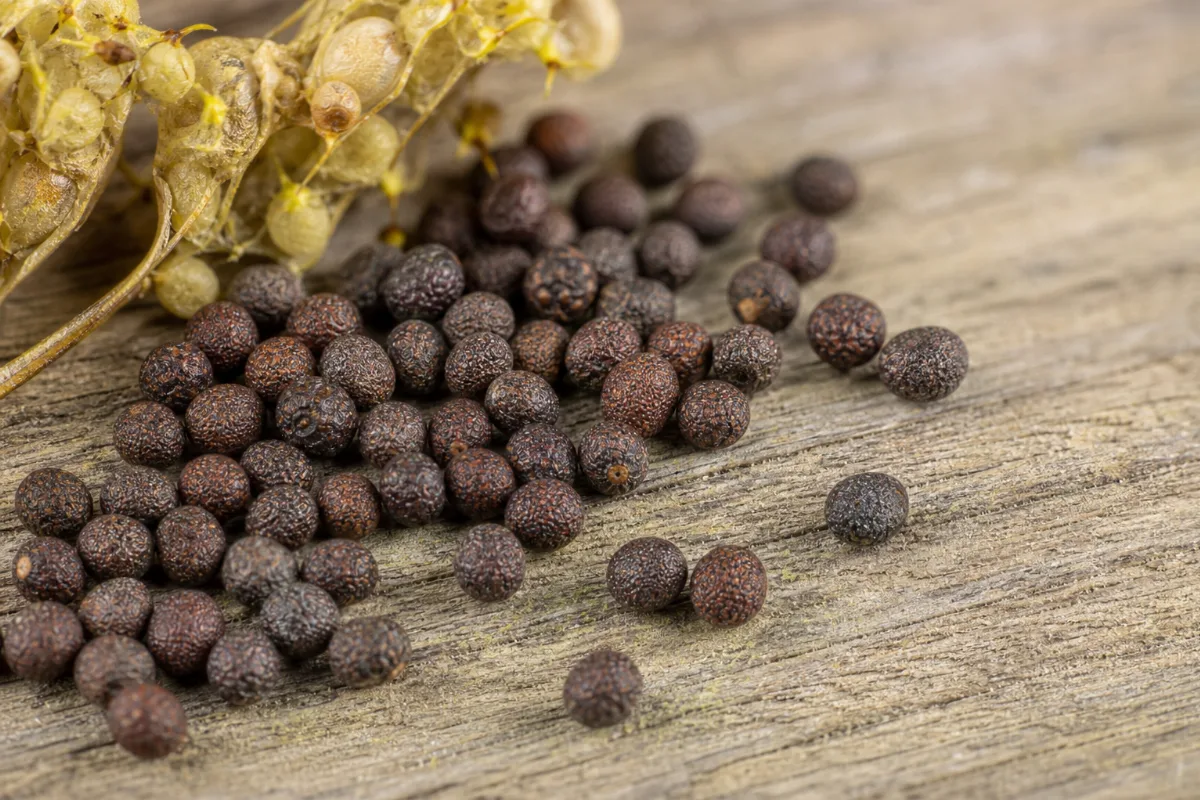
Cuscuta seed
Cuscuta chinensis, Cuscuta australis · also called Tu si zi, Chinese dodder seed
Cuscuta seed, or tu si zi, is a seed from a parasitic vine used in Chinese medicine for the kidneys and fertility. Its main compounds are flavonoids such as hyperoside and quercetin. Human evidence comes mostly from multi-herb formulas, with poor-quality trials. The key caution is pregnancy and hormones, because safety is not established.
General information, not medical advice. Last substantive update · Not medically reviewed. A named clinician has not signed off on this page. How this page is made
About Cuscuta seed
Cuscuta seed is a Chinese kidney and fertility herb. Human evidence is thin and comes mostly from multi-herb formulas. Pregnancy, hormones, liver and medicine interactions are the main cautions.
What it is
Cuscuta seed, or tu si zi, comes from Cuscuta chinensis and C. australis, parasitic vines in the morning glory family. The seed is used in Chinese medicine to nourish the kidneys and liver and support fertility.
Its chemistry includes flavonoids such as hyperoside, quercetin and kaempferol, plus lignans and polysaccharides. The two species differ in chemistry.
How it may work
In animals and cells, seed extracts and flavonoids act on the hormone axis and show antioxidant effects. Many mechanism claims come from computer prediction.
None of this has been shown to work in people.
What the research shows
Human data are mostly for formulas. Wuzi Yanzong pill (five trials, 960 men) was linked to better sperm concentration and motility, and Shoutai pill (12 trials, 916 women) to fewer early pregnancy losses. Both sets of trials were of unsatisfactory quality.
A seed and probiotic combination helped delayed recall in one small trial, and a different dodder species with whey helped eczema in another. Certainty for every use is very low or insufficient.
At a glance
Traditional uses history, not proof
- Kidney and liver tonic in Chinese medicine
- Steadying the foetus and fertility formulas
- Anti-ageing and eyesight support (traditional ideas)
Studied for research
- Male sperm quality (in formulas), very low certainty
- Recurrent early miscarriage (Shoutai pill formula), very low certainty
- Memory in mild cognitive impairment (a combination product), very low certainty
- Eczema (a different dodder species), very low certainty
- Liver and kidney protection (animal studies only), insufficient
Main compounds
- Hyperoside (PubChem CID 5281643)
- Quercetin (PubChem CID 5280343)
- Kaempferol (PubChem CID 5280863)
- Polysaccharides, lignans and phenolic acids
Common forms
- Dried seed, raw or processed
- Decoction
- Multi-herb formula or pill
- Powder or capsule
Research links: Donnapee 2014: Cuscuta chinensis systematic review (PubMed) · Li 2025: Cuscutae Semen in reproductive diseases (PubMed) · Zhao 2018: Wuzi Yanzong pill meta-analysis (PubMed) · Maimaiti 2021: Cuscuta chinensis toxicity in mice (PubMed) · Research Library · Genes & Biomarkers Library
The plant and its history
- Accepted scientific name
- Cuscuta chinensis Lam. (GBIF ACCEPTED, exact match, confidence 99) and Cuscuta australis R.Br. (GBIF ACCEPTED, confidence 97)
- Naming authority
- Lam.; R.Br.
- Common names
- Tu si zi (Chinese (pinyin)); Chinese dodder seed (English); Cuscutae semen (Latin pharmacy name)
- Botanical family
- Convolvulaceae (morning glory family)
- Classification
- Plantae > Not pulled > Not pulled > Not pulled > Convolvulaceae > Cuscuta > Cuscuta chinensis; Cuscuta australis
- Native range
- Not covered in the sources read.
- Habitat
- Not covered in the sources read.
- What the plant looks like
- Roots: Not described in sources read. Cuscuta is a parasitic plant with no normal roots, per general botany (not verified here).; Stems: Not described in sources read.; Leaves: Not described in sources read.; Flowers: Not described in sources read.; Fruit: Not described in sources read.; Seeds: The seed is the part used as the herb.; Cultivation: Not covered in the sources read.
- Harvest and processing
- Our earlier summary says the seed is used raw or processed (for example with salt water or wine); processing changes the chemistry. Not verified further.
- Look-alikes and adulterants
- Name: Cuscuta australis; Note: Second official source of tu si zi; chemically different from C. chinensis (more flavonoids).; Name: Cuscuta campestris (field dodder); Note: A different species used in a Iranian eczema trial; not the same drug.
- Sustainability and conservation
- Not covered in the sources read.
Traditional use and history history, not clinical proof
| Tradition or era | Documented use | Source |
|---|---|---|
| Chinese medicine and other Asian traditions | Used as a kidney and liver tonic, anti-ageing herb, pain reliever and aphrodisiac; recorded for a long time in Chinese medicine, with use in China, Korea, Pakistan, Vietnam, India and Thailand. | p25281912 |
| Traditional Chinese reproductive medicine | Used to steady the foetus and for infertility formulas such as Wuzi Yanzong and Shoutai pills (herbs in the formulas not confirmed from the abstracts). | p41050656 |
Traditional use shows how a plant was used. It does not show that a supplement works or is safe today.
What is inside, and how it may work
What the plant contains and how those compounds act in cells and animals. Laboratory and animal mechanisms are not proven effects in people.
Main compounds
| Compound | Family | Where it is concentrated | Activity studied | Level of evidence |
|---|---|---|---|---|
| Hyperoside PubChem 5281643 | Flavonol glycoside | Seed | Antioxidant and anti-inflammatory in lab and animal work. Cuscuta chinensis is named as a source. 15 9 | Lab and animal |
| Quercetin PubChem 5280343 | Flavonol | Seed | Flavonoid reported in the seed per our earlier summary of a review; not confirmed from the abstracts. 16 1 | Lab (summary only) |
| Kaempferol PubChem 5280863 | Flavonol | Seed | Higher in C. australis than in C. chinensis in a 27-batch analysis. A review says it may counteract immunosuppressants (not shown in people). 17 2 | Lab |
| Polysaccharides, lignans, phenolic acids | Mixed classes | Seed | The 2014 review lists 9 polysaccharides, 22 lignans and 13 phenolic acids among the plant constituents. 1 | Lab and animal |
Mechanisms, receptors and pathways
| Target or pathway | Gene or receptor | What was found | Level |
|---|---|---|---|
| Reproductive hormone axis (hypothalamus, pituitary, gonads) | Androgen, estrogen and progesterone receptors (predicted) | The 2025 review describes effects on hormone levels and receptors mainly in animals and cells; many mechanism claims come from computer prediction. 5 | Lab, animal and prediction |
| Antioxidant defences | Not detailed in the sources read | The 2014 review says antioxidant effects are the best-supported lab finding. 1 | Lab and animal |
Absorption, metabolism and elimination
- Absorption
- No human study found.
- Distribution
- Not found.
- Metabolism
- A review says flavonoids may alter cytochrome P450 or carboxylesterase enzymes in lab systems.
- Elimination
- Not found.
- Bioavailability
- No human blood-level study was found; the 2014 review calls for pharmacokinetic work in people.
Isolated compounds versus whole extracts
Hyperoside and other flavonoids show activity in lab work, but human trials used the whole seed inside formulas. Chemistry differs between C. chinensis and C. australis, so isolated results do not carry over to the seed.
Nutritional composition
Cuscuta seed is a medicine, not a food source of vitamins or minerals in the evidence we read.
4 very low certainty3 not enough evidence
What is Cuscuta seed good for?
The studied uses and how strong the human evidence is for each. For Cuscuta seed, no use is well established.
Benefits, one by one
Each card is a research question, not a promise. Tap a goal to filter. Open a card to see the studies, doses and limits.
Male fertility: sperm count and movement
Very low certaintyFormulas that contain dodder seed, such as Wuzi Yanzong pill, were linked to better sperm counts and movement in a meta-analysis. The trials were poor quality, and the seed has not been tested on its own.
3 studiesWuzi Yanzong pill (formula). The abstract does not list its herbs or …
Studies, doses and limits
What the trials found
One pooled analysis of 5 randomised trials of the formula (960 men). A later placebo-controlled trial is described only as a protocol, with no results.
Results
In the meta-analysis, the pill group had a larger rise in sperm concentration (MD 5.99, 95% CI 2.12 to 9.85) and motility (MD 4.57, 0.47 to 8.68) than comparison groups. Sperm shape was not clearly changed. DNA fragmentation fell in 2 trials. Pregnancy and live-birth results were not in the abstract.
Effect sizes as reported
Concentration MD 5.99 (2.12 to 9.85); motility MD 4.57 (0.47 to 8.68).
Why this rating
The evidence is for a multi-herb formula, not the seed alone; the authors rate trial quality as unsatisfactory and results differed between trials.
Form and dose studied
Wuzi Yanzong pill (formula). The abstract does not list its herbs or the amounts.
Who was studied
Men with low sperm count and/or poor motility.
Limits
Poor-quality trials, mixed results, a formula and no seed-only trial. The planned placebo-controlled trial has no published result in what we read.
Why researchers looked
Tu si zi is a classic Chinese kidney and fertility herb and is one ingredient in Wuzi Yanzong pill, a formula used for men with low sperm quality.
Traditional use
Used in Chinese medicine to nourish the kidney and replenish "essence", which includes fertility.
Proposed mechanism Lab and animal
Animal and cell work suggests seed extracts and flavonoids act on the hormone axis and protect sperm-making cells from damage. This is not shown in men.
A proposed mechanism does not show that the effect happens in people.
No safety data were given in the abstracts. See the Safety tab, especially the hormone and liver sections.
Recurrent early miscarriage (Shoutai pill)
Very low certaintyAdding a dodder-based formula to standard medicine was linked to fewer early pregnancy losses in a meta-analysis, but the trials were of unsatisfactory quality. It is not shown that the seed itself is safe or helpful in pregnancy.
3 studiesShoutai Pill with standard medicine. The abstract does not list the h…
Studies, doses and limits
What the trials found
One meta-analysis of 12 randomised trials (916 women) of Shoutai pill plus standard medicine, against standard medicine alone.
Results
Early pregnancy loss was lower with the pill added (RR 0.42, 95% CI 0.34 to 0.52). Live birth was higher and no adverse events were reported in the pill group. The authors say the quality of the trials was unsatisfactory.
Effect sizes as reported
Early pregnancy loss RR 0.42 (0.34 to 0.52).
Why this rating
A large relative effect but from poor-quality trials, in a multi-herb formula combined with standard medicine.
Form and dose studied
Shoutai Pill with standard medicine. The abstract does not list the herbs; we did not confirm the seed content.
Who was studied
Women with unexplained recurrent miscarriage, first trimester.
Limits
Poor quality, combination design, no seed-only trial. Safe use in pregnancy has not been established for the seed on its own.
Why researchers looked
Dodder seed is traditionally used to "steady the foetus" in Chinese medicine, and is a key herb in the Shoutai pill.
Traditional use
Traditional use to calm or steady the foetus and prevent miscarriage. An older review also lists "abortifacient effects" among reported activities, which shows the traditional picture is mixed.
Proposed mechanism Lab and animal
Animal and cell studies describe effects on the womb lining and on immune balance. Not shown in women.
A proposed mechanism does not show that the effect happens in people.
Do not read this as proof the seed is safe in pregnancy. Pregnancy decisions need a doctor.
Female fertility and ovarian reserve
Not enough evidenceThe 2025 review covers female infertility, low ovarian reserve and polycystic ovary syndrome. It gives mainly animal, cell and formula findings. There is no good human evidence for the seed itself.
2 studiesFormula and extract studies; not seed alone.
Studies, doses and limits
What the trials found
No controlled human trial of the seed alone was found in what we read. Seed-containing formulas are mentioned in reviews with few details.
Results
Nothing reliable to report for people.
Effect sizes as reported
No numbers.
Why this rating
Only reviews of mainly lab work and formulas.
Form and dose studied
Formula and extract studies; not seed alone.
Who was studied
Women with infertility or ovarian insufficiency (in reviews).
Limits
We read abstracts only for the reviews; the original trials were not opened.
Why researchers looked
Tu si zi is often a component of Chinese formulas for women with low ovarian function.
Traditional use
Traditional use for female impotence and reproductive weakness, per a review of the plant.
Proposed mechanism Lab and animal
Reported effects on the brain-pituitary-ovary hormone axis in animals and cells.
A proposed mechanism does not show that the effect happens in people.
Hormone-sensitive conditions are a caution; see the Safety tab.
Memory and thinking in mild cognitive impairment
Very low certaintyOne small Korean trial of a product that combines dodder seed with heat-killed probiotics found better delayed verbal recall. We cannot tell whether the seed or the probiotics did it.
1 studiesMT104: Cuscuta seeds plus heat-killed probiotics (a combination).
Studies, doses and limits
What the trials found
One 12-week randomised, placebo-controlled trial of the combination product MT104.
Results
Delayed verbal recall improved more than with placebo in the intention-to-treat and per-protocol groups. Global cognition (K-MoCA) improved only in the per-protocol group. No other significant findings. The abstract gives no numbers.
Effect sizes as reported
No numbers given in the abstract.
Why this rating
Single trial, combination product, no numbers and no sample size in the abstract; funding not stated.
Form and dose studied
MT104: Cuscuta seeds plus heat-killed probiotics (a combination).
Who was studied
Adults with mild cognitive impairment, Korea.
Limits
Cannot credit the seed; only some outcomes improved; per-protocol results are less reliable.
Why researchers looked
Researchers wanted a product that acts through the gut-brain link in people at risk of dementia.
Traditional use
Tu si zi is traditionally used for ageing and weakness, not specifically memory.
Proposed mechanism Hypothesis
Proposed link through gut bacteria and the gut-brain axis. Not shown here.
A proposed mechanism does not show that the effect happens in people.
No safety findings were given in the abstract.
Eczema (atopic dermatitis): a different dodder species
Very low certaintyA small Iranian trial of whey plus field dodder (Cuscuta campestris) seed extract improved skin moisture and itch. This is a different species from Chinese tu si zi, and it was combined with whey.
1 studiesWhey powder plus water extract of Cuscuta campestris seed.
Studies, doses and limits
What the trials found
One randomised, double-blind, placebo-controlled trial with 52 adults (42 finished), registered IRCT2013121415790N1.
Results
At the end of follow-up, skin moisture and elasticity were higher than with placebo (p<0.001). Itch was lower at day 15 (p<0.05) and day 30 (p<0.001). Skin pH and oil did not differ. Temporary loss of appetite and mild stomach upset were reported.
Effect sizes as reported
p-values only in the abstract.
Why this rating
Small, one trial, a different species, a whey combination, and 10 of 52 dropped out.
Form and dose studied
Whey powder plus water extract of Cuscuta campestris seed.
Who was studied
Adults with moderate-to-severe atopic dermatitis.
Limits
Does not apply to Chinese tu si zi without more evidence.
Why researchers looked
Traditional Iranian medicine uses whey with dodder seed extract for hard-to-treat eczema.
Traditional use
Traditional Iranian medicine, per the trial authors.
Proposed mechanism Not studied
Not studied in this trial.
A proposed mechanism does not show that the effect happens in people.
Appetite loss and stomach upset were reported.
Liver and kidney protection (animal studies)
Not enough evidenceReviews describe liver- and kidney-protective effects of the plant in rats and mice. No human trial was found, and one mouse study also reported liver strain at high amounts.
2 studiesExtracts and isolated compounds such as hyperoside in animals and cel…
Studies, doses and limits
What the trials found
No human trial found. Reviews summarise lab and animal studies only.
Results
No human results. The 2014 systematic review calls its strongest findings antioxidant effects in lab and animal work, and says pharmacokinetic and toxicology work in people is still needed.
Effect sizes as reported
None.
Why this rating
Animal and cell work only.
Form and dose studied
Extracts and isolated compounds such as hyperoside in animals and cells.
Who was studied
None (animals).
Limits
Lab only; the same plant caused raised liver enzymes in a mouse toxicity study (see Safety).
Why researchers looked
The plant is traditionally said to nourish the liver and kidney.
Traditional use
"Nourishes the kidney and liver" is the Chinese tradition; it is not a measured effect.
Proposed mechanism Lab and animal
Antioxidant effects of the flavonoids were seen in animals and cells.
A proposed mechanism does not show that the effect happens in people.
Do not read "protects the liver" as safe for the liver. See the Safety tab.
Traditional kidney and "essence" tonic, anti-ageing
Not enough evidenceIn Chinese medicine the seed nourishes the kidney and liver and improves eyesight and ageing signs. These are traditional ideas, not measured effects in trials.
2 studiesDried seed, decoctions, formulas (traditional).
Studies, doses and limits
What the trials found
No trial of these traditional uses was found.
Results
Nothing measured.
Effect sizes as reported
None.
Why this rating
Tradition and lab work only.
Form and dose studied
Dried seed, decoctions, formulas (traditional).
Who was studied
n/a
Limits
Long use is not evidence of benefit.
Why researchers looked
It is among the best known Chinese kidney-tonic herbs.
Traditional use
Chinese and other Asian traditions; used as an anti-ageing and aphrodisiac herb according to the 2014 review.
Proposed mechanism Lab and animal
Antioxidant activity in the lab.
A proposed mechanism does not show that the effect happens in people.
None specific.
Connections to the rest of health
How Cuscuta seed connects to the rest of our health knowledge graph. Every link says what kind of connection it is. A safety link (for example to the liver) is a warning, not a benefit. A study that merely mentions a topic never creates a benefit link.
Explore every connection: goals, body systems, organs, symptoms, genes
A. Wellness goals
| Connected to | Kind of connection | Evidence status | Context | Studies |
|---|---|---|---|---|
| Fertility Support | Very low certainty | Male fertility: sperm count and movement: Formulas that contain dodder seed, such as Wuzi Yanzong pill, were linked to better sperm counts and movement in a meta-analysis. The trials were poor quality, and the seed has not been tested on its own. Recurrent early miscarriage (Shoutai pill): Adding a dodder-based formula to standard medicine was linked to fewer early pregnancy losses in a meta-analysis, but the trials were of unsatisfactory quality. It is not shown that the seed itself is safe or helpful in pregnancy. | 10 11 5 4 1 | |
| Mens Vitality | Very low certainty | Male fertility: sperm count and movement: Formulas that contain dodder seed, such as Wuzi Yanzong pill, were linked to better sperm counts and movement in a meta-analysis. The trials were poor quality, and the seed has not been tested on its own. | 10 11 5 | |
| Womens Wellness | Very low certainty | Recurrent early miscarriage (Shoutai pill): Adding a dodder-based formula to standard medicine was linked to fewer early pregnancy losses in a meta-analysis, but the trials were of unsatisfactory quality. It is not shown that the seed itself is safe or helpful in pregnancy. | 4 5 1 | |
| Womens Wellness | Not enough evidence | Female fertility and ovarian reserve: The 2025 review covers female infertility, low ovarian reserve and polycystic ovary syndrome. It gives mainly animal, cell and formula findings. There is no good human evidence for the seed itself. | 5 1 | |
| Fertility Support | Not enough evidence | Female fertility and ovarian reserve: The 2025 review covers female infertility, low ovarian reserve and polycystic ovary syndrome. It gives mainly animal, cell and formula findings. There is no good human evidence for the seed itself. | 5 1 | |
| Hormone Balance | Not enough evidence | Female fertility and ovarian reserve: The 2025 review covers female infertility, low ovarian reserve and polycystic ovary syndrome. It gives mainly animal, cell and formula findings. There is no good human evidence for the seed itself. | 5 1 | |
| Memory Support | Very low certainty | Memory and thinking in mild cognitive impairment: One small Korean trial of a product that combines dodder seed with heat-killed probiotics found better delayed verbal recall. We cannot tell whether the seed or the probiotics did it. | 3 | |
| Brain Health | Very low certainty | Memory and thinking in mild cognitive impairment: One small Korean trial of a product that combines dodder seed with heat-killed probiotics found better delayed verbal recall. We cannot tell whether the seed or the probiotics did it. | 3 | |
| Healthy Skin | Very low certainty | Eczema (atopic dermatitis): a different dodder species: A small Iranian trial of whey plus field dodder (Cuscuta campestris) seed extract improved skin moisture and itch. This is a different species from Chinese tu si zi, and it was combined with whey. | 7 | |
| Liver Support | Not enough evidence | Liver and kidney protection (animal studies): Reviews describe liver- and kidney-protective effects of the plant in rats and mice. No human trial was found, and one mouse study also reported liver strain at high amounts. | 1 9 | |
| Anti Aging Support | Not enough evidence | Traditional kidney and "essence" tonic, anti-ageing: In Chinese medicine the seed nourishes the kidney and liver and improves eyesight and ageing signs. These are traditional ideas, not measured effects in trials. | 1 5 | |
| Healthy Aging | Not enough evidence | Traditional kidney and "essence" tonic, anti-ageing: In Chinese medicine the seed nourishes the kidney and liver and improves eyesight and ageing signs. These are traditional ideas, not measured effects in trials. | 1 5 |
B. Body systems
| Connected to | Kind of connection | Evidence status | Context | Studies |
|---|---|---|---|---|
| Reproductive System | Biological association | Very low certainty | Studied for: Male fertility: sperm count and movement Studied for: Recurrent early miscarriage (Shoutai pill) | 10 11 5 4 1 |
| Nervous System | Biological association | Very low certainty | Studied for: Memory and thinking in mild cognitive impairment | 3 |
| Skin | Biological association | Very low certainty | Studied for: Eczema (atopic dermatitis): a different dodder species | 7 |
| Hepatic System | Biological association | Not enough evidence | Studied for: Liver and kidney protection (animal studies) | 1 9 |
| Urinary System | Biological association | Not enough evidence | Studied for: Liver and kidney protection (animal studies) | 1 9 |
I. Biomarkers
| Connected to | Kind of connection | Evidence status | Context | Studies |
|---|---|---|---|---|
| Sperm concentration | Biological association | Very low certainty | Measured in trials: raised. A lab change is not the same as a health benefit. | 10 |
| Sperm motility | Biological association | Very low certainty | Measured in trials: raised. A lab change is not the same as a health benefit. | 10 |
| Sperm DNA fragmentation index | Biological association | Very low certainty | Measured in trials: lowered. A lab change is not the same as a health benefit. | 10 |
| Early pregnancy loss | Biological association | Very low certainty | Measured in trials: lowered. A lab change is not the same as a health benefit. | 4 |
| Delayed verbal recall (SVLT) | Biological association | Very low certainty | Measured in trials: raised. A lab change is not the same as a health benefit. | 3 |
| Skin moisture and itch score | Biological association | Very low certainty | Measured in trials: improved. A lab change is not the same as a health benefit. | 7 |
J. Genes, receptors and enzymes
| Connected to | Kind of connection | Evidence status | Context | Studies |
|---|---|---|---|---|
| Sex-hormone receptors (androgen, estrogen, progesterone) | Preliminary mechanism | Prediction and animal | Predicted targets of seed flavonoids; unproven in people. | 5 |
L. Active compounds
| Connected to | Kind of connection | Evidence status | Context | Studies |
|---|---|---|---|---|
| Hyperoside | Biological association | Lab and animal | Antioxidant and anti-inflammatory in lab and animal work. Cuscuta chinensis is named as a source. Preparation or compound: Seed |
15 9 |
| Quercetin | Biological association | Lab (summary only) | Flavonoid reported in the seed per our earlier summary of a review; not confirmed from the abstracts. Preparation or compound: Seed |
16 1 |
| Kaempferol | Biological association | Lab | Higher in C. australis than in C. chinensis in a 27-batch analysis. A review says it may counteract immunosuppressants (not shown in people). Preparation or compound: Seed |
17 2 |
| Polysaccharides, lignans, phenolic acids | Biological association | Lab and animal | The 2014 review lists 9 polysaccharides, 22 lignans and 13 phenolic acids among the plant constituents. Preparation or compound: Seed |
1 |
Each connection is stored with the ingredient, the connected record, the kind of connection, the evidence status, the supporting studies, the preparation or compound involved, and a review date (last reviewed October 25, 2026).
Evidence at a glance: what changed in 5 lab markers
Tap a number to show only those markers. Counts are markers, not people.
The evidence
The research centre for Cuscuta seed. Every record here was checked against PubMed or the publisher's page; we never list a study we have not verified.
Evidence by outcome
Bars show how many studies we found for each outcome, not how well it works. People are added up across trials only (reviews are not added, to avoid double counting).
How we rate evidence
High certainty
Several well-run trials or reviews agree; further research is unlikely to change the picture much.
Moderate certainty
Good trials point the same way, but some doubt remains.
Low certainty
Small, short or inconsistent trials. The finding could change with better research.
Very low certainty
Very little or very weak human data. Treat as a possibility only.
Mixed findings
Trials or reviews disagree with each other.
Not enough evidence
Not enough human research to say either way.
Evidence against
Good research found no benefit, or found harm.
We take the reviewers' own risk-of-bias and GRADE statements where they exist, and otherwise judge from study size, design, consistency, directness and whether a product matches what is sold. Many publications do not make evidence high. Method note: We started from our existing Cuscuta summary, then read PubMed abstracts for reviews, trials and a mouse toxicity study. Names were checked in GBIF and compounds in PubChem. LiverTox could not be read.
Study library: every study we checked 17
| Study | Design | People | Product, dose, length | Result |
|---|---|---|---|---|
| Donnapee 2014 Cuscuta chinensis Lam.: A systematic review on ethnopharmacology, phytochemistry and pharmacology of an important traditional herbal medicine. J Ethnopharmacol · PMID 25281912 · DOI |
Systematic review (narrative in practice) mostly lab and animal |
Published literature 1985 to 2014 on Cuscuta chinensis | Cuscuta chinensis plant and extracts Mostly seed; plant parts vary by paper Not stated in the abstract n/a · vs n/a |
The abstract lists at least 18 flavonoids, 13 phenolic acids, 22 lignans and 9 polysaccharides. Reported activities (mostly lab and animal) include liver and kidney protection, antioxidant, bone, anti-ageing, improved sexual function and abortifacient effects. The authors call for pharmacokinetic and toxicology work in people to confirm safety. Not stated (n/a) Methods, limits and fundingOutcomes: Ethnopharmacology, chemistry, pharmacology, clinical use Limitations: Mostly lab and animal evidence summarised; no pooled human data; the abstract lists "abortifacient effects" among activities. Funding and conflicts: Not stated in the abstract Read: abstract |
| He 2011 Differentiation of Cuscuta chinensis and Cuscuta australis by HPLC-DAD-MS analysis and HPLC-UV quantitation. Planta Med · PMID 21674437 · DOI |
Chemical analysis plant chemistry |
27 batches of Tu-Si-Zi | Cuscuta chinensis and C. australis seed Seed Not stated in the abstract n/a · vs n/a |
Both species are botanical sources of Tu-Si-Zi. Thirty-six compounds were found (14 flavonoids, 17 quinic acid derivatives, 5 lignans). C. australis had more flavonoids and less quinic acid derivatives and lignans than C. chinensis; kaempferol and astragalin were notably higher in C. australis. n/a (n/a) Methods, limits and fundingOutcomes: Chemical make-up of the two species Limitations: Chemistry only; no health outcome. Funding and conflicts: Not stated in the abstract Read: abstract |
| Kim 2025 Efficacy and Safety of MT104, A Dietary Supplement Based on Cuscuta Seeds and Heat-Killed Probiotics, on Cognitive Function in Patients with Mild Cognitive Impairment: A 12-Week, Multicenter, Randomized, Double-Blind, Placebo-Controlled Clinical Trial. J Med Food · PMID 40583505 · DOI |
Randomised controlled trial |
Adults with mild cognitive impairment, Korea | MT104: Cuscuta seeds plus heat-killed probiotics (a combination) Seed Not stated in the abstract 12 weeks · vs Placebo |
Verbal memory (delayed recall) improved more with MT104 than placebo in the intention-to-treat and per-protocol groups. Global cognition (K-MoCA) improved significantly only in the per-protocol group. The abstract says no other significant findings were identified and gives no numbers or side-effect counts. Not stated in the abstract (n/a) Methods, limits and fundingOutcomes: Verbal memory (SVLT delayed recall), global cognition (K-MoCA), visuospatial function Limitations: Combination with probiotics, so effect cannot be credited to the seed; the abstract gives no numbers, sample size or funding; per-protocol result is less reliable than intention-to-treat. Funding and conflicts: Not stated in the abstract (product trial; possible industry link, unconfirmed) Read: abstract |
| Li 2020 The Efficacy of Traditional Chinese Medicine Shoutai Pill Combined with Western Medicine in the First Trimester of Pregnancy in Women with Unexplained Recurrent Spontaneous Abortion: A Systematic Review and Meta-Analysis. Biomed Res Int · PMID 32851085 · DOI |
Systematic review meta analysis |
916 Women with unexplained recurrent miscarriage, first trimester |
Shoutai Pill plus standard medicine (multi-herb formula; herbs not listed in the abstract) Formula; seed content not stated in the abstract Not stated in the abstract First trimester · vs Standard medicine alone |
Twelve randomised trials with 916 women. Early pregnancy loss was lower with the pill added to standard medicine (risk ratio 0.42, 95% CI 0.34 to 0.52; I2 0%). Live birth was higher and no adverse events were reported in the pill group. The authors used GRADE and say methodological quality of the trials was unsatisfactory. RR 0.42 for early pregnancy loss (0.34 to 0.52) Methods, limits and fundingOutcomes: Early pregnancy loss, live birth, D-dimer, TCM symptom score Limitations: Trials of poor quality, probably unblinded; combination with standard medicine; the formula is not the seed alone; the abstract does not say how many were done outside China. Funding and conflicts: Not stated in the abstract Read: abstract |
| Li 2025 Therapeutic roles and molecular mechanisms of Cuscutae Semen in reproductive diseases. Front Immunol · PMID 41050656 · DOI |
Narrative review human (formulas), animal, cell |
Published studies on male and female reproductive disorders | Cuscutae semen (seed) and seed-containing formulas Seed Not stated in the abstract n/a · vs n/a |
The abstract says the review covers male and female infertility, premature ovarian insufficiency, recurrent spontaneous abortion and polycystic ovary syndrome, how the seed acts on the hormone axis, plus toxicity and possible herb-drug interactions. Our earlier reading of the full text (summary-only here) noted that most clinical data are for multi-herb formulas, hormone-receptor effects are mostly animal, cell or computer predictions, mouse toxicity appeared at very high doses, and no human pregnancy safety assessment was given. Not stated (n/a) Methods, limits and fundingOutcomes: Reproductive disease uses, toxicity, herb-drug interactions Limitations: Narrative review; no systematic method in the abstract. Details beyond the abstract come from our earlier summary and were not re-opened. Funding and conflicts: Not stated in the abstract Read: abstract (full text read earlier: summary-only) |
| Maimaiti 2021 Investigating the acute and sub-acute toxicity of medicinal Cuscuta chinensis Lam plant. J Ethnopharmacol · PMID 33705922 · DOI |
Animal toxicity study mouse (animal) |
ICR mice, both sexes | Cuscuta chinensis water extract Plant material (part not stated in the abstract) Not stated in the abstract 14 days (acute) and 28 days (sub-acute) · vs Untreated control |
In mice, the median lethal dose was above 5000 mg/kg and no extract-related deaths occurred. But body weight fell at all tested doses, and at the higher doses liver enzymes (AST, ALT, ALP) rose, platelets and lymphocytes fell and mild liver damage was seen under the microscope. The authors suggest it is safe below 1250 mg/kg in mice but that liver toxicity from daily use may be a concern. n/a (n/a) Methods, limits and fundingOutcomes: Deaths, body weight, blood tests, organ weights, tissue changes Limitations: Mouse study only; mouse doses cannot be converted to human use here. Funding and conflicts: Not stated in the abstract Read: abstract |
| Mehrbani 2015 The efficacy of whey associated with dodder seed extract on moderate-to-severe atopic dermatitis in adults: A randomized, double-blind, placebo-controlled clinical trial. J Ethnopharmacol · PMID 26151244 · DOI |
Randomised controlled trial |
52 Adults with moderate-to-severe atopic dermatitis, Iran |
Whey powder plus water extract of field dodder (Cuscuta campestris) seed Seed (a different species from Chinese tu si zi) Not stated in the abstract 15 days of treatment, 30 days in total · vs Placebo |
52 patients randomised and 42 finished. Skin moisture and elasticity rose more with whey plus dodder than placebo at the end of follow-up (p<0.001), itch was lower (p<0.05 at day 15, p<0.001 at day 30) and sleep disturbance changed (p<0.05). Skin pH and oil did not differ. Temporary loss of appetite and mild stomach upset were reported. p-values only in the abstract (n/a) Methods, limits and fundingOutcomes: Skin moisture, elasticity, itch, sleep disturbance Limitations: Small; a combination with whey; a different Cuscuta species (C. campestris); tradition-based product; 10 of 52 dropped out. Funding and conflicts: Not stated in the abstract Registration: IRCT2013121415790N1 Read: abstract |
| Raju 2015 Cuscuta chinensis Ameliorates Immunosuppression and Urotoxic Effect of Cyclophosphamide by Regulating Cytokines - GM-CSF and TNF-Alpha. Appl Biochem Biotechnol · PMID 25900435 · DOI |
Animal study mouse (animal) |
Mice given the cancer drug cyclophosphamide | Cuscuta chinensis extract Not stated in the abstract Not stated in the abstract 10 days · vs Cyclophosphamide alone |
Given alongside cyclophosphamide, the extract reduced several toxic effects of the drug in mice (bone marrow cell numbers, bladder damage, serum urea, creatinine and bilirubin improved). The extract was injected into the belly cavity, not eaten. n/a (n/a) Methods, limits and fundingOutcomes: Bone marrow, bladder, kidney markers Limitations: Mouse study, injected route; shows the extract can interact with a drug that suppresses the immune system in animals. Whether it changes how well the drug works was not tested in this abstract. Funding and conflicts: Not stated in the abstract Read: abstract |
| Wang 2022 Hyperoside: A review on its sources, biological activities, and molecular mechanisms. Phytother Res · PMID 35561084 · DOI |
Narrative review lab and animal |
Published studies on hyperoside | Hyperoside (isolated compound) n/a Not stated in the abstract n/a · vs n/a |
The abstract names Cuscuta chinensis as one plant source of hyperoside and lists anticancer, anti-inflammatory, antibacterial and organ-protective effects from lab and animal work. It states that high-quality studies are still needed to confirm clinical efficacy. n/a (n/a) Methods, limits and fundingOutcomes: Activities of hyperoside Limitations: Isolated compound, not the whole seed; mostly lab and animal. Funding and conflicts: Not stated in the abstract Read: abstract |
| Zhao 2018 The Therapeutic Effects of a Traditional Chinese Medicine Formula Wuzi Yanzong Pill for the Treatment of Oligoasthenozoospermia: A Meta-Analysis of Randomized Controlled Trials. Evid Based Complement Alternat Med · PMID 29576794 · DOI |
Systematic review meta analysis |
960 Men with low sperm count and/or poor sperm movement (oligoasthenozoospermia) |
Wuzi Yanzong pill (multi-herb formula; the abstract does not list its herbs) Formula; seed content not stated in the abstract Not stated in the abstract Not stated · vs Not stated in the abstract |
Five randomised trials with 960 men. The pill group had a greater rise in sperm concentration (mean difference 5.99, 95% CI 2.12 to 9.85) and sperm motility (4.57, 0.47 to 8.68). Sperm morphology was not clearly different (p = 0.20). DNA fragmentation fell (mean difference -3.82, -6.45 to -1.19) in 2 trials. The authors say study quality was generally unsatisfactory and results differed between trials. Concentration MD 5.99; motility MD 4.57 (Concentration 2.12 to 9.85; motility 0.47 to 8.68) Methods, limits and fundingOutcomes: Sperm concentration, motility, morphology, DNA fragmentation, semen volume Limitations: Poor-quality, mixed trials; a formula, so any effect cannot be credited to the seed alone. Pregnancy or live-birth results were not in the abstract. Funding and conflicts: Not stated in the abstract Read: abstract |
| Zhao 2019 A double-blinded, randomized placebo-controlled trial on the effect of traditional Chinese medicine formula Wuzi Yanzong pill on improving semen qualities in men with suboptimal parameters. Trials · PMID 31464617 · DOI |
Trial protocol no results human (planned) |
Planned: men with suboptimal semen parameters, Hong Kong | Wuzi Yanzong pill Formula Not stated in the abstract 12 weeks planned · vs Placebo |
This is a protocol only. It describes a planned placebo-controlled trial and contains no results. It also says earlier meta-analysis results were not definitive because the studies differed. None: no results (n/a) Methods, limits and fundingOutcomes: Planned outcomes: total motile sperm count, natural conception, pregnancy Limitations: No results are in this paper; we did not look for the finished trial. Funding and conflicts: Not stated in the abstract Registration: ChiCTR-INR-17010790 Read: abstract |
| n/a 2026 NIH LiverTox (NCBI Bookshelf): lookup for Cuscuta / dodder / tu si zi NIH LiverTox · Source |
Database or regulator record n/a |
n/a | n/a n/a n/a n/a · vs n/a |
Not read. The NCBI Bookshelf page returned a reCAPTCHA check ("Checking your browser") and was not retried. No LiverTox likelihood score was obtained. n/a Methods, limits and fundingOutcomes: Liver safety record (not obtained) Limitations: Blocked page; do not treat as evidence of safety or of harm. Funding and conflicts: n/a Read: not-read |
| n/a 2026 GBIF Backbone Taxonomy species match: Cuscuta chinensis GBIF API (checked 2026-10-25) · Source |
Database or regulator record n/a |
n/a | n/a n/a n/a n/a · vs n/a |
Cuscuta chinensis Lam. returned ACCEPTED, exact match, confidence 99, key 3610749, family Convolvulaceae. n/a Methods, limits and fundingOutcomes: Identity or regulatory status Limitations: Taxonomy only; says nothing about which species is in a given product. Funding and conflicts: n/a Read: full-text |
| n/a 2026 GBIF Backbone Taxonomy species match: Cuscuta australis GBIF API (checked 2026-10-25) · Source |
Database or regulator record n/a |
n/a | n/a n/a n/a n/a · vs n/a |
Cuscuta australis R.Br. returned ACCEPTED, exact match, confidence 97, key 7154776, family Convolvulaceae. n/a Methods, limits and fundingOutcomes: Identity or regulatory status Limitations: Taxonomy only. Funding and conflicts: n/a Read: full-text |
| n/a 2026 PubChem compound record: Hyperoside PubChem (checked 2026-10-25) · Source |
Database or regulator record n/a |
n/a | n/a n/a n/a n/a · vs n/a |
Hyperoside is CID 5281643, formula C21H20O12. n/a Methods, limits and fundingOutcomes: Identity or regulatory status Limitations: Identity only. Funding and conflicts: n/a Read: full-text |
| n/a 2026 PubChem compound record: Quercetin PubChem (checked 2026-10-25) · Source |
Database or regulator record n/a |
n/a | n/a n/a n/a n/a · vs n/a |
Quercetin is CID 5280343, formula C15H10O7. n/a Methods, limits and fundingOutcomes: Identity or regulatory status Limitations: Identity only. Funding and conflicts: n/a Read: full-text |
| n/a 2026 PubChem compound record: Kaempferol PubChem (checked 2026-10-25) · Source |
Database or regulator record n/a |
n/a | n/a n/a n/a n/a · vs n/a |
Kaempferol is CID 5280863, formula C15H10O6. n/a Methods, limits and fundingOutcomes: Identity or regulatory status Limitations: Identity only. Funding and conflicts: n/a Read: full-text |
What we do not know yet
- No trial of the seed alone for fertility or any other use.
- LiverTox, LactMed, EMA/HMPC, NCCIH and WHO were not read.
- The finished Wuzi Yanzong placebo-controlled trial was not located.
How new research is added
New studies are found by a saved PubMed search and placed in a review queue. A person reads each one before it changes any rating or safety wording.
Lab markers
What changed in blood or saliva tests during trials. A changed number is not the same as feeling or being healthier, and we give no "normal ranges".
Other 6
Sperm concentration
Raised in trials
The number of sperm in a measured amount of semen.
Very low certaintyResults and what it means
Why it was measured
Part of a standard semen test used to judge male fertility.
Statistical vs. clinical meaning
The change is a statistical gain in a lab measure; it does not show more pregnancies.
Safety implication
No safety signal given in the abstract.
| Study | Result | People | Product |
|---|---|---|---|
| 10 | MD 5.99 (95% CI 2.12 to 9.85) in 5 trials | 960 men with low sperm count or movement | Wuzi Yanzong pill (formula) |
Sperm motility
Raised in trials
The share of sperm that move well.
Very low certaintyResults and what it means
Why it was measured
Moving sperm are needed to reach the egg.
Statistical vs. clinical meaning
A small gain with a wide range; quality of the trials was unsatisfactory.
Safety implication
No safety signal given in the abstract.
| Study | Result | People | Product |
|---|---|---|---|
| 10 | MD 4.57 (95% CI 0.47 to 8.68) in 5 trials | 960 men with low sperm count or movement | Wuzi Yanzong pill (formula) |
Sperm DNA fragmentation index
Lowered in trials
The share of sperm with broken DNA.
Very low certaintyResults and what it means
Why it was measured
Higher values are linked to poorer fertility.
Statistical vs. clinical meaning
Only 2 trials; clinical meaning unknown.
Safety implication
No safety signal given in the abstract.
| Study | Result | People | Product |
|---|---|---|---|
| 10 | MD -3.82 (95% CI -6.45 to -1.19) in 2 trials | Men with low sperm count or movement | Wuzi Yanzong pill (formula) |
Early pregnancy loss
Lowered in trials
Miscarriage in the first three months.
Very low certaintyResults and what it means
Why it was measured
The outcome that matters to couples with repeated miscarriage.
Statistical vs. clinical meaning
A real clinical outcome, but trial quality was unsatisfactory and it was a combination treatment.
Safety implication
Not a safety finding. Use in pregnancy is not established for the seed alone.
| Study | Result | People | Product |
|---|---|---|---|
| 4 | RR 0.42 (95% CI 0.34 to 0.52) in 12 trials | 916 women with unexplained recurrent miscarriage | Shoutai Pill plus standard medicine |
Delayed verbal recall (SVLT)
Raised in trials
A memory test where people recall a word list after a delay.
Very low certaintyResults and what it means
Why it was measured
Used to track memory problems in mild cognitive impairment.
Statistical vs. clinical meaning
Test-score change in a combination product with no numbers available.
Safety implication
No safety signal given in the abstract.
| Study | Result | People | Product |
|---|---|---|---|
| 3 | Improved vs placebo in ITT and per-protocol groups; numbers not in the abstract | Adults with mild cognitive impairment, 12 weeks | Cuscuta seeds plus heat-killed probiotics (combination) |
Skin moisture and itch score
Improved in trials
Water content of the skin surface and a rating of itching.
Very low certaintyResults and what it means
Why it was measured
Dry, itchy skin is a main problem in atopic dermatitis.
Statistical vs. clinical meaning
Small trial, a different species, a whey combination.
Safety implication
Temporary appetite loss and mild stomach upset were reported.
| Study | Result | People | Product |
|---|---|---|---|
| 7 | Moisture and elasticity higher vs placebo (p<0.001); itch lower (p<0.001 at day 30) | 42 completers with moderate-to-severe atopic dermatitis | Whey plus Cuscuta campestris seed extract |
Safety
What studies and official sources say about side effects, medicines and who should check first. Each point shows what kind of evidence it comes from.
Main points to know 4
- Liver: no human case reports found, but a mouse study showed liver strain. We found no human case report of liver injury from Cuscuta seed, and the NIH LiverTox record could not be opened (it was blocked by a verification page), so no LiverTox rating was obtained. A mouse study of a water extract found raised liver enzymes and mild liver damage at high amounts, and the authors said daily use may be a liver concern. Absence of reports is not proof of safety. Animal research 6 12
- Pregnancy: unknown for the seed alone, and tradition points both ways. Chinese medicine uses dodder seed to steady the foetus, yet a 2014 review lists abortifacient effects among its reported activities. The 2025 review gives no human pregnancy safety assessment. A meta-analysis of the Shoutai pill (a formula) reported no adverse events, but the trials were of unsatisfactory quality. Safety of the seed alone in pregnancy is not established. Talk to a doctor before use. Mixed (traditional, formula trials, review) 1 5 4
- Hormones: possible effects on sex-hormone medicines (predicted, not shown in people). The 2025 review says seed flavonoids may act on androgen, estrogen and progesterone receptors, and so might affect contraceptives, hormone replacement or hormone-sensitive conditions. These are mainly animal, cell or computer predictions. No human interaction study was found. This is a reason for caution, not a proven effect. Lab and prediction 5
- Medicines: blood sugar, immune-suppressing and liver-enzyme drugs. The review raises possible additive blood-sugar lowering (from diabetic rats), possible interference with immune-suppressing medicines (one seed compound is said to counteract them) and changes to drug-handling liver enzymes. All of this is lab or animal evidence only. Ask a pharmacist before combining it with any prescription. Lab and animal 5 8
Side effects 3
| Effect | How often | Severity and recovery | Evidence |
|---|---|---|---|
| Loss of appetite and mild stomach upset Seen with whey plus Cuscuta campestris seed extract in a 52-person trial; may not apply to Chinese tu si zi. | Not established | Mild, temporary Temporary in the trial | Human trial (different species, whey combination) 7 |
| Lower body weight, raised liver enzymes and mild liver damage (mice, high amounts) Seen in mice given a water extract at high amounts. Mouse amounts cannot be converted to human use here. | Not established | Mild in animals Not studied | Animal research 6 |
| Human adverse effects overall The 2025 review says human adverse-effect data are limited. The Shoutai pill meta-analysis reported none in the pill group, but that is a formula and the trials were weak. | Not established | Unknown Unknown | Gap 5 4 |
Liver
No human case report of liver injury from Cuscuta seed was found, and no LiverTox rating was obtained because the page was blocked. In mice, a 28-day study of a water extract found raised AST, ALT and ALP at the higher amounts and mild liver damage under the microscope; the authors suggested daily use may be a liver concern. Reviews also describe liver-protective effects in animals. These two animal findings point in different directions and neither is proof for people. Chinese herbal products in general can contain other herbs, so liver reports from formulas would be hard to blame on the seed. 6 1 12
How often. No human rate is known.
Monitoring. No monitoring advice was found. A person with liver disease or on liver-affecting medicines should ask their doctor first.
This is a safety connection. It is not evidence that Cuscuta seed supports liver health.
Medicines and supplements 4
| With | Why it matters | Importance | Evidence | What to do |
|---|---|---|---|---|
| Diabetes medicines (and any blood-sugar lowering product) prescription | Glucose lowering was seen in diabetic rats; the review suggests an additive effect with diabetes drugs. | Could cause low blood sugar if the effect holds in people. Not tested. | Animal research Very low certainty 5 | Tell your doctor or pharmacist; check blood sugar as advised. |
| Sex-hormone medicines (contraceptives, hormone replacement, anti-hormone cancer drugs) prescription | Flavonoids may act on androgen, estrogen and progesterone receptors (prediction and animal data). | Unknown in people. A reason to ask before combining. | Lab and prediction Very low certainty 5 | Ask your doctor, especially with a hormone-sensitive condition. |
| Immune-suppressing medicines (for transplants or autoimmune disease) prescription | The review says a seed compound (kaempferol) may counteract immunosuppressants. A mouse study found the extract eased some toxic effects of the cancer drug cyclophosphamide (injected route). | Not tested in people; could in theory change a drug effect. | Animal and lab Very low certainty 5 8 | Do not combine without the prescribing team knowing. |
| Medicines handled by liver enzymes (cytochrome P450) or carboxylesterase prescription | The review says seed flavonoids may alter these enzymes in lab systems. | Not tested in people. | Lab Very low certainty 5 | Ask a pharmacist, especially for medicines with a narrow safe range. |
Who should check first 5
| Situation | Advice | Evidence |
|---|---|---|
| Pregnancy or trying to conceive without medical advice | Avoid unless a doctor who knows the full picture agrees. | Gap (no human safety data) 5 1 |
| Hormone-sensitive conditions (some breast, uterine or prostate conditions, endometriosis, fibroids) | Ask a doctor first. Hormone effects are predicted, not proven. | Lab and prediction 5 |
| Liver disease, or a past reaction to a herbal product | Ask a doctor first. Liver strain was seen in mice at high amounts. | Animal research 6 |
| Taking diabetes medicine or immune-suppressing medicine | Ask the prescriber first. | Animal and lab 5 |
| Constipation or dryness | Traditional Chinese medicine warns against warming, drying tonics like this for people who run hot or dry and who have constipation; this advice came from tradition and was not checked in the sources we read, so treat it as unverified. | Tradition (not verified) |
Overdose, product quality and regulators
Summary. In mice the median lethal dose of a water extract was above 5000 mg/kg, with no extract-related deaths. But body weight fell at all tested amounts, and at the higher amounts liver enzymes rose, platelets and lymphocytes fell and mild liver damage appeared.
Animal. ICR mice, 14-day and 28-day studies of a water extract. Authors suggest it is safe below 1250 mg/kg in mice, but that liver toxicity from daily use may be a concern. Our earlier reading of the 2025 review suggests the mouse amounts are far above traditional amounts; that is the reviewers' argument and was not verified.
Human doses studied. Seed-containing formulas in trials (amounts not stated in the abstracts we read).
High dose or long term signals. Liver enzyme rise in mice with 28 days of high daily amounts.
Overdose response. Not found.
Genotoxicity. Not covered in the sources read.
Toxic plant parts. The seed is the part used. Other parts of the vine were not assessed for safety in the sources read.
Species and quality vary. Two species, Cuscuta chinensis and C. australis, are both sold as tu si zi, and they differ in chemistry.
Two botanical sources. A 2011 analysis of 27 batches found C. australis had more flavonoids and fewer quinic acid derivatives and lignans than C. chinensis; kaempferol and astragalin were notably higher in C. australis. 2
Other dodder species. "Dodder" also names other Cuscuta species such as field dodder (C. campestris), used in the eczema trial. Products labelled only "dodder" may not be Chinese tu si zi. 7 13 14
Processing. Our earlier summary of a review says processing (for example with salt water or wine) changes the chemistry. Heavy metal, pesticide or adulterant testing was not found in sources read. 1
| Body | Action | Date |
|---|
When to get medical help
- Yellow skin or eyes, dark urine, pale stools, belly pain on the right side or unusual tiredness: stop the product and seek care.
- Vaginal bleeding or cramps while pregnant: seek medical care at once.
- Shaking, sweating or confusion if you take diabetes medicine: check blood sugar and get help.
Stop the supplement and contact a clinician or emergency service. In the US, Poison Control is 1-800-222-1222.
General information only, not medical advice. Ask a clinician or pharmacist before use, especially with medicines, in pregnancy or with a health condition. See the Natural Remedy Safety guide.
Frequently asked questions
What is Cuscuta seed?
Is it the same as other "dodder" plants?
Does it improve male fertility?
Does it help with miscarriage?
A pooled analysis of 12 trials found fewer early losses when the Shoutai pill, a formula, was added to standard medicine. The trials were of unsatisfactory quality, and it does not show the seed is safe in pregnancy.
Is it safe in pregnancy?
Can it harm the liver?
Does it affect hormones?
Reviews predict that its flavonoids may act on sex-hormone receptors. This comes mostly from animal, cell and computer work. If you have a hormone-sensitive condition or take hormone medicine, ask your doctor first.
Can I take it with diabetes or immune-suppressing medicine?
Does it help memory?
One small Korean trial of a product that combined the seed with heat-killed probiotics found better delayed word recall. We cannot tell which part did it, and the abstract gave no numbers. Certainty is very low.
Does it help eczema?
One Iranian trial of whey plus a different dodder species improved skin moisture and itch, but it was small and cannot be applied to Chinese tu si zi.
Are the traditional kidney and anti-ageing uses proven?
How much should I take, and which form is best?
This page does not give amounts or compare products. Ask a doctor or pharmacist, especially if you are pregnant, have liver disease or take medicine.
Explore by health goal
Fertility SupportWomens WellnessMens VitalityHormone BalanceMemory SupportBrain HealthHealthy SkinLiver SupportAnti Aging SupportHealthy Aging
Editorial transparency
- Written by
- AlternativeMed editorial team. Research compiled with AI assistance, then checked against PubMed records.
- Medical review
- None. This page has not been reviewed by a physician or pharmacist.
- First published
- 2026-10-25
- Last substantive update
- 2026-10-25
- How we research
- We started from our existing Cuscuta summary, then read PubMed abstracts for reviews, trials and a mouse toxicity study. Names were checked in GBIF and compounds in PubChem. LiverTox could not be read.
- How we rate evidence
- See "How we rate evidence" in the Evidence tab.
- Independence
- No product is promoted on this page. No affiliate links are shown. Industry funding is flagged where an abstract shows it.
Sources 17
Each source was opened and checked. Where we read only the abstract, it says so. The small numbers in the text point here.
- Donnapee S, Li J, Yang X, et al.. Cuscuta chinensis Lam.: A systematic review on ethnopharmacology, phytochemistry and pharmacology of an important traditional herbal medicine.. J Ethnopharmacol. 2014. PMID 25281912. DOI 10.1016/j.jep.2014.09.032. (abstract)
- He X, Yang W, Ye M, et al.. Differentiation of Cuscuta chinensis and Cuscuta australis by HPLC-DAD-MS analysis and HPLC-UV quantitation.. Planta Med. 2011. PMID 21674437. DOI 10.1055/s-0030-1271186. (abstract)
- Kim BH, Kwon M, Yim SV, et al.. Efficacy and Safety of MT104, A Dietary Supplement Based on Cuscuta Seeds and Heat-Killed Probiotics, on Cognitive Function in Patients with Mild Cognitive Impairment: A 12-Week, Multicenter, Randomized, Double-Blind, Placebo-Controlled Clinical Trial.. J Med Food. 2025. PMID 40583505. DOI 10.1089/jmf.2024.k.0267. (abstract)
- Li HF, Shen QH, Li XQ, et al.. The Efficacy of Traditional Chinese Medicine Shoutai Pill Combined with Western Medicine in the First Trimester of Pregnancy in Women with Unexplained Recurrent Spontaneous Abortion: A Systematic Review and Meta-Analysis.. Biomed Res Int. 2020. PMID 32851085. DOI 10.1155/2020/7495161. (abstract)
- Li K, Zheng H, Hao W, et al.. Therapeutic roles and molecular mechanisms of Cuscutae Semen in reproductive diseases.. Front Immunol. 2025. PMID 41050656. DOI 10.3389/fimmu.2025.1659342. (abstract (full text read earlier: summary-only))
- Maimaiti A, Jing-Jing L, Shi L. Investigating the acute and sub-acute toxicity of medicinal Cuscuta chinensis Lam plant.. J Ethnopharmacol. 2021. PMID 33705922. DOI 10.1016/j.jep.2021.114005. (abstract)
- Mehrbani M, Choopani R, Fekri A, et al.. The efficacy of whey associated with dodder seed extract on moderate-to-severe atopic dermatitis in adults: A randomized, double-blind, placebo-controlled clinical trial.. J Ethnopharmacol. 2015. PMID 26151244. DOI 10.1016/j.jep.2015.07.003. (abstract)
- Raju N, Sakthivel KM, Kannan N, et al.. Cuscuta chinensis Ameliorates Immunosuppression and Urotoxic Effect of Cyclophosphamide by Regulating Cytokines - GM-CSF and TNF-Alpha.. Appl Biochem Biotechnol. 2015. PMID 25900435. DOI 10.1007/s12010-015-1608-0. (abstract)
- Wang Q, Wei HC, Zhou SJ, et al.. Hyperoside: A review on its sources, biological activities, and molecular mechanisms.. Phytother Res. 2022. PMID 35561084. DOI 10.1002/ptr.7478. (abstract)
- Zhao MP, Shi X, Kong GWS, et al.. The Therapeutic Effects of a Traditional Chinese Medicine Formula Wuzi Yanzong Pill for the Treatment of Oligoasthenozoospermia: A Meta-Analysis of Randomized Controlled Trials.. Evid Based Complement Alternat Med. 2018. PMID 29576794. DOI 10.1155/2018/2968025. (abstract)
- Zhao M, Chan CPS, Cheung CWC, et al.. A double-blinded, randomized placebo-controlled trial on the effect of traditional Chinese medicine formula Wuzi Yanzong pill on improving semen qualities in men with suboptimal parameters.. Trials. 2019. PMID 31464617. DOI 10.1186/s13063-019-3647-2. (abstract)
- n/a. NIH LiverTox (NCBI Bookshelf): lookup for Cuscuta / dodder / tu si zi. NIH LiverTox. 2026. (not-read)
- n/a. GBIF Backbone Taxonomy species match: Cuscuta chinensis. GBIF API (checked 2026-10-25). 2026. (full-text)
- n/a. GBIF Backbone Taxonomy species match: Cuscuta australis. GBIF API (checked 2026-10-25). 2026. (full-text)
- n/a. PubChem compound record: Hyperoside. PubChem (checked 2026-10-25). 2026. (full-text)
- n/a. PubChem compound record: Quercetin. PubChem (checked 2026-10-25). 2026. (full-text)
- n/a. PubChem compound record: Kaempferol. PubChem (checked 2026-10-25). 2026. (full-text)