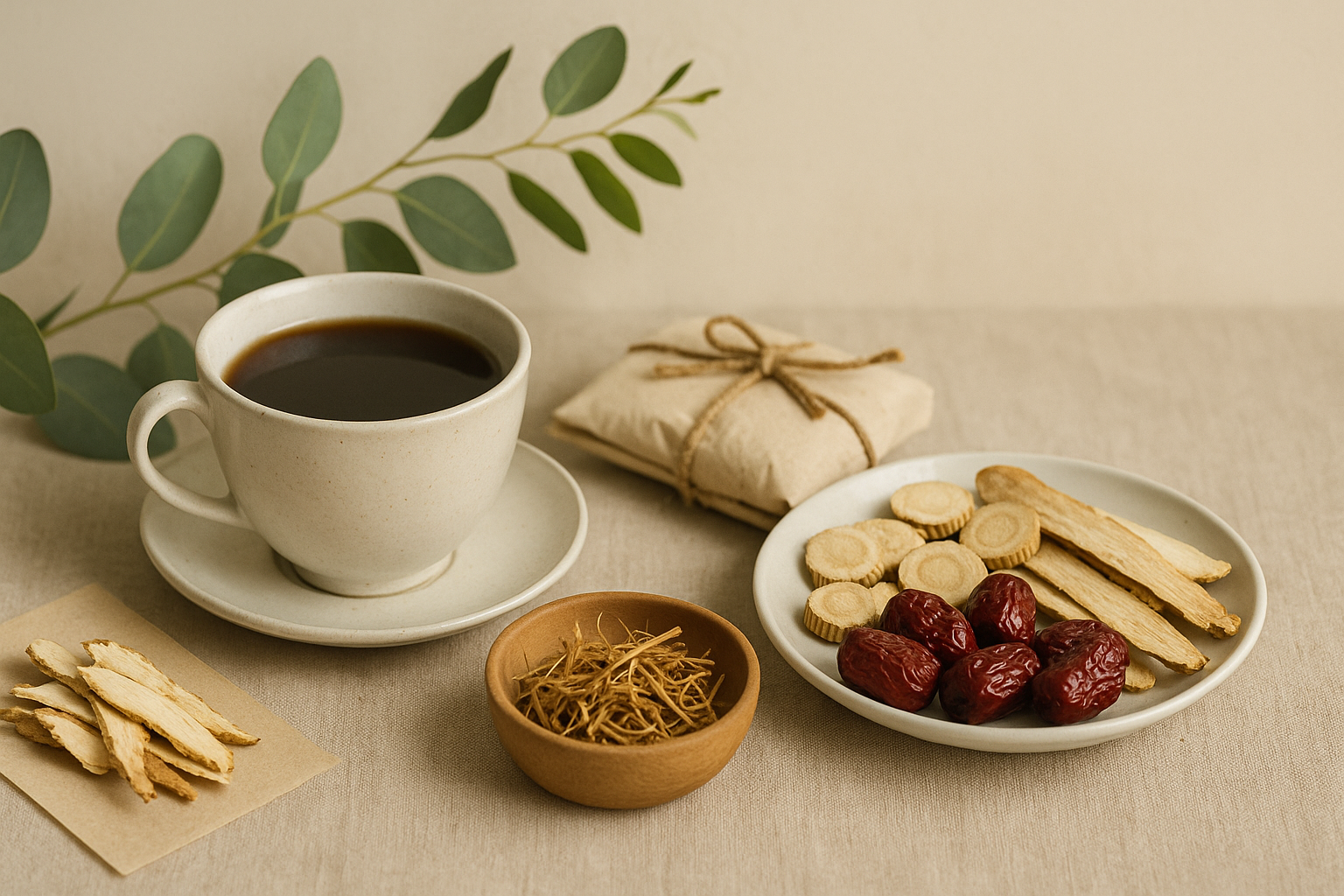
Sacred Plants
Discover the role of sacred plants in Polynesian Medicine, their historical significance, and modern applications.
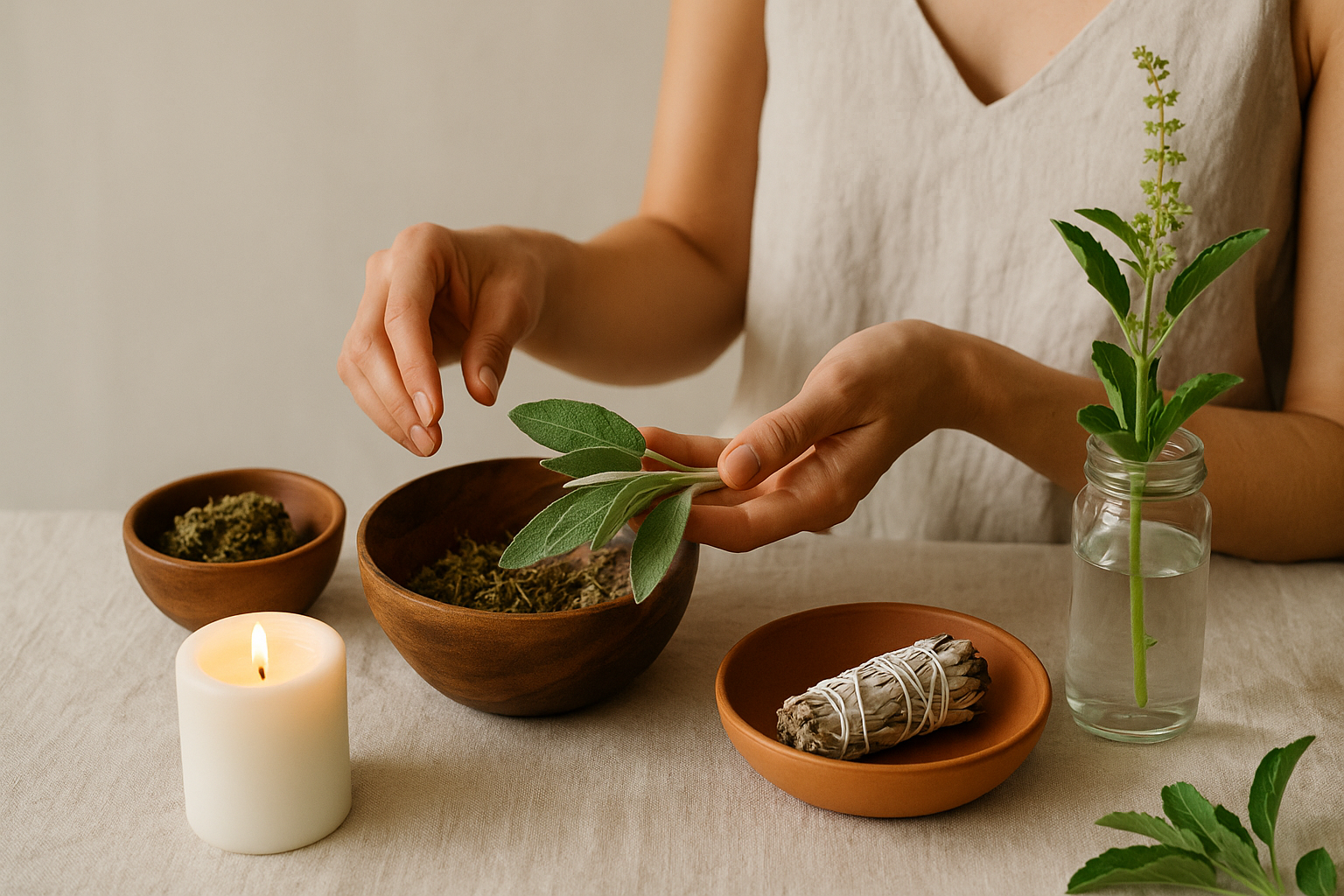
Explore the sacred use of plants within Polynesian Medicine, a tradition rich in history and holistic healing practices.
What It Is
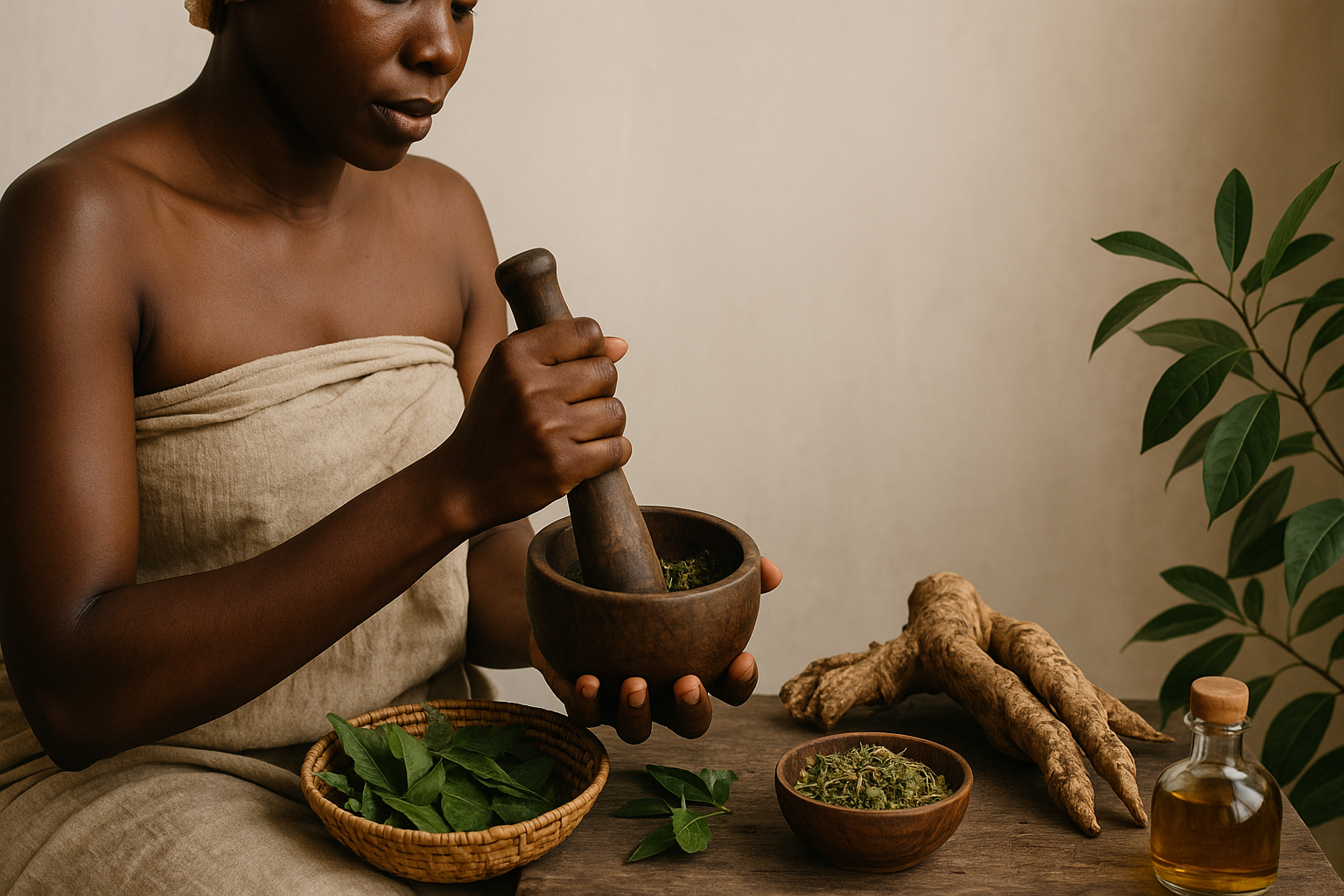
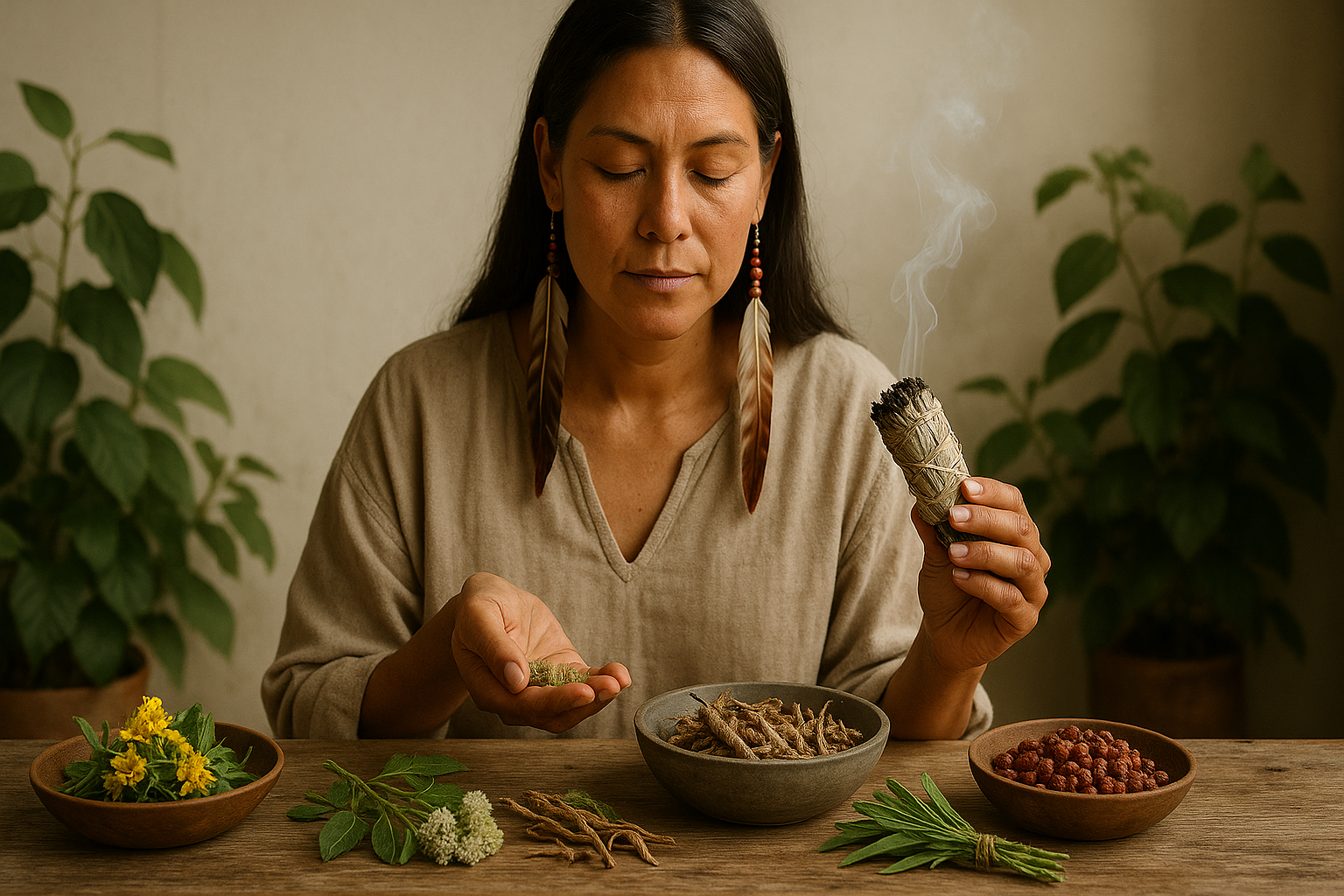
Sacred plants hold a significant place in the practice of Polynesian Medicine, representing both spiritual and therapeutic dimensions. These plants are revered not only for their healing properties but also for their roles in cultural rituals and traditions. Practitioners, known as kahunas, often utilize these plants to create remedies and engage in spiritual practices that connect the physical and metaphysical realms.
In Polynesian culture, sacred plants are often seen as gifts from the gods, imbued with mana, or spiritual power. This perspective informs the way these plants are harvested, prepared, and administered, ensuring that they are treated with the utmost respect and consideration. The understanding of these plants is passed down through generations, blending ancient wisdom with contemporary knowledge.
Historical Context Within Polynesian Medicine
The use of sacred plants in Polynesian Medicine has deep historical roots, with practices dating back thousands of years. Early Polynesians developed a profound knowledge of their natural environment, identifying various plants that could be used for healing and spiritual purposes. This knowledge was often guarded and passed down through oral traditions, illustrating the importance of these practices within the community.
As Polynesian society evolved, the role of sacred plants became intertwined with the broader spiritual and cultural practices of the people. Kahunas, or expert practitioners, were seen as custodians of this knowledge, using it to guide the health and well-being of their communities. The integration of sacred plants into rituals and ceremonies highlights their significance not only in medicine but also in the social and spiritual fabric of Polynesian life.
How It's Practiced
The practice of utilizing sacred plants in Polynesian Medicine involves several steps, often guided by experienced practitioners. Here is a general overview of how these practices may unfold:
- Consultation: The practitioner meets with the individual seeking help to discuss their needs and health concerns.
- Identification: The practitioner identifies which sacred plants may be appropriate based on the individual's condition and cultural context.
- Preparation: The selected plants are gathered with care, often accompanied by rituals to honor their spiritual significance.
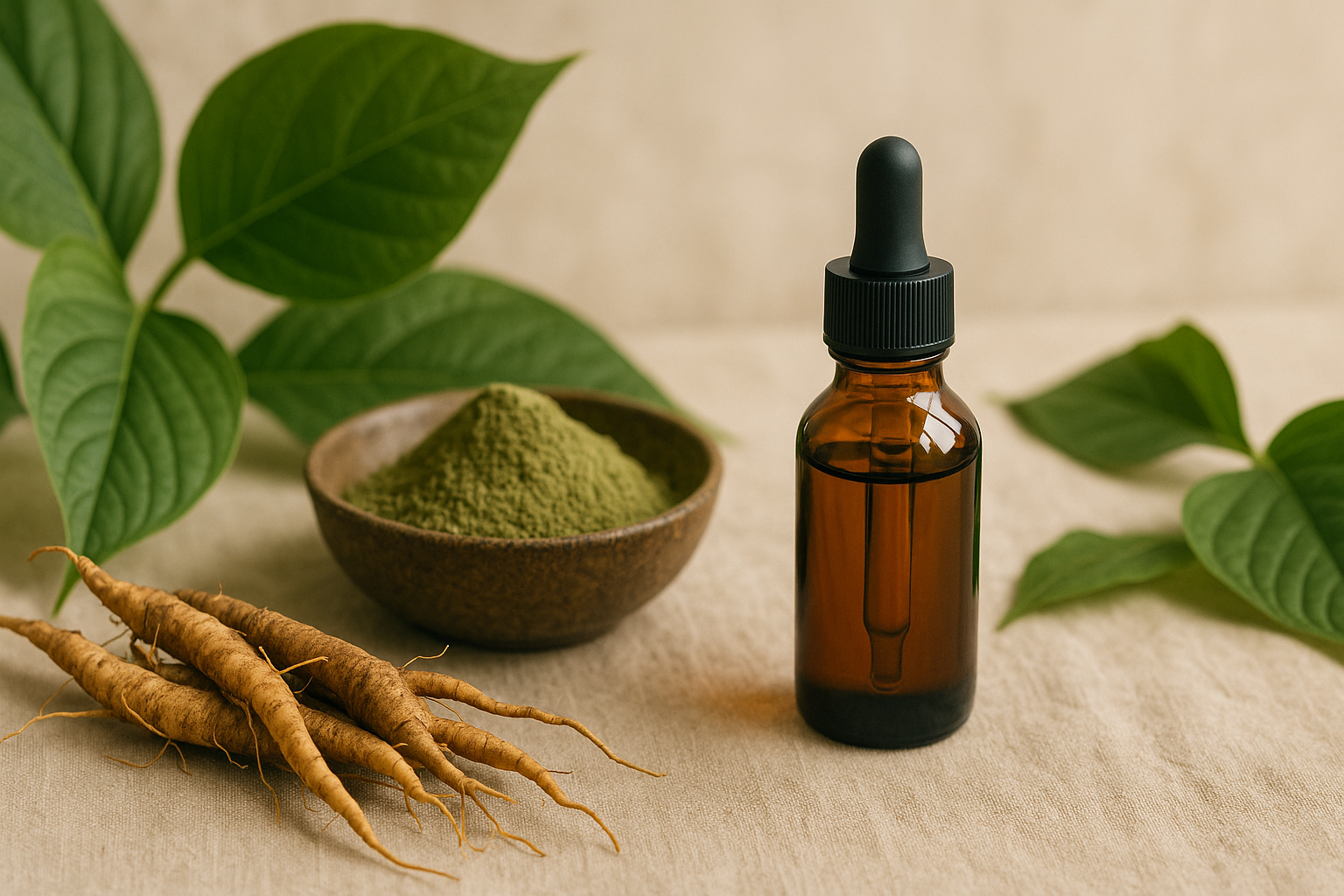
- Administration: The prepared remedies may be administered in various forms, such as teas, poultices, or tinctures.
- Integration: The practitioner may also guide the individual in integrating the use of the plants into their daily life, often emphasizing a holistic approach.
What It Is Traditionally Explored For
Sacred plants in Polynesian Medicine are traditionally explored for a variety of purposes. These may include:
- Supporting mental and emotional well-being
- Enhancing spiritual connection and growth
- Promoting physical healing and recovery
- Facilitating community bonding through shared rituals
While these plants are deeply rooted in spiritual and cultural practices, they may be used in conjunction with other healing modalities to address a range of concerns.
What Modern Research Suggests
Modern research into the effects of sacred plants within Polynesian Medicine is still in its nascent stages. Preliminary studies suggest that certain plants used in traditional practices may possess bioactive compounds that could contribute to their therapeutic effects. For instance, some plants have been found to exhibit anti-inflammatory or antioxidant properties, which align with their traditional uses.
Though the scientific community is beginning to recognize the value of these ancient practices, more comprehensive studies are needed to fully understand the efficacy and mechanisms of these sacred plants. Ongoing research aims to bridge the gap between traditional knowledge and modern scientific inquiry, emphasizing the importance of preserving cultural practices.
Safety, Contraindications & Who Should Skip
While sacred plants are traditionally used in healing, it is essential to approach their use with caution. Here are some considerations:
- Individuals with known allergies to specific plants should avoid those substances.
- Pregnant or breastfeeding individuals should consult a qualified practitioner before using any sacred plants.
- Those with chronic health conditions or taking medications should seek guidance to ensure safety and avoid potential interactions.
It is always advisable to work with qualified practitioners to ensure that sacred plants are used safely and appropriately.
Pairs Well With (within Polynesian Medicine and across pillars)
Sacred plants may complement various other modalities and ingredients within Polynesian Medicine, including:
- Herbal remedies
- Spiritual practices and rituals
- Massage and bodywork
- Dietary practices emphasizing natural foods
How to Find a Qualified Practitioner
Finding a qualified practitioner in Polynesian Medicine who specializes in sacred plants can enhance the healing experience. Here are some tips:
- Seek referrals from trusted individuals or community members.
- Research local practitioners and their qualifications and experience.
- Attend workshops or community events related to Polynesian Medicine to connect with practitioners.
- Ensure the practitioner respects and honors cultural traditions.
FAQs (5)
- What are some common sacred plants used in Polynesian Medicine? Various plants are utilized, including noni, kava, and ti leaves, each with specific cultural significance.
- Can anyone use sacred plants? It is important to consult a qualified practitioner, especially for those with health concerns.
- How are sacred plants prepared for use? Preparation often involves gathering, cleansing, and sometimes invoking spiritual practices before use.
- Are there side effects associated with sacred plants? Potential side effects can occur, particularly if used improperly; hence, guidance from a practitioner is recommended.
- How do sacred plants fit into modern wellness practices? They may be integrated into holistic wellness approaches, honoring their traditional uses while exploring contemporary applications.
Frequently asked
What are some common sacred plants used in Polynesian Medicine?
Various plants are utilized, including noni, kava, and ti leaves, each with specific cultural significance.
Can anyone use sacred plants?
It is important to consult a qualified practitioner, especially for those with health concerns.
How are sacred plants prepared for use?
Preparation often involves gathering, cleansing, and sometimes invoking spiritual practices before use.
Are there side effects associated with sacred plants?
Potential side effects can occur, particularly if used improperly; hence, guidance from a practitioner is recommended.
How do sacred plants fit into modern wellness practices?
They may be integrated into holistic wellness approaches, honoring their traditional uses while exploring contemporary applications.