Liver & Detox
Hepatic function and detoxification.
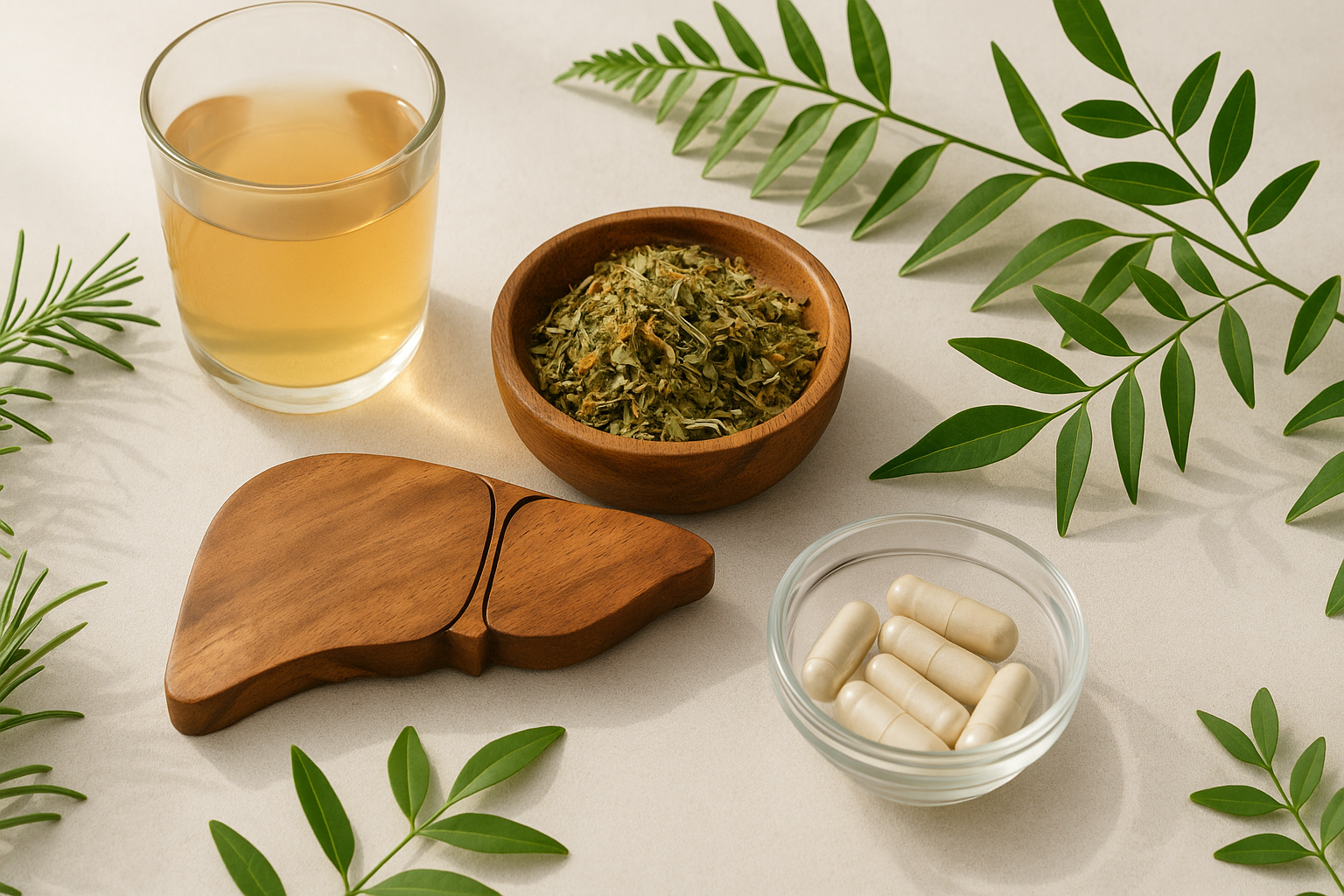
What This System Does
The liver is one of the most vital organs in the human body, functioning as a powerhouse for detoxification, metabolism, and nutrient storage. Located in the upper right quadrant of the abdomen, this large organ plays a crucial role in filtering blood coming from the digestive tract before it is sent to the rest of the body. The liver is responsible for removing toxins, synthesizing proteins, and producing biochemicals necessary for digestion, including bile.
Additionally, the liver helps regulate blood sugar levels, stores vitamins and minerals, and is involved in the metabolism of fats, proteins, and carbohydrates. It also plays a key role in hormone regulation and the synthesis of cholesterol, which is essential for cellular function.
Signs This System Is Out of Balance
- Fatigue or low energy levels
- Unexplained weight gain or loss
- Digestive issues, such as bloating or indigestion
- Skin changes, including rashes or jaundice
- Frequent headaches or brain fog
- Hormonal imbalances, such as irregular menstrual cycles
- Increased sensitivity to medications
It is important to understand that these signs do not confirm a diagnosis related to liver health. They may indicate an imbalance that could be addressed through lifestyle changes or natural approaches.
Common Contributing Factors
The health of the liver can be influenced by various factors, including:
- Lifestyle: Sedentary habits, excessive alcohol consumption, and drug use can significantly affect liver function.
- Environment: Exposure to environmental toxins, pollutants, and heavy metals can burden the liver.
- Nutritional: Diets high in processed foods, sugars, and unhealthy fats can lead to fatty liver disease and other issues.
- Hormonal: Hormonal imbalances can affect liver function and fat metabolism.
- Structural: Any structural issues, such as liver scarring or conditions like cirrhosis, can impact its ability to function properly.
Natural Approaches Across the Three Pillars
Ancient Wisdom
Various cultures have long recognized the importance of the liver and its role in detoxification. Traditional Chinese Medicine (TCM) emphasizes the liver's role in emotional health and detoxification. Herbs like milk thistle (Silybum marianum) and dandelion root have been used for centuries to support liver health. Ayurvedic practices also highlight the significance of liver function, utilizing herbs such as turmeric and neem for their supportive properties.
Natural Remedies
Several natural ingredients are known for their liver-supportive properties, including:
- Milk Thistle: Contains silymarin, which may help protect liver cells and promote regeneration.
- Dandelion Root: Traditionally used to support digestion and stimulate liver function.
- Turmeric: Known for its anti-inflammatory properties and ability to promote bile production.
- Artichoke Extract: May enhance bile flow and support the detoxification process.
- Beetroot: Rich in antioxidants, supporting liver function and bile production.
Modern Wellness
Contemporary approaches to liver health focus on lifestyle modifications and understanding biomarkers that can indicate liver function:
- Diet: Adopting a balanced diet rich in whole foods, fruits, vegetables, and healthy fats.
- Exercise: Regular physical activity helps maintain a healthy weight and supports metabolic function.
- Hydration: Adequate water intake is essential for optimal liver function and detoxification.
- Biomarkers: Regular check-ups and blood tests can help monitor liver enzymes, bilirubin levels, and overall liver function.
- Protocols: Some wellness programs may include detoxification protocols that utilize liver-supporting herbs and diet.
Conditions Frequently Involving This System
- Fatty Liver Disease
- Hepatitis
- Cirrhosis
- Liver Cancer
- Gallbladder Issues
- Metabolic Syndrome
- Hormonal Imbalances
Lifestyle & Habit Foundations That Support It
To maintain liver health, consider adopting the following lifestyle habits:
- Eat a balanced diet rich in whole foods.
- Limit alcohol consumption and avoid recreational drugs.
- Engage in regular physical activity.
- Stay hydrated by drinking plenty of water.
- Manage stress through mindfulness practices, such as yoga or meditation.
- Avoid exposure to toxic substances and pollutants.
When to Seek Professional Care
If you experience persistent symptoms related to liver health or have concerns about liver function, it is important to consult a healthcare professional. They can provide appropriate tests, diagnosis, and treatment options tailored to your specific needs.
FAQs
1. What are the main functions of the liver?
The liver is responsible for detoxification, protein synthesis, bile production, and metabolism of carbohydrates, fats, and proteins.
2. How can I support my liver health naturally?
Adopting a balanced diet, exercising regularly, staying hydrated, and incorporating liver-supportive herbs can help maintain liver health.
3. What are signs of liver dysfunction?
Signs may include fatigue, digestive issues, skin changes, and hormonal imbalances.
4. Is it safe to detox the liver?
While gentle detoxification approaches can be beneficial, it is essential to consult a healthcare professional before starting any detox program.
5. Can liver health be improved through diet alone?
A healthy diet plays a significant role in liver health, but lifestyle factors such as exercise and hydration are also important.
6. What lifestyle changes can enhance liver function?
Regular exercise, a balanced diet, limiting alcohol intake, and managing stress can all enhance liver function.