Usnea (old man's beard) (Usnea barbata): Uses, Evidence and Safety
Usnea (old man's beard lichen, Usnea barbata) contains usnic acid, linked to serious liver injury and liver failure in weight-loss products; what the sources say and why caution matters.
Content last updated . This page has not been medically reviewed.
Safety first. Natural products can cause side effects and interact with medicines. Read herb safety and interactions before you use anything on this page.
What is Usnea (old man's beard lichen) good for?
What the body uses it for, and how strong the evidence is. A normal job in the body is not proof that extra supplements add benefit; each card says which.
Liver cell damage mechanism (mitochondria, oxidative stress)
Lab or animal research onlyLaboratory studies suggest usnic acid disrupts how liver cells make energy and creates oxidative stress.
Supplements: A safety caution, not a benefit.
Usnea preparations can be more toxic than pure usnic acid
Lab or animal research onlyIn animal studies, usnea preparations with the same usnic acid content were more toxic than pure usnic acid.
Supplements: A safety caution, not a benefit.
Weight loss
Not enough evidenceUsnic acid is promoted for weight loss, but Memorial Sloan Kettering says scientific evidence is lacking and a 2022 review found no controlled human trials.
Supplements: No good evidence of benefit; documented harm.
Pregnancy concerns
Lab or animal research onlyOne rat study reported poor weight gain, more pregnancy loss and fetal abnormalities at high doses; the review calls the data controversial and gives no human data.
Supplements: A safety caution, not a benefit.
Antibacterial use in creams, toothpaste and deodorants
Lab or animal research onlyUsnic acid has antibacterial properties used in some cosmetics and oral-care products; MSK reports lab activity.
Supplements: Not shown to treat infections when taken by mouth.
Cancer cell, anti-inflammatory and antioxidant effects in the lab
Lab or animal research onlyMemorial Sloan Kettering reports antiproliferative, anti-inflammatory and antioxidant effects in cells and animals only.
Supplements: No human evidence of benefit.
Small older Chinese studies for bronchitis and tuberculosis
Not enough evidenceA 2008 review mentions small older studies in China with few design details, which reported stomach pain, raised liver enzymes, dry mouth, dizziness and nausea.
Supplements: Not established.
Connected topics
Open a group to see how each topic connects and how strong the evidence is.
Body systems (2)
- Hepatic / Liver SystemDocumented risk
Usnic acid supplements have been linked to acute hepatitis and liver failure, including transplants and a death. Serious safety problem.
- Liver & DetoxDocumented risk
Usnic acid supplements have been linked to acute hepatitis and liver failure, including transplants and a death. Serious safety problem.
Body parts (3)
- LiverDocumented risk
Usnic acid supplements have been linked to acute hepatitis and liver failure, including transplants and a death. Serious safety problem.
- MitochondriaLab or animal research only
Lab work suggests usnic acid disrupts mitochondria in liver cells; this helps explain liver injury and is not a benefit.
- SkinDocumented risk
Topical use may cause local irritation and allergic reactions.
Root causes (1)
- Medication Side EffectsDocumented risk
Possible additive effects with blood thinners and animal evidence of CYP3A4 induction; clinical relevance not known.
Documented risks and interactions (3)
- Severe liver injury with usnic acid weight-loss products. Usnic acid weight-loss supplements have been linked to acute hepatitis, liver failure, liver transplants and at least one death. FDA warned consumers about LipoKinetix in November 2001.
- Blood-thinner and CYP3A4 medicine interactions. Memorial Sloan Kettering notes theoretical additive effects with anticoagulants and animal findings that usnic acid induces CYP3A4, which processes many medicines; clinical relevance is not known.
- Skin irritation and allergy with topical use. Topical usnic acid may cause local irritation and allergic reactions; a 2022 review calls topical use generally well tolerated, mostly from animal data.
Safety first: usnic acid and serious liver injury
Usnea is a lichen, not a plant, and it contains usnic acid. Usnic acid in weight-loss supplements has been linked to severe liver injury, including liver failure, liver transplants and at least one death. [1][2][3] The best-known cases involved two products, LipoKinetix and UCP-1, sold in the US until 2001. [3] A review by FDA scientists says the FDA had received at least 21 adverse event reports tied to usnic acid supplements, including one death, and warned consumers about LipoKinetix in November 2001. [2][3] Those products contained usnic acid itself, often with other ingredients, so the cause in each case is hard to separate. [2] Memorial Sloan Kettering states that usnic acid supplements are linked to liver damage, especially at high doses, and that evidence for weight loss is lacking. [1] This page is information, not a recommendation to use usnea. We give no preparation instructions and no amounts. If you already take a product containing usnea or usnic acid and notice yellow skin or eyes, dark urine, belly pain or unusual tiredness, contact a doctor. See also herbs and liver injury.Overview
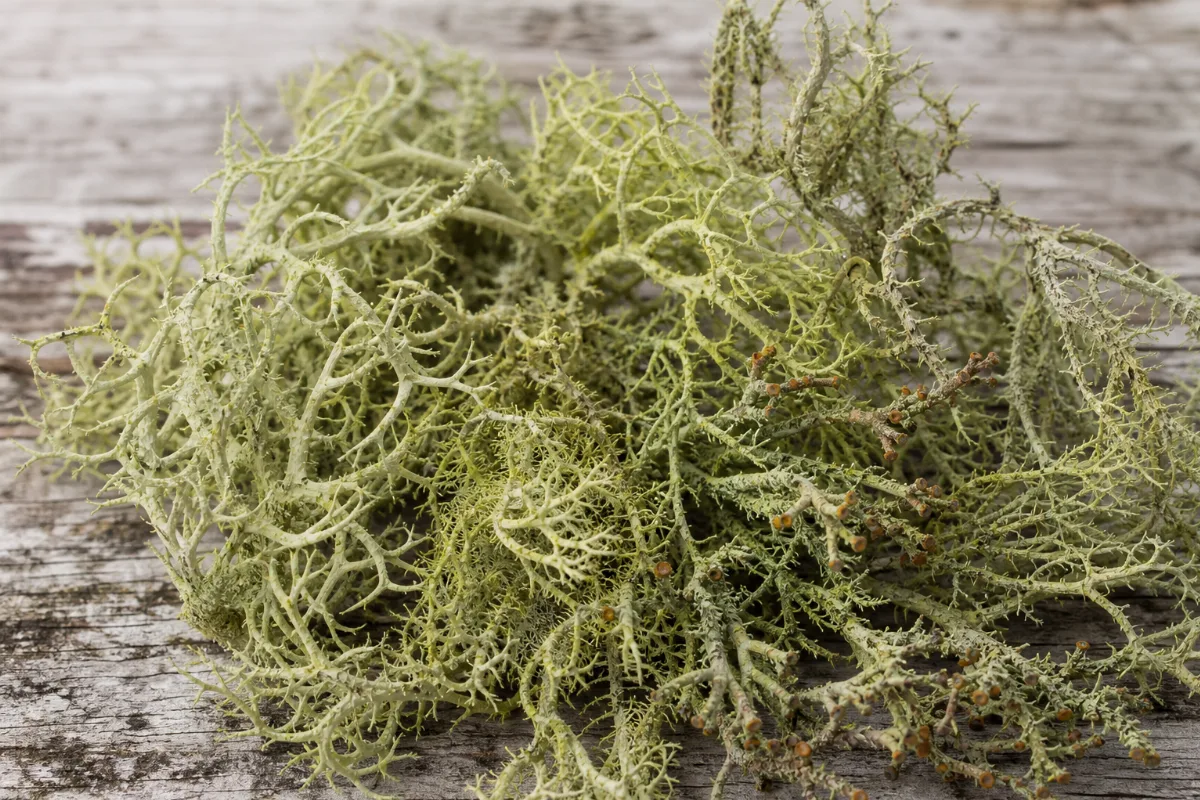
Usnea barbata (L.) Weber ex F.H.Wigg. is a lichen (a partnership of a fungus and an alga) in the family Parmeliaceae; GBIF lists it as the accepted name. [4] It is often called old man's beard because it hangs in grey-green threads from trees. Native range: not found in the sources we read for this species as a whole. The FDA-authored review says U. barbata is not native to North America, and that "usnea" sold in the US may in fact be other Usnea species, several of which also contain usnic acid. [2] Reviews report that Usnea species contain roughly 1 to 3 percent usnic acid by dry weight. [2] This page covers usnea lichen and usnic acid products; it is not about similar-sounding mosses or "tree moss" products, which we did not review.Traditional use (not proof of benefit)
The FDA-authored review notes that dried Usnea lichen is used in Traditional Chinese Medicine. [2] The same review lists small, older Chinese clinical studies of usnic acid for tuberculosis and bronchitis, which reported side effects such as stomach pain, raised liver enzymes, dry mouth, dizziness and nausea. [2] Long use in tradition is not proof that a product works or is safe.What research shows
Reviews found no controlled human trials of usnea or usnic acid for weight loss. The human information we read is mostly case reports and small older studies. [3][2]| Use | What the sources found | Strength of evidence | Form and population |
|---|---|---|---|
| Weight loss | MSK: promoted in supplements, but scientific evidence is lacking. [1] A 2022 review describes no controlled human trials, only liver injury case reports. [3] | No good evidence of benefit; documented harm | Oral supplements; adults |
| Infections (bronchitis, tuberculosis) | Small older Chinese studies are mentioned in a 2008 review with few design details and with side effects noted. [2] | Insufficient evidence | Usnic acid, oral; adults |
| Antibacterial use in creams, toothpaste, deodorants | MSK says usnic acid is used for its antibacterial properties in such products. [1] A 2022 review says topical use appears safe and well tolerated, mostly from animal data. [3] | Insufficient evidence in people | Topical; mostly animal data |
| Cancer, inflammation, antioxidant effects | MSK: lab and animal studies only; preliminary and not proof of clinical benefit. [1] | Lab and animal findings only | Cells and animals |
| Papillomavirus (HPV) | MSK describes one small study of a usnic acid and zinc vaginal product used with radiosurgery, with favorable results. [1] | Insufficient evidence | Prescription-style local product; women |
Proper evidence not found in the sources we read for usnea lichen itself (as opposed to isolated usnic acid) improving any health condition in people.
Forms and why the form matters
Usnea is sold as dried lichen, capsules, tinctures (alcohol extracts), teas and topical products. Usnic acid is also sold alone and is used in some cosmetics and oral-care products. [1] Products named "usnea" can be a mix of species, and usnic acid content varies. [2] In animal studies, usnea preparations were more toxic than pure usnic acid at an equal usnic acid content, so a lichen is not "safer" than the isolated compound. [2] MSK also notes usnic acid has been found in kombucha tea. [1]Safety in more detail
- Liver: acute hepatitis and liver failure in people using usnic acid weight-loss products; onset in some cases within weeks. [1][3] Case reports include a 28-year-old woman taking pure usnic acid who needed a transplant, and a man taking a product with a small amount of usnic acid who also needed a transplant. [3] Laboratory work suggests usnic acid disrupts how liver cells make energy (mitochondria) and creates oxidative stress. [1][2]
- Medicines: MSK says theoretical additive effects with blood thinners (anticoagulants) and animal findings that usnic acid may speed CYP3A4, an enzyme that processes many medicines; the clinical importance is not known. [1] Two case reports describe sharply raised liver tests and a prolonged clotting time. [1]
- Pregnancy: one rat study described poor weight gain, more pregnancy loss and fetal abnormalities at high doses; the review calls the data controversial and gives no human pregnancy data. [3] Avoiding use is the cautious reading; ask a doctor. See pregnancy and breastfeeding.
- Breastfeeding: Proper evidence not found in the sources we read.
- Children: Proper evidence not found in the sources we read.
- Liver and kidney: liver as above. Kidney: not found in the sources we read. We could not read NIH LiverTox (the site blocked automated access).
- Allergy and skin: MSK says topical use may cause local irritation and allergic reactions. [1]
- Genetic damage: results are mixed; a 2022 review calls the molecule not genotoxic but says mutagenicity data are controversial. [3]
- Surgery: no agency statement on usnea before surgery was found; given liver and clotting concerns, tell the surgical team about any product. See supplements before surgery.
- Quality: products may be other Usnea species and may be mixed with other ingredients; LipoKinetix also contained stimulant ingredients, which makes blame hard to assign. [2] See adulteration and mislabeling.
Official statements
- FDA (US), November 2001: warned consumers about LipoKinetix after reports of liver injury and recommended the manufacturer withdraw it, as described in two reviews (we did not read the FDA notice itself). [2][3]
- FDA nomination to the National Toxicology Program, 2005: usnic acid was nominated for toxicity evaluation, per the 2008 review. [2]
- Memorial Sloan Kettering, page last updated February 2021: supplements linked to liver damage; weight-loss benefit not supported. [1]
Related pages
Frequently asked questions
Is usnea safe?
Usnea itself has little human research, but usnic acid, which it contains, has been linked to severe liver injury in weight-loss supplements. [1][3] We cannot call it safe.
Does usnea help with weight loss?
Memorial Sloan Kettering says scientific evidence for this is lacking, and reviews found no controlled trials. [1][3]
What happened with LipoKinetix?
It contained usnic acid and was linked to cases of liver failure; FDA warned consumers in November 2001 and the product was withdrawn. [2][3]
Is usnea an antibiotic?
Usnic acid has antibacterial activity in laboratory work and is used in some creams and oral-care products. [1] Proper evidence not found in the sources we read that usnea supplements treat infections in people.
Can I use usnea during pregnancy?
No human data were found. A rat study reported harm at high doses. [3] Ask a doctor first.
References
- Memorial Sloan Kettering Cancer Center. Usnic Acid. Page last updated February 2021. Read 2026-10-23.
- Guo L, Shi Q, Fang JL, et al. Review of usnic acid and Usnea barbata toxicity. Journal of Environmental Science and Health, Part C, 2008;26(4):317-338. Read 2026-10-23.
- Croce N, Pitaro M, Gallo V, Antonini G. Toxicity of Usnic Acid: A Narrative Review. Journal of Toxicology, 2022;2022:8244340. Read 2026-10-23 (first 100,000 characters).
- GBIF Secretariat. GBIF species match: Usnea barbata. Accepted name Usnea barbata (L.) Weber ex F.H.Wigg., family Parmeliaceae. Read 2026-10-23.