Herbs & Botanicals · Herbs · Citrus peel and extract sold for weight loss and sport, with weak benefit evidence and real heart cautions
Bitter Orange
Citrus aurantium L. · also called Bitter orange, Seville orange, sour orange, zhi shi (Chinese), p-synephrine supplement, neroli (flower oil), naranja amarga (Spanish)
Bitter orange is a citrus tree whose peel, fruit and flowers are used in cooking, perfume and herbal products. Its extract contains p-synephrine, a stimulant-type compound that was sold as an ephedra substitute for weight loss and sport. Research does not show clear benefit, and several reviews and case reports raise heart and blood pressure concerns, especially with caffeine.
General information, not medical advice. Last substantive update · Not medically reviewed. A named clinician has not signed off on this page. How this page is made
About Bitter Orange
Bitter orange (Citrus aurantium) is a sour citrus used in cooking and perfume. Its extract supplements, rich in p-synephrine, are sold for weight loss and sport but are not shown to work and carry heart and blood pressure cautions. Inhaled oil has some small positive trials.
What it is
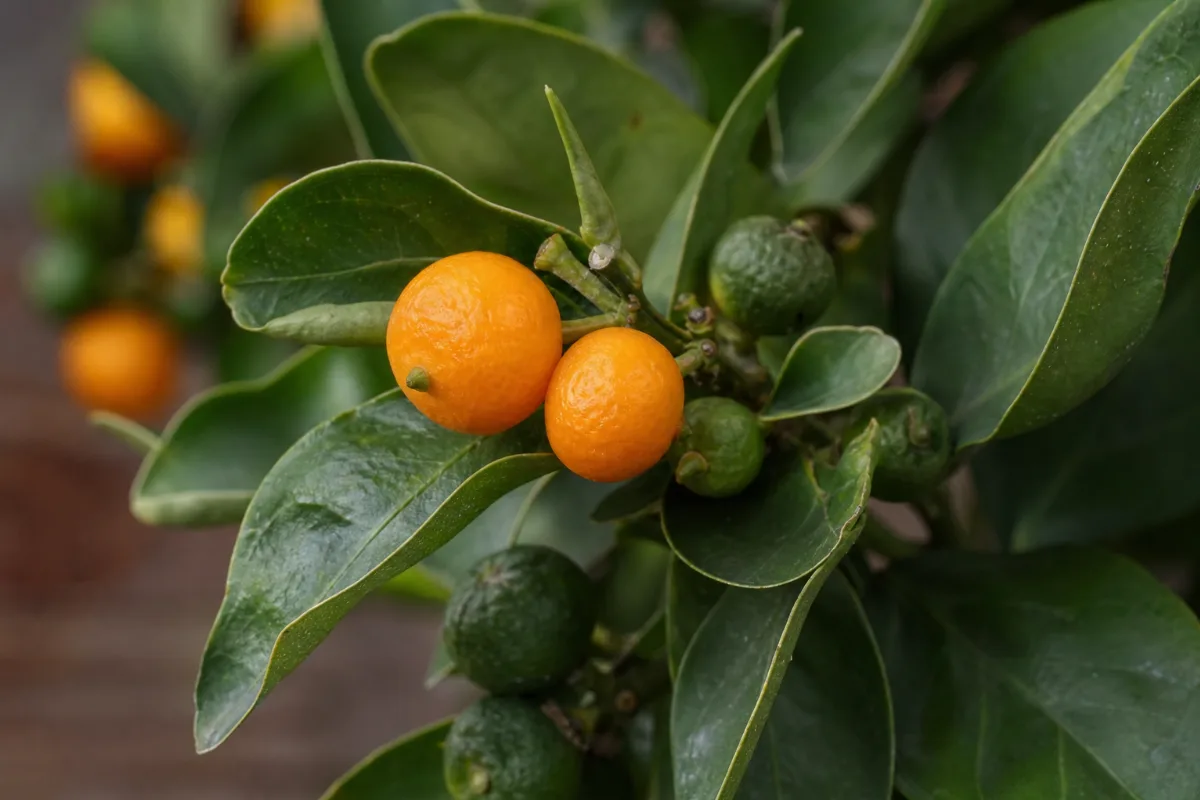
Bitter orange (Citrus aurantium) is a citrus tree native to Southeast Asia, per NCCIH. The fruit is too sour to eat raw, but fruit, peel and oils are used in cooking, flavouring beer and spirits, and perfume.
The extract holds p-synephrine, a stimulant-type compound that looks a little like ephedrine but works differently. It became popular after the US banned ephedra alkaloids in supplements in 2004.
Traditional and current uses
Today it is promoted as a supplement for weight loss and sport, and the oil is used on the skin and in aromatherapy.
NCCIH says bitter orange has not been clearly shown to help for any health purpose.
Four things that are not the same
p-Synephrine or extract supplements are the form linked to heart and blood pressure cautions. Inhaled oils (peel oil, neroli from flowers, petitgrain from leaves) are a separate use. Juice and marmalade are foods that can interact with some medicines. Peel or flower tea has no human trials.
Evidence for one form should not be applied to another.
What the research shows
The best pooled analysis found no weight-loss benefit and a rise in blood pressure. Small lab trials show more fat burning during exercise after one dose but no sport performance gain. Some trials were industry-linked, which we flag.
Inhaled oil trials (three, small, Iranian) report lower anxiety scores, with weak blinding.
At a glance
Traditional uses history, not proof
- Fruit, peel and oils in cooking, drinks and perfume
- Bitter peel and flower teas in herbal tradition (not verified here)
- Aromatherapy with the oil for anxiety and sleep
Studied for research
- Weight loss, low (no benefit in the latest pooled analysis)
- Fat burning during exercise (one-dose lab trials), low
- Sports performance, low (mostly no effect)
- Anxiety with inhaled oil, low
- Fungal skin infections and tea for digestion, insufficient
Main compounds
- p-Synephrine (isolated or in extract)
- Octopamine and related amines (in some products)
- Limonene and other peel oil compounds
- Flavonoids (naringin, hesperidin) and furanocoumarins (bergapten)
Common forms
- Peel or fruit extract supplements (p-synephrine)
- Combination weight-loss and pre-workout products, often with caffeine
- Essential oil (peel, flower neroli) for skin or inhaling
- Juice, marmalade and peel as food; teas and tinctures
Research links: NCCIH: Bitter Orange · Koncz 2022 meta-analysis (PubMed) · Research Library · Genes & Biomarkers Library
The plant and its history
- Accepted scientific name
- Citrus aurantium L.
- Naming authority
- GBIF backbone lists Citrus × aurantium L. (canonical Citrus aurantium) as ACCEPTED, usage key 8077391, exact match, confidence 97.
- Synonyms
- Citrus x aurantium L.
- Common names
- Bitter orange (English); Seville orange (English); Sour orange (English); Zhi shi (Chinese (pinyin))
- Botanical family
- Rutaceae (citrus family)
- Classification
- Plantae > Tracheophyta > Magnoliopsida > Sapindales > Rutaceae > Citrus > Citrus aurantium
- Native range
- NCCIH: the tree is native to Southeast Asia.
- Habitat
- Not verified in the sources read.
- What the plant looks like
- Roots: Not verified.; Stems: Not verified.; Leaves: Not verified; leaf oil is called petitgrain per Dosoky 2018.; Flowers: Flowers give neroli oil per the trial and review abstracts.; Fruit: NCCIH: fruit too sour to eat raw; fruit, peel and oils used in cooking, beer and spirits, perfume.
- Cultivation
- Not verified.
- Harvest and processing
- Not verified. Zhi shi (unripe fruit) is a traditional Chinese name from NCCIH.
- Look-alikes and adulterants
- Name: Sweet orange (Citrus sinensis); Note: A different species (sweet orange); not covered by this profile.; Name: Grapefruit (Citrus x paradisi); Note: Known for CYP3A4 and furanocoumarin drug interactions; Seville orange juice acts in a similar way in studies.; Name: Bergamot (Citrus bergamia); Note: A different citrus species with its own oil; not covered here.
- Sustainability and conservation
- Not assessed in the sources read.
Traditional use and history history, not clinical proof
| Tradition or era | Documented use | Source |
|---|---|---|
| Cooking and perfumery | Fruit, peel and essential oils are used in cooking, as flavourings in beer and spirits, and in perfumes. | s-nccih-bitter-orange |
| After the 2004 US ephedra ban | Bitter orange became popular as an ephedra alternative in weight-loss and sport supplements. | s-nccih-bitter-orange |
| Aromatherapy | The oil is used topically and in aromatherapy, including for anxiety and insomnia, without clear proof of benefit. | s-nccih-bitter-orange |
| Chinese medicine (zhi shi) | Zhi shi is listed as a common name by NCCIH. Traditional uses were not read and are NOT verified. | s-nccih-bitter-orange |
| European herbal tradition | A secondary encyclopedia (found by web search) lists bitter peel for dyspepsia and poor appetite via Commission E and notes no EMA/HMPC monograph. NOT verified. | Altmeyer's encyclopedia via web search (secondary, not read in full) |
Traditional use shows how a plant was used. It does not show that a supplement works or is safe today.
What is inside, and how it may work
What the plant contains and how those compounds act in cells and animals. Laboratory and animal mechanisms are not proven effects in people.
Main compounds
| Compound | Family | Where it is concentrated | Activity studied | Level of evidence |
|---|---|---|---|---|
| p-Synephrine PubChem 7172 | protoalkaloid (phenethylamine) | Fruit and peel of C. aurantium Seville orange juice about 56.9 micrograms/ml in one trial | Stimulant-type amine, structurally similar to ephedrine but with different pharmacology (NCCIH); proposed adrenergic activity. 21 15 | Human data |
| Octopamine PubChem 4581 | biogenic amine | Found in some products Not detected in Seville orange juice in one trial | Prohibited in sport per a 2012 paper; on FDA's advisory list per FDA authors. 21 28 20 | Human data |
| Limonene PubChem 22311 | monoterpene | Peel essential oil Not given in sources read | Common citrus oil component; no activity verified here. 18 | Laboratory research |
| Naringin PubChem 442428 | flavanone glycoside | Citrus fruit Tested at 600 mg in one trial | Combined with p-synephrine in one trial that reported a larger metabolic-rate rise. 25 | Human data |
| Hesperidin PubChem 10621 | flavanone glycoside | Citrus fruit Tested at 100 or 1000 mg in one trial | Combined with p-synephrine and naringin; response was non-linear. 25 | Human data |
| Bergapten PubChem 2355 | furanocoumarin | Fruit and juice Under 20 micrograms/g total furanocoumarins in four branded extracts | Named by the authors as the main furanocoumarin in bitter orange; grapefruit-type furanocoumarins relate to CYP3A4. 26 | Laboratory research |
| Tyramine and N-methyltyramine PubChem 5610 | amines | Found in some products Measured in FDA analysis | On the FDA advisory list (N-methyltyramine). 20 | Laboratory research |
Mechanisms, receptors and pathways
| Target or pathway | Gene or receptor | What was found | Level |
|---|---|---|---|
| Adrenergic (sympathetic) stimulation | Adrenergic receptors (as proposed) | p-Synephrine is proposed to act on adrenaline-type receptors. Human trials show mixed effects on blood pressure; animal studies in the BfR assessment show blood pressure rise and ventricular arrhythmia. 1 15 | Animal research |
| Fat oxidation during exercise | Not specified | p-Synephrine raised the maximal fat oxidation rate in healthy volunteers (human). 5 7 | Human data |
| Intestinal CYP3A4 inhibition | CYP3A4 | Seville orange juice is used in studies to inhibit intestinal CYP3A4, and raised felodipine exposure per a review. 21 4 | Human data |
| Aroma and brain | Not studied | No mechanism is established for the anxiety-lowering effect of the inhaled oil. 14 12 | Human data |
Absorption, metabolism and elimination
- Absorption
- Not studied in the abstracts read. Blood levels of p-synephrine were drawn in the 2016 safety trial but results are not in the abstract.
- Distribution
- Not studied.
- Metabolism
- Not covered in the abstracts read.
- Elimination
- Not studied; urinary octopamine did not rise after synephrine or supplements in a doping-control study.
- Bioavailability
- Unknown.
Isolated compounds versus whole extracts
Peel, whole extract, isolated p-synephrine, juice and essential oil differ. p-Synephrine supplements are the focus of heart and blood-pressure concerns. The oil (neroli from flowers, peel oil) is used by inhalation. Whole peel and juice carry furanocoumarins relevant for medicines. Branded standardised extracts may be low in furanocoumarins.
Nutritional composition
Bitter orange fruit is too sour to eat raw; peel and juice are used as flavouring (NCCIH). Marmalade and juice are food uses, but see the Safety tab if you take medicines affected by grapefruit.
4 low certainty2 very low certainty2 not enough evidence
What is Bitter Orange good for?
The main proposed uses and how strong the human evidence is for each. Read the Safety tab before the benefits.
Benefits, one by one
Each card is a research question, not a promise. Tap a goal to filter. Open a card to see the studies, doses and limits.
Weight loss and body composition (p-synephrine or bitter orange extract)
Low certaintyThe main reason people buy bitter orange extract. The best pooled analysis found no evidence that it helps weight loss, and it found raised blood pressure.
3 studiesTrials used extract or p-synephrine, alone or inside combination prod…
Studies, doses and limits
What the trials found
A 2022 systematic review and meta-analysis of 18 placebo-controlled human trials found weight loss after prolonged use was not significant and body composition did not change. The authors state there is no evidence synephrine helps weight loss. A 2004 review found only one eligible trial (20 people, 6 weeks), with no significant benefit. NCCIH says effects on body weight are unclear because studies were small, often of combination products, and conflicting.
Results
No reliable weight-loss benefit shown.
Effect sizes as reported
Weight loss not significant; body composition unchanged (Koncz 2022).
Why this rating
The latest pooled analysis is null for weight, but the trials are small, mixed in product and design, and many tested multi-ingredient products. Certainty that it helps weight loss is low, and the evidence leans against a benefit.
Form and dose studied
Trials used extract or p-synephrine, alone or inside combination products; amounts are not given here.
Who was studied
Adults in short trials of weeks, mostly healthy or overweight volunteers.
Limits
Many trials were small and some were industry-linked. Combination products make the bitter orange effect impossible to isolate.
Why researchers looked
Bitter orange extracts were sold as 'ephedra-free' fat burners after the US banned ephedra alkaloids in supplements in 2004. p-Synephrine is a stimulant-type compound that looks a little like ephedrine.
Traditional use
Peel is used in cooking and flavouring. A traditional role as a slimming aid is not documented in the sources we read.
Proposed mechanism Pharmacological theory
p-Synephrine is thought to act on adrenaline-type receptors to raise energy use and fat breakdown. This is a proposal; the human results below do not confirm it for weight loss.
A proposed mechanism does not show that the effect happens in people.
See the Safety tab first: p-synephrine products can raise blood pressure and heart rate, and reports of heart attack, stroke and abnormal rhythm exist.
Resting metabolic rate (calories burned at rest)
Very low certaintyOne small single-dose trial reported a rise in calories burned at rest after p-synephrine, especially with citrus flavonoids. It was industry-linked and very short.
1 studies50 mg p-synephrine, alone or with naringin and hesperidin, in juice.
Studies, doses and limits
What the trials found
A 2011 randomised, placebo-controlled trial gave about 10 people per group 50 mg p-synephrine alone or with the flavonoids naringin and hesperidin and measured at 75 minutes. Synephrine alone raised the metabolic rate 65 kcal versus placebo; with naringin and 100 mg hesperidin the rise was 183 kcal (p<0.02); with 1000 mg hesperidin only 79 kcal. Heart rate and blood pressure did not change. One author was a Nutratech employee and two were Nutratech consultants.
Results
A short-lived rise in resting calorie burn in one small trial.
Effect sizes as reported
+65 kcal (synephrine alone); up to +183 kcal (with naringin and hesperidin); measured 75 minutes after one dose.
Why this rating
One tiny, single-dose, industry-linked trial. A rise in metabolic rate over 75 minutes is not weight loss.
Form and dose studied
50 mg p-synephrine, alone or with naringin and hesperidin, in juice.
Who was studied
Healthy adults.
Limits
Very small groups, one dose, funded by or tied to a supplement maker, and not repeated.
Why researchers looked
A higher resting metabolic rate is the idea behind 'thermogenic' supplements.
Traditional use
Not applicable.
Proposed mechanism Pharmacological theory
p-Synephrine is proposed to stimulate adrenaline-type receptors; not shown by this trial.
A proposed mechanism does not show that the effect happens in people.
See the Safety tab first: p-synephrine products can raise blood pressure and heart rate, and reports of heart attack, stroke and abnormal rhythm exist.
Fat burning during exercise (acute lab trials of p-synephrine)
Low certaintyIn a few small lab studies, a single dose of p-synephrine raised the rate at which people burn fat while cycling. This is not the same as losing weight.
3 studiesp-Synephrine 3 mg per kg body weight, single dose, in the trials read.
Studies, doses and limits
What the trials found
In 18 healthy people, p-synephrine (3 mg/kg) raised maximal fat oxidation during cycling from 0.29 to 0.40 g/min (P=0.01) with no change at rest. In 13 people, caffeine, p-synephrine and the two together each raised maximal fat oxidation (about 0.43 to 0.45 vs 0.30 g/min on placebo) without changing total energy use or heart rate; the combination was not additive. A 2021 narrative review says the effect is seen at 2-3 mg/kg and low to moderate intensity, and that it is not known whether it lasts with repeated use.
Results
Higher fat burning during exercise after one dose.
Effect sizes as reported
Maximal fat oxidation +0.11 g/min (n=18); about +0.13 to +0.15 g/min (n=13).
Why this rating
Consistent small crossover trials but from one research group, single doses, small numbers and a lab outcome rather than weight lost.
Form and dose studied
p-Synephrine 3 mg per kg body weight, single dose, in the trials read.
Who was studied
Healthy, active adults.
Limits
Acute dose only; effect on body fat over months is unknown; same group ran most trials.
Why researchers looked
A Spanish research group tested whether p-synephrine shifts the body towards burning fat during exercise.
Traditional use
Not applicable.
Proposed mechanism Preliminary mechanism
Proposed action on adrenaline-type receptors that raises fat breakdown.
A proposed mechanism does not show that the effect happens in people.
See the Safety tab first: p-synephrine products can raise blood pressure and heart rate, and reports of heart attack, stroke and abnormal rhythm exist. These trials did not see heart-rate changes, but the same compound raised blood pressure in pooled trials.
Sports performance (sprinting, jumping, strength)
Low certaintyMost studies found no clear boost to athletic performance. Check the sport-rules note on the Safety tab.
3 studiesp-Synephrine 3 mg/kg single dose.
Studies, doses and limits
What the trials found
In 13 experienced sprinters, 3 mg/kg of p-synephrine did not change jump heights or 60 m and 100 m sprint speed (for example 100 m 8.8 vs 8.8 m/s) and did not raise side-effect reports. The 2021 review says acute intake does not change running sprint performance, jumping capacity or aerobic capacity. NCCIH says results across studies were inconsistent and most did not show benefit.
Results
No performance benefit in sprinters.
Effect sizes as reported
No change in jumps or sprints.
Why this rating
Small randomised trials agree on null performance results, but few trials and mostly one research group.
Form and dose studied
p-Synephrine 3 mg/kg single dose.
Who was studied
Experienced sprinters; healthy adults.
Limits
Only acute doses; other sports and long-term use not tested.
Why researchers looked
Sold in pre-workout products as a stimulant.
Traditional use
Not applicable.
Proposed mechanism Pharmacological theory
Proposed stimulant effect; not shown in these performance tests.
A proposed mechanism does not show that the effect happens in people.
See the Safety tab first: p-synephrine products can raise blood pressure and heart rate, and reports of heart attack, stroke and abnormal rhythm exist.
Bitter orange plus caffeine (how the combination acts)
Very low certaintyThis is a safety topic more than a benefit. With caffeine, bitter orange raised adrenaline-system activity in one small trial.
3 studies100 mg Citrus aurantium + 100 mg caffeine capsule in the trial.
Studies, doses and limits
What the trials found
In 10 active men who use caffeine, 100 mg Citrus aurantium plus 100 mg caffeine raised heart rate, sympathetic markers of heart-rate variability and plasma epinephrine and norepinephrine compared with placebo. In the cycling trial above, p-synephrine plus caffeine did not raise heart rate during exercise. The German BfR notes animal studies where caffeine and exercise made synephrine's cardiovascular effects stronger.
Results
Raised sympathetic activity with the combination in one trial; mixed on heart rate.
Effect sizes as reported
Epinephrine, norepinephrine and heart rate rose with the combination only.
Why this rating
A very small crossover study; the BfR statement rests on animals plus case reports.
Form and dose studied
100 mg Citrus aurantium + 100 mg caffeine capsule in the trial.
Who was studied
Ten active men who use caffeine.
Limits
Cannot separate the bitter orange part from caffeine's.
Why researchers looked
Many weight-loss and pre-workout products combine the two.
Traditional use
Not applicable.
Proposed mechanism Preliminary mechanism
Both stimulate the sympathetic nervous system, so effects could add up.
A proposed mechanism does not show that the effect happens in people.
See the Safety tab first: p-synephrine products can raise blood pressure and heart rate, and reports of heart attack, stroke and abnormal rhythm exist.
Anxiety before procedures and in pregnancy (inhaled Citrus aurantium oil)
Low certaintySmall trials in Iran found lower anxiety scores after inhaling the oil. This is aromatherapy, not a swallowed supplement, and the oil in some trials is neroli (from flowers).
4 studiesInhaled oil: 30% flower oil in paraffin; oil on a mask; or inhaled fo…
Studies, doses and limits
What the trials found
In 140 people with acute coronary syndrome, inhaled 30% neroli (C. aurantium flower oil) gave a lower anxiety score than paraffin placebo (34.66 vs 42.36 on STAI, p<0.0001) with no side effects seen. In 80 patients before coronary angiography, inhaling the oil lowered STAI from 53.30 to 42.37 (water control unchanged; single-blind). In 68 pregnant women, five drops twice daily for a month lowered depression (-4.80 vs +1.03) and anxiety (-3.37 vs +0.79) compared with almond oil, but stress was not significantly different (p=0.166). A 2025 corrigendum exists for that paper.
Results
Lower anxiety scores on inhalation in three small trials.
Effect sizes as reported
STAI 34.66 vs 42.36 (n=140); STAI 53.30 to 42.37 (n=80); DASS-21 anxiety -3.37 vs +0.79 (n=68).
Why this rating
Three small, same-region trials with subjective scores, weak blinding (a water or odourless control) and unclear plant part. No large or independent trials.
Form and dose studied
Inhaled oil: 30% flower oil in paraffin; oil on a mask; or inhaled for 15-20 minutes, as each trial reports.
Who was studied
Hospital patients and pregnant women in Iran.
Limits
Subjective outcomes, small samples, blinding doubtful, flower oil is not the same as peel oil; photosensitivity of the peel oil was not checked in the sources read.
Why researchers looked
Bitter orange oil is used in aromatherapy for anxiety and sleep; NCCIH says it is unclear whether that helps.
Traditional use
Bitter orange oil is used in aromatherapy (NCCIH).
Proposed mechanism Preliminary mechanism
Not established; smell and expectation may play a part, and an odourless control cannot hide the scent.
A proposed mechanism does not show that the effect happens in people.
NCCIH says the oil is generally well tolerated in aromatherapy. Pregnancy: see Safety. Do not swallow the oil.
Fungal skin infections (oil on the skin)
Not enough evidenceOnly one uncontrolled study exists, so it is not possible to say if the oil helps.
1 studiesOil on skin.
Studies, doses and limits
What the trials found
NCCIH reports that the one study of bitter orange oil for these infections did not compare it with other treatments or a placebo, so its results are hard to interpret.
Results
Unknown.
Effect sizes as reported
Not available.
Why this rating
One uncontrolled study, summarised by NCCIH; we did not read the study itself.
Form and dose studied
Oil on skin.
Who was studied
Not applicable.
Limits
No control group.
Why researchers looked
The oil has been tried on ringworm, athlete's foot and jock itch.
Traditional use
Traditional topical use is not documented in the sources read.
Proposed mechanism Preliminary mechanism
Not studied in the sources read.
A proposed mechanism does not show that the effect happens in people.
Citrus oils can irritate skin; patch test and sun cautions are in Safety.
Peel or flower tea and digestive complaints
Not enough evidencePeel and flowers are used as bitter teas for the stomach in European tradition. We found no human trial of the tea.
1 studiesTea or tincture of dried peel or flower; no amounts studied.
Studies, doses and limits
What the trials found
No randomised trial of bitter orange peel or flower tea was found for digestion, sleep or anything else. NCCIH does not mention tea or tincture.
Results
Unknown.
Effect sizes as reported
No trial data.
Why this rating
No human trials found.
Form and dose studied
Tea or tincture of dried peel or flower; no amounts studied.
Who was studied
Not studied.
Limits
No evidence beyond tradition.
Why researchers looked
Bitter orange peel is a classic bitter used in flavouring and in some European herbal books; a secondary encyclopedia describes a German Commission E use for dyspepsia and poor appetite, which we did not verify.
Traditional use
European herbal tradition (secondary source, not verified).
Proposed mechanism Pharmacological theory
Bitter-tasting compounds are thought to prompt digestive juices; not tested here.
A proposed mechanism does not show that the effect happens in people.
Peel tea is a different exposure from p-synephrine supplements, but the furanocoumarins in peel may still matter with medicines (see Safety).
Connections to the rest of health
How Bitter Orange connects to the rest of our health knowledge graph. Every link says what kind of connection it is. A safety link (for example to the liver) is a warning, not a benefit. A study that merely mentions a topic never creates a benefit link.
Explore every connection: goals, body systems, organs, symptoms, genes
A. Wellness goals
| Connected to | Kind of connection | Evidence status | Context | Studies |
|---|---|---|---|---|
| Weight Management | Potential benefit | Low certainty | Weight loss and body composition (p-synephrine or bitter orange extract): The main reason people buy bitter orange extract. The best pooled analysis found no evidence that it helps weight loss, and it found raised blood pressure. Fat burning during exercise (acute lab trials of p-synephrine): In a few small lab studies, a single dose of p-synephrine raised the rate at which people burn fat while cycling. This is not the same as losing weight. | 10 2 15 5 7 23 |
| Metabolic Health | Potential benefit | Low certainty | Weight loss and body composition (p-synephrine or bitter orange extract): The main reason people buy bitter orange extract. The best pooled analysis found no evidence that it helps weight loss, and it found raised blood pressure. Fat burning during exercise (acute lab trials of p-synephrine): In a few small lab studies, a single dose of p-synephrine raised the rate at which people burn fat while cycling. This is not the same as losing weight. | 10 2 15 5 7 23 |
| Metabolic Health | Preliminary mechanism | Very low certainty | Resting metabolic rate (calories burned at rest): One small single-dose trial reported a rise in calories burned at rest after p-synephrine, especially with citrus flavonoids. It was industry-linked and very short. | 25 |
| Energy Boost | Preliminary mechanism | Very low certainty | Resting metabolic rate (calories burned at rest): One small single-dose trial reported a rise in calories burned at rest after p-synephrine, especially with citrus flavonoids. It was industry-linked and very short. | 25 |
| Endurance Support | Potential benefit | Low certainty | Fat burning during exercise (acute lab trials of p-synephrine): In a few small lab studies, a single dose of p-synephrine raised the rate at which people burn fat while cycling. This is not the same as losing weight. | 5 7 23 |
| Peak Performance | Potential benefit | Low certainty | Sports performance (sprinting, jumping, strength): Most studies found no clear boost to athletic performance. Check the sport-rules note on the Safety tab. | 6 23 15 |
| Physical Stamina | Potential benefit | Low certainty | Sports performance (sprinting, jumping, strength): Most studies found no clear boost to athletic performance. Check the sport-rules note on the Safety tab. | 6 23 15 |
| Energy Boost | Biological association | Very low certainty | Bitter orange plus caffeine (how the combination acts): This is a safety topic more than a benefit. With caffeine, bitter orange raised adrenaline-system activity in one small trial. | 9 1 7 |
| Anxiety Support | Potential benefit | Low certainty | Anxiety before procedures and in pregnancy (inhaled Citrus aurantium oil): Small trials in Iran found lower anxiety scores after inhaling the oil. This is aromatherapy, not a swallowed supplement, and the oil in some trials is neroli (from flowers). | 14 12 13 15 |
| Calm Relaxation | Potential benefit | Low certainty | Anxiety before procedures and in pregnancy (inhaled Citrus aurantium oil): Small trials in Iran found lower anxiety scores after inhaling the oil. This is aromatherapy, not a swallowed supplement, and the oil in some trials is neroli (from flowers). | 14 12 13 15 |
| Mood Balance | Potential benefit | Low certainty | Anxiety before procedures and in pregnancy (inhaled Citrus aurantium oil): Small trials in Iran found lower anxiety scores after inhaling the oil. This is aromatherapy, not a swallowed supplement, and the oil in some trials is neroli (from flowers). | 14 12 13 15 |
| Healthy Skin | Traditional use | Not enough evidence | Fungal skin infections (oil on the skin): Only one uncontrolled study exists, so it is not possible to say if the oil helps. | 15 |
| Digestive Support | Traditional use | Not enough evidence | Peel or flower tea and digestive complaints: Peel and flowers are used as bitter teas for the stomach in European tradition. We found no human trial of the tea. | 15 |
B. Body systems
| Connected to | Kind of connection | Evidence status | Context | Studies |
|---|---|---|---|---|
| Cardiovascular system | Adverse effect or risk | Moderate certainty | Raised blood pressure and heart rate in pooled trials; heart rhythm, heart attack and stroke case reports. Raised blood pressure and heart rate; heart attack, stroke and rhythm case reports. Preparation or compound: Bitter orange extract / p-synephrine supplements |
10 30 |
| Nervous system | Adverse effect or risk | Low certainty | Stimulant-type sympathetic activation. Preparation or compound: p-Synephrine with caffeine |
9 |
| Metabolism and weight | Potential benefit | Low certainty | Acute fat-burning during exercise; no proven weight loss. Preparation or compound: p-Synephrine |
10 5 |
| Liver | Drug or supplement interaction | Not enough evidence | Seville orange juice used to inhibit intestinal CYP3A4; felodipine exposure up. Preparation or compound: Bitter orange juice or peel with CYP3A4 medicines |
21 4 |
| Metabolism Weight | Biological association | Low certainty | Studied for: Weight loss and body composition (p-synephrine or bitter orange extract) Studied for: Resting metabolic rate (calories burned at rest) | 10 2 15 25 5 7 23 |
| Musculoskeletal System | Biological association | Low certainty | Studied for: Fat burning during exercise (acute lab trials of p-synephrine) Studied for: Sports performance (sprinting, jumping, strength) | 5 7 23 6 15 |
| Cardiovascular System | Biological association | Very low certainty | Studied for: Bitter orange plus caffeine (how the combination acts) | 9 1 7 |
| Nervous System | Biological association | Very low certainty | Studied for: Bitter orange plus caffeine (how the combination acts) Studied for: Anxiety before procedures and in pregnancy (inhaled Citrus aurantium oil) | 9 1 7 14 12 13 15 |
| Integumentary System | Biological association | Not enough evidence | Studied for: Fungal skin infections (oil on the skin) | 15 |
| Digestive System | Biological association | Not enough evidence | Studied for: Peel or flower tea and digestive complaints | 15 |
I. Biomarkers
| Connected to | Kind of connection | Evidence status | Context | Studies |
|---|---|---|---|---|
| Body weight and body composition | Biological association | Low certainty | Measured in trials: no-change. A lab change is not the same as a health benefit. | 10 |
| Resting metabolic rate | Biological association | Very low certainty | Measured in trials: raised. A lab change is not the same as a health benefit. | 25 |
| Maximal fat oxidation rate during exercise | Biological association | Low certainty | Measured in trials: raised. A lab change is not the same as a health benefit. | 5 7 |
| Blood pressure (systolic and diastolic) | Biological association | Mixed findings | Measured in trials: mixed. A lab change is not the same as a health benefit. | 10 24 11 |
| Heart rate | Biological association | Mixed findings | Measured in trials: mixed. A lab change is not the same as a health benefit. | 10 7 9 |
| Anxiety score (State-Trait Anxiety Inventory) | Biological association | Low certainty | Measured in trials: lowered. A lab change is not the same as a health benefit. | 14 12 |
| DASS-21 (depression, anxiety and stress scales) | Biological association | Low certainty | Measured in trials: mixed. A lab change is not the same as a health benefit. | 13 |
J. Genes, receptors and enzymes
L. Active compounds
| Connected to | Kind of connection | Evidence status | Context | Studies |
|---|---|---|---|---|
| p-Synephrine | Biological association | Human | Stimulant-type amine, structurally similar to ephedrine but with different pharmacology (NCCIH); proposed adrenergic activity. Preparation or compound: Fruit and peel of C. aurantium |
21 15 |
| Octopamine | Biological association | Human | Prohibited in sport per a 2012 paper; on FDA's advisory list per FDA authors. Preparation or compound: Found in some products |
21 28 20 |
| Limonene | Biological association | In vitro | Common citrus oil component; no activity verified here. Preparation or compound: Peel essential oil |
18 |
| Naringin | Biological association | Human | Combined with p-synephrine in one trial that reported a larger metabolic-rate rise. Preparation or compound: Citrus fruit |
25 |
| Hesperidin | Biological association | Human | Combined with p-synephrine and naringin; response was non-linear. Preparation or compound: Citrus fruit |
25 |
| Bergapten | Biological association | In vitro | Named by the authors as the main furanocoumarin in bitter orange; grapefruit-type furanocoumarins relate to CYP3A4. Preparation or compound: Fruit and juice |
26 |
| Tyramine and N-methyltyramine | Biological association | In vitro | On the FDA advisory list (N-methyltyramine). Preparation or compound: Found in some products |
20 |
Each connection is stored with the ingredient, the connected record, the kind of connection, the evidence status, the supporting studies, the preparation or compound involved, and a review date (last reviewed October 25, 2026).
The evidence
The research centre for Bitter Orange. Every record here was checked against PubMed or the publisher's page; we never list a study we have not verified.
Evidence by outcome
Bars show how many studies we found for each outcome, not how well it works. People are added up across trials only (reviews are not added, to avoid double counting).
How we rate evidence
High certainty
Several well-run trials or reviews agree; further research is unlikely to change the picture much.
Moderate certainty
Good trials point the same way, but some doubt remains.
Low certainty
Small, short or inconsistent trials. The finding could change with better research.
Very low certainty
Very little or very weak human data. Treat as a possibility only.
Mixed findings
Trials or reviews disagree with each other.
Not enough evidence
Not enough human research to say either way.
Evidence against
Good research found no benefit, or found harm.
We take the reviewers' own risk-of-bias and GRADE statements where they exist, and otherwise judge from study size, design, consistency, directness and whether a product matches what is sold. Many publications do not make evidence high. Method note: We searched PubMed, read the abstract of every PubMed study cited, read the NCCIH bitter orange page, and checked the plant name in GBIF and NCBI Taxonomy and compounds in PubChem. Not verified: EMA/HMPC, FDA, LiverTox, LactMed and current WADA lists could not be opened or confirmed. Most studies were read as abstracts only. Certainty ratings are the compiler's reading. Some trials are industry-linked and are flagged in the study notes.
Study library: every study we checked 30
| Study | Design | People | Product, dose, length | Result |
|---|---|---|---|---|
| Bakhyia 2017 [Risk assessment of synephrine in dietary supplements]. Bundesgesundheitsblatt Gesundheitsforschung Gesundheitsschutz · PMID 28058460 · DOI |
Narrative review mixed |
Animal and human data reviewed by the German BfR | Synephrine in supplements, often Citrus aurantium extract with caffeine fruit extract Not stated in the abstract Not stated in the abstract · vs Not applicable |
In animals, oral synephrine raised blood pressure and caused ventricular arrhythmias, more so with caffeine and exercise. Some human studies and case reports point to cardiovascular effects. BfR concluded high intakes, especially with caffeine and exercise, raise the risk, and that daily intake from supplements should not exceed the median intake from ordinary foods. Risk assessment, not an effect size (None) Methods, limits and fundingOutcomes: Cardiovascular risk Limitations: Article in German; abstract read only. Funding and conflicts: Government risk-assessment institute (BfR); no commercial funding stated Read: abstract |
| Bent 2004 Safety and efficacy of citrus aurantium for weight loss. Am J Cardiol · PMID 15541270 · DOI |
Systematic review |
20 Adults in the one eligible randomised trial |
Citrus aurantium (product not named in the abstract) unspecified Not stated in the abstract 6 weeks · vs Placebo |
Only one eligible randomised placebo-controlled trial was found. It followed 20 people for 6 weeks, showed no statistically significant weight-loss benefit and gave limited safety information. No significant weight-loss benefit (None) Methods, limits and fundingOutcomes: Weight loss, safety Limitations: Very small evidence base; 2004 search. Funding and conflicts: Not stated in the abstract Read: abstract |
| Bouchard 2005 Ischemic stroke associated with use of an ephedra-free dietary supplement containing synephrine. Mayo Clin Proc · PMID 15819293 · DOI |
Case report |
1 38-year-old man without major risk factors |
Stacker 2 Ephedra-Free (synephrine and caffeine) unspecified 1 or 2 capsules a day 1 week · vs Not applicable |
Brain scans showed new infarctions in the thalamus and cerebellum. Other causes were negative; a spasm of the arteries was thought most likely. He nearly fully recovered after leaving hospital. Possible association (None) Methods, limits and fundingOutcomes: Stroke Limitations: One person; product also contained caffeine. Funding and conflicts: Not stated in the abstract Read: abstract |
| Chen 2018 Food-drug interactions precipitated by fruit juices other than grapefruit juice: An update review. J Food Drug Anal · PMID 29703387 · DOI |
Systematic review |
46 randomised trials of juice-drug combinations | Fruit juices including Seville orange juice juice Not stated in the abstract Not stated in the abstract · vs Not applicable |
Among the juice-drug pairs with possible clinical relevance, Seville orange juice increased felodipine bioavailability. The authors say that, unlike furanocoumarin-rich grapefruit juice, other juices did not cause severely harmful interactions despite sporadic case reports. Seville orange juice raised felodipine exposure (size not given) (None) Methods, limits and fundingOutcomes: Drug bioavailability Limitations: About juice, not supplements; abstract read only. Funding and conflicts: Authors declare no conflicts Read: abstract |
| Gutiérrez-Hellín 2016 Acute p-synephrine ingestion increases fat oxidation rate during exercise. Br J Clin Pharmacol · PMID 27038225 · DOI |
Controlled trial |
18 18 healthy people |
p-Synephrine 3 mg/kg, single dose isolated p-synephrine 3 mg per kg body weight Single dose · vs Placebo (cellulose), crossover |
No change in energy use or fat burning at rest. During cycling maximal fat oxidation was higher (0.29 vs 0.40 g/min, P=0.01). Maximal fat oxidation +0.11 g/min (None) Methods, limits and fundingOutcomes: Fat oxidation during cycling Limitations: One dose in a lab; not weight loss. Funding and conflicts: Not stated in the abstract Read: abstract |
| Gutiérrez-Hellín 2016 Acute consumption of p-synephrine does not enhance performance in sprint athletes. Appl Physiol Nutr Metab · PMID 26673246 · DOI |
Controlled trial |
13 13 experienced sprinters |
p-Synephrine 3 mg/kg, single dose isolated p-synephrine 3 mg/kg Single dose · vs Placebo, crossover |
No change in jumps (e.g. countermovement 37.4 vs 36.7 cm) or sprint speed (60 m 9.0 vs 9.0 m/s; 100 m 8.8 vs 8.8 m/s). Headache, stomach upset, muscle pain and insomnia did not increase. The authors note it was on the WADA monitoring program. No performance change (None) Methods, limits and fundingOutcomes: Jump height, 60 m and 100 m sprint speed, side effects Limitations: 13 athletes, one dose. Funding and conflicts: Not stated in the abstract Read: abstract |
| Gutiérrez-Hellín 2018 Effects of p-Synephrine and Caffeine Ingestion on Substrate Oxidation during Exercise. Med Sci Sports Exerc · PMID 29727404 · DOI |
Controlled trial |
13 13 healthy people |
p-Synephrine 3 mg/kg, caffeine 3 mg/kg, or both isolated p-synephrine 3 mg/kg each Single dose · vs Placebo, 4 crossover trials |
Caffeine, p-synephrine and the combination each raised maximal fat oxidation compared with placebo (about 0.43 to 0.45 vs 0.30 g/min). No change in total energy use or heart rate during exercise. Combining them was not additive. Maximal fat oxidation about +0.13 to +0.15 g/min (None) Methods, limits and fundingOutcomes: Fat oxidation, energy use, heart rate during cycling Limitations: Small, one dose, lab exercise test. Funding and conflicts: Not stated in the abstract Read: abstract |
| Hansen 2011 Developmental toxicity of Citrus aurantium in rats. Birth Defects Res B Dev Reprod Toxicol · PMID 21594979 · DOI |
Animal research animal |
Pregnant Sprague-Dawley rats | Synephrine or bitter orange extract by gavage, some with caffeine extract / synephrine Up to 100 mg synephrine/kg Daily during pregnancy · vs Vehicle |
No developmental toxicity up to 100 mg synephrine/kg. Maternal weight dropped with the 6% extract plus caffeine, and with caffeine alone. No fetal harm in rats at the doses tested (None) Methods, limits and fundingOutcomes: Fetal survival, weight, malformations Limitations: Rats; says nothing certain about women. Funding and conflicts: US FDA authors Read: abstract |
| Kliszczewicz 2018 The influence of citrus aurantium and caffeine complex versus placebo on the cardiac autonomic response: a double blind crossover design. J Int Soc Sports Nutr · PMID 30041682 · DOI |
Controlled trial |
10 10 active men who use caffeine |
Citrus aurantium 100 mg plus caffeine 100 mg capsule extract (part not stated) 100 mg Citrus aurantium + 100 mg caffeine Single dose with exercise · vs Placebo (dextrose), crossover |
Heart rate, sympathetic markers, epinephrine and norepinephrine rose after the combination only, not placebo. Recovery after exercise was similar. Increased sympathetic activity at rest with the combination (None) Methods, limits and fundingOutcomes: Heart rate, heart-rate variability, epinephrine and norepinephrine Limitations: Combination with caffeine, so the part due to bitter orange cannot be separated; 10 men. Funding and conflicts: Authors declare no competing interests Read: abstract |
| Koncz 2022 The Safety and Efficacy of Citrus aurantium (Bitter Orange) Extracts and p-Synephrine: A Systematic Review and Meta-Analysis. Nutrients · PMID 36235672 · DOI |
Meta-analysis |
Adults in 18 placebo-controlled human trials of synephrine | p-Synephrine or Citrus aurantium extract (some products multi-ingredient) fruit extract / isolated p-synephrine Not stated in the abstract Not stated in the abstract · vs Placebo |
After prolonged use systolic pressure rose 6.37 mmHg and diastolic 4.33 mmHg. Weight loss was not significant and body composition did not change. The authors say synephrine tends to raise blood pressure and heart rate and there is no evidence it helps weight loss. SBP +6.37 mmHg; DBP +4.33 mmHg (SBP 95% CI 1.02 to 11.72; DBP 0.48 to 8.18) Methods, limits and fundingOutcomes: Weight, body composition, blood pressure, heart rate Limitations: Mixed products and designs; the authors call for further studies. Funding and conflicts: Authors declare no conflict of interest Read: abstract |
| Min 2005 Absence of QTc-interval-prolonging or hemodynamic effects of a single dose of bitter-orange extract in healthy subjects. Pharmacotherapy · PMID 16305290 · DOI |
Controlled trial |
18 18 healthy volunteers |
Bitter-orange dried-fruit extract, 450 mg standardised to 27 mg m- or p-synephrine dried fruit extract 450 mg extract (27 mg synephrine), once Single dose, measured to 8 hours · vs Placebo (crossover) |
QTc 402 vs 403 msec (p=0.653), systolic 114 vs 115 mmHg, diastolic 68 vs 68 mmHg. No significant change after one dose. No change in QTc or blood pressure after one dose (None) Methods, limits and fundingOutcomes: QTc interval, blood pressure Limitations: Single dose only; the authors say multiple-dose safety needs study. Funding and conflicts: Not stated in the abstract Read: abstract |
| Moradi 2021 Essential Oil from Citrus aurantium Alleviates Anxiety of Patients Undergoing Coronary Angiography: A Single-Blind, Randomized Controlled Trial. Chin J Integr Med · PMID 32572778 · DOI |
Controlled trial |
80 80 patients before coronary angiography, Iran |
Inhaled Citrus aurantium essential oil essential oil (part not stated) Inhaled 15-20 minutes, about 60 minutes before the procedure Single session · vs Distilled water |
In the oil group STAI fell from 53.30 to 42.37 and blood pressure and pulse also fell; the water group did not change. No adverse reactions. STAI 53.30 to 42.37 (oil) vs no change (None) Methods, limits and fundingOutcomes: Anxiety (STAI), blood pressure, pulse Limitations: Single-blind; one pre-procedure session; water placebo has no smell. Funding and conflicts: Not stated in the abstract Registration: IRCT2016040816797N2 (registered retrospectively) Read: abstract |
| Moradi 2025 The effect of aromatherapy with Citrus Aurantium essential oil on depression, stress and anxiety in pregnant women; a randomized controlled clinical trial. Taiwan J Obstet Gynecol · PMID 40368523 · DOI |
Controlled trial |
68 68 pregnant women (about 29 weeks) |
Citrus aurantium essential oil, five drops on a face mask essential oil (part not stated) Five drops, twice a day, inhaled 20 minutes 1 month · vs Odourless sweet almond oil |
Depression fell more with oil (-4.80 vs +1.03, p<0.001) and anxiety too (-3.37 vs +0.79, p<0.001); stress did not differ significantly (p=0.166). The authors call it safe. A 2025 corrigendum exists; the abstract shown for it lists only author details. Depression and anxiety lower; stress not significant (None) Methods, limits and fundingOutcomes: DASS-21 depression, anxiety, stress Limitations: Small; almond-oil control is odourless so blinding is doubtful; corrigendum content not read in full. Funding and conflicts: Not stated in the abstract Read: abstract |
| Moslemi 2019 Citrus aurantium Aroma for Anxiety in Patients with Acute Coronary Syndrome: A Double-Blind Placebo-Controlled Trial. J Altern Complement Med · PMID 31211612 · DOI |
Controlled trial |
140 140 hospitalised patients with acute coronary syndrome, Iran |
Inhaled 30% essential oil of Citrus aurantium flowers (neroli) in paraffin flower essential oil Three times a day Not stated in the abstract · vs Paraffin placebo |
After treatment anxiety was 34.66 vs 42.36 on the STAI (p<0.0001). No side effect was observed. STAI 34.66 vs 42.36 (None) Methods, limits and fundingOutcomes: Anxiety (STAI) Limitations: Single country; the oil is from the flower, not the peel; subjective outcome. Funding and conflicts: Not stated in the abstract Read: abstract |
| NCCIH 2024 NCCIH: Bitter Orange: Usefulness and Safety Web page · Source |
Authoritative guidance |
Not applicable | Not applicable Not applicable Not applicable Not applicable · vs Not applicable |
Not clearly shown to help any health use. Likely safe in food amounts; oil generally well tolerated on skin or in aromatherapy. Serious events (abnormal rhythms, heart attacks, strokes) reported with supplements, mostly multi-ingredient. May not be safe in pregnancy or breastfeeding; animal data suggest it might reduce milk production. Talk to a provider about medicines. NCAA lists synephrine as banned. Cites the FDA analysis of 59 products. Not applicable Methods, limits and fundingOutcomes: Guidance Limitations: Read on 2026-10-25; page date not shown. Read: full-text |
| Nasir 2004 Exercise-induced syncope associated with QT prolongation and ephedra-free Xenadrine. Mayo Clin Proc · PMID 15301335 · DOI |
Case report |
1 Healthy 22-year-old woman |
Xenadrine EFX (ephedra-free; notable phenylephrine content) unspecified Second dose taken 1 hour before the event Single exposure · vs Not applicable |
She fainted during exercise an hour after the second dose. The corrected QT interval was 516 ms and normalised within 24 hours. Heart tests and 9 months of loop-recorder monitoring off the product showed no arrhythmia. Possible association with QT prolongation (None) Methods, limits and fundingOutcomes: Fainting, QT interval Limitations: One person; product has many ingredients; the report is about phenylephrine content rather than bitter orange by name. Funding and conflicts: Not stated in the abstract Read: abstract |
| Not applicable GBIF backbone: Citrus x aurantium L. (Citrus aurantium) Web page · Source |
Database record |
Not applicable | Not applicable Not applicable Not applicable Not applicable · vs Not applicable |
GBIF matches Citrus aurantium (usage key 8077391, Citrus × aurantium L.) as ACCEPTED, family Rutaceae, genus Citrus. NCBI Taxonomy search returns taxid 43166. Not applicable Methods, limits and fundingOutcomes: Guidance Limitations: API response read 2026-10-25. Read: full-text |
| Not applicable PubChem compound records (synephrine, octopamine, limonene, bergapten, naringin, hesperidin, tyramine, N-methyltyramine) Web page · Source |
Database record |
Not applicable | Not applicable Not applicable Not applicable Not applicable · vs Not applicable |
CIDs checked by name lookup on 2026-10-25: synephrine 7172, octopamine 4581, limonene 22311, bergapten 2355, naringin 442428, hesperidin 10621, tyramine 5610, N-methyltyramine 9727. Not applicable Methods, limits and fundingOutcomes: Guidance Limitations: API lookups by name. Read: full-text |
| Nykamp 2004 Possible association of acute lateral-wall myocardial infarction and bitter orange supplement. Ann Pharmacother · PMID 15026566 · DOI |
Case report |
1 55-year-old woman with an undetected left main coronary lesion and smoking history |
Multi-ingredient weight-loss supplement with 300 mg bitter orange, taken for a year unspecified 300 mg bitter orange in a combination product About 1 year · vs Not applicable |
Acute lateral-wall heart attack. The authors rate bitter orange as a possible cause on the Naranjo scale and say more reports are needed. Possible association (Naranjo) (None) Methods, limits and fundingOutcomes: Heart attack Limitations: One person, hidden artery disease, smoker, multi-ingredient product. Funding and conflicts: Not stated in the abstract Read: abstract |
| Pawar 2020 Analysis of bitter orange dietary supplements for natural and synthetic phenethylamines by LC-MS/MS. Drug Test Anal · PMID 32497396 · DOI |
Laboratory analysis in-vitro |
59 59 US products labelled to contain bitter orange |
Bitter orange supplements peel / extract / amines Not stated in the abstract Not stated in the abstract · vs Not applicable |
Of 23 products with a synephrine claim, only 5 (22%) were within 80-120% of the label. Six products held methylsynephrine (up to 240 mg per serving) and one held isopropyloctopamine (up to 76 mg per serving), synthetic amines not permitted in supplements. 5 of 23 within 80-120% of label (None) Methods, limits and fundingOutcomes: Amine content versus label Limitations: US market sample from before 2020; not every brand. Funding and conflicts: US FDA authors Read: abstract |
| Penzak 2001 Seville (sour) orange juice: synephrine content and cardiovascular effects in normotensive adults. J Clin Pharmacol · PMID 11583473 · DOI |
Controlled trial |
Normotensive adults (number not given in the abstract) | Seville orange juice, 8 ounces twice, 8 hours apart juice 8 ounces, repeated after 8 hours Same day · vs Water (crossover) |
Heart rate and blood pressure did not differ from water. Juice held about 56.9 micrograms/ml synephrine and no octopamine was detected. The authors note the juice is used to knock out intestinal CYP3A4 in studies and advise people with severe hypertension, fast heart rhythms, narrow-angle glaucoma, MAO-inhibitor use or decongestant use to avoid it. No hemodynamic difference from water (None) Methods, limits and fundingOutcomes: Heart rate and blood pressure; synephrine content of juice Limitations: Juice, not supplement; sample size not in the abstract. Funding and conflicts: Not stated in the abstract Read: abstract |
| Plaitis 2026 Unexplained Supraventricular Tachycardia and Myocardial Injury After Bitter Orange Supplement Use in a Young Woman. JACC Case Rep · PMID 42132724 · DOI |
Case report |
1 38-year-old woman without cardiovascular risk factors |
Weight-loss supplement containing bitter orange (p-synephrine) unspecified Not stated in the abstract 1 week · vs Not applicable |
Palpitations, chest pain and vomiting after a week; supraventricular tachycardia ended with 6 mg intravenous adenosine. Troponin I rose from 17.9 to 1,395.7 ng/L. Coronary angiography showed no blockage. The authors suggest a possible link, likely through sympathetic stimulation. Possible association (None) Methods, limits and fundingOutcomes: Fast heart rhythm, heart-muscle injury Limitations: One person; the supplement's full contents are not given in the abstract. Funding and conflicts: Authors report no relevant relationships Read: abstract |
| Ruiz-Moreno 2021 Effects of p-Synephrine during Exercise: A Brief Narrative Review. Nutrients · PMID 33467423 · DOI |
Narrative review |
Exercise studies of p-synephrine | p-Synephrine isolated / extract Not stated in the abstract Acute doses · vs Not applicable |
Acute p-synephrine did not change sprint speed, jumping or aerobic capacity. At 2-3 mg/kg it raised fat oxidation during exercise at 30-80% of peak oxygen uptake without changing heart rate. The authors say it is unknown whether this lasts with repeated use. Narrative (None) Methods, limits and fundingOutcomes: Fat oxidation, performance Limitations: Narrative review; most included trials come from the same research group as the authors. Funding and conflicts: Authors declare no conflict of interest Read: abstract |
| Shara 2016 Cardiovascular Safety of Oral p-Synephrine (Bitter Orange) in Healthy Subjects: A Randomized Placebo-Controlled Cross-over Clinical Trial. Phytother Res · PMID 26948284 · DOI |
Controlled trial |
18 18 healthy adults (9 men, 9 women) |
Bitter orange extract giving 49 mg p-synephrine, single dose fruit extract 49 mg p-synephrine, once Single dose, measured over 8 hours · vs Placebo (crossover) |
No significant changes in ECG, heart rate, systolic pressure, blood chemistry or blood counts. Diastolic pressure fell 4.5 mmHg at 60 minutes. No adverse effects reported. Caffeine intake varied between people. No stimulant effect at this dose (None) Methods, limits and fundingOutcomes: Heart rate, blood pressure, ECG, blood tests Limitations: One dose, 18 healthy people, 8 hours. Co-author Stohs has declared consultancy for a maker of bitter orange extract in another paper (p21537493); funding not stated in this abstract, so treat as possibly industry-linked. Funding and conflicts: Not stated in the abstract; co-author Stohs consultant for Nutratech (see p21537493) Read: abstract |
| Stohs 2011 Effects of p-synephrine alone and in combination with selected bioflavonoids on resting metabolism, blood pressure, heart rate and self-reported mood changes. Int J Med Sci · PMID 21537493 · DOI |
Controlled trial |
About 10 people per group | p-Synephrine 50 mg alone or with naringin and hesperidin, single dose fruit extract components 50 mg p-synephrine (alone) +/- 600 mg naringin +/- 100 or 1000 mg hesperidin Single dose, measured at 75 minutes · vs Placebo in V-8 juice |
Resting metabolic rate rose 65 kcal with p-synephrine alone versus placebo; up to 183 kcal with synephrine plus naringin and 100 mg hesperidin (p<0.02), but only 79 kcal with 1000 mg hesperidin. No change in heart rate or blood pressure. RMR +65 kcal (synephrine alone vs placebo) (None) Methods, limits and fundingOutcomes: Resting metabolic rate, blood pressure, heart rate Limitations: Tiny groups, one dose, 75 minutes. Industry-linked. Funding and conflicts: One author an employee of Nutratech; two others consultants for Nutratech, Inc. Read: abstract |
| Stohs 2014 Absence of furanocoumarins in Advantra Z (Citrus aurantium, bitter orange) extracts. J Diet Suppl · PMID 25026202 · DOI |
Laboratory analysis in-vitro |
4 Four batches of one branded extract (Advantra Z) |
Standardised bitter orange extract fruit extract Not stated in the abstract Not applicable · vs Not applicable |
Furanocoumarins in each of four extracts were below 20 micrograms per gram, which the authors say is too little to affect drug metabolism at common doses. They note bergapten is the main furanocoumarin in bitter orange and that other citrus juices and fruits contain them. Less than 20 micrograms/g (None) Methods, limits and fundingOutcomes: Furanocoumarin content Limitations: One branded extract only; juice, peel and other brands were not tested. Industry-linked authors. Funding and conflicts: Not stated in the abstract; authors have declared ties to a bitter orange extract supplier in other papers (see p21537493) Read: abstract |
| Sultan 2006 Ischemic colitis associated with use of a bitter orange-containing dietary weight-loss supplement. Mayo Clin Proc · PMID 17165643 · DOI |
Case report |
1 One woman with no other predisposing factors |
Bitter orange-containing weight-loss supplement unspecified Not stated in the abstract 1 week before symptoms · vs Not applicable |
Ischaemic colitis developed 1 week after starting; symptoms improved immediately and resolved after stopping. Possible association (None) Methods, limits and fundingOutcomes: Ischaemic colitis Limitations: One person; multi-ingredient product. Funding and conflicts: Not stated in the abstract Read: abstract |
| Thevis 2012 Analysis of octopamine in human doping control samples. Biomed Chromatogr · PMID 21932383 · DOI |
Laboratory analysis |
Urine after supplements or drugs | Octopamine and synephrine products supplements / drugs Not stated in the abstract Not stated in the abstract · vs Not applicable |
The abstract states octopamine is prohibited in sport and that synephrine was not banned but was being monitored. Synephrine and supplements did not raise urinary octopamine. Not applicable (None) Methods, limits and fundingOutcomes: Urine octopamine Limitations: 2012 statement; current lists must be checked. Funding and conflicts: German anti-doping lab Read: abstract |
| Thomas 2009 STEMI in a 24-year-old man after use of a synephrine-containing dietary supplement: a case report and review of the literature. Tex Heart Inst J · PMID 20069086 |
Case report |
1 Healthy 24-year-old man with no risk factors found |
Nutrex Lipo-6x (synephrine-containing, ephedra-free) unspecified Within hours of taking the product Single exposure · vs Not applicable |
ST-elevation heart attack with extensive clot in the left anterior descending artery within hours of the product. The authors propose a direct association. Authors propose an association (None) Methods, limits and fundingOutcomes: Heart attack Limitations: One person; product has many ingredients. Funding and conflicts: Not stated in the abstract Read: abstract |
| de Jonge 2023 Review of Case Reports on Adverse Events Related to Pre-workout Supplements Containing Synephrine. Cardiovasc Toxicol · PMID 36639595 · DOI |
Case series |
35 35 patients in 30 case reports |
Pre-workout supplements containing synephrine unspecified Not stated in the abstract Not stated in the abstract · vs Not applicable |
30 case reports (35 people) were found. Chest pain, palpitations, syncope and dizziness were most common. Ischaemic heart disease, arrhythmias and cerebrovascular disease were commonly raised diagnoses. Five people were left disabled or stayed on medication. Caffeine and other ingredients cannot be excluded. Association only (None) Methods, limits and fundingOutcomes: Adverse events Limitations: Case reports; confounded by caffeine and other ingredients; no rate can be calculated. Funding and conflicts: Authors declare no conflict of interest Read: abstract |
What we do not know yet
- No long-term controlled trial of p-synephrine safety for heart, blood pressure or QT in people with heart risk.
- No human drug-interaction trial of bitter orange supplements; juice data and one extract analysis only.
- Pregnancy and breastfeeding: no human data for supplements; LactMed not read.
- EMA/HMPC, FDA and current WADA status not confirmed from agency sites.
How new research is added
New studies are found by a saved PubMed search and placed in a review queue. A person reads each one before it changes any rating or safety wording.
Lab markers
What changed in blood or saliva tests during trials. A changed number is not the same as feeling or being healthier, and we give no "normal ranges".
Metabolic 1
Body weight and body composition
No clear change in trials
Weight on the scale and the share of fat and lean tissue.
Low certaintyResults and what it means
Why it was measured
The main goal of weight-loss use.
Statistical vs. clinical meaning
A null pooled result for weight.
Safety implication
A product that does not help weight loss still carries its heart and blood-pressure cautions.
| Study | Result | People | Product |
|---|---|---|---|
| 10 | Weight loss non-significant after prolonged use; body composition parameters unchanged | Adults, 18 placebo-controlled trials | Synephrine or bitter orange extract (some combination products) |
Other 6
Resting metabolic rate
Raised in trials
Calories the body burns at rest, measured by breath analysis.
Very low certaintyResults and what it means
Why it was measured
Used to test 'thermogenic' claims.
Statistical vs. clinical meaning
A short-term lab change, not weight loss.
Safety implication
Industry-linked, one dose.
| Study | Result | People | Product |
|---|---|---|---|
| 25 | +65 kcal vs placebo at 75 minutes after 50 mg p-synephrine alone; up to +183 kcal with naringin and 100 mg hesperidin | About 10 people per group | 50 mg p-synephrine in V-8 juice |
Maximal fat oxidation rate during exercise
Raised in trials
The most grams of fat per minute the body burns during a graded exercise test.
Low certaintyResults and what it means
Why it was measured
Tests whether p-synephrine shifts fuel use.
Statistical vs. clinical meaning
A lab measure, not a health outcome.
Safety implication
No heart-rate change in these trials.
Blood pressure (systolic and diastolic)
Mixed results in trials
The force of blood on artery walls, in mmHg.
Mixed findingsResults and what it means
Why it was measured
Main safety outcome for a stimulant-type compound.
Statistical vs. clinical meaning
Single doses in healthy people show no rise, but pooled prolonged-use trials show a rise.
Safety implication
A rise is what a stimulant-type compound is expected to do; relevant for anyone with high blood pressure or heart disease.
| Study | Result | People | Product |
|---|---|---|---|
| 10 | Systolic +6.37 mmHg (95% CI 1.02 to 11.72) and diastolic +4.33 (0.48 to 8.18) after prolonged use | Adults, 18 trials | Synephrine or extract |
| 24 | No change in systolic; diastolic fell 4.5 mmHg at 60 minutes after one dose | 18 healthy adults | Extract giving 49 mg p-synephrine |
| 11 | Systolic 114 vs 115, diastolic 68 vs 68 mmHg | 18 healthy volunteers | 450 mg extract (27 mg synephrine), one dose |
Heart rate
Mixed results in trials
Beats per minute.
Mixed findingsResults and what it means
Why it was measured
Stimulants can speed the heart.
Statistical vs. clinical meaning
Results differ by dose, product and caffeine.
Safety implication
Fast heart rhythms and supraventricular tachycardia have been reported with bitter orange supplements.
| Study | Result | People | Product |
|---|---|---|---|
| 10 | The authors say synephrine tends to raise heart rate | Adults, 18 trials | Synephrine or extract |
| 7 | No change in heart rate during exercise | 13 healthy people | p-Synephrine, caffeine or both |
| 9 | Heart rate rose with Citrus aurantium plus caffeine only | 10 active men | 100 mg C. aurantium + 100 mg caffeine |
Anxiety score (State-Trait Anxiety Inventory)
Lowered in trials
A questionnaire score of how anxious a person feels; higher means more anxious.
Low certaintyResults and what it means
Why it was measured
The main outcome in two inhalation trials.
Statistical vs. clinical meaning
A self-rated score; a lower number is not proof of treatment benefit.
Safety implication
None reported in the abstracts.
DASS-21 (depression, anxiety and stress scales)
Mixed results in trials
A 21-item questionnaire scoring depression, anxiety and stress.
Low certaintyResults and what it means
Why it was measured
Primary outcome in the pregnancy trial.
Statistical vs. clinical meaning
Two of three scales improved; a corrigendum was published in 2025.
Safety implication
The authors call it safe, from a small trial; pregnancy cautions still apply to supplements.
| Study | Result | People | Product |
|---|---|---|---|
| 13 | Depression -4.80 vs +1.03 and anxiety -3.37 vs +0.79 (both p<0.001); stress -3.77 vs +1.39, p=0.166 (not significant) | 68 pregnant women | Five drops C. aurantium oil on a mask twice daily for a month vs almond oil |
Safety
What studies and official sources say about side effects, medicines and who should check first. Each point shows what kind of evidence it comes from.
Main points to know 8
- Heart, blood pressure and stroke: the main concern. A 2022 meta-analysis of 18 placebo-controlled trials found prolonged use of synephrine raised systolic pressure by 6.37 mmHg and diastolic by 4.33 mmHg, and the authors say it tends to raise heart rate. A review of 30 case reports (35 people) found chest pain, palpitations, fainting and dizziness most often, with heart disease, abnormal rhythms and stroke among the diagnoses; five people were left disabled or stayed on medication. Single doses in healthy volunteers did not change blood pressure or ECG in two small trials. NCCIH says serious events including abnormal rhythms, heart attacks and strokes have been reported, but most products had several ingredients so the cause is unclear. Meta-analysis 10 30 24 11 15
- Case reports: heart attack, stroke, fainting with long QT, fast rhythm, bowel ischaemia. Individual reports include a heart attack in a 55-year-old woman with hidden artery disease (Naranjo: possible), a stroke in a 38-year-old man after a synephrine-caffeine product, fainting with a corrected QT of 516 ms in a 22-year-old after Xenadrine EFX, ischaemic colitis one week after a bitter orange weight-loss product, a heart attack in a 24-year-old with a clot in a main artery, and in 2026 a supraventricular tachycardia with heart-muscle injury in a 38-year-old woman. All used multi-ingredient products, often with caffeine. They show possible harm, not how often it happens. Case report 19 3 16 27 29 22
- QT interval: one dose of standardised extract did not change it. In 18 healthy volunteers one 450 mg dose of bitter orange extract (27 mg synephrine) did not change the QTc (402 vs 403 ms). The one case of QT prolongation we found involved a combination product with notable phenylephrine content. Repeated dosing, other drugs, and people with heart conditions were not tested. Controlled trial 11 16
- Caffeine and other stimulants add up. The German BfR says in animals caffeine and exercise made synephrine's blood pressure and rhythm effects stronger, and warns that high amounts of synephrine, especially with caffeine and exercise, raise the risk of cardiovascular harm. In 10 active men, Citrus aurantium plus caffeine raised heart rate, epinephrine and norepinephrine; but a cycling trial of p-synephrine plus caffeine saw no heart-rate rise. Avoid stacking with other stimulants. Authoritative guidance 1 9 7
- Product contents often do not match the label, and hidden drugs were found. The FDA analysed 59 US bitter orange products: only 5 of 23 with a synephrine claim were within 80-120% of the label, and six held methylsynephrine (up to 240 mg per serving) and one isopropyloctopamine, which are not permitted in supplements. Laboratory research 20 15
- Medicines: stimulants, MAOIs, decongestants, heart and blood pressure drugs, and CYP3A4 medicines. The Seville orange juice trial authors advise people with severe hypertension, fast heart rhythms, narrow-angle glaucoma, MAO-inhibitor use or decongestant use to avoid the juice. Seville orange juice raised felodipine exposure in trials. A branded standardised extract held very little furanocoumarin, but juice and peel were not covered. See Interactions. Controlled trial 21 4 26
- Pregnancy and breastfeeding: avoid supplements. NCCIH says it may not be safe in pregnancy or breastfeeding, and animal data suggest it might decrease milk production. Rats given up to 100 mg synephrine/kg showed no developmental toxicity, but that does not clear it for women. No human pregnancy safety data for supplements were found. A small trial of inhaled oil in 68 pregnant women reported benefit and called it safe. Authoritative guidance 15 8 13
- Sport rules: banned by the NCAA; octopamine banned; current WADA status not verified. NCCIH says the NCAA lists synephrine (bitter orange) as a banned stimulant. A 2012 paper says octopamine is prohibited in sport and that synephrine was not banned but monitored. A 2016 trial also says synephrine was in WADA's monitoring programme. We could not open the current WADA list, so the present status for each is NOT verified. Athletes should check the current list before use. Authoritative guidance 15 28 6
Side effects 5
| Effect | How often | Severity and recovery | Evidence |
|---|---|---|---|
| Raised blood pressure and heart rate Single-dose trials in healthy people found no rise. | Not stated as a rate; pooled increase systolic 6.37 and diastolic 4.33 mmHg after prolonged use | mild to serious Not stated | Meta-analysis 10 |
| Chest pain, palpitations, fainting, dizziness Case reports only; caffeine and other ingredients are confounders. | Not available | moderate to severe Five of 35 reported patients left disabled or on ongoing medication | Case series 30 |
| Heart attack, stroke, ischaemic colitis, supraventricular tachycardia and QT prolongation Each in a person using a multi-ingredient product. | Not available | severe Some recovered fully (stroke, colitis, QT), others were hospitalised | Case report 19 3 16 27 29 22 |
| Fewer side effects with single doses in healthy volunteers Small trials; they do not rule out rare serious events. | No adverse effects reported in the 18-person trial | none reported Not applicable | Controlled trial 24 6 |
| Oil on skin or inhaled: generally well tolerated No adverse reactions reported in three small inhalation trials. | Not available | mild Not stated | Authoritative guidance 15 14 |
Liver
We found no LiverTox entry for bitter orange and no human case of liver injury in the sources read (NCCIH, the trials and case reports). This does not prove safety: contaminated or multi-ingredient weight-loss products can harm the liver for other reasons, and our search was limited. 15
How often. No frequency data. LiverTox entry not found by web search (not verified).
Monitoring. No agency monitoring advice found. People with liver disease should ask a clinician before using weight-loss supplements.
This is a safety connection. It is not evidence that Bitter Orange supports liver health.
Medicines and supplements 6
| With | Why it matters | Importance | Evidence | What to do |
|---|---|---|---|---|
| Caffeine and other stimulants (pre-workout, fat-burner, energy products, decongestants) stimulant | Both raise sympathetic activity; the BfR describes stronger blood pressure and rhythm effects with caffeine in animals; epinephrine rose in a small human trial. | Possibly large for blood pressure and heart rhythm; no controlled safety trial. | Authoritative guidance Low certainty 1 9 21 | Avoid combining; ask a doctor or pharmacist. |
| MAO inhibitors (some antidepressants, Parkinson's and anti-infective drugs) prescription | Theory only: the juice-trial authors advise MAOI users to avoid it, presumably because synephrine is an amine; no mechanism is stated in the abstract. | Unknown in people; the authors advise MAOI users to avoid Seville orange juice. | Pharmacological theory Very low certainty 21 | Avoid unless a prescriber agrees. |
| Blood pressure, heart-rhythm and heart-failure medicines prescription | Synephrine can raise blood pressure and heart rate, working against these drugs. | Unknown for people on these medicines; pooled trials in mostly healthy adults show a rise in blood pressure. | Meta-analysis Low certainty 10 21 | Ask a prescriber; do not stop medicine yourself. |
| Drugs cleared by CYP3A4 or P-glycoprotein (for example felodipine, cyclosporine, some statins and others) prescription | Seville (bitter) orange juice is used in studies to switch off intestinal CYP3A4, and raised felodipine exposure. This is the same kind of effect as grapefruit, which is blamed on furanocoumarins. | The juice and likely the whole peel can interact. A review says other juices are less severe than grapefruit. | Controlled trial Low certainty 21 4 | If you take a medicine with a grapefruit warning, treat Seville orange juice, marmalade and peel products the same until a pharmacist says otherwise. |
| Standardised p-synephrine extracts versus grapefruit effect prescription | Four batches of one branded extract (Advantra Z) had under 20 micrograms/g of furanocoumarins, which the authors (industry-linked) say is too little to affect drug metabolism at usual doses. | Reassuring only for that extract; other brands, peel powders and juice are not covered. No human drug-interaction trial of the extract was found. | Laboratory research Very low certainty 26 | Do not assume every product is low in furanocoumarins; ask a pharmacist. |
| Decongestants and diet pills over-the-counter | Similar stimulant action. | Unknown; the juice trial authors say people on decongestant cold medicines should avoid the juice. | Pharmacological theory Very low certainty 21 | Avoid combining. |
Who should check first 5
| Situation | Advice | Evidence |
|---|---|---|
| High blood pressure, fast or irregular heartbeat, heart disease, stroke history, or QT problems | Avoid p-synephrine supplements; ask a clinician. | Authoritative guidance 10 30 15 |
| Pregnancy or breastfeeding | Avoid supplements (NCCIH: may not be safe; may reduce milk in animals). | Authoritative guidance 15 |
| Narrow-angle glaucoma | Avoid, per the authors of the Seville orange juice trial; glaucoma is also named for juice only. | Pharmacological theory 21 |
| Taking MAO inhibitors, decongestants, other stimulants or medicines with a grapefruit warning | Do not use without asking a pharmacist. | Pharmacological theory 21 4 |
| Competitive athletes | Check current anti-doping lists; NCAA lists synephrine as banned. | Authoritative guidance 15 28 |
Overdose, product quality and regulators
Summary. p-Synephrine is a stimulant-type compound. The main toxic concern is cardiovascular, from reports and the BfR assessment; the BfR suggests supplement intake should not exceed the median intake from ordinary foods.
Animal. In animals oral synephrine raised blood pressure and caused ventricular arrhythmias, more so with caffeine and exercise (BfR). In pregnant rats up to 100 mg synephrine/kg caused no developmental toxicity.
Human doses studied. Single doses around 27 to 50 mg synephrine, or 3 mg/kg, in healthy volunteers; amounts are not recommendations.
High dose or long term signals. Prolonged-use trials pooled a rise in blood pressure; no long-term safety trial found.
Overdose response. No overdose series found. Unlabelled synthetic amines (methylsynephrine up to 240 mg a serving) were found in some products, so the dose in a product may not be what is on the label.
Genotoxicity. Not covered by the sources read.
Toxic plant parts. Fruit and peel extracts are the source of p-synephrine. Bergapten, a furanocoumarin, is named in bitter orange by one source; photosensitivity of bitter orange peel oil is NOT verified in the sources we read.
The FDA found large label mismatches and hidden synthetic amines.
Label accuracy. Only 5 of 23 products claiming a synephrine amount were within 80-120% of the label. 20
Hidden synthetic amines. Methylsynephrine (up to 240 mg/serving) in six products and isopropyloctopamine (up to 76 mg/serving) in one; hordenine, N-methyltyramine and octopamine are on FDA's Dietary Supplement Ingredient Advisory List. 20
| Body | Action | Date |
|---|---|---|
| NCCIH (US National Institutes of Health) (United States) | Not clearly shown to help any health purpose; serious cardiovascular events reported; may not be safe in pregnancy or breastfeeding; NCAA bans synephrine. source | |
| German BfR (Germany) | Risk assessment: supplement intake of synephrine should not exceed the median intake from conventional foods. source | |
| NCAA (United States) | Lists synephrine (bitter orange) as a banned stimulant, per NCCIH. source |
When to get medical help
- Chest pain or pressure, a racing or irregular heartbeat, fainting, or shortness of breath: stop and call emergency services.
- Sudden weakness, trouble speaking or seeing, confusion, severe headache or loss of balance (possible stroke): call emergency services.
- Severe belly pain or bloody stool.
- Very high blood pressure readings or severe headache.
- Swollen face or lips, hives or trouble breathing.
Stop the supplement and contact a clinician or emergency service. In the US, Poison Control is 1-800-222-1222.
General information only, not medical advice. Ask a clinician or pharmacist before use, especially with medicines, in pregnancy or with a health condition. See the Natural Remedy Safety guide.
Frequently asked questions
Does bitter orange help you lose weight?
Is bitter orange safe for the heart?
Not for everyone. Pooled trials found raised blood pressure after prolonged use. Case reports describe heart attacks, strokes, fast heart rhythm and fainting, mostly with multi-ingredient products. Single doses in 18 healthy volunteers did not change heart rate or ECG in one trial. If you have heart or blood pressure problems, ask a doctor first.
Can bitter orange cause long QT or dangerous rhythms?
Is it safe with caffeine or pre-workout products?
Does bitter orange interact with medicines like grapefruit does?
Can I take it with an MAO inhibitor or decongestant?
The authors of a juice trial advise people on MAO inhibitors or decongestants to avoid it. Ask a pharmacist.
Is it safe in pregnancy or breastfeeding?
Can athletes use it?
Do supplements contain what the label says?
Often not. In an FDA test of 59 products, only 5 of 23 with a synephrine claim were within 80-120% of the label, and some had hidden synthetic amines.
Does the essential oil help anxiety?
Is there a difference between synephrine, the extract and tea?
Yes. Supplements with p-synephrine drive the safety concerns. No human trials exist for peel or flower tea.
Does it harm the liver?
We found no LiverTox entry and no case of liver injury in the sources read. That is not proof of safety, especially for contaminated blended products.
Explore by health goal
Metabolic HealthWeight ManagementEnergy BoostEndurance SupportPeak PerformancePhysical StaminaAnxiety SupportCalm RelaxationMood BalanceHealthy SkinDigestive Support
Editorial transparency
- Written by
- AlternativeMed editorial team. Research compiled with AI assistance, then checked against PubMed records.
- Medical review
- None. This page has not been reviewed by a physician or pharmacist.
- First published
- 2026-10-25
- Last substantive update
- 2026-10-25
- How we research
- We searched PubMed, read the abstract of every PubMed study cited, read the NCCIH bitter orange page, and checked the plant name in GBIF and NCBI Taxonomy and compounds in PubChem. Not verified: EMA/HMPC, FDA, LiverTox, LactMed and current WADA lists could not be opened or confirmed. Most studies were read as abstracts only. Certainty ratings are the compiler's reading. Some trials are industry-linked and are flagged in the study notes.
- How we rate evidence
- See "How we rate evidence" in the Evidence tab.
- Independence
- No product is promoted on this page. No affiliate links are shown.
Sources 30
Each source was opened and checked. Where we read only the abstract, it says so. The small numbers in the text point here.
- Bakhyia N, Dusemund B, Richter K, et al.. [Risk assessment of synephrine in dietary supplements].. Bundesgesundheitsblatt Gesundheitsforschung Gesundheitsschutz. 2017. PMID 28058460. DOI 10.1007/s00103-016-2506-5. (abstract)
- Bent S, Padula A, Neuhaus J. Safety and efficacy of citrus aurantium for weight loss.. Am J Cardiol. 2004. PMID 15541270. DOI 10.1016/j.amjcard.2004.07.137. (abstract)
- Bouchard NC, Howland MA, Greller HA, et al.. Ischemic stroke associated with use of an ephedra-free dietary supplement containing synephrine.. Mayo Clin Proc. 2005. PMID 15819293. DOI 10.4065/80.4.541. (abstract)
- Chen M, Zhou SY, Fabriaga E, et al.. Food-drug interactions precipitated by fruit juices other than grapefruit juice: An update review.. J Food Drug Anal. 2018. PMID 29703387. DOI 10.1016/j.jfda.2018.01.009. (abstract)
- Gutiérrez-Hellín J, Del Coso J. Acute p-synephrine ingestion increases fat oxidation rate during exercise.. Br J Clin Pharmacol. 2016. PMID 27038225. DOI 10.1111/bcp.12952. (abstract)
- Gutiérrez-Hellín J, Salinero JJ, Abían-Vicen J, et al.. Acute consumption of p-synephrine does not enhance performance in sprint athletes.. Appl Physiol Nutr Metab. 2016. PMID 26673246. DOI 10.1139/apnm-2015-0299. (abstract)
- Gutiérrez-Hellín J, Del Coso J. Effects of p-Synephrine and Caffeine Ingestion on Substrate Oxidation during Exercise.. Med Sci Sports Exerc. 2018. PMID 29727404. DOI 10.1249/MSS.0000000000001653. (abstract)
- Hansen DK, Juliar BE, White GE, et al.. Developmental toxicity of Citrus aurantium in rats.. Birth Defects Res B Dev Reprod Toxicol. 2011. PMID 21594979. DOI 10.1002/bdrb.20308. (abstract)
- Kliszczewicz B, Bechke E, Williamson C, et al.. The influence of citrus aurantium and caffeine complex versus placebo on the cardiac autonomic response: a double blind crossover design.. J Int Soc Sports Nutr. 2018. PMID 30041682. DOI 10.1186/s12970-018-0240-0. (abstract)
- Koncz D, Tóth B, Bahar MA, et al.. The Safety and Efficacy of Citrus aurantium (Bitter Orange) Extracts and p-Synephrine: A Systematic Review and Meta-Analysis.. Nutrients. 2022. PMID 36235672. DOI 10.3390/nu14194019. (abstract)
- Min B, Cios D, Kluger J, et al.. Absence of QTc-interval-prolonging or hemodynamic effects of a single dose of bitter-orange extract in healthy subjects.. Pharmacotherapy. 2005. PMID 16305290. DOI 10.1592/phco.2005.25.12.1719. (abstract)
- Moradi K, Ashtarian H, Danzima NY, et al.. Essential Oil from Citrus aurantium Alleviates Anxiety of Patients Undergoing Coronary Angiography: A Single-Blind, Randomized Controlled Trial.. Chin J Integr Med. 2021. PMID 32572778. DOI 10.1007/s11655-020-3266-5. (abstract)
- Moradi M, Niazi A, Mohammadi Payandar F, et al.. The effect of aromatherapy with Citrus Aurantium essential oil on depression, stress and anxiety in pregnant women; a randomized controlled clinical trial.. Taiwan J Obstet Gynecol. 2025. PMID 40368523. DOI 10.1016/j.tjog.2024.10.020. (abstract)
- Moslemi F, Alijaniha F, Naseri M, et al.. Citrus aurantium Aroma for Anxiety in Patients with Acute Coronary Syndrome: A Double-Blind Placebo-Controlled Trial.. J Altern Complement Med. 2019. PMID 31211612. DOI 10.1089/acm.2019.0061. (abstract)
- NCCIH. NCCIH: Bitter Orange: Usefulness and Safety. Web page. 2024. (full-text)
- Nasir JM, Durning SJ, Ferguson M, et al.. Exercise-induced syncope associated with QT prolongation and ephedra-free Xenadrine.. Mayo Clin Proc. 2004. PMID 15301335. DOI 10.4065/79.8.1059. (abstract)
- Not applicable. GBIF backbone: Citrus x aurantium L. (Citrus aurantium). Web page. . (full-text)
- Not applicable. PubChem compound records (synephrine, octopamine, limonene, bergapten, naringin, hesperidin, tyramine, N-methyltyramine). Web page. . (full-text)
- Nykamp DL, Fackih MN, Compton AL. Possible association of acute lateral-wall myocardial infarction and bitter orange supplement.. Ann Pharmacother. 2004. PMID 15026566. DOI 10.1345/aph.1D473. (abstract)
- Pawar RS, Sagi S, Leontyev D. Analysis of bitter orange dietary supplements for natural and synthetic phenethylamines by LC-MS/MS.. Drug Test Anal. 2020. PMID 32497396. DOI 10.1002/dta.2871. (abstract)
- Penzak SR, Jann MW, Cold JA, et al.. Seville (sour) orange juice: synephrine content and cardiovascular effects in normotensive adults.. J Clin Pharmacol. 2001. PMID 11583473. DOI 10.1177/00912700122012652. (abstract)
- Plaitis A, Grigoraki E, Karakosta M, et al.. Unexplained Supraventricular Tachycardia and Myocardial Injury After Bitter Orange Supplement Use in a Young Woman.. JACC Case Rep. 2026. PMID 42132724. DOI 10.1016/j.jaccas.2026.108361. (abstract)
- Ruiz-Moreno C, Del Coso J, Giráldez-Costas V, et al.. Effects of p-Synephrine during Exercise: A Brief Narrative Review.. Nutrients. 2021. PMID 33467423. DOI 10.3390/nu13010233. (abstract)
- Shara M, Stohs SJ, Mukattash TL. Cardiovascular Safety of Oral p-Synephrine (Bitter Orange) in Healthy Subjects: A Randomized Placebo-Controlled Cross-over Clinical Trial.. Phytother Res. 2016. PMID 26948284. DOI 10.1002/ptr.5590. (abstract)
- Stohs SJ, Preuss HG, Keith SC, et al.. Effects of p-synephrine alone and in combination with selected bioflavonoids on resting metabolism, blood pressure, heart rate and self-reported mood changes.. Int J Med Sci. 2011. PMID 21537493. DOI 10.7150/ijms.8.295. (abstract)
- Stohs SJ, Miller H, Romano F. Absence of furanocoumarins in Advantra Z (Citrus aurantium, bitter orange) extracts.. J Diet Suppl. 2014. PMID 25026202. DOI 10.3109/19390211.2014.937047. (abstract)
- Sultan S, Spector J, Mitchell RM. Ischemic colitis associated with use of a bitter orange-containing dietary weight-loss supplement.. Mayo Clin Proc. 2006. PMID 17165643. DOI 10.4065/81.12.1630. (abstract)
- Thevis M, Koch A, Sigmund G, et al.. Analysis of octopamine in human doping control samples.. Biomed Chromatogr. 2012. PMID 21932383. DOI 10.1002/bmc.1705. (abstract)
- Thomas JE, Munir JA, McIntyre PZ, et al.. STEMI in a 24-year-old man after use of a synephrine-containing dietary supplement: a case report and review of the literature.. Tex Heart Inst J. 2009. PMID 20069086. (abstract)
- de Jonge MLL, Kieviet LC, Sierts M, et al.. Review of Case Reports on Adverse Events Related to Pre-workout Supplements Containing Synephrine.. Cardiovasc Toxicol. 2023. PMID 36639595. DOI 10.1007/s12012-022-09777-z. (abstract)