Herbs & Botanicals · Bitter Ayurvedic liver root
Kutki
Picrorhiza kurroa · also called Kutaki, katuka, Indian gentian
Kutki is the bitter root of a Himalayan plant used in Ayurveda for liver trouble, fevers and breathing problems. Human research is small: one 33-person hepatitis trial and a few formula studies; most findings come from animals. It can cause diarrhoea and is not advised in pregnancy. The wild plant is endangered, so sourcing matters.
General information, not medical advice. Last substantive update · Not medically reviewed. A named clinician has not signed off on this page. How this page is made
About Kutki
Kutki is a bitter Himalayan root used in Ayurveda. Human research is small and mostly on formulas. The wild plant is endangered.
What it is
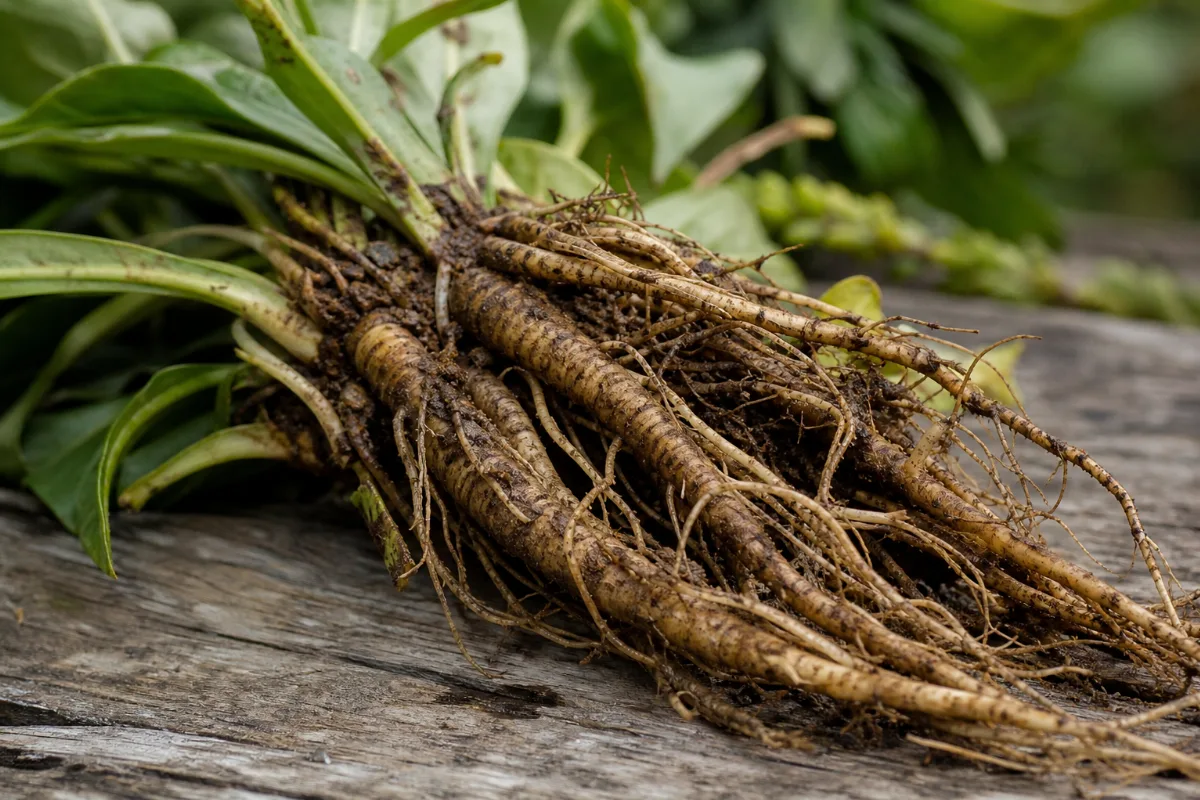
Kutki is the root and rhizome of Picrorhiza kurroa, in the plantain family. It is bitter and is used in Ayurveda as katuka, mainly for the liver, fevers, digestion and breathing. Its main compounds are the iridoid glycosides picroside I and II and kutkoside.
It is not Picrorhiza scrophulariiflora (a Chinese relative sold as a substitute) and not Gentiana kurroo (a different plant).
What the research shows
Human research is thin. One 1996 placebo-controlled trial (33 people, acute viral hepatitis) reported faster bilirubin recovery with kutki root powder. One 70-person trial of a patented extract in mild COVID-19 reported faster recovery. A three-herb product did not clearly help cough in COPD. Formula studies in fatty liver and vitiligo are small and their results were not available.
Liver, immune, blood-sugar and asthma findings come from rats, mice, guinea pigs and cells.
Endangered plant
Reviews say over-harvesting, habitat loss and slow growth have made kutki endangered, and habitat modelling projects shrinking suitable habitat. Secondary sources report a CITES Appendix II listing; we could not confirm CITES or IUCN categories. Prefer products from cultivated plants.
At a glance
Traditional uses history, not proof
- Liver trouble and jaundice
- Fevers
- Asthma and breathing problems
- Digestion and constipation
- Skin patches (vitiligo)
Studied for research
- Acute viral hepatitis (one small trial): very low
- COVID-19 add-on (patented extract): low
- COPD cough (combination): very low
- Fatty liver, vitiligo, asthma, blood sugar, immune: insufficient
Main compounds
- Picroside I
- Picroside II
- Kutkoside
- Androsin
Common forms
- Root powder
- Capsules and tablets
- Standardised extracts and Picroliv
- Ayurvedic formulas
- Decoction
Research links: Vaidya 1996: hepatitis trial (PubMed) · Almeleebia 2022: kutki review (PubMed) · Kumar 2021: DNA and picroside survey (PubMed) · Mehta 2021: kutki review, endangered (PubMed) · Research Library · Genes & Biomarkers Library
The plant and its history
- Accepted scientific name
- Picrorhiza kurroa Royle ex Benth.
- Naming authority
- GBIF species match API, read 2026-10-25: ACCEPTED, usage key 3727300, family Plantaginaceae.
- Synonyms
- Name: Picrorhiza kurrooa (spelling variant); Note: Used in some papers.; Name: Picrorhizae rhizoma; Note: Drug name of the root and rhizome.
- Common names
- Kutki, kutaki, katuka, Indian gentian (English / Hindi / Sanskrit)
- Botanical family
- Plantaginaceae (plantain family; older papers say Scrophulariaceae)
- Classification
- Plantae > Plantaginaceae > Picrorhiza > Picrorhiza kurroa
- Native range
- Himalayas (India; 2021 papers describe it as endemic to the Indian Himalayan range, at high altitude).
- Habitat
- High-altitude Himalayan slopes (2021 paper: high altitude perennial herb).
- What the plant looks like
- Roots: The creeping rhizome and roots are the medicine; very bitter.; Stems: Not verified.; Leaves: Not verified.; Flowers: Not verified.; Fruit: Not verified.
- Cultivation
- Reviews describe slow growth and in vitro propagation to reduce wild harvest.
- Harvest and processing
- Plants 3-4 years old are used for Picroliv (2009 review). Wild harvest is a conservation problem.
- Look-alikes and adulterants
- Name: Picrorhiza scrophulariiflora Pennell (formerly Neopicrorhiza scrophulariiflora); Note: A separate Chinese species used as a substitute; GBIF lists the Neopicrorhiza name as a synonym of it. Not the same as kutki.; Name: Gentiana kurroo Royle; Note: Different plant, family Gentianaceae (GBIF key 7270259); not kutki and not a substitute.
- Sustainability and conservation
- Described as endangered (2021 and 2022 reviews) and 'critically endangered' (2021 DNA paper); habitat modelling projects shrinking suitable habitat. CITES Appendix II is reported by secondary sources only; IUCN category NOT verified.
Traditional use and history history, not clinical proof
| Tradition or era | Documented use | Source |
|---|---|---|
| Ayurveda | Katuka: a bitter herb for liver trouble, jaundice, fevers, constipation, breathing problems, skin disorders and heart or blood complaints. | p36500409 |
| Modern Indian research | Picroliv and kutkin (picroside fractions) were developed in the 20th century as liver-protective products. | p19619118 |
Traditional use shows how a plant was used. It does not show that a supplement works or is safe today.
What is inside, and how it may work
What the plant contains and how those compounds act in cells and animals. Laboratory and animal mechanisms are not proven effects in people.
Main compounds
| Compound | Family | Where it is concentrated | Activity studied | Level of evidence |
|---|---|---|---|---|
| Picroside I PubChem 6440892 | iridoid glycoside | Rhizome and root 0.01% to 4.15% in wild samples (2021 paper) | Suspected main active compound for liver effects. 17 10 18 | Animal research |
| Picroside II PubChem 11944602 | iridoid glycoside | Rhizome and root 0.01% to 3.18% in wild samples | Liver and anti-inflammatory activity in animals and cells; low oral bioavailability reported. 10 16 20 | Animal research |
| Kutkoside PubChem 129011779 | iridoid glycoside | Rhizome and root | Picroliv holds picroside I and kutkoside in a 1:1.5 ratio. 18 | Animal research |
| Androsin PubChem 164648 | phenol glycoside | Root | Blocked allergen-induced airway narrowing in guinea pigs. 5 | Animal research |
Mechanisms, receptors and pathways
| Target or pathway | Gene or receptor | What was found | Level |
|---|---|---|---|
| Liver cell protection | Not specified in the abstracts read | Picroliv and kutki extract protected rodent livers in chemical-injury models. 17 18 | Animal research |
| Immune activation | Antibody and cell-mediated responses | Extract raised immune responses in immunosuppressed mice. 8 | Animal research |
| Insulin signalling and beta-cells | Insulin, glucagon receptor | Extract lowered glucose and protected beta-cells in diabetic rats. 9 | Animal research |
| Airway reaction | PAF-induced bronchoconstriction | Androsin blocked it in guinea pigs; other compounds blocked histamine release from human white cells in vitro. 5 | Animal research |
| Drug-metabolising enzymes | CYP2C6/11, CYP3A (rat) | Pure picroside II (from a related species) changed rat enzyme activity; no inhibition in human liver microsomes. 20 | Laboratory research |
Absorption, metabolism and elimination
- Absorption
- Oral bioavailability of picroside I and II is reported low (rat data).
- Distribution
- Not covered.
- Metabolism
- Eight metabolites of picroside I and six of picroside II found; iridoid glycosides are mostly broken down by gut bacteria (rat and in vitro).
- Elimination
- Not covered for people.
- Bioavailability
- Low in rats according to the authors' earlier work.
Isolated compounds versus whole extracts
Many studies use isolated picrosides or Picroliv/kutkin fractions, or patented extracts (AEV01, AKL1), not the plain powder. The 1996 hepatitis trial used root powder in capsules measured for picrosides. Results from one form should not be assumed for another, and wild plants vary greatly in picroside content.
Nutritional composition
Not a food; a very bitter medicinal root. No nutrient content data in the sources read.
1 low certainty2 very low certainty7 not enough evidence
What was looked at
The 10 benefits and uses checked for Kutki, each with how strong the evidence is. Tap one to open it.
- Acute viral hepatitis (kutki root powder)Very low certainty
- Fatty liver and other liver or stomach conditions (Ayurvedic formulas)Not enough evidence
- Liver protection in animals and cells (picrosides, Picroliv)Not enough evidence
- Bronchial asthma and allergyNot enough evidence
- Cough in COPD (three-herb product containing kutki)Very low certainty
- Vitiligo (skin patches), taken with a standard light treatmentNot enough evidence
- Mild COVID-19 in older adults (patented kutki extract, AEV01)Low certainty
- Blood sugar (animals and cells only)Not enough evidence
- Immune system effects (lab and animal)Not enough evidence
- Digestion, bowels and constipation (traditional bitter and laxative use)Not enough evidence
Lab markers tracked in the studies
Bilirubin (total)Liver enzymes (SGPT/ALT and SGOT/AST)Cough-related quality of life (LCQ)Time to clinical recovery (COVID-19)Inflammation markers (IL-6, TNF-alpha, ferritin, ESR, LDH)Blood glucose (rats)
What is Kutki good for?
The studied uses and how strong the evidence is. Most are traditional, lab or animal findings.
Benefits, one by one
Each card is a research question, not a promise. Tap a goal to filter. Open a card to see the studies, doses and limits.
Acute viral hepatitis (kutki root powder)
Very low certaintyOne small 1996 placebo-controlled trial of 33 people with acute viral hepatitis reported faster falls in bilirubin and lower liver enzymes with kutki root powder than with placebo. It has not been repeated in the sources we read.
2 studiesKutki root powder in capsules measured for picrosides; amounts for pe…
Studies, doses and limits
What the trials found
One randomised, double-blind, placebo-controlled trial in India (15 kutki, 18 placebo, 2 weeks, HBsAg-negative acute viral hepatitis), published in 1996. The 2022 Molecules review also lists two other double-blind studies of Ayurvedic formulas (not kutki alone).
Results
Bilirubin, SGOT and SGPT differed significantly from placebo. Days for bilirubin to fall to 2.5 mg%: 75.9 on placebo vs 27.44 on kutki.
Effect sizes as reported
Time to bilirubin 2.5 mg%: 27.44 vs 75.9 days (abstract; no confidence interval).
Why this rating
One very small, old trial with no confirmation; acute viral hepatitis often gets better by itself, and the abstract does not describe follow-up or other care.
Form and dose studied
Kutki root powder in capsules measured for picrosides; amounts for people are not covered here.
Who was studied
Adults in India with acute viral hepatitis.
Limits
No repeat trial found; blinding and concealment methods not described in the abstract.
Why researchers looked
Kutki is a classic Ayurvedic liver herb; picrosides are the suspected active compounds.
Traditional use
Root and rhizome of Picrorhiza kurroa is a bitter Ayurvedic herb (katuka) used for liver trouble, fevers, breathing problems, digestion and skin patches (2022 Molecules review). This is tradition, not trial evidence.
Proposed mechanism Pharmacological theory
Not tested in the trial. Reviews suggest picrosides protect liver cells in animals and cells; this is a theory.
A proposed mechanism does not show that the effect happens in people.
It does not replace medical care for hepatitis. People with liver disease should ask their doctor first (see safety).
Fatty liver and other liver or stomach conditions (Ayurvedic formulas)
Not enough evidenceSmall, mostly open-label studies of 11 to 180 people used formulas that include kutki for fatty liver (NASH, NAFLD), hepatitis B carriers and a stomach complaint. The review table gives no efficacy results, and kutki cannot be separated from the other herbs.
2 studiesKutki powder or formulas (Katukyadi churna and others); amounts not c…
Studies, doses and limits
What the trials found
The 2022 Molecules review (Table 3) lists these studies, most without placebo. A 2023 review argues kutki could be developed as a standardised product for fatty liver but presents it as a translation plan, not as proof.
Results
Not reported in the sources read, except that two people on one formula had loose stools for the first 8 days.
Effect sizes as reported
None available.
Why this rating
Efficacy numbers were not given; formulas combine several herbs; mostly uncontrolled.
Form and dose studied
Kutki powder or formulas (Katukyadi churna and others); amounts not covered here.
Who was studied
Adults with fatty liver, hepatitis B carriers, or stomach complaints in India.
Limits
No placebo in most; no results seen; authors of one review work on kutki products.
Why researchers looked
Fatty liver is common and has few drug options, so kutki is being studied as a possible treatment.
Traditional use
Root and rhizome of Picrorhiza kurroa is a bitter Ayurvedic herb (katuka) used for liver trouble, fevers, breathing problems, digestion and skin patches (2022 Molecules review). This is tradition, not trial evidence.
Proposed mechanism Preliminary mechanism
Reviews propose that picrosides act on liver fat and inflammation pathways in cells and animals (theory; not tested in these human studies).
A proposed mechanism does not show that the effect happens in people.
Loose stools were noted in one study.
Liver protection in animals and cells (picrosides, Picroliv)
Not enough evidenceIn rats, guinea pigs and cats, kutki extracts and the purified fraction Picroliv protected the liver from chemical injury, in some models about as well as silymarin (milk thistle). This is animal evidence and is not proof for people.
3 studiesPicroliv is a purified iridoid glycoside fraction (about 60% picrosid…
Studies, doses and limits
What the trials found
No human data in these papers.
Results
Kutki root powder (200 mg/kg) lowered liver fat and GOT/GPT in galactosamine-injured rats (1996 paper). Picroliv matched silymarin in several rodent models and increased bile flow in rats (2009 review).
Effect sizes as reported
Not given in abstracts.
Why this rating
Animal only; purified fractions differ from the whole root.
Form and dose studied
Picroliv is a purified iridoid glycoside fraction (about 60% picroside I and kutkoside), not a whole-root product.
Who was studied
Rats, mice, guinea pigs, cats.
Limits
Animal models of acute chemical injury differ from human liver disease.
Why researchers looked
These experiments are why kutki is studied in human liver disease.
Traditional use
Root and rhizome of Picrorhiza kurroa is a bitter Ayurvedic herb (katuka) used for liver trouble, fevers, breathing problems, digestion and skin patches (2022 Molecules review). This is tradition, not trial evidence.
Proposed mechanism Animal research
Picrosides are thought to reduce oxidative damage and calm inflammation in liver cells (animal and cell work).
A proposed mechanism does not show that the effect happens in people.
None for people in these papers.
Bronchial asthma and allergy
Not enough evidenceKutki is used in Ayurveda for asthma. We found no human trial of kutki alone for asthma. In guinea pigs, an isolated compound called androsin blocked allergen-induced airway narrowing.
2 studiesNot applicable.
Studies, doses and limits
What the trials found
No human trial of kutki for asthma was found in our PubMed searches.
Results
Animal result only (androsin 10 mg/kg by mouth an hour before challenge).
Effect sizes as reported
None
Why this rating
Only a single animal study read; no human data.
Form and dose studied
Not applicable.
Who was studied
Guinea pigs.
Limits
One isolated compound; no human data.
Why researchers looked
Used traditionally for breathing trouble; androsin was tested in animals.
Traditional use
Root and rhizome of Picrorhiza kurroa is a bitter Ayurvedic herb (katuka) used for liver trouble, fevers, breathing problems, digestion and skin patches (2022 Molecules review). This is tradition, not trial evidence.
Proposed mechanism Animal research
Androsin may block the airway reaction triggered by allergen or platelet-activating factor (guinea pig).
A proposed mechanism does not show that the effect happens in people.
Asthma needs medical treatment; do not replace prescribed inhalers.
Cough in COPD (three-herb product containing kutki)
Very low certaintyA 33-person pilot of AKL1, a product with kutki, ginkgo and ginger, found no significant cough benefit; a quality-of-life score showed a possible but not significant gain. Kutki's own share is unknown.
1 studiesAKL1 is a patented combination; amounts not covered here.
Studies, doses and limits
What the trials found
One randomised, double-blind, placebo-controlled pilot (20 AKL1, 13 placebo; 8 weeks).
Results
Cough score change 2.3 vs 0.6 (difference 1.8; 95% CI -1.5 to 5.1; P=0.28). Respiratory quality-of-life score change -7.7 vs +1.5 (difference -9.2; 95% CI -19.0 to 0.6; P=0.064). Lung function and walk distance did not differ.
Effect sizes as reported
See results.
Why this rating
Main result not significant; small; combination product.
Form and dose studied
AKL1 is a patented combination; amounts not covered here.
Who was studied
Adults with COPD and chronic cough, average age 67.
Limits
Cannot isolate kutki; funding not read.
Why researchers looked
Chronic cough in COPD is hard to treat.
Traditional use
Root and rhizome of Picrorhiza kurroa is a bitter Ayurvedic herb (katuka) used for liver trouble, fevers, breathing problems, digestion and skin patches (2022 Molecules review). This is tradition, not trial evidence.
Proposed mechanism Pharmacological theory
Not tested.
A proposed mechanism does not show that the effect happens in people.
No safety problem is described in the abstract we read.
Vitiligo (skin patches), taken with a standard light treatment
Not enough evidenceA 1989 study paired kutki with the drug methoxsalen plus sunlight in 30 people with vitiligo; the title says kutki 'may potentiate' the treatment. We could not read the results.
3 studiesKutki by mouth and applied, with methoxsalen; amounts not covered her…
Studies, doses and limits
What the trials found
One 1989 study listed in the 2022 Molecules review (30 people, 3 months, 'no adverse effect'); a 2018 review of herbal vitiligo treatments is cited for repigmentation. PubMed holds no abstract for the study and the 2018 abstract does not name kutki.
Results
Results not read.
Effect sizes as reported
None available.
Why this rating
Only a title and a review table entry could be read; combination with methoxsalen.
Form and dose studied
Kutki by mouth and applied, with methoxsalen; amounts not covered here.
Who was studied
Adults with vitiligo in India.
Limits
Old study, results unread, standard treatment given alongside.
Why researchers looked
Used in Ayurveda for skin patches.
Traditional use
Root and rhizome of Picrorhiza kurroa is a bitter Ayurvedic herb (katuka) used for liver trouble, fevers, breathing problems, digestion and skin patches (2022 Molecules review). This is tradition, not trial evidence.
Proposed mechanism Pharmacological theory
Not known; immune and antioxidant effects are suggested in lab work (theory).
A proposed mechanism does not show that the effect happens in people.
Methoxsalen plus sunlight carries its own risks and needs a skin doctor.
Mild COVID-19 in older adults (patented kutki extract, AEV01)
Low certaintyA 70-person trial of a patented kutki extract added to standard care reported faster recovery (4.5 vs 9.1 days) and better inflammation markers. It is a single-company extract and a single trial.
1 studiesAEV01 capsule (a patented kutki extract); amounts not covered here.
Studies, doses and limits
What the trials found
One randomised, double-blind, placebo-controlled trial of 70 adults over 50 with mild COVID-19 in India (30 days, with standard care).
Results
Significant gains in oxygen saturation and cough (p = 0.0001); recovery in 4.5 days vs 9.1 days; ESR, LDH, ferritin, NLR, TNF-alpha, IL-6 and CD4 counts improved. Fewer people moved from mild to moderate disease among the unvaccinated.
Effect sizes as reported
Recovery 4.5 vs 9.1 days (abstract; no confidence interval).
Why this rating
Randomised and blinded, but small, single-site details unknown, one extract, funding and registration not read, effects unlikely to carry over to other kutki products.
Form and dose studied
AEV01 capsule (a patented kutki extract); amounts not covered here.
Who was studied
Adults over 50 with mild COVID-19 in India.
Limits
Single trial; possible industry link; no confirmation.
Why researchers looked
Kutki is reported to modulate immune and inflammatory signals.
Traditional use
Root and rhizome of Picrorhiza kurroa is a bitter Ayurvedic herb (katuka) used for liver trouble, fevers, breathing problems, digestion and skin patches (2022 Molecules review). This is tradition, not trial evidence.
Proposed mechanism Preliminary mechanism
Reported lower TNF-alpha and IL-6 (inflammation signals) in the trial; the mechanism is not shown.
A proposed mechanism does not show that the effect happens in people.
Safety outcomes are not described in the abstract.
Blood sugar (animals and cells only)
Not enough evidenceRat and cell studies show a kutki rhizome extract can lower blood glucose and protect insulin-making cells. No human trial was found. This is the basis for a possible low-blood-sugar caution.
2 studiesNot applicable.
Studies, doses and limits
What the trials found
No human trial found.
Results
Hydro-alcoholic rhizome extract (100 and 200 mg/kg for 30 days) lowered blood glucose in streptozotocin diabetic rats (p <= 0.05).
Effect sizes as reported
Significant in rats.
Why this rating
Animal and cell results only.
Form and dose studied
Not applicable.
Who was studied
Rats, cells.
Limits
No human data; rat doses cannot be translated to people.
Why researchers looked
Traditional use for 'prediabetes' is reported in a review; lab work suggests effects on insulin signalling.
Traditional use
Root and rhizome of Picrorhiza kurroa is a bitter Ayurvedic herb (katuka) used for liver trouble, fevers, breathing problems, digestion and skin patches (2022 Molecules review). This is tradition, not trial evidence.
Proposed mechanism Animal research
The extract protected beta-cells and raised glucose uptake in fat and muscle cells (rats, cells).
A proposed mechanism does not show that the effect happens in people.
Possible additive effect with diabetes medicines is a theory; see safety.
Immune system effects (lab and animal)
Not enough evidenceIn mice, kutki extracts boosted antibody and cell-mediated immune responses, even after cyclophosphamide had suppressed them. Reviews also describe antioxidant and anti-inflammatory effects in the lab. This is not proof of benefit in people and is the reason for caution with immune-suppressing treatment.
3 studiesNot applicable.
Studies, doses and limits
What the trials found
No human trial of immune function was found.
Results
Alcohol and water extracts of the rhizome raised immune responses in immunosuppressed mice (alcohol extract stronger; paw-swelling test P<0.001).
Effect sizes as reported
Significant in mice.
Why this rating
Mouse results only.
Form and dose studied
Not applicable.
Who was studied
Mice.
Limits
No human data; direction of effect in people unknown.
Why researchers looked
Used traditionally for fevers and 'blood' problems; picrosides are studied as immune modulators.
Traditional use
Root and rhizome of Picrorhiza kurroa is a bitter Ayurvedic herb (katuka) used for liver trouble, fevers, breathing problems, digestion and skin patches (2022 Molecules review). This is tradition, not trial evidence.
Proposed mechanism Animal research
Raises immune responses in mice (animal); reviews also describe apocynin and other compounds with antioxidant activity (lab).
A proposed mechanism does not show that the effect happens in people.
See transplant and autoimmune caution in the safety section.
Digestion, bowels and constipation (traditional bitter and laxative use)
Not enough evidenceKutki is bitter and is used traditionally as a laxative and for poor digestion. No trial tested these uses on their own. Loose stools, diarrhoea and colic are the most-reported side effects.
2 studiesTraditional root powder and decoction; not covered here.
Studies, doses and limits
What the trials found
No trial for digestive complaints alone; one listed formula study for a stomach complaint (amlapitta, 30 people) gave no efficacy results in the review table.
Results
Not reported.
Effect sizes as reported
None
Why this rating
Only traditional claims and side-effect reports.
Form and dose studied
Traditional root powder and decoction; not covered here.
Who was studied
People with constipation or poor digestion (tradition).
Limits
No trial data.
Why researchers looked
Bitter herbs are used to stimulate digestion.
Traditional use
Root and rhizome of Picrorhiza kurroa is a bitter Ayurvedic herb (katuka) used for liver trouble, fevers, breathing problems, digestion and skin patches (2022 Molecules review). This is tradition, not trial evidence.
Proposed mechanism Traditional use
Not studied; bitterness comes from iridoid glycosides (picrosides).
A proposed mechanism does not show that the effect happens in people.
Diarrhoea, frequent stools, gurgling and colic have been reported with traditional preparations.
Connections to the rest of health
How Kutki connects to the rest of our health knowledge graph. Every link says what kind of connection it is. A safety link (for example to the liver) is a warning, not a benefit. A study that merely mentions a topic never creates a benefit link.
Explore every connection: goals, body systems, organs, symptoms, genes
A. Wellness goals
| Connected to | Kind of connection | Evidence status | Context | Studies |
|---|---|---|---|---|
| Liver Support | Potential benefit | Very low certainty | Acute viral hepatitis (kutki root powder): One small 1996 placebo-controlled trial of 33 people with acute viral hepatitis reported faster falls in bilirubin and lower liver enzymes with kutki root powder than with placebo. It has not been repeated in the sources we read. | 17 1 |
| Liver Support | Traditional use | Not enough evidence | Fatty liver and other liver or stomach conditions (Ayurvedic formulas): Small, mostly open-label studies of 11 to 180 people used formulas that include kutki for fatty liver (NASH, NAFLD), hepatitis B carriers and a stomach complaint. The review table gives no efficacy results, and kutki cannot be separated from the other herbs. | 1 13 |
| Digestive Support | Traditional use | Not enough evidence | Fatty liver and other liver or stomach conditions (Ayurvedic formulas): Small, mostly open-label studies of 11 to 180 people used formulas that include kutki for fatty liver (NASH, NAFLD), hepatitis B carriers and a stomach complaint. The review table gives no efficacy results, and kutki cannot be separated from the other herbs. Digestion, bowels and constipation (traditional bitter and laxative use): Kutki is bitter and is used traditionally as a laxative and for poor digestion. No trial tested these uses on their own. Loose stools, diarrhoea and colic are the most-reported side effects. | 1 13 11 |
| Liver Support | Preliminary mechanism | Not enough evidence | Liver protection in animals and cells (picrosides, Picroliv): In rats, guinea pigs and cats, kutki extracts and the purified fraction Picroliv protected the liver from chemical injury, in some models about as well as silymarin (milk thistle). This is animal evidence and is not proof for people. | 17 18 11 |
| Immune Support | Traditional use | Not enough evidence | Bronchial asthma and allergy: Kutki is used in Ayurveda for asthma. We found no human trial of kutki alone for asthma. In guinea pigs, an isolated compound called androsin blocked allergen-induced airway narrowing. | 5 1 |
| Immune Support | Potential benefit | Very low certainty | Cough in COPD (three-herb product containing kutki): A 33-person pilot of AKL1, a product with kutki, ginkgo and ginger, found no significant cough benefit; a quality-of-life score showed a possible but not significant gain. Kutki's own share is unknown. Mild COVID-19 in older adults (patented kutki extract, AEV01): A 70-person trial of a patented kutki extract added to standard care reported faster recovery (4.5 vs 9.1 days) and better inflammation markers. It is a single-company extract and a single trial. | 4 2 |
| Healthy Skin | Traditional use | Not enough evidence | Vitiligo (skin patches), taken with a standard light treatment: A 1989 study paired kutki with the drug methoxsalen plus sunlight in 30 people with vitiligo; the title says kutki 'may potentiate' the treatment. We could not read the results. | 3 7 1 |
| Blood Sugar Balance | Preliminary mechanism | Not enough evidence | Blood sugar (animals and cells only): Rat and cell studies show a kutki rhizome extract can lower blood glucose and protect insulin-making cells. No human trial was found. This is the basis for a possible low-blood-sugar caution. | 9 1 |
| Immune Support | Preliminary mechanism | Not enough evidence | Immune system effects (lab and animal): In mice, kutki extracts boosted antibody and cell-mediated immune responses, even after cyclophosphamide had suppressed them. Reviews also describe antioxidant and anti-inflammatory effects in the lab. This is not proof of benefit in people and is the reason for caution with immune-suppressing treatment. | 8 11 18 |
| Inflammation Balance | Preliminary mechanism | Not enough evidence | Immune system effects (lab and animal): In mice, kutki extracts boosted antibody and cell-mediated immune responses, even after cyclophosphamide had suppressed them. Reviews also describe antioxidant and anti-inflammatory effects in the lab. This is not proof of benefit in people and is the reason for caution with immune-suppressing treatment. | 8 11 18 |
B. Body systems
| Connected to | Kind of connection | Evidence status | Context | Studies |
|---|---|---|---|---|
| Hepatic System | Biological association | Very low certainty | Studied for: Acute viral hepatitis (kutki root powder) Studied for: Fatty liver and other liver or stomach conditions (Ayurvedic formulas) | 17 1 13 18 11 |
| Digestive System | Biological association | Not enough evidence | Studied for: Fatty liver and other liver or stomach conditions (Ayurvedic formulas) Studied for: Digestion, bowels and constipation (traditional bitter and laxative use) | 1 13 11 |
| Respiratory System | Biological association | Not enough evidence | Studied for: Bronchial asthma and allergy Studied for: Cough in COPD (three-herb product containing kutki) | 5 1 4 2 |
| Integumentary System | Biological association | Not enough evidence | Studied for: Vitiligo (skin patches), taken with a standard light treatment | 3 7 1 |
| Immune System | Biological association | Low certainty | Studied for: Mild COVID-19 in older adults (patented kutki extract, AEV01) Studied for: Immune system effects (lab and animal) | 2 8 11 18 |
| Endocrine System | Biological association | Not enough evidence | Studied for: Blood sugar (animals and cells only) | 9 1 |
E. Health conditions
| Connected to | Kind of connection | Evidence status | Context | Studies |
|---|---|---|---|---|
| Endangered medicinal plants | Documented | Over-harvesting, habitat loss and slow growth; habitat modelling projects shrinking suitable habitat. Preparation or compound: Wild-harvested rhizome |
11 15 |
G. Root causes and contributing factors
| Connected to | Kind of connection | Evidence status | Context | Studies |
|---|---|---|---|---|
| Medication side effects | Drug or supplement interaction | Not enough evidence | Theoretical interaction based on mouse immune and rat blood-sugar studies; no human study. Preparation or compound: Root with immune and diabetes medicines |
8 9 |
I. Biomarkers
| Connected to | Kind of connection | Evidence status | Context | Studies |
|---|---|---|---|---|
| Bilirubin (total) | Biological association | Very low certainty | Measured in trials: lowered. A lab change is not the same as a health benefit. | 17 |
| Liver enzymes (SGPT/ALT and SGOT/AST) | Biological association | Very low certainty | Measured in trials: lowered. A lab change is not the same as a health benefit. | 17 |
| Cough-related quality of life (LCQ) | Biological association | Very low certainty | Measured in trials: no-change. A lab change is not the same as a health benefit. | 4 |
| Time to clinical recovery (COVID-19) | Biological association | Low certainty | Measured in trials: lowered. A lab change is not the same as a health benefit. | 2 |
| Inflammation markers (IL-6, TNF-alpha, ferritin, ESR, LDH) | Biological association | Low certainty | Measured in trials: lowered. A lab change is not the same as a health benefit. | 2 |
| Blood glucose (rats) | Biological association | Not enough evidence | Measured in trials: lowered. A lab change is not the same as a health benefit. | 9 |
J. Genes, receptors and enzymes
| Connected to | Kind of connection | Evidence status | Context | Studies |
|---|---|---|---|---|
| CYP2C6/11, CYP3A (rat) | Preliminary mechanism | Animal | Enzymes affected by picroside II in rats. | 20 |
K. Biological pathways
| Connected to | Kind of connection | Evidence status | Context | Studies |
|---|---|---|---|---|
| Insulin signalling | Preliminary mechanism | Animal | Extract raised glucose uptake in cells. | 9 |
L. Active compounds
| Connected to | Kind of connection | Evidence status | Context | Studies |
|---|---|---|---|---|
| Picroside I | Biological association | Animal | Suspected main active compound for liver effects. Preparation or compound: Rhizome and root |
17 10 18 |
| Picroside II | Biological association | Animal | Liver and anti-inflammatory activity in animals and cells; low oral bioavailability reported. Preparation or compound: Rhizome and root |
10 16 20 |
| Kutkoside | Biological association | Animal | Picroliv holds picroside I and kutkoside in a 1:1.5 ratio. Preparation or compound: Rhizome and root |
18 |
| Androsin | Biological association | Animal | Blocked allergen-induced airway narrowing in guinea pigs. Preparation or compound: Root |
5 |
Each connection is stored with the ingredient, the connected record, the kind of connection, the evidence status, the supporting studies, the preparation or compound involved, and a review date (last reviewed October 25, 2026).
Evidence at a glance: what changed in 6 lab markers
Tap a number to show only those markers. Counts are markers, not people.
The evidence
The research centre for Kutki. Every record here was checked against PubMed or the publisher's page; we never list a study we have not verified.
Evidence by outcome
Bars show how many studies we found for each outcome, not how well it works. People are added up across trials only (reviews are not added, to avoid double counting).
How we rate evidence
High certainty
Several well-run trials or reviews agree; further research is unlikely to change the picture much.
Moderate certainty
Good trials point the same way, but some doubt remains.
Low certainty
Small, short or inconsistent trials. The finding could change with better research.
Very low certainty
Very little or very weak human data. Treat as a possibility only.
Mixed findings
Trials or reviews disagree with each other.
Not enough evidence
Not enough human research to say either way.
Evidence against
Good research found no benefit, or found harm.
We take the reviewers' own risk-of-bias and GRADE statements where they exist, and otherwise judge from study size, design, consistency, directness and whether a product matches what is sold. Many publications do not make evidence high. Method note: We read our existing herb summary, searched PubMed, read the abstract of every PubMed study cited, read one review in full text, and checked plant names in GBIF. Regulator pages that could not be opened are marked not verified.
Study library: every study we checked 20
| Study | Design | People | Product, dose, length | Result |
|---|---|---|---|---|
| Almeleebia 2022 Pharmacological and Clinical Efficacy of Picrorhiza kurroa and Its Secondary Metabolites: A Comprehensive Review Molecules · PMID 36500409 · DOI |
Narrative review review |
Review of traditional use, lab work and listed clinical studies | Picrorhiza kurroa root and rhizome, extracts and picrosides root and rhizome Not covered here n/a · vs n/a |
Full text read (Europe PMC). Table 3 lists small clinical studies (11 to 180 people) of kutki alone or in Ayurvedic formulas: acute viral hepatitis, fatty liver (NASH, NAFLD), hepatitis B carriers, a stomach condition (amlapitta) and vitiligo. It reports "no adverse effect" for most; two people in a formula study had loose stools. It says traditional preparations have caused diarrhoea, more frequent stools, gurgling and colic; that the plant is abortifacient and contraindicated in pregnancy; and that only a few toxicity studies exist. It reports no efficacy numbers for the listed studies. None (narrative table) Methods, limits and fundingOutcomes: Traditional uses; table of clinical studies; toxicity; safety Limitations: Narrative review; not a systematic search; efficacy results of listed studies not given; the pregnancy statement cites an older source we did not read; its IUCN sentence is loosely worded. Read: full-text |
| Balan 2024 A randomized, placebo controlled, double blinded, parallel group clinical study to evaluate the efficacy and safety of AEV01 along with standard care for elderly patients with mild COVID-19 J Ayurveda Integr Med · PMID 38320447 · DOI |
Controlled trial |
70 Adults over 50 in India with mild COVID-19 |
AEV01: a patented kutki extract capsule (100 mg), thrice daily with standard care Picrorhiza kurroa extract 100 mg capsule three times daily 30 days · vs placebo plus standard care |
Reported significant improvement in oxygen saturation and cough (p = 0.0001), recovery in 4.5 vs 9.1 days, and better ESR, LDH, ferritin, NLR, TNF-alpha, IL-6 and CD4 counts. Recovery 4.5 vs 9.1 days (abstract; no confidence interval) Methods, limits and fundingOutcomes: Time to recovery, SpO2, cough, 8-point scale, NEWS score, inflammation markers Limitations: 70 people; patented single-company extract, so results may not apply to other kutki products; funding and registration not read (possible industry link); COVID-19 trial in unvaccinated people, unrelated to our main traditional uses. Funding and conflicts: Not read; patented product, treat as possible industry link Read: abstract |
| Bedi 1989 Picrorhiza kurroa, an ayurvedic herb, may potentiate photochemotherapy in vitiligo J Ethnopharmacol · PMID 2615440 · DOI |
Trial (type not stated in our records) |
People with vitiligo | Kutki with the drug methoxsalen and sunlight (photochemotherapy) Not stated Not given Not stated · vs Not stated |
PubMed holds no abstract and we did not read the full paper. Only its title ("may potentiate") and a listing in the 2022 Molecules review (30 people, kutki taken by mouth and applied, with methoxsalen, 3 months, "no adverse effect") are known. Not available Methods, limits and fundingOutcomes: Repigmentation Limitations: Results not read; combination with a standard treatment; 1989 study. Read: summary-only |
| Brockwell 2014 Adjunctive treatment with oral AKL1, a botanical nutraceutical, in chronic obstructive pulmonary disease Int J Chron Obstruct Pulmon Dis · PMID 25031533 · DOI |
Controlled trial |
33 Adults with COPD and chronic cough (mean age 67) |
AKL1: patented combination of Picrorhiza kurroa, Ginkgo biloba and ginger extracts Picrorhiza extract plus ginkgo and ginger Not given here 8 weeks (after 2-week placebo run-in) · vs placebo (20 AKL1, 13 placebo) |
LCQ change 2.3 vs 0.6 points (difference 1.8, 95% CI -1.5 to 5.1, P=0.28). SGRQ improved by 7.7 points vs worsened by 1.5 (difference -9.2, 95% CI -19.0 to 0.6, P=0.064). No significant difference in lung function or walk distance. Main outcome not significant Methods, limits and fundingOutcomes: Leicester Cough Questionnaire (LCQ); St George's Respiratory Questionnaire (SGRQ); lung function; 6-minute walk Limitations: Pilot with 33 people; three-herb combination so kutki cannot be separated; funding not read; authors call for larger study. Read: abstract |
| Dorsch 1991 Antiasthmatic effects of Picrorhiza kurroa: androsin prevents allergen- and PAF-induced bronchial obstruction in guinea pigs Int Arch Allergy Appl Immunol · PMID 1718906 |
Animal research animal |
Guinea pigs; human white blood cells in vitro | Androsin (a phenol glycoside from the root) given by mouth root 10 mg/kg in animals single dose 1 h before challenge · vs untreated challenge |
Androsin prevented allergen- and PAF-induced airway narrowing in guinea pigs; other, unidentified compounds blocked histamine release from human white blood cells in vitro. Not given in the abstract Methods, limits and fundingOutcomes: Bronchial obstruction after allergen or platelet-activating factor Limitations: Animal and cell work with one isolated compound; says nothing about the whole plant in people with asthma. Read: abstract |
| GBIF 2026 GBIF species match: Picrorhiza kurroa Royle ex Benth. GBIF · Source |
Database record n/a |
Taxonomy | Not stated Not stated |
Accepted name, family Plantaginaceae, key 3727300. Neopicrorhiza scrophulariiflora (key 3736652) is listed as a synonym of Picrorhiza scrophulariiflora (accepted key 3727270), a different species. Gentiana kurroo Royle (key 7270259) is an accepted name in family Gentianaceae. Methods, limits and fundingLimitations: Backbone taxonomy only. Read: full-text |
| Gianfaldoni 2018 Herbal Compounds for the Treatment of Vitiligo: A Review Open Access Maced J Med Sci · PMID 29484024 · DOI |
Narrative review review |
Vitiligo | Herbal compounds for vitiligo various Not covered here n/a · vs n/a |
The abstract says only that "some herbal compounds may be considered valid therapeutic tools"; kutki is not named in the abstract. The 2022 Molecules review cites this paper for kutki helping repigmentation; we did not read the full text. None Methods, limits and fundingOutcomes: Overview Limitations: Abstract very short; kutki content not verified. Read: abstract |
| Hussain 2013 Protective effects of Picrorhiza kurroa on cyclophosphamide-induced immunosuppression in mice Pharmacognosy Res · PMID 23598922 · DOI |
Animal research animal |
Mice | Ethanol and water extracts of rhizome rhizome Not given here Not stated · vs untreated |
Both extracts raised antibody and cell-mediated immune responses in mice made immunosuppressed with cyclophosphamide; the alcohol extract was stronger. The authors call the extracts "immunostimulant". Significant (P<0.001 for footpad response) Methods, limits and fundingOutcomes: Antibody response; delayed-type hypersensitivity (paw swelling) Limitations: Mice; no human data. An immune-boosting effect is the reason for caution in transplant and autoimmune settings (theory). Read: abstract |
| Kumar 2017 Picrorhiza kurroa Enhances beta-Cell Mass Proliferation and Insulin Secretion in Streptozotocin Evoked beta-Cell Damage in Rats Front Pharmacol · PMID 28878669 · DOI |
Animal research animal |
Diabetic rats; insulin-producing cells; fat and muscle cells | Hydro-alcoholic extract of rhizome (PKRE) rhizome 100 and 200 mg/kg in rats 30 days · vs untreated diabetic rats |
Extract lowered high blood glucose and protected pancreatic beta-cells in streptozotocin diabetic rats, and increased glucose uptake in fat and muscle cells (p <= 0.05). Significant in rats Methods, limits and fundingOutcomes: Blood glucose, insulin, beta-cell damage Limitations: Rats and cells; no human trial found. Read: abstract |
| Kumar 2021 Isolation and HPLC assisted quantification of two iridoid glycoside compounds and molecular DNA fingerprinting in critically endangered medicinal Picrorhiza kurroa Royle ex Benth: implications for conservation Physiol Mol Biol Plants · PMID 33967459 · DOI |
Phytochemical and genetic analysis plant samples |
124 124 plants (chemistry) and 91 (DNA) from 10 wild Himalayan populations in four Indian states |
Picroside I and II measured by HPLC rhizome n/a n/a · vs n/a |
Picroside I ranged from 0.01% to 4.15% and picroside II from 0.01% to 3.18% across samples. DNA markers showed high genetic variation. The paper calls the species critically endangered. Up to about 400-fold range in picroside I Methods, limits and fundingOutcomes: Picroside content; genetic variation Limitations: Wild-plant survey; shows why batches differ. Read: abstract |
| Mehta 2021 Advances in Ethnobotany, Synthetic Phytochemistry and Pharmacology of Endangered Herb Picrorhiza kurroa (Kutki): A Comprehensive Review (2010-2020) Mini Rev Med Chem · PMID 33797375 · DOI |
Narrative review review |
Review of 2010-2020 literature | Picrorhiza kurroa and picrosides rhizome and root Not covered here n/a · vs n/a |
Names iridoid glycosides (picrosides) as the bitter, active constituents. Lists liver-protective, antioxidant, anti-inflammatory, anticancer, immune, ulcerative-colitis and antimicrobial activities (mostly lab and animal). States that indiscriminate collection, habitat destruction and slow growth have made kutki endangered, and describes conservation techniques. None Methods, limits and fundingOutcomes: Ethnobotany, compounds, pharmacology, safety, conservation Limitations: Abstract only; narrative review; pharmacology is mainly lab and animal. Read: abstract |
| NCBI 2026 NCBI Taxonomy search: Picrorhiza kurroa NCBI Taxonomy · Source |
Database record n/a |
Taxonomy | Not stated Not stated |
Search returned one record, taxonomy ID 195120 (record page not opened). Methods, limits and fundingLimitations: ID from search only. Read: summary-only |
| Raut 2023 Picrorhiza kurroa, Royle ex Benth: Traditional uses, phytopharmacology, and translational potential in therapy of fatty liver disease J Ayurveda Integr Med · PMID 35659739 · DOI |
Narrative review review |
Review | Picrorhiza kurroa, picrosides root and rhizome Not covered here n/a · vs n/a |
Calls kutki an Ayurvedic herb used "with certain cautions", says picrosides emerged as the active molecules and argues for standardised, clinically targeted products for fatty liver disease. Abstract only; no trial results in the abstract. None Methods, limits and fundingOutcomes: Traditional use, picrosides as active compounds, translation to fatty liver Limitations: Abstract only; a translational argument, not proof of benefit; authors work on kutki products (possible interest not read). Read: abstract |
| Tiwari 2012 TLC densitometric quantification of picrosides (picroside-I and picroside-II) in Picrorhiza kurroa and its substitute Picrorhiza scrophulariiflora and their antioxidant studies Biomed Chromatogr · PMID 21413048 · DOI |
Phytochemical study plant samples |
Plant material | Picroside I and II, P. kurroa vs P. scrophulariiflora rhizome n/a n/a · vs n/a |
Calls P. scrophulariiflora a substitute for P. kurroa. Picroside I was 1.258% in P. kurroa and 1.611% in the other species; picroside II 0.481% and 0.613%. Picrosides are thus found in both, so a chemical test for picrosides alone cannot tell the two apart. Different percentages Methods, limits and fundingOutcomes: Picroside content; antioxidant test Limitations: Small lab method paper. Read: abstract |
| Tomar 2026 Projected climate change impacts on habitat suitability of threatened medicinal plants in Himachal Pradesh, Western Himalaya: an ensemble species distribution modelling approach Sci Rep · PMID 42608433 · DOI |
Modelling study model |
Three threatened Himalayan medicinal plants including Picrorhiza kurroa | Computer habitat model n/a n/a n/a · vs n/a |
Future suitable habitat is projected to decline by about 33-57% across most scenarios for the modelled plants (abstract text we read does not give a separate figure for kutki alone). Suitable habitat down about 33-57% (group of three plants) Methods, limits and fundingOutcomes: Habitat suitability under climate change Limitations: Model; the figure is for the group, not kutki alone. Read: abstract |
| Upadhyay 2016 In vitro - In vivo metabolism and pharmacokinetics of picroside I and II using LC-ESI-MS method Chem Biol Interact · PMID 27234049 · DOI |
Animal research animal |
Rat liver microsomes and hepatocytes; rats | Kutkin (picroside I and II mixture) by mouth rhizome and root fraction Not given here single dose · vs n/a |
Eight metabolites of picroside I and six of picroside II were found in vitro. The authors state that oral bioavailability of picrosides I and II is low (from their earlier work) and that iridoid glycosides are mostly broken down by gut bacteria. Not given in the part read Methods, limits and fundingOutcomes: Metabolites; Cmax, Tmax, AUC Limitations: Rats only; abstract read in part. Read: abstract |
| Vaidya 1996 Picrorhiza kurroa (Kutaki) Royle ex Benth as a hepatoprotective agent--experimental & clinical studies J Postgrad Med · PMID 9715310 |
Controlled trial |
33 Adults in India with acute viral hepatitis (HBsAg negative) |
Kutki root powder in capsules (picroside I about 2.7-2.9 mg and picroside II about 5.5-6.0 mg per capsule) root Not given here 2 weeks · vs matching placebo (15 kutki, 18 placebo) |
Bilirubin, SGOT and SGPT differed significantly between kutki and placebo. Days for bilirubin to reach 2.5 mg%: 75.9 on placebo vs 27.44 on kutki. In the same paper, kutki lowered liver fat, GOT and GPT in galactosamine-injured rats. Time to bilirubin 2.5 mg%: 27.44 vs 75.9 days (abstract; no confidence interval) Methods, limits and fundingOutcomes: Bilirubin, SGOT (AST), SGPT (ALT); days for bilirubin to fall to 2.5 mg% Limitations: Very small (33), 2 weeks of treatment, 1996 report, no registration, no independent repeat found; the abstract does not say how many days people were followed or whether other treatment was given. Read: abstract |
| Verma 2009 Pharmacology and chemistry of a potent hepatoprotective compound Picroliv isolated from the roots and rhizomes of Picrorhiza kurroa Royle ex Benth. (kutki) Curr Pharm Biotechnol · PMID 19619118 |
Narrative review review |
Review; rodent, guinea pig and cat models | Picroliv: iridoid glycoside mixture (about 60% picroside I and kutkoside, ratio 1:1.5) root and rhizome (3-4 year old) Not covered here n/a · vs n/a |
Picroliv showed efficacy "comparable to silymarin" in rodent liver-injury models (galactosamine, paracetamol, thioacetamide, carbon tetrachloride), bile-flow effects in rats and anti-cholestatic effects in rats, guinea pigs and cats. Also described as antiviral and immune-stimulating, with no significant CNS, heart or autonomic activity. Describes the source plant as endangered. None Methods, limits and fundingOutcomes: Liver protection, bile flow, immune effects Limitations: Abstract only; animal models; Picroliv is a purified fraction, not the whole root. Read: abstract |
| Wikipedia 2026 Picrorhiza kurroa (Wikipedia; secondary source) Wikipedia · Source |
Consumer reference n/a |
General readers | Not stated Not stated |
Search result summary: listed in CITES Appendix II in 1997 at India's request, mainly because of over-harvesting. NOT verified against CITES/Species+ (API needed a login). Two Indian current-affairs sites call the IUCN status Endangered, while an older Wikipedia snapshot said IUCN had no listing as of 2014; no IUCN assessment was opened (IUCN site blocked). Methods, limits and fundingLimitations: Secondary and conflicting; treat conservation-status details as NOT verified. Read: summary-only |
| Zhou 2023 Evaluation potential effects of Picroside II on cytochrome P450 enzymes in vitro and in vivo J Ethnopharmacol · PMID 37192720 · DOI |
In vitro plus animal study in-vitro |
Human and rat liver microsomes; rats | Picroside II (from Picrorhiza scrophulariiflora, a related Chinese species, not kutki) rhizome compound, pure 2.5 and 10 mg/kg in rats multiple doses in rats · vs untreated |
In human and rat liver microsomes, picroside II (0.5-200 micromolar) had no evident inhibitory effect on CYP 1A, 2C9, 2C19, 2D6, 2E1 or 3A. In rats, repeated 10 mg/kg reduced CYP2C6/11 activity and 2.5 mg/kg raised CYP3A activity; little effect on others. Rat enzyme activity changed; not human Methods, limits and fundingOutcomes: CYP enzyme activity Limitations: Pure compound from a related species; rats; no human interaction study. Read: abstract |
What we do not know yet
- No repeat of the hepatitis trial.
- No human trials for asthma, blood sugar or immune effects.
- No interaction studies in people.
- No pregnancy, breastfeeding or child safety data beyond a reviewers' warning.
- No tests of market products for adulteration.
- CITES and IUCN statuses not verified on official sites.
How new research is added
New studies are found by a saved PubMed search and placed in a review queue. A person reads each one before it changes any rating or safety wording.
Lab markers
What changed in blood or saliva tests during trials. A changed number is not the same as feeling or being healthier, and we give no "normal ranges".
Organ function 1
Bilirubin (total)
Lowered in trials
A yellow pigment made when red cells break down; it builds up when the liver or bile ducts are not working well.
Very low certaintyResults and what it means
Why it was measured
Raised bilirubin causes jaundice in hepatitis.
Statistical vs. clinical meaning
Reported significant in one very small trial.
Safety implication
No safety signal in that report; the abstract does not describe adverse effects.
| Study | Result | People | Product |
|---|---|---|---|
| 17 | Days to fall to 2.5 mg%: 75.9 placebo vs 27.44 kutki; difference significant | 33 adults with acute viral hepatitis | Kutki root powder vs placebo, 2 weeks |
Other 5
Liver enzymes (SGPT/ALT and SGOT/AST)
Lowered in trials
Enzymes that leak from damaged liver cells; a standard blood test of liver injury.
Very low certaintyResults and what it means
Why it was measured
The standard way to see if the liver is inflamed.
Statistical vs. clinical meaning
Significant in one small trial; no numbers.
Safety implication
Liver tests should be watched by a doctor in any liver disease.
| Study | Result | People | Product |
|---|---|---|---|
| 17 | SGOT and SGPT differed significantly from placebo (numbers not given in the abstract) | 33 adults with acute viral hepatitis | Kutki root powder vs placebo, 2 weeks |
Cough-related quality of life (LCQ)
No clear change in trials
A questionnaire score; a higher score means less cough impact.
Very low certaintyResults and what it means
Why it was measured
Shows how much cough affects daily life.
Statistical vs. clinical meaning
Not significant.
Safety implication
None noted.
| Study | Result | People | Product |
|---|---|---|---|
| 4 | Change 2.3 vs 0.6; difference 1.8 (95% CI -1.5 to 5.1; P=0.28) | 33 adults with COPD and chronic cough | AKL1 (kutki + ginkgo + ginger) vs placebo, 8 weeks |
Time to clinical recovery (COVID-19)
Lowered in trials
Days until symptoms and oxygen levels returned to normal.
Low certaintyResults and what it means
Why it was measured
The main measure of how quickly a respiratory infection resolves.
Statistical vs. clinical meaning
Reported significant in one small trial.
Safety implication
Possible industry link; one extract.
| Study | Result | People | Product |
|---|---|---|---|
| 2 | 4.5 days vs 9.1 days; p = 0.0001 for SpO2 and cough | 70 adults over 50 with mild COVID-19 | AEV01 kutki extract vs placebo, 30 days |
Inflammation markers (IL-6, TNF-alpha, ferritin, ESR, LDH)
Lowered in trials
Blood signals that rise with infection and inflammation.
Low certaintyResults and what it means
Why it was measured
Used to track severity in COVID-19.
Statistical vs. clinical meaning
Significant per the abstract; no values.
Safety implication
Not described.
| Study | Result | People | Product |
|---|---|---|---|
| 2 | Reported significant improvement; numbers not given in the abstract | 70 adults over 50 with mild COVID-19 | AEV01 kutki extract vs placebo, 30 days |
Blood glucose (rats)
Lowered in trials
Sugar in the blood; high in diabetes, can fall too low with medicines.
Not enough evidenceResults and what it means
Why it was measured
Linked to the hypoglycaemia caution.
Statistical vs. clinical meaning
Rat result only.
Safety implication
Raises a theoretical low-sugar risk with diabetes medicines.
| Study | Result | People | Product |
|---|---|---|---|
| 9 | Lowered high blood glucose in diabetic rats (p <= 0.05) | Streptozotocin diabetic rats | Rhizome extract 100 and 200 mg/kg, 30 days |
Safety
What studies and official sources say about side effects, medicines and who should check first. Each point shows what kind of evidence it comes from.
Main points to know 6
- Mostly Ayurvedic and lab evidence. Human evidence is one small hepatitis trial from 1996, one COVID-19 add-on trial, one small COPD trial of a combination, and small uncontrolled formula studies. Safety data are thin: the 2022 review says only a few toxicity studies exist and 'no major adverse effects' were reported, which reflects little study rather than proof of safety. Narrative review 1
- Stomach and bowel effects. Kutki is very bitter. Traditional preparations have been linked to diarrhoea, more frequent bowel movements, gurgling and colic; two people in one formula study had loose stools for the first 8 days. Narrative review 1
- Pregnancy. A 2022 review states kutki is abortifacient (may cause miscarriage) and should not be used in pregnancy. The primary source for this was not read, so treat it as a reviewers' caution. Avoid it when pregnant or trying to conceive. Narrative review 1
- Immune-active herb. In mice, kutki extracts boosted immune responses. People who take drugs that suppress the immune system (after a transplant, or for autoimmune disease) should not use it without their specialist. This is a theory, not a documented human interaction. Pharmacological theory 8 18
- Low blood sugar theory. Rat and cell studies show blood-sugar-lowering effects. People on insulin or diabetes pills should ask their doctor or pharmacist first; no human case has been found. Pharmacological theory 9
- Endangered plant, mixed-up products. Kutki is an over-harvested Himalayan plant. Look-alike roots (Picrorhiza scrophulariiflora, sold as a substitute) are also on the market, and picroside content varies up to about 400-fold between wild plants. Buy products that name the species and the plant part. Narrative review 11 14 10
Side effects 4
| Effect | How often | Severity and recovery | Evidence |
|---|---|---|---|
| Diarrhoea, loose or frequent stools, abdominal gurgling, colic Reported with traditional preparations; two people in a formula study (NASH) had loose stools 2-3 times a day for the first 8 days. | Not established | mild to moderate Not stated; in one study loose stools lasted about 8 days | Narrative review 1 |
| No adverse effects reported in the trials we read The hepatitis, COPD and COVID-19 abstracts do not describe side effects in detail; small sizes and short follow-up cannot detect rare harms. | Not established | not reported Not stated | Controlled trial 17 4 2 |
| Miscarriage (reviewers' warning) Stated as abortifacient in a review; no case or study seen. | Not established | unknown Not stated | Narrative review 1 |
| Allergic reaction (theoretical) No case report found. As with any bitter root, rash or swelling after use means stop and get help. | Not established | unknown Not stated | Pharmacological theory 1 |
Liver
No case of liver injury from kutki was found in the sources read, and no LiverTox entry was found. Kutki is used to treat liver disease, but that does not make it safe for every liver. In the one hepatitis trial, liver tests improved, though in a very small group. People with liver disease should not self-treat and should have liver tests followed by a doctor. 17 1
How often. No frequency data.
Monitoring. No agency monitoring advice found.
This is a safety connection. It is not evidence that Kutki supports liver health.
Medicines and supplements 5
| With | Why it matters | Importance | Evidence | What to do |
|---|---|---|---|---|
| Diabetes medicines and insulin prescription | Rat and cell work shows blood-glucose-lowering effects, so kutki could add to the effect of diabetes medicines and cause low blood sugar. | No human interaction study. Theoretical. | Pharmacological theory Not enough evidence 9 | Tell your doctor or pharmacist; check blood sugar more often if you use it. |
| Immunosuppressants (transplant, steroids, methotrexate) and autoimmune treatments immune | Mouse studies show kutki extracts raise antibody and cell-mediated immunity and counter drug-induced immune suppression; it could in theory work against these drugs. | No human data. Theoretical, but a reason to ask the transplant or autoimmune team first. | Pharmacological theory Not enough evidence 8 18 | Do not combine without the specialist's agreement. |
| Drugs broken down by liver enzymes (CYP enzymes) pharmacokinetic | Picroside II from the related species P. scrophulariiflora did not inhibit human liver enzymes in the test tube, but in rats it lowered CYP2C6/11 activity and raised CYP3A activity. | Lab and rat data on a related species and a single compound; real-world effect in people unknown. | Laboratory research Not enough evidence 20 16 | Ask a pharmacist if you use drugs with narrow safety margins. |
| Laxatives, drugs for diarrhoea, and other bitter or digestive herbs herb | Kutki can loosen stools; adding another laxative could add to this, and an anti-diarrhoea drug could hide a problem. | Based on reported side effects, not an interaction study. | Pharmacological theory Not enough evidence 1 | Avoid stacking with laxatives; report persistent diarrhoea. |
| Standard hepatitis or liver treatment prescription | No interaction studies exist; kutki was tested alongside standard care in other trials (COVID-19), without specific interaction reports. | None found. | None found Not enough evidence 2 | Tell the treating doctor about any kutki product. |
Who should check first 6
| Situation | Advice | Evidence |
|---|---|---|
| Pregnancy and trying to conceive | Avoid; a 2022 review calls kutki abortifacient. | Narrative review 1 |
| Breastfeeding | No safety data found (LactMed entry not found). Avoid unless a clinician agrees. | None found |
| Children | No safety data found; avoid unless a clinician advises. | None found |
| Organ transplant or autoimmune disease treated with immune-suppressing drugs | Ask the specialist first; theoretical immune stimulation. | Pharmacological theory 8 |
| Diabetes treated with medicine | Ask first; theoretical low blood sugar. | Pharmacological theory 9 |
| Active diarrhoea, gut inflammation or a planned operation | Avoid or ask first; the root loosens stools, and a pharmacist should know about any kutki product before surgery. | Narrative review 1 |
Overdose, product quality and regulators
Summary. Few toxicity studies exist. A 2022 review says a 2000 mg/kg single dose of extract was safe in rats and calls for more work. No human poisoning cases were found.
Animal. The 2022 review cites a single-dose rat study that found an extract at 2000 mg/kg body weight safe (primary paper not read).
Human doses studied. Trial amounts are not covered here.
High dose or long term signals. Longest human data in the studies read: 3 to 6 months in open-label formula studies, no details. No long-term safety data for the whole root.
Overdose response. Not described in the sources read. Likely stomach and bowel upset (inferred from reported effects, not documented).
Genotoxicity. Not stated in the sources read.
Toxic plant parts. No toxic plant parts are described for kutki; the root and rhizome are the used parts. Aerial parts are not a standard medicine.
Wild harvest and a short supply make mix-ups and substitution a real risk, but we found no study that tested market products for adulteration or heavy metals.
Substitute species. Picrorhiza scrophulariiflora (GBIF: a different accepted species; formerly Neopicrorhiza) is described as a substitute for kutki and also contains picrosides (picroside I 1.258% vs 1.611%). A picroside-only test cannot tell them apart. 14 6
Very uneven picroside content. Across 124 wild plants from 10 Himalayan populations, picroside I ranged 0.01% to 4.15% and picroside II 0.01% to 3.18%. Two products may differ greatly. 10
Different plant with a similar name. Gentiana kurroo Royle is a different plant, in the gentian family (GBIF), not a kutki substitute. 6
Heavy metals, pesticides, microbes. No test of kutki products was found.
| Body | Action | Date |
|---|
When to get medical help
- Swelling of the face or throat, trouble breathing or a spreading rash after taking it: stop and get urgent help.
- Yellow skin or eyes, dark urine, or severe stomach pain in someone with liver disease: see a doctor the same day.
- Severe or bloody diarrhoea, or signs of dehydration (dizziness, very dry mouth).
- Shakiness, sweating and confusion in someone taking diabetes medicine.
- Vaginal bleeding or cramps in pregnancy.
Stop the supplement and contact a clinician or emergency service. In the US, Poison Control is 1-800-222-1222.
General information only, not medical advice. Ask a clinician or pharmacist before use, especially with medicines, in pregnancy or with a health condition. See the Natural Remedy Safety guide.
Frequently asked questions
What is kutki?
Is kutki good for the liver?
Does kutki help asthma?
Does kutki help vitiligo?
What is Picroliv?
Picroliv (or kutkin) is a purified fraction of kutki rich in picroside I and kutkoside. It protected rodent livers in many tests. It is not the same as the plain root.
What are the side effects?
Can I take kutki in pregnancy or while breastfeeding?
No. A 2022 review calls it abortifacient and says to avoid it in pregnancy; we found no safety data for breastfeeding.
Does kutki affect blood sugar?
Rat and cell studies show lower blood glucose. No human trial exists, but people on diabetes medicines should ask their doctor or pharmacist first.
Is kutki safe with transplant or autoimmune treatment?
Is kutki endangered? Is it the same as Picrorhiza scrophulariiflora or Gentiana kurroo?
Reviews call kutki endangered because of over-harvesting, and one paper calls it critically endangered. CITES Appendix II is reported by secondary sources; we could not verify the CITES or IUCN status. Picrorhiza scrophulariiflora is a different Chinese species sold as a substitute, and Gentiana kurroo is a different plant altogether.
How can I tell if a product is real kutki?
What does the research not show?
No repeat of the hepatitis trial, no human trials for asthma, blood sugar or immune effects, and no interaction studies. Ask a doctor or pharmacist about amounts and about your own medicines.
Explore by health goal
Immune SupportLiver SupportDigestive SupportHealthy SkinBlood Sugar BalanceInflammation Balance
Editorial transparency
- Written by
- AlternativeMed editorial team. Research compiled with AI assistance, then checked against PubMed records.
- Medical review
- None. This page has not been reviewed by a physician or pharmacist.
- First published
- 2026-10-25
- Last substantive update
- 2026-10-25
- How we research
- We read our existing herb summary, searched PubMed, read the abstract of every PubMed study cited, read one review in full text, and checked plant names in GBIF. Regulator pages that could not be opened are marked not verified.
- How we rate evidence
- See "How we rate evidence" in the Evidence tab.
- Independence
- No product is promoted on this page. No affiliate links are shown. The COVID-19 trial tested a patented extract and its funding was not read.
Sources 20
Each source was opened and checked. Where we read only the abstract, it says so. The small numbers in the text point here.
- Almeleebia TM, Alsayari A, Wahab S. Pharmacological and Clinical Efficacy of Picrorhiza kurroa and Its Secondary Metabolites: A Comprehensive Review. Molecules. 2022. PMID 36500409. DOI 10.3390/molecules27238316. (full-text)
- Balan AK, Kannan R, Muralikumar V, et al.. A randomized, placebo controlled, double blinded, parallel group clinical study to evaluate the efficacy and safety of AEV01 along with standard care for elderly patients with mild COVID-19. J Ayurveda Integr Med. 2024. PMID 38320447. DOI 10.1016/j.jaim.2023.100860. (abstract)
- Bedi KL, Zutshi U, Chopra CL, Amla V. Picrorhiza kurroa, an ayurvedic herb, may potentiate photochemotherapy in vitiligo. J Ethnopharmacol. 1989. PMID 2615440. DOI 10.1016/0378-8741(89)90009-3. (summary-only)
- Brockwell C, Ampikaipakan S, Sexton DW, et al.. Adjunctive treatment with oral AKL1, a botanical nutraceutical, in chronic obstructive pulmonary disease. Int J Chron Obstruct Pulmon Dis. 2014. PMID 25031533. DOI 10.2147/COPD.S54276. (abstract)
- Dorsch W, Stuppner H, Wagner H, et al.. Antiasthmatic effects of Picrorhiza kurroa: androsin prevents allergen- and PAF-induced bronchial obstruction in guinea pigs. Int Arch Allergy Appl Immunol. 1991. PMID 1718906. (abstract)
- GBIF. GBIF species match: Picrorhiza kurroa Royle ex Benth.. GBIF. 2026. (full-text)
- Gianfaldoni S, Wollina U, Tirant M, et al.. Herbal Compounds for the Treatment of Vitiligo: A Review. Open Access Maced J Med Sci. 2018. PMID 29484024. DOI 10.3889/oamjms.2018.048. (abstract)
- Hussain A, Shadma W, Maksood A, Ansari SH. Protective effects of Picrorhiza kurroa on cyclophosphamide-induced immunosuppression in mice. Pharmacognosy Res. 2013. PMID 23598922. DOI 10.4103/0974-8490.105646. (abstract)
- Kumar S, Patial V, Soni S, Sharma S. Picrorhiza kurroa Enhances beta-Cell Mass Proliferation and Insulin Secretion in Streptozotocin Evoked beta-Cell Damage in Rats. Front Pharmacol. 2017. PMID 28878669. DOI 10.3389/fphar.2017.00537. (abstract)
- Kumar A, Rajpal VR, Ambika, et al.. Isolation and HPLC assisted quantification of two iridoid glycoside compounds and molecular DNA fingerprinting in critically endangered medicinal Picrorhiza kurroa Royle ex Benth: implications for conservation. Physiol Mol Biol Plants. 2021. PMID 33967459. DOI 10.1007/s12298-021-00972-w. (abstract)
- Mehta S, Sharma AK, Singh RK. Advances in Ethnobotany, Synthetic Phytochemistry and Pharmacology of Endangered Herb Picrorhiza kurroa (Kutki): A Comprehensive Review (2010-2020). Mini Rev Med Chem. 2021. PMID 33797375. DOI 10.2174/1389557521666210401090028. (abstract)
- NCBI. NCBI Taxonomy search: Picrorhiza kurroa. NCBI Taxonomy. 2026. (summary-only)
- Raut A, Dhami-Shah H, Phadke A, et al.. Picrorhiza kurroa, Royle ex Benth: Traditional uses, phytopharmacology, and translational potential in therapy of fatty liver disease. J Ayurveda Integr Med. 2023. PMID 35659739. DOI 10.1016/j.jaim.2022.100558. (abstract)
- Tiwari SS, Pandey MM, Srivastava S, Rawat AK. TLC densitometric quantification of picrosides (picroside-I and picroside-II) in Picrorhiza kurroa and its substitute Picrorhiza scrophulariiflora and their antioxidant studies. Biomed Chromatogr. 2012. PMID 21413048. DOI 10.1002/bmc.1626. (abstract)
- Tomar S, Tolle MH, Kanwal KS, et al.. Projected climate change impacts on habitat suitability of threatened medicinal plants in Himachal Pradesh, Western Himalaya: an ensemble species distribution modelling approach. Sci Rep. 2026. PMID 42608433. DOI 10.1038/s41598-026-66433-0. (abstract)
- Upadhyay D, Anandjiwala S, Padh H, Nivsarkar M. In vitro - In vivo metabolism and pharmacokinetics of picroside I and II using LC-ESI-MS method. Chem Biol Interact. 2016. PMID 27234049. DOI 10.1016/j.cbi.2016.05.031. (abstract)
- Vaidya AB, Antarkar DS, Doshi JC, et al.. Picrorhiza kurroa (Kutaki) Royle ex Benth as a hepatoprotective agent--experimental & clinical studies. J Postgrad Med. 1996. PMID 9715310. (abstract)
- Verma PC, Basu V, Gupta V, et al.. Pharmacology and chemistry of a potent hepatoprotective compound Picroliv isolated from the roots and rhizomes of Picrorhiza kurroa Royle ex Benth. (kutki). Curr Pharm Biotechnol. 2009. PMID 19619118. (abstract)
- Wikipedia. Picrorhiza kurroa (Wikipedia; secondary source). Wikipedia. 2026. (summary-only)
- Zhou N, Zhu Y, Hu M, Zheng R. Evaluation potential effects of Picroside II on cytochrome P450 enzymes in vitro and in vivo. J Ethnopharmacol. 2023. PMID 37192720. DOI 10.1016/j.jep.2023.116582. (abstract)