Seaweed & Algae · Microalga
Dunaliella
Dunaliella salina, D. bardawil · also called Dunaliella algae, natural beta-carotene alga
Dunaliella is a tiny green alga that lives in very salty water and turns orange when it makes beta-carotene. It is sold as a powder, capsule, extract and food colour. Small trials looked at the eye disease retinitis pigmentosa, mild psoriasis and exercise asthma, but all are small and low in certainty. Beta-carotene pills have raised lung cancer in smokers, and Dunaliella has not been tested in that group.
General information, not medical advice. Last substantive update · Not medically reviewed. A named clinician has not signed off on this page. How this page is made
About Dunaliella
Dunaliella is a single-celled alga grown in salt ponds for its beta-carotene. It is a supplement and food colour, not an everyday food. Small trials in the eye, skin and lungs gave hopeful signals with low certainty. Large trials of beta-carotene pills, not Dunaliella, raised lung cancer in smokers.
What it is
Dunaliella is a genus of green microalgae. GBIF lists Dunaliella salina and Dunaliella bardawil as accepted species in the family Dunaliellaceae. They live in very salty water.
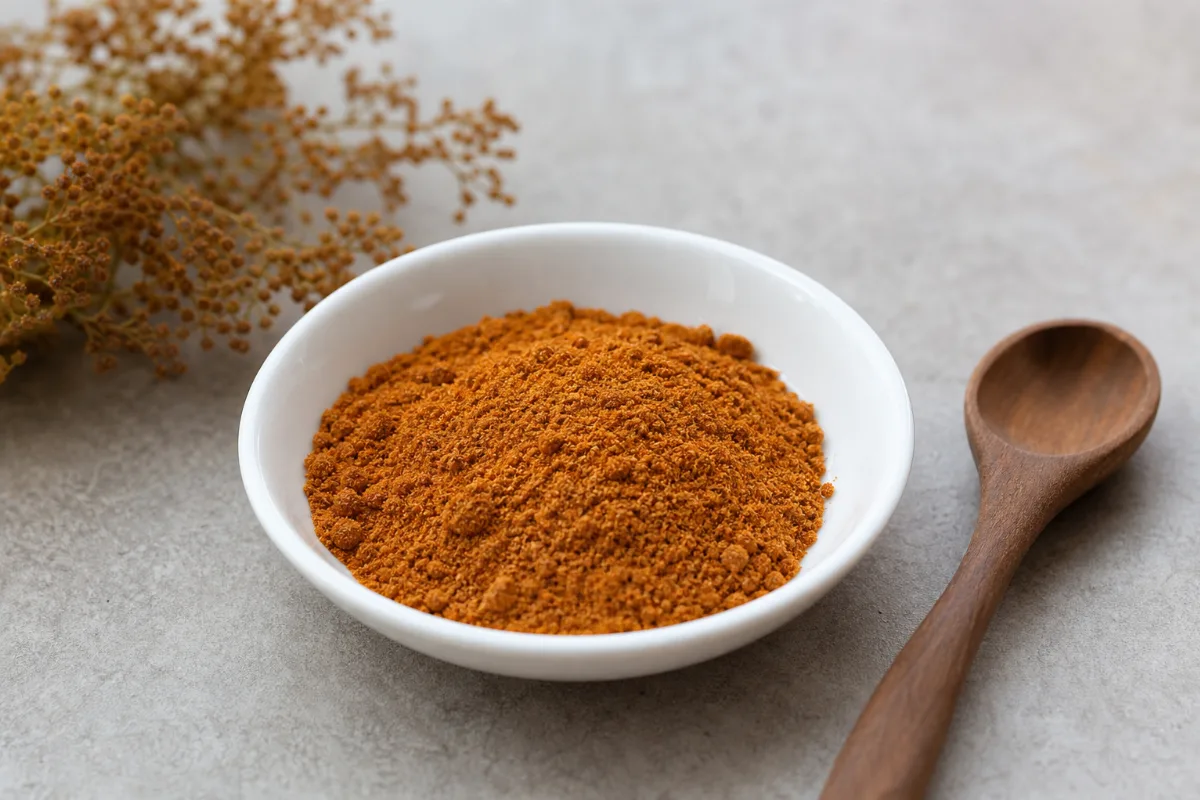
Under strong light and salt the cells fill with beta-carotene, which can reach 8 to 14% of dry weight according to a 2022 review. D. bardawil makes about equal parts of two forms, all-trans and 9-cis. It is sold as a powder, capsule, extract and food colour.
Nutrition
No USDA FoodData Central entry for Dunaliella was found, so this page gives no calories, protein or mineral values per portion. The only composition fact read is the beta-carotene share of dry weight.
Dunaliella is not an everyday food and there is no standard serving. Read the product label.
What the research shows
In 29 adults with retinitis pigmentosa, a Dunaliella bardawil powder raised an electrical signal from the retina against placebo. Visual field and sight did not differ. In 34 adults with mild psoriasis, the psoriasis score fell more than with placebo at week 6, but quality of life did not change significantly.
In 38 people with exercise asthma, 20 (53%) were protected from the usual fall in lung function after one week. In 20 people with type 2 diabetes, LDL resisted oxidation longer in the lab after 3 weeks.
All four studies are small and short, and none was repeated. Rat and lab studies found lower cholesterol in rats and better growth of probiotic bacteria, with mixed immune signals in cells. These are not human results.
At a glance
Traditional uses history, not proof
- No traditional use was read in the sources
- It is a modern crop grown for beta-carotene, not a long-used food
Studied for research
- Retinal signal in retinitis pigmentosa, low certainty (one small crossover trial)
- Plaque psoriasis score, very low certainty (one 34-person pilot)
- Exercise-induced asthma, very low certainty (one 1999 study)
- LDL oxidation in type 2 diabetes, very low certainty (a lab marker, no placebo)
- Cancer or heart disease prevention with beta-carotene pills, evidence against (not tested with Dunaliella)
- Cholesterol and gut bacteria, rats and lab only
Main compounds
- Beta-carotene, 8 to 14% of dry weight under suitable growing conditions
- About equal all-trans and 9-cis forms in D. bardawil
- Lutein and zeaxanthin, polyunsaturated fats and protein (amounts not read)
Common forms
- Dried powder or capsules (used in the human trials)
- Carotenoid extract or food colour (used in a rat safety study)
- Beta-carotene pills (the cancer-risk trials, not Dunaliella)
Research links: 2013 trial: 9-cis beta-carotene-rich Dunaliella powder in retinitis pigmentosa · 2012 pilot trial: Dunaliella and plaque psoriasis · 1994 ATBC trial: beta carotene and lung cancer in male smokers (not Dunaliella) · 2022 US Preventive Services Task Force: beta-carotene pills · Research Library · Genes & Biomarkers Library
What it is and its history
- Accepted scientific name
- Dunaliella salina (Dunal) Teodoresco
- Naming authority
- Teodoresco, 1905 (GBIF accepted species); Dunaliella bardawil also accepted
- Common names
- Dunaliella (English); Dunaliella algae (English); Natural beta-carotene alga (English)
- Family or group
- Dunaliellaceae. A single-celled green alga that lives in very salty water.
- Classification
- Plantae (as placed by GBIF) > Chlorophyta > Chlorophyceae > Volvocales > Dunaliellaceae > Dunaliella > D. salina and D. bardawil
- Native range
- Not read in the sources.
- Habitat
- Salt lakes and salt ponds; grown commercially under high light and salt, which raises beta-carotene (2025 review).
- Cultivation
- Grown in open salt ponds or tanks; high light and salt raise beta-carotene (a 2025 production review).
- Harvest and processing
- Sold as dried powder, capsules, carotenoid extract or food colour.
- Look-alikes and adulterants
- Name: Spirulina and chlorella; Note: Other microalgae sold as powders; different organisms.; Name: Haematococcus (astaxanthin); Note: A microalga grown for astaxanthin, a different red carotenoid.; Name: Seaweeds such as kelp and nori; Note: Large multi-celled algae eaten as food; Dunaliella is a single cell.
- Sustainability and conservation
- Not assessed.
Photographs
What is inside, and how it may work
What it contains and how those compounds act in cells and animals. Laboratory and animal mechanisms are not proven effects in people.
Main compounds
| Compound | Family | Where it is concentrated | Activity studied | Level of evidence |
|---|---|---|---|---|
| Beta-carotene | carotenoid | Whole cell 8 to 14% of dry weight under suitable conditions (review); about equal all-trans and 9-cis in D. bardawil | Can be turned into vitamin A. In the human trials the 9-cis-rich form raised a retina signal (small trial). Pills of beta-carotene raised lung cancer in smokers. 14 8 10 2 | Human data |
| Lutein and zeaxanthin | xanthophyll carotenoids | Whole cell Amounts not read | Named as other possible antioxidants in the review. No human data for Dunaliella. 14 | Not studied |
| Polyunsaturated fats and protein | nutrients | Whole cell Amounts not read | Listed as nutrients in the review. No amounts or health data. 14 | Not studied |
Mechanisms, receptors and pathways
| Target or pathway | Gene or receptor | What was found | Level |
|---|---|---|---|
| Vitamin A conversion | Beta-carotene to retinoids | Beta-carotene, including the 9-cis form, can be converted to retinoid-like molecules. This is the authors' idea in the eye and skin trials and was not measured. 10 4 | Hypothesis |
| Antioxidant effect | LDL oxidation | After 3 weeks of Dunaliella beta-carotene, LDL from patients with diabetes resisted copper-induced oxidation longer. 7 | Human lab marker |
| Gut bacteria and blood fats | Probiotic growth; LDL, VLDL in rats | Dunaliella salina biomass helped growth of 9 of 10 probiotic strains and lowered LDL and VLDL in hypercholesterolemic rats. 5 | Lab and animal |
Absorption, metabolism and elimination
- Absorption
- After 3 weeks of Dunaliella beta-carotene, all-trans beta-carotene in LDL rose from 0.296 to 0.968 microgram per mg of LDL protein in 20 patients.
- Distribution
- Carried in LDL (same study).
- Metabolism
- Not found.
- Elimination
- Not found.
- Bioavailability
- Not compared with other beta-carotene sources in the sources read.
Isolated compounds versus whole extracts
The eye, skin, asthma and LDL trials used Dunaliella bardawil powder or its beta-carotene. The cancer harm trials used beta-carotene pills, not Dunaliella. The rat safety study used a food-colour extract. A powder, an extract and the pills are not the same.
Nutritional composition
No USDA FoodData Central entry for Dunaliella was found (the USDA service was rate-limited and not retried), so this page gives no calories, protein or mineral values per portion. The only composition fact read is that beta-carotene can reach 8 to 14% of dry weight, from a 2022 review. Dunaliella is not an everyday food and there is no standard serving. Read the product label.
1 low certainty3 very low certainty1 not enough evidence1 evidence against
What was looked at
The 6 benefits and uses checked for Dunaliella, each with how strong the evidence is. Tap one to open it.
- Retinal signal in retinitis pigmentosaLow certainty
- Plaque psoriasisVery low certainty
- Preventing cancer or heart disease with beta-carotene pillsEvidence against
- Exercise-induced asthmaVery low certainty
- LDL oxidation in type 2 diabetes (a lab marker)Very low certainty
- Cholesterol and gut bacteria (rats and lab dishes only)Not enough evidence
Lab markers tracked in the studies
Retinal electrical signal (b-wave)Psoriasis Area and Severity Index (PASI)Lung cancer incidenceFall in FEV1 after exerciseLDL oxidation lag time
What is Dunaliella good for?
The main studied uses and how strong the human evidence is for each. The human trials used Dunaliella bardawil powder or its beta-carotene, not Dunaliella as an everyday food.
Benefits, one by one
Each card is a research question, not a promise. Tap a goal to filter. Open a card to see the studies, doses and limits.
Retinal signal in retinitis pigmentosa
Low certaintyIn one small crossover trial of 29 adults with retinitis pigmentosa, 90 days of Dunaliella bardawil powder raised an electrical signal from the retina more than placebo. Visual field and sight did not differ.
1 studiesCapsules of Dunaliella bardawil powder (300 mg, about 20 mg beta-caro…
Studies, doses and limits
What the trials found
Randomised, double-masked, placebo-controlled crossover trial (34 enrolled, 29 analysed), clinicaltrials.gov NCT01256697.
Results
Dark-adapted b-wave rose 8.4 microvolts with the powder against a 0.9 fall with placebo (P = .001); light-adapted b-wave +17.8% vs about 0% (P = .01). Visual field and visual acuity: no significant difference. No adverse effects observed.
Effect sizes as reported
+8.4 vs -0.9 microvolts
Why this rating
One small randomised crossover trial from one group. The main result is a retinal signal, not better sight; the secondary results for sight showed no difference.
Form and dose studied
Capsules of Dunaliella bardawil powder (300 mg, about 20 mg beta-carotene) for 90 days; a supplement, not a food serving.
Who was studied
Adults with retinitis pigmentosa.
Limits
Small and short. No repeat trial found. Not a treatment: sight did not improve in the measures tested.
Why researchers looked
Retinitis pigmentosa is an inherited eye disease with no cure. Dunaliella bardawil makes beta-carotene with a high share of the 9-cis form, which was tested as a possible retina helper.
Traditional use
No traditional use was read in the sources. Dunaliella is a modern crop grown in salt ponds for beta-carotene.
Proposed mechanism Hypothesis
The 9-cis form of beta-carotene may be turned into 9-cis retinoids that the retina uses. This is the authors' idea and was not proven in the trial.
A proposed mechanism does not show that the effect happens in people.
See the Safety tab. Beta-carotene supplements have caused harm in smokers.
Plaque psoriasis
Very low certaintyIn a 12-week pilot trial of 34 adults with mild psoriasis, the psoriasis score fell more at week 6 with Dunaliella bardawil capsules than with placebo. Quality of life did not change significantly.
1 studiesCapsules of Dunaliella bardawil alga (a supplement, not a food servin…
Studies, doses and limits
What the trials found
Randomised, double-blind, placebo-controlled pilot trial, 34 adults, 12 weeks.
Results
Psoriasis Area and Severity Index fell 61.3% with Dunaliella and 34% with placebo at week 6 (p = 0.002). Dermatology Life Quality Index change was not significant (p = 0.9). Liver tests and blood lipids did not change significantly.
Effect sizes as reported
PASI -61.3% vs -34% at week 6
Why this rating
A single 34-person pilot. The placebo group also improved by a third and quality of life showed no difference. The abstract reports week 6 for the main result.
Form and dose studied
Capsules of Dunaliella bardawil alga (a supplement, not a food serving).
Who was studied
Adults with mild chronic plaque psoriasis.
Limits
Pilot size, one centre, not repeated. Not a treatment for psoriasis.
Why researchers looked
Psoriasis is treated with retinoids, which are related to vitamin A. Dunaliella bardawil was tested as a gentler retinoid source.
Traditional use
No traditional use was read in the sources. Dunaliella is a modern crop grown in salt ponds for beta-carotene.
Proposed mechanism Hypothesis
The 9-cis beta-carotene may be a precursor of retinoid-like molecules. Not shown in this trial.
A proposed mechanism does not show that the effect happens in people.
See the Safety tab.
Preventing cancer or heart disease with beta-carotene pills
Evidence againstThis is a caution, not a benefit. Large trials of beta-carotene pills (not Dunaliella) found more lung cancer in smokers and asbestos-exposed workers. A US task force advises against beta-carotene pills for preventing cancer or heart disease.
5 studiesPills of synthetic or algal beta-carotene; the trials used 20 to 30 m…
Studies, doses and limits
What the trials found
Two large randomised trials (ATBC, 29,133 male smokers; CARET, 18,314 smokers and asbestos-exposed people), a 2004 follow-up, a 2023 meta-analysis of 8 trials and a 2022 US Preventive Services Task Force statement. None used Dunaliella.
Results
ATBC: lung cancer 18% higher with 20 mg beta-carotene a day (95% CI 3 to 36%), total deaths 8% higher. CARET: relative risk of lung cancer 1.28 (95% CI 1.04 to 1.57) with beta-carotene plus vitamin A, trial stopped early. Meta-analysis: lung cancer RR 1.19 (1.08 to 1.32), no change in overall cancer. USPSTF: harms of beta-carotene pills outweigh benefits for preventing cancer or heart disease (moderate certainty, grade D).
Effect sizes as reported
Lung cancer +18% (ATBC); RR 1.28 (CARET); RR 1.19 (meta-analysis)
Why this rating
Several large randomised trials and a guideline agree on harm in high-risk people. Certainty about Dunaliella itself is none, because it was never tested for this.
Form and dose studied
Pills of synthetic or algal beta-carotene; the trials used 20 to 30 mg a day (study facts, not advice).
Who was studied
Smokers, former smokers, asbestos-exposed workers; general adults for the guideline.
Limits
Not Dunaliella. The harm was seen in high-risk groups and with supplements, not with beta-carotene from ordinary foods.
Why researchers looked
Dunaliella is sold as a natural beta-carotene source, so the question is whether the beta-carotene findings apply to it. No Dunaliella trial in smokers or for cancer prevention was found.
Traditional use
No traditional use was read in the sources. Dunaliella is a modern crop grown in salt ponds for beta-carotene.
Proposed mechanism Unknown
Why beta-carotene pills may raise lung cancer risk in smokers is not settled.
A proposed mechanism does not show that the effect happens in people.
If you smoke or were exposed to asbestos, talk to your doctor before using any beta-carotene supplement.
Exercise-induced asthma
Very low certaintyIn a 1-week trial of 38 people with exercise-induced asthma, Dunaliella beta-carotene protected 20 (53%) from the usual drop in lung function after a treadmill test.
1 studiesBeta-carotene from Dunaliella bardawil, 64 mg a day for a week (study…
Studies, doses and limits
What the trials found
Randomised, double-blind, placebo-controlled supplementation for 1 week (38 patients) with a treadmill test before and after.
Results
All people on placebo had an FEV1 drop of more than 15%; 20 of 38 (53%) on beta-carotene did not.
Effect sizes as reported
20 of 38 protected (53%)
Why this rating
A 1999 study of 38 people over one week, one group, no repeat found. The abstract does not make clear how the arms were split.
Form and dose studied
Beta-carotene from Dunaliella bardawil, 64 mg a day for a week (study fact, not advice).
Who was studied
People with exercise-induced asthma.
Limits
Short, small, old. Not a treatment; keep using prescribed asthma medicine.
Why researchers looked
Oxidative stress is thought to play a part in exercise-induced asthma, and Dunaliella beta-carotene was tested as an antioxidant.
Traditional use
No traditional use was read in the sources. Dunaliella is a modern crop grown in salt ponds for beta-carotene.
Proposed mechanism Hypothesis
The authors suggest an antioxidant effect in the body. Not shown directly.
A proposed mechanism does not show that the effect happens in people.
See the Safety tab.
LDL oxidation in type 2 diabetes (a lab marker)
Very low certaintyIn 20 adults with type 2 diabetes, 3 weeks of Dunaliella beta-carotene made their LDL cholesterol slower to oxidise in the test tube. There was no placebo group and no heart outcome.
1 studiesBeta-carotene from Dunaliella bardawil, 60 mg a day for 3 weeks (stud…
Studies, doses and limits
What the trials found
Supplement given to 20 patients for 3 weeks, compared with matched controls at baseline.
Results
LDL lag time before oxidation rose from 56 to 115 minutes after supplementation; malondialdehyde and lipid peroxides fell by 25% and 40%.
Effect sizes as reported
Lag time 56 to 115 minutes
Why this rating
No placebo for the supplement, 3 weeks, a lab marker, 20 people.
Form and dose studied
Beta-carotene from Dunaliella bardawil, 60 mg a day for 3 weeks (study fact, not advice).
Who was studied
Adults with long-standing type 2 diabetes.
Limits
A marker study, not a heart outcome. See the cancer and heart caution on the Benefits tab.
Why researchers looked
LDL from people with diabetes oxidises more easily, which is linked to artery damage. The study asked whether beta-carotene would help.
Traditional use
No traditional use was read in the sources. Dunaliella is a modern crop grown in salt ponds for beta-carotene.
Proposed mechanism Lab
Beta-carotene is carried in LDL and may protect it from oxidation. Seen in the test tube only.
A proposed mechanism does not show that the effect happens in people.
See the Safety tab.
Cholesterol and gut bacteria (rats and lab dishes only)
Not enough evidenceIn rats on a high-fat diet, Dunaliella salina lowered LDL and VLDL cholesterol after 8 weeks, and it helped probiotic bacteria grow in the lab. No human trial was found.
1 studiesDried Dunaliella salina biomass in animal feed.
Studies, doses and limits
What the trials found
No human study. One paper tested probiotic bacteria, human blood cells, gut cell lines and rats.
Results
Rats: lower LDL-C, VLDL, IDL-B and IDL-C after 8 weeks. Lab: 9 of 10 probiotic strains grew better. In human blood cells the signals TNF-alpha and IL-6 went up at the lowest concentration tested.
Why this rating
Cells and rats only. Mixed immune signals.
Form and dose studied
Dried Dunaliella salina biomass in animal feed.
Who was studied
Rats and cell lines.
Limits
Animal and lab data cannot be used for advice in people.
Why researchers looked
Dunaliella has carotenoids, fats and protein, so researchers tested cholesterol and gut effects in animals and cells.
Traditional use
No traditional use was read in the sources. Dunaliella is a modern crop grown in salt ponds for beta-carotene.
Proposed mechanism Lab
Not worked out. The paper describes antioxidant and immune effects in cells.
A proposed mechanism does not show that the effect happens in people.
No human safety data from this paper.
Connections to the rest of health
How Dunaliella connects to the rest of our health knowledge graph. Every link says what kind of connection it is. A safety link (for example to the liver) is a warning, not a benefit. A study that merely mentions a topic never creates a benefit link.
Explore every connection: goals, body systems, organs, symptoms, genes
A. Wellness goals
| Connected to | Kind of connection | Evidence status | Context | Studies |
|---|---|---|---|---|
| Eye Health | Low certainty | Retinal signal in retinitis pigmentosa: In one small crossover trial of 29 adults with retinitis pigmentosa, 90 days of Dunaliella bardawil powder raised an electrical signal from the retina more than placebo. Visual field and sight did not differ. | 10 | |
| Healthy Skin | Very low certainty | Plaque psoriasis: In a 12-week pilot trial of 34 adults with mild psoriasis, the psoriasis score fell more at week 6 with Dunaliella bardawil capsules than with placebo. Quality of life did not change significantly. | 4 | |
| Cancer Risk | Evidence against | Preventing cancer or heart disease with beta-carotene pills: This is a caution, not a benefit. Large trials of beta-carotene pills (not Dunaliella) found more lung cancer in smokers and asbestos-exposed workers. A US task force advises against beta-carotene pills for preventing cancer or heart disease. | 2 9 3 12 11 | |
| Heart Health | Evidence against | Preventing cancer or heart disease with beta-carotene pills: This is a caution, not a benefit. Large trials of beta-carotene pills (not Dunaliella) found more lung cancer in smokers and asbestos-exposed workers. A US task force advises against beta-carotene pills for preventing cancer or heart disease. | 2 9 3 12 11 | |
| Respiratory Health | Very low certainty | Exercise-induced asthma: In a 1-week trial of 38 people with exercise-induced asthma, Dunaliella beta-carotene protected 20 (53%) from the usual drop in lung function after a treadmill test. | 8 | |
| Heart Health | Very low certainty | LDL oxidation in type 2 diabetes (a lab marker): In 20 adults with type 2 diabetes, 3 weeks of Dunaliella beta-carotene made their LDL cholesterol slower to oxidise in the test tube. There was no placebo group and no heart outcome. | 7 | |
| Cholesterol | Not enough evidence | Cholesterol and gut bacteria (rats and lab dishes only): In rats on a high-fat diet, Dunaliella salina lowered LDL and VLDL cholesterol after 8 weeks, and it helped probiotic bacteria grow in the lab. No human trial was found. | 5 | |
| Gut Health | Not enough evidence | Cholesterol and gut bacteria (rats and lab dishes only): In rats on a high-fat diet, Dunaliella salina lowered LDL and VLDL cholesterol after 8 weeks, and it helped probiotic bacteria grow in the lab. No human trial was found. | 5 |
B. Body systems
| Connected to | Kind of connection | Evidence status | Context | Studies |
|---|---|---|---|---|
| Eyes And Vision | Biological association | Low certainty | Studied for: Retinal signal in retinitis pigmentosa | 10 |
| Integumentary System | Biological association | Very low certainty | Studied for: Plaque psoriasis | 4 |
| Cardiovascular System | Biological association | Evidence against | Studied for: Preventing cancer or heart disease with beta-carotene pills Studied for: LDL oxidation in type 2 diabetes (a lab marker) | 2 9 3 12 11 7 5 |
| Respiratory System | Biological association | Very low certainty | Studied for: Exercise-induced asthma | 8 |
| Digestive System | Biological association | Not enough evidence | Studied for: Cholesterol and gut bacteria (rats and lab dishes only) | 5 |
I. Biomarkers
| Connected to | Kind of connection | Evidence status | Context | Studies |
|---|---|---|---|---|
| Retinal electrical signal (b-wave) | Biological association | Low certainty | Measured in trials: increase. A lab change is not the same as a health benefit. | 10 |
| Psoriasis Area and Severity Index (PASI) | Biological association | Very low certainty | Measured in trials: decrease. A lab change is not the same as a health benefit. | 4 |
| Lung cancer incidence | Biological association | High certainty | Measured in trials: increase. A lab change is not the same as a health benefit. | 2 9 |
| Fall in FEV1 after exercise | Biological association | Very low certainty | Measured in trials: decrease. A lab change is not the same as a health benefit. | 8 |
| LDL oxidation lag time | Biological association | Very low certainty | Measured in trials: increase. A lab change is not the same as a health benefit. | 7 |
K. Biological pathways
L. Active compounds
| Connected to | Kind of connection | Evidence status | Context | Studies |
|---|---|---|---|---|
| Beta-carotene | Biological association | Human | Can be turned into vitamin A. In the human trials the 9-cis-rich form raised a retina signal (small trial). Pills of beta-carotene raised lung cancer in smokers. Preparation or compound: Whole cell |
14 8 10 2 |
| Lutein and zeaxanthin | Biological association | Not studied | Named as other possible antioxidants in the review. No human data for Dunaliella. Preparation or compound: Whole cell |
14 |
| Polyunsaturated fats and protein | Biological association | Not studied | Listed as nutrients in the review. No amounts or health data. Preparation or compound: Whole cell |
14 |
Each connection is stored with the ingredient, the connected record, the kind of connection, the evidence status, the supporting studies, the preparation or compound involved, and a review date (last reviewed October 26, 2026).
Evidence at a glance: what the research found for 6 outcomes
Each outcome below is one thing researchers measured. Certainty is how far the evidence can be trusted, not how well it works. The full studies are on the next tab.
The evidence
The research centre for Dunaliella. Every record here was checked against PubMed or the publisher's page; we never list a study we have not verified.
Evidence by outcome
Bars show how many studies we found for each outcome, not how well it works. People are added up across trials only (reviews are not added, to avoid double counting).
How we rate evidence
High certainty
Several well-run trials or reviews agree; further research is unlikely to change the picture much.
Moderate certainty
Good trials point the same way, but some doubt remains.
Low certainty
Small, short or inconsistent trials. The finding could change with better research.
Very low certainty
Very little or very weak human data. Treat as a possibility only.
Mixed findings
Trials or reviews disagree with each other.
Not enough evidence
Not enough human research to say either way.
Evidence against
Good research found no benefit, or found harm.
We take the reviewers' own risk-of-bias and GRADE statements where they exist, and otherwise judge from study size, design, consistency, directness and whether a product matches what is sold. Many publications do not make evidence high. Method note: We started from our existing Dunaliella summary, matched the species in GBIF, and re-read the PubMed abstracts for the trials, the rat study and the beta-carotene pill trials, plus the NCCIH page and parts of one review. Items we could not verify are flagged in the research gaps.
Study library: every study we checked 15
| Study | Design | People | Product, dose, length | Result |
|---|---|---|---|---|
| Aditi 2025 Characterization of microalgal beta-carotene and astaxanthin: exploring their health-promoting properties under the effect of salinity and light Biotechnology for Biofuels and Bioproducts · PMID 39953577 · DOI |
Narrative review Dunaliella salina and others |
Review of production studies | n/a |
Describes how high light and salt raise beta-carotene in Dunaliella salina and other microalgae. Health effects are mentioned only in general terms. n/a (Not given in the abstract read) Methods, limits and fundingOutcomes: How salt and light raise carotenoid production in microalgae Limitations: A production review. Not a human health study. Funding and conflicts: Not stated in abstract. Read: abstract (PubMed efetch 2026-10-26) |
| Alpha-Tocopherol 1994 The effect of vitamin E and beta carotene on the incidence of lung cancer and other cancers in male smokers (ATBC) New England Journal of Medicine · PMID 8127329 · DOI |
Randomised, double blind, placebo controlled prevention trial (2x2) Beta-carotene supplement (not Dunaliella) |
29133 Male smokers aged 50 to 69 in southwestern Finland |
Beta carotene (not Dunaliella), with or without vitamin E 20 mg a day (study fact, not advice) 5 to 8 years · vs Placebo |
Lung cancer incidence was 18% higher in men given beta carotene (95% CI 3 to 36%). Total deaths were 8% higher (95% CI 1 to 16%), mainly from lung cancer and ischaemic heart disease. Vitamin E did not lower lung cancer. Lung cancer +18% (95% CI 3 to 36%); total mortality +8% (95% CI 1 to 16%) (Lung cancer 3 to 36%; mortality 1 to 16%) Methods, limits and fundingOutcomes: Lung cancer incidence, other cancers, total mortality Limitations: Beta carotene used was a supplement, not Dunaliella; no Dunaliella trial in smokers exists in the sources read. Findings apply to male smokers. Funding and conflicts: PubMed lists US government research support; no industry funding seen in the abstract. Read: abstract (PubMed efetch 2026-10-26) |
| Goodman 2004 CARET: incidence of lung cancer and cardiovascular disease mortality during 6-year follow-up after stopping beta-carotene and retinol supplements Journal of the National Cancer Institute · PMID 15572756 · DOI |
Post trial follow up of a randomised trial Beta-carotene plus vitamin A (not Dunaliella) |
18314 Smokers and asbestos-exposed workers from CARET |
Beta carotene plus retinyl palmitate (not Dunaliella), stopped 6 further years · vs Placebo group |
After stopping, relative risks stayed above 1.0 but were no longer statistically significant: lung cancer 1.12 (95% CI 0.97 to 1.31), all-cause deaths 1.08 (0.99 to 1.17). Cardiovascular death risk fell to 1.0 after stopping. Excess lung cancer was mainly in women. Post-trial lung cancer RR 1.12 (0.97 to 1.31) (0.97 to 1.31) Methods, limits and fundingOutcomes: Lung cancer incidence, all-cause and cardiovascular mortality Limitations: Subgroup findings were exploratory. Not Dunaliella. Funding and conflicts: PubMed lists US government research support; no industry funding seen in the abstract. Read: abstract (PubMed efetch 2026-10-26) |
| Greenberger 2012 9-cis-rich beta-carotene powder of the alga Dunaliella reduces the severity of chronic plaque psoriasis: a randomized, double-blind, placebo-controlled clinical trial Journal of the American College of Nutrition · PMID 23529989 · DOI |
Randomised, double blind, placebo controlled pilot trial Dunaliella bardawil |
34 Adults with mild chronic plaque psoriasis |
Capsules of Dunaliella bardawil alga 12 weeks · vs Starch capsules |
At week 6 the mean PASI score fell 61.3% with Dunaliella and 34% with placebo (p = 0.002). The quality-of-life score change was not significant (8.5% vs 5.9%, p = 0.9). No significant change in liver tests or blood lipids. PASI reduction 61.3% vs 34% at 6 weeks (p = 0.002) (Not given in the abstract read) Methods, limits and fundingOutcomes: Psoriasis Area and Severity Index (PASI), Dermatology Life Quality Index (DLQI), liver tests, blood lipids Limitations: Pilot study, mild disease only, 34 people, one centre. The abstract reports week 6 for the main comparison. Placebo group also improved by a third. Quality of life did not change significantly. Funding and conflicts: Funding and author conflicts not stated in the abstract; not checked. Read: abstract (PubMed efetch 2026-10-26) |
| Hyrslova 2022 Functional properties of Dunaliella salina and its positive effect on probiotics Marine Drugs · PMID 36547928 · DOI |
Laboratory (cell) studies and a rat feeding study Dunaliella salina |
Probiotic bacteria, human blood cells, intestinal cell lines; rats fed a high-fat diet | Dried Dunaliella salina biomass Not read 8 weeks in rats · vs Control diet |
Dunaliella salina helped growth of 9 of 10 probiotic strains in the lab. In hypercholesterolemic rats, 8 weeks of the biomass lowered LDL-C, VLDL, IDL-B and IDL-C. The inflammatory signals TNF-alpha and IL-6 went up at the lowest tested concentration in human cells. The biomass was not cytotoxic in gut cell models. Rats: lower LDL-C and VLDL; cells: mixed immune signals (Not given in the abstract read) Methods, limits and fundingOutcomes: Probiotic growth and adherence; antioxidant and immune effects in cells; blood fats in rats Limitations: Lab and animal only. Mixed signals in cells. Funding and conflicts: Not stated in abstract. Read: abstract (PubMed efetch 2026-10-26) |
| Kuroiwa 2006 A subchronic toxicity study of dunaliella carotene in F344 rats Food and Chemical Toxicology · PMID 16095791 · DOI |
Animal 90 day toxicity study Dunaliella bardawil or D. salina carotene |
F344 rats, both sexes | Dunaliella carotene (extract used as food colour) in the diet at 0.63 to 5% About 352 to 2,879 mg/kg a day 90 days · vs Control diet |
No deaths or clinical signs. Body weight gain was slightly lower at the top two doses in males. Platelets rose in some groups, and serum total cholesterol and calcium rose in all treated groups. Organ weights and tissue examination showed no toxic change. No-observed-adverse-effect levels were 696 mg/kg a day in males and 2,879 in females; a no-effect level could not be set because calcium rose at the lowest dose. NOAEL 696 mg/kg/day (males), 2,879 (females) (n/a) Methods, limits and fundingOutcomes: Deaths, clinical signs, body weight, blood tests, organ weights, tissue pathology Limitations: Rats, an extract used as a colour, very high doses. Not a human study. Funding and conflicts: Not stated in abstract. Read: abstract (PubMed efetch 2026-10-26) |
| Levy 2000 Dietary supplementation of a natural isomer mixture of beta-carotene inhibits oxidation of LDL derived from patients with diabetes mellitus Annals of Nutrition and Metabolism · PMID 10970993 · DOI |
Controlled clinical comparison; supplementation was given only to patients, with no placebo group Dunaliella bardawil |
20 20 adults with long-standing type 2 diabetes, compared with matched controls |
Beta-carotene from Dunaliella bardawil 60 mg a day (study fact, not advice) 3 weeks · vs Matched healthy controls at baseline; no placebo for the supplement |
LDL from patients oxidised 40% more easily than LDL from controls. After 3 weeks of beta-carotene, LDL beta-carotene rose, the lag time before oxidation rose to 115 minutes, and oxidation products fell by 25% and 40%. Lag time 56 to 115 minutes after supplementation (Not given in the abstract read) Methods, limits and fundingOutcomes: LDL oxidation in the test tube (lag time, malondialdehyde, lipid peroxides), LDL vitamin and carotenoid content Limitations: A lab marker, not a heart outcome. No placebo group for the supplement and only 3 weeks. Funding and conflicts: Funding and author conflicts not stated in the abstract; not checked. Read: abstract (PubMed efetch 2026-10-26) |
| Neuman 1999 Prevention of exercise-induced asthma by a natural isomer mixture of beta-carotene Annals of Allergy, Asthma and Immunology · PMID 10400482 · DOI |
Randomised, double blind, placebo controlled trial (design as described in the abstract) Dunaliella bardawil |
38 Patients with exercise-induced asthma |
Beta-carotene from Dunaliella bardawil (about equal all-trans and 9-cis) 64 mg a day (study fact, not advice) 1 week · vs Placebo |
All patients given placebo had a post-exercise FEV1 drop of more than 15%. Of 38 patients on the beta-carotene, 20 (53%) were protected from that drop. 20 of 38 (53%) protected (Not given in the abstract read) Methods, limits and fundingOutcomes: Fall in forced expiratory volume in one second (FEV1) after a 7-minute treadmill exercise Limitations: One week only, a lab exercise test, an old study with no later large trial found. The abstract does not make clear how the placebo and active arms were split. Funding and conflicts: Funding and author conflicts not stated in the abstract; not checked. Read: abstract (PubMed efetch 2026-10-26) |
| Omenn 1996 Effects of a combination of beta carotene and vitamin A on lung cancer and cardiovascular disease (CARET) New England Journal of Medicine · PMID 8602180 · DOI |
Randomised, double blind, placebo controlled prevention trial Beta-carotene plus vitamin A (not Dunaliella) |
18314 Smokers, former smokers and asbestos-exposed workers |
Beta carotene (not Dunaliella) plus retinyl palmitate (vitamin A) 30 mg beta carotene and 25,000 IU retinol a day (study fact, not advice) Mean 4.0 years; stopped 21 months early · vs Placebo |
Relative risk of lung cancer 1.28 (95% CI 1.04 to 1.57). Relative risk of death from any cause 1.17, from lung cancer 1.46, from cardiovascular disease 1.26 (95% CI 0.99 to 1.61, not significant). Stopped early. Lung cancer RR 1.28 (95% CI 1.04 to 1.57) (1.04 to 1.57) Methods, limits and fundingOutcomes: Lung cancer incidence, deaths Limitations: Beta carotene was combined with vitamin A, so the harm cannot be assigned to beta carotene alone. Not Dunaliella. Funding and conflicts: PubMed lists US government research support; no industry funding seen in the abstract. Read: abstract (PubMed efetch 2026-10-26) |
| Rotenstreich 2013 Treatment with 9-cis beta-carotene-rich powder in patients with retinitis pigmentosa: a randomized crossover trial JAMA Ophthalmology · PMID 23700011 · DOI |
Randomised, double masked, placebo controlled crossover trial Dunaliella bardawil |
34 Adults with retinitis pigmentosa (34 enrolled, 29 analysed), tertiary university medical facility |
Capsules of Dunaliella bardawil powder rich in 9-cis beta-carotene (300 mg of powder, about 20 mg beta-carotene) One daily capsule set (study fact, not advice) 90 days each, with a 90-day washout · vs Starch placebo |
Dark-adapted b-wave rose by 8.4 microvolts with the powder against a 0.9 microvolt fall with placebo (P = .001). Light-adapted b-wave rose 17.8% against about 0% (P = .01). Ten people (34.5%) gained more than 10 microvolts. Visual field and visual acuity did not differ between groups. No adverse effects were observed. Dark-adapted b-wave +8.4 vs -0.9 microvolts (P = .001); visual field and acuity no significant difference (Not given in the abstract read) Methods, limits and fundingOutcomes: Dark-adapted maximal b-wave amplitude on electroretinogram (primary); light-adapted b-wave, visual field, best-corrected visual acuity (secondary) Limitations: Small crossover trial with 5 dropouts. The main result is an electrical signal from the retina, not how well people see. The authors call for larger trials. Funding and conflicts: Funding and author conflicts not stated in the abstract; not checked. Registration: NCT01256697 Read: abstract (PubMed efetch 2026-10-26) |
| US Preventive Services Task Force 2022 Vitamin, mineral, and multivitamin supplementation to prevent cardiovascular disease and cancer: US Preventive Services Task Force recommendation statement JAMA · PMID 35727271 · DOI |
Practice guideline based on evidence review Beta-carotene supplement (not Dunaliella) |
Non-pregnant community-dwelling adults | Beta-carotene and other supplements (not Dunaliella) |
Concluded with moderate certainty that the harms of beta carotene supplements outweigh the benefits for preventing cardiovascular disease or cancer, and recommended against them for that purpose (grade D). Recommendation: against (D) (Not given in the abstract read) Methods, limits and fundingOutcomes: Balance of benefits and harms for preventing heart disease and cancer Limitations: A statement about prevention in the general adult population, not about Dunaliella and not about treatment. Funding and conflicts: US government-appointed panel; no commercial funding. Read: abstract (PubMed efetch 2026-10-26) |
| Zhang 2023 Association between beta-carotene supplementation and risk of cancer: a meta-analysis of randomized controlled trials Nutrition Reviews · PMID 36715090 · DOI |
Systematic review and meta analysis of randomised trials Beta-carotene supplement (not Dunaliella) |
18 reports from 8 randomised trials, 391 to 39,876 participants each | Supplemental beta-carotene (not Dunaliella) Varied Varied · vs Placebo or control |
No overall link with cancer incidence (RR 1.02, 95% CI 0.99 to 1.05). Lung cancer risk was higher (RR 1.19, 95% CI 1.08 to 1.32). Smokers, and those on low-dose beta-carotene, had higher risk (RR 1.16, 95% CI 1.05 to 1.29). The authors do not recommend beta-carotene supplements to prevent cancer. Lung cancer RR 1.19 (1.08 to 1.32) (Lung cancer 1.08 to 1.32) Methods, limits and fundingOutcomes: Overall cancer incidence; site-specific cancers Limitations: Trials dominated by a few large studies of smokers. Not Dunaliella. Funding and conflicts: Not stated in abstract. Read: abstract (PubMed efetch 2026-10-26) |
| s-gbif-dunaliella GBIF Backbone: Dunaliella salina (Dunal) Teodoresco, 1905 (usageKey 2687984) and Dunaliella bardawil (usageKey 2687980) · Source |
Reference database n/a |
Methods, limits and fundingRead: API match 2026-10-26 | ||
| s-marinedrugs-2022 Marine Drugs 2022 (PMC9781844): Functional properties of Dunaliella salina (full text, introduction) · Source |
Secondary review text Dunaliella salina |
Methods, limits and fundingRead: full-text excerpts (PMC page read 2026-10-26) | ||
| s-nccih-antioxidants NCCIH: Antioxidant supplements: what you need to know · Source |
Regulator guidance n/a |
Methods, limits and fundingRead: full-text (web page read 2026-10-26) |
What we do not know yet
- No Dunaliella trial in smokers, for cancer prevention or for heart outcomes.
- The four human studies are small, short and from one research group, and none was repeated.
- Nothing was found on allergy, pregnancy, breastfeeding, children, medicine interactions or contamination.
- Nutrient values per portion and FDA and EU status were not checked in primary sources.
- No long-term human safety data.
How new research is added
New studies are found by a saved PubMed search and placed in a review queue before the page changes.
Lab markers
What changed in blood or saliva tests during trials. A changed number is not the same as feeling or being healthier, and we give no "normal ranges".
Other 5
Retinal electrical signal (b-wave)
Increase in trials
The size of the electrical response of the retina to light, measured with an electroretinogram.
Low certaintyResults and what it means
Why it was measured
Used in the retinitis pigmentosa trial as the main outcome.
Statistical vs. clinical meaning
A change in a signal. Visual field and acuity did not change.
Safety implication
None specific.
| Study | Result | People | Product |
|---|---|---|---|
| 10 | +8.4 microvolts with Dunaliella bardawil powder against -0.9 with placebo (P = .001) | 29 adults with retinitis pigmentosa analysed | Dunaliella bardawil powder, 90 days (crossover) |
Psoriasis Area and Severity Index (PASI)
Decrease in trials
A doctor's score of how much skin is affected and how severe it is.
Very low certaintyResults and what it means
Why it was measured
Main outcome of the psoriasis pilot trial.
Statistical vs. clinical meaning
A pilot result in mild disease.
Safety implication
None specific.
| Study | Result | People | Product |
|---|---|---|---|
| 4 | -61.3% with Dunaliella bardawil and -34% with placebo at week 6 (p = 0.002) | 34 adults with mild plaque psoriasis | Dunaliella bardawil capsules, 12 weeks |
Lung cancer incidence
Increase in trials
New cases of lung cancer during follow-up of a trial.
High certaintyResults and what it means
Why it was measured
The main safety outcome for beta-carotene supplements in smokers.
Statistical vs. clinical meaning
A harm signal in high-risk groups.
Safety implication
Smokers and asbestos-exposed people should not use beta-carotene pills for prevention.
| Study | Result | People | Product |
|---|---|---|---|
| 2 | 18% more new lung cancers with beta-carotene (95% CI 3 to 36%) | 29,133 male smokers | Beta-carotene 20 mg a day (not Dunaliella), 5 to 8 years |
| 9 | Relative risk 1.28 (95% CI 1.04 to 1.57) with beta-carotene plus vitamin A | 18,314 smokers and asbestos-exposed people | Beta-carotene 30 mg plus retinol, mean 4 years (not Dunaliella) |
Fall in FEV1 after exercise
Decrease in trials
How much the breath volume blown out in one second drops after exercise.
Very low certaintyResults and what it means
Why it was measured
The outcome of the exercise-asthma trial.
Statistical vs. clinical meaning
Small and short.
Safety implication
None specific.
| Study | Result | People | Product |
|---|---|---|---|
| 8 | 20 of 38 people (53%) on beta-carotene avoided the usual fall of more than 15% | 38 people with exercise-induced asthma | Dunaliella bardawil beta-carotene, 1 week |
LDL oxidation lag time
Increase in trials
How long LDL takes to start oxidising in a test tube with copper.
Very low certaintyResults and what it means
Why it was measured
Measures how well LDL resists oxidation.
Statistical vs. clinical meaning
A lab marker only.
Safety implication
None specific.
| Study | Result | People | Product |
|---|---|---|---|
| 7 | Lag time 56 minutes in patients before and 115 minutes after 3 weeks of supplementation | 20 adults with type 2 diabetes | Dunaliella bardawil beta-carotene, 3 weeks |
Safety
What studies and official sources say about side effects, medicines and who should check first. Each point shows what kind of evidence it comes from.
Main points to know 3
- Beta-carotene pills have raised lung cancer in smokers and asbestos-exposed workers. In ATBC, 20 mg beta-carotene a day for 5 to 8 years was linked to 18% more lung cancer in male smokers and 8% more deaths. In CARET, beta-carotene plus vitamin A raised lung cancer (relative risk 1.28) and the trial was stopped early. A 2023 meta-analysis and the US Preventive Services Task Force agree. These trials did not use Dunaliella, and no Dunaliella trial in smokers exists, so whether algal beta-carotene differs is unknown. Randomized trials of beta carotene 2 9 3 12 11
- No harm was reported in two small Dunaliella trials, but they were short. In the retinitis pigmentosa trial no adverse effects were observed over 90 days. In the psoriasis pilot (12 weeks) liver tests and blood lipids did not change significantly. Both are small, so rare problems would not show. Randomized trial 10 4
- Dunaliella is not a traditional food. No food-use history was read. It is sold as powder, capsules, extract and as a food colour. Long-term safety of the powder in people is unknown. Gap 14
Side effects 3
| Effect | How often | Severity and recovery | Evidence |
|---|---|---|---|
| No adverse effects observed in the retinitis pigmentosa trial Small crossover trial. | None reported in 29 analysed over 90 days | not applicable Not applicable | Randomized trial 10 |
| No significant change in liver tests or blood lipids in the psoriasis pilot The abstract does not list other side effects. | 34 adults over 12 weeks | not applicable Not applicable | Randomized trial 4 |
| Higher lung cancer risk and deaths with beta-carotene pills in smokers and asbestos-exposed workers Applies to beta-carotene pills; not tested for Dunaliella. | ATBC: +18% lung cancer; CARET: relative risk 1.28 | serious Risk stayed above 1.0 but was no longer significant 6 years after stopping in CARET | Randomized trials of beta carotene (not Dunaliella) 2 9 3 |
Liver
In the psoriasis pilot trial liver function tests did not change significantly over 12 weeks. No liver injury reports for Dunaliella were found in the sources read. LiverTox was not searched. 4
How often. No liver cases reported in the sources read.
Monitoring. Not studied. Ask your doctor if you have liver disease.
This is a safety connection. It is not evidence that Dunaliella supports liver health.
Medicines and supplements 4
| With | Why it matters | Importance | Evidence | What to do |
|---|---|---|---|---|
| Smoking, and asbestos exposure exposure | Beta-carotene pills raised lung cancer risk in these groups; the reason is not settled. | Serious | Randomized trials of beta carotene High certainty 2 9 11 | Smokers, former smokers and people exposed to asbestos should talk to their doctor before using any beta-carotene or Dunaliella supplement. Dunaliella itself was not tested. |
| Cancer treatment (chemotherapy, radiation) medicine | Antioxidants might lessen the effect of treatments that work by making reactive oxygen. | Possible | Guidance (NCCIH) Low certainty 15 | NCCIH says antioxidant supplements may not be OK during cancer treatment. Check with your cancer team first. |
| Vitamin A supplements, retinoid medicines (such as those used for psoriasis or acne) supplement and medicine | Beta-carotene can be turned into vitamin A. Whether Dunaliella adds to vitamin A or retinoid medicines was not studied. | Unknown | No interaction study Not enough evidence 9 | No source read tested this combination. CARET combined beta-carotene with vitamin A and saw harm in smokers. Ask your doctor or pharmacist. |
| Cholesterol and blood-fat medicines medicine | A rat extract study found raised serum total cholesterol; a different rat study found lower LDL. Nothing in people. | Unknown | Animal only Not enough evidence 6 5 | No interaction study was found. Tell your doctor if you take a Dunaliella supplement. |
Who should check first 4
| Situation | Advice | Evidence |
|---|---|---|
| Pregnancy and breastfeeding | No human data on Dunaliella were found. Ask your midwife or doctor before using it. | No data |
| Children | No human data on Dunaliella in children were found. Do not give supplements to children without medical advice. | No data |
| Smokers, former smokers, asbestos exposure | Avoid beta-carotene supplements unless your doctor says otherwise. See the interaction above. | Randomized trials of beta carotene 2 9 11 |
| Allergy to algae | No allergy reports for Dunaliella were found in PubMed searches. Stop and seek help if you react. | No data |
Overdose, product quality and regulators
Summary. A 90-day rat study of Dunaliella carotene (a food-colour extract) found no deaths or tissue damage at very high doses. Weight gain was slightly lower at the top two doses in males, and serum cholesterol and calcium rose in all treated groups, so no no-effect level could be set. These are not human data.
Animal. F344 rats, 0.63 to 5% of feed for 90 days (about 352 to 2,879 mg/kg a day): no deaths or clinical signs; platelets, total cholesterol and calcium higher; no organ or tissue damage. No-observed-adverse-effect level 696 mg/kg a day for males and 2,879 for females.
Human doses studied. The human trials used about 20 to 64 mg of beta-carotene a day for 1 to 12 weeks (study facts, not advice).
High dose or long term signals. Beta-carotene pills over 5 to 8 years raised lung cancer in smokers. No long-term Dunaliella trial exists.
No source read tested Dunaliella powders for heavy metals, salt, iodine or microbes. Quality depends on the grower and maker.
Metals, salt and microbes. Not found in the sources read.
| Body | Action | Date |
|---|---|---|
| US Preventive Services Task Force (United States) | Recommends against beta-carotene supplements to prevent cardiovascular disease or cancer (grade D, moderate certainty). source | 2022-06-21 |
| NCCIH (US National Institutes of Health) (United States) | High-dose beta-carotene may raise lung cancer risk, mainly in smokers and asbestos-exposed people. Antioxidant supplements may not be OK during cancer treatment. source | read 2026-10-26 |
When to get medical help
- Hives, swelling of the lips, face, tongue or throat, trouble breathing, wheezing or collapse after taking a Dunaliella product (possible allergic reaction): use epinephrine if you have it, then call 911 or your local emergency number
- Coughing up blood, a cough that will not go away, chest pain or unexplained weight loss, especially if you smoke: see a doctor
- New yellow skin or eyes, dark urine or severe stomach pain after starting a supplement: stop it and seek medical advice
Stop using the product and contact a clinician or emergency service. In the US, Poison Control is 1-800-222-1222.
General information only, not medical advice. Ask a clinician or pharmacist before use, especially with medicines, in pregnancy or with a health condition. See the Natural Remedy Safety guide.
Frequently asked questions
What is Dunaliella?
Is Dunaliella a food?
Not a traditional one. No food-use history was read. A 2022 review says it has FDA GRAS status as a food source; we did not read the FDA notice, and the same review says the EU had approved only Arthrospira and Chlorella among microalgae.
How much beta-carotene does it have?
Does Dunaliella help retinitis pigmentosa?
In one small crossover trial of 29 adults, a retinal signal rose more than with placebo, but visual field and sight did not differ. It is not a treatment and the trial has not been repeated.
Does it help psoriasis?
A 34-person pilot found a larger fall in the psoriasis score at week 6 than with placebo, but quality of life did not change significantly. It is one small study, very low certainty.
Does it help exercise-induced asthma?
In one 1999 study of 38 people, 20 (53%) were protected from the post-exercise fall in lung function after one week. It was small and short and has not been followed up.
Can it prevent cancer or heart disease?
Is it safe for smokers?
Is it safe in pregnancy or for children?
No human data on Dunaliella were found for pregnancy, breastfeeding or children. Ask your doctor or midwife.
Does it lower cholesterol?
Only in rats on a high-fat diet. No human trial was found.
Can it interact with medicines?
Is it the same as spirulina or astaxanthin?
No. Spirulina is a blue-green microalga, and astaxanthin is a different carotenoid from another alga. Dunaliella is known for beta-carotene.
Explore by health goal
Heart HealthEye HealthHealthy SkinCancer RiskRespiratory HealthCholesterolGut Health
Editorial transparency
- Written by
- AlternativeMed editorial team. Research compiled with AI assistance, then checked against the sources listed.
- Medical review
- None. This page has not been reviewed by a physician or pharmacist.
- First published
- 2026-10-26
- Last substantive update
- 2026-10-26
- How we research
- We started from our existing Dunaliella summary, matched the species in GBIF, and re-read the PubMed abstracts for the trials, the rat study and the beta-carotene pill trials, plus the NCCIH page and parts of one review. Items we could not verify are flagged in the research gaps.
- How we rate evidence
- See "How we rate evidence" in the Evidence tab.
- Independence
- No product is promoted on this page. No affiliate links are shown.
Sources 15
Each source was opened and checked. Where we read only the abstract, it says so. The small numbers in the text point here.
- Aditi, Bhardwaj R, Yadav A, et al.. Characterization of microalgal beta-carotene and astaxanthin: exploring their health-promoting properties under the effect of salinity and light. Biotechnology for Biofuels and Bioproducts. 2025. PMID 39953577. DOI 10.1186/s13068-025-02612-x. (abstract (PubMed efetch 2026-10-26))
- Alpha-Tocopherol, Beta Carotene Cancer Prevention Study Group. The effect of vitamin E and beta carotene on the incidence of lung cancer and other cancers in male smokers (ATBC). New England Journal of Medicine. 1994. PMID 8127329. DOI 10.1056/NEJM199404143301501. (abstract (PubMed efetch 2026-10-26))
- Goodman GE, Thornquist MD, Balmes J, Cullen MR, et al.. CARET: incidence of lung cancer and cardiovascular disease mortality during 6-year follow-up after stopping beta-carotene and retinol supplements. Journal of the National Cancer Institute. 2004. PMID 15572756. DOI 10.1093/jnci/djh320. (abstract (PubMed efetch 2026-10-26))
- Greenberger S, Harats D, Salameh F, et al.. 9-cis-rich beta-carotene powder of the alga Dunaliella reduces the severity of chronic plaque psoriasis: a randomized, double-blind, placebo-controlled clinical trial. Journal of the American College of Nutrition. 2012. PMID 23529989. DOI 10.1080/07315724.2012.10720430. (abstract (PubMed efetch 2026-10-26))
- Hyrslova I, Krausova G, Mrvikova I, et al.. Functional properties of Dunaliella salina and its positive effect on probiotics. Marine Drugs. 2022. PMID 36547928. DOI 10.3390/md20120781. (abstract (PubMed efetch 2026-10-26))
- Kuroiwa Y, Nishikawa A, Imazawa T, et al.. A subchronic toxicity study of dunaliella carotene in F344 rats. Food and Chemical Toxicology. 2006. PMID 16095791. DOI 10.1016/j.fct.2005.06.010. (abstract (PubMed efetch 2026-10-26))
- Levy Y, Zaltsberg H, Ben-Amotz A, et al.. Dietary supplementation of a natural isomer mixture of beta-carotene inhibits oxidation of LDL derived from patients with diabetes mellitus. Annals of Nutrition and Metabolism. 2000. PMID 10970993. DOI 10.1159/000012821. (abstract (PubMed efetch 2026-10-26))
- Neuman I, Nahum H, Ben-Amotz A. Prevention of exercise-induced asthma by a natural isomer mixture of beta-carotene. Annals of Allergy, Asthma and Immunology. 1999. PMID 10400482. DOI 10.1016/S1081-1206(10)63165-1. (abstract (PubMed efetch 2026-10-26))
- Omenn GS, Goodman GE, Thornquist MD, Balmes J, et al.. Effects of a combination of beta carotene and vitamin A on lung cancer and cardiovascular disease (CARET). New England Journal of Medicine. 1996. PMID 8602180. DOI 10.1056/NEJM199605023341802. (abstract (PubMed efetch 2026-10-26))
- Rotenstreich Y, Belkin M, Sadetzki S, Chetrit A, et al.. Treatment with 9-cis beta-carotene-rich powder in patients with retinitis pigmentosa: a randomized crossover trial. JAMA Ophthalmology. 2013. PMID 23700011. DOI 10.1001/jamaophthalmol.2013.147. (abstract (PubMed efetch 2026-10-26))
- US Preventive Services Task Force, Mangione CM, et al.. Vitamin, mineral, and multivitamin supplementation to prevent cardiovascular disease and cancer: US Preventive Services Task Force recommendation statement. JAMA. 2022. PMID 35727271. DOI 10.1001/jama.2022.8970. (abstract (PubMed efetch 2026-10-26))
- Zhang Y, Yang J, Na X, Zhao A. Association between beta-carotene supplementation and risk of cancer: a meta-analysis of randomized controlled trials. Nutrition Reviews. 2023. PMID 36715090. DOI 10.1093/nutrit/nuac110. (abstract (PubMed efetch 2026-10-26))
- . GBIF Backbone: Dunaliella salina (Dunal) Teodoresco, 1905 (usageKey 2687984) and Dunaliella bardawil (usageKey 2687980). . . (API match 2026-10-26)
- . Marine Drugs 2022 (PMC9781844): Functional properties of Dunaliella salina (full text, introduction). . . (full-text excerpts (PMC page read 2026-10-26))
- . NCCIH: Antioxidant supplements: what you need to know. . . (full-text (web page read 2026-10-26))
Where to buy
Check the label first. Whatever you buy, look for these:
- The iodine amount: seaweed can be very high in iodine, which matters for thyroid conditions
- Heavy metal testing information from the maker
- Origin and harvest area
- Organic or tested labeling
Talk to a pharmacist or doctor before you start any supplement, especially if you take medicines. See the Safety tab for interactions.
Support our free guides: as an Amazon Associate we earn from qualifying purchases. Full disclosure.


