Herbs & Botanicals · Tropical fruit with real cautions
Graviola
Annona muricata · also called Soursop, guanabana, corossol, Brazilian paw paw
Graviola, also called soursop, is a tropical fruit tree. Its fruit is eaten, and its leaves are made into tea and supplements. It is widely sold as a cancer remedy, but cancer claims rest only on cell and animal studies, with no proof in people. The most important caution is nerve damage: regular fruit, juice or leaf tea use has been linked to a severe parkinsonism in the Caribbean.
General information, not medical advice. Last substantive update · Not medically reviewed. A named clinician has not signed off on this page. How this page is made
About Graviola
Graviola is a tropical fruit tree used as food and folk medicine. It is heavily promoted for cancer, but nothing in people supports that. What research does show is a safety problem: its main compound, annonacin, harms nerve cells in the lab, and regular fruit, juice or leaf tea has been linked to a severe parkinsonism in the Caribbean.
What it is
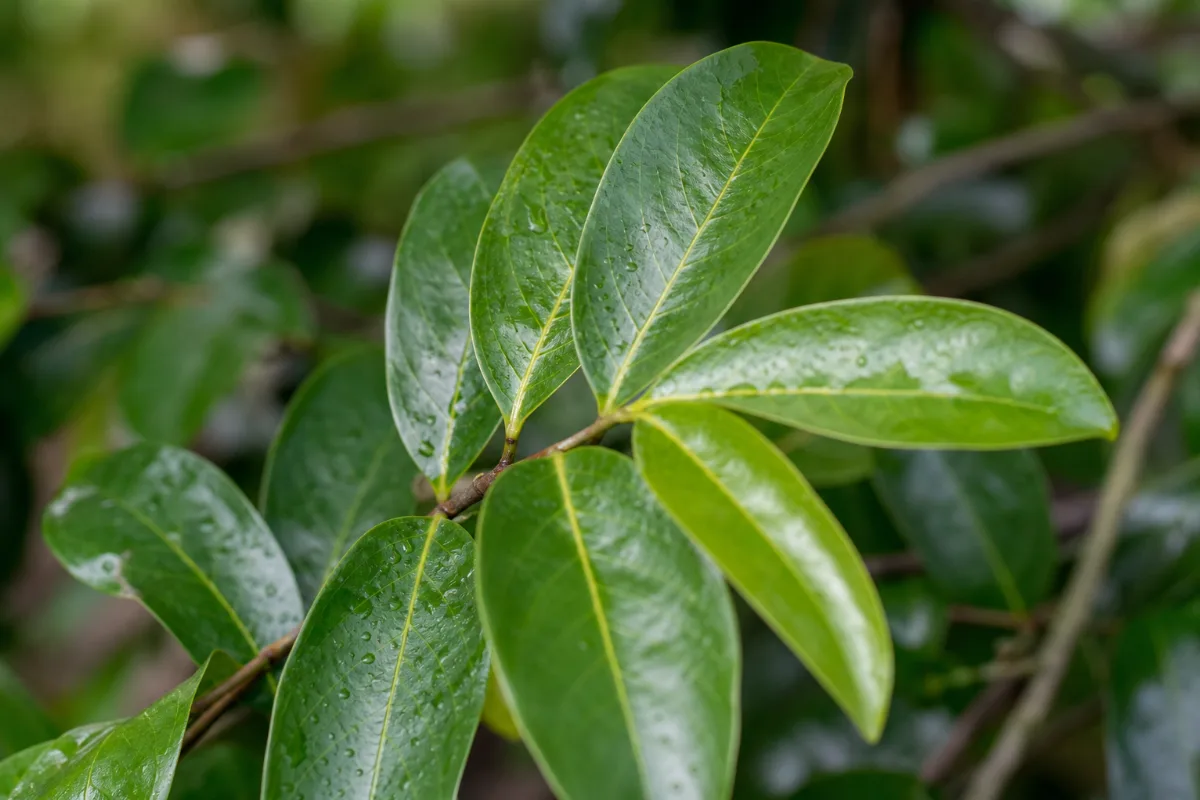
Graviola (Annona muricata) is an evergreen tree of the custard apple family, grown in the tropics. The fruit is eaten fresh and made into drinks and sweets. Leaves, bark, seeds and roots are used in folk medicine, and leaves are sold as tea, powder and capsules.
Fruit, leaf tea, leaf extract and seed are different products with different chemistry. We keep them apart because the studies often do.
The cancer claims
Lab studies show graviola extracts and acetogenins affect cancer cells. Cancer Research UK and MSK both say there is no proof it helps people with cancer. The only controlled trial we found was small (28 people finished) and measured a serum lab test.
In Reunion, 67 of 100 lung cancer patients on chemotherapy or immunotherapy had used graviola, mostly as leaf tea. The authors say the effects and interactions are unknown. In the US, the FDA told one soursop seller in 2017 that cancer claims made its products unapproved drugs.
Nerve damage and parkinsonism
On Guadeloupe, patients with a severe form of parkinsonism reported far more soursop fruit and herbal tea use than other patients or controls. A later study of 180 Caribbean patients found that even low lifetime fruit or juice use, or any Annonaceae tea, went with more severe disease. A 2026 comparison found Caribbean Parkinson's patients had worse movement and thinking scores than patients in mainland France.
Annonacin blocks energy production in nerve cells, and mice drinking soursop juice for a year built up abnormal tau. These findings fit together, but a cause in people is not proven.
How much annonacin is in each form
One analysis estimated about 15 mg of annonacin in an average fruit, 36 mg in a can of nectar and 140 micrograms in a cup of leaf infusion. The authors estimated that one fruit or can of nectar a day for a year equals the annonacin dose that harmed rat brains when given into a vein. This is an estimate, not a safe-amount rule. Leaf tea was still linked to worse disease in the Caribbean study.
Supplements
A lab study of Annonaceae supplements found three that strongly harmed human midbrain nerve cells. Fruit pulp and a seed extract were also toxic. Supplement content is not standardised.
Who ran the research
The Caribbean studies come from French university hospitals; the 2026 study reports no conflicts of interest. The leaf extract trial and animal studies do not state funding in their abstracts. Funding was not stated in several of the abstracts we read, so industry links cannot be ruled out.
At a glance
Traditional uses history, not proof
- Leaf, bark, fruit, seed and root used in folk medicine in tropical Africa and South America, including for cancers
- Leaves used for diabetes in Cameroon
- Leaf infusion drunk in the French Caribbean and Reunion
- Fruit eaten fresh and made into drinks, syrups and ice cream
Studied for research
- Cancer: cell and animal work only, insufficient evidence in people
- Colorectal cancer patients: one 28-person trial measured a blood-serum lab test, very low
- Blood sugar: animal findings only
- Blood pressure: animal findings only
- Inflammation, pain and infections: animal, lab and traditional use only
Main compounds
- Annonacin (CID 354398), the main acetogenin
- Annonaceous acetogenins, more than 100 isolated
- Reticuline (CID 439653), an alkaloid
- Anonaine (CID 160597); its presence in graviola was not verified
Common forms
- Fruit pulp, juice or nectar
- Leaf or stem tea (infusion or decoction)
- Leaf powder, capsules and tablets
- Liquid or pulp extracts
- Seed extracts
Research links: Champy 2005: annonacin in soursop fruit and leaves (PubMed) · Cleret de Langavant 2022: Annonaceae and parkinsonism severity (PubMed) · Indrawati 2017: leaf extract in colorectal cancer (PubMed) · Rady 2018: anticancer review (PubMed) · MSK: Graviola · Cancer Research UK: Graviola · Research Library · Genes & Biomarkers Library
The plant and its history
- Accepted scientific name
- Annona muricata L.
- Naming authority
- L.
- Common names
- Graviola (English); Soursop (English); Guanabana (Spanish); Corossol (French)
- Botanical family
- Annonaceae (custard apple family)
- Classification
- Plantae > Tracheophyta > Magnoliales > Annonaceae > Annona > Annona muricata
- Native range
- Tropical and subtropical regions worldwide (Moghadamtousi 2015).
- Habitat
- Not described in sources read.
- What the plant looks like
- Roots: Not described; Stems: Not described; Leaves: Evergreen tree; leaves are used for tea and extracts; Flowers: Not described; Fruit: Fruit is used for syrups, candies, drinks, ice cream
- Cultivation
- Not covered.
- Harvest and processing
- Not covered.
- Look-alikes and adulterants
- Name: Annona squamosa (sugar apple) and other Annonaceae; Note: Also used as foods and in supplements; were mixed in the supplement study. Neurotoxicity findings cover several Annonaceae.
- Sustainability and conservation
- Not covered.
Traditional use and history history, not clinical proof
| Tradition or era | Documented use | Source |
|---|---|---|
| Africa and South America (indigenous medicine) | Fruit, leaf, bark, seed and root used in folk medicine for many ailments, including cancers. | p26184167 |
| Cameroon | Leaves used to manage diabetes. | p24076471 |
| French Caribbean and Reunion | Leaf infusions or decoctions and the fruit are consumed; in Reunion leaf infusion is the most common form for self-medication in cancer. | p30195454 |
Traditional use shows how a plant was used. It does not show that a supplement works or is safe today.
What is inside, and how it may work
What the plant contains and how those compounds act in cells and animals. Laboratory and animal mechanisms are not proven effects in people.
Main compounds
| Compound | Family | Where it is concentrated | Activity studied | Level of evidence |
|---|---|---|---|---|
| Annonacin PubChem 354398 | Annonaceous acetogenin | Fruit and leaf About 15 mg per average fruit, 36 mg per can of nectar, 140 micrograms per cup of leaf infusion (Champy 2005); 16.2 mg/L in one commercial juice (Rottscholl 2016) | Inhibits mitochondrial complex I; neurotoxic in lab and rats. 4 19 10 | Lab |
| Annonaceous acetogenins (class) | Polyketide-derived fatty-acid compounds | Leaves, bark, seeds, roots and fruit More than 100 isolated (Moghadamtousi 2015) | Studied for anticancer effects in the lab; also the main suspected neurotoxins. 12 17 | Lab |
| Reticuline PubChem 439653 | Isoquinoline alkaloid | Fruit juice Among 41 isoquinoline alkaloids totalling 18.0 mg/L in one juice, mainly asimilobine and reticuline | Alkaloid class implicated as a possible nerve toxin in the Guadeloupe studies; role not proven. 19 3 | Lab |
| Anonaine (also spelled annonaine) PubChem 160597 | Aporphine alkaloid | Not verified Not verified | Named in the request brief; its presence in A. muricata and any activity were NOT verified from the sources read. CID is for the PubChem record 'Anonaine'. 15 | Unknown |
Mechanisms, receptors and pathways
| Target or pathway | Gene or receptor | What was found | Level |
|---|---|---|---|
| Mitochondrial complex I (energy production in nerve cells) | Not specified | Annonacin blocked complex I in midbrain cell cultures and reproduced brain lesions in rats given it by pump. 10 4 | Lab |
| Tau protein | MAPT (tau) | 12 months of soursop juice increased phosphorylated tau and oxidative stress markers in mice, most in R406W mutant tau mice. 19 | Animal research |
| Human midbrain nerve cells | Not specified | Annonaceae supplement, pulp and seed extracts were toxic to cultured human midbrain cells. 8 | Lab |
| Cancer cell killing | Various (described in review) | Extracts and constituents act on cancer cells in culture and animals; not shown in people. 17 | Lab |
| Blood glucose and pancreatic beta cells | Not specified | Leaf extract lowered glucose and increased beta-cell staining in diabetic rats. 6 | Animal research |
| Blood pressure | Not specified | Leaf extract lowered blood pressure in rats. 20 | Animal research |
| Serum cytotoxicity (ex vivo) | Not specified | Serum of patients taking leaf extract was more cytotoxic to colorectal cancer cells than placebo serum. 9 | Human data |
Absorption, metabolism and elimination
- Absorption
- Not found for annonacin or any graviola constituent in people.
- Distribution
- Not found.
- Metabolism
- Not found.
- Elimination
- Not found.
- Bioavailability
- Not found. Champy 2005 compares oral intake to annonacin given into a vein in rats, so absorption by mouth is unmeasured.
Isolated compounds versus whole extracts
Fruit (food), leaf tea or infusion, leaf extract capsules, fruit juice or nectar and seed extracts differ in chemistry. A cup of leaf infusion holds far less annonacin (about 140 micrograms) than a fruit (about 15 mg) or a can of nectar (36 mg), but tea use was independently linked to worse parkinsonism severity. A seed extract was the most potent in a lab test. Keep them separate; none of the results justify a safe amount.
Nutritional composition
Soursop fruit is eaten as food and drink. MSK's patient page says the fruit is generally safe to eat but supplements are more concentrated, and Cancer Research UK says harm from normal dietary amounts is unlikely. Yet Caribbean studies link regular fruit and juice intake to parkinsonism. Both statements are in the sources; the question of how much is too much is unresolved.
1 very low certainty5 not enough evidence
What is Graviola good for?
The uses people ask about and how strong the human evidence is. There is no proven benefit in people. Most rows are lab or animal findings.
Benefits, one by one
Each card is a research question, not a promise. Tap a goal to filter. Open a card to see the studies, doses and limits.
Cancer treatment or prevention (promoted claim; lab and animal work only)
Not enough evidenceGraviola is widely sold as a cancer remedy. The research behind that is in cell dishes and animals. No source we read found proof that it helps people with cancer. It must not replace or delay standard treatment.
6 studiesNot covered. Leaf tea, leaf extract, fruit and seed are different pro…
Studies, doses and limits
What the trials found
No clinical benefit in people has been shown. Cancer Research UK says there is not enough reliable evidence that graviola works as a cancer treatment and that there have been no human studies. MSK says clinical evidence is lacking and there is no proof it helps cancer patients. The only controlled human trial found tested a leaf extract in 28 colorectal cancer patients and measured a blood-serum lab test, not tumours or survival (see next row).
Results
Lab and animal findings only (Rady 2018, Moghadamtousi 2015). A mechanistic review lists over 212 constituents in graviola extracts.
Effect sizes as reported
Not applicable for people.
Why this rating
No human evidence of benefit. Cell and animal results often fail to carry over to people, and the doses and forms tested are not the same as supplements.
Form and dose studied
Not covered. Leaf tea, leaf extract, fruit and seed are different products with different chemistry and are not interchangeable.
Who was studied
People with cancer are a main group using it: in a Reunion survey, 67 of 100 lung cancer patients on chemotherapy or immunotherapy had used graviola (Moreau 2018).
Limits
Review articles summarise lab work; they cannot show benefit in people.
Why researchers looked
Compounds called annonaceous acetogenins, and other plant chemicals, killed cancer cells in laboratory tests.
Traditional use
Decoctions of bark, fruit, leaves, seeds and roots are used in traditional medicine in tropical Africa and South America, including for cancers (Rady 2018).
Proposed mechanism Laboratory research
Cell-culture and animal studies describe several ways extracts and constituents affect cancer cells. These have not been confirmed in people.
A proposed mechanism does not show that the effect happens in people.
Do not stop or delay standard cancer treatment. Graviola has nerve-toxicity concerns and unknown interactions with cancer drugs; see the safety section.
Colorectal cancer: leaf extract and a blood-serum lab test
Very low certaintyOne small placebo-controlled trial gave Annona muricata leaf extract to colorectal cancer patients for 8 weeks. Their blood serum killed more cancer cells in a dish than placebo serum. That is a lab test on blood, not a result for the patients' cancer or survival.
1 studiesAnnona muricata leaf extract; dose not given in the abstract.
Studies, doses and limits
What the trials found
Randomized double-blind trial: 30 outpatients who had had the primary tumour removed; 14 per group completed. Leaf extract or placebo daily for 8 weeks. The authors report higher serum cytotoxicity against colorectal cancer cell lines in the extract group. They state further research is needed on parameters directly related to cytotoxic activity and on nutrition status.
Results
Higher ex vivo cytotoxicity in the extract group; no numbers, no tumour, recurrence or survival outcome in the abstract.
Effect sizes as reported
Not given in abstract.
Why this rating
28 people, 8 weeks, a laboratory surrogate outcome, no clinical outcome and no numbers in the abstract.
Form and dose studied
Annona muricata leaf extract; dose not given in the abstract.
Who was studied
Colorectal cancer outpatients after tumour surgery.
Limits
Very small; surrogate outcome; safety results not given in the abstract.
Why researchers looked
To see whether patients taking the leaf extract had blood that acted against colorectal cancer cell lines.
Traditional use
Leaf infusion is traditionally drunk to maintain health; it is now used by some cancer patients (Indrawati 2017).
Proposed mechanism Laboratory research
Not established. The trial tested whether serum from supplemented patients was more cytotoxic to cancer cell lines.
A proposed mechanism does not show that the effect happens in people.
The abstract does not report side effects. Longer-term nerve safety was not assessed.
Blood sugar (animal findings only)
Not enough evidenceIn diabetic rats a graviola leaf extract lowered blood glucose. No human trial was found. The main practical point is that it might add to the effect of diabetes medicines.
2 studiesAqueous leaf extract in rats; not a human dose.
Studies, doses and limits
What the trials found
None found. MSK says graviola may have additive blood-sugar-lowering effects with diabetes medicines in a mouse model, with unknown clinical relevance.
Results
Rats with chemically induced diabetes: one dose of aqueous leaf extract lowered glucose by 75% (100 mg/kg) and 58.22% (200 mg/kg) from the starting value; 28 days of use lowered glucose, creatinine, AST, ALT and LDL-cholesterol versus diabetic controls. No effect in normal rats.
Effect sizes as reported
75% and 58.22% lower glucose than starting value (rats)
Why this rating
Animal data only.
Form and dose studied
Aqueous leaf extract in rats; not a human dose.
Who was studied
Rats.
Limits
Chemical diabetes model; no human data.
Why researchers looked
Leaves are used in Cameroon to manage diabetes (Florence 2014).
Traditional use
Traditional use for diabetes in Cameroon (Florence 2014).
Proposed mechanism Animal research
In the rat study, the authors link the effect to lipid-lowering, antioxidant action and protection of pancreatic beta cells.
A proposed mechanism does not show that the effect happens in people.
If you take diabetes medicines, blood sugar could drop too low; tell your prescriber (MSK, animal basis).
Blood pressure (animal findings only)
Not enough evidenceGraviola leaf extract lowered blood pressure in rats. No human trial was found. It may add to blood-pressure medicines.
3 studiesAqueous leaf extract, animals.
Studies, doses and limits
What the trials found
None found. MSK says graviola may add to blood-pressure medicines (mouse model), clinical relevance undetermined. Cancer Research UK says animal studies suggest it may lower blood pressure.
Results
Aqueous leaf extract (50-150 mg/kg) lowered blood pressure in normal and hypertensive rats; the combination with avocado leaf extract was synergistic and showed no harmful change in blood counts, liver or kidney tests in rats.
Effect sizes as reported
Significant lowering (p<=0.001 vs control); no human effect size
Why this rating
Animal data only; the safety part tested a combination product.
Form and dose studied
Aqueous leaf extract, animals.
Who was studied
Rats and cats.
Limits
Animal study; combination product.
Why researchers looked
Traditional use and animal findings of blood-pressure lowering.
Traditional use
Not covered in the sources read.
Proposed mechanism Animal research
Not established.
A proposed mechanism does not show that the effect happens in people.
Possible low blood pressure with blood-pressure medicines; tell your prescriber.
Inflammation and pain (animal and traditional use)
Not enough evidenceMSK describes anti-inflammatory and pain-relieving effects in animals. No human trial was found.
1 studiesNot covered.
Studies, doses and limits
What the trials found
None found.
Results
Animal findings relayed by MSK; we did not read the original animal papers.
Effect sizes as reported
None
Why this rating
Animal and traditional use only; secondary source.
Form and dose studied
Not covered.
Who was studied
Animals.
Limits
Not re-checked in original studies.
Why researchers looked
Traditional use for inflammation.
Traditional use
Traditional use for inflammation and pain (reported by MSK).
Proposed mechanism Animal research
Not covered in the sources we read.
A proposed mechanism does not show that the effect happens in people.
See safety section.
Infections (lab and animal findings)
Not enough evidenceLeaf extracts blocked some germs in the lab and showed antiviral effects in animals, according to MSK. Traditional use for infections is not proof it works in people.
2 studiesLeaf extracts in the lab.
Studies, doses and limits
What the trials found
None found.
Results
Lab and animal findings relayed by MSK and a narrative review; original studies not re-read.
Effect sizes as reported
None
Why this rating
Lab and animal only.
Form and dose studied
Leaf extracts in the lab.
Who was studied
Lab and animals.
Limits
Secondary sources.
Why researchers looked
Traditional use against infections and parasites; lab testing of extracts.
Traditional use
Review lists antiparasitic and antimalarial uses (Moghadamtousi 2015).
Proposed mechanism Laboratory research
Not covered in the sources we read.
A proposed mechanism does not show that the effect happens in people.
Do not use instead of medical treatment for an infection.
Connections to the rest of health
How Graviola connects to the rest of our health knowledge graph. Every link says what kind of connection it is. A safety link (for example to the liver) is a warning, not a benefit. A study that merely mentions a topic never creates a benefit link.
Explore every connection: goals, body systems, organs, symptoms, genes
A. Wellness goals
| Connected to | Kind of connection | Evidence status | Context | Studies |
|---|---|---|---|---|
| Blood Sugar Balance | Preliminary mechanism | Not enough evidence | Blood sugar (animal findings only): In diabetic rats a graviola leaf extract lowered blood glucose. No human trial was found. The main practical point is that it might add to the effect of diabetes medicines. | 6 11 |
| Blood Pressure Support | Preliminary mechanism | Not enough evidence | Blood pressure (animal findings only): Graviola leaf extract lowered blood pressure in rats. No human trial was found. It may add to blood-pressure medicines. | 20 11 2 |
| Inflammation Balance | Traditional use | Not enough evidence | Inflammation and pain (animal and traditional use): MSK describes anti-inflammatory and pain-relieving effects in animals. No human trial was found. | 11 |
| Immune Support | Traditional use | Not enough evidence | Infections (lab and animal findings): Leaf extracts blocked some germs in the lab and showed antiviral effects in animals, according to MSK. Traditional use for infections is not proof it works in people. | 11 12 |
B. Body systems
| Connected to | Kind of connection | Evidence status | Context | Studies |
|---|---|---|---|---|
| Digestive System | Biological association | Very low certainty | Studied for: Colorectal cancer: leaf extract and a blood-serum lab test | 9 |
| Endocrine System | Biological association | Not enough evidence | Studied for: Blood sugar (animal findings only) | 6 11 |
| Cardiovascular System | Biological association | Not enough evidence | Studied for: Blood pressure (animal findings only) | 20 11 2 |
| Immune System | Biological association | Not enough evidence | Studied for: Inflammation and pain (animal and traditional use) Studied for: Infections (lab and animal findings) | 11 12 |
E. Health conditions
| Connected to | Kind of connection | Evidence status | Context | Studies |
|---|---|---|---|---|
| Atypical parkinsonism (Caribbean) | Adverse effect or risk | Low certainty | Case-control and observational links; lab and rat support. Observational links; lab and animal support. Preparation or compound: Fruit, juice and leaf tea; annonacin |
3 5 18 10 |
| Parkinson's disease | Contraindication | Low certainty | Worse severity in exposed Caribbean patients. Preparation or compound: Annonaceae fruits and teas |
5 18 |
I. Biomarkers
| Connected to | Kind of connection | Evidence status | Context | Studies |
|---|---|---|---|---|
| Blood glucose | Biological association | Not enough evidence | Measured in trials: lowered. A lab change is not the same as a health benefit. | 6 11 |
| Blood pressure | Biological association | Not enough evidence | Measured in trials: lowered. A lab change is not the same as a health benefit. | 20 11 |
J. Genes, receptors and enzymes
| Connected to | Kind of connection | Evidence status | Context | Studies |
|---|---|---|---|---|
| MAPT (tau) | Preliminary mechanism | Animal | Mouse juice study. | 19 |
K. Biological pathways
| Connected to | Kind of connection | Evidence status | Context | Studies |
|---|---|---|---|---|
| Mitochondrial complex I | Preliminary mechanism | Lab | Annonacin mechanism. | 10 |
L. Active compounds
| Connected to | Kind of connection | Evidence status | Context | Studies |
|---|---|---|---|---|
| Annonacin | Biological association | Lab | Inhibits mitochondrial complex I; neurotoxic in lab and rats. Preparation or compound: Fruit and leaf |
4 19 10 |
| Annonaceous acetogenins (class) | Biological association | Lab | Studied for anticancer effects in the lab; also the main suspected neurotoxins. Preparation or compound: Leaves, bark, seeds, roots and fruit |
12 17 |
| Reticuline | Biological association | Lab | Alkaloid class implicated as a possible nerve toxin in the Guadeloupe studies; role not proven. Preparation or compound: Fruit juice |
19 3 |
| Anonaine (also spelled annonaine) | Biological association | Unknown | Named in the request brief; its presence in A. muricata and any activity were NOT verified from the sources read. CID is for the PubChem record 'Anonaine'. Preparation or compound: Not verified |
15 |
Each connection is stored with the ingredient, the connected record, the kind of connection, the evidence status, the supporting studies, the preparation or compound involved, and a review date (last reviewed October 25, 2026).
The evidence
The research centre for Graviola. Every record here was checked against PubMed or the publisher's page; we never list a study we have not verified.
Evidence by outcome
Bars show how many studies we found for each outcome, not how well it works. People are added up across trials only (reviews are not added, to avoid double counting).
How we rate evidence
High certainty
Several well-run trials or reviews agree; further research is unlikely to change the picture much.
Moderate certainty
Good trials point the same way, but some doubt remains.
Low certainty
Small, short or inconsistent trials. The finding could change with better research.
Very low certainty
Very little or very weak human data. Treat as a possibility only.
Mixed findings
Trials or reviews disagree with each other.
Not enough evidence
Not enough human research to say either way.
Evidence against
Good research found no benefit, or found harm.
We take the reviewers' own risk-of-bias and GRADE statements where they exist, and otherwise judge from study size, design, consistency, directness and whether a product matches what is sold. Many publications do not make evidence high. Method note: We started from our existing graviola summary, searched PubMed, read the abstract of every PubMed study cited, read the MSK and Cancer Research UK pages, and checked plant names in GBIF and NCBI Taxonomy and compound IDs in PubChem. NCCIH, EMA and LiverTox were checked and nothing could be found or read.
Study library: every study we checked 22
| Study | Design | People | Product, dose, length | Result |
|---|---|---|---|---|
| Awodele 2013 Toxicological evaluation of the lyophilized fruit juice extract of Annona muricata Linn. (Annonaceae) in rodents. Journal of Basic and Clinical Physiology and Pharmacology · PMID 24353141 · DOI |
Animal research animal |
Sprague-Dawley rats | Freeze-dried Annona muricata fruit juice extract, by mouth unspecified Single dose, then 60 days daily at 80, 400, 2000 mg/kg not given in abstract · vs Distilled water |
No deaths up to 2000 mg/kg. No significant changes in organ weights or blood chemistry. Platelet count (2000 mg/kg) and packed cell volume (400 mg/kg) fell and recovered after stopping. In the brain, 2000 mg/kg raised a damage marker (malondialdehyde) and lowered SOD activity. Sperm count and motility rose. No significant overall toxicity reported by authors, with the exceptions listed Methods, limits and fundingOutcomes: Organ weights, blood chemistry, blood counts, tissue antioxidants Limitations: Rats; 60 days; fruit juice extract only. Brain oxidative changes at the top dose are notable given the nerve findings elsewhere. Funding and conflicts: Not stated in abstract Read: abstract |
| Cancer Research 2022 Graviola (soursop) Cancer Research UK patient information · Source |
Authoritative guidance |
Patients | Graviola unspecified Not covered Not applicable · vs Not applicable |
Says there is not enough reliable evidence that graviola works as a cancer treatment and that there have been no human studies. Says it may cause nerve changes and movement disorders, frequent use may damage kidneys and liver, and animal studies suggest it may lower blood sugar and blood pressure. Says harm is unlikely from normal dietary amounts in food or drink. Warns against stopping cancer treatment for an unproven therapy. Does not discuss chemotherapy interactions. Not applicable Methods, limits and fundingOutcomes: Cancer evidence, side effects Limitations: Last reviewed 21 Oct 2022 and marked due for review in Oct 2025. Funding and conflicts: Charity Read: full-text |
| Caparros-Lefebvre 1999 Possible relation of atypical parkinsonism in the French West Indies with consumption of tropical plants: a case-control study. The Lancet · PMID 10440304 · DOI |
Other |
87 87 parkinsonism patients in Guadeloupe vs frequency-matched controls with benign symptoms |
Regular intake of Annonaceae fruit (Annona muricata, A. squamosa) and herbal tea unspecified not given in abstract not given in abstract · vs Patients with Parkinson's disease; controls |
Patients with atypical parkinsonism or progressive supranuclear palsy reported much more fruit and herbal tea use than patients with Parkinson's disease (odds ratios 23.6 and 28.2) and than controls (20.7 and 6.48). OR fruit 23.6 and tea 28.2 vs PD; 20.7 and 6.48 vs controls Methods, limits and fundingOutcomes: Fruit and tea use by subtype Limitations: Case-control, recall-based; authors call for a larger study. Association, not proof. Funding and conflicts: Not stated in abstract Read: abstract |
| Champy 2005 Quantification of acetogenins in Annona muricata linked to atypical parkinsonism in Guadeloupe. Movement Disorders · PMID 16078200 · DOI |
Other in-vitro |
Fruit, commercial nectar and leaf infusions of Annona muricata (chemical analysis) | Measurement of annonacin by mass spectrometry unspecified Not applicable not given in abstract · vs not applicable |
An average fruit holds about 15 mg of annonacin, a can of commercial nectar 36 mg, and a cup of leaf infusion or decoction 140 micrograms. The authors estimate that one fruit or can of nectar a day for a year equals the amount of annonacin that caused brain lesions in rats given purified annonacin by intravenous infusion. Estimates only Methods, limits and fundingOutcomes: Annonacin content Limitations: The comparison is to rats given annonacin into a vein, not by mouth. It is an estimate, not proof of harm in people. Funding and conflicts: Not stated in abstract Read: abstract |
| Cleret de Langavant 2022 Annonaceae Consumption Worsens Disease Severity and Cognitive Deficits in Degenerative Parkinsonism. Movement Disorders · PMID 36210778 · DOI |
Other |
180 Caribbean patients with degenerative parkinsonism (including Parkinson's disease) |
Self-reported lifetime consumption of Annonaceae fruits, juices and herbal teas (observational) unspecified not given in abstract not given in abstract · vs Compared with lower use |
Even low cumulative intake of fruits or juices (more than 0.2 fruit-years) or any herbal tea from Annonaceae was linked to the severe-symptom group. Odds ratio for fruits/juices 3.76; for herbal tea 2.91. OR 3.76 (fruits/juices); OR 2.91 (herbal tea) (Fruits/juices 1.13-15.18; herbal tea 1.34-6.56) Methods, limits and fundingOutcomes: Disease severity and cognitive deficits (clusters of mild/moderate vs severe symptoms) Limitations: Observational and based on recall; association, not proof of cause. The abstract does not separate soursop from other Annonaceae. Funding and conflicts: Not stated in abstract Read: abstract |
| Florence 2014 Antidiabetic and antioxidant effects of Annona muricata (Annonaceae), aqueous extract on streptozotocin-induced diabetic rats. Journal of Ethnopharmacology · PMID 24076471 · DOI |
Animal research animal |
Normal and streptozotocin-induced diabetic rats | Aqueous leaf extract of Annona muricata, by mouth unspecified 100 or 200 mg/kg; single dose, or 28 days not given in abstract · vs Diabetic control rats |
Not effective in normal rats. In diabetic rats a single dose lowered blood glucose by 75% (100 mg/kg) and 58.22% (200 mg/kg) from the starting value. Over 28 days, glucose, creatinine, AST, ALT and LDL-cholesterol were lower than in diabetic controls. Glucose lower by 75% and 58.22% from starting value Methods, limits and fundingOutcomes: Blood glucose, lipids, liver and kidney markers, antioxidants Limitations: Rats with chemically induced diabetes; results do not show the same in people. Funding and conflicts: Not stated in abstract Read: abstract |
| GBIF 2026 GBIF species match: Annona muricata GBIF Backbone Taxonomy API · Source |
Authoritative guidance |
Not applicable | Not applicable Not applicable Not applicable Not applicable · vs Not applicable |
Annona muricata L., usage key 5407273, status ACCEPTED, exact match, confidence 97; family Annonaceae, order Magnoliales. Not applicable Methods, limits and fundingOutcomes: Accepted name Limitations: Queried 2026-10-25. Read: full-text |
| Hollerhage 2015 Neurotoxicity of Dietary Supplements from Annonaceae Species. International Journal of Toxicology · PMID 26405269 · DOI |
Laboratory research in-vitro |
Lund human mesencephalic (midbrain) nerve cells in a dish | Hot pressurised ethyl acetate extracts of Annonaceae dietary supplements (Annona muricata, A. squamosa, A. mucosa and a hybrid), fruit pulps and a seed extract unspecified Not applicable (cell test) not given in abstract · vs not applicable |
Three supplements strongly lowered cell viability at 1 microgram/mL and caused cell death at 10 micrograms/mL. Annona muricata fruit pulp extract was the most toxic pulp, with 67% cell death at 1 microgram/mL. An Annonaceae seed extract reduced viability at 0.1 microgram/mL. Nerve-cell toxicity comparable to Annonaceae fruit extracts Methods, limits and fundingOutcomes: Cell viability and cell death Limitations: Cell dish study only; extracts are concentrated solvent extracts, not what a person swallows. Number of supplements tested and species of the seed extract are not stated in the abstract. Funding and conflicts: Two authors work at the US FDA; no other funding statement in abstract Read: abstract |
| Indrawati 2017 The effect of an Annona muricata leaf extract on nutritional status and cytotoxicity in colorectal cancer: a randomized controlled trial. Asia Pacific Journal of Clinical Nutrition · PMID 28582808 · DOI |
Controlled trial |
30 Outpatients with colorectal cancer after primary tumour surgery; 28 completed |
Annona muricata leaf extract leaf not given in abstract 8 weeks · vs Placebo |
Authors report higher cytotoxicity of patients' serum against cancer cell lines in the extract group than the placebo group. The abstract gives no numbers and no survival or tumour outcome. Higher ex vivo serum cytotoxicity (size not in abstract) Methods, limits and fundingOutcomes: Serum cytotoxicity against colorectal cancer cell lines (ex vivo); nutritional status Limitations: Tiny (14 per group). The main result is a lab test on blood serum, not a result for patients. Abstract gives no numbers, nutrition result or safety data. Funding and conflicts: Not stated in abstract Read: abstract |
| Lannuzel 2008 Atypical parkinsonism in the Caribbean island of Guadeloupe: etiological role of the mitochondrial complex I inhibitor annonacin. Movement Disorders · PMID 18816693 · DOI |
Systematic review |
Narrative review of Guadeloupe atypical parkinsonism | Review of epidemiology, cell and rat studies of soursop and annonacin unspecified Not applicable not given in abstract · vs not applicable |
Describes a combination of levodopa-resistant parkinsonism, tremor, jerks, hallucinations, REM sleep behaviour disorder and dementia, with nerve loss and tau lesions. Links it to regular soursop use; annonacin reproduced similar brain lesions in rats. Narrative review (no pooled estimate) Methods, limits and fundingOutcomes: Cause of Guadeloupe atypical parkinsonism Limitations: Narrative review, not a systematic one; the cause in people is not proven. Funding and conflicts: Not stated in abstract Read: abstract |
| Memorial Sloan Kettering Cancer Center 2026 Graviola (About Herbs) MSK Integrative Medicine, About Herbs · Source |
Authoritative guidance |
Patients and clinicians | Graviola (Annona muricata) fruit, leaves, stems and supplements unspecified Not covered Not applicable · vs Not applicable |
Says clinical evidence for cancer is lacking and lab findings are not shown in people. Patient section says no side effects have been reported; clinician section notes nerve toxicity in preclinical work, possible additive effects with diabetes and blood-pressure medicines (animals), and avoiding graviola before PET-type imaging. Does not cover pregnancy, breastfeeding, liver or kidney effects in people, or regulation. Not applicable Methods, limits and fundingOutcomes: Cancer evidence, safety, interactions Limitations: Page read 2026-10-25 through a summarising fetch tool, not word for word. Funding and conflicts: Non-profit cancer centre Read: full-text |
| Moghadamtousi 2015 Annona muricata (Annonaceae): A Review of Its Traditional Uses, Isolated Acetogenins and Biological Activities. International Journal of Molecular Sciences · PMID 26184167 · DOI |
Systematic review in-vitro |
Narrative review of laboratory and animal studies | Fruit, leaf, bark, seed and root of Annona muricata unspecified Not applicable not given in abstract · vs not applicable |
Reports traditional use in Africa and South America, more than 100 annonaceous acetogenins isolated from leaves, bark, seeds, roots and fruits, and lab or animal activities including anticancer, antidiabetic and antiparasitic. Narrative review Methods, limits and fundingOutcomes: Traditional uses, chemistry, activities Limitations: Narrative review; mostly lab and animal findings; abstract does not mention human trials or safety. Funding and conflicts: Not stated in abstract Read: abstract |
| Moreau 2018 Self medication with Annona muricata L. (corossol) as an anti-cancer agent in Reunion. Revue des Maladies Respiratoires (article in French) · PMID 30195454 · DOI |
Other |
100 Patients treated with chemotherapy and immunotherapy for lung cancer at two units in Reunion |
Interview survey about graviola use unspecified not given in abstract not given in abstract · vs Not applicable |
67 of 100 had used graviola; 53.7% of users took it as an anticancer agent; 25 took it regularly. Most often (69.5%) it was a boiled leaf infusion. The authors say consequences, drug interactions and side effects are unknown. 67% had used graviola Methods, limits and fundingOutcomes: How many used graviola and how Limitations: Survey; says nothing about effects or interactions. Funding and conflicts: Not stated in abstract Read: abstract |
| NCBI 2026 NCBI Taxonomy: Annona muricata NCBI Taxonomy · Source |
Authoritative guidance |
Not applicable | Not applicable Not applicable Not applicable Not applicable · vs Not applicable |
An esearch for 'Annona muricata' in the taxonomy database returned one record, ID 13337. Not applicable Methods, limits and fundingOutcomes: Name check Limitations: Only the ID was returned; the record page was not opened. Read: abstract |
| NCBI PubChem 2026 PubChem compound records: annonacin, reticuline, anonaine PubChem PUG REST · Source |
Authoritative guidance |
Not applicable | Not applicable Not applicable Not applicable Not applicable · vs Not applicable |
(+)-Annonacin CID 354398 (C35H64O7); reticuline CID 439653 (C19H23NO4); anonaine CID 160597 (C17H15NO2). The name 'annonaine' returned no record; 'anonaine' did. Not applicable Methods, limits and fundingOutcomes: Compound identifiers Limitations: Identifiers only; PubChem does not show which plants contain a compound. Read: abstract |
| Our check 2026 Regulator checks for graviola: NCCIH, EMA/HMPC, LiverTox Not a publication · Source |
Authoritative guidance |
Not applicable | Not applicable Not applicable Not applicable Not applicable · vs Not applicable |
NCCIH: /health/graviola and /health/soursop returned 404. EMA: a guessed herbal-monograph address returned 404; no EMA/HMPC monograph was found. LiverTox: the page tried was blocked by a browser check, so no entry could be read. LactMed, Health Canada, WHO and Commission E were not checked. Not applicable Methods, limits and fundingOutcomes: Existence of regulator documents Limitations: Not finding a page does not prove none exists. Read: summary-only |
| Rady 2018 Anticancer Properties of Graviola (Annona muricata): A Comprehensive Mechanistic Review. Oxidative Medicine and Cellular Longevity · PMID 30151067 · DOI |
Systematic review in-vitro |
Narrative review of cell and animal studies | Graviola extracts and constituents (acetogenins, alkaloids, flavonoids and others) unspecified Not applicable not given in abstract · vs not applicable |
Summarises test-tube and animal findings against several tumour types, and reports over 212 constituents. The abstract describes laboratory and animal models; it does not report human trials. Narrative review Methods, limits and fundingOutcomes: Anticancer effects, mechanisms, efficacy and safety concerns Limitations: Mechanistic review of lab and animal data only (abstract and earlier reading by our summary; neurotoxicity section not seen). Funding and conflicts: Not stated in abstract Read: abstract |
| Ribeyron 2026 The Clinical Effect of Annonaceae Fruit Consumption on Caribbean Parkinson's Disease Severity. Behavioural Neurology · PMID 42192274 · DOI |
Other |
178 Parkinson's disease patients: 74 Caribbean (mostly exposed to Annonaceae fruits) and 104 from mainland France |
Annonaceae fruit exposure (observational comparison of two regions) unspecified not given in abstract not given in abstract · vs Mainland France patients (not exposed) |
Caribbean patients had worse motor scores (24.39 vs 18.50, p<0.001) and worse thinking scores (127.21 vs 130.80, p=0.005). 71 of 74 Caribbean patients had been exposed to Annonaceae fruits; none of the 20 interviewed mainland patients had. UPDRS-3 24.39 vs 18.50; Mattis 127.21 vs 130.80 Methods, limits and fundingOutcomes: Motor (UPDRS-3) and thinking (Mattis Dementia Rating Scale) scores Limitations: Compares places, not individual fruit intake; other differences between the regions could contribute. Registered NCT03368300. Funding and conflicts: Authors declare no conflicts of interest Read: abstract |
| Rottscholl 2016 Chronic consumption of Annona muricata juice triggers and aggravates cerebral tau phosphorylation in wild-type and MAPT transgenic mice. Journal of Neurochemistry · PMID 27569447 · DOI |
Animal research animal |
Mice: non-transgenic, human wild-type tau, and R406W mutant tau | Commercial soursop (Annona muricata) fruit juice in place of drinking water unspecified not given in abstract 12 months · vs Regular drinking water |
The juice held annonacin (16.2 mg/L) and 41 isoquinoline alkaloids (18.0 mg/L, mainly asimilobine and reticuline). After 12 months, more nerve cells with abnormal (phosphorylated) tau appeared, most in R406W mice and less in the others; synaptophysin was lower and a stress marker (3-nitrotyrosine) was higher in all three types. Increased abnormal tau and stress markers Methods, limits and fundingOutcomes: Tau protein Limitations: Mice, not people; juice dose relative to human intake is not given in the abstract. Funding and conflicts: Not stated in abstract Read: abstract |
| Sokpe 2020 Hypotensive and Antihypertensive Properties and Safety for Use of Annona muricata and Persea americana and Their Combination Products. Evidence-Based Complementary and Alternative Medicine · PMID 33488751 · DOI |
Animal research animal |
Normotensive and hypertensive rats; anaesthetised cats | Aqueous leaf extract of Annona muricata (alone and combined with avocado leaf extract) unspecified 50-150 mg/kg not given in abstract · vs Nifedipine and controls |
Annona muricata leaf extract lowered blood pressure in normal and hypertensive animals. The combination with avocado leaf was synergistic. The combination caused no harmful change in blood counts, liver or kidney tests in hypertensive rats. Significant blood pressure reduction (p <= 0.001 vs control) Methods, limits and fundingOutcomes: Blood pressure, heart rate, blood counts, liver and kidney tests Limitations: Animal study; combination product tested for safety rather than the soursop leaf alone. Funding and conflicts: Authors declare no conflicts of interest Read: abstract |
| The ASCO Post 2015 Graviola The ASCO Post, 25 Nov 2015 · Source |
Authoritative guidance animal |
Oncologists | Graviola unspecified Not covered Not applicable · vs Not applicable |
Cited by our earlier summary for animal statements about liver and kidney toxicity and radiotracer uptake. Not re-opened for this profile. Not applicable Methods, limits and fundingOutcomes: Cancer evidence and safety summary Limitations: Summary-only: not re-opened in this build. Read: summary-only |
| US Food and Drug Administration 2017 FDA warning letter FLA-17-08 to Amazing Sour Sop, Inc. FDA warning letter (copy on Quackwatch, a third party) · Source |
Authoritative guidance |
Marketer of soursop capsules, tea bags and leaves | Soursop capsules, tea bags and leaves leaf Not applicable Not applicable · vs Not applicable |
Dated 17 April 2017. FDA said the seller's website, labels and social media claimed the products treat or prevent cancers and other conditions (including arthritis, high blood pressure, high cholesterol, diabetes, infertility and bladder infections), so they were unapproved new drugs and misbranded. Not applicable Methods, limits and fundingOutcomes: Regulatory finding Limitations: Read only as a copy on Quackwatch; the fda.gov page was not reached (a guessed address returned 404). Read: full-text |
What we do not know yet
- No clinical trial of tumour response, recurrence or survival.
- No human data on kidney or liver effects.
- No pregnancy, breastfeeding or children data.
- No interaction studies with chemotherapy, diabetes or blood-pressure medicines.
- No data on how much fruit, tea or supplement raises nerve risk.
- EMA/HMPC, LiverTox, Health Canada, WHO, Commission E and LactMed were not found or not checked.
How new research is added
New studies are found by a saved PubMed search and placed in a review queue. A person reads each one before it changes any rating or safety wording.
Lab markers
What changed in blood or saliva tests during trials. A changed number is not the same as feeling or being healthier, and we give no "normal ranges".
Metabolic 1
Blood glucose
Lowered in trials
The amount of sugar in the blood.
Not enough evidenceResults and what it means
Why it was measured
Used to track diabetes.
Statistical vs. clinical meaning
Animal result; no human glucose data.
Safety implication
Possible additive effect with diabetes medicines (MSK, animal basis).
| Study | Result | People | Product |
|---|---|---|---|
| 6 | Single dose lowered glucose by 75% (100 mg/kg) and 58.22% (200 mg/kg) from the initial value in diabetic rats; no effect in normal rats | Streptozotocin-induced diabetic rats | Aqueous leaf extract of Annona muricata |
Other 1
Blood pressure
Lowered in trials
The force of blood against artery walls.
Not enough evidenceResults and what it means
Why it was measured
High blood pressure raises heart and stroke risk.
Statistical vs. clinical meaning
Animal result only.
Safety implication
Possible additive effect with blood-pressure medicines.
| Study | Result | People | Product |
|---|---|---|---|
| 20 | Systolic, diastolic and mean arterial pressure fell significantly in normal and hypertensive animals (p<=0.001); numbers not in abstract | Rats | Aqueous Annona muricata leaf extract 50-150 mg/kg |
Safety
What studies and official sources say about side effects, medicines and who should check first. Each point shows what kind of evidence it comes from.
Main points to know 6
- Nerve damage and a severe parkinsonism: the biggest concern. In Guadeloupe and the wider French Caribbean, regular eating of soursop fruit and drinking of leaf tea has been linked to a severe, levodopa-resistant form of parkinsonism (stiffness, slowness, tremor, hallucinations, dementia). A 1999 case-control study found far more fruit and tea use in these patients than in people with ordinary Parkinson's disease or controls. In 180 Caribbean patients, even low lifetime fruit or juice use, or any Annonaceae herbal tea, went with more severe disease. The cause is not proven, but lab and animal work points the same way (annonacin harms nerve cells; mice drinking soursop juice for a year built up abnormal tau). Case series 3 5 18 10 19 4
- Cancer claims: lab and animal only. No source found proof that graviola helps people with cancer. Do not use it in place of, or to delay, standard treatment. Selling it with cancer claims has drawn US FDA action. Authoritative guidance 11 2 22
- Concentrated products are untested. A lab study of Annonaceae dietary supplements (including Annona muricata) found three that strongly harmed human midbrain nerve cells at 1 microgram/mL, and fruit pulp and a seed extract were also toxic. Supplements are more concentrated than fruit eaten as food (MSK), and their content is not standardised. Laboratory research 8 11
- Medicines: blood pressure, diabetes, chemotherapy, imaging. MSK says graviola may add to blood-pressure and diabetes medicines (animal basis, clinical relevance unknown) and advises avoiding it before PET-type scans. Whether it interferes with chemotherapy or immunotherapy is unknown: a quarter of lung cancer patients in one Reunion survey used it regularly, and the authors say the interactions are not known. Tell your oncology team. Authoritative guidance 11 2 13
- Kidney and liver: warning without human cases. Cancer Research UK says frequent use may damage the kidneys and liver. We found no human case reports. A 60-day rat study of freeze-dried fruit juice extract reported no significant toxicity, apart from platelet and red-cell volume dips that reversed and brain oxidative changes at the top dose. Mixed 2 1 20
- Pregnancy and breastfeeding: no safety data. None of the sources read gave pregnancy, breastfeeding or children data. Avoiding graviola is the cautious choice; ask a doctor. Insufficient 11 16
Side effects 7
| Effect | How often | Severity and recovery | Evidence |
|---|---|---|---|
| Atypical parkinsonism, movement disorders, tremor, hallucinations and dementia-type changes Observational: regular fruit, juice or leaf tea use is associated with these conditions in the Caribbean. Not proof of cause; no frequency available. | Not established | Severe, progressive Not established | Case series 3 5 18 10 |
| Nerve-cell toxicity (annonacin and alkaloids) Lab and rat findings; one fruit or can of nectar a day for a year is estimated to equal the annonacin dose that caused rat brain lesions when given into a vein. | Not established | Not applicable Not applicable | Laboratory research 8 4 10 |
| Abnormal tau protein build-up in mice 12 months of soursop juice; MSK says relevance to people is unclear. | Not established | Not applicable Not applicable | Animal research 19 |
| Possible kidney and liver injury with frequent use Statement by Cancer Research UK; no human case reports found; rat 60-day juice extract study found no significant organ toxicity. | Not established | Not applicable Not applicable | Authoritative guidance 2 1 |
| Short-lived drop in platelet count or packed cell volume (rats) At 2000 and 400 mg/kg freeze-dried fruit juice extract. | Not established | Not applicable Reversed after stopping (rats) | Animal research 1 |
| Low blood sugar or low blood pressure (possible) Based on animal studies and MSK's additive-effect warning. | Not established | Not applicable Not applicable | Animal research 6 20 11 |
| No side effects reported in the 8-week leaf extract trial abstract The abstract does not report safety results; MSK's patient page says no side effects have been reported. Neither rules out slow-developing nerve effects. | Not established | Not applicable Not applicable | Controlled trial 9 |
Liver
Cancer Research UK says frequent use may damage the kidneys and liver. We found no human liver case report, no LiverTox entry that could be read, and no human liver-test data. In rats, 60 days of freeze-dried fruit juice extract produced no significant change in blood chemistry (Awodele 2013), and a leaf extract plus avocado leaf combination caused no harmful liver or kidney test changes (Sokpe 2020). 2 1 20
How often. No frequency of liver injury is available.
Monitoring. No monitoring advice was found. Seek care for yellow skin or eyes, dark urine or severe tiredness.
This is a safety connection. It is not evidence that Graviola supports liver health.
Medicines and supplements 5
| With | Why it matters | Importance | Evidence | What to do |
|---|---|---|---|---|
| Diabetes medicines prescription | Possible additive blood-sugar lowering | Unknown in people; could cause low blood sugar | Animal research Not enough evidence 11 6 | Tell your prescriber; monitor blood sugar if you use it. |
| Blood-pressure medicines prescription | Possible additive blood-pressure lowering | Clinical relevance undetermined (MSK) | Animal research Not enough evidence 11 20 | Tell your prescriber. |
| Chemotherapy and immunotherapy prescription | Not studied | Unknown. Many patients self-medicate with graviola leaf tea (67 of 100 lung cancer patients in a Reunion survey had used it). | Pharmacological theory Not enough evidence 13 2 | Do not add it to cancer treatment without your oncology team. No source we read documents a specific interaction; none rules one out. |
| Nuclear imaging (PET and similar scans) procedure | Reduced uptake of imaging tracers in animals | MSK advises avoiding graviola before scans | Animal research Not enough evidence 11 21 | Tell the imaging team and stop only on their advice. |
| Parkinson's medicines and conditions condition | Annonaceae use linked with worse severity | Worse motor and thinking scores in Caribbean patients who used Annonaceae fruits | Case series Low certainty 5 18 | People with Parkinson's disease or atypical parkinsonism should avoid graviola fruit, juice, tea and supplements (see contraindications). |
Who should check first 6
| Situation | Advice | Evidence |
|---|---|---|
| Parkinson's disease, atypical parkinsonism, or other movement disorders | Avoid. In Caribbean patients Annonaceae use went with worse disease and thinking scores. | Case series 5 18 |
| Using it instead of or to delay cancer treatment | Do not. No proof of benefit; harm is possible from delay. | Authoritative guidance 2 11 |
| Before PET-type scans | Avoid (MSK). | Authoritative guidance 11 |
| Kidney or liver disease | Avoid or ask your doctor. Cancer Research UK warns frequent use may damage these organs. | Authoritative guidance 2 |
| Pregnancy, breastfeeding and children | No safety data found. Avoid unless a doctor agrees. | Insufficient 11 |
| Taking diabetes or blood-pressure medicines | Ask your prescriber first (additive effects possible). | Animal research 11 |
Overdose, product quality and regulators
Summary. No human toxicity trial exists. The main signals are nerve toxicity in lab and rat work (annonacin, a mitochondrial complex I inhibitor) and in people an observational link to parkinsonism. A 60-day rat study of fruit juice extract found no significant organ toxicity.
Animal. Mice drinking soursop juice for 12 months had more abnormal tau in nerve cells and more oxidative stress markers. Rats given freeze-dried fruit juice extract (80-2000 mg/kg) for 60 days had no significant organ toxicity, reversible platelet and cell-volume dips, and brain oxidative changes at 2000 mg/kg.
Human doses studied. Dose not given in the only human trial abstract (leaf extract, 8 weeks, 28 completers).
High dose or long term signals. Long-term regular use (years) is the pattern linked to atypical parkinsonism. Estimated annonacin: about 15 mg per fruit, 36 mg per can of nectar, 140 micrograms per cup of leaf infusion or decoction (Champy 2005).
Overdose response. Not found.
Genotoxicity. Not found in the sources read.
Toxic plant parts. Fruit pulp, leaf infusions and seed extracts all showed nerve toxicity in the lab or in exposure studies. In one lab test A. muricata fruit pulp extract killed 67% of cells at 1 microgram/mL, and a seed extract of an Annonaceae species (not named in the abstract) reduced viability at 0.1 microgram/mL. Annonacin is the major acetogenin; the juice also held 41 isoquinoline alkaloids, mainly asimilobine and reticuline.
Graviola is sold as leaf powder, capsules, tea and liquid extracts. Content is not standardised, and the lab study of supplements found marked differences in toxicity.
Supplement variability. Annonaceae dietary supplements tested strongly decreased viability of human midbrain nerve cells in three cases; others were less toxic. 8
Species mix-ups. Supplements in that study included Annona squamosa, A. mucosa and a hybrid as well as A. muricata; label species cannot be assumed. 8
| Body | Action | Date |
|---|---|---|
| Memorial Sloan Kettering Cancer Center (US) | Patient and clinician pages: no proof of cancer benefit; nerve-toxicity and interaction cautions source | 2026 |
| Cancer Research UK (UK) | Not enough reliable evidence; nerve, kidney and liver cautions source | 2022-10-21 |
| NCCIH (US) (US) | No graviola or soursop page found source | 2026-10-25 |
When to get medical help
- New tremor, stiffness, slowness, balance problems or falls
- Hallucinations, new confusion or memory loss
- Yellow eyes or skin, dark urine, pale stools or severe tiredness
- Much less urine than usual, or new swelling of the legs
- Fainting, dizziness or very low blood sugar signs (shaking, sweating, confusion) if you use diabetes or blood-pressure medicines
Stop the supplement and contact a clinician or emergency service. In the US, Poison Control is 1-800-222-1222.
General information only, not medical advice. Ask a clinician or pharmacist before use, especially with medicines, in pregnancy or with a health condition. See the Natural Remedy Safety guide.
Frequently asked questions
What is graviola used for?
Does graviola cure or treat cancer?
Was there any human trial?
One small randomized trial: 28 colorectal cancer patients completed 8 weeks of leaf extract or placebo. The result was a lab test on blood serum, not tumour or survival results.
Can graviola cause Parkinson-like illness?
Is the fruit safer than the leaf tea or supplements?
What is annonacin?
Can graviola harm the kidneys or liver?
Does it interact with medicines?
Can I use graviola during chemotherapy?
Ask your oncology team first. Many patients do use it, but its effects with cancer drugs have not been studied and the Reunion survey authors call them unknown.
Should I avoid it before a scan?
MSK advises avoiding graviola before PET-type imaging, based on animal findings of reduced tracer uptake. Tell the imaging team.
Is graviola safe in pregnancy or breastfeeding?
Has any agency approved graviola?
Explore by health goal
Blood Sugar BalanceBlood Pressure SupportInflammation BalanceImmune Support
Editorial transparency
- Written by
- AlternativeMed editorial team. Research compiled with AI assistance, then checked against PubMed records.
- Medical review
- None. This page has not been reviewed by a physician or pharmacist.
- First published
- 2026-10-25
- Last substantive update
- 2026-10-25
- How we research
- We started from our existing graviola summary, searched PubMed, read the abstract of every PubMed study cited, read the MSK and Cancer Research UK pages, and checked plant names in GBIF and NCBI Taxonomy and compound IDs in PubChem. NCCIH, EMA and LiverTox were checked and nothing could be found or read.
- How we rate evidence
- See "How we rate evidence" in the Evidence tab.
- Independence
- No product is promoted on this page. No affiliate links are shown.
Sources 22
Each source was opened and checked. Where we read only the abstract, it says so. The small numbers in the text point here.
- Awodele O, Ishola IO, Ikumawoyi VO, et al.. Toxicological evaluation of the lyophilized fruit juice extract of Annona muricata Linn. (Annonaceae) in rodents.. Journal of Basic and Clinical Physiology and Pharmacology. 2013. PMID 24353141. DOI 10.1515/jbcpp-2013-0085. (abstract)
- Cancer Research UK. Graviola (soursop). Cancer Research UK patient information. 2022. (full-text)
- Caparros-Lefebvre D, Elbaz A, Caribbean Parkinsonism Study Group. Possible relation of atypical parkinsonism in the French West Indies with consumption of tropical plants: a case-control study.. The Lancet. 1999. PMID 10440304. DOI 10.1016/s0140-6736(98)10166-6. (abstract)
- Champy P, Melot A, Guerineau V, et al.. Quantification of acetogenins in Annona muricata linked to atypical parkinsonism in Guadeloupe.. Movement Disorders. 2005. PMID 16078200. DOI 10.1002/mds.20632. (abstract)
- Cleret de Langavant L, Roze E, Petit A, et al.. Annonaceae Consumption Worsens Disease Severity and Cognitive Deficits in Degenerative Parkinsonism.. Movement Disorders. 2022. PMID 36210778. DOI 10.1002/mds.29222. (abstract)
- Florence NT, Benoit MZ, Jonas K, et al.. Antidiabetic and antioxidant effects of Annona muricata (Annonaceae), aqueous extract on streptozotocin-induced diabetic rats.. Journal of Ethnopharmacology. 2014. PMID 24076471. DOI 10.1016/j.jep.2013.09.021. (abstract)
- GBIF. GBIF species match: Annona muricata. GBIF Backbone Taxonomy API. 2026. (full-text)
- Hollerhage M, Rosler TW, Berjas M, et al.. Neurotoxicity of Dietary Supplements from Annonaceae Species.. International Journal of Toxicology. 2015. PMID 26405269. DOI 10.1177/1091581815602252. (abstract)
- Indrawati L, Ascobat P, Bela B, et al.. The effect of an Annona muricata leaf extract on nutritional status and cytotoxicity in colorectal cancer: a randomized controlled trial.. Asia Pacific Journal of Clinical Nutrition. 2017. PMID 28582808. DOI 10.6133/apjcn.062016.02. (abstract)
- Lannuzel A, Ruberg M, Michel PP. Atypical parkinsonism in the Caribbean island of Guadeloupe: etiological role of the mitochondrial complex I inhibitor annonacin.. Movement Disorders. 2008. PMID 18816693. DOI 10.1002/mds.22300. (abstract)
- Memorial Sloan Kettering Cancer Center. Graviola (About Herbs). MSK Integrative Medicine, About Herbs. 2026. (full-text)
- Moghadamtousi SZ, Fadaeinasab M, Nikzad S, et al.. Annona muricata (Annonaceae): A Review of Its Traditional Uses, Isolated Acetogenins and Biological Activities.. International Journal of Molecular Sciences. 2015. PMID 26184167. DOI 10.3390/ijms160715625. (abstract)
- Moreau D, Huchot E, Gazaille V, et al.. Self medication with Annona muricata L. (corossol) as an anti-cancer agent in Reunion.. Revue des Maladies Respiratoires (article in French). 2018. PMID 30195454. DOI 10.1016/j.rmr.2018.08.001. (abstract)
- NCBI. NCBI Taxonomy: Annona muricata. NCBI Taxonomy. 2026. (abstract)
- NCBI PubChem. PubChem compound records: annonacin, reticuline, anonaine. PubChem PUG REST. 2026. (abstract)
- Our check, 2026-10-25. Regulator checks for graviola: NCCIH, EMA/HMPC, LiverTox. Not a publication. 2026. (summary-only)
- Rady I, Bloch MB, Chamcheu RN, et al.. Anticancer Properties of Graviola (Annona muricata): A Comprehensive Mechanistic Review.. Oxidative Medicine and Cellular Longevity. 2018. PMID 30151067. DOI 10.1155/2018/1826170. (abstract)
- Ribeyron L, Petit A, Edragas R, et al.. The Clinical Effect of Annonaceae Fruit Consumption on Caribbean Parkinson's Disease Severity.. Behavioural Neurology. 2026. PMID 42192274. DOI 10.1155/bn/8897550. (abstract)
- Rottscholl R, Haegele M, Jainsch B, et al.. Chronic consumption of Annona muricata juice triggers and aggravates cerebral tau phosphorylation in wild-type and MAPT transgenic mice.. Journal of Neurochemistry. 2016. PMID 27569447. DOI 10.1111/jnc.13835. (abstract)
- Sokpe A, Mensah MLK, Koffuor GA, et al.. Hypotensive and Antihypertensive Properties and Safety for Use of Annona muricata and Persea americana and Their Combination Products.. Evidence-Based Complementary and Alternative Medicine. 2020. PMID 33488751. DOI 10.1155/2020/8833828. (abstract)
- The ASCO Post. Graviola. The ASCO Post, 25 Nov 2015. 2015. (summary-only)
- US Food and Drug Administration, Florida District Office. FDA warning letter FLA-17-08 to Amazing Sour Sop, Inc.. FDA warning letter (copy on Quackwatch, a third party). 2017. (full-text)