Saffron (Crocus sativus): Uses, Evidence and Safety
Saffron (Crocus sativus) as a spice and as a supplement: what meta-analyses say about mood and anxiety, how common side effects are, bleeding and mania cautions, and fakes.
Content last updated . This page has not been medically reviewed.
Safety first. Supplements can cause side effects and interact with medicines. Read mushroom safety and interactions before you use any mushroom product.
What is Saffron good for?
What the body uses it for, and how strong the evidence is. A normal job in the body is not proof that extra supplements add benefit; each card says which.
Self-rated depressive symptoms
Preliminary or mixedIn a 2026 meta-analysis of 34 randomized trials (1,769 adults), saffron lowered self-reported depression scores. Doctor-rated scales did not change significantly.
Supplements: Promising but limited: moderate certainty, very high variation between trials, and no clear effect on clinician-rated scales.
Self-rated anxiety symptoms
Preliminary or mixedThe same meta-analysis found lower self-reported anxiety scores with saffron, but not on clinician-rated anxiety scales.
Supplements: Promising but limited; clinician-rated results were not significant.
Compared with SSRI antidepressants
Preliminary or mixedIn head-to-head trials, saffron and SSRIs did not differ significantly for depression or anxiety scores, and saffron users reported fewer side effects. This is not a reason to stop a prescribed medicine.
Supplements: Authors called saffron a potential alternative and asked for larger trials; the evidence is limited.
Low mood in otherwise healthy adults
Preliminary or mixedAn 8-week trial of 56 healthy adults with mild low mood or stress found lower depression scores with a standardized saffron extract than with placebo.
Supplements: Single small trial; needs confirming.
Traditional use as a medicine and spice
Not enough evidenceMedieval Persian scholars valued saffron for mood, pain and as an aphrodisiac, and traditional Chinese medicine used it as an antimicrobial and anti-inflammatory. These uses were not tested by the review.
Supplements: Tradition is not proof of benefit.
Food amounts versus supplement amounts
Not enough evidenceThe review considers culinary amounts (usually under 30 mg a day) safe based on evidence and long use; most trials used about 15 to 100 mg a day.
Supplements: Not a benefit.
Connected topics
Open a group to see how each topic connects and how strong the evidence is.
Health goals (2)
- Anxiety SupportPreliminary or mixed
The same meta-analysis found lower self-rated anxiety scores, again without a significant effect on clinician-rated anxiety scales. Results varied widely between trials.
- Mood BalancePreliminary or mixed
A 2026 meta-analysis of randomized trials found lower self-rated depression scores with saffron, but no significant change on clinician-rated scales, so the evidence is promising but not settled.
Body systems (3)
- Digestive SystemDocumented risk
Stomach and bowel complaints (nausea, vomiting, constipation, diarrhoea, abdominal pain) made up about 39% of reported side effects in trials; most were mild and passed on their own.
- Stress & MoodPreliminary or mixed
Trials of mood and anxiety symptoms are the best-studied use of saffron, with mixed results by type of rating scale.
- Nervous SystemDocumented risk
Headache, dizziness, fatigue, vivid dreams and insomnia were commonly reported in trials, and people with psychiatric conditions may be more sensitive.
Body parts (1)
- GutDocumented risk
Nausea, vomiting, abdominal pain and diarrhoea were the most frequent side effects reported in saffron trials.
Functional actions (1)
- Mood SupportPreliminary or mixed
Meta-analyses of trials report lower self-rated depression and anxiety scores, and similar results to SSRIs in head-to-head trials; clinician-rated outcomes were not significant.
Root causes (1)
- Medication Side EffectsDocumented risk
A case report described acute bleeding in a man taking rivaroxaban with a saffron supplement; the authors advise caution with anticoagulant and antiplatelet medicines. Saffron has also been combined with antidepressants in trials, so ask a pharmacist about any combination.
Conditions & symptoms (4)
- AnxietyPreliminary or mixed
Lower self-rated anxiety scores in trial meta-analyses; no significant effect on clinician-rated scales.
- Mental DepressionPreliminary or mixed
Meta-analyses report lower self-rated depression scores with saffron and similar scores to SSRIs, but clinician-rated results were not significant.
- HemorrhageDocumented risk
A single case of acute bleeding was reported with saffron plus rivaroxaban.
- Mild DepressionPreliminary or mixed
One small trial in healthy adults with subclinical low mood reported lower depression scores with a standardized extract.
Documented risks and interactions (5)
- Bleeding risk with blood thinners. A case report described acute bleeding in a man taking rivaroxaban with a saffron supplement. Lab tests suggested saffron affected platelets. The authors advise avoiding the combination with direct oral anticoagulants.
- Mood and nerve side effects. Reported side effects included nervousness, irritability, hypomania, restlessness, anxiety, headache, dizziness, vivid dreams and insomnia. People with psychiatric conditions may be more sensitive.
- Common minor side effects. About 17.5% of trial participants had a saffron-related adverse event, mostly mild stomach complaints that passed by themselves.
- Pregnancy, breastfeeding and older adults. The review lists pregnant and breastfeeding women, older adults, people on anticoagulants and people with psychiatric conditions as higher-risk groups because safety data are limited.
- Adulteration and product quality. A 2026 review of 23 studies found 20 to 30% of commercial saffron is adulterated worldwide (3.5% in regulated EU markets, 60% in India in one comparison), with safflower, marigold, turmeric, other plant material and synthetic dyes such as Sudan compounds and auramine-O.
Key cautions first
- If you take blood thinners or antiplatelet medicines, ask your prescriber or pharmacist before using saffron supplements. A systematic review described one case of acute bleeding in a man taking rivaroxaban together with a saffron supplement. [1]
- Mood changes: reported side effects of saffron trials included nervousness, irritability, hypomania, restlessness and anxiety (about 7% of reported adverse events). If you have bipolar disorder or take psychiatric medicines, ask your clinician first. [1]
- Pregnancy and breastfeeding: the review advised special caution because of limited safety data. [1]
- Saffron is a common target of fraud, so products can contain other plants or dyes. [2]
Overview
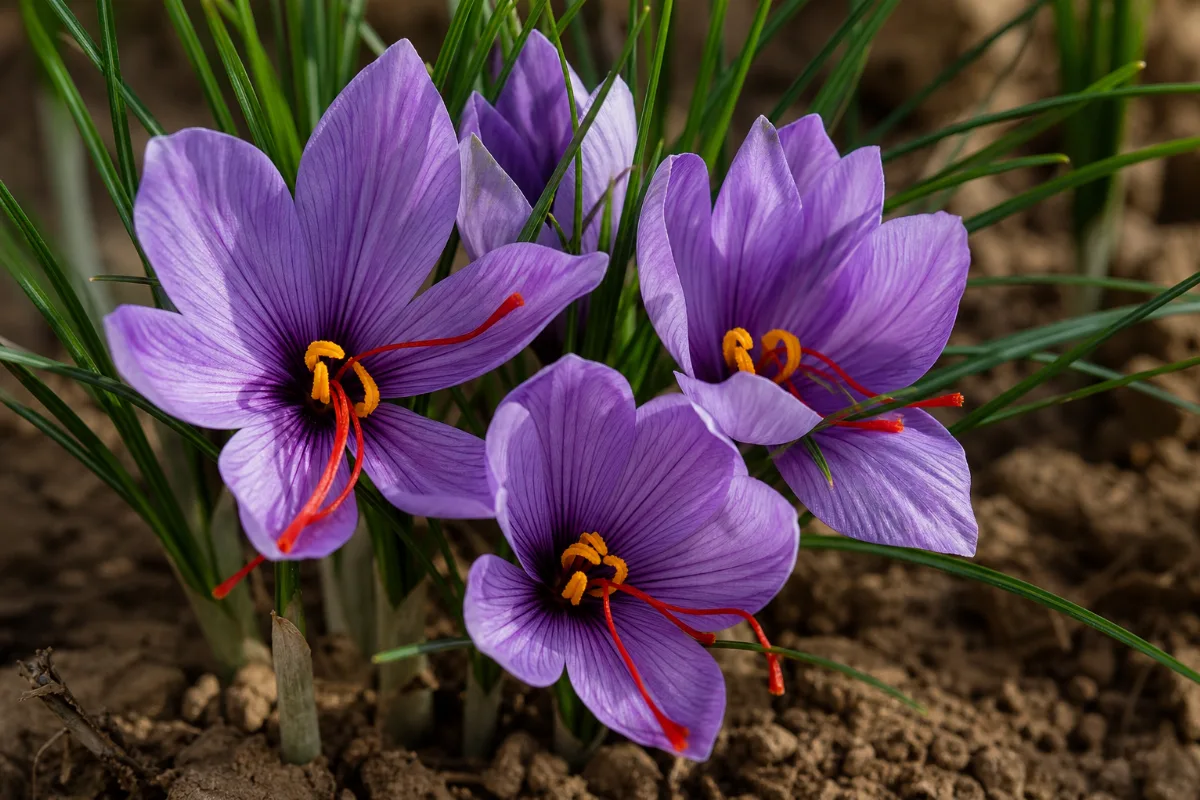
Saffron, from Crocus sativus, is a widely used spice. [1] The studies on this page used stigma powder or extracts of it. [1] This page separates food use from supplement trials. For saffron as food see saffron, cloves and other whole spices as food.Names, parts and look-alikes
The accepted scientific name is Crocus sativus L., in the family Iridaceae. [3] Parts used in studies are the stigma powder and extracts of it. [1] Adulteration of saffron includes substitution with safflower, marigold or turmeric, dilution with other plant materials, and addition of synthetic dyes. [2]Traditional use (not proof of effect)
Saffron has a long history as a culinary and medicinal spice, according to a safety review. [1] The specific peoples and regions that used it were not described in the sources we read.What research shows
| Use | What the source found | Strength of evidence | Population and form |
|---|---|---|---|
| Depression and anxiety symptoms | A 2026 meta-analysis of 34 randomized trials (1,769 adults, interventions of at least four weeks) found lower self-rated depression and anxiety scores (BDI and BAI), but no significant effects on clinician-rated scales; certainty was rated moderate, and heterogeneity was very high. [4] | Promising but limited (self-reported outcomes; clinician-rated outcomes not significant) | Adults with a range of mood symptoms; various saffron products |
| Saffron compared with SSRIs | A meta-analysis found no significant difference between saffron and SSRI antidepressants for depression or anxiety symptoms, and fewer adverse events with saffron. [5] This does not mean saffron can replace a prescribed medicine; do not stop or change a medicine without the prescriber. | Promising but limited | Adults in head-to-head trials |
| Low mood in healthy adults | An 8-week trial of 56 healthy adults reported lower depression scores and better social relationships with a standardized extract than placebo; several authors were employees of a company. [6] | Promising but limited | Healthy adults with mild symptoms; one extract |
| Other uses (for example metabolic or eye conditions) | Not reviewed on this page. | Not assessed | None |
"Mild" and "moderate" low mood still deserve a clinician's assessment. Saffron is not a substitute for care; if you have thoughts of harming yourself, call or text 988 (US) or 911 in an emergency. For the wider mood picture see herbs for low mood and depression.
Forms and why they matter
The adverse-event review found no clear pattern that stigma powder or aqueous or hydroalcoholic extracts caused more side effects, but most studies did not report how products were standardized. [1] Most trials in that review used amounts described as medicinal, in the range of about 15 to 100 mg a day, which differ from the small amounts used in cooking. [1] The authors described dietary spice amounts as considered safe based on the available evidence and long history of use. [1] Culinary use and supplement use are not the same exposure.Safety
- How common are side effects? In 102 clinical trials, the estimated rate of adverse events was about 17.5%, mostly minor and self-limiting stomach problems. [1]
- Medicines: possible increased bleeding with anticoagulants or antiplatelet drugs (one case report; the authors suggest a mechanism involving platelets). [1] Other medicines were not described in the sources we read. See herbs and blood thinners and how interactions work.
- Mental health: the review flagged people with psychiatric disorders for extra caution. [1]
- Older adults: extra caution because of other medicines and conditions. [1]
- Pregnancy and breastfeeding: limited safety data. [1] See pregnancy and breastfeeding.
- Children, liver, kidney, surgery, allergy: an allergic reaction was reported in the trials; other points were not described in the sources we read. Tell your surgical team about any supplement.
Quality
A laboratory study of 17 saffron food supplements found that the content did not match what was declared in 65% of cases, and some contained undeclared additives or other plant sources. [7] A review of 23 studies reported that 20 to 30% of commercial saffron is adulterated worldwide, with large differences between regions. [2] See adulteration and substitution of herbs and quality testing and certifications.Frequently asked questions
Is saffron in food the same as a saffron supplement?
No. The review we read relates mainly to supplement amounts, and describes dietary spice amounts as considered safe. [1]
Does saffron help depression?
A 2026 meta-analysis found lower self-reported depression scores but no significant effect on clinician-rated scales. [4] Speak to a clinician about low mood.
Can I take saffron with blood thinners?
Ask your prescriber or pharmacist first; a bleeding case was reported with rivaroxaban. [1]
Is saffron safe in pregnancy?
The review says there are limited safety data for pregnant and lactating women. [1]
How can I tell if saffron is real?
We do not give identification tips. Reviews say adulteration is common and needs laboratory methods. [2]
References
- Hasheminasab FS, et al. Adverse events of saffron (Crocus sativus L.): systematic review of current evidence. Health Sci Rep 2026. PubMed; full text read at PMC13121846. Read 2026-10-22.
- Mehdizadeh M, et al. Combating saffron fraud: a systematic review of adulteration practices, detection technologies, recommendations and challenges. Crit Rev Food Sci Nutr 2026. PubMed. Read 2026-10-22.
- GBIF Backbone Taxonomy, species match: Crocus sativus. Read 2026-10-22.
- Mahmoudi R, et al. Effect of saffron on depression, anxiety and mood disorder: a GRADE assessed systematic review and meta-analysis of 34 randomized controlled trials. Nutr Neurosci 2026. PubMed. Read 2026-10-22.
- Shafiee A, et al. Effect of saffron versus selective serotonin reuptake inhibitors (SSRIs) in treatment of depression and anxiety: a meta-analysis of randomized controlled trials. Nutr Rev 2025. PubMed. Read 2026-10-22.
- Jackson PA, et al. Effects of saffron extract supplementation on mood, well-being, and response to a psychosocial stressor in healthy adults: a randomized, double-blind, parallel group, clinical trial. Front Nutr 2020. PubMed. Read 2026-10-22.
- Combined gas and liquid chromatographic approach for quality evaluation of saffron-based food supplements. Foods 2023. PubMed; full text read at PMC10670060. Read 2026-10-22.