Herbs & Botanicals · Herbs · Bitter milky-juice plant called 'lettuce opium', with no human trials for any use
Wild lettuce
Lactuca virosa L. · also called Wild lettuce, opium lettuce, poison lettuce, lactucarium (the dried juice), laitue vireuse (French), Wilder Lattich (German)
Wild lettuce is a tall relative of garden lettuce whose bitter milky juice, dried as lactucarium, was used as a sedative and painkiller. This profile is about Lactuca virosa only, not garden lettuce. No trial in people exists. Mouse studies of pure compounds suggest sedative and pain-test effects, and eating the plant has caused poisoning.
General information, not medical advice. Last substantive update · Not medically reviewed. A named clinician has not signed off on this page. How this page is made
About Wild lettuce
Wild lettuce (Lactuca virosa) is a daisy-family plant with a bitter milky juice. Dried, the juice is called lactucarium and was nicknamed 'lettuce opium' because doctors used it as a sedative and painkiller in the 1800s. Today it is sold as tincture, capsules, tea, resin and dried herb. The popular reputation is far ahead of the evidence. No trial in people exists. Mouse tests of two pure compounds, lactucin and lactucopicrin, showed pain-test and sedative effects, and latex of other lettuce species varied from no effect to strong sedation. No source we read shows opium-like action. The safety record is a case series of eight people poisoned by eating the plant, all of whom recovered. Avoid it with sedatives or alcohol, before driving, in pregnancy and breastfeeding, and with glaucoma, prostate or urinary problems or daisy-family allergy. For amounts, ask a doctor or pharmacist.
What it is
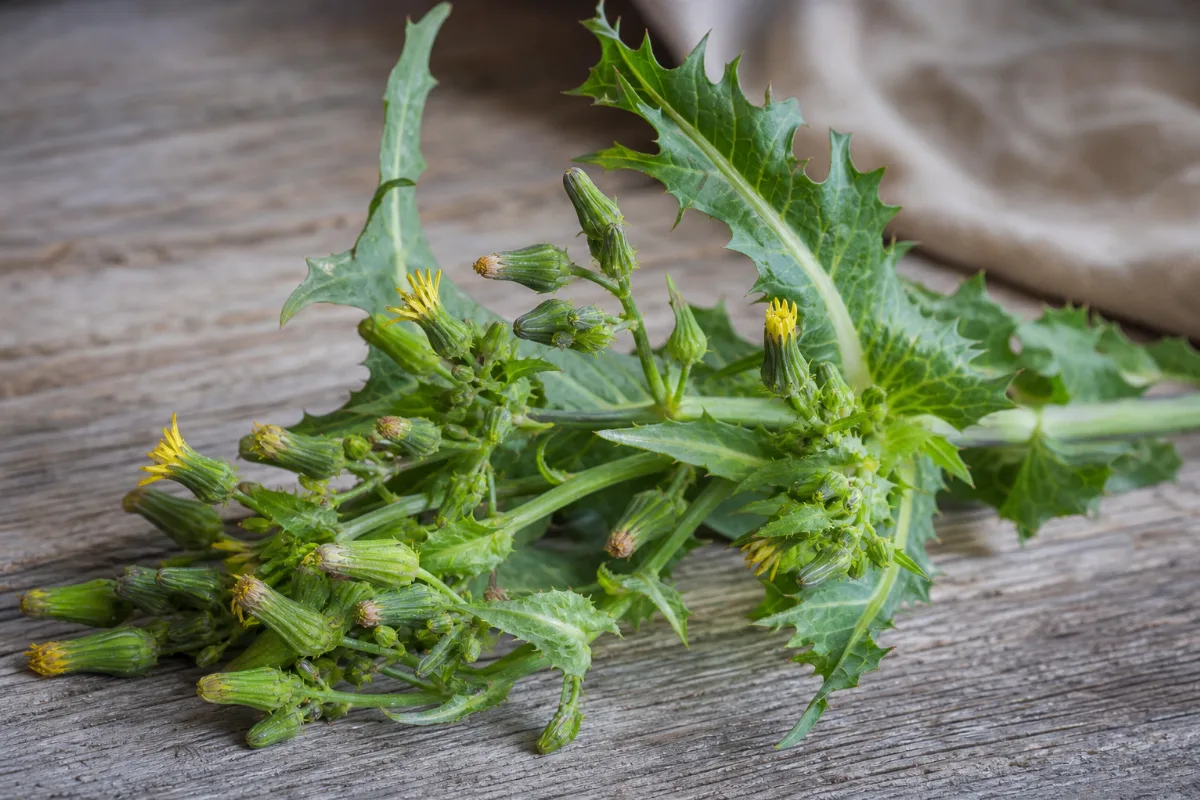
Wild lettuce (Lactuca virosa L.) is an accepted species in the daisy family (Asteraceae), according to GBIF. It is a tall plant with a smooth stem and a milky juice that flows when it is scratched. The 2009 case report gives the height as up to about 6 feet and says it grows on river banks and waste ground.
Do not confuse it with garden lettuce (Lactuca sativa), a normal food, or with prickly lettuce (Lactuca serriola). GBIF lists 'Lactuca scariola subsp. virosa' as a synonym, so labels can blur the two.
Traditional and current uses
In the 1800s, lactucarium was used as a sedative and painkiller, and Polish writers judged it weaker than opium but without its side effects. Searches for the active substance did not give the expected results. A case report adds older claims for cough, as a diuretic and laxative, for painful uterine contractions and as a sunburn lotion; these are second-hand.
Today it is sold as a calming or sleep aid. Some people use it recreationally, and a French medical note (2003) on misuse exists, but we could not read its content.
What is in it and how it works
The bitter compounds lactucin and lactucopicrin are the best studied. In mice, both lowered movement and, with a third related compound, gave results in pain tests similar to ibuprofen. The abstract does not say how they work.
The case report authors suggest traces of hyoscyamine, a drying anticholinergic substance, may cause the sedation. It was not measured, and we could not verify it. No source we read shows any action on opioid receptors.
What the research shows
There is no trial in people. The evidence is two mouse papers (pure compounds, and latex of five other Lactuca species, not wild lettuce), history, and consumer summaries that say human proof is lacking.
The 'lettuce opium' name is about history and use. Mouse studies do not show that wild lettuce works for sleep or pain in people, and they do not show it acts like opium.
At a glance
Traditional uses history, not proof
- 19th-century medicine: the dried juice (lactucarium) was used as a sedative and painkiller, described as weaker than opium (Polish medical writing).
- Britain, 1815: an article reports wild lettuce used against whooping cough (title only).
- Older texts quoted in a case report: as a diuretic and laxative, for painful uterine contractions, and as a skin lotion for sunburn. These are second-hand statements, not checked.
Studied for research
- Sleep and calming, insufficient
- Pain relief, insufficient
- Anxiety and restlessness, insufficient
- Opium-like action, insufficient
- Cough and breathing, insufficient (traditional)
- Digestion and diuretic effect, insufficient (traditional)
- Menstrual pain, insufficient (traditional)
- Skin lotion for sunburn, insufficient (traditional)
Main compounds
- Lactucin and lactucopicrin: bitter sesquiterpene lactones; sedative and pain-test effects as pure compounds in mice.
- 11,13-dihydrolactucin: pain-test effect but not sedative in mice.
- Lactucerin (lactucone): reported as the main part of lactucarium (second-hand).
- Hyoscyamine in traces: claimed by one source, not measured and not verified.
Common forms
- Fresh plant and milky latex (can irritate skin)
- Lactucarium (dried latex)
- Dried herb
- Tincture
- Powdered extract
- Capsules and tablets
- Resin
Research links: Wild lettuce toxicity, case series of eight patients (BMJ Case Reports) · Lactucin and related compounds in mice: pain and sedation (J Ethnopharmacol) · Latex of other Lactuca species and sedation in mice (Molecules) · Wild lettuce summary (RxList) · Wild lettuce summary (WebMD) · Plant name record (GBIF) · Research Library · Genes & Biomarkers Library
The plant and its history
- Accepted scientific name
- Lactuca virosa L.
- Naming authority
- L. (1753), Species Plantarum p. 795 (GBIF)
- Synonyms
- Lactuca scariola subsp. virosa (L.) Bonnier & Layens; Lactuca lactucarii (Lamotte) Lamotte; Lactuca livida Boiss. & Reut.; Hieracium virosum (L.) E.H.L.Krause
- Common names
- Wild lettuce (English); Opium lettuce (English); Poison lettuce (English); Laitue vireuse (French); Wilder Lattich (German); Allubbyne (Arabic)
- Botanical family
- Asteraceae (daisy family, also called Compositae). It includes garden lettuce, chicory, chamomile, ragweed and daisies.
- Classification
- Plantae > Tracheophyta > Magnoliopsida > Asterales > Asteraceae > Lactuca > Lactuca virosa
- Native range
- Not verified from a primary source. The 2009 case report says it is cultivated in Austria, France, Germany, Scotland and Iran and grows wild in northern Iran.
- Habitat
- Per the case report: river banks and waste ground (secondary source, not verified).
- What the plant looks like
- Roots: Brown taproot (case report).; Stems: Smooth, erect, light green, sometimes purple-spotted; up to about 6 feet tall (case report).; Leaves: Not described in the sources read.; Flowers: Flowers in July and August (case report).; Fruit: Not described in the sources read.
- Cultivation
- Not verified.
- Harvest and processing
- The milky juice flows when the plant is scratched and hardens into brown lactucarium when dried (case report). Not verified further.
- Look-alikes and adulterants
- Name: Lactuca sativa L. (garden lettuce); Note: The salad vegetable; GBIF key 7403263. Not the subject of this profile and not interchangeable.; Name: Lactuca serriola L. (prickly lettuce); Note: GBIF key 3140490. Its dried latex is called 'lettuce oil' in Turkey and was sedative in mice (Molecules 2020). GBIF lists 'Lactuca scariola subsp. virosa' as a synonym of L. virosa, so some labels blur the two.; Name: Other wild Lactuca species; Note: Latex of other species varied from no effect to strong sedation in mice.
- Sustainability and conservation
- Not verified.
The plant and the parts used
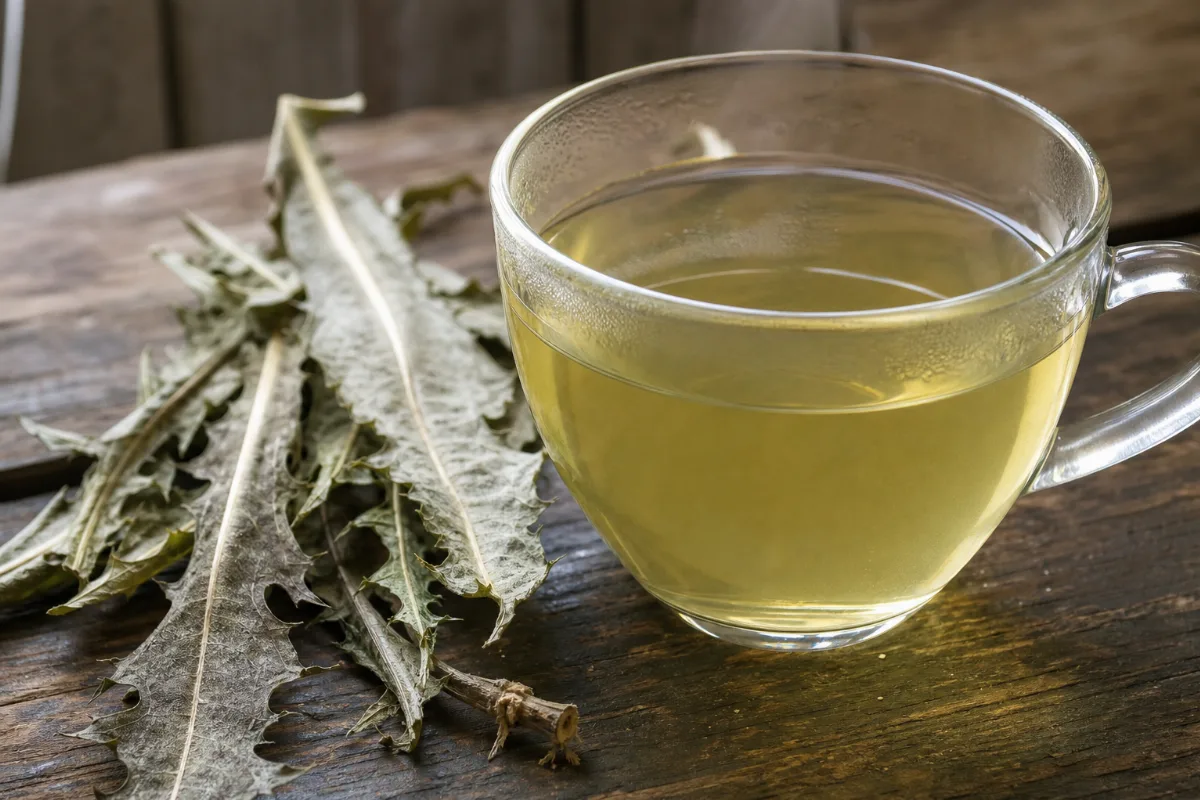
Traditional use and history history, not clinical proof
| Tradition or era | Documented use | Source |
|---|---|---|
| Early 1800s Britain | An 1815 article reports wild lettuce used against whooping cough (title only). | p20895259 |
| 19th century medicine (Poland and elsewhere) | Lactucarium, the dried milky juice, was used as a sedative and painkiller, judged weaker than opium. The hunt for its active substance failed to give the expected results. | p17153150 |
| Pre-Victorian and early 1900s | The case report says wild lettuce was a known painkiller and sedative, and that a 1917 catalogue called it a safe remedy to produce sleep when opium was objectionable. These are second-hand statements, not verified. | p21686920 |
| Modern | Sold as tincture, capsules, tea and resin; recreational use is reported. A 2003 French note and a 2019 analytical review mention misuse. NOT verified: whether the 'lettuce opium' nickname arose from effects or from the look of the dried latex. | p31704129 |
Traditional use shows how a plant was used. It does not show that a supplement works or is safe today.
What is inside, and how it may work
What the plant contains and how those compounds act in cells and animals. Laboratory and animal mechanisms are not proven effects in people.
Main compounds
| Compound | Family | Where it is concentrated | Activity studied | Level of evidence |
|---|---|---|---|---|
| Lactucin PubChem 442266 | sesquiterpene lactone (bitter) | Latex | Pain-test and sedative signs in mice as a pure compound. 19 5 11 | Animal research |
| Lactucopicrin PubChem 174863 | sesquiterpene lactone (bitter) | Latex | Strongest of three compounds in mouse pain tests; sedative signs in mice. 19 12 | Animal research |
| 11,13-dihydrolactucin | sesquiterpene lactone | Latex | Pain-test effect but no sedative sign in mice. 19 | Animal research |
| Lactucerin (lactucone) | triterpene (neutral, insoluble) | Lactucarium Reported as 50 to 60% of lactucarium in the case report (second-hand; not verified) | Not tested in the sources read. 1 | Traditional |
| Hyoscyamine (traces) PubChem 154417 | tropane alkaloid (anticholinergic) | Not stated Stated as traces by the case report authors, citing another source; not measured and NOT verified | Suggested by those authors as probably responsible for the sedative effect. 1 13 | Pharmacological theory |
Mechanisms, receptors and pathways
| Target or pathway | Gene or receptor | What was found | Level |
|---|---|---|---|
| Pain and movement in mice | Lactucin and lactucopicrin reduced pain responses and spontaneous movement in mice. The receptor or pathway was not given in the abstract. No source we read shows any action on opioid receptors. 19 | Animal research | |
| Anticholinergic action (suggested) | Case series authors suggest traces of hyoscyamine may cause sedation. The poisoned patients' dry mouth, widened pupils and urinary retention are the kind of signs this would cause, but no measurement links them. 1 | Pharmacological theory | |
| Species differences | Latex from different Lactuca species varied from no sedation to strong sedation in mice. 5 | Animal research |
Absorption, metabolism and elimination
- Absorption
- No study of absorption of wild lettuce compounds in people or animals was found.
- Distribution
- Not found.
- Metabolism
- Not found.
- Elimination
- Not found.
- Bioavailability
- Unknown.
Isolated compounds versus whole extracts
The mouse work used pure compounds (lactucin, lactucopicrin) or other species' latex, not wild lettuce itself. The whole plant also contains other substances and, per one report, traces of hyoscyamine, so results from pure compounds cannot be moved to the plant or to lactucarium.
Nutritional composition
Wild lettuce is not a food. Eating it raw as a vegetable caused poisoning in northern Iran. Garden lettuce is a different species and a normal food.
8 not enough evidence
What is Wild lettuce good for?
The main traditional uses and how strong the evidence is. 'Insufficient' means there is not enough to judge. There are no human trials for any use, so every use is rated insufficient. Mouse results come from pure compounds, not from wild lettuce products.
Benefits, one by one
Each card is a research question, not a promise. Tap a goal to filter. Open a card to see the studies, doses and limits.
Sleep and calming (sedation)
Not enough evidenceWild lettuce is traditionally used as a mild sedative. No study in people tests it. Mouse studies of two pure compounds from the plant showed less movement, a sign of sedation, but that is not proof of better sleep in people.
6 studiesNot applicable: no dosing information is given here. Products sold (d…
Studies, doses and limits
What the trials found
We found no trial in people, and no human study of any kind testing wild lettuce, lactucarium or lactucin for this use. The closest evidence is in mice: lactucin and lactucopicrin lowered spontaneous movement; a third related compound did not. Separately, latex from five other Lactuca species (not wild lettuce) was tested in mice: two had no sedative effect and three did. A consumer article (Medical News Today) and RxList both say human evidence is lacking or insufficient.
Results
Mouse movement was reduced by two pure compounds; the latex of other Lactuca species varied from none to strong sedation. Nothing is known for wild lettuce latex itself in people.
Effect sizes as reported
No effect sizes in people. Mouse results as reported: sedative effect for lactucin and lactucopicrin in the spontaneous-movement test; no sedative effect for dihydrolactucin.
Why this rating
No human data at all. Animal findings come from pure compounds or from other species' latex and do not show that wild lettuce products help sleep in people. The 2009 case series shows that eating the plant can cause a lowered level of consciousness, which is toxicity, not a benefit.
Form and dose studied
Not applicable: no dosing information is given here. Products sold (dried latex, tincture, capsules) are not standardised in any source we read.
Who was studied
None tested. Only mice were studied.
Limits
Mouse studies used pure compounds or other species' latex. There are no studies of wild lettuce in people, no standard preparation and no long-term data.
Why researchers looked
Wild lettuce and its dried latex (lactucarium) were used as a sedative and sleep aid for centuries, so researchers tested the plant's bitter compounds in mice.
Traditional use
19th-century Polish doctors used lactucarium (the dried milky juice of lettuce species, including wild lettuce) as a sedative and painkiller. They described it as weaker than opium. A modern case report says it was a known sedative before the Victorian period.
Proposed mechanism Animal research
Unknown. Lab tests in mice show lactucin and lactucopicrin lower spontaneous movement. A case-report paper suggests traces of hyoscyamine (an anticholinergic, drying and calming substance) may play a part, but it did not measure this.
A proposed mechanism does not show that the effect happens in people.
Wild lettuce has caused poisoning when eaten (see the Safety tab). Do not use it in place of care from a doctor. Sedation can slow reactions; avoid driving or machinery until you know how a product affects you, and do not combine it with alcohol or sedative medicines.
Pain relief
Not enough evidenceWild lettuce is called 'opium lettuce' because it was used for pain. Mouse tests of two pure compounds from the plant showed pain-test effects similar to ibuprofen. No study in people has tested wild lettuce for pain.
4 studiesNot applicable: no dosing information is given here.
Studies, doses and limits
What the trials found
We found no trial in people, and no human study of any kind testing wild lettuce, lactucarium or lactucin for this use. In mice, pure lactucin, lactucopicrin and dihydrolactucin reduced pain responses at 15 and 30 mg/kg in a hot plate test, about like ibuprofen at 30 mg/kg, and at 30 mg/kg in a tail-flick test about like ibuprofen at 60 mg/kg. Consumer pages (WebMD, Medical News Today) repeat the mouse result but say there is no proof of pain relief in people.
Results
Mouse pain tests: effect similar to ibuprofen at the doses stated, for pure compounds. Not wild lettuce plant or lactucarium. Nothing in people.
Effect sizes as reported
Mouse doses 15 and 30 mg/kg (hot plate), 30 mg/kg (tail flick); ibuprofen comparator 30 and 60 mg/kg. No confidence intervals in the abstract.
Why this rating
No human trials. Mouse tests of pure compounds are a first step only, and the abstract does not give the route of dosing or the number of animals.
Form and dose studied
Not applicable: no dosing information is given here.
Who was studied
None tested in people.
Limits
Single mouse paper (abstract read). Mouse doses cannot be turned into doses for people. No test of wild lettuce itself.
Why researchers looked
The plant's reputation as a painkiller led researchers to test its main bitter compounds in mice.
Traditional use
Before the Victorian era wild lettuce was a known painkiller and sedative, and lactucarium was used for pain in the 19th century. Writers of that time judged it weaker than opium.
Proposed mechanism Animal research
Not known. Lactucopicrin was the strongest of three compounds in mouse pain tests. No source we read shows that the compounds act on the opioid system, so the 'lettuce opium' name should not be taken to mean opium-like action.
A proposed mechanism does not show that the effect happens in people.
Wild lettuce has caused poisoning when eaten (see the Safety tab). Do not use it in place of care from a doctor.
Anxiety and nervous restlessness
Not enough evidenceWild lettuce is a traditional remedy for nervous restlessness. We found no study in people or animals that tests it for anxiety.
2 studiesNot applicable.
Studies, doses and limits
What the trials found
We found no trial in people, and no human study of any kind testing wild lettuce, lactucarium or lactucin for this use. No animal anxiety test was found either. RxList lists such uses as 'insufficient evidence'.
Results
No results. Poisoning cases included severe anxiety, agitation and hallucinations in people who ate the plant, so anxiety can also be a sign of toxicity.
Effect sizes as reported
None.
Why this rating
No studies on this use.
Form and dose studied
Not applicable.
Who was studied
None tested.
Limits
Only traditional claims exist.
Why researchers looked
Anxiety and restlessness are among the older traditional uses listed for wild lettuce.
Traditional use
The 2009 case series lists wild lettuce as an old remedy to quiet 'nervous irritation' (quoting a 1917 catalogue).
Proposed mechanism Pharmacological theory
Not studied.
A proposed mechanism does not show that the effect happens in people.
Wild lettuce has caused poisoning when eaten (see the Safety tab). Do not use it in place of care from a doctor.
The 'lettuce opium' reputation: does it act like opium?
Not enough evidenceWild lettuce is nicknamed lettuce opium. In what we read, the name comes from its use as a sedative and painkiller, not from tests showing opium-like action. Some people use it recreationally, and a French medical note on misuse exists, but we could not read its content.
5 studiesNot applicable.
Studies, doses and limits
What the trials found
No human study tests this. Doctors' 19th-century opinions are historical, not trial evidence. A French article titled 'Abuse of Lactuca virosa' (2003) exists but has no abstract, so we did not use its content. Modern lab sources list Lactuca virosa among natural psychoactive plants that are hard to detect in samples.
Results
No test of opium-like action. The 2009 case series did record euphoria in some poisoned patients.
Effect sizes as reported
None.
Why this rating
History and anecdote only; no pharmacology in people.
Form and dose studied
Not applicable.
Who was studied
None tested.
Limits
Reputation rests on old medical writing and recreational reports.
Why researchers looked
People ask whether wild lettuce is a mild natural opiate.
Traditional use
Doctors in the 1800s used lactucarium as a gentler alternative to opium. Polish 19th-century writers said it was weaker than opium and free of its side effects, though searches for the active substance failed. A consumer article reports a narcotic-like, euphoric effect in a recreational-use report.
Proposed mechanism Animal research
No source we read tests whether lactucin or lactucopicrin act on opioid receptors. Animal tests show pain-test and sedative effects only.
A proposed mechanism does not show that the effect happens in people.
Using it for a 'high' is risky: people in the case series needed hospital care, and the amount in any product is unknown.
Cough, whooping cough and asthma (traditional)
Not enough evidenceWild lettuce was used for cough and breathing complaints. This is traditional use only. No modern study tests it.
3 studiesNot applicable.
Studies, doses and limits
What the trials found
We found no trial in people, and no human study of any kind testing wild lettuce, lactucarium or lactucin for this use.
Results
No results.
Effect sizes as reported
None.
Why this rating
Traditional use only; no trials.
Form and dose studied
Not applicable.
Who was studied
None.
Limits
Not tested. The 1815 article was seen by title only.
Why researchers looked
Cough remedies are among its oldest recorded uses.
Traditional use
An 1815 British article reports its use for whooping cough, and the 2009 case series mentions that a 1917 catalogue praised it to 'quiet coughing'. RxList lists asthma and cough among uses with insufficient evidence.
Proposed mechanism Pharmacological theory
Not studied.
A proposed mechanism does not show that the effect happens in people.
Wild lettuce has caused poisoning when eaten (see the Safety tab). Do not use it in place of care from a doctor.
Digestive upset, constipation and water loss (diuretic) (traditional)
Not enough evidenceOld texts call lactucarium a diuretic and laxative and say it eased gut irritation. Nothing in people tests this, and the plant has caused urinary retention (trouble passing urine) in poisoned patients.
3 studiesNot applicable.
Studies, doses and limits
What the trials found
We found no trial in people, and no human study of any kind testing wild lettuce, lactucarium or lactucin for this use. Note the warning signs: dry mouth and urinary retention were reported in poisoned patients, the opposite of a diuretic effect.
Results
No results.
Effect sizes as reported
None.
Why this rating
Traditional claims quoted second-hand; contradicted in part by poisoning reports.
Form and dose studied
Not applicable.
Who was studied
None.
Limits
No testing.
Why researchers looked
Gut and kidney complaints are listed among its older uses.
Traditional use
The 2009 case series says lactucarium was used as a diuretic and laxative, to calm gut irritation, and as an enema, citing older sources. WebMD says there is no proof it helps digestion.
Proposed mechanism Pharmacological theory
Not studied.
A proposed mechanism does not show that the effect happens in people.
Wild lettuce has caused poisoning when eaten (see the Safety tab). Do not use it in place of care from a doctor. Urinary retention was reported, so people with prostate or urinary problems are warned off by RxList.
Menstrual pain and uterine cramps (traditional)
Not enough evidenceThe plant was said to ease painful uterine contractions. This rests on old texts only.
2 studiesNot applicable.
Studies, doses and limits
What the trials found
We found no trial in people, and no human study of any kind testing wild lettuce, lactucarium or lactucin for this use.
Results
No results.
Effect sizes as reported
None.
Why this rating
Old claims quoted second-hand.
Form and dose studied
Not applicable.
Who was studied
None.
Limits
No testing. Pregnancy safety is unknown (see Safety).
Why researchers looked
Listed among older uses.
Traditional use
The 2009 case series says wild lettuce was used for painful uterine contractions and quotes 'decreases uterus contractions' from an older source.
Proposed mechanism Pharmacological theory
Not studied.
A proposed mechanism does not show that the effect happens in people.
Wild lettuce has caused poisoning when eaten (see the Safety tab). Do not use it in place of care from a doctor. Do not use in pregnancy.
Skin lotion for sunburn and roughness (traditional)
Not enough evidencePowdered wild lettuce has been used on skin to relieve sunburn. No study tests this, and fresh latex may irritate the skin.
3 studiesNot applicable.
Studies, doses and limits
What the trials found
We found no trial in people, and no human study of any kind testing wild lettuce, lactucarium or lactucin for this use.
Results
No results.
Effect sizes as reported
None.
Why this rating
Traditional statement only.
Form and dose studied
Not applicable.
Who was studied
None.
Limits
No testing. Skin irritation is reported (RxList, Medical News Today).
Why researchers looked
A topical use named in the old literature.
Traditional use
The 2009 case series says powdered components have been used outside the body and that a lotion is still made for sunburn and roughness.
Proposed mechanism Pharmacological theory
Not studied.
A proposed mechanism does not show that the effect happens in people.
Skin irritation is possible, and people allergic to Asteraceae plants may react (see Safety).
Connections to the rest of health
How Wild lettuce connects to the rest of our health knowledge graph. Every link says what kind of connection it is. A safety link (for example to the liver) is a warning, not a benefit. A study that merely mentions a topic never creates a benefit link.
Explore every connection: goals, body systems, organs, symptoms, genes
A. Wellness goals
| Connected to | Kind of connection | Evidence status | Context | Studies |
|---|---|---|---|---|
| Better Sleep | Traditional use | Not enough evidence | Sleep and calming (sedation): Wild lettuce is traditionally used as a mild sedative. No study in people tests it. Mouse studies of two pure compounds from the plant showed less movement, a sign of sedation, but that is not proof of better sleep in people. | 19 5 17 1 14 15 |
| Calm Relaxation | Traditional use | Not enough evidence | Sleep and calming (sedation): Wild lettuce is traditionally used as a mild sedative. No study in people tests it. Mouse studies of two pure compounds from the plant showed less movement, a sign of sedation, but that is not proof of better sleep in people. Anxiety and nervous restlessness: Wild lettuce is a traditional remedy for nervous restlessness. We found no study in people or animals that tests it for anxiety. | 19 5 17 1 14 15 16 6 |
| Sleep Quality | Traditional use | Not enough evidence | Sleep and calming (sedation): Wild lettuce is traditionally used as a mild sedative. No study in people tests it. Mouse studies of two pure compounds from the plant showed less movement, a sign of sedation, but that is not proof of better sleep in people. | 19 5 17 1 14 15 |
| Joint Support | Traditional use | Not enough evidence | Pain relief: Wild lettuce is called 'opium lettuce' because it was used for pain. Mouse tests of two pure compounds from the plant showed pain-test effects similar to ibuprofen. No study in people has tested wild lettuce for pain. | 19 18 14 17 |
| Inflammation Balance | Traditional use | Not enough evidence | Pain relief: Wild lettuce is called 'opium lettuce' because it was used for pain. Mouse tests of two pure compounds from the plant showed pain-test effects similar to ibuprofen. No study in people has tested wild lettuce for pain. | 19 18 14 17 |
| Anxiety Support | Traditional use | Not enough evidence | Anxiety and nervous restlessness: Wild lettuce is a traditional remedy for nervous restlessness. We found no study in people or animals that tests it for anxiety. | 1 15 |
| Stress Reduction | Traditional use | Not enough evidence | Anxiety and nervous restlessness: Wild lettuce is a traditional remedy for nervous restlessness. We found no study in people or animals that tests it for anxiety. | 1 15 |
| Immune Support | Traditional use | Not enough evidence | Cough, whooping cough and asthma (traditional): Wild lettuce was used for cough and breathing complaints. This is traditional use only. No modern study tests it. | 4 1 15 |
| Digestive Support | Traditional use | Not enough evidence | Digestive upset, constipation and water loss (diuretic) (traditional): Old texts call lactucarium a diuretic and laxative and say it eased gut irritation. Nothing in people tests this, and the plant has caused urinary retention (trouble passing urine) in poisoned patients. | 1 18 15 |
| Womens Wellness | Traditional use | Not enough evidence | Menstrual pain and uterine cramps (traditional): The plant was said to ease painful uterine contractions. This rests on old texts only. | 1 15 |
| Healthy Skin | Traditional use | Not enough evidence | Skin lotion for sunburn and roughness (traditional): Powdered wild lettuce has been used on skin to relieve sunburn. No study tests this, and fresh latex may irritate the skin. | 1 15 14 |
B. Body systems
| Connected to | Kind of connection | Evidence status | Context | Studies |
|---|---|---|---|---|
| Urinary system | Contraindication | Very low certainty | Urinary retention reported; RxList advises avoiding with enlarged prostate. Preparation or compound: Raw wild lettuce plant |
1 15 |
| Nervous System | Biological association | Not enough evidence | Studied for: Sleep and calming (sedation) Studied for: Pain relief | 19 5 17 1 14 15 18 16 6 |
| Sleep Recovery | Biological association | Not enough evidence | Studied for: Sleep and calming (sedation) | 19 5 17 1 14 15 |
| Musculoskeletal System | Biological association | Not enough evidence | Studied for: Pain relief | 19 18 14 17 |
| Stress Mood | Biological association | Not enough evidence | Studied for: Anxiety and nervous restlessness | 1 15 |
| Respiratory System | Biological association | Not enough evidence | Studied for: Cough, whooping cough and asthma (traditional) | 4 1 15 |
| Digestive System | Biological association | Not enough evidence | Studied for: Digestive upset, constipation and water loss (diuretic) (traditional) | 1 18 15 |
| Urinary System | Biological association | Not enough evidence | Studied for: Digestive upset, constipation and water loss (diuretic) (traditional) | 1 18 15 |
| Reproductive System | Biological association | Not enough evidence | Studied for: Menstrual pain and uterine cramps (traditional) | 1 15 |
| Integumentary System | Biological association | Not enough evidence | Studied for: Skin lotion for sunburn and roughness (traditional) | 1 15 14 |
C. Body parts and organs
| Connected to | Kind of connection | Evidence status | Context | Studies |
|---|---|---|---|---|
| Nervous system | Adverse effect or risk | Very low certainty | Eight poisoning cases with confusion, hallucinations and loss of consciousness. A safety relationship, not a benefit. Preparation or compound: Raw wild lettuce plant |
1 |
| Brain | Drug or supplement interaction | Very low certainty | Added drowsiness is a theory; no documented case. Preparation or compound: Wild lettuce with sedatives or alcohol |
15 |
L. Active compounds
| Connected to | Kind of connection | Evidence status | Context | Studies |
|---|---|---|---|---|
| Lactucin | Biological association | Animal | Pain-test and sedative signs in mice as a pure compound. Preparation or compound: Latex |
19 5 11 |
| Lactucopicrin | Biological association | Animal | Strongest of three compounds in mouse pain tests; sedative signs in mice. Preparation or compound: Latex |
19 12 |
| 11,13-dihydrolactucin | Biological association | Animal | Pain-test effect but no sedative sign in mice. Preparation or compound: Latex |
19 |
| Lactucerin (lactucone) | Biological association | Traditional | Not tested in the sources read. Preparation or compound: Lactucarium |
1 |
| Hyoscyamine (traces) | Biological association | Pharmacological theory | Suggested by those authors as probably responsible for the sedative effect. Preparation or compound: Not stated |
1 13 |
Each connection is stored with the ingredient, the connected record, the kind of connection, the evidence status, the supporting studies, the preparation or compound involved, and a review date (last reviewed October 25, 2026).
The evidence
The research centre for Wild lettuce. Every record here was checked against PubMed or the publisher's page; we never list a study we have not verified.
Evidence by outcome
Bars show how many studies we found for each outcome, not how well it works. People are added up across trials only (reviews are not added, to avoid double counting).
How we rate evidence
High certainty
Several well-run trials or reviews agree; further research is unlikely to change the picture much.
Moderate certainty
Good trials point the same way, but some doubt remains.
Low certainty
Small, short or inconsistent trials. The finding could change with better research.
Very low certainty
Very little or very weak human data. Treat as a possibility only.
Mixed findings
Trials or reviews disagree with each other.
Not enough evidence
Not enough human research to say either way.
Evidence against
Good research found no benefit, or found harm.
We take the reviewers' own risk-of-bias and GRADE statements where they exist, and otherwise judge from study size, design, consistency, directness and whether a product matches what is sold. Many publications do not make evidence high. Method note: We searched PubMed, read the abstracts of the mouse studies, a history paper and two allergy reviews, and the full text of the eight-patient case series. We read the RxList, WebMD and Medical News Today pages, and checked plant names in GBIF and NCBI Taxonomy and compounds in PubChem. Not verified: the hyoscyamine claim, the death warnings, the 2003 French misuse note (no abstract) and the 1815 article (title only); no EMA or NCCIH entry was found by a quick search; LiverTox, LactMed, FDA, Commission E and WHO were not confirmed. Certainty ratings are the compiler's own reading, not formal grades.
Study library: every study we checked 19
| Study | Design | People | Product, dose, length | Result |
|---|---|---|---|---|
| Besharat 2009 Wild lettuce (Lactuca virosa) toxicity BMJ Case Rep · PMID 21686920 · DOI |
Case series |
8 Eight patients aged 12 to 38 who ate wild lettuce in northern Iran (a climbing group; the herb is eaten raw as a vegetable there) |
Raw wild lettuce plant eaten as food whole plant, raw Not stated ('a great deal' eaten) Single exposure · vs None |
All eight recovered and were discharged after about 48 hours; one needed 48 hours in intensive care; no lasting problems were reported. Reported signs across the eight: lowered consciousness, agitation, dry mouth, dilated pupils, urinary retention, slow bowel sounds, unsteady walking, blurred vision, red eyes, severe anxiety, dizziness, nausea and vomiting, hallucinations, 'sympathetic hyperactivity', headache, sweating, flushing, euphoria and belly cramps. Fine particles of wild lettuce were found in stomach washings. Methods, limits and fundingOutcomes: Symptoms, hospital care, recovery Limitations: Eight cases, no comparison group, amounts eaten unknown. The text also says traces of hyoscyamine are 'probably responsible' for the sedative effect, citing another source; this was not measured in the patients. Background statements about uses and chemistry are second-hand. Read: full-text |
| European Medicines Agency 2026 EMA / HMPC: search for a Lactuca virosa monograph (not found) Web search and direct page try, 2026-10-25 · Source |
Negative search |
Regulator | Lactuca virosa / lactucarium |
A web search found no EMA/HMPC monograph, list entry or public statement for wild lettuce, and a guessed EMA page address returned 404. This is not proof none exists; the EMA search tool itself was not used. Methods, limits and fundingLimitations: Absence of a result in a quick search is weak evidence. Read: summary-only |
| GBIF Secretariat 2026 GBIF backbone: Lactuca virosa L. (key 3140346) GBIF API (read 2026-10-25) · Source |
Database record |
Plant name record | Lactuca virosa L. whole plant |
Accepted species, authority L. (1753), published in Species Plantarum p. 795; family Asteraceae, order Asterales, phylum Tracheophyta, class Magnoliopsida. Synonyms include Lactuca scariola subsp. virosa and Lactuca lactucarii. Methods, limits and fundingLimitations: Name record only. Read: summary-only |
| Gumprecht 1815 On the use of the Lactuca virosa, in hooping-cough Med Chir Trans · PMID 20895259 |
Historical report |
Not known (no abstract) | Lactuca virosa unspecified |
Only the title was seen: it shows wild lettuce was used for whooping cough in Britain in 1815. Nothing else is claimed. Methods, limits and fundingLimitations: Title only. Historical; no modern evidence. Read: summary-only |
| Ilgun 2020 Sedative Effects of Latexes Obtained from Some Lactuca L. Species Growing in Turkey Molecules · PMID 32235622 · DOI |
Animal study animal |
Mice | Dried milky latex of five other Lactuca species (L. glareosa, L. viminea, L. mulgedioides, L. saligna, L. serriola); not L. virosa latex 100 mg/kg (mouse) · vs Control group |
L. saligna latex had the strongest sedative effect. L. serriola and L. viminea latex also showed significant sedative effects at 100 mg/kg. L. glareosa and L. mulgedioides latex showed none. Lactucin was the main sesquiterpene lactone found. Methods, limits and fundingOutcomes: Behavioural sedation tests; HPLC of lactones Limitations: Mice, other species than wild lettuce (L. virosa), abstract only. Shows that latex from different Lactuca species can differ a lot in effect. Funding and conflicts: Authors declare no conflicts of interest Read: abstract |
| Lo Faro 2019 Biomedical analysis of New Psychoactive Substances (NPS) of natural origin J Pharm Biomed Anal · PMID 31704129 · DOI |
Review |
Laboratory analysis methods | Plants listed as natural psychoactive substances, including Lactuca virosa plants |
Lists Lactuca virosa among the natural psychoactive plants whose active compounds are hard to test for in samples; the abstract says a method that detects active compounds from many plants at once is still lacking. Methods, limits and fundingLimitations: Analytical review; says nothing about effects or safety in people. Abstract only. Read: abstract |
| NCBI 2026 NCBI Taxonomy: Lactuca virosa (taxid 75947) NCBI Taxonomy (read 2026-10-25) · Source |
Database record |
Plant name record | Lactuca virosa whole plant |
Species-level record, taxid 75947. Methods, limits and fundingLimitations: Name record only. Read: summary-only |
| National Center for Complementary and Integrative Health 2026 NCCIH: no wild lettuce page found Direct page try, 2026-10-25 · Source |
Negative search |
Regulator | Wild lettuce |
The guessed NCCIH page for wild lettuce returned 404. No NCCIH fact sheet was found. Methods, limits and fundingLimitations: Only one address tried; NCCIH site search not used. Read: summary-only |
| Paulsen 2017 Systemic allergic dermatitis caused by sesquiterpene lactones Contact Dermatitis · PMID 27568784 · DOI |
Review |
People allergic to Compositae (Asteraceae) plants | Sesquiterpene-lactone-containing plants, including lettuce plants |
Patients sensitised to Compositae are routinely warned against eating vegetables, spices, teas and herbal remedies from this family. The evidence for whole-body reactions is mostly anecdotal. A few reports and oral challenges prove it can happen, most clearly for strong allergens such as costunolide in bay leaves and less so for weak ones such as those of lettuce. Methods, limits and fundingLimitations: Narrative review, abstract only. About lettuce in general and other Asteraceae, not wild lettuce specifically. Read: abstract |
| Paulsen 2023 The sesquiterpene lactone mix: A review of past, present and future aspects Contact Dermatitis · PMID 37820718 · DOI |
Review |
Skin-patch-tested people, Europe and North America | Sesquiterpene lactones (main allergens of Compositae/Asteraceae plants) plants |
Sesquiterpene lactones are widespread in the Asteraceae family and are the main allergens of those plants. The average rate of positive patch-test reactions to the screening mix is about 1% in Europe and 0.8% in North America. Methods, limits and fundingLimitations: Review of a skin-test screening mix, abstract only; not about wild lettuce itself. Read: abstract |
| PubChem 2026 PubChem: lactucin (CID 442266) PubChem (read 2026-10-25) · Source |
Database record |
Compound record | Lactucin |
Formula C15H16O5. Methods, limits and fundingLimitations: Record only. Read: summary-only |
| PubChem 2026 PubChem: lactucopicrin (CID 174863) PubChem (read 2026-10-25) · Source |
Database record |
Compound record | Lactucopicrin |
Formula C23H22O7. Methods, limits and fundingLimitations: Record only. Read: summary-only |
| PubChem 2026 PubChem: hyoscyamine (CID 154417) PubChem (name lookup returned this CID first; read 2026-10-25) · Source |
Database record |
Compound record | Hyoscyamine |
CID returned by a name search; only the identifier was checked. Methods, limits and fundingLimitations: Identifier only; not checked against an isomer-specific record. Read: summary-only |
| Richards L; medically reviewed by Boyle 2022 Wild lettuce for pain (Medical News Today) Medical News Today (consumer health article) · Source |
Consumer article |
General readers | Wild lettuce unspecified |
Use for pain is traditional. Cites mouse studies of pain relief and sleepiness and a 2015 review calling it weaker than opium with fewer side effects, but says recent human studies are lacking and there is no conclusive evidence of effectiveness or safety. Warns that hyoscyamine in the plant can depress the parasympathetic nervous system, that some sources warn an overdose could be fatal through cardiac paralysis, that fresh latex may irritate skin, that it may be unsuitable in pregnancy or with a health condition (no detail), and that it may interact with medicines (none named). Does not mention glaucoma, urinary retention or driving. Methods, limits and fundingLimitations: Consumer article, secondary source; original studies not seen by us. Read: full-text |
| RxList (no named author or reviewer; no date shown) Wild Lettuce (RxList supplements monograph) RxList · Source |
Consumer article |
General readers | Wild lettuce unspecified |
Rates all uses 'insufficient evidence'. Says small amounts seem safe for most people but large amounts can slow breathing and might cause death, with sweating, fast heartbeat, widened pupils, dizziness, ringing in the ears, vision changes and sedation. Advises avoiding it in narrow-angle glaucoma and enlarged prostate or trouble urinating, advises avoiding it in pregnancy and breastfeeding because not enough is known, warns people sensitive to Asteraceae plants (ragweed, daisies, marigolds) may react, lists one moderate interaction (sedative medicines such as clonazepam, lorazepam, phenobarbital, zolpidem), and advises stopping at least 2 weeks before scheduled surgery. Skin use can irritate. Its references date from 1996 to 1998. Methods, limits and fundingLimitations: Consumer reference page with old references and no named reviewer or date; warnings are not backed here by individual studies. Read: full-text |
| Spadari 2003 [Abuse of Lactuca virosa] Presse Med · PMID 12762295 |
Other |
Not known (no abstract available) | Lactuca virosa unspecified |
Only the title and journal record were seen. We could not read the content, so nothing from it is used except that a French medical note on misuse of Lactuca virosa exists. Methods, limits and fundingLimitations: No abstract in PubMed; content not read. Read: summary-only |
| Trojanowska 2005 [Lettuce, Lactuca sp., as a medicinal plant in Polish publications of the 19th century] Kwart Hist Nauki Tech · PMID 17153150 |
Historical review |
Polish medical writing of the 19th century | Lettuce (Lactuca virosa and garden lettuce) and lactucarium latex |
19th-century Polish medical writers used wild lettuce and garden lettuce, and especially the dried milky juice (lactucarium), as a sedative and painkiller. They described it as weaker than opium but free of its side effects. Efforts to find the substance responsible did not give the expected results. Methods, limits and fundingLimitations: A history paper, not a test of effect. Abstract only. Old writers were not always sure which lettuce species they meant. Read: abstract |
| WebMD; medically reviewed by Zelman 2023 Wild lettuce (WebMD ingredient monograph) WebMD · Source |
Consumer article |
General readers | Wild lettuce (Lactuca virosa) unspecified |
Says wild lettuce can be toxic even in moderate amounts, that there is no proof it relieves pain or helps digestion, and that mouse studies found an effect about like ibuprofen. Lists side effects of eating raw plant material, including urinary retention and sensitivity to light. Says it might interact with sedative medicines. Does not address pregnancy, breastfeeding or glaucoma. Methods, limits and fundingLimitations: Consumer reference page, no study details. Review date 14 July 2023 as shown on the page. Read: full-text |
| Wesolowska 2006 Analgesic and sedative activities of lactucin and some lactucin-like guaianolides in mice J Ethnopharmacol · PMID 16621374 · DOI |
Animal study animal |
Mice | Pure lactucin, lactucopicrin and 11beta,13-dihydrolactucin (compounds found in Lactuca virosa and chicory), not a plant extract isolated compounds · vs Ibuprofen (standard drug) |
Lactucin, lactucopicrin and dihydrolactucin reduced pain responses at 15 and 30 mg/kg in the hot plate test, similar to ibuprofen 30 mg/kg. At 30 mg/kg in the tail-flick test the effect was comparable to ibuprofen 60 mg/kg. Lactucopicrin was the strongest. Lactucin and lactucopicrin, but not dihydrolactucin, also reduced spontaneous movement (a sedative sign). Pain-test effect similar to ibuprofen at the doses stated Methods, limits and fundingOutcomes: Hot plate, tail flick, spontaneous movement Limitations: Mice, pure compounds, only the abstract was read. The abstract does not give the route of dosing or the number of animals. It does not show that wild lettuce or lactucarium has the same effect in people. Read: abstract |
What we do not know yet
- What the evidence supports: nothing. Every use is rated insufficient and there is no human trial of any wild lettuce product.
- What is uncertain: the mouse studies used pure compounds or other species' latex, so even the animal evidence is indirect. The hyoscyamine claim is unverified.
- The overdose and death warnings come from consumer pages and could not be traced to cases.
- Glaucoma and prostate warnings come from RxList alone, a page with no named reviewer or date.
- No data on driving, alcohol, children, breastfeeding or product content.
- EMA and NCCIH entries were not found (quick search only); FDA, Commission E and WHO were not checked.
How new research is added
New studies are found by a saved PubMed search and are placed in a review queue. A person reads each one before it changes any evidence rating or safety wording.
Lab markers
What changed in blood or saliva tests during trials. A changed number is not the same as feeling or being healthier, and we give no "normal ranges".
Safety
What studies and official sources say about side effects, medicines and who should check first. Each point shows what kind of evidence it comes from.
Main points to know 5
- Eating wild lettuce has put people in hospital; this is a plant to treat with caution. Eight people aged 12 to 38 who ate wild lettuce raw in northern Iran needed hospital care. Signs included confusion or loss of consciousness, hallucinations, agitation, widened pupils, dry mouth, trouble passing urine, vomiting, blurred vision and, in some, fast heart-related signs ('sympathetic hyperactivity'). All recovered; one spent 48 hours in intensive care. RxList says large amounts can slow breathing and might cause death. WebMD says it can be toxic even in moderate amounts. Case report 1 15 18
- Sleepiness: avoid driving and machinery, and do not mix with alcohol or sedatives. Sedation is the reason the plant is used, and sources list sleepiness, dizziness and vision changes as effects. No source we read tests driving ability, so there is no safe-to-drive amount. As a plain precaution, do not drive or use machinery after using any wild lettuce product until you know how it affects you, and do not combine it with alcohol or sedating medicines. Authoritative guidance 15 18
- Products are not standardised and species vary. Latex from different Lactuca species acted very differently in mice (two of five had no sedative effect), so the strength of a product depends on the species and batch. No source tested commercial wild lettuce products. Animal research 5
- Not for pregnancy, breastfeeding, enlarged prostate or narrow-angle glaucoma. RxList advises avoiding wild lettuce in pregnancy and breastfeeding because not enough is known, and in enlarged prostate or trouble urinating and narrow-angle glaucoma. The glaucoma and prostate warnings are repeated by RxList only; WebMD does not mention glaucoma, though it lists urinary retention among side effects. Medical News Today says it may be unsuitable in pregnancy. Authoritative guidance 15 18 14
- No regulator assessment was found. We found no EMA/HMPC monograph and no NCCIH page for wild lettuce. Nothing here is an agency approval of any use. Authoritative guidance 2 8
Side effects 6
| Effect | How often | Severity and recovery | Evidence |
|---|---|---|---|
| Poisoning after eating the raw plant: confusion or loss of consciousness, hallucinations, agitation, widened pupils, dry mouth, urinary retention, vomiting, blurred vision, dizziness, headache, sweating, flushing, belly cramps Case series of 8; amounts eaten unknown. The group was a climbing party who ate the herb raw. No rate is known. | Not established | serious All eight patients recovered; one needed 48 hours in intensive care; no chronic problems reported | Case report 1 |
| Slowed breathing and possible death with large amounts Stated by RxList without a named case; we could not trace it to a report. Medical News Today says some sources warn of fatal cardiac paralysis; also untraced. | Not established | life-threatening Not stated | Authoritative guidance 15 |
| Fast heartbeat, widened pupils, sweating, dizziness, ringing in the ears, vision changes, sedation RxList lists these for large amounts. The case series reported 'sympathetic hyperactivity', widened pupils, sweating and blurred vision. | Not established | moderate Not stated | Authoritative guidance 15 |
| Urinary retention (cannot pass urine) Seen in at least three of the eight patients; also listed by WebMD for eating the raw plant. | Not established | moderate Resolved with the patients' hospital care | Case report 1 18 |
| Skin irritation from fresh latex or topical use Consumer sources only. | Not established | mild Not stated | Authoritative guidance 15 14 |
| Allergic reaction in people allergic to Asteraceae plants Sesquiterpene lactones, a compound family found in lettuce species, are the main allergens of the daisy (Asteraceae) family. Reviews say whole-body reactions after eating are mostly anecdotal and weaker for lettuce than for strong allergens. No case tied to wild lettuce was found. | Not established | moderate Not stated | Authoritative guidance 15 9 10 |
Liver
We found no report of liver injury from wild lettuce in the sources read, and no liver tests were described in the 2009 case series abstract or text we read. We could not confirm whether the NIH LiverTox database has an entry for wild lettuce. 1
How often. No frequency is known. Not finding reports is not proof of safety.
Monitoring. No agency monitoring advice was found. Anyone with liver disease should ask a doctor or pharmacist before using it.
This is a safety connection. It is not evidence that Wild lettuce supports liver health.
Medicines and supplements 4
| With | Why it matters | Importance | Evidence | What to do |
|---|---|---|---|---|
| Sedating medicines (for example clonazepam, lorazepam, phenobarbital, zolpidem) prescription | Theory: both cause drowsiness, so effects may add up. | RxList lists this as a moderate interaction and WebMD says it might interact with sedatives. No documented case or study of such an interaction was found. | Pharmacological theory Very low certainty 15 18 | Do not combine without asking a doctor or pharmacist. |
| Alcohol other | Theory: alcohol is also a sedative. | No source we read names alcohol. This is our inference from the sedative effect and the same logic as for sedating medicines. | Pharmacological theory Very low certainty 15 | Avoid combining. |
| Anaesthesia and nerve-numbing medicines before surgery prescription | Theory: added drowsiness. | RxList advises stopping at least 2 weeks before scheduled surgery. No documented case. | Authoritative guidance Very low certainty 15 | Tell your surgical team about any wild lettuce use. |
| Other medicines with drying (anticholinergic) effects prescription | Theory only: the 2009 case series authors say the plant contains traces of hyoscyamine, an anticholinergic. The amount was not measured. | No source documents this interaction. Poisoned patients had dry mouth, widened pupils and urinary retention, which are anticholinergic-type signs. | Pharmacological theory Very low certainty 1 | Ask a pharmacist before combining with anticholinergic medicines. |
Who should check first 7
| Situation | Advice | Evidence |
|---|---|---|
| Pregnancy and breastfeeding | Avoid. RxList says not enough is known and advises avoiding; Medical News Today says remedies may be unsuitable in pregnancy. No LactMed entry was found. | Authoritative guidance 15 14 |
| Narrow-angle glaucoma | Avoid. RxList says the plant contains a chemical that might make glaucoma worse. WebMD does not address glaucoma. The widened pupils in poisoning cases fit this concern, but no study tests it. | Authoritative guidance 15 1 |
| Enlarged prostate or trouble passing urine | Avoid. RxList says so; urinary retention occurred in poisoned patients. | Authoritative guidance 15 1 |
| Allergy to Asteraceae plants (ragweed, daisies, marigolds, chamomile, lettuce) | Avoid or ask an allergy specialist first. | Authoritative guidance 15 9 |
| Children | No safety data were found. The case series included a 12-year-old who ate the plant and needed hospital care. Do not give to children. | Case report 1 |
| Planned surgery | Stop at least 2 weeks before, per RxList. | Authoritative guidance 15 |
| Driving, machinery, or any job needing alertness | No source tests this. Do not use before such activities. | Pharmacological theory 15 |
Overdose, product quality and regulators
Summary. The whole plant and its milky latex are considered toxic when eaten in quantity. The Latin name virosa means 'toxic' (per the case report). The documented harm is a poisoning picture of sedation or confusion plus widened pupils, dry mouth and urinary retention.
Animal. Mouse studies in the sources read tested effects, not toxic doses; no toxicity limit was found.
Human doses studied. No dose was reported; the patients 'ate a great deal' of the raw herb. No human trial exists.
High dose or long term signals. RxList warns large amounts can slow breathing and might cause death. Long-term use has not been studied.
Overdose response. In the 2009 series treatment was supportive: stomach washing, activated charcoal with sorbitol, fluids, monitoring and calming agitation. If poisoning is suspected, seek emergency care or a poison centre.
Genotoxicity. Not found.
Toxic plant parts. Whole fresh plant eaten raw; the milky latex (and its dried form, lactucarium). Fresh latex may irritate skin.
Quality is the main unknown. Wild lettuce can be confused with other lettuces, and no source tested commercial products for content, species or contamination.
Species differ in effect. In mice, latex from five Lactuca species ranged from no sedative effect to strong sedation, with lactucin as the main compound. This means a product's strength depends on the species and batch. 5
Look-alikes. Garden lettuce (Lactuca sativa) and prickly lettuce (Lactuca serriola) are different species. GBIF treats L. virosa as accepted and lists Lactuca scariola subsp. virosa as a synonym, so labels can be confusing. 3
Lab detection. A 2019 review lists Lactuca virosa among natural psychoactive plants for which a single reliable test of active compounds is lacking. 6
Foraging. Medical News Today advises against foraging unless suitably qualified, since the plant may be toxic. 14
| Body | Action | Date |
|---|
When to get medical help
- Confusion, loss of consciousness, hard to wake, or slow or shallow breathing after wild lettuce: call emergency services now.
- Hallucinations, severe agitation, widened pupils with fast heartbeat, or cannot pass urine after eating the plant or a product: get urgent medical care or call a poison centre (US 1-800-222-1222).
- A child or pet who has eaten the plant: call a poison centre or emergency services.
- Rash, swelling of the face or lips, or trouble breathing: stop and seek emergency care (possible allergy).
- Eye pain, headache and blurred vision with halos in someone with glaucoma: seek urgent eye care.
Stop the supplement and contact a clinician or emergency service. In the US, Poison Control is 1-800-222-1222.
General information only, not medical advice. Ask a clinician or pharmacist before use, especially with medicines, in pregnancy or with a health condition. See the Natural Remedy Safety guide.
Frequently asked questions
Is wild lettuce the same as the lettuce I eat?
No. Wild lettuce (Lactuca virosa) is a different species from garden lettuce (Lactuca sativa) and from prickly lettuce (Lactuca serriola). Garden lettuce is a normal food. Wild lettuce has a bitter milky juice and has poisoned people who ate it raw. Product labels can be confusing, so check the species name.
Why is it called 'lettuce opium'?
Does wild lettuce help with sleep?
Does wild lettuce relieve pain?
Is there any research in people?
Can wild lettuce poison you?
Yes. Eight people who ate it raw in northern Iran had confusion or loss of consciousness, hallucinations, widened pupils, dry mouth, trouble passing urine and vomiting. All recovered after hospital care and one needed intensive care for 48 hours. RxList says large amounts can slow breathing and might cause death, but that was not traced to a report.
Can I drive after taking it?
Can I take it with alcohol or sleeping pills?
Who should avoid it?
RxList advises avoiding it in pregnancy and breastfeeding, enlarged prostate or trouble passing urine, and narrow-angle glaucoma, and warns people allergic to daisy-family (Asteraceae) plants. The glaucoma and prostate warnings come from that one page. Do not give it to children. Stop at least 2 weeks before planned surgery.
Is it safe in pregnancy or while breastfeeding?
What do health agencies say?
How much should I take, and which form is best?
No dose has been shown to work or to be safe, and products are not standardised. Ask a doctor or pharmacist about amounts before use.
Explore by health goal
Calm RelaxationBetter SleepSleep QualityJoint SupportInflammation BalanceAnxiety SupportStress ReductionImmune SupportDigestive SupportWomens WellnessHealthy Skin
Editorial transparency
- Written by
- AlternativeMed editorial team. Research compiled with AI assistance, then checked against PubMed records.
- Medical review
- None. This page has not been reviewed by a physician or pharmacist.
- First published
- 2026-10-25
- Last substantive update
- 2026-10-25
- How we research
- We searched PubMed, read the abstracts of the mouse studies, a history paper and two allergy reviews, and the full text of the eight-patient case series. We read the RxList, WebMD and Medical News Today pages, and checked plant names in GBIF and NCBI Taxonomy and compounds in PubChem. Not verified: the hyoscyamine claim, the death warnings, the 2003 French misuse note (no abstract) and the 1815 article (title only); no EMA or NCCIH entry was found by a quick search; LiverTox, LactMed, FDA, Commission E and WHO were not confirmed. Certainty ratings are the compiler's own reading, not formal grades.
- How we rate evidence
- See "How we rate evidence" in the Evidence tab.
- Independence
- No product is promoted on this page. No affiliate links are shown. If one is added later it will be labelled and kept apart from the evidence.
Sources 19
Each source was opened and checked. Where we read only the abstract, it says so. The small numbers in the text point here.
- Besharat S, Besharat M, Jabbari A. Wild lettuce (Lactuca virosa) toxicity. BMJ Case Rep. 2009. PMID 21686920. DOI 10.1136/bcr.06.2008.0134. (full-text)
- European Medicines Agency. EMA / HMPC: search for a Lactuca virosa monograph (not found). Web search and direct page try, 2026-10-25. 2026. (summary-only)
- GBIF Secretariat. GBIF backbone: Lactuca virosa L. (key 3140346). GBIF API (read 2026-10-25). 2026. (summary-only)
- Gumprecht T. On the use of the Lactuca virosa, in hooping-cough. Med Chir Trans. 1815. PMID 20895259. (summary-only)
- Ilgun S, Kupeli Akkol E, Ilhan M, et al.. Sedative Effects of Latexes Obtained from Some Lactuca L. Species Growing in Turkey. Molecules. 2020. PMID 32235622. DOI 10.3390/molecules25071587. (abstract)
- Lo Faro AF, Di Trana A, La Maida N, et al.. Biomedical analysis of New Psychoactive Substances (NPS) of natural origin. J Pharm Biomed Anal. 2019. PMID 31704129. DOI 10.1016/j.jpba.2019.112945. (abstract)
- NCBI. NCBI Taxonomy: Lactuca virosa (taxid 75947). NCBI Taxonomy (read 2026-10-25). 2026. (summary-only)
- National Center for Complementary and Integrative Health. NCCIH: no wild lettuce page found. Direct page try, 2026-10-25. 2026. (summary-only)
- Paulsen E. Systemic allergic dermatitis caused by sesquiterpene lactones. Contact Dermatitis. 2017. PMID 27568784. DOI 10.1111/cod.12671. (abstract)
- Paulsen E. The sesquiterpene lactone mix: A review of past, present and future aspects. Contact Dermatitis. 2023. PMID 37820718. DOI 10.1111/cod.14419. (abstract)
- PubChem. PubChem: lactucin (CID 442266). PubChem (read 2026-10-25). 2026. (summary-only)
- PubChem. PubChem: lactucopicrin (CID 174863). PubChem (read 2026-10-25). 2026. (summary-only)
- PubChem. PubChem: hyoscyamine (CID 154417). PubChem (name lookup returned this CID first; read 2026-10-25). 2026. (summary-only)
- Richards L; medically reviewed by Boyle K. Wild lettuce for pain (Medical News Today). Medical News Today (consumer health article). 2022. (full-text)
- RxList (no named author or reviewer; no date shown). Wild Lettuce (RxList supplements monograph). RxList. . (full-text)
- Spadari M, Pommier P, Canioni D, et al.. [Abuse of Lactuca virosa]. Presse Med. 2003. PMID 12762295. (summary-only)
- Trojanowska A. [Lettuce, Lactuca sp., as a medicinal plant in Polish publications of the 19th century]. Kwart Hist Nauki Tech. 2005. PMID 17153150. (abstract)
- WebMD; medically reviewed by Zelman KM. Wild lettuce (WebMD ingredient monograph). WebMD. 2023. (full-text)
- Wesolowska A, Nikiforuk A, Michalska K, et al.. Analgesic and sedative activities of lactucin and some lactucin-like guaianolides in mice. J Ethnopharmacol. 2006. PMID 16621374. DOI 10.1016/j.jep.2006.03.003. (abstract)