Healing Meditation
Explore the transformative practice of healing meditation, its historical roots, modern research, and its benefits for mental and physical well-being.
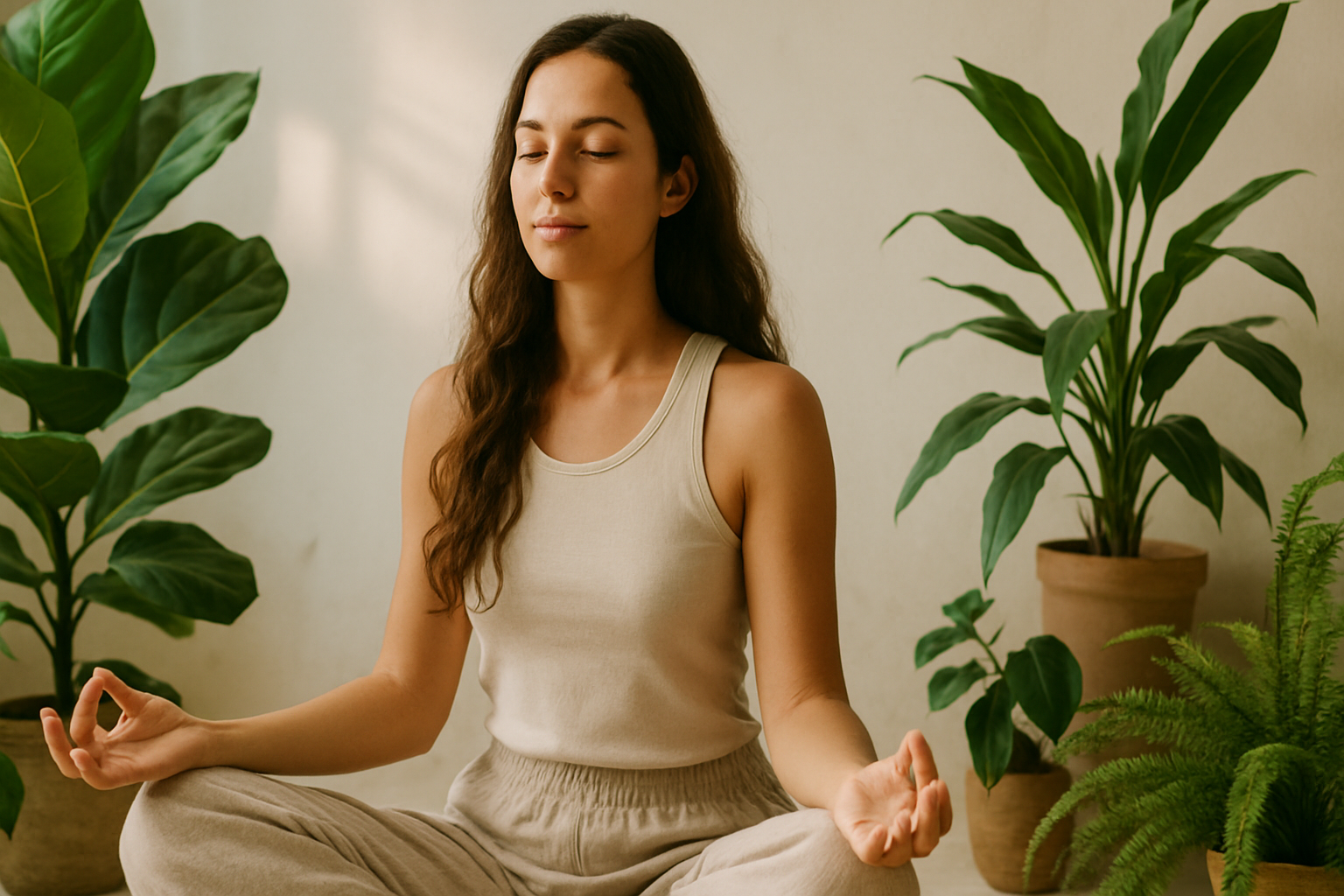
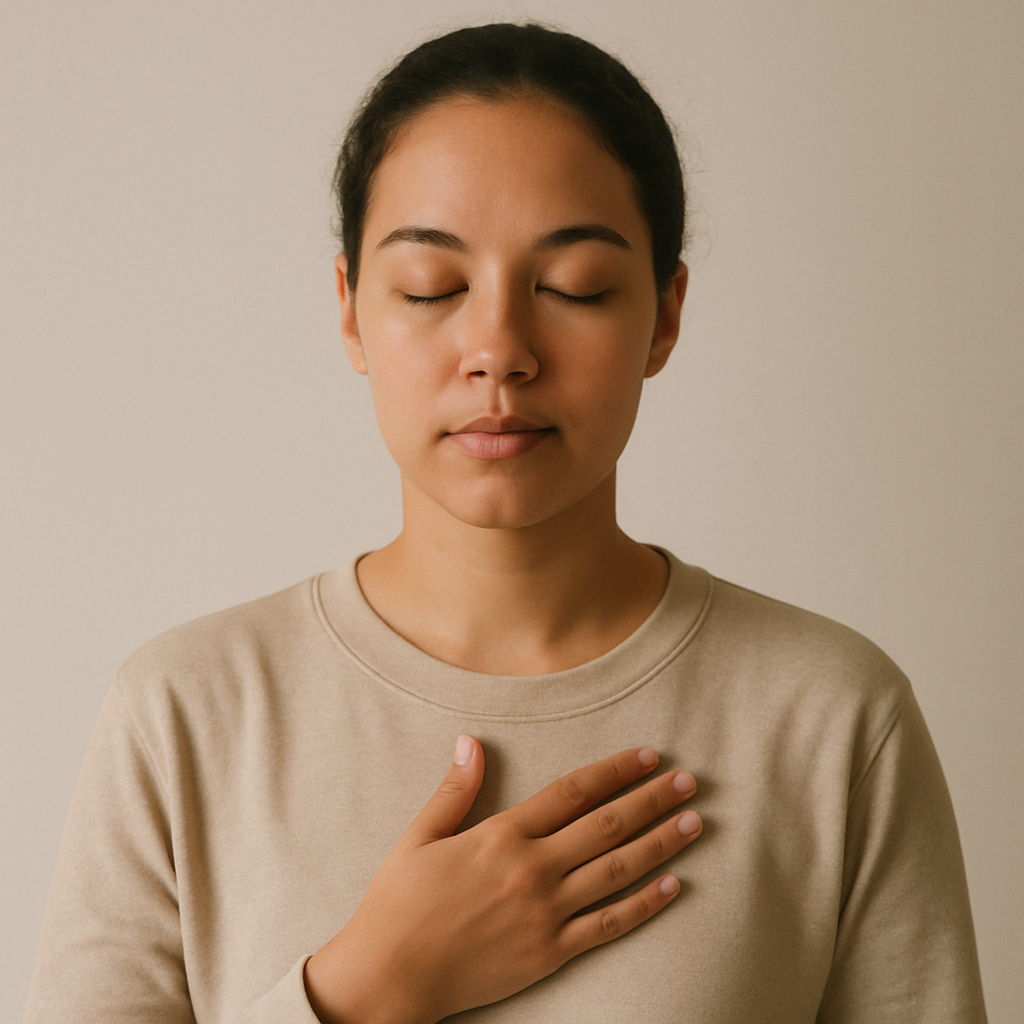
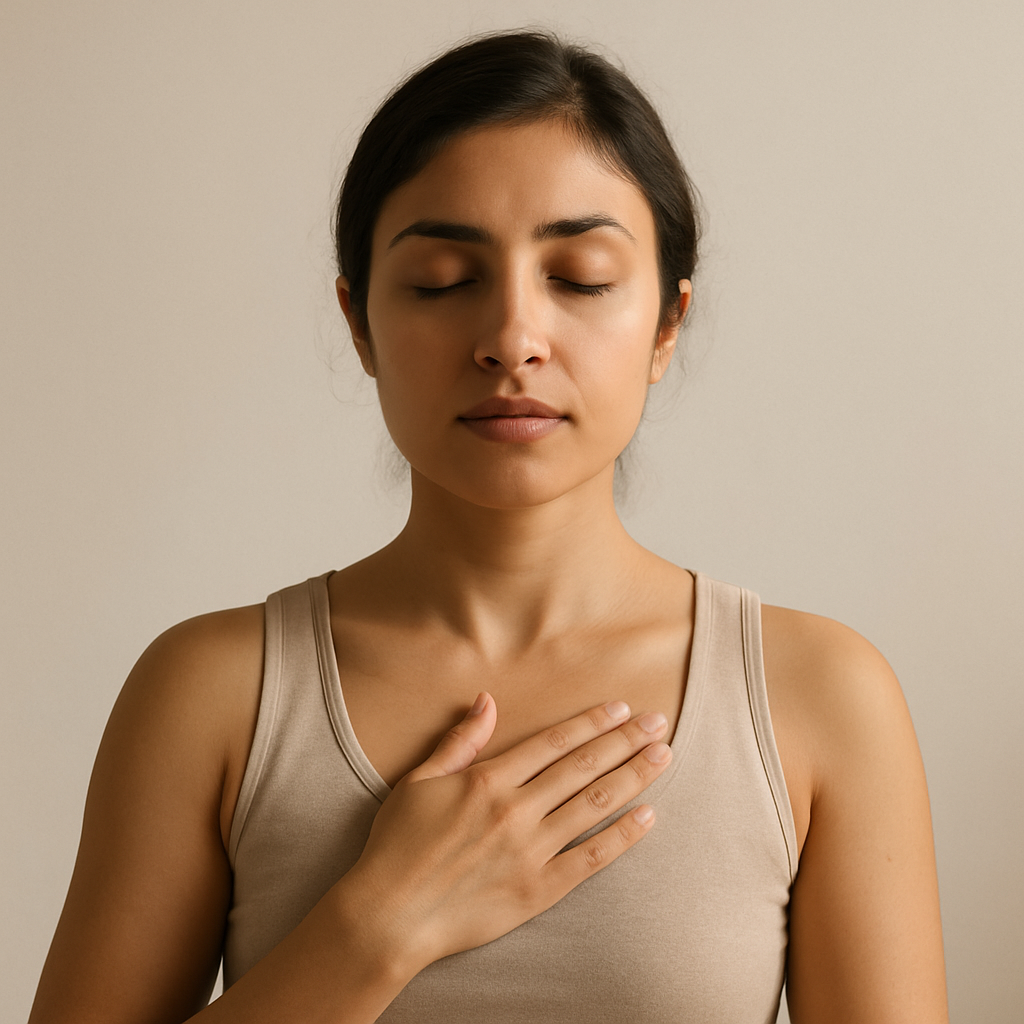
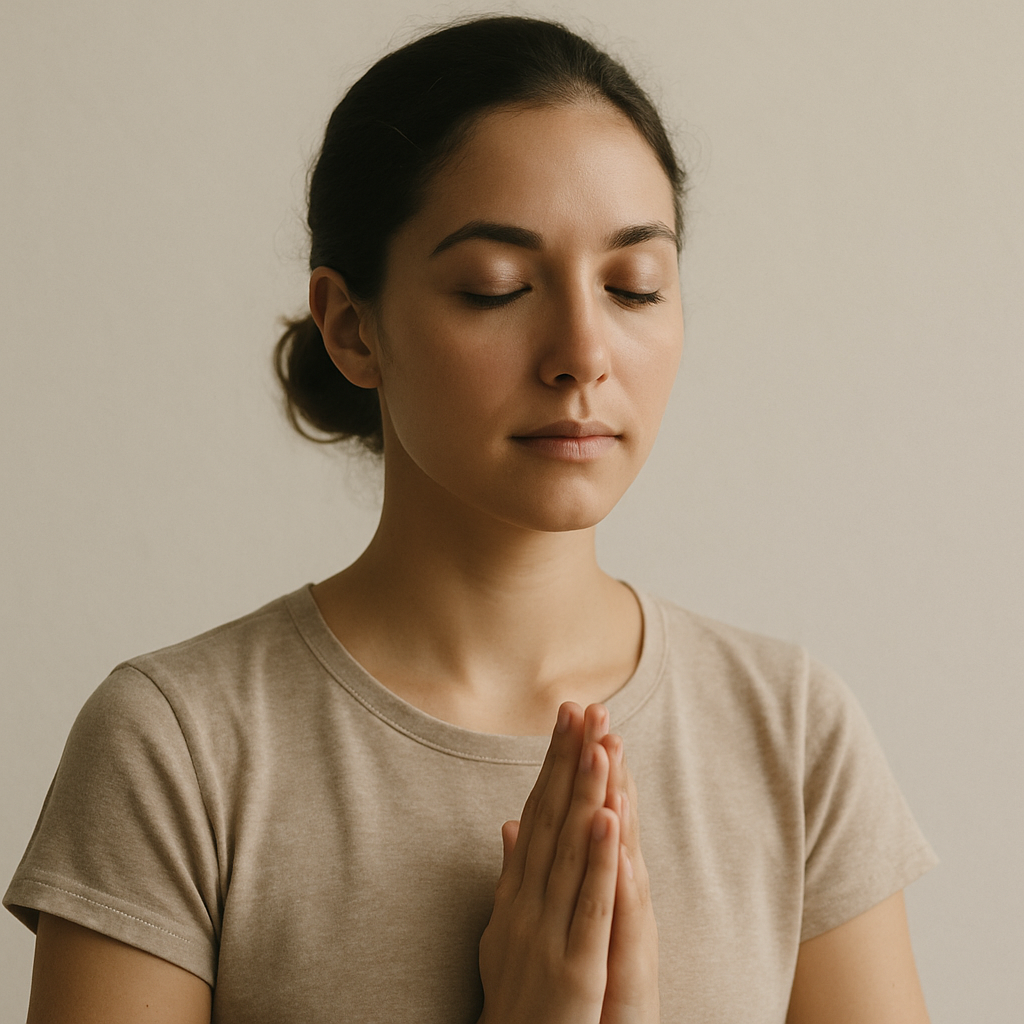
Healing meditation is a powerful practice that promotes mental, emotional, and physical well-being. It encompasses various techniques aimed at fostering relaxation, improving focus, and enhancing overall health. By engaging in healing meditation, individuals can tap into their innate ability to heal and rejuvenate themselves, bridging the gap between ancient wisdom and modern wellness practices.
What It Is
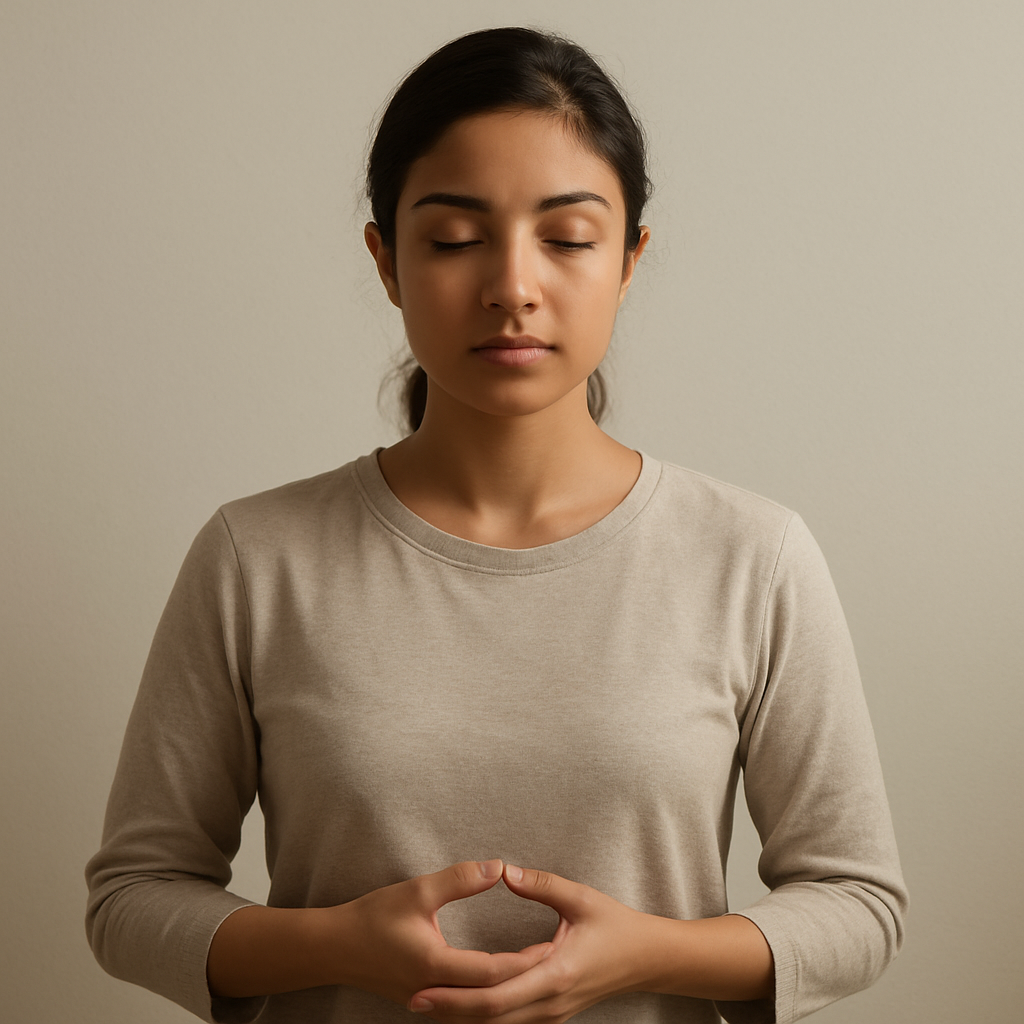
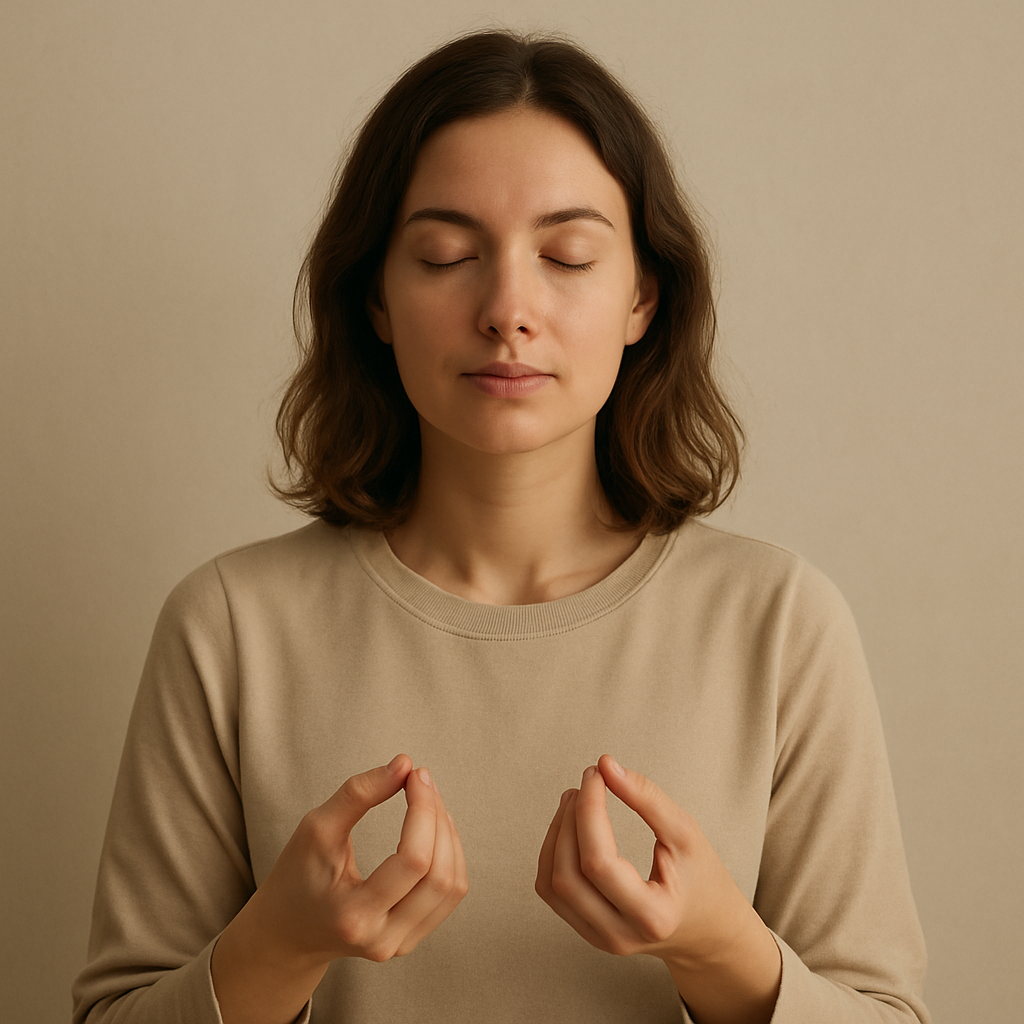
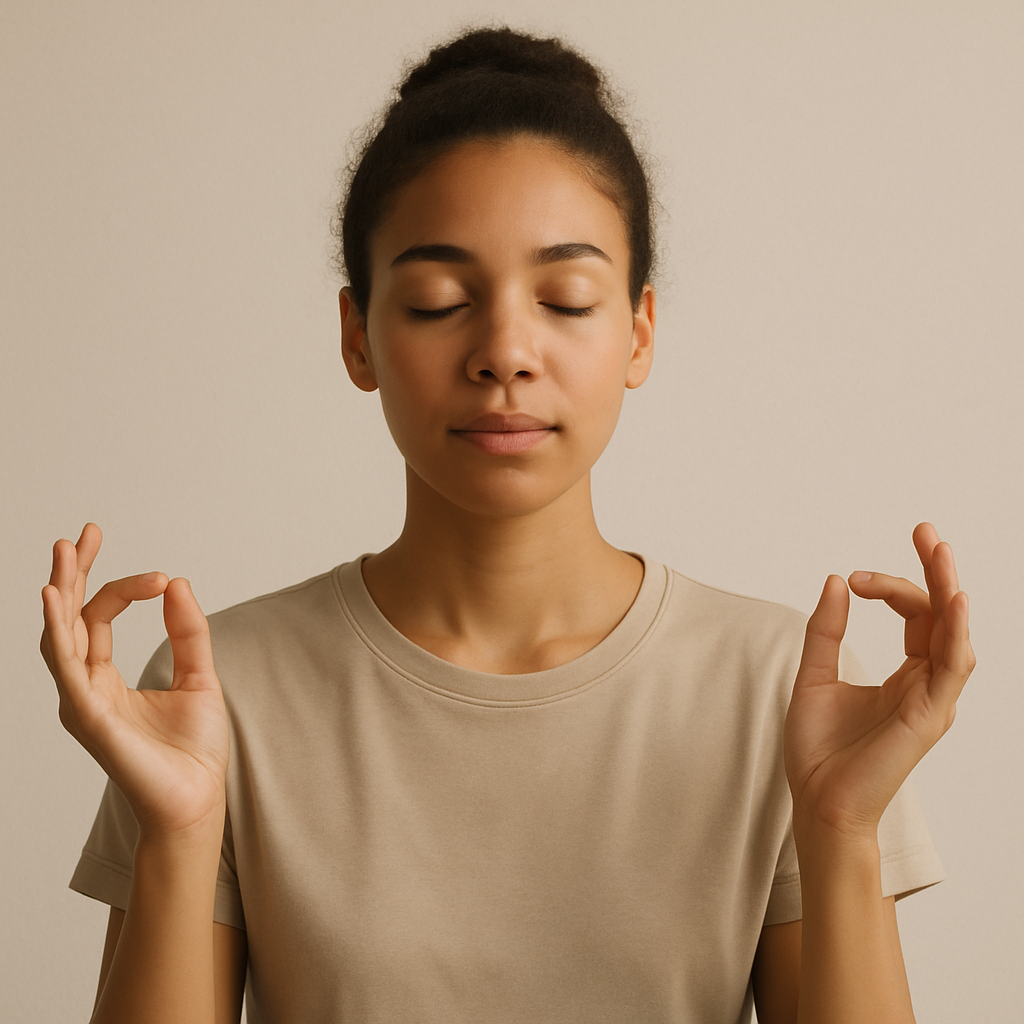
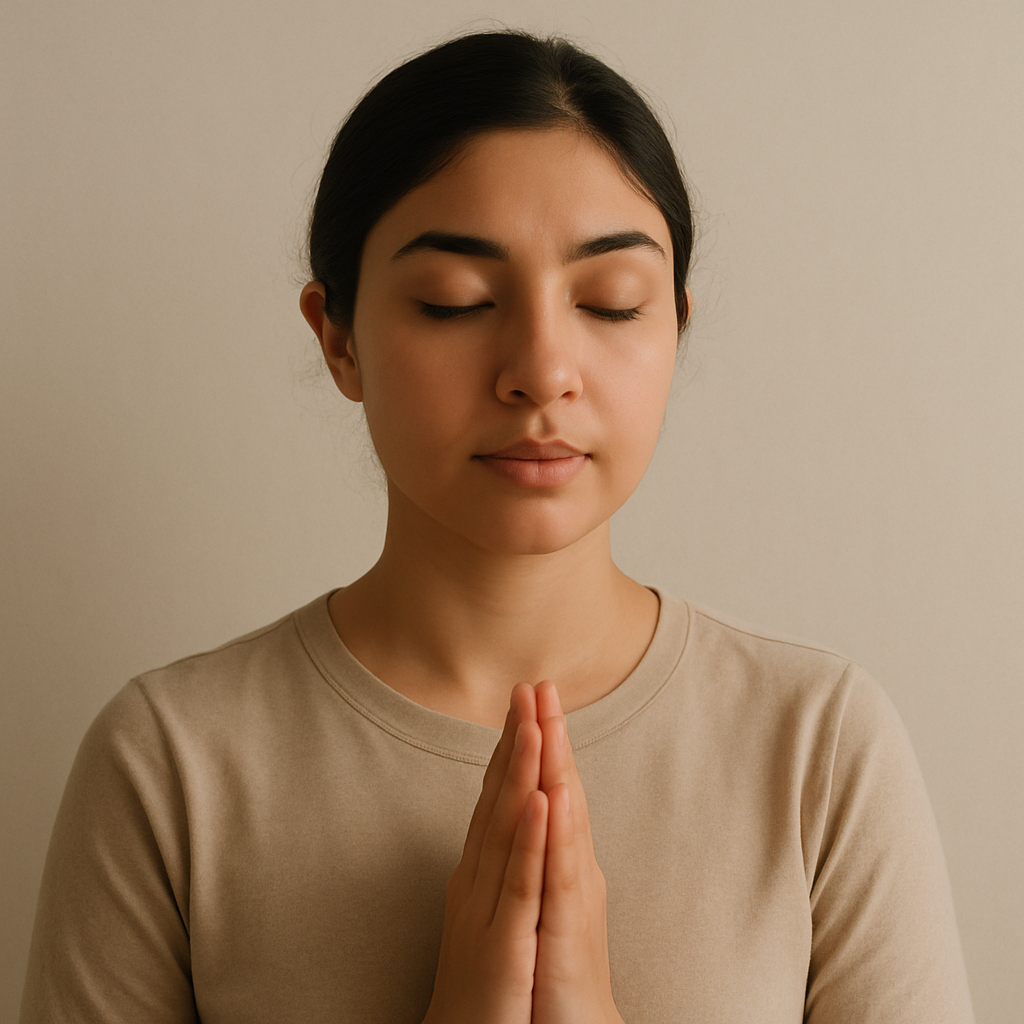
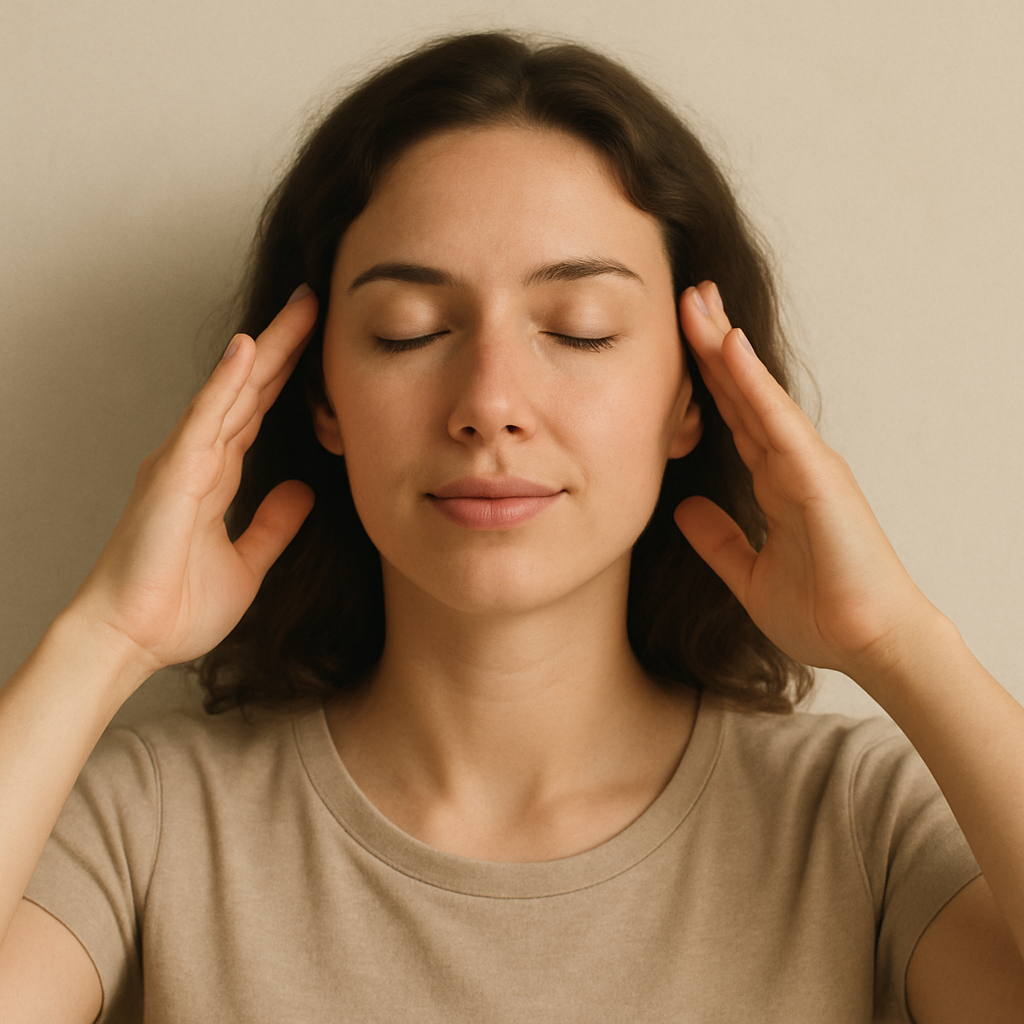
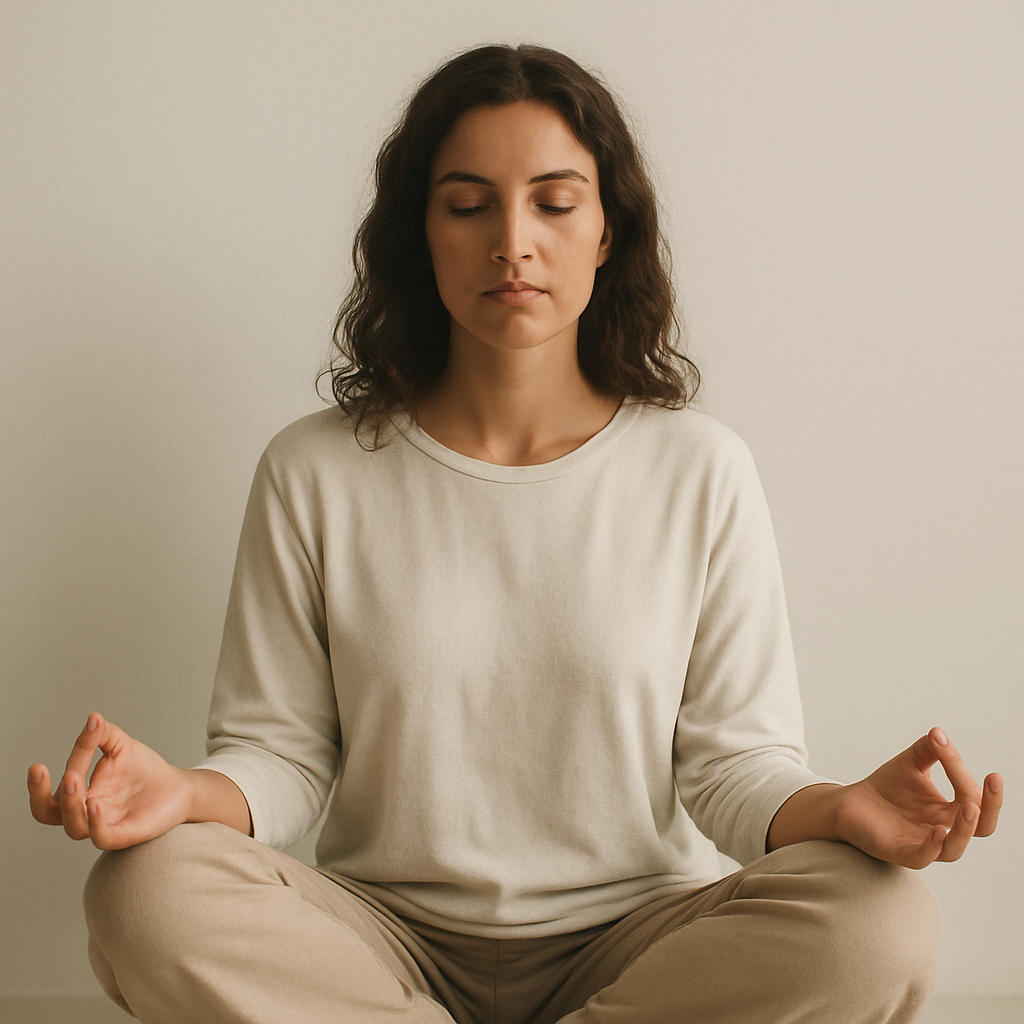
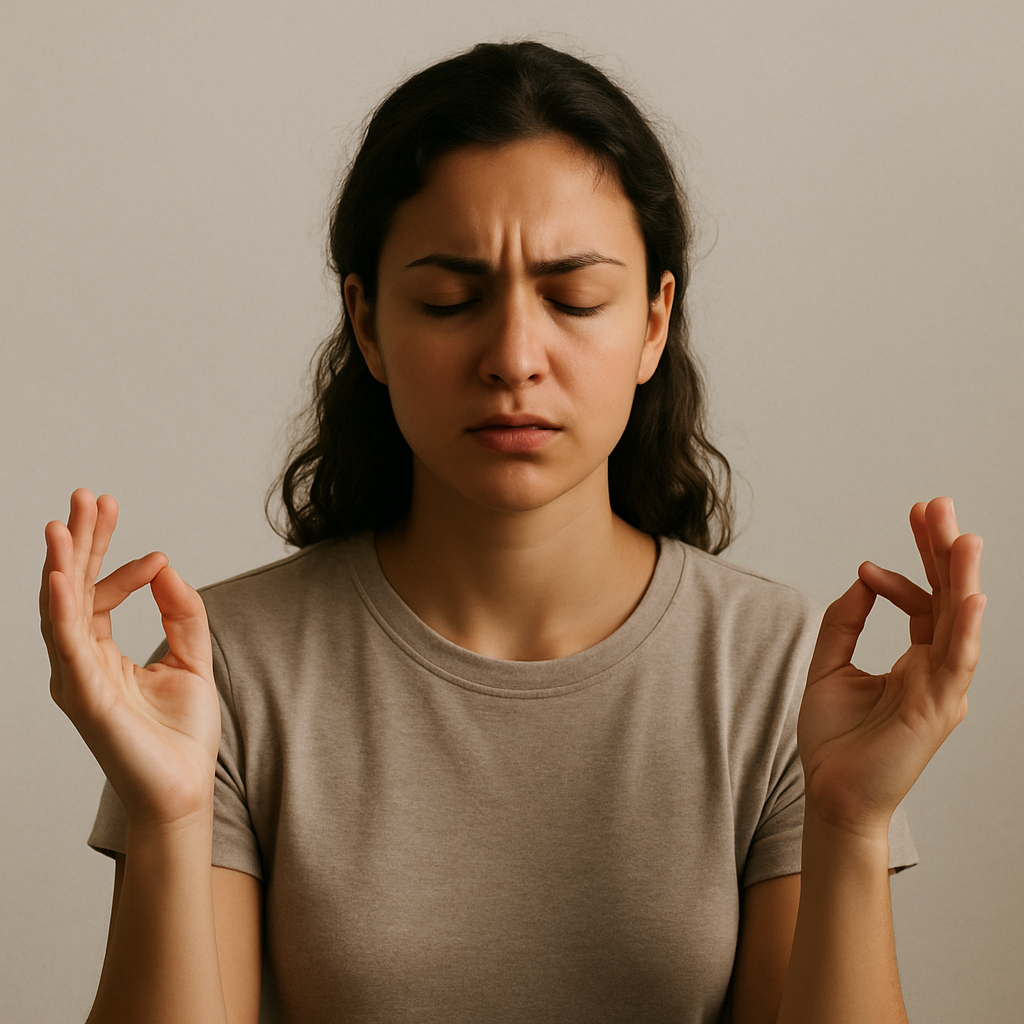
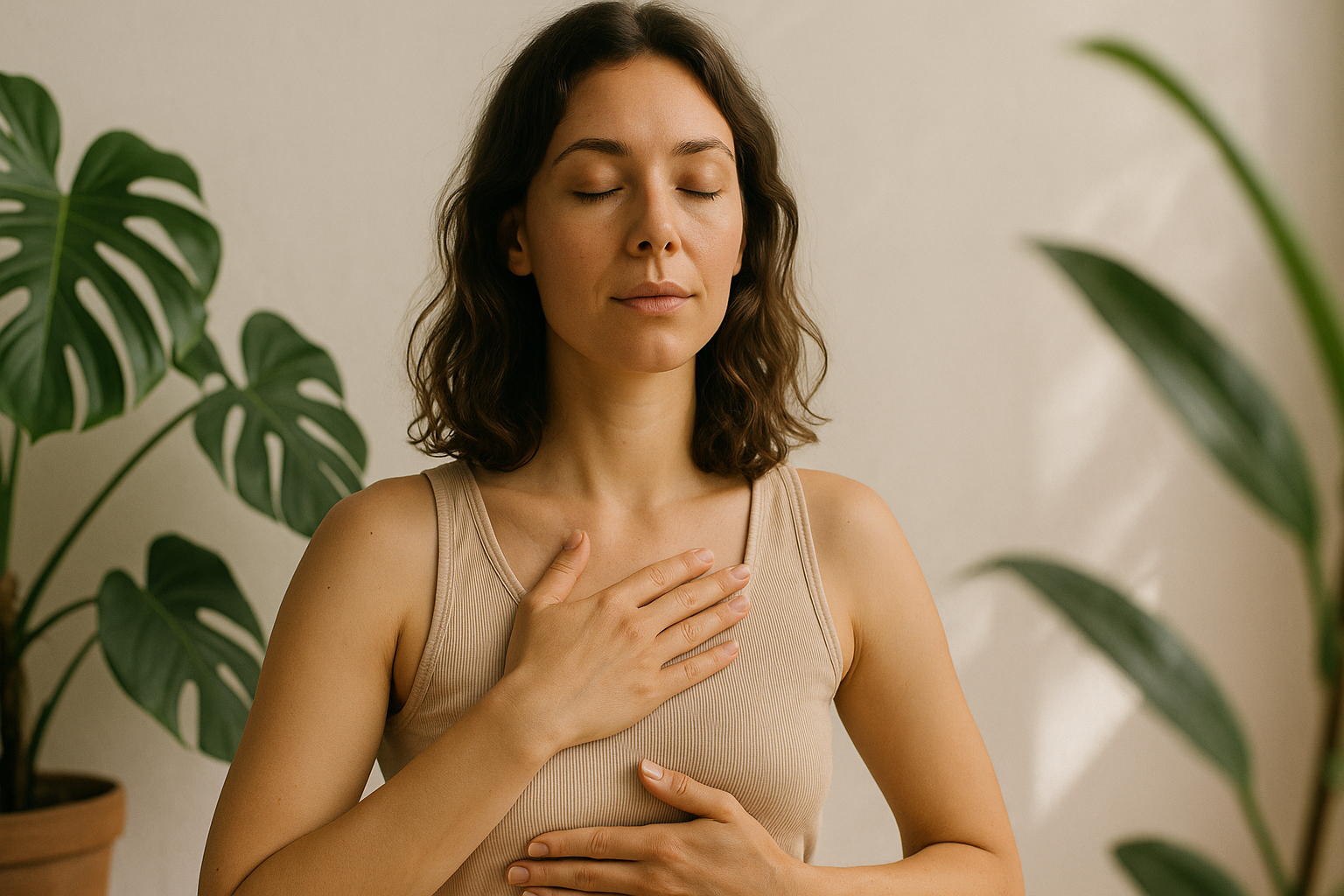
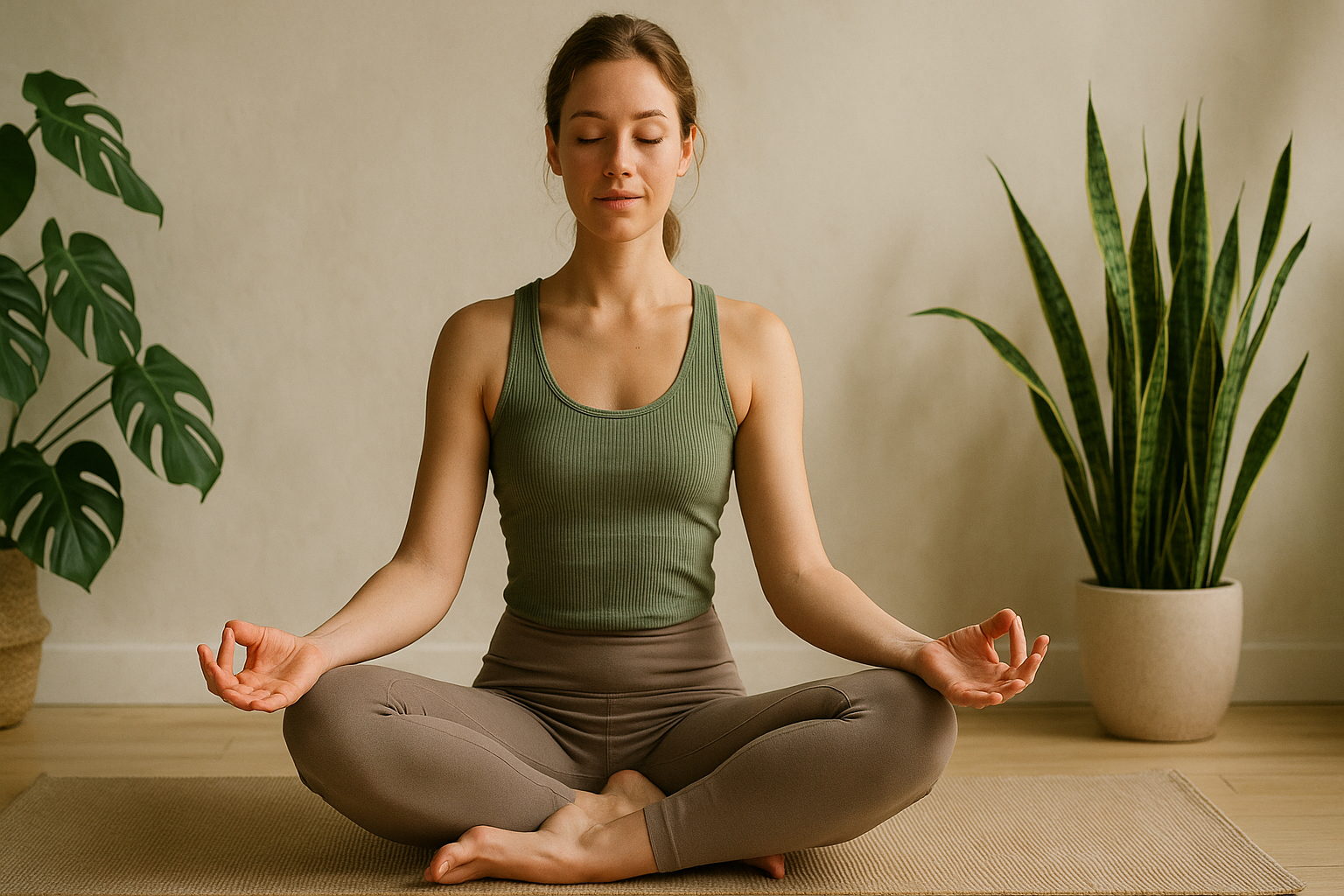
Healing meditation is a practice that combines mindfulness and focused intention to facilitate emotional and physical healing. It encompasses various techniques, including visualization, mantras, and breath awareness, to help individuals connect with their inner selves and promote healing from within. This meditative practice is rooted in ancient traditions and has been adapted in contemporary wellness approaches.
Key Active Compounds & Mechanisms
While healing meditation itself is not a substance, it engages several psychological and physiological mechanisms. Key processes include:
- Mindfulness: Enhances awareness of the present moment, reducing stress and anxiety.
- Visualization: Stimulates specific areas of the brain associated with healing and relaxation.
- Breath Regulation: Activates the parasympathetic nervous system, promoting a state of calm.
Traditional Uses
Healing meditation has been practiced for centuries across various cultures. In Eastern traditions, such as Buddhism and Hinduism, meditation has been integral to spiritual and physical health. Indigenous cultures worldwide have also used meditative practices to connect with nature, promote healing, and foster community. Ancient texts often describe the benefits of meditation for emotional balance and physical wellness, emphasizing its importance in holistic healing.
What Modern Research Suggests
Recent studies have begun to validate the benefits of healing meditation. Research indicates that consistent practice can lead to:
- Reduced symptoms of anxiety and depression.
- Lowered blood pressure and improved cardiovascular health.
- Enhanced immune function.
- Improved focus and cognitive function.
While more extensive research is needed, preliminary findings suggest that healing meditation can be a valuable complementary approach to traditional medical treatments.
Functional Actions
The functional actions of healing meditation extend beyond mere relaxation. They include:
- Promoting emotional resilience.
- Enhancing self-awareness and personal insight.
- Facilitating stress relief and tension reduction.
- Encouraging a sense of connection to oneself and others.
Body Systems Supported
Healing meditation supports various body systems, including:
- Nervous System: Reduces stress and promotes relaxation.
- Cardiovascular System: Lowers heart rate and blood pressure.
- Immune System: Enhances immune response through stress reduction.
- Endocrine System: Balances hormones associated with stress and mood.
Common Forms & Educational Dosing Ranges
Healing meditation can take many forms, and individuals can choose a practice that resonates with them. Common forms include:
- Guided Meditation: Involves listening to a facilitator who provides direction.
- Mindfulness Meditation: Focuses on awareness of thoughts and sensations.
- Transcendental Meditation: Involves repeating specific mantras.
- Movement Meditations: Includes practices like yoga and tai chi.
For optimal benefits, individuals may start with 10 to 20 minutes of meditation daily and gradually increase the duration as they become more comfortable with the practice.
Safety, Contraindications & Interactions
Healing meditation is generally safe for most individuals. However, those with specific mental health conditions, such as severe anxiety or PTSD, should consult a healthcare professional before beginning a meditation practice. It is essential to note that meditation should not replace conventional medical treatments but can be used as a complementary approach.
Pairs Well With
Healing meditation can be effectively combined with various complementary practices, including:
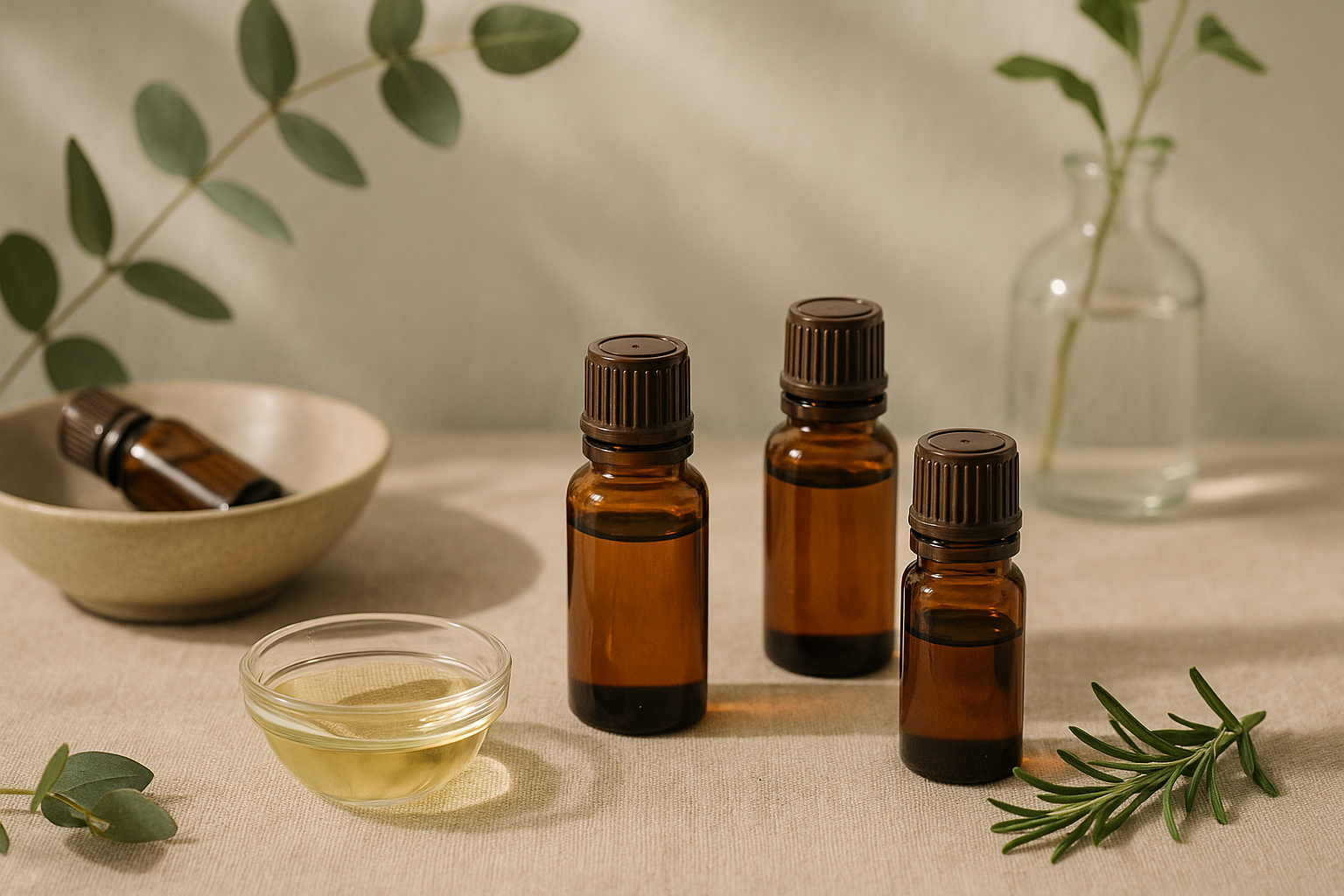
- Aromatherapy: Using essential oils to enhance relaxation.
- Yoga: Combining physical movement with meditation for holistic benefits.
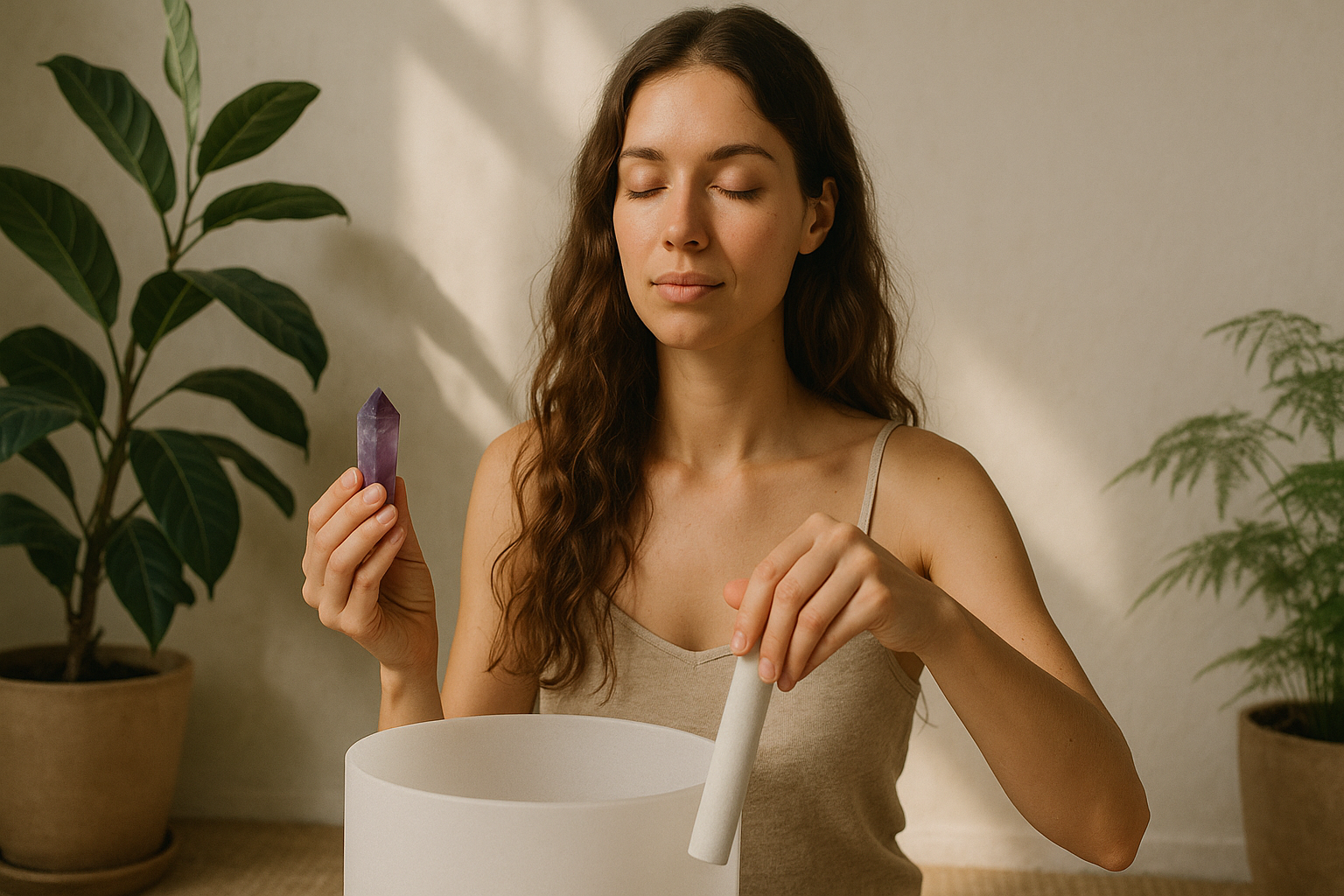
- Sound Therapy: Utilizing soothing sounds to deepen the meditative experience.
FAQs (5)
- What is the best time to practice healing meditation?
The best time to practice healing meditation varies by individual, but many find it beneficial to meditate in the morning or before bed for optimal relaxation.
- How long should I meditate each day?
Starting with 10 to 20 minutes daily is recommended, gradually increasing the duration as you become more comfortable with the practice.
- Can healing meditation help with physical pain?
Many individuals report a reduction in physical pain and discomfort through regular meditation practice, as it promotes relaxation and stress relief.
- Do I need to be a certain religion to practice healing meditation?
No, healing meditation is a secular practice and can be adapted to fit any belief system or personal preference.
- Can I meditate with a group?
Yes, group meditation can enhance the experience, providing support and shared energy, which many find beneficial.
Frequently asked
What is the best time to practice healing meditation?
The best time to practice healing meditation varies by individual, but many find it beneficial to meditate in the morning or before bed for optimal relaxation.
How long should I meditate each day?
Starting with 10 to 20 minutes daily is recommended, gradually increasing the duration as you become more comfortable with the practice.
Can healing meditation help with physical pain?
Many individuals report a reduction in physical pain and discomfort through regular meditation practice, as it promotes relaxation and stress relief.
Do I need to be a certain religion to practice healing meditation?
No, healing meditation is a secular practice and can be adapted to fit any belief system or personal preference.
Can I meditate with a group?
Yes, group meditation can enhance the experience, providing support and shared energy, which many find beneficial.