Tui Na Massage
Delve into Tui Na Massage, an ancient healing art within Traditional Chinese Medicine, known for its various therapeutic benefits and historical significance.
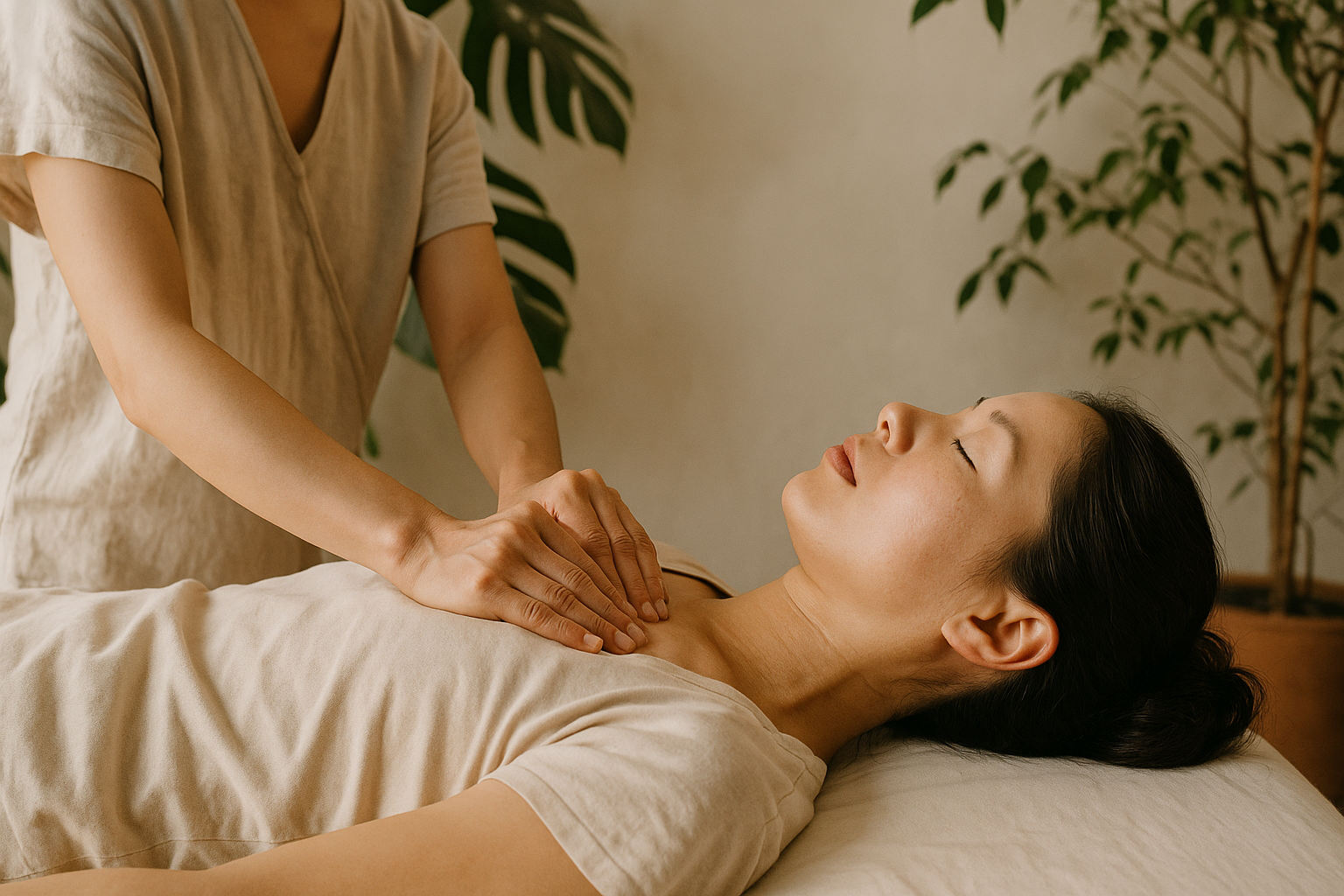
Explore the ancient practice of Tui Na Massage, a vital aspect of Traditional Chinese Medicine known for its therapeutic benefits. Learn about its history, techniques, and modern applications.
What It Is
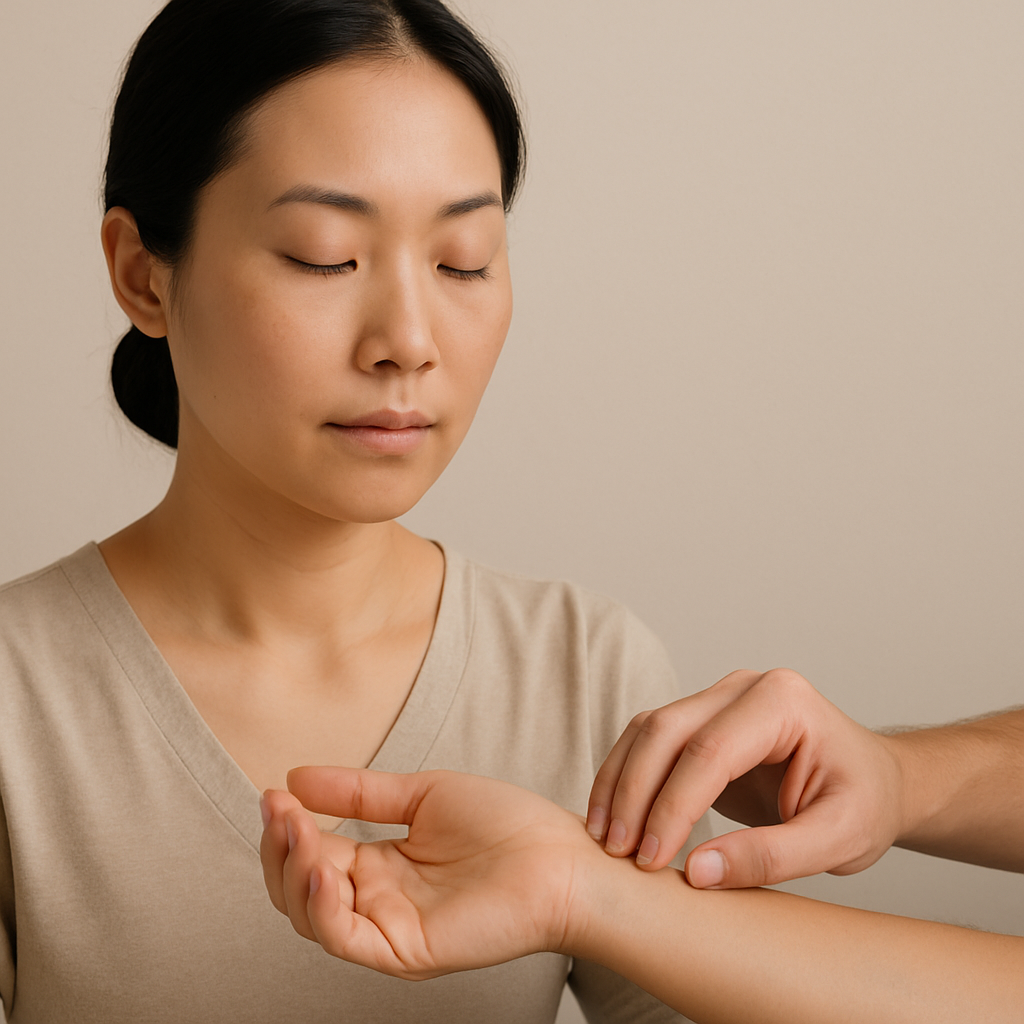
Tui Na Massage is a traditional Chinese therapeutic technique that combines acupressure, massage, and manipulation of the body to promote healing and balance. The term "Tui Na" translates to "push" and "grasp," referring to the primary movements used in this practice. It is considered one of the oldest forms of bodywork in Traditional Chinese Medicine (TCM) and is often utilized to stimulate the flow of Qi, or vital energy, throughout the body.
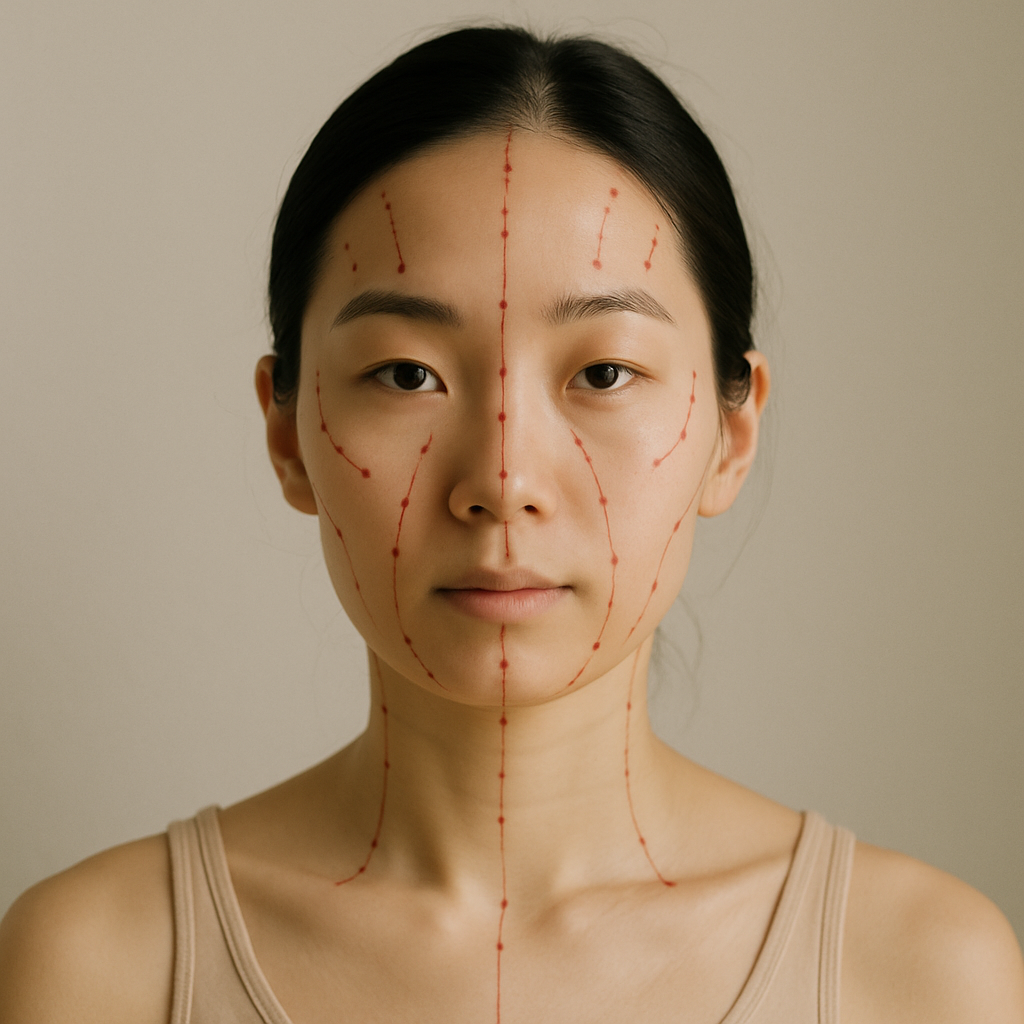
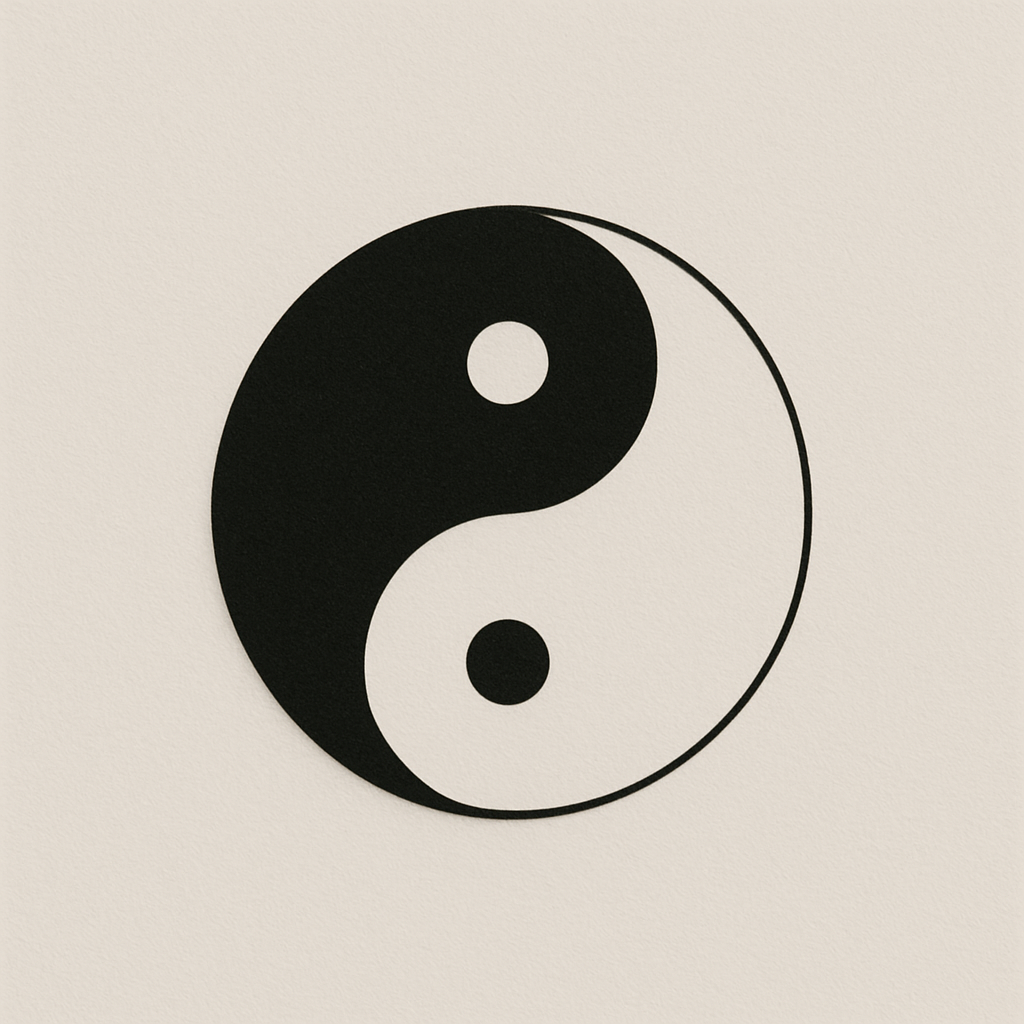
This modality is distinct from Western massage therapies, as it incorporates principles of TCM, including the meridian system and the balance of yin and yang. Tui Na practitioners use their hands, fingers, and sometimes elbows to apply a variety of techniques, including kneading, rolling, and pressing to specific points on the body, aiming to alleviate pain, improve circulation, and enhance overall wellness.
Historical Context Within Traditional Chinese Medicine
Tui Na has a rich history that dates back over 2,500 years, emerging alongside the development of Traditional Chinese Medicine. Ancient texts, such as the "Huangdi Neijing" (The Yellow Emperor's Classic of Internal Medicine), reference Tui Na as a method of promoting health and treating ailments. The practice was developed by early Chinese healers who recognized the importance of manipulating soft tissues to influence the flow of Qi and blood within the body.
During the Tang Dynasty (618-907 AD), Tui Na gained prominence as a formal practice within TCM, evolving alongside acupuncture and herbal medicine. It was widely practiced in hospitals and clinics, and its techniques were refined by various schools of thought, contributing to its status as a respected and essential component of TCM.
How It's Practiced
Tui Na practitioners begin by assessing the individual's overall health and specific concerns. The session typically follows these steps:
- Consultation: Discussing the client's health history, current symptoms, and goals for treatment.
- Assessment: Evaluating the body for areas of tension, pain, and imbalance.
- Technique Application: Utilizing various Tui Na techniques, such as:
- Effleurage (gentle gliding strokes)
- Petrissage (kneading motions)
- Friction (deep pressure on specific points)
- Tapotement (rhythmic tapping or percussive movements)
- Follow-Up: Providing advice on self-care practices and when to return for additional sessions.
What It Is Traditionally Explored For
Tui Na is traditionally used for a variety of conditions, focusing on achieving balance and relieving discomfort. Common goals include:
- Relieving musculoskeletal pain, such as back pain, neck pain, and joint issues.
- Improving circulation and promoting relaxation.
- Addressing digestive disorders and promoting overall digestive health.
- Enhancing immune function and reducing stress.
- Facilitating recovery from injuries or surgeries.
What Modern Research Suggests
However, while initial findings are promising, more rigorous clinical trials are needed to fully understand the extent of Tui Na's benefits and to establish standardized treatment protocols. As with many traditional practices, the integration of Tui Na into modern healthcare necessitates caution and further investigation.
Safety, Contraindications & Who Should Skip
Tui Na is generally considered safe when performed by a qualified practitioner. However, certain individuals may need to exercise caution or avoid this treatment altogether, including:
- Pregnant women, especially in the first trimester.
- Individuals with fractures, severe osteoporosis, or recent surgical sites without medical clearance.
- Those with skin conditions or infections in the treatment area.
- People with severe cardiovascular issues or uncontrolled hypertension.
- Individuals with specific medical conditions, such as certain types of cancer, should consult their healthcare provider before undergoing Tui Na.
Pairs Well With (within Traditional Chinese Medicine and across pillars)
Tui Na can be effectively paired with various other modalities and treatments within TCM and beyond, including:
- Acupuncture
- Herbal medicine
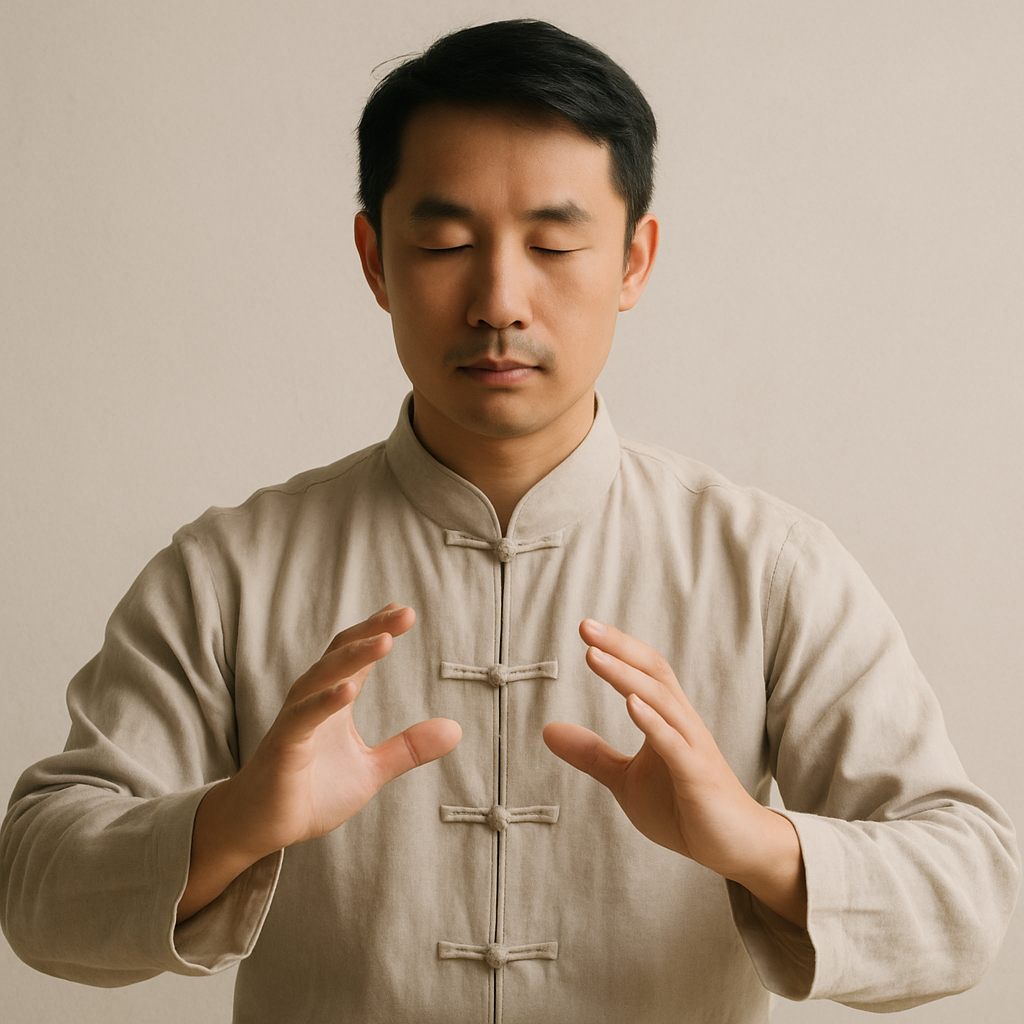
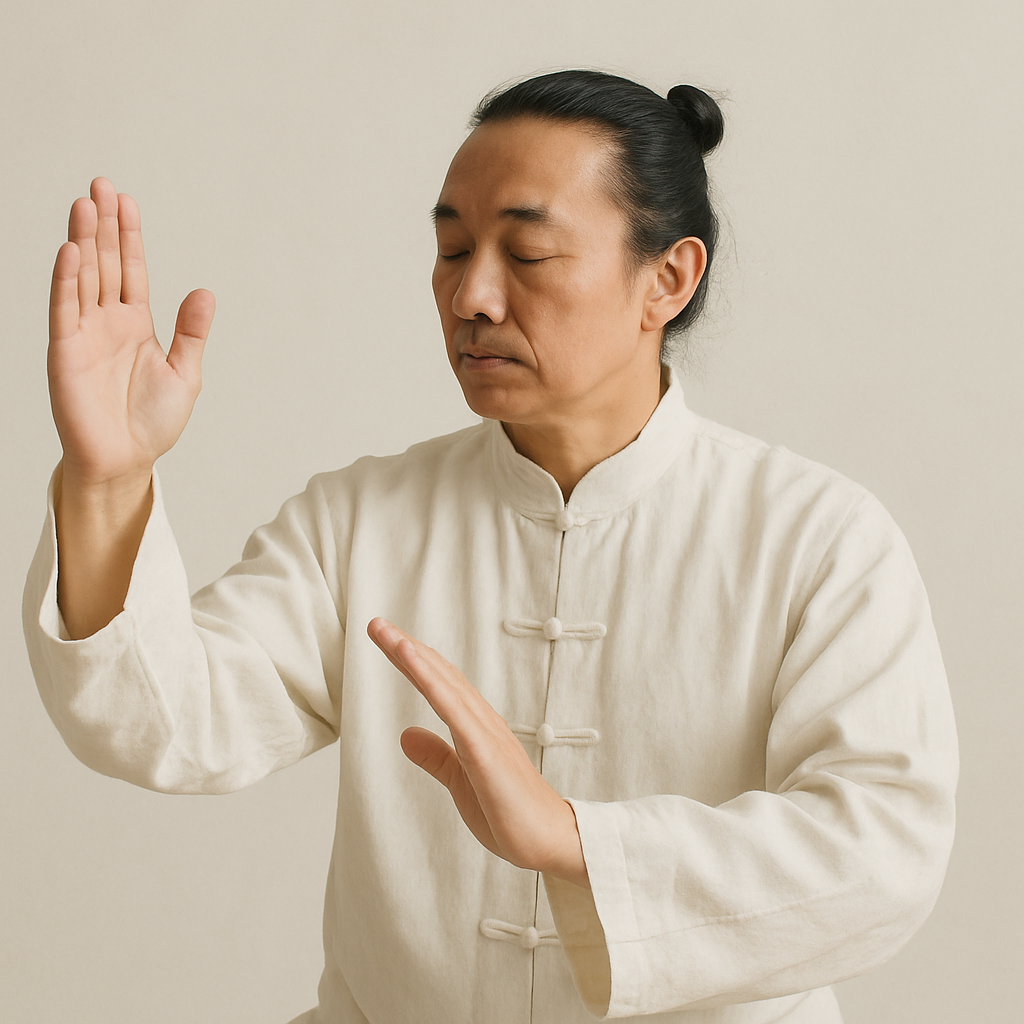
- Qi Gong and Tai Chi
- Dietary therapy
- Other massage techniques, such as Shiatsu or Swedish massage
How to Find a Qualified Practitioner
To find a qualified Tui Na practitioner, consider the following steps:
- Seek referrals from trusted healthcare providers or friends who have experienced Tui Na.
- Look for practitioners with credentials in Traditional Chinese Medicine or specific training in Tui Na.
- Check for reviews and testimonials from previous clients.
- Ensure the practitioner maintains a clean and professional environment.
- Schedule a consultation to discuss your needs and assess your comfort level with the practitioner.
FAQs
- What should I expect during a Tui Na session? A typical session involves a consultation, assessment, and the application of various techniques tailored to your needs.
- Is Tui Na painful? While some techniques may cause temporary discomfort, most patients find Tui Na to be relaxing and beneficial.
- How long does a Tui Na session last? Sessions generally last between 30 to 60 minutes, depending on individual needs and treatment goals.
- How often should I receive Tui Na? Frequency varies based on individual circumstances, but many people benefit from weekly or bi-weekly sessions.
- Can Tui Na be used alongside other treatments? Yes, Tui Na can complement other therapies, such as acupuncture and herbal medicine, to enhance overall wellness.
Frequently asked
What should I expect during a Tui Na session?
A typical session involves a consultation, assessment, and the application of various techniques tailored to your needs.
Is Tui Na painful?
While some techniques may cause temporary discomfort, most patients find Tui Na to be relaxing and beneficial.
How long does a Tui Na session last?
Sessions generally last between 30 to 60 minutes, depending on individual needs and treatment goals.
How often should I receive Tui Na?
Frequency varies based on individual circumstances, but many people benefit from weekly or bi-weekly sessions.
Can Tui Na be used alongside other treatments?
Yes, Tui Na can complement other therapies, such as acupuncture and herbal medicine, to enhance overall wellness.