Acupuncture
Acupuncture is a foundational practice in Traditional Chinese Medicine, focusing on the circulation of energy within the body to promote healing.

Explore the ancient practice of acupuncture, a key component of Traditional Chinese Medicine that has been used for centuries to promote healing and well-being. Discover its historical context, practical applications, and modern research insights.
What It Is
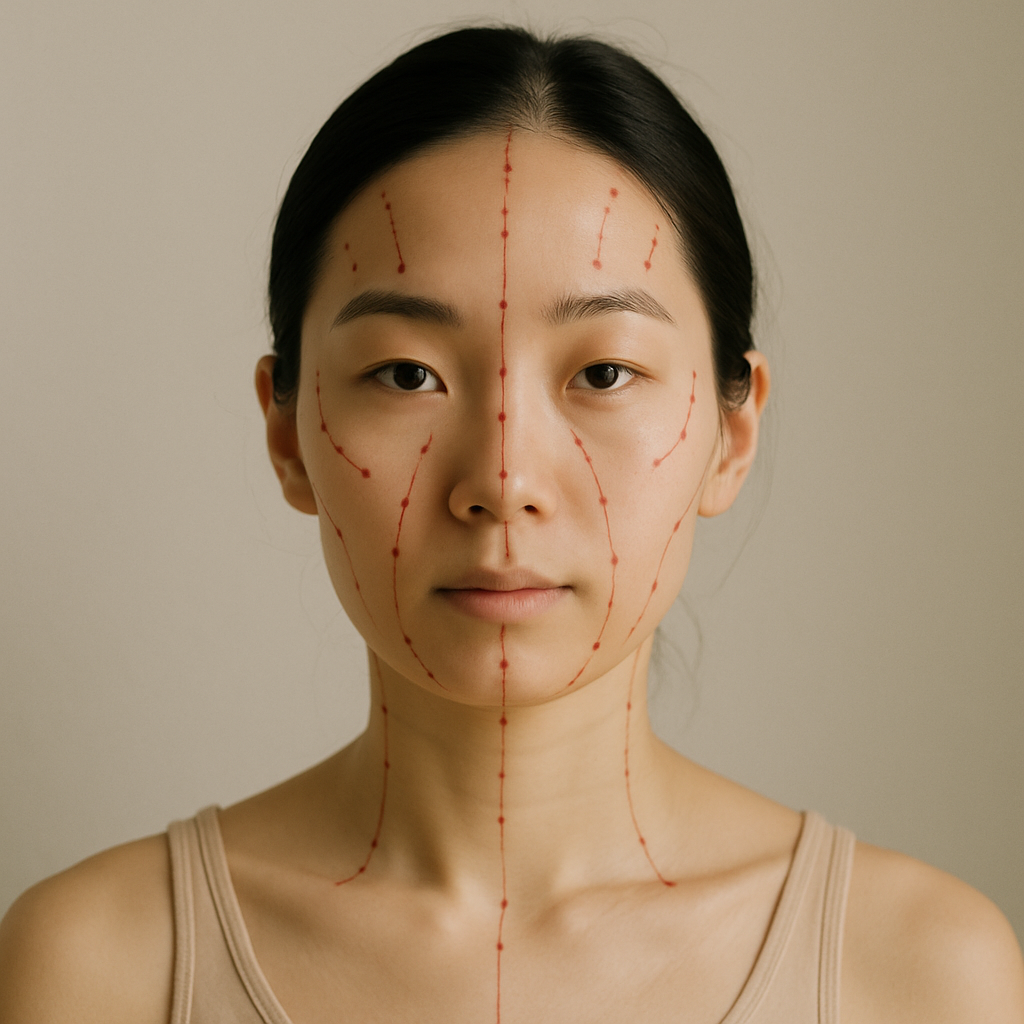
Acupuncture is an ancient therapeutic practice that involves the insertion of thin needles into specific points on the body. This technique is based on the belief that energy, or "Qi" (pronounced "chee"), flows through pathways known as meridians. By stimulating these points, practitioners aim to restore balance and harmony within the body, promoting overall health and well-being.
In Traditional Chinese Medicine (TCM), acupuncture is seen as a method to encourage the body's natural healing processes. It is often used in conjunction with other TCM practices, such as herbal medicine and dietary therapy, to create a holistic approach to health. The practice not only addresses physical ailments but also emotional and mental health issues, reflecting the interconnectedness of body, mind, and spirit.
Historical Context Within Traditional Chinese Medicine
Acupuncture dates back thousands of years, with its roots deeply embedded in the history of Traditional Chinese Medicine. The earliest known references to acupuncture can be found in texts from the Han Dynasty (206 BCE – 220 CE), where it was described as a technique for treating various ailments. Over the centuries, it evolved, influenced by the philosophical foundations of TCM, including concepts of Yin and Yang, the Five Elements, and the flow of Qi.
While the exact origins of acupuncture are difficult to pinpoint, it is believed to have been developed by ancient Chinese healers who observed the effects of sharp stones and bones used in therapeutic practices. Over time, acupuncture became a formalized system of treatment, with various schools of thought emerging, each contributing to its refinement and depth within TCM.
How It's Practiced
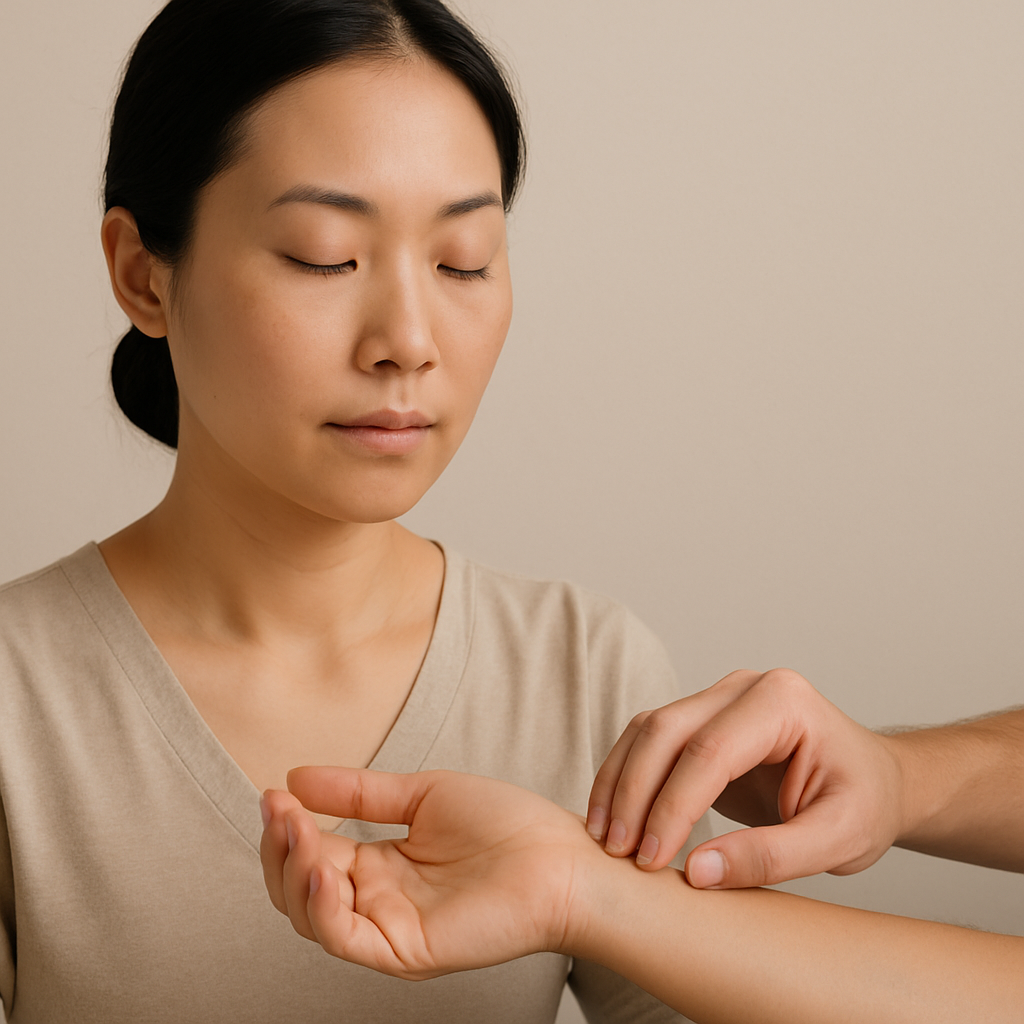
Acupuncture is typically performed by licensed practitioners who have undergone extensive training. Here is a general overview of how an acupuncture session is conducted:
- Consultation: The practitioner begins with a thorough assessment of the patient's health history, concerns, and lifestyle.
- Diagnosis: Based on TCM principles, the practitioner identifies the underlying imbalances that may be contributing to the patient's symptoms.
- Point Selection: Specific acupuncture points are chosen based on the diagnosis. These points correspond to various organs and systems within the body.
- Needle Insertion: Sterile, disposable needles are gently inserted into the selected points. This process is usually painless, with some patients experiencing a mild sensation of warmth or tingling.
- Duration: Needles may remain in place for 20 to 40 minutes, during which the patient may relax or meditate.
- Post-Treatment Advice: The practitioner may provide guidance on lifestyle changes, dietary recommendations, or additional TCM modalities to enhance the benefits of the treatment.
What It Is Traditionally Explored For
Acupuncture has been traditionally used for a variety of health concerns. While it is essential to approach these uses with caution and awareness of individual health needs, common goals include:
- Pain Management: Acupuncture is often sought for relief from chronic pain conditions, including arthritis, back pain, and migraines.
- Stress and Anxiety Reduction: Many individuals turn to acupuncture for its calming effects, which may help alleviate symptoms of stress and anxiety.
- Digestive Health: It has been traditionally explored for managing digestive disorders such as irritable bowel syndrome and indigestion.
- Menstrual and Reproductive Health: Acupuncture is sometimes used to address menstrual irregularities, fertility issues, and menopausal symptoms.
- Immune Support: Some practitioners utilize acupuncture to help enhance immune function and promote overall wellness.
What Modern Research Suggests
Modern research on acupuncture has produced a growing body of evidence suggesting its potential effectiveness for various conditions. Preliminary studies have indicated that acupuncture may be beneficial for pain relief, particularly in conditions like osteoarthritis and chronic lower back pain. Some clinical trials have shown that acupuncture can reduce the frequency and intensity of migraines and tension-type headaches.
While many studies report positive outcomes, it is crucial to note that results can vary significantly among individuals, and more rigorous, large-scale trials are needed to establish definitive conclusions. Additionally, acupuncture should not be viewed as a standalone treatment but rather as a complementary approach within a comprehensive healthcare plan.
Safety, Contraindications & Who Should Skip
Acupuncture is generally considered safe when performed by a qualified practitioner. However, certain individuals may need to exercise caution or avoid acupuncture altogether, including:
- Those with bleeding disorders or individuals taking anticoagulant medications.
- Pregnant women, particularly during the first trimester, without consulting a healthcare provider.
- Individuals with a compromised immune system or certain acute infections.
- Those with certain medical conditions, such as severe cardiovascular disease, should seek medical advice before undergoing acupuncture.
Pairs Well With (within Traditional Chinese Medicine and across pillars)
Acupuncture is often used in conjunction with other modalities in Traditional Chinese Medicine and can complement various healing practices, including:
- Herbal Medicine: Combining acupuncture with herbal treatments can enhance therapeutic effects and address multiple aspects of health.
- Qi Gong and Tai Chi: These movement practices can support the flow of Qi and improve overall well-being.
- Dietary Therapy: Nutritional advice based on TCM principles can further promote balance and health.
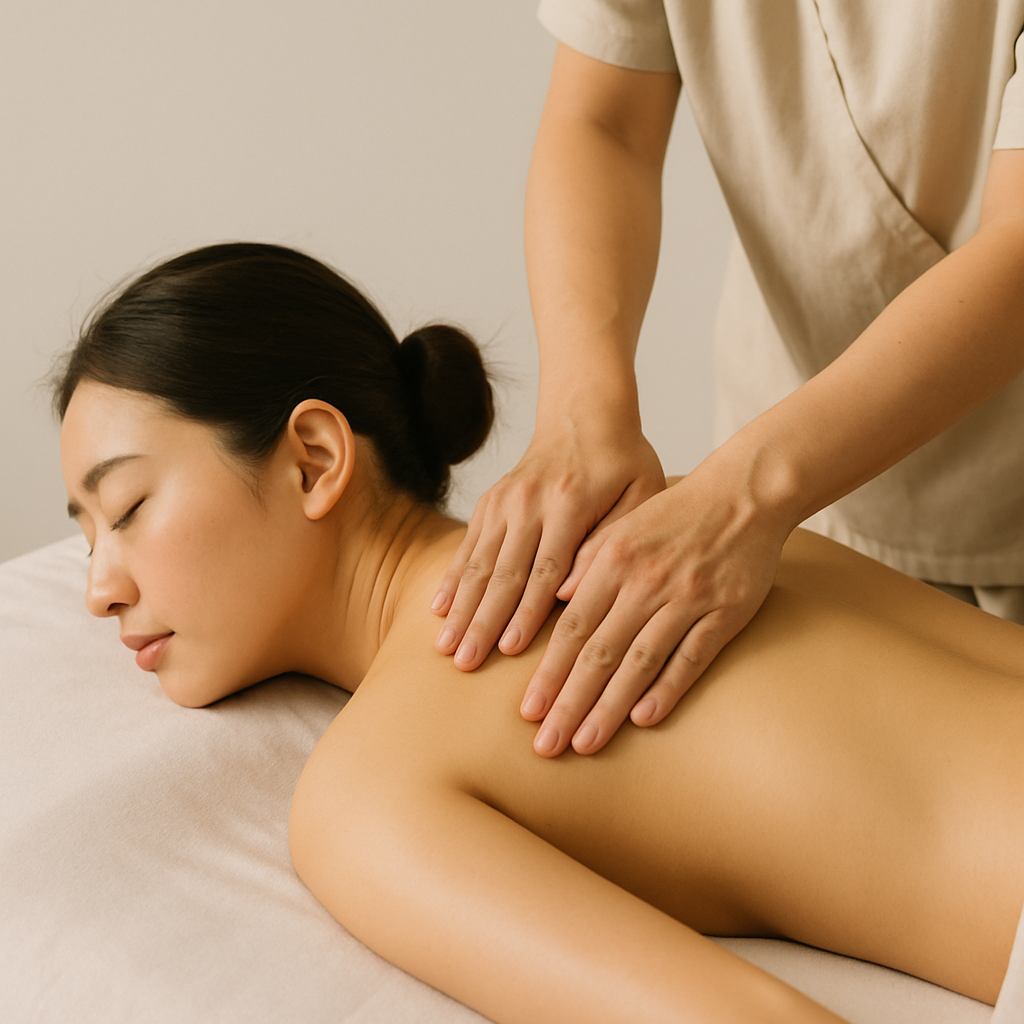
- Massage Therapy: Techniques such as Tui Na can complement acupuncture by addressing muscle tension and promoting relaxation.
How to Find a Qualified Practitioner
Finding a qualified acupuncturist is essential for a safe and effective experience. Here are some tips to consider:
- Look for practitioners who are licensed and certified by recognized acupuncture boards or associations.
- Check their educational background and training in Traditional Chinese Medicine.
- Read reviews or ask for referrals from trusted sources.
- Consider scheduling a consultation to discuss your health concerns and gauge the practitioner's approach.
- Ensure the practitioner maintains a clean and professional practice environment.
FAQs
- Is acupuncture painful? Most patients report little to no pain during needle insertion. Some may experience a sensation of warmth or tingling.
- How many sessions will I need? The number of sessions varies based on individual needs and health conditions, typically ranging from a few to several treatments.
- Can I combine acupuncture with other treatments? Yes, acupuncture can be safely combined with other therapies, but always consult with your healthcare provider first.
- Is acupuncture safe for children? Acupuncture can be safe for children when performed by a qualified practitioner trained in pediatric care.
- How do I prepare for my acupuncture session? Wear loose, comfortable clothing and avoid eating a heavy meal right before your appointment.
Frequently asked
Is acupuncture painful?
Most patients report little to no pain during needle insertion. Some may experience a sensation of warmth or tingling.
How many sessions will I need?
The number of sessions varies based on individual needs and health conditions, typically ranging from a few to several treatments.
Can I combine acupuncture with other treatments?
Yes, acupuncture can be safely combined with other therapies, but always consult with your healthcare provider first.
Is acupuncture safe for children?
Acupuncture can be safe for children when performed by a qualified practitioner trained in pediatric care.
How do I prepare for my acupuncture session?
Wear loose, comfortable clothing and avoid eating a heavy meal right before your appointment.