Pulse Diagnosis
Discover the ancient practice of Pulse Diagnosis within Traditional Chinese Medicine, its origins, applications, and how to find qualified practitioners.

Explore Pulse Diagnosis, a key practice in Traditional Chinese Medicine, focusing on its definition, historical context, and modern applications.
What It Is
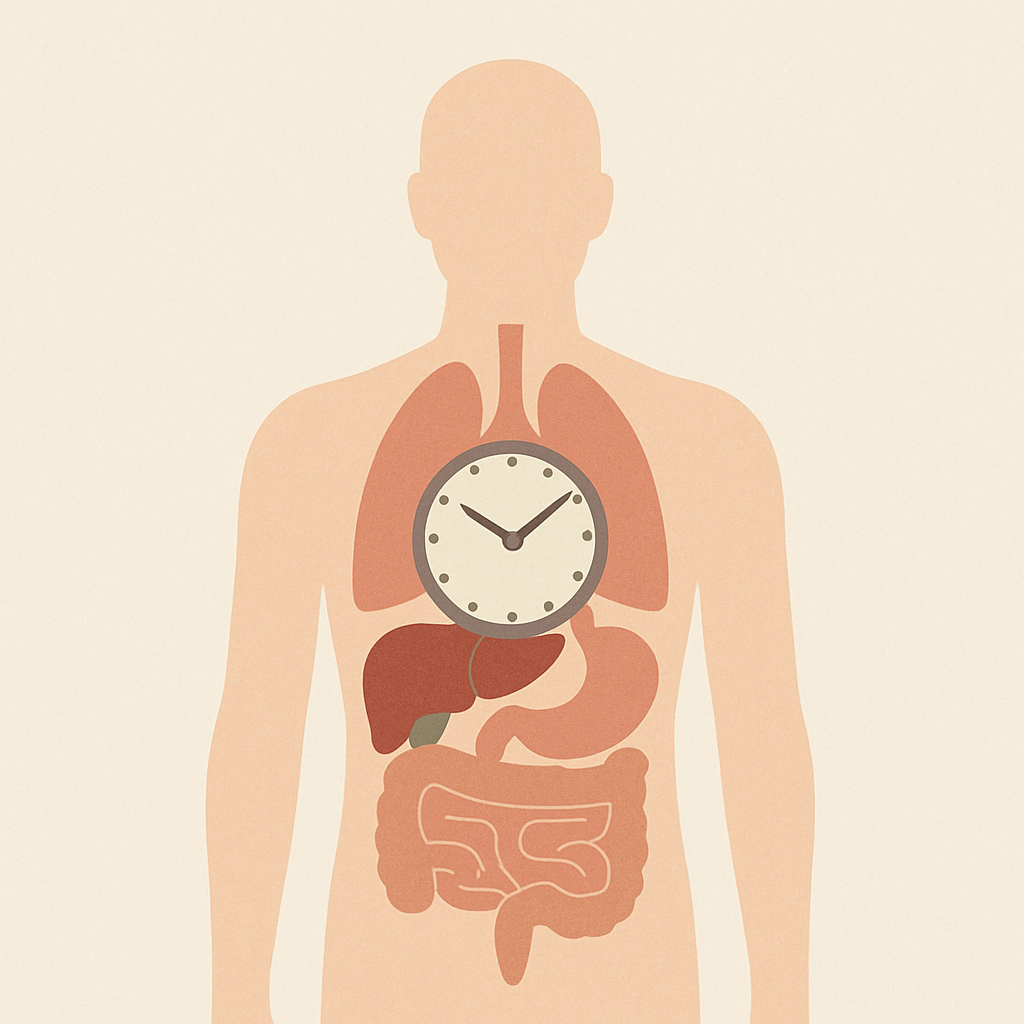
Pulse Diagnosis is a traditional diagnostic technique used within the framework of Traditional Chinese Medicine (TCM). It involves the assessment of the pulse at various positions on the wrist to gather insights about the body's internal health and balance. Practitioners believe that the quality, strength, and rhythm of the pulse can reflect the state of different organs and systems in the body, allowing for a comprehensive understanding of a person's health.
In Pulse Diagnosis, the practitioner typically uses three fingers to palpate the radial pulse at three distinct positions on each wrist. Each position correlates with specific organs and functions, providing valuable information about the individual's overall health. This ancient art requires years of training to master, as it involves interpreting subtle variations in pulse characteristics.
Historical Context Within Traditional Chinese Medicine
The practice of Pulse Diagnosis has deep roots in Traditional Chinese Medicine, with historical texts referencing its use as far back as the Han dynasty (206 BCE – 220 CE). Renowned physicians such as Zhang Zhongjing, who authored the influential text "Shang Han Lun," contributed significantly to the development and standardization of pulse assessment techniques. Over centuries, various schools of thought within TCM have refined the practice, integrating it with other diagnostic methods such as observation, inquiry, and palpation.
Pulse Diagnosis has evolved through the ages, becoming a fundamental aspect of TCM diagnostics. Its significance is highlighted in classic texts, including the "Huangdi Neijing," or the "Yellow Emperor's Inner Canon," which is considered one of the most important works in Chinese medicine. This historical context underscores the importance of Pulse Diagnosis in understanding health and disease in the TCM paradigm.
How It's Practiced
Practicing Pulse Diagnosis involves several steps that a trained practitioner follows to obtain a thorough assessment of a client's health. Here’s a typical walk-through:
- Setting the Environment: The practitioner ensures a calm and comfortable setting, allowing the client to relax.
- Client Interaction: The practitioner may begin with a discussion about the client's health history, symptoms, and concerns.
- Pulse Assessment: The practitioner gently places their fingers on the client's wrist, typically using the index, middle, and ring fingers to feel the pulse at three positions on each wrist.
- Observation of Characteristics: The practitioner notes the pulse's quality, including its strength, speed, and rhythm, which may vary in each position.
- Interpreting Results: Based on the observed pulse characteristics, the practitioner correlates findings to specific organs and body systems, providing insights into the client's health status.
- Follow-Up Recommendations: The practitioner may suggest treatment options or lifestyle modifications based on the assessment.
What It Is Traditionally Explored For
Pulse Diagnosis is traditionally used for a variety of health concerns within the framework of TCM. Practitioners may explore the pulse to gain insights into:
- Imbalances in organ function
- Overall energy levels and vitality
- Digestive health
- Emotional well-being
- Symptoms of chronic conditions
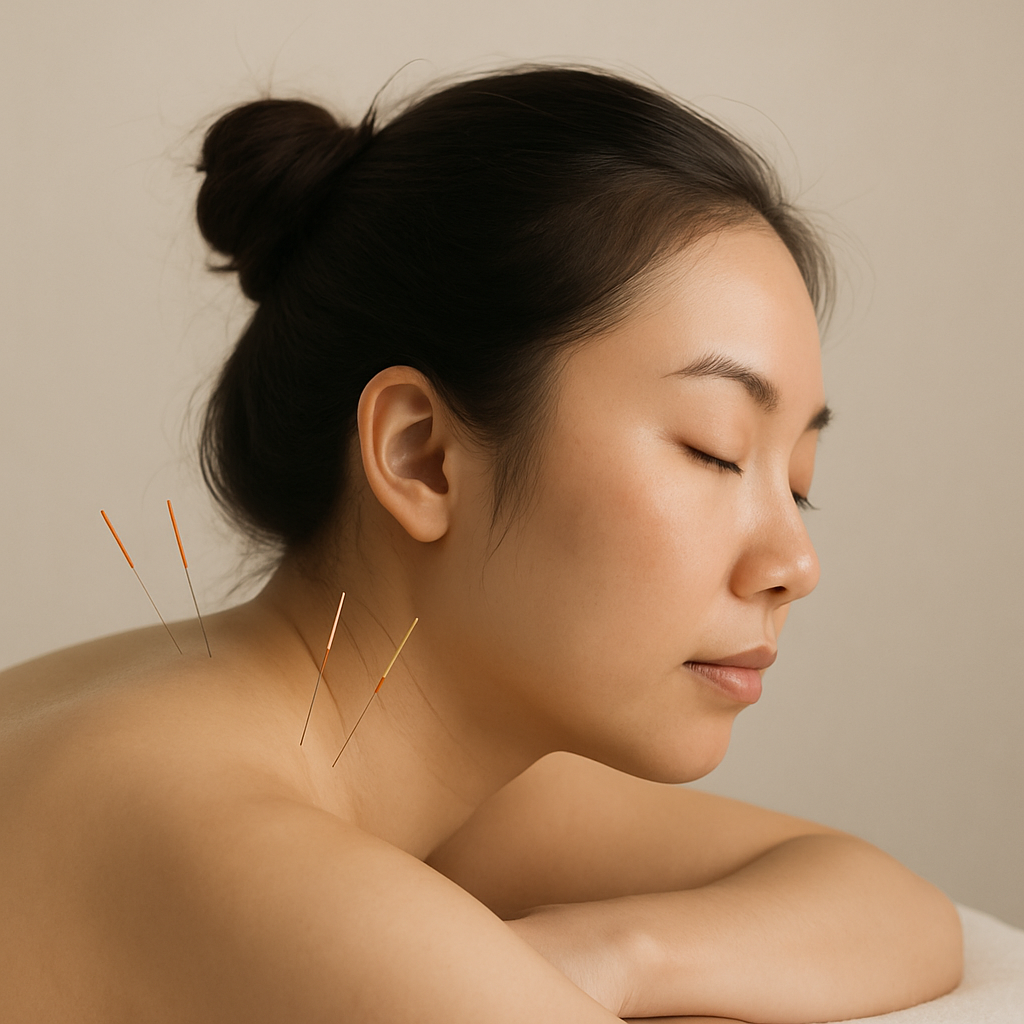
While Pulse Diagnosis is not a standalone treatment, it plays a crucial role in guiding practitioners toward appropriate therapies, including acupuncture, herbal medicine, and dietary changes.
What Modern Research Suggests
Additionally, a few clinical trials have explored the effectiveness of TCM treatments guided by Pulse Diagnosis. While results have been promising, further investigation is necessary to establish standardized protocols and validate the findings across diverse populations. Overall, the intersection of ancient wisdom and modern science continues to evolve, with Pulse Diagnosis being a compelling area of study.
Safety, Contraindications & Who Should Skip
Pulse Diagnosis is generally considered safe when performed by a qualified practitioner. However, individuals with certain conditions may want to approach this practice with caution:
- Severe cardiovascular issues
- Acute injuries or trauma
- Severe anxiety or panic disorders
- Individuals currently undergoing invasive medical treatments
It is always recommended to consult with a healthcare provider before engaging in any diagnostic or therapeutic practices, especially if there are underlying health concerns.
Pairs Well With (within Traditional Chinese Medicine and across pillars)
Within the realm of Traditional Chinese Medicine, Pulse Diagnosis pairs well with:
- Acupuncture
- Herbal Medicine
- Dietary Therapy
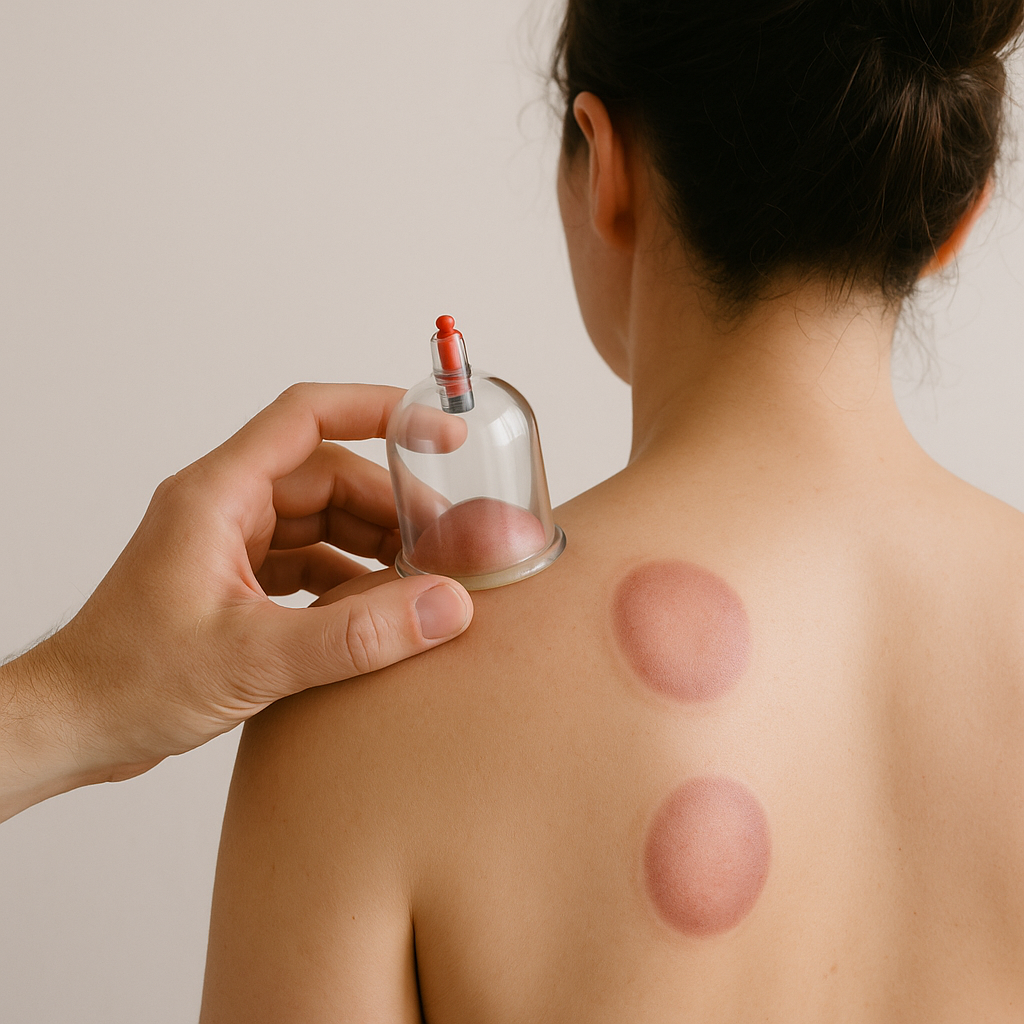
- Cupping Therapy
- Moxibustion
These modalities often complement one another, as they can be tailored based on the insights gained through pulse assessment.
How to Find a Qualified Practitioner
Finding a qualified practitioner for Pulse Diagnosis is essential for receiving accurate assessments and effective treatments. Consider the following steps:
- Search for licensed Traditional Chinese Medicine practitioners in your area.
- Look for professionals with specialized training in pulse diagnosis.
- Check credentials and reviews from previous clients.
- Schedule an initial consultation to discuss your health concerns and gauge the practitioner's approach.
Ensuring that the practitioner aligns with your health goals and values can enhance the effectiveness of the healing process.
FAQs
- What is Pulse Diagnosis? Pulse Diagnosis is a diagnostic technique in Traditional Chinese Medicine that assesses the pulse at the wrist to provide insights into a person's health.
- How long does a Pulse Diagnosis session take? A typical session may last anywhere from 30 minutes to an hour, depending on the practitioner and the client's needs.
- Is Pulse Diagnosis painful? No, Pulse Diagnosis is a gentle technique and should not cause any pain or discomfort.
- Can Pulse Diagnosis be used alongside Western medicine? Yes, many individuals incorporate Pulse Diagnosis into their overall health strategy, working alongside conventional medical treatments.
- How often should I have a Pulse Diagnosis? The frequency of Pulse Diagnosis sessions can vary based on individual health goals and concerns; your practitioner can provide personalized recommendations.
Frequently asked
What is Pulse Diagnosis?
Pulse Diagnosis is a diagnostic technique in Traditional Chinese Medicine that assesses the pulse at the wrist to provide insights into a person's health.
How long does a Pulse Diagnosis session take?
A typical session may last anywhere from 30 minutes to an hour, depending on the practitioner and the client's needs.
Is Pulse Diagnosis painful?
No, Pulse Diagnosis is a gentle technique and should not cause any pain or discomfort.
Can Pulse Diagnosis be used alongside Western medicine?
Yes, many individuals incorporate Pulse Diagnosis into their overall health strategy, working alongside conventional medical treatments.
How often should I have a Pulse Diagnosis?
The frequency of Pulse Diagnosis sessions can vary based on individual health goals and concerns; your practitioner can provide personalized recommendations.