Herbal Medicine
Explore the ancient practice of Herbal Medicine within Traditional Chinese Medicine, its history, traditional uses, and modern research insights.
Herbal medicine is a cornerstone of Traditional Chinese Medicine (TCM), rooted in ancient practices that emphasize natural remedies to promote health and balance. This page explores the definition, historical context, practice, traditional uses, modern research, safety considerations, and how to find qualified practitioners.
What It Is
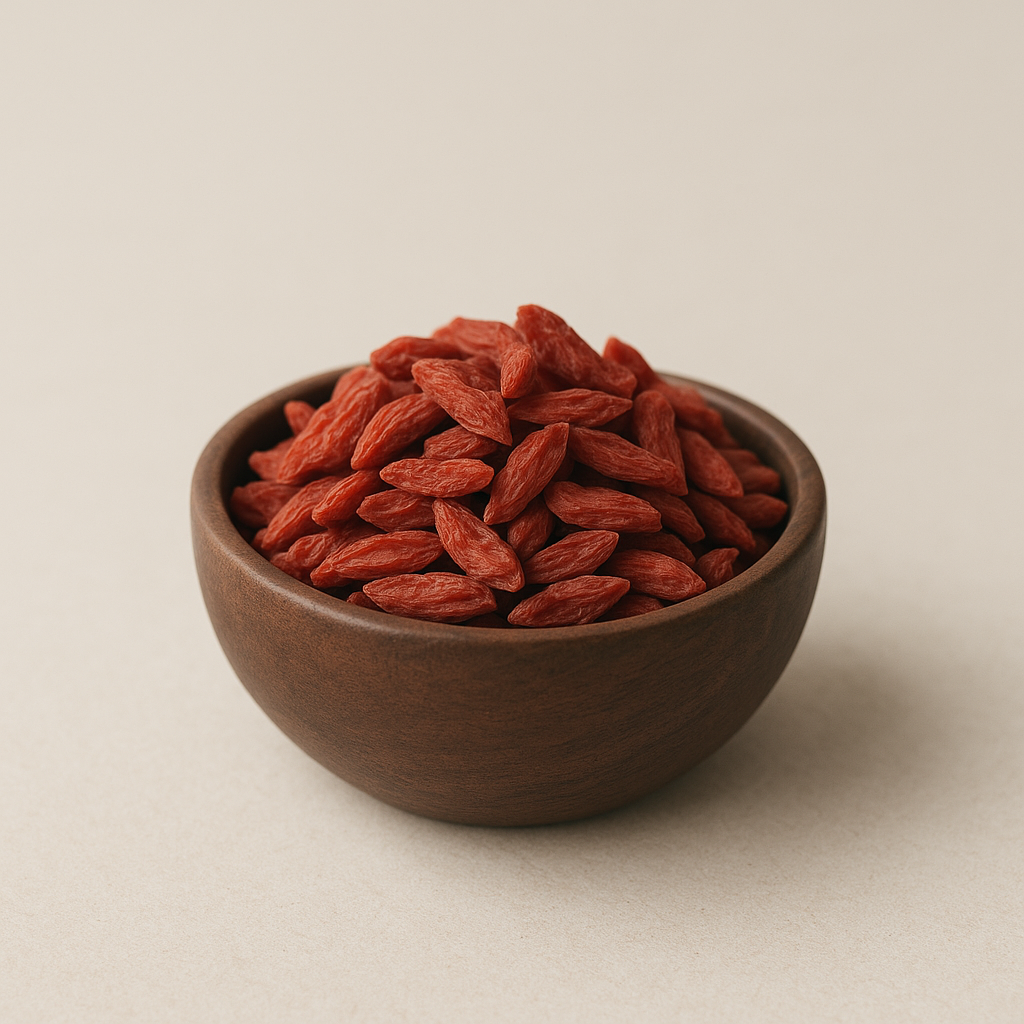
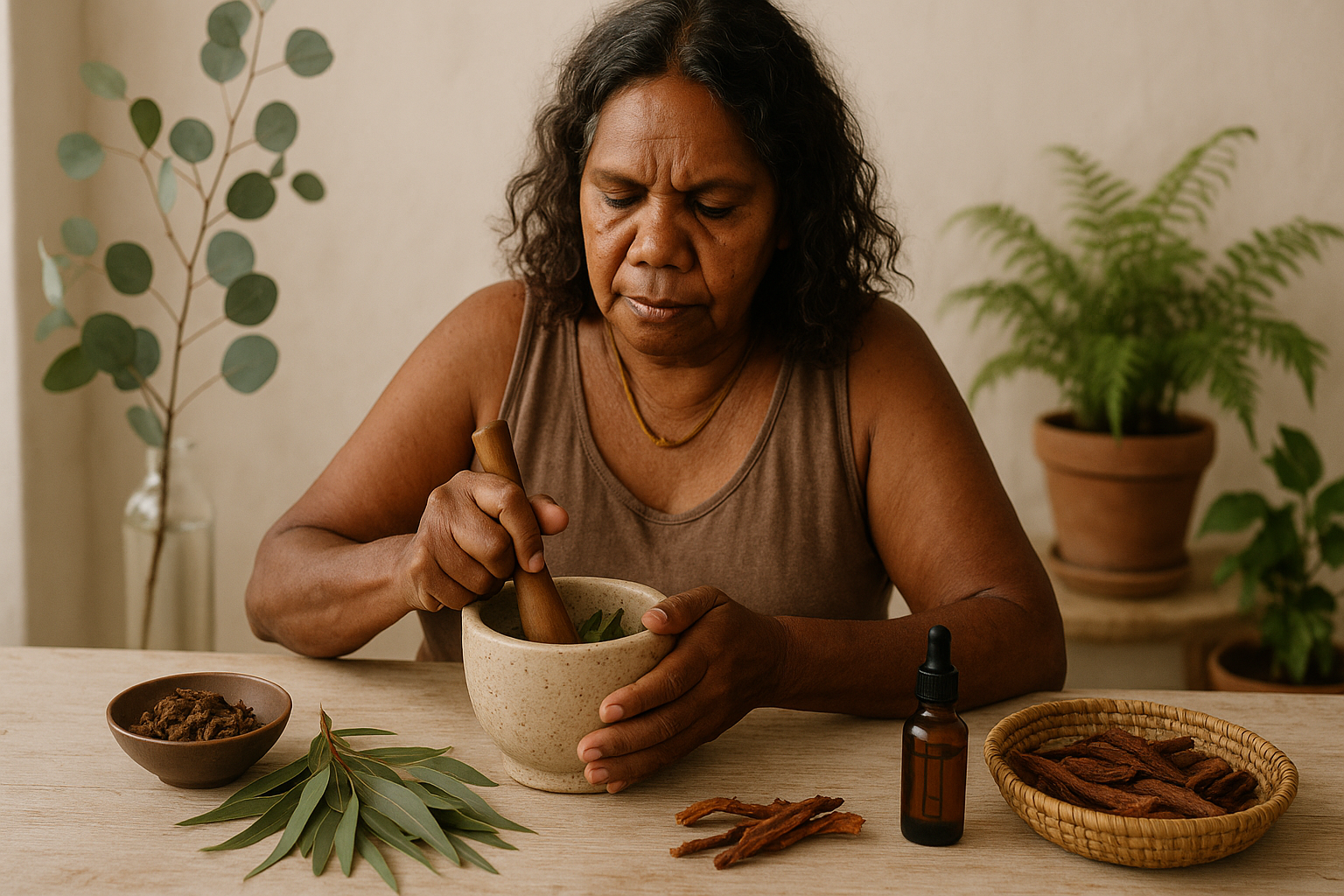
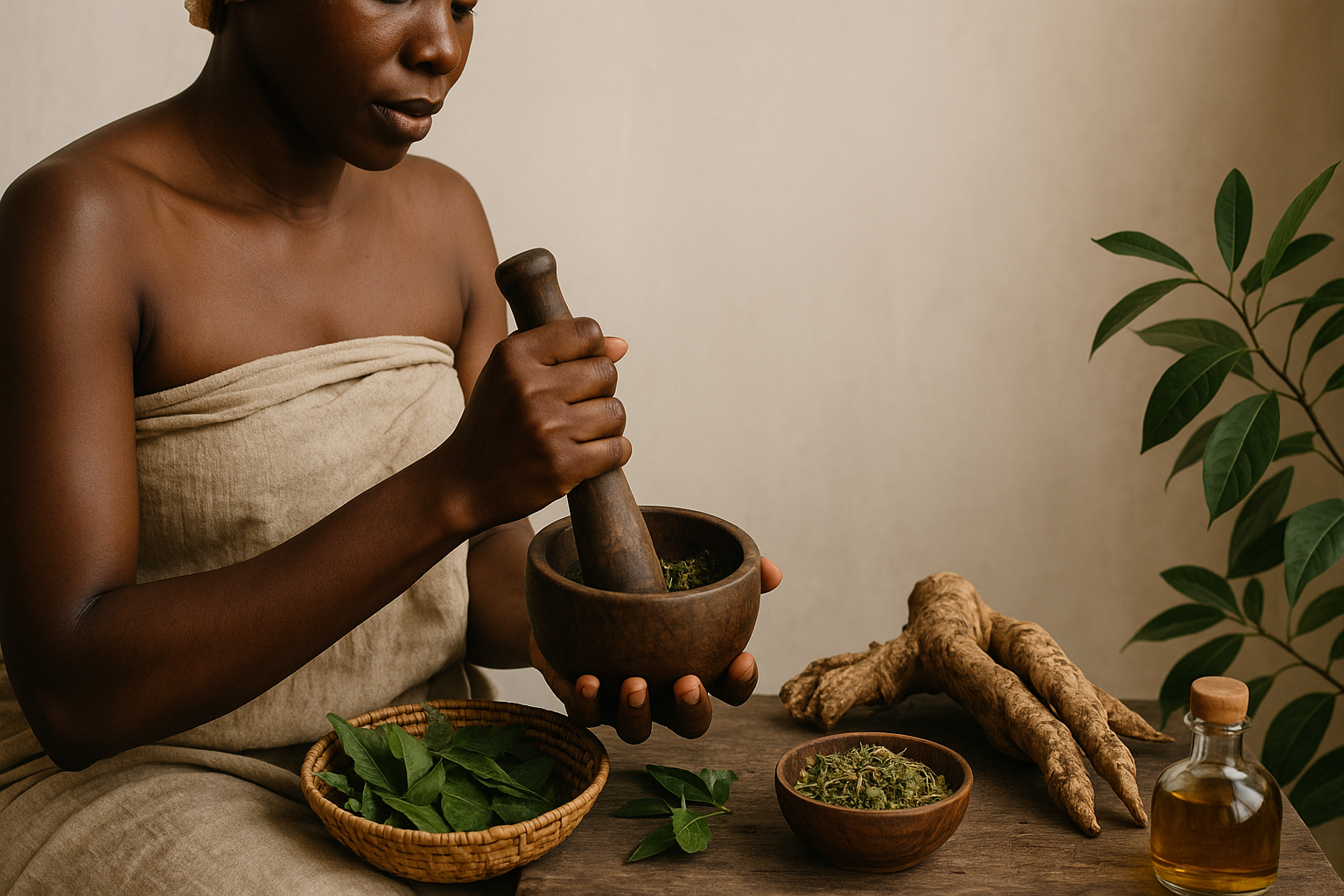
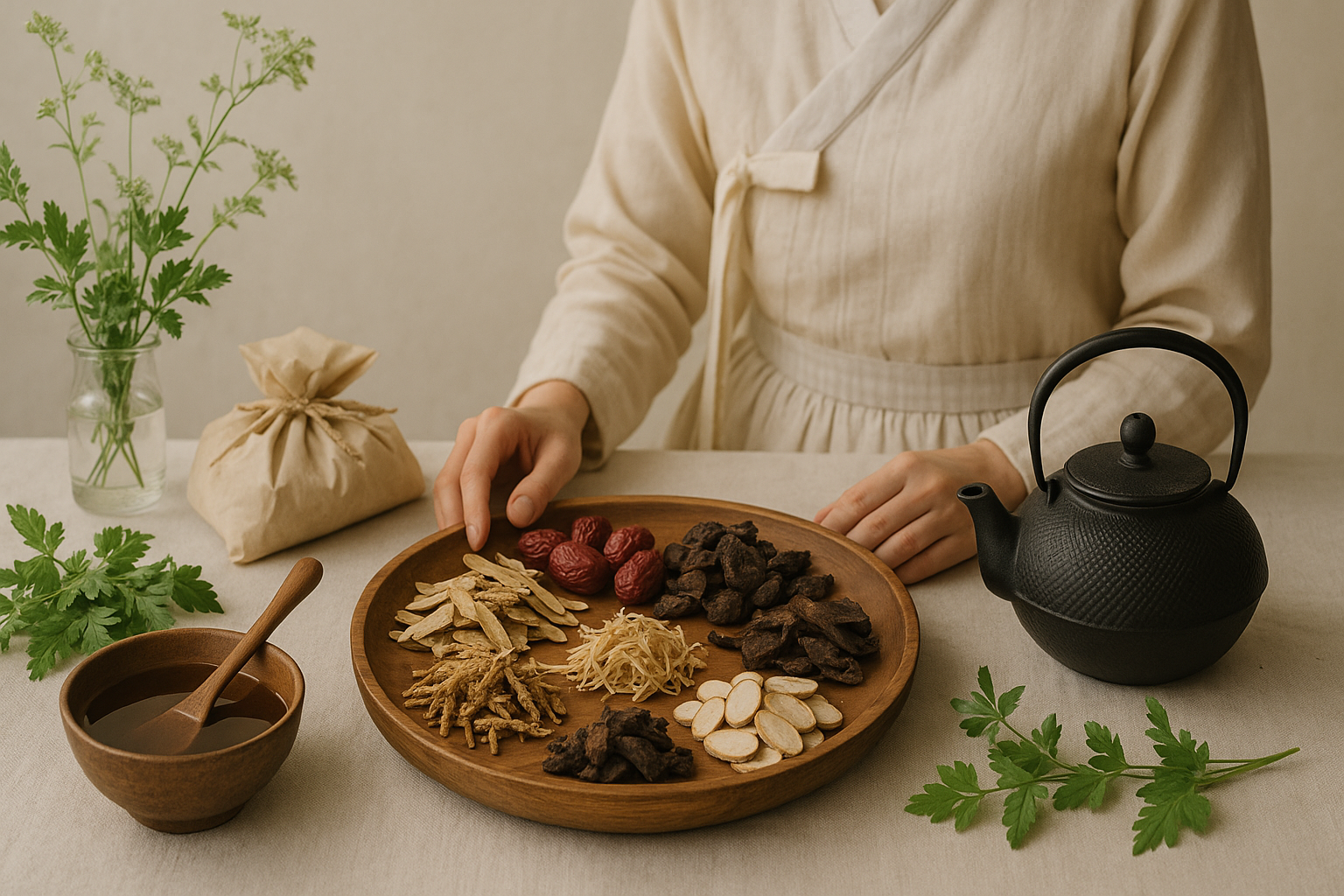
Herbal medicine, a key aspect of Traditional Chinese Medicine (TCM), involves the use of plants and plant extracts to enhance health and is traditionally explored for various ailments. This practice draws from a rich history of using natural substances to promote balance within the body, based on the philosophy that health is a state of harmony between the individual and their environment.
In TCM, herbal medicine is used not just to address symptoms, but to is traditionally explored for the underlying causes of health issues. Practitioners utilize a comprehensive approach, considering a patient's overall constitution, lifestyle, and emotional state when formulating herbal remedies.
Historical Context Within Traditional Chinese Medicine
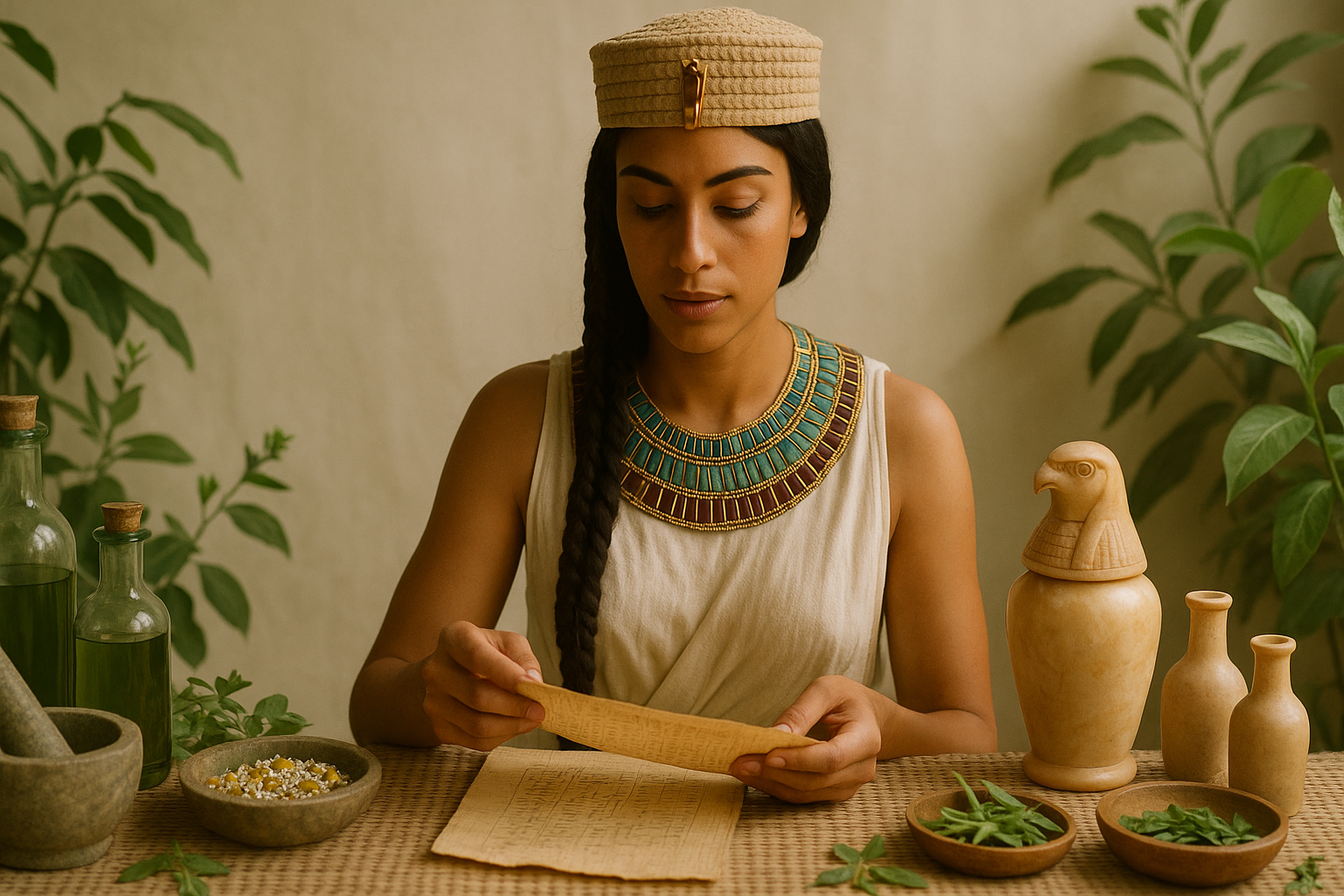
The roots of herbal medicine in TCM can be traced back thousands of years, with historical texts such as the "Shennong Bencao Jing" (Shennong's Classic of Materia Medica) providing foundational knowledge about the properties and uses of various herbs. This text, attributed to the legendary emperor Shennong, is one of the earliest compilations of herbal knowledge in China.
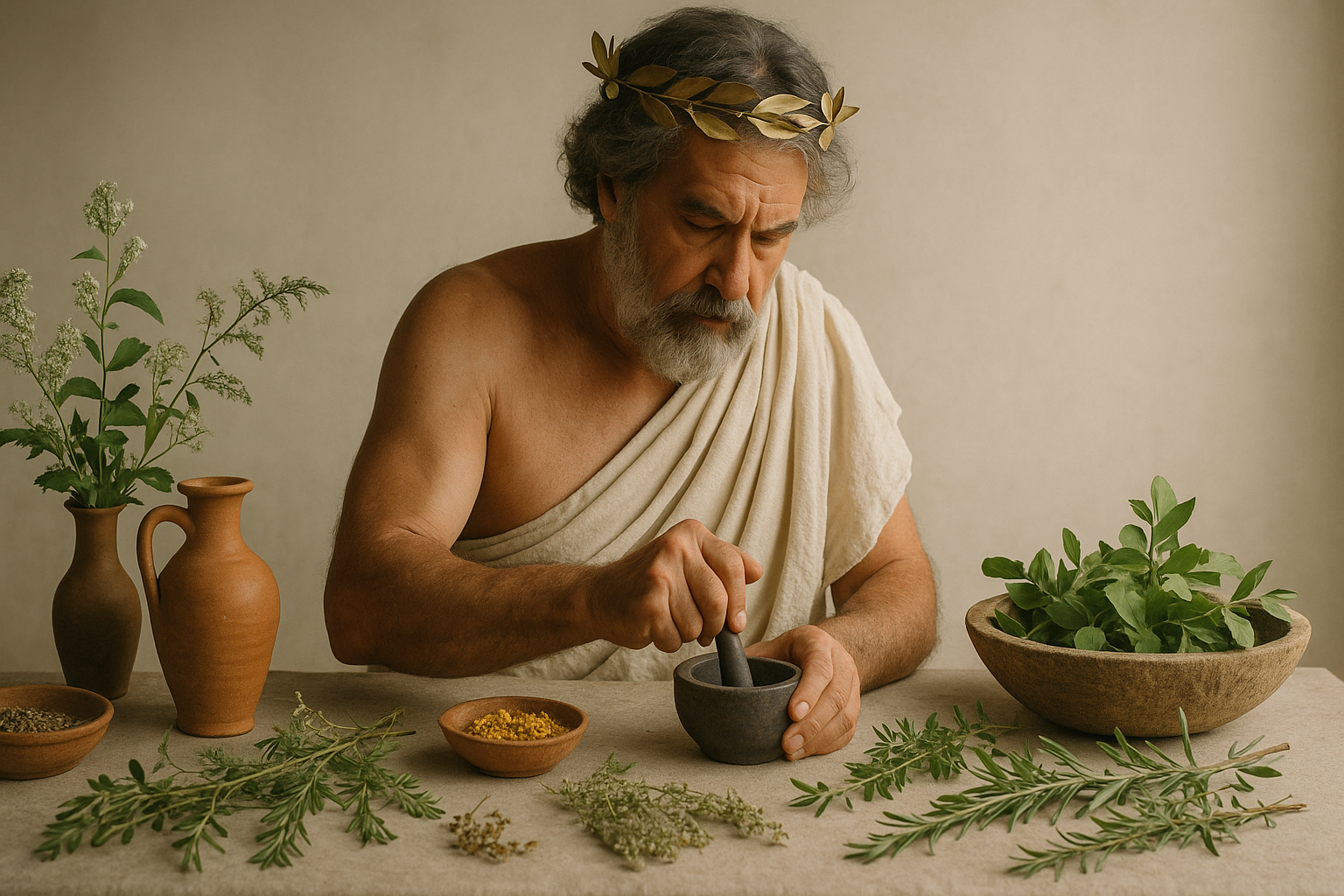
Over the centuries, various scholars and practitioners have contributed to the evolution of herbal medicine, refining techniques and expanding the pharmacopoeia. Notable figures such as Zhang Zhongjing and Sun Simiao significantly advanced the field, emphasizing the importance of individualized treatment and the integration of herbal medicine with other TCM modalities.
How It's Practiced
The practice of herbal medicine in TCM typically involves the following steps:
- Initial Consultation: The practitioner conducts a thorough assessment, including questions about symptoms, medical history, lifestyle, and emotional health.
- Diagnosis: Based on TCM principles, the practitioner identifies patterns of disharmony within the body.
- Formulation: The practitioner selects appropriate herbs to create a personalized formula, often combining several herbs to target specific issues.
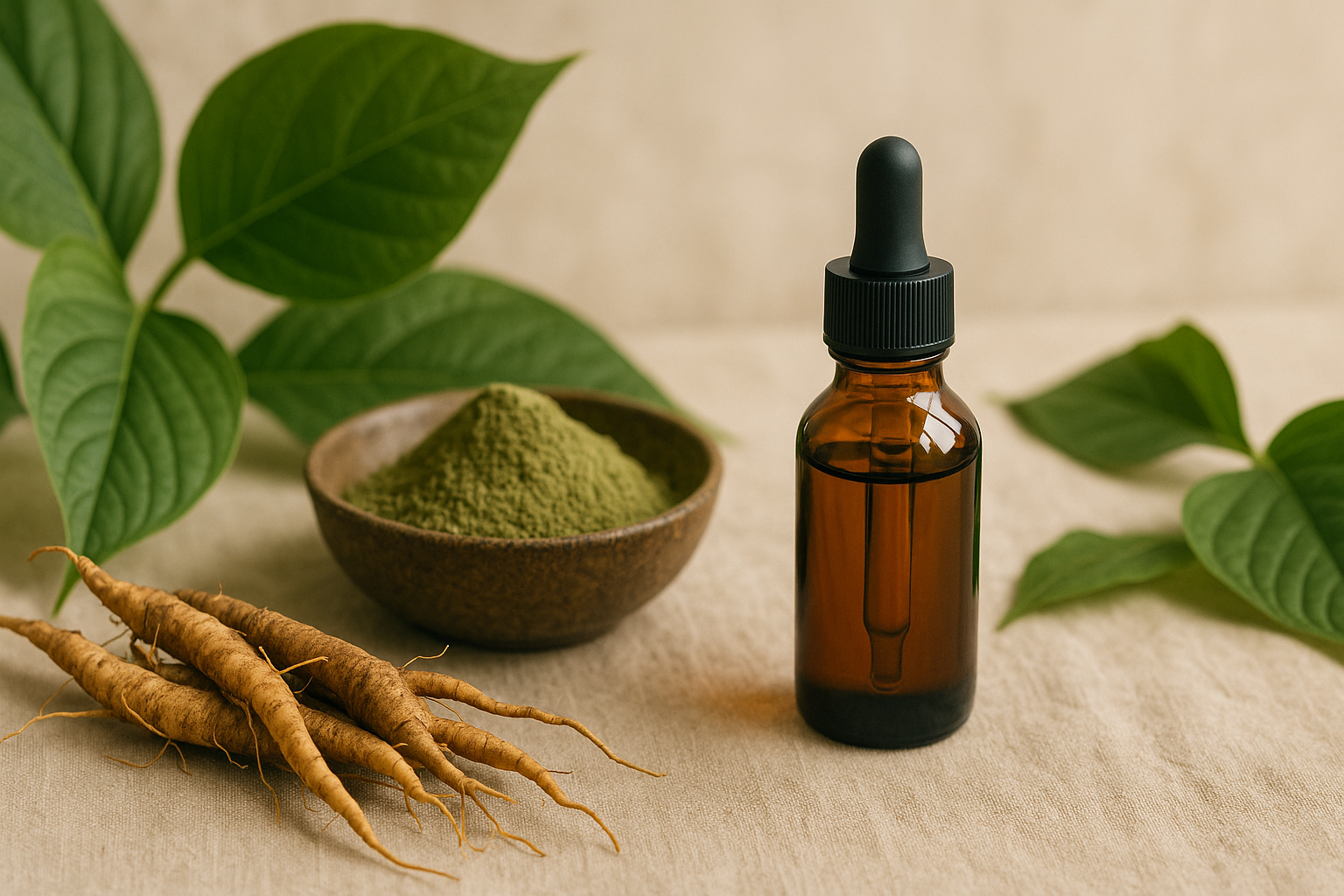
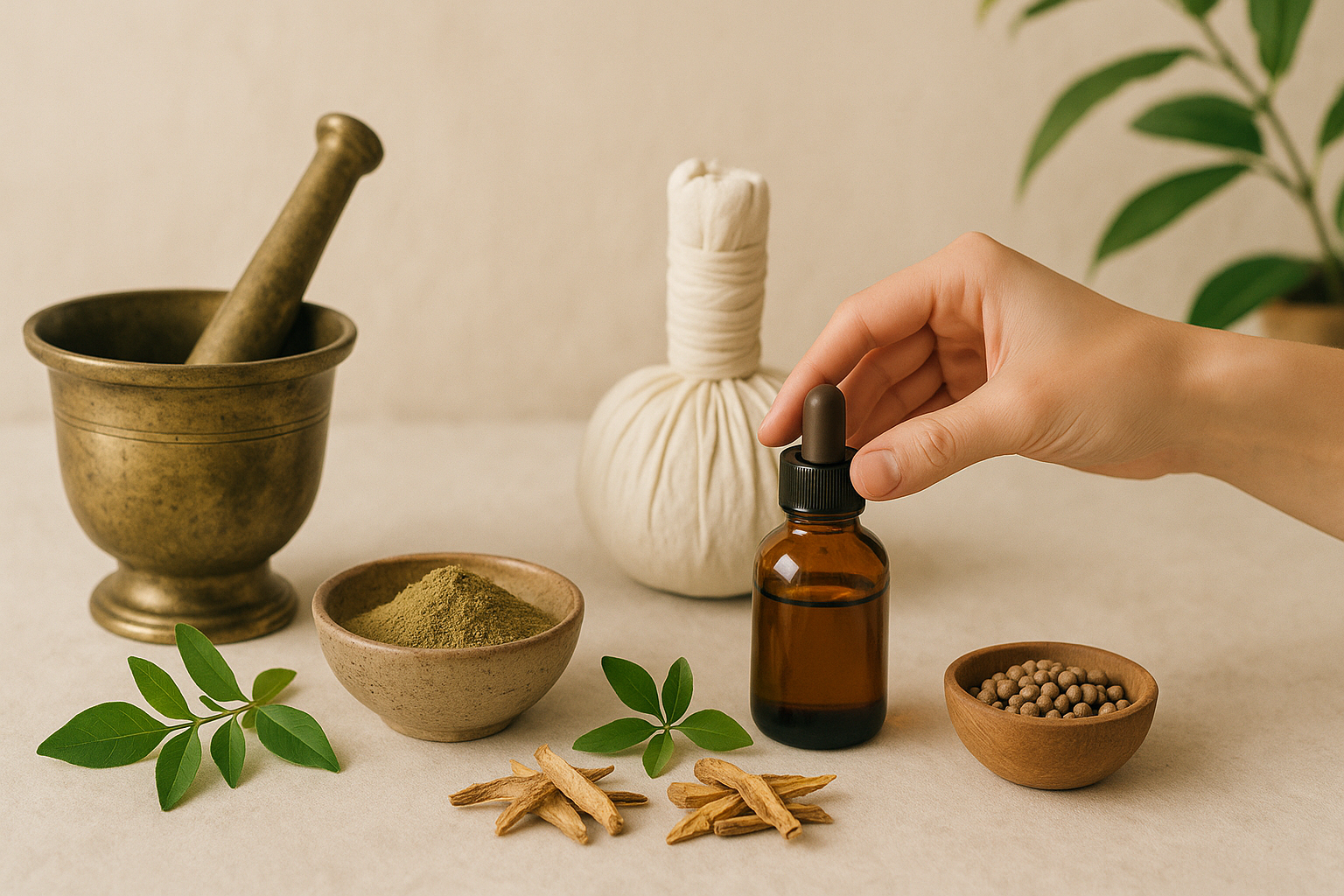
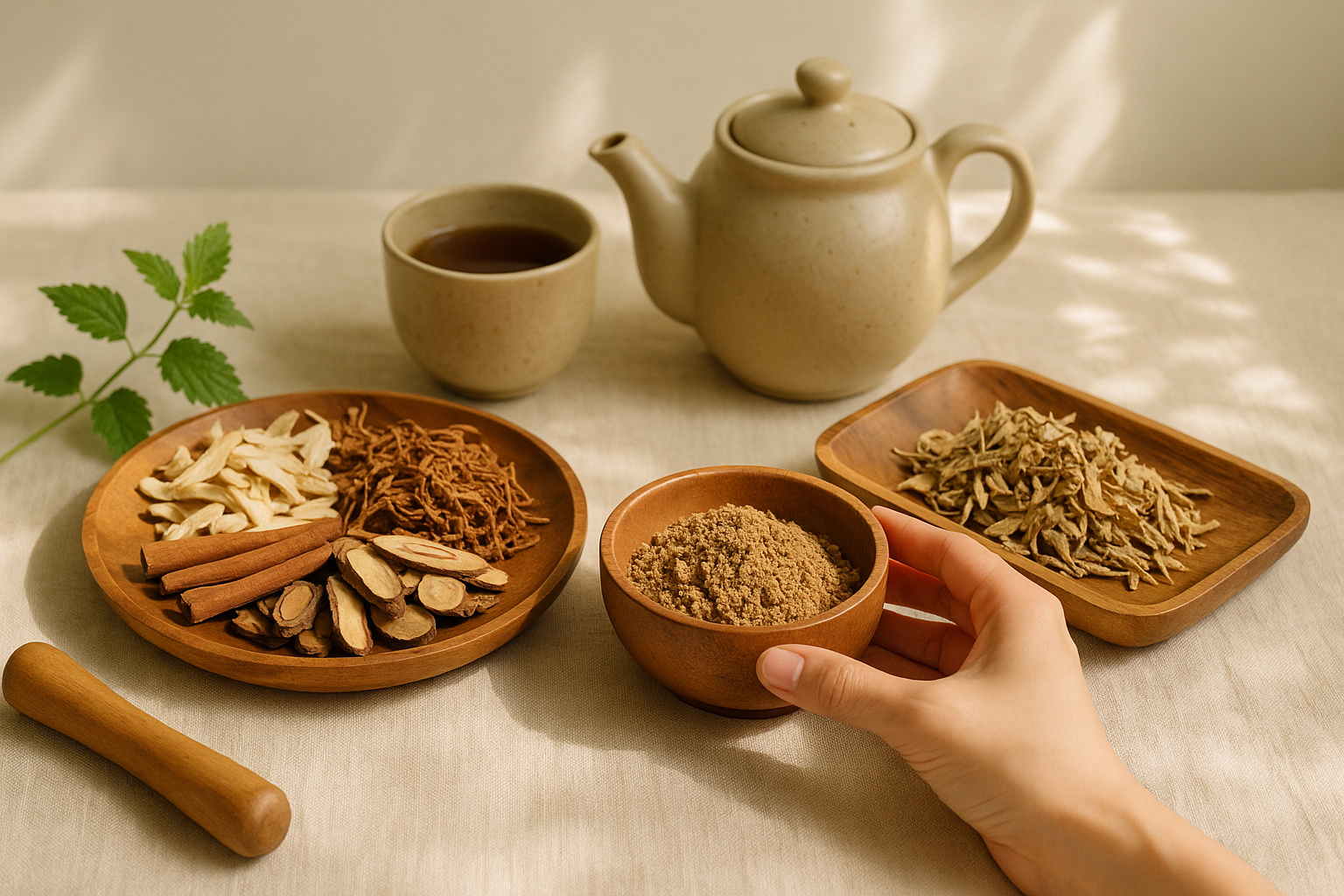
- Dispensation: Herbal remedies may come in various forms, including teas, powders, tinctures, and pills.
- Follow-Up: Patients typically have follow-up appointments to monitor progress and adjust the herbal formula as needed.
What It Is Traditionally Explored For
Herbal medicine is traditionally used for a wide range of health concerns, including:
- Digestive issues
- Respiratory conditions
- Stress and anxiety management
- Immune system support
- Skin disorders
- Women's health issues
While these uses are rooted in tradition, it is important to approach them with caution and an understanding that individual responses to herbal remedies can vary.
What Modern Research Suggests
Modern scientific research is beginning to explore the effectiveness of various herbal remedies used in TCM. Preliminary studies have shown potential benefits for some herbs in areas such as anti-inflammatory effects, immune support, and even mental health. For instance, certain herbs like Ginseng and Astragalus have been the subject of clinical trials assessing their ability to enhance well-being and combat fatigue.
However, it is essential to note that while some findings are promising, more rigorous research is needed to fully understand the efficacy and safety of these herbal treatments. The complexity of herbal formulations, as well as individual variability in response, poses challenges for establishing standardized guidelines.
Safety, Contraindications & Who Should Skip
While herbal medicine can offer benefits, safety is paramount. Some herbs may interact with medications or have contraindications for certain health conditions. It is advisable for the following individuals to approach herbal medicine with caution:
- Pregnant or breastfeeding women
- Individuals with chronic health conditions
- Those taking prescription medications
- People with allergies to specific plants or herbs
Consulting with a qualified practitioner is crucial for ensuring safety and appropriateness of herbal use.
Pairs Well With (within Traditional Chinese Medicine and across pillars)
Herbal medicine works well in conjunction with other TCM modalities and practices, including:
- Acupuncture
- Qigong
- Tuina (Chinese therapeutic massage)
- Dietetics
- Moxibustion
Additionally, integrating lifestyle practices such as mindfulness and stress management can enhance the overall effectiveness of herbal treatments.
How to Find a Qualified Practitioner
Finding a qualified practitioner is essential for safe and effective herbal treatment. Here are steps to consider:
- Seek recommendations from healthcare providers or trusted sources.
- Check credentials and ensure the practitioner has formal training in TCM and herbal medicine.
- Look for practitioners who are licensed and have experience in treating your specific concerns.
- Schedule an initial consultation to discuss your health history and treatment goals.
FAQs
- What is the difference between herbal medicine and conventional medicine? Herbal medicine focuses on natural remedies and holistic approaches, while conventional medicine typically emphasizes pharmaceuticals and surgery.
- Are there any side effects associated with herbal medicines? Yes, some herbs can have side effects or interact with medications, so it is important to consult a practitioner.
- How long does it take to see results from herbal medicine? Results can vary widely; some may notice improvements within weeks, while others may take longer.
- Can I use herbal medicine alongside my current medications? It is crucial to consult with a healthcare provider to avoid potential interactions.
- Are herbal remedies safe for children? Safety can vary by herb; consult a qualified practitioner before using herbal treatments for children.
Frequently asked
What is the difference between herbal medicine and conventional medicine?
Herbal medicine focuses on natural remedies and holistic approaches, while conventional medicine typically emphasizes pharmaceuticals and surgery.
Are there any side effects associated with herbal medicines?
Yes, some herbs can have side effects or interact with medications, so it is important to consult a practitioner.
How long does it take to see results from herbal medicine?
Results can vary widely; some may notice improvements within weeks, while others may take longer.
Can I use herbal medicine alongside my current medications?
It is crucial to consult with a healthcare provider to avoid potential interactions.
Are herbal remedies safe for children?
Safety can vary by herb; consult a qualified practitioner before using herbal treatments for children.