TCM Nutrition
Explore the principles of TCM Nutrition, its historical context, practical applications, and traditional uses within the framework of Traditional Chinese Medicine.
This subcategory page delves into TCM Nutrition, an essential aspect of Traditional Chinese Medicine that emphasizes the role of food in maintaining health and balance within the body. It outlines its historical roots, practical applications, traditional uses, and modern research findings, while also providing guidance on safety and finding qualified practitioners.
What It Is
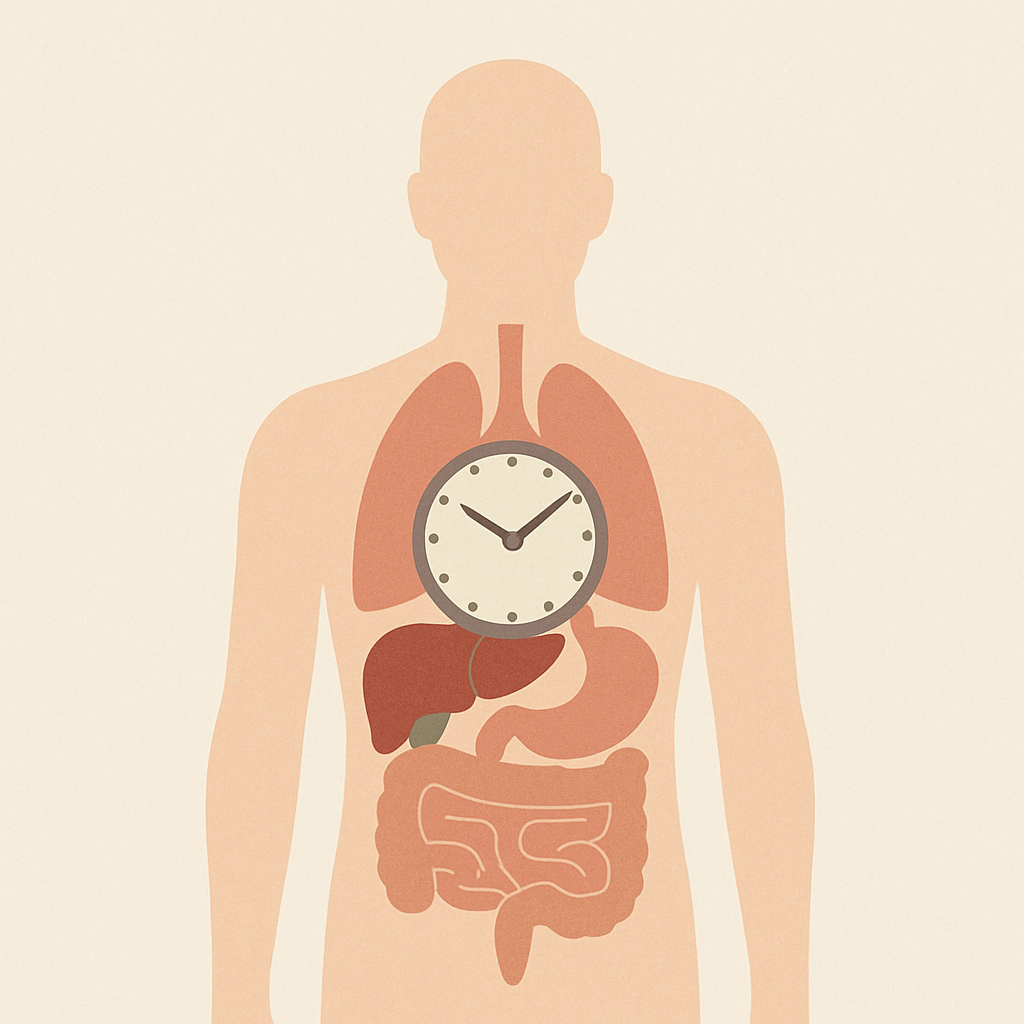
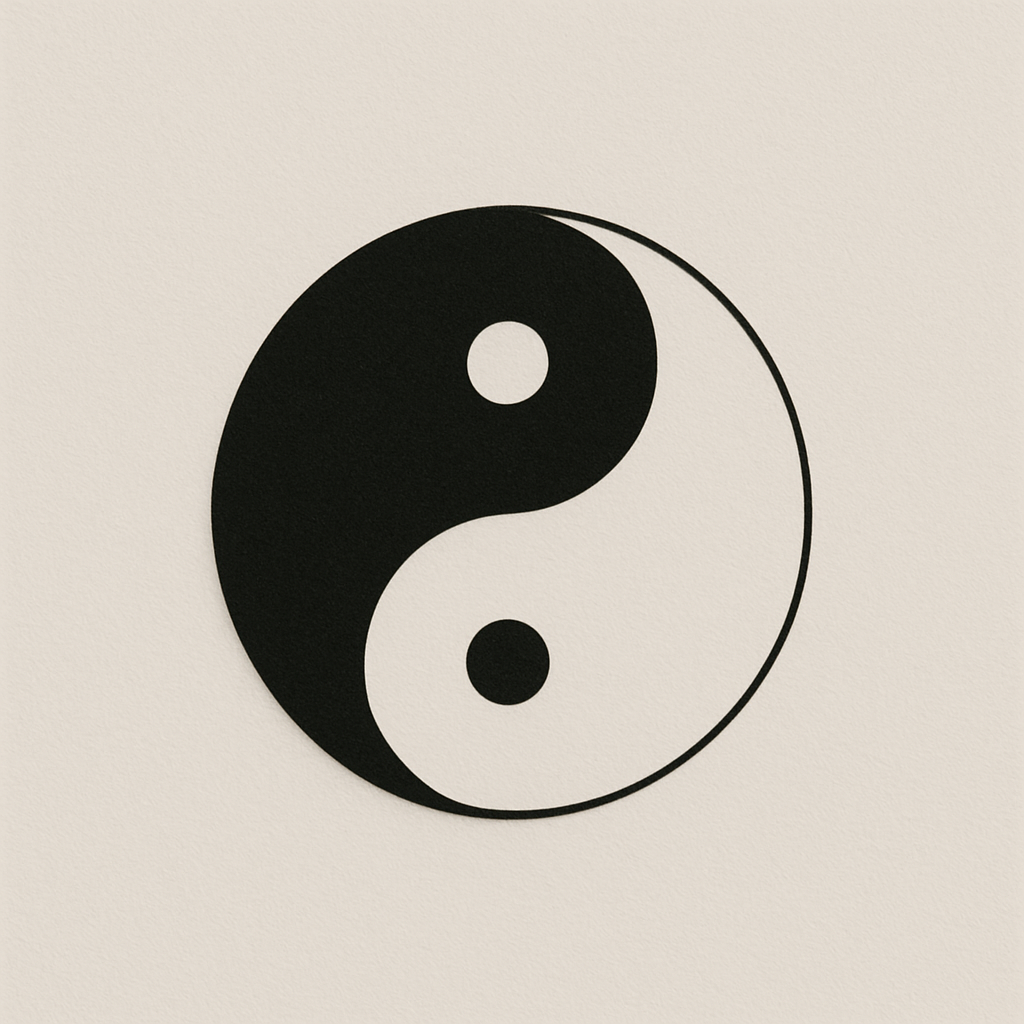
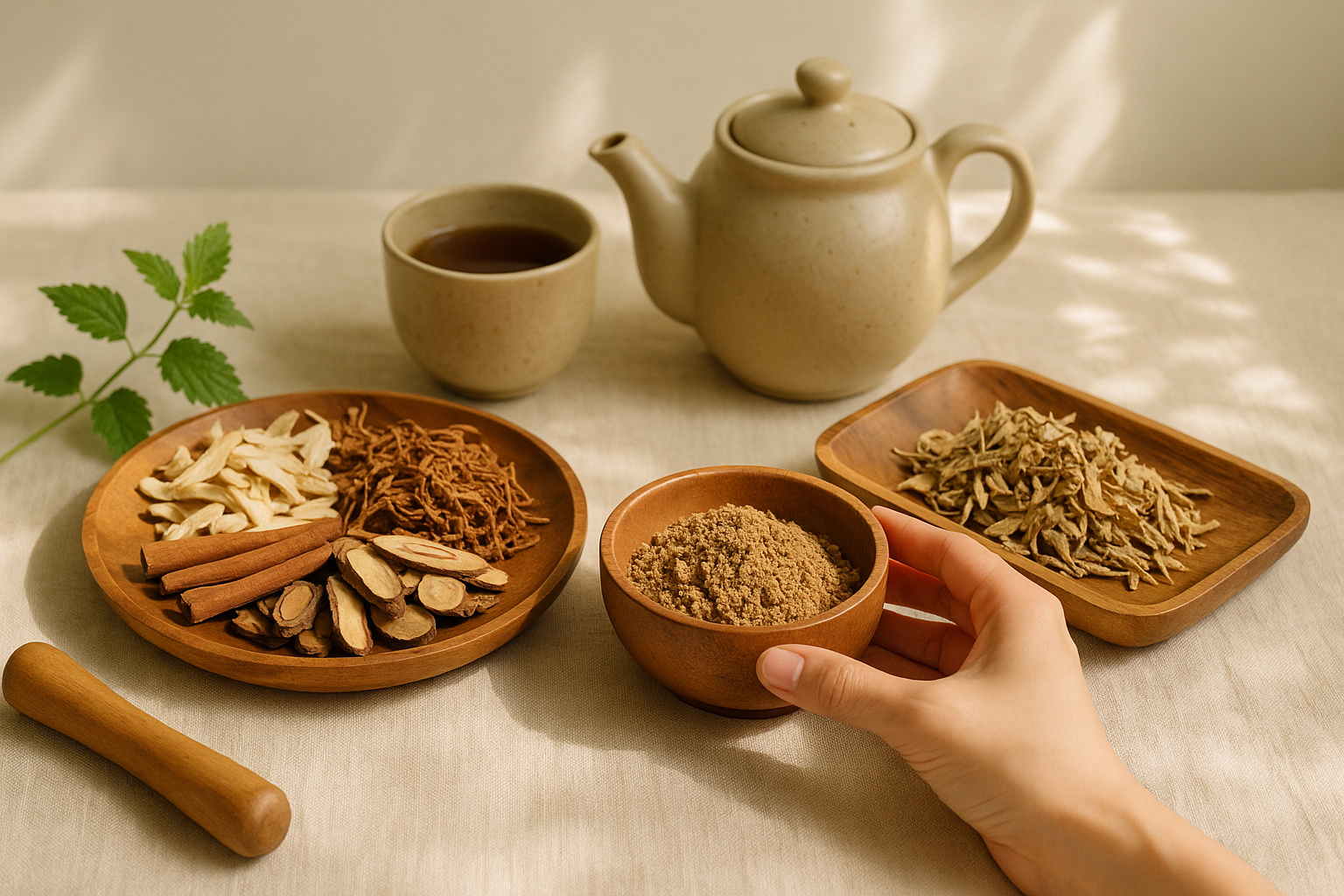
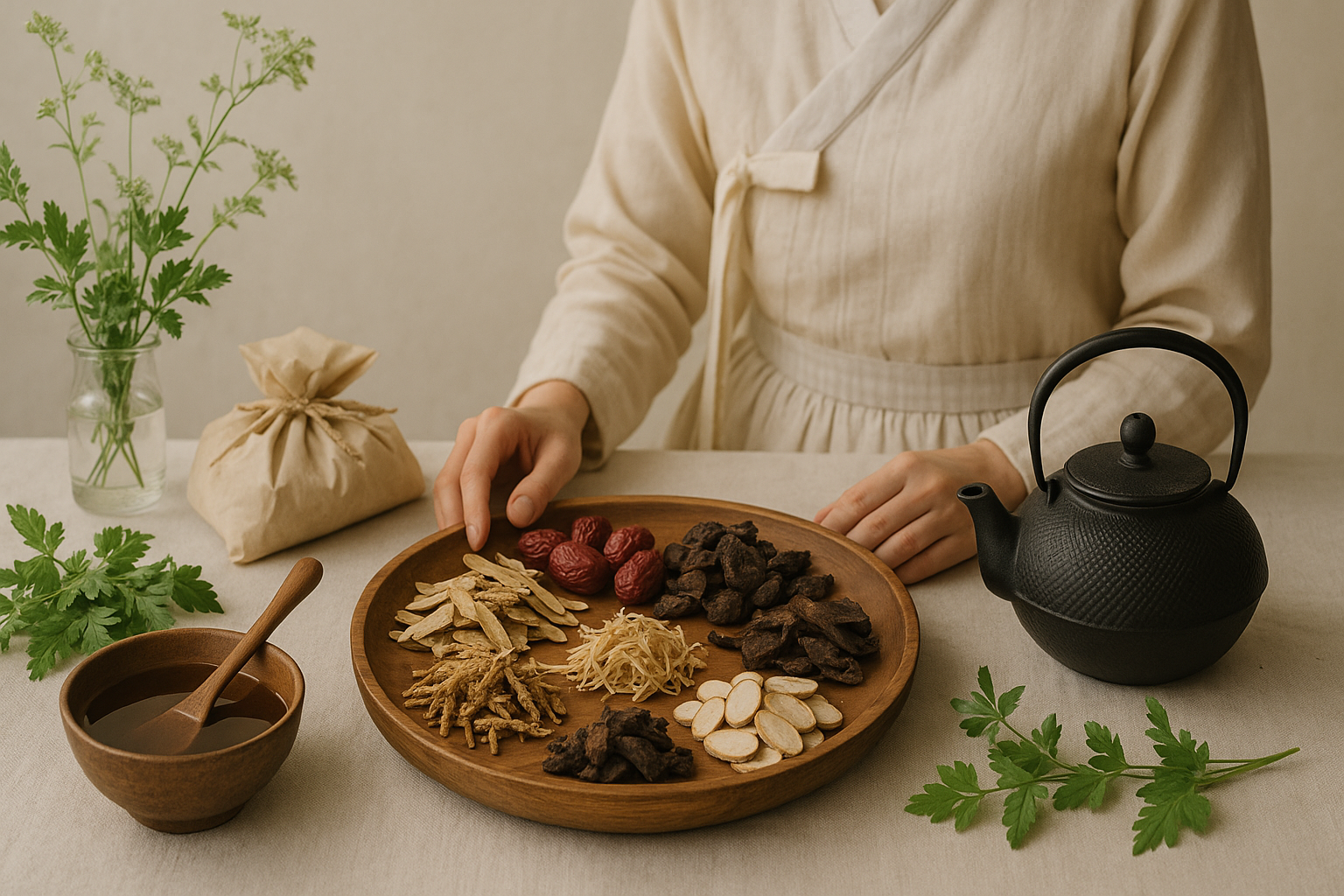
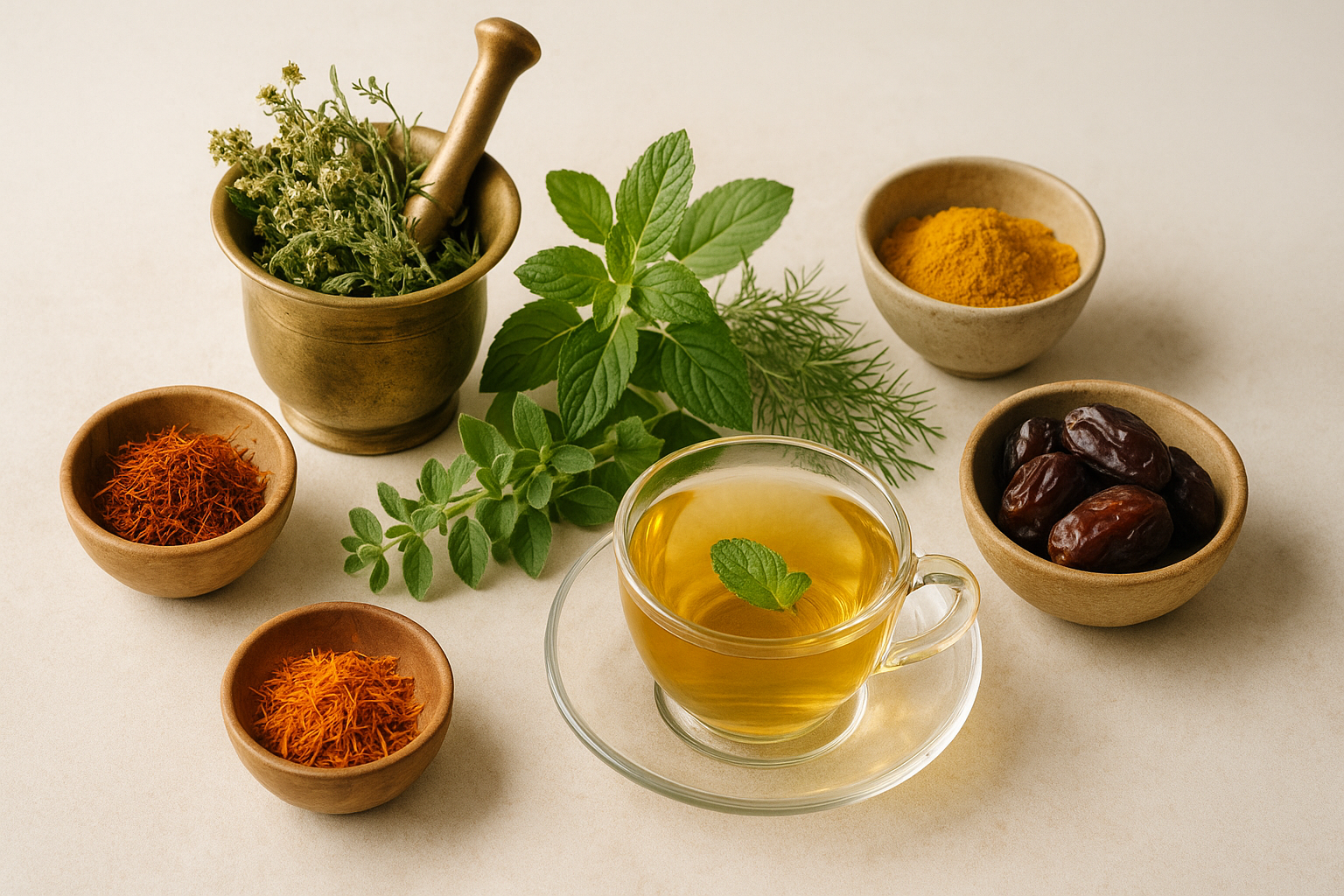
TCM Nutrition, rooted in Traditional Chinese Medicine (TCM), is a holistic approach that emphasizes the relationship between food, health, and well-being. It operates on the principle that food is not merely sustenance but is also a source of healing and balance for the body. TCM Nutrition categorizes foods based on their energetic properties, flavors, and how they interact with the body's systems, aiming to harmonize the body's Yin and Yang.
In TCM, each food is viewed through the lens of its cooling or warming effects, its nutritional benefits, and its ability to influence Qi (energy) and blood circulation. This approach encourages individuals to select foods that support their unique constitution and current health conditions, thus promoting optimal health and preventing illness.
Historical Context Within Traditional Chinese Medicine
The origins of TCM Nutrition can be traced back thousands of years, with foundational texts such as the "Huangdi Neijing" (The Yellow Emperor's Classic of Internal Medicine) outlining its principles. This ancient text, believed to have been compiled around the 3rd century BCE, discusses the importance of food as medicine and provides insights into dietary practices based on seasonal and environmental changes.
Throughout history, influential figures in TCM, such as Sun Simiao during the Tang Dynasty, further developed these concepts, advocating for the use of nutrition tailored to individual health needs. This rich history underscores the integral role of nutrition within TCM, emphasizing that dietary choices are essential for maintaining health and treating various conditions.
How It's Practiced
Practicing TCM Nutrition involves several steps, typically guided by a qualified practitioner. Here is a general overview of the process:
- Initial Consultation: The practitioner assesses the individual's health history, lifestyle, and specific concerns.
- Constitutional Analysis: Based on TCM principles, the practitioner evaluates the balance of Yin and Yang, and the state of Qi and blood.
- Dietary Recommendations: Foods are suggested based on their energetic properties and the individual's constitution. This may include:
- Incorporating warming or cooling foods depending on the individual's needs.
- Emphasizing seasonal foods to align with environmental changes.
- Utilizing specific flavors (sweet, sour, bitter, spicy, salty) to address health issues.
- Meal Planning: Practical advice on meal preparation and cooking methods that enhance the nutritional value of foods.
- Follow-Up: Regular check-ins to assess progress and make adjustments as necessary.
What It Is Traditionally Explored For
TCM Nutrition is traditionally explored for a variety of health concerns and goals, including:
- Enhancing digestive health
- Balancing energy levels
- Supporting immune function
- Managing stress and emotional well-being
- Addressing specific conditions such as allergies, fatigue, and skin disorders
While TCM Nutrition is not a substitute for medical treatment, it is often used as a complementary approach to promote overall wellness and prevent illness.
What Modern Research Suggests
Recent studies have begun to explore the principles of TCM Nutrition and its potential benefits. Some preliminary research indicates that dietary practices aligned with TCM may positively influence health outcomes, particularly in managing chronic conditions such as diabetes and gastrointestinal disorders. For instance, studies have shown that incorporating specific foods with anti-inflammatory properties can aid in reducing symptoms associated with these conditions.
However, further clinical trials are necessary to establish more definitive connections between TCM dietary practices and health benefits. While the historical context and anecdotal evidence support its validity, modern research is still in the early stages of understanding the complexities of TCM Nutrition.
Safety, Contraindications & Who Should Skip
While TCM Nutrition is generally considered safe, certain individuals may need to exercise caution. It is advisable for the following groups to consult with a qualified practitioner before making significant dietary changes:
- Individuals with chronic health conditions
- Pregnant or nursing women
- Those on specific medications that may interact with dietary changes
- Individuals with known food allergies or intolerances
As with any health practice, personalized guidance from a qualified professional is essential to ensure safety and effectiveness.
Pairs Well With (within Traditional Chinese Medicine and across pillars)
TCM Nutrition complements various modalities within Traditional Chinese Medicine, including:
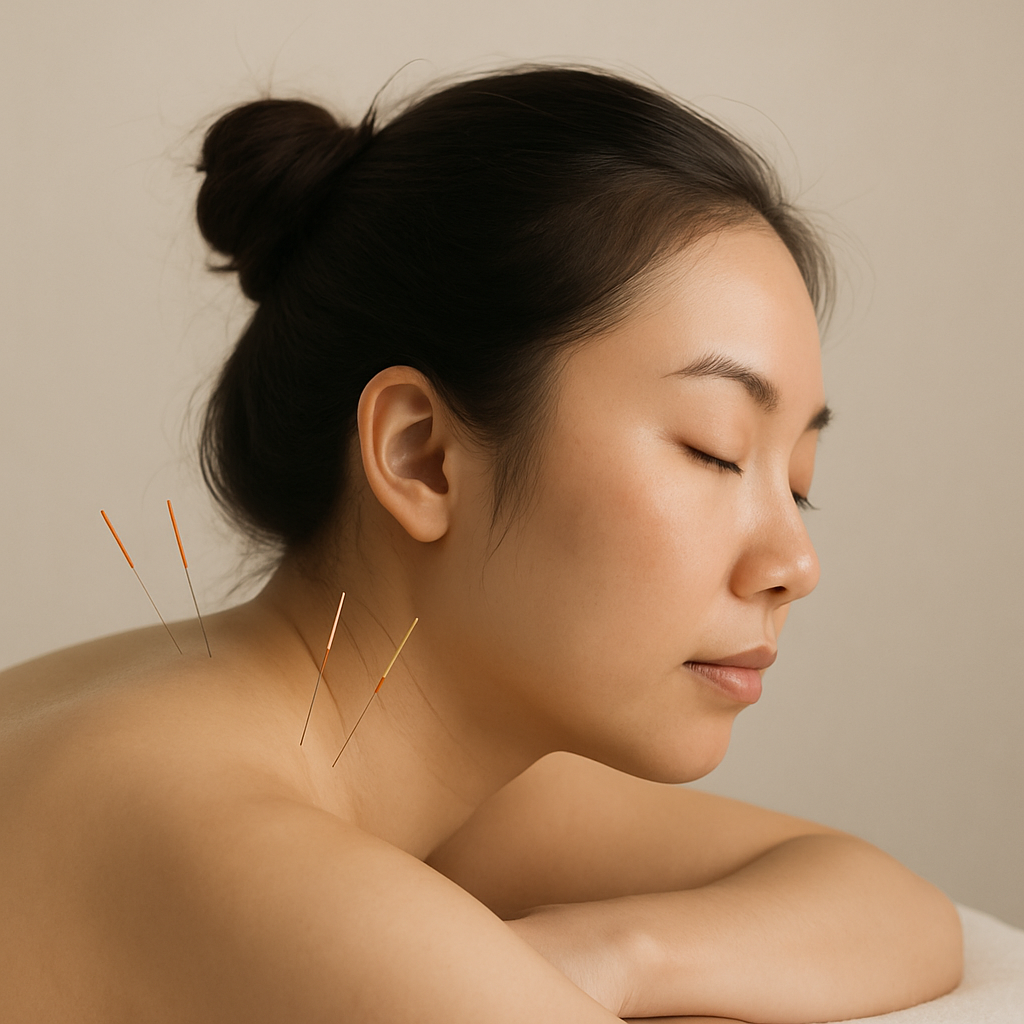
- Acupuncture
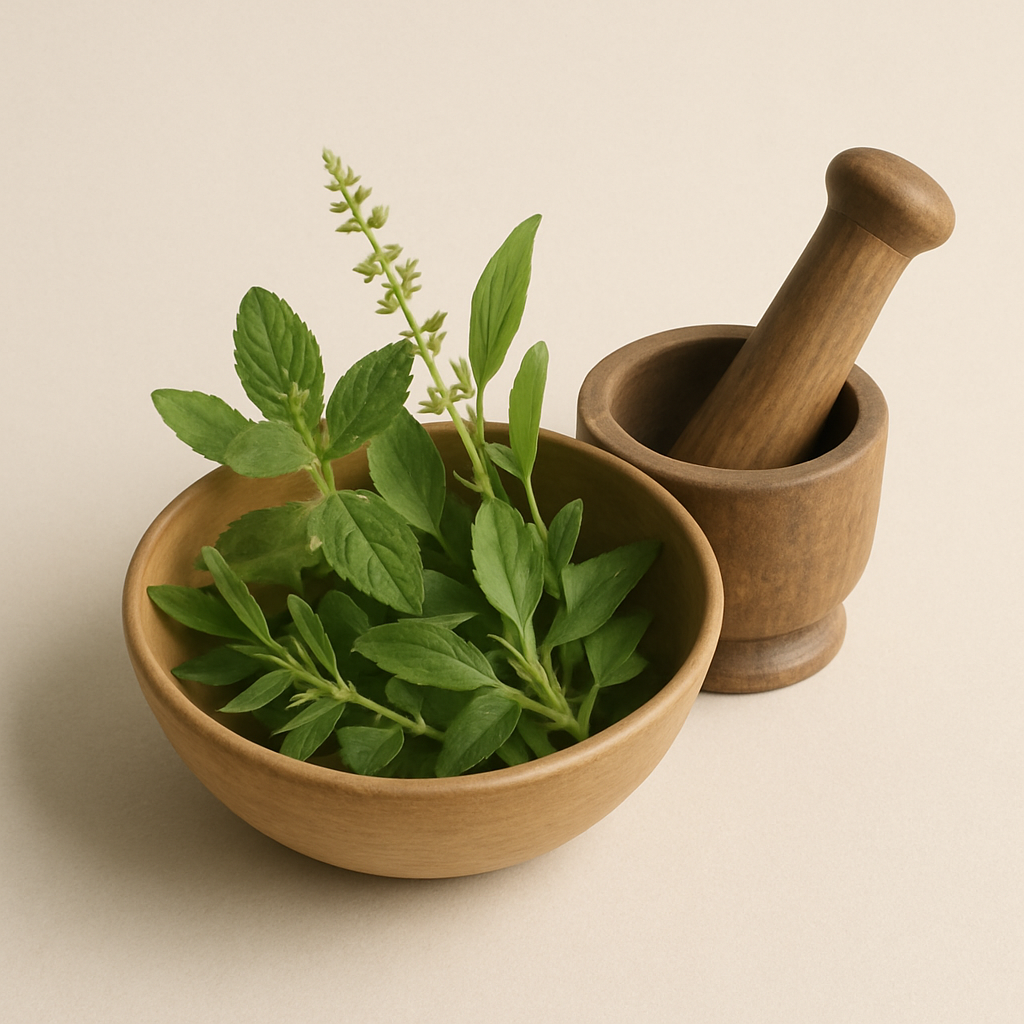
- Herbal Medicine
- Qi Gong
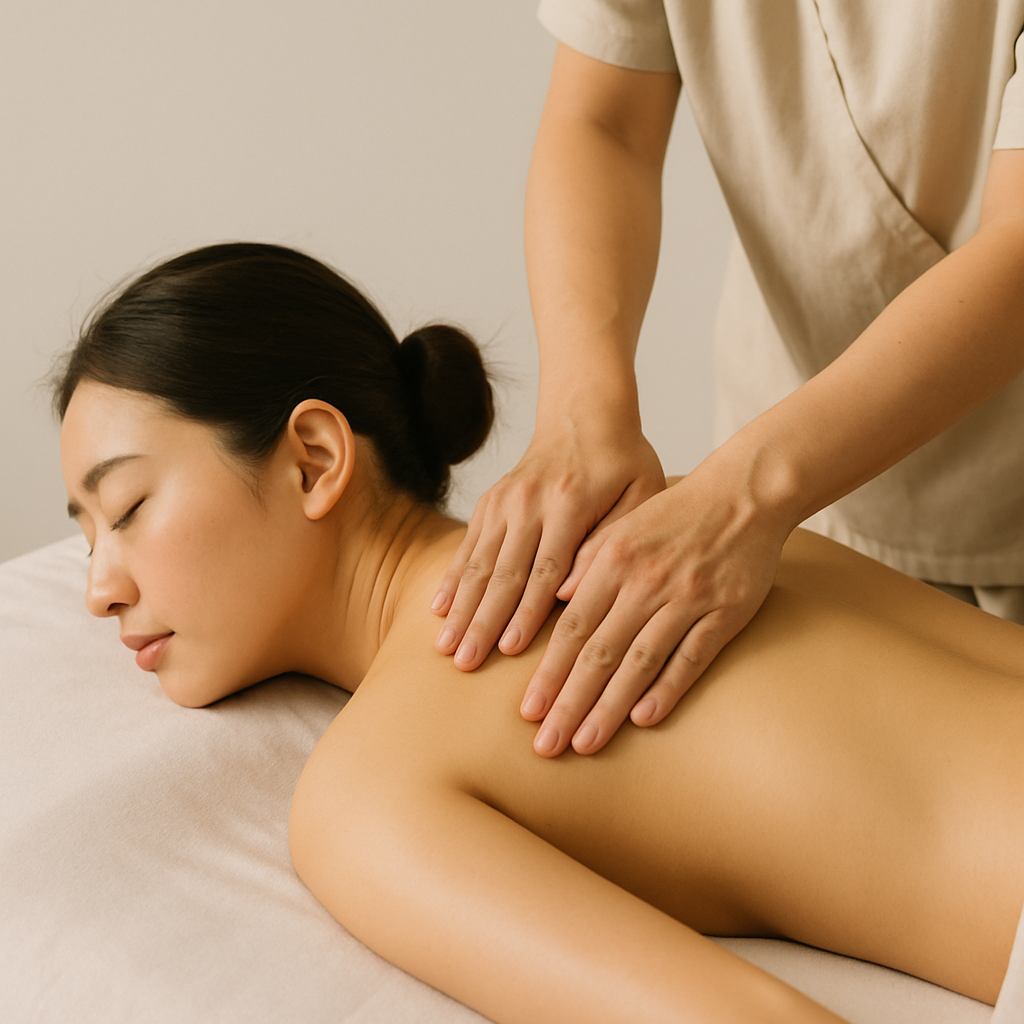
- Tui Na (Chinese therapeutic massage)
Additionally, it can be paired with practices outside of TCM, such as mindfulness techniques and modern nutritional science, to enhance overall well-being.
How to Find a Qualified Practitioner
Finding a qualified practitioner in TCM Nutrition involves a few key steps:
- Research: Look for practitioners with credentials in Traditional Chinese Medicine or related fields.
- Experience: Consider practitioners who specialize in nutrition within the TCM framework.
- Recommendations: Seek referrals from trusted sources or professional associations.
- Consultation: Schedule an initial consultation to discuss your health goals and assess compatibility.
FAQs (5)
- What is TCM Nutrition? TCM Nutrition is a holistic dietary approach within Traditional Chinese Medicine that focuses on the energetic properties of food to promote health and balance.
- How does TCM Nutrition differ from Western nutrition? TCM Nutrition emphasizes the energetic effects of food and its role in balancing Yin and Yang, while Western nutrition often focuses on macronutrients and micronutrients.
- Can TCM Nutrition help with specific health conditions? TCM Nutrition is traditionally used to support various health concerns, but it is essential to consult a qualified practitioner for personalized guidance.
- Is TCM Nutrition safe for everyone? While generally safe, individuals with specific health concerns or conditions should consult a qualified practitioner before making dietary changes.
- How can I find a TCM Nutrition practitioner? Look for practitioners with credentials in TCM, check their experience in nutrition, and seek recommendations from trusted sources.
Frequently asked
What is TCM Nutrition?
TCM Nutrition is a holistic dietary approach within Traditional Chinese Medicine that focuses on the energetic properties of food to promote health and balance.
How does TCM Nutrition differ from Western nutrition?
TCM Nutrition emphasizes the energetic effects of food and its role in balancing Yin and Yang, while Western nutrition often focuses on macronutrients and micronutrients.
Can TCM Nutrition help with specific health conditions?
TCM Nutrition is traditionally used to support various health concerns, but it is essential to consult a qualified practitioner for personalized guidance.
Is TCM Nutrition safe for everyone?
While generally safe, individuals with specific health concerns or conditions should consult a qualified practitioner before making dietary changes.
How can I find a TCM Nutrition practitioner?
Look for practitioners with credentials in TCM, check their experience in nutrition, and seek recommendations from trusted sources.