Tai Chi
Learn about Tai Chi, its historical significance in Traditional Chinese Medicine, how it is practiced, and its potential benefits backed by modern research.
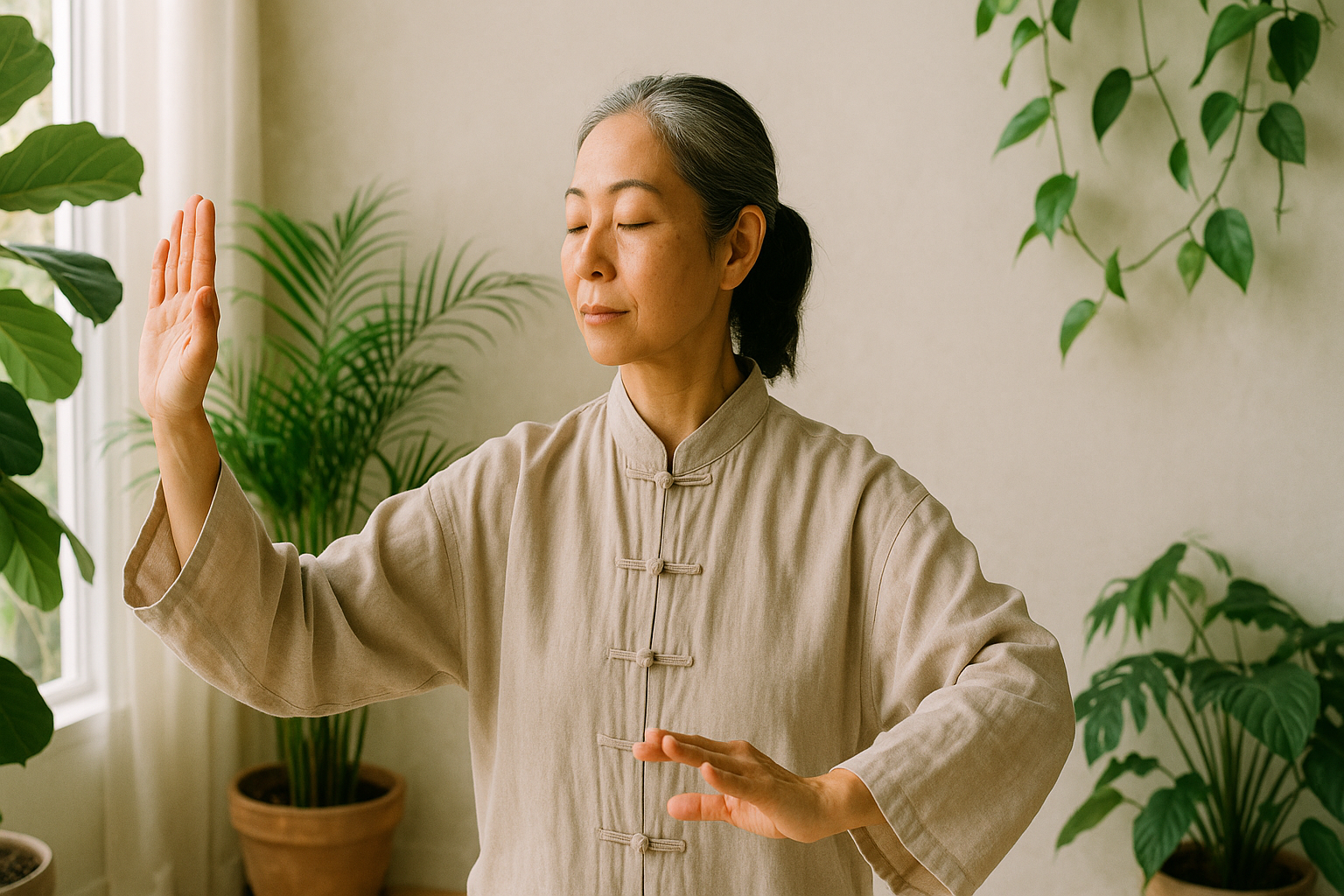
Explore the ancient practice of Tai Chi within Traditional Chinese Medicine. Discover its historical roots, how it's practiced, its traditional applications, and modern research insights.
What It Is
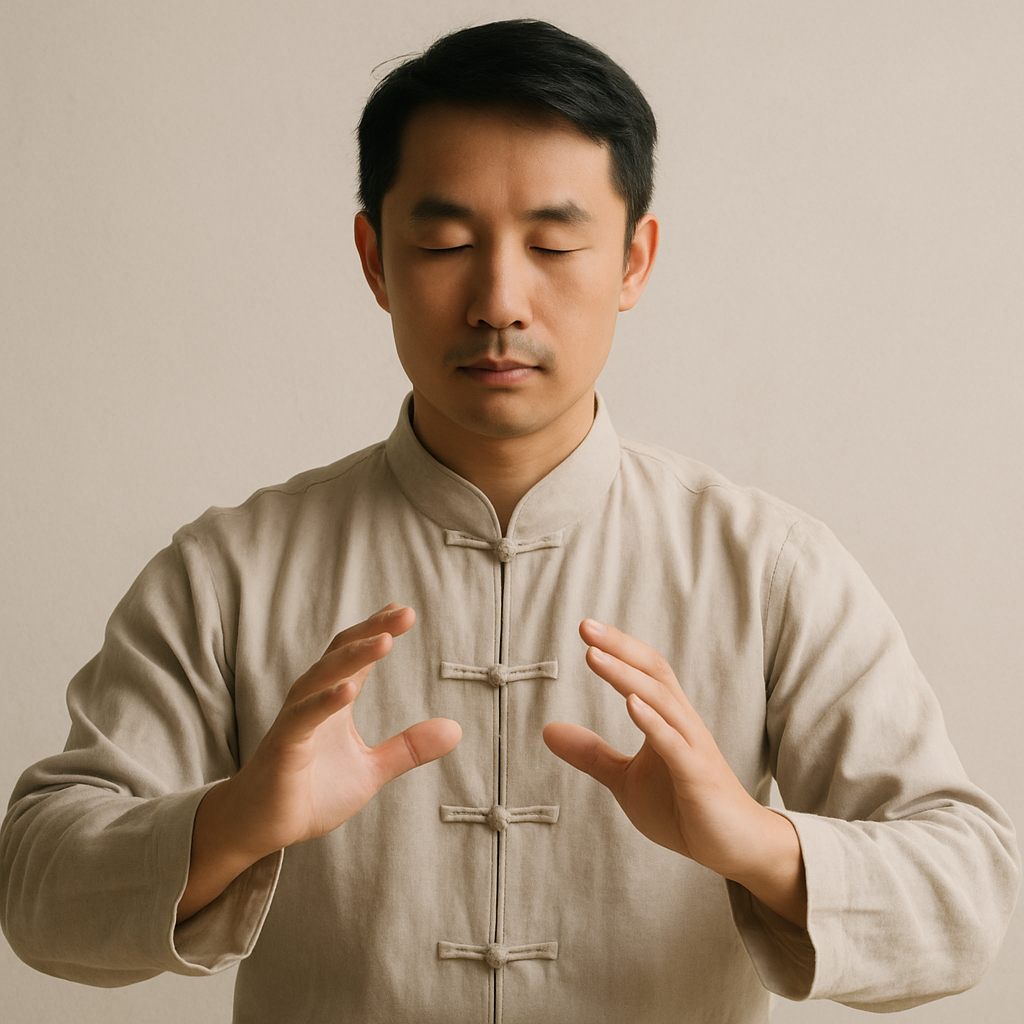
Tai Chi, often referred to as Tai Chi Chuan, is a form of martial art that emphasizes slow, deliberate movements and deep breathing. Originating from ancient China, it is considered a moving meditation that promotes harmony between body and mind. This practice integrates physical movement, mental focus, and controlled breathing, making it both a physical exercise and a spiritual discipline.
The essence of Tai Chi lies in its graceful, flowing movements that are executed in a relaxed and mindful manner. The practice encourages a deep connection to one’s body, fostering balance, flexibility, and strength. It is often described as a form of “meditation in motion,” where practitioners synchronize their movements with their breath, leading to a state of calm and clarity.
Historical Context Within Traditional Chinese Medicine
The origins of Tai Chi can be traced back to the 13th century, with roots in various Chinese martial arts. It was developed by Chen Wangting, a royal guard of the Chen village in Henan province, who blended martial techniques with Taoist philosophy and traditional Chinese medicine. Over the centuries, Tai Chi evolved into several styles, with Yang, Wu, Sun, and Hao being the most prominent.
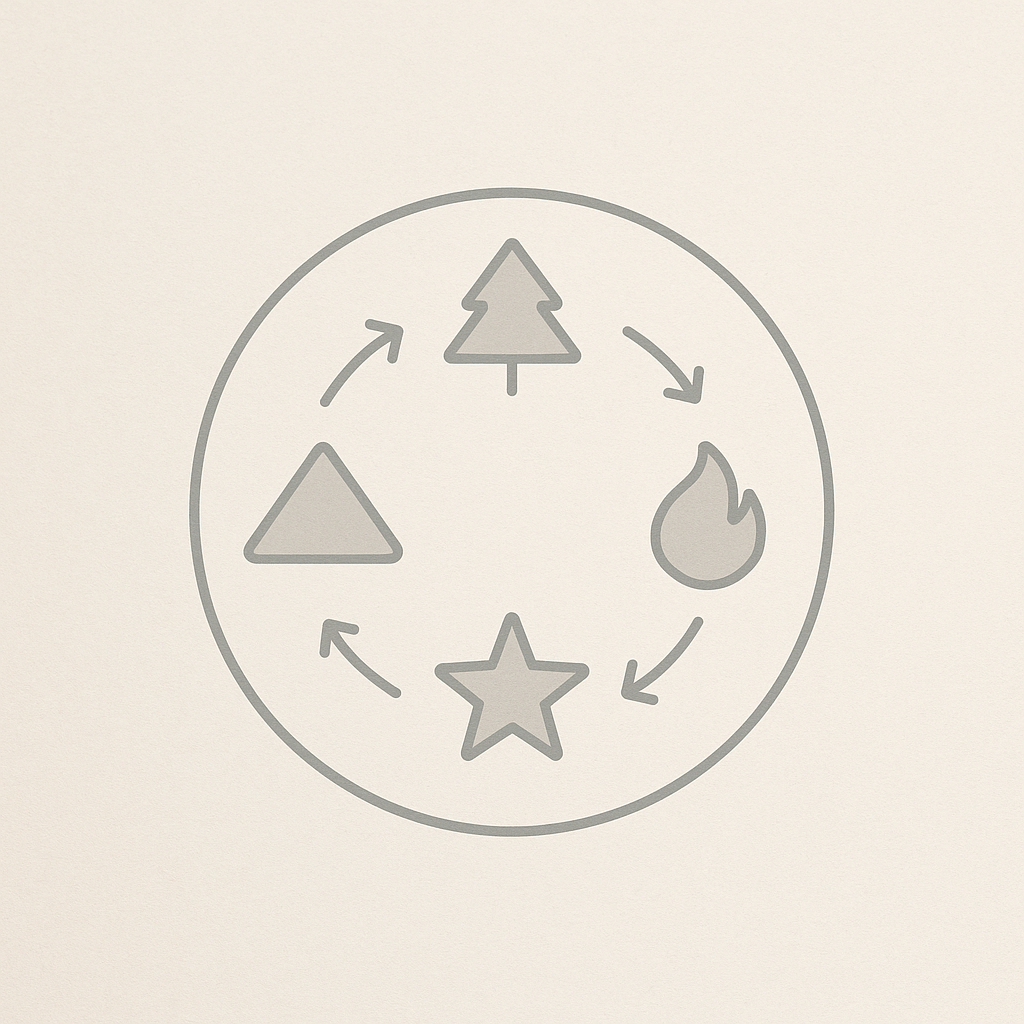
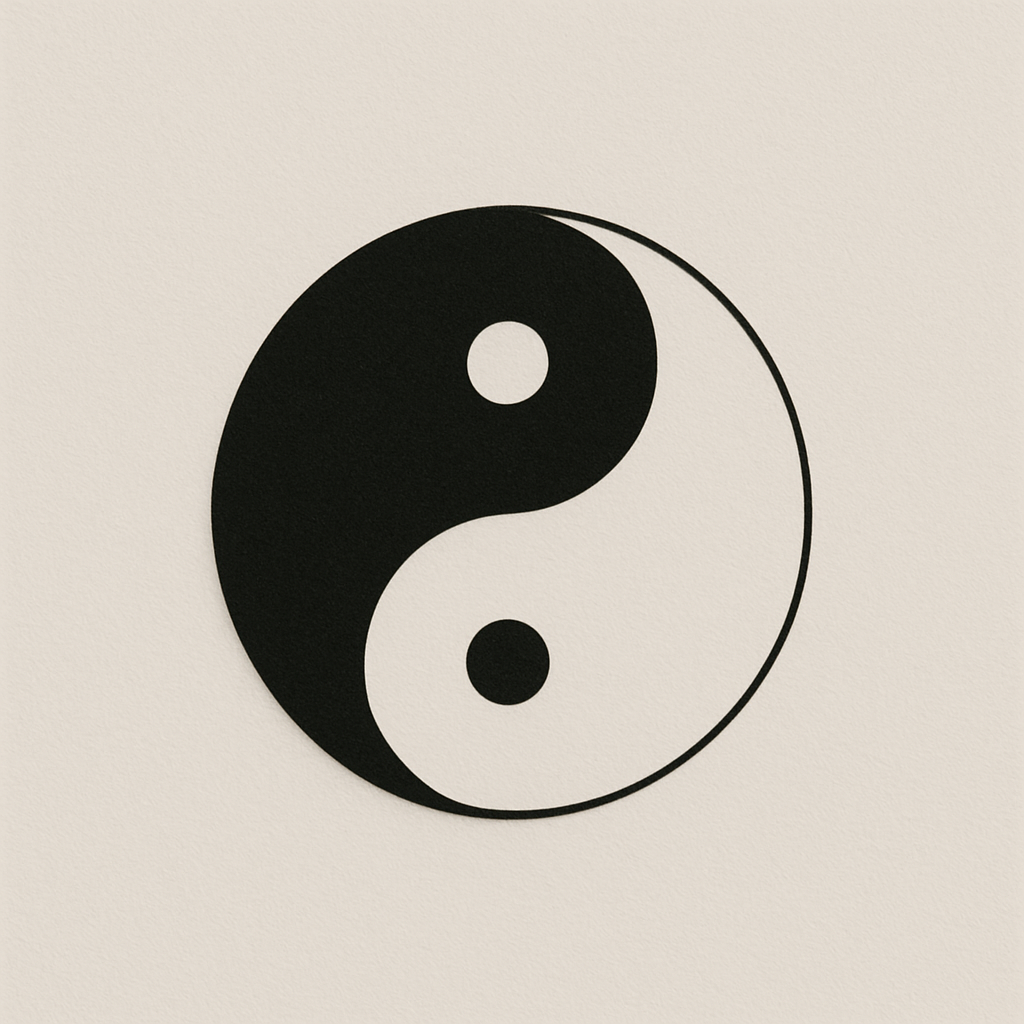
Within the framework of Traditional Chinese Medicine (TCM), Tai Chi is deeply intertwined with concepts such as Qi (vital energy), Yin and Yang, and the five elements. It emerged not only as a martial art but also as a holistic practice aimed at promoting health and well-being. Its integration into TCM highlights the importance of balance and harmony within the body, reflecting the foundational principles of this ancient healing system.
How It's Practiced
Practicing Tai Chi can be a serene and rewarding experience. Below is a simple walk-through of what a typical Tai Chi session might entail:
- Warm-Up: Gentle stretching and breathing exercises to prepare the body.
- Form Practice: Learning and practicing specific Tai Chi forms or sequences. These movements are generally slow and flowing.
- Breathing Techniques: Synchronizing breath with movement to enhance relaxation and focus.
- Mindfulness: Maintaining awareness of body posture, movement, and breath throughout the practice.
- Cool Down: Concluding the session with relaxation techniques or meditation.
Classes can vary in structure, but they often emphasize repetition and gradual learning of movement patterns, making it accessible for individuals of all ages and fitness levels.
What It Is Traditionally Explored For
Tai Chi is traditionally used for a variety of purposes, focusing primarily on promoting overall health and well-being. Some common goals include:
- Enhancing balance and coordination.
- Reducing stress and anxiety.
- Improving flexibility and muscle strength.
- Supporting cardiovascular health.
- Promoting mental clarity and relaxation.
While these applications are rooted in tradition, it is important to approach Tai Chi as a complementary practice rather than a sole treatment for specific health conditions.
What Modern Research Suggests
Modern research has begun to explore the potential benefits of Tai Chi, with several studies indicating positive effects on physical and mental health. Preliminary findings suggest that regular practice may improve balance and reduce the risk of falls, particularly among older adults. Additionally, Tai Chi has been associated with reductions in stress, anxiety, and depression levels.
Clinical studies have also examined Tai Chi's impact on chronic conditions such as arthritis, cardiovascular disease, and chronic pain. While results are promising, further research is needed to establish more definitive conclusions and understand the underlying mechanisms at play. The existing evidence indicates that Tai Chi may serve as a beneficial adjunct to conventional treatments, promoting holistic health.
Safety, Contraindications & Who Should Skip
While Tai Chi is generally considered safe for most people, certain individuals may need to approach the practice with caution. Those with specific health concerns, such as severe arthritis, balance disorders, or acute injuries, should consult a healthcare professional before beginning Tai Chi. It is advisable for pregnant women or individuals with serious health conditions to seek guidance from a qualified instructor or healthcare provider.
Pairs Well With (within Traditional Chinese Medicine and across pillars)
Tai Chi complements several other modalities within Traditional Chinese Medicine and holistic health practices. Some related practices include:
- Qigong: A practice focused on cultivating and balancing Qi through movement and meditation.
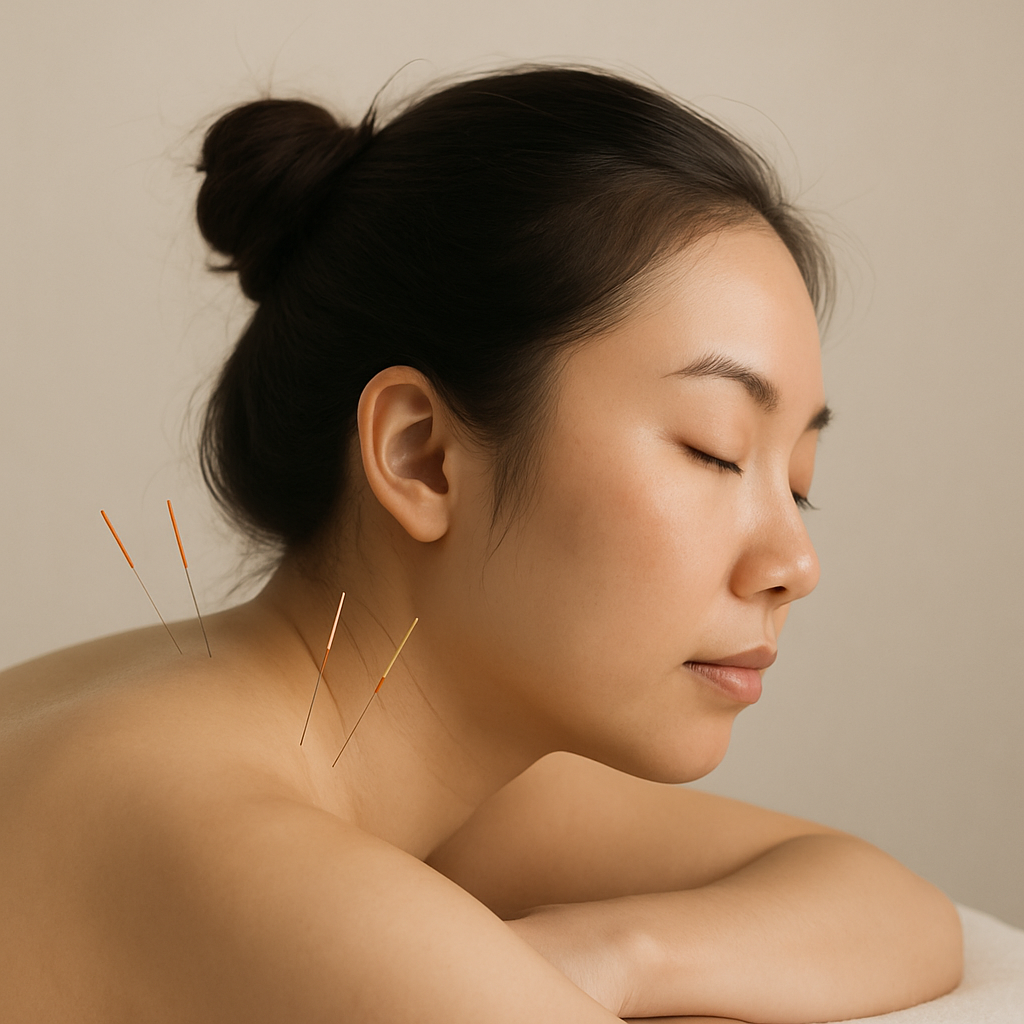
- Acupuncture: A technique that involves inserting needles into specific points on the body to promote healing and balance.
- Herbal Medicine: Utilizing plant-based remedies to support health and wellness.
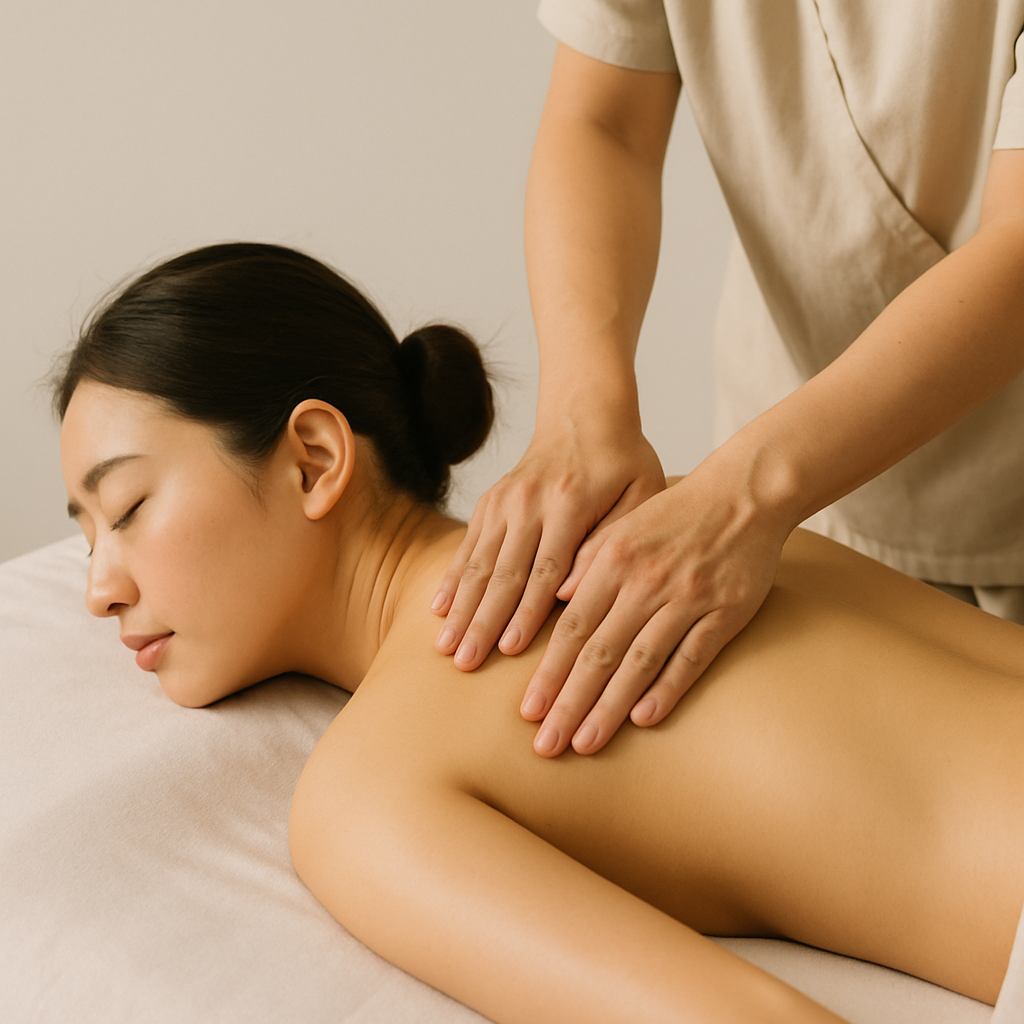
- Massage Therapy: Techniques that promote relaxation and improve circulation.
How to Find a Qualified Practitioner
Finding a qualified Tai Chi instructor can enhance your practice significantly. Here are some tips for locating a skilled practitioner:
- Look for instructors with formal training and certifications in Tai Chi.
- Seek recommendations from local health clubs, wellness centers, or community colleges.
- Check online platforms or directories that specialize in Tai Chi and martial arts.
- Attend introductory classes to assess the instructor’s teaching style and compatibility.
It is essential to choose a practitioner who fosters a supportive and safe learning environment.
FAQs (5)
1. Is Tai Chi suitable for beginners?
Yes, Tai Chi is accessible to individuals of all ages and fitness levels, making it an excellent choice for beginners.
2. How often should I practice Tai Chi?
For optimal benefits, practicing a few times a week is recommended, though even occasional practice can be beneficial.
3. Do I need any special equipment to practice Tai Chi?
No special equipment is required; comfortable clothing and flat shoes are sufficient for practicing Tai Chi.
4. Can Tai Chi help with stress management?
Yes, many practitioners find that Tai Chi helps reduce stress and promote relaxation through its meditative movements.
5. How long does it take to learn Tai Chi?
The learning curve can vary. Some may feel comfortable with basic movements in a few weeks, while mastering the forms can take years.
Frequently asked
Is Tai Chi suitable for beginners?
Yes, Tai Chi is accessible to individuals of all ages and fitness levels, making it an excellent choice for beginners.
How often should I practice Tai Chi?
For optimal benefits, practicing a few times a week is recommended, though even occasional practice can be beneficial.
Do I need any special equipment to practice Tai Chi?
No special equipment is required; comfortable clothing and flat shoes are sufficient for practicing Tai Chi.
Can Tai Chi help with stress management?
Yes, many practitioners find that Tai Chi helps reduce stress and promote relaxation through its meditative movements.
How long does it take to learn Tai Chi?
The learning curve can vary. Some may feel comfortable with basic movements in a few weeks, while mastering the forms can take years.