Yin & Yang Theory
Yin & Yang Theory is a core principle of Traditional Chinese Medicine that emphasizes balance and harmony in the body through the interplay of opposing forces.
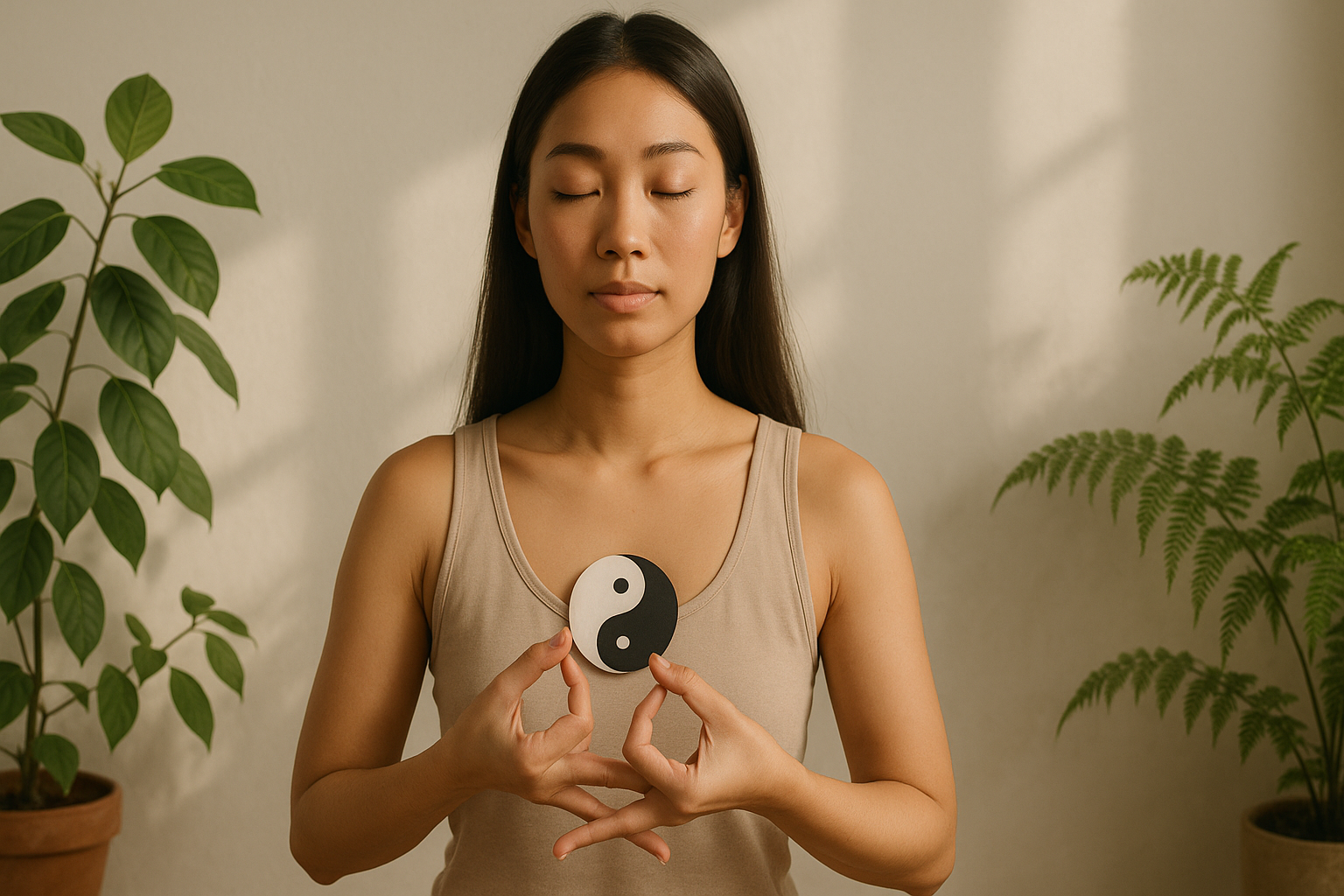
Explore the Yin & Yang Theory within Traditional Chinese Medicine, a foundational concept that balances opposing forces to promote harmony in health.
What It Is
The Yin & Yang Theory is a fundamental concept in Traditional Chinese Medicine (TCM) that represents the dualistic nature of reality. At its core, Yin and Yang symbolize opposing but complementary forces that create balance and harmony in the universe and within the body. Yin is associated with qualities such as darkness, coldness, passivity, and substance, while Yang embodies light, warmth, activity, and energy. Together, they illustrate how these contrasting elements interact and influence one another, establishing a dynamic equilibrium essential for health and well-being.
In the context of TCM, the Yin & Yang Theory is used to understand physiological processes and diagnose imbalances that may lead to illness. Practitioners assess the relative states of Yin and Yang in a person's body to determine the appropriate course of treatment. This theory serves as a guide for understanding how lifestyle choices, environmental factors, and emotional states can affect one's health by either enhancing or disrupting this balance.
Historical Context Within Traditional Chinese Medicine
The origins of the Yin & Yang Theory can be traced back to ancient Chinese philosophy, with its roots in texts such as the "I Ching" (Book of Changes) and the writings of early philosophers like Laozi and Zhuangzi. These texts, dating back over two millennia, laid the groundwork for understanding the interplay of opposites in nature and the human experience. The theory was later integrated into TCM, particularly during the Han Dynasty (206 BCE – 220 CE), when it became a cornerstone of medical practice.
Throughout history, the Yin & Yang Theory has evolved and been refined by various scholars and practitioners, but its core principles remain integral to TCM. Figures like Huangdi, the Yellow Emperor, are often credited with systematizing these ideas in texts such as the "Huangdi Neijing" (Yellow Emperor's Inner Canon), which further established the relationship between Yin, Yang, and the body's health.
How It's Practiced
Practicing Yin & Yang Theory in TCM involves a holistic approach to health and wellness. A qualified practitioner will typically follow these steps:
- Assessment: The practitioner evaluates the patient's overall health, including physical symptoms, emotional state, and lifestyle factors.
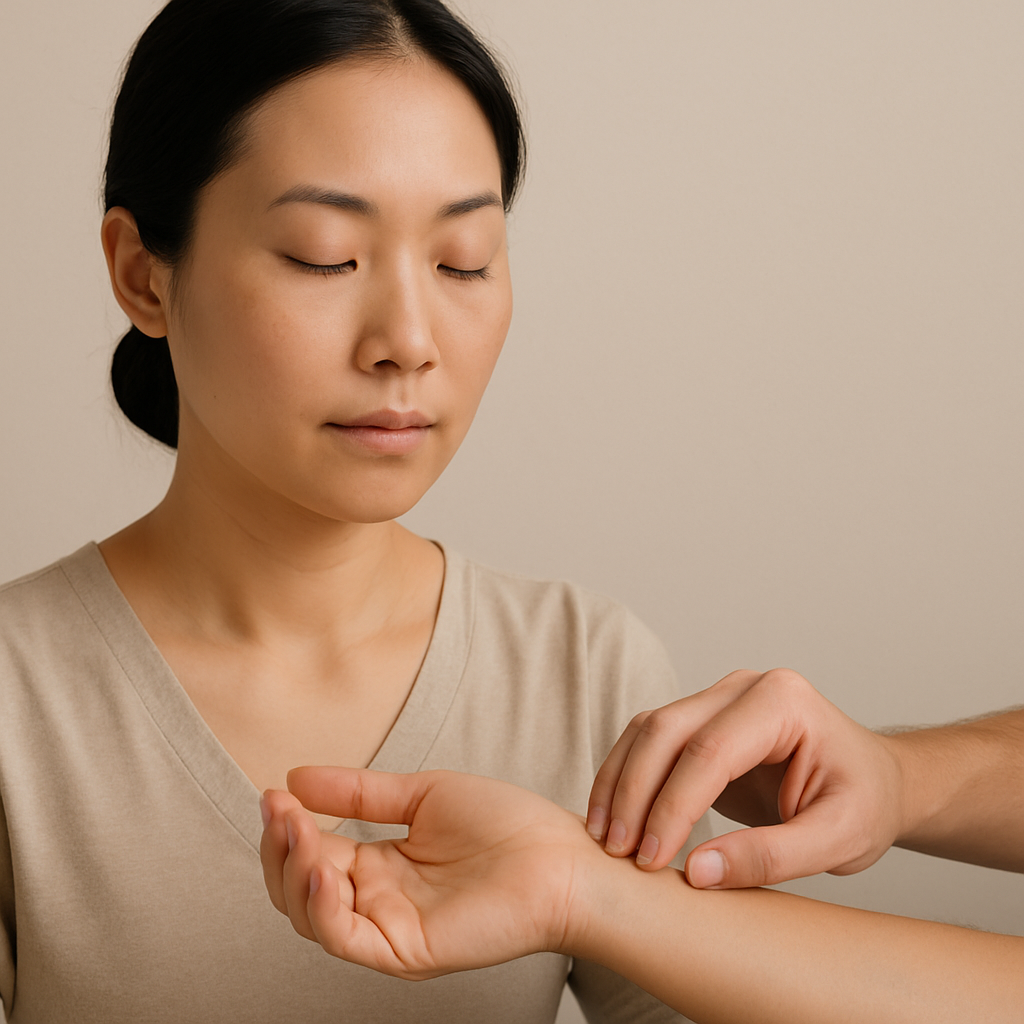
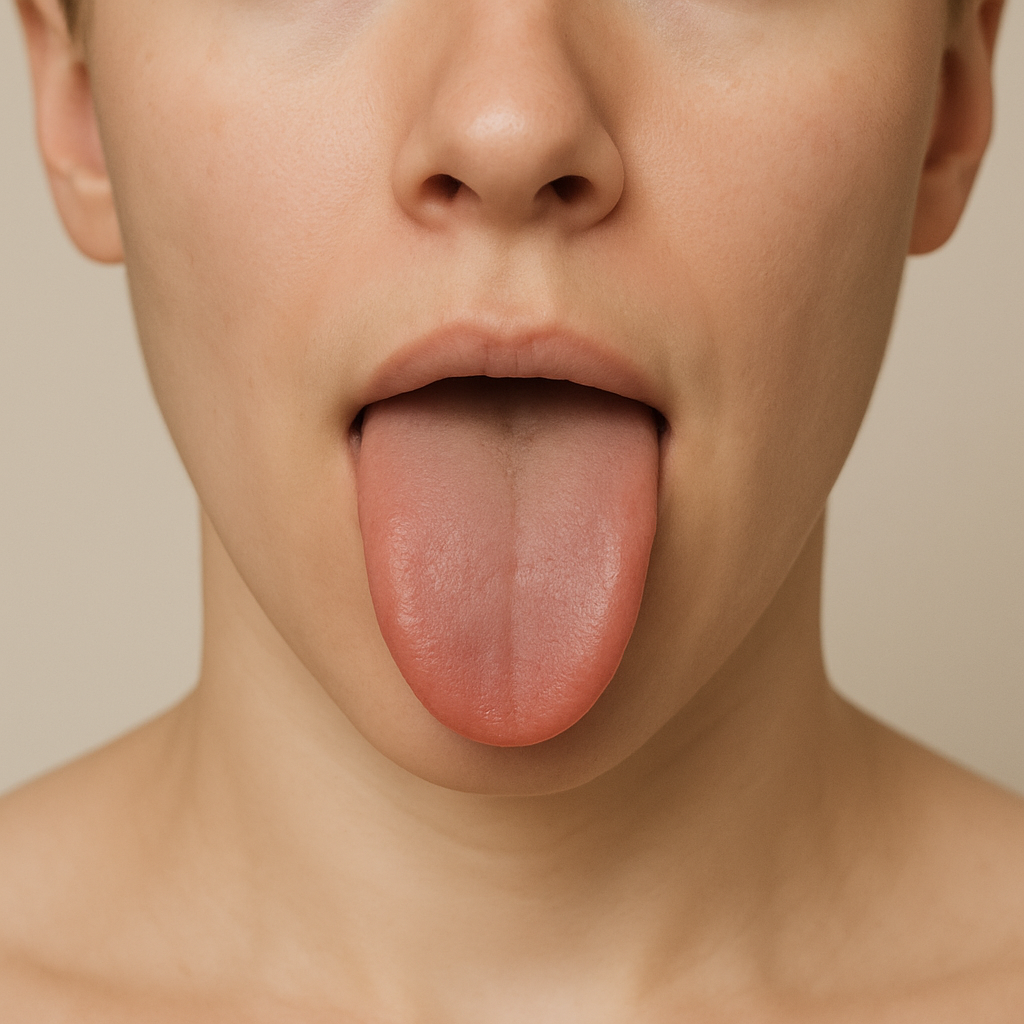
- Diagnosis: Based on the assessment, the practitioner determines whether there is an imbalance between Yin and Yang. This may involve tongue and pulse diagnosis, along with a discussion of the patient's history.
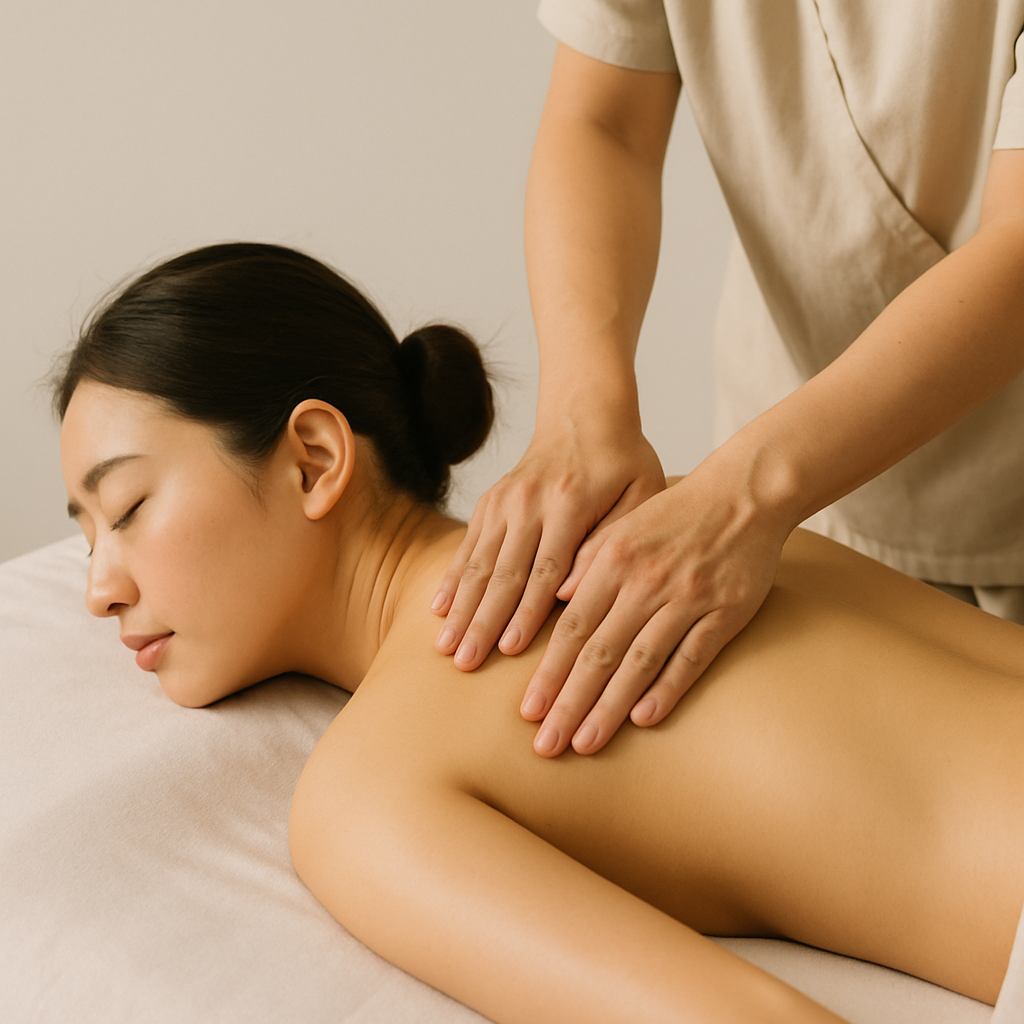
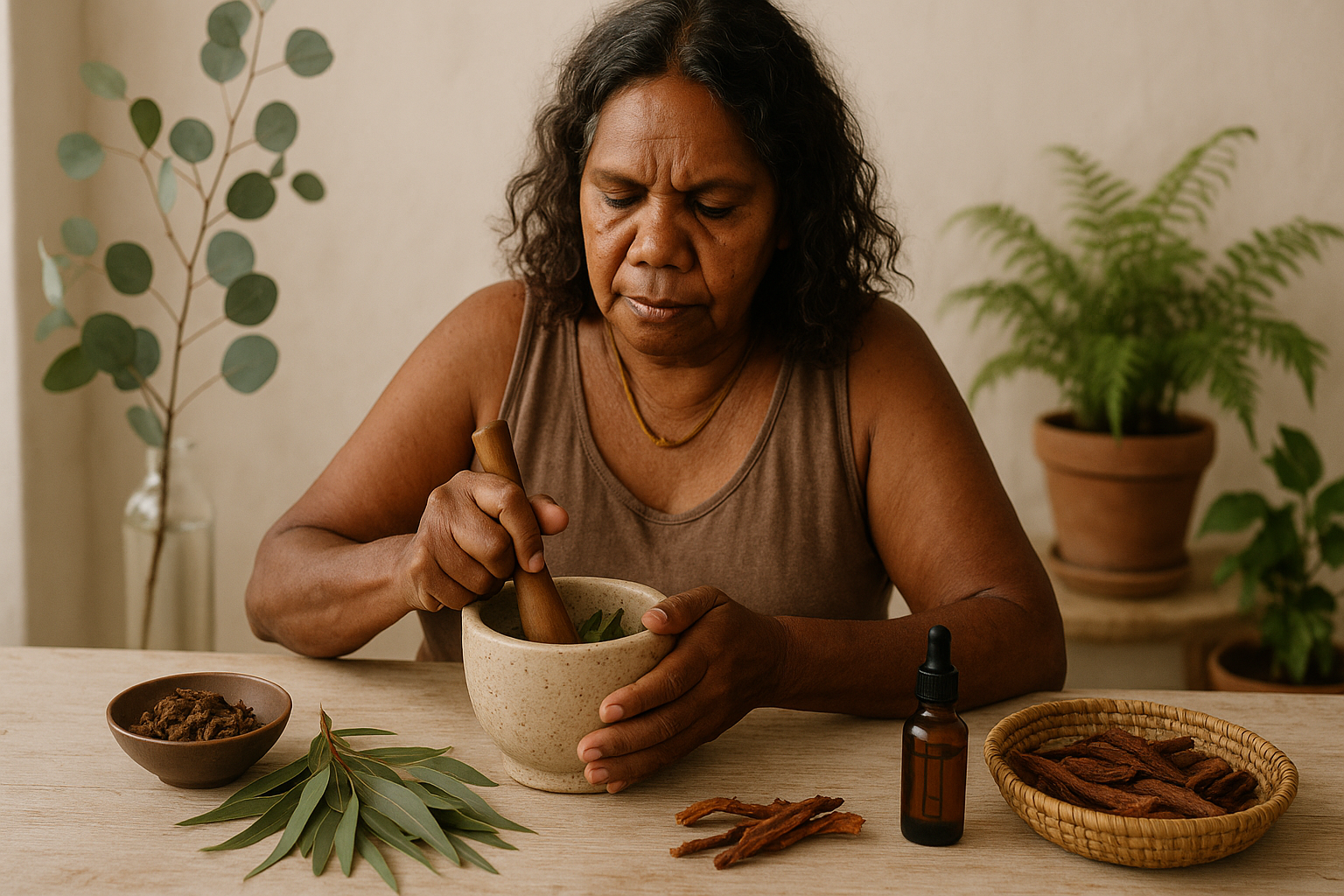
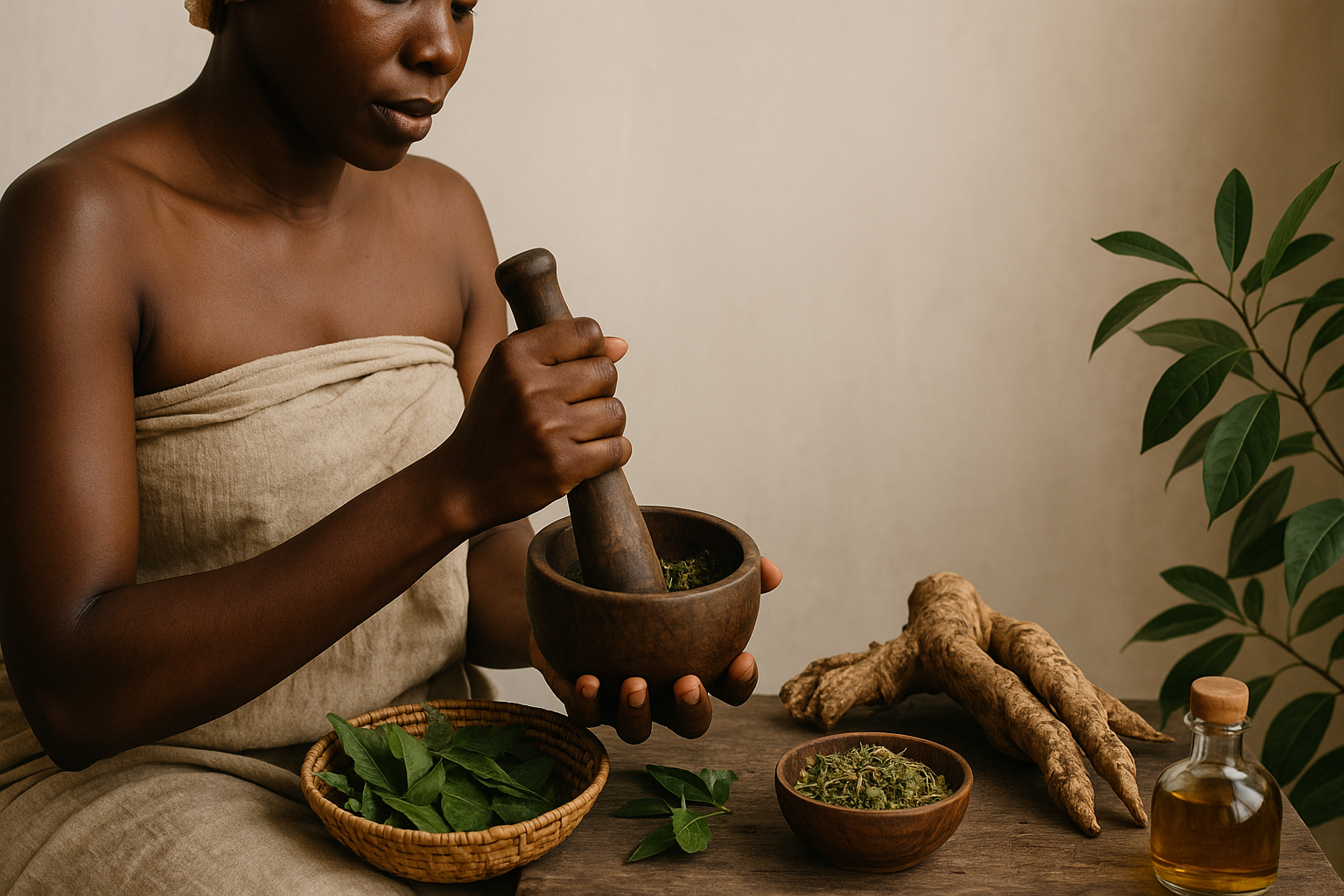
- Treatment Plan: A personalized treatment plan is developed, which may include acupuncture, herbal remedies, dietary recommendations, and lifestyle adjustments aimed at restoring balance.
- Follow-Up: Regular follow-up appointments help monitor progress and make necessary adjustments to the treatment plan as needed.
What It Is Traditionally Explored For
The Yin & Yang Theory is traditionally used to explore a range of health concerns and imbalances. Some common goals of treatment may include:
- Restoring energy levels when Yang is deficient (e.g., fatigue, low vitality).
- Cooling the body when there is excess Yang (e.g., inflammation, heat-related issues).
- Increasing nourishment and moisture when Yin is deficient (e.g., dryness, insomnia).
- Promoting relaxation and calmness when there is excess Yin (e.g., lethargy, depression).
What Modern Research Suggests
Additionally, some modern wellness practices inspired by Yin & Yang Theory, such as mindfulness meditation and dietary adjustments, have gained attention for their potential benefits in promoting mental health and overall well-being. While more rigorous clinical trials are needed, these approaches may reflect the ancient wisdom of balancing opposing forces to achieve optimal health.
Safety, Contraindications & Who Should Skip
While the Yin & Yang Theory itself is a conceptual framework, treatments derived from it, such as acupuncture and herbal remedies, may carry certain risks. It is essential for individuals to consult with a qualified practitioner before beginning any new treatment. Some potential contraindications may include:
- Pregnancy (certain acupuncture points and herbs may not be safe).
- Severe bleeding disorders (acupuncture may increase bleeding).
- Specific allergies to herbs or ingredients used in treatments.
- Individuals on blood-thinning medications should exercise caution with herbal remedies.
It is advisable for anyone with a serious medical condition or who is undergoing treatment from a healthcare provider to discuss their interest in TCM and the Yin & Yang Theory before proceeding.
Pairs Well With (within Traditional Chinese Medicine and across pillars)
The Yin & Yang Theory can be effectively paired with various modalities and practices within and beyond Traditional Chinese Medicine. Some complementary practices include:
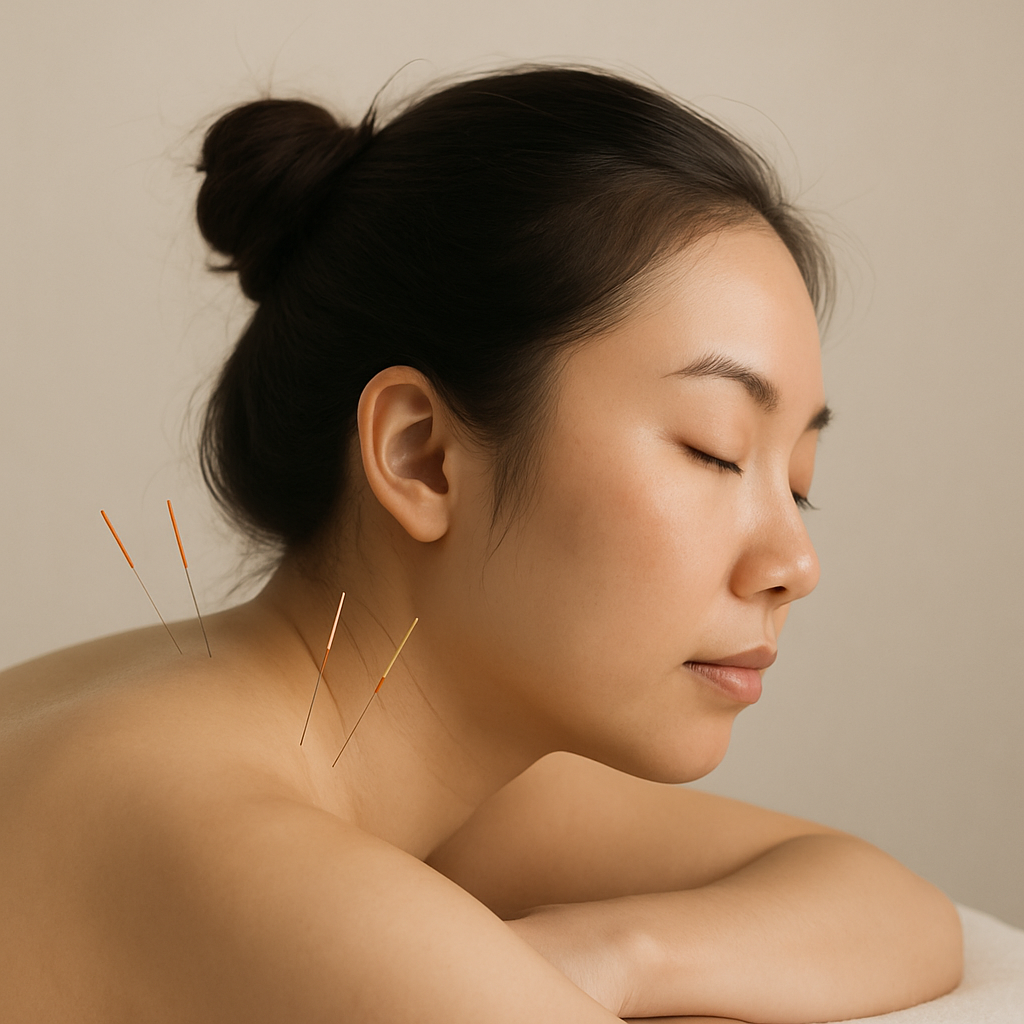
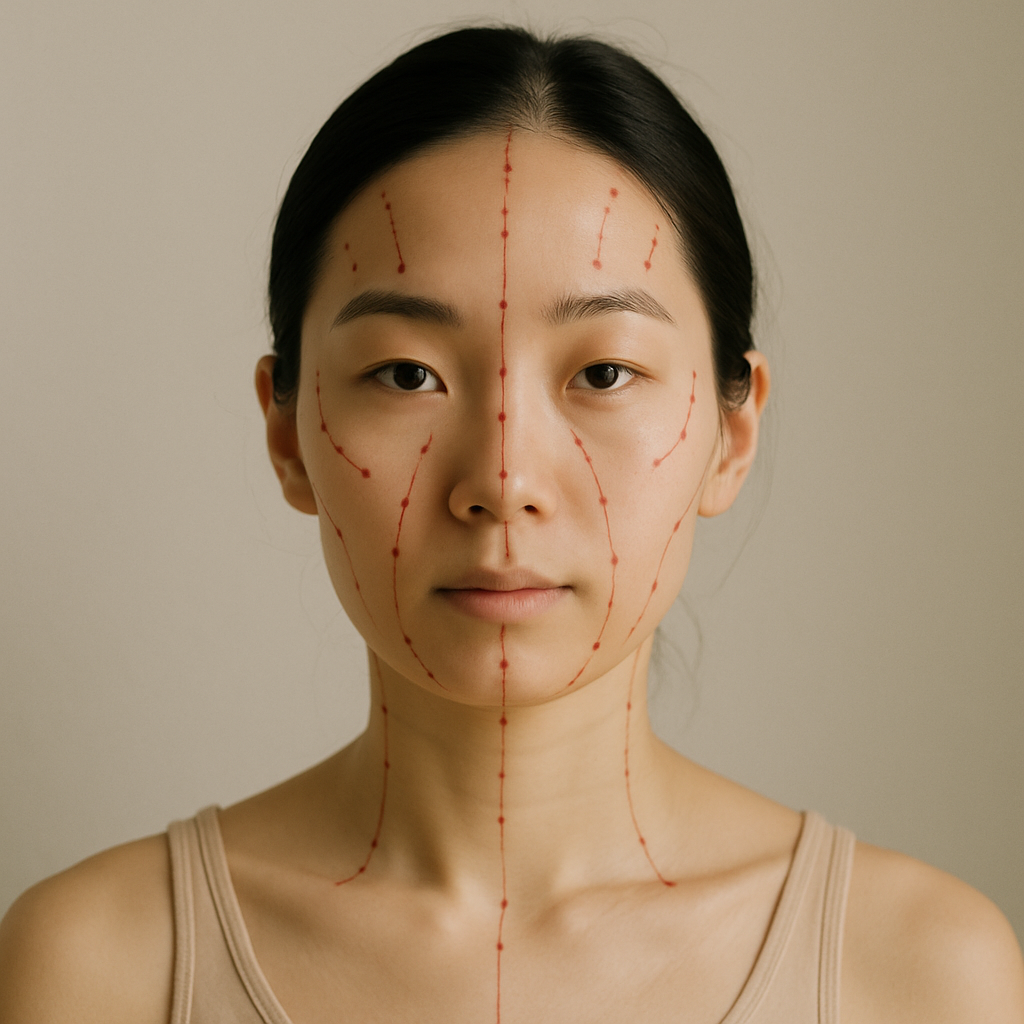
- Acupuncture: A method to balance energy flow and restore Yin and Yang.
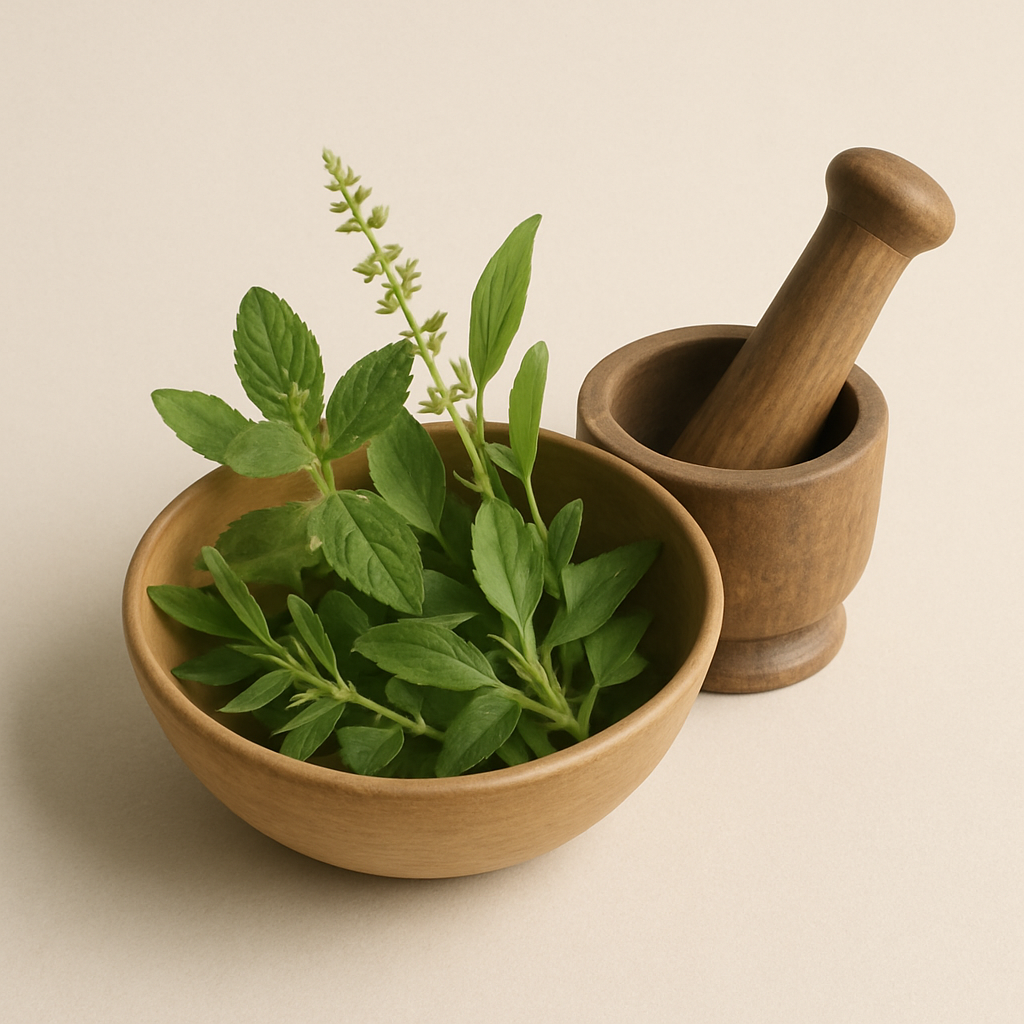
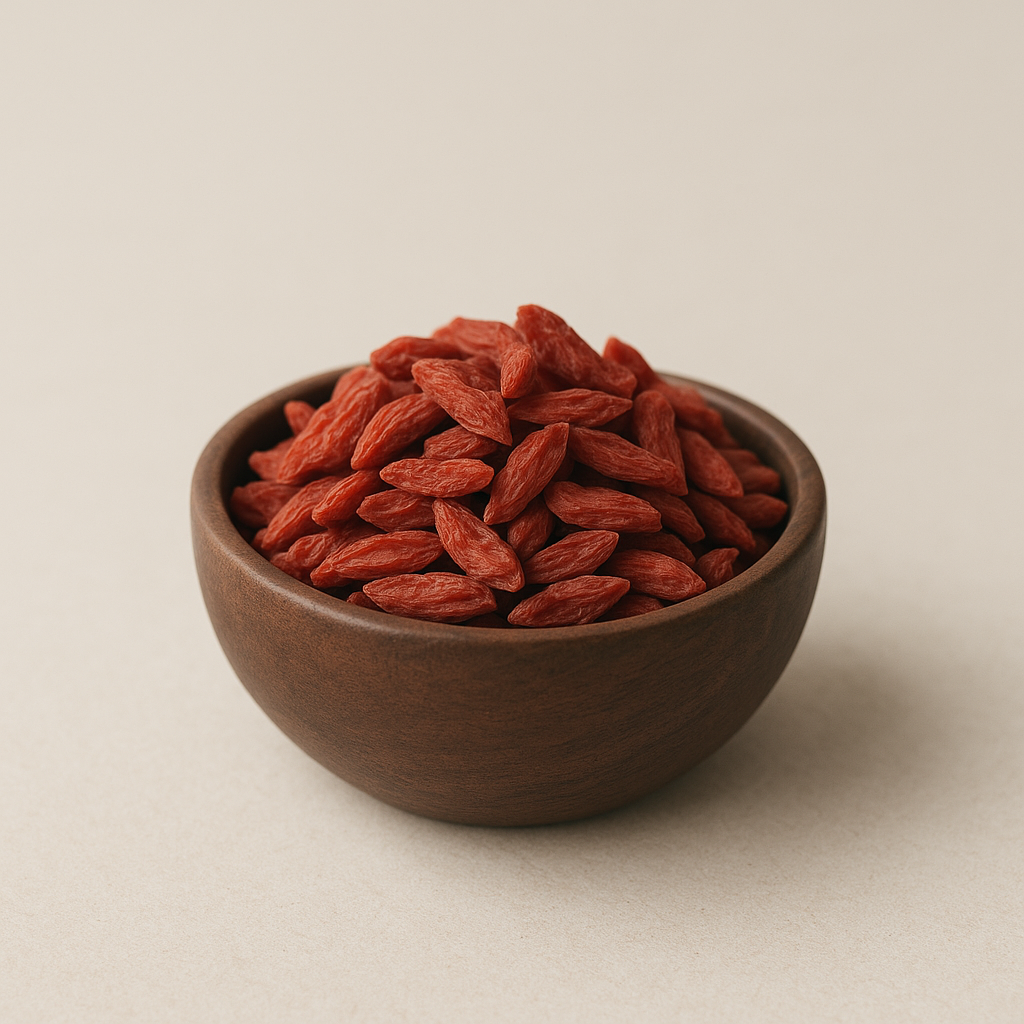
- Herbal Medicine: Utilizes specific herbs to support the body’s Yin or Yang.
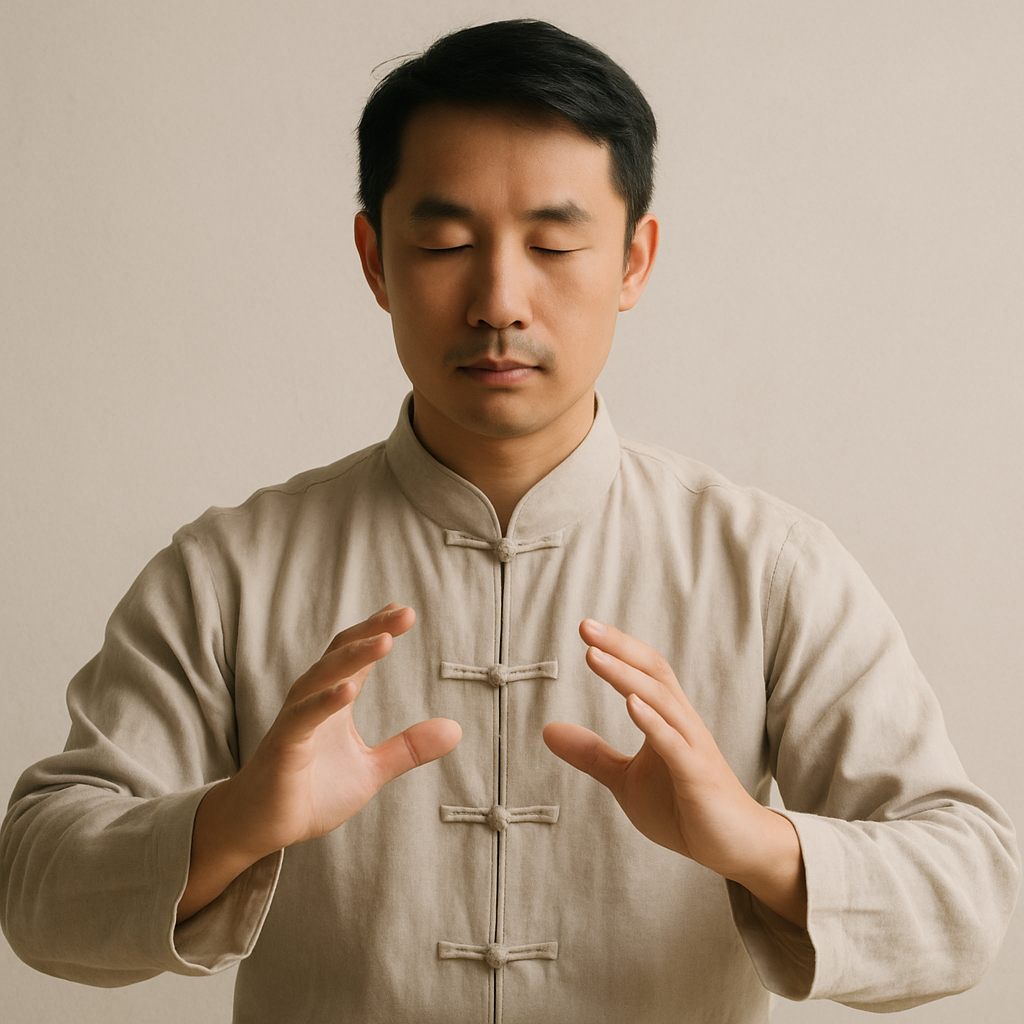
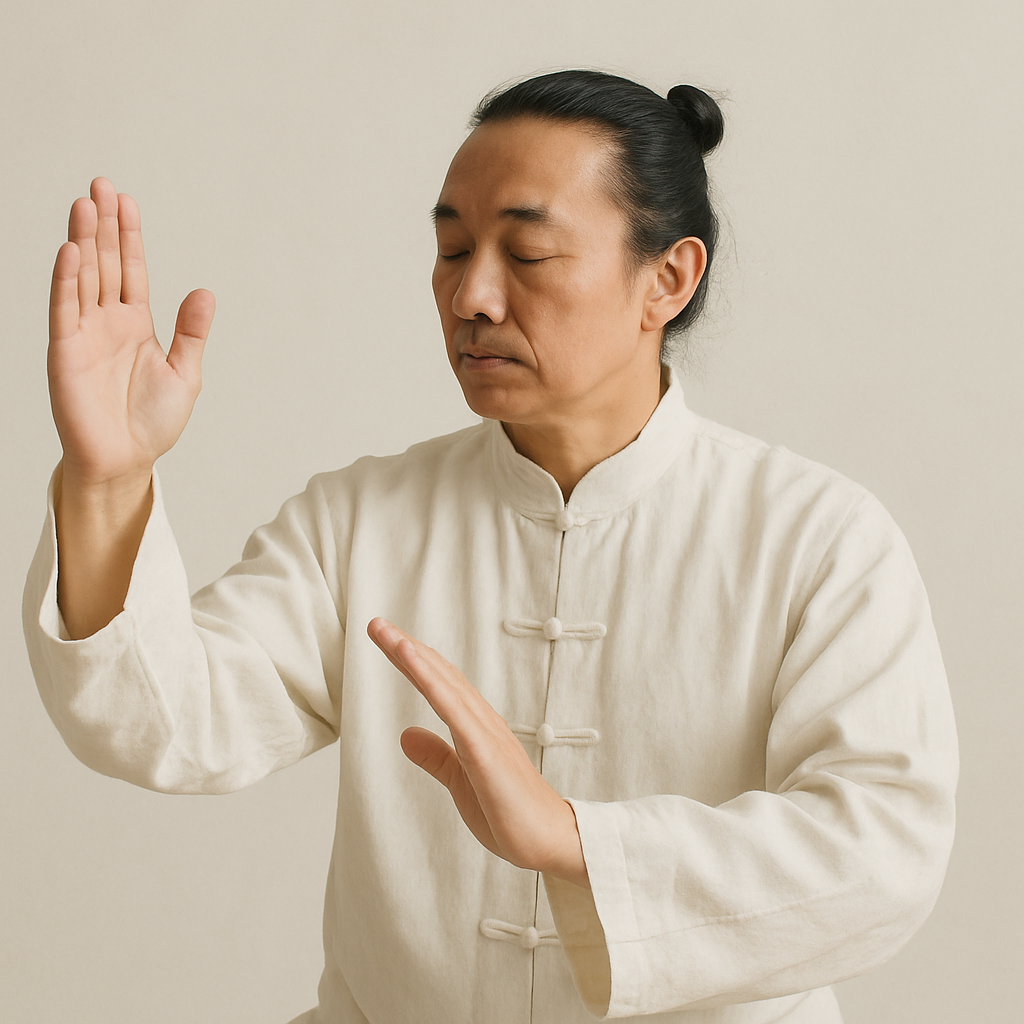
- Qigong and Tai Chi: Mind-body practices that promote balance and harmonize energy.
- Nutrition: Dietary adjustments based on Yin and Yang principles to support overall health.
How to Find a Qualified Practitioner
Finding a qualified practitioner who specializes in Yin & Yang Theory and TCM is essential for effective treatment. Here are some steps to consider:
- Research local practitioners with credentials in Traditional Chinese Medicine.
- Look for certifications in acupuncture and herbal medicine.
- Check online reviews and testimonials from previous patients.
- Schedule a consultation to discuss your health concerns and treatment approach.
- Ensure the practitioner takes the time to understand your individual needs and provides a comprehensive treatment plan.
FAQs (5)
- What is the difference between Yin and Yang? Yin represents passive, cool, and dark qualities, while Yang embodies active, warm, and bright qualities. Together, they create balance.
- How can Yin & Yang Theory improve my health? By understanding and restoring balance between Yin and Yang, practitioners aim to enhance overall health and well-being.
- Is Yin & Yang Theory used in modern medicine? While it is primarily a concept in TCM, some principles are reflected in complementary and alternative medicine practices.
- Can anyone practice Yin & Yang Theory? It is best practiced under the guidance of a qualified TCM practitioner to ensure safety and effectiveness.
- Are there any side effects of treatments based on Yin & Yang Theory? Side effects may occur depending on the specific treatment, such as acupuncture or herbal remedies, so consulting a practitioner is important.
Frequently asked
What is the difference between Yin and Yang?
Yin represents passive, cool, and dark qualities, while Yang embodies active, warm, and bright qualities. Together, they create balance.
How can Yin & Yang Theory improve my health?
By understanding and restoring balance between Yin and Yang, practitioners aim to enhance overall health and well-being.
Is Yin & Yang Theory used in modern medicine?
While it is primarily a concept in TCM, some principles are reflected in complementary and alternative medicine practices.
Can anyone practice Yin & Yang Theory?
It is best practiced under the guidance of a qualified TCM practitioner to ensure safety and effectiveness.
Are there any side effects of treatments based on Yin & Yang Theory?
Side effects may occur depending on the specific treatment, such as acupuncture or herbal remedies, so consulting a practitioner is important.