Organ Clock System
Discover the Organ Clock System in Traditional Chinese Medicine, a holistic approach aligning body organs with specific times of day, aiming for optimal health and well-being.

Explore the Organ Clock System within Traditional Chinese Medicine, a framework that connects the body's organs to specific time periods, influencing health and wellness practices. This guide delves into its history, practical applications, and modern research, while emphasizing safety and practitioner guidance.
What It Is
The Organ Clock System is a concept within Traditional Chinese Medicine (TCM) that illustrates how the body’s organs function according to a 24-hour cycle. Each organ is believed to have a peak time during which it is most active, and this rhythm influences physical health and emotional well-being. The system reflects the idea that the body operates in harmony with natural rhythms, including those of day and night.
This system divides the day into segments, with each segment associated with a specific organ. Understanding these time frames can help individuals align their activities, such as eating and resting, to support their health more effectively. By recognizing when each organ is at its peak, practitioners of TCM can suggest lifestyle adjustments to optimize bodily functions.
Historical Context Within Traditional Chinese Medicine
The concept of the Organ Clock System has its roots in ancient Chinese philosophy and medicine, dating back thousands of years. It is primarily derived from the foundational texts of TCM, including the Huangdi Neijing (The Yellow Emperor's Classic of Medicine), which was written around the 2nd century BCE. This classic text laid the groundwork for understanding the interconnections between the body, nature, and time.
The Organ Clock System was developed by TCM practitioners who observed the natural world and the cyclical patterns of life. They noted that just as the universe has its rhythms, so too do the organs within the human body. This holistic approach has been passed down through generations, solidifying the importance of time in health practices.
How It's Practiced
- Assessment: Initial consultations involve understanding a patient’s health history, lifestyle, and any symptoms they may be experiencing.
- Education: Patients are informed about the Organ Clock System and the peak times of their organs.
- Personalized Recommendations: Based on the assessment, practitioners suggest specific times for activities such as eating, exercising, and resting to align with the optimal functioning of the organs.
- Follow-Up: Regular check-ins help to adjust recommendations based on the patient’s progress and any changes in health.
What It Is Traditionally Explored For
The Organ Clock System is traditionally used for a variety of purposes aimed at enhancing overall health. Common goals include:
- Improving digestion by eating during the optimal hours for the spleen and stomach.
- Encouraging better sleep patterns by aligning rest with the liver and kidney cycles.
- Boosting energy levels by timing physical activity with the peak hours of the heart and lungs.
- Promoting emotional balance by recognizing how organ activity correlates with feelings and mood throughout the day.
What Modern Research Suggests
Safety, Contraindications & Who Should Skip
- Individuals with serious medical conditions.
- Pregnant or nursing women.
- Those taking medications that may interact with dietary or lifestyle changes.
- People with eating disorders or irregular sleep patterns.
Pairs Well With (within Traditional Chinese Medicine and across pillars)
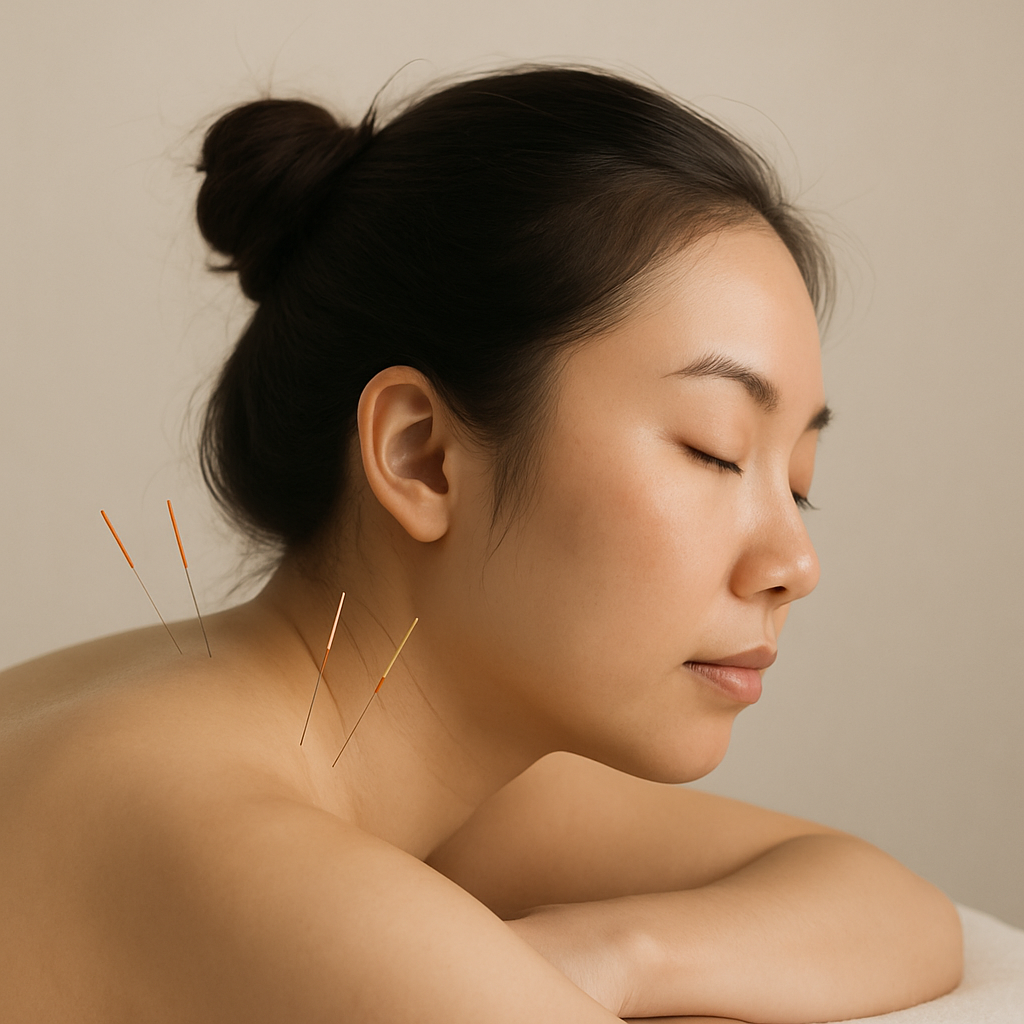
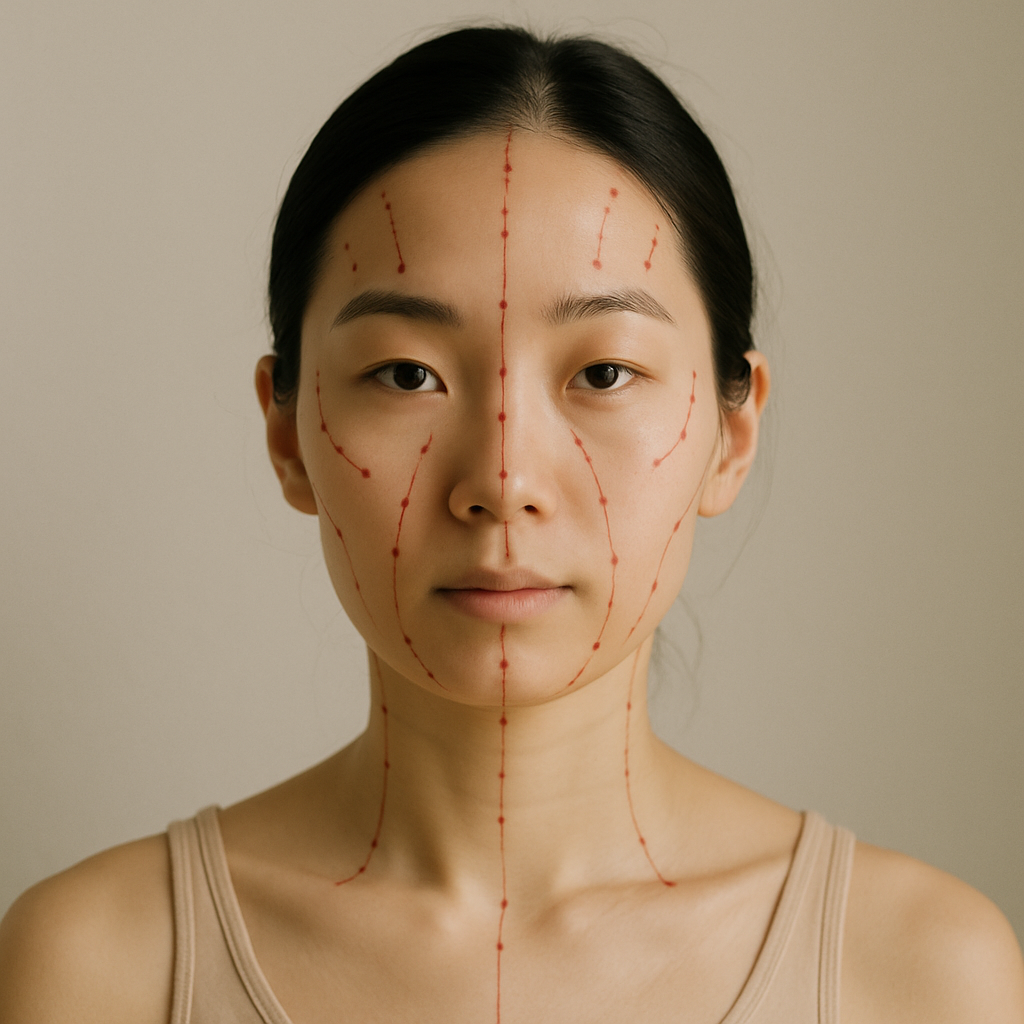
- Acupuncture: Enhances the flow of Qi and balances organ function.
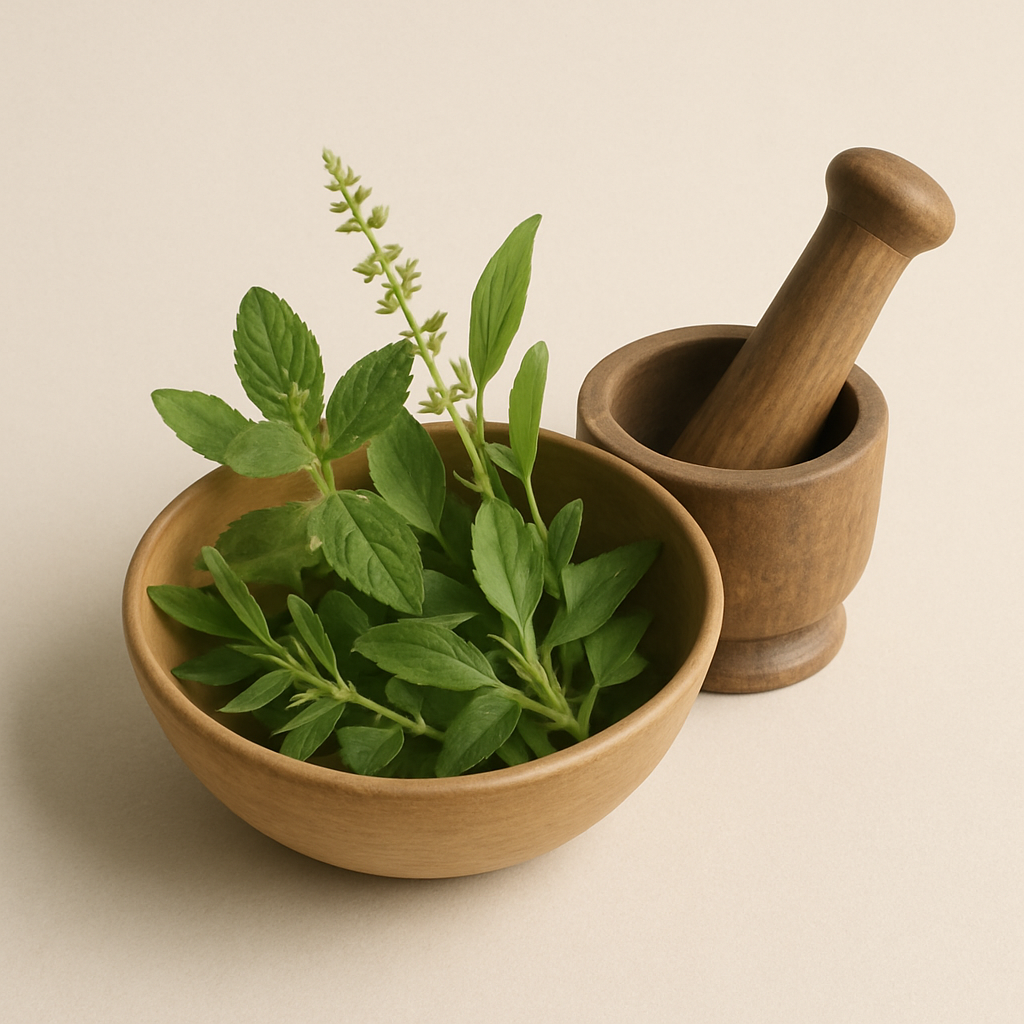
- Herbal Medicine: Uses specific herbs aligned with organ times to promote health.
- Qi Gong: A practice that incorporates movement and breathing to harmonize body rhythms.
- Dietary Therapy: Focuses on foods that support organ health during peak times.
How to Find a Qualified Practitioner
- Search for licensed acupuncturists or TCM practitioners in your area.
- Check their credentials and experience specifically related to the Organ Clock System.
- Read reviews or ask for recommendations from individuals who have undergone similar treatments.
- Schedule a consultation to discuss your health goals and see if their approach aligns with your needs.
FAQs (5)
What is the Organ Clock System?
The Organ Clock System is a framework in Traditional Chinese Medicine that aligns the functions of the body's organs with specific times of the day.
How can I benefit from the Organ Clock System?
By aligning your daily activities with the optimal functioning times of your organs, you may improve your overall health and well-being.
Is there scientific research supporting the Organ Clock System?
Preliminary studies suggest that aligning activities with natural circadian rhythms can positively impact health, although more research is needed.
Who should avoid the Organ Clock System?
Individuals with serious health conditions, pregnant or nursing women, and those with certain medications should consult a healthcare provider before making changes based on this system.
How do I find a practitioner trained in the Organ Clock System?
Look for licensed TCM practitioners or acupuncturists with experience in the Organ Clock System, and check their credentials and reviews.
Frequently asked
What is the Organ Clock System?
The Organ Clock System is a framework in Traditional Chinese Medicine that aligns the functions of the body's organs with specific times of the day.
How can I benefit from the Organ Clock System?
By aligning your daily activities with the optimal functioning times of your organs, you may improve your overall health and well-being.
Is there scientific research supporting the Organ Clock System?
Preliminary studies suggest that aligning activities with natural circadian rhythms can positively impact health, although more research is needed.
Who should avoid the Organ Clock System?
Individuals with serious health conditions, pregnant or nursing women, and those with certain medications should consult a healthcare provider before making changes based on this system.
How do I find a practitioner trained in the Organ Clock System?
Look for licensed TCM practitioners or acupuncturists with experience in the Organ Clock System, and check their credentials and reviews.