Qi Gong
Discover the ancient practice of Qi Gong, its history, methods, and potential benefits in the realm of Traditional Chinese Medicine.
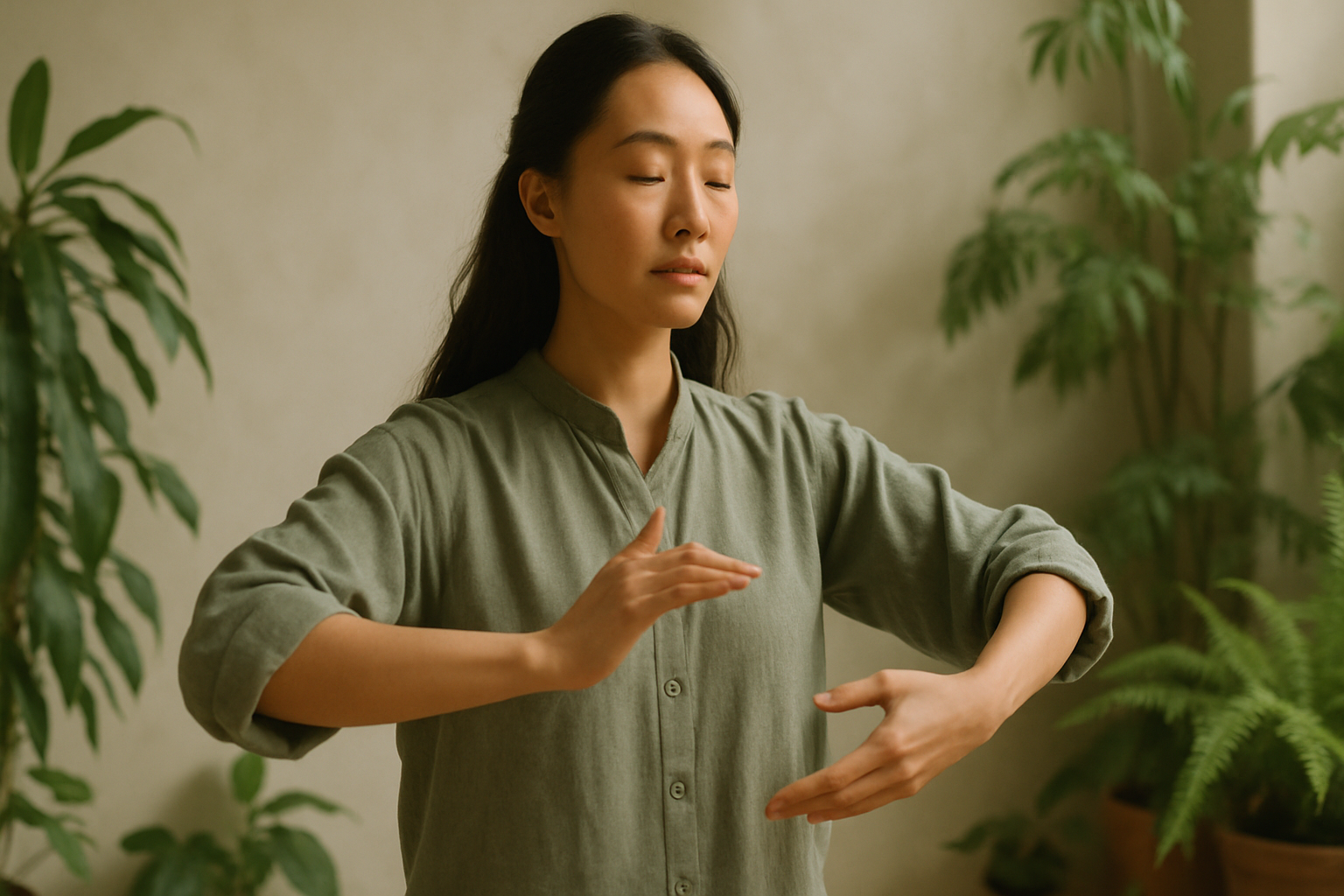
Explore the ancient practice of Qi Gong within Traditional Chinese Medicine, its historical context, methods of practice, and modern research insights.
What It Is
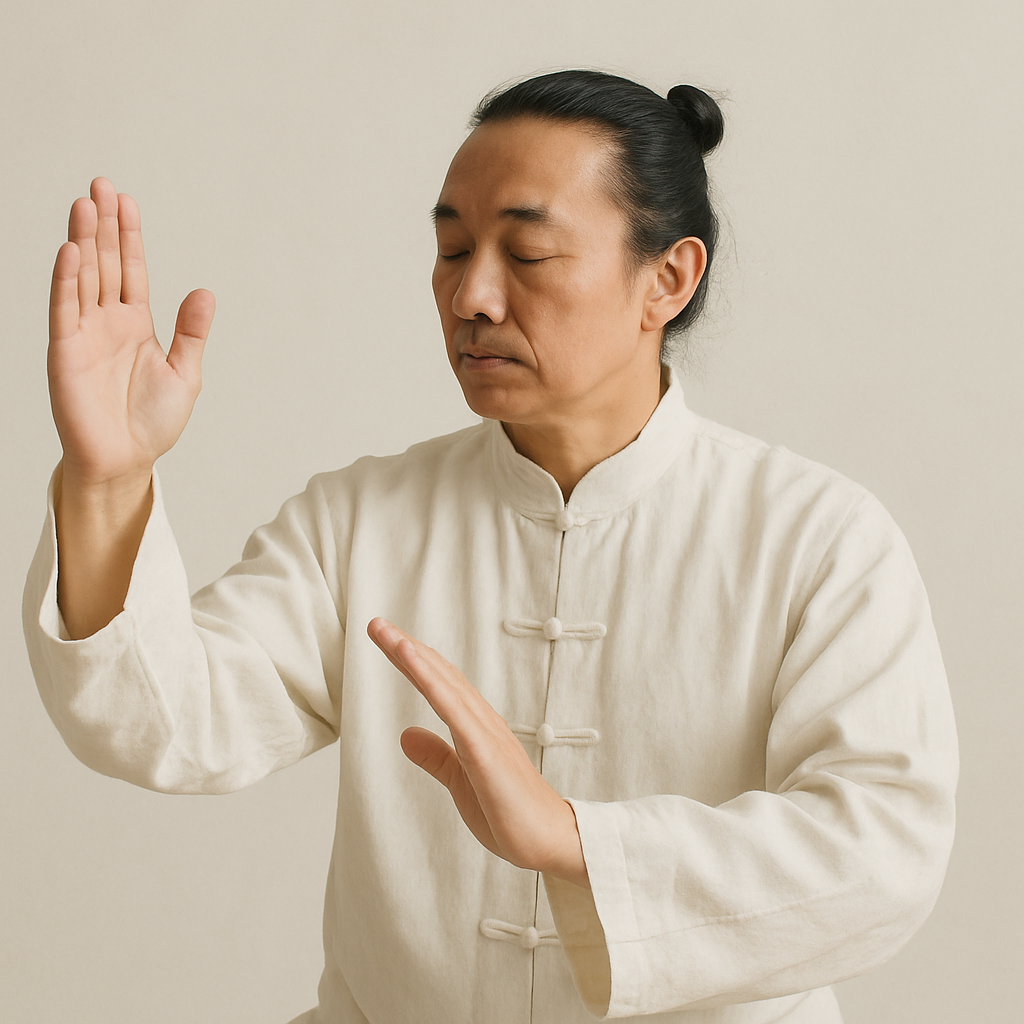
Qi Gong, often translated as "energy work," is a holistic practice rooted in Traditional Chinese Medicine (TCM) that integrates physical postures, breathing techniques, and focused intention to cultivate and balance the body’s vital energy, known as "Qi" or "Chi." This practice emphasizes the connection between the mind, body, and spirit, aiming to enhance overall health, promote relaxation, and improve vitality.
Qi Gong consists of a range of movements and exercises, some of which may be dynamic and others more meditative. Practitioners often engage in slow, flowing movements that are synchronized with breath, fostering both physical and mental well-being. The purpose of Qi Gong is not only to strengthen the body but also to calm the mind, making it a valuable practice for those seeking to harmonize their inner energy.
Historical Context Within Traditional Chinese Medicine
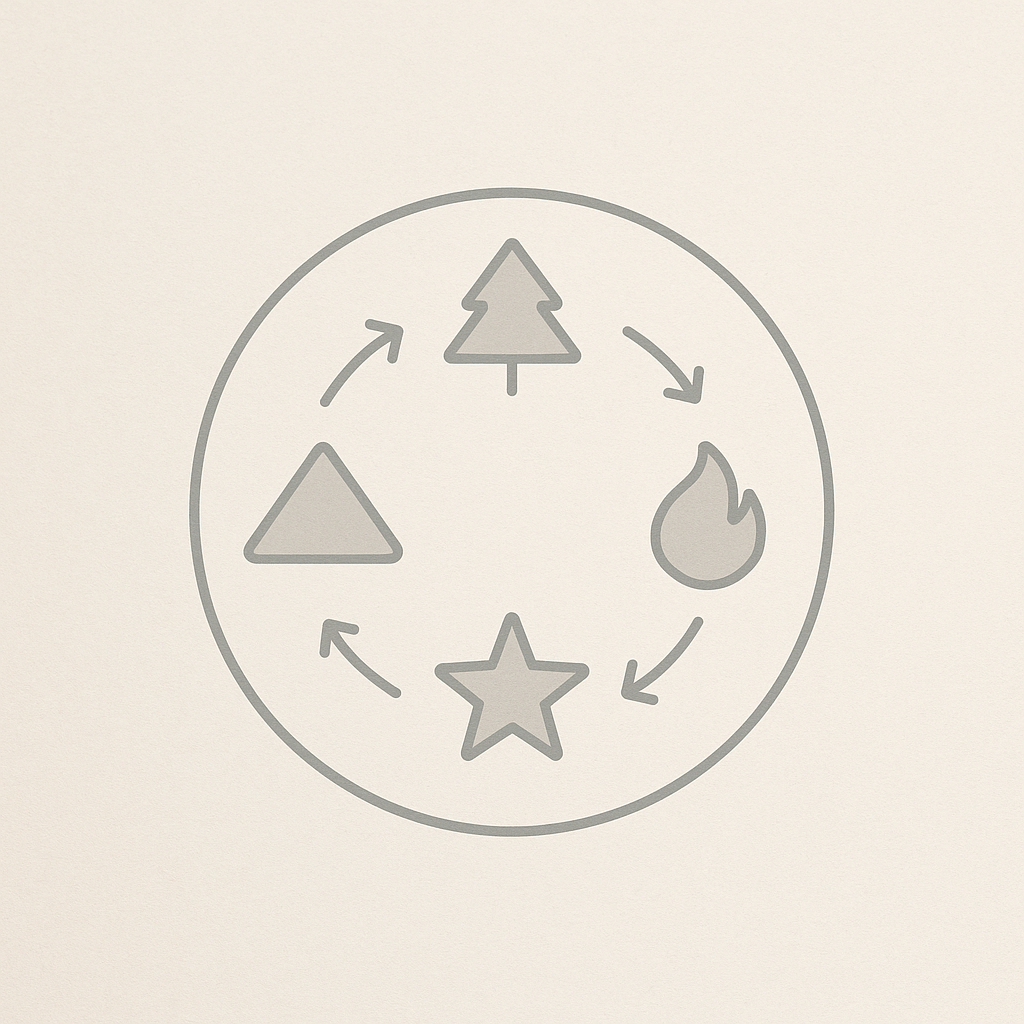
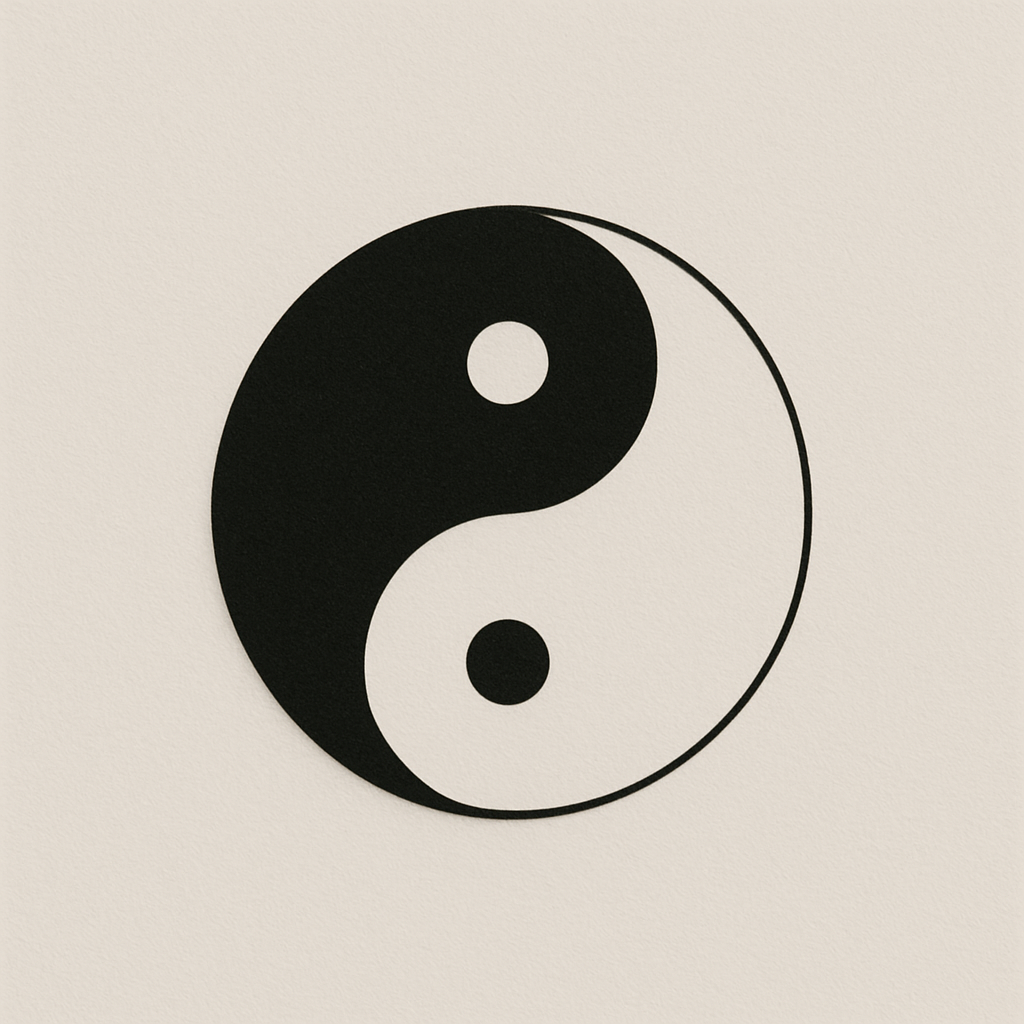
The origins of Qi Gong can be traced back thousands of years, with its roots deeply embedded in the philosophical and medical traditions of Ancient China. It is believed to have emerged around the time of the Han Dynasty (206 BCE – 220 CE), evolving from earlier practices such as Daoist meditation and martial arts. Early proponents of Qi Gong were influenced by the concepts of Yin and Yang and the Five Elements, which form the foundational theories of TCM.
Throughout history, various masters have contributed to the development of Qi Gong, refining its techniques and applications. Notable figures include the legendary Daoist sage Laozi and later, bodhidharma, who is often credited with introducing Qi Gong to the monastic communities of China. The practice has continued to evolve over centuries, adapting to different cultural contexts while remaining a vital aspect of TCM.
How It's Practiced
Practicing Qi Gong can be simple and accessible, making it suitable for individuals of all ages and physical abilities. Here is a basic outline of how one might engage in Qi Gong:
- Find a Quiet Space: Choose a calm environment free from distractions.
- Stand or Sit Comfortably: You can practice Qi Gong while standing, sitting, or even lying down, depending on what feels best.
- Focus on Breath: Begin with deep, slow breaths, allowing your abdomen to expand and contract.
- Incorporate Movement: Gradually introduce gentle movements, such as arm raises, body rotations, or simple stretches, coordinating them with your breath.
- Mindfulness: Maintain a focused and relaxed state of mind, letting go of distractions and tuning into your body’s sensations.
- Cool Down: Conclude your practice with a few moments of stillness, reflecting on your experience.
What It Is Traditionally Explored For
Qi Gong has been traditionally used for a variety of purposes, supporting both physical and emotional health. Some common goals associated with Qi Gong practice include:
- Enhancing energy levels
- Reducing stress and anxiety
- Improving flexibility and balance
- Supporting immune function
- Promoting relaxation and mental clarity
While Qi Gong is not a substitute for conventional medical treatments, it is often explored as a complementary approach to fostering overall well-being.
What Modern Research Suggests
Modern research into Qi Gong has begun to uncover its potential benefits, with preliminary studies indicating positive effects on physical health and emotional well-being. Some clinical trials have suggested that regular Qi Gong practice may help reduce symptoms of anxiety and depression, improve balance, and enhance overall quality of life.
While the body of research is still developing, findings indicate that the meditative and physical aspects of Qi Gong can contribute to improved cardiovascular health and stress reduction. However, more rigorous studies are needed to fully understand its efficacy and mechanisms of action.
Safety, Contraindications & Who Should Skip
Qi Gong is generally considered safe for most individuals; however, there are some considerations to keep in mind:
- Individuals with serious medical conditions should consult a healthcare professional before starting any new practice.
- Those with injuries or chronic pain should practice with caution and may benefit from guidance from a trained instructor.
- Pregnant women or individuals with specific health concerns should seek advice from a qualified practitioner to ensure safety.
Pairs Well With (within Traditional Chinese Medicine and across pillars)
Qi Gong can complement various modalities and practices within Traditional Chinese Medicine as well as other health approaches. Some related practices include:
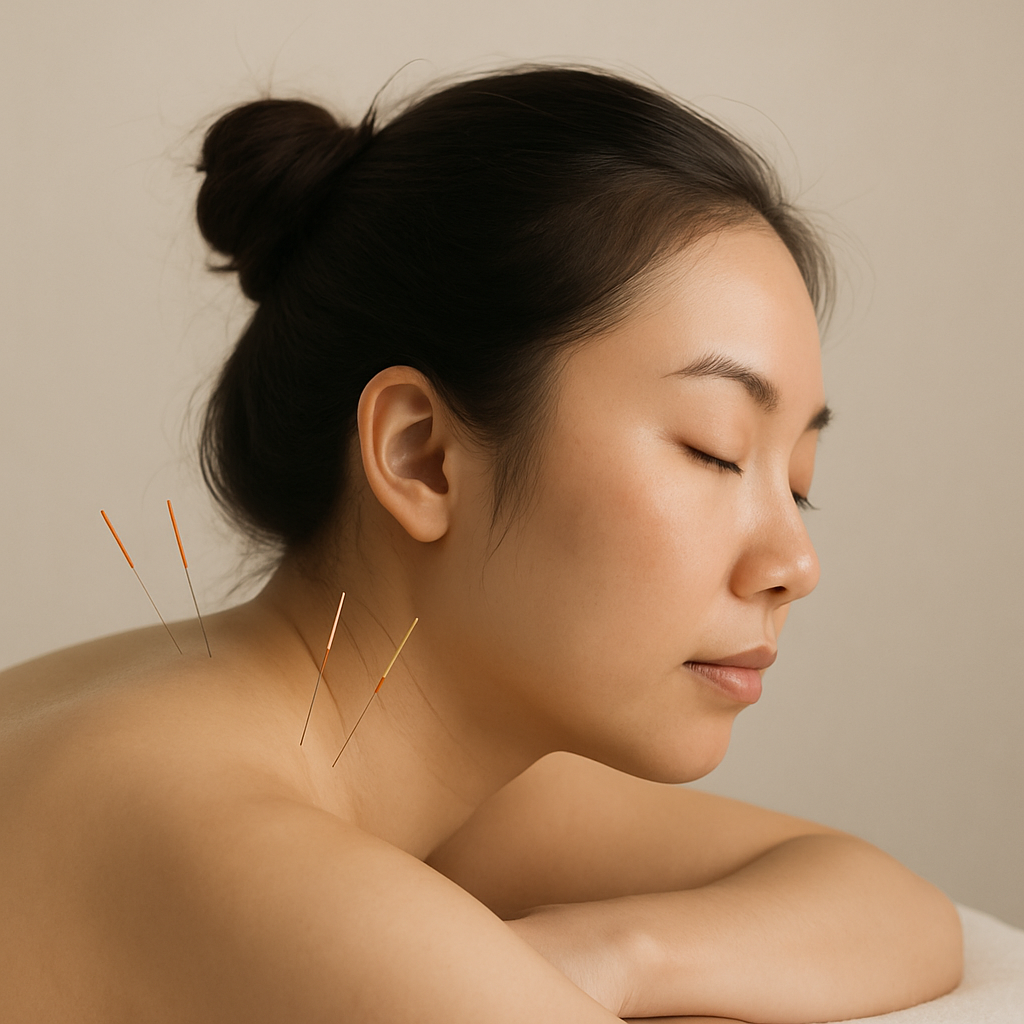
- Acupuncture
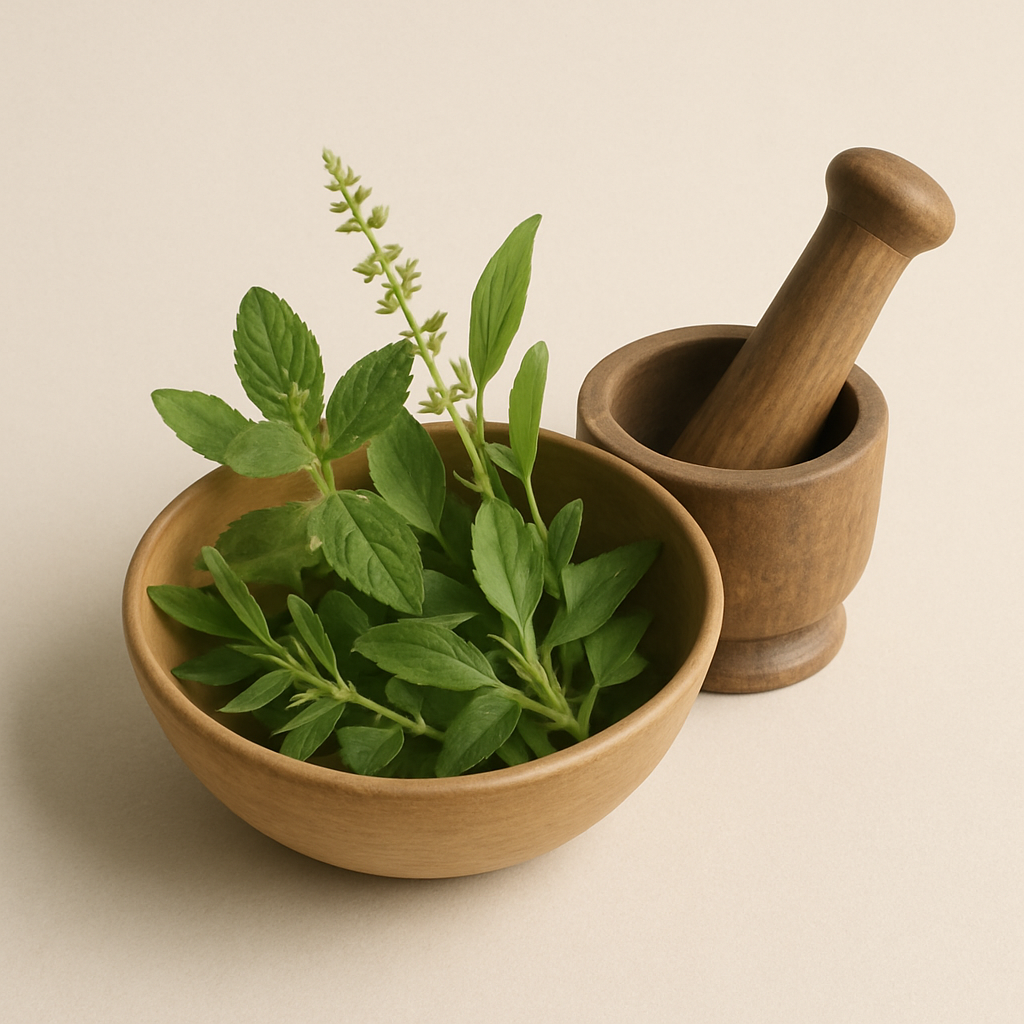
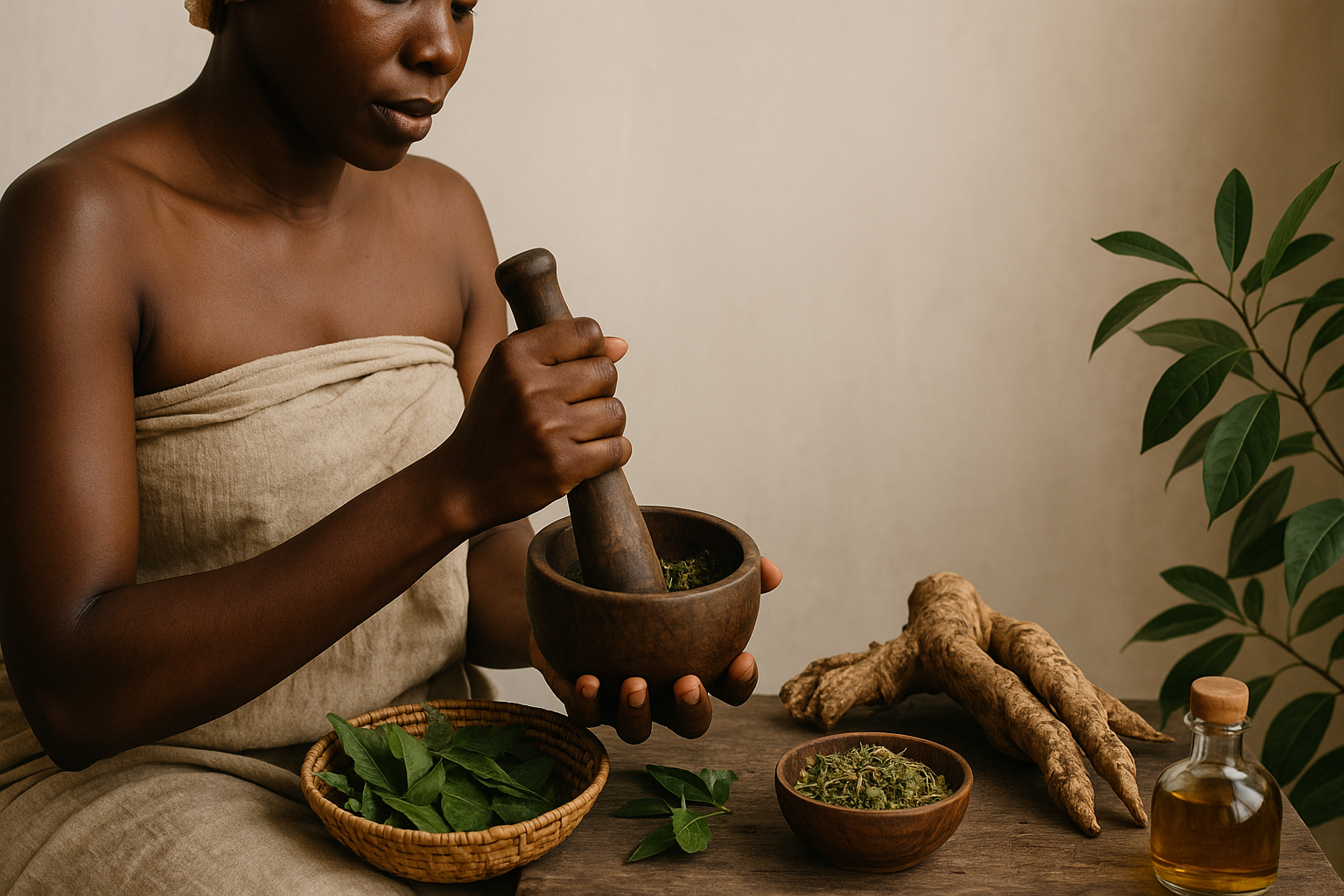
- Herbal medicine
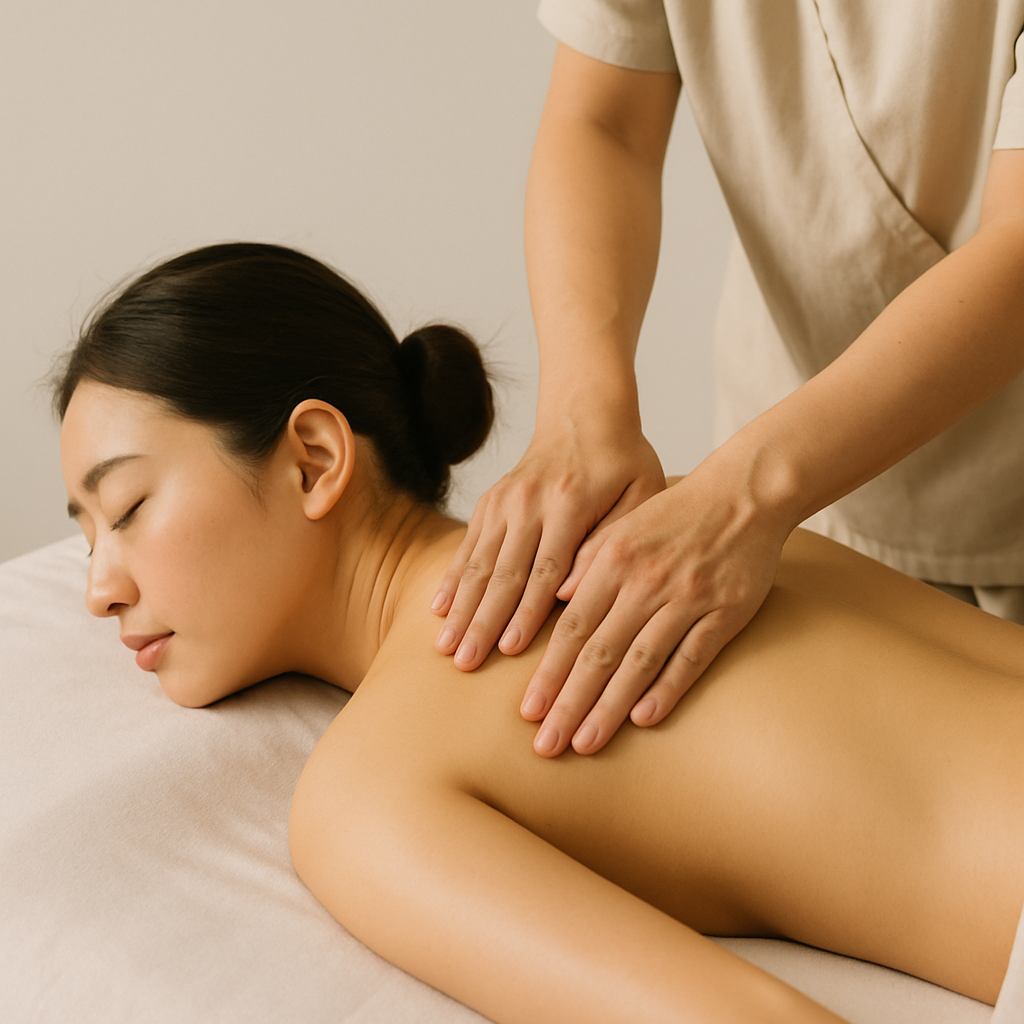
- Tui Na (Chinese therapeutic massage)
- Tai Chi
- Mindfulness meditation
How to Find a Qualified Practitioner
Finding a qualified Qi Gong practitioner can enhance your experience and ensure safe practice. Here are some steps to consider:
- Look for instructors with formal training in Qi Gong or TCM.
- Seek recommendations from healthcare providers or community centers.
- Attend introductory classes to assess the instructor’s style and approach.
- Ensure the practitioner emphasizes safety and provides modifications for different skill levels.
FAQs
- What is the best time of day to practice Qi Gong? Many practitioners prefer morning sessions to start the day with energy, but any time that suits your schedule can be beneficial.
- Do I need special equipment to practice Qi Gong? No special equipment is required; comfortable clothing and a quiet space are sufficient.
- How long should a Qi Gong session last? Beginners may start with 10-15 minutes, gradually extending to 30 minutes or more as they become more comfortable.
- Can Qi Gong be practiced indoors? Yes, Qi Gong can be practiced indoors or outdoors, in any peaceful environment.
- Is Qi Gong suitable for everyone? While generally safe, individuals with specific health concerns should consult a healthcare professional before starting.
Frequently asked
What is the best time of day to practice Qi Gong?
Many practitioners prefer morning sessions to start the day with energy, but any time that suits your schedule can be beneficial.
Do I need special equipment to practice Qi Gong?
No special equipment is required; comfortable clothing and a quiet space are sufficient.
How long should a Qi Gong session last?
Beginners may start with 10-15 minutes, gradually extending to 30 minutes or more as they become more comfortable.
Can Qi Gong be practiced indoors?
Yes, Qi Gong can be practiced indoors or outdoors, in any peaceful environment.
Is Qi Gong suitable for everyone?
While generally safe, individuals with specific health concerns should consult a healthcare professional before starting.