Cupping Therapy
Discover the art of cupping therapy, a traditional practice in Chinese Medicine that aims to promote healing and wellness.
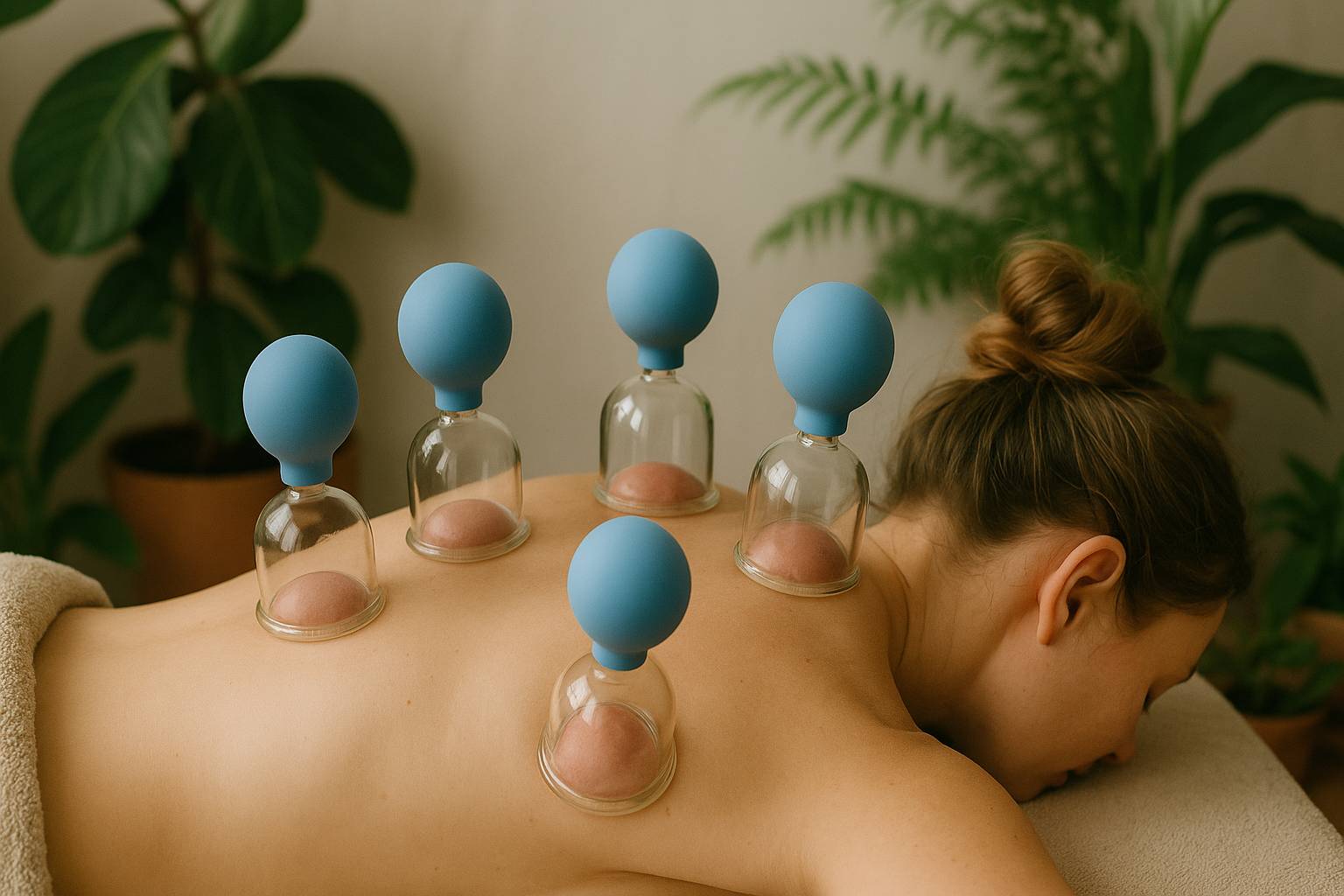
Explore the ancient practice of cupping therapy within Traditional Chinese Medicine, its historical roots, modern applications, and safety considerations.
What It Is
Cupping therapy is a traditional healing practice that involves placing cups on the skin to create suction. This suction is believed to promote blood flow, relieve pain, and enhance overall well-being. The cups can be made from various materials, including glass, bamboo, or silicone, and they come in different sizes depending on the area being treated.
The process of cupping typically involves heating the air inside the cup or using a pump to create a vacuum effect. Once applied to the skin, the cups may be left in place for a period of time, usually between 5 to 15 minutes, allowing the skin to draw into the cup. This technique is often used to address various conditions and is a significant component of Traditional Chinese Medicine (TCM).
Historical Context Within Traditional Chinese Medicine
Cupping therapy has a rich history that dates back thousands of years. It is believed to have originated in China around the Han Dynasty (206 BC – 220 AD). Historical texts suggest that the practice was developed by Chinese physicians who sought effective methods to is traditionally explored for ailments and promote healing.
Throughout the centuries, cupping has been refined and integrated into TCM, where it is often used alongside acupuncture and herbal medicine. Its historical significance is underscored by its continued relevance in contemporary TCM practices, illustrating its deep roots in ancient healing traditions.
How It's Practiced
The practice of cupping therapy typically follows a series of steps carried out by a qualified practitioner:
- Consultation: The practitioner discusses the patient's health history and specific concerns.
- Preparation: The area to be treated is cleaned, and the practitioner may apply oil to enhance the cup's glide.
- Applying Cups: Cups are placed on the skin, either stationary or moved along the surface, depending on the treatment goal.
- Duration: Cups may remain in place for 5 to 15 minutes, allowing suction to take effect.
- Aftercare: The practitioner may provide guidance on post-treatment care, including hydration and rest.
What It Is Traditionally Explored For
Cupping therapy is traditionally used for a variety of health concerns, including:
- Muscle tension and pain
- Chronic pain conditions
- Respiratory issues, such as asthma and bronchitis
- Digestive disorders
- Fatigue and stress relief
While these applications have historical significance, it is essential to approach cupping therapy with cautious optimism and an understanding of individual health needs.
What Modern Research Suggests
Additionally, some researchers have noted that while cupping may provide temporary relief for certain conditions, the underlying mechanisms by which it operates are not fully understood. As with many traditional therapies, it is crucial to consider cupping as a complementary approach rather than a standalone treatment.
Safety, Contraindications & Who Should Skip
While cupping therapy is generally considered safe when performed by a qualified practitioner, there are certain precautions to keep in mind:
- Individuals with skin conditions, such as eczema or psoriasis, should avoid cupping.
- People with blood disorders or those on blood-thinning medications should consult a healthcare provider before undergoing treatment.
- Cupping should be avoided during pregnancy, especially in the abdominal area.
- Those with open wounds or infections in the treatment area should not receive cupping therapy.
As always, it is advisable to consult with a healthcare professional before starting any new treatment.
Pairs Well With (within Traditional Chinese Medicine and across pillars)
Cupping therapy complements several other modalities within Traditional Chinese Medicine, including:
- Acupuncture
- Herbal medicine
- Massage therapy
- Qigong and Tai Chi
Additionally, it may be beneficial when combined with practices from other wellness traditions, such as yoga and mindfulness techniques.
How to Find a Qualified Practitioner
To find a qualified cupping therapist, consider the following steps:
- Seek recommendations from healthcare providers or individuals who have experienced cupping therapy.
- Look for practitioners with certification in Traditional Chinese Medicine or specific training in cupping.
- Check online directories or professional associations for licensed practitioners in your area.
- Schedule an initial consultation to discuss your health concerns and ensure a good fit with the practitioner.
FAQs
- Is cupping therapy painful? Most people report feeling a sensation of tightness or pressure, but it is generally not painful.
- How often should I receive cupping therapy? The frequency can vary based on individual needs; some may benefit from weekly sessions, while others may require less frequent treatments.
- Will I have marks after cupping? Yes, cupping can leave temporary marks or bruising, which typically fade within a few days.
- Can I practice cupping at home? It is advisable to seek treatment from a qualified practitioner to ensure safety and effectiveness.
- Is cupping therapy suitable for everyone? Not everyone is a candidate for cupping; consult with a healthcare professional to determine if it is appropriate for you.
Frequently asked
Is cupping therapy painful?
Most people report feeling a sensation of tightness or pressure, but it is generally not painful.
How often should I receive cupping therapy?
The frequency can vary based on individual needs; some may benefit from weekly sessions, while others may require less frequent treatments.
Will I have marks after cupping?
Yes, cupping can leave temporary marks or bruising, which typically fade within a few days.
Can I practice cupping at home?
It is advisable to seek treatment from a qualified practitioner to ensure safety and effectiveness.
Is cupping therapy suitable for everyone?
Not everyone is a candidate for cupping; consult with a healthcare professional to determine if it is appropriate for you.