Gua Sha
Discover the ancient practice of Gua Sha, its history, benefits, and how to find a qualified practitioner.
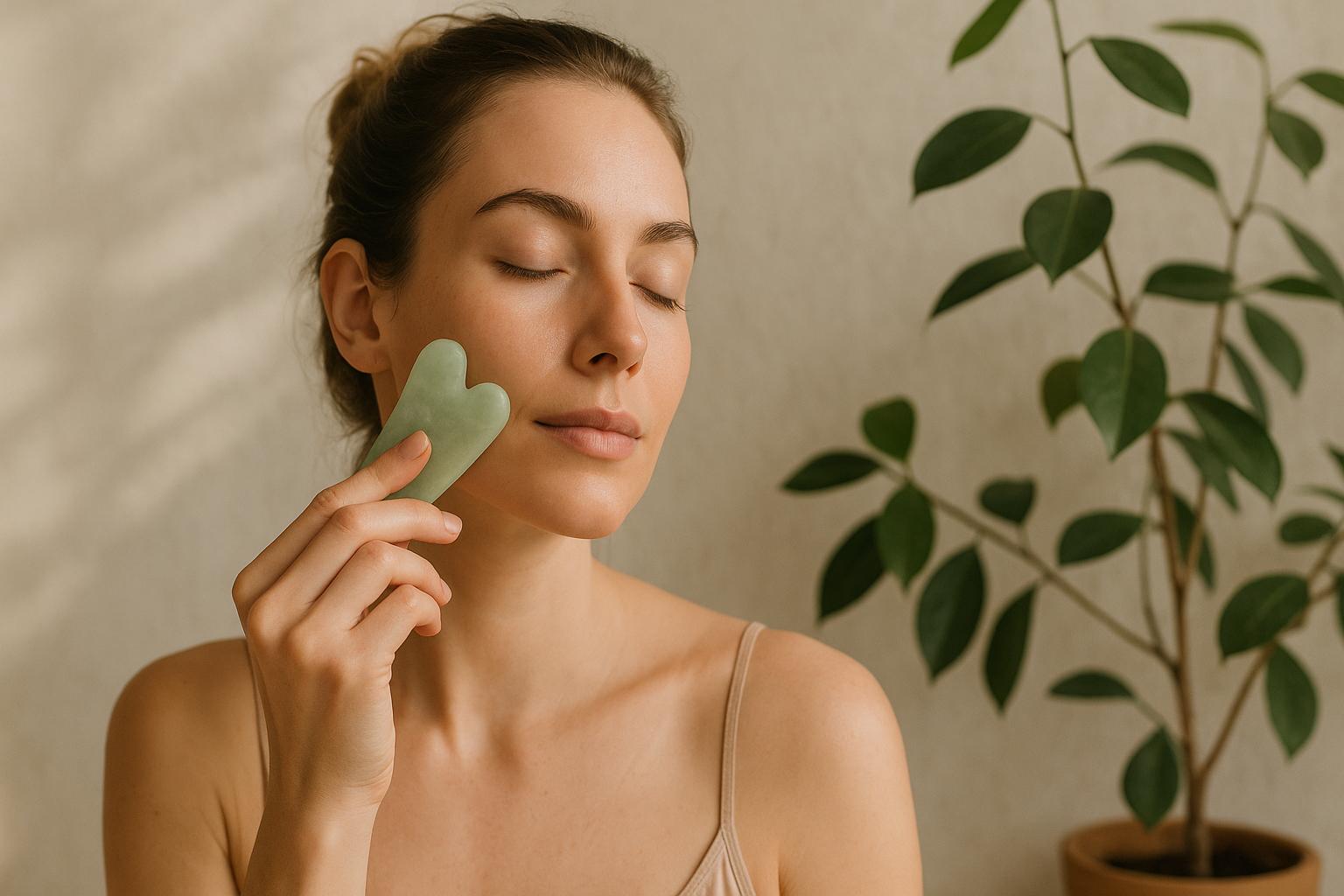
Gua Sha is a traditional Chinese medicine practice that involves scraping the skin to promote circulation and healing. It has a rich historical context and is practiced for various wellness goals. Modern research is beginning to explore its benefits, while safety considerations and finding qualified practitioners are essential for optimal use.
What It Is
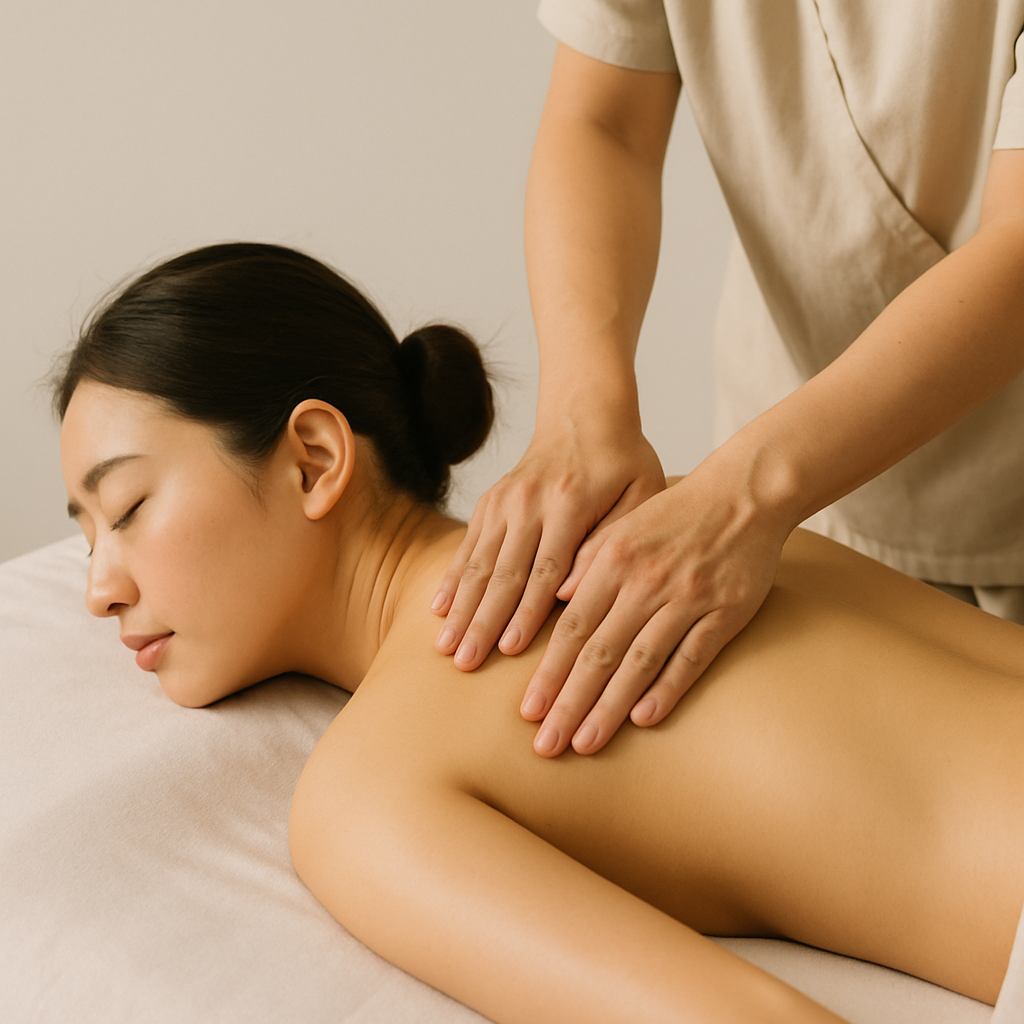
Gua Sha is a therapeutic technique rooted in Traditional Chinese Medicine (TCM) that involves scraping the skin with a smooth-edged tool. This practice is believed to stimulate circulation, enhance the body's natural healing processes, and promote overall wellness. Typically, practitioners use tools made from materials such as jade, quartz, or other natural stones, gliding them over areas of the body to relieve tension and improve blood flow.
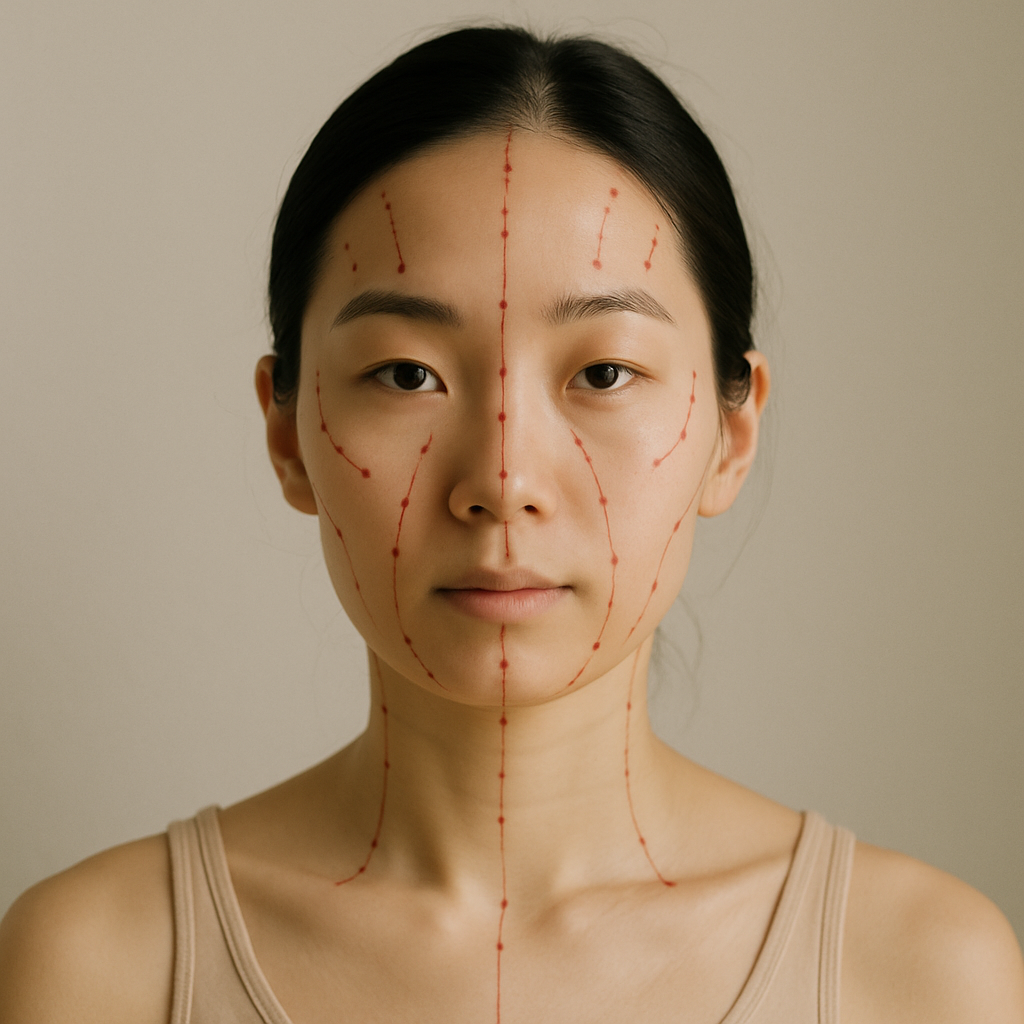
The name "Gua Sha" translates to "scrape" (Gua) and "sand" (Sha), referring to the redness that can sometimes appear on the skin after treatment. The technique is generally applied to the back, neck, shoulders, and face, depending on the individual's needs, and is often accompanied by the application of oil to reduce friction.
Historical Context Within Traditional Chinese Medicine
Gua Sha has a long history within the framework of Traditional Chinese Medicine, dating back centuries. Historical texts suggest its use as far back as the Ming Dynasty (1368-1644), although some practitioners believe it may have been utilized even earlier. It was developed by Chinese healers who sought effective methods to alleviate pain, improve circulation, and boost immunity.
Throughout its evolution, Gua Sha has been refined and adapted, becoming a staple in TCM practices. It reflects the holistic philosophy inherent in Chinese medicine, emphasizing the interconnectedness of body, mind, and spirit.
How It's Practiced
The practice of Gua Sha typically follows these steps:
- Preparation: The practitioner prepares the skin, often applying a massage oil to ensure smooth gliding of the tool.
- Tool Selection: A Gua Sha tool, often made from jade or another smooth stone, is chosen based on the area being treated.
- Technique: The practitioner holds the tool at a 30 to 45-degree angle to the skin and applies gentle pressure, scraping along the muscle in long, sweeping motions.
- Duration: Each stroke is repeated several times in a single area, adjusting pressure as needed based on the individual's comfort level.
- Aftercare: After the session, practitioners may provide guidance on hydration and rest, as some redness can appear on the skin.
What It Is Traditionally Explored For
Gua Sha is traditionally used for a variety of wellness goals, including:
- Relieving muscle tension and stiffness
- Improving circulation and lymphatic drainage
- Reducing inflammation and pain
- Promoting relaxation and emotional well-being
- Enhancing skin health and radiance
While many individuals seek Gua Sha for its physical benefits, it is also valued for its potential to foster a sense of balance and harmony within the body.
What Modern Research Suggests
Recent studies have begun to explore the effects of Gua Sha, yielding some promising preliminary findings. Research indicates that Gua Sha may help reduce pain and improve recovery from muscle soreness. For example, a small clinical study found that participants who received Gua Sha treatment reported significant reductions in pain levels compared to those who did not undergo the therapy.
Additionally, emerging evidence suggests that Gua Sha may positively influence microcirculation in the skin, potentially leading to enhanced healing and rejuvenation. However, as with many traditional practices, more extensive and rigorous research is necessary to fully understand the scope of its benefits and mechanisms.
Safety, Contraindications & Who Should Skip
While Gua Sha is generally considered safe for most individuals, there are some precautions to keep in mind. People who should approach Gua Sha with caution or avoid it entirely include:
- Individuals with skin conditions, such as eczema or psoriasis
- Those with blood clotting disorders or who are taking anticoagulant medications
- Pregnant women should consult a healthcare provider before treatment
- People with open wounds or infections in the treatment area
- Individuals who are experiencing acute inflammation or severe pain should seek medical guidance before trying Gua Sha
It is always advisable to consult with a qualified practitioner to ensure the technique is appropriate for your individual health profile.
Pairs Well With (within Traditional Chinese Medicine and across pillars)
Gua Sha can complement various practices and modalities within Traditional Chinese Medicine, including:
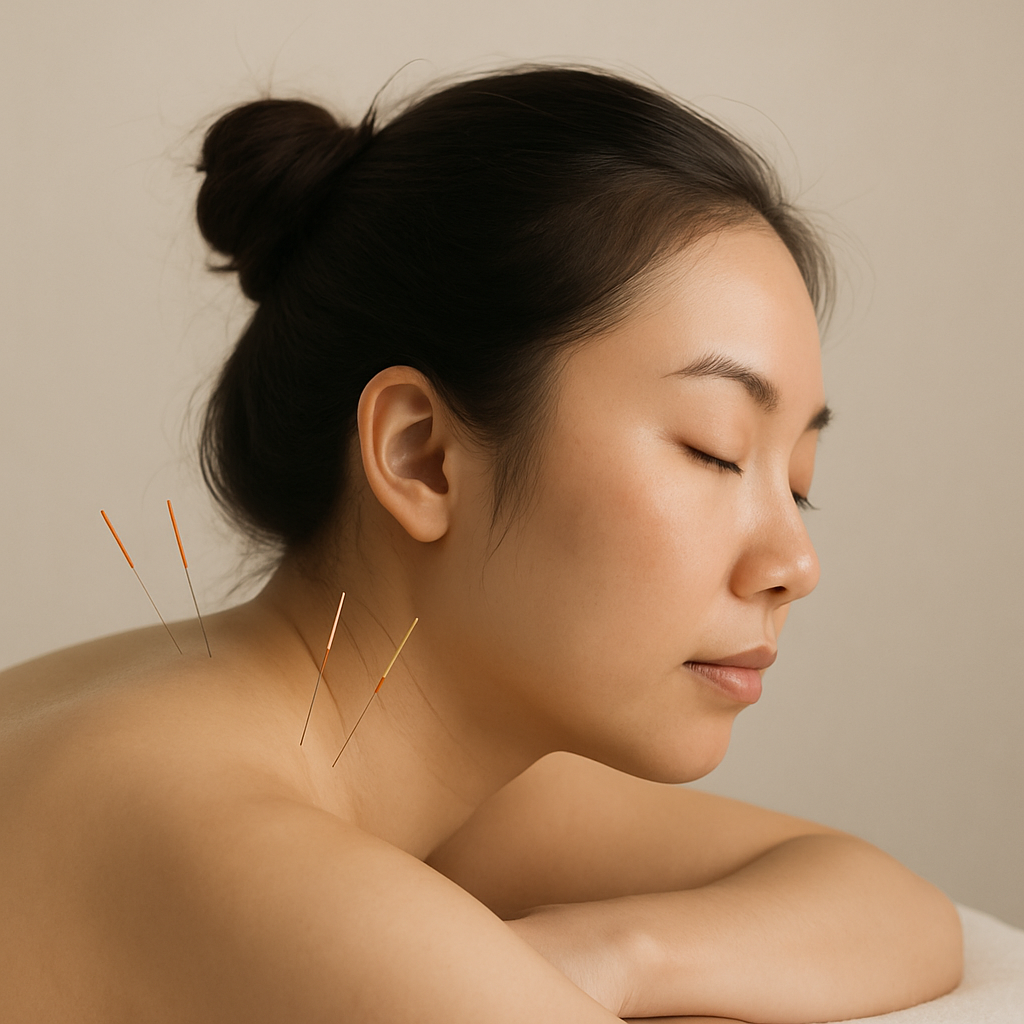
- Acupuncture
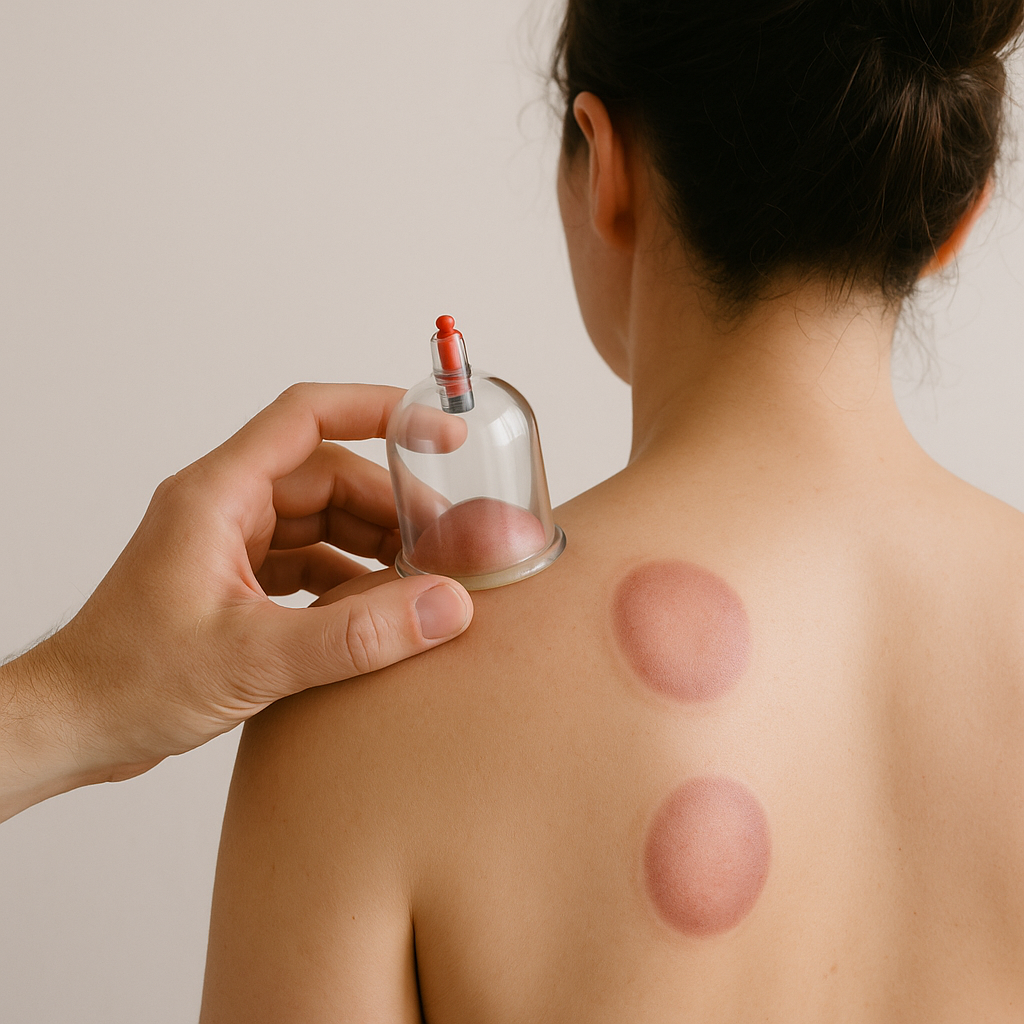
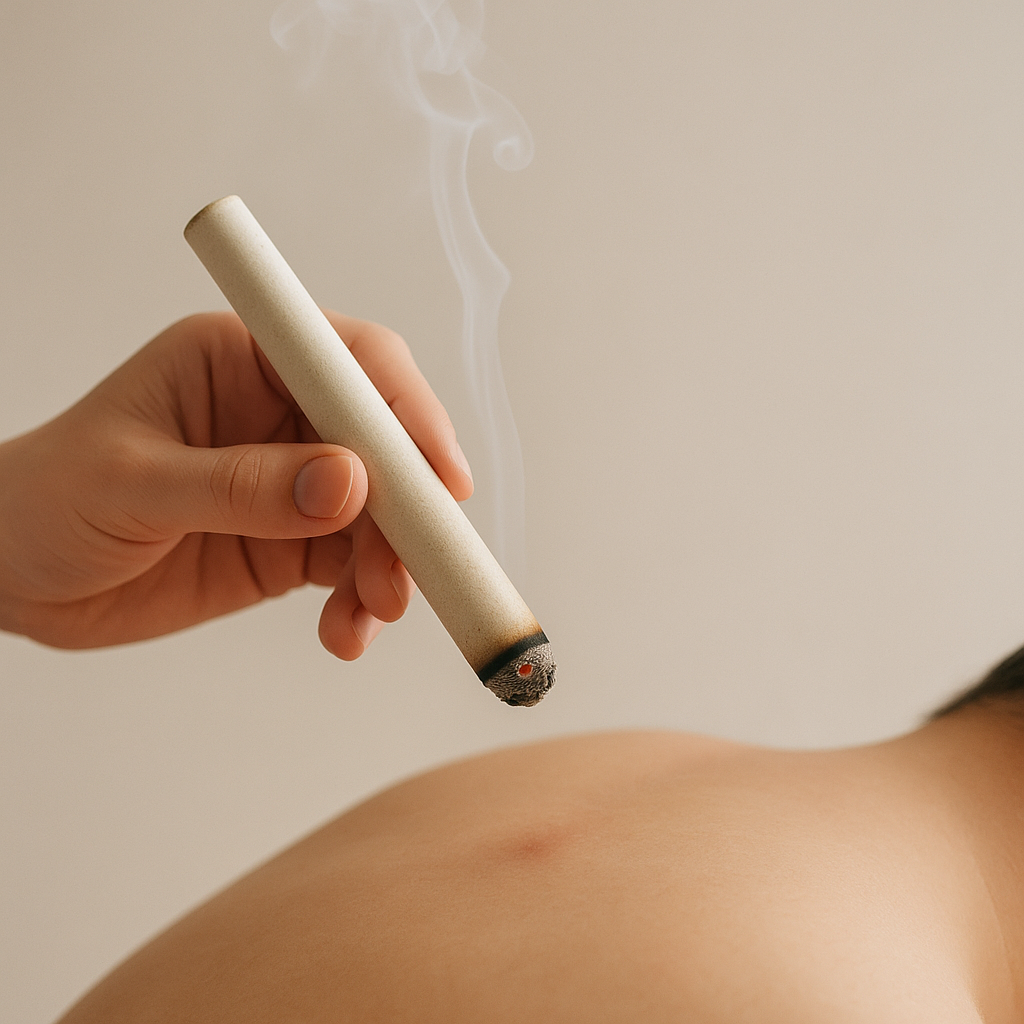
- Cupping therapy
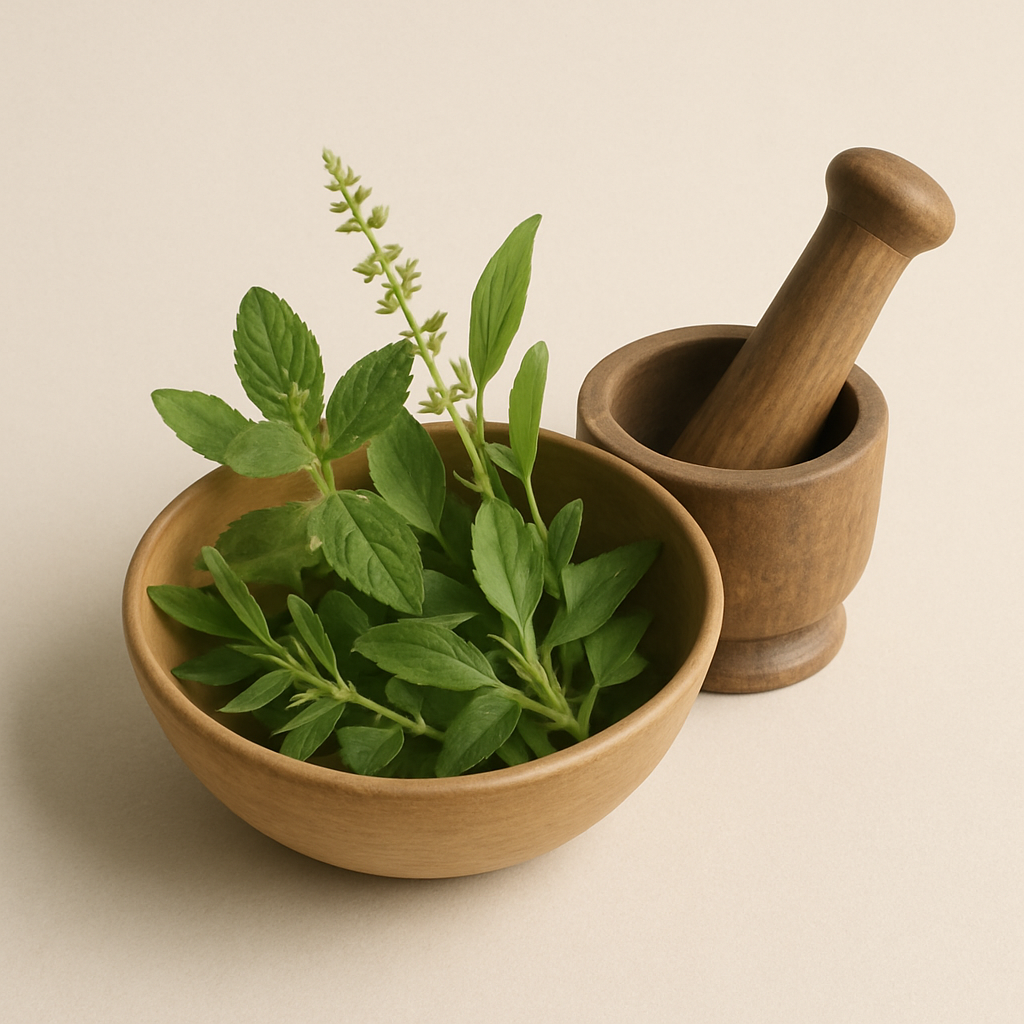
- Herbal medicine
- Qigong or Tai Chi for movement and energy flow
- Traditional massage techniques
How to Find a Qualified Practitioner
To find a qualified Gua Sha practitioner, consider the following steps:
- Seek referrals from friends, family, or healthcare providers who have experience with TCM.
- Research local wellness centers or clinics specializing in Traditional Chinese Medicine.
- Check the practitioner’s credentials and experience in TCM and Gua Sha specifically.
- Look for practitioners who are licensed and certified in acupuncture or TCM.
- Schedule a consultation to discuss your health goals and ensure you feel comfortable with their approach.
FAQs
- Is Gua Sha painful? Most people report mild discomfort during treatment, but it should not be painful. Communication with the practitioner is key.
- How often should I receive Gua Sha treatments? The frequency can vary based on individual needs, but many practitioners recommend sessions every few weeks or as needed.
- Can I perform Gua Sha at home? While some individuals may choose to practice Gua Sha at home, it is advisable to consult with a qualified practitioner first to learn proper techniques.
- What should I do after a Gua Sha session? It's important to stay hydrated and rest. Some redness on the skin is normal and should fade within a few days.
- Are there any long-term benefits to Gua Sha? Many practitioners believe that regular Gua Sha can contribute to ongoing health and wellness, though more research is needed to fully understand these effects.
Frequently asked
Is Gua Sha painful?
Most people report mild discomfort during treatment, but it should not be painful. Communication with the practitioner is key.
How often should I receive Gua Sha treatments?
The frequency can vary based on individual needs, but many practitioners recommend sessions every few weeks or as needed.
Can I perform Gua Sha at home?
While some individuals may choose to practice Gua Sha at home, it is advisable to consult with a qualified practitioner first to learn proper techniques.
What should I do after a Gua Sha session?
It's important to stay hydrated and rest. Some redness on the skin is normal and should fade within a few days.
Are there any long-term benefits to Gua Sha?
Many practitioners believe that regular Gua Sha can contribute to ongoing health and wellness, though more research is needed to fully understand these effects.