Meridian Therapy
Discover Meridian Therapy, an integral part of Traditional Chinese Medicine, focusing on energy flow and balance. Learn about its history, practice, and applications.

Explore the ancient practice of Meridian Therapy, a cornerstone of Traditional Chinese Medicine that focuses on balancing the body's energy flow through meridians. This page delves into its history, practice, applications, and modern research, providing a comprehensive overview of this holistic approach.
What It Is
Meridian Therapy, rooted in Traditional Chinese Medicine (TCM), is a holistic practice that centers on the concept of energy, or "Qi" (pronounced "chee"), flowing through pathways in the body known as meridians. These meridians serve as channels through which vital energy circulates, influencing physical health and emotional well-being. The therapy aims to restore balance to this energy flow, addressing blockages or imbalances that may contribute to various health issues.
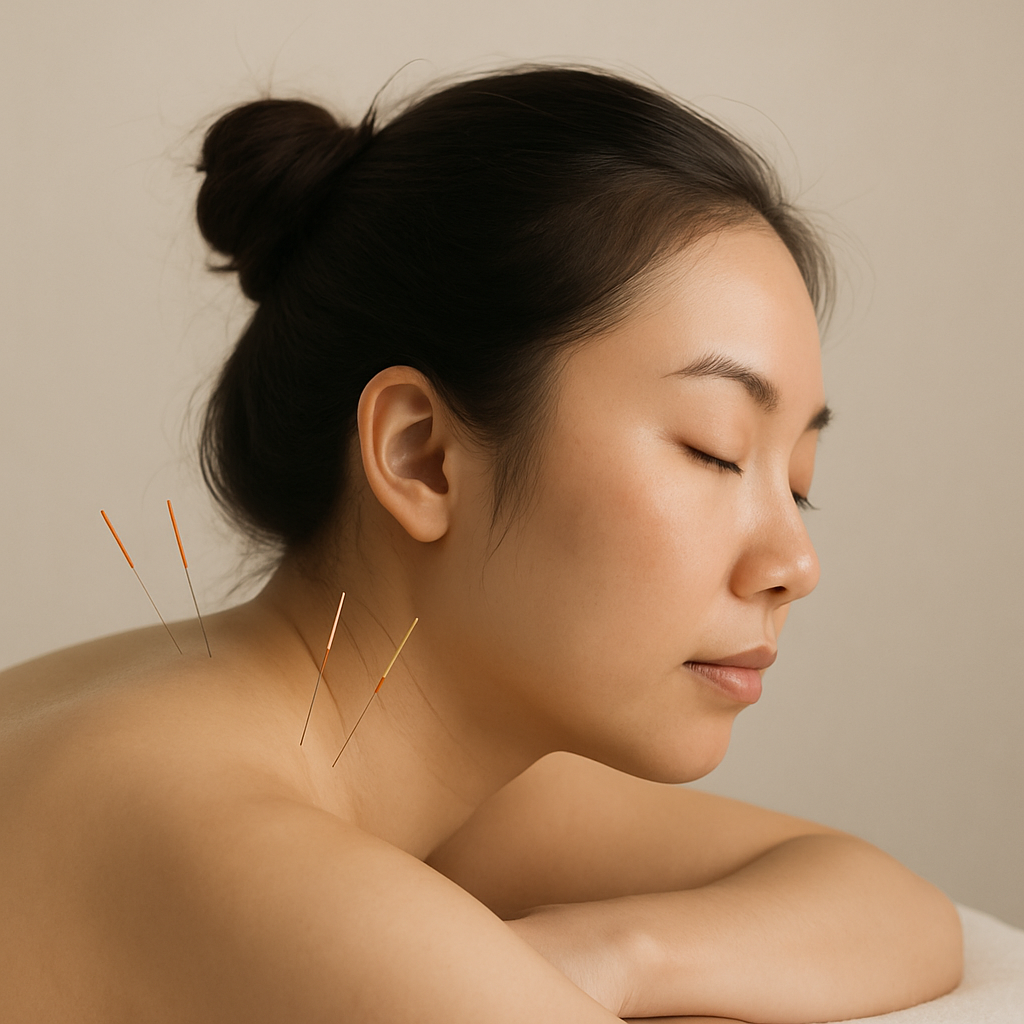
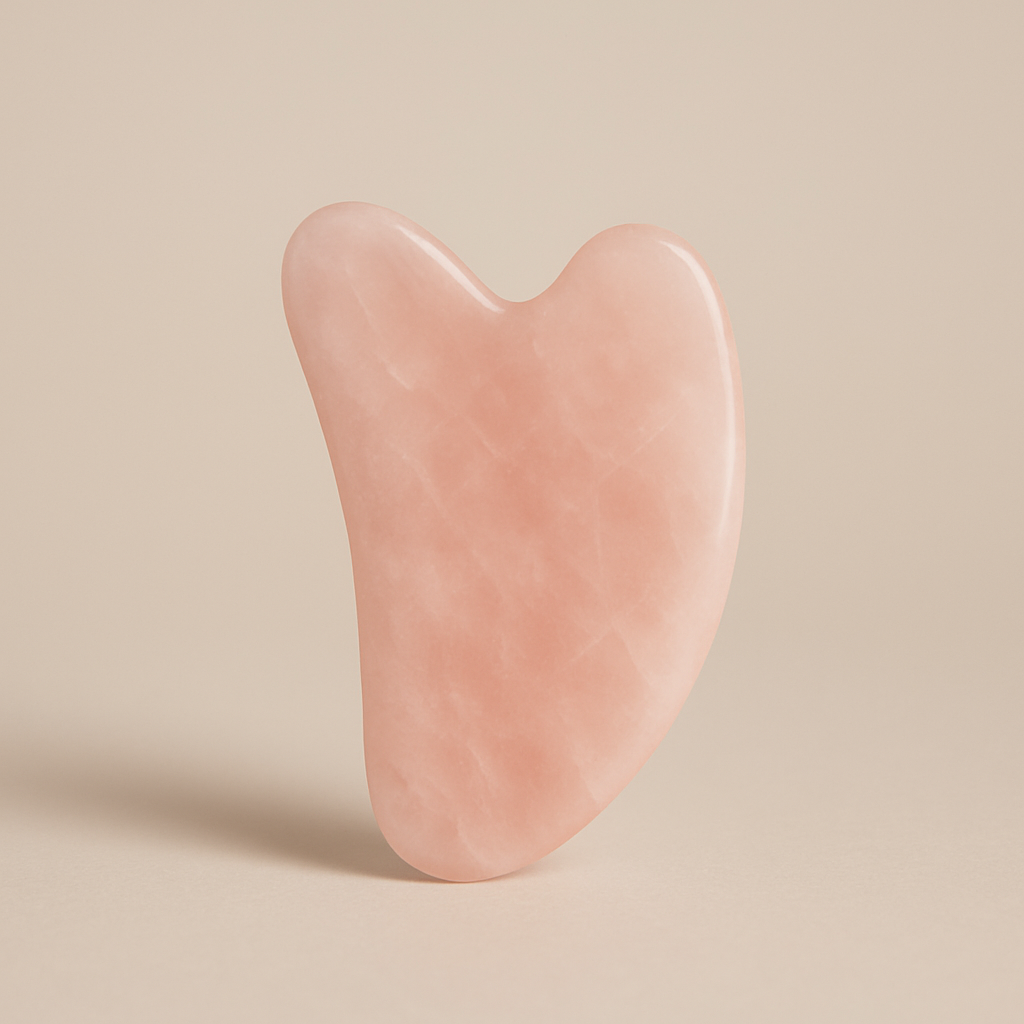
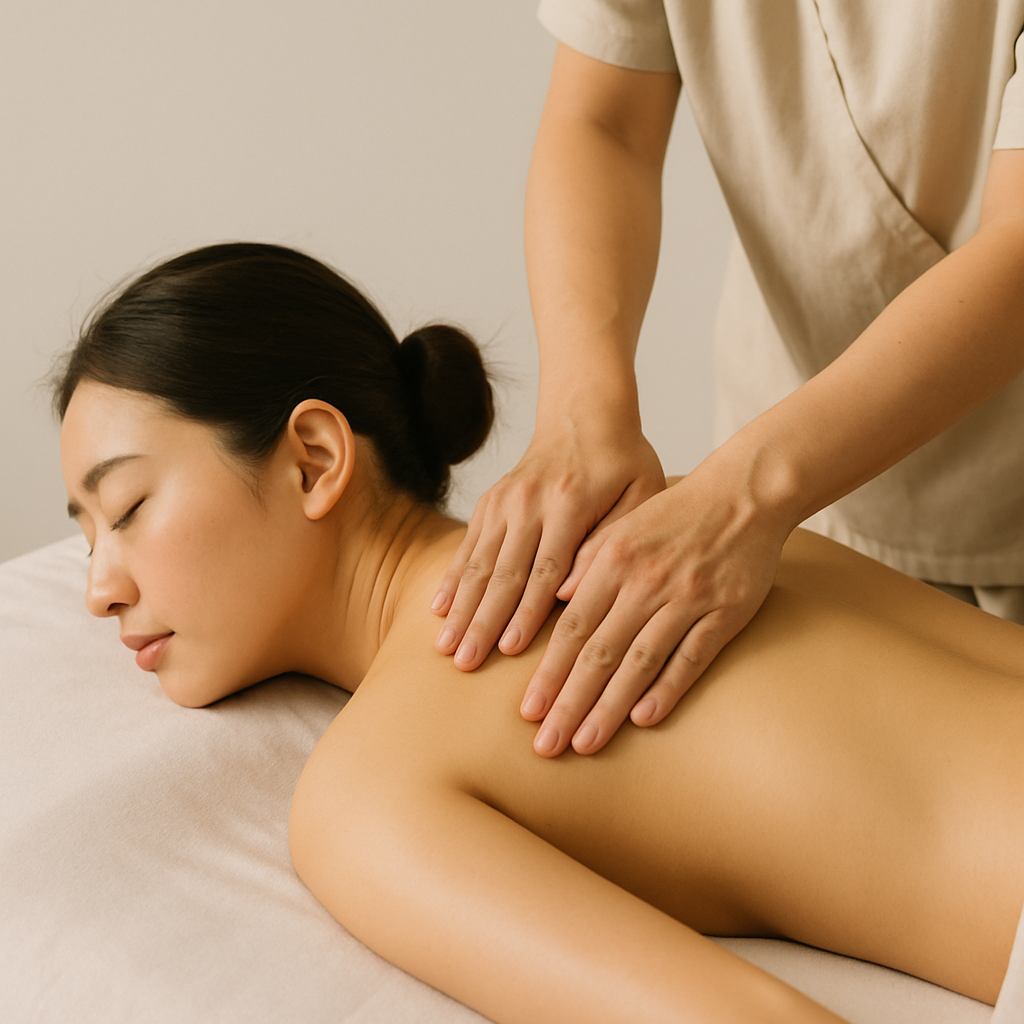
Practitioners of Meridian Therapy utilize techniques such as acupuncture, acupressure, and herbal medicine to stimulate specific points along these meridians. By doing so, they aim to enhance the body's natural healing processes, promote relaxation, and improve overall health. The practice is deeply intertwined with the philosophical principles of TCM, emphasizing the interconnectedness of the body, mind, and spirit.
Historical Context Within Traditional Chinese Medicine
Meridian Therapy has a rich history within Traditional Chinese Medicine, dating back thousands of years. The earliest references to meridians can be found in ancient Chinese texts, such as the Huangdi Neijing (The Yellow Emperor's Classic of Internal Medicine), which is believed to have been compiled around the 3rd century BCE. This foundational text outlines the theory of meridians and their significance in diagnosing and treating health conditions.
Over the centuries, various scholars and practitioners have contributed to the development of Meridian Therapy, refining techniques and expanding its applications. Notable figures, such as Zhang Zhongjing during the Han Dynasty, emphasized the therapeutic potential of meridian stimulation through acupuncture and herbal remedies, solidifying the practice's importance in TCM.
How It's Practiced
Practicing Meridian Therapy involves a systematic approach to assessing and treating energy imbalances. A typical session may include the following steps:
- Initial Consultation: The practitioner conducts a detailed assessment of the patient's health history, symptoms, and lifestyle.
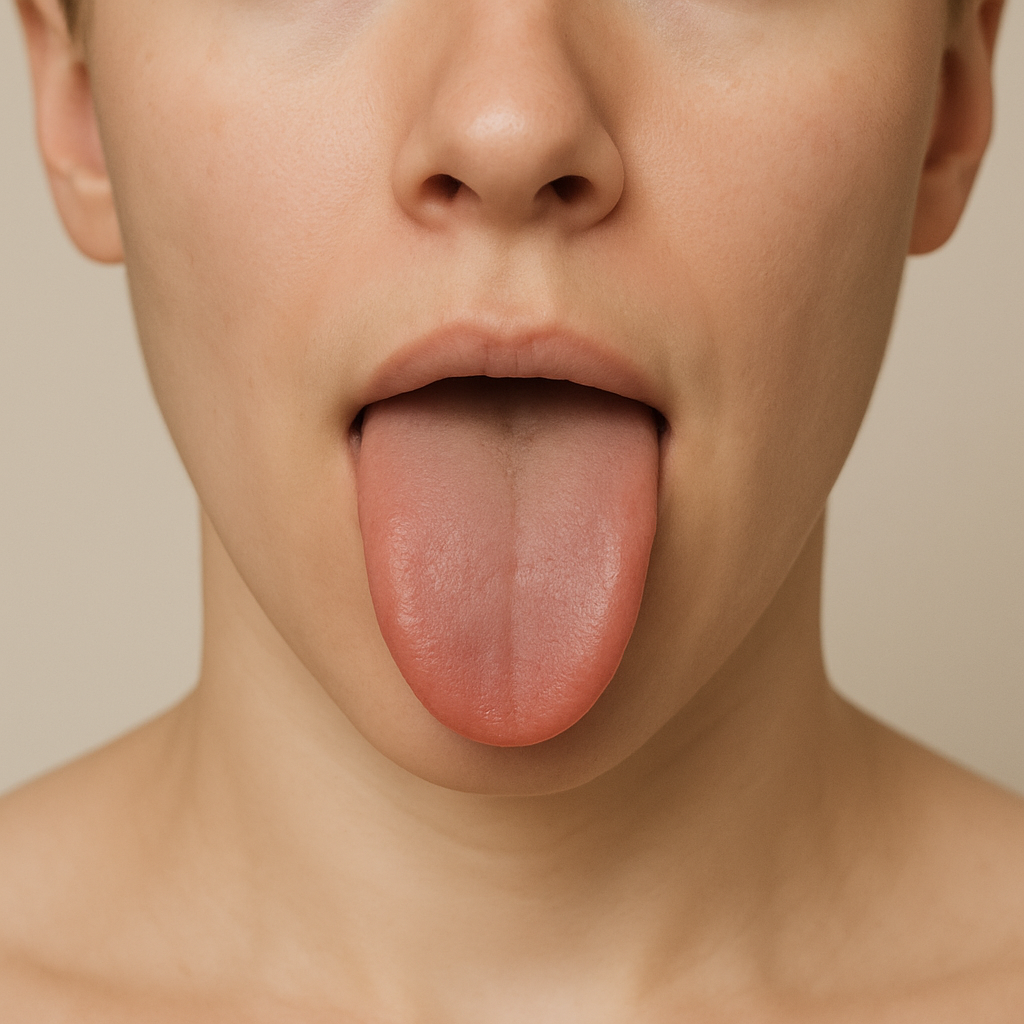
- Diagnosis: Using TCM diagnostic methods, such as pulse and tongue analysis, the practitioner identifies imbalances in the body’s energy.
- Treatment Plan: Based on the diagnosis, a personalized treatment plan is created, which may include acupuncture, acupressure, or herbal remedies.
- Session Execution: During the treatment, the practitioner stimulates specific meridian points using needles, pressure, or herbal applications.
- Follow-Up: The practitioner may recommend lifestyle changes, dietary adjustments, or additional sessions to support ongoing healing.
What It Is Traditionally Explored For
Meridian Therapy is traditionally used for a variety of health concerns, focusing on restoring balance and promoting overall well-being. Common goals of this therapy may include:
- Relieving pain, including headaches, back pain, and joint discomfort.
- Reducing stress and anxiety.
- Enhancing immune function and overall vitality.
- Supporting digestive health and addressing gastrointestinal issues.
- Improving sleep quality and regulating energy levels.
What Modern Research Suggests
While Meridian Therapy is based on ancient principles, modern research has begun to explore its efficacy through clinical studies. Preliminary findings suggest that acupuncture, a key component of Meridian Therapy, may help alleviate certain types of pain, reduce stress, and improve quality of life for patients with various conditions. For instance, several studies have indicated that acupuncture may be beneficial for chronic pain management, including back pain and osteoarthritis.
However, it is important to note that while some studies show promising results, more rigorous research is needed to fully understand the mechanisms of Meridian Therapy and its long-term effects. As such, individuals considering this therapy should approach it as a complementary practice alongside conventional medical treatments.
Safety, Contraindications & Who Should Skip
Meridian Therapy is generally considered safe when performed by a qualified practitioner. However, certain individuals may need to exercise caution or avoid the therapy altogether. Contraindications may include:
- Pregnancy, especially in the first trimester, without consulting a healthcare provider.
- Individuals with bleeding disorders or those taking blood-thinning medications.
- People with certain skin conditions or infections at the treatment site.
- Those with severe allergies to materials used in acupuncture needles or herbal remedies.
Pairs Well With (within Traditional Chinese Medicine and across pillars)
Meridian Therapy complements various other modalities within Traditional Chinese Medicine and beyond. Related practices include:
- Acupuncture
- Chinese Herbal Medicine
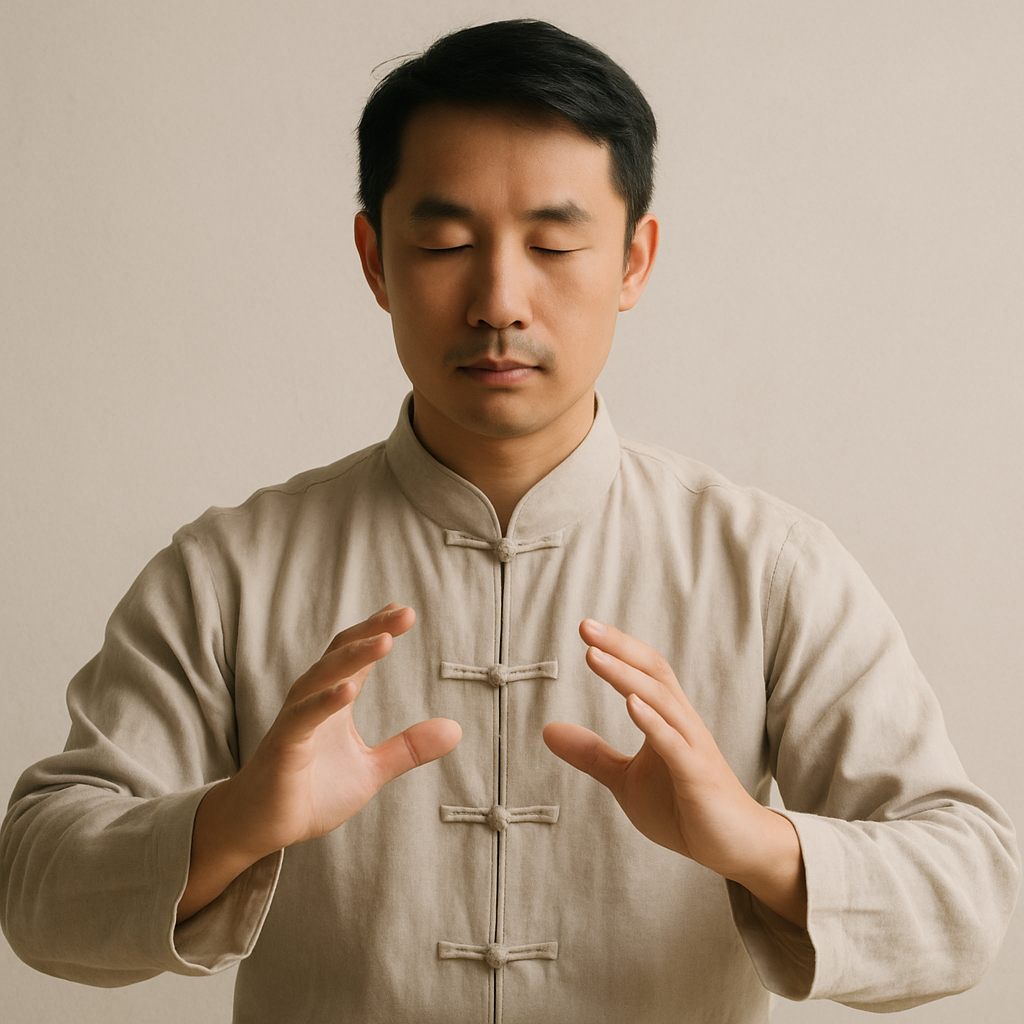
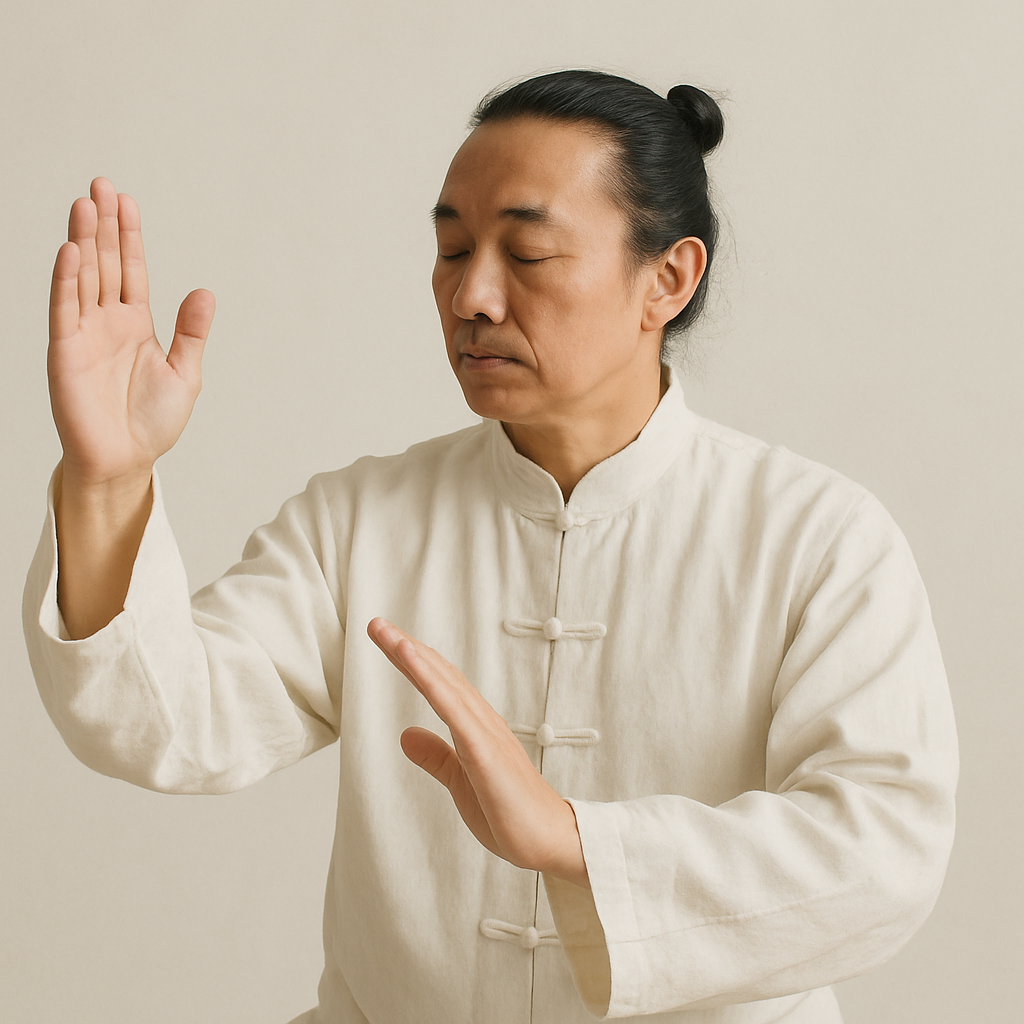
- Qigong
- Tui Na (Chinese therapeutic massage)
- Dietary therapy based on TCM principles
How to Find a Qualified Practitioner
Finding a qualified Meridian Therapy practitioner involves several steps:
- Check credentials: Look for practitioners who are licensed and have received training in Traditional Chinese Medicine.
- Seek recommendations: Ask for referrals from healthcare providers or individuals who have experience with TCM.
- Consult professional organizations: Many regions have professional bodies that can provide a list of certified practitioners.
- Inquire about experience: Discuss the practitioner’s experience with Meridian Therapy specifically and their approach to treatment.
FAQs (5)
- What can I expect during a Meridian Therapy session? During a session, you may experience gentle needle insertion or pressure on specific points, which should be comfortable. Practitioners will assess your needs and tailor the session accordingly.
- Is Meridian Therapy painful? Most people report minimal discomfort during acupuncture or acupressure. Any sensations typically subside quickly.
- How many sessions will I need? The number of sessions varies depending on individual needs and health goals. Your practitioner will provide recommendations based on your specific situation.
- Can Meridian Therapy be combined with other treatments? Yes, Meridian Therapy can complement other forms of healthcare, including conventional medical treatments, but always consult your healthcare provider first.
- Are there any side effects? Side effects are rare but may include temporary soreness or bruising at the treatment site. Most individuals feel relaxed and rejuvenated after sessions.
Frequently asked
What can I expect during a Meridian Therapy session?
During a session, you may experience gentle needle insertion or pressure on specific points, which should be comfortable. Practitioners will assess your needs and tailor the session accordingly.
Is Meridian Therapy painful?
Most people report minimal discomfort during acupuncture or acupressure. Any sensations typically subside quickly.
How many sessions will I need?
The number of sessions varies depending on individual needs and health goals. Your practitioner will provide recommendations based on your specific situation.
Can Meridian Therapy be combined with other treatments?
Yes, Meridian Therapy can complement other forms of healthcare, including conventional medical treatments, but always consult your healthcare provider first.
Are there any side effects?
Side effects are rare but may include temporary soreness or bruising at the treatment site. Most individuals feel relaxed and rejuvenated after sessions.