Abhyanga
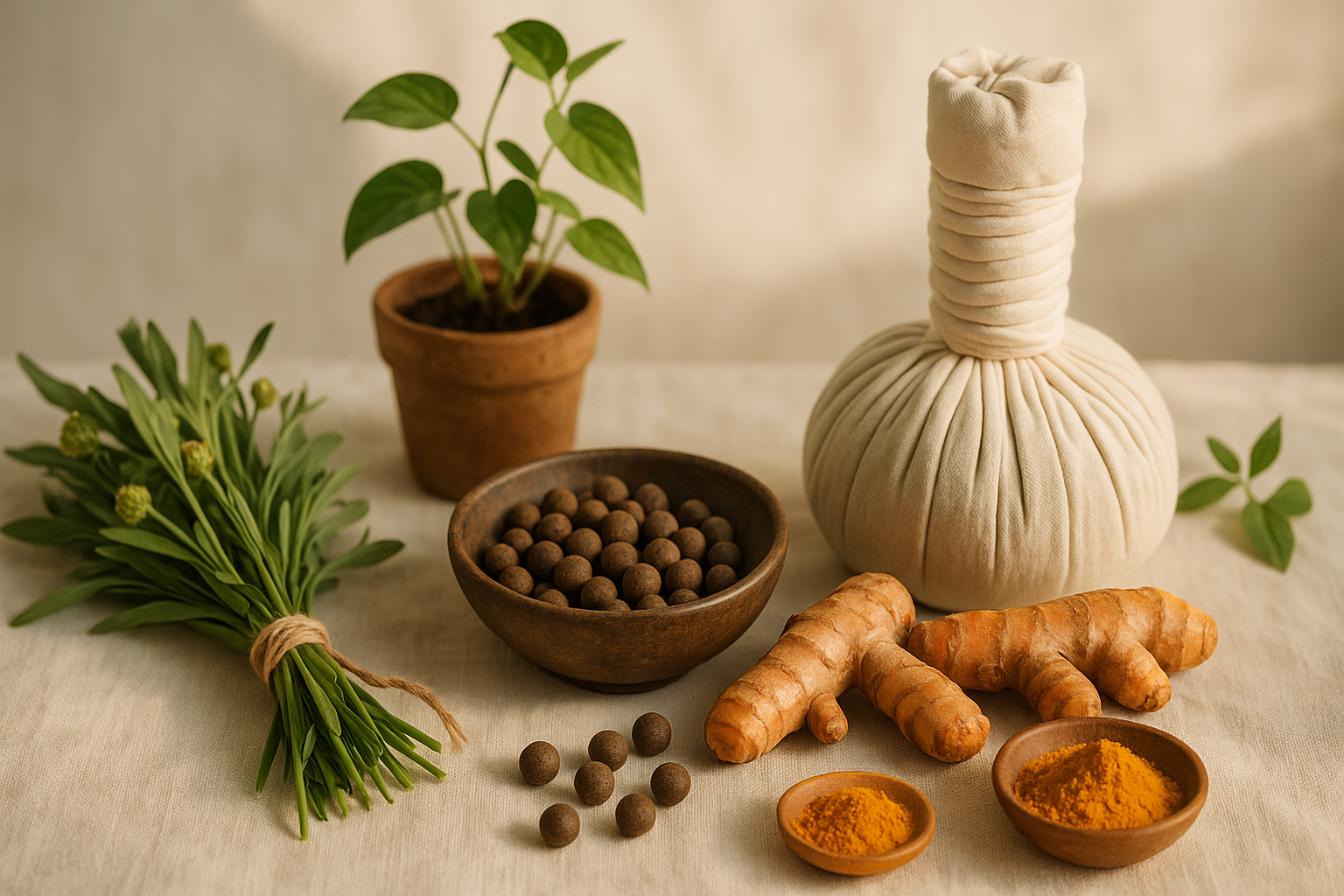
Abhyanga is a traditional Ayurvedic practice involving warm oil massage that promotes balance and wellness.
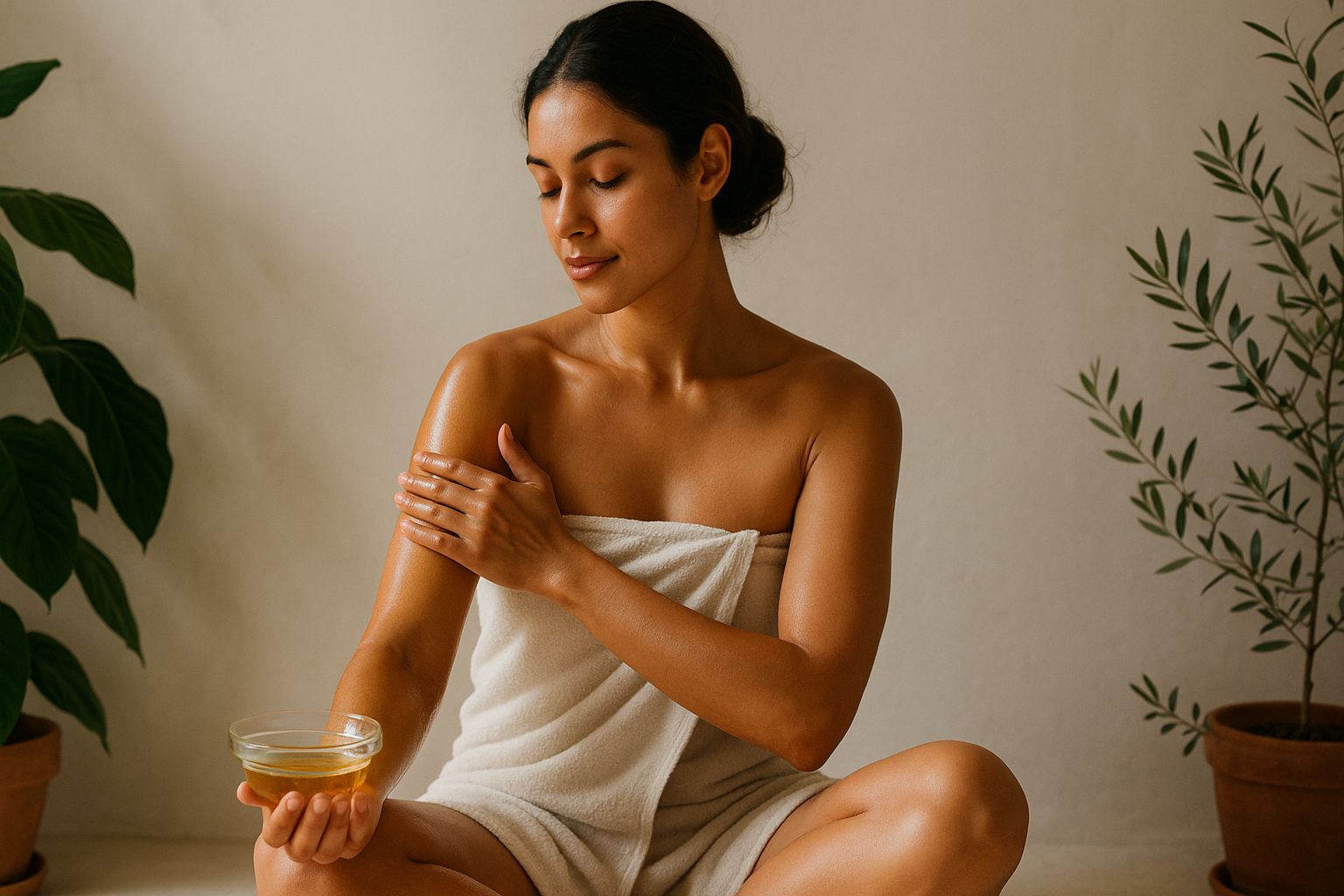
Explore Abhyanga, an ancient Ayurvedic practice of herbal oil massage, its historical roots, traditional uses, and modern research insights.
What It Is
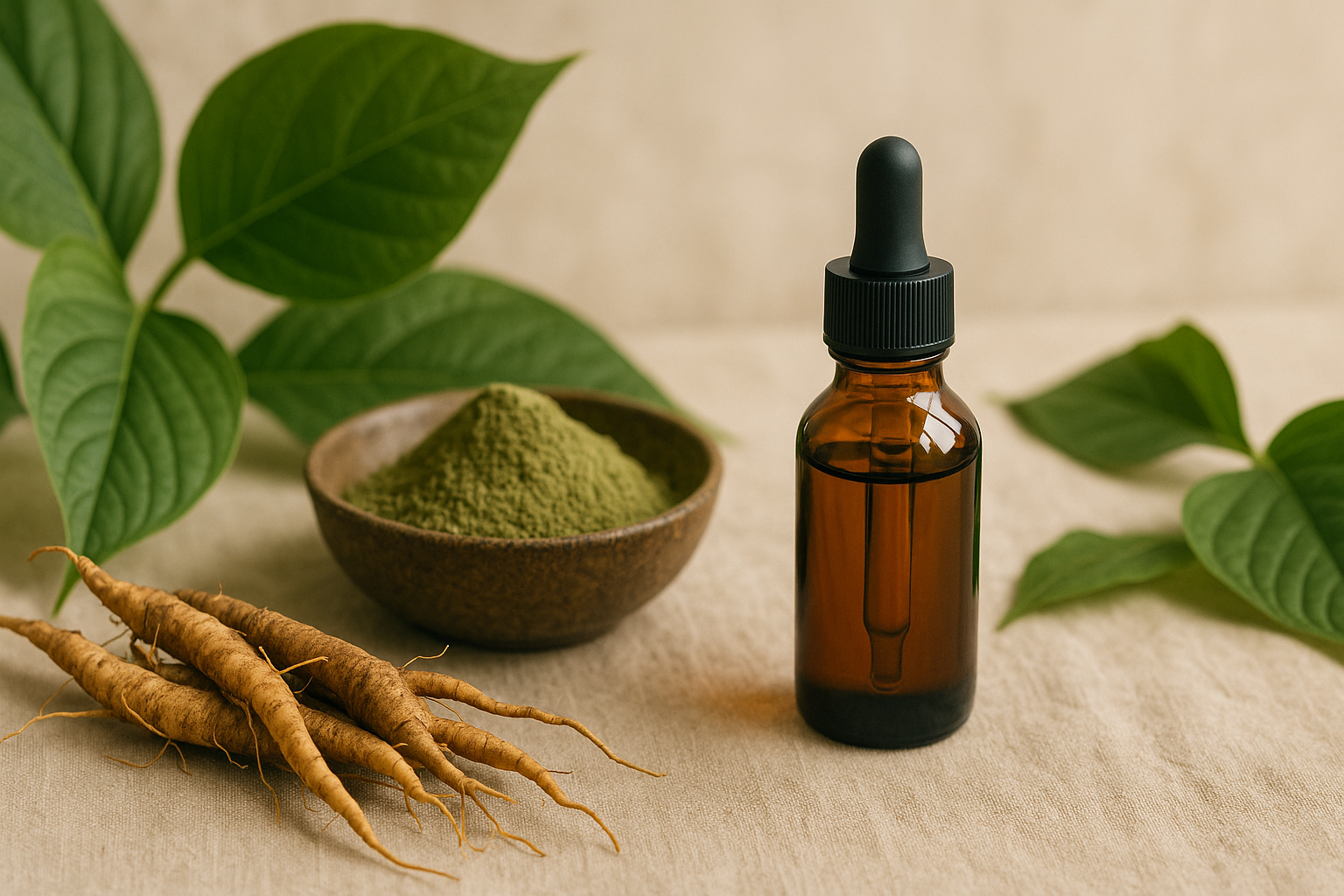
Abhyanga, a therapeutic massage technique rooted in Ayurvedic medicine, involves the application of warm herbal oils to the body. This practice is designed to nourish the body, promote circulation, and encourage the elimination of toxins. Abhyanga is not merely a physical treatment; it encompasses a holistic approach, aiming to harmonize the body, mind, and spirit.
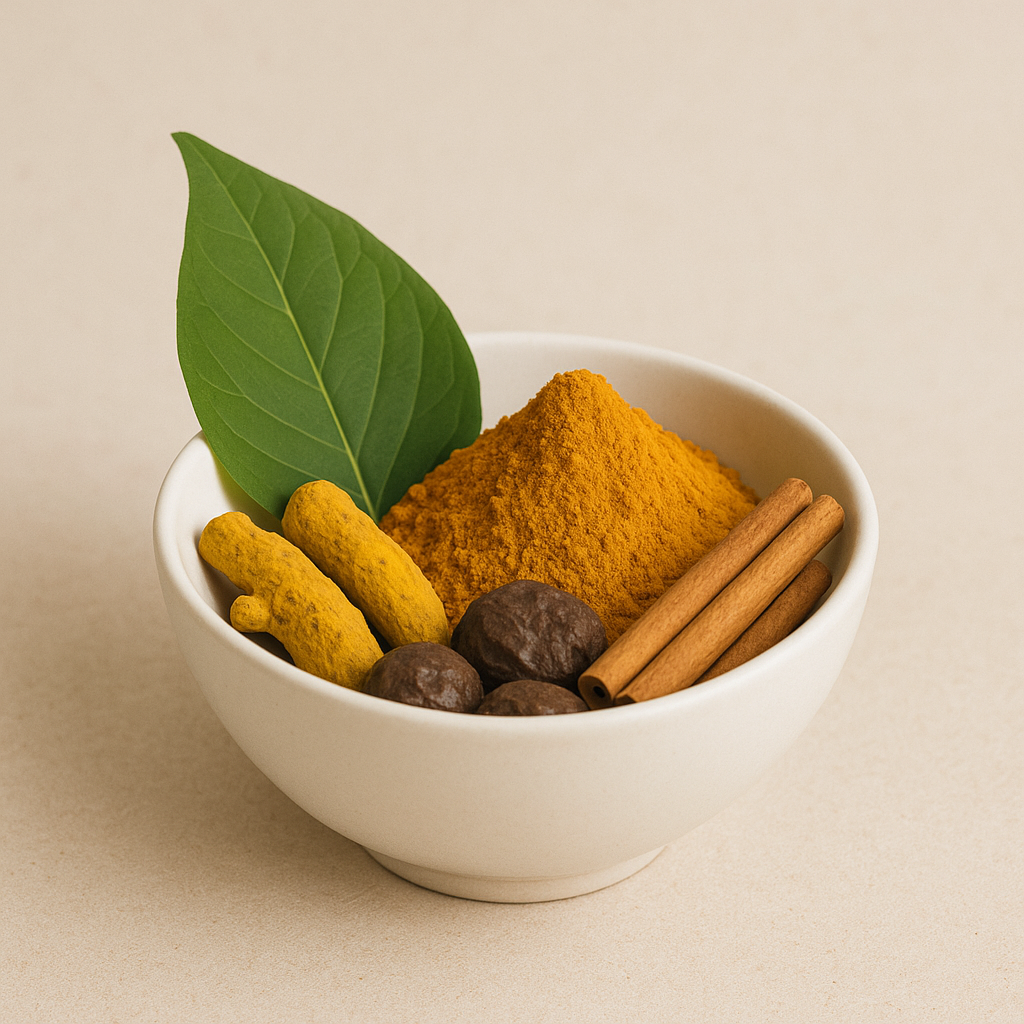
The process typically involves a rhythmic and synchronized application of oil, which is often personalized based on individual constitution (Prakriti) and current imbalances (Vikriti). The oils used can vary, incorporating herbs and essential oils that target specific health concerns and enhance the therapeutic effects of the massage.
Historical Context Within Ayurvedic Medicine
The practice of Abhyanga has its roots in ancient India, where it has been utilized for thousands of years as part of Ayurvedic medicine. Although the exact origins are difficult to pinpoint, references to Abhyanga can be found in ancient texts such as the Charaka Samhita, written around 400 BCE. This foundational text of Ayurveda details various healing practices, including the use of oil massage for maintaining health and preventing disease.
Developed and refined over centuries, Abhyanga has been integrated into the daily routines and rituals of many individuals seeking to optimize their well-being. The practice reflects the holistic philosophy of Ayurveda, emphasizing the importance of both physical and mental health.
How It's Practiced
Receiving an Abhyanga treatment typically involves the following steps:
- Preparation: The practitioner selects suitable herbal oils based on the individual's dosha (body constitution) and current health needs.
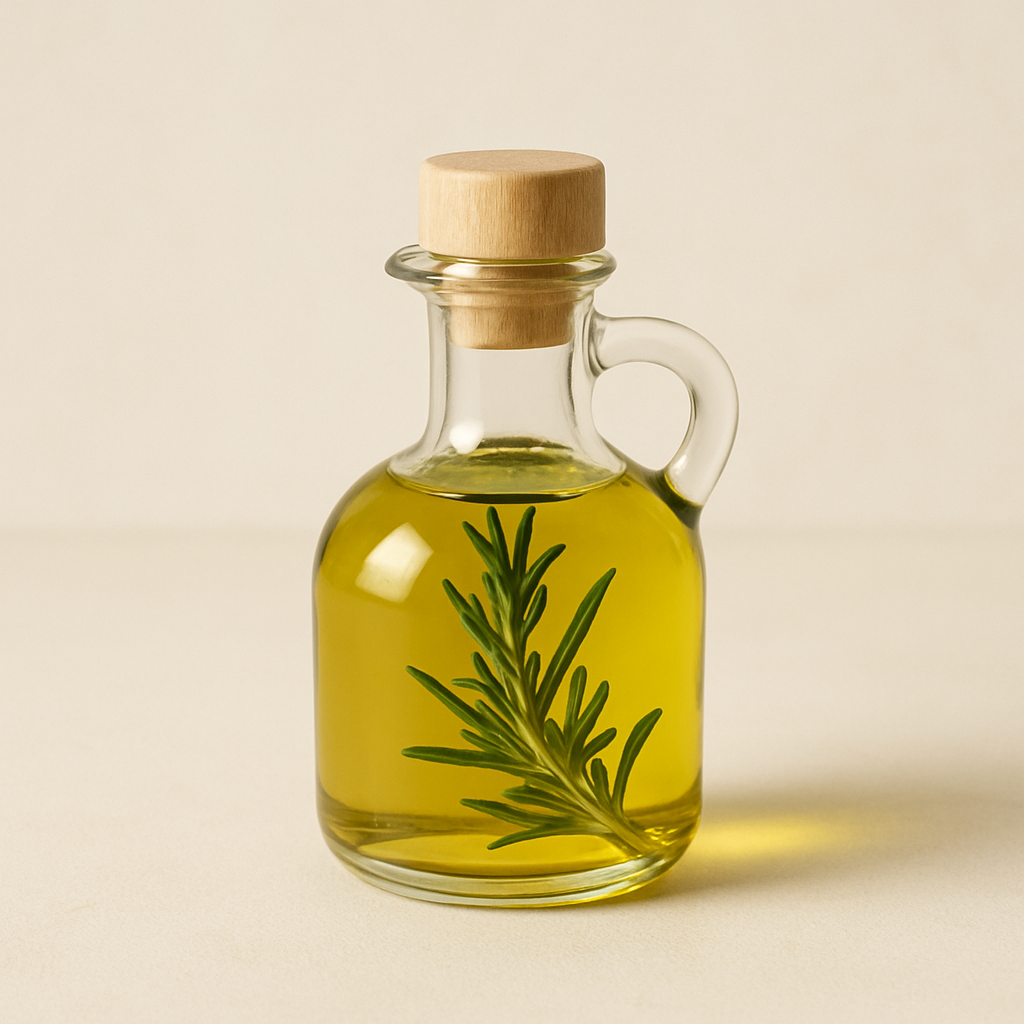
- Heating the Oil: The chosen oil is warmed to a comfortable temperature to enhance absorption and relaxation.
- Massage Technique: The practitioner performs a rhythmic, full-body massage, often starting from the head and moving towards the feet. The technique involves gentle strokes, kneading, and circular motions.
- Duration: An Abhyanga session can last anywhere from 30 minutes to over an hour, depending on the individual’s needs and preferences.
- Post-Massage Care: After the massage, individuals are often encouraged to rest and may be advised to shower to cleanse the skin of excess oil.
What It Is Traditionally Explored For
Abhyanga is traditionally explored for a variety of health benefits, including:
- Promoting relaxation and reducing stress
- Improving circulation
- Enhancing skin health and hydration
- Detoxifying the body
- Alleviating joint and muscle pain
- Supporting overall vitality and energy
While these benefits are widely recognized in the Ayurvedic community, it is essential to approach them with a sense of caution, recognizing that individual experiences may vary.
What Modern Research Suggests
Modern research on Abhyanga is still in its early stages, but preliminary studies suggest potential benefits. Some studies have indicated that regular oil massage may help reduce stress levels, improve sleep quality, and enhance overall mood. For instance, a small clinical trial found that participants who received regular Abhyanga reported lower levels of anxiety and improved emotional well-being.
Additionally, research has explored the effects of oil massage on skin health, suggesting that certain oils used in Abhyanga can improve skin hydration and elasticity. However, more rigorous studies are needed to confirm these findings and fully understand the therapeutic mechanisms at play.
Safety, Contraindications & Who Should Skip
Abhyanga is generally considered safe for most individuals. However, there are some contraindications to consider:
- People with severe skin conditions or infections should avoid this practice.
- Individuals with certain medical conditions, such as active inflammation or injuries, may need to consult a healthcare professional before undergoing Abhyanga.
- Pregnant women should seek guidance from a qualified practitioner before receiving this treatment.
It is always advisable to discuss any health concerns with a qualified practitioner prior to starting any new treatment or therapy.
Pairs Well With (within Ayurvedic Medicine and across pillars)
Abhyanga complements various other Ayurvedic practices and treatments, including:
- Panchakarma (detoxification therapies)
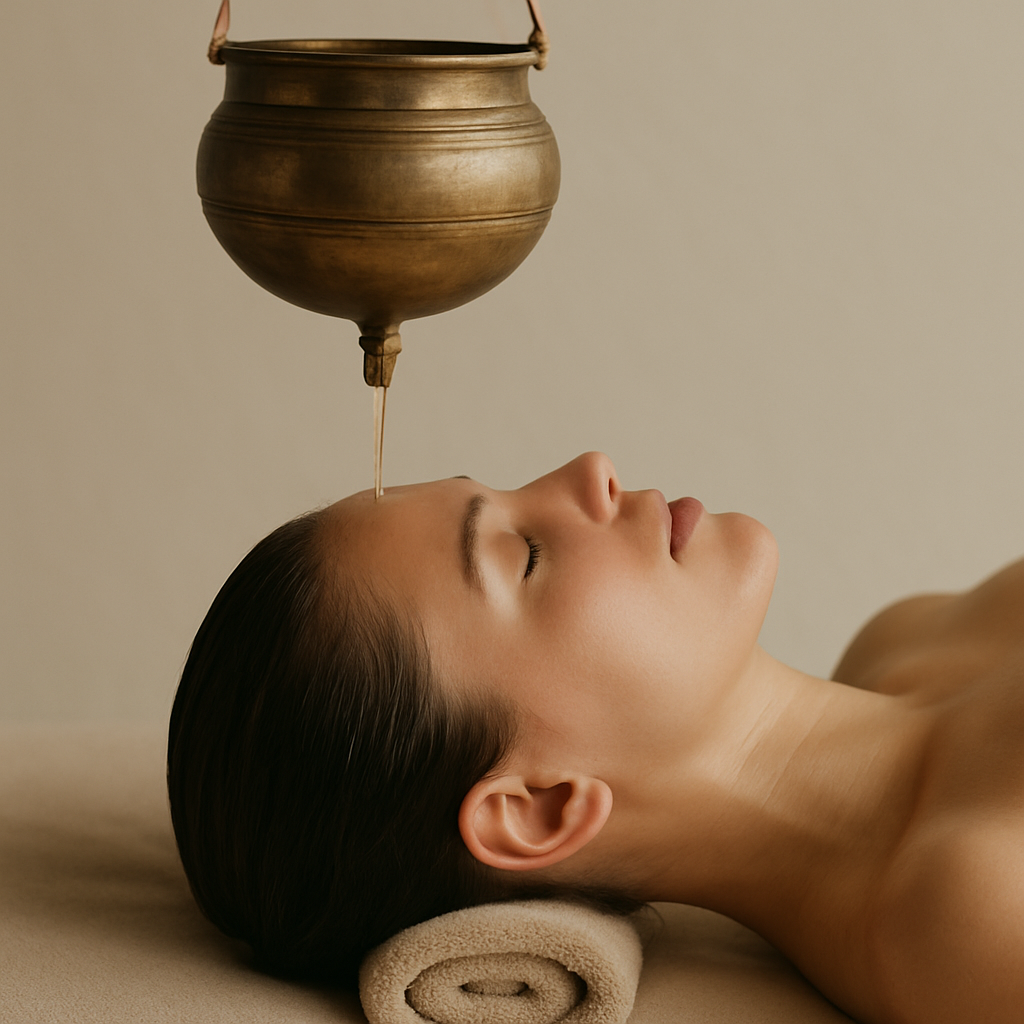
- Shirodhara (oil pouring on the forehead)
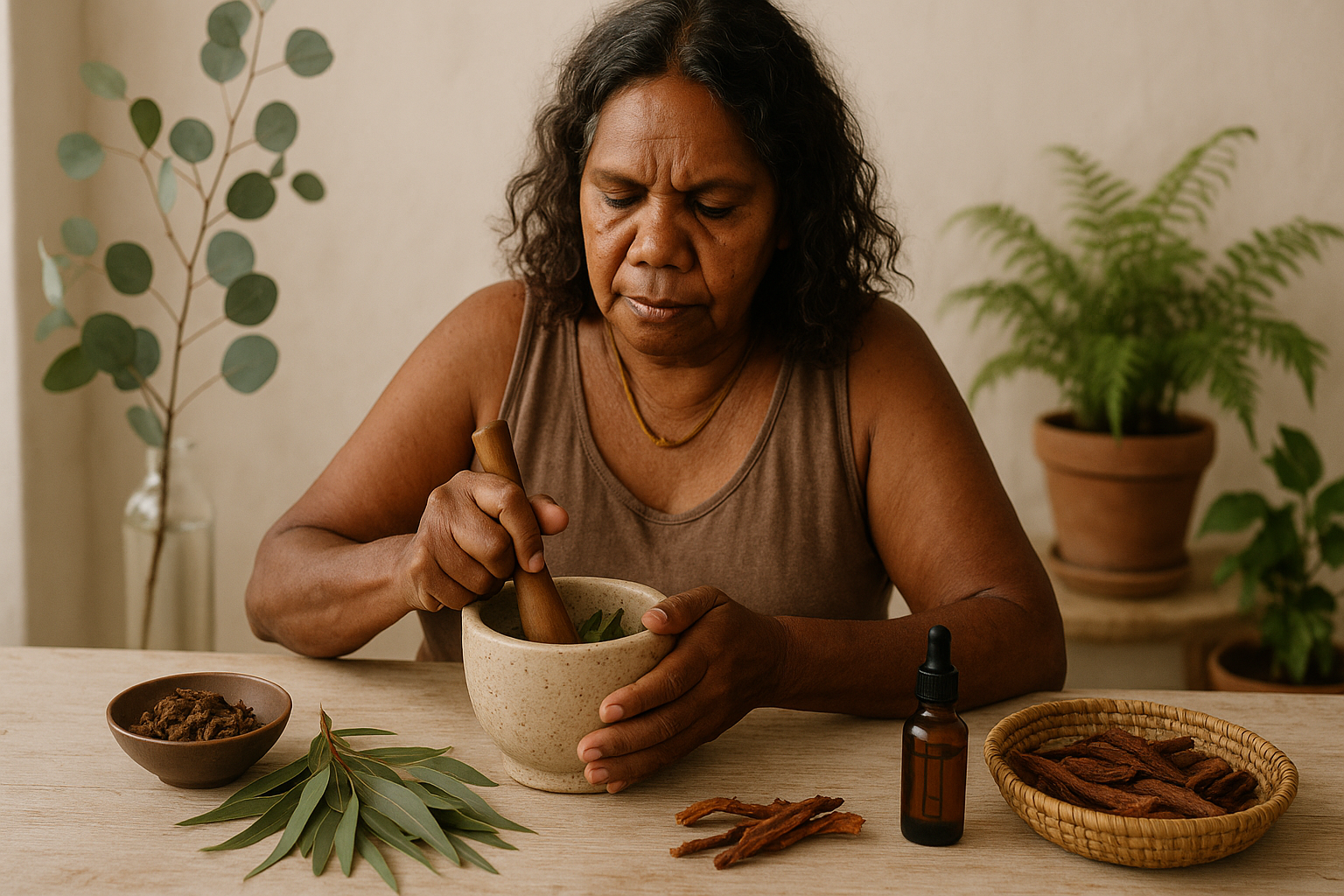
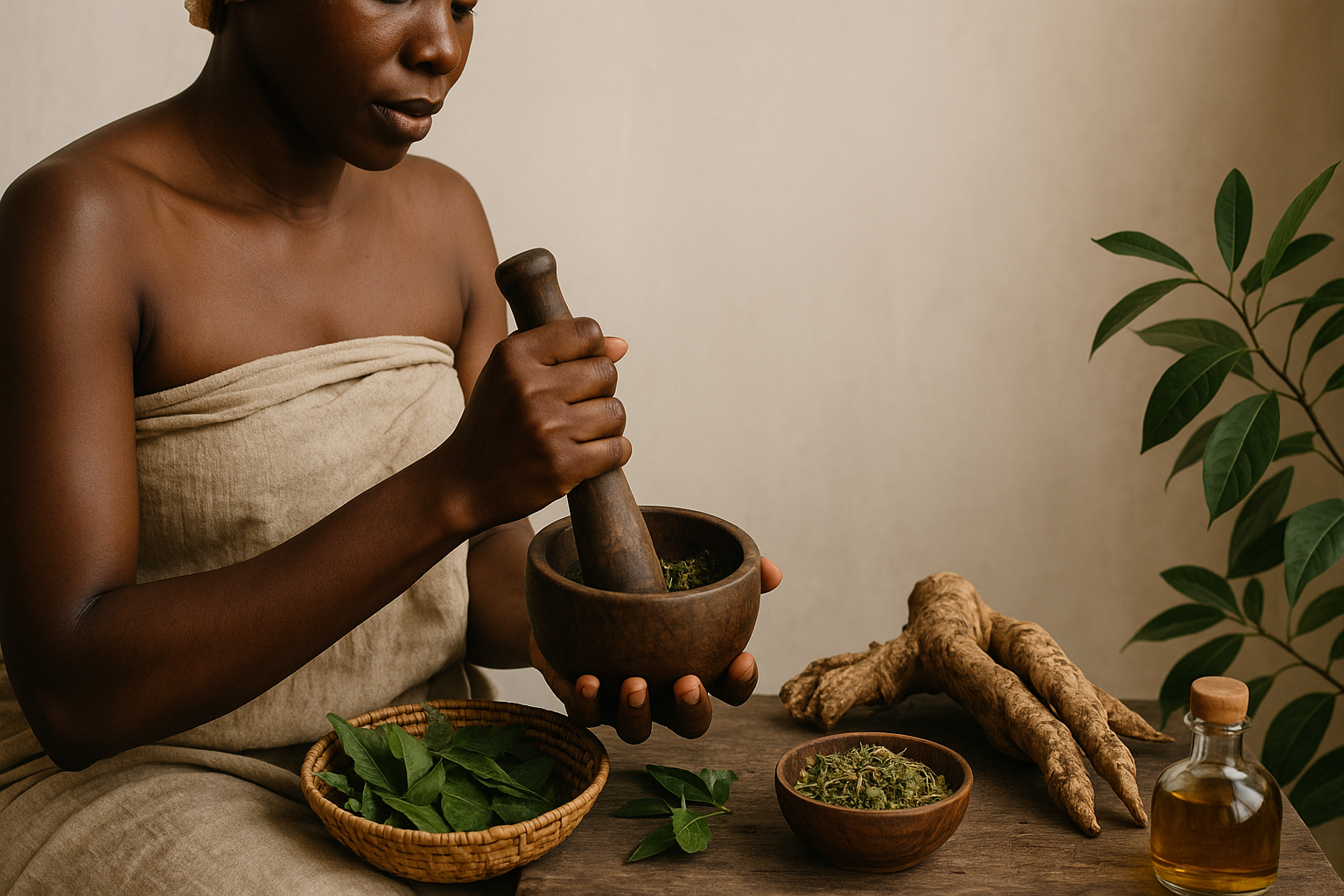
- Herbal remedies and dietary adjustments
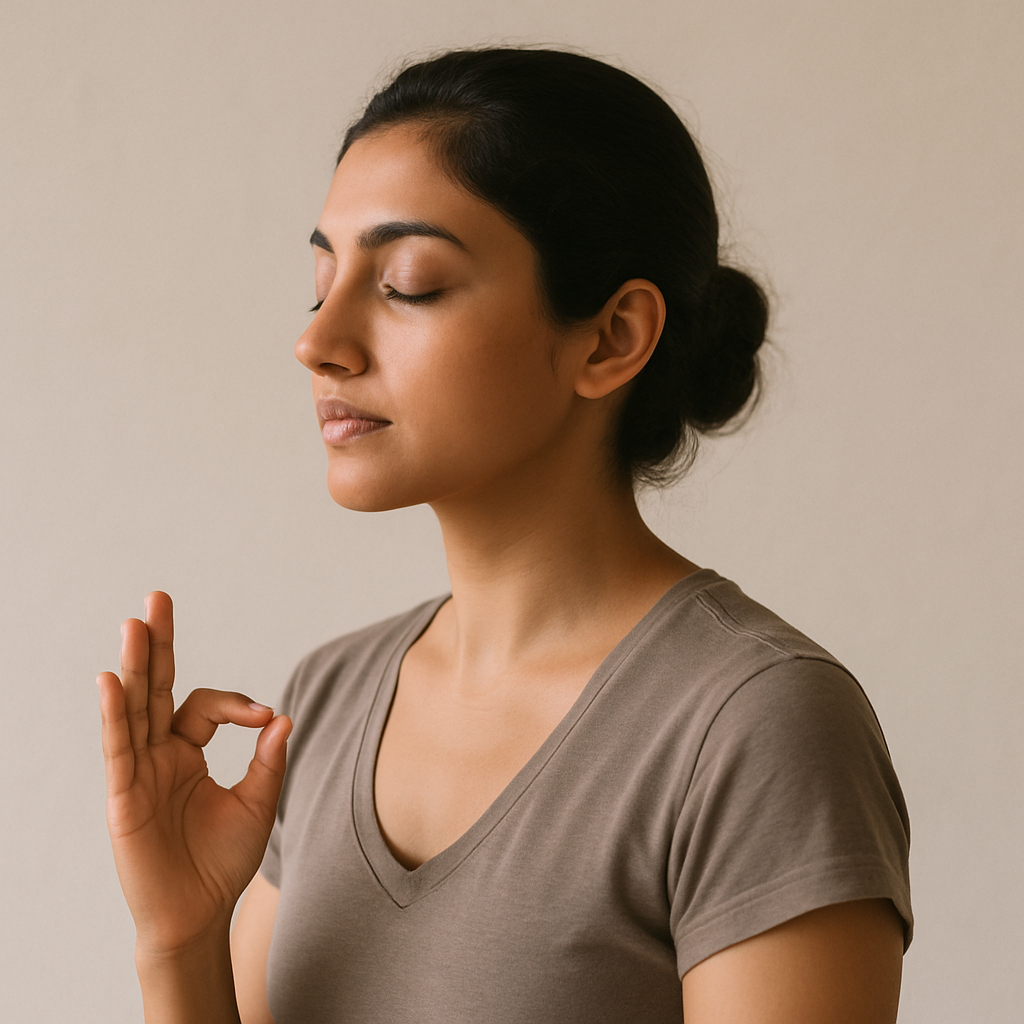
- Yoga and meditation
- Pranayama (breathing exercises)
How to Find a Qualified Practitioner
Finding a qualified practitioner for Abhyanga involves several steps:
- Research local Ayurvedic clinics or wellness centers that offer Abhyanga treatments.
- Look for certified Ayurvedic practitioners or therapists with training in oil massage techniques.
- Read reviews or seek recommendations from others who have experienced Abhyanga.
- Schedule a consultation to discuss your needs and ensure the practitioner’s approach aligns with your health goals.
FAQs (5)
- What oils are commonly used in Abhyanga? Various oils can be used, including sesame oil, coconut oil, and specific herbal-infused oils tailored to individual needs.
- How often should I receive Abhyanga? The frequency can vary based on individual preferences and health goals, but many practitioners recommend weekly or bi-weekly sessions.
- Can I perform Abhyanga on myself? Yes, self-Abhyanga can be beneficial. Simply use warm oil and follow similar techniques to those used in professional treatments.
- Is Abhyanga suitable for everyone? While generally safe, individuals with specific health concerns should consult a practitioner before receiving treatment.
- What should I expect after an Abhyanga session? Many people report feeling relaxed and rejuvenated; however, it is advisable to allow time for rest and hydration after the treatment.
Frequently asked
What oils are commonly used in Abhyanga?
Various oils can be used, including sesame oil, coconut oil, and specific herbal-infused oils tailored to individual needs.
How often should I receive Abhyanga?
The frequency can vary based on individual preferences and health goals, but many practitioners recommend weekly or bi-weekly sessions.
Can I perform Abhyanga on myself?
Yes, self-Abhyanga can be beneficial. Simply use warm oil and follow similar techniques to those used in professional treatments.
Is Abhyanga suitable for everyone?
While generally safe, individuals with specific health concerns should consult a practitioner before receiving treatment.
What should I expect after an Abhyanga session?
Many people report feeling relaxed and rejuvenated; however, it is advisable to allow time for rest and hydration after the treatment.