Ayurvedic Nutrition
Delve into the principles of Ayurvedic Nutrition, its historical roots, and its applications within Ayurvedic Medicine.
Explore Ayurvedic Nutrition, an integral part of Ayurvedic Medicine, emphasizing personalized dietary practices rooted in ancient wisdom. Learn about its historical context, traditional uses, modern research, and how to find a qualified practitioner.
What It Is
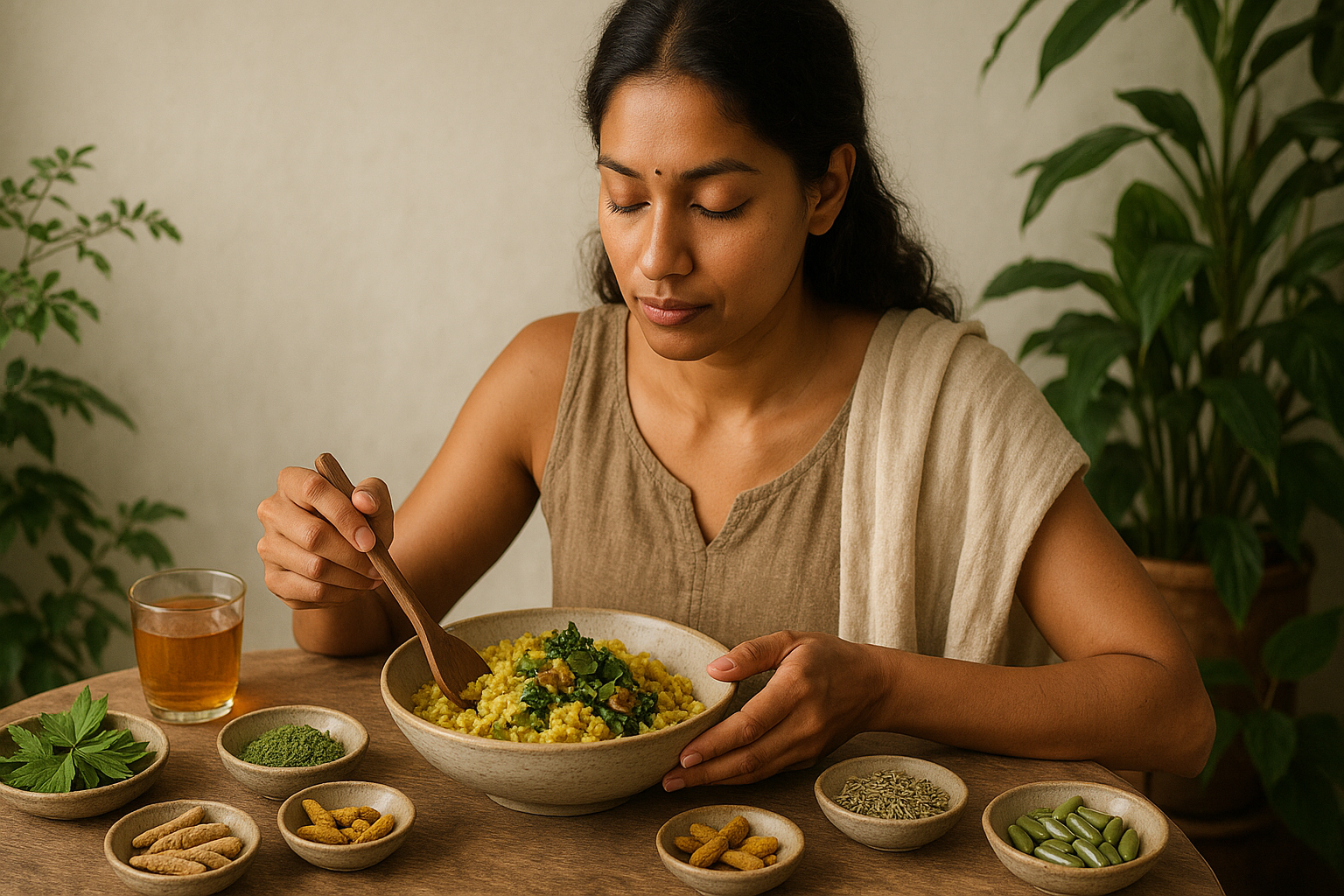
Ayurvedic Nutrition is a holistic approach to dietary practices that emphasizes the balance of body, mind, and spirit, rooted in the ancient philosophy of Ayurveda. This system of medicine considers individual constitution, known as Prakriti, and the unique needs of each person to develop personalized nutritional guidelines. The goal is to harmonize the body's energies, or doshas, through food choices, meal timing, and cooking methods.
At its core, Ayurvedic Nutrition is not merely about what to eat but how to eat. It integrates the principles of digestion, seasonal variations, and food qualities to foster optimal health. By aligning dietary habits with one's natural rhythms and the environment, Ayurvedic Nutrition aims to promote overall well-being and prevent disease.
Historical Context Within Ayurvedic Medicine
Ayurvedic Nutrition has its roots in the ancient texts of Ayurveda, such as the Charaka Samhita and the Sushruta Samhita, which date back thousands of years. Developed by sages and practitioners of the Vedic tradition in India, these texts outline the principles of health, disease, and the role of diet in achieving balance.
Over centuries, Ayurvedic Nutrition has evolved, integrating insights from various cultural practices while maintaining its foundational concepts. The emphasis on personalized nutrition emerged prominently in the classical period of Ayurveda, focusing on the connection between dietary habits and individual health outcomes.
How It's Practiced
Practitioners of Ayurvedic Nutrition typically follow a structured approach to guide individuals in their dietary choices. Here is a step-by-step overview of how it is practiced:
- Assessment: The practitioner evaluates the individual's Prakriti, current imbalances, and lifestyle factors.
- Dietary Guidelines: Based on the assessment, personalized dietary recommendations are provided, focusing on suitable foods, flavors, and preparation methods.
- Meal Timing: Emphasis is placed on when to eat, aligning meals with the body's natural digestive rhythms.
- Cooking Techniques: Traditional cooking methods that enhance the digestibility and nutritional value of foods are encouraged.
- Seasonal Adjustments: Recommendations are adapted to reflect seasonal changes, promoting foods that are most beneficial during specific times of the year.
What It Is Traditionally Explored For
Ayurvedic Nutrition is traditionally explored for a variety of health goals, including:
- Balancing the doshas (Vata, Pitta, Kapha)
- Enhancing digestion and metabolic function
- Supporting immune health and resilience
- Promoting mental clarity and emotional well-being
- Encouraging healthy weight management
What Modern Research Suggests
Modern research into Ayurvedic Nutrition is still in its early stages, but preliminary studies suggest potential benefits. Some clinical trials have explored the effects of Ayurvedic dietary practices on conditions such as obesity, diabetes, and digestive disorders. These studies often highlight the importance of individualized dietary approaches and the role of specific herbs and spices commonly used in Ayurvedic cuisine.
However, while initial findings are promising, further research is needed to establish definitive conclusions. It is essential to approach Ayurvedic Nutrition with an understanding of its holistic nature and the need for individualized care.
Safety, Contraindications & Who Should Skip
While Ayurvedic Nutrition is generally considered safe, certain individuals may need to approach this practice with caution. It may not be suitable for:
- People with specific medical conditions that require stringent dietary restrictions.
- Individuals on medications that may interact with certain herbs or foods.
- Pregnant or breastfeeding women without consulting a healthcare provider.
It is always advisable to consult with a qualified practitioner to ensure that dietary changes align with individual health needs.
Pairs Well With (within Ayurvedic Medicine and across pillars)
Ayurvedic Nutrition complements various other modalities and practices, including:
- Ayurvedic Herbal Medicine
- Panchakarma (detoxification therapies)
- Yoga and Meditation
- Ayurvedic Bodywork and Massage
- Mindfulness practices
How to Find a Qualified Practitioner
Finding a qualified practitioner in Ayurvedic Nutrition involves several steps:
- Look for practitioners with formal training in Ayurveda, preferably accredited by recognized institutions.
- Seek recommendations from healthcare providers or individuals who have experienced Ayurvedic care.
- Check for credentials, experience, and areas of specialization.
- Consider scheduling an initial consultation to discuss your health goals and assess compatibility.
FAQs
- What is the main focus of Ayurvedic Nutrition? Ayurvedic Nutrition focuses on personalized dietary practices that promote balance and well-being based on individual constitution and current health status.
- Can Ayurvedic Nutrition help with weight loss? Traditionally, Ayurvedic Nutrition is explored for weight management by promoting balanced eating habits and enhancing digestion.
- Is Ayurvedic Nutrition safe for everyone? While generally safe, individuals with specific health conditions or dietary restrictions should consult a practitioner before making changes.
- How does Ayurvedic Nutrition differ from other dietary practices? Ayurvedic Nutrition emphasizes individualized approaches based on one's unique constitution and the interplay of body, mind, and environment.
- Where can I learn more about Ayurvedic Nutrition? Resources include books, online courses, and consultations with qualified Ayurvedic practitioners.
Frequently asked
What is the main focus of Ayurvedic Nutrition?
Ayurvedic Nutrition focuses on personalized dietary practices that promote balance and well-being based on individual constitution and current health status.
Can Ayurvedic Nutrition help with weight loss?
Traditionally, Ayurvedic Nutrition is explored for weight management by promoting balanced eating habits and enhancing digestion.
Is Ayurvedic Nutrition safe for everyone?
While generally safe, individuals with specific health conditions or dietary restrictions should consult a practitioner before making changes.
How does Ayurvedic Nutrition differ from other dietary practices?
Ayurvedic Nutrition emphasizes individualized approaches based on one's unique constitution and the interplay of body, mind, and environment.
Where can I learn more about Ayurvedic Nutrition?
Resources include books, online courses, and consultations with qualified Ayurvedic practitioners.