Meditation
An in-depth look at meditation as a vital practice in Ayurvedic medicine, exploring its origins, methods, and benefits.
Explore the ancient practice of meditation within Ayurvedic medicine, its historical roots, modern applications, and safety considerations.
What It Is
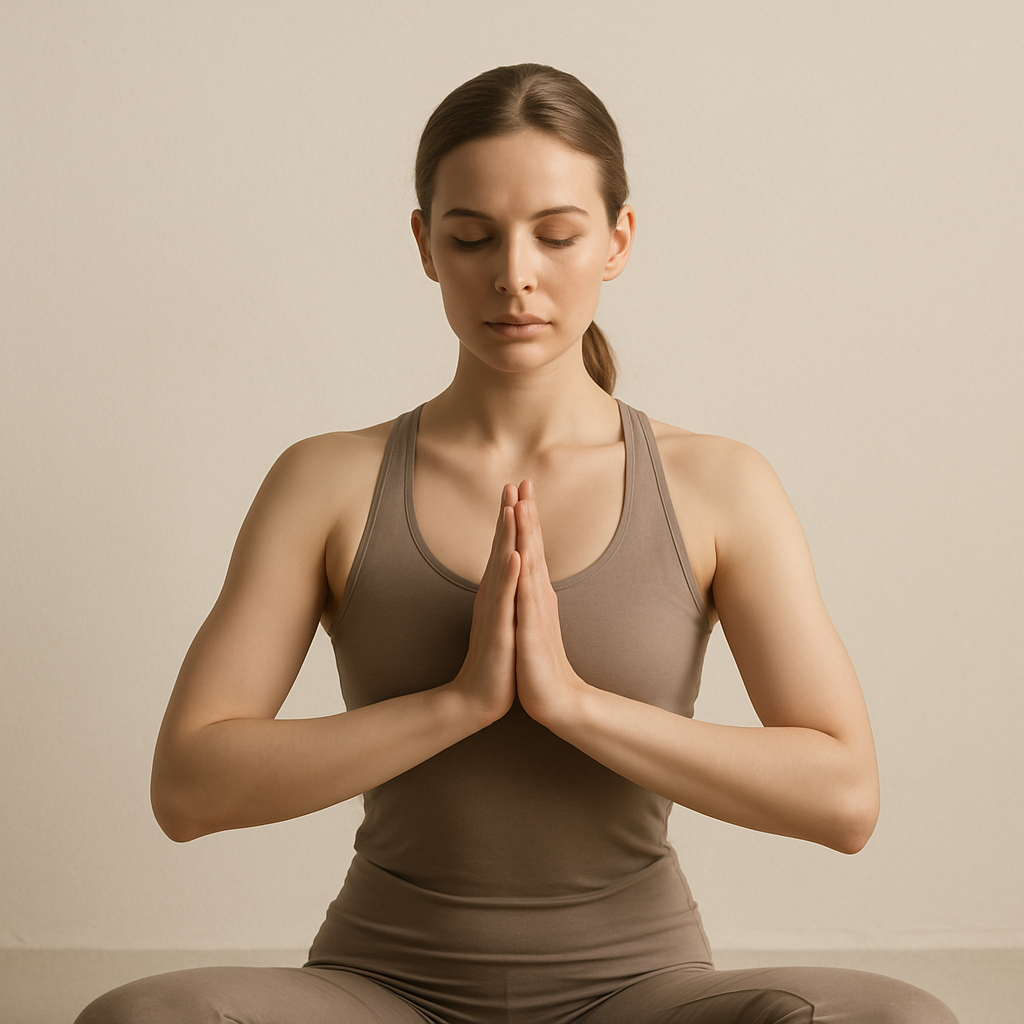
Meditation is a mental discipline that involves the practice of focusing one’s mind to achieve a mentally clear and emotionally calm state. It is often used as a tool for mindfulness, self-awareness, and emotional well-being, allowing individuals to cultivate a deeper understanding of their thoughts and feelings. In the context of Ayurvedic medicine, meditation is not only a practice for relaxation but also a method to balance the body’s energies and support overall health.
Within Ayurveda, meditation is seen as a means to harmonize the physical, mental, and spiritual aspects of life. It serves as a bridge connecting the mind and body, promoting a sense of peace and stability. The various techniques of meditation can vary greatly, ranging from breath control to visualization, each tailored to the individual’s needs and dosha (constitution).
Historical Context Within Ayurvedic Medicine
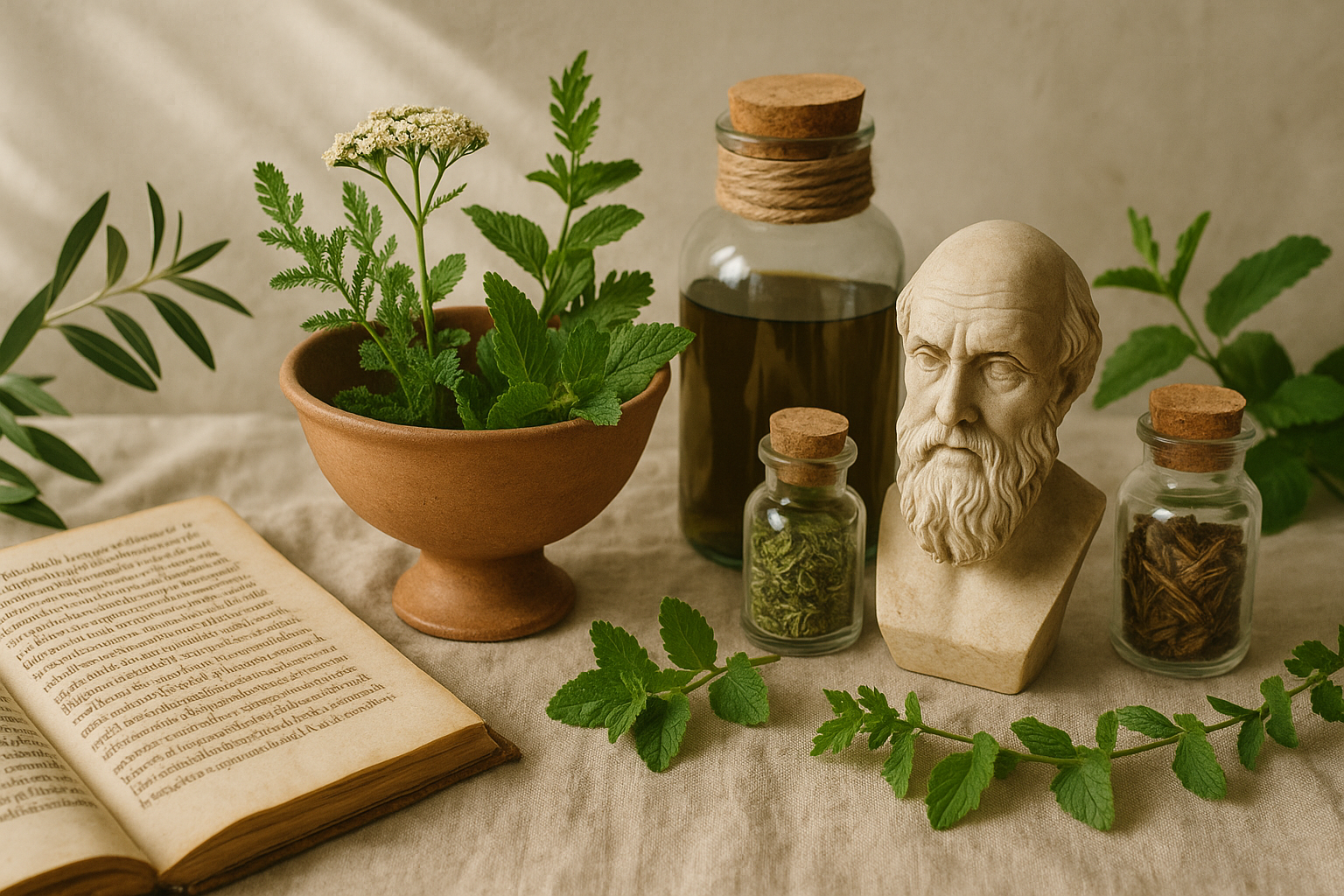
The roots of meditation can be traced back thousands of years in the ancient texts of Ayurveda and Vedic traditions. It emerged as a significant aspect of spiritual practice, aimed at attaining higher states of consciousness and self-realization. The ancient sages and practitioners of Ayurveda recognized the importance of mental health and its influence on physical well-being, integrating meditation into their healing practices.
Notably, texts such as the Yoga Sutras of Patanjali and the Upanishads outline the philosophical and practical aspects of meditation. These texts emphasize the connection between meditation, breath control (pranayama), and the cultivation of inner peace, aligning the practice with the overall principles of Ayurvedic medicine.
How It's Practiced
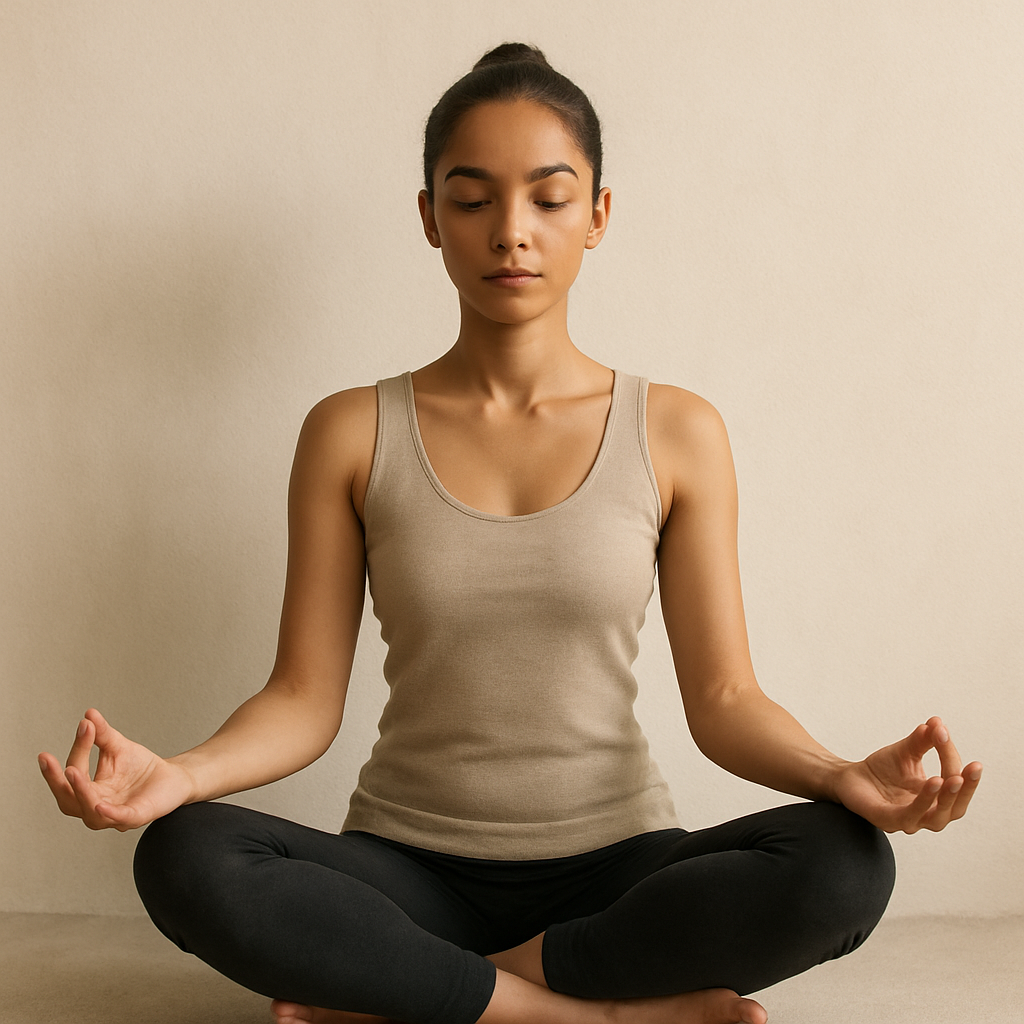
The practice of meditation in Ayurveda involves several steps that can be adapted to fit individual preferences and needs. Here is a simple walk-through of how to engage in meditation:
- Find a Quiet Space: Choose a comfortable, quiet location free from distractions.
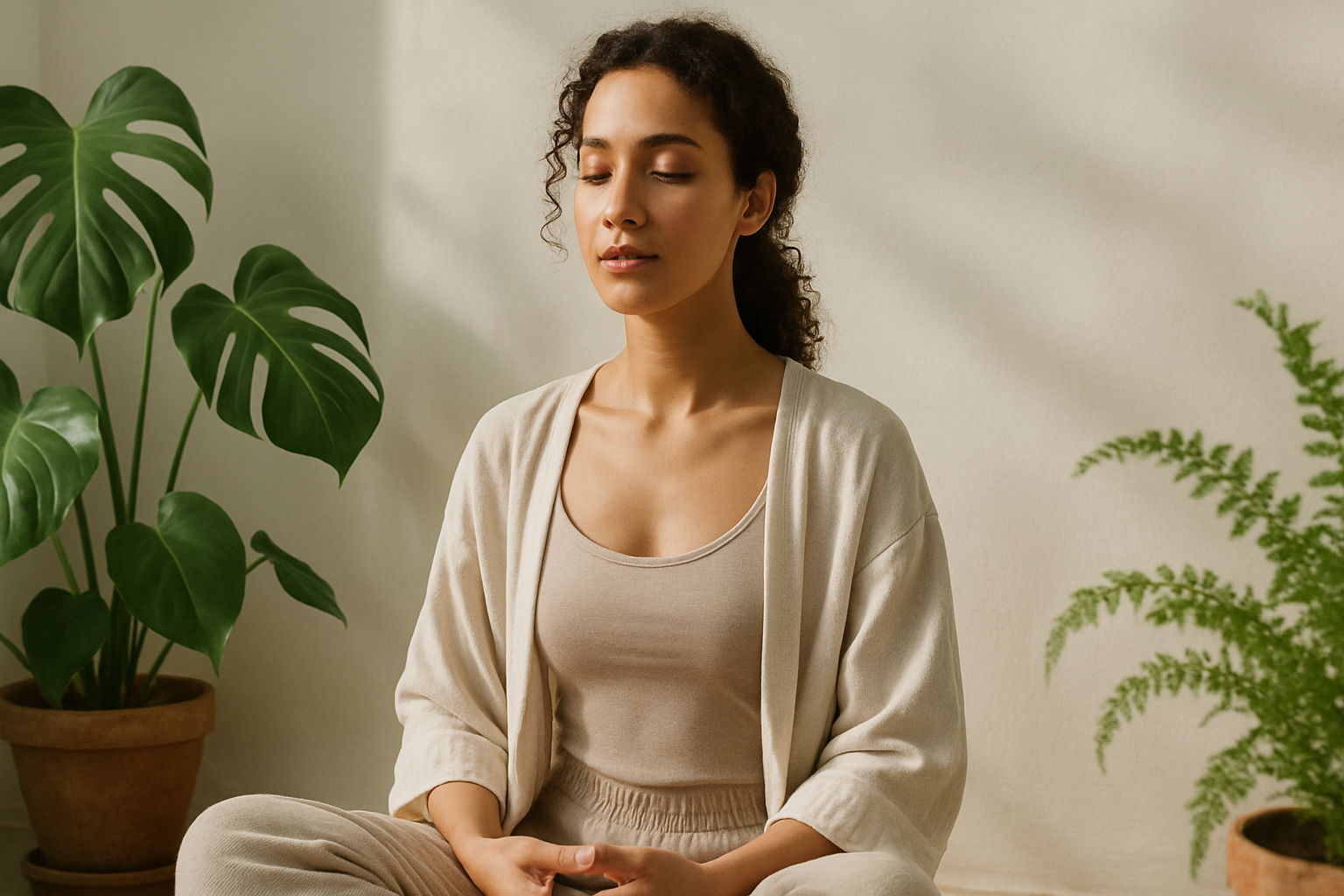
- Assume a Comfortable Position: Sit cross-legged on the floor or in a chair with your feet flat on the ground.
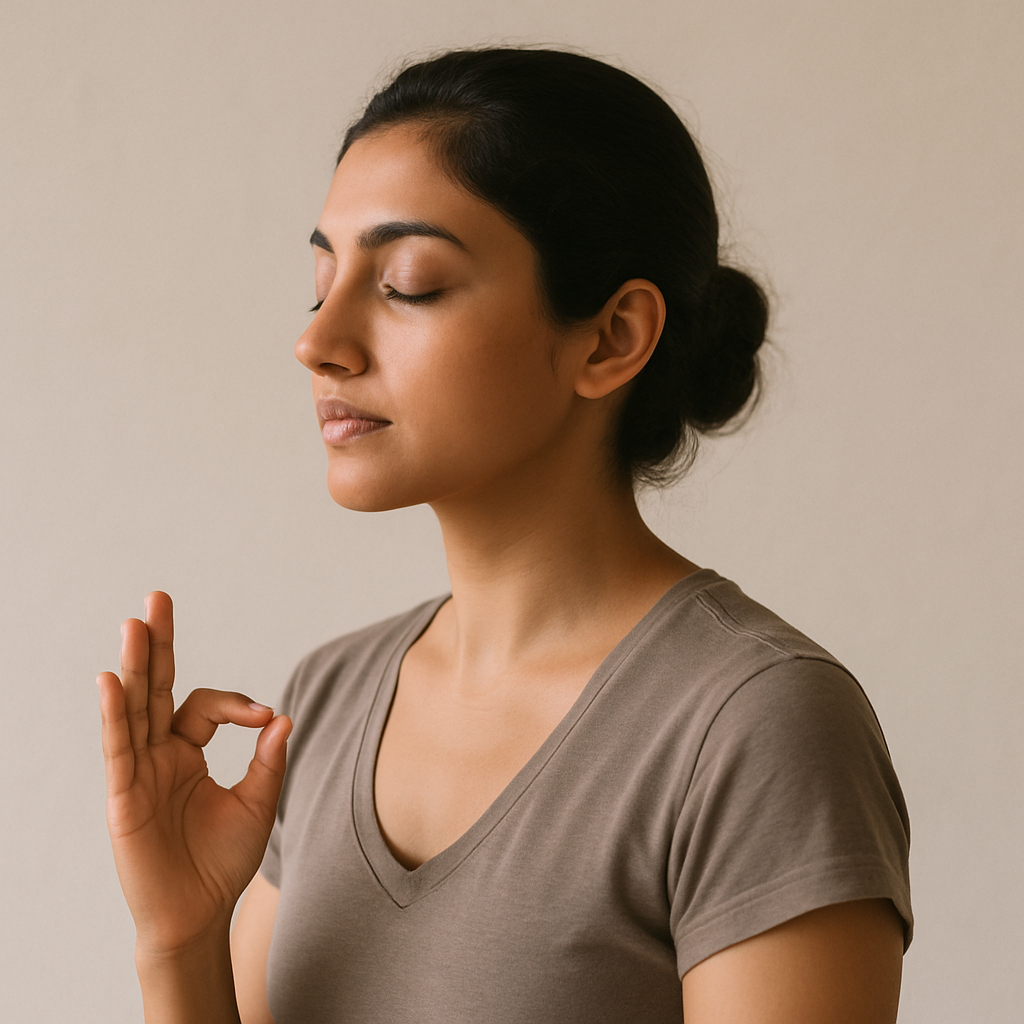
- Close Your Eyes: Gently close your eyes to minimize external visual stimuli.
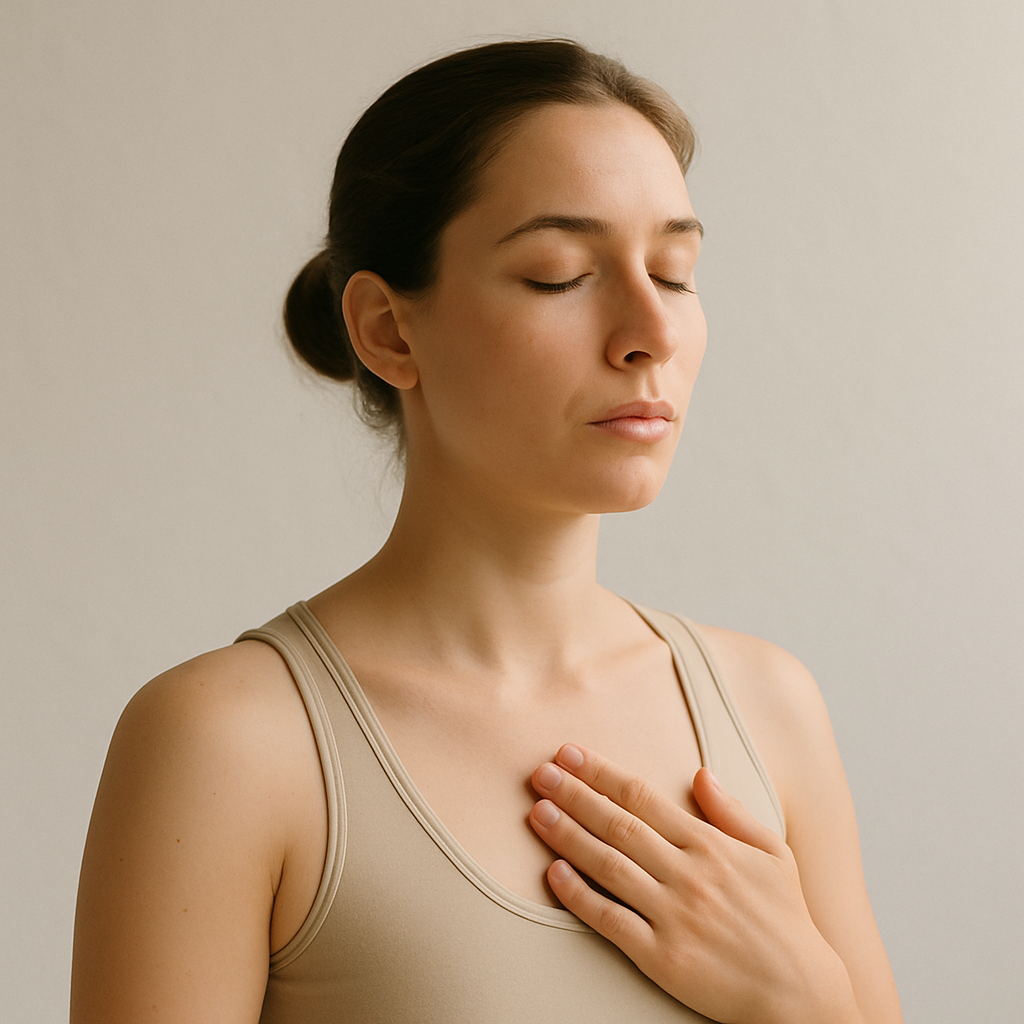
- Focus on Your Breath: Begin to take slow, deep breaths, focusing on the rise and fall of your abdomen.
- Let Thoughts Come and Go: Acknowledge thoughts as they arise but gently return your focus to your breath.
- Set an Intention: Consider setting a positive affirmation or intention for your meditation session.
- Duration: Start with short sessions of 5-10 minutes, gradually increasing as you become more comfortable.
What It Is Traditionally Explored For
Meditation is traditionally used for a variety of purposes within Ayurvedic medicine, including:
- Enhancing mental clarity and focus
- Reducing stress and anxiety
- Promoting emotional balance
- Supporting spiritual growth and self-awareness
- Improving sleep quality
- Facilitating a deeper connection with one’s body and mind
What Modern Research Suggests
However, more rigorous clinical trials are needed to fully understand the breadth of meditation's effects on physical and mental health. Researchers continue to explore how different meditation techniques can provide specific benefits, underscoring the necessity for individualized approaches in practice.
Safety, Contraindications & Who Should Skip
While meditation is generally considered safe for most individuals, there are some considerations to keep in mind. People with severe mental health conditions, such as PTSD or certain anxiety disorders, may find that specific meditation practices exacerbate their symptoms. It is advisable for these individuals to consult a qualified mental health professional before starting any meditation practice.
Additionally, if you feel discomfort or distress during meditation, it is important to listen to your body and adjust your practice accordingly. If you are unsure about your ability to meditate safely, seeking guidance from a qualified practitioner can be beneficial.
Pairs Well With (within Ayurvedic Medicine and across pillars)
Meditation complements various Ayurvedic practices and principles, enhancing their effectiveness. Some modalities and ingredients that pair well with meditation include:
- Yoga: The physical practice of yoga enhances the benefits of meditation.
- Pranayama: Breath control techniques that promote relaxation and focus.
- Aromatherapy: Essential oils can create a soothing environment conducive to meditation.
- Herbal Supplements: Adaptogens like Ashwagandha and Brahmi are traditionally used to support mental clarity and calmness.
- Ayurvedic Diet: A balanced diet tailored to one’s dosha can support overall well-being, making meditation more effective.
How to Find a Qualified Practitioner
Finding a qualified practitioner in meditation within the Ayurvedic tradition can enhance your practice significantly. Here are some steps to consider:
- Research local Ayurvedic clinics or wellness centers that offer meditation classes.
- Look for practitioners with certifications in Ayurveda and meditation.
- Ask about their experience and approach to meditation.
- Seek recommendations from friends or online communities focused on Ayurveda.
- Attend workshops or introductory classes to assess the practitioner's style.
FAQs (5)
- What is the best time of day to meditate? Many practitioners suggest early morning or late evening as ideal times, but it ultimately depends on personal preference.
- Do I need to sit in a special position to meditate? While sitting cross-legged is common, any comfortable position that allows you to remain alert can be effective.
- How long should I meditate each day? Beginners may start with 5-10 minutes, gradually increasing to 20-30 minutes for more experienced practitioners.
- Can meditation help with physical health issues? While meditation is traditionally used for mental well-being, it may indirectly support physical health by reducing stress.
- Is meditation a religious practice? Meditation can be spiritual but is not inherently religious; it can be practiced by individuals of any belief system.
Frequently asked
What is the best time of day to meditate?
Many practitioners suggest early morning or late evening as ideal times, but it ultimately depends on personal preference.
Do I need to sit in a special position to meditate?
While sitting cross-legged is common, any comfortable position that allows you to remain alert can be effective.
How long should I meditate each day?
Beginners may start with 5-10 minutes, gradually increasing to 20-30 minutes for more experienced practitioners.
Can meditation help with physical health issues?
While meditation is traditionally used for mental well-being, it may indirectly support physical health by reducing stress.
Is meditation a religious practice?
Meditation can be spiritual but is not inherently religious; it can be practiced by individuals of any belief system.