Herbal Oils
Herbal oils in Ayurvedic medicine offer a rich tradition of natural healing with roots in ancient practices. Learn about their uses, benefits, and safety considerations.
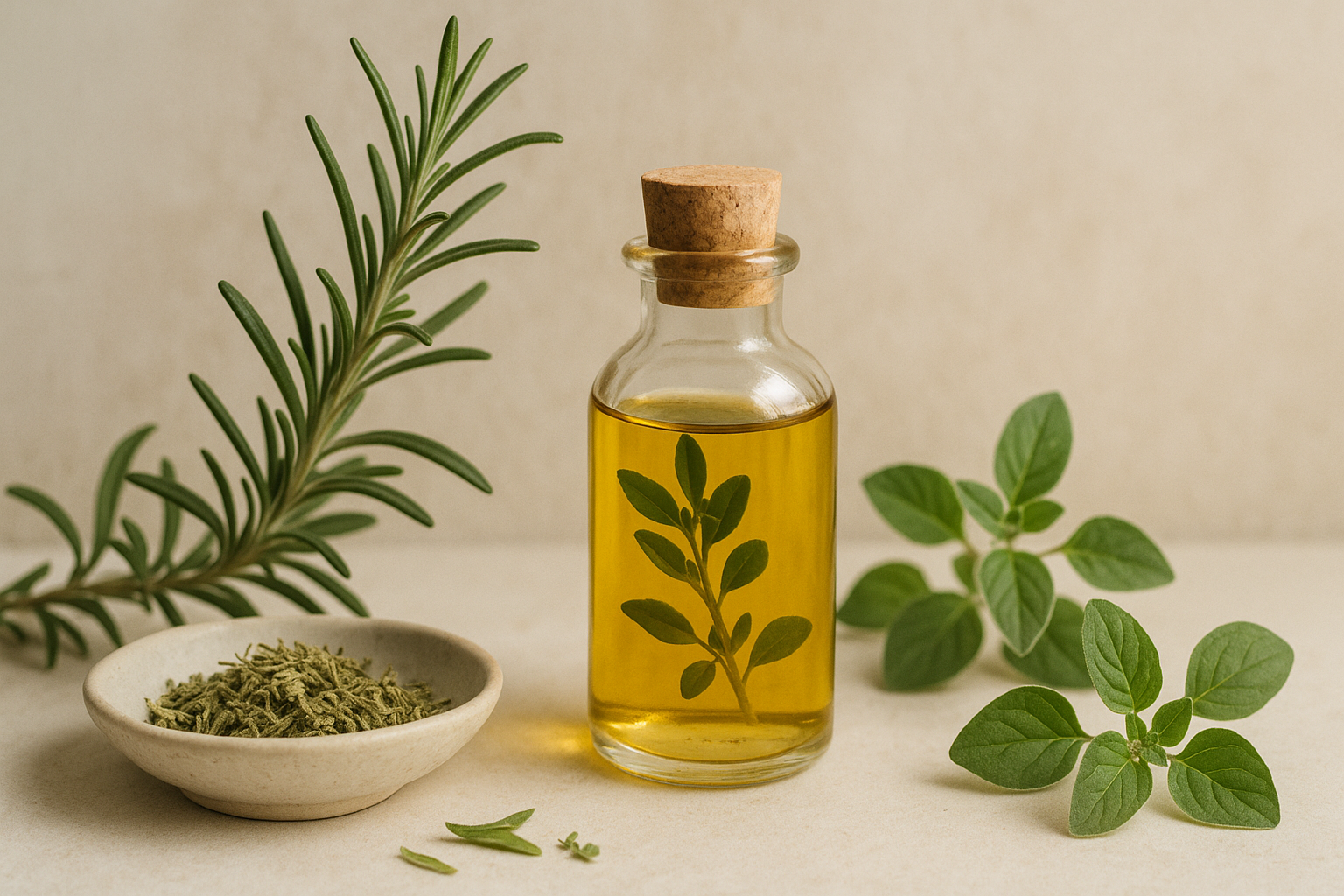
Explore the ancient practice of herbal oils within Ayurvedic medicine, their historical significance, applications, and modern insights.
What It Is
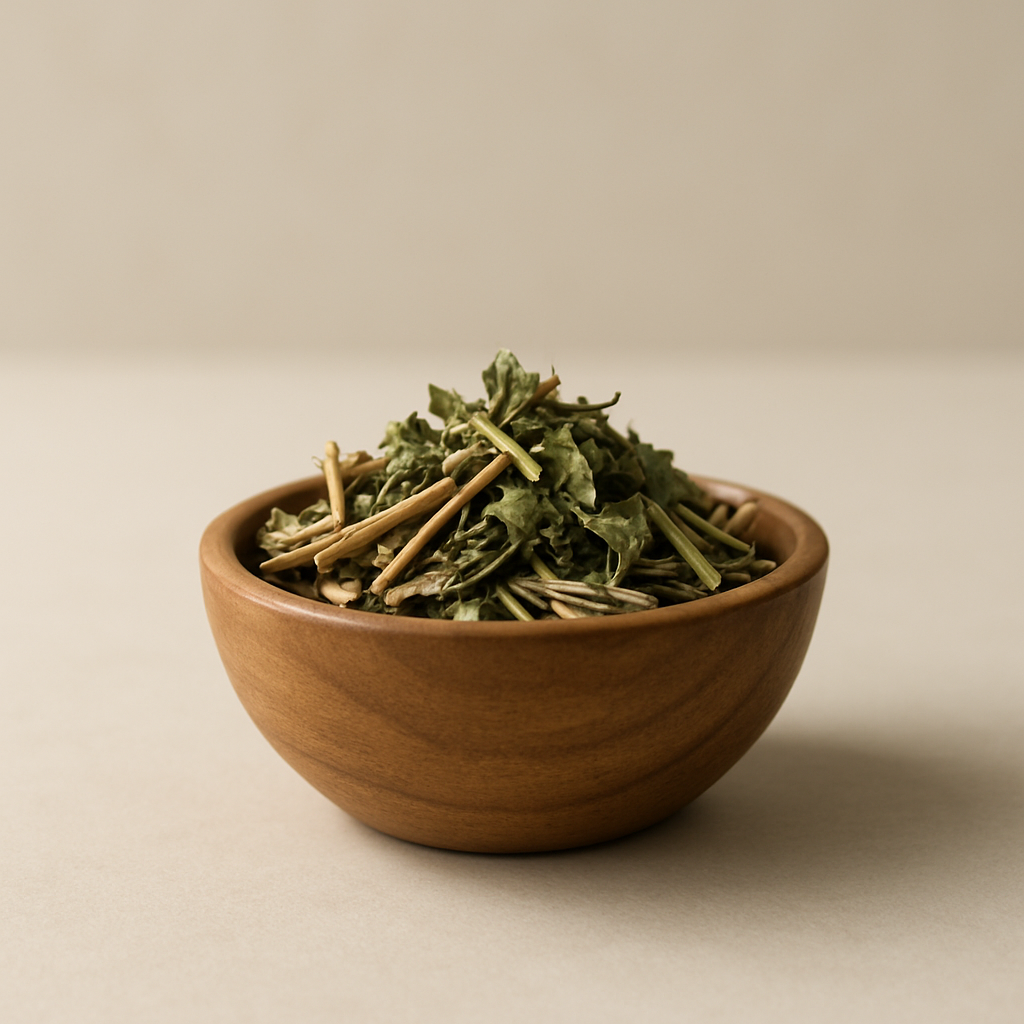
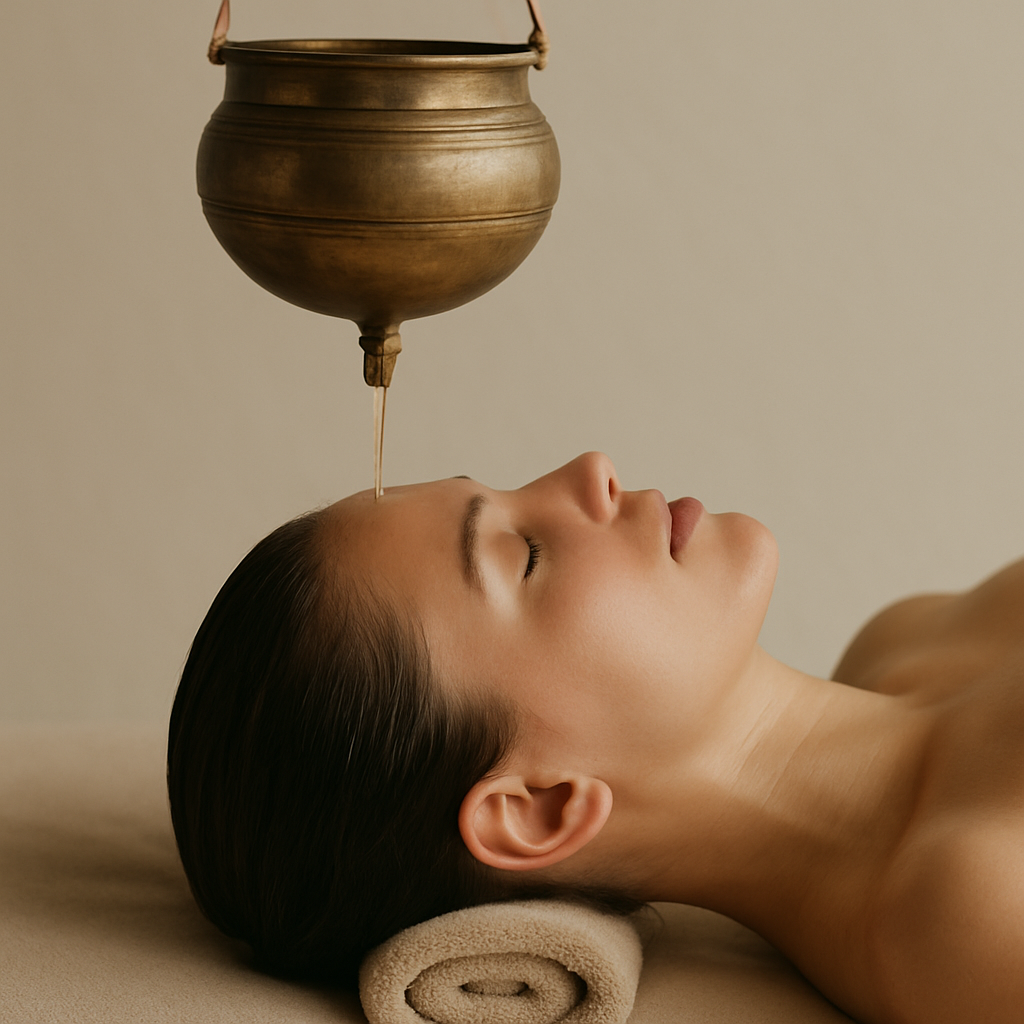
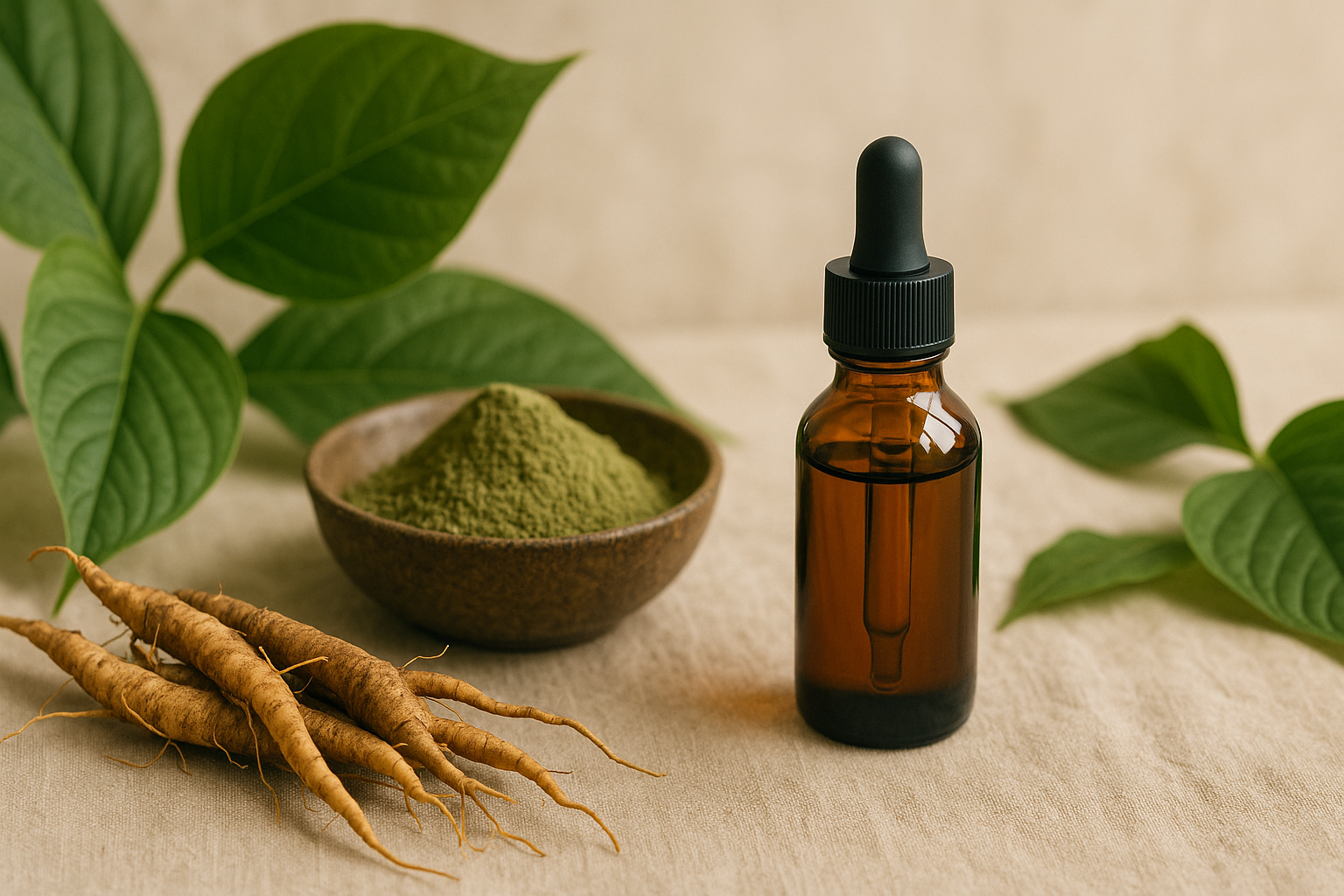
Herbal oils are concentrated extracts derived from various plants, herbs, and flowers, infused into a carrier oil. In Ayurvedic medicine, these oils are meticulously crafted to harness the therapeutic properties of the source botanicals. The process involves steeping the plant material in oil, allowing the beneficial compounds to be released and absorbed into the carrier. This creates a potent remedy that can be used for various purposes, including massage, skin care, and aromatherapy.
The practice of using herbal oils is deeply rooted in the principles of Ayurveda, which emphasizes balance and harmony within the body. By utilizing the unique properties of different herbs and their oils, practitioners aim to support the body's natural healing processes and promote overall well-being.
Historical Context Within Ayurvedic Medicine
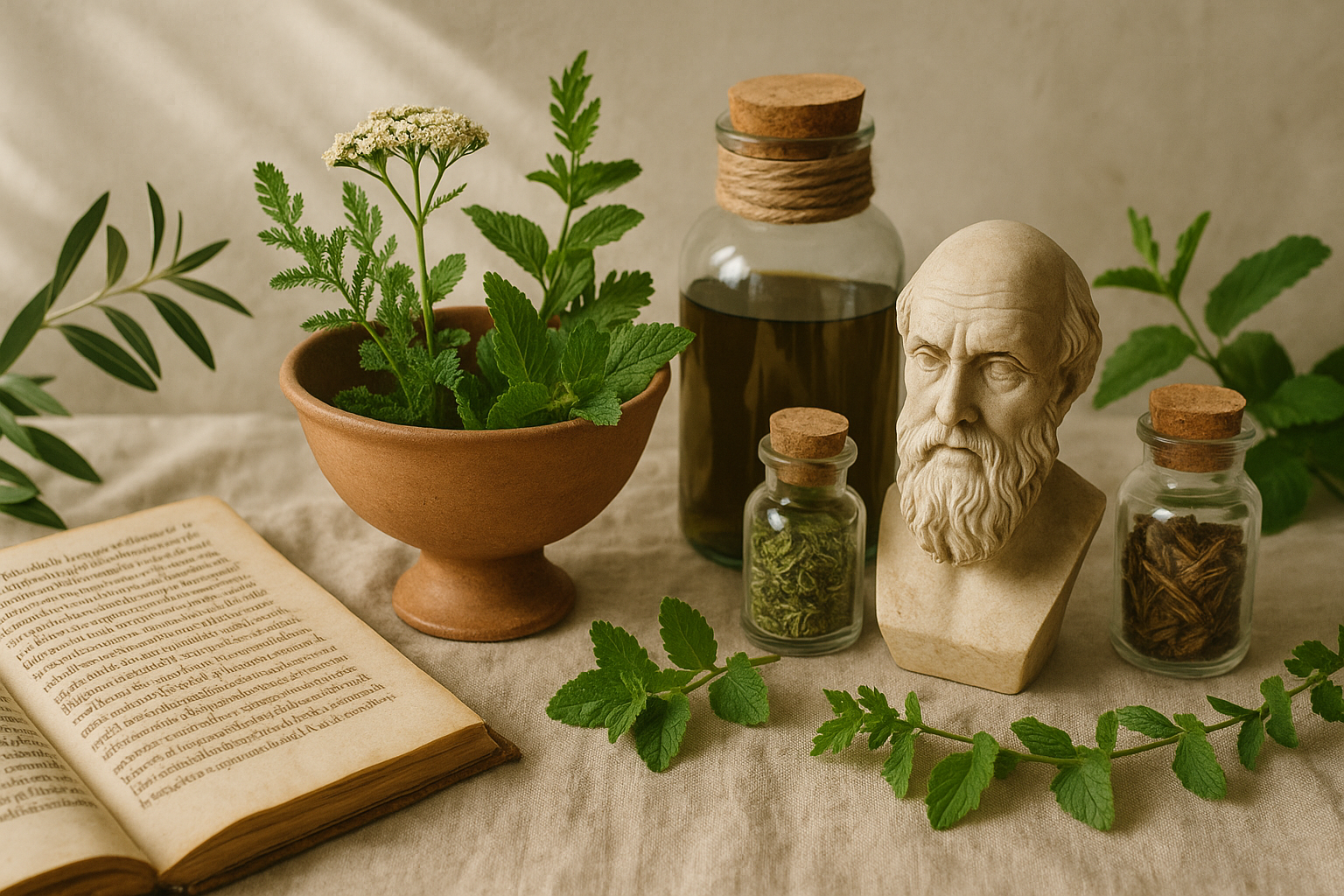
The use of herbal oils can be traced back thousands of years in Ayurvedic medicine, with roots in ancient Indian texts such as the Charaka Samhita and Sushruta Samhita. These texts detail the medicinal properties of various plants and the methods of preparing herbal formulations, including oils. Early Ayurvedic practitioners, known as vaidyas, established the foundational knowledge of herbal oils, documenting their uses and effects on health and vitality.
As Ayurveda developed over the centuries, the practice of creating herbal oils became more refined. By incorporating regional plants and local knowledge, different traditions of herbal oil preparation emerged, each contributing to the vast repertoire of Ayurvedic healing practices.
How It's Practiced
The practice of herbal oils in Ayurveda often involves the following steps:
- Selection of Herbs: A practitioner identifies the appropriate herbs based on an individual's dosha (bio-energy type) and specific health concerns.
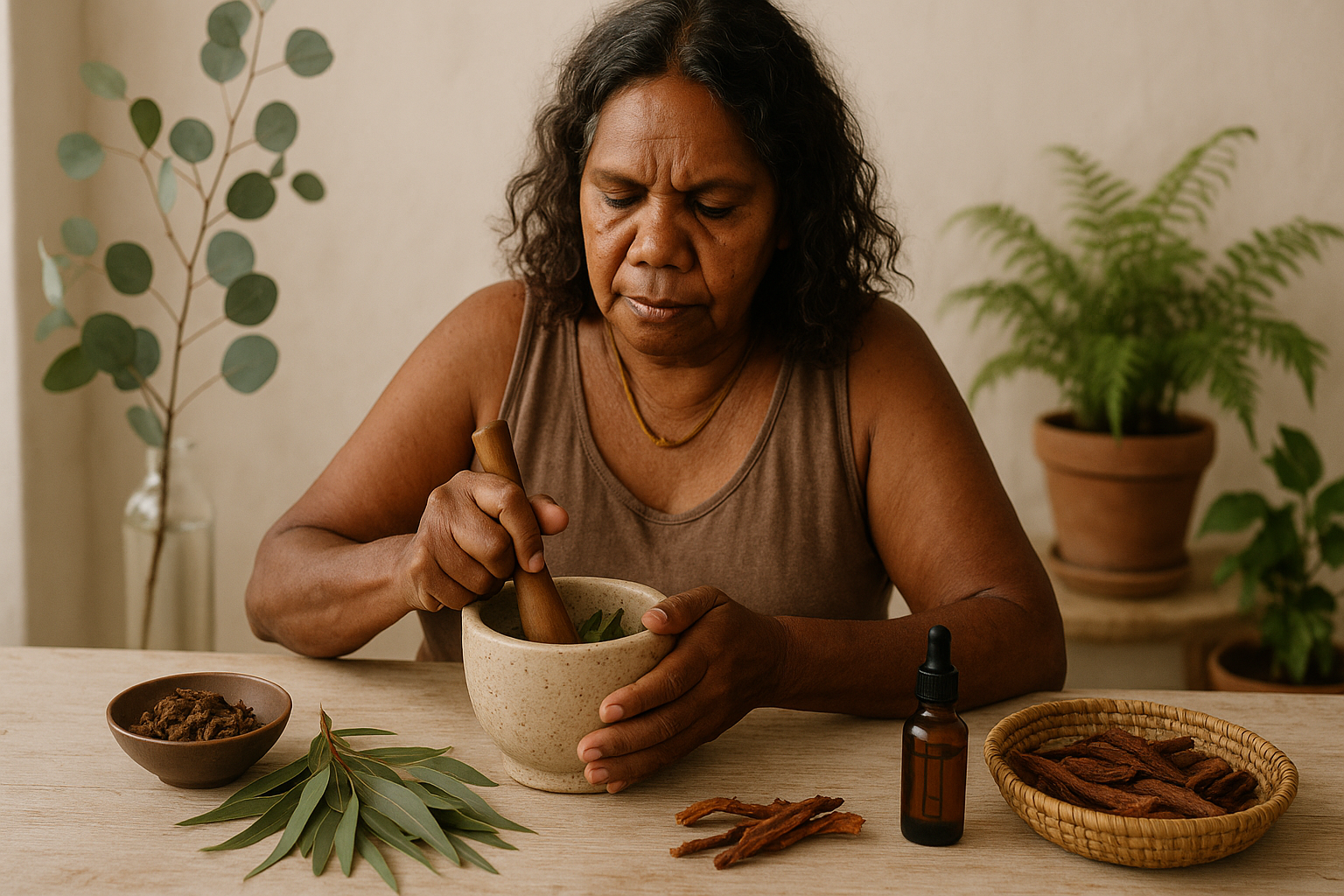
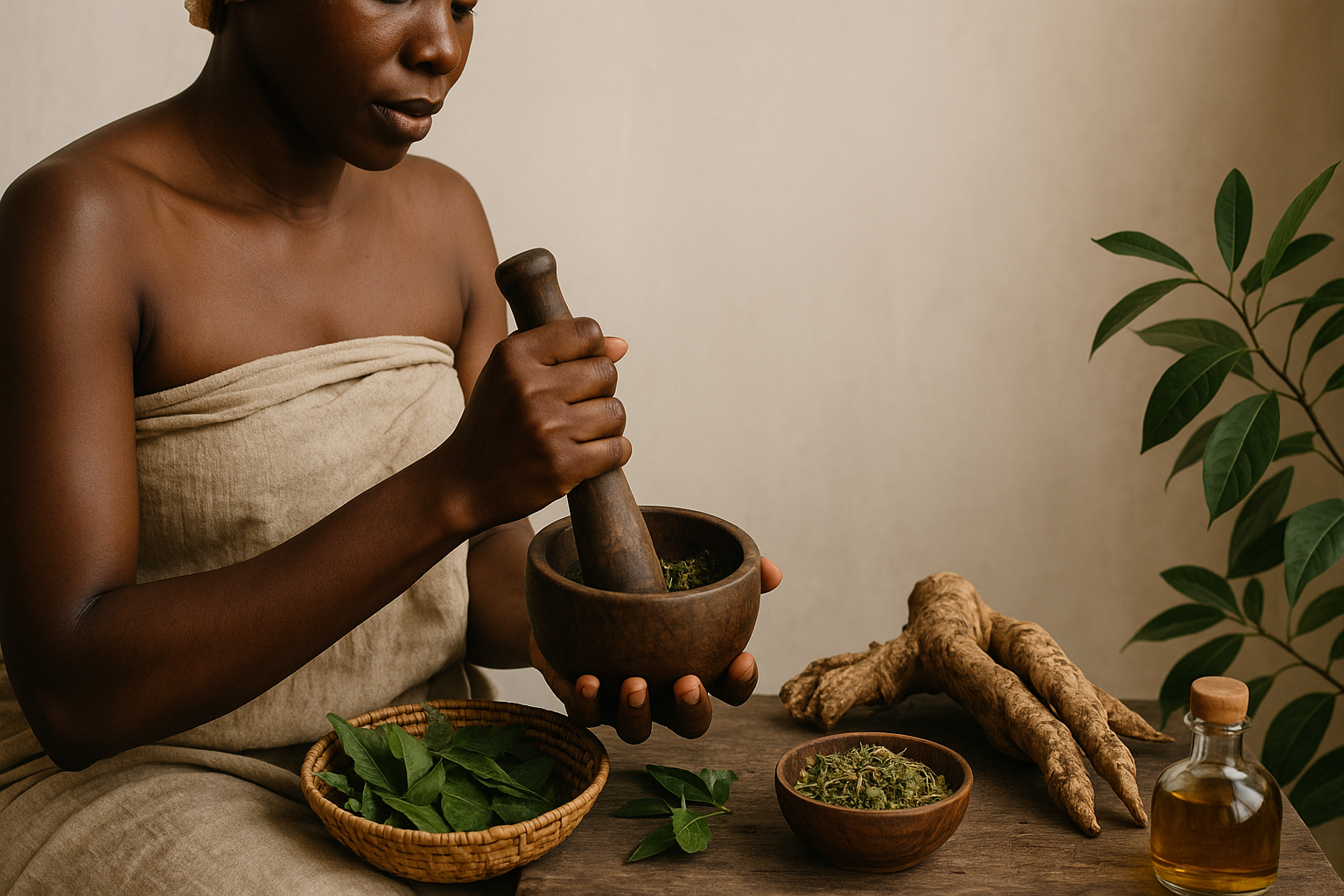
- Preparation: The selected herbs are combined with a carrier oil, such as sesame or coconut oil, and heated gently to infuse the oil with the herbs' properties.
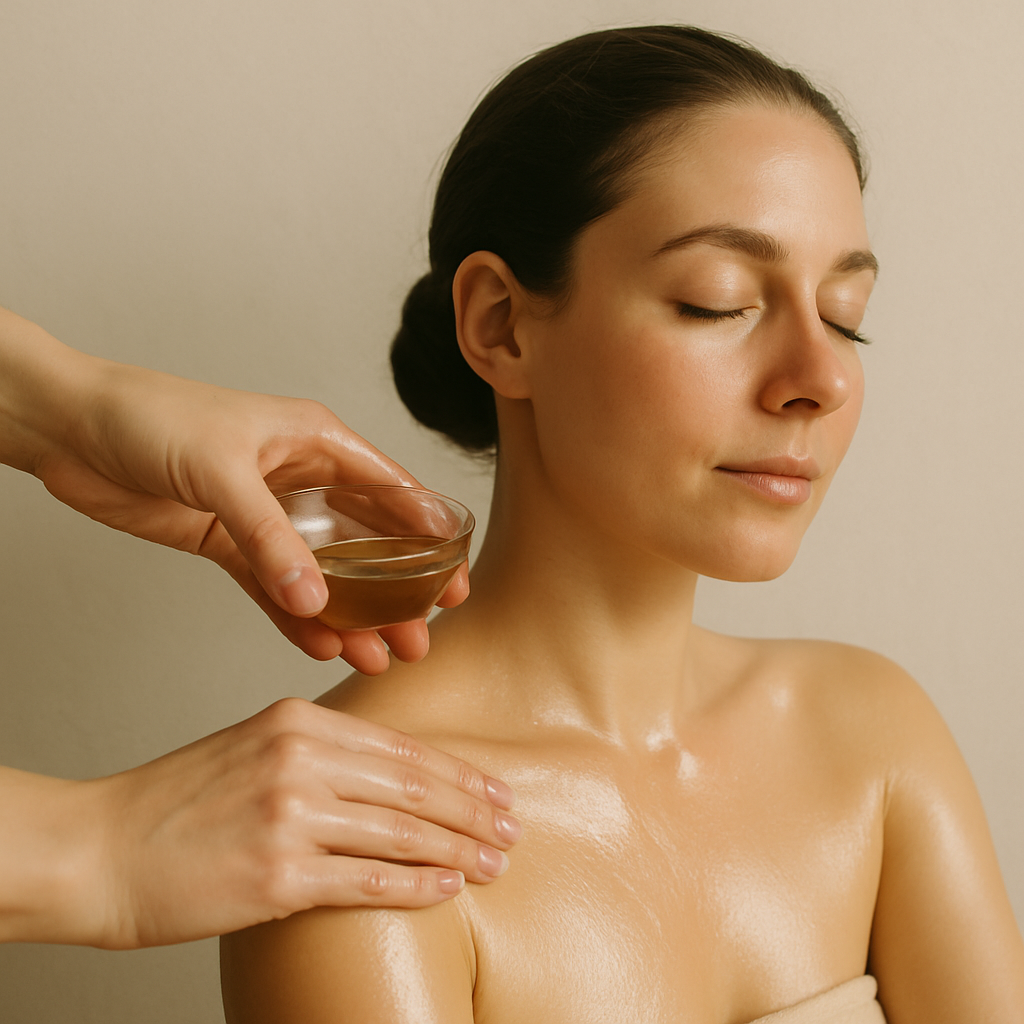
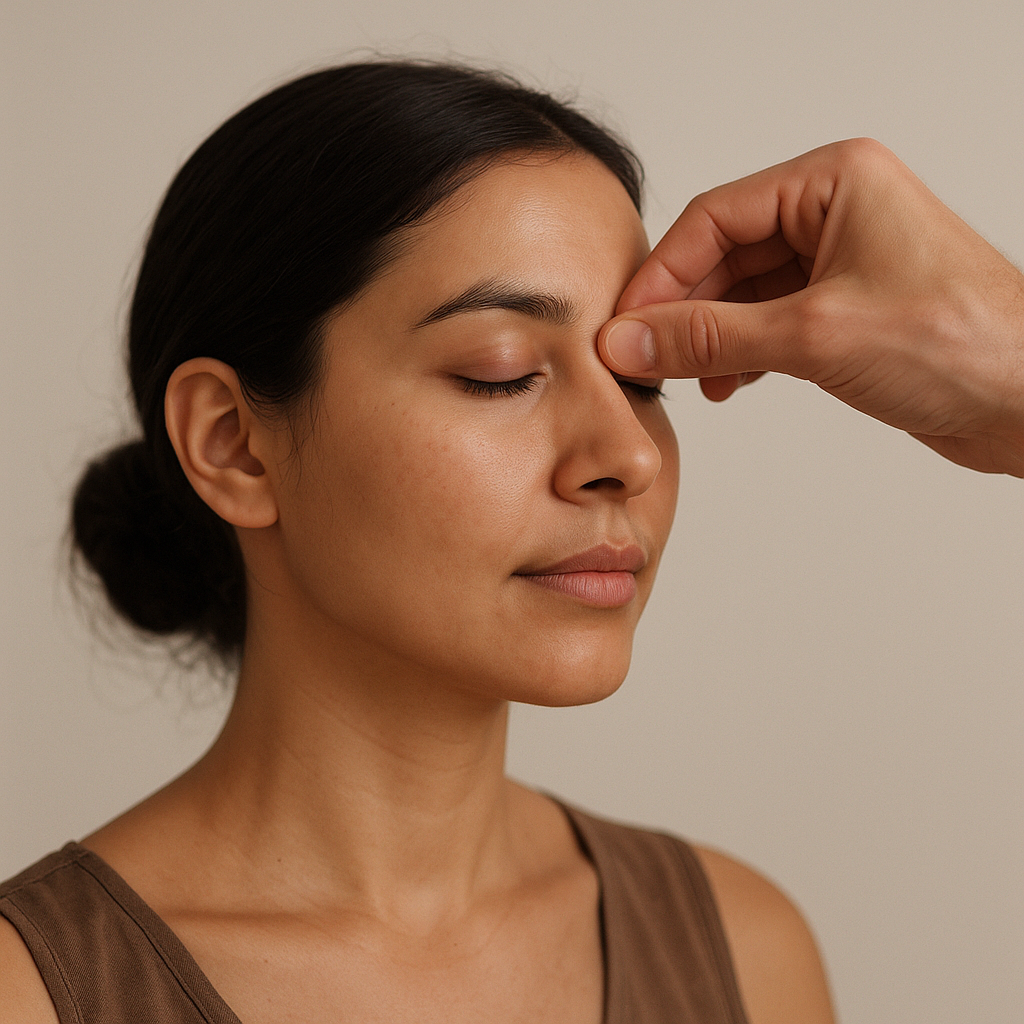
- Application: The herbal oil can be applied topically through massage, used in compresses, or inhaled as part of aromatherapy.
- Duration: The effects can vary based on the length of use, with some practitioners recommending regular application over time for optimal results.
What It Is Traditionally Explored For
Herbal oils are traditionally used for a variety of purposes in Ayurvedic medicine, including:
- Promoting relaxation: Many herbal oils are believed to have calming effects on the mind and body.
- Supporting skin health: Certain oils are used to nourish and rejuvenate the skin, addressing issues like dryness or irritation.
- Relieving muscle tension: Massage with herbal oils is commonly employed to alleviate soreness and promote circulation.
- Enhancing digestion: Some herbal oils are integrated into dietary practices to support digestive functions.
What Modern Research Suggests
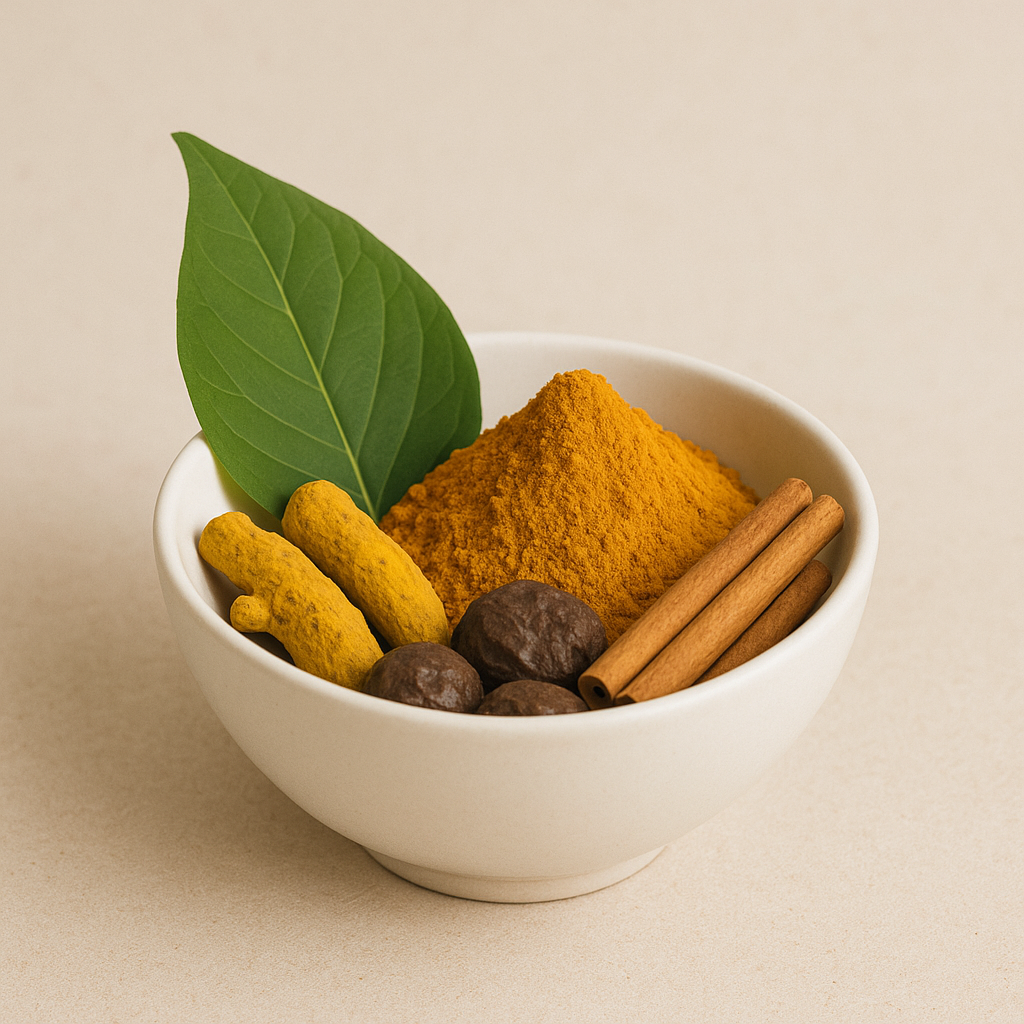
Modern research has begun to explore the benefits of herbal oils, providing insights into their efficacy. Preliminary studies suggest that certain herbal oils may possess anti-inflammatory, antimicrobial, and antioxidant properties. For instance, oils derived from herbs like turmeric and neem have been investigated for their potential to improve skin conditions and support immune function.
However, it is essential to approach these findings with caution. Much of the research is still in its early stages, and while promising, it does not yet provide conclusive evidence for all claims made in traditional practices. More comprehensive clinical studies are necessary to validate the therapeutic effects of various herbal oils fully.
Safety, Contraindications & Who Should Skip
While herbal oils are generally considered safe for topical use, some precautions should be observed:
- Individuals with known allergies to specific plants should avoid those corresponding oils.
- Pregnant or breastfeeding women should consult a qualified practitioner before using herbal oils, as some may not be safe during these stages.
- Those with sensitive skin or existing skin conditions should perform a patch test before applying a new oil.
- It is advisable to consult with a healthcare provider if you have underlying health conditions or are taking medications to avoid potential interactions.
Pairs Well With (within Ayurvedic Medicine and across pillars)
Herbal oils can complement various Ayurvedic practices and ingredients, including:
- Aromatherapy: Combining herbal oils with essential oils to enhance therapeutic effects.
- Massage Therapy: Integrating herbal oils into traditional Ayurvedic massage techniques (Abhyanga).
- Herbal Infusions: Using herbal teas or powders alongside oils for a holistic approach.
- Yoga and Meditation: Enhancing relaxation and mindfulness practices with aromatic oils.
How to Find a Qualified Practitioner
To find a qualified practitioner who specializes in herbal oils within Ayurvedic medicine, consider the following steps:
- Look for certified Ayurvedic practitioners who have undergone formal training in Ayurvedic medicine.
- Check for credentials from recognized institutions or organizations related to Ayurveda.
- Seek recommendations from trusted sources or communities that focus on holistic health.
- Schedule a consultation to discuss your needs and ensure that the practitioner’s approach aligns with your health goals.
FAQs (5)
- What are herbal oils used for? Herbal oils are traditionally used for relaxation, skin health, muscle relief, and digestive support.
- Are herbal oils safe for everyone? While generally safe, individuals with allergies, pregnant women, and those with sensitive skin should exercise caution.
- How are herbal oils prepared? Herbal oils are prepared by infusing plant materials into a carrier oil through gentle heating.
- Can I use herbal oils for massage? Yes, herbal oils are commonly used in Ayurvedic massage to promote relaxation and relieve muscle tension.
- Is there scientific evidence supporting herbal oils? Some studies suggest beneficial properties of certain herbal oils, but more research is needed for conclusive evidence.
Frequently asked
What are herbal oils used for?
Herbal oils are traditionally used for relaxation, skin health, muscle relief, and digestive support.
Are herbal oils safe for everyone?
While generally safe, individuals with allergies, pregnant women, and those with sensitive skin should exercise caution.
How are herbal oils prepared?
Herbal oils are prepared by infusing plant materials into a carrier oil through gentle heating.
Can I use herbal oils for massage?
Yes, herbal oils are commonly used in Ayurvedic massage to promote relaxation and relieve muscle tension.
Is there scientific evidence supporting herbal oils?
Some studies suggest beneficial properties of certain herbal oils, but more research is needed for conclusive evidence.