Rasayana
Rasayana is an ancient Ayurvedic practice focused on rejuvenation and vitality, aimed at promoting health and longevity. Discover its historical context, traditional uses, modern research, and safety tips.
Explore the ancient Ayurvedic practice of Rasayana, a rejuvenation therapy aimed at promoting longevity and vitality. Learn about its historical roots, traditional applications, and modern research insights, along with safety considerations and ways to find qualified practitioners.
What It Is
Rasayana, a significant branch of Ayurvedic medicine, is often referred to as the science of rejuvenation. The term itself is derived from Sanskrit, where "Rasa" means essence or juice, and "Ayana" translates to pathway or process. Together, Rasayana represents the practices and formulations aimed at restoring youthfulness, enhancing vitality, and promoting overall well-being.
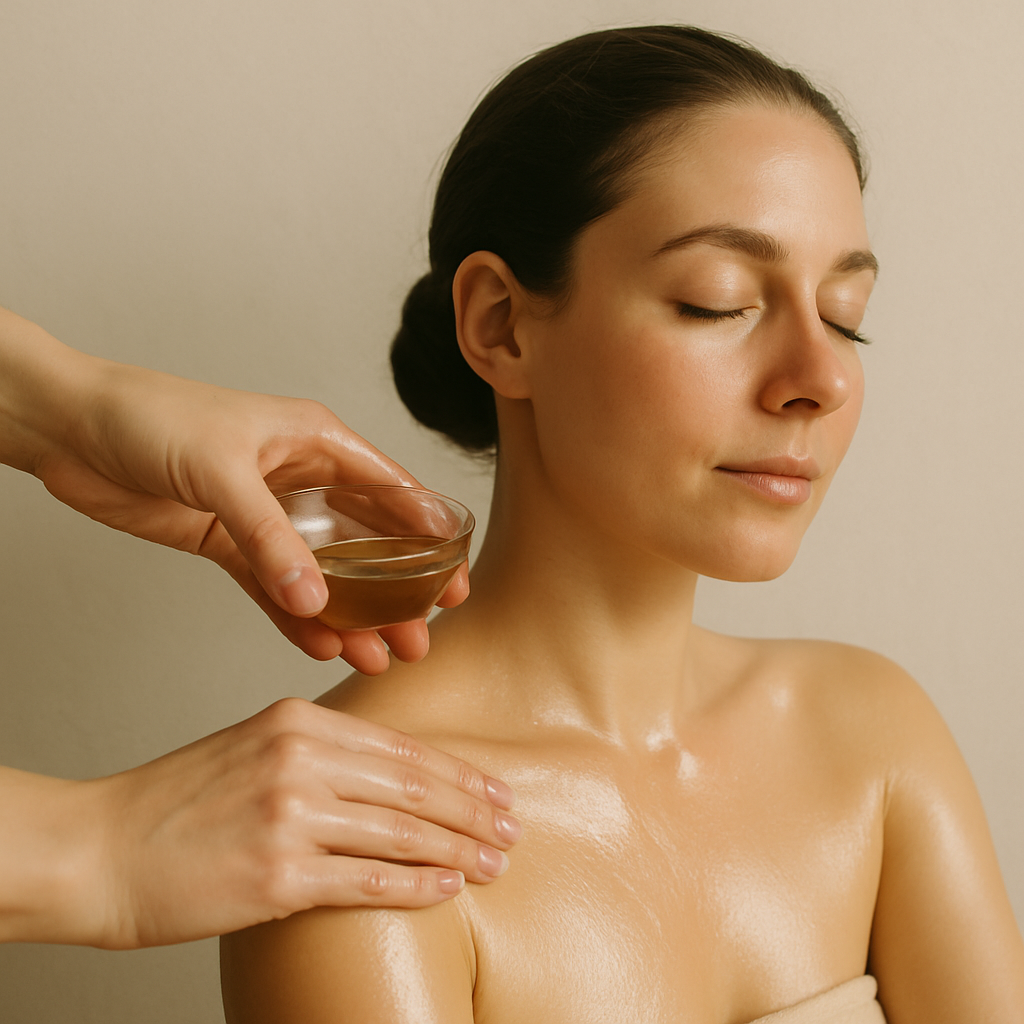
This approach encompasses a range of therapies, dietary practices, and herbal formulations designed to strengthen the body, improve digestion, and enhance the immune system. Rasayana not only focuses on physical rejuvenation but also addresses mental and spiritual well-being, promoting a holistic sense of health.
Historical Context Within Ayurvedic Medicine
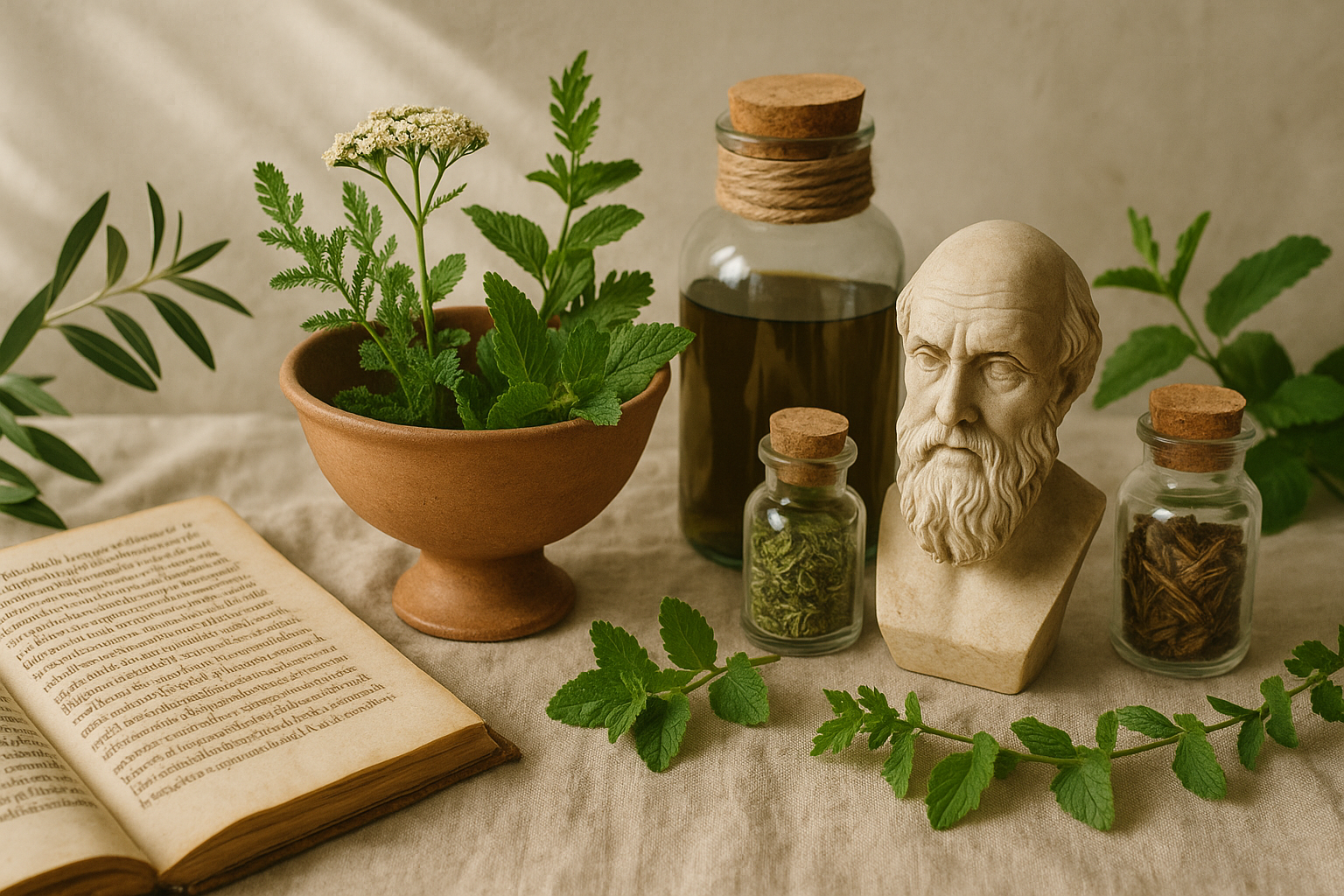
The roots of Rasayana can be traced back to ancient texts of Ayurveda, particularly the Charaka Samhita, which is over two thousand years old. It was systematically developed by sage Charaka, who emphasized the importance of rejuvenation in maintaining health, prolonging life, and preventing disease.
Throughout history, Rasayana has been a cornerstone of Ayurvedic practice, embraced by practitioners and scholars alike for its profound implications on health and longevity. It reflects the Ayurvedic philosophy that considers the body, mind, and spirit as interconnected elements of a single entity.
How It's Practiced
The practice of Rasayana typically involves a comprehensive approach to rejuvenation, which may include:
- Dietary Adjustments: Incorporating nourishing, whole foods that are easily digestible and rich in nutrients.
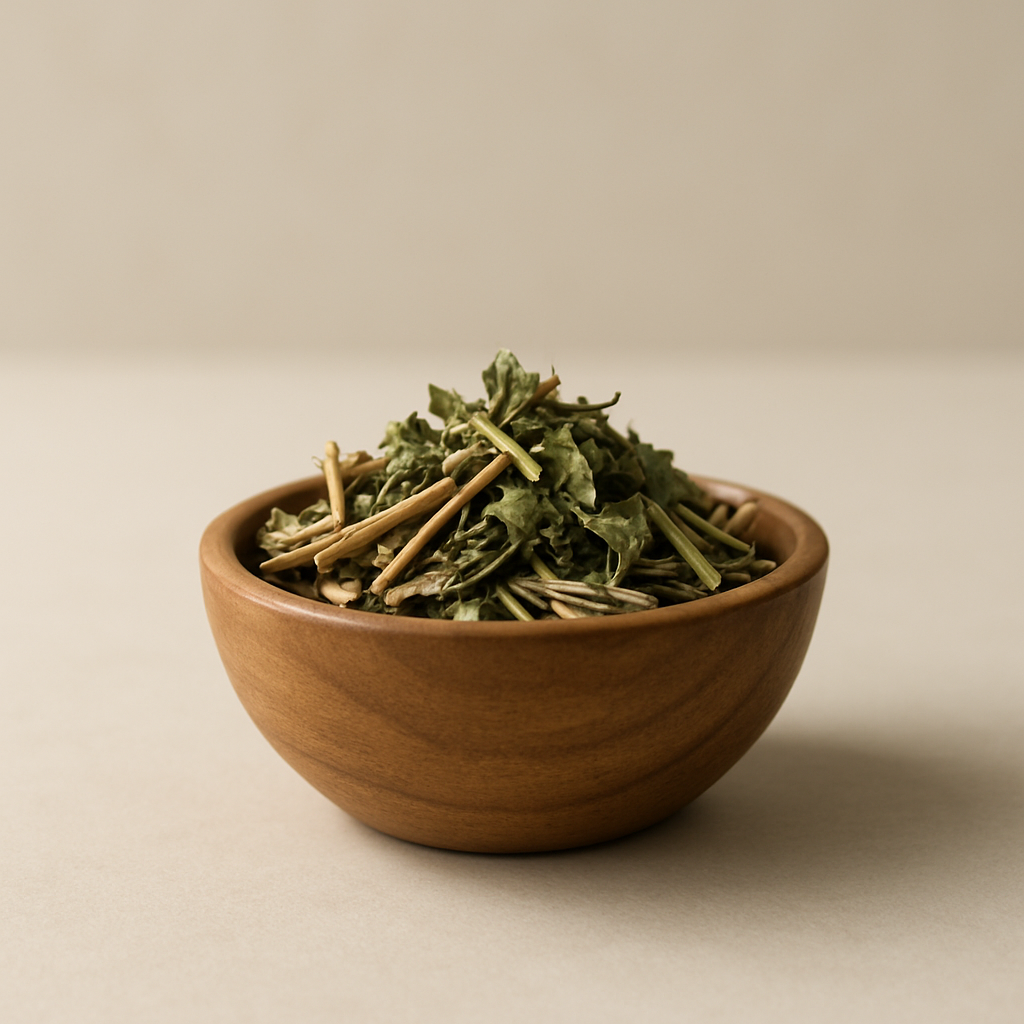
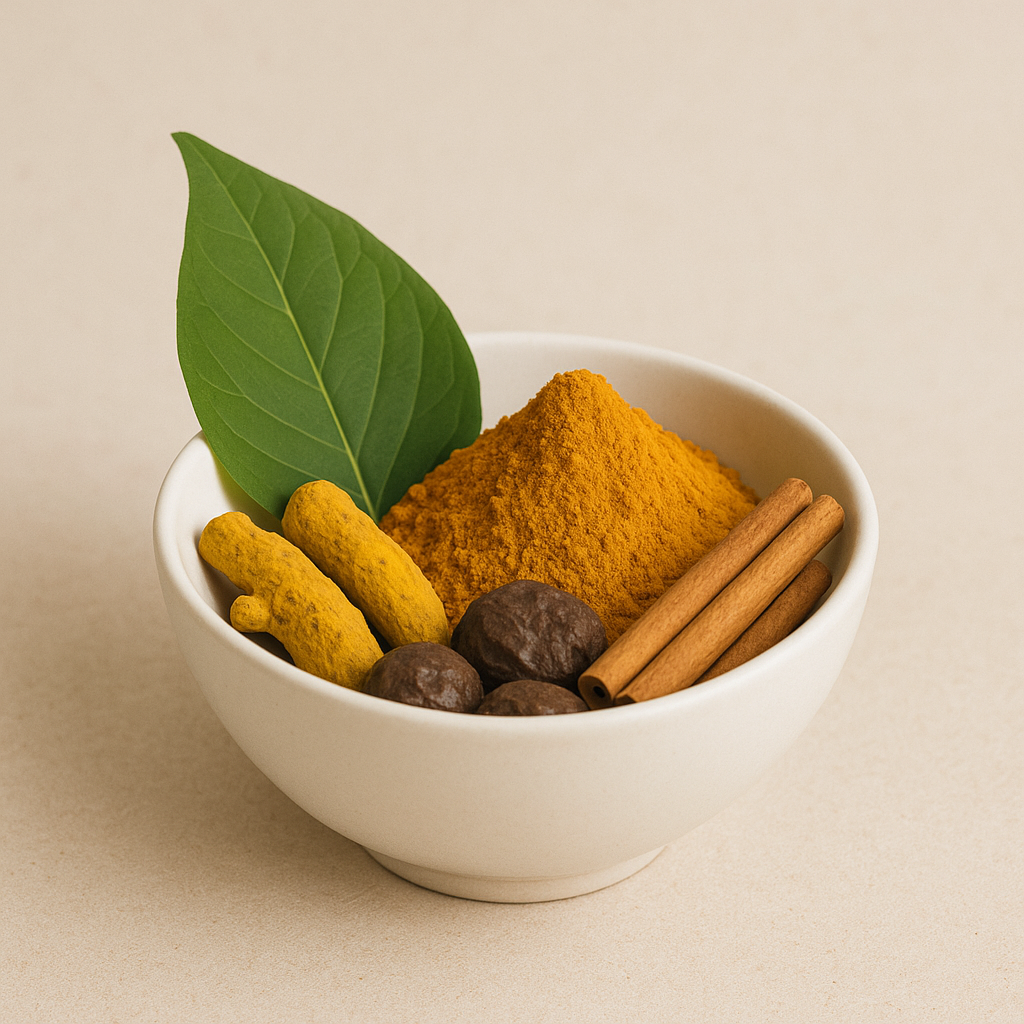
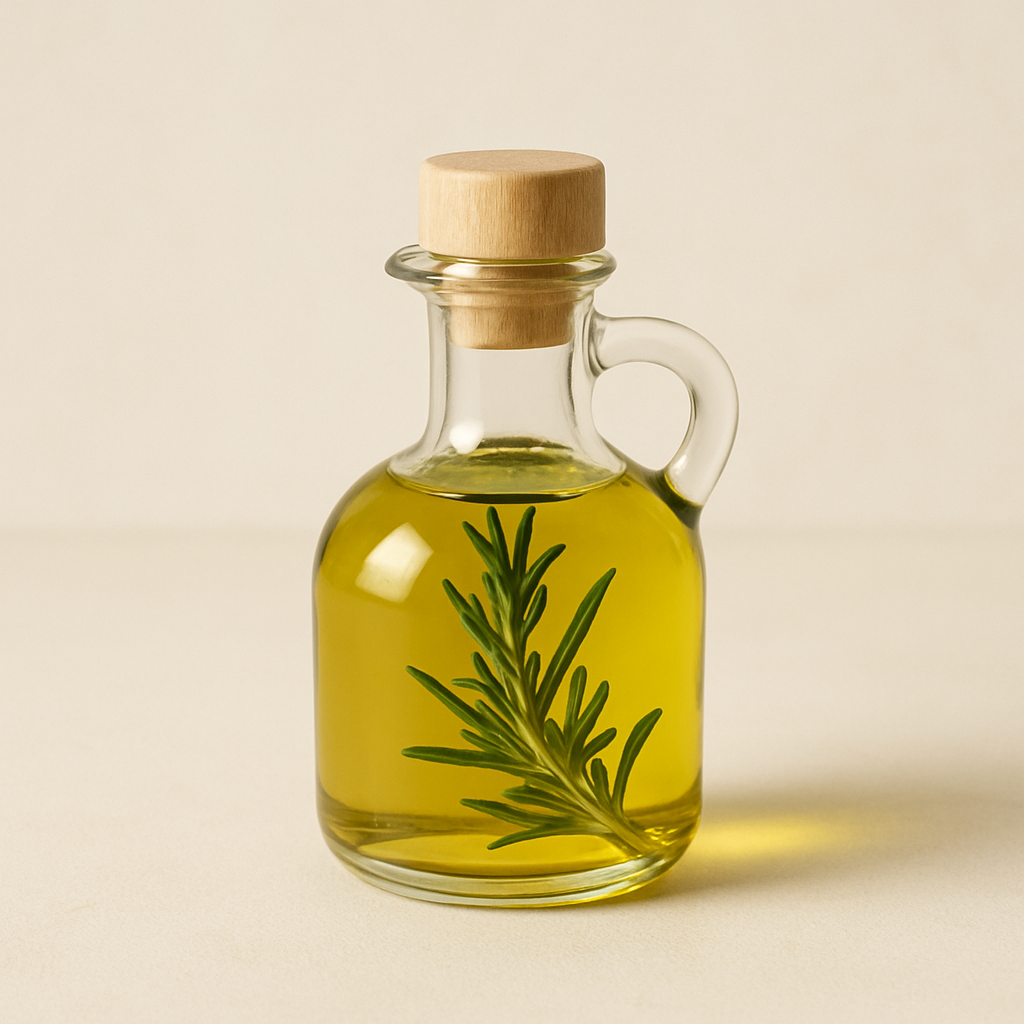
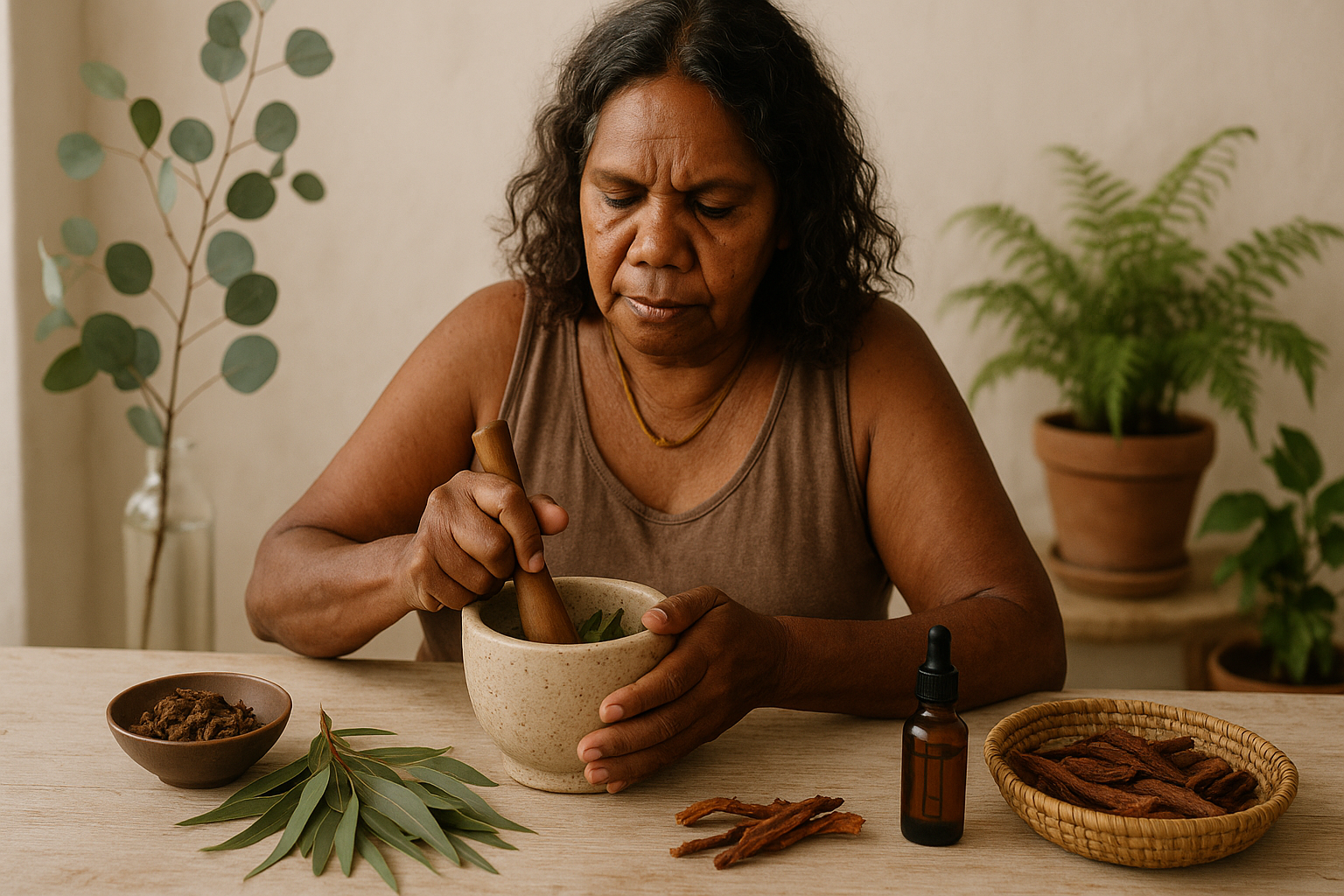
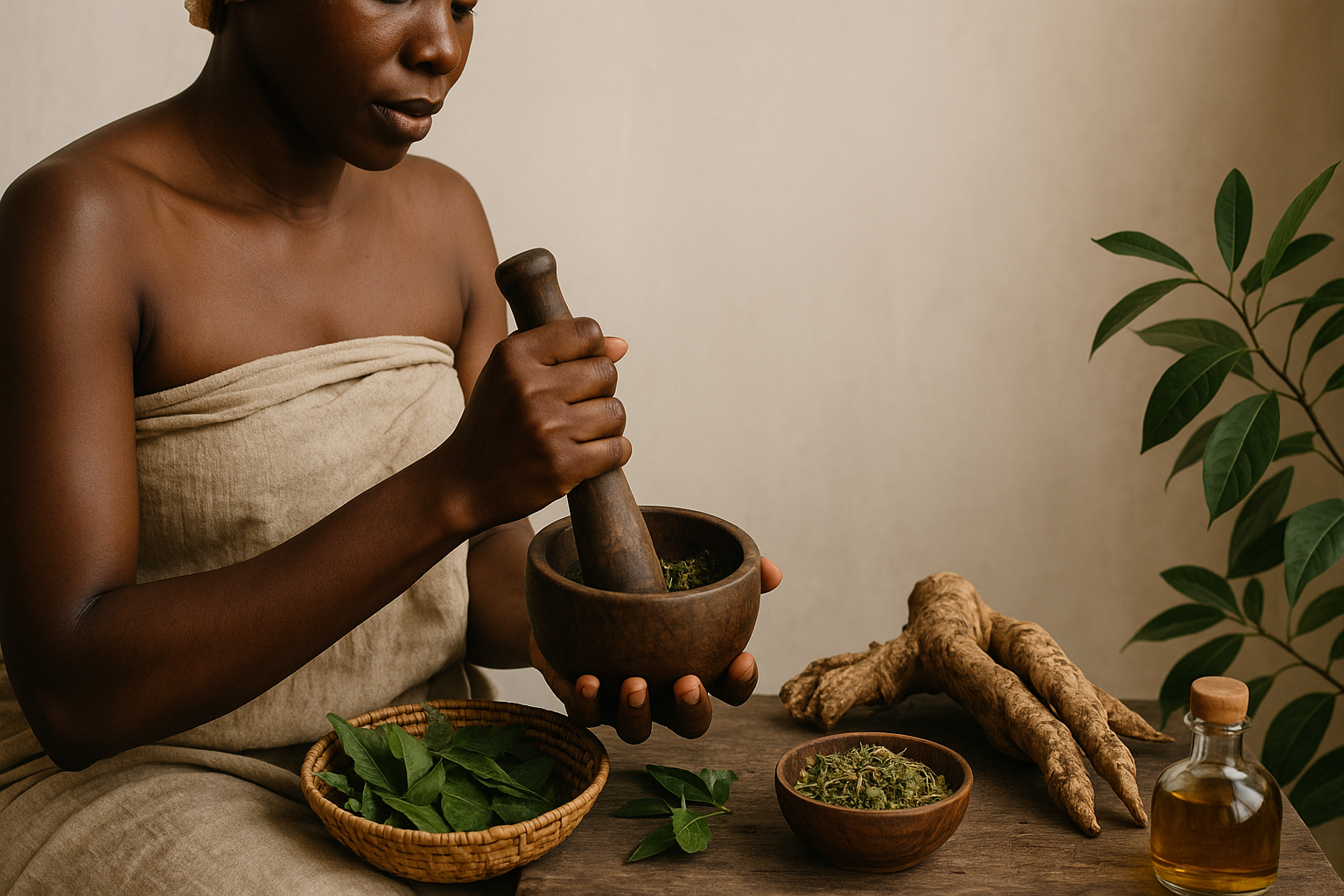
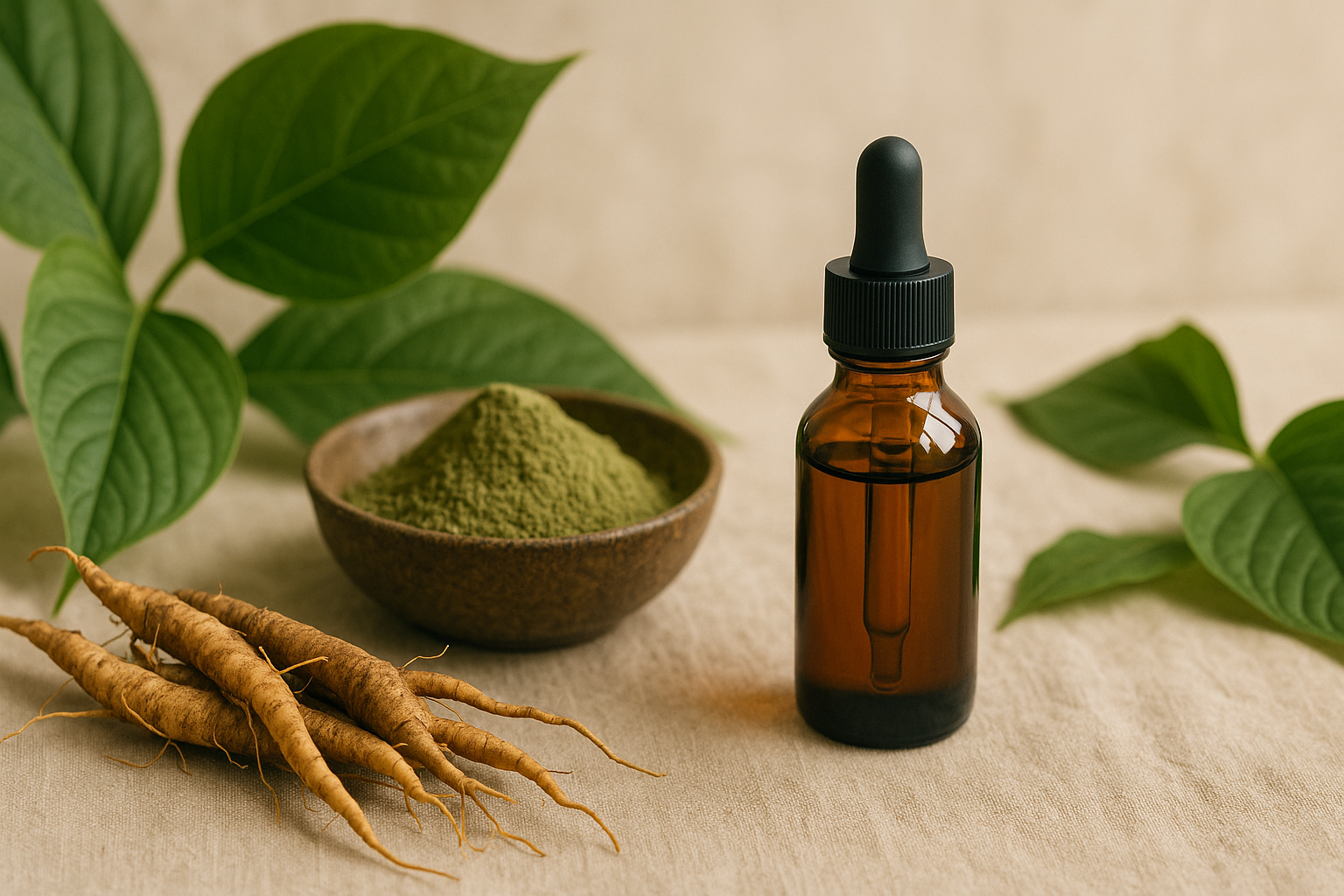
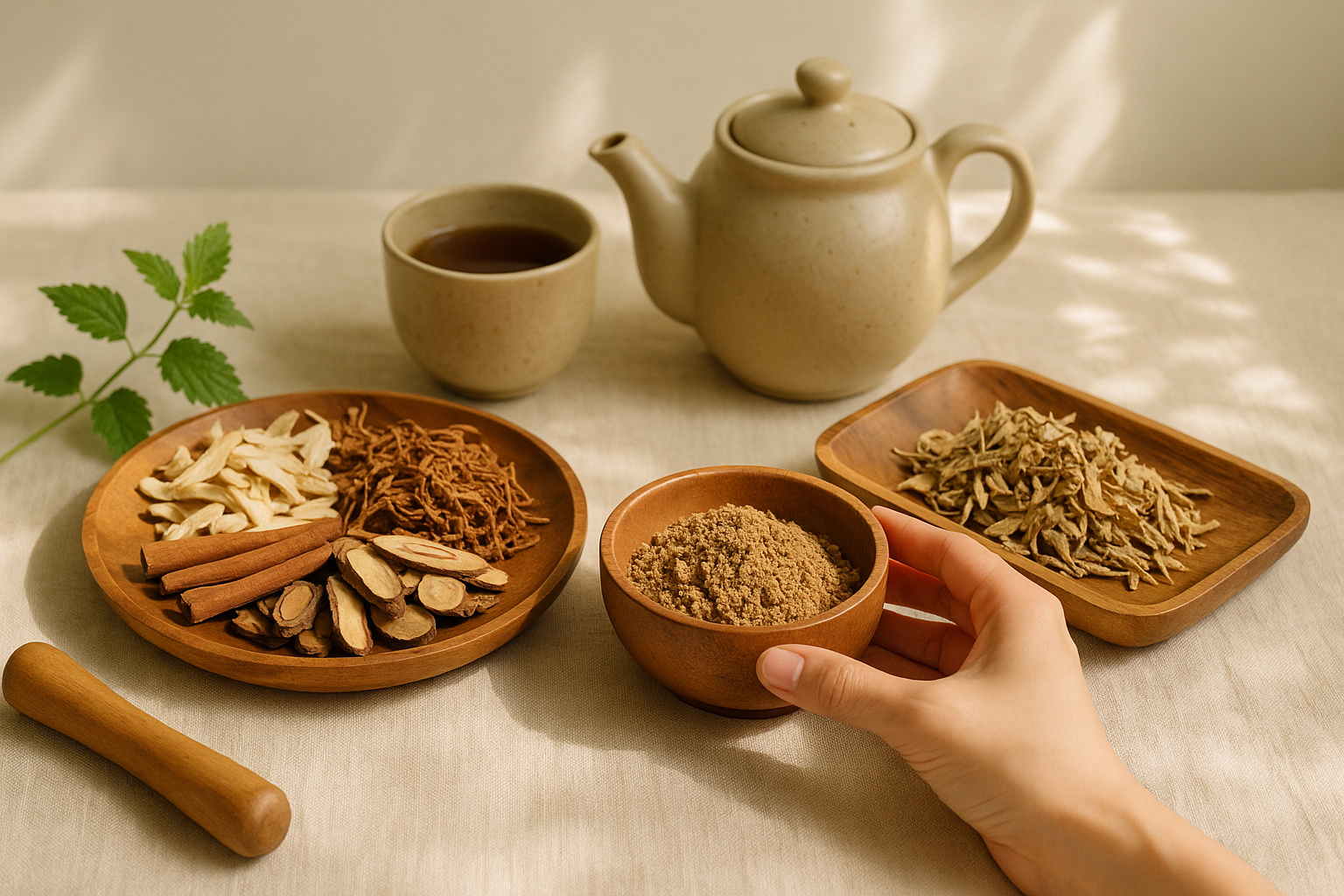
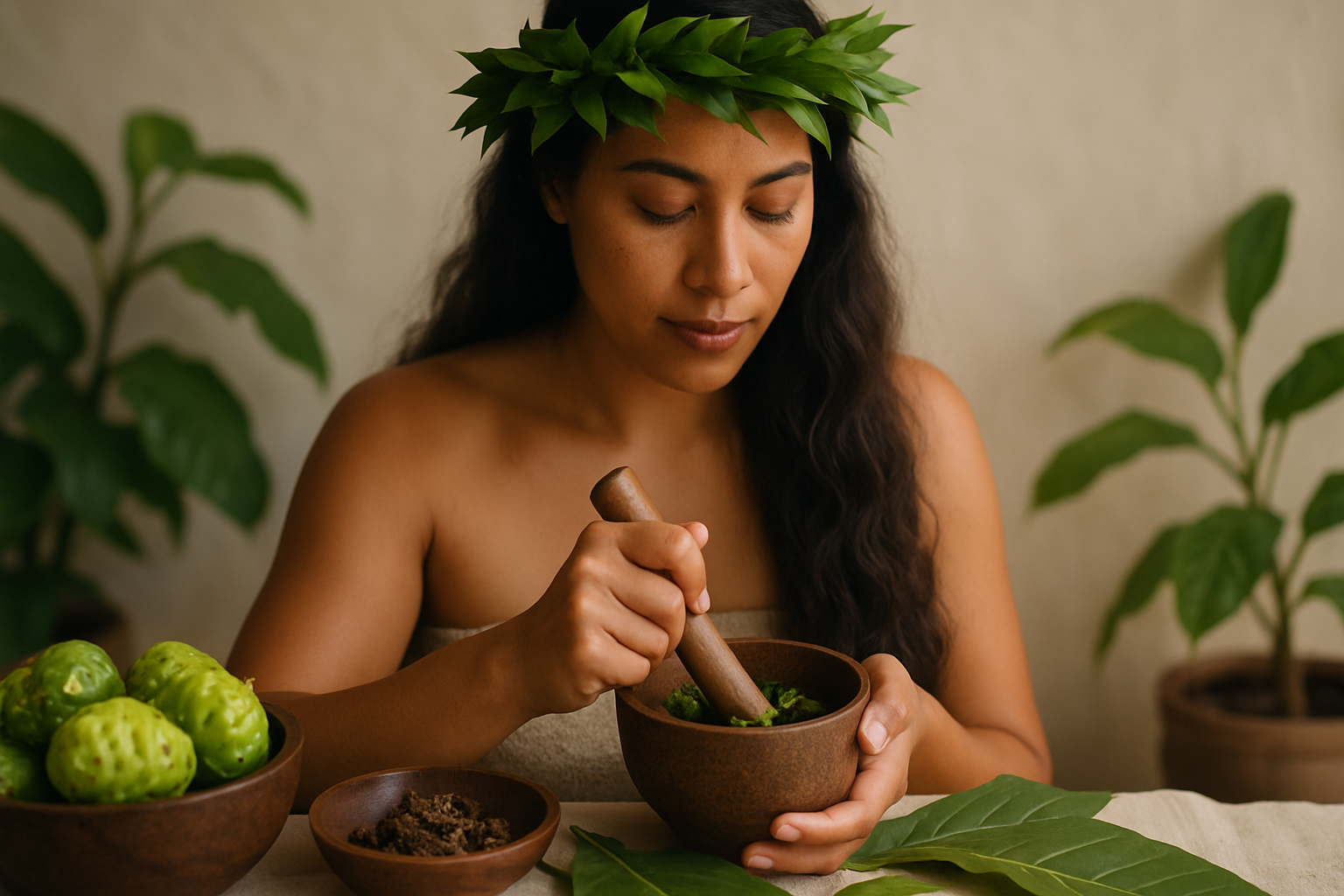
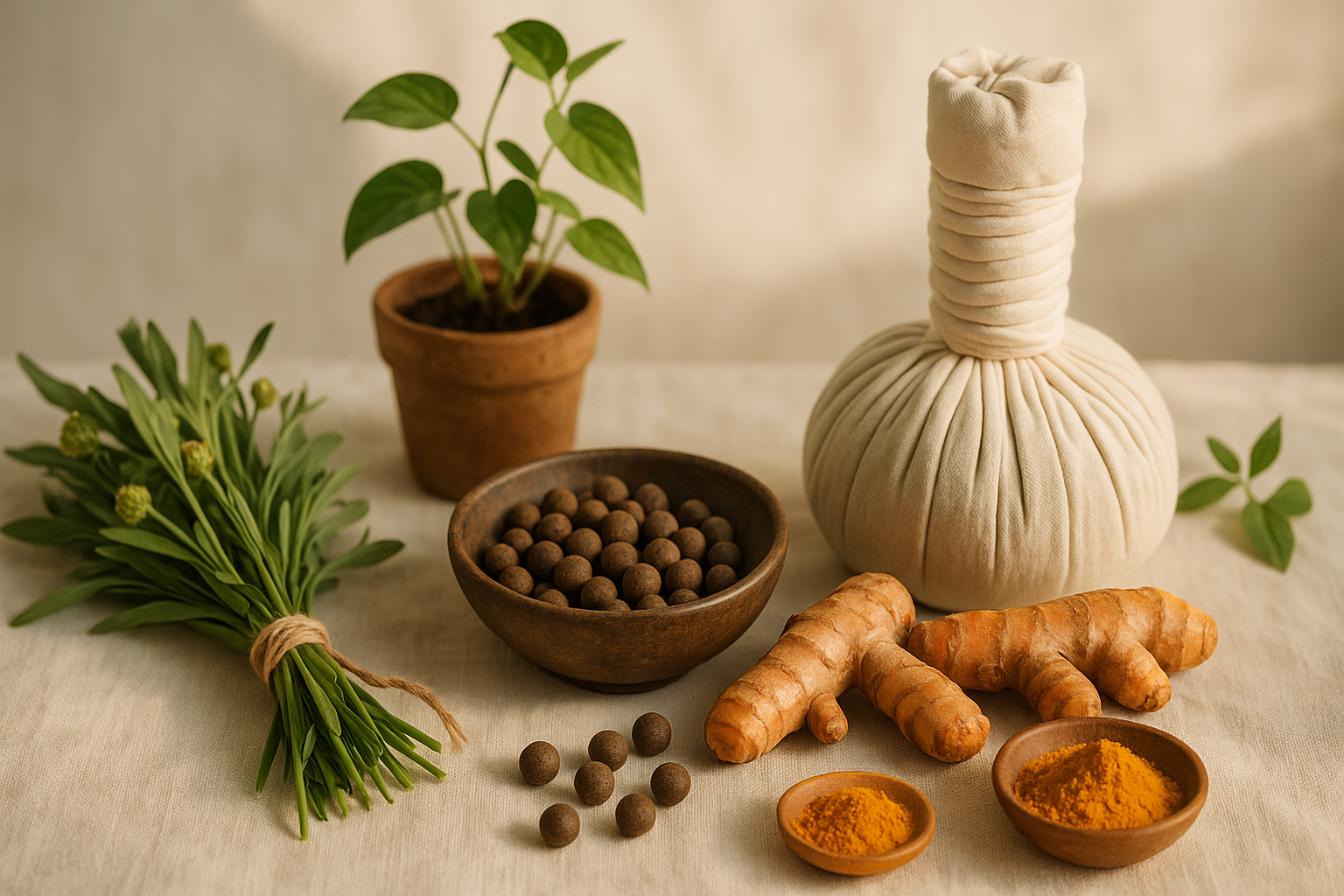
- Herbal Formulations: Utilizing specific herbs known for their rejuvenating properties, such as Ashwagandha, Amalaki, and Shatavari.
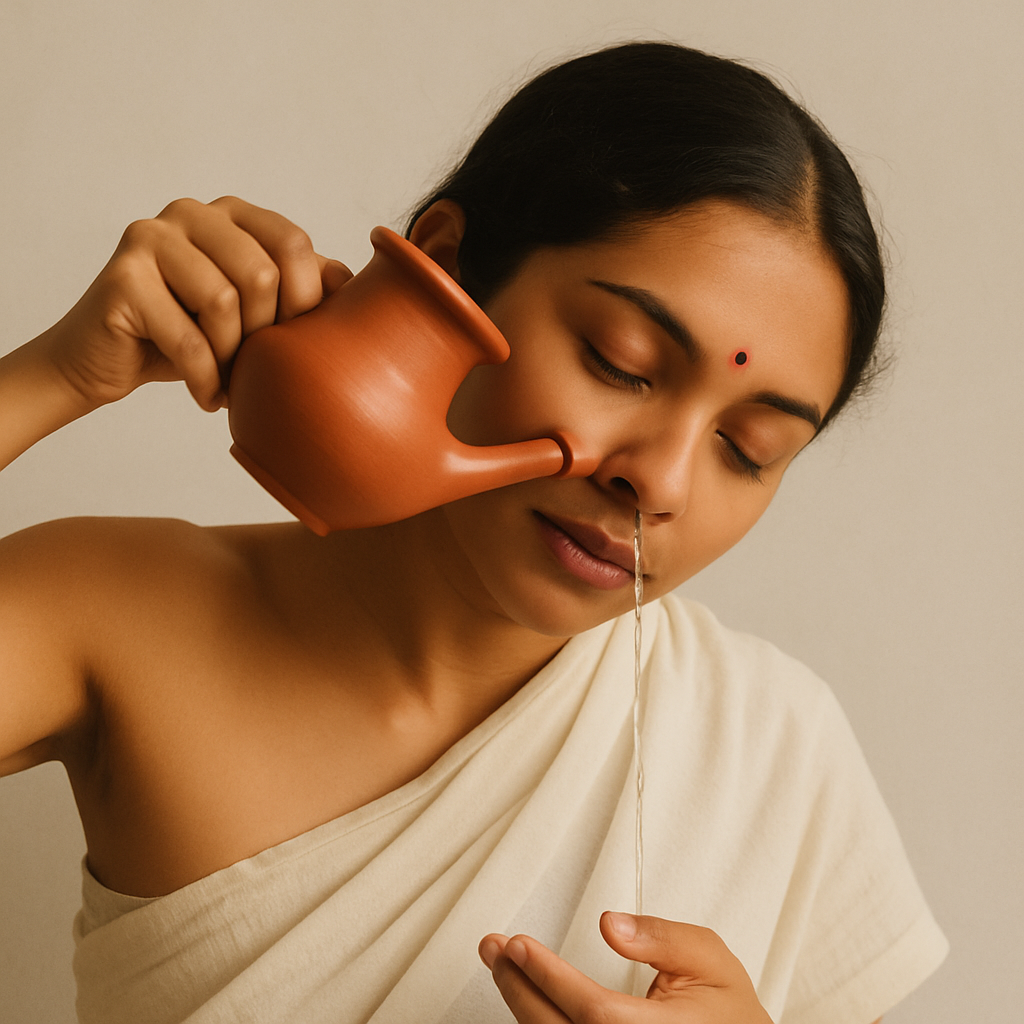
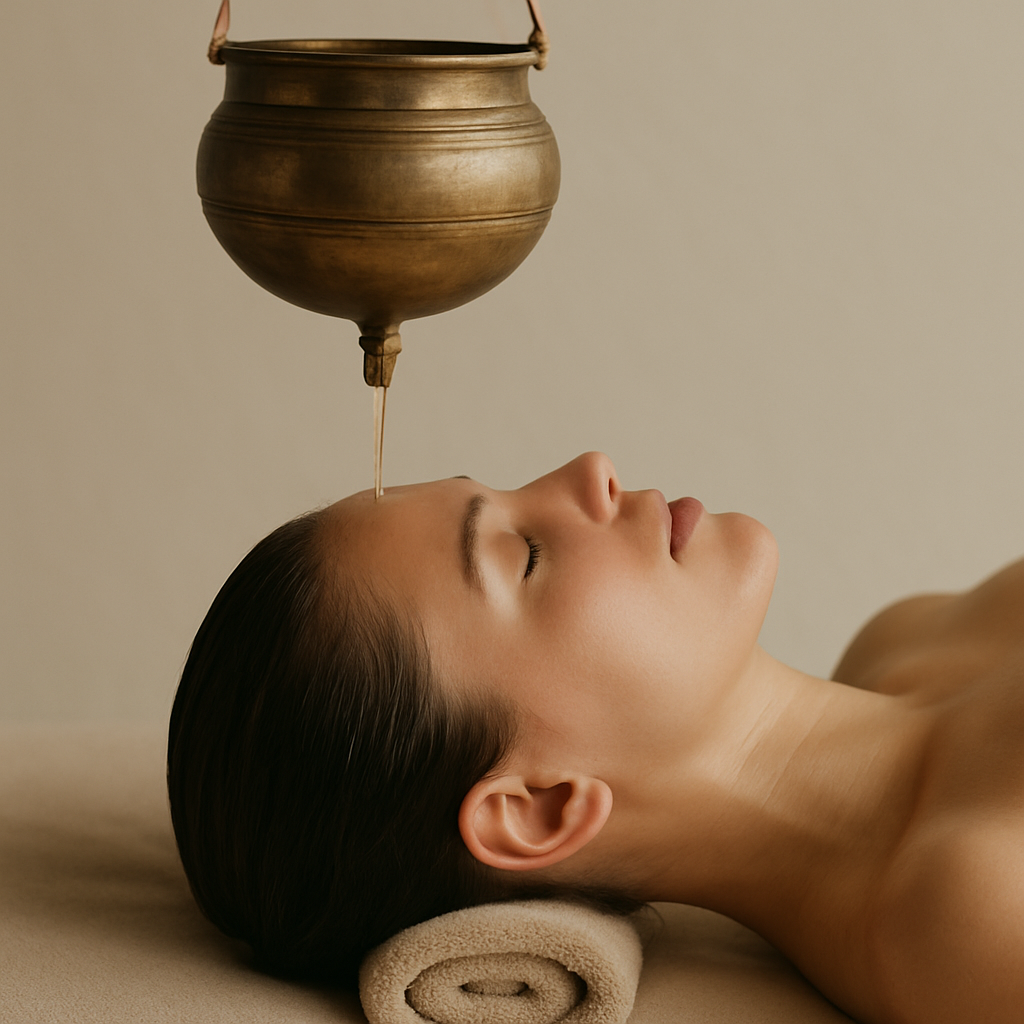
- Detoxification: Engaging in cleansing practices to may help with toxins from the body, often through panchakarma, a series of therapeutic processes.
- Meditation and Yoga: Incorporating mindfulness practices to enhance mental clarity, emotional stability, and spiritual well-being.
- Daily Routines: Following a consistent daily regimen (Dinacharya) that aligns with natural rhythms to promote health and longevity.
What It Is Traditionally Explored For
Rasayana is traditionally used for a variety of purposes, including:
- Enhancing energy and vitality.
- Promoting longevity and delaying the aging process.
- Boosting the immune system and overall health.
- Improving mental clarity and cognitive function.
- Supporting emotional balance and well-being.
These goals reflect the holistic nature of Rasayana, emphasizing not only physical rejuvenation but also mental and spiritual health.
What Modern Research Suggests
Modern research into Rasayana and its components has begun to reveal promising insights. Several studies have explored the effects of key herbs traditionally used in Rasayana, such as Ashwagandha and Amalaki. Preliminary findings suggest that these herbs may have adaptogenic properties, helping the body manage stress and improve resilience.
Additionally, research indicates that specific Rasayana formulations may positively influence immune function and promote overall health. However, it is essential to note that more rigorous clinical studies are needed to establish definitive conclusions regarding the efficacy and mechanisms of these practices.
Safety, Contraindications & Who Should Skip
While Rasayana is generally considered safe when practiced under the guidance of a qualified practitioner, there are some considerations to keep in mind:
- Individuals with specific health conditions, such as severe allergies or autoimmune disorders, should consult a healthcare professional before engaging in Rasayana practices.
- Pregnant or breastfeeding women should approach certain Rasayana herbs with caution.
- Always ensure that any herbal formulations are sourced from reputable suppliers to avoid contaminants.
As with any health practice, it is advisable to consult with a qualified Ayurvedic practitioner before beginning any new regimen.
Pairs Well With (within Ayurvedic Medicine and across pillars)
Rasayana complements various other Ayurvedic modalities and practices, including:
- Panchakarma (detoxification therapies)
- Dietary guidelines (Sattvic diet)
- Yoga and Pranayama (breath control)
- Herbal remedies for specific imbalances (e.g., Triphala for digestion)
How to Find a Qualified Practitioner
To find a qualified practitioner of Rasayana or Ayurvedic medicine:
- Look for practitioners who are certified by recognized Ayurvedic organizations.
- Seek referrals from individuals who have experienced positive outcomes.
- Consult local Ayurvedic clinics or wellness centers that offer comprehensive services.
- Consider online resources or directories that list certified Ayurvedic practitioners.
FAQs (5)
- What is Rasayana? Rasayana is a branch of Ayurvedic medicine focused on rejuvenation and promoting longevity through various practices and therapies.
- Is Rasayana safe for everyone? While generally safe, certain individuals with specific health conditions should consult a practitioner before starting Rasayana.
- What are some common ingredients used in Rasayana? Common herbs include Ashwagandha, Amalaki, and Shatavari, known for their rejuvenating properties.
- How long does Rasayana treatment typically last? The duration of Rasayana treatment can vary based on individual needs and goals, often ranging from a few weeks to several months.
- Can Rasayana help with stress management? Yes, Rasayana practices, including herbal formulations and mindfulness techniques, are traditionally used to enhance resilience to stress.
Frequently asked
What is Rasayana?
Rasayana is a branch of Ayurvedic medicine focused on rejuvenation and promoting longevity through various practices and therapies.
Is Rasayana safe for everyone?
While generally safe, certain individuals with specific health conditions should consult a practitioner before starting Rasayana.
What are some common ingredients used in Rasayana?
Common herbs include Ashwagandha, Amalaki, and Shatavari, known for their rejuvenating properties.
How long does Rasayana treatment typically last?
The duration of Rasayana treatment can vary based on individual needs and goals, often ranging from a few weeks to several months.
Can Rasayana help with stress management?
Yes, Rasayana practices, including herbal formulations and mindfulness techniques, are traditionally used to enhance resilience to stress.