Constitutional Analysis
Delve into Constitutional Analysis, a key aspect of Ayurvedic Medicine, examining its history, practice, and what it traditionally addresses.

Explore the ancient Ayurvedic practice of Constitutional Analysis, its historical roots, modern relevance, and safety considerations, guiding you toward holistic well-being.
What It Is
Constitutional Analysis is a foundational aspect of Ayurvedic Medicine that focuses on understanding an individual’s unique constitution, or "Prakriti." This analysis considers various factors, including physical traits, mental tendencies, and emotional responses, to create a comprehensive picture of a person's health. By identifying an individual's constitution, practitioners can tailor recommendations for diet, lifestyle, and herbal remedies, promoting balance and wellness.
The practice emphasizes the dynamic interplay between the three doshas—Vata, Pitta, and Kapha—which represent the fundamental energies that govern physiological processes. Each person exhibits a unique combination of these doshas, influencing their health, personality, and susceptibility to ailments. Through Constitutional Analysis, practitioners aim to restore harmony and foster well-being by aligning recommendations with the individual's inherent constitution.
Historical Context Within Ayurvedic Medicine
Constitutional Analysis has its roots in ancient Ayurvedic texts, dating back over 5,000 years in the Indian subcontinent. The foundational texts of Ayurveda, such as the "Charaka Samhita" and "Sushruta Samhita," laid the groundwork for understanding the significance of Prakriti in health and disease. These texts provide insights into the characteristics of the doshas and how they manifest in individuals, highlighting the importance of personalized approaches to treatment.
Over the centuries, various scholars and practitioners have expanded on these principles, refining the methods of Constitutional Analysis. The contributions of figures like Charaka and Sushruta were pivotal in establishing a holistic framework for health that remains relevant in contemporary Ayurvedic practice. This evolution reflects a deep understanding of human diversity and the need for individualized care in promoting wellness.
How It's Practiced
Constitutional Analysis is typically conducted by a trained Ayurvedic practitioner through a series of steps. Here’s a plain language guide to what practitioners may do:
- Initial Consultation: The practitioner begins with a detailed discussion, gathering information about the individual's medical history, lifestyle, and dietary habits.
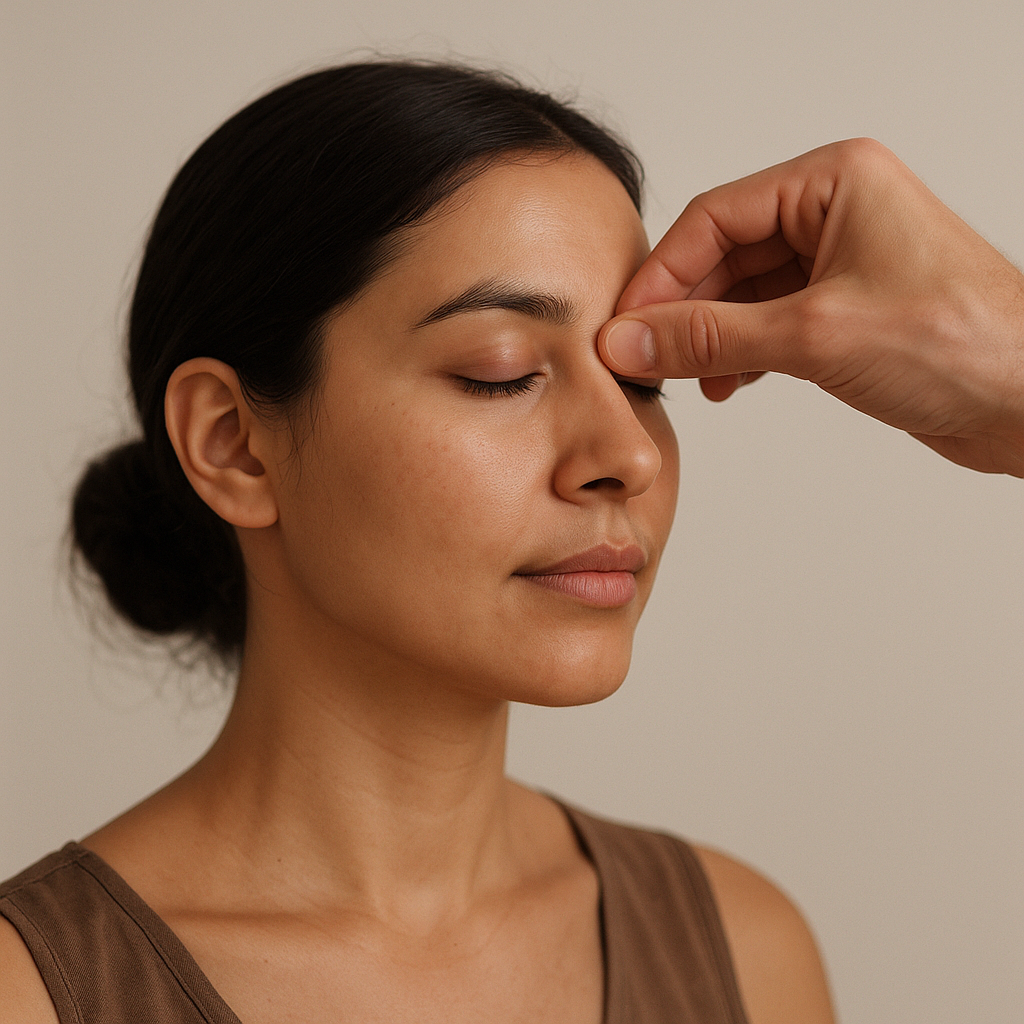
- Observation: Physical characteristics such as body frame, skin type, and hair texture are observed to assess dosha dominance.
- Questionnaire: The use of specific questionnaires may help uncover mental and emotional patterns, further clarifying one’s constitution.
- Pulse Diagnosis: Practitioners may employ pulse diagnosis to gain insights into the balance of doshas and overall health.
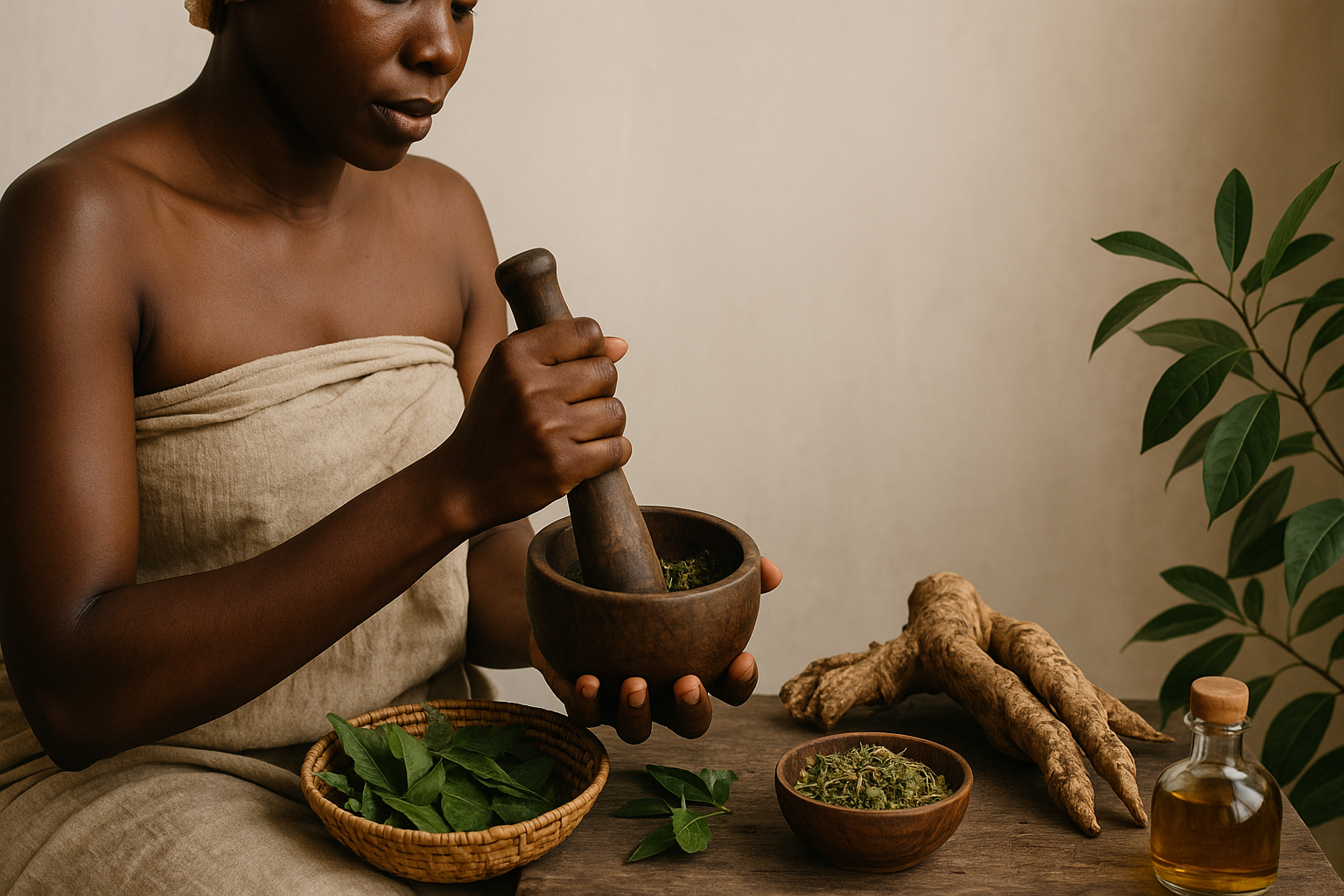
- Recommendations: Based on the analysis, personalized recommendations for diet, herbal remedies, and lifestyle modifications are provided to enhance well-being.
What It Is Traditionally Explored For
Constitutional Analysis is traditionally used for various purposes, reflecting the holistic approach of Ayurveda. Common goals include:
- Restoring balance among the doshas.
- Addressing specific health issues such as digestive disorders, skin conditions, or stress.
- Enhancing overall vitality and resilience.
- Guiding dietary choices to align with individual constitution.
- Promoting mental and emotional well-being through lifestyle adjustments.
What Modern Research Suggests
Additionally, a growing body of clinical evidence supports the effectiveness of Ayurvedic herbs and dietary practices that align with one’s dosha. However, more rigorous studies are needed to fully validate these practices within a modern scientific framework. It is essential to approach such findings with caution, recognizing the need for further research to understand the mechanisms at play.
Safety, Contraindications & Who Should Skip
While Constitutional Analysis is generally safe for most individuals, there are certain considerations to keep in mind:
- Individuals with specific health conditions or those undergoing significant medical treatments should consult with a healthcare provider before engaging in Ayurvedic practices.
- Pregnant or nursing women should approach Constitutional Analysis and subsequent recommendations with caution, as certain herbs and dietary changes may not be suitable.
- Those with allergies or sensitivities to specific herbal ingredients should inform their practitioner to ensure personalized recommendations are safe.
Pairs Well With (within Ayurvedic Medicine and across pillars)
Constitutional Analysis can complement various Ayurvedic modalities and practices, including:
- Dietary guidelines based on dosha balancing.
- Herbal remedies tailored to individual needs.
- Meditation and mindfulness practices for mental well-being.
- Massage therapies like Abhyanga for physical relaxation.
- Yoga practices designed to harmonize the body and mind.
How to Find a Qualified Practitioner
To find a qualified practitioner for Constitutional Analysis, consider the following steps:
- Look for practitioners who are certified in Ayurvedic Medicine from recognized institutions.
- Read reviews and testimonials from previous clients to gauge their experience and effectiveness.
- Inquire about their approach to Constitutional Analysis and ensure it resonates with your health goals.
- Schedule an initial consultation to discuss your needs and assess your comfort level with the practitioner.
FAQs (5)
- What is the primary purpose of Constitutional Analysis? It aims to identify an individual's unique constitution to provide personalized health recommendations.
- How long does a Constitutional Analysis session typically last? Sessions can vary but often last between 60 to 90 minutes.
- Is Constitutional Analysis suitable for everyone? While generally safe, individuals with certain health conditions or those pregnant should consult a healthcare provider first.
- Can I practice Ayurvedic principles without a practitioner? Yes, many principles can be self-taught, but working with a qualified practitioner offers personalized guidance.
- How can I prepare for a Constitutional Analysis session? Consider keeping a journal of your diet, lifestyle, and health concerns before your appointment to provide comprehensive information.
Frequently asked
What is the primary purpose of Constitutional Analysis?
It aims to identify an individual's unique constitution to provide personalized health recommendations.
How long does a Constitutional Analysis session typically last?
Sessions can vary but often last between 60 to 90 minutes.
Is Constitutional Analysis suitable for everyone?
While generally safe, individuals with certain health conditions or those pregnant should consult a healthcare provider first.
Can I practice Ayurvedic principles without a practitioner?
Yes, many principles can be self-taught, but working with a qualified practitioner offers personalized guidance.
How can I prepare for a Constitutional Analysis session?
Consider keeping a journal of your diet, lifestyle, and health concerns before your appointment to provide comprehensive information.