Spiritual Balance
Discover the principles of Spiritual Balance in Ayurvedic Medicine, its historical context, practices, and more.

Explore Spiritual Balance within Ayurvedic Medicine, a practice aimed at achieving harmony in mind, body, and spirit through ancient wisdom.
What It Is
Spiritual Balance is a holistic approach within Ayurvedic Medicine that focuses on harmonizing the mind, body, and spirit. This practice recognizes that emotional and spiritual well-being are integral to overall health and vitality. By aligning these aspects, individuals can achieve a state of equilibrium that promotes physical health and mental clarity.
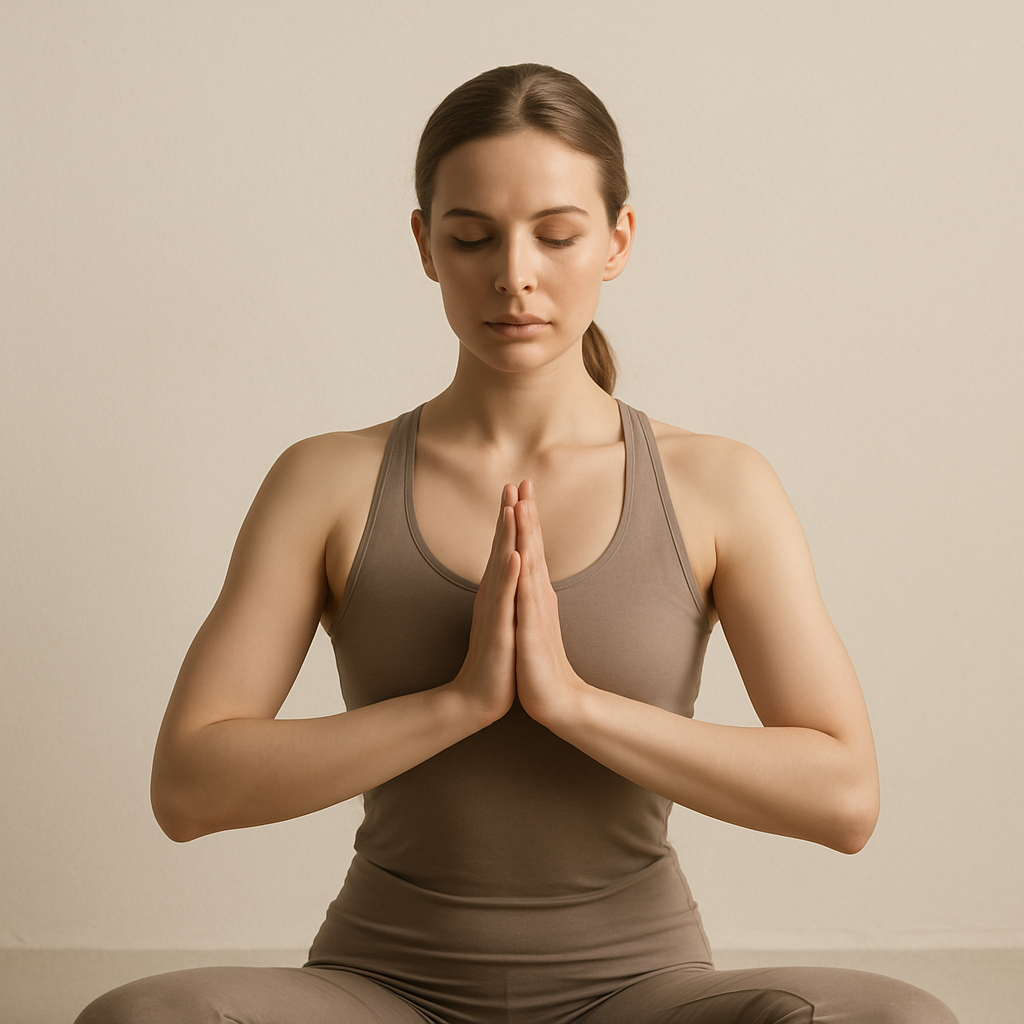
In the context of Ayurveda, Spiritual Balance involves a variety of techniques and lifestyle adjustments designed to foster inner peace and self-awareness. This may include meditation, yoga, and dietary practices that nurture the spirit and mind, ultimately leading to a more balanced life.
Historical Context Within Ayurvedic Medicine
Spiritual Balance has roots in ancient Indian philosophy and has been a core element of Ayurvedic Medicine for thousands of years. Ayurveda, which translates to "the science of life," emerged around 1500 BCE, with its teachings being documented in sacred texts such as the Vedas and the Upanishads.
Developed by ancient sages and practitioners, Spiritual Balance was integrated into Ayurveda as a means to promote health and longevity. These early practitioners believed that spiritual health was intrinsically linked to physical well-being, laying the groundwork for practices that would evolve over centuries.
How It's Practiced
Practicing Spiritual Balance involves a combination of techniques aimed at aligning the mind, body, and spirit. Here is a general walk-through of typical practices:
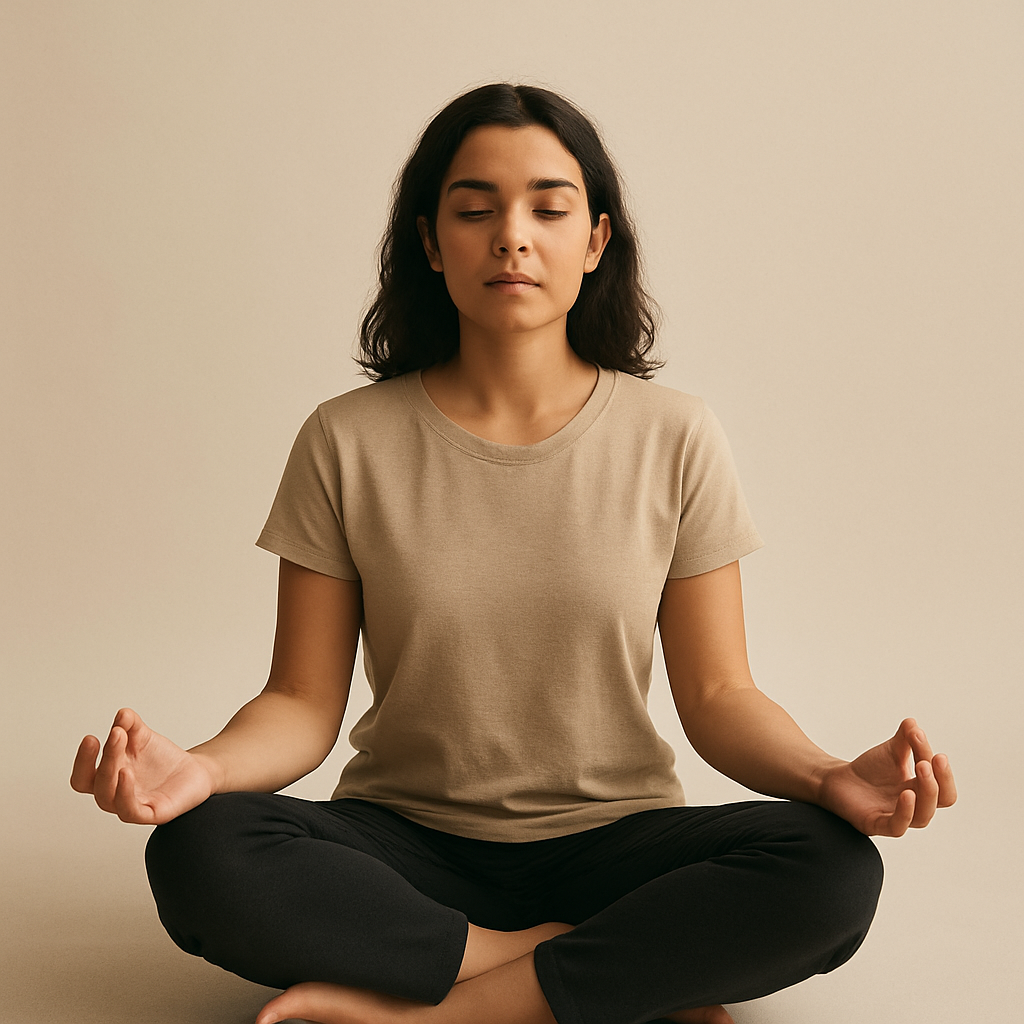
- Meditation: Engaging in daily meditation to cultivate mindfulness and inner peace.
- Yoga: Incorporating yoga postures to increase physical flexibility while also calming the mind.
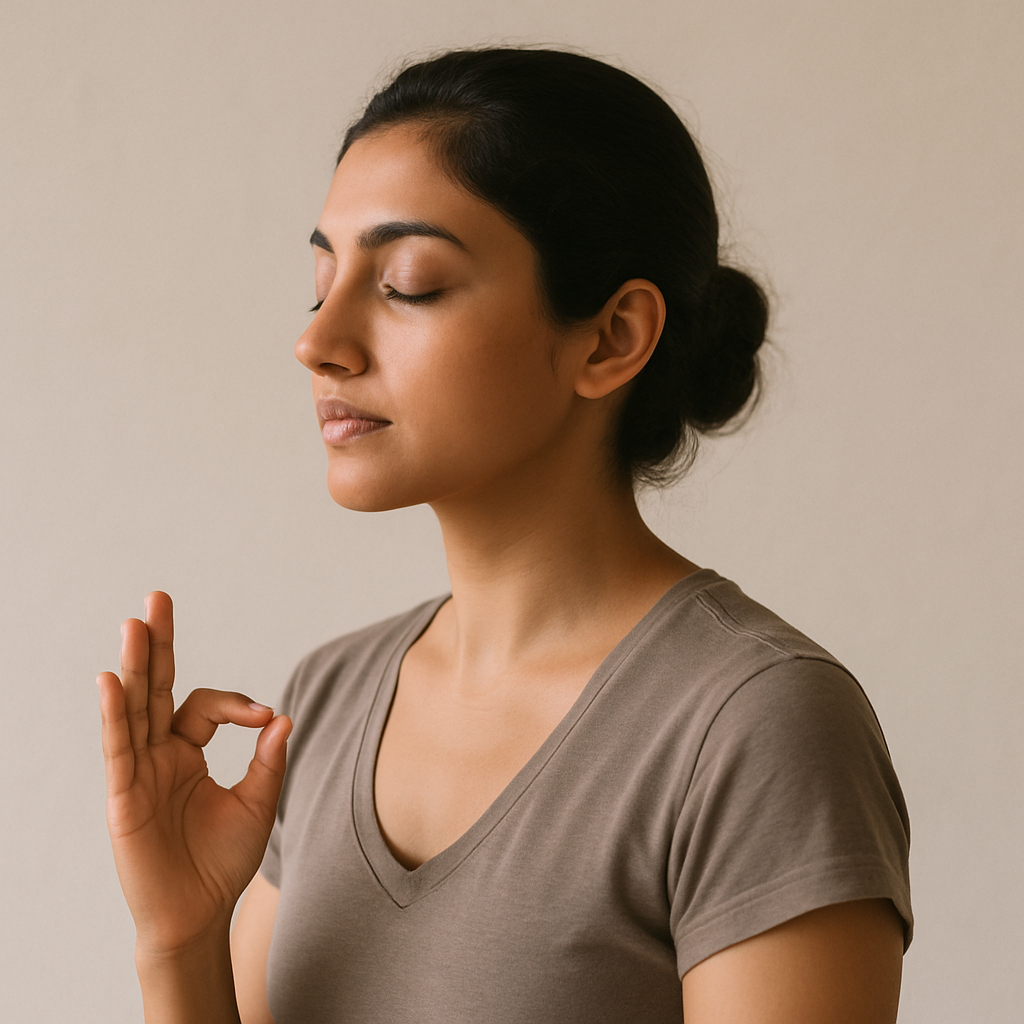
- Breathwork: Utilizing pranayama (breath control) to enhance energy flow and reduce stress.
- Dietary Choices: Following a balanced Ayurvedic diet that nourishes the body and supports spiritual growth.
- Rituals and Ceremonies: Participating in rituals that connect individuals with their spiritual beliefs and promote a sense of community.
What It Is Traditionally Explored For
Spiritual Balance is traditionally explored for a variety of goals, including:
- Enhancing emotional stability and resilience.
- Reducing stress and anxiety levels.
- Promoting self-awareness and personal growth.
- Fostering a sense of purpose and connection to the universe.
- Supporting overall physical health by alleviating stress-related ailments.
What Modern Research Suggests
While ancient wisdom provides the foundation for Spiritual Balance, modern research is beginning to explore its benefits. Preliminary studies have suggested that practices such as meditation and yoga can lead to reduced stress levels and improved mental health. For example, research indicates that regular meditation may enhance emotional regulation and decrease symptoms of anxiety and depression.
Furthermore, clinical studies have shown that incorporating mindfulness practices into daily life can lead to improved overall well-being. However, more extensive research is needed to fully understand the mechanisms behind these benefits and to establish definitive conclusions.
Safety, Contraindications & Who Should Skip
Spiritual Balance is generally considered safe for most individuals. However, those with specific mental health conditions or severe psychological issues should consult with a healthcare professional before engaging in intensive practices. It is also advisable for pregnant women or individuals with certain medical conditions to approach these practices with caution.
Pairs Well With (within Ayurvedic Medicine and across pillars)
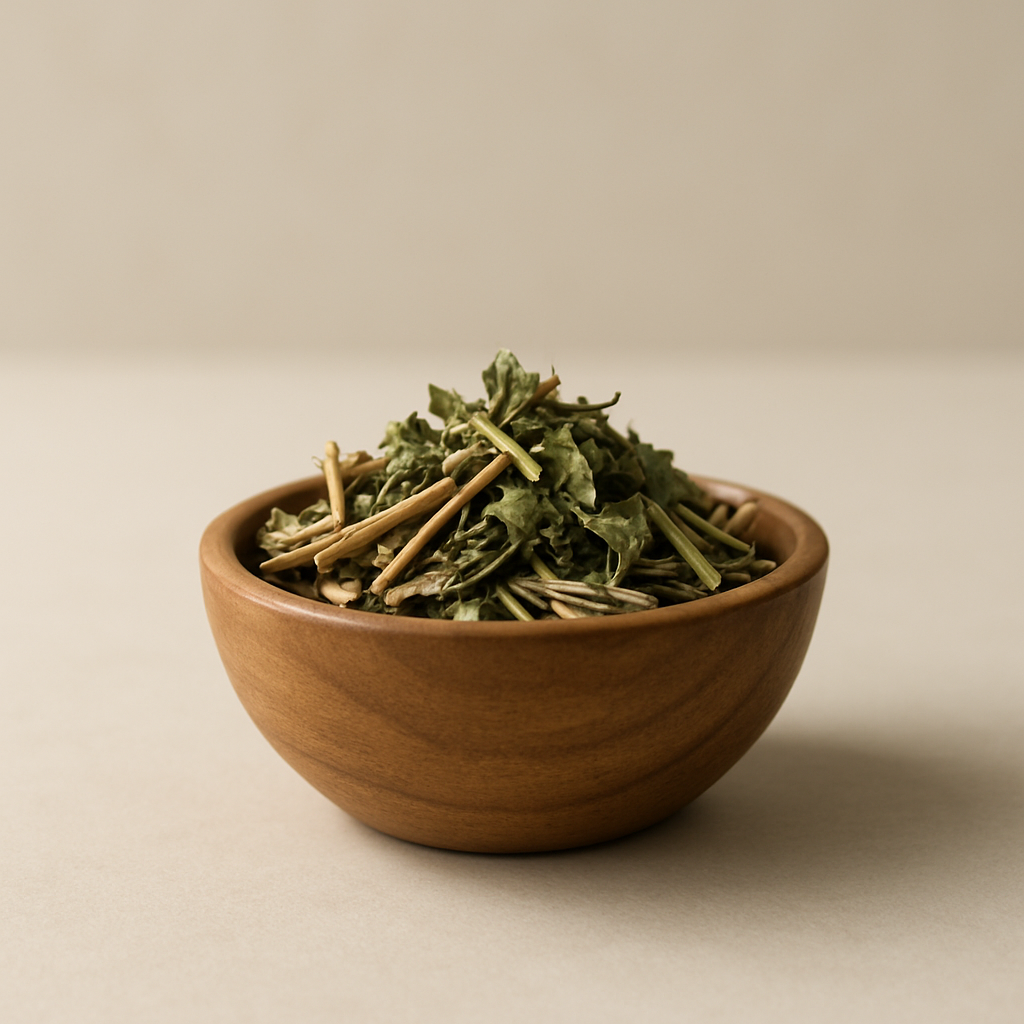
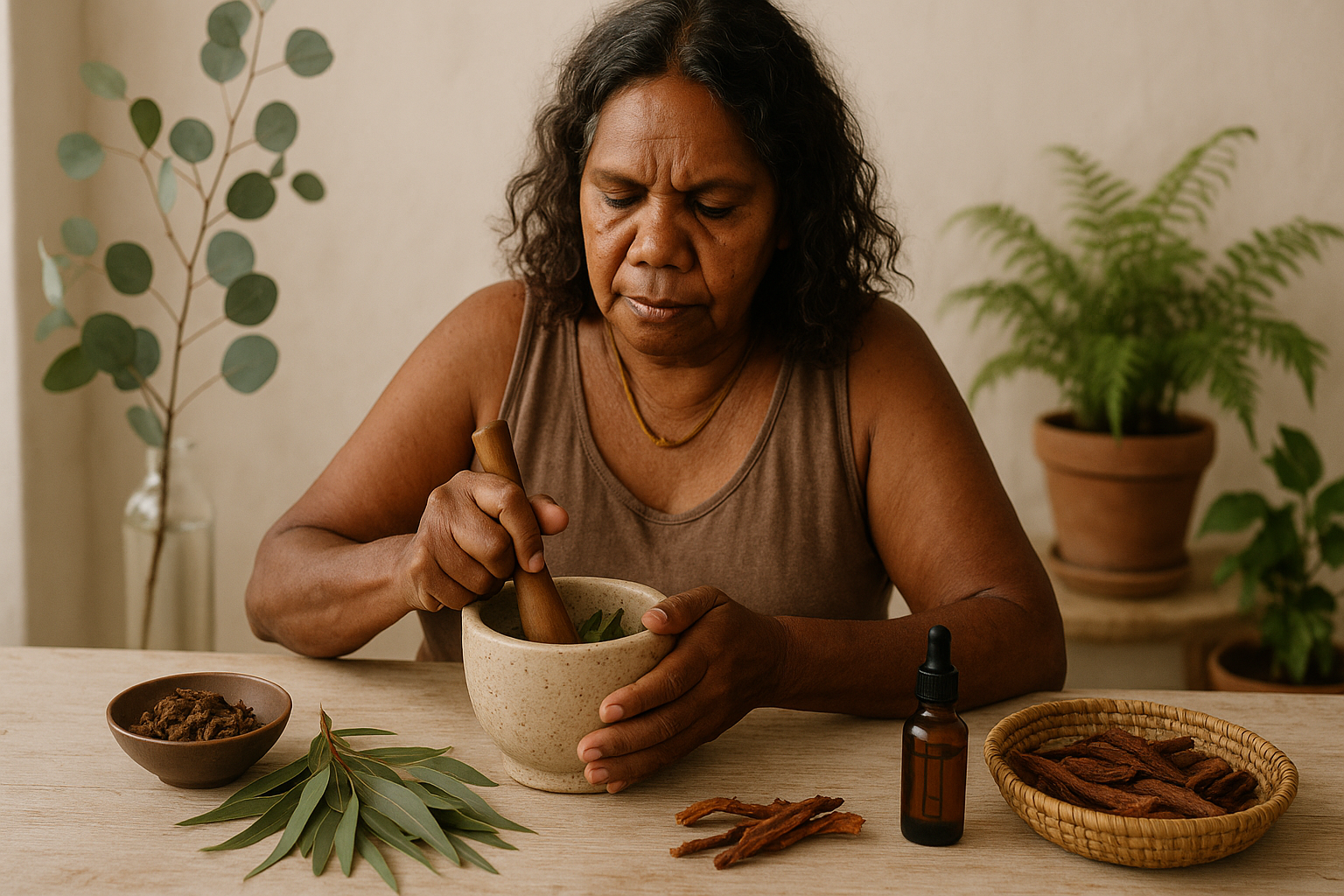
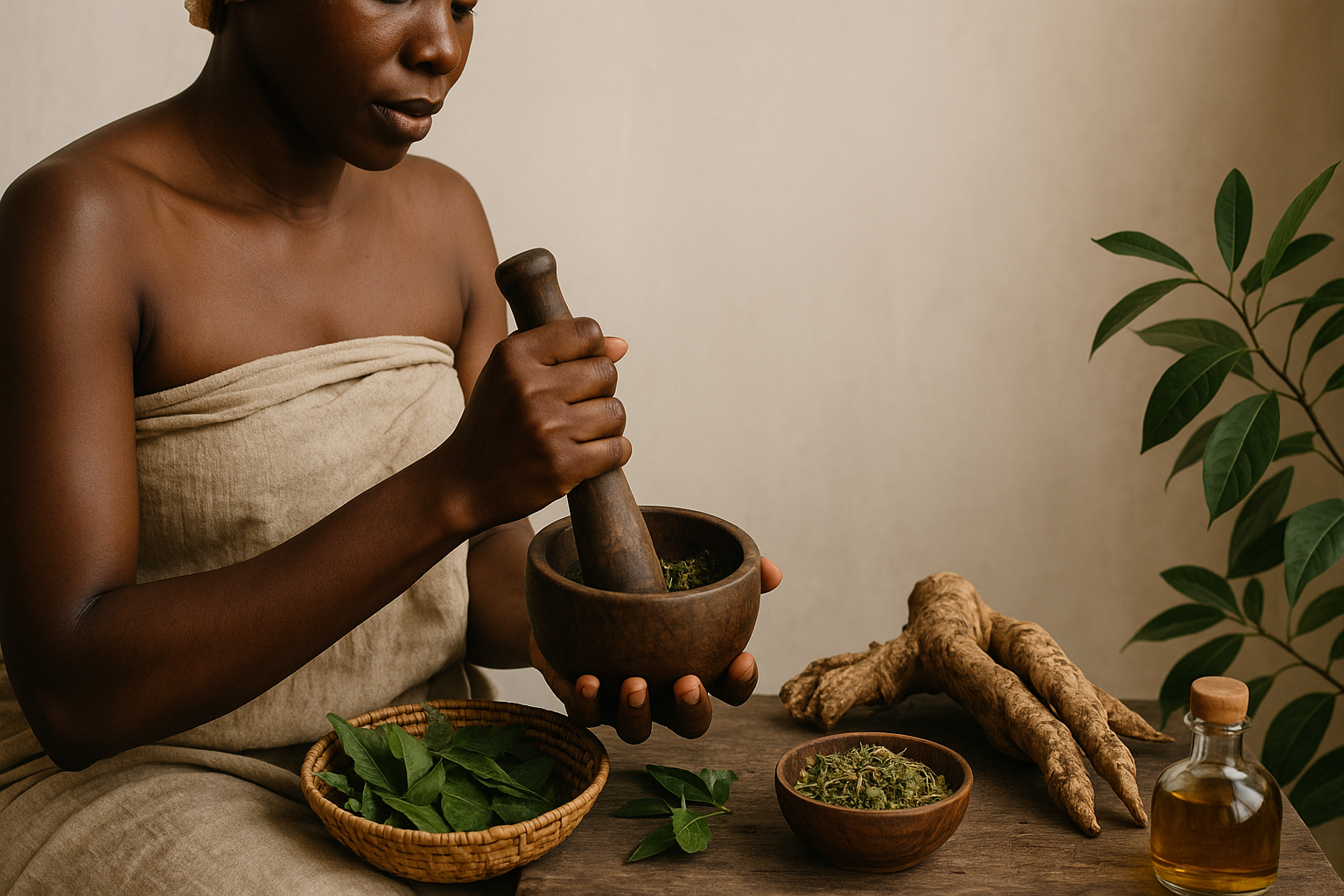
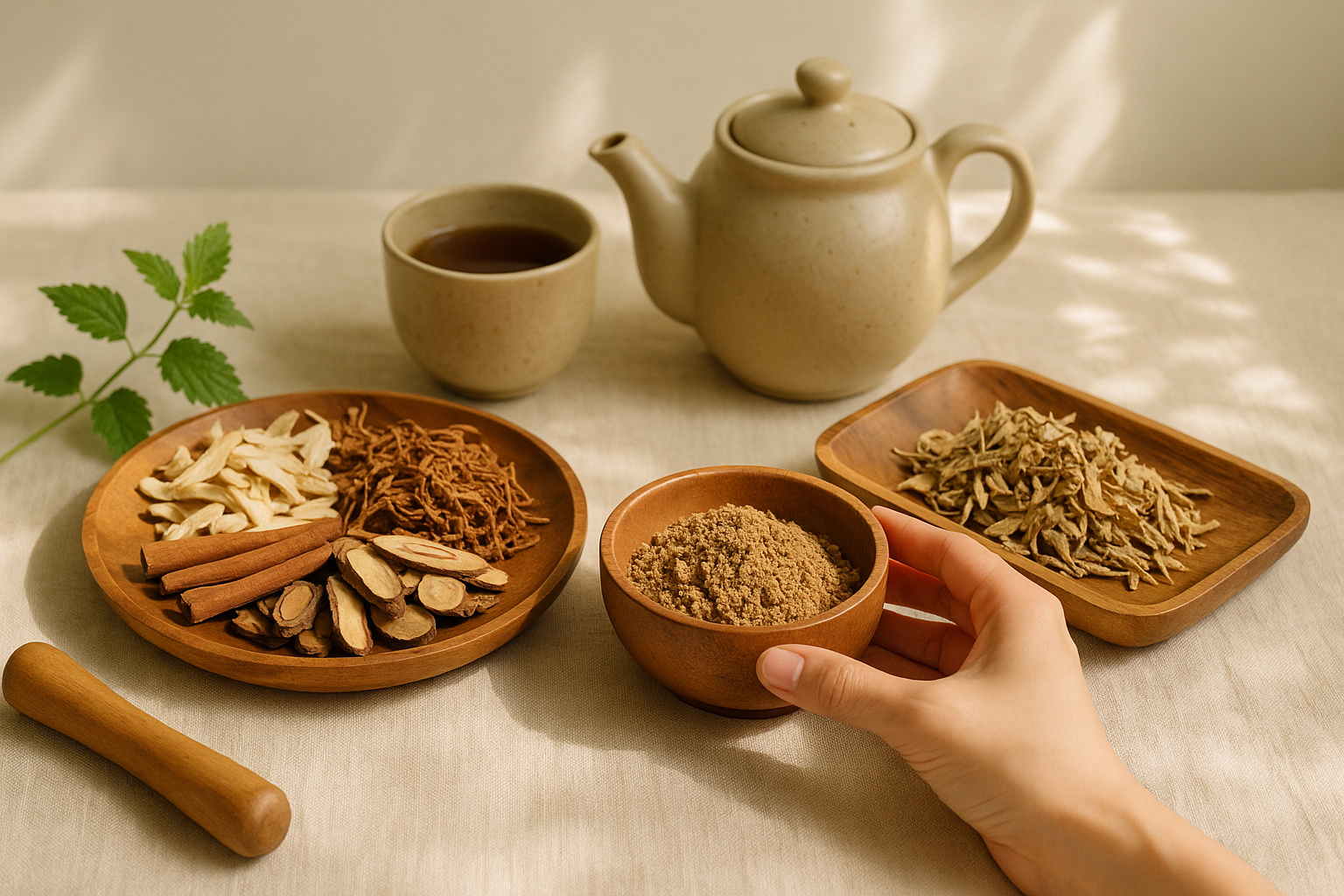
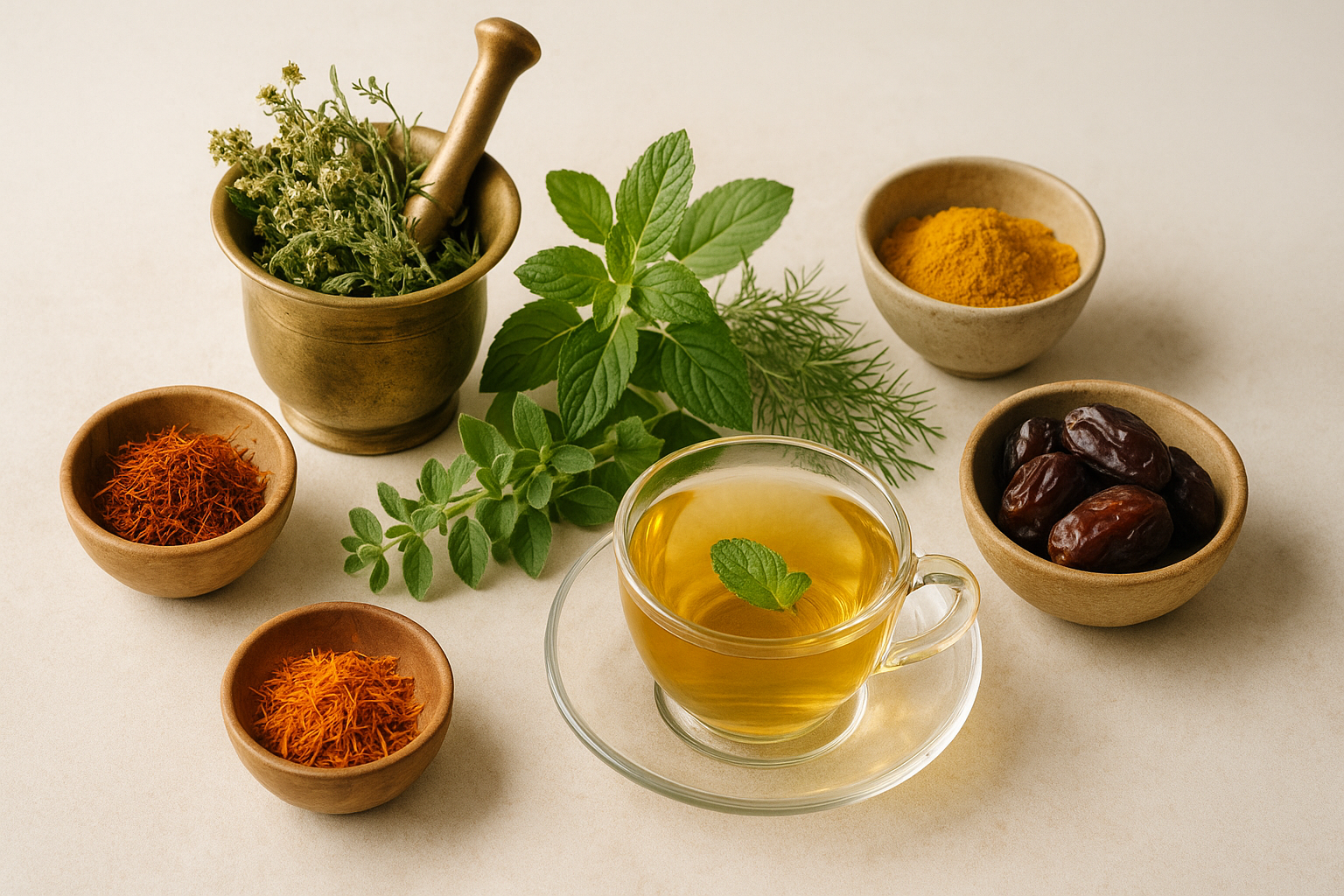
- Herbal Remedies: Adaptogens like Ashwagandha and Brahmi can enhance stress resilience.
- Aromatherapy: Essential oils such as lavender can complement meditation practices.
- Massage Therapy: Abhyanga (oil massage) can further relax the body and mind.
- Nutritional Guidance: Tailoring diets to individual doshas can support overall health.
How to Find a Qualified Practitioner
Finding a qualified practitioner of Spiritual Balance within Ayurvedic Medicine involves a few key steps:
- Look for certified Ayurvedic practitioners who specialize in spiritual wellness.
- Check for credentials and affiliations with recognized Ayurvedic organizations.
- Seek recommendations from trusted sources or community members.
- Consider scheduling a consultation to discuss their approach and experience.
FAQs (5)
- What is Spiritual Balance?
Spiritual Balance is a practice within Ayurvedic Medicine focused on harmonizing the mind, body, and spirit. - How can I practice Spiritual Balance at home?
You can incorporate meditation, yoga, and mindful dietary choices into your daily routine. - Is Spiritual Balance safe for everyone?
While generally safe, individuals with specific mental health concerns should consult a healthcare professional. - What are some common goals of Spiritual Balance?
Common goals include enhancing emotional stability, reducing stress, and fostering self-awareness. - Where can I find a qualified practitioner?
Look for certified Ayurvedic practitioners with a focus on spiritual wellness and seek recommendations.
Frequently asked
What is Spiritual Balance?
Spiritual Balance is a practice within Ayurvedic Medicine focused on harmonizing the mind, body, and spirit.
How can I practice Spiritual Balance at home?
You can incorporate meditation, yoga, and mindful dietary choices into your daily routine.
Is Spiritual Balance safe for everyone?
While generally safe, individuals with specific mental health concerns should consult a healthcare professional.
What are some common goals of Spiritual Balance?
Common goals include enhancing emotional stability, reducing stress, and fostering self-awareness.
Where can I find a qualified practitioner?
Look for certified Ayurvedic practitioners with a focus on spiritual wellness and seek recommendations.