Dinacharya
Explore Dinacharya, the Ayurvedic practice of daily routines for holistic well-being, rooted in ancient wisdom.
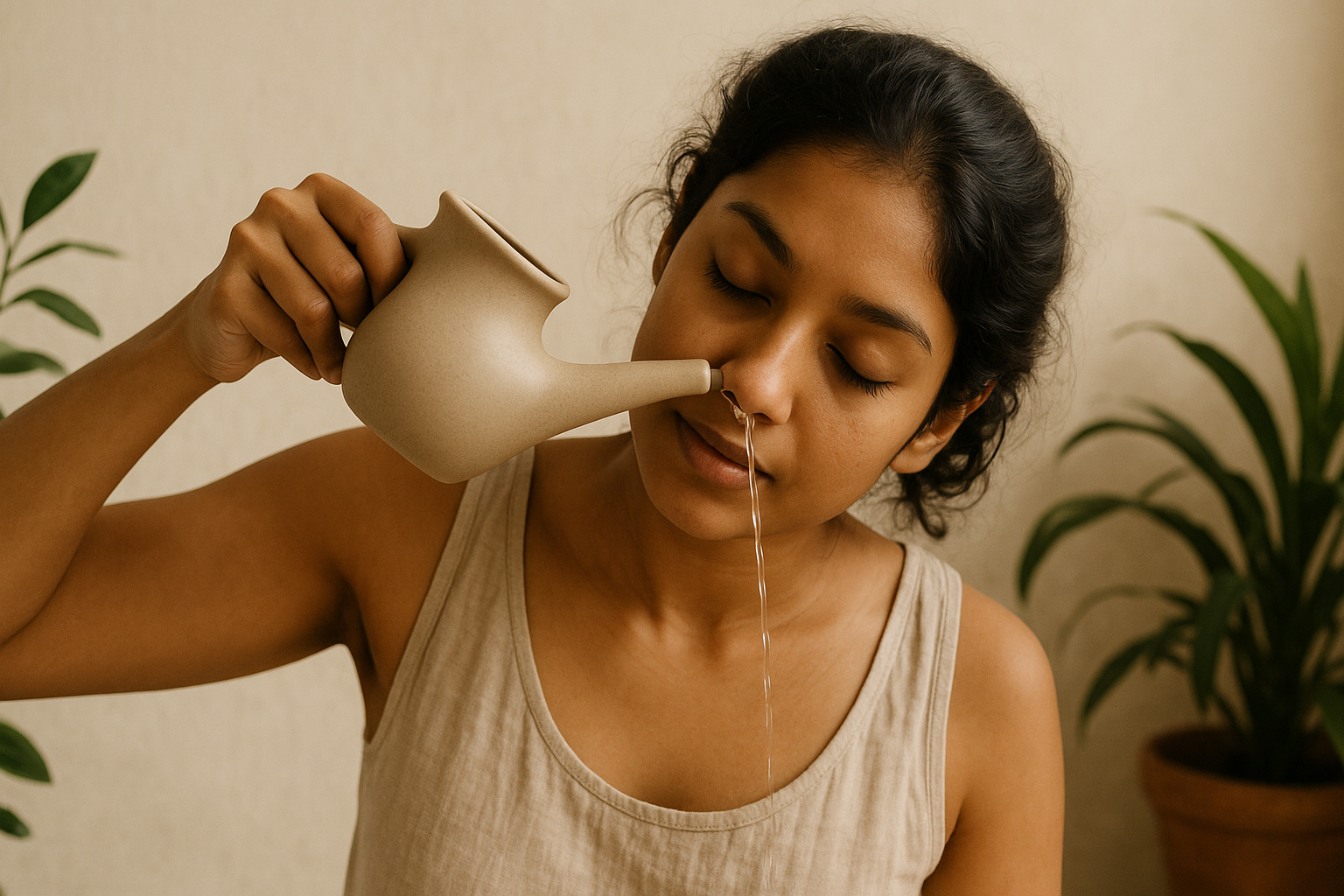
Dinacharya is a foundational aspect of Ayurvedic medicine, emphasizing daily routines to harmonize the body and mind. It reflects the ancient wisdom of aligning oneself with natural rhythms for optimal health.
What It Is
Dinacharya, a term derived from Sanskrit, translates to "daily routine." In the context of Ayurvedic medicine, it refers to a set of practices designed to promote optimal health through the synchronization of daily activities with the natural rhythms of the body and the environment. This holistic approach emphasizes the importance of regularity in daily life, ensuring that individuals engage in activities that nourish their physical, mental, and spiritual well-being.
The foundation of Dinacharya lies in the understanding that our bodies are closely linked to the cycles of nature. By adhering to a structured daily routine, individuals can enhance their vitality, boost their immune system, and promote a balanced state of being. Dinacharya encompasses various practices, including personal hygiene, dietary habits, exercise, and mindfulness techniques, all aimed at fostering a harmonious lifestyle.
Historical Context Within Ayurvedic Medicine
Dinacharya has its roots in the ancient texts of Ayurveda, which date back over 5,000 years. The principles of Dinacharya were developed by the sages and scholars of ancient India who sought to create a comprehensive system for maintaining health and preventing disease. This wisdom was passed down through generations, solidifying the practice as a cornerstone of Ayurvedic medicine.
The foundational texts of Ayurveda, such as the "Charaka Samhita" and the "Sushruta Samhita," provide detailed guidelines on the significance of daily routines. These texts emphasize the importance of aligning one's lifestyle with the rhythms of nature to achieve balance and well-being, laying the groundwork for what we now know as Dinacharya.
How It's Practiced
Practicing Dinacharya involves a series of daily rituals that are tailored to individual needs and constitutions. Here is a simple walk-through of a typical Dinacharya routine:
- Morning Routine: Upon waking, drink a glass of warm water to aid digestion.
- Oral Hygiene: Cleanse the mouth with oil pulling and brush teeth.
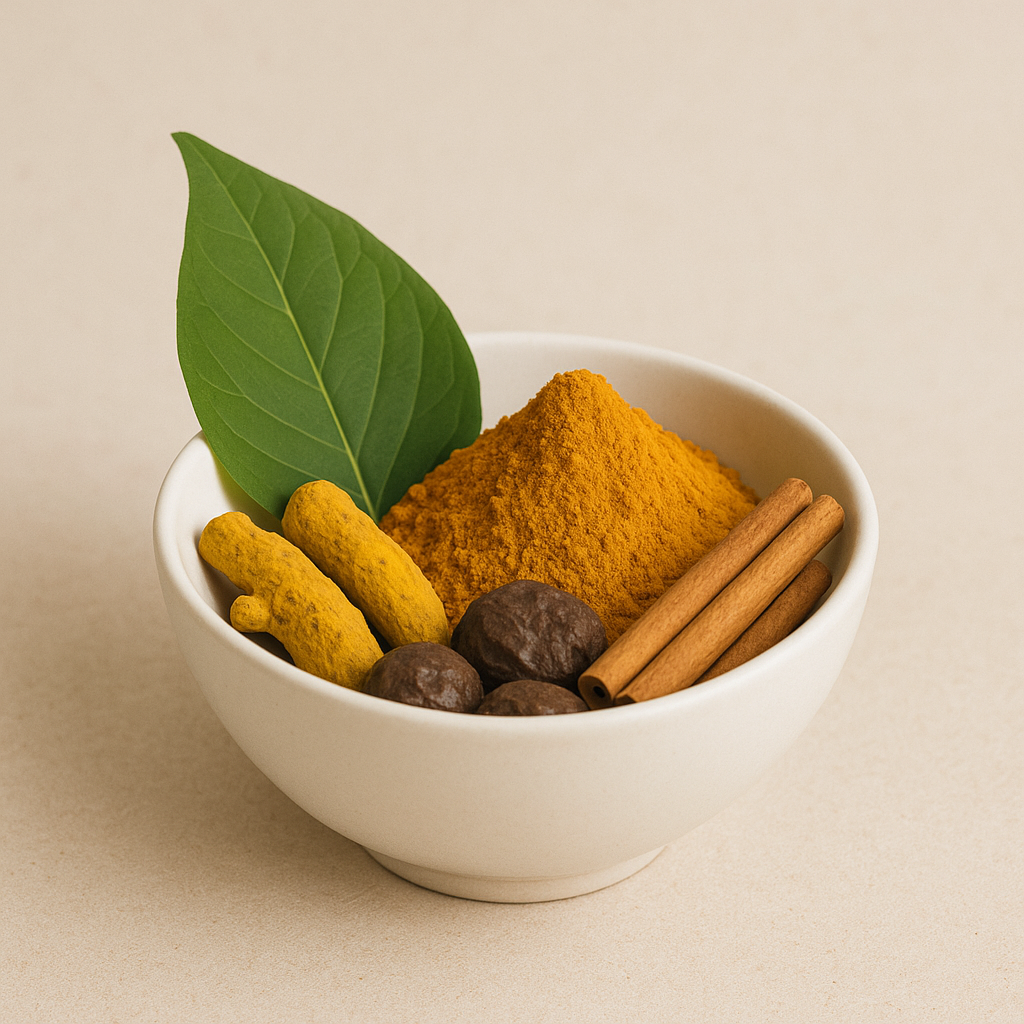
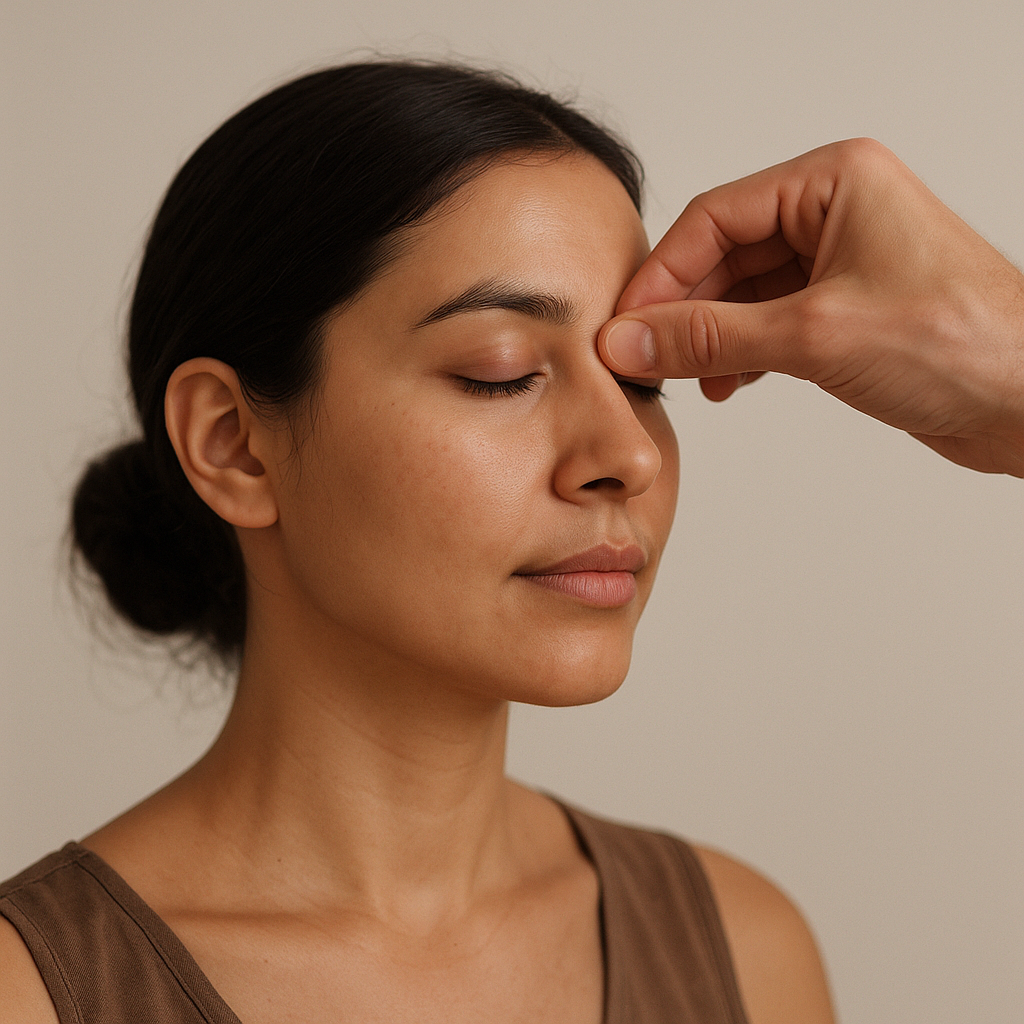
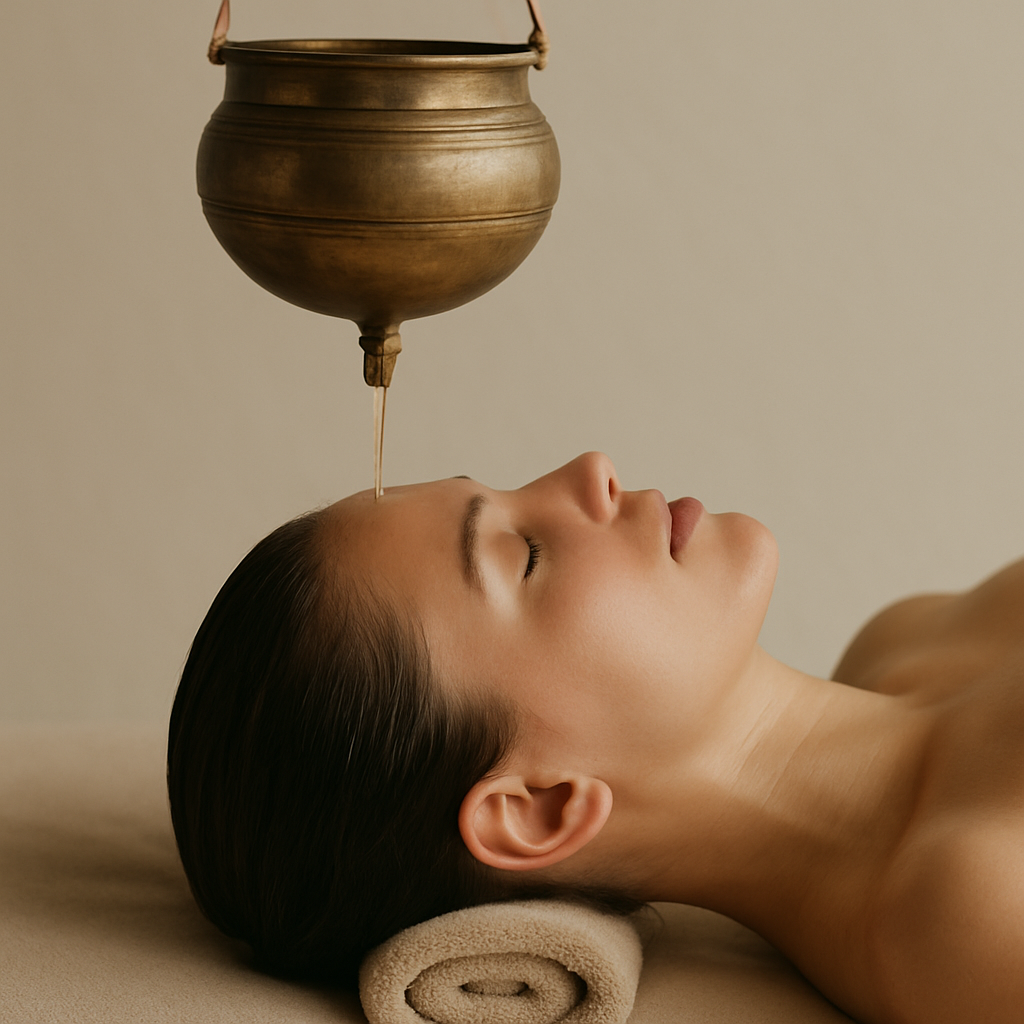
- Skin Care: Apply natural oils or herbal pastes to the skin.
- Exercise: Engage in physical activity appropriate to your body type, such as yoga or brisk walking.
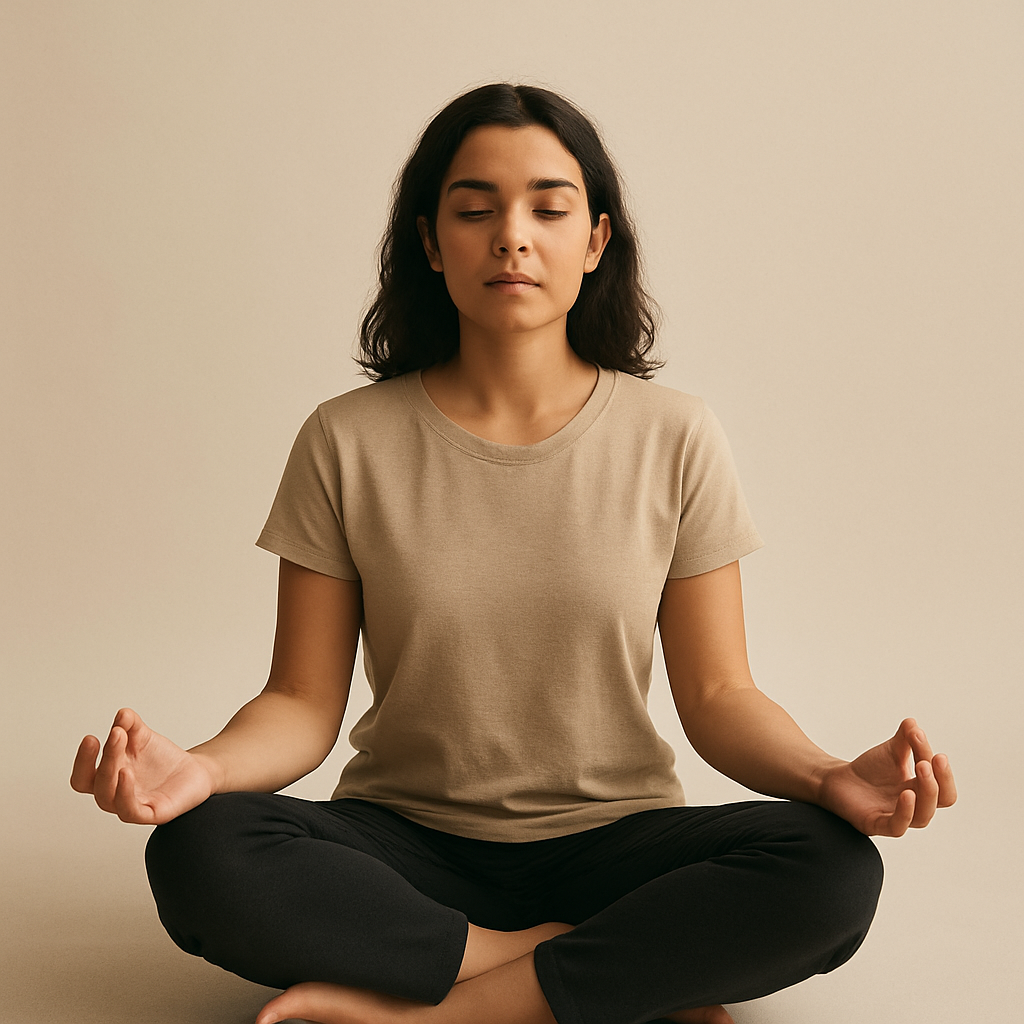
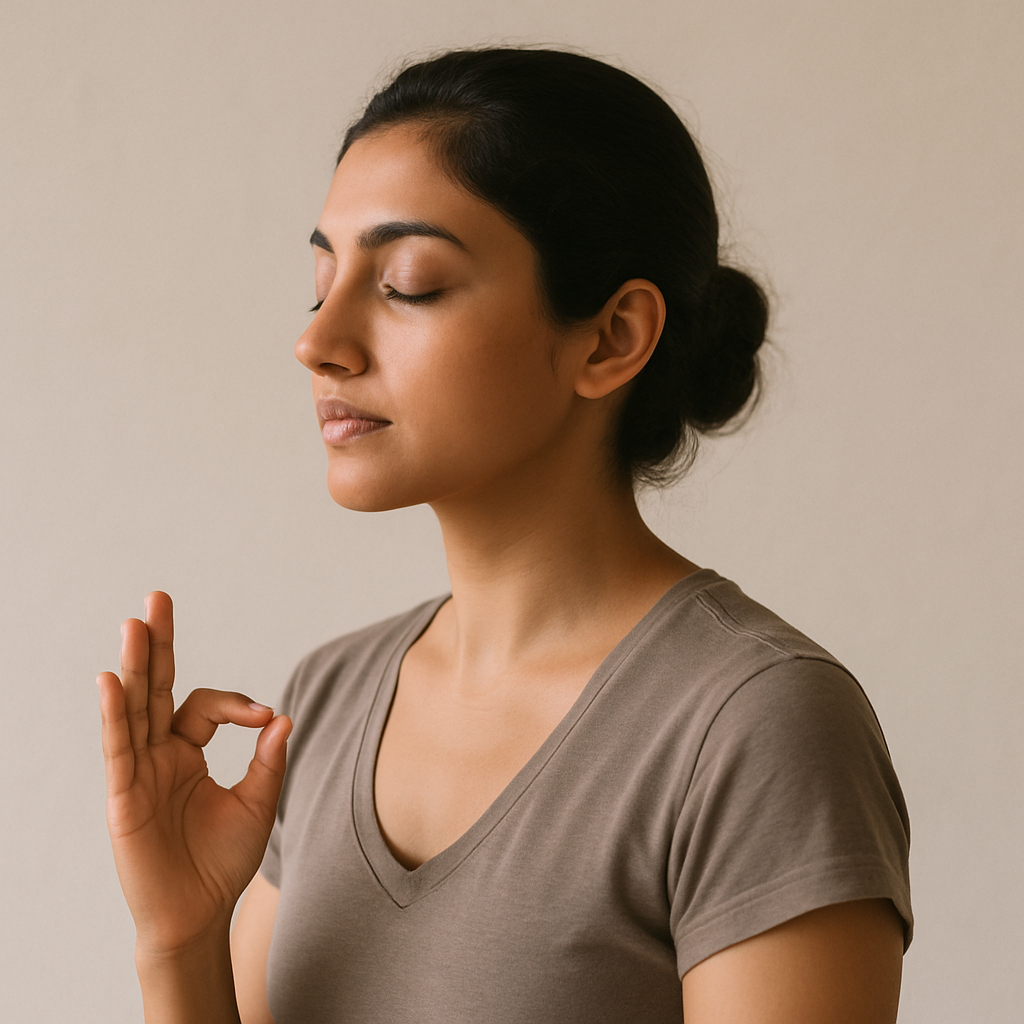
- Mindfulness: Practice meditation or breathing exercises to center the mind.
- Meals: Follow a balanced diet, eating meals at regular intervals throughout the day.
- Evening Routine: Wind down with calming activities and avoid screens before sleep.
Each of these practices can be adjusted to fit individual preferences and requirements, making Dinacharya a personalized approach to daily living.
What It Is Traditionally Explored For
Dinacharya is traditionally used for various purposes aimed at enhancing overall health and preventing disease. Common goals include:
- Improving digestion and metabolism
- Boosting energy levels and vitality
- Promoting mental clarity and focus
- Encouraging emotional balance and resilience
- Supporting the immune system
- Facilitating restful sleep
While these practices are rooted in ancient wisdom, it is essential to approach them with care and consideration of individual health conditions.
What Modern Research Suggests
Recent studies have begun to explore the benefits of routine practices similar to those found in Dinacharya. Preliminary research indicates that maintaining a consistent daily schedule can have positive effects on mental health, reducing symptoms of anxiety and depression. Additionally, studies suggest that specific practices, such as mindfulness and meditation, contribute to improved cognitive function and emotional well-being.
While more extensive clinical research is needed to validate the specific benefits of Dinacharya as a whole, the growing body of evidence supporting the importance of daily routines in promoting health and well-being reflects the ancient wisdom that underlies this Ayurvedic practice. It is crucial to approach these findings with caution and recognize that individual experiences may vary.
Safety, Contraindications & Who Should Skip
Dinacharya is generally considered safe for most individuals; however, certain precautions should be taken. Those with specific health concerns or chronic conditions should consult a qualified Ayurvedic practitioner before starting any new routine. Additionally, individuals who are pregnant, nursing, or have underlying health issues should exercise caution and seek professional guidance.
It is essential to listen to your body and modify practices as necessary. If any discomfort or adverse reactions occur, it is advisable to discontinue the practice and consult with a healthcare provider.
Pairs Well With (within Ayurvedic Medicine and across pillars)
Dinacharya can be effectively paired with various other Ayurvedic modalities and practices, including:
- Panchakarma (detoxification therapies)
- Yoga and meditation
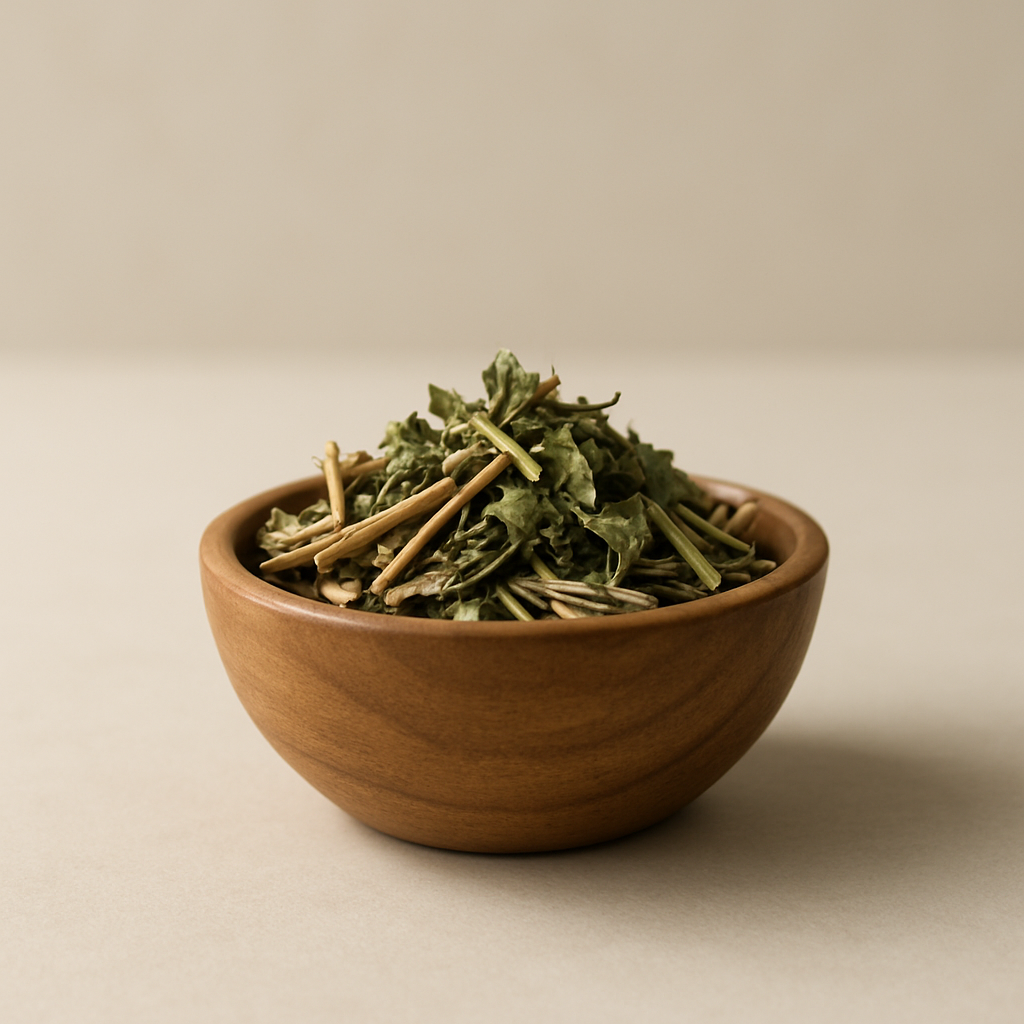
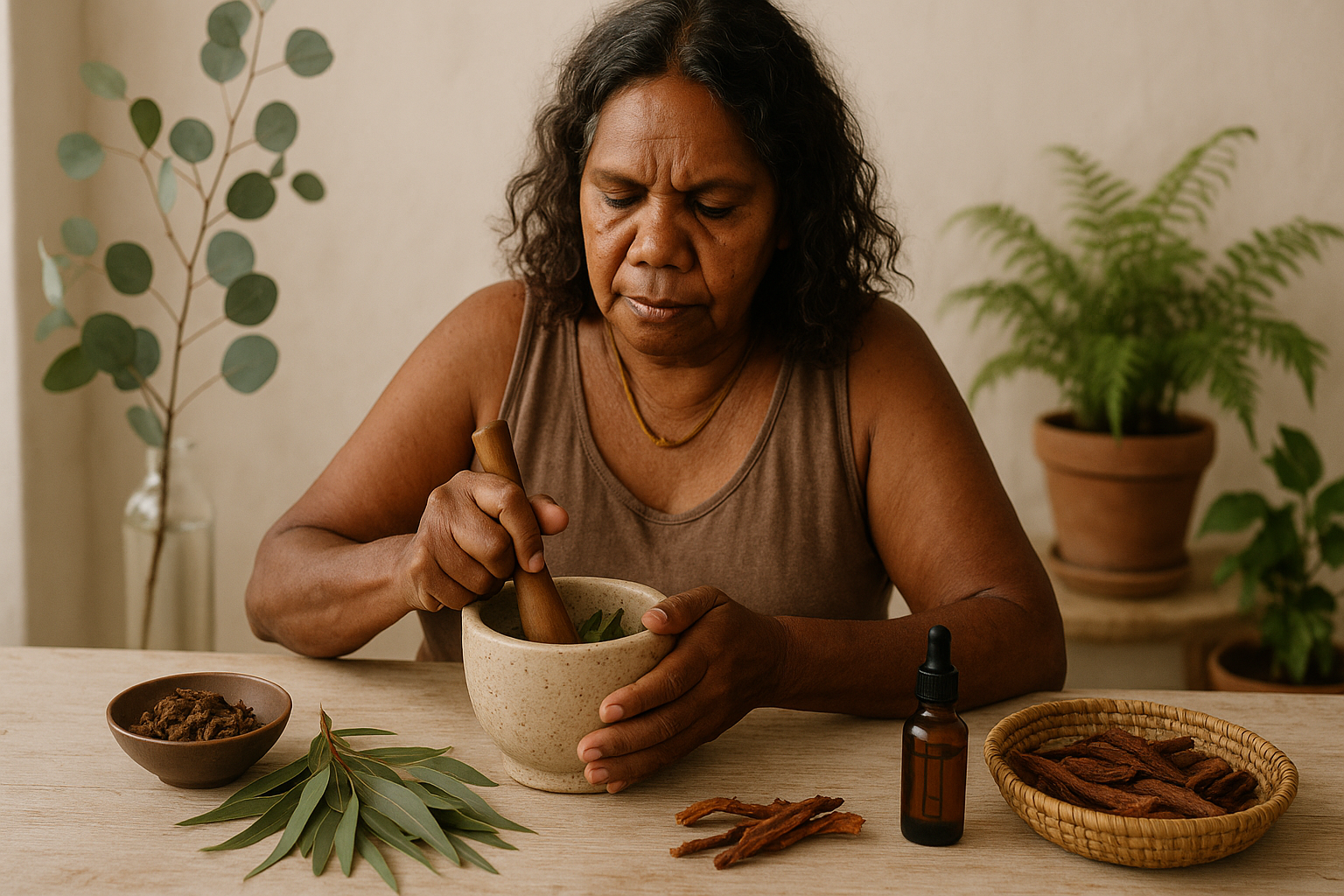
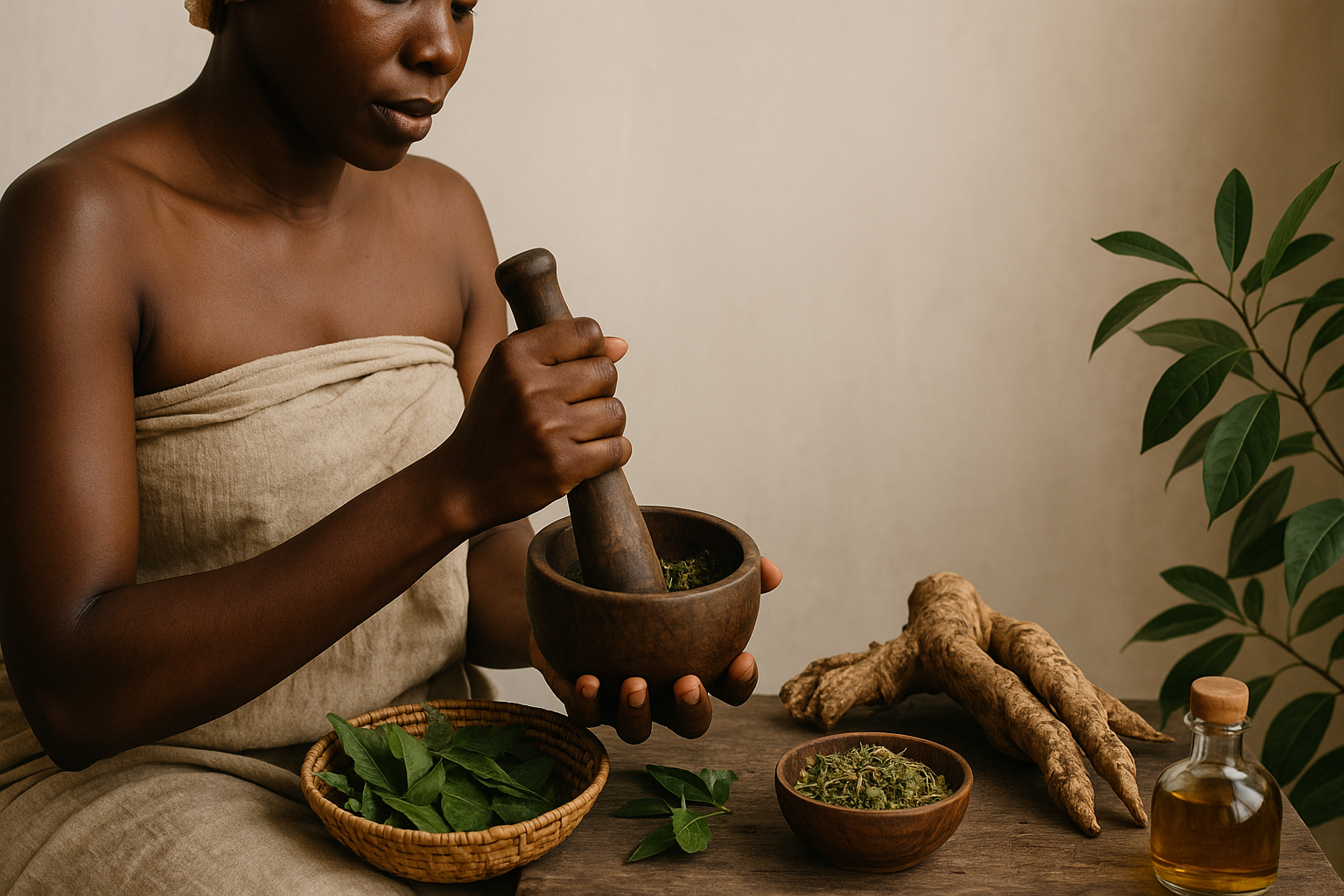
- Herbal remedies tailored to one's constitution
- Nutritional guidance based on dosha
- Seasonal routines (Ritucharya)
These complementary approaches can enhance the benefits of Dinacharya, creating a well-rounded path to health and wellness.
How to Find a Qualified Practitioner
To find a qualified practitioner of Dinacharya, consider the following steps:
- Research local Ayurvedic clinics and wellness centers.
- Look for practitioners with formal training in Ayurveda from reputable institutions.
- Check for certifications and memberships in professional Ayurvedic organizations.
- Read reviews and testimonials from previous clients.
- Schedule a consultation to discuss your health goals and assess compatibility.
Finding the right practitioner can significantly enhance your experience and the effectiveness of Dinacharya in your daily life.
FAQs
- What is the best time to start Dinacharya?
The best time to start Dinacharya is in the morning, shortly after waking up, to set a positive tone for the day. - Can Dinacharya be customized?
Yes, Dinacharya can be tailored to suit individual needs, preferences, and lifestyle factors. - How long does it take to see benefits from Dinacharya?
The time to experience benefits can vary; some may notice improvements within weeks, while others may take longer. - Is Dinacharya suitable for everyone?
While generally safe, those with specific health conditions should consult a practitioner before starting. - Can Dinacharya be practiced alongside other health modalities?
Yes, Dinacharya can complement other health practices, enhancing overall well-being.
Frequently asked
What is the best time to start Dinacharya?
The best time to start Dinacharya is in the morning, shortly after waking up, to set a positive tone for the day.
Can Dinacharya be customized?
Yes, Dinacharya can be tailored to suit individual needs, preferences, and lifestyle factors.
How long does it take to see benefits from Dinacharya?
The time to experience benefits can vary; some may notice improvements within weeks, while others may take longer.
Is Dinacharya suitable for everyone?
While generally safe, those with specific health conditions should consult a practitioner before starting.
Can Dinacharya be practiced alongside other health modalities?
Yes, Dinacharya can complement other health practices, enhancing overall well-being.