Doshas
Discover the significance of Doshas in Ayurvedic Medicine, their historical roots, practical applications, and the importance of balance for overall health.

Explore the concept of Doshas in Ayurvedic Medicine, an ancient system of health that emphasizes balance within the body. Learn about their historical context, practices, traditional uses, modern research, and safety considerations.
What It Is
In Ayurvedic Medicine, Doshas are fundamental concepts that represent the three primary energies believed to govern physiological and psychological processes in the body. These energies are Vata, Pitta, and Kapha, each associated with specific elements, qualities, and bodily functions. Understanding Doshas is essential for achieving balance and maintaining health.
Each individual has a unique combination of these Doshas, which determines their physical characteristics, temperament, and susceptibility to certain health conditions. The goal of Ayurvedic practice is to harmonize these energies, promoting well-being and preventing disease.
Historical Context Within Ayurvedic Medicine
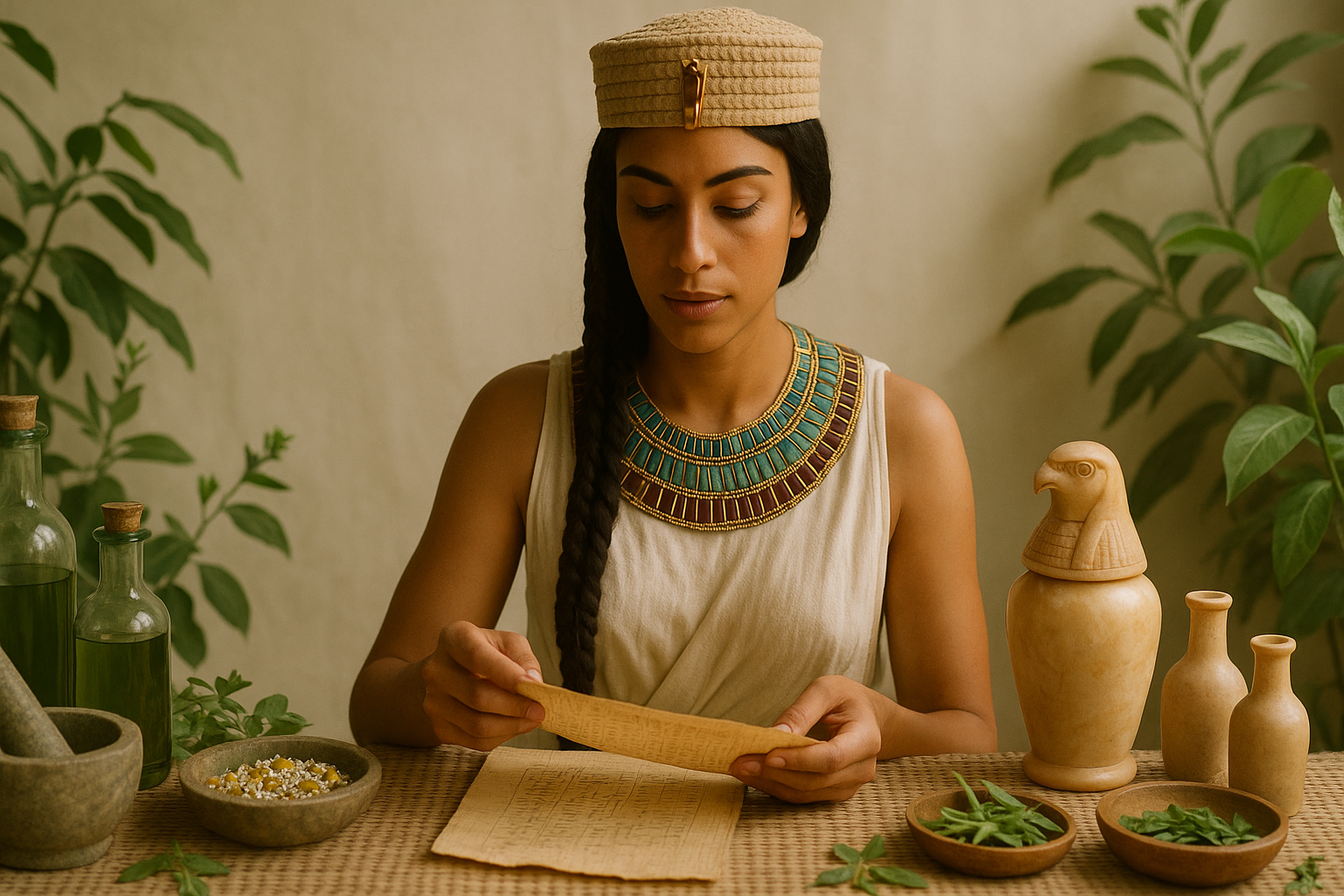
The concept of Doshas dates back over 3,000 years to the ancient texts of Ayurveda, such as the Charaka Samhita and the Sushruta Samhita. These foundational texts were composed by revered sages who developed Ayurvedic principles based on observations of nature and human health.
Over centuries, Ayurvedic medicine has evolved, yet the core principles surrounding Doshas remain integral to its practice. This holistic approach emphasizes the interconnectedness of body, mind, and spirit, guiding individuals toward a balanced lifestyle.
How It's Practiced
Practicing with Doshas involves a personalized approach to health that considers an individual's unique constitution, or Prakriti. Here is a simple walk-through of how this practice is typically conducted:
- Initial Consultation: A qualified practitioner assesses the individual's Dosha balance through observation, questioning, and pulse diagnosis.
- Determining Imbalance: The practitioner identifies any imbalances in the Doshas that may be causing health issues.
- Personalized Recommendations: Based on the assessment, tailored suggestions are provided, including dietary changes, lifestyle adjustments, and herbal remedies.
- Regular Follow-ups: Continuous monitoring and adjustments are made to ensure that the Doshas are harmonized over time.
What It Is Traditionally Explored For
Doshas are traditionally explored for a variety of purposes, including but not limited to:
- Promoting overall health and vitality
- Enhancing digestion and metabolism
- Balancing emotions and mental clarity
- Supporting immune function
- Addressing specific health concerns, such as skin conditions, stress, or digestive issues
It is important to note that these applications are based on traditional practices and beliefs within Ayurveda.
What Modern Research Suggests
Preliminary studies have begun to explore the relevance of Doshas in modern health contexts. Research suggests that understanding an individual’s Dosha may aid in personalizing dietary and lifestyle recommendations, potentially improving health outcomes. For example, some studies indicate that dietary modifications based on Dosha might positively impact metabolic health.
However, more rigorous clinical trials are needed to establish the efficacy and mechanisms behind these traditional practices. While some findings are promising, it is essential to approach Ayurvedic concepts with an open mind and a critical perspective, recognizing that individual results may vary.
Safety, Contraindications & Who Should Skip
While exploring Doshas is generally considered safe for most individuals, certain precautions should be taken:
- Consult with a qualified Ayurvedic practitioner before making significant dietary or lifestyle changes.
- Individuals with specific health conditions or those taking medications should exercise caution and seek professional guidance.
- Pregnant or nursing women should also consult healthcare professionals before engaging in Ayurvedic practices.
Pairs Well With (within Ayurvedic Medicine and across pillars)
Doshas complement various other modalities and practices within Ayurveda, including:
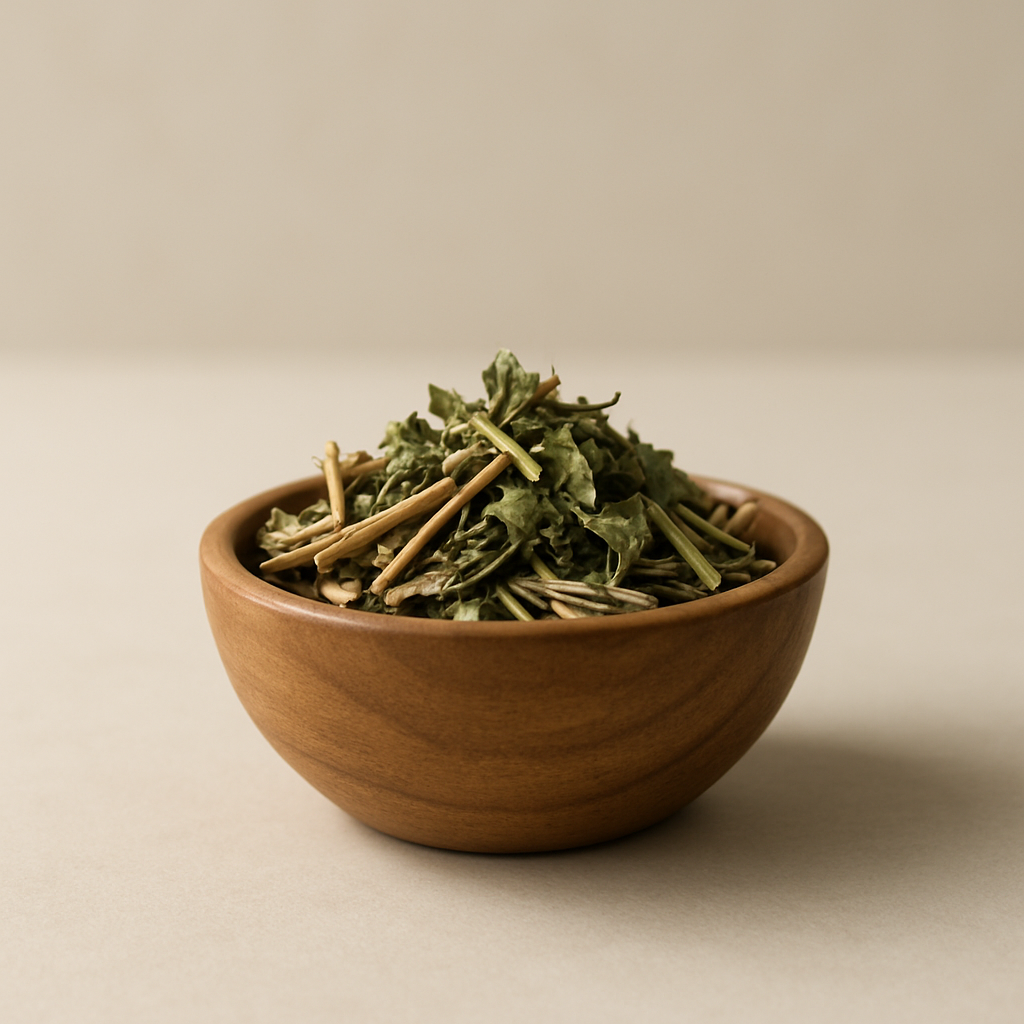
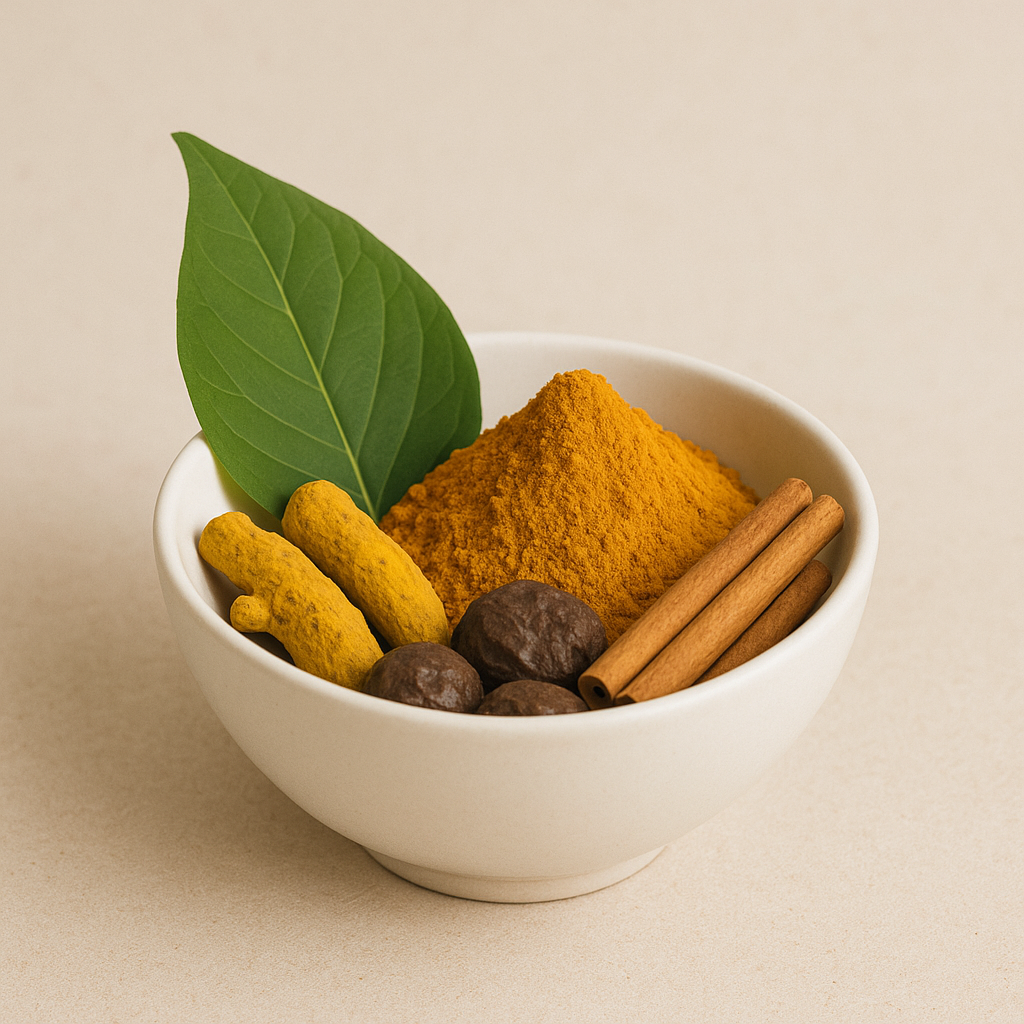
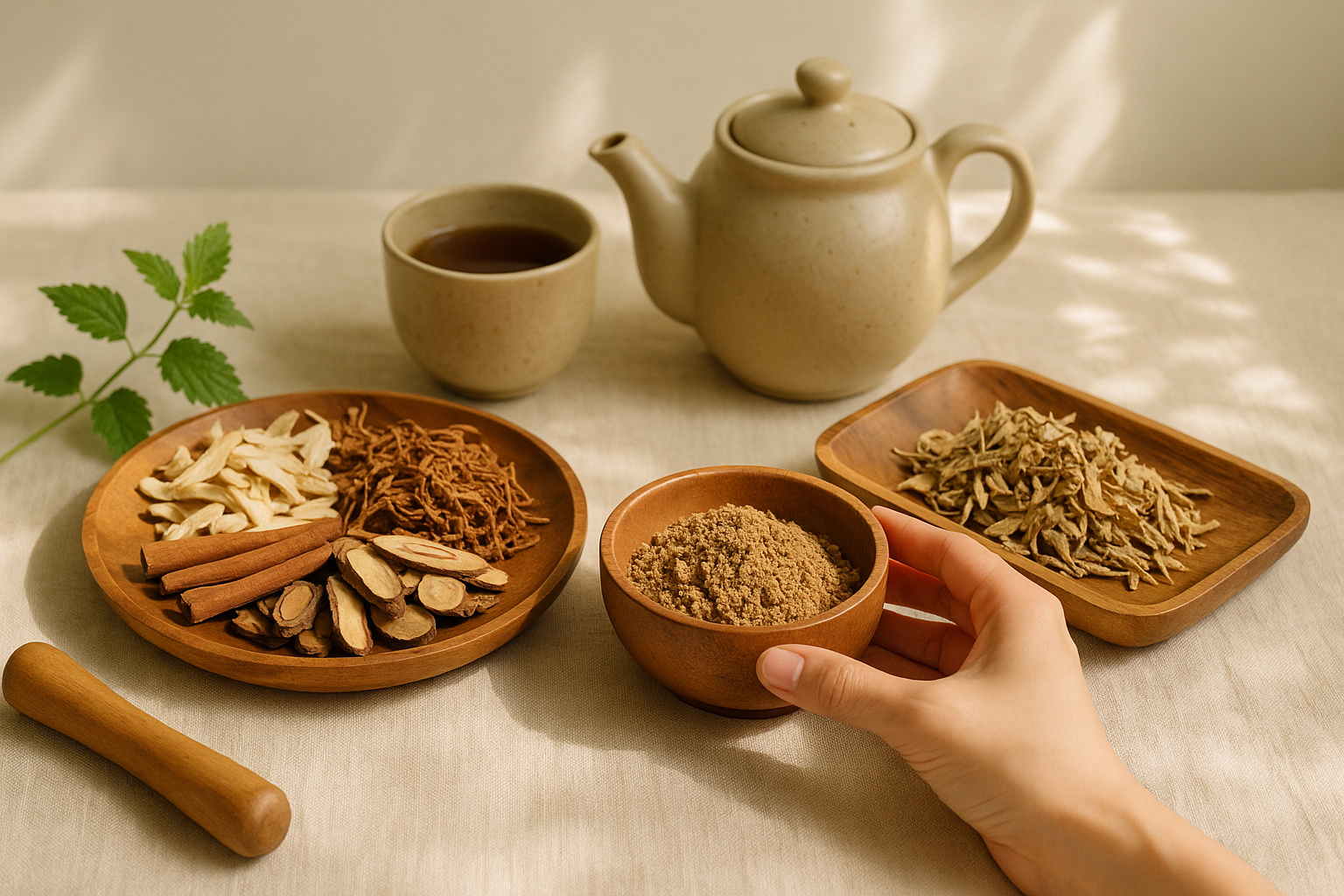
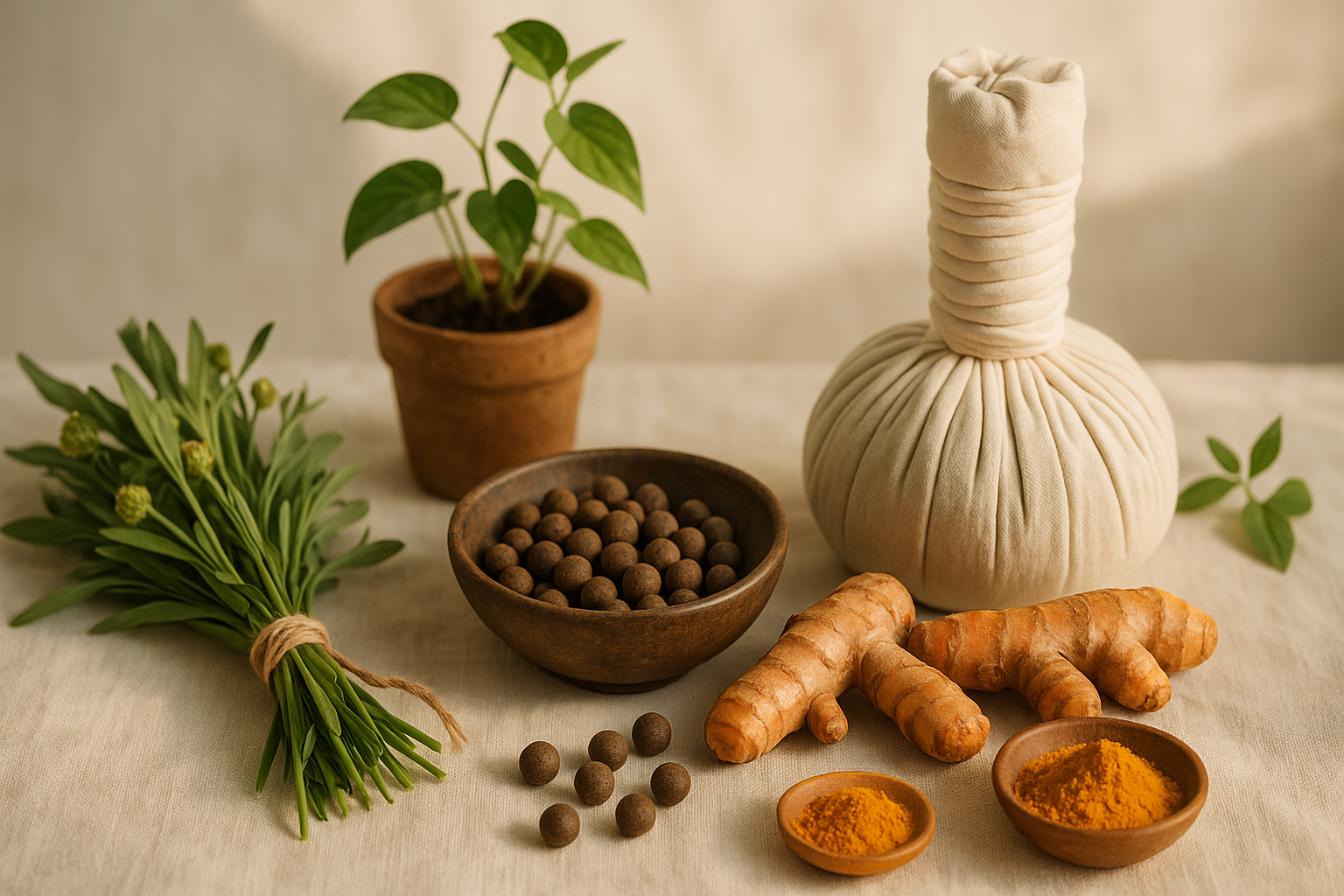
- Herbal remedies tailored to specific Dosha imbalances
- Panchakarma, a detoxification process
- Yoga practices that align with one's Dosha
- Dietary guidelines based on Ayurvedic principles
Additionally, Dosha concepts can be integrated with practices from other wellness traditions, such as mindfulness and meditation.
How to Find a Qualified Practitioner
To find a qualified Ayurvedic practitioner knowledgeable about Doshas, consider the following steps:
- Research local Ayurvedic clinics or wellness centers.
- Check credentials and certifications; look for practitioners trained in recognized Ayurvedic schools.
- Read reviews and testimonials from previous clients.
- Schedule a consultation to discuss your health goals and assess compatibility with the practitioner’s approach.
FAQs
- What are the three Doshas? The three Doshas are Vata, Pitta, and Kapha, each representing different energies and qualities within the body.
- How do I know my Dosha? A qualified practitioner can help determine your Dosha through assessments and questionnaires.
- Can my Dosha change over time? Yes, factors such as age, lifestyle, and environment can influence the balance of your Doshas.
- Is it safe to follow a Dosha-based diet? Generally, yes, but it is essential to consult with a qualified practitioner for personalized guidance.
- How long does it take to balance my Doshas? The time required varies by individual; consistent practice and adherence to recommendations are key.
Frequently asked
What are the three Doshas?
The three Doshas are Vata, Pitta, and Kapha, each representing different energies and qualities within the body.
How do I know my Dosha?
A qualified practitioner can help determine your Dosha through assessments and questionnaires.
Can my Dosha change over time?
Yes, factors such as age, lifestyle, and environment can influence the balance of your Doshas.
Is it safe to follow a Dosha-based diet?
Generally, yes, but it is essential to consult with a qualified practitioner for personalized guidance.
How long does it take to balance my Doshas?
The time required varies by individual; consistent practice and adherence to recommendations are key.