Ayurvedic Herbs
Delve into Ayurvedic herbs, their historical significance, traditional applications, and modern research insights. Learn about safety and how to connect with practitioners.
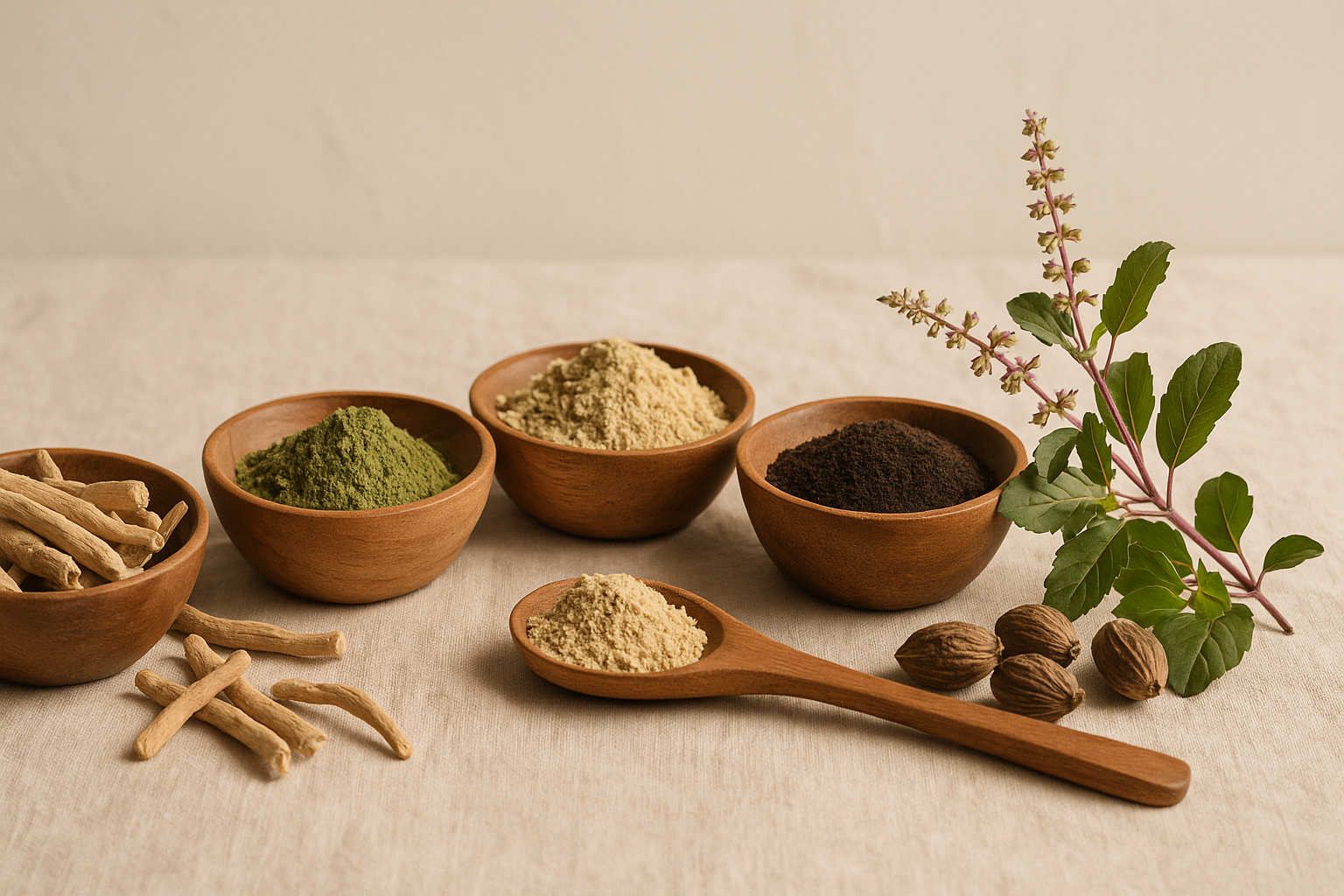
Explore the world of Ayurvedic herbs, their historical roots, traditional practices, and modern research findings. Understand safety considerations and find qualified practitioners in this ancient healing system.
What It Is
Ayurvedic herbs are an integral part of Ayurvedic medicine, a holistic healing system that originated in India over 3,000 years ago. These herbs are derived from various plants and are used for their therapeutic properties, aiming to restore balance and harmony within the body. Each herb is selected based on its unique characteristics and the specific needs of the individual, aligning with the principles of doshas—Vata, Pitta, and Kapha—that govern a person's constitution and health.
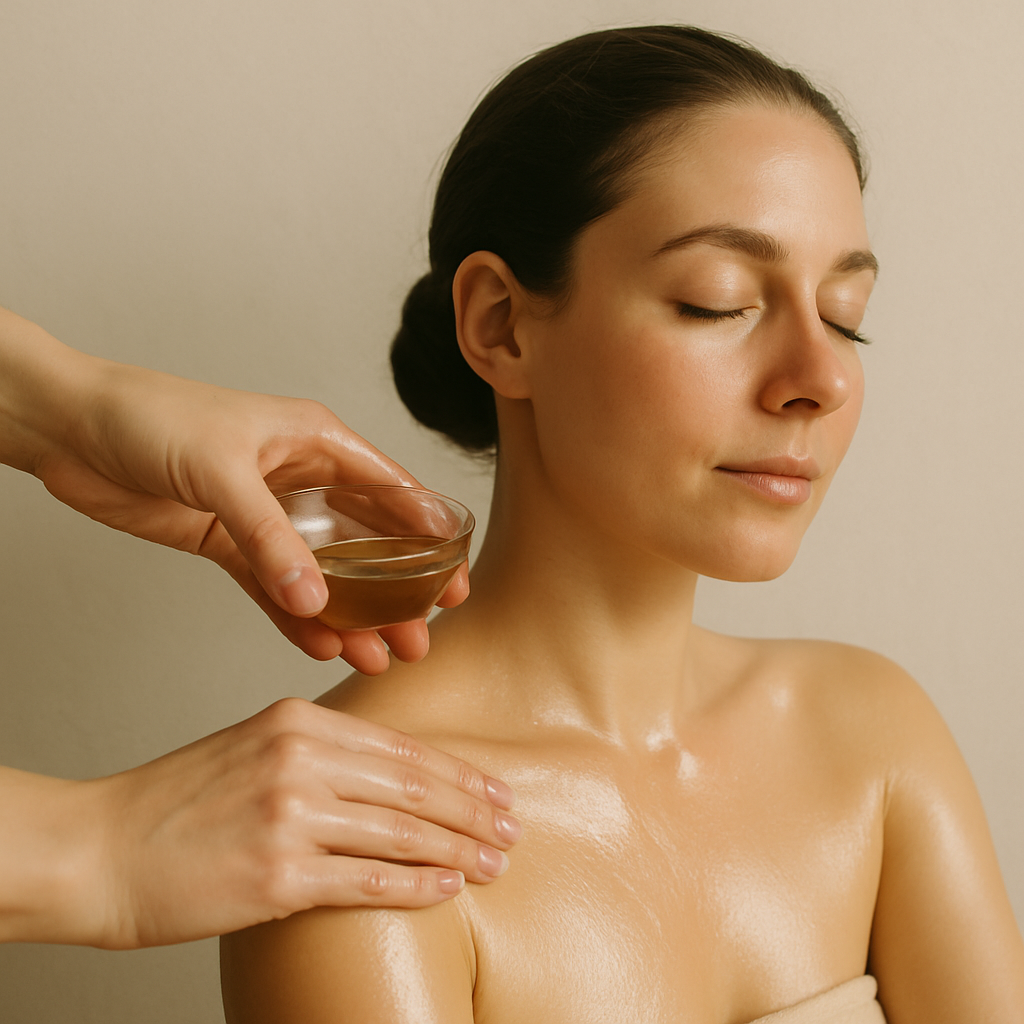
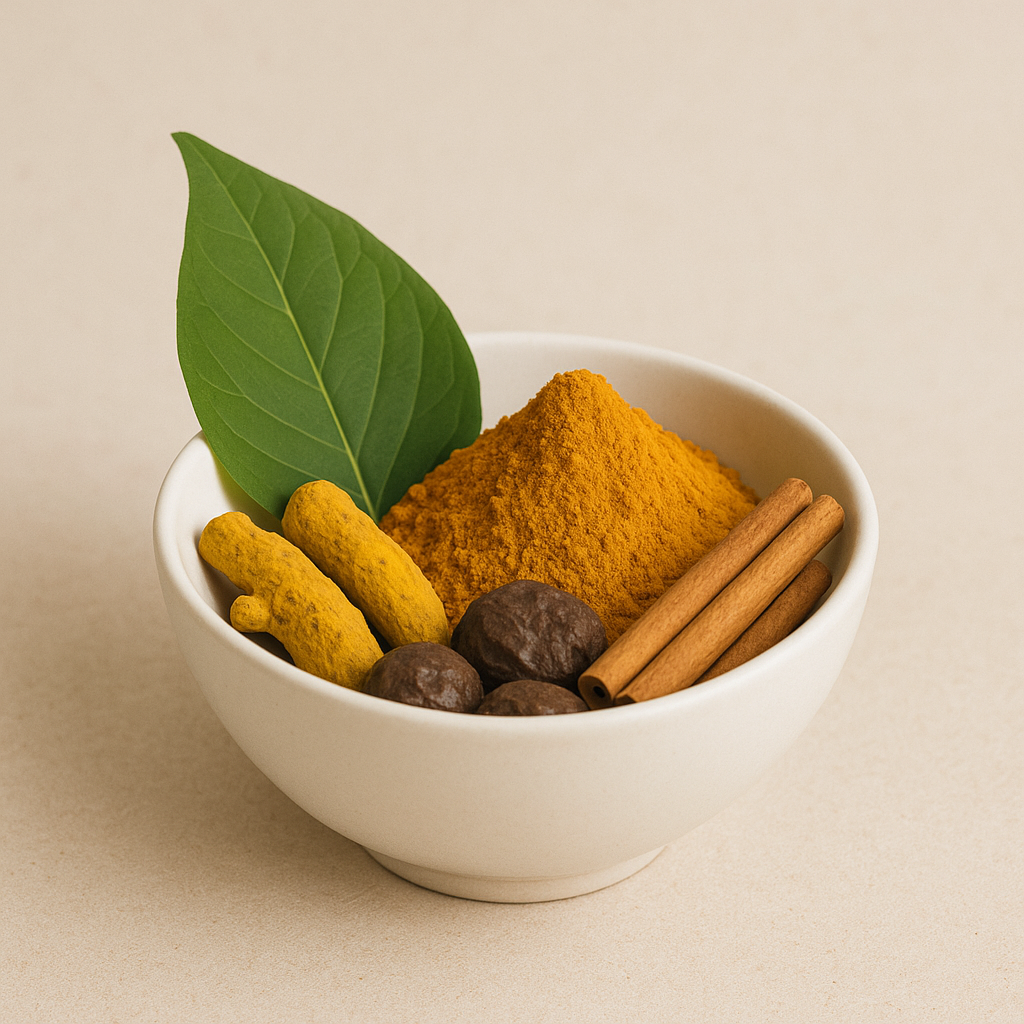
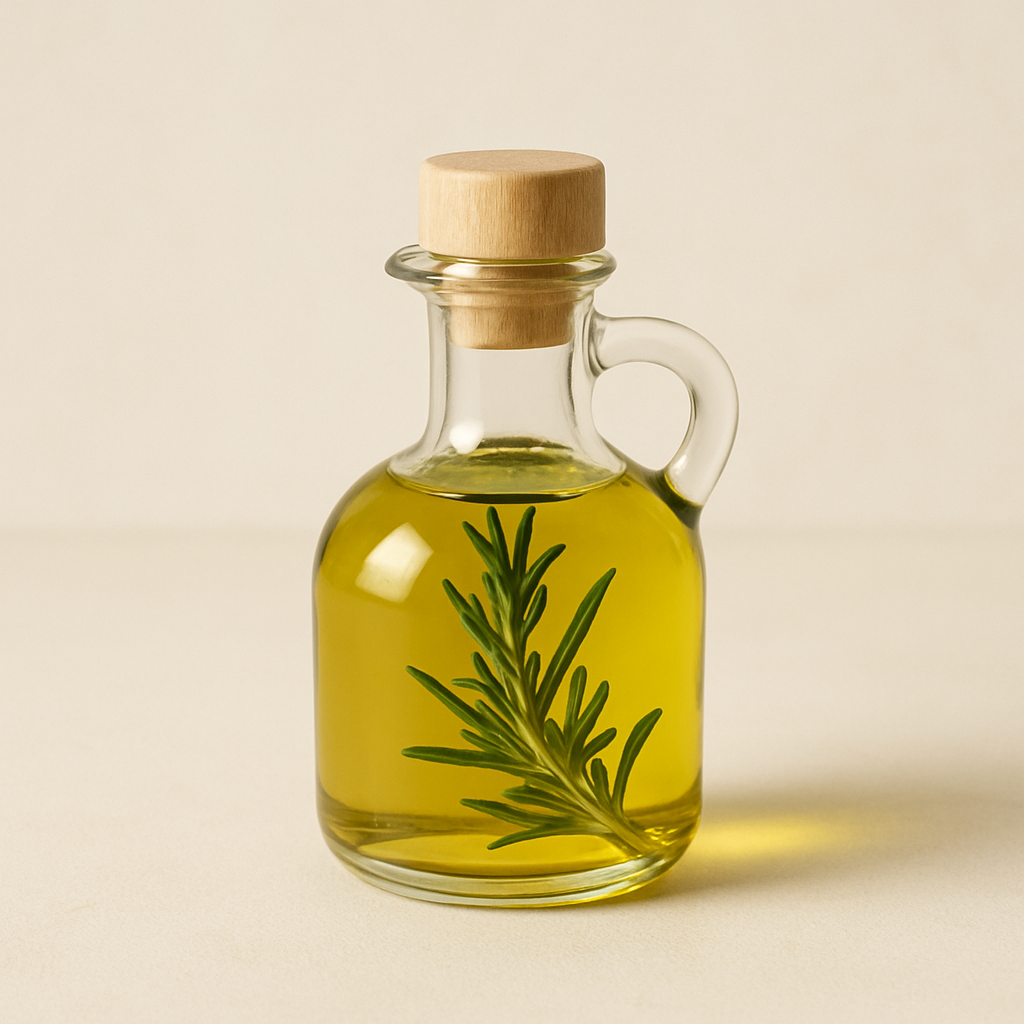
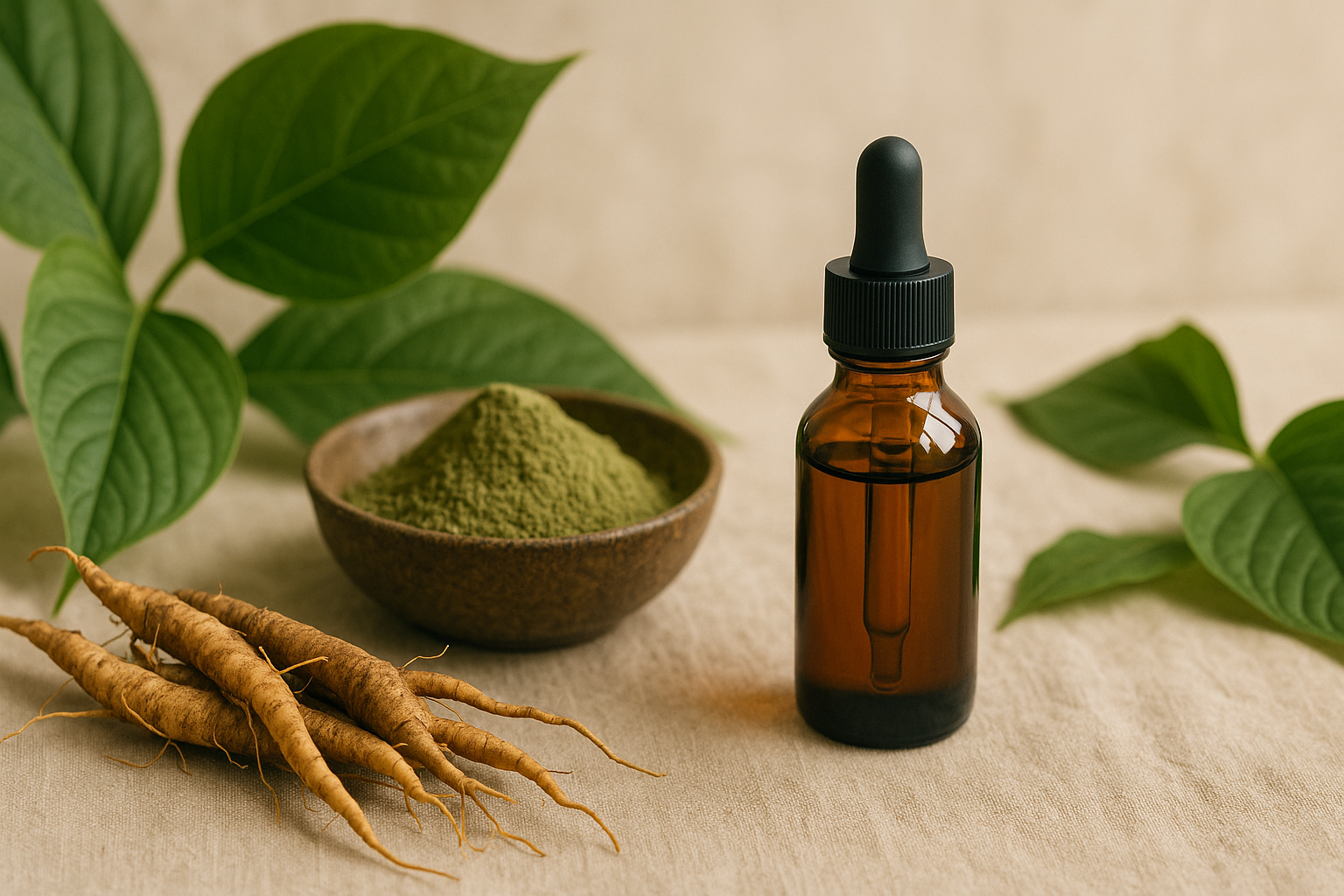
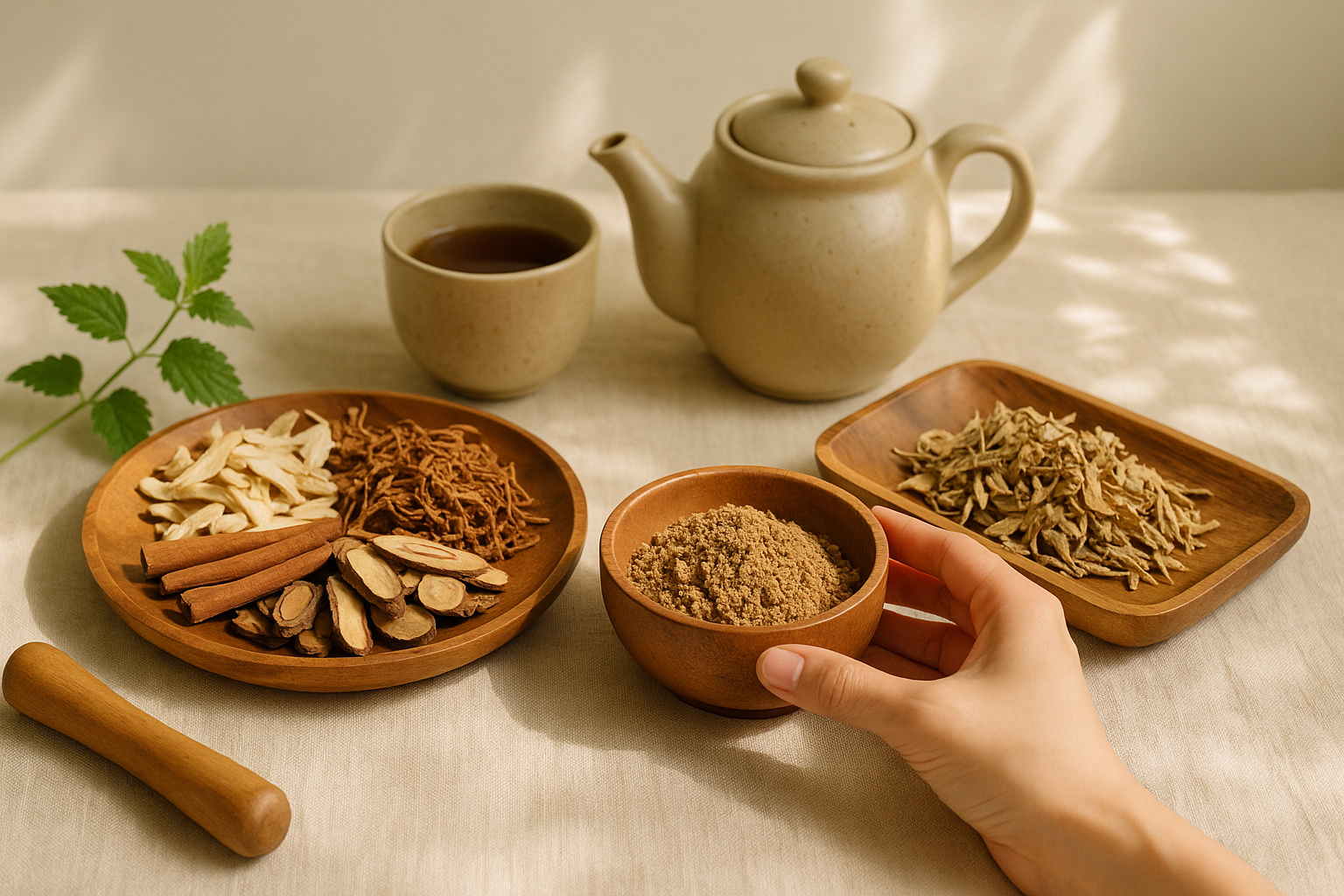
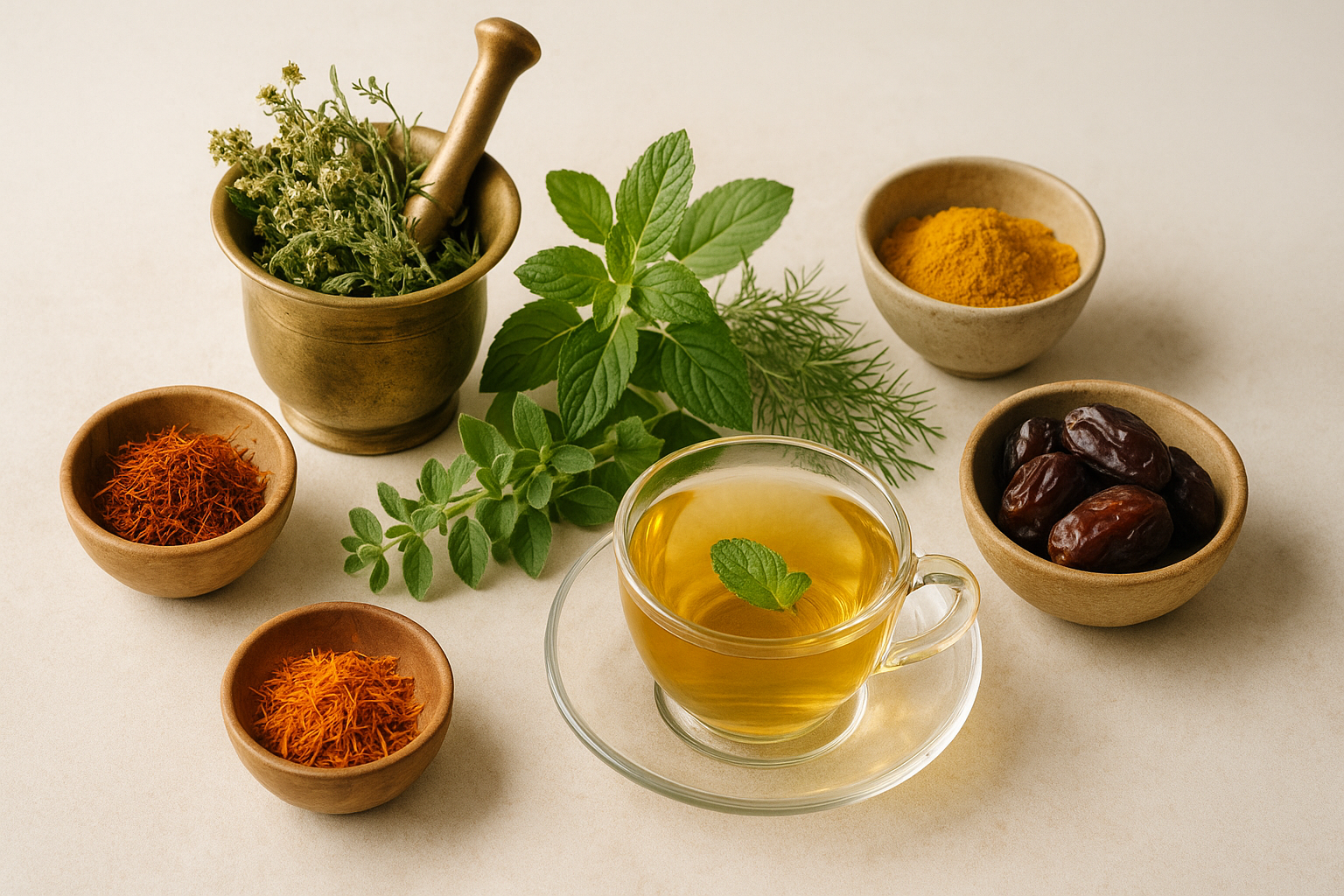
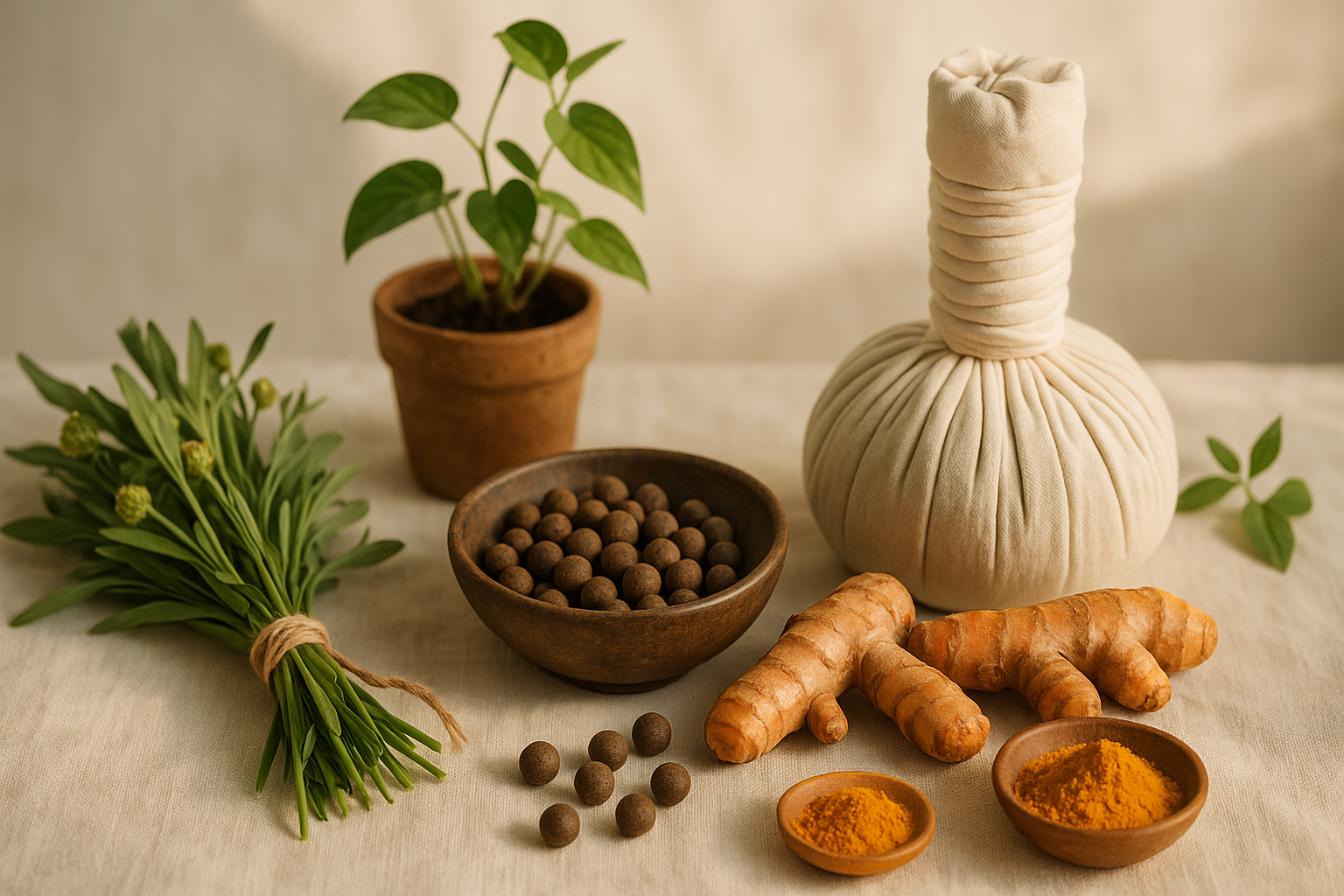
In Ayurvedic practice, herbs are often used in various forms, including powders, oils, and teas. They are believed to work synergistically with the body’s natural processes, promoting wellness and addressing a range of health concerns. The use of these herbs is deeply rooted in the philosophy that health is not merely the absence of disease but a state of balance among the body, mind, and spirit.
Historical Context Within Ayurvedic Medicine
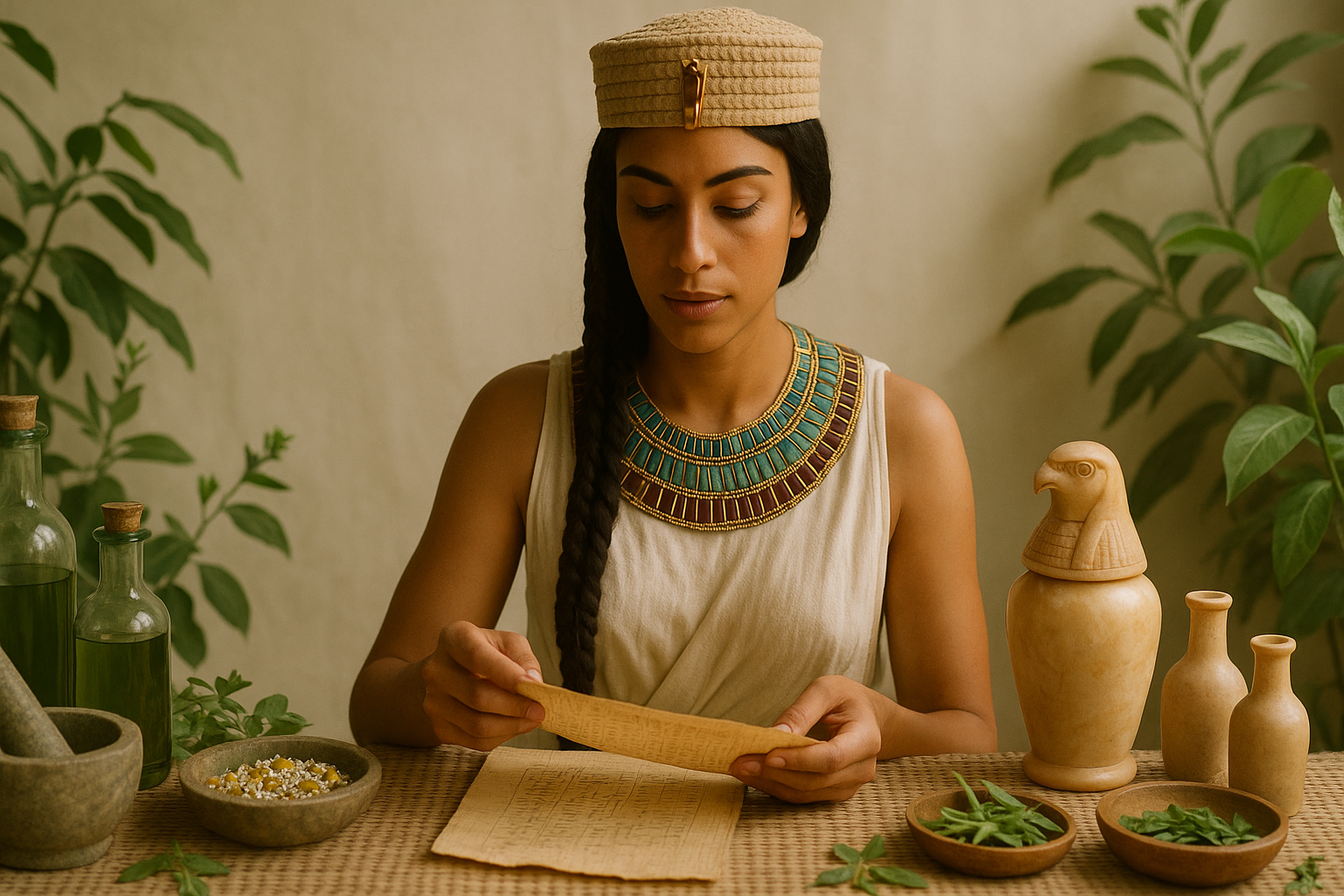
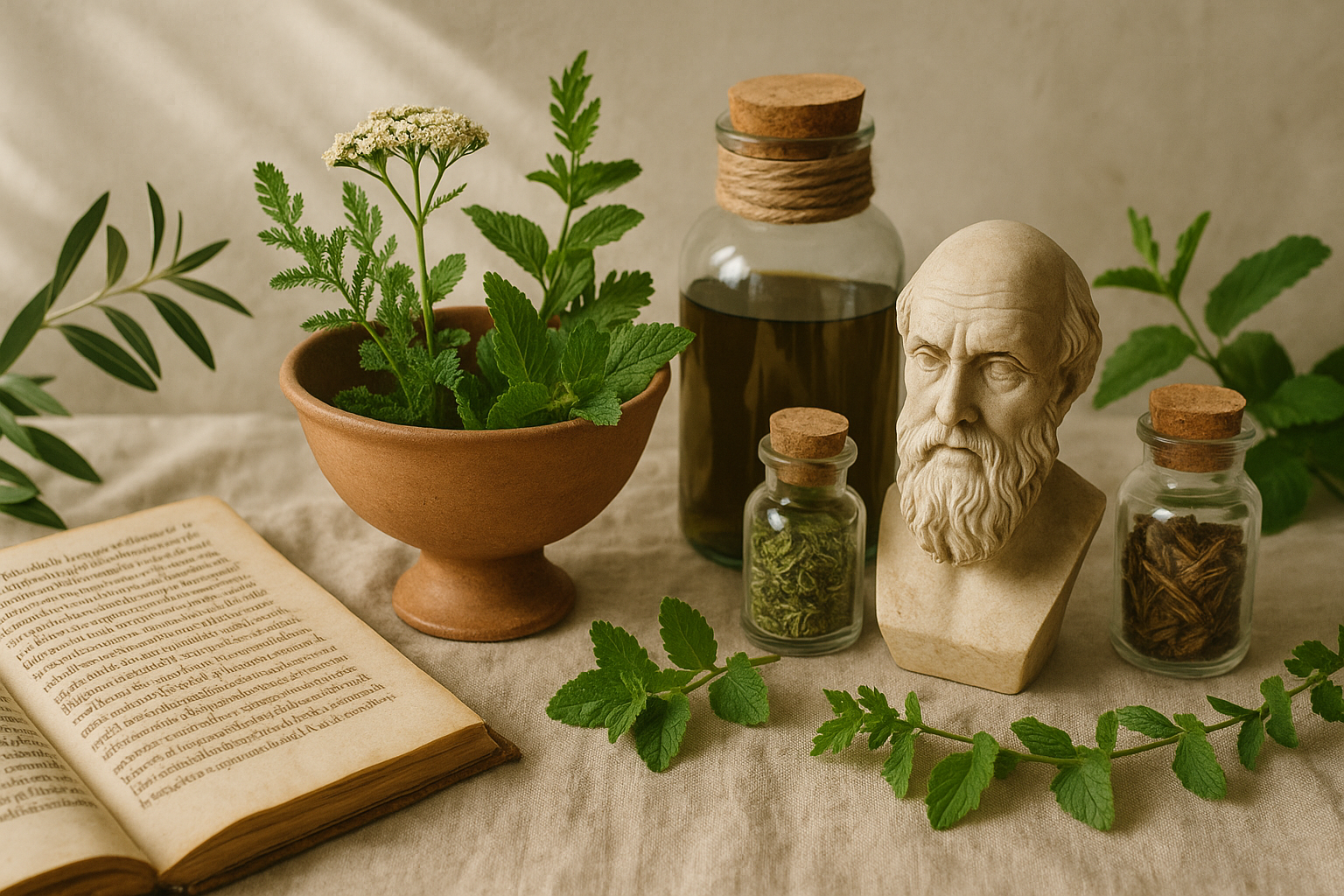
The use of herbs in Ayurvedic medicine can be traced back to ancient texts such as the Charaka Samhita and Sushruta Samhita, which outline the principles of Ayurveda and the therapeutic properties of various plants. These texts were compiled by sages and physicians, including Charaka and Sushruta, who are considered foundational figures in Ayurveda. Over centuries, the knowledge of these herbs has been passed down through generations, evolving through cultural exchanges and regional practices.
Ayurvedic herbs were traditionally cultivated in specific environments, where their medicinal properties could flourish. This practice reflects the Ayurvedic belief in the importance of nature and the interconnectedness of life. The historical roots of these herbs highlight their significance not only in medicine but also in the cultural and spiritual practices of ancient Indian society.
How It's Practiced
The practice of using Ayurvedic herbs typically involves several key steps:
- Consultation: Individuals consult with a qualified Ayurvedic practitioner who assesses their unique constitution and health concerns.
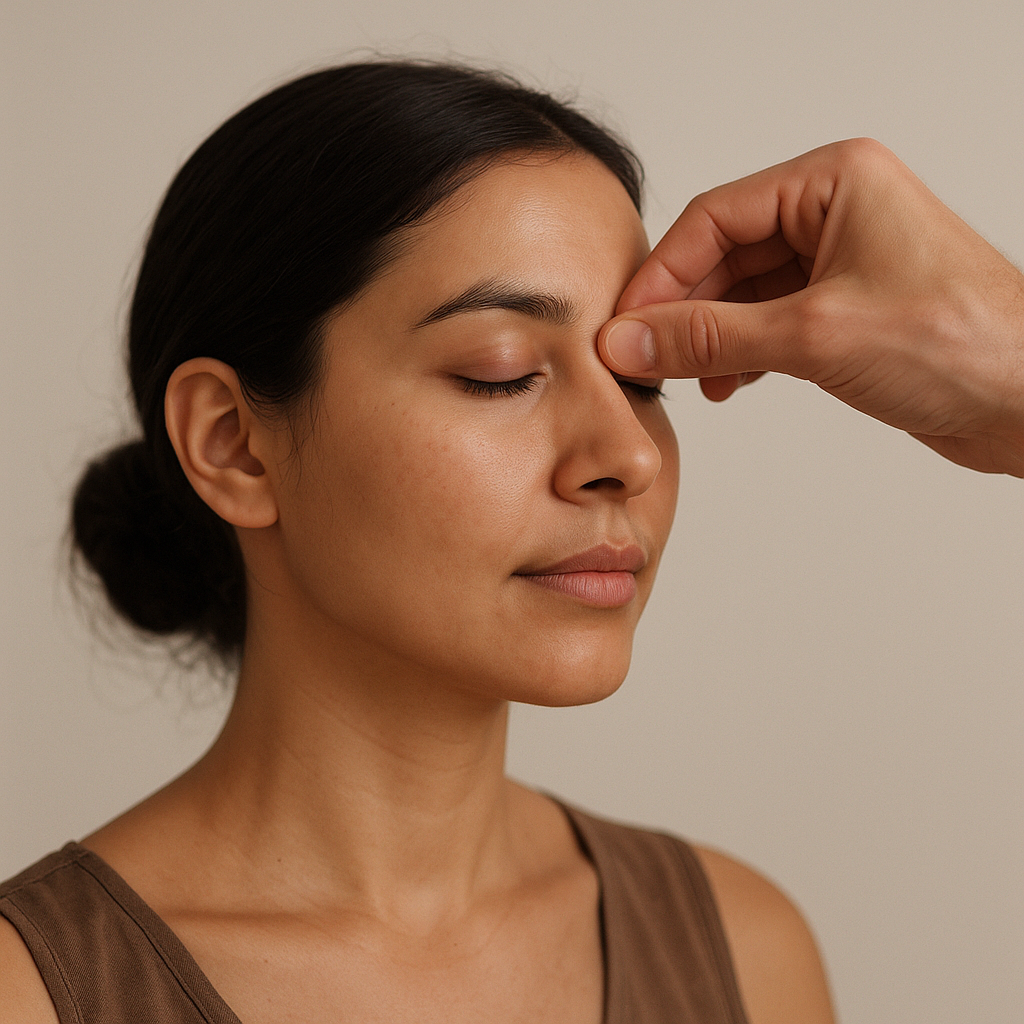
- Assessment: Practitioners may conduct a detailed evaluation, including pulse diagnosis and examination of physical traits.
- Herb Selection: Based on the assessment, specific herbs are recommended to balance the doshas and address health issues.
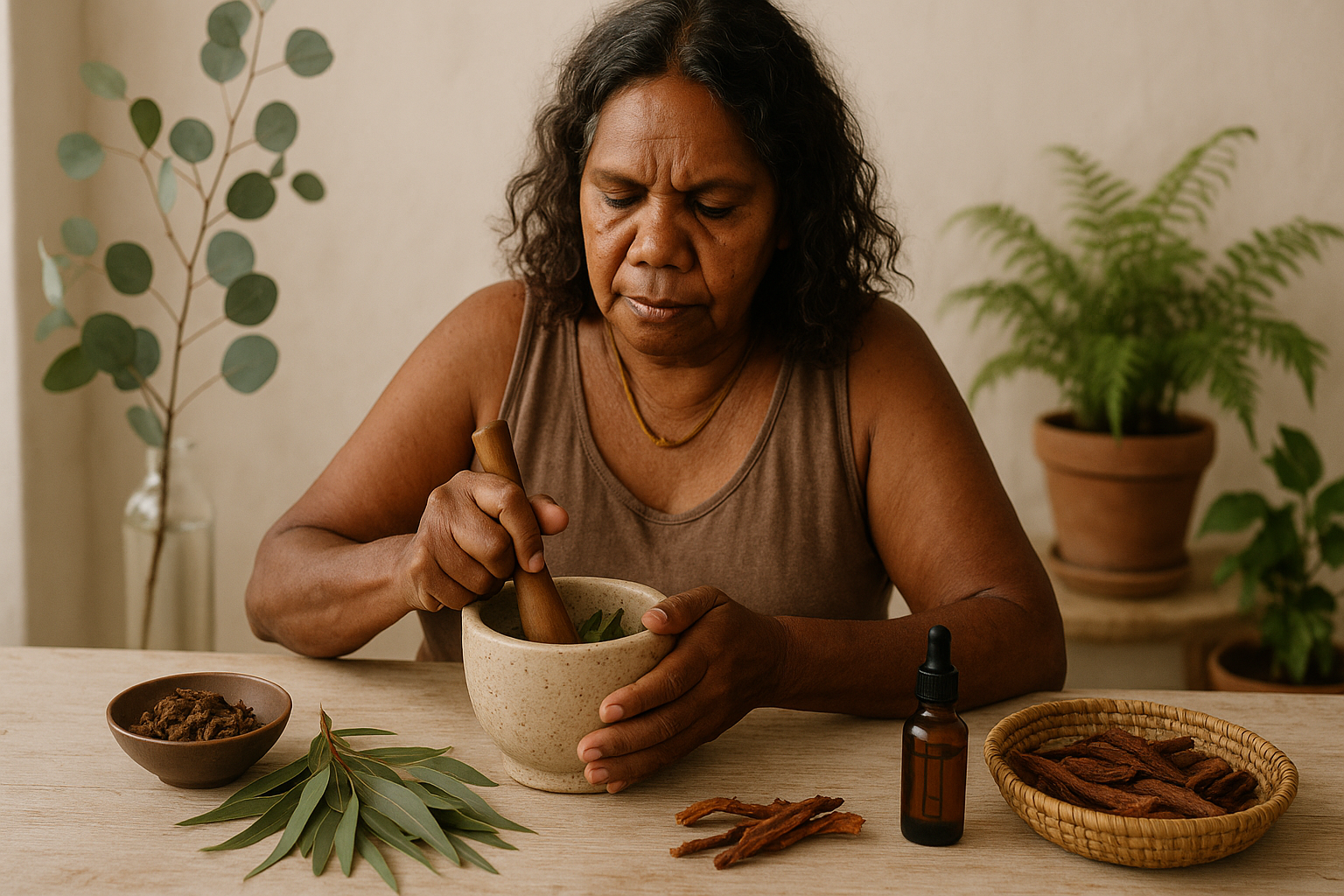
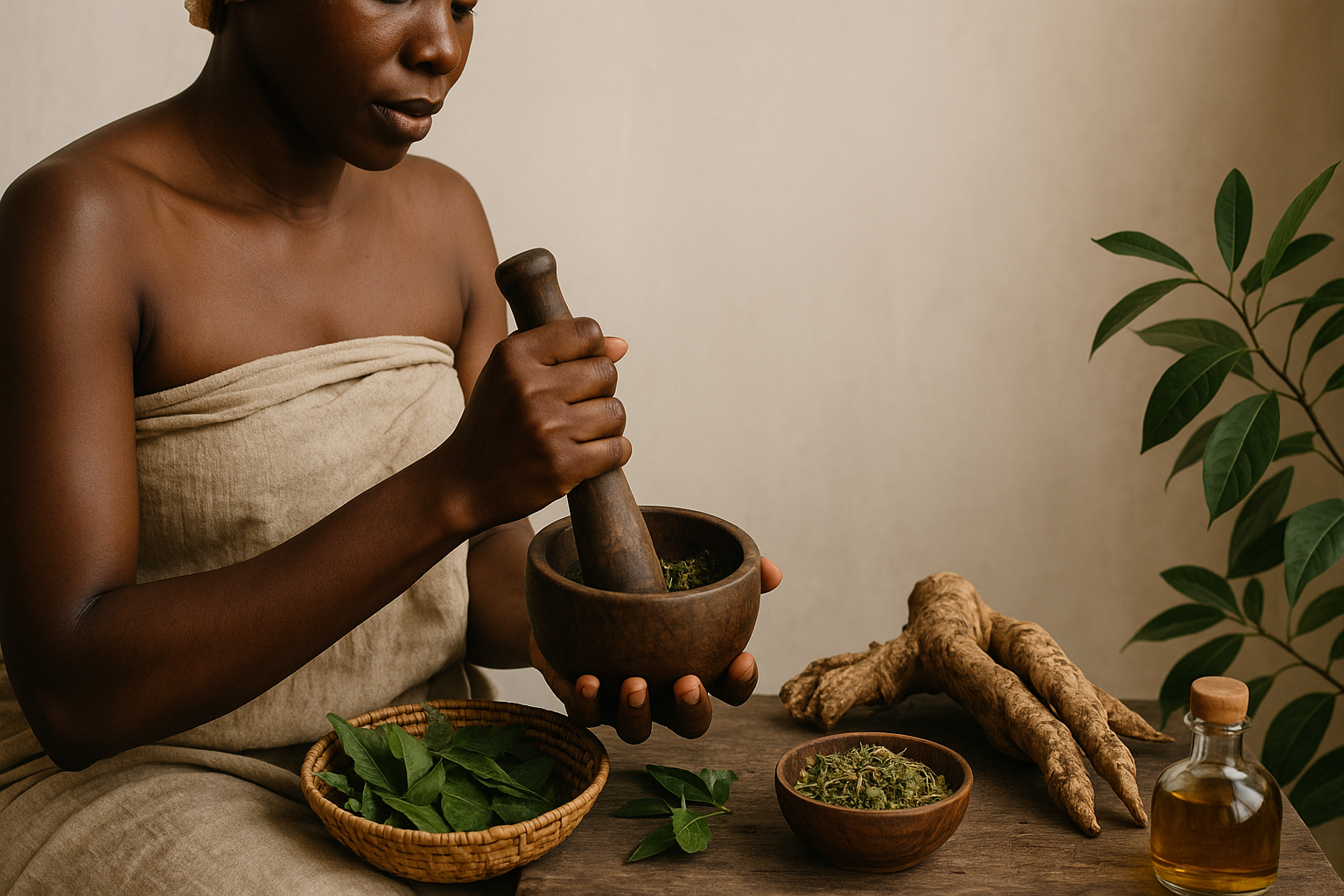
- Preparation: Herbs may be prepared in various forms, such as powders, decoctions, or tinctures, tailored to the individual's needs.
- Monitoring: Regular follow-ups are essential to monitor progress and adjust herbal formulations as needed.
- Integration: Herbs are often combined with dietary recommendations and lifestyle changes for a holistic approach.
What It Is Traditionally Explored For
Ayurvedic herbs are traditionally explored for a variety of health concerns, including:
- Supporting digestive health
- Enhancing immune function
- Promoting mental clarity and emotional well-being
- Balancing hormonal health
- Addressing skin conditions
- Improving respiratory function
It is important to note that while these uses have been established through centuries of practice, individuals should approach herbal remedies with caution and under the guidance of a qualified practitioner.
What Modern Research Suggests
Safety, Contraindications & Who Should Skip
While many Ayurvedic herbs are considered safe when used appropriately, some individuals may experience side effects or interactions with medications. Caution is advised for:
- Pregnant or breastfeeding women
- Individuals with chronic health conditions
- Those taking prescription medications
- People with allergies to specific plants
It is crucial to consult with a qualified Ayurvedic practitioner or healthcare provider before starting any herbal regimen to ensure safety and appropriateness.
Pairs Well With (within Ayurvedic Medicine and across pillars)
Ayurvedic herbs work synergistically with various other practices and modalities, including:
- Ayurvedic Diet: Specific dietary recommendations that complement herbal use.
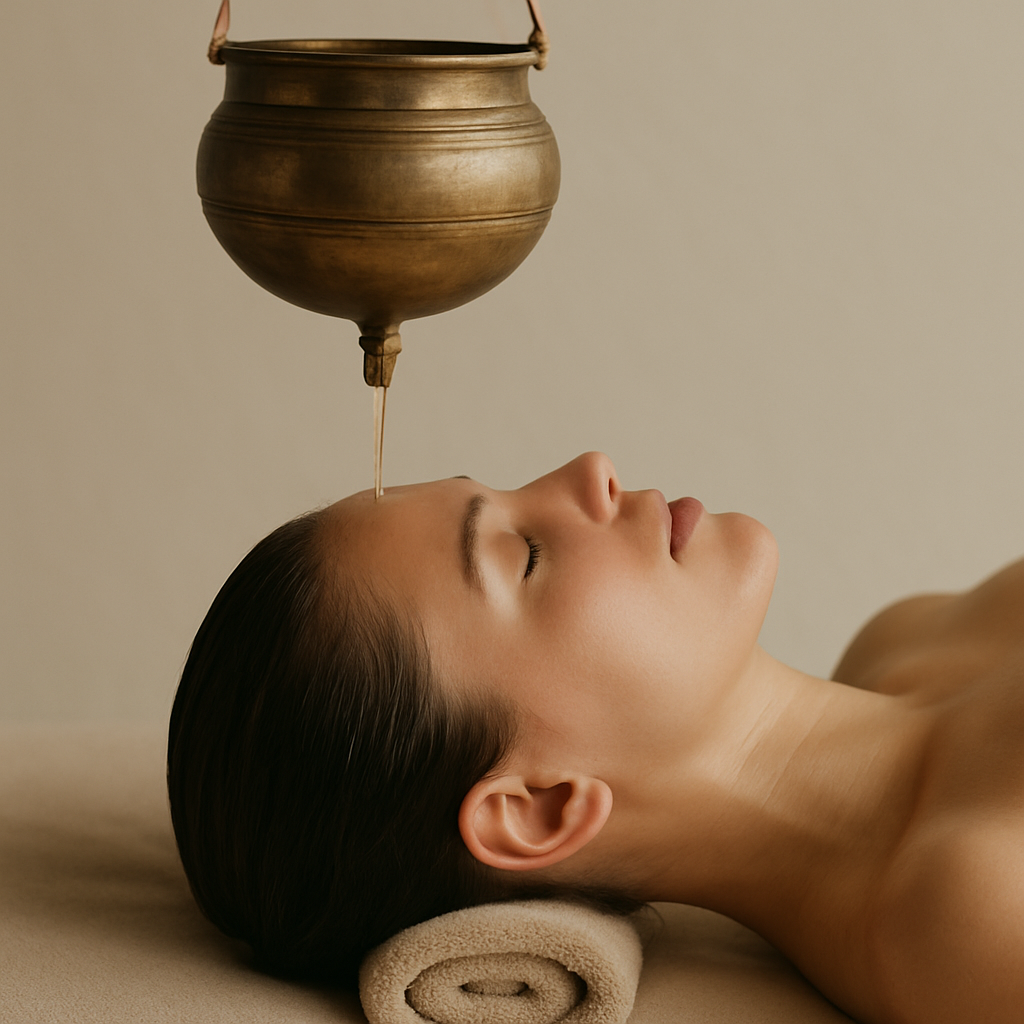
- Panchakarma: Detoxification therapies that enhance the body's ability to absorb and utilize herbs.
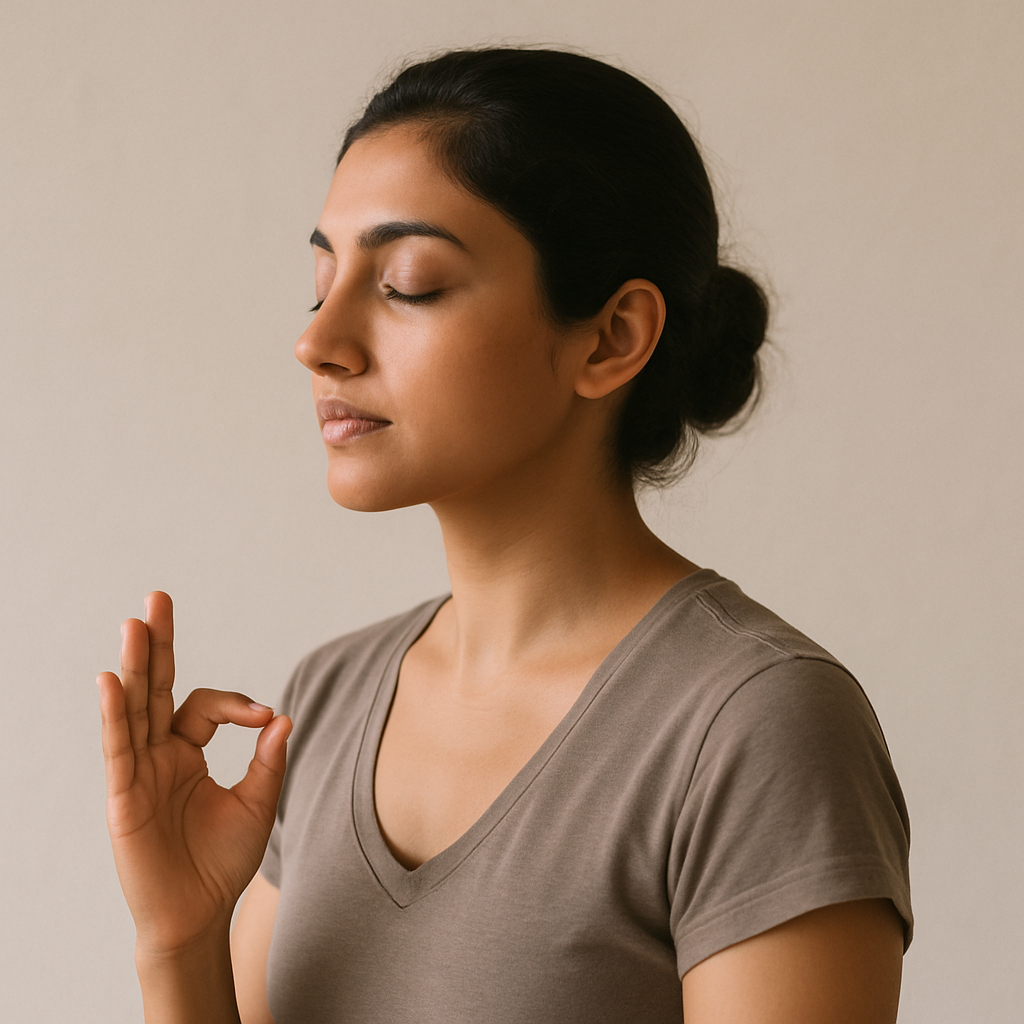
- Yoga and Meditation: Practices that promote balance and holistic well-being.
- Essential Oils: Aromatherapy to support emotional and physical health.
How to Find a Qualified Practitioner
Finding a qualified Ayurvedic practitioner is essential for a safe and effective herbal regimen. Consider the following steps:
- Look for practitioners who are certified by reputable Ayurvedic organizations.
- Check for educational background and experience in Ayurvedic medicine.
- Seek recommendations from trusted sources or community groups.
- Schedule an initial consultation to discuss your health concerns and approach.
FAQs (5)
- Are Ayurvedic herbs safe for everyone? While many are safe, individuals with specific health conditions or those taking medications should consult a practitioner.
- How long does it take to see results from Ayurvedic herbs? Results can vary widely depending on individual health and the specific herbs used.
- Can I combine Ayurvedic herbs with conventional medicine? It is essential to consult a healthcare provider before combining therapies to avoid interactions.
- Are Ayurvedic herbs regulated? The regulation of herbal products varies by country, so it's important to choose high-quality sources.
- What is the best way to take Ayurvedic herbs? The method of taking herbs depends on the specific recommendation of a practitioner, which may include powders, teas, or tinctures.
Frequently asked
Are Ayurvedic herbs safe for everyone?
While many are safe, individuals with specific health conditions or those taking medications should consult a practitioner.
How long does it take to see results from Ayurvedic herbs?
Results can vary widely depending on individual health and the specific herbs used.
Can I combine Ayurvedic herbs with conventional medicine?
It is essential to consult a healthcare provider before combining therapies to avoid interactions.
Are Ayurvedic herbs regulated?
The regulation of herbal products varies by country, so it's important to choose high-quality sources.
What is the best way to take Ayurvedic herbs?
The method of taking herbs depends on the specific recommendation of a practitioner, which may include powders, teas, or tinctures.