Detoxification
Explore the ancient Ayurvedic practice of detoxification, its historical roots, methods, and potential benefits.
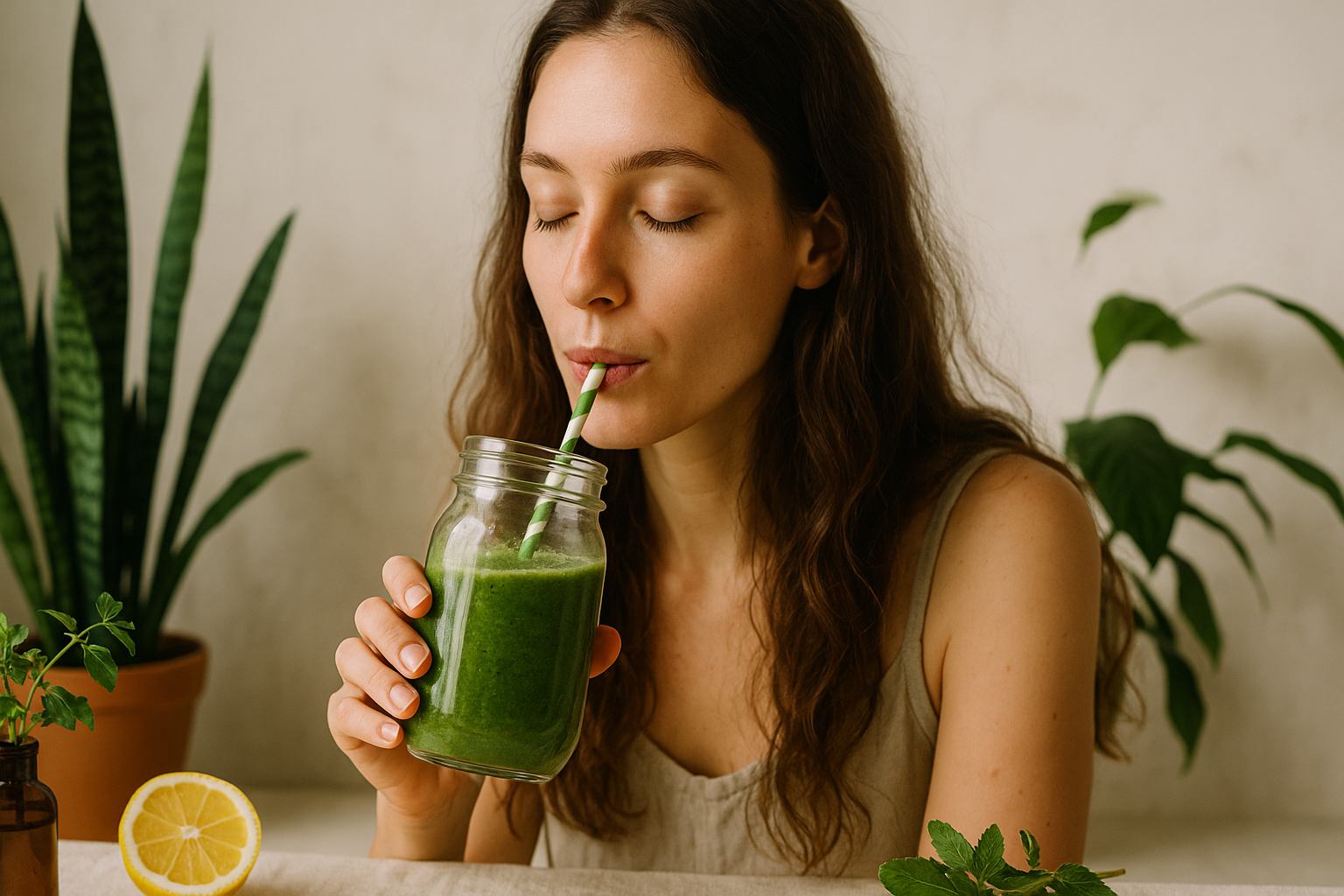
Detoxification in Ayurvedic medicine is a holistic approach that seeks to cleanse the body and restore balance. It has roots in ancient practices and is focused on enhancing overall well-being through natural methods.
What It Is
Detoxification, often referred to as "Panchakarma" in Ayurvedic medicine, is a holistic process aimed at cleansing the body of toxins, known as "ama." These toxins can accumulate due to various factors, including poor diet, environmental influences, and emotional stress. The goal of detoxification is to restore balance to the body's energies, enhance vitality, and promote overall well-being.
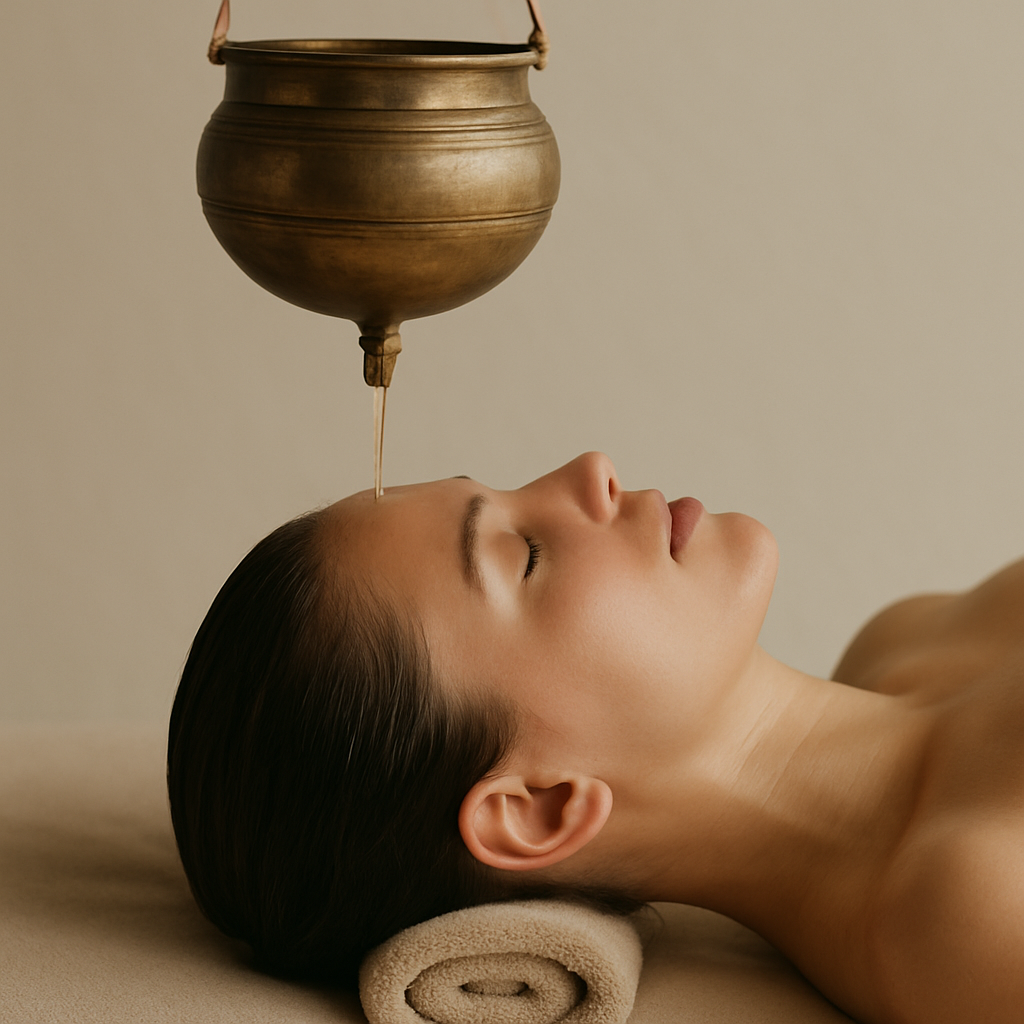
The detoxification process in Ayurveda encompasses various practices that work synergistically to expel toxins from the body. This includes dietary changes, herbal remedies, and specific therapies designed to rejuvenate the body and mind. The approach is personalized, taking into consideration an individual’s unique constitution or "dosha," which influences how toxins are processed and eliminated.
Historical Context Within Ayurvedic Medicine
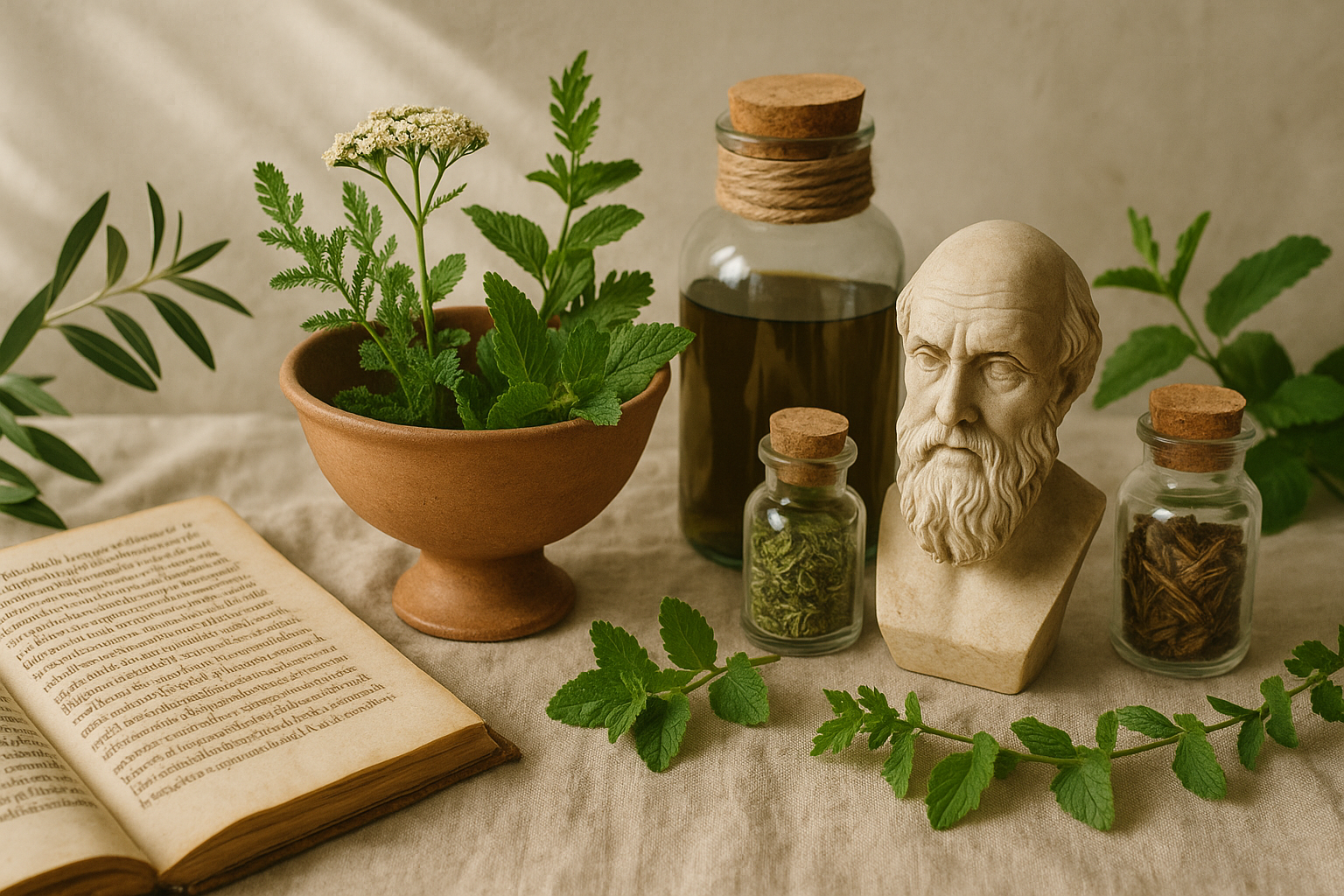
Detoxification has been a fundamental aspect of Ayurvedic medicine for thousands of years, with its principles dating back to ancient texts such as the "Charaka Samhita" and the "Sushruta Samhita." These texts describe various detoxification techniques and their significance in maintaining health and preventing disease. The practice of Panchakarma was developed by ancient Ayurvedic scholars who understood the importance of cleansing the body to may support and rejuvenate.
Over centuries, this ancient wisdom has been passed down through generations, evolving while maintaining its core principles. Today, practitioners continue to draw from these traditional texts, adapting the methods to suit modern lifestyles while honoring the foundational philosophies of Ayurveda.
How It's Practiced
The practice of detoxification in Ayurveda typically involves several steps, which may vary based on individual needs and conditions. Here is a general walk-through of the process:
- Consultation: A qualified Ayurvedic practitioner assesses the individual's dosha, health history, and lifestyle to create a personalized detox plan.
- Preparation: Prior to detoxification, the individual may be advised to follow a specific diet that often includes light, easily digestible foods to prepare the body.
- Detoxification Therapies: This may include:
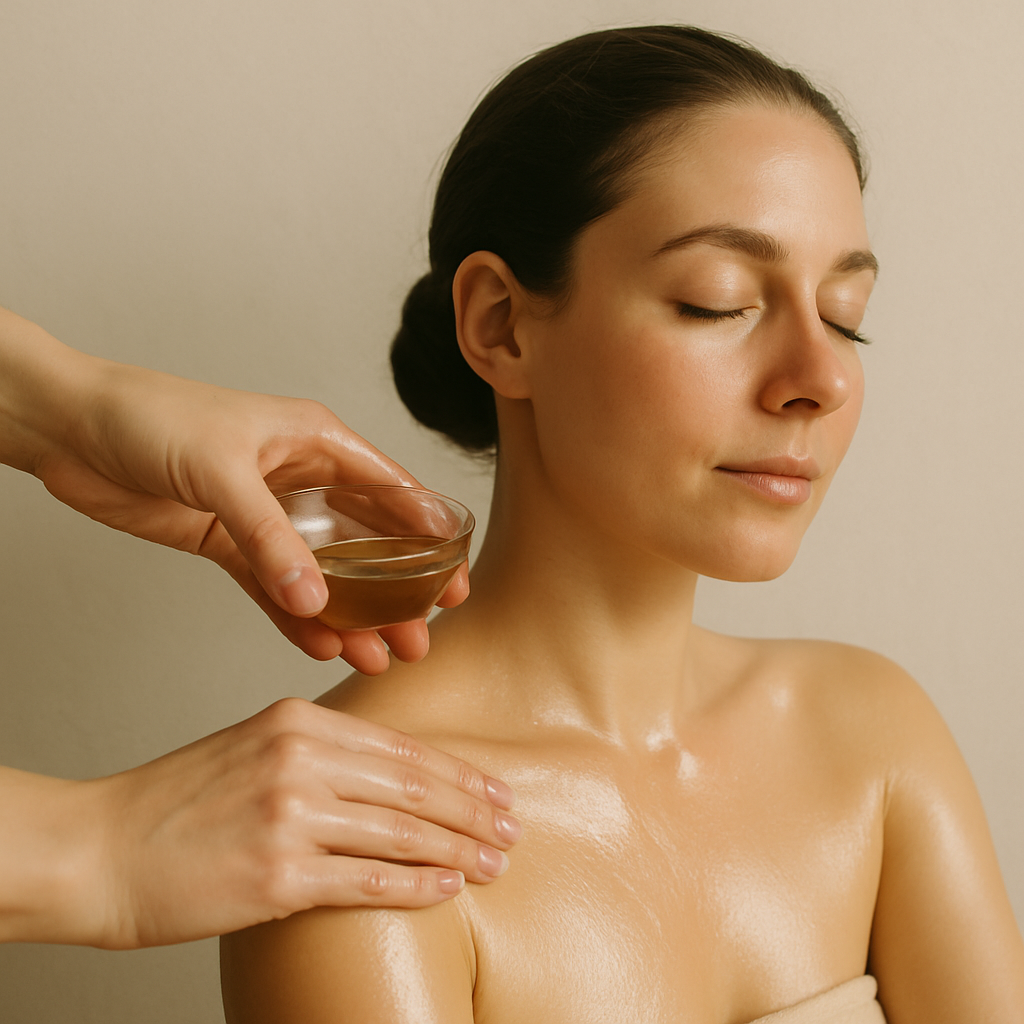
- Herbal oil massages (Abhyanga)
- Steam therapy (Swedana)
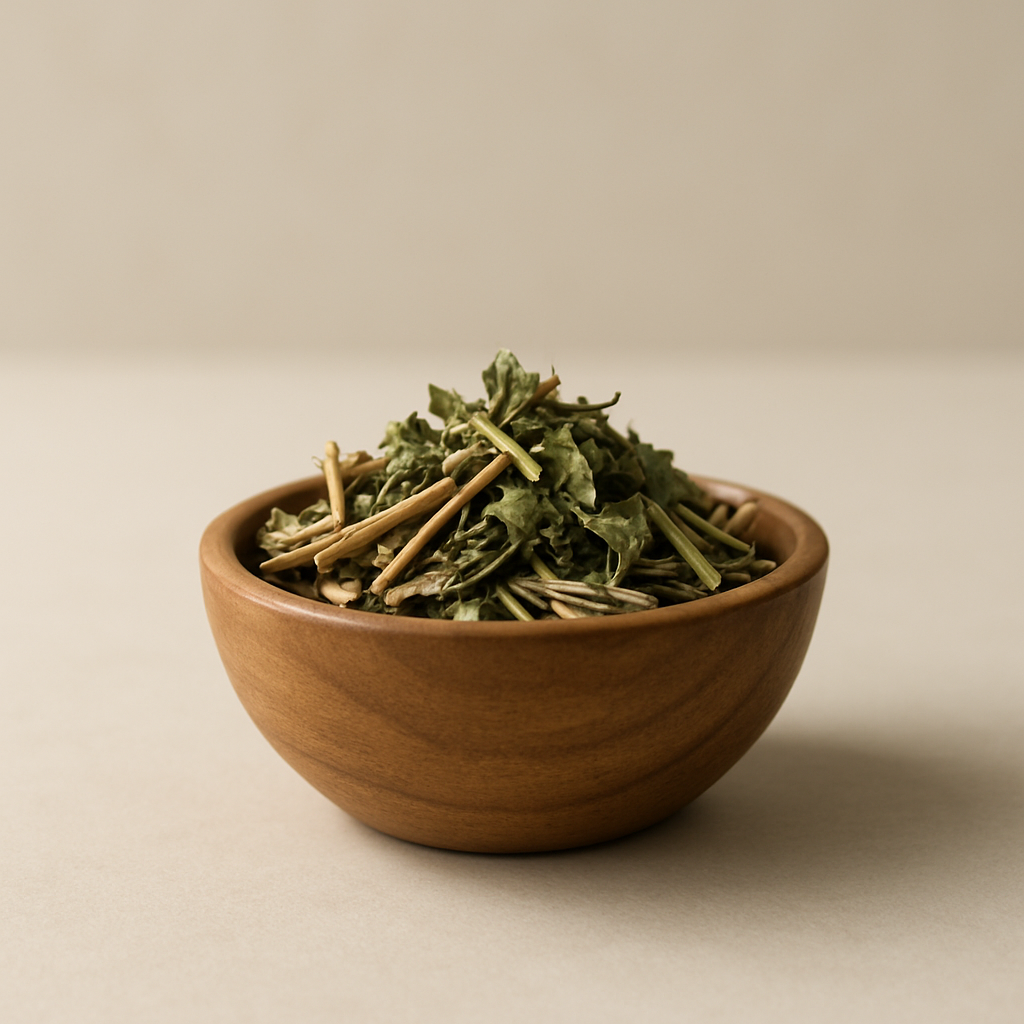
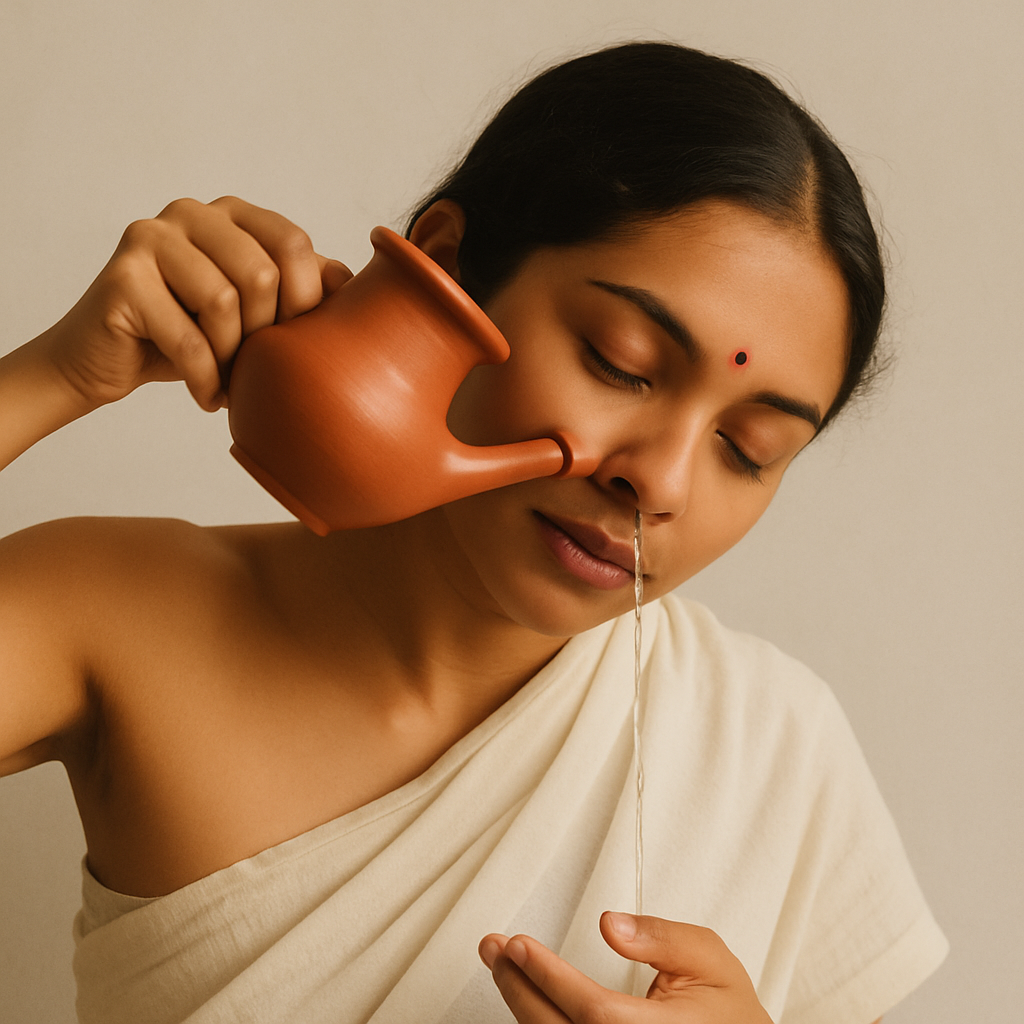
- Internal cleansing through herbal formulations
- Enemas (Basti)
- Blood purification techniques (Raktamokshana)
- Rejuvenation: After detoxification, a period of rejuvenation may be recommended, incorporating nourishing foods and herbal supplements to restore balance.
What It Is Traditionally Explored For
Detoxification in Ayurveda is traditionally explored for various health concerns, including:
- Enhancing digestive health
- Improving skin conditions
- Boosting energy levels
- Supporting emotional well-being
- Promoting mental clarity
It is important to note that detoxification is a holistic practice aimed at restoring balance, and its benefits may vary depending on the individual's constitution and health goals.
What Modern Research Suggests
While Ayurvedic detoxification practices have been used for centuries, modern research is beginning to explore their efficacy. Some studies suggest that certain Ayurvedic detox methods, such as Panchakarma, may have positive effects on metabolic health and inflammation. However, more rigorous clinical trials are needed to validate these findings comprehensively.
Preliminary research has indicated that detoxification can lead to improvements in digestion and overall health markers. Nonetheless, it is crucial to approach these findings with caution, as individual responses to detoxification can vary widely, and more studies are necessary to establish definitive conclusions.
Safety, Contraindications & Who Should Skip
Detoxification is generally safe for many individuals; however, there are certain populations who should approach it with caution or avoid it altogether. These may include:
- Pregnant or breastfeeding women
- Individuals with chronic illnesses
- Those with weakened immune systems
- People taking certain medications
It is essential to consult with a qualified Ayurvedic practitioner before starting any detox program to ensure it is appropriate for your specific health situation.
Pairs Well With (within Ayurvedic Medicine and across pillars)
Detoxification can be complemented by various Ayurvedic practices and ingredients, enhancing its effectiveness. Related modalities include:
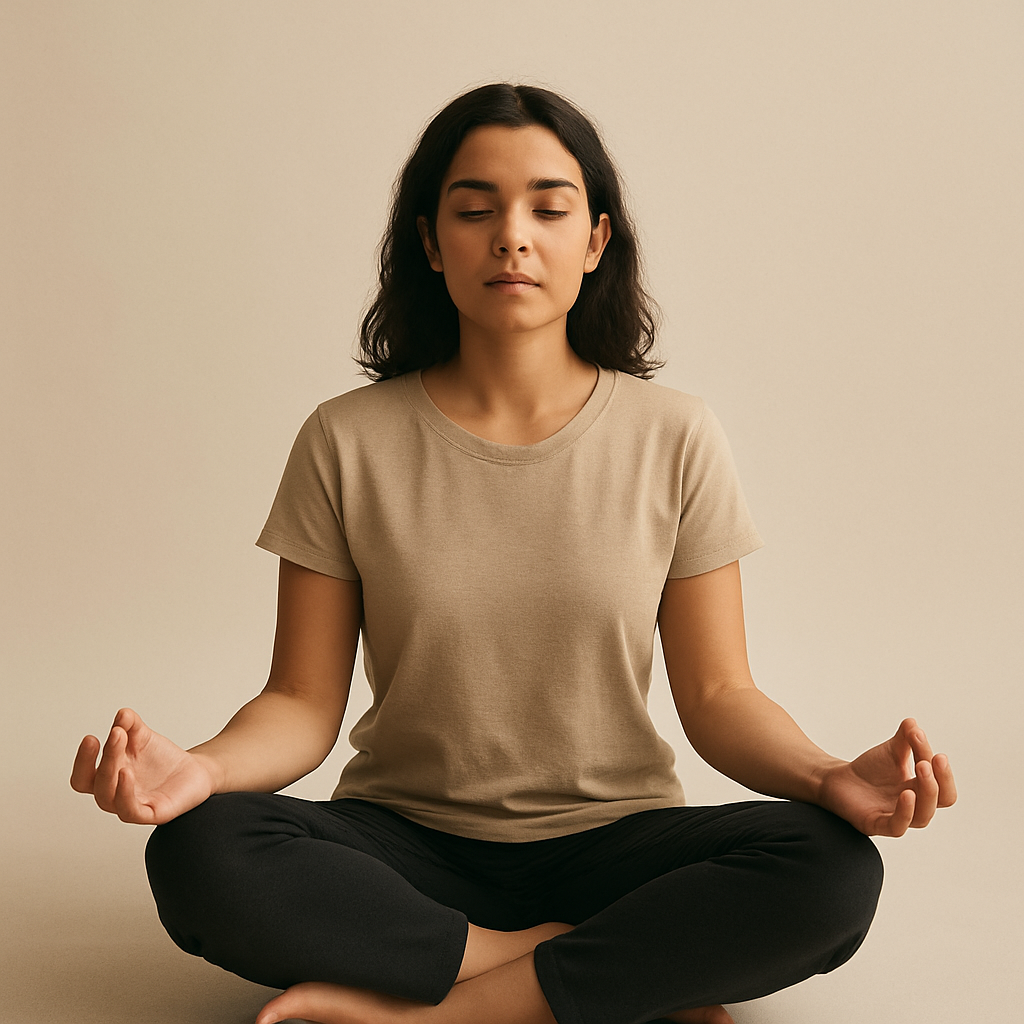
- Yoga and meditation for mental clarity and relaxation
- Naturopathy for holistic health approaches
- Aromatherapy with essential oils for emotional balance
Common ingredients that pair well with detoxification include:
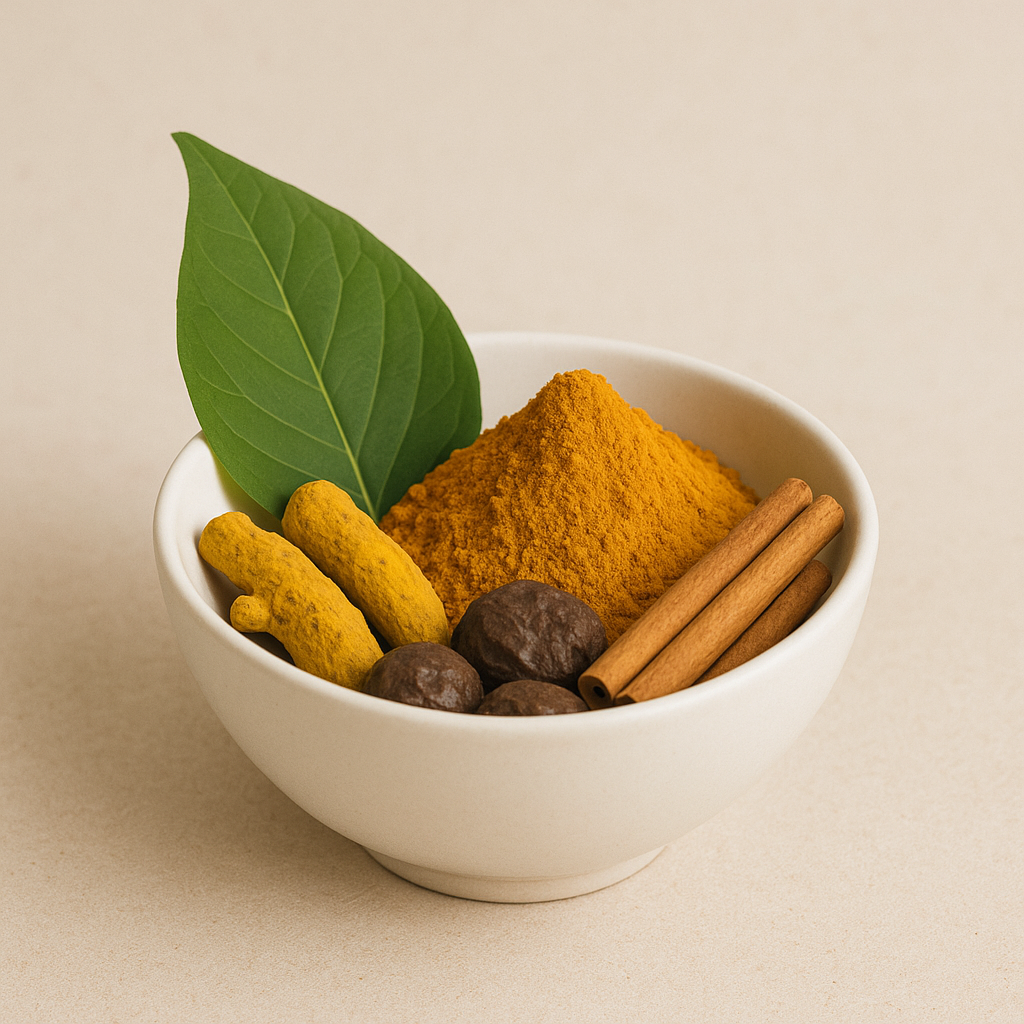
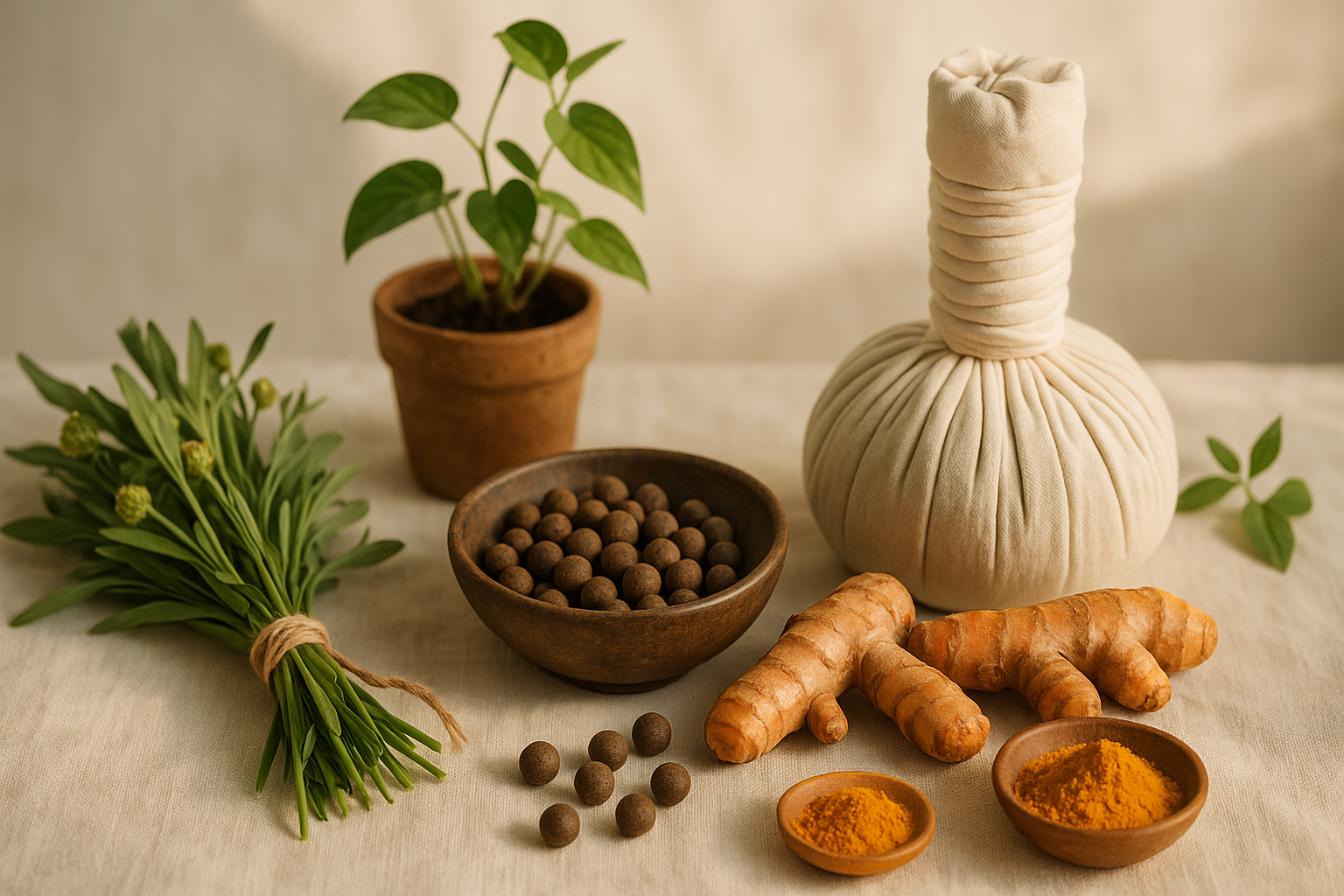
- Turmeric for its anti-inflammatory properties
- Ginger to support digestion
- Triphala for gentle cleansing
How to Find a Qualified Practitioner
To find a qualified Ayurvedic practitioner specializing in detoxification, consider the following steps:
- Seek recommendations from trusted sources or health professionals.
- Research practitioners' credentials, ensuring they are certified in Ayurveda.
- Check reviews and testimonials from previous clients to gauge their experience.
- Schedule a consultation to discuss your health goals and determine their approach.
FAQs (5)
- What is the duration of a typical detox program in Ayurveda?
The duration can vary, typically ranging from a few days to several weeks, depending on individual needs. - Can anyone undergo Ayurvedic detoxification?
While many can benefit, individuals with certain health conditions should consult a practitioner before starting. - Are there any dietary restrictions during detox?
Yes, a specific diet may be recommended to support the detox process, often including light, wholesome foods. - Is detoxification painful?
The process is generally gentle; however, some therapies may cause temporary discomfort, which should be discussed with a practitioner. - How often should one detox with Ayurveda?
This can vary based on lifestyle and health but is typically recommended seasonally or a few times a year.
Frequently asked
What is the duration of a typical detox program in Ayurveda?
The duration can vary, typically ranging from a few days to several weeks, depending on individual needs.
Can anyone undergo Ayurvedic detoxification?
While many can benefit, individuals with certain health conditions should consult a practitioner before starting.
Are there any dietary restrictions during detox?
Yes, a specific diet may be recommended to support the detox process, often including light, wholesome foods.
Is detoxification painful?
The process is generally gentle; however, some therapies may cause temporary discomfort, which should be discussed with a practitioner.
How often should one detox with Ayurveda?
This can vary based on lifestyle and health but is typically recommended seasonally or a few times a year.