Breathwork
Breathwork in Ayurvedic Medicine is a holistic practice that focuses on the breath to enhance physical and mental well-being. Discover its historical context, traditional uses, and modern research insights.
Explore the ancient practice of Breathwork within Ayurvedic Medicine, its historical roots, modern applications, and safety considerations. Discover how this technique aligns with holistic health principles and find ways to connect with qualified practitioners.
What It Is
Breathwork is a holistic practice that emphasizes the importance of conscious breathing techniques to enhance physical, mental, and emotional well-being. Rooted in the ancient traditions of Ayurvedic Medicine, this practice is based on the understanding that breath is a vital force (prana) that nourishes the body and mind. By focusing on the breath, individuals can cultivate greater awareness, release tension, and promote balance within themselves.
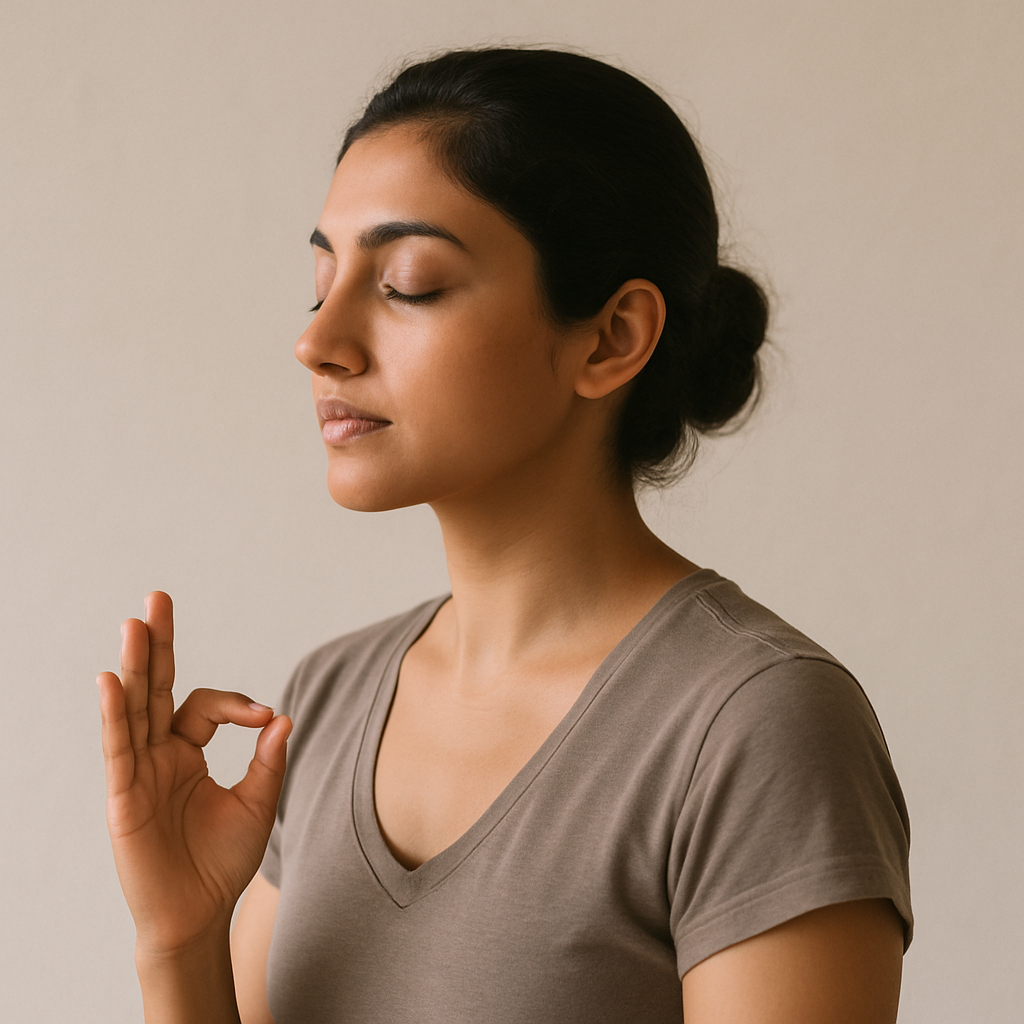
In Ayurvedic terms, breathwork is often intertwined with the concept of pranayama, which refers to the control and regulation of the breath. Through various techniques and exercises, breathwork aims to harmonize the body’s energies, promote relaxation, and support overall health. It is considered a vital tool for self-discovery and transformation in the journey toward holistic well-being.
Historical Context Within Ayurvedic Medicine
The practice of breathwork can be traced back thousands of years within the Ayurvedic tradition, where it was developed as a key component of spiritual and physical health. Early texts, such as the Vedas and Upanishads, discuss the significance of pranayama and its role in achieving mental clarity and physical vitality. Renowned sages and practitioners of ancient India recognized the transformative power of the breath and incorporated it into their teachings.
Throughout history, various schools of thought within Ayurveda have emphasized breathwork as a means to connect with the deeper aspects of existence. Notable figures, such as Patanjali, who authored the Yoga Sutras, have highlighted the importance of breath control in achieving higher states of consciousness. This historical lineage continues to inform the practice of breathwork today, bridging ancient wisdom with contemporary applications.
How It's Practiced
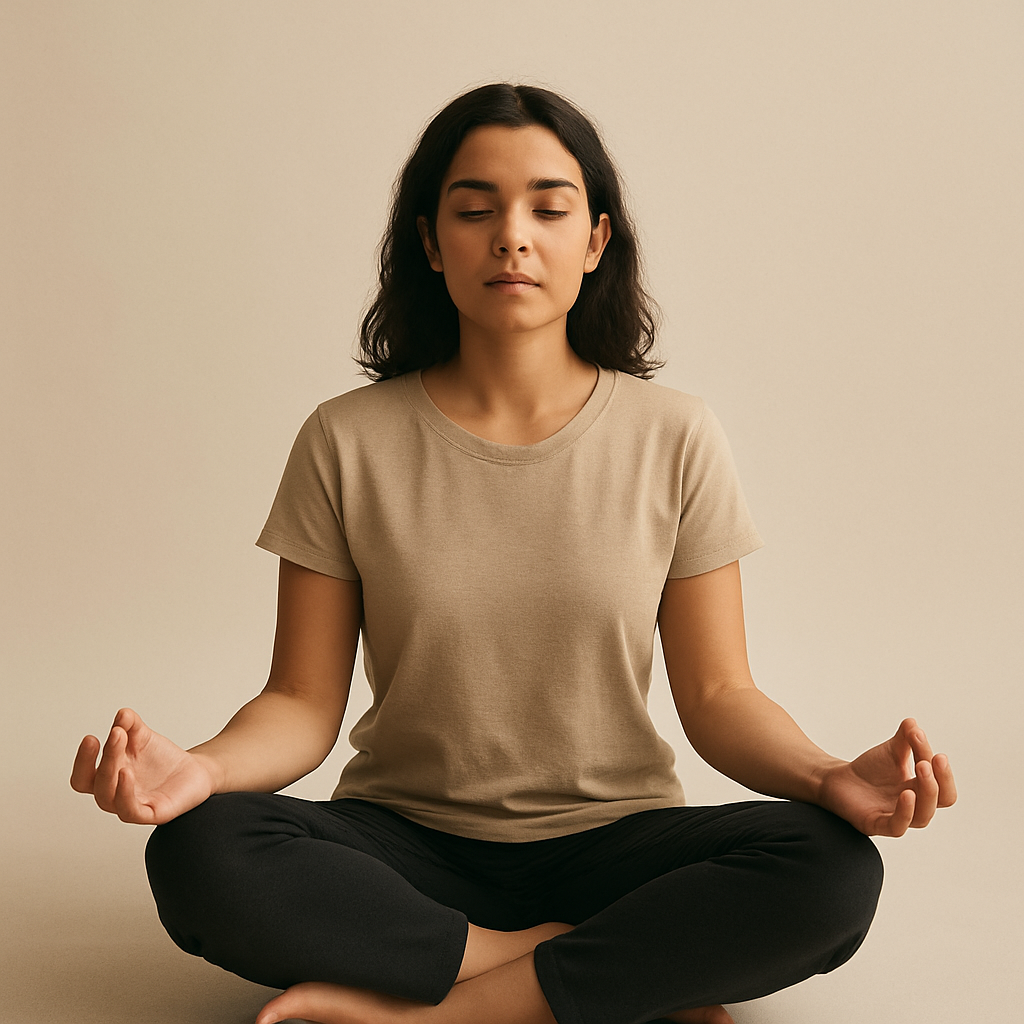
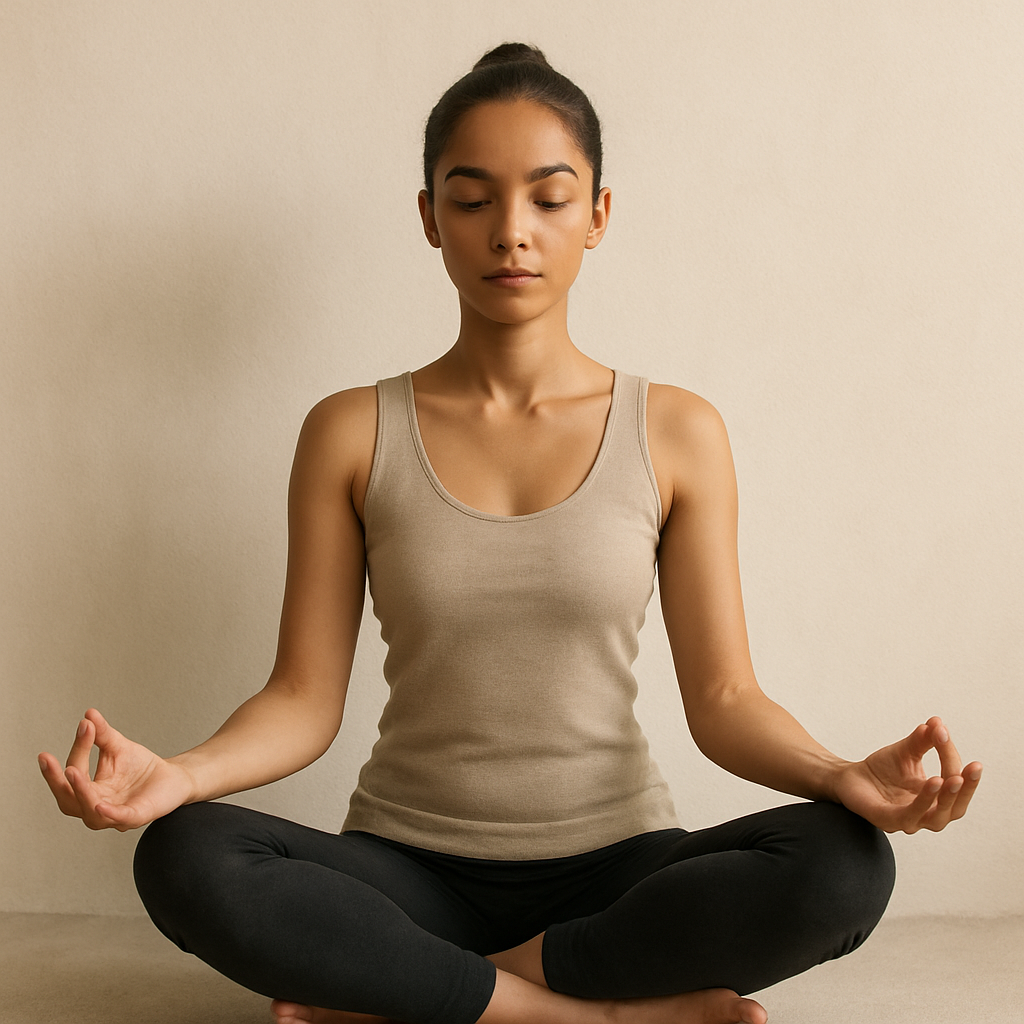
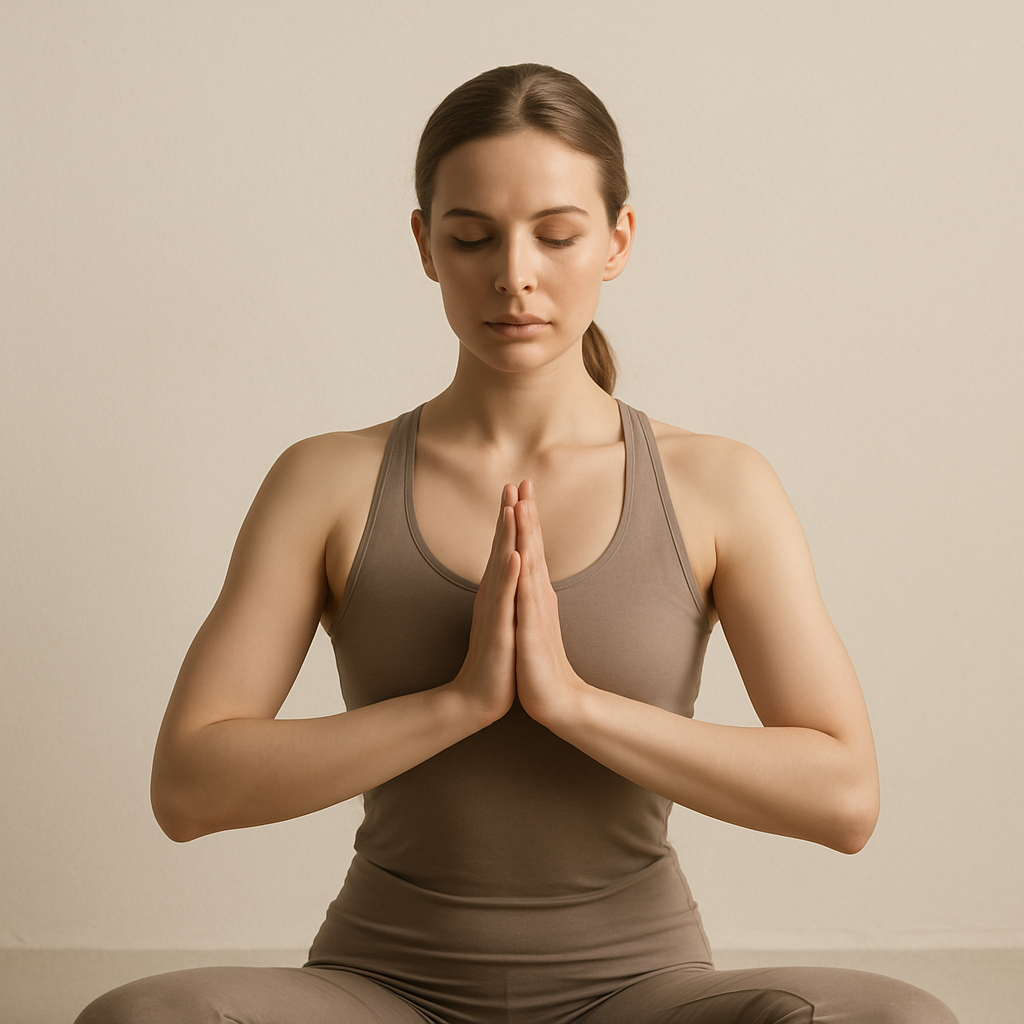
Breathwork is typically practiced in a serene environment, often guided by a trained practitioner. Here is a general overview of how a session may unfold:
- Setting Intentions: Participants are encouraged to set personal intentions for their breathwork session, fostering a purpose-driven experience.
- Preparation: Comfortable clothing is recommended, and practitioners may begin with gentle stretches or grounding exercises to prepare the body.
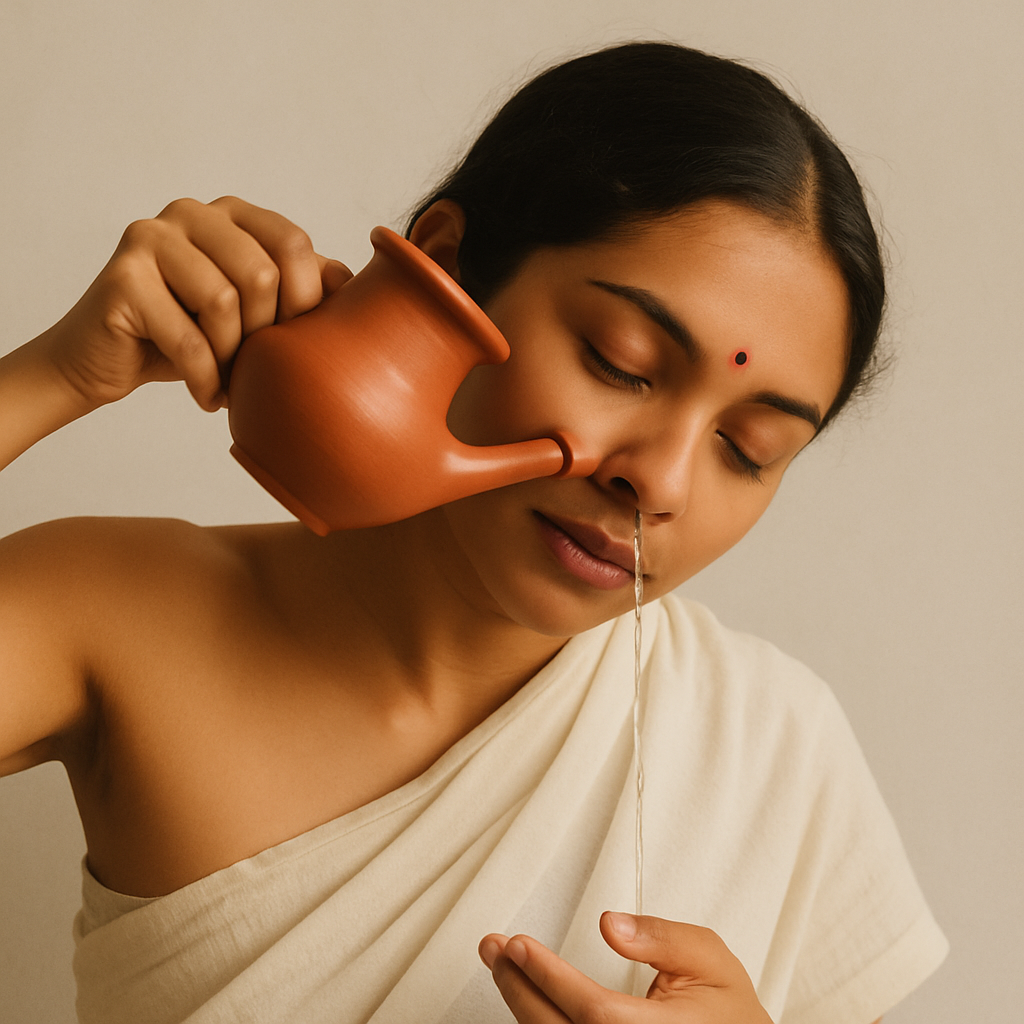
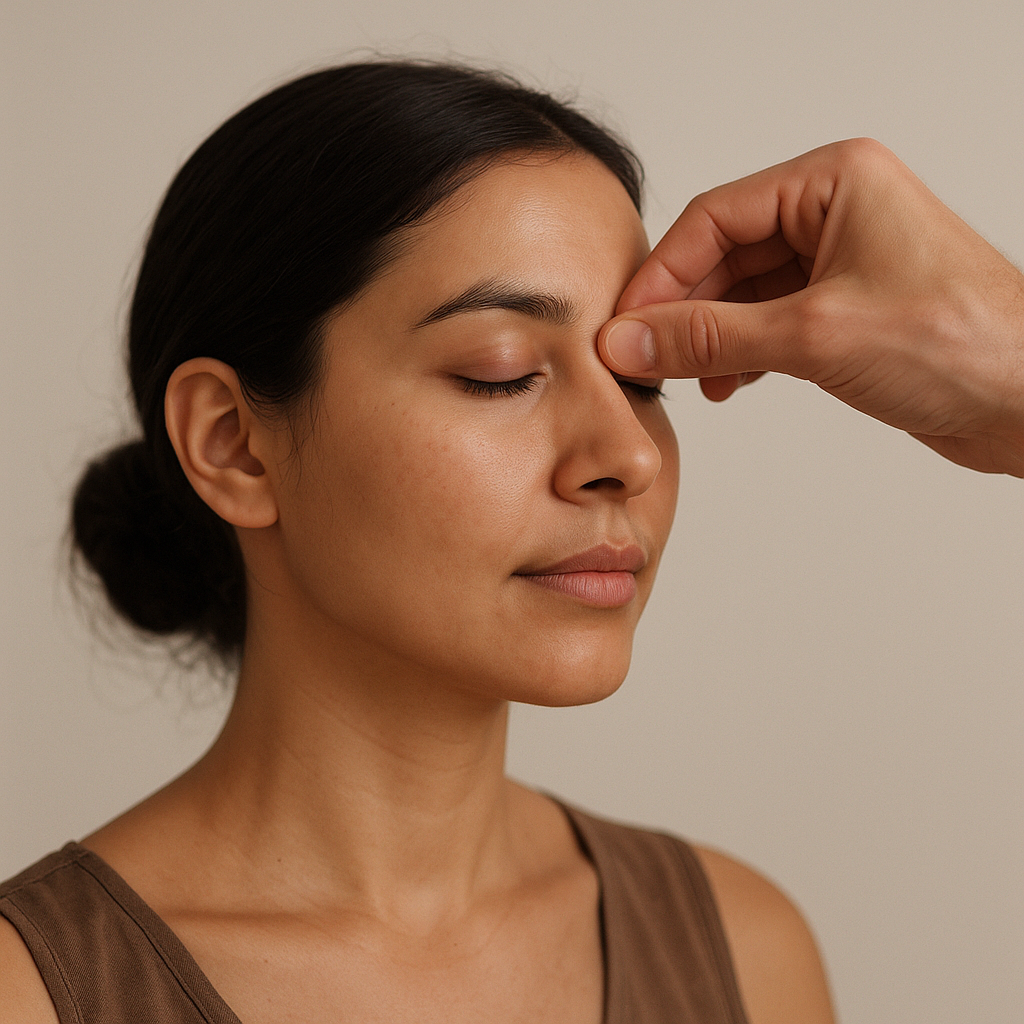
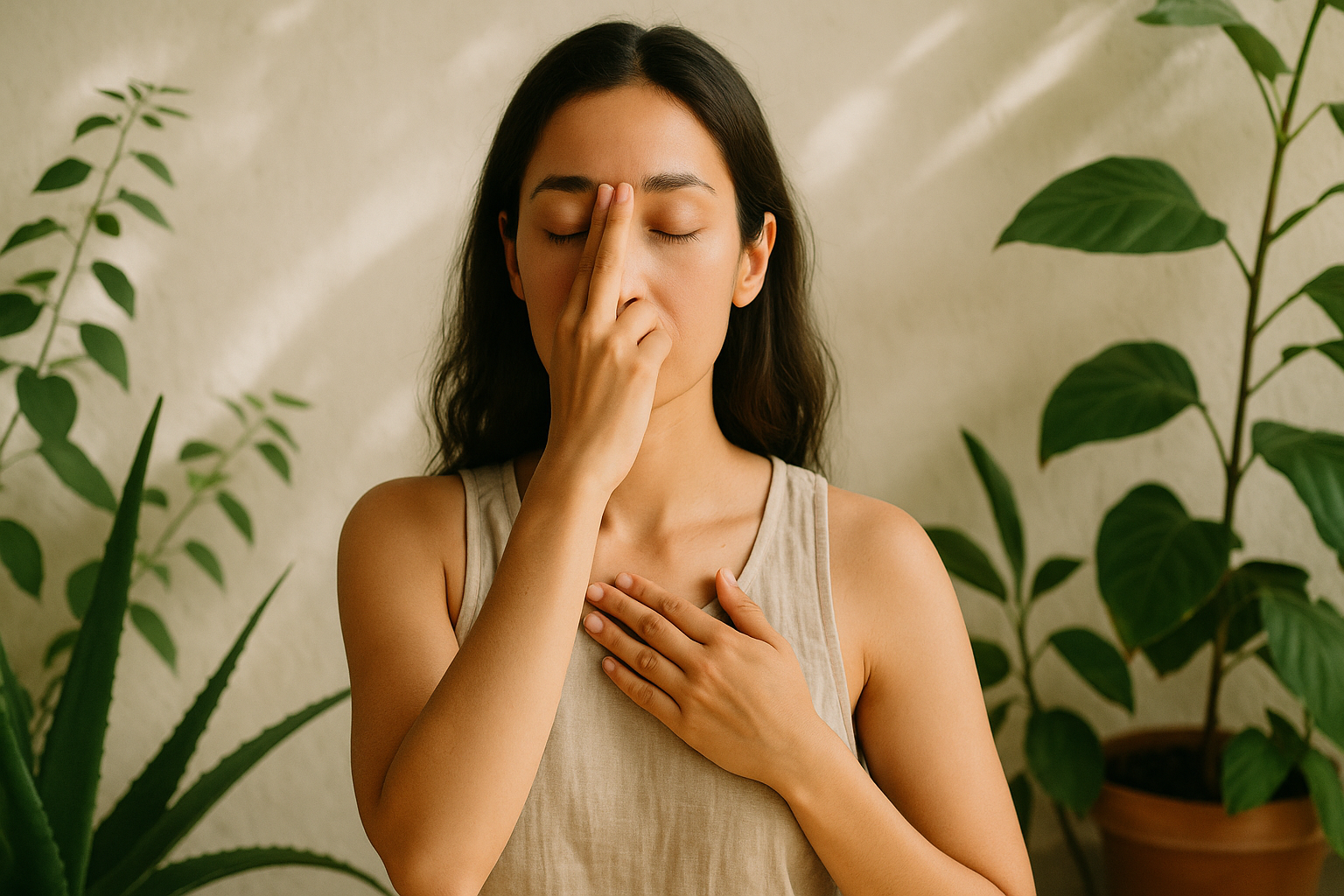
- Breathing Techniques: Various breathwork techniques may be introduced, including deep diaphragmatic breathing, alternate nostril breathing, and rhythmic patterns designed to energize or calm the mind.
- Mindfulness and Awareness: Throughout the session, participants are guided to maintain awareness of their breath, thoughts, and sensations in the body.
- Integration: After the breathwork practice, there is often time for reflection, journaling, or sharing experiences to integrate the insights gained.
What It Is Traditionally Explored For
Breathwork has been traditionally used for a variety of purposes, grounding its practice in the holistic philosophy of Ayurveda. Some common goals that practitioners may explore include:
- Enhancing relaxation and reducing stress
- Improving focus and mental clarity
- Facilitating emotional release and healing
- Supporting respiratory health and vitality
- Promoting spiritual growth and self-awareness
What Modern Research Suggests
Modern research into breathwork has begun to explore its potential benefits, aligning with the ancient wisdom of Ayurveda. Preliminary studies suggest that breathwork may have positive effects on stress reduction, anxiety management, and overall emotional well-being. For instance, some clinical trials have indicated that specific breathing techniques can lead to decreased levels of cortisol, the stress hormone, and improved mood states.
While more extensive research is needed to fully understand the mechanisms and benefits of breathwork, initial findings are promising. Researchers are increasingly recognizing the importance of breath control in managing physical and psychological health, bringing a renewed interest to this ancient practice within the context of modern wellness.
Safety, Contraindications & Who Should Skip
While breathwork is generally considered safe for most individuals, there are specific contraindications to be aware of. Those who may need to approach breathwork with caution include:
- Individuals with respiratory conditions (e.g., asthma, COPD)
- People with a history of panic attacks or anxiety disorders
- Pregnant individuals without prior consultation with a healthcare provider
- Those with serious mental health conditions
- Individuals with recent surgeries or injuries, particularly those affecting the chest or abdomen
It is recommended that anyone considering breathwork consult with a qualified practitioner to ensure it is appropriate for their individual health circumstances.
Pairs Well With (within Ayurvedic Medicine and across pillars)
Breathwork can complement various other modalities within Ayurvedic Medicine and holistic health practices, including:
- Yoga asanas for physical alignment and flexibility
- Meditation for deeper relaxation and mindfulness
- Herbal remedies to support respiratory health
- Aromatherapy using essential oils to enhance the breathing experience
- Dietary practices that promote overall well-being
How to Find a Qualified Practitioner
Finding a qualified breathwork practitioner involves seeking out individuals who are trained in both breathwork techniques and the principles of Ayurveda. Here are some tips for locating a suitable practitioner:
- Research local wellness centers or Ayurvedic clinics that offer breathwork sessions.
- Look for practitioners who have certifications in breathwork and a background in Ayurvedic principles.
- Read reviews or testimonials from previous clients to gauge the practitioner's effectiveness.
- Schedule a preliminary consultation to discuss your goals and ensure a good fit.
FAQs (5)
- What is breathwork in Ayurvedic Medicine?
Breathwork in Ayurvedic Medicine is a practice that focuses on conscious breathing techniques to enhance physical and emotional well-being by harmonizing the body’s energies. - Can anyone practice breathwork?
Most people can practice breathwork, but individuals with certain health conditions, such as respiratory issues, should consult a healthcare provider before starting. - How long should a breathwork session last?
A typical breathwork session can last anywhere from 30 minutes to an hour, depending on the technique and setting. - What benefits can I expect from breathwork?
Practitioners often report reduced stress, improved focus, emotional release, and enhanced relaxation as potential benefits of breathwork. - Do I need any special equipment for breathwork?
Generally, no special equipment is required for breathwork; a comfortable space and a willingness to explore your breath are typically sufficient.
Frequently asked
What is breathwork in Ayurvedic Medicine?
Breathwork in Ayurvedic Medicine is a practice that focuses on conscious breathing techniques to enhance physical and emotional well-being by harmonizing the body’s energies.
Can anyone practice breathwork?
Most people can practice breathwork, but individuals with certain health conditions, such as respiratory issues, should consult a healthcare provider before starting.
How long should a breathwork session last?
A typical breathwork session can last anywhere from 30 minutes to an hour, depending on the technique and setting.
What benefits can I expect from breathwork?
Practitioners often report reduced stress, improved focus, emotional release, and enhanced relaxation as potential benefits of breathwork.
Do I need any special equipment for breathwork?
Generally, no special equipment is required for breathwork; a comfortable space and a willingness to explore your breath are typically sufficient.