Honey & Bee Products · Bee product
Propolis
Resin collected by the honey bee (Apis mellifera) · also called Bee propolis, bee glue, propóleo
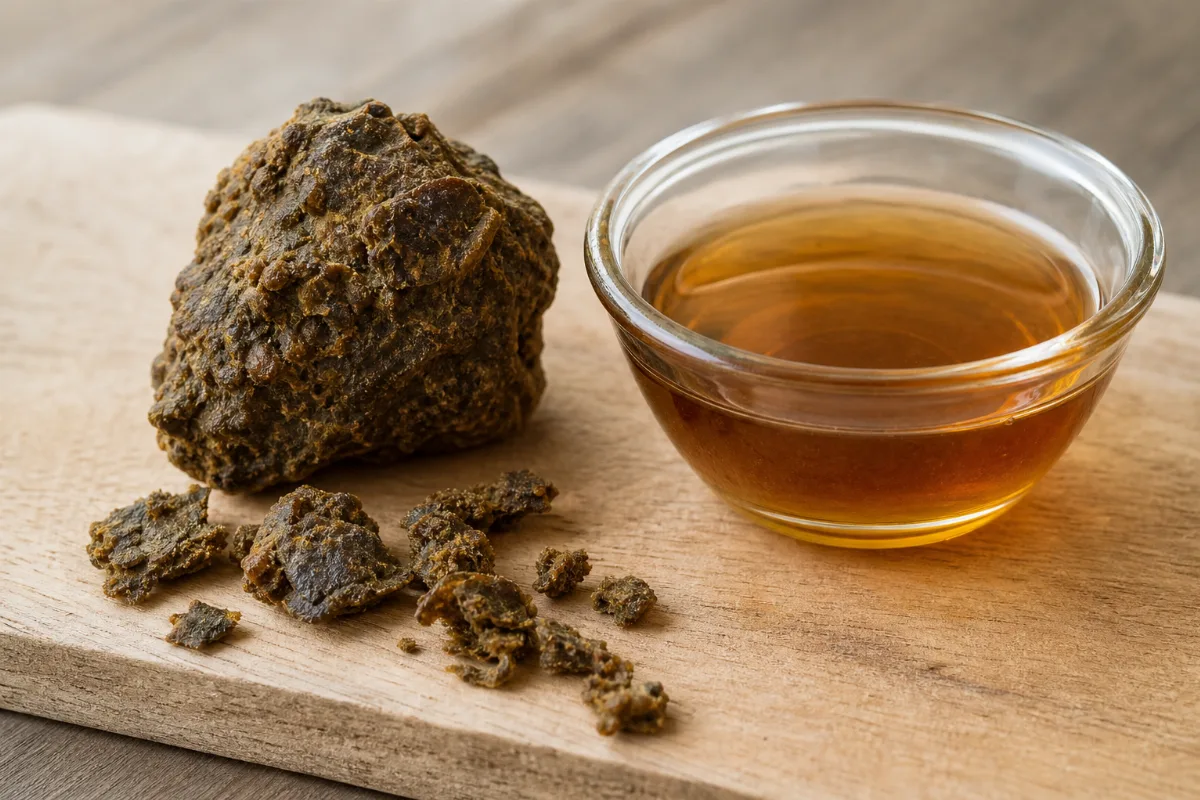
Propolis is a sticky resin that bees make from plant buds to seal and build their nest. It is sold as supplements, throat sprays, mouth products and skin products. It is a strong allergen: contact allergy is well documented, and serious reactions, including anaphylaxis, have been reported. Small trials suggest slightly lower blood sugar and wound healing help, but the evidence is limited. This page gives no amount, on purpose.
General information, not medical advice. Last substantive update · Not medically reviewed. A named clinician has not signed off on this page. How this page is made
About Propolis
Propolis is a strong allergen. Allergic reactions can be serious, though rarely. Studies suggest small changes in blood sugar and blood fats, and one small wound trial was positive, but the evidence is limited.
What studies found
Reviews of randomised trials found slightly lower fasting glucose, HbA1c and LDL cholesterol with propolis taken by mouth. A 31-person trial of a propolis spray on diabetic foot wounds found smaller wounds. Propolis mouth products lowered plaque scores, but their authors rate the evidence very low.
In lab dishes propolis acts against bacteria, fungi and viruses. This has not been shown to treat infection in people.
What it is
Propolis is the resinous substance bees collect from living plants to build and adapt their nests. Its make-up varies with the bee, place and plants, so one product's results do not apply to another. Named compounds include caffeic acid phenethyl ester (CAPE) and flavonoids such as chrysin.
At a glance
Traditional uses history, not proof
- Used in folk medicine for dermatitis, laryngitis and mouth ulcers (Italian surveillance abstract).
- Described as used in traditional medicine for centuries (2025 review).
- Sold today as a dietary supplement, in health products and in cosmetics (2013 review).
Studied for research
- Blood sugar and type 2 diabetes markers (small drops in trials): low
- Blood fats and blood pressure (small changes): low
- Inflammation blood markers: low
- Wounds and diabetic foot ulcers: low
- Dental plaque (mouth products): very low
- Fighting germs (lab only): very low
Main compounds
- Caffeic acid phenethyl ester (CAPE)
- Chrysin and other flavonoids
- Caffeic acid and other polyphenols
Common forms
- Capsules and extracts by mouth
- Throat sprays and lozenges
- Mouthwashes and toothpastes
- Skin creams and wound sprays (cosmetic propolis is uncommon in Europe)
Research links: Italian surveillance of propolis reactions (abstract) · Propolis review: allergy and adverse effects (abstract) · Allergic risks of bee products, 2025 review (abstract) · Propolis and blood sugar in type 2 diabetes (abstract) · Propolis in caries prevention (abstract) · Research Library · Genes & Biomarkers Library
What it is and its history
- Accepted scientific name
- Propolis (bee propolis, a resin collected by the honey bee, Apis mellifera)
- Naming authority
- Bee: Apis mellifera Linnaeus, 1758 (GBIF accepted, key 1341976)
- Synonyms
- Bee glue; Bee propolis
- Common names
- Propolis (English); Bee glue (English); Propóleo (Spanish)
- Family or group
- Apidae (bees)
- Classification
- Animalia > Arthropoda > Insecta > Hymenoptera > Apidae > Apis > Apis mellifera
- Native range
- Not checked in the sources read.
- Habitat
- Not checked.
- Cultivation
- Not checked.
- Harvest and processing
- The 2013 review defines propolis as the resinous substance bees collect from living plants to build and adapt their nests. A 2013 abstract describes buds of living plants as the source. How it is harvested and processed was not read.
- Look-alikes and adulterants
- Name: Other bee products; Note: Honey, royal jelly, bee pollen, beeswax and bee venom are different products with different evidence and risks.; Name: Stingless-bee propolis; Note: Stingless bees (Meliponini) also make propolis; its make-up can differ.
- Sustainability and conservation
- Not checked.
Traditional use and history history, not clinical proof
| Tradition or era | Documented use | Source |
|---|---|---|
| Traditional and modern use | The Italian surveillance abstract says propolis has been used for dermatitis, laryngitis and oral ulcers because of its suggested antibacterial, antiviral, antifungal, anti-inflammatory, antioxidant and chemopreventive actions. A 2025 review says it has been used in traditional medicine for centuries. Traditional use does not show a benefit. | p18422383 |
Traditional use shows how it was used. It does not show that it works or is safe today.
What is inside, and how it may work
What it contains and how those compounds act in cells and animals. Laboratory and animal mechanisms are not proven effects in people.
Main compounds
| Compound | Family | Where it is concentrated | Activity studied | Level of evidence |
|---|---|---|---|---|
| Caffeic acid phenethyl ester (CAPE) PubChem 5281787 | phenolic ester | Propolis Amounts not given in the abstracts read; they vary with origin. | Named among the biologically active constituents of propolis in a 2022 review; effects described are from lab work. 14 18 | Laboratory research |
| Chrysin PubChem 5281607 | flavonoid | Propolis Not given. | Named among the active constituents in a 2022 review; lab work only. 14 18 | Laboratory research |
| Flavonoids, caffeic acid and other polyphenols | polyphenols | Propolis Composition varies with bee species, location, botanical source and environment. | Described as antioxidant and anti-inflammatory in lab studies. 14 3 | Laboratory research |
Mechanisms, receptors and pathways
| Target or pathway | Gene or receptor | What was found | Level |
|---|---|---|---|
| Antioxidant and anti-inflammatory signalling | Reviews attribute propolis effects to its polyphenols in cells and animals. Trials measure IL-6, CRP and TNF-alpha and report lower levels, but the pathway in people is not shown. 14 5 | Laboratory research | |
| Allergic sensitisation (type IV, and rarely IgE-type) | A 2025 review says bee product allergy can be IgE-mediated (type I) or T-cell mediated (type IV). 10 | Human data |
Absorption, metabolism and elimination
- Absorption
- Not studied in the sources read.
- Distribution
- Not studied.
- Metabolism
- Not studied.
- Elimination
- Not studied.
- Bioavailability
- Not studied.
Isolated compounds versus whole extracts
Propolis is a variable mixture. Results for one propolis (for example Chinese, Brazilian or poplar type) or one extract do not apply to another, and single compounds such as CAPE are not the same as the whole resin.
Nutritional composition
Propolis is not a food or a nutrient and has no nutritional claim.
4 low certainty2 very low certainty
What was looked at
The 6 benefits and uses checked for Propolis, each with how strong the evidence is. Tap one to open it.
- Blood sugar and type 2 diabetes markersLow certainty
- Blood fats and blood pressureLow certainty
- Inflammation blood markersLow certainty
- Wounds, skin ulcers and diabetic foot ulcersLow certainty
- Dental plaque and mouth healthVery low certainty
- Fighting germs (bacteria, fungi, viruses)Very low certainty
Lab markers tracked in the studies
HbA1cFasting blood glucoseLDL cholesterol and triglyceridesCRP, IL-6 and TNF-alphaALT and AST (liver enzymes)Wound areaDental plaque index
What is Propolis good for?
The uses people ask about and how strong the human evidence is for each. None is proven to treat or cure anything.
Benefits, one by one
Each card is a research question, not a promise. Tap a goal to filter. Open a card to see the studies, doses and limits.
Blood sugar and type 2 diabetes markers
Low certaintyMeta-analyses of small trials found slightly lower fasting glucose and HbA1c with propolis taken by mouth. These are lab markers, and the trials were small and varied.
3 studiesCapsules, extracts and other products by mouth; products differ in pl…
Studies, doses and limits
What the trials found
Three meta-analyses of randomised trials (about 13 to 14 trials each), including one only in people with type 2 diabetes.
Results
Fasting glucose fell by about 7 to 17 mg/dL and HbA1c by about 0.3 to 0.6 percentage points on average, depending on the review. Reviews also report lower insulin and insulin resistance.
Effect sizes as reported
Small average changes in blood markers
Why this rating
Results come from reviews of small trials of different products. Reviewers call for better-designed trials, and these are markers, not complications of diabetes.
Form and dose studied
Capsules, extracts and other products by mouth; products differ in plant origin and strength, so results for one do not apply to another.
Who was studied
Adults, including people with type 2 diabetes.
Limits
Different propolis products and trial lengths. Outcomes were blood markers. Funding is not stated in the abstracts. Not a replacement for diabetes medicine; anyone on diabetes medicine should ask a clinician or pharmacist first.
Why researchers looked
Propolis polyphenols are thought to affect sugar handling, so trials have measured blood sugar markers.
Traditional use
Propolis is an old folk remedy; that does not show it controls blood sugar.
Proposed mechanism Preclinical
Not established in people. Lab work suggests antioxidant and anti-inflammatory actions of propolis polyphenols.
A proposed mechanism does not show that the effect happens in people.
Propolis is a strong sensitiser. It can cause contact allergy and, rarely, serious allergic reactions. People with allergy, asthma or pollen allergy should ask a clinician first.
Blood fats and blood pressure
Low certaintyPooled trials found small drops in LDL cholesterol and triglycerides and a very small drop in systolic blood pressure.
2 studiesCapsules, extracts and other products by mouth; products differ in pl…
Studies, doses and limits
What the trials found
One 2025 meta-analysis of randomised trials in adults, plus the diabetes-only review above.
Results
Triglycerides -10.44 mg/dl, LDL cholesterol -9.31 mg/dl, HDL cholesterol +2.03 mg/dl and systolic blood pressure -2.24 mmHg compared with controls. Total cholesterol and diastolic blood pressure showed no significant change.
Effect sizes as reported
Small average changes
Why this rating
Small average changes in markers, mixed products, and the authors say findings are not conclusive.
Form and dose studied
Capsules, extracts and other products by mouth; products differ in plant origin and strength, so results for one do not apply to another.
Who was studied
Adults in randomised trials.
Limits
No heart attack or stroke outcomes. Trials differed in design.
Why researchers looked
Antioxidant plant compounds in propolis are studied for heart-risk markers.
Traditional use
No traditional claim is needed to read these results.
Proposed mechanism Preclinical
Not established in people. Lab work suggests antioxidant and anti-inflammatory actions of propolis polyphenols.
A proposed mechanism does not show that the effect happens in people.
Propolis is a strong sensitiser. It can cause contact allergy and, rarely, serious allergic reactions. People with allergy, asthma or pollen allergy should ask a clinician first.
Inflammation blood markers
Low certaintyMeta-analyses report lower blood levels of IL-6, CRP and TNF-alpha with propolis. The size of the effects is so large it should be treated with caution.
2 studiesCapsules, extracts and other products by mouth; products differ in pl…
Studies, doses and limits
What the trials found
Two meta-analyses of randomised trials (16 and 14 trials).
Results
IL-6, CRP and TNF-alpha were lower with propolis in both reviews. One review found the benefit depended on region and dose.
Effect sizes as reported
Large standardised drops in markers (SMD -1.4 to -3.5)
Why this rating
Surprisingly large effects across small, varied trials suggest uncertainty and possible bias. Markers are not the same as better health.
Form and dose studied
Capsules, extracts and other products by mouth; products differ in plant origin and strength, so results for one do not apply to another.
Who was studied
Adults in randomised trials.
Limits
Markers only. Differences between regions and products.
Why researchers looked
Propolis compounds reduce inflammation signals in cells and animals, so trials measured blood markers.
Traditional use
Used traditionally for sore throats and skin problems; this does not show an anti-inflammatory effect in people.
Proposed mechanism Preclinical
Not established in people. Lab work suggests antioxidant and anti-inflammatory actions of propolis polyphenols.
A proposed mechanism does not show that the effect happens in people.
Propolis is a strong sensitiser. It can cause contact allergy and, rarely, serious allergic reactions. People with allergy, asthma or pollen allergy should ask a clinician first.
Wounds, skin ulcers and diabetic foot ulcers
Low certaintyOne small placebo-controlled trial of a propolis spray on diabetic foot wounds found smaller wounds, and a broad review reports more healing than classic treatments. The evidence is limited and mixed.
2 studiesSprays, dressings and other products on the skin; they differ and thi…
Studies, doses and limits
What the trials found
A 2023 systematic review of 43 articles of mixed designs, and one placebo-controlled trial of 31 people (3% propolis spray added to standard care).
Results
The trial found wounds about 4 cm2 smaller on average than control after up to 8 weeks. The review reported more healing than classic treatments but mixes many study types.
Effect sizes as reported
Smaller wound area in one small trial
Why this rating
One small randomised trial plus a review of mixed study types. Propolis is an allergen and can itself irritate skin.
Form and dose studied
Sprays, dressings and other products on the skin; they differ and this page gives no method.
Who was studied
People with diabetic foot wounds in one trial.
Limits
Small numbers. Review includes animal and lab studies. Serious or infected wounds need a clinician; do not self-treat them with propolis.
Why researchers looked
Propolis is a traditional wound dressing and is thought to have antimicrobial and tissue-repair actions.
Traditional use
Long folk use on wounds; that is tradition, not proof.
Proposed mechanism Human biomarker and preclinical
Lab work suggests antimicrobial, anti-inflammatory and antioxidant effects. In the small trial, wound markers shifted toward less inflammation.
A proposed mechanism does not show that the effect happens in people.
Contact allergy to propolis is well documented; on broken skin the risk of a reaction may matter. Ask a clinician before putting propolis on any wound.
Dental plaque and mouth health
Very low certaintyPropolis mouthwashes and toothpastes lowered plaque scores in many small trials, but the evidence is rated very low and tooth decay itself was rarely measured.
1 studiesToothpastes, mouthwashes and tablets with propolis.
Studies, doses and limits
What the trials found
A 2026 meta-analysis of 45 randomised trials.
Results
Lower plaque scores than no active product; not significantly different from chlorhexidine mouthwash. Few trials measured actual cavities.
Effect sizes as reported
Plaque index SMD -1.11 versus negative control
Why this rating
The review authors rated certainty very low (risk of bias, inconsistency, indirectness).
Form and dose studied
Toothpastes, mouthwashes and tablets with propolis.
Who was studied
Children and adults in dental trials (not separated in the abstract).
Limits
Cavities rarely measured. Allergic reactions in the mouth are possible in sensitised people.
Why researchers looked
Propolis shows antibacterial activity against mouth microbes in the lab.
Traditional use
Used in folk remedies for mouth ulcers and sore throats.
Proposed mechanism Preclinical
Not established in people. Lab work suggests antioxidant and anti-inflammatory actions of propolis polyphenols.
A proposed mechanism does not show that the effect happens in people.
Propolis is a strong sensitiser. It can cause contact allergy and, rarely, serious allergic reactions. People with allergy, asthma or pollen allergy should ask a clinician first.
Fighting germs (bacteria, fungi, viruses)
Very low certaintyIn lab dishes propolis shows antibacterial, antifungal and antiviral activity. This has not been shown to treat any infection in people.
2 studiesCapsules, extracts and other products by mouth; products differ in pl…
Studies, doses and limits
What the trials found
Two narrative reviews describe lab and some animal findings. No trial of propolis curing an infection was read.
Results
Reviews list antimicrobial, anti-inflammatory and antioxidant properties from lab work.
Why this rating
Cells and microbes in dishes do not show benefit in people.
Form and dose studied
Capsules, extracts and other products by mouth; products differ in plant origin and strength, so results for one do not apply to another.
Limits
Lab only. Reviews note standardisation and quality control are unsolved problems.
Why researchers looked
Bees use propolis to protect the hive, and lab tests found germ-killing compounds.
Traditional use
Traditional use for colds, throats and wounds.
Proposed mechanism Preclinical
Flavonoids and caffeic acid compounds damage microbes in dishes. Amounts and effects vary with the propolis type.
A proposed mechanism does not show that the effect happens in people.
Do not use propolis in place of medical treatment for a throat, chest or skin infection. A swallowed or sprayed product can trigger serious allergy (see Safety).
Connections to the rest of health
How Propolis connects to the rest of our health knowledge graph. Every link says what kind of connection it is. A safety link (for example to the liver) is a warning, not a benefit. A study that merely mentions a topic never creates a benefit link.
Explore every connection: goals, body systems, organs, symptoms, genes
B. Body systems
| Connected to | Kind of connection | Evidence status | Context | Studies |
|---|---|---|---|---|
| Immune system | Adverse effect or risk | Moderate certainty | Contact allergy and, rarely, anaphylaxis. Preparation or compound: Propolis products |
11 7 10 |
| Endocrine System | Biological association | Low certainty | Studied for: Blood sugar and type 2 diabetes markers | 2 8 6 |
| Cardiovascular System | Biological association | Low certainty | Studied for: Blood fats and blood pressure | 2 8 |
| Immune System | Biological association | Low certainty | Studied for: Inflammation blood markers Studied for: Fighting germs (bacteria, fungi, viruses) | 5 6 14 3 |
| Skin | Biological association | Low certainty | Studied for: Wounds, skin ulcers and diabetic foot ulcers | 9 12 |
| Mouth And Teeth | Biological association | Very low certainty | Studied for: Dental plaque and mouth health | 4 |
C. Body parts and organs
I. Biomarkers
| Connected to | Kind of connection | Evidence status | Context | Studies |
|---|---|---|---|---|
| HbA1c | Biological association | Low certainty | Measured in trials: decreased. A lab change is not the same as a health benefit. | 8 |
| Fasting blood glucose | Biological association | Low certainty | Measured in trials: decreased. A lab change is not the same as a health benefit. | 2 |
| LDL cholesterol and triglycerides | Biological association | Low certainty | Measured in trials: decreased. A lab change is not the same as a health benefit. | 2 |
| CRP, IL-6 and TNF-alpha | Biological association | Low certainty | Measured in trials: decreased. A lab change is not the same as a health benefit. | 5 |
| ALT and AST (liver enzymes) | Biological association | Low certainty | Measured in trials: decreased. A lab change is not the same as a health benefit. | 6 |
| Wound area | Biological association | Low certainty | Measured in trials: decreased. A lab change is not the same as a health benefit. | 12 |
| Dental plaque index | Biological association | Very low certainty | Measured in trials: decreased. A lab change is not the same as a health benefit. | 4 |
K. Biological pathways
L. Active compounds
| Connected to | Kind of connection | Evidence status | Context | Studies |
|---|---|---|---|---|
| Caffeic acid phenethyl ester (CAPE) | Biological association | In vitro | Named among the biologically active constituents of propolis in a 2022 review; effects described are from lab work. Preparation or compound: Propolis |
14 18 |
| Chrysin | Biological association | In vitro | Named among the active constituents in a 2022 review; lab work only. Preparation or compound: Propolis |
14 18 |
| Flavonoids, caffeic acid and other polyphenols | Biological association | In vitro | Described as antioxidant and anti-inflammatory in lab studies. Preparation or compound: Propolis |
14 3 |
Each connection is stored with the ingredient, the connected record, the kind of connection, the evidence status, the supporting studies, the preparation or compound involved, and a review date (last reviewed October 30, 2026).
Evidence at a glance: what the research found for 6 outcomes
Each outcome below is one thing researchers measured. Certainty is how far the evidence can be trusted, not how well it works. The full studies are on the next tab.
The evidence
The research centre for Propolis. Every record here was checked against PubMed or the publisher's page; we never list a study we have not verified.
Evidence by outcome
Bars show how many studies we found for each outcome, not how well it works. People are added up across trials only (reviews are not added, to avoid double counting).
How we rate evidence
High certainty
Several well-run trials or reviews agree; further research is unlikely to change the picture much.
Moderate certainty
Good trials point the same way, but some doubt remains.
Low certainty
Small, short or inconsistent trials. The finding could change with better research.
Very low certainty
Very little or very weak human data. Treat as a possibility only.
Mixed findings
Trials or reviews disagree with each other.
Not enough evidence
Not enough human research to say either way.
Evidence against
Good research found no benefit, or found harm.
We take the reviewers' own risk-of-bias and GRADE statements where they exist, and otherwise judge from study size, design, consistency, directness and whether a product matches what is sold. Many publications do not make evidence high. Method note: We read the abstracts of 16 PubMed papers and the record of one more, and checked the bee name in GBIF and two compounds in PubChem. The 2004 case letter has no abstract and was read as a record only. Certainty ratings are the compiler's own reading unless a review gives its own. One diabetes review's abstract has inconsistent-looking figures that we did not use.
Study library: every study we checked 18
| Study | Design | People | Product, dose, length | Result |
|---|---|---|---|---|
| Akbay 2017 Effects of propolis on warfarin efficacy. Kardiochirurgia i Torakochirurgia Polska · PMID 28515748 · DOI |
Animal study mouse |
CD-1 mice given warfarin | Propolis given at the same time as warfarin oral Not given as advice here 72 hours then follow-up · vs Warfarin without propolis |
After 72 hours the INR was 7.28 in the control mice and 5.8 in the propolis group, so propolis was linked to a lower INR (less warfarin effect). The authors say health professionals should be aware of a possible interaction. Lower INR in mice (SD given: 7.28 +/-1.08 vs 5.8 +/-2.88) Methods, limits and fundingOutcomes: INR (blood clotting time) Limitations: Mouse study. Not shown in people. Funding and conflicts: Not stated in the abstract. Read: abstract |
| Bahari 2025 Effects of propolis consumption on blood pressure, lipid profile and glycemic parameters in adults: a GRADE-assessed systematic review and dose-response meta-analysis. British Journal of Nutrition · PMID 39610126 · DOI |
Meta-analysis |
Adults in randomised controlled trials of propolis taken by mouth (number of trials not given in the abstract) | Propolis by mouth (various products) resin product Not given as advice here Varied · vs Control groups |
Compared with control, propolis was linked to lower triglycerides (-10.44 mg/dl), LDL cholesterol (-9.31 mg/dl), fasting glucose (-7.30 mg/dl), HbA1c (-0.32 percentage points), insulin and insulin resistance, and systolic blood pressure (-2.24 mmHg), and slightly higher HDL cholesterol (+2.03 mg/dl). Total cholesterol and diastolic blood pressure did not change significantly. Small average changes in blood markers (All 95% intervals given in the abstract (for example HbA1c -0.60 to -0.05)) Methods, limits and fundingOutcomes: Triglycerides, LDL and HDL cholesterol, fasting glucose, HbA1c, insulin, insulin resistance, blood pressure Limitations: The abstract says findings are not conclusive and better-designed studies are needed. Products and trial quality varied. Funding and conflicts: Not stated in the abstract. Read: abstract |
| Balasubramaniam 2025 Propolis: A comprehensive review on the nature's polyphenolic wonder. Fitoterapia · PMID 40204045 · DOI |
Narrative review human and lab |
Review of propolis | Propolis resin product Not given as advice here |
Propolis is a mix of resins, waxes, essential oils and pollen. Content varies with botanical and geographic origin. The authors note challenges of standardisation, quality control and regulation, and the need for extensive clinical trials. Variable composition (n/a) Methods, limits and fundingOutcomes: Composition, uses, challenges Limitations: Narrative review; benefits listed are largely preclinical. Funding and conflicts: Not stated in the abstract. Read: abstract |
| Berto 2026 Propolis-containing formulations in caries prevention - a systematic review and meta-analysis. Clinical Oral Investigations · PMID 42593545 · DOI |
Meta-analysis |
45 randomised trials of propolis toothpastes, mouthwashes, tablets and similar | Propolis-containing mouth and tooth products resin product Not given as advice here Varied · vs Negative control or chlorhexidine products |
Propolis products lowered plaque scores compared with negative control (SMD -1.11, 95% CI -1.52 to -0.70) and were not significantly different from chlorhexidine. Microbial counts were lower than control. Direct caries outcomes were rarely measured. The authors rated certainty very low. Lower plaque score vs no active control (SMD -1.11 (-1.52 to -0.70) for plaque) Methods, limits and fundingOutcomes: Plaque index, microbial counts, caries indices Limitations: The authors rate certainty of evidence very low (high risk of bias, inconsistency, indirectness). PROSPERO CRD420251246707. Funding and conflicts: Not stated in the abstract. Read: abstract |
| Gholami 2024 Propolis supplementation can reduce serum level of interleukin-6, C-reactive protein, and tumor necrosis factor-alpha: an updated systematic review and dose-response meta-analysis on randomized clinical trials. Journal of Health, Population and Nutrition · PMID 39127756 · DOI |
Meta-analysis |
17 studies in the review and 16 in the meta-analysis, randomised trials | Propolis supplements by mouth resin product Not given as advice here Varied · vs Control groups |
Propolis significantly lowered IL-6 (SMD -3.47), CRP (SMD -1.73) and TNF-alpha (SMD -1.42). The authors say region and propolis dose were the critical points for benefit. Large standardised drops in lab markers (IL-6 -5.1 to -1.84; CRP -2.82 to -0.65; TNF-alpha -2.15 to -0.68) Methods, limits and fundingOutcomes: Blood IL-6, CRP and TNF-alpha Limitations: Very large effects in an area with small, varied trials; heterogeneity is likely. Lab markers, not illness outcomes. Funding and conflicts: Not stated in the abstract. Read: abstract |
| Hallajzadeh 2021 Effects of propolis supplementation on glycemic status, lipid profiles, inflammation and oxidative stress, liver enzymes, and body weight: a systematic review and meta-analysis of randomized controlled clinical trials. Journal of Diabetes and Metabolic Disorders · PMID 34178866 · DOI |
Meta-analysis |
14 14 randomised trials of propolis supplements |
Propolis by mouth (various products) resin product Not given as advice here Varied · vs Control groups |
Lower fasting glucose (-17.00 mg/dl), HbA1c (-0.42), insulin, and small falls in ALT (-5.63) and AST (-3.09), CRP, TNF-alpha and IL-6. Insulin resistance was only marginally lower. Small average changes in blood markers (Fasting glucose CI -30.88 to -3.11; HbA1c CI -0.75 to -0.10) Methods, limits and fundingOutcomes: Glucose, HbA1c, insulin, liver enzymes ALT and AST, CRP, TNF-alpha, IL-6 Limitations: Blood markers only. Few trials per outcome (5 to 10). Funding and conflicts: Not stated in the abstract. Read: abstract |
| Hsu 2004 Laryngeal edema and anaphalactic shock after topical propolis use for acute pharyngitis. American Journal of Emergency Medicine · PMID 15490391 · DOI |
Case report (letter) |
1 A person treated for a sore throat (details not read) |
Topical propolis for acute pharyngitis topical Not given as advice here |
Read as a record only (no abstract on PubMed). The title reports throat swelling (laryngeal edema) and anaphylactic shock after propolis was used on the throat. Case report (n/a) Methods, limits and fundingOutcomes: n/a Limitations: Letter with no abstract; details were not read. Funding and conflicts: Not stated in the abstract. Read: record-only |
| Karimi 2025 Propolis supplementation improves cardiometabolic health in patients with type 2 diabetes mellitus: findings from a GRADE-assessed systematic review and meta-analysis of RCTs. Journal of Diabetes and Metabolic Disorders · PMID 40662144 · DOI |
Meta-analysis |
13 randomised trials in people with type 2 diabetes | Propolis supplements by mouth (various products) resin product Not given as advice here Varied · vs Control groups |
Pooled results showed lower fasting glucose (-15.29 mg/dL), glucose two hours after a meal (-35.41 mg/dL), HbA1c (-0.58 percentage points), fasting insulin, insulin resistance and LDL cholesterol. Triglycerides, total cholesterol and HDL cholesterol did not change significantly. The abstract lists IL-6, TNF-alpha and body weight changes whose direction looks inconsistent with its own conclusion; those figures are not used on this page. Lower glucose markers on average (Intervals not given in the abstract text read) Methods, limits and fundingOutcomes: Fasting and after-meal glucose, HbA1c, insulin, insulin resistance, lipids Limitations: Trials were small and varied; certainty rating not given in the abstract. The abstract has an unclear passage on inflammation and weight. Funding and conflicts: Not stated in the abstract. Read: abstract |
| Machado Velho 2023 Use of propolis for skin wound healing: systematic review and meta-analysis. Archives of Dermatological Research · PMID 36418601 · DOI |
Systematic review human and animal (mixed; the abstract does not separate them) |
43 of 633 articles screened were included; mixed study types | Propolis applied to skin wounds, alone or combined with other materials resin product Not given as advice here Varied · vs Classic treatments (varied) |
The authors report propolis gave a higher percentage of healing than classic interventions and conclude it appears to be an effective alternative for skin ulcers. The mode of use has evolved, with more studies combining propolis with other substances. Higher healing percentage reported (Not given in the abstract) Methods, limits and fundingOutcomes: Percentage of wound healing Limitations: Mixed study types (not only trials), many forms and combinations, so the effect of propolis alone cannot be read from it. The reviewers are positive in tone. Funding and conflicts: Not stated in the abstract. Read: abstract |
| Matuszewska-Mach 2025 Ensuring the Safe Use of Bee Products: A Review of Allergic Risks and Management. International Journal of Molecular Sciences · PMID 41465502 · DOI |
Narrative review |
Review of allergy to honey, bee pollen, bee bread, royal jelly, propolis, beeswax and bee brood | Honeybee products including propolis resin product Not given as advice here |
Bee products can cause reactions from local dermatitis to life-threatening anaphylaxis, though relatively rarely. Both IgE-mediated (type I) and T-cell (type IV) mechanisms occur. People with atopy and beekeepers are at higher risk. Management is avoidance, education and clearer labelling of allergen content. Rare but can be severe (n/a) Methods, limits and fundingOutcomes: Allergy types, at-risk groups, management Limitations: Narrative review of mixed bee products, not propolis alone. Funding and conflicts: Not stated in the abstract. Read: abstract |
| Menniti-Ippolito 2008 Surveillance of suspected adverse reactions to natural health products: the case of propolis. Drug Safety · PMID 18422383 · DOI |
Surveillance report |
18 18 suspected adverse reactions reported in Italy, April 2002 to August 2007 |
Propolis-containing products (food supplements) resin product Not given as advice here Reports over 5 years |
16 of 18 reports were allergic reactions (skin or breathing symptoms) and 2 involved the digestive tract. Six people went to hospital or an emergency department and two had a life-threatening event. Seven had an allergic predisposition (four were children). The authors call propolis a potent sensitizer that should not be used by people with an allergic predisposition, especially pollen allergy, and ask for a label warning. Allergic reactions were most of the reports (None) Methods, limits and fundingOutcomes: Types and seriousness of reports Limitations: Spontaneous reports cannot show how common reactions are. Not a trial. Funding and conflicts: Not stated in the abstract. Read: abstract |
| Mujica 2019 Propolis as an Adjuvant in the Healing of Human Diabetic Foot Wounds Receiving Care in the Diagnostic and Treatment Centre from the Regional Hospital of Talca. Journal of Diabetes Research · PMID 31612147 · DOI |
Controlled trial |
31 31 people with type 2 diabetes treated for diabetic foot wounds in a hospital centre in Chile |
3% propolis spray on the wound surface at each dressing topical spray Not given as advice here Until healed or 8 weeks at most · vs Placebo |
Propolis reduced the wound area by an average of 4 cm2 compared with control, with more connective tissue deposit. It raised glutathione, lowered TNF-alpha and raised IL-10. Serum biochemistry did not change. About 4 cm2 smaller wounds on average (Not given in the abstract) Methods, limits and fundingOutcomes: Wound area, tissue changes, blood and wound markers (cytokines, oxidative stress) Limitations: Small trial (31 people). Registered NCT03649243. It was an add-on to standard wound care, not a replacement for it. Funding and conflicts: Not stated in the abstract. Read: abstract |
| Rocha Filho 2026 Pharmacovigilance and toxicological risks associated with apitherapeutic products: a systematic overview. Archives of Toxicology · PMID 41071287 · DOI |
Systematic review |
Literature and official pharmacovigilance databases (Notivisa, EudraVigilance, FDA/MedWatch, TGA and others) | Honey, bee venom, propolis, royal jelly, bee pollen, beeswax mixed bee products Not given as advice here |
Reported cases include contact dermatitis and systemic reactions induced by propolis, and anaphylaxis and deaths after bee venom therapy. Allergic reactions were the most common type of adverse event, particularly in atopic people. The authors call for labelling and post-marketing surveillance. Allergy was the most common problem (n/a) Methods, limits and fundingOutcomes: Adverse effects and toxic risks Limitations: Mixed bee products; the abstract does not give propolis-only counts. Funding and conflicts: Not stated in the abstract. Read: abstract |
| Zullkiflee 2022 Propolis: Its Role and Efficacy in Human Health and Diseases. Molecules · PMID 36144852 · DOI |
Narrative review human and lab |
Review of propolis constituents and studies | Propolis from honeybees and stingless bees resin product Not given as advice here |
Composition varies with bee species, location, botanical source and environment. Propolis typically contains lipid, beeswax, essential oils, pollen and organic components such as flavonoids, phenolics, terpenes and coumarins. Named actives include caffeic acid, CAPE, chrysin, galangin, pinocembrin, quercetin and artepillin C. Composition varies (n/a) Methods, limits and fundingOutcomes: Composition and biological activities Limitations: Narrative review; activities listed come mostly from lab work. Funding and conflicts: Not stated in the abstract. Read: abstract |
| de Groot 2013 Propolis: a review of properties, applications, chemical composition, contact allergy, and other adverse effects. Dermatitis · PMID 24201459 · DOI |
Narrative review |
Review of the literature on propolis allergy and other adverse effects | Propolis (supplements, health products, biocosmetics) resin product Not given as advice here |
The review covers contact allergy and allergic contact dermatitis, the products that cause them, how often people are sensitised, cross-reactions and the allergens in propolis, and other adverse effects. The abstract does not give numbers. Contact allergy is well documented (n/a) Methods, limits and fundingOutcomes: Sensitising potential, products causing allergy, clinical picture, frequency, cross-reactions, allergens Limitations: Abstract only; no figures given. Funding and conflicts: Not stated in the abstract. Read: abstract |
| de Groot 2026 Contact Allergy to Propolis: Update 2013-2025. Dermatitis · PMID 41346028 · DOI |
Narrative review |
Patch-test studies, case reports and case series, March 2013 to May 2025 | Propolis used as a patch test allergen (Chinese and Brazilian propolis) resin product Not given as advice here |
Updates the 2013 review. The authors discuss the many positive patch tests to a Brazilian propolis test material and argue that propolis is used in few cosmetics, that they are an infrequent cause of allergy, and that many positive tests may be cross- or pseudo-cross-reactions in people already sensitised to fragrances. Many positive patch tests; meaning is debated (n/a) Methods, limits and fundingOutcomes: Contact allergy, co-reactivity with fragrances Limitations: Narrative review; the authors' interpretation, not a trial. Funding and conflicts: Not stated in the abstract. Read: abstract |
| de Groot 2026 Propolis and Beeswax in Cosmetics: A Market Survey and Literature Review on Their Relationship and Role in Allergic Contact Dermatitis. Contact Dermatitis · PMID 41663074 · DOI |
Market survey and review |
500 Ingredient lists of 500 cosmetics on the European market, plus literature |
Propolis and beeswax in cosmetics resin product / wax Not given as advice here |
None of the 500 cosmetics listed propolis. Evidence linking beeswax and propolis allergy is inconsistent; reactions to beeswax from residual propolis cannot be excluded but seem uncommon and mainly involve lip balms. Propolis-patch-test-positive people need not avoid all beeswax cosmetics. None of 500 listed propolis (n/a) Methods, limits and fundingOutcomes: How often propolis is listed; beeswax and propolis allergy Limitations: Label survey of one market; says nothing about supplements or non-European products. Funding and conflicts: Not stated in the abstract. Read: abstract |
| n/a 2026 PubChem compound records: caffeic acid phenethyl ester (CID 5281787) and chrysin (CID 5281607) n/a · Source |
Database record n/a |
n/a | n/a |
CAPE: CID 5281787, C17H16O4. Chrysin: CID 5281607, C15H10O4. Methods, limits and fundingOutcomes: Compound identity and formula Limitations: Identity only. Read: full-text |
What we do not know yet
- No safety data were found for pregnancy, breastfeeding, children or long-term use.
- No trial of propolis treating an infection in people was found.
- The type of propolis used is rarely stated, so results cannot be matched to products.
- Wound evidence is one 31-person trial and a mixed-design review.
- Agency statements (NCCIH, FDA, EMA, LactMed) and liver registries were not read.
How new research is added
New studies are found by a saved PubMed search and are placed in a review queue. A person reads each one before it changes any evidence rating or safety wording.
Lab markers
What changed in blood or saliva tests during trials. A changed number is not the same as feeling or being healthier, and we give no "normal ranges".
Metabolic 2
HbA1c
Decreased in trials
A blood test showing average blood sugar over about three months.
Low certaintyResults and what it means
Why it was measured
To see if propolis changes long-term blood sugar.
Statistical vs. clinical meaning
A small average change in a marker.
Safety implication
Does not change the allergy risk; see Safety.
| Study | Result | People | Product |
|---|---|---|---|
| 8 | Lower HbA1c in a pooled analysis of 13 trials in type 2 diabetes (-0.58 percentage points). | People with type 2 diabetes | Propolis supplements by mouth |
Fasting blood glucose
Decreased in trials
Blood sugar measured after not eating overnight.
Low certaintyResults and what it means
Why it was measured
To see if propolis changes blood sugar.
Statistical vs. clinical meaning
A small average change in a marker.
Safety implication
Does not change the allergy risk; see Safety.
| Study | Result | People | Product |
|---|---|---|---|
| 2 | Fasting glucose was 7.30 mg/dl lower than controls. | Adults in trials | Propolis by mouth |
Other 5
LDL cholesterol and triglycerides
Decreased in trials
Blood fats linked to heart risk.
Low certaintyResults and what it means
Why it was measured
To see if propolis changes heart-risk markers.
Statistical vs. clinical meaning
Small average changes.
Safety implication
Does not change the allergy risk; see Safety.
| Study | Result | People | Product |
|---|---|---|---|
| 2 | LDL cholesterol -9.31 mg/dl and triglycerides -10.44 mg/dl compared with controls. | Adults in trials | Propolis by mouth |
CRP, IL-6 and TNF-alpha
Decreased in trials
Blood signals of inflammation.
Low certaintyResults and what it means
Why it was measured
To see if propolis calms inflammation.
Statistical vs. clinical meaning
Large effects in markers; not proof of better health.
Safety implication
Does not change the allergy risk; see Safety.
| Study | Result | People | Product |
|---|---|---|---|
| 5 | Lower IL-6, CRP and TNF-alpha across 16 trials; very large standardised effects. | Adults in randomised trials | Propolis supplements by mouth |
ALT and AST (liver enzymes)
Decreased in trials
Blood tests used to check the liver.
Low certaintyResults and what it means
Why it was measured
To see if propolis affects the liver; it is also a safety check.
Statistical vs. clinical meaning
Small drops in liver enzymes; no sign of liver harm in this review, but cases of liver injury were not searched for here.
Safety implication
Does not change the allergy risk; see Safety.
| Study | Result | People | Product |
|---|---|---|---|
| 6 | ALT was 5.63 and AST 3.09 lower with propolis in 5 pooled effect sizes. | Adults in 14 randomised trials | Propolis by mouth |
Wound area
Decreased in trials
The size of the open wound.
Low certaintyResults and what it means
Why it was measured
To see if the wound is healing.
Statistical vs. clinical meaning
A direct clinical measure, but in a small trial.
Safety implication
Does not change the allergy risk; see Safety.
| Study | Result | People | Product |
|---|---|---|---|
| 12 | Wound area fell by about 4 cm2 more than control in 31 people with diabetic foot wounds. | 31 people with type 2 diabetes and foot wounds | 3% propolis spray added to standard care, up to 8 weeks |
Dental plaque index
Decreased in trials
A score of how much plaque covers the teeth.
Very low certaintyResults and what it means
Why it was measured
To see if a mouth product reduces plaque.
Statistical vs. clinical meaning
A marker of oral hygiene, not of cavities.
Safety implication
Does not change the allergy risk; see Safety.
| Study | Result | People | Product |
|---|---|---|---|
| 4 | Plaque scores were lower with propolis products than with no active product (SMD -1.11) and similar to chlorhexidine. | 45 randomised trials | Propolis toothpastes, mouthwashes and tablets |
Safety
What studies and official sources say about side effects, medicines and who should check first. Each point shows what kind of evidence it comes from.
Main points to know 4
- Allergy is the main risk: contact allergy, and rarely anaphylaxis. Propolis is described by reviewers as a potent sensitizer. Contact allergy to it is well documented. In Italy's national surveillance 2002 to 2007, 16 of 18 reports about propolis products were allergic reactions; six people were admitted to hospital or an emergency department and two had life-threatening events. A case report letter in an emergency medicine journal describes throat swelling and anaphylactic shock after propolis was used on the throat for pharyngitis. A 2025 review of bee products says severe reactions are relatively rare but include anaphylactic shock. Surveillance, case report and reviews 11 15 7 10
- Who is more at risk. The Italian authors say propolis should not be used by people with an allergic predisposition, especially pollen allergy. Atopic and asthmatic people, and beekeepers, are described as at higher risk. Seven of the 18 Italian reports involved people with an allergic predisposition, four of them children. Surveillance and review 11 10
- Labels may not warn you. The Italian report found no allergy warning on the packaging of propolis supplements and asked for one. A 2025 review also calls for clearer labelling of allergen content. Surveillance and review 11 10
- Do not treat serious wounds or throat infections with propolis alone. Propolis is not a replacement for medical care. See a clinician for a serious, infected or worrying wound, or a sore throat with trouble swallowing or breathing. Editorial caution
Side effects 4
| Effect | How often | Severity and recovery | Evidence |
|---|---|---|---|
| Contact allergy and allergic contact dermatitis The 2026 update argues many positive patch tests may be cross-reactions in people already sensitised to fragrances. | Not given in the abstracts; many positive patch tests to a Brazilian propolis material, whose meaning is debated | mild to moderate Usually settles when exposure stops (general dermatology knowledge; not stated in the abstracts) | Review 15 16 |
| Breathing and skin reactions, and digestive upset (reports to Italian surveillance) Spontaneous reports cannot give a rate. | 18 reports in about 5 years; true rate unknown | mild to life-threatening Six people needed hospital or emergency care; two had life-threatening events | Surveillance 11 |
| Anaphylaxis with throat swelling (case report) The letter had no abstract; only its title was read. | Rare; one case report read as a record only | life-threatening Needs emergency treatment | Case report 7 10 |
| Reactions to beeswax in propolis-allergic people Mainly allergic contact cheilitis from lip balms. | Appears uncommon | mild Not stated | Review 17 |
Liver
No cases of liver injury from propolis were found in the sources read. A pooled review of trials found slightly lower ALT and AST on average. We did not search liver-injury registries such as LiverTox. 6
How often. No rate found.
Monitoring. No agency monitoring advice was read.
This is a safety connection. It is not evidence that Propolis supports liver health.
Medicines and supplements 3
| With | Why it matters | Importance | Evidence | What to do |
|---|---|---|---|---|
| Warfarin (blood thinner) prescription | In mice given warfarin, propolis was linked to a lower INR (5.8 versus 7.28 in controls), meaning less blood-thinning effect. | Unknown in people; the authors suggest staff should be aware | Animal research Very low certainty 1 | If you take warfarin or any blood thinner, ask a doctor or pharmacist before using propolis. |
| Diabetes medicines prescription | Trials show propolis may lower blood sugar slightly, so adding it to diabetes medicine could in theory add to the effect. No interaction trial was found. | Unknown | Pharmacological theory Not enough evidence 2 8 | If you take diabetes medicine, ask a clinician before using propolis. |
| Other medicines and supplements supplement | No other interaction study of propolis with medicines was found in the sources read. | Unknown | None found Not enough evidence | Lack of evidence is not proof of safety. Ask a pharmacist; see medication interactions. |
Who should check first 6
| Situation | Advice | Evidence |
|---|---|---|
| Allergy to propolis or bee products, or a past reaction to them | Avoid propolis in food supplements, throat sprays, mouth products and skin products. Read labels, since products may not warn. | Surveillance and review 11 10 |
| Pollen allergy, asthma, eczema or other allergic predisposition | The Italian surveillance authors advise against use in people with an allergic predisposition, especially pollen allergy. Ask an allergist or clinician first. | Surveillance 11 |
| Beekeepers and people who react to bee stings or other bee products | A 2025 review lists beekeepers and atopic people as at higher risk of anaphylaxis from bee products. Ask an allergist. | Review 10 |
| Pregnancy and breastfeeding | No source we read describes the safety of propolis in pregnancy or breastfeeding. Lack of evidence is not proof of safety; ask a doctor or midwife. | Not found |
| Children | Four of the 18 Italian reports were in children with an allergic predisposition. No safety study in children was read; ask a paediatrician. | Surveillance 11 |
| Before surgery, or with liver disease, kidney disease or a clotting disorder | Not described in the sources read. Ask a doctor or pharmacist; propolis may also interact with warfarin in mice. | Not found 1 |
Overdose, product quality and regulators
Summary. The sources read describe allergic reactions as the main harm. No poisoning or overdose reports were found.
Animal. Not reviewed in depth.
Human doses studied. Not given as advice here.
High dose or long term signals. Long-term safety in people was not found in the sources read.
Overdose response. Not described.
Genotoxicity. Not read.
Propolis is a natural product whose make-up depends on the plants and place it comes from. A review notes standardisation and quality control are unsolved problems.
Variable composition and quality control. A 2025 review says propolis content varies with botanical and geographical origin, and that standardisation, quality control and regulation need work. 3
Labelling. Italian surveillance found no allergy warning on supplement packaging. 11
| Body | Action | Date |
|---|---|---|
| Italian National Institute of Health (surveillance system for natural health products) (Italy) | Surveillance report on 18 suspected reactions concluded propolis is a potent sensitizer and recommended a warning on packaging. source | 2008 |
When to get medical help
- Trouble breathing, wheezing, a tight or hoarse throat, or swelling of the lips, tongue, mouth, face or throat after using propolis: call emergency services (911 in the US) now.
- Widespread hives, dizziness, fainting or vomiting soon after use: get urgent medical help.
- A rash that spreads, blisters or does not settle after stopping propolis: see a clinician.
Stop using the product and contact a clinician or emergency service. In the US, Poison Control is 1-800-222-1222.
General information only, not medical advice. Ask a clinician or pharmacist before use, especially with medicines, in pregnancy or with a health condition. See the Natural Remedy Safety guide.
Frequently asked questions
Is propolis safe?
Not for everyone. Propolis is a potent sensitizer, and contact allergy is well documented. In Italian surveillance, 16 of 18 reports about propolis products were allergic, and six people needed hospital or emergency care. People with allergies, asthma or pollen allergy should ask a clinician first.
Can propolis cause anaphylaxis?
Who should avoid propolis?
Is propolis the same as honey, royal jelly or bee venom?
Does propolis lower blood sugar?
Does propolis heal wounds?
Does propolis in mouthwash or toothpaste help teeth?
Propolis products lowered plaque scores in a meta-analysis of 45 trials, but the authors rate certainty very low and cavities were rarely measured.
Can propolis treat infections or colds?
Does propolis interact with medicines?
Only one animal study was found: propolis was linked to a lower INR in mice given warfarin. No study in people was read. Ask a doctor or pharmacist if you take warfarin or diabetes medicine.
Is propolis safe in pregnancy or for children?
No safety study was found for pregnancy or breastfeeding. Four of the 18 Italian reports were in children with an allergic predisposition. Lack of evidence is not proof of safety; ask a doctor.
Is propolis in cosmetics a common cause of allergy?
Explore by health goal
Editorial transparency
- Written by
- AlternativeMed editorial team. Research compiled with AI assistance, then checked against PubMed records.
- Medical review
- None. This page has not been reviewed by a physician or pharmacist.
- First published
- 2026-10-30
- Last substantive update
- 2026-10-30
- How we research
- We read the abstracts of 16 PubMed papers and the record of one more, and checked the bee name in GBIF and two compounds in PubChem. The 2004 case letter has no abstract and was read as a record only. Certainty ratings are the compiler's own reading unless a review gives its own. One diabetes review's abstract has inconsistent-looking figures that we did not use.
- How we rate evidence
- See "How we rate evidence" in the Evidence tab.
- Independence
- No product is promoted on this page. No affiliate links are shown, and none will be added for propolis. This page is information, not a recommendation to use it.
Sources 18
Each source was opened and checked. Where we read only the abstract, it says so. The small numbers in the text point here.
- Akbay E, Ozenirler C, Celemli OG, et al. Effects of propolis on warfarin efficacy.. Kardiochirurgia i Torakochirurgia Polska. 2017. PMID 28515748. DOI 10.5114/kitp.2017.66929. (abstract)
- Bahari H, Shahraki Jazinaki M, Goudarzi K, et al. Effects of propolis consumption on blood pressure, lipid profile and glycemic parameters in adults: a GRADE-assessed systematic review and dose-response meta-analysis.. British Journal of Nutrition. 2025. PMID 39610126. DOI 10.1017/S0007114524002010. (abstract)
- Balasubramaniam AK, Elangovan A, Rahman MA, et al. Propolis: A comprehensive review on the nature's polyphenolic wonder.. Fitoterapia. 2025. PMID 40204045. DOI 10.1016/j.fitote.2025.106526. (abstract)
- Berto LP, Wierichs RJ, Sakae LO, et al. Propolis-containing formulations in caries prevention - a systematic review and meta-analysis.. Clinical Oral Investigations. 2026. PMID 42593545. DOI 10.1007/s00784-026-07065-6. (abstract)
- Gholami A, Dinarvand N, Hariri M. Propolis supplementation can reduce serum level of interleukin-6, C-reactive protein, and tumor necrosis factor-alpha: an updated systematic review and dose-response meta-analysis on randomized clinical trials.. Journal of Health, Population and Nutrition. 2024. PMID 39127756. DOI 10.1186/s41043-024-00600-9. (abstract)
- Hallajzadeh J, Milajerdi A, Amirani E, et al. Effects of propolis supplementation on glycemic status, lipid profiles, inflammation and oxidative stress, liver enzymes, and body weight: a systematic review and meta-analysis of randomized controlled clinical trials.. Journal of Diabetes and Metabolic Disorders. 2021. PMID 34178866. DOI 10.1007/s40200-020-00696-w. (abstract)
- Hsu CY, Chiang WC, Weng TI, et al. Laryngeal edema and anaphalactic shock after topical propolis use for acute pharyngitis.. American Journal of Emergency Medicine. 2004. PMID 15490391. DOI 10.1016/j.ajem.2004.06.007. (record-only)
- Karimi M, Bahreini N, Pirzad S, et al. Propolis supplementation improves cardiometabolic health in patients with type 2 diabetes mellitus: findings from a GRADE-assessed systematic review and meta-analysis of RCTs.. Journal of Diabetes and Metabolic Disorders. 2025. PMID 40662144. DOI 10.1007/s40200-025-01682-w. (abstract)
- Machado Velho JC, Franca TA, Malagutti-Ferreira MJ, et al. Use of propolis for skin wound healing: systematic review and meta-analysis.. Archives of Dermatological Research. 2023. PMID 36418601. DOI 10.1007/s00403-022-02455-8. (abstract)
- Matuszewska-Mach E, Borysewicz P, Krolak J, et al. Ensuring the Safe Use of Bee Products: A Review of Allergic Risks and Management.. International Journal of Molecular Sciences. 2025. PMID 41465502. DOI 10.3390/ijms262412074. (abstract)
- Menniti-Ippolito F, Mazzanti G, Vitalone A, et al. Surveillance of suspected adverse reactions to natural health products: the case of propolis.. Drug Safety. 2008. PMID 18422383. DOI 10.2165/00002018-200831050-00007. (abstract)
- Mujica V, Orrego R, Fuentealba R, et al. Propolis as an Adjuvant in the Healing of Human Diabetic Foot Wounds Receiving Care in the Diagnostic and Treatment Centre from the Regional Hospital of Talca.. Journal of Diabetes Research. 2019. PMID 31612147. DOI 10.1155/2019/2507578. (abstract)
- Rocha Filho LKA, Silva GI, Silva MS. Pharmacovigilance and toxicological risks associated with apitherapeutic products: a systematic overview.. Archives of Toxicology. 2026. PMID 41071287. DOI 10.1007/s00204-025-04218-6. (abstract)
- Zullkiflee N, Taha H, Usman A. Propolis: Its Role and Efficacy in Human Health and Diseases.. Molecules. 2022. PMID 36144852. DOI 10.3390/molecules27186120. (abstract)
- de Groot AC. Propolis: a review of properties, applications, chemical composition, contact allergy, and other adverse effects.. Dermatitis. 2013. PMID 24201459. DOI 10.1097/DER.0000000000000011. (abstract)
- de Groot A, Rustemeyer T. Contact Allergy to Propolis: Update 2013-2025.. Dermatitis. 2026. PMID 41346028. DOI 10.1177/17103568251392243. (abstract)
- de Groot AC, Ipenburg NA, Rustemeyer T. Propolis and Beeswax in Cosmetics: A Market Survey and Literature Review on Their Relationship and Role in Allergic Contact Dermatitis.. Contact Dermatitis. 2026. PMID 41663074. DOI 10.1111/cod.70108. (abstract)
- n/a. PubChem compound records: caffeic acid phenethyl ester (CID 5281787) and chrysin (CID 5281607). n/a. 2026. (full-text)
Where to buy
Check the label first. Whatever you buy, look for these:
- Raw or pasteurized, and the single flower source if stated
- Origin and any lab testing the seller shares
- Not for infants under 12 months
- A sealed jar with a packed-on date
Talk to a pharmacist or doctor before you start any supplement, especially if you take medicines. See the Safety tab for interactions.
Support our free guides: as an Amazon Associate we earn from qualifying purchases. Full disclosure.


