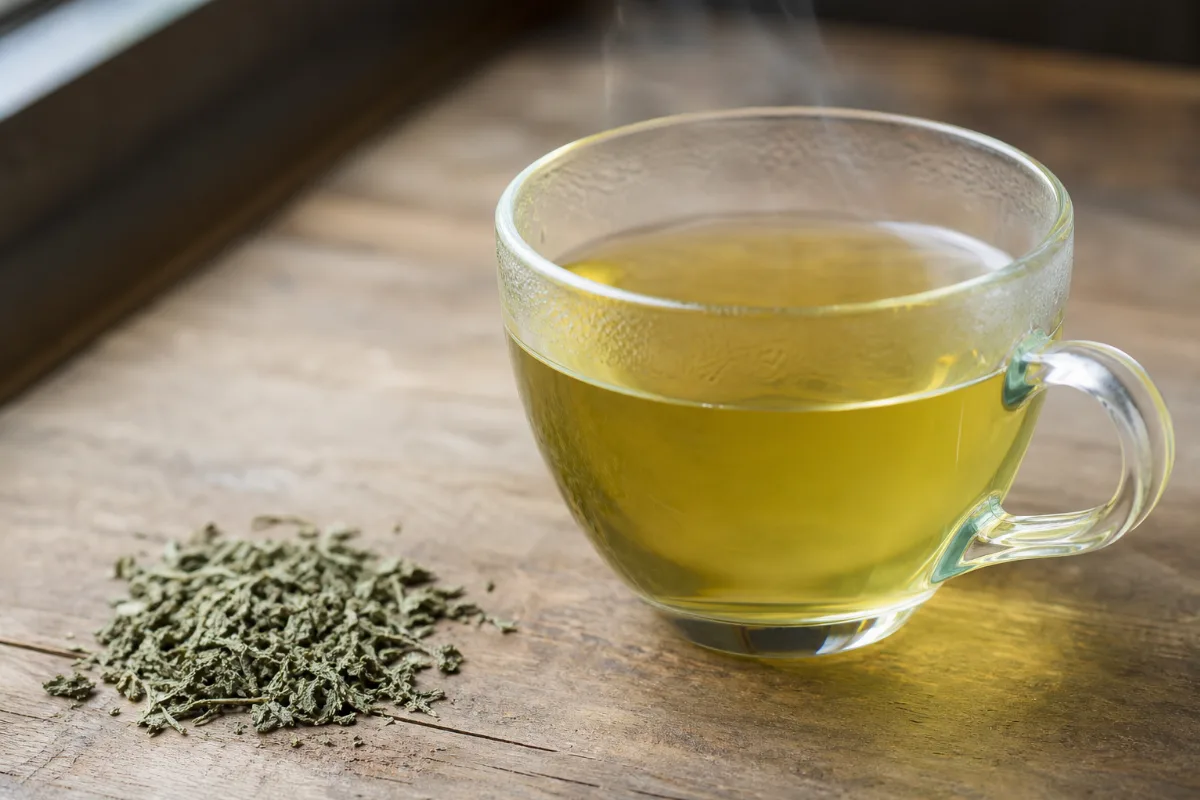
Herbal Teas & Extracts · Herbal tea
Peppermint Tea
Mentha x piperita · also called Peppermint tea, peppermint infusion, mint tea. Not the same as peppermint oil or oil capsules.
Peppermint tea is a drink made by steeping dried peppermint leaves in hot water. People use it for upset stomach, gas and general comfort. Trials of the tea itself are missing: the strong IBS results are for oil capsules. The main caution is that people with reflux are told to avoid peppermint leaf, because heartburn may get worse.
General information, not medical advice. Last substantive update · Not medically reviewed. A named clinician has not signed off on this page. How this page is made
About Peppermint Tea
Peppermint tea is the drink made from the dried leaf of Mentha x piperita. Nobody has tested it well: the McKay review says trials of the tea are absent, and NCCIH says very little research has been done on the leaf. The positive gut research is on oil capsules. The tea itself appears safe, but people with reflux are told to avoid it and it can reduce iron absorption.
What it is
Peppermint is Mentha x piperita, a hybrid in the mint family (Lamiaceae), which GBIF accepts as a species name. NCCIH describes it as a natural cross between water mint and spearmint.
The leaf holds polyphenols such as rosmarinic acid and the flavonoids eriocitrin, luteolin and hesperidin. Menthol and menthone are the main parts of the essential oil. It is not the tea plant that black and green tea come from.
No source we read gives a caffeine figure for peppermint tea, so we do not state one. Blends can add true tea, so read the label.
Tea, oil or capsule?
A cup of peppermint tea is a water infusion of the leaf. Peppermint oil is a concentrated essential oil. Enteric-coated capsules hold the oil in a coating that opens lower in the gut.
Nearly all the strong research is on oil or capsules: IBS, headache, nausea and the drug-enzyme findings. The reviewers' IBS result is very low quality, and the capsules caused more side effects than placebo.
Results for oil cannot be read as results for tea, in either direction. For oil, see the peppermint oil page.
What the research shows
Indigestion and gas: traditional use only. No tea trial.
IBS: oil capsules better than placebo in 10 trials (1,030 people), very low certainty, more side effects. No tea trial.
Thinking: one small trial of 25 adults found better scores after the tea. It needs to be repeated.
Nausea, headache and milk supply: the evidence is for oil, aromatherapy or tradition, not tea.
Quality and contamination
Surveys found plant toxins from weeds (pyrrolizidine alkaloids) in many herbal teas. In Israel, chamomile, peppermint and rooibos tea bags contained high levels in almost all samples, and tropane alkaloids turned up in every peppermint sample, below the acute reference dose per bag.
A Swiss study found a median of 95% of the alkaloids in the leaf pass into the drink. In Brazil, cadmium and lead in the dry herb were above legal limits in 78% of peppermint samples, but the infusions did not show toxic levels.
These are lab surveys of particular products, not proof of harm. Look for the Latin name Mentha x piperita on the pack, because pennyroyal is a different, toxic mint.
Pregnancy, breastfeeding and children
The EU monograph says safety in pregnancy and breastfeeding has not been established and does not recommend peppermint leaf for lack of data. NCCIH says food amounts are likely safe and little is known about medicinal amounts.
LactMed says mint has been used to raise milk supply and peppermint to lower it, the lowering shown only in lab and animal work. Talk with a midwife or doctor.
The EU does not recommend peppermint leaf under 4 years of age. Menthol should not be put near the face of babies or small children (NCCIH). The only G6PD source we found is a newborn study of menthol powder on the skin, not tea.
At a glance
Traditional uses history, not proof
- NCCIH says medicinal use of mint plants for digestive disorders goes back to ancient Greece, Rome and Egypt.
- The EU lists peppermint leaf tea as a traditional herbal medicine for indigestion and gas, based only on long use.
- NCCIH says peppermint is promoted today for IBS, indigestion, headaches, muscle tension and nausea, mostly as oil.
Studied for research
- Indigestion and gas, insufficient (tea)
- Irritable bowel syndrome, very low (oil capsules, not tea)
- Short-term thinking, very low (one small tea trial)
- Nausea, very low (inhaled oil, not tea)
- Headache, very low (oil on skin, not tea)
- Breast milk supply, insufficient
Main compounds
- Rosmarinic acid
- Flavonoids (eriocitrin, luteolin, hesperidin)
- Menthol and menthone (mainly in the oil)
Common forms
- Dried leaf, loose or in tea bags, steeped in hot water
- Blends that mix peppermint with other herbs or with true tea
- Peppermint oil and enteric-coated oil capsules (different products, separate page)
Research links: EU herbal monograph on peppermint leaf (EMA) · NCCIH: Peppermint Oil · Review of peppermint tea (McKay and Blumberg, abstract) · Peppermint oil in IBS: 2022 review (abstract) · Peppermint tea and thinking: 2025 trial (abstract) · Tea, herb teas and iron absorption (abstract) · Research Library · Genes & Biomarkers Library
What it is and its history
- Accepted scientific name
- Mentha x piperita
- Naming authority
- L.
- Synonyms
- Mentha aquatica x spicata; Mentha aquatica var. piperita (L.) Alef.; Mentha piperita (older spelling without the hybrid sign, used in most papers)
- Common names
- Peppermint (English); Peppermint tea (English); Mint tea (English); Menta piperita (Spanish)
- Family or group
- Lamiaceae (the mint family)
- Classification
- Plantae > Lamiales > Lamiaceae > Mentha > Mentha x piperita
- Native range
- NCCIH says peppermint grows throughout Europe, North America and the Mediterranean.
- Habitat
- Not checked.
- What it looks like
- Roots: Not checked.; Stems: Not checked.; Leaves: The leaf is the part used for the tea (EU monograph).; Flowers: Flowering parts and leaves are used for the oil (NCCIH).; Fruit: Not checked.
- Cultivation
- Not checked.
- Harvest and processing
- The EU monograph names dried peppermint leaf, whole or cut, as the herbal substance for tea. Nothing more was checked.
- Look-alikes and adulterants
- Name: Pennyroyal (Mentha pulegium); Note: A different mint whose oil has caused liver injury and death. Check the Latin name on the pack (Mentha x piperita).; Name: Spearmint and other mints; Note: Different species with different research. NCCIH says peppermint is a cross between water mint and spearmint.; Name: True tea (Camellia sinensis); Note: Black, green and oolong tea come from another plant altogether. Blends may mix peppermint with true tea.
- Sustainability and conservation
- Not checked.
Photographs
Traditional use and history history, not clinical proof
| Tradition or era | Documented use | Source |
|---|---|---|
| Ancient Greece, Rome and Egypt | NCCIH says medicinal use of mint plants for digestive disorders dates back to ancient Greece, Rome and Egypt. | s-nccih-peppermint-oil |
| European Union today | Peppermint leaf as a herbal tea is a traditional herbal medicine for relief of digestive disorders such as indigestion and gas, based on long-standing use only (EU monograph, 2020). | s-ema-hmpc-peppermint-leaf |
| Modern promotion | NCCIH says peppermint is promoted today for IBS, indigestion, headaches, muscle tension and nausea, and that research is mostly on the oil. | s-nccih-peppermint-oil |
Traditional use shows how it was used. It does not show that it works or is safe today.
What is inside, and how it may work
What it contains and how those compounds act in cells and animals. Laboratory and animal mechanisms are not proven effects in people.
Main compounds
| Compound | Family | Where it is concentrated | Activity studied | Level of evidence |
|---|---|---|---|---|
| Menthol PubChem 16666 | monoterpene alcohol | Oil from leaf and flowering parts Main volatile component of the OIL with menthone (McKay). How much reaches a cup of tea was not found. | Cooling and muscle-relaxing actions in lab and animal work; the oil is the form studied. 13 23 | Lab animal |
| Menthone PubChem 26447 | monoterpene ketone | Oil Main volatile component of the oil with menthol (McKay). | Not described in the sources read. 13 23 | Not established |
| Rosmarinic acid PubChem 5281792 | phenolic acid (polyphenol) | Leaf Named by McKay as a main leaf phenolic. | Antioxidant in lab work (review). 13 23 | Lab |
| Eriocitrin PubChem 83489 | flavanone glycoside | Leaf Named by McKay as a main leaf flavonoid. | Not described in the sources read. 13 23 | Not established |
| Luteolin PubChem 5280445 | flavone | Leaf Named by McKay as a main leaf flavonoid. | Not described in the sources read. 13 23 | Not established |
| Hesperidin PubChem 10621 | flavanone glycoside | Leaf Named by McKay as a main leaf flavonoid. | Not described in the sources read. 13 23 | Not established |
Mechanisms, receptors and pathways
| Target or pathway | Gene or receptor | What was found | Level |
|---|---|---|---|
| Gut muscle relaxation | n/a | Animal studies show relaxation of gut tissue (McKay review). Not shown for tea in people. 13 | Animal research |
| Antimicrobial, antioxidant and other actions | n/a | Seen in vitro, in lab dishes (McKay review). No human meaning established. 13 | Lab |
| Drug-handling enzymes | NAT2; CYP1A2; CYP3A4 | Peppermint tea lowered a NAT2 activity ratio slightly in nine people; peppermint oil inhibited CYP3A4 in the lab and raised felodipine exposure in volunteers. 3 4 | Human (tea: small; oil: separate) |
| Iron binding by polyphenols | n/a | Absorption of iron from a meal fell with peppermint tea and other polyphenol drinks, more so the more polyphenols they held. 8 | Human data |
Absorption, metabolism and elimination
- Absorption
- Not covered for tea in the sources read.
- Distribution
- LactMed says menthol and 1,8-cineole pass into breastmilk in small quantities; other components have not been studied.
- Metabolism
- Daily peppermint tea changed a NAT2 ratio slightly in nine people; peppermint oil inhibited CYP3A4.
- Elimination
- Not covered.
- Bioavailability
- Not covered.
Isolated compounds versus whole extracts
A cup of peppermint tea is a water infusion of the leaf. It holds leaf polyphenols (rosmarinic acid and flavonoids) and some of the volatile oil. The essential oil is a separate, concentrated product, and enteric-coated oil capsules are another: they release the oil lower in the gut. Almost all the strong peppermint research (IBS, headache, nausea, drug enzymes) is on the oil or capsules. The McKay review states that trials of peppermint tea are absent, and NCCIH says very little research has been done on the leaf. Do not carry oil results, good or bad, over to tea.
Nutritional composition
Peppermint tea is not a meaningful source of nutrients in the sources read. A 2002 lab study found iron is the most abundant microelement in the dry leaf but among the hardest to move into water, and peppermint tea reduces iron absorption from a meal (1999 study).
4 very low certainty2 not enough evidence
What was looked at
The 6 benefits and uses checked for Peppermint Tea, each with how strong the evidence is. Tap one to open it.
- Indigestion and gasNot enough evidence
- Irritable bowel syndrome (oil capsules, not tea)Very low certainty
- Short-term thinking and brain blood flowVery low certainty
- Nausea (inhaled peppermint oil, not tea)Very low certainty
- Headache (peppermint oil on the skin, not tea)Very low certainty
- Breast milk supplyNot enough evidence
Lab markers tracked in the studies
Overall IBS symptomsAbdominal pain in IBSComputer thinking test changeBrain blood flow (oxygenated haemoglobin)Nausea scores (aromatherapy, all oils)Iron absorption from a mealNAT2 enzyme activity ratio
What is Peppermint Tea good for?
The uses people ask about and how strong the human evidence is for each. For most of them the research is on peppermint oil, not on the tea, and each row says which.
Benefits, one by one
Each card is a research question, not a promise. Tap a goal to filter. Open a card to see the studies, doses and limits.
Indigestion and gas
Not enough evidenceThe EU lists peppermint leaf tea as a traditional remedy for indigestion and gas, based only on long use. No trial of the tea for this was found. A 2006 review said trials of peppermint tea are absent.
3 studiesLeaf tea only is described here. Oil capsules are a different product…
Studies, doses and limits
What the trials found
No clinical trial of peppermint tea for indigestion or gas was found in the sources read. The EU monograph states the use is based exclusively on long-standing use. NCCIH says there is not enough evidence to say whether peppermint leaf helps any health condition.
Results
No tea trial results exist in the sources read.
Why this rating
Support is tradition and a regulator listing, not trials of the tea. The positive gut trials are of oil, and sometimes of combination products.
Form and dose studied
Leaf tea only is described here. Oil capsules are a different product with different research.
Who was studied
Adults (EU monograph); not recommended under 4 years.
Limits
No trials of tea. Reflux can get worse with the leaf (see Safety).
Why researchers looked
Peppermint leaf has been used for stomach complaints for a very long time, and menthol relaxes gut muscle in lab and animal work.
Traditional use
NCCIH says mint plants were used for digestive problems in ancient Greece, Rome and Egypt. The EU monograph calls peppermint leaf a traditional herbal medicine for digestive complaints such as indigestion and gas.
Proposed mechanism Animal and lab
Reviewers describe relaxation of gut muscle seen in animal studies. Not shown for tea in people.
A proposed mechanism does not show that the effect happens in people.
People with reflux should avoid peppermint leaf preparations, according to the EU monograph.
Irritable bowel syndrome (oil capsules, not tea)
Very low certaintyThe strongest peppermint research is on enteric-coated peppermint OIL capsules for irritable bowel syndrome. A 2022 review found them better than placebo, with more side effects and very low quality evidence. This does not tell us about a cup of tea.
3 studiesEnteric-coated peppermint oil capsules. Not tea.
Studies, doses and limits
What the trials found
A 2022 review pooled 10 randomised trials (1,030 people) of peppermint oil in IBS. NCCIH repeats this finding and says a 2021 American College of Gastroenterology guideline recommended peppermint oil for overall IBS symptoms. Most trials used enteric-coated oil capsules. No trial of peppermint tea in IBS was found.
Results
Oil beat placebo for overall IBS symptoms (risk of not improving 0.65; 95% CI 0.43-0.98) and abdominal pain (0.76; 95% CI 0.62-0.93). Adverse events were more frequent with oil (relative risk 1.57; 95% CI 1.04-2.37).
Effect sizes as reported
Number needed to treat 4 for global symptoms and 7 for abdominal pain, with wide intervals.
Why this rating
The reviewers themselves rate the quality of the evidence as very low. This is about the oil. For the tea itself there is no evidence.
Form and dose studied
Enteric-coated peppermint oil capsules. Not tea.
Who was studied
Adults with IBS.
Limits
Oil and tea are different products. Do not read the capsule results as tea results. The oil caused more side effects such as heartburn and indigestion (NCCIH).
Why researchers looked
IBS causes belly pain and bowel changes, and peppermint oil relaxes gut muscle in lab work.
Traditional use
Not described in the sources read.
Proposed mechanism Animal and lab
Gut-muscle relaxation is proposed from lab and animal work on the oil. Not shown for tea.
A proposed mechanism does not show that the effect happens in people.
Heartburn and acid reflux were among the commoner side effects of the oil (NCCIH).
Short-term thinking and brain blood flow
Very low certaintyOne small 2025 trial of 25 adults found better thinking scores after a serving of peppermint tea than after placebo. Brain blood flow rose too, but that did not explain the thinking change. It needs bigger studies.
1 studiesPeppermint tea, single serving.
Studies, doses and limits
What the trials found
Randomised, single-blind, placebo-controlled trial of 25 adults given peppermint tea or a placebo drink, with a computer thinking test and near-infrared brain scans before and after.
Results
Thinking scores improved more with peppermint tea. Oxygenated and total haemoglobin rose more in the peppermint group. The blood-flow changes were unrelated to the thinking changes. The abstract gives no figures.
Effect sizes as reported
Not given in the abstract.
Why this rating
Only 25 people, single-blind, a single short session, convenience sample, abstract only read.
Form and dose studied
Peppermint tea, single serving.
Who was studied
Healthy adults over 18.
Limits
Very small; short-lived effect only; no long-term follow-up; one trial.
Why researchers looked
People report that peppermint helps alertness, and one idea was that it widens blood vessels in the brain.
Traditional use
Not described in the sources read.
Proposed mechanism Human trial
The trial tested whether brain blood flow explained the effect. It did not.
A proposed mechanism does not show that the effect happens in people.
No safety issues were reported in the abstract.
Nausea (inhaled peppermint oil, not tea)
Very low certaintyReviews of aromatherapy, where people smell oils, find less nausea in people having cancer treatment, and peppermint oil was named as particularly successful. These are scented oils, not tea, and the evidence is limited.
2 studiesInhaled or massaged essential oil. Not tea.
Studies, doses and limits
What the trials found
A 2024 review of 25 randomised comparisons found aromatherapy overall reduced nausea and vomiting in people with cancer. NCCIH describes a 2024 review of 10 aromatherapy studies, 4 of them (290 people) on peppermint oil, in which inhaled peppermint oil was particularly successful against chemotherapy nausea. No trial of peppermint tea for nausea was found.
Results
Aromatherapy overall: standardised mean difference -0.81 (95% CI -1.11 to -0.52); nausea alone -0.85; nausea and vomiting combined -1.08; vomiting alone not significantly changed (-0.24; CI -1.03 to 0.55).
Effect sizes as reported
Standardised mean difference about -0.8 for aromatherapy overall; not split out for peppermint.
Why this rating
Reviews pool several oils, there are few trials, and the authors say conclusive evidence is lacking. Nothing is known about the tea.
Form and dose studied
Inhaled or massaged essential oil. Not tea.
Who was studied
Adults having cancer treatment.
Limits
Not a peppermint-only result; not tea; vomiting itself was not significantly reduced.
Why researchers looked
Nausea after surgery or chemotherapy is common and hard to treat, and peppermint is a popular home remedy.
Traditional use
Not described in the sources read.
Proposed mechanism Not established
Not established in the sources read.
A proposed mechanism does not show that the effect happens in people.
Essential oils are concentrated; see the peppermint oil page for oil safety.
Headache (peppermint oil on the skin, not tea)
Very low certaintyA small 1996 trial found peppermint oil on the forehead eased tension-type headache about as well as acetaminophen. A 2023 youth trial found no added benefit. This is oil on skin, not tea.
3 studiesPeppermint oil applied to the skin or used as aromatherapy. Not tea.
Studies, doses and limits
What the trials found
A randomised, double-blind crossover trial of 41 people (164 headache attacks) compared a peppermint oil solution on the skin with placebo and with acetaminophen. A 2023 randomised trial of 46 teenagers found peppermint oil added to a foot bath gave no extra pain relief over the foot bath alone. A 2020 review of herbal migraine treatments called the menthol results positive but preliminary, with high risk of bias.
Results
1996 trial: oil reduced headache intensity vs placebo from 15 minutes (p < 0.01) with no difference from acetaminophen and no adverse events. 2023 trial: no added benefit.
Effect sizes as reported
Not given as a single figure.
Why this rating
One small old trial, one null trial, and a review that notes high risk of bias. Nothing on tea.
Form and dose studied
Peppermint oil applied to the skin or used as aromatherapy. Not tea.
Who was studied
Adults with tension-type headache; teenagers with chronic headache.
Limits
The first trial used a drug-company preparation; neither trial tested tea.
Why researchers looked
Cooling menthol on the skin is a popular home remedy for headache.
Traditional use
Not described in the sources read.
Proposed mechanism Not established
Not established in the sources read.
A proposed mechanism does not show that the effect happens in people.
Oil on skin can cause rashes; see Safety.
Breast milk supply
Not enough evidenceMint is used in some places to boost milk supply, but peppermint is also used to reduce it. Lab and animal work at high doses suggests it can lower milk production. No good human trial of the tea was found.
1 studiesNot applicable.
Studies, doses and limits
What the trials found
No human trial of peppermint tea and milk supply was found. LactMed (via its PubMed record) records both uses and says the suppression finding comes from lab and animal work.
Results
No human results to report.
Why this rating
Tradition on one side, lab and animal work on the other, nothing in people.
Who was studied
Breastfeeding mothers.
Limits
No human data on the tea. The full LactMed page could not be opened, so only its PubMed record was read.
Why researchers looked
Breastfeeding mothers often ask whether herbal teas help or harm their milk supply.
Traditional use
LactMed says mint has been used in Turkey to increase milk supply.
Proposed mechanism Animal and lab
LactMed says suppression of milk production has been shown in vitro and in animals at high doses.
A proposed mechanism does not show that the effect happens in people.
See pregnancy and breastfeeding on the Safety tab.
Connections to the rest of health
How Peppermint Tea connects to the rest of our health knowledge graph. Every link says what kind of connection it is. A safety link (for example to the liver) is a warning, not a benefit. A study that merely mentions a topic never creates a benefit link.
Explore every connection: goals, body systems, organs, symptoms, genes
A. Wellness goals
| Connected to | Kind of connection | Evidence status | Context | Studies |
|---|---|---|---|---|
| Digestive Support | Not enough evidence | Indigestion and gas: The EU lists peppermint leaf tea as a traditional remedy for indigestion and gas, based only on long use. No trial of the tea for this was found. A 2006 review said trials of peppermint tea are absent. | 21 13 22 | |
| Gut Health | Not enough evidence | Indigestion and gas: The EU lists peppermint leaf tea as a traditional remedy for indigestion and gas, based only on long use. No trial of the tea for this was found. A 2006 review said trials of peppermint tea are absent. | 21 13 22 | |
| Gut Health | Very low certainty | Irritable bowel syndrome (oil capsules, not tea): The strongest peppermint research is on enteric-coated peppermint OIL capsules for irritable bowel syndrome. A 2022 review found them better than placebo, with more side effects and very low quality evidence. This does not tell us about a cup of tea. | 9 22 13 | |
| Digestive Support | Very low certainty | Irritable bowel syndrome (oil capsules, not tea): The strongest peppermint research is on enteric-coated peppermint OIL capsules for irritable bowel syndrome. A 2022 review found them better than placebo, with more side effects and very low quality evidence. This does not tell us about a cup of tea. Nausea (inhaled peppermint oil, not tea): Reviews of aromatherapy, where people smell oils, find less nausea in people having cancer treatment, and peppermint oil was named as particularly successful. These are scented oils, not tea, and the evidence is limited. | 9 22 13 1 | |
| Better Focus | Very low certainty | Short-term thinking and brain blood flow: One small 2025 trial of 25 adults found better thinking scores after a serving of peppermint tea than after placebo. Brain blood flow rose too, but that did not explain the thinking change. It needs bigger studies. | 15 | |
| Womens Wellness | Not enough evidence | Breast milk supply: Mint is used in some places to boost milk supply, but peppermint is also used to reduce it. Lab and animal work at high doses suggests it can lower milk production. No good human trial of the tea was found. | 20 |
B. Body systems
| Connected to | Kind of connection | Evidence status | Context | Studies |
|---|---|---|---|---|
| Digestive System | Biological association | Not enough evidence | Studied for: Indigestion and gas Studied for: Irritable bowel syndrome (oil capsules, not tea) | 21 13 22 9 1 |
| Nervous System | Biological association | Very low certainty | Studied for: Short-term thinking and brain blood flow Studied for: Headache (peppermint oil on the skin, not tea) | 15 6 11 12 |
| Reproductive System | Biological association | Not enough evidence | Studied for: Breast milk supply | 20 |
C. Body parts and organs
| Connected to | Kind of connection | Evidence status | Context | Studies |
|---|---|---|---|---|
| Stomach | Adverse effect or risk | Low certainty | Heartburn may increase, and reflux may worsen (EU monograph). Preparation or compound: Peppermint leaf tea |
21 |
| Gallbladder | Contraindication | Low certainty | Caution with gallstones and bile-duct disorders (EU monograph). Preparation or compound: Peppermint leaf tea |
21 |
E. Health conditions
| Connected to | Kind of connection | Evidence status | Context | Studies |
|---|---|---|---|---|
| Gastroesophageal reflux disease | Contraindication | Low certainty | Avoid peppermint leaf preparations (EU monograph). Preparation or compound: Peppermint leaf tea |
21 22 |
| Irritable bowel syndrome | Very low certainty | Oil capsules beat placebo with more side effects; very low quality. Preparation or compound: Peppermint OIL capsules, not tea |
9 | |
| Iron-deficiency anaemia | Adverse effect or risk | Low certainty | Lowers iron absorption from a meal. Preparation or compound: Peppermint tea with meals |
8 |
| Pregnancy and breastfeeding | Contraindication | Low certainty | Sources differ: EU says not recommended for lack of data; NCCIH says food amounts are likely safe. Preparation or compound: Peppermint leaf tea |
21 22 20 |
I. Biomarkers
| Connected to | Kind of connection | Evidence status | Context | Studies |
|---|---|---|---|---|
| Overall IBS symptoms | Biological association | Very low certainty | Measured in trials: improved (oil capsules only). A lab change is not the same as a health benefit. | 9 |
| Abdominal pain in IBS | Biological association | Very low certainty | Measured in trials: improved (oil capsules only). A lab change is not the same as a health benefit. | 9 22 |
| Computer thinking test change | Biological association | Very low certainty | Measured in trials: improved more than placebo (one small trial). A lab change is not the same as a health benefit. | 15 |
| Brain blood flow (oxygenated haemoglobin) | Biological association | Very low certainty | Measured in trials: increased more than placebo (one small trial). A lab change is not the same as a health benefit. | 15 |
| Nausea scores (aromatherapy, all oils) | Biological association | Very low certainty | Measured in trials: lowered (aromatherapy overall). A lab change is not the same as a health benefit. | 1 |
| Iron absorption from a meal | Biological association | Low certainty | Measured in trials: lowered. A lab change is not the same as a health benefit. | 8 |
| NAT2 enzyme activity ratio | Biological association | Very low certainty | Measured in trials: lowered (small trial). A lab change is not the same as a health benefit. | 3 |
J. Genes, receptors and enzymes
| Connected to | Kind of connection | Evidence status | Context | Studies |
|---|---|---|---|---|
| NAT2 | Preliminary mechanism | Human | Activity ratio fell slightly after six days of peppermint tea in nine people. | 3 |
| CYP3A4 | Preliminary mechanism | Human and lab (oil) | Inhibited in the lab by peppermint oil and menthol; oil raised felodipine exposure in volunteers. | 4 |
L. Active compounds
| Connected to | Kind of connection | Evidence status | Context | Studies |
|---|---|---|---|---|
| Menthol | Biological association | Lab animal | Cooling and muscle-relaxing actions in lab and animal work; the oil is the form studied. Preparation or compound: Oil from leaf and flowering parts |
13 23 |
| Menthone | Biological association | Not established | Not described in the sources read. Preparation or compound: Oil |
13 23 |
| Rosmarinic acid | Biological association | Lab | Antioxidant in lab work (review). Preparation or compound: Leaf |
13 23 |
| Eriocitrin | Biological association | Not established | Not described in the sources read. Preparation or compound: Leaf |
13 23 |
| Luteolin | Biological association | Not established | Not described in the sources read. Preparation or compound: Leaf |
13 23 |
| Hesperidin | Biological association | Not established | Not described in the sources read. Preparation or compound: Leaf |
13 23 |
Each connection is stored with the ingredient, the connected record, the kind of connection, the evidence status, the supporting studies, the preparation or compound involved, and a review date (last reviewed October 25, 2026).
Evidence at a glance: what changed in 1 lab markers
Tap a number to show only those markers. Counts are markers, not people.
The evidence
The research centre for Peppermint Tea. Every record here was checked against PubMed or the publisher's page; we never list a study we have not verified.
Evidence by outcome
Bars show how many studies we found for each outcome, not how well it works. People are added up across trials only (reviews are not added, to avoid double counting).
How we rate evidence
High certainty
Several well-run trials or reviews agree; further research is unlikely to change the picture much.
Moderate certainty
Good trials point the same way, but some doubt remains.
Low certainty
Small, short or inconsistent trials. The finding could change with better research.
Very low certainty
Very little or very weak human data. Treat as a possibility only.
Mixed findings
Trials or reviews disagree with each other.
Not enough evidence
Not enough human research to say either way.
Evidence against
Good research found no benefit, or found harm.
We take the reviewers' own risk-of-bias and GRADE statements where they exist, and otherwise judge from study size, design, consistency, directness and whether a product matches what is sold. Many publications do not make evidence high. Method note: We searched PubMed and read the abstracts of the studies listed, read the EU herbal monograph and the NCCIH page in full, read the PubMed record for LactMed (the full LactMed page was blocked), and checked the plant name in GBIF and six compounds in PubChem.
Study library: every study we checked 24
| Study | Design | People | Product, dose, length | Result |
|---|---|---|---|---|
| Ahn 2024 Effects of aromatherapy on nausea and vomiting in patients with cancer: A systematic review and meta-analysis of randomized controlled trials Complementary Therapies in Clinical Practice · PMID 38330531 · DOI |
Meta-analysis |
25 randomised comparisons from 10 articles in adults with cancer | Aromatherapy (smelling or massaging with oils); peppermint oil was one of the oils essential oil Varied Varied · vs Control |
Aromatherapy overall reduced nausea and vomiting (standardised mean difference -0.81; 95% CI -1.11 to -0.52), nausea (-0.85) and combined nausea and vomiting (-1.08), but not vomiting alone (-0.24; CI -1.03 to 0.55). Peppermint oil was described as particularly successful in chemotherapy-induced cases. The authors say conclusive evidence is lacking because there are few trials. Overall SMD -0.81 (aromatherapy, all oils) (-1.11 to -0.52) Methods, limits and fundingOutcomes: Nausea and vomiting scores Limitations: Pools several oils, not a peppermint-only result, and not tea. Few trials. Funding and conflicts: Not stated in the abstract Read: abstract |
| Anderson 1996 Pennyroyal toxicity: measurement of toxic metabolite levels in two cases and review of the literature Annals of Internal Medicine · PMID 8633832 · DOI |
Case series |
4 Four people who swallowed pennyroyal, plus 18 earlier case reports |
Pennyroyal (a different mint, Mentha pulegium), mostly as oil oil Not restated here Single ingestions |
One of four patients died. Review of 18 earlier case reports found moderate to severe toxicity in people who had swallowed pennyroyal oil. The paper is about pennyroyal, not peppermint. 1 death in 4 cases Methods, limits and fundingOutcomes: Poisoning and liver injury Limitations: Pennyroyal oil, not peppermint tea. Used here only to explain why the plant name on a label matters. Funding and conflicts: US government research support (PubMed record) Read: abstract |
| Begas 2017 Effects of peppermint tea consumption on the activities of CYP1A2, CYP2A6, Xanthine Oxidase, N-acetyltranferase-2 and UDP-glucuronosyltransferases-1A1/1A6 in healthy volunteers Food and Chemical Toxicology · PMID 28011360 · DOI |
Before after study |
9 4 men and 5 women, healthy |
Peppermint tea made from dried leaf leaf Not restated here 6 days · vs Same people before the tea |
NAT2 activity ratio fell significantly after six days of peppermint tea (0.15 before vs 0.14 after, p < 0.05). CYP1A2 indices fell but not significantly. CYP2A6, xanthine oxidase and UGT1A1/1A6 were not changed. The authors say daily peppermint tea may change how the body handles some medicines. NAT2 ratio 0.15 to 0.14 (p < 0.05); CYP1A2 not significant Methods, limits and fundingOutcomes: Activity of five drug-handling enzyme systems, measured with caffeine and paracetamol test ratios Limitations: Nine people, no control group, six days only. The change in NAT2 is tiny and its meaning for any medicine was not tested. Funding and conflicts: Not stated in the abstract Read: abstract |
| Dresser 2002 Evaluation of peppermint oil and ascorbyl palmitate as inhibitors of cytochrome P4503A4 activity in vitro and in vivo Clinical Pharmacology and Therapeutics · PMID 12235445 · DOI |
Controlled trial human and lab |
12 12 healthy volunteers (crossover) plus human liver microsomes |
Peppermint OIL taken with felodipine; grapefruit juice as the positive control essential oil Not restated here Single doses · vs Water |
Peppermint oil, menthol and menthyl acetate inhibited the CYP3A4 enzyme in the lab. In volunteers, felodipine exposure rose to 140% of the water value with peppermint oil and to 173% with grapefruit juice. The authors say peppermint oil may act the same way as grapefruit juice, which needs further study. This is the oil, not tea. Felodipine exposure 140% with peppermint oil Methods, limits and fundingOutcomes: Felodipine blood levels; CYP3A4 enzyme activity in the lab Limitations: Twelve people, one drug, single doses of the concentrated oil; says nothing direct about tea. Funding and conflicts: Not stated in the abstract Read: abstract |
| Gelal 2005 Effect of menthol on the pharmacokinetics and pharmacodynamics of felodipine in healthy subjects European Journal of Clinical Pharmacology · PMID 15592925 · DOI |
Controlled trial |
11 11 healthy volunteers (10 completed) |
Menthol capsules with felodipine tablet menthol Not restated here Single day · vs Placebo capsules |
Felodipine levels, blood pressure and heart rate were essentially unaltered by menthol. No important change Methods, limits and fundingOutcomes: Blood levels of felodipine, blood pressure, heart rate Limitations: Eleven people, one drug, one day, menthol capsules and not tea. Funding and conflicts: Not stated in the abstract Read: abstract |
| Gobel 1996 Effectiveness of Oleum menthae piperitae and paracetamol in therapy of headache of the tension type [German] Der Nervenarzt · PMID 8805113 · DOI |
Controlled trial |
41 41 people with tension-type headache, 164 attacks treated |
Peppermint OIL in an ethanol solution, spread on forehead and temples essential oil Not restated here Four attacks per person · vs Placebo solution and acetaminophen |
Randomised, double-blind, placebo-controlled crossover. The skin oil reduced headache intensity compared with placebo from 15 minutes (p < 0.01), about as well as acetaminophen. No adverse events were reported. The oil was put on the skin; the tea was not tested. Oil vs placebo p < 0.01; no difference from acetaminophen Methods, limits and fundingOutcomes: Headache intensity diary at 15, 30, 45 and 60 minutes Limitations: Small, from 1996, single preparation made by a drug company (Lichtwer Pharma); funding not stated in the abstract. Funding and conflicts: Product supplied by Lichtwer Pharma; funding not stated Read: abstract |
| Gumus 2023 Assessment of Toxic Pyrrolizidine and Tropane Alkaloids in Herbal Teas and Culinary Herbs Using LC-Q-ToF/MS Foods · PMID 37835225 · DOI |
Lab analysis n/a (lab analysis) |
Herbal teas and culinary herbs sold in Turkish markets, peppermint among them | Dry herb and tea products leaf |
At least some of these alkaloids were found in every herbal tea and culinary herb tested. Totals across the black, green, mixed, flavoured, chamomile, sage, linden, fennel, rosehip, peppermint and thyme samples ranged from 4.6 to 1054.5 ng/g. The author says routine testing is needed. Totals 4.6-1054.5 ng/g across many product types Methods, limits and fundingOutcomes: Pyrrolizidine and tropane alkaloids Limitations: One country, many product types combined, no peppermint-only figure in the abstract. Funding and conflicts: Author declares no conflict of interest Read: abstract |
| Hurrell 1999 Inhibition of non-haem iron absorption in man by polyphenolic-containing beverages British Journal of Nutrition · PMID 10999016 |
Clinical trial |
Adult volunteers given a bread meal with radio-labelled iron | Herb teas (camomile, vervain, lime flower, pennyroyal, peppermint), black tea, coffee, cocoa leaf; various Not restated here Single meals · vs Water |
All the drinks reduced iron absorption, more so the more polyphenols they contained. Peppermint tea reduced absorption by 84%, black tea by 79-94%, pennyroyal tea 73%, camomile 47%. The authors say the effect should be considered in dietary advice about iron. Peppermint tea: iron absorption reduced by 84% (single meal) Methods, limits and fundingOutcomes: Iron absorption from the meal (red-cell incorporation of radio-iron) Limitations: Measured at single meals in a lab setting, not across a whole diet. Number of volunteers not given in the abstract. Funding and conflicts: Research support, non-US government (PubMed record) Read: abstract |
| Ingrosso 2022 Systematic review and meta-analysis: efficacy of peppermint oil in irritable bowel syndrome Alimentary Pharmacology and Therapeutics · PMID 35942669 · DOI |
Meta-analysis |
1030 10 randomised trials in adults with irritable bowel syndrome |
Peppermint OIL (mostly enteric-coated capsules) essential oil Varied between trials Varied · vs Placebo |
Peppermint oil beat placebo for global IBS symptoms (risk of not improving 0.65; 95% CI 0.43-0.98; number needed to treat 4) and for abdominal pain (0.76; 95% CI 0.62-0.93; number needed to treat 7). Adverse events were more frequent with the oil (relative risk 1.57; 95% CI 1.04-2.37). The authors rate the quality of evidence as very low. This is the oil, not the tea. Global symptoms RR 0.65; pain RR 0.76; adverse events RR 1.57 (0.43-0.98; 0.62-0.93; 1.04-2.37) Methods, limits and fundingOutcomes: Global IBS symptoms, abdominal pain, adverse events Limitations: Very low quality of evidence per the authors; trials of oil capsules, none of tea. Funding and conflicts: Not stated in the abstract Read: abstract |
| Kassebaum 2005 Possible warfarin interaction with menthol cough drops Annals of Pharmacotherapy · PMID 15644472 · DOI |
Case report |
1 One 57-year-old man taking warfarin for atrial fibrillation |
Menthol cough drops menthol (lozenge) Not restated here About one week |
A stable INR fell to 1.45 after about a week of menthol cough drops and recovered after they were stopped. The authors judged the link possible, not proven, and note that menthol may affect drug-handling enzymes. This was a cough drop, not tea. INR fell to 1.45 (one patient) Methods, limits and fundingOutcomes: INR (blood clotting test) Limitations: One case, a possible link only, menthol lozenge not tea. Funding and conflicts: Not stated in the abstract Read: abstract |
| Kingsley 2023 Randomized Trial Examining Efficacy of Mentha piperita in Reducing Chronic Headache Discomfort in Youth Pain Management Nursing · PMID 37730471 · DOI |
Controlled trial |
46 46 adolescents (mean age 15.2) with a primary headache disorder |
Foot bath with peppermint oil added (aromatherapy) essential oil Not restated here Single brief session · vs Foot bath alone |
Both groups reported less pain. Adding peppermint oil did not improve pain or anxiety beyond the foot bath alone. No adverse events. Funded by a foundation award. No added benefit of peppermint oil over foot bath Methods, limits and fundingOutcomes: Self-rated pain and anxiety, heart rate Limitations: One site, mostly girls, brief intervention. Funding and conflicts: Katharine B. Richardson Foundation award; no competing interests Read: abstract |
| Lopresti 2020 Herbal treatments for migraine: A systematic review of randomised-controlled studies Phytotherapy Research · PMID 32310327 · DOI |
Systematic review |
19 randomised trials of single herbal treatments for migraine | Several herbs, including menthol/peppermint oil various Varied Varied · vs Varied |
The review found positive but preliminary results for menthol as an acute treatment, and said the risk of bias was high in many studies. Preliminary positive; high risk of bias Methods, limits and fundingOutcomes: Migraine relief or prevention Limitations: Menthol/peppermint oil was one of nine herbal treatments; no tea trial was included. Funding and conflicts: Not stated in the abstract Read: abstract |
| McKay 2006 A review of the bioactivity and potential health benefits of peppermint tea (Mentha piperita L.) Phytotherapy Research · PMID 16767798 · DOI |
Narrative review human, animal and lab (reviewed) |
Published lab, animal and human research on peppermint leaf, tea and oil | Peppermint tea (leaf infusion) and peppermint oil, reviewed leaf; essential oil |
Leaf phenolics include rosmarinic acid and the flavonoids eriocitrin, luteolin and hesperidin; the oil is mainly menthol and menthone. Antimicrobial, antiviral, antioxidant and other actions were seen in vitro; relaxation of gut tissue and pain-blocking effects in animals. Human studies on the gut, airways and pain were of the OIL, including several IBS trials. The authors state that human studies of peppermint leaf are limited and clinical trials of peppermint tea are absent. Adverse reactions to peppermint tea have not been reported, although caution has been urged for peppermint oil in people with GI reflux, hiatal hernia or kidney stones. No effect sizes (narrative review) Methods, limits and fundingOutcomes: Bioactivity and health effects of peppermint Limitations: Published in 2006, so it is old. A narrative review, not a systematic one. Funding noted as non-US government support in the PubMed record. Funding and conflicts: Research support, non-US government (PubMed record) Read: abstract |
| Milani 2019 Investigation of twelve trace elements in herbal tea commercialized in Brazil Journal of Trace Elements in Medicine and Biology · PMID 30732870 · DOI |
Lab analysis n/a (lab analysis) |
Boldo, chamomile, mate and peppermint teas bought in Brazilian markets, dry herb and infusion | Dry herb and its infusion leaf |
Cadmium and lead were above the Brazilian and MERCOSUR limits in 89% of mate and 78% of peppermint samples (dry herb). The infusions did not show toxic levels, but the authors say exposure estimates for even one cup a day were notable. Cd and Pb above herb limits in 78% of peppermint samples; infusions not at toxic levels Methods, limits and fundingOutcomes: Twelve trace elements in herb and infusion Limitations: Samples from one country, age and origin unknown. Applies to the products tested, not to every peppermint tea. Funding and conflicts: Not stated in the abstract Read: abstract |
| Netzler 2025 A Randomized Placebo-Controlled Clinical Trial Exploring the Short-Term Cognitive and Cerebrovascular Effects of Consuming Peppermint Tea: A Mediation Study Human Psychopharmacology · PMID 40189738 · DOI |
Controlled trial |
25 25 adults aged over 18, recruited by convenience sampling |
Peppermint tea leaf One serving Single session, before and after · vs Placebo drink |
Randomised, single-blind, placebo-controlled, independent groups. Improvement in thinking scores was greater in the peppermint group, and oxygenated and total haemoglobin rose more in the peppermint group. The blood-flow changes were unrelated to the thinking changes, so blood flow did not explain the effect. Greater change scores with peppermint tea; no figures in the abstract Methods, limits and fundingOutcomes: Change in a computerised thinking battery; brain blood flow by near-infrared spectroscopy (oxygenated and total haemoglobin) Limitations: Only 25 people, single-blind, one short session, convenience sample. Abstract only was read, so randomisation detail and the placebo drink were not checked. Funding and conflicts: Authors declare no conflicts of interest Read: abstract |
| Olowe 1980 The risk of jaundice in glucose-6-phosphate dehydrogenase deficient babies exposed to menthol Acta Paediatrica Scandinavica · PMID 7376859 · DOI |
Controlled study |
60 60 newborns with G6PD deficiency in Lagos, Nigeria |
Mentholated powder on the umbilical cord menthol (skin powder) Daily · vs Untreated babies |
Babies whose cords were dressed with the menthol powder developed significantly more jaundice than untreated babies. The authors blame newborns' inability to clear menthol and advise against menthol or camphor products on newborns where G6PD deficiency is common. This is menthol powder on skin; tea was not tested. More jaundice in treated babies Methods, limits and fundingOutcomes: Neonatal jaundice Limitations: 1980 study, newborns only, skin powder not tea, abstract only. Funding and conflicts: Not stated in the abstract Read: abstract |
| Reinhard 2021 Pyrrolizidine alkaloids in tea, herbal tea and iced tea beverages - survey and transfer rates Food Additives and Contaminants Part A · PMID 34237234 · DOI |
Lab analysis n/a (lab analysis) |
10 Ten naturally contaminated teas and herbal teas (mixed herbal, peppermint, red bush, senna, black and green) and 46 iced teas |
Tea and herbal tea infusions made as the ISO guide and vendors describe leaf |
37 PAs were followed. Between 38% and 100% (median 95%) moved from the leaf into the drink when it was prepared as vendors describe. Total PAs in the ten herb samples were 154-2412 ng/g (median 422 ng/g). Iced teas held 0-631 ng/L (median 40 ng/L). Atropine was found in half of the herb samples. Median transfer of PAs into the drink 95% Methods, limits and fundingOutcomes: How much of the pyrrolizidine alkaloids in the leaf ends up in the drink Limitations: Ten samples only, peppermint was one of several types, and no health effect was measured. Funding and conflicts: Not stated in the abstract (Swiss Federal Food Safety and Veterinary Office authors) Read: abstract |
| Shimshoni 2015 Pyrrolizidine and tropane alkaloids in teas and the herbal teas peppermint, rooibos and chamomile in the Israeli market Food Additives and Contaminants Part A · PMID 26365752 · DOI |
Lab analysis n/a (lab analysis) |
70 70 pre-packed tea bags of herbal and non-herbal teas from Israeli supermarkets |
Tea bags (peppermint among them) leaf |
Chamomile, peppermint and rooibos teas contained high PA levels in almost all samples. Total PAs in those three ranged from 20 to 1729 micrograms per kg of tea. Black and green teas were lower; fennel and melissa had none. The mix of PAs pointed to weeds picked up with the crop. Tropane alkaloids were found in all peppermint samples, below the acute reference dose per tea bag, and the authors call for a larger survey. They call for routine checks and legal limits. PAs 20-1729 micrograms per kg in chamomile, peppermint and rooibos combined Methods, limits and fundingOutcomes: Pyrrolizidine alkaloid (PA) and tropane alkaloid levels Limitations: One market, one time, the range is for three teas together, not peppermint alone. Shows presence, not harm in a person. Funding and conflicts: Not stated in the abstract Read: abstract |
| Warshaw 2025 Patch Testing to Mentha piperita (Peppermint) Oil: The North American Contact Dermatitis Group Experience (2009-2020) Dermatitis · PMID 39172635 · DOI |
Retrospective cohort |
28128 28,128 people patch-tested for suspected contact allergy |
Peppermint oil in petrolatum on the skin essential oil Patch test Standard patch test |
161 people (0.6%) reacted. Most were women and over 40. Reactions were most often on the face (about a third on the lips) and hands. Common sources were oral hygiene products, foods and lip products. 82.6% also reacted to other fragrance or plant allergens. 0.6% allergic (161 of 28,128) Methods, limits and fundingOutcomes: Allergic skin reaction Limitations: People sent to a skin clinic, so the rate is not the rate in the general public. Oil on skin, not tea. Funding and conflicts: Not stated in the abstract Read: abstract |
| n/a (NIH database entry) 2006 Peppermint (Drugs and Lactation Database, LactMed) Drugs and Lactation Database (LactMed) · PMID 30000911 |
Authoritative guidance n/a |
Breastfeeding mothers and infants (reviewed) | n/a |
Peppermint gel and solutions on the nipple were studied for nipple pain and cracks; they beat placebo and were about as effective as lanolin in most but not all studies. Mint has been used in Turkey to increase milk supply, but peppermint is also used to suppress milk production, shown in vitro and in animals at high doses. Menthol and 1,8-cineole pass into breastmilk in small quantities. Peppermint is generally recognised as safe as a food in the US. Large amounts can cause heartburn, nausea and vomiting. Allergic reactions, including headaches, have been reported to menthol. Methods, limits and fundingOutcomes: Safety of peppermint while breastfeeding; effect on milk supply Limitations: The abstract record was read via PubMed; the full LactMed web page was blocked by a bot check and was not opened. The record is a review of other work, and milk-supply statements rest on tradition, lab and animal work. Read: abstract |
| n/a 2020 EMA/HMPC: European Union herbal monograph on Mentha x piperita L., folium (peppermint leaf), Revision 1, EMA/HMPC/572705/2014, adopted 15 January 2020 n/a · Source |
Authoritative guidance n/a |
n/a | n/a |
Lists peppermint leaf (as a herbal tea) as a traditional herbal medicine for relief of digestive disorders such as indigestion and gas, based only on long-standing use. Contraindication: allergy to peppermint leaf or menthol. People with reflux (heartburn) should avoid it because heartburn may increase; people with gallstones or other bile-duct disorders should be cautious. Not recommended under 4 years. Pregnancy and breastfeeding: safety not established, use not recommended for lack of data. Interactions: none reported. Side effect: reflux may worsen (frequency not known). Overdose: no case reported. Reproductive toxicity, genotoxicity and carcinogenicity tests have not been done. Methods, limits and fundingOutcomes: Traditional use for digestive complaints; contraindications, warnings, pregnancy, interactions, side effects. Limitations: A regulator monograph, not a trial. It rests on long use, not on trials of the tea. PDF read in full on 2026-10-25. Read: full-text |
| n/a 2025 NCCIH (NIH): Peppermint Oil: Usefulness and Safety (last updated May 2025) n/a · Source |
Authoritative guidance n/a |
n/a | n/a |
Says very little research has been done on peppermint leaf and there is not enough evidence to say whether it is useful for any health condition. Most research is on peppermint oil, mainly for IBS: a 2022 review of 10 studies (1,030 people) found enteric-coated oil capsules better than placebo for overall IBS symptoms and abdominal pain, with more side effects (mostly mild, such as acid reflux and indigestion). Says peppermint tea appears to be safe, but long-term safety of large amounts of peppermint leaf is unknown. Oral peppermint in food amounts is likely safe in pregnancy and breastfeeding; little is known about medicinal amounts. Menthol should not be inhaled by or put on the face of an infant or small child. Tells people who take medicine to talk with a health provider before using any herbal product. Methods, limits and fundingOutcomes: Evidence summary for peppermint oil and leaf, and safety notes. Limitations: A government fact sheet, not a trial. Page text read in full on 2026-10-25. Mostly about the oil, so only the leaf and tea statements are used for the tea. Read: full-text |
| n/a 2026 PubChem compound records: (-)-menthol CID 16666, menthone CID 26447, rosmarinic acid CID 5281792, eriocitrin CID 83489, luteolin CID 5280445, hesperidin CID 10621 n/a · Source |
Database record n/a |
n/a | n/a |
Identifiers and formulas confirmed through the PubChem API on 2026-10-25: menthol C10H20O, menthone C10H18O, rosmarinic acid C18H16O8, eriocitrin C27H32O15, luteolin C15H10O6, hesperidin C28H34O15. Methods, limits and fundingOutcomes: Names, identifiers and formulas of compounds named in the McKay review. Limitations: Database records only; they say nothing about how much of each compound ends up in a cup of tea. Read: full-text |
| n/a 2026 GBIF Backbone Taxonomy: Mentha x piperita L. (usage key 8707933) n/a · Source |
Database record n/a |
n/a | n/a |
Accepted name Mentha x piperita L., family Lamiaceae, order Lamiales, genus Mentha. It is a hybrid. Checked through the GBIF API on 2026-10-25. Methods, limits and fundingOutcomes: Accepted name and family. Limitations: A taxonomy database record. Read: full-text |
What we do not know yet
- What the evidence supports: a traditional EU use for indigestion, a small single-blind trial on short-term thinking, and an iron-absorption effect in volunteers.
- No clinical trial of peppermint tea for gut symptoms, IBS, nausea, headache or milk supply was found.
- The IBS research is on enteric-coated oil capsules and does not apply to tea.
- No study tested whether tea worsens reflux; the warning is the EU monograph's.
- Safety in pregnancy and breastfeeding has not been studied for the tea.
- No source gave a caffeine measurement for peppermint tea.
How new research is added
New studies are found by a saved PubMed search and are placed in a review queue. A person reads each one before it changes any evidence rating or safety wording. New publications never change ratings automatically.
Lab markers
What changed in blood or saliva tests during trials. A changed number is not the same as feeling or being healthier, and we give no "normal ranges".
Other 7
Overall IBS symptoms
Improved (oil capsules only) in trials
Whether a person with irritable bowel syndrome reports overall improvement.
Very low certaintyResults and what it means
Why it was measured
It is what patients care about in IBS.
Statistical vs. clinical meaning
A symptom report, not a lab test. The reviewers rate the evidence very low.
Safety implication
More adverse events with the oil than with placebo.
| Study | Result | People | Product |
|---|---|---|---|
| 9 | Risk of not improving 0.65 (95% CI 0.43-0.98) vs placebo | Adults with IBS in 10 trials (1,030 people) | Peppermint oil, mostly enteric-coated capsules |
Abdominal pain in IBS
Improved (oil capsules only) in trials
Whether belly pain eases in people with irritable bowel syndrome.
Very low certaintyResults and what it means
Why it was measured
Belly pain is the main complaint in IBS.
Statistical vs. clinical meaning
Small effect with a wide range; oil not tea.
Safety implication
Reflux and indigestion were among the side effects (NCCIH).
| Study | Result | People | Product |
|---|---|---|---|
| 9 | Risk of pain not improving 0.76 (95% CI 0.62-0.93) vs placebo | Adults with IBS | Peppermint oil, mostly enteric-coated capsules |
Computer thinking test change
Improved more than placebo (one small trial) in trials
Change in scores on a computerised set of thinking tasks before and after the drink.
Very low certaintyResults and what it means
Why it was measured
To see whether the tea changes alertness or thinking speed.
Statistical vs. clinical meaning
A short-term test score, not a health outcome.
Safety implication
None reported.
| Study | Result | People | Product |
|---|---|---|---|
| 15 | Greater improvement than placebo; no figures in the abstract | 25 healthy adults | Peppermint tea, single serving |
Brain blood flow (oxygenated haemoglobin)
Increased more than placebo (one small trial) in trials
A near-infrared scan of the forehead that follows oxygen-carrying haemoglobin in the brain surface.
Very low certaintyResults and what it means
Why it was measured
Tested as a possible explanation for any thinking effect.
Statistical vs. clinical meaning
A lab marker. The trial found it did not explain the thinking result.
Safety implication
None reported.
| Study | Result | People | Product |
|---|---|---|---|
| 15 | Oxygenated and total haemoglobin rose more with peppermint tea; changes were unrelated to thinking changes | 25 healthy adults | Peppermint tea, single serving |
Nausea scores (aromatherapy, all oils)
Lowered (aromatherapy overall) in trials
Self-rated nausea on a scale during cancer treatment.
Very low certaintyResults and what it means
Why it was measured
Nausea is a symptom people feel and rate themselves.
Statistical vs. clinical meaning
A symptom score pooled over several oils; not a peppermint-only or tea result.
Safety implication
None noted in the abstract.
| Study | Result | People | Product |
|---|---|---|---|
| 1 | Nausea SMD -0.85 (95% CI -1.23 to -0.46) | Adults with cancer in randomised trials | Aromatherapy with several oils, peppermint included |
Iron absorption from a meal
Lowered in trials
How much of the iron in a meal passes into the blood, measured with radio-labelled iron.
Low certaintyResults and what it means
Why it was measured
Tea polyphenols bind iron, which matters for people who are short of iron.
Statistical vs. clinical meaning
A real effect on a single meal; its effect on iron status over time was not measured.
Safety implication
Relevant to people with iron deficiency or low-iron diets.
| Study | Result | People | Product |
|---|---|---|---|
| 8 | Peppermint tea reduced iron absorption by 84% at a bread meal | Adult volunteers | Peppermint tea with a meal |
NAT2 enzyme activity ratio
Lowered (small trial) in trials
A urine ratio from a caffeine test that shows how active the NAT2 drug-handling enzyme is.
Very low certaintyResults and what it means
Why it was measured
To see whether daily tea could change how the body handles some medicines.
Statistical vs. clinical meaning
A tiny shift in a lab ratio; the effect on any medicine was not tested.
Safety implication
The authors say daily tea may change how some drugs are handled.
| Study | Result | People | Product |
|---|---|---|---|
| 3 | NAT2 ratio 0.15 before, 0.14 after (p < 0.05); CYP1A2 not significantly changed | 9 healthy adults | Peppermint tea for six days |
Safety
What studies and official sources say about side effects, medicines and who should check first. Each point shows what kind of evidence it comes from.
Main points to know 8
- Reflux and heartburn: people with reflux are told to avoid peppermint leaf. The EU monograph says people with gastroesophageal reflux (heartburn) should avoid peppermint leaf preparations because heartburn may increase, and lists worsening reflux as a side effect (how often is not known). This matters because many people reach for peppermint tea for an upset stomach. Authoritative guidance 21
- Tea, oil and capsules are different products. Peppermint tea is a weak water infusion of the leaf. Peppermint oil is a concentrated oil with its own research and its own risks, and the IBS capsules are enteric-coated oil. NCCIH says peppermint tea appears to be safe, but that long-term safety of large amounts of leaf is unknown. Do not carry oil results (good or bad) over to tea. Authoritative guidance 22 13 9
- Gallstones and bile-duct problems: be cautious. The EU monograph says people with gallstones or other bile-duct disorders should be cautious with peppermint leaf preparations. It gives no further detail. Authoritative guidance 21
- Allergy to peppermint or menthol rules it out. Allergy to peppermint leaf or menthol is a listed contraindication. Allergic reactions to peppermint are rare (NCCIH). In a large skin-clinic study of the oil, 0.6% of patch-tested people were allergic, often to mouth products, foods and lip products. Authoritative guidance 21 22 19
- Pregnancy and breastfeeding: sources differ in wording. The EU monograph says safety in pregnancy and breastfeeding has not been established and does not recommend use for lack of data. NCCIH says amounts found in food are likely safe, and little is known about medicinal amounts. LactMed says mint is used both to increase and to suppress milk supply, with the suppression shown only in lab and animal work at high amounts. Talk with a midwife or doctor. Authoritative guidance 21 22 20
- Not for babies and small children (menthol and breathing). The EU monograph does not recommend peppermint leaf under 4 years of age for lack of data. NCCIH says menthol should not be inhaled by, or put on the face of, an infant or small child because it may affect breathing. Authoritative guidance 21 22
- Peppermint tea can block iron absorption. In a 1999 study with radio-labelled iron, peppermint tea reduced iron absorption from a bread meal by 84%. This matters for people who are low in iron, pregnant, or eat little meat. The study measured single meals only. Human trial 8
- Check the plant name: pennyroyal is a different, toxic mint. Pennyroyal (Mentha pulegium) is another mint. Swallowed as oil it has caused liver injury and death. Peppermint tea is not pennyroyal, but the Latin name on the pack, Mentha x piperita, is the way to be sure what you are buying. Case series 2
Side effects 4
| Effect | How often | Severity and recovery | Evidence |
|---|---|---|---|
| Heartburn and worsening reflux NCCIH lists heartburn, nausea, abdominal pain and dry mouth as possible side effects of oral peppermint OIL. | Not known (EU monograph) | mild to moderate Not described | Authoritative guidance 21 22 |
| Allergic reaction LactMed notes allergic reactions to menthol, including headaches. | Rare (NCCIH); 0.6% in patch tests to the oil | mild to severe Not described | Authoritative guidance 21 22 19 20 |
| Lower iron absorption from a meal 84% lower in one 1999 study. | Seen in volunteers at a test meal | mild Only while the tea is taken with food | Human trial 8 |
| More side effects than placebo (oil capsules) This is the oil, not tea. Most side effects were mild and included acid reflux and indigestion. | Relative risk 1.57 for any adverse event with oil | mild Not described | Meta-analysis 9 22 |
Liver
No source read reports liver injury from peppermint tea. The liver warnings in the literature are about pennyroyal oil, a different mint. LiverTox was not opened. 2
How often. No rate for peppermint tea could be found.
Monitoring. No monitoring advice was read from an agency for peppermint tea.
- p8633832.
This is a safety connection. It is not evidence that Peppermint Tea supports liver health.
Medicines and supplements 5
| With | Why it matters | Importance | Evidence | What to do |
|---|---|---|---|---|
| Medicines in general prescription | Not established. | The EU monograph lists no interactions reported. NCCIH names no specific interaction and says anyone taking medicine should talk with their health provider before using any herbal product. | Authoritative guidance Not enough evidence 21 22 | Ask your doctor or pharmacist if you take regular medicine. |
| Medicines cleared by the NAT2 enzyme (and possibly CYP1A2) prescription | In a six-day trial in nine healthy adults, the NAT2 ratio fell slightly after peppermint tea; CYP1A2 fell but not significantly. | The authors say daily peppermint tea may change how some drugs are handled. No actual medicine was tested. | Human trial Very low certainty 3 | Mention daily peppermint tea to your pharmacist if you take a medicine with a narrow safety margin. |
| Felodipine (blood pressure medicine) and similar CYP3A4 medicines prescription | Peppermint OIL blocks the CYP3A4 enzyme in the lab, and in 12 volunteers it raised felodipine exposure to 140% of the water value. Menthol alone did not change felodipine in a separate trial of 11 people. | Shown for concentrated oil, not for tea. The authors call the oil result a possibility needing more study. | Human trial Very low certainty 4 5 | Tea was not tested. Ask a pharmacist if you take felodipine or a similar medicine. |
| Warfarin prescription | The case authors note menthol may affect drug-handling enzymes; not shown. | One 2005 case report: a man on warfarin had a fall in INR (clotting test) while using menthol cough drops, which recovered when they were stopped. The link was judged possible, not proven. No case with peppermint tea was found. | Case report Very low certainty 10 | If you take warfarin, tell your clinic about big changes in herbal or menthol products so your INR can be watched. |
| Iron supplements and iron-poor meals supplement | Polyphenols in the tea bind iron. | Peppermint tea cut iron absorption from a test meal by 84%. | Human trial Low certainty 8 | If you are iron-deficient, ask your doctor or pharmacist about when to have tea relative to meals and iron tablets. |
Who should check first 8
| Situation | Advice | Evidence |
|---|---|---|
| Allergy to peppermint leaf or menthol | Do not use (EU monograph). | Authoritative guidance 21 |
| Reflux or heartburn (GERD) | The EU monograph says to avoid peppermint leaf preparations because heartburn may increase. | Authoritative guidance 21 |
| Gallstones or other bile-duct disorders | Be cautious (EU monograph). Ask your doctor. | Authoritative guidance 21 |
| Children under 4 years | Not recommended for lack of data (EU monograph). Menthol should not be put near the face of infants or small children (NCCIH). | Authoritative guidance 21 22 |
| Pregnancy and breastfeeding | EU monograph: not recommended for lack of data. NCCIH: food amounts likely safe. LactMed: mint has been used both to raise and to lower milk supply; suppression shown in lab and animal work only. | Authoritative guidance 21 22 20 |
| G6PD deficiency | The only source we found is a 1980 study in which menthol powder on newborns' umbilical cords with G6PD deficiency caused more jaundice. It was skin powder, not tea, and tea in G6PD deficiency has not been studied. Ask a doctor, especially for newborns. | Controlled study 16 |
| Hiatal hernia or kidney stones | A 2006 review says caution has been urged for peppermint OIL in people with reflux, hiatal hernia or kidney stones. It reports no adverse reactions to peppermint tea. | Narrative review 13 |
| Low iron or iron-deficiency anaemia | Tea can lower iron absorption from meals; ask your doctor. | Human trial 8 |
Overdose, product quality and regulators
Summary. No case of overdose of peppermint leaf has been reported (EU monograph). Reproductive toxicity, genotoxicity and carcinogenicity tests have not been done (EU monograph). NCCIH says long-term safety of large amounts of peppermint leaf is unknown.
Animal. Not covered in the sources read for the tea.
High dose or long term signals. Unknown for the leaf.
Overdose response. No case reported.
Genotoxicity. Not tested (EU monograph).
Toxic or hazardous parts. The leaf is the part used. Pennyroyal, a different mint, is the toxic one.
Lab surveys of peppermint teas found natural plant toxins and metals in some products. They show presence in the products tested, not harm to a person.
Pyrrolizidine alkaloids (plant toxins from weeds). In 70 tea bags from Israeli supermarkets, chamomile, peppermint and rooibos contained high levels of these alkaloids in almost all samples (20 to 1729 micrograms per kg across the three teas). A Swiss study found a median of 95% of the alkaloids in a leaf pass into the drink. Turkish samples of many herbal teas, peppermint included, all contained some. 18 17 7
Tropane alkaloids (atropine-like weed toxins). Found in all peppermint tea bags tested in Israel, below the acute reference dose per bag. The authors call for a larger survey. 18
Cadmium and lead. In Brazilian herbal teas, cadmium and lead in the dry herb were above the legal limits in 78% of peppermint samples, but the infusions did not show toxic levels. 14
| Body | Action | Date |
|---|---|---|
| EMA / HMPC (European Union) | Adopted an EU herbal monograph for peppermint leaf as a traditional herbal medicine for digestive disorders such as indigestion and gas, based only on long use. Contraindication: allergy to peppermint or menthol. Reflux sufferers should avoid it; gallstone and bile-duct patients should be cautious; not recommended under 4 years, in pregnancy or breastfeeding for lack of data. source | 2020-01-15 |
| NCCIH (NIH) (United States) | Says very little research has been done on peppermint leaf, that peppermint tea appears safe, and that long-term safety of large amounts is unknown. Food amounts are likely safe in pregnancy and breastfeeding. source | 2025-05 |
| LactMed (NIH drugs and lactation database) (United States) | Records peppermint as generally recognised as safe as a food in the US; large amounts can cause heartburn, nausea and vomiting; milk-supply claims go both ways. source | 2006 (record updated; PubMed lists 2026 Oct 15) |
When to get medical help
- Swelling of the lips, face or tongue, hives or trouble breathing after peppermint or menthol: get emergency help.
- Heartburn that keeps coming back, chest pain or trouble swallowing: see a doctor and stop the tea until you have been checked.
- Symptoms that last more than two weeks, or get worse, while using peppermint for a stomach problem: the EU monograph says to see a doctor.
- A baby or small child with breathing trouble after menthol near the face: seek urgent medical help.
- Yellow skin or eyes, dark urine or severe stomach pain after anyone swallows pennyroyal or an unknown mint oil: call poison control or emergency services.
Stop using the product and contact a clinician or emergency service. In the US, Poison Control is 1-800-222-1222.
General information only, not medical advice. Ask a clinician or pharmacist before use, especially with medicines, in pregnancy or with a health condition. See the Natural Remedy Safety guide.
Frequently asked questions
What is peppermint tea?
Does peppermint tea help with indigestion or gas?
Does peppermint tea help irritable bowel syndrome?
What is the difference between peppermint tea, oil and capsules?
Can peppermint tea make heartburn or reflux worse?
Does peppermint tea help nausea or headache?
Does peppermint tea improve focus?
One small single-blind trial of 25 adults found better thinking scores after peppermint tea than after placebo. It was one short session and needs bigger studies.
Is peppermint tea safe in pregnancy or while breastfeeding?
Does peppermint tea interact with medicines?
Does peppermint tea affect iron?
Yes. In a 1999 study peppermint tea reduced iron absorption from a bread meal by 84%. This matters if you are low in iron.
Is peppermint tea safe for children or people with gallstones?
Is peppermint tea contaminated with anything?
Explore by health goal
Editorial transparency
- Written by
- AlternativeMed editorial team. Research compiled with AI assistance, then checked against PubMed records.
- Medical review
- None. This page has not been reviewed by a physician or pharmacist.
- First published
- 2026-10-25
- Last substantive update
- 2026-10-25
- How we research
- We searched PubMed and read the abstracts of the studies listed, read the EU herbal monograph and the NCCIH page in full, read the PubMed record for LactMed (the full LactMed page was blocked), and checked the plant name in GBIF and six compounds in PubChem.
- How we rate evidence
- See "How we rate evidence" in the Evidence tab.
- Independence
- No product is promoted on this page. No affiliate links are shown. This page is information, not a recommendation to drink or take anything.
Sources 24
Each source was opened and checked. Where we read only the abstract, it says so. The small numbers in the text point here.
- Ahn JH, Kim M, Kim RW. Effects of aromatherapy on nausea and vomiting in patients with cancer: A systematic review and meta-analysis of randomized controlled trials. Complementary Therapies in Clinical Practice. 2024. PMID 38330531. DOI 10.1016/j.ctcp.2024.101838. (abstract)
- Anderson IB, Mullen WH, Meeker JE, et al. Pennyroyal toxicity: measurement of toxic metabolite levels in two cases and review of the literature. Annals of Internal Medicine. 1996. PMID 8633832. DOI 10.7326/0003-4819-124-8-199604150-00004. (abstract)
- Begas E, Tsioutsiouliti A, Kouvaras E, et al. Effects of peppermint tea consumption on the activities of CYP1A2, CYP2A6, Xanthine Oxidase, N-acetyltranferase-2 and UDP-glucuronosyltransferases-1A1/1A6 in healthy volunteers. Food and Chemical Toxicology. 2017. PMID 28011360. DOI 10.1016/j.fct.2016.12.021. (abstract)
- Dresser GK, Wacher V, Wong S, et al. Evaluation of peppermint oil and ascorbyl palmitate as inhibitors of cytochrome P4503A4 activity in vitro and in vivo. Clinical Pharmacology and Therapeutics. 2002. PMID 12235445. DOI 10.1067/mcp.2002.126409. (abstract)
- Gelal A, Balkan D, Ozzeybek D, et al. Effect of menthol on the pharmacokinetics and pharmacodynamics of felodipine in healthy subjects. European Journal of Clinical Pharmacology. 2005. PMID 15592925. DOI 10.1007/s00228-004-0847-8. (abstract)
- Gobel H, Fresenius J, Heinze A, et al. Effectiveness of Oleum menthae piperitae and paracetamol in therapy of headache of the tension type [German]. Der Nervenarzt. 1996. PMID 8805113. DOI 10.1007/s001150050040. (abstract)
- Gumus ZP. Assessment of Toxic Pyrrolizidine and Tropane Alkaloids in Herbal Teas and Culinary Herbs Using LC-Q-ToF/MS. Foods. 2023. PMID 37835225. DOI 10.3390/foods12193572. (abstract)
- Hurrell RF, Reddy M, Cook JD. Inhibition of non-haem iron absorption in man by polyphenolic-containing beverages. British Journal of Nutrition. 1999. PMID 10999016. (abstract)
- Ingrosso MR, Ianiro G, Nee J, et al. Systematic review and meta-analysis: efficacy of peppermint oil in irritable bowel syndrome. Alimentary Pharmacology and Therapeutics. 2022. PMID 35942669. DOI 10.1111/apt.17179. (abstract)
- Kassebaum PJ, Shaw DL, Tomich DJ. Possible warfarin interaction with menthol cough drops. Annals of Pharmacotherapy. 2005. PMID 15644472. DOI 10.1345/aph.1E537. (abstract)
- Kingsley RA. Randomized Trial Examining Efficacy of Mentha piperita in Reducing Chronic Headache Discomfort in Youth. Pain Management Nursing. 2023. PMID 37730471. DOI 10.1016/j.pmn.2023.08.004. (abstract)
- Lopresti AL, Smith SJ, Drummond PD. Herbal treatments for migraine: A systematic review of randomised-controlled studies. Phytotherapy Research. 2020. PMID 32310327. DOI 10.1002/ptr.6701. (abstract)
- McKay DL, Blumberg JB. A review of the bioactivity and potential health benefits of peppermint tea (Mentha piperita L.). Phytotherapy Research. 2006. PMID 16767798. DOI 10.1002/ptr.1936. (abstract)
- Milani RF, Silvestre LK, Morgano MA, Cadore S. Investigation of twelve trace elements in herbal tea commercialized in Brazil. Journal of Trace Elements in Medicine and Biology. 2019. PMID 30732870. DOI 10.1016/j.jtemb.2018.12.004. (abstract)
- Netzler L, Lovell B. A Randomized Placebo-Controlled Clinical Trial Exploring the Short-Term Cognitive and Cerebrovascular Effects of Consuming Peppermint Tea: A Mediation Study. Human Psychopharmacology. 2025. PMID 40189738. DOI 10.1002/hup.70005. (abstract)
- Olowe SA, Ransome-Kuti O. The risk of jaundice in glucose-6-phosphate dehydrogenase deficient babies exposed to menthol. Acta Paediatrica Scandinavica. 1980. PMID 7376859. DOI 10.1111/j.1651-2227.1980.tb07090.x. (abstract)
- Reinhard H, Zoller O. Pyrrolizidine alkaloids in tea, herbal tea and iced tea beverages - survey and transfer rates. Food Additives and Contaminants Part A. 2021. PMID 34237234. DOI 10.1080/19440049.2021.1941302. (abstract)
- Shimshoni JA, Duebecke A, Mulder PP, et al. Pyrrolizidine and tropane alkaloids in teas and the herbal teas peppermint, rooibos and chamomile in the Israeli market. Food Additives and Contaminants Part A. 2015. PMID 26365752. DOI 10.1080/19440049.2015.1087651. (abstract)
- Warshaw EM, Peterson MY, DeKoven JG, et al. Patch Testing to Mentha piperita (Peppermint) Oil: The North American Contact Dermatitis Group Experience (2009-2020). Dermatitis. 2025. PMID 39172635. DOI 10.1089/derm.2024.0118. (abstract)
- n/a (NIH database entry). Peppermint (Drugs and Lactation Database, LactMed). Drugs and Lactation Database (LactMed). 2006. PMID 30000911. (abstract)
- n/a. EMA/HMPC: European Union herbal monograph on Mentha x piperita L., folium (peppermint leaf), Revision 1, EMA/HMPC/572705/2014, adopted 15 January 2020. n/a. 2020. (full-text)
- n/a. NCCIH (NIH): Peppermint Oil: Usefulness and Safety (last updated May 2025). n/a. 2025. (full-text)
- n/a. PubChem compound records: (-)-menthol CID 16666, menthone CID 26447, rosmarinic acid CID 5281792, eriocitrin CID 83489, luteolin CID 5280445, hesperidin CID 10621. n/a. 2026. (full-text)
- n/a. GBIF Backbone Taxonomy: Mentha x piperita L. (usage key 8707933). n/a. 2026. (full-text)
Where to buy
Check the label first. Whatever you buy, look for these:
- The herb is the first or only ingredient
- Organic or lab-tested if that matters to you
- Loose leaf or tea bags, and how long they have been stored
- If you take medicines or are pregnant, ask a pharmacist about the herb first
Talk to a pharmacist or doctor before you start any supplement, especially if you take medicines. See the Safety tab for interactions.
Support our free guides: as an Amazon Associate we earn from qualifying purchases. Full disclosure.


