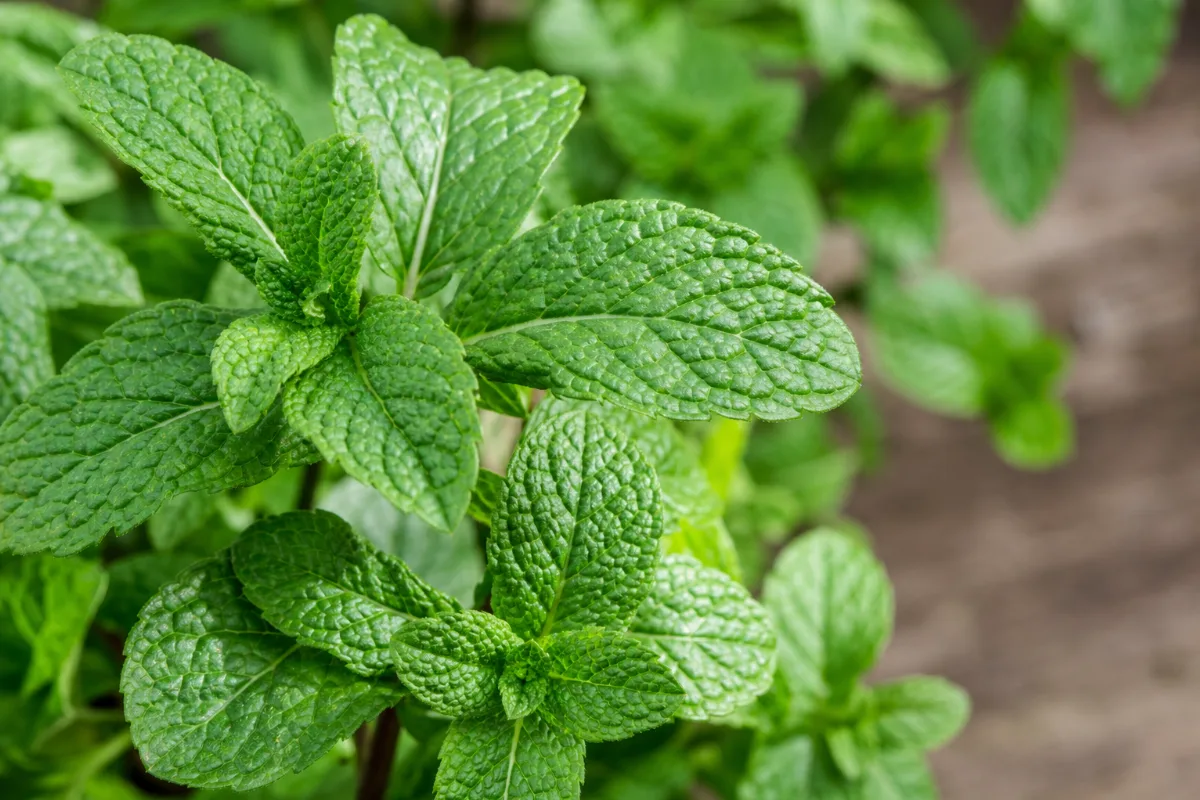
Herbs & Botanicals · Herbs · Peppermint, taken for tummy trouble
Peppermint
Mentha × piperita L. · also called Peppermint, black peppermint, white peppermint, menta piperita (Spanish), menthe poivrée (French), Pfefferminze (German), hortelã-pimenta (Portuguese)
Peppermint is a sterile mint-family hybrid, believed to be a cross of spearmint and water mint. The leaf is used as a tea, and the oil distilled from the flowering plant is sold as capsules, rubs, inhalers, lozenges and sweets. It is bought mostly for an upset or crampy belly, indigestion, headaches and queasiness. This profile covers peppermint as a herb and supplement. Tea, oil capsules, a skin rub and a food mint are very different things, so a result for one should not be assumed for another. Peppermint is not pennyroyal, a different and dangerous mint.
General information, not medical advice. Last substantive update · Not medically reviewed. A named clinician has not signed off on this page. How this page is made
About Peppermint
Peppermint is a sterile mint hybrid. The leaf is a very common tea and the distilled oil is sold in capsules, rubs and inhalers. It is mainly taken for belly pain, indigestion and headache. The research is mostly on the oil, not the tea. For irritable bowel syndrome the picture is mixed: older trials and pooled reviews favour enteric-coated oil, but the authors rate that evidence very low quality and the largest recent trials, and a 2026 children's trial, did not beat placebo. For indigestion, a peppermint and caraway oil mix was moderately supported in a 2023 Cochrane review (the mix, not peppermint alone). Headache, memory, anxiety and exercise findings are weak, and nothing else is rated above low. The main cautions are heartburn and reflux, allergy to peppermint or menthol, no menthol or peppermint oil near the face of babies under 2, the pulegone limit, some medicine interactions, and mix-ups with pennyroyal.
What it is
Peppermint (Mentha × piperita) is a mint-family (Lamiaceae) plant. It is a sterile hybrid, believed by the EU medicines agency to be a cross of spearmint (Mentha spicata) and water mint (Mentha aquatica). It is grown in many temperate countries for its leaf and its oil.
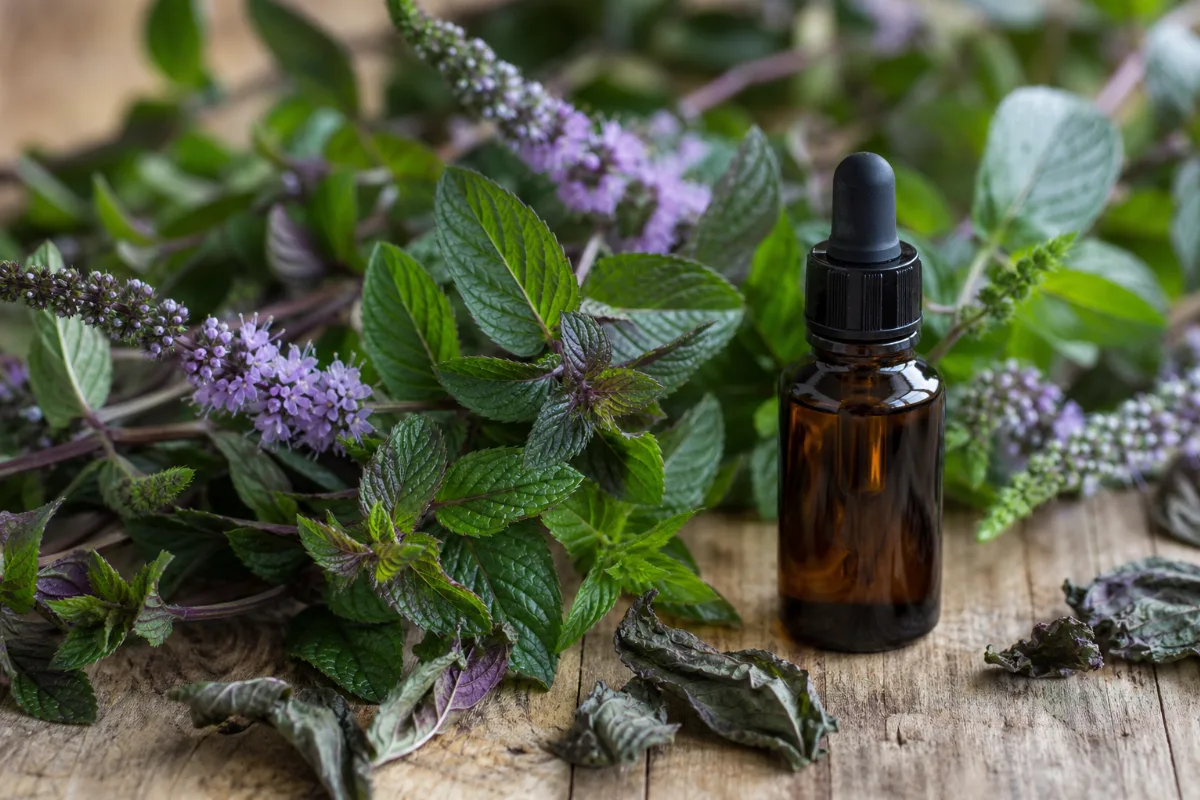
The leaf is dried for tea. The oil is steam-distilled from the fresh flowering plant and is rich in menthol and menthone. A cup of tea carries only about a fifth to a quarter of the leaf's oil but most of its water-soluble plant chemicals, so tea and oil capsules are not the same thing.
In shops, "peppermint" can also mean other mints or flavourings, so check the Latin name on a label.
What makes it distinctive
Menthol switches on TRPM8, the cold receptor in nerve cells, which is why peppermint feels cool (lab work, first shown in 2002). In lab tests on gut muscle, peppermint oil and menthol block calcium entry and relax the muscle, which is the usual explanation for its use in cramps. These are test-tube and animal findings at concentrations far above those in blood, so they are proposed explanations, not proof.
Peppermint relaxes the muscle valve between the food pipe and the stomach in older studies quoted by the EU agency, which is one reason it can cause or worsen heartburn. That is why oil capsules are coated to open lower down.
Peppermint also contains small amounts of pulegone and menthofuran, which injure the liver in animals at high doses. Pennyroyal (Mentha pulegium) is a different mint whose oil is far richer in pulegone and has caused fatal poisoning.
Historical and current uses
Mints were used in Antiquity for flavour and medicine, and peppermint itself was first grown commercially in England around 1750. By 1800 the oil was described as a remedy for nausea, stomach and bowel cramps and wind, and tea has been a popular digestive drink for at least two centuries (EU agency summary of older sources, not checked in the originals).
Today the EU treats peppermint oil in coated capsules as a well-established medicine for minor gut spasm, wind and belly pain, especially in irritable bowel syndrome, and a 10% oil solution on the forehead and temples for mild tension headache in adults. The leaf tea is a traditional medicine for indigestion and wind, based on long use rather than trials.
Peppermint is also used in inhalers and aroma for nausea and tiredness, in lozenges and balms, and as flavouring.
What the research shows
Irritable bowel syndrome (IBS): a 2022 pooled review of 10 trials (1,030 people) favoured peppermint oil for overall symptoms and pain, with more side effects, but rated the evidence very low quality. A 2019 pooling of 12 trials and a 2014 pooling of 9 trials were also positive. The two largest recent trials were not: 182 mg capsules for 8 weeks in 189 adults (2020) missed the main pain and relief targets, and 180 mg three times a day for 6 weeks (2021) did no better than placebo. A 2026 trial of 228 children also found no benefit. The honest summary is mixed: it may help some adults, but it is not a proven treatment and the placebo effect in IBS is large.
Indigestion: five placebo-controlled trials (578 people) of a fixed peppermint and caraway oil mix favoured the mix in a 2019 review, rated low to very low by its authors, and a 2023 Cochrane review rated the improvement in overall symptoms as moderate certainty, from only a few trials. This tells us about the combination, not peppermint alone.
Headache, thinking, mood and exercise: the single controlled trial of oil on the forehead (1996) is old and small. Memory, alertness and anxiety studies are small, use smells and self-rated scales, and often disagree. Exercise studies are mixed. Evidence is low to very low. Medical-test spasm, nausea, period pain and nipple pain have low-certainty evidence, and nothing else rates above low.
Root, leaf, powder, extract: what is the difference?
Enteric-coated (gastro-resistant) peppermint oil capsules
Peppermint oil, usually 180 to 182 mg per capsule in the trials, in a capsule coated to open in the intestine and not the stomach. The EU well-established dose is 0.2 to 0.4 ml of oil in a capsule, up to three times a day, 30 minutes before meals, for up to 3 months a course.
This is the form tested for IBS, and the coating is the safety feature: swallow capsules whole, and not with antacids or acid-lowering medicine. A plain, uncoated oil capsule is not what was studied. Different coatings release in different places, and the newest large trials of two designs did not beat placebo.
Peppermint oil plus caraway oil capsule
A fixed coated capsule of 90 mg peppermint oil and 50 mg caraway oil, taken as one capsule twice a day for 4 weeks in the indigestion trials.
This combination is the product behind the moderate-certainty Cochrane rating for indigestion. The effect cannot be credited to peppermint alone, and results do not carry over to tea or to other peppermint capsules.
Leaf tea (infusion)
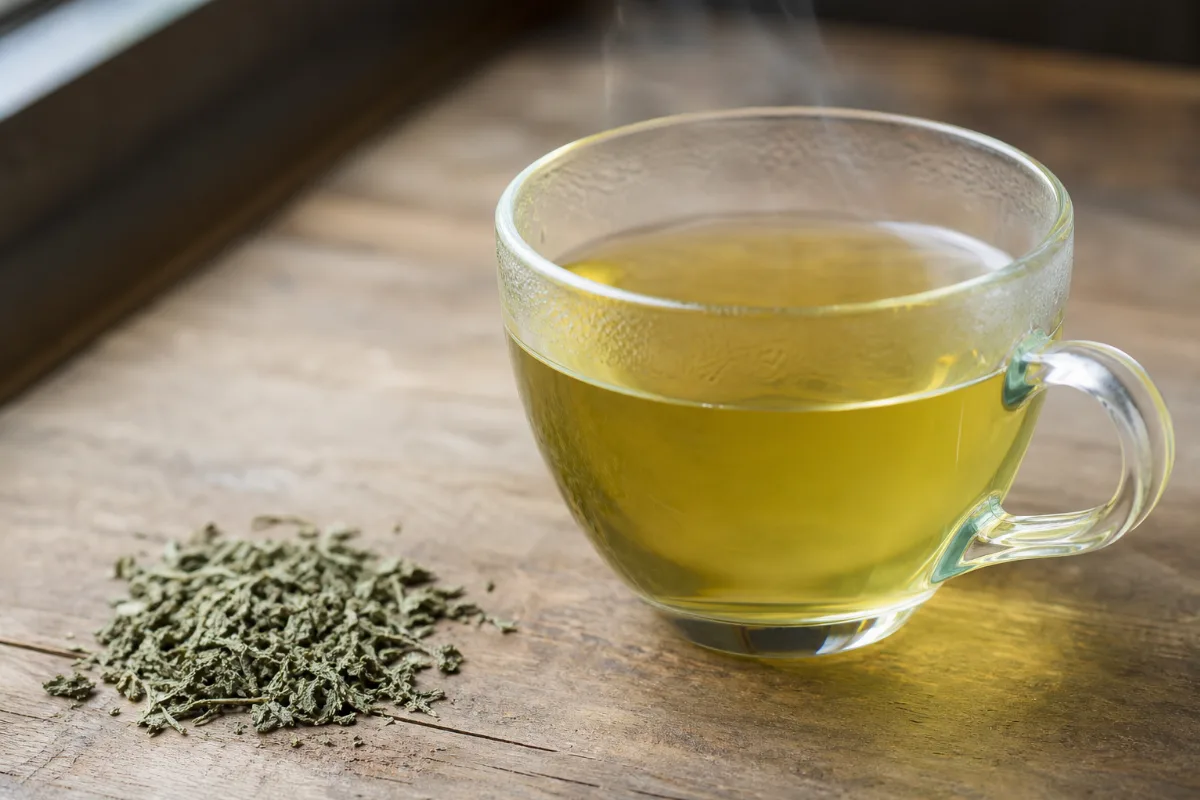
Dried peppermint leaf steeped in hot water. The EU traditional-use dose for adults is 1.5 to 3.0 g of leaf in 100 to 150 ml of boiling water, three times a day, for indigestion and wind. See a doctor if symptoms last more than 2 weeks; not recommended under 4.
Tea carries far less oil than a capsule and no coating, so it is a different product. We found no placebo-controlled trial of peppermint tea for IBS or indigestion; tea use rests on tradition. The EU advises people with reflux to avoid it. Tea may also lower iron absorption from a meal, so people short of iron may prefer it between meals.
Leaf tincture
Peppermint leaf extracted in 45% or 70% alcohol (1:5). The EU traditional-use dose for adults is 2.0 to 3.0 ml, three times a day.
Traditional use only; no trial was found. The alcohol matters for children, in pregnancy and for anyone avoiding alcohol.
Oil in alcohol rubbed on the forehead and temples
A 10% peppermint oil solution in 90% ethanol, spread on the forehead and temples at the start of a tension headache and repeated after 15 and 30 minutes in the trial.
This is the only skin preparation with a controlled trial (41 adults, 1996). Avoid the eyes and broken skin, and do not use it on children under 18. Stronger or undiluted oil on skin can irritate and cause allergy.
Inhaled oil, inhalers and aroma
Oil breathed from a cloth, inhaler or hot water; about 2% oil or a few drops were used in the nausea trials.
Aroma studies are hard to blind, and many pool several oils, so results are not specific to peppermint. Never use near the face of babies and young children. Do not swallow essential oil.
Lozenges, sweets, mints and menthol products
Peppermint in a lozenge or mint, and pure menthol in cough drops and rubs. The children's trial sweets held 9.2 mg of oil each.
Food mints are not medicines and have a little oil. Menthol is only one part of peppermint oil, and the warfarin case reports involved menthol cough drops, not peppermint tea or oil.
At a glance
Traditional uses history, not proof
- Mints were used for flavour and medicine by the Egyptians, Greeks and Romans, according to the EU medicines agency; whether that early mint was the hybrid peppermint is not known
- Peppermint was first grown commercially in England around 1750; an 1800 British dictionary describes the oil as easing nausea, spasm pains of the stomach and bowel, and wind (as reported by the EU agency, quoting older sources)
- EU traditional use of the leaf tea: indigestion and wind, based on long use only (no trial proof claimed)
- EU well-established use of the oil: gastro-resistant capsules for minor gut spasm, wind and belly pain, especially in irritable bowel syndrome; a 10% oil solution rubbed on the forehead and temples for mild tension headache
Studied for research
- Irritable bowel syndrome (IBS) in adults, mixed: older and pooled studies favour enteric-coated oil, the largest recent trials missed their main goals
- IBS and belly pain in children, mixed, with the biggest and newest trial (2026) finding no benefit over placebo
- Indigestion with no clear cause (functional dyspepsia): a fixed peppermint and caraway oil mix, moderate certainty in a 2023 Cochrane review for global symptoms; peppermint alone was not tested
- Tension headache (oil on the skin), low certainty; migraine, memory and alertness, tiredness, anxiety and exercise effort: weak or mixed (very low to low)
- Nausea after surgery or chemotherapy (smelling the oil), low certainty; period pain, sore nipples, gut spasm during medical tests: low; nothing else rated above low
Main compounds
- Menthol (about 30 to 55% of the oil by the pharmacopoeia profile) and menthone: the cooling, gut-relaxing parts; menthol switches on the cold receptor TRPM8 (lab work)
- Pulegone and menthofuran: minor oil components that damage the liver at high doses in animals; the EU caps the daily intake from medicines (pennyroyal oil is far richer in them)
- Menthyl acetate, 1,8-cineole, limonene and others in the oil
- Rosmarinic acid, eriocitrin and luteolin glycosides: water-soluble leaf phenols that make up much of a cup of tea
Common forms
- Enteric-coated (gastro-resistant) oil capsules (the form tested for IBS; the coating delays release until the intestine)
- Peppermint oil plus caraway oil in one coated capsule (the form tested for indigestion)
- Leaf tea (traditional use only; no placebo-controlled trial of tea was found) and leaf tincture
- Oil in alcohol for the forehead and temples, inhalers and aroma, lozenges and sweets, and menthol products
Research links: NIH NCCIH: Peppermint oil · EU herbal monograph: peppermint leaf (EMA) · EU herbal monograph: peppermint oil (EMA) · Research Library · Genes & Biomarkers Library
The plant and its history
- Accepted scientific name
- Mentha × piperita L.
- Naming authority
- L. (Linnaeus), published in Species Plantarum, page 576 (1753) (GBIF: 'Sp. Pl.: 576 (1753)'; NCBI Taxonomy gives 'Mentha x piperita L.')
- Synonyms
- Mentha aquatica × spicata; Mentha aquatica f. piperita (L.) G.Mey.; Mentha aquatica var. piperita (L.) Alef.; Mentha aquatica var. langii (Geiger ex T.Nees) Alef.; Mentha glomerata var. piperita (L.) Gray; Mentha hortensis var. citrata Ten.; Mentha officinalis L; Mentha ×balsamea Willd.; Mentha ×crispula Wender.; Mentha ×hircina Hull; Mentha ×langii Geiger ex T.Nees; Mentha ×napolitana Ten.; Mentha ×nigricans Mill.; Mentha ×odora Salisb.; Mentha ×officinalis Hull; Mentha ×pimentum Nees; Mentha piperita (older spelling without the hybrid sign; used in most papers and by NCBI as a synonym)
- Common names
- Peppermint (English); Black peppermint (English); White peppermint (English); Hairy peppermint (English); Curly mint (English); Menta piperita (Spanish); Menthe poivree (French); Pfefferminze (German); Hortela-pimenta (Portuguese); Pepermunt (Dutch); Pepparmynta (Swedish); Peber-mynte (Danish); Piparminttu (Finnish); Mjata perechnaja (Мята перечная) (Russian); Hujiao bohe (胡椒薄荷) (Chinese)
- Botanical family
- Lamiaceae (mint family). Older papers, including the EMA report, also write 'Labiatae', which is the older name for the same family.
- Classification
- Plantae > Tracheophyta > Magnoliopsida > Lamiales > Lamiaceae > Mentha > Mentha x piperita (hybrid)
- Native range
- The EMA report calls peppermint 'a perennial plant native to Europe' (Ph. Eur. context) and says it was first cultivated commercially in England around 1750. As a sterile hybrid it has no single wild range, and it is grown and naturalised in many temperate countries. A fuller range statement from Plants of the World Online or another flora was not checked.
- Habitat
- Not verified from a source I read. (General knowledge: damp, fertile ground and gardens; not taken from a cited document.)
- What the plant looks like
- Roots: Not described in the sources read.; Stems: The EMA report describes a highly aromatic perennial that 'may grow as tall as 90 cm'.; Leaves: The leaf is the part used as tea (whole or cut dried leaf). Oil is made in glandular hairs on the leaf surface: monoterpene (oil) production in peppermint leaves peaks at leaf ages of 12 to 20 days (p10631265), and oil is made and stored in 'peltate glandular trichomes (oil glands)' on the aerial surfaces (p16292524).; Flowers: Not described in the sources read. The steam-distilled oil is made from the fresh aerial parts of the flowering plant (EMA).; Fruit: Not described; the plant is sterile (p16917980).
- Cultivation
- Commercial peppermint is grown for its oil and leaf. Oil content and make-up change with the plant's age, variety, place and processing (EMA), and with stress: in one pot experiment oil from non-stressed plants was a menthol type (44.6% menthol), whereas lead-stressed or cadmium-stressed plants gave very different oils (linalool/pulegone 32.6/30.8% and menthone/menthyl acetate 30.3/25.1%) (p38285970). Crop acreage and farming practice were not verified.
- Harvest and processing
- The European Pharmacopoeia defines the dried leaf with at least 12 ml/kg essential oil for the whole drug and 9 ml/kg for the cut drug (Ph. Eur. 0406, quoted in EMA). The essential oil is obtained by steam distillation from the fresh aerial parts of the flowering plant; its Ph. Eur. profile is menthol 30-55%, menthone 14-32%, with a 1,8-cineole to limonene ratio of at least 2 (EMA, citing Ph. Eur. 0405). An infusion carries about 20-25% of the leaf's oil (EMA, citing Duband 1992 and Niesel 1992) and about 75% of the leaf's polyphenols (EMA, citing McKay and Blumberg 2006). Harvest timing and drying practice were not verified.
- Look-alikes and adulterants
- Name: Spearmint (Mentha spicata L.); Note: One parent of peppermint (GBIF key 2927175; NCBI taxid 29719). Its oil is different: peppermint oil allows at most 1% carvone and is built on menthol and menthone (EMA, quoting Ph. Eur.). That spearmint oil is mainly carvone-rich is general knowledge that I did not verify in a source here. Spearmint tea and peppermint tea are not interchangeable in studies: peppermint IBS and tension-headache evidence is for peppermint oil only.; Name: Water mint (Mentha aquatica L.); Note: The other parent (GBIF key 2927208; NCBI taxid 190902). In one comparison of essential oils, water mint gave 0.69% oil, peppermint 3.73% and horsemint (M. longifolia) 3.21%, and peppermint oil had the strongest antibacterial activity against a multi-resistant Shigella strain (EMA, citing Mimica-Dukic 2003, not checked in the original).; Name: Pennyroyal (Mentha pulegium L.); Note: The important dangerous look-alike. Its oil is rich in pulegone, which is liver-toxic after being turned into menthofuran by the liver; four pennyroyal ingestions were described in one case series (one death) and a review of 18 older cases found moderate to severe toxicity after at least 10 mL of the oil (p8633832; p10220485; p2338648). Peppermint also contains pulegone and menthofuran, but at low levels (pulegone at most 3%, menthofuran 1-8% of the oil, EMA), and EMA accepts a lifetime intake of pulegone plus menthofuran up to 37.5 mg a day for an adult (EMA, public statement EMA/HMPC/138386/2005 Rev. 1, as quoted in the assessment report). GBIF key 2927189; NCBI taxid 294739. Do not substitute pennyroyal for peppermint.; Name: Corn mint, field mint or Japanese mint (Mentha canadensis L., often written Mentha arvensis); Note: GBIF treats Mentha canadensis (key 2927198; NCBI taxid 294733) as the accepted name and lists Mentha arvensis var. piperascens among its synonyms; English vernacular names include 'corn mint' and 'Canada mint'. It is a different species from peppermint. Its role as a source of natural menthol for industry is general knowledge not verified in a source I read, so bottles labelled 'mint oil' or 'menthol' may not come from peppermint.; Name: Other garden mints (for example Mentha x gracilis, Mentha suaveolens, Mentha longifolia); Note: Mentha x gracilis (GBIF key 7923052), Mentha suaveolens (GBIF 2927190) and Mentha longifolia (GBIF 7510173) are accepted in GBIF as separate mints. Mentha longifolia is the species whose genome was sequenced as an ancestor of cultivated mints (p27867107). Hybrid garden mints are numerous, which is why GBIF lists many hybrid names as synonyms of peppermint.; Name: Chinese mint herb (Mentha haplocalyx Briq., 'Herba Menthae'); Note: EMA mentions an extract of Herba Menthae (Mentha haplocalyx Briq., Mentha piperita L.) in an antifungal screen, showing the Chinese drug name has sometimes been matched to peppermint. Treat Chinese-medicine studies on 'bohe' with care: the plant may be a different species.; Name: Chemical variability within true peppermint; Note: Even correctly identified peppermint varies: oil menthol, menthone and pulegone levels move with plant maturity, variety, place and processing (EMA) and with stress (p38285970). This is why Ph. Eur. sets limits and why product labels matter.
- Sustainability and conservation
- Not verified. Peppermint is a cultivated sterile hybrid, so a conservation status for the hybrid was not looked up.
The plant and the parts used
Traditional use and history history, not clinical proof
| Tradition or era | Documented use | Source |
|---|---|---|
| Antiquity: Egypt, Greece and Rome (mints in general) | The EMA review states that in Antiquity 'the Egyptians, Greeks and Romans knew it as flavouring for food as well as for its medical purposes'. The text is about mint in general; the hybrid peppermint is not shown to have existed then, so do not read this as proof of ancient peppermint tea. | s-ema-ar-mentha-piperita-2020 |
| England, 1600s to about 1750 (John Ray herbarium; first commercial cultivation) | EMA says one of the oldest specimens of the spearmint x water mint hybrid is in the herbarium of the English botanist John Ray (1628-1705), and that peppermint was first cultivated commercially in England around 1750, with the aerial parts the most used for medicine (citing Murray 1972, not checked in the original). | s-ema-ar-mentha-piperita-2020 |
| Britain, 1800 (English Dictionary of Medicinal and Surgical Knowledge) | Peppermint oil was described as 'an aromatic stimulant to allay nausea, relieve spasmodic pain to the stomach and the bowels, expel flatus' and to cover the taste of harsh medicines (EMA, citing Jones 1981 via Kline 2001; not checked in the original). EMA also calls peppermint a popular digestive remedy for at least the last two centuries. | s-ema-ar-mentha-piperita-2020 |
| Britain, 1900s (Bradley 1992, British Herbal Compendium; British Herbal Pharmacopoeia 1983) | Leaf infusion (one or two teaspoons, 1.5-3.0 g, in 8 ounces of water, three times a day) or tincture (1:5, 45% ethanol; 2-3 mL three times a day) for dyspepsia, wind, intestinal colic and bile-duct complaints; oil in small doses (0.02-0.08 mL, 1-4 drops in dilute water preparations) for digestive complaints (EMA tables 2a and 2b). | s-ema-ar-mentha-piperita-2020 |
| Germany, 1985-1990 (Commission E, Blumenthal) | Official German advice: 3-6 g of cut leaf a day as tea, or 5-15 g of 1:5 tincture (70% ethanol), for spasms of the digestive tract and of the gallbladder and bile ducts; oil 6-12 drops a day for spasm of the upper digestive tract and bile ducts, irritable colon, catarrh of the airways and inflamed mouth lining (Blumenthal 1998) (EMA tables 2a and 2b). | s-ema-ar-mentha-piperita-2020 |
| Europe, 2000s (ESCOP monograph 2003; WHO monograph on Menthae piperitae folium 2002) | ESCOP and WHO list leaf infusion 1.5-3 g in 150 mL of water three times a day before meals for dyspepsia, flatulence and intestinal colic, with ESCOP giving children's daily infusion amounts by age (4-10 years, 3-5 g; 10-16 years, 3-6 g). For oil ESCOP gives 0.2-0.4 mL three times a day in enteric-coated capsules for irritable bowel syndrome and 5-20% semi-solid or oily preparations for outside use (muscle and nerve pain, coughs and colds) (EMA tables 2a and 2b). | s-ema-ar-mentha-piperita-2020 |
| Modern science, 1980s-1990s | Laboratory work in the late 1980s and early 1990s showed that peppermint oil and menthol block calcium entry into gut muscle cells and relax gut muscle in isolated tissue (p2856502, p1646142), the first explanation for its use in irritable bowel syndrome. Enteric-coated capsules were developed because oil released in the stomach relaxes the lower oesophageal sphincter and can cause heartburn (EMA; p11455677). (Source for the sphincter and heartburn point: EMA, s-ema-ar-mentha-piperita-2020.) | p2856502 |
| 2002 onward: the cold-and-menthol receptor | In 2002 two groups cloned the TRPM8 channel as the receptor for both menthol and cold (p11882888, p11893340); in 2007 mice lacking it were shown to have a strongly reduced ability to detect cold (p17538622). This turned folk knowledge that peppermint 'feels cool' into a defined receptor mechanism. | p11893340 |
| Modern European regulation (EMA/HMPC, assessment report revision 1, final January 2020) | EMA's assessment (EMA/HMPC/522409/2013) treats peppermint leaf as a traditional herbal medicine for digestive complaints such as dyspepsia and flatulence, backed by literature showing use over about 30 years; peppermint oil is assessed for 'well-established use' (symptom relief in irritable bowel syndrome and minor spasms, wind and abdominal pain; cream or solution on the forehead and temples for mild tension-type headache) and for traditional use by inhalation and on the skin (coughs and colds, muscle pain, itching), which clinical studies do not support (EMA conclusions, pp 95-97). Whether the oil's EMA status page still shows an 'ongoing call for scientific data' was not checked. | s-ema-ar-mentha-piperita-2020 |
Traditional use shows how a plant was used. It does not show that a supplement works or is safe today.
What is inside, and how it may work
What the plant contains and how those compounds act in cells and animals. Laboratory and animal mechanisms are not proven effects in people.
Main compounds
| Compound | Family | Where it is concentrated | Activity studied | Level of evidence |
|---|---|---|---|---|
| Menthol ((-)-menthol) PubChem 16666 | cyclic monoterpene alcohol | Essential oil (leaf glandular hairs) 30-55% of peppermint oil (Ph. Eur., quoted in EMA). In one human study, 100 mg given as a capsule was measured as menthol glucuronide in blood (p10460066). | Opens the cold-and-menthol receptor TRPM8 in cells and is the receptor that makes menthol feel cool (p11882888; p11893340; p17538622). Switches on TRPA1 at low concentrations and blocks it at higher ones (cells; p17855602). Blocks calcium entry through L-type channels in animal gut muscle (about twice as potent as the whole oil per weight, p2856502). Blocks serotonin 5-HT3 receptor channels in cells and rat gut (p21077259). Inhibits human CYP3A4 in test tubes (Ki 87 micromolar, p12235445). In rats, high topical doses reduced pain responses to heat and cold (p20398704). Biosynthesis from limonene takes eight enzyme steps in the oil glands (p16292524). CID 16666 is the (-)-isomer; CID 1254 is menthol without stereochemistry. 90 110 14 62 48 49 36 24 70 22 153 156 | Mixed |
| Menthone PubChem 26447 | cyclic monoterpene ketone | Essential oil 14-32% of peppermint oil (Ph. Eur., quoted in EMA). | Principal companion of menthol in the oil (McKay and Blumberg call menthol and menthone the main volatile components). No separate activity data were read. 89 153 | Insufficient |
| Isomenthone PubChem 6432469 | cyclic monoterpene ketone | Essential oil 1.5-10% of peppermint oil (EMA). | No separate activity data read. CID shown is the racemic isomenthone in PubChem. 153 | Insufficient |
| Neomenthol PubChem 439263 | cyclic monoterpene alcohol | Essential oil Named with menthol, menthone and isomenthone as a main oil component by a 2022 review (p35994817); no percentage verified. | In nasal inhalation tests in 40 volunteers, L-menthol made airflow feel more open, but its isomers D-isomenthol and D-neomenthol did not (Eccles 1988, as described in EMA, not checked in the original). CID 439263 is (+)-neomenthol; other neomenthol forms have other CIDs. 150 153 | Human data |
| Menthyl acetate PubChem 27867 | monoterpene ester | Essential oil 2.8-10% of peppermint oil (EMA). | A reversible inhibitor of human liver CYP3A4 in test tubes (Ki 124 micromolar, p12235445). No other activity read. 24 153 | Laboratory research |
| 1,8-Cineole (eucalyptol) PubChem 2758 | monoterpene ether | Essential oil 3.5-8% of peppermint oil; Ph. Eur. requires a cineole to limonene ratio of at least 2 (EMA). | No peppermint-specific activity data read. In EMA, cineole was tested with peppermint, jasmine and menthol on attention (no significant result, Ilmberger 2001, not checked in the original). 153 | Insufficient |
| Limonene PubChem 22311 | cyclic monoterpene | Essential oil 1-3.5% of peppermint oil (EMA). | The first committed step in menthol biosynthesis: peppermint cyclises geranyl diphosphate into (-)-(4S)-limonene, which the later enzymes convert to menthol (p16292524). CID 22311 is limonene without stereochemistry; (+)-limonene is CID 440917 and the peppermint pathway makes the (-)-form. 22 153 | Laboratory research |
| Menthofuran PubChem 329983 | furan-type monoterpene | Essential oil 1-8% of peppermint oil (EMA). | A liver-toxic metabolite of pulegone; further oxidised by human liver enzymes (CYP2E1, CYP1A2, CYP2C19, CYP2A6) to a reactive furan epoxide and a gamma-ketoenal that bind to liver proteins (p10220485; p1581528; p2338648). Safety limits are set for pulegone plus menthofuran, not for either alone (EMA). 68 137 136 38 153 | Laboratory research |
| Pulegone ((R)-(+)-pulegone) PubChem 442495 | monoterpene ketone | Essential oil At most 3% of peppermint oil (EMA); the main constituent of pennyroyal oil (p10220485). | Turned into menthofuran by human CYP2E1, CYP1A2 and CYP2C19 (p10220485); depletes glutathione and is liver-toxic in rats (p2338648). In a human pennyroyal series, 18 ng/mL pulegone and 1 ng/mL menthofuran were found in serum 72 hours after a fatal ingestion (p8633832). EMA accepts up to 37.5 mg a day of pulegone plus menthofuran for an adult (public statement quoted in EMA). 68 136 9 38 153 | Mixed |
| Carvone PubChem 7439 | monoterpene ketone | Essential oil At most 1% of peppermint oil (EMA). CID 7439 is carvone without stereochemistry. | Peppermint oil/caraway oil capsules were studied together, so carvone is measured as the caraway marker in that product (p11455677). No peppermint-specific activity. 84 153 | Insufficient |
| Rosmarinic acid PubChem 5281792 | phenolic acid (caffeic acid ester) | Leaf (water-soluble) Measured in commercial peppermint tea infusions together with eriocitrin and luteolin glycosides; one tea bag infusion delivered up to 182.2 mg of total polyphenols (p18052102). A 40-clone study quoted by EMA put eriocitrin at 6.6-15.0% (units not stated in EMA) with rosmarinic acid accompanying it. | Listed as a main leaf phenolic (p16767798; p37959863). Antioxidant in test tubes, not shown to have a benefit from tea in people (McKay and Blumberg: clinical trials of peppermint tea are absent, p16767798). No peppermint-specific human blood levels were read. 33 89 56 153 | Laboratory research |
| Eriocitrin (eriodictyol 7-O-rutinoside) PubChem 83489 | flavanone glycoside | Leaf (water-soluble) The dominant phenolic in a 40-clone study (6.6-15.0%, EMA, units not stated); measured by HPLC in commercial peppermint teas (p18052102). | Antioxidant in test tubes; high in the cultivar with the greatest total phenols (EMA, citing Dorman 2003, not checked in the original). No human activity data read. 33 153 | Laboratory research |
| Luteolin and its glycosides (luteolin, luteolin 7-O-glucoside, luteolin 7-O-rutinoside, luteolin 7-O-glucuronide) PubChem 5280445 | flavone and flavone glycosides | Leaf Luteolin 7-O-rutinoside and luteolin 7-O-beta-glucuronide were measured in tea infusions; the glucuronide and lithospermic acid were reported as new compounds for Mentha x piperita (p18052102). CIDs: luteolin 5280445; luteolin 7-O-glucoside 5280637 (C21H20O11). Luteolin 7-O-rutinoside was not found by name in PubChem, so no CID is claimed for it. | Luteolin 7-O-rutinoside reduced an antigen-induced nasal response in rats at 100 and 300 mg/kg, and a leaf extract blocked histamine release from rat mast cells (Inoue 2001, as summarised by EMA; animal). Flavonoids from the leaf relaxed isolated guinea-pig gut and increased bile flow in dogs (EMA, older studies). 33 153 | Animal research |
| Hesperidin PubChem 10621 | flavanone glycoside | Leaf Named with eriocitrin and luteolin as a main leaf flavonoid (p16767798); no content figure verified. | No peppermint-specific activity data read. 89 56 | Insufficient |
| Menthol glucuronide (body metabolite, not in the plant) PubChem 71749954 | glucuronide conjugate of menthol | Made in the body from menthol The only form of menthol found in human blood and urine after oral menthol (p10460066). | The main bile metabolite, which is recycled between gut and liver (enterohepatic circulation) (p16121523). Measuring it in blood is how peppermint-oil release is tracked in people (p30284674; p34528282). 36 40 147 127 105 | Human data |
Mechanisms, receptors and pathways
| Target or pathway | Gene or receptor | What was found | Level |
|---|---|---|---|
| Cold and menthol receptor (menthol) | TRPM8 | Menthol activates TRPM8, a channel in cold-sensing nerve cells, and cold (below about 26 C) does too; this is why menthol feels cool (p11882888, p11893340, p17538622). Mice lacking TRPM8 had strongly reduced cold responses but still avoided surfaces below 10 C (p17538622). In rats, high-strength menthol on the skin (10-40%) reduced avoidance of cool temperatures and prolonged the response to heat, but 40% also made touch more painful, and low strengths (0.01-1%) increased cold avoidance, a two-way effect (p20398704). EMA describes trigeminal nerve stimulation in the nose by L-menthol in 40 volunteers and a lasting cool sensation on the skin, plus reduced pain sensitivity in 32 volunteers after a 10% oil-in-ethanol solution was put on the forehead (Gobel 1995); those human studies were not read in the original. 90 110 14 70 153 | Mixed |
| Pain and irritant receptor (menthol) | TRPA1 | Low to moderate menthol (sub-micromolar to low-micromolar) opened human TRPA1 in cells and higher concentrations blocked it; the authors suggest this adds to menthol's varied skin and mouth sensations (p17855602). Only cell and nerve-cell work; no peppermint-tea or capsule evidence. 62 | Laboratory research |
| Gut muscle: calcium entry through L-type channels | L-type voltage-gated calcium channel (gene not named in the papers; CACNA1C/Cav1.2 is the usual smooth-muscle form, which is background knowledge, not tested here) | Peppermint oil and menthol blocked calcium-dependent contraction in guinea-pig gut, with menthol about twice as potent as the oil (IC50 about 8-28 micrograms/mL in gut muscle) and competed with a dihydropyridine blocker for binding (p2856502). Patch-clamp work on rabbit gut muscle cells showed peppermint oil reduced the calcium current in a way resembling dihydropyridine drugs (p1646142). In 255 human gut tissue pieces from 73 surgical patients, peppermint oil relaxed muscle (IC50 17-90 micrograms/mL), the effect did not depend on nerves, and the contraction-reducing effect was prevented by the L-type channel activator Bay K8644 (p31612595). The authors of the first study say calcium blockade may not be the only effect. 48 53 72 | Laboratory research |
| Serotonin 5-HT3 receptor channel | 5-HT3 receptor (the subtype is a receptor channel; the gene or subunit was not specified in the paper) | Peppermint oil and (-)-menthol reduced ion flow through 5-HT3 channels in a mouse nerve-cell line and reduced serotonin-triggered contraction of rat ileum, without displacing a standard 5-HT3 blocker, so they probably act at a different site on the channel (p21077259). EMA also notes non-competitive block of serotonin- and substance-P-triggered contraction in animal gut (Hills 1991, p1646142). Not tested in people. 49 53 | Laboratory research |
| Gut and bile-duct relaxation in people | none identified | EMA summarises small human studies where peppermint oil instilled in the stomach or colon relaxed muscle within about 30 seconds and for up to about 23 minutes, and a pharmacology study (90 mg with caraway oil) that relaxed the gallbladder and slowed small-bowel transit (EMA, not read in the original). A 2020 meta-analysis of six colonoscopy studies found less spasm, severe spasm and peristalsis with peppermint oil (risk differences -0.39, -0.15 and -0.27), but with large differences between studies (p31994371). These show a real gut-relaxing effect for the oil, not proof of which receptor causes it. 13 20 153 | Human data |
| Lower oesophageal sphincter (heartburn) | none identified | Oral peppermint oil (15 drops in 30 mL of water) relaxed the muscle valve between stomach and gullet and allowed reflux in a 1969 study quoted by EMA (not read in the original). EMA and a 2018 review tie heartburn, the commonest side effect in trials, to oil being released too early in the upper gut, which enteric coating aims to prevent (p29372567; p11455677). 20 84 153 | Human data |
| Bile flow (choleretic) effect | none identified | Peppermint tea (0.4 g/kg) raised bile secretion in dogs; leaf flavonoids and menthol did the same in dogs and rats (EMA, older Russian, French and German studies, not read in the original). Whether this matters for people is not established; EMA says people with gallstones and bile-duct disorders should be cautious. 153 | Animal research |
| Visceral pain sensitivity | none identified (modulation by TRP channels is suggested by reviewers) | In rats given a gut irritant, 14 days of peppermint plus caraway oil reduced the pain-related muscle response by up to 50%, though neither oil alone had a significant effect (Adam 2006 as described by EMA, not read in the original). A 2018 review lists TRP-channel effects on visceral sensitivity among several possible mechanisms for irritable bowel syndrome relief (p29372567). 153 20 | Animal research |
| Germs: bacteria, fungi and viruses | none identified (no single target) | In the lab, peppermint oil and leaf extracts slowed growth of several bacteria and fungi and cut herpes simplex virus counts in cell culture (oil at 0.01% reduced HSV-1 by 82% and HSV-2 by 92%, acting on the virus before it enters cells) (EMA, citing Schuhmacher 2003, not checked in the original). Gram-positive bacteria were more sensitive than Gram-negative in a 2023 review (p37959863). A leaf extract had a MIC50 of 100 micrograms/mL against Helicobacter pylori in a screening study (EMA, citing Mahady 2005). Everything here is test-tube or cell work; no human infection trial of peppermint was read, and oil strength in tests is far above what blood levels would reach. 56 150 153 | Laboratory research |
| Liver enzyme and transporter interactions (CYP3A4, P-glycoprotein) | CYP3A4; CYP1A2 and CYP2E (rat); P-glycoprotein | Peppermint oil (Ki 35.9 micrograms/mL), menthol and menthyl acetate inhibited human liver CYP3A4 in test tubes. In 12 healthy volunteers, 600 mg of peppermint oil with felodipine raised felodipine's blood exposure (AUC) to 140% of water (range 77-262%, P<0.05) (p12235445). EMA notes another menthol study (n=11) found no marked change in felodipine and that a rat study found tea cut CYP1A2 and CYP2E activity (24% and 48%) and that peppermint oil tripled the peak cyclosporine level in rats (EMA, not read in the originals). A small crossover study with huge individual variation. 24 153 | Mixed |
| Pulegone and menthofuran: how they injure the liver | CYP2E1, CYP1A2, CYP2C19, CYP2A6; glutathione | Human liver CYP2E1, CYP1A2 and CYP2C19 convert pulegone to menthofuran, then to a reactive furan epoxide and gamma-ketoenal (p10220485; p1581528). In rats pulegone used up liver glutathione, and the harm was worse when glutathione was blocked (p2338648). These toxicity data come from pennyroyal-type exposures and doses far above normal peppermint tea; they explain why EMA caps pulegone plus menthofuran (p25512112; p8633832). 68 137 136 38 9 | Mixed |
| Leaf flavonoids: antioxidant and allergy-type effects | none identified | Peppermint leaf had a high oxygen-radical absorbance in test-tube assays (EMA), and a leaf extract blocked histamine release from rat mast cells and reduced sneezing in a rat allergy model (EMA, citing Inoue 2001, not read in the original). No human trial of peppermint tea for allergy or inflammation was read. 153 56 | Animal research |
| Overall caution | n/a | The best-supported effects are the gut-relaxing action of peppermint oil and the cooling action of menthol. Randomised trial results in irritable bowel syndrome are mixed: pooled earlier trials are positive (for example the 2008 meta-analysis of four trials, p19008265), newer larger trials are not clearly positive (see studies). Cell and animal concentrations are often much higher than blood levels in people. Peppermint tea has no controlled-trial support for most uses (p16767798). 67 8 58 148 103 89 34 | Insufficient |
Absorption, metabolism and elimination
- Absorption
- Peppermint oil is absorbed fairly quickly by mouth and cleared mostly through bile, per a review of animal work (p16121523). In 16 healthy men, 180 mg of peppermint oil (with 100 mg caraway oil) as enteric-coated or immediate-release capsules gave similar total menthol exposure (90% CI of the AUC ratio 97-105%) but later peaks with the enteric-coated form (about 3.0 hours versus 1.7 hours); mean peak menthol levels were 1196 ng/mL (enteric) and 1492 ng/mL (immediate release) (p11455677). In 8 healthy volunteers, 182 mg of standard small-intestine-release oil peaked at a median of 180 minutes and an ileocolonic-release capsule at a median of 360 minutes (menthol glucuronide measured), with a delay before it started of 37 versus 225 minutes (p30284674). In 30 children aged 7-12 with abdominal pain, menthol exposure rose in line with dose across 180, 360 and 540 mg of enteric-coated oil (p34528282). EMA cites animal dermal absorption of oil with a lag of about 58 minutes in mice, and a lung half-life for inhaled menthol of about 35 minutes (not read in the originals).
- Distribution
- No human tissue-distribution data for oil components were found in the sources read.
- Metabolism
- Menthol is turned into menthol glucuronide: after a 100 mg menthol capsule, or 10 mg in mint sweets or tea, only the glucuronide could be measured in human blood and urine (12 volunteers) (p10460066). In rats, other urinary metabolites are hydroxylated menthols and carboxylic acids, some also conjugated with glucuronic acid (p16121523; EMA). The liver enzyme(s) that glucuronidate menthol in people were not identified in the sources read. Pulegone is converted to menthofuran by human CYP2E1, CYP1A2 and CYP2C19 (p10220485).
- Elimination
- Menthol glucuronide had a plasma half-life averaging 56.2 minutes after the capsule (95% CI 51.0-61.5) and 42.6 minutes after sweets or tea (32.5-52.7); urine recovered 45.6% and 56.6% of menthol as the glucuronide (p10460066). In children taking enteric-coated oil, the half-life of menthol exposure averaged 2.1, 3.5 and 4.6 hours at 180, 360 and 540 mg (p34528282), so values depend on formulation. Bile is the main route and the glucuronide is recycled through the gut (enterohepatic circulation) (p16121523). In rats excretion was about equal in faeces and urine (p16121523). A prodrug study (rat gut contents, human stool) found menthol glucuronide stable at pH 4.5-7.4 but broken down by colon contents (more slowly in human stool than in rat), and about 20% broken down in 4 hours at pH 1.5, which is why the authors concluded enteric coating would be needed (p7899232).
- Bioavailability
- Not established for individual oil components. Pure menthol and menthol in food or drink had similar systemic bioavailability in 12 volunteers (p10460066). The release site matters: enteric coating delays but does not reduce total menthol exposure (p11455677), and a distal-release capsule delayed the peak further with a small, significant drop in the AUC (median 2331 versus 2623 micrograms h/L) in 8 volunteers (p30284674). Peppermint tea: EMA quotes work (Hurrell 1999, not checked in the original) in which peppermint tea cut absorption of non-haem iron by 84% compared with water in a bread meal, at about the same level as black tea at higher polyphenol doses. Drug interactions: see CYP3A4 in mechanisms (p12235445).
84 147 127 36 40 105 68 24 153
Isolated compounds versus whole extracts
Peppermint is used in three different ways, and the evidence does not carry across them. (1) Enteric-coated peppermint oil capsules are the form tested for irritable bowel syndrome; the oil delivers menthol and other monoterpenes together, and menthol alone is about twice as strong as the oil by weight in a lab muscle test (p2856502). (2) Leaf tea is mostly water-soluble phenols: about 75% of the leaf's polyphenols reach the infusion but only 20-25% of its oil (EMA), and no controlled trial of peppermint tea was found by McKay and Blumberg (p16767798). A tea bag can deliver up to 182.2 mg of polyphenols (p18052102). (3) Pure menthol on its own: in 12 volunteers a 100 mg menthol capsule gave a menthol glucuronide level about 9 times that of 10 mg in sweets or tea, with similar fractions recovered in urine (p10460066), showing that tea contains little menthol compared with a medicinal dose. Pure menthol also changes heart rate slightly and reduced a 'vigor' score at 30 minutes (p10460066). In the lab, menthol alone mimics the oil's calcium-channel and 5-HT3 effects, but the oil also contains menthyl acetate and other compounds that inhibit CYP3A4 (p12235445). Practical point: results from enteric-coated oil capsules, a cup of tea, a menthol rub and the diluted oils in cosmetics are not interchangeable, and pulegone and menthofuran, which are low in peppermint, are the main components of pennyroyal oil.
Nutritional composition
A nutrient table is not meaningful for peppermint: it is used as dried leaf for tea, as a flavouring, or as an oil, not as a food that supplies vitamins or minerals in useful amounts. The leaf contains palmitic, linoleic and linolenic fatty acids in its non-polar fat fraction (EMA, citing McKay and Blumberg 2006), phenolic acids and flavonoids (see compounds), and small amounts of triterpenes (EMA). No vitamin or mineral content was verified and none is claimed here. One nutrition fact is documented: peppermint tea, like other polyphenol-rich herb teas, strongly lowered absorption of non-haem iron from a bread meal in radio-labelled studies (peppermint tea 84% lower than water; black tea 79-94%, pennyroyal tea 73%, chamomile 47%) (EMA, citing Hurrell 1999; not checked in the original). People who need to protect their iron stores may do better drinking it between meals.
Products, quality and comparisons
Independent evidence comes first. Nothing in this section is a paid ranking. If a product link is added later, it will be marked clearly as an affiliate link and will never change what the research says.
Quality indicators
- Plant named as Mentha x piperita, with the part stated (leaf for tea; oil from the aerial parts)
- For oil capsules: mg of oil per capsule, and a statement that the capsule is enteric-coated / gastro-resistant (delayed release)
- Where it is meant to release (small intestine or colon) if the maker claims it
- Menthol and menthone content, and pulegone and menthofuran limits, from a certificate of analysis
- Ingredients listed separately (caraway oil, fennel, other herbs), not hidden in a blend
- Lot number and certificate of analysis on request
- Seal or registration checked on the certifier's or regulator's own website
Identity and authenticity
- We did not find a published survey of peppermint oil or peppermint tea adulteration in our searches, so we make no claim about how common it is.
- Because oil is a high-value product, buyers can ask the maker for a certificate showing the oil meets a pharmacopoeia standard.
Standardization and extract strength
- The European Pharmacopoeia sets the standard for peppermint oil (the 2007 EMA draft says the material must comply with it). A secondary source (an Estonian chemistry journal, 2004) lists menthol 30 to 55% and menthone 14 to 32%; we did not read the pharmacopoeia itself, so treat these as unverified.
- EMA's 2016 statement, using Ph. Eur. 8.1 limits, calculates that 1.2 ml of oil (1,099 mg) holds at most 32.97 mg pulegone and 87.92 mg menthofuran. That is a ceiling of about 3% pulegone and 8% menthofuran.
- EMA limit for pulegone plus menthofuran: 0.75 mg per kg body weight a day for lifelong use (37.5 mg a day for a 50 kg adult), or 75 mg a day for under one year. Pulegone is liver-toxic in animals at high doses; EMA reports no confirmed human liver damage from peppermint oil, mint oil or peppermint leaf preparations, and notes under-reporting cannot be excluded. Pennyroyal oil is far richer in pulegone and is the main concern.
- Peppermint oil, mint oil from Mentha canadensis, and pennyroyal oil are different products with different limits; check the label names the species.
Certifications and what they actually mean
| Certification | What it means | What it does not tell you |
|---|---|---|
Extract types compared
| Extract | Plant part | Standardization | Trials | Evidence note | Safety note | Limitations | Studies |
|---|---|---|---|---|---|---|---|
| Small-intestinal-release peppermint oil, 182 mg | oil | Not in abstract | Weerts 2020 (189 adults with IBS, 8 weeks); Vermeijden 2026 (182 mg capsules in 228 children, 8 weeks) | Adults: main goals missed, secondary pain outcomes positive. Children: no benefit over placebo. | Mild adverse events, more common than with placebo in adults. | Frequency of dosing in adults not in abstract. | 148 141 |
| Ileocolonic-release peppermint oil, 182 mg | oil | Not in abstract | Weerts 2020 | No benefit on main or secondary goals as reported; authors do not support further development. | More mild adverse events than placebo. | One trial. | 148 |
| Enteric-coated peppermint oil, 180 mg three times a day | oil | Not in abstract | Nee 2021 (6 weeks) | No difference from placebo; both groups improved. | Not in abstract. | Single centre; sample size not in abstract. | 103 |
| Sustained-release small-intestine peppermint oil capsule | oil | Not in abstract | Cash 2016 (72 adults, 4 weeks) | Total symptom score fell 40% vs 24.3% with placebo. | Well tolerated, few adverse events (per abstract). | Industry-linked author; small. | 19 |
| Colpermin enteric-coated delayed-release capsule | oil | Not in abstract | Liu 1997 (110 adults, 1 month); Merat 2010 (90 adults, 8 weeks) | Both positive for abdominal pain over placebo. | No significant liver test changes in Liu 1997; no significant adverse reaction in Merat 2010. One heartburn case (chewed capsules). | Older trials; mg per capsule not in the abstracts. | 78 95 |
| Mintoil enteric-coated capsules | oil | Not in abstract | Cappello 2007 (57 adults, 4 weeks) | 75% vs 38% with a more than 50% symptom fall. | Not in abstract. | Small; patients with other causes excluded. | 18 |
| Peppermint oil 90 mg + caraway oil 50 mg (Enteroplant) and Menthacarin | oil + caraway fruit oil | Not in abstract | May 2000 (96 patients); Madisch 1999 (118, vs cisapride); Freise 1999 (223, dose comparison); Rich 2017 (114, Menthacarin) | Positive vs placebo in two trials; equivalent to cisapride in one; Cochrane 2023 rates global symptom improvement as moderate-certainty. | Adverse events similar to placebo in pooled data (NNH 40 in Li 2019). | Combination; cannot assign effects to peppermint alone. | 87 81 35 116 76 17 |
| 10% peppermint oil in ethanol (LI 170) | oil | 10 g oil per 100 ml | Gobel 1996 (41 patients, 164 headache attacks) | Better than placebo and about as good as 1,000 mg acetaminophen. | No adverse events reported. | One small trial; 1996. | 43 |
Compare Peppermint with another ingredient
Peppermint vs Ginger
Both are used for stomach and gut complaints but no trial compares them. Peppermint oil has far more trials for IBS; the ginger evidence read here is one small study of gastric emptying that did not change symptoms.
| Peppermint | Ginger | |
|---|---|---|
| Benefits studied | IBS pain and global symptoms; functional dyspepsia (with caraway oil); tension headache (topical); nausea (inhaled) | Gastric emptying in functional dyspepsia (small trial); nausea (not compared here) |
| Evidence certainty | Low to moderate for IBS (reviews rate very low quality); moderate for the peppermint-caraway mix in dyspepsia (Cochrane 2023) | Very-low: the one trial read had 11 people and no symptom change |
| Typical studied dose | IBS capsules: about 180 to 182 mg per dose, three times a day in the trials that state it, for 4 to 8 weeks | 1.2 g ginger in capsules, single dose |
| Head-to-head trial | None found | None found against peppermint |
| Safety and interactions | Heartburn, peppermint-tasting burps; acid-lowering drugs can dissolve the coating early; avoid with gallstones and bile disorders unless advised | Not re-verified here; see the ginger profile |
| Forms | Enteric-coated capsule, tea, tincture, topical oil, inhaled | Capsule, tea, fresh root |
| Cost note | Use the price-per-day formula; no prices stored | Use the same formula |
Peppermint vs Fennel
Fennel oil appears in a single positive IBS trial as part of a curcumin combination, so its own effect is unknown. Peppermint oil has more and larger trials, though mixed.
| Peppermint | Fennel | |
|---|---|---|
| Benefits studied | IBS, dyspepsia, headache (topical) | IBS symptoms (fennel essential oil combined with curcumin) |
| Evidence certainty | Low to moderate (see ginger row) | Low: one 121-patient trial of a curcumin plus fennel oil combination; Hawrelak 2020 says it has not been replicated |
| Typical studied dose | IBS capsules: about 180 to 182 mg per dose, three times a day in the trials that state it, for 4 to 8 weeks | Curcumin plus fennel oil, 2 capsules twice a day for 30 days (mg per capsule not in abstract) |
| Head-to-head trial | None found | None found |
| Safety and interactions | See quality and safety notes in this section | Not re-verified here |
| Forms | Capsule, tea, tincture, topical, inhaled | Essential oil capsule in the trial; seed tea traditionally |
| Cost note | Use the price-per-day formula | Use the same formula |
Peppermint vs Chamomile
Chamomile is a common companion herb in gut formulas (including STW 5) but we could not find a trial of it on its own for these conditions, so no real comparison is possible.
| Peppermint | Chamomile | |
|---|---|---|
| Benefits studied | IBS, dyspepsia | We found no randomised trial of chamomile alone for IBS or dyspepsia in our search |
| Evidence certainty | Low to moderate | Insufficient: no trial read |
| Typical studied dose | IBS capsules: about 180 to 182 mg per dose, three times a day in the trials that state it, for 4 to 8 weeks | Not available |
| Head-to-head trial | None found | None found |
| Safety and interactions | See safety notes | Not re-verified here |
| Forms | Capsule, tea, tincture | Tea, extract; chamomile is one ingredient of STW 5 |
| Cost note | Use the price-per-day formula | Use the same formula |
Peppermint vs STW 5 (Iberogast-type herbal mix)
STW 5 is a multi-herb liquid that contains peppermint among its plants; peppermint-caraway oil capsules have more consistent dyspepsia results in the Cochrane review. No head-to-head trial exists.
| Peppermint | STW 5 (Iberogast-type herbal mix) | |
|---|---|---|
| Benefits studied | IBS, dyspepsia | Functional dyspepsia, IBS |
| Evidence certainty | Mixed. Pooled reviews (Ingrosso 2022: 10 RCTs, 1,030 patients, RR of not improving 0.65, NNT 4) favour oil over placebo, but authors rate quality very low and the 2020 and 2021 trials did not meet main goals; dyspepsia (with caraway oil) moderate | Dyspepsia: very low to low in Cochrane 2023 (global symptoms MD -2.64, 5 studies, very low); IBS: positive in one 208-patient trial (Madisch 2004) |
| Typical studied dose | IBS capsules: about 180 to 182 mg per dose, three times a day in the trials that state it, for 4 to 8 weeks | Dose not in the abstracts read |
| Head-to-head trial | None found | None found against peppermint oil |
| Safety and interactions | See safety notes | Adverse events similar to placebo in pooled data; a 2022 case report links Iberogast to acute liver injury (abstract only; cause not established) |
| Forms | Enteric-coated capsule, tea | Liquid herbal mix of several plants including peppermint leaf and chamomile |
| Cost note | Use the price-per-day formula | Use the same formula |
Peppermint vs Low-FODMAP diet (context, not a herb)
They can be used together; the diet has the stronger guideline support in the ACG abstract, while peppermint oil has an official European traditional-use listing and mixed trial results.
| Peppermint | Low-FODMAP diet (context, not a herb) | |
|---|---|---|
| Benefits studied | IBS pain and global symptoms | IBS global symptoms, pain, bloating |
| Evidence certainty | Mixed. Pooled reviews (Ingrosso 2022: 10 RCTs, 1,030 patients, RR of not improving 0.65, NNT 4) favour oil over placebo, but authors rate quality very low and the 2020 and 2021 trials did not meet main goals | Low certainty in the 2025 network meta-analysis (24 trials: RR of global symptoms not improving 0.51, 95% CI 0.37 to 0.70); ACG 2021 recommends a limited trial |
| Typical studied dose | IBS capsules: about 180 to 182 mg per dose, three times a day in the trials that state it, for 4 to 8 weeks | A restriction phase then reintroduction, guided by a dietitian (not detailed in the abstract) |
| Head-to-head trial | None found | None found |
| Safety and interactions | Heartburn, side effects more often than placebo | Diet is restrictive; best done with a dietitian |
| Forms | Capsule | Diet plan |
| Cost note | Capsule cost | No product cost |
Peppermint vs Antispasmodic drugs (otilonium, hyoscine; context)
In Ford 2008 both beat placebo, with peppermint oil showing the larger relative effect in only four trials. The review is from 2008, before the larger null trials, and there is no direct comparison.
| Peppermint | Antispasmodic drugs (otilonium, hyoscine; context) | |
|---|---|---|
| Benefits studied | IBS pain and global symptoms | IBS pain and global symptoms |
| Evidence certainty | Peppermint: RR of persistent symptoms 0.43 (4 trials, 392 patients) in Ford 2008 | Antispasmodics as a group RR 0.68 (22 trials, 1,778 patients); otilonium 0.55; hyoscine 0.63 (Ford 2008) |
| Typical studied dose | IBS capsules: about 180 to 182 mg per dose, three times a day in the trials that state it, for 4 to 8 weeks | Prescription doses (not in the abstract) |
| Head-to-head trial | None found | None found against peppermint oil |
| Safety and interactions | Heartburn; acid-lowering drugs can dissolve coating | Drug side effects not covered in the abstract; ask a clinician |
| Forms | Capsule | Tablet (prescription) |
| Cost note | Use the formula | Prescription price |
Other supplements people compare it with
- Low-FODMAP diet trial (IBS): Recommended by the 2021 ACG guideline as a limited trial; a 2025 network meta-analysis found the low FODMAP diet improved global symptoms (RR of not improving 0.51), with low-certainty comparisons. Evidence: low. 73 23
- Antispasmodic drugs (otilonium, hyoscine) (IBS pain): Ford 2008 meta-analysis: RR of persistent symptoms 0.68 for 22 trials; ask a clinician. Evidence: moderate. 34
- Gut-directed psychotherapy (IBS): The ACG 2021 guideline suggests it (statement seen in the abstract; certainty rating not read). Evidence: low. 73
- STW 5 (Iberogast-type liquid) (Functional dyspepsia, IBS): Cochrane 2023: very low to low certainty for dyspepsia; positive in one IBS trial. Evidence: low. 17 82 94
- Curcumin plus fennel oil (IBS): One 121-patient trial positive over 30 days; not replicated per Hawrelak 2020. Evidence: low. 112 47
- Ginger (Dyspepsia): One small crossover trial: faster gastric emptying, symptoms unchanged. Evidence: very-low. 55
- Acetaminophen (paracetamol) (Tension-type headache): In the 1996 crossover trial 1,000 mg worked about as well as 10% peppermint oil on the skin. Evidence: low. 43
Where to buy
Check the label first. Whatever you buy, look for these:
- The plant part and the extract type or ratio on the label
- A standardized amount of the active compounds, where relevant
- A third-party testing mark (USP, NSF or ConsumerLab)
- Interactions: ask a pharmacist if you take medicines, are pregnant or have a medical condition
Talk to a pharmacist or doctor before you start any supplement, especially if you take medicines. See the Safety tab for interactions.
Support our free guides: as an Amazon Associate we earn from qualifying purchases. Full disclosure.
6 mixed findings8 low certainty5 very low certainty2 not enough evidence
What was looked at
The 21 benefits and uses checked for Peppermint, each with how strong the evidence is. Tap one to open it.
- Tension-type headache (oil on the forehead and temples)Low certainty
- Migraine attacks (nose drops or menthol gel)Very low certainty
- Chronic headache in teenagers (aroma during a foot bath)Not enough evidence
- Alertness, memory and focus (smelling or swallowing the oil)Mixed findings
- Fatigue and sleepiness (aroma)Low certainty
- Anxiety and stress (aroma before procedures)Very low certainty
- Confusion (delirium) after hip or knee surgery in older adultsVery low certainty
- Exercise effort and performance (oil, aroma, menthol rinse)Mixed findings
- Irritable bowel syndrome (enteric-coated oil)Mixed findings
- Belly pain in children (IBS and functional abdominal pain)Mixed findings
- Functional dyspepsia (upper belly pain and fullness)Low certainty
- Oesophageal spasm: chest pain and trouble swallowingVery low certainty
- Colon spasm during colonoscopyMixed findings
- Gut spasm during upper endoscopy, ERCP and barium X-raysLow certainty
- Nausea after surgery (smelling peppermint oil)Low certainty
- Nausea from chemotherapy (inhaled or dabbed on)Low certainty
- Nausea and vomiting in pregnancyMixed findings
- Bowel recovery after Caesarean section (mint drops)Not enough evidence
- Period pain (primary dysmenorrhoea)Low certainty
- Sore, cracked nipples while breastfeeding (applied to skin)Low certainty
- Itch (applied to skin)Very low certainty
Lab markers tracked in the studies
Headache pain intensityCognitive task performanceRated fatigue and sleepinessPupil fatigue oscillation (sleepiness index)EEG alpha/beta ratio (driving fatigue)Rated anxiety and stressHeart rate and blood pressure (during anxiety trials)Postoperative delirium (3 days)Time to exhaustionPerceived effort (RPE) and thermal sensationColonic spasm score during colonoscopyTime to reach the caecum during colonoscopyAdenoma detection rate at colonoscopyTime for gastric contraction rings to disappear at endoscopySimultaneous contractions of the food pipeTime to first bowel sound and first gas after surgery
What is Peppermint good for?
The main proposed uses and how strong the human evidence is for each. "Moderate" is the best rating any peppermint use reached, and only for a peppermint and caraway mix in one 2023 review. "Mixed" means trials disagree. "Low", "very low" and "insufficient" mean few, small or inconsistent trials. Nothing here is a proven treatment, and the ratings are this profile's reading of the reviews, not formal grades unless stated. Most uses are for the oil, not for tea.
Benefits, one by one
Each card is a research question, not a promise. Tap a goal to filter. Open a card to see the studies, doses and limits.
Tension-type headache (oil on the forehead and temples)
Low certaintyA 10% peppermint oil in alcohol, rubbed on the forehead and temples, eased tension headache about as well as 1,000 mg of paracetamol in one small controlled trial from 1996. It is the best-supported mind-related use of peppermint, but the evidence is thin, old and mostly from one research group.
3 studies10% peppermint oil in 90% ethanol, applied thinly on forehead and tem…
Studies, doses and limits
What the trials found
Göbel 1996: 41 adults with tension-type headache treated 4 attacks each in a double-blind crossover (164 attacks). 10% peppermint oil in ethanol, spread on the forehead and temples and repeated at 15 and 30 minutes, lowered headache intensity versus placebo from 15 minutes (p<0.01) for the full hour. 1,000 mg acetaminophen also beat placebo (p<0.01), with no difference between the two. Using both together added a little but not significantly. No side effects were reported. Göbel 1994 tested the same kind of preparation in healthy volunteers and found reduced sensitivity to experimental pain. Göbel 2016, a narrative review by the same clinic, says the oil is licensed for adults and children over 6 in some countries and is regarded as standard acute therapy; those claims are the authors' own and were not independently checked.
Results
Peppermint oil lowered tension-headache pain within 15 minutes versus placebo in the one controlled trial found; effect comparable to paracetamol 1,000 mg.
Effect sizes as reported
No effect sizes in the abstracts; p<0.01 for oil vs placebo at all time points reported.
Why this rating
One small crossover trial (41 people, 1996) with abstract-only reading, plus a review by the same group. No independent replication or recent large trial found in this search; the later review's claim of guideline status is not verified here.
Form and dose studied
10% peppermint oil in 90% ethanol, applied thinly on forehead and temples and repeated at 15 and 30 minutes (Göbel 1996). Do not copy this with other strengths or undiluted oil.
Who was studied
Adults 18 to 65 with episodic tension-type headache.
Limits
Only one adult trial; no data on frequent or chronic tension headache or prevention; headache diary self-report; commercial test product; skin and eye irritation possible.
Why researchers looked
Tension headache is the most common headache, and a cheap, topical, drug-free option is attractive.
Traditional use
Peppermint is a traditional folk remedy for head and temple discomfort in Europe (stated as general background, not verified in this file).
Proposed mechanism Preliminary mechanism
Menthol, the main compound, activates cold-sensing nerve receptors (TRPM8) in the skin. This is thought to give a cooling and numbing effect and may relax tense muscles. A 1994 test in healthy volunteers found a peppermint-ethanol preparation reduced sensitivity to experimental headache-type pain. How this works for real headaches is not proven.
A proposed mechanism does not show that the effect happens in people.
Peppermint oil on the skin can irritate; see the safety file for who should avoid it (for example, young children). No adverse events were reported in the headache trial.
Migraine attacks (nose drops or menthol gel)
Very low certaintyMenthol or peppermint oil on the skin or in the nose has been tried for the pain of a migraine attack. One randomised trial found nose drops of 1.5% peppermint oil helped about as well as lidocaine drops, and a small open pilot of menthol gel saw some relief. The evidence is weak, and rat work shows menthol can also stimulate pain pathways.
4 studiesPeppermint essential oil 1.5% nose drops (not a standard product); me…
Studies, doses and limits
What the trials found
Rafieian-Kopaei 2019: 120 adults with migraine were given 4% lidocaine nose drops, 1.5% peppermint oil nose drops or placebo; headache intensity differed between groups (P<0.001) and roughly 40% of the lidocaine and peppermint patients improved considerably, more than placebo. St Cyr 2015: 25 completers applied 6% menthol gel to the skull base within 2 hours of onset in an open pilot with no placebo; 28% had no pain at 2 hours but 12 took rescue medicine before 24 hours. Lopresti 2020 (19 randomised herbal trials, nine herbs) called menthol/peppermint oil preliminary positive for acute treatment but noted high risk of bias in many studies.
Results
Some pain relief in an attack in two small studies; no placebo-controlled replication; reviewers call it preliminary.
Effect sizes as reported
Nose drops: about 41-42% 'considerable responders' (as stated in the abstract) vs fewer with placebo; gel: 28% pain-free and 56% mild or none at 2 hours in an open pilot.
Why this rating
Two small studies of different products (essential oil nose drops, menthol gel), one without a placebo; a systematic review saying the evidence is preliminary with high bias risk; animal data pointing both ways. Not a formal GRADE rating.
Form and dose studied
Peppermint essential oil 1.5% nose drops (not a standard product); menthol 6% gel applied to the skull base. Neither is a dosing recommendation.
Who was studied
Adults with episodic migraine.
Limits
Small studies; unclear placebo response in the gel pilot; nasal essential-oil drops are not a regulated product and may irritate; no trial on preventing migraines.
Why researchers looked
Migraine is disabling and many people look for non-drug options to use during an attack.
Traditional use
Cooling and aromatic applications to the head are an old folk practice (stated as general background, not verified in this file).
Proposed mechanism Animal research
Menthol activates the cold receptor TRPM8, which is also present in pain-sensing nerves of the head. The effect may be helpful (cooling-linked pain relief) or harmful. In rats, menthol placed directly on the brain's covering tightened blood vessels at 5% and 10% but made pain-signalling neurons fire more at 1% and 30%, which the authors read as TRPM8 activation being pro-headache (Sokolov 2024).
A proposed mechanism does not show that the effect happens in people.
Nasal use of essential oil may irritate (general caution, see the safety file). Migraine with new or severe symptoms needs a doctor.
Chronic headache in teenagers (aroma during a foot bath)
Not enough evidenceIn a trial of teenagers with long-term headaches, adding peppermint oil to a relaxing foot bath did not reduce pain or anxiety more than the foot bath alone. The relaxation itself helped.
1 studiesPeppermint oil added to a brief foot bath (amount not stated in the a…
Studies, doses and limits
What the trials found
Kingsley 2023: 46 adolescents (mean age 15.2; 89% female) with a primary headache disorder were randomised to a brief foot bath or a foot bath with peppermint oil. Both groups reported less pain and less anxiety over the session; the oil group did not improve more on pain, and anxiety fell slightly more in the oil group (p=0.03). Pain actually kept falling in the plain foot-bath group while it levelled off in the oil group.
Results
Both groups felt better; the extra peppermint added no clear pain benefit.
Effect sizes as reported
p-values only; pain: no significant added benefit of peppermint; anxiety difference p=0.03.
Why this rating
One small, single-session trial in 46 people with no added pain benefit, short follow-up, and a mixed anxiety result.
Form and dose studied
Peppermint oil added to a brief foot bath (amount not stated in the abstract).
Who was studied
Adolescents with chronic primary headache.
Limits
One session; no long-term outcomes; dose unknown; female-dominated.
Why researchers looked
Few treatments are tested in young people with chronic headache, and parents look for gentle options.
Proposed mechanism Pharmacological theory
No mechanism was tested in this trial; the authors framed the foot bath as a way to trigger the body's relaxation response.
A proposed mechanism does not show that the effect happens in people.
No adverse events; well tolerated and liked by 95.5%. See the safety file for use in young children.
Alertness, memory and focus (smelling or swallowing the oil)
Mixed findingsStudies on whether peppermint sharpens the mind are mixed. Two controlled studies found better memory or attention and less mental fatigue, one found no effect on vigilance, and a 2025 review of the smell studies says no firm conclusion can be drawn yet.
6 studiesAroma (amount mostly not given); or 50 to 100 microlitres of the oil …
Studies, doses and limits
What the trials found
Moss 2008: 144 healthy volunteers were assigned to peppermint aroma, ylang-ylang aroma or none; peppermint improved memory and raised alertness. Kennedy 2018: 24 healthy adults took 50 or 100 microlitres of the oil in a capsule; the higher dose improved a sustained-attention task at 1 and 3 hours and both doses reduced fatigue and improved a subtraction task at 3 hours. Heuberger 2010: peppermint inhalation did not improve a vigilance task. Norrish 2005: peppermint limited the rise in measured sleepiness in a dark room. Sullivan 1998: peppermint scent brought false alarms in people with brain injury down to the level of controls on a long attention test. Nishi 2025, a scoping review of 8 inhaled-peppermint studies, found the studies too varied to conclude.
Results
Positive in several small lab studies (memory, attention, less mental tiredness), null in one, and no firm overall conclusion in the 2025 review.
Effect sizes as reported
No pooled effect sizes; individual abstracts give p-values or direction only.
Why this rating
Small, single-session lab studies with different outcomes, some positive and one null; the review calls a conclusion premature. No trials in people with memory problems or dementia were found in this search.
Form and dose studied
Aroma (amount mostly not given); or 50 to 100 microlitres of the oil in a capsule, single dose (Kennedy 2018; a research dose, not advice).
Who was studied
Healthy adults, mostly young; one study of people with brain injury.
Limits
Single sessions; short-term; many tests per study; expectation effects from a recognisable smell; swallowed essential oil should not be copied at home.
Why researchers looked
Peppermint is a popular stimulating scent and people use it for studying and long work days.
Traditional use
Mint has long been used as a refreshing herb (general background, not verified in this file).
Proposed mechanism Laboratory research
Peppermint oil bound to nicotine-type and GABA-A receptors and slowed the enzyme that breaks down acetylcholine (an AChE inhibitor) in lab tests, and raised calcium in neuron-like cells (Kennedy 2018, lab screening). Smell could also act through expectation and the pleasantness of the scent. The mechanism is not proven in people.
A proposed mechanism does not show that the effect happens in people.
Swallowing neat essential oil can burn the mouth and gut; use only products made for swallowing.
Fatigue and sleepiness (aroma)
Low certaintySeveral small trials in which people smelled peppermint report less tiredness, in cardiac patients, in people with mental exhaustion and in a driving test. Most results come from self-rated scales and single hospitals, and the blends or comparison scents make peppermint's own part hard to judge.
5 studies3 drops inhaled nightly for 7 nights (cardiac trial); personal inhale…
Studies, doses and limits
What the trials found
Mahdavikian 2021: 105 cardiac patients inhaled 3 drops of peppermint or lavender oil, or a placebo scent, for 7 nights; fatigue fell in both oil groups versus placebo (P<0.001) with no difference between them. Varney 2013: 14 people with mental exhaustion used an inhaler of peppermint, basil and helichrysum oils versus rose water; both fell in burnout but the oil group fell much more. Jiang 2024: peppermint, grapefruit or lavender scent all reduced rated and EEG-measured fatigue in a driving task versus control; peppermint was not shown to be better. Kennedy 2018 (above) also saw less mental fatigue after the oil capsule. Norrish 2005 showed a smaller rise in objective sleepiness with the smell.
Results
Fatigue and sleepiness scores improved with peppermint in small trials, but so did other scents, and the studies are short.
Effect sizes as reported
Between-group P<0.001 in the cardiac trial; other studies give direction only.
Why this rating
Only a few small trials with self-rated scales; a smell that participants can recognise cannot be hidden from them; blends and other scents muddle peppermint's own effect. Not a formal GRADE rating.
Form and dose studied
3 drops inhaled nightly for 7 nights (cardiac trial); personal inhaler 3 times a day for a week (blend).
Who was studied
Hospitalised cardiac patients; adults with self-rated burnout; drivers in a test.
Limits
Small samples, subjective outcomes, no long-term follow-up, mixed oils.
Why researchers looked
People smell peppermint to feel awake and refreshed.
Traditional use
Used as a refreshing aroma (general background, not verified in this file).
Proposed mechanism Pharmacological theory
Not tested in these studies. The stimulating effect may come from the strong cool smell, from expectation or from nerve effects of menthol.
A proposed mechanism does not show that the effect happens in people.
Inhaled use was well tolerated in these abstracts; smelling strong oils can trigger headache or asthma in some people.
Anxiety and stress (aroma before procedures)
Very low certaintySmelling peppermint oil lowered anxiety scores in hospital patients in a few small trials, but peppermint was weaker than lavender in children, and when mixed with lavender it added nothing over lavender alone. The evidence is thin.
5 studies0.2 mL on an eye pad for 20 minutes; nebulised aroma for children; pa…
Studies, doses and limits
What the trials found
Sharafi 2026: patients with acute coronary syndrome had 0.2 mL peppermint oil on an eye pad for 20 minutes versus saline; anxiety fell from 24.64 to 19.55 and stress from 25.00 to 17.18 (P<0.001), and heart rate and blood pressure fell. Abdel Rehim 2025: in 100 children having dental treatment, anxiety fell by 0.68 points with peppermint versus 1.80 with lavender and 2.04 with chamomile, with the control group rising 0.04. Hancı 2025: in 135 women before breast biopsy, lavender and lavender-peppermint both reduced anxiety and pain versus no aroma, with no difference between them. Liu 2025 (below) also showed less anxiety after surgery. Kingsley 2023 found no extra anxiety benefit in teenagers except a small p=0.03 anxiety difference.
Results
Small short-term drops in rated anxiety in hospital patients; peppermint was less effective than lavender or chamomile where compared.
Effect sizes as reported
ACS trial: P<0.001 on anxiety and stress scales; children: peppermint -0.68 vs lavender -1.80 vs chamomile -2.04; other trials give p-values only.
Why this rating
Short trials from a few countries, mostly unblinded in practice because the smell is obvious; self-rated scales; peppermint often mixed with other oils or compared to better ones.
Form and dose studied
0.2 mL on an eye pad for 20 minutes; nebulised aroma for children; pads with blend on the shoulder 20 minutes before a procedure.
Who was studied
Patients before or during procedures or hospital stays; children having dental work.
Limits
Single sessions; no trial of long-term anxiety disorders; the size of the blood-pressure drop in the ACS trial looks very large and needs replication.
Why researchers looked
Waiting for a hospital procedure is stressful, and aroma is a cheap, low-risk add-on.
Traditional use
Not a main traditional use of peppermint (general background, not verified in this file).
Proposed mechanism Pharmacological theory
Not tested directly. Pleasant smells and attention to a calming ritual probably play a role.
A proposed mechanism does not show that the effect happens in people.
Used by inhalation only; asthma and migraine can be triggered by strong smells.
Confusion (delirium) after hip or knee surgery in older adults
Very low certaintyIn one 2025 trial of 178 older adults, smelling peppermint oil after joint replacement surgery was linked to less delirium in the first three days. It is a single, borderline result that needs repeating.
1 studiesInhaled peppermint essential oil (dose not given in the abstract) in …
Studies, doses and limits
What the trials found
Liu 2025: 178 older patients (median age 70) having hip or knee replacement were randomised to inhale peppermint oil or normal saline; delirium within 3 days was 7.9% versus 19.1% (risk ratio 0.412; 95% CI 0.179 to 0.944; P=0.048). Pain at rest and in activity over 3 days and anxiety over 2 days were lower with peppermint (all P<0.05).
Results
Less delirium with inhaled peppermint (7.9% vs 19.1%) in one trial; borderline statistically.
Effect sizes as reported
RR 0.412 (95% CI 0.179 to 0.944); risk difference -0.112 (95% CI -0.215 to -0.014).
Why this rating
One trial, one hospital, P=0.048, and the dose and delirium assessment tool are not in the abstract; blinding to a smell is imperfect.
Form and dose studied
Inhaled peppermint essential oil (dose not given in the abstract) in the first postoperative days.
Who was studied
Older adults after major joint replacement.
Limits
Single trial; no replication; no long-term cognitive follow-up; limited to a specific surgery.
Why researchers looked
Delirium after surgery is common in older people and linked to worse outcomes, and drug-free prevention is wanted.
Proposed mechanism Preliminary mechanism
The authors point to cognitive-enhancing and neuroprotective properties of peppermint oil, which come from lab work and are unproven for this use.
A proposed mechanism does not show that the effect happens in people.
No harms reported in the abstract; check hospital rules before bringing oils into a ward.
Exercise effort and performance (oil, aroma, menthol rinse)
Mixed findingsResults are mixed. Two small studies by one author and one Brazilian trial reported longer time to exhaustion or stronger performance after swallowing the oil, while three other studies found no effect. Peppermint did not make running feel easier in the runner trial, and menthol mouth rinses and gels did not clearly improve performance.
9 studies0.05 mL oil in 500 mL water (one to two studies); 50 microlitres sing…
Studies, doses and limits
What the trials found
Meamarbashi 2013: 12 men swallowed 0.05 mL oil in water daily for 10 days; time to exhaustion rose from 664.5 to 830.2 s (p<0.001), apparently without a control group. Meamarbashi 2014: in 30 students a single 50 microlitre dose improved grip force (+36.1%), jumps (+7.0%) and reaction time versus control. Miranda Neto 2023: 14 recreational runners ran 109.9 vs 98.5 minutes to exhaustion with oil versus placebo (p=0.009), yet perceived effort, temperature and thermal comfort did not differ. Shepherd 2017 (7 people, 10 days): no change in peak oxygen use or time to exhaustion. Pournemati 2009 (36 women soccer players): inhaled peppermint had no effect. Rites 2024 (11 soccer players): inhaling the oil did not clearly help jumping. Menthol gel (Vogel 2023, 14 runners in heat) did not change distance or perceived exertion, and two 2026 mouth-rinse reviews found menthol not clearly better than placebo.
Results
Some small positive studies, an equal number of null ones; no clear change in how hard exercise feels.
Effect sizes as reported
Time to exhaustion +11.4 minutes in the runner trial (effect size 0.826); mouth rinse network meta-analysis: menthol not significantly different from placebo.
Why this rating
Tiny studies, different doses and ways of use, and the largest gains come from the author with the least rigorous designs; null results in others. Not a formal GRADE rating.
Form and dose studied
0.05 mL oil in 500 mL water (one to two studies); 50 microlitres single dose; inhaled; menthol gel 0.5%; menthol mouth rinse.
Who was studied
Healthy young men and recreational or trained athletes; few women.
Limits
Overlaps with the body file (muscle and breathing); here only effort and performance are covered. Swallowing essential oil is not advised without product guidance.
Why researchers looked
Athletes look for cool, refreshing, easy-to-use aids; menthol is known as a cooling sensation.
Proposed mechanism Pharmacological theory
Menthol activates cold receptors and could change how hot or hard exercise feels. Proposed effects on bronchial muscle relaxation and lactate are the authors' ideas and were not measured.
A proposed mechanism does not show that the effect happens in people.
Swallowing the oil can cause heartburn and stomach upset; do not exceed product directions.
Irritable bowel syndrome (enteric-coated oil)
Mixed findingsPeppermint oil in coated capsules has been tested for irritable bowel syndrome (IBS) in many trials. Older and pooled results say it helps belly pain and overall symptoms. Three newer, larger trials did not meet their main targets, and reviewers rate the overall evidence very low. Side effects such as heartburn are more common than with placebo.
8 studiesEnteric-coated or ileocolonic-release capsules of 180-182 mg, two or …
Studies, doses and limits
What the trials found
Pooled reviews: a 2022 review of 10 trials (1,030 patients) found peppermint oil better than placebo for global symptoms (risk of not improving 0.65; 95% CI 0.43-0.98; NNT 4) and abdominal pain (0.76; 0.62-0.93; NNT 7), with more adverse events (RR 1.57) and very low quality evidence. A 2019 review of 12 trials (835 patients) found global improvement RR 2.39 (1.93-2.97) and pain RR 1.78 (1.43-2.20), NNT 3 and 4; adverse events did not differ significantly (9.3% vs 6.1%). A 2014 review of 9 trials (726 patients) found RR 2.23 and 2.14. A 2020 network review of 51 trials (13 at low risk of bias) ranked peppermint oil first for global symptoms (RR 0.63; 0.48-0.83) and tricyclic antidepressants first for pain, with no significant differences between active treatments. Individual trials: a 2007 trial of 57 patients found 75% vs 38% responders at 4 weeks; a 2013 trial in 74 diarrhoea-type IBS patients found pain lower at 6 weeks (4.94 vs 6.15) but back up two weeks after stopping, with no change in other symptoms or quality of life. Newer trials: in 189 patients (2020), 182 mg capsules for 8 weeks did not significantly beat placebo on the official pain-response and overall-relief targets (46.8% and 41.3% vs 34.4% pain response), although small-intestinal-release capsules did better on secondary pain, discomfort and severity scores (P about .016-.020). In a 6-week US trial (2021) of 180 mg three times daily, the IBS severity score fell by 90.8 with peppermint oil and 100.3 with placebo (P=0.97).
Results
Mixed. Older small trials and the pooled reviews favour peppermint oil, while the two largest recent trials missed their main targets because the placebo group also improved a lot.
Effect sizes as reported
Global symptoms RR 0.65 (0.43-0.98) in the 2022 review; RR 2.39 (1.93-2.97) in the 2019 review (the two reviews code the outcome in opposite directions). Newer trials: pain response 46.8% vs 34.4% (P=.170); severity score change -90.8 vs -100.3 (P=0.97).
Why this rating
Pooled reviews lean positive but include small, older trials and are rated very low quality by their own authors. The newer, larger trials with modern endpoints were mostly null on their main outcome. The rating is the compiler's.
Form and dose studied
Enteric-coated or ileocolonic-release capsules of 180-182 mg, two or three times daily, for 4 to 12 weeks. Plain (uncoated) oil was not the form tested in these trials.
Who was studied
Adults with IBS; mostly women; short trials (2-12 weeks).
Limits
Placebo response in IBS trials is high. Most trials are short and use different products, doses and endpoints. Long-term benefit is unknown. A 2007 trial found pain returned after stopping.
Why researchers looked
IBS causes cramping pain, bloating and bowel changes, and treatment options are limited. Peppermint oil relaxes gut muscle in lab and human gut studies, so it has been a natural candidate.
Traditional use
Peppermint tea and oil are long used in many food traditions as a digestive aid. This indication is a modern clinical question as much as a traditional one.
Proposed mechanism Pharmacological theory
The authors of one trial describe the active part, menthol, as a calcium channel blocker in gut muscle, which would relax it. That is a proposed explanation, not something these trials measured.
A proposed mechanism does not show that the effect happens in people.
Adverse events were more common with peppermint oil in the 2022 review and the 2020 trial; they were mild. Heartburn was the most commonly reported event in the 2014 review. See the safety file for full cautions.
Belly pain in children (IBS and functional abdominal pain)
Mixed findingsA 2026 trial of 228 children found peppermint oil and peppermint sweets worked no better than placebo for stomach pain. A small 2001 trial and a 2017 review had suggested a benefit. The best current evidence is that it does not help beyond placebo in this age group.
3 studiesCapsules of 182 mg twice daily (ages 8-11) or three times daily (12-1…
Studies, doses and limits
What the trials found
2026 Dutch trial (13 hospitals, 228 children aged 8-18): treatment success (30% or more drop in pain) was 44.0% with peppermint oil capsules (182 mg), 37.3% with placebo, 38.7% with peppermint sweets (OR 1.33; 97.5% CI 0.58-3.09). Adequate relief was 53.3%, 49.3% and 44.9%. Adverse events were mild and infrequent. A 2001 trial of 42 children with IBS reported that 75% on enteric-coated capsules had less severe pain after 2 weeks (the abstract gives no placebo figure). A 2017 review of 14 paediatric herbal trials found evidence for peppermint oil in functional abdominal pain; it pre-dates the 2026 trial.
Results
No benefit over placebo in the largest and newest trial.
Effect sizes as reported
Peppermint oil vs placebo, treatment success: OR 1.33 (97.5% CI 0.58-3.09); adequate relief OR 1.15 (0.54-2.47).
Why this rating
One large recent null trial against one small older positive trial and a review that relied on small trials. The rating is the compiler's.
Form and dose studied
Capsules of 182 mg twice daily (ages 8-11) or three times daily (12-18); sweets with 9.2 mg; 8 weeks.
Who was studied
Children and teenagers aged 8-18.
Limits
The 2001 trial is very small and its abstract lacks the placebo result. No peppermint oil trial in children under 8 was found.
Why researchers looked
Recurrent belly pain is common in children, and drugs are few. Parents and doctors ask about herbal options like peppermint oil.
Traditional use
Peppermint tea and oil are long used in many food traditions as a digestive aid. This indication is a modern clinical question as much as a traditional one.
Proposed mechanism Pharmacological theory
Same theory as in adults: a relaxing effect on gut muscle. Not measured in these abstracts.
A proposed mechanism does not show that the effect happens in people.
Adverse events mild and infrequent in the 2026 trial. See the safety file for cautions in children.
Functional dyspepsia (upper belly pain and fullness)
Low certaintyA fixed mix of peppermint oil and caraway oil has been tested in several trials for indigestion with no clear cause. Pooled results favour the mix over placebo and match one standard drug. The studies are small and the mix means peppermint oil alone is not tested.
4 studiesFixed enteric-coated capsule with peppermint oil 90 mg plus caraway o…
Studies, doses and limits
What the trials found
A 2019 review of 5 placebo-controlled trials (578 people) found the peppermint-caraway mix improved global symptoms (RR for not much improvement 0.59; 95% CI 0.49-0.71; NNT 3) and epigastric pain (RR 1.61; 1.28-2.03; NNT 3), with no significant difference in total adverse events; the authors rate evidence low or very low. A 2017 trial of 114 outpatients (Menthacarin, one capsule twice daily, 4 weeks) found pain falling by 7.6 points vs 3.4 with placebo and discomfort by 3.6 vs 1.3. A 1999 trial of 120 patients compared the mix (peppermint oil 90 mg plus caraway oil 50 mg, one capsule twice daily) with cisapride and found equivalent pain reduction (4.62 vs 4.60 points). A 1996 trial of 45 patients (39 analysed) found pain and global impression better than placebo (p=0.015, 0.008); 63.2% of the mix group were pain-free.
Results
Better than placebo and similar to cisapride in four-week trials of a peppermint-caraway mix.
Effect sizes as reported
Global improvement RR 0.59 (0.49-0.71); epigastric pain RR 1.61 (1.28-2.03); NNT 3 for both.
Why this rating
Consistent direction but small, short trials of a combination product; authors rate low or very low. The rating is the compiler's.
Form and dose studied
Fixed enteric-coated capsule with peppermint oil 90 mg plus caraway oil 50 mg, one twice daily, for 4 weeks (other proprietary mixes in some trials).
Who was studied
Adults with functional dyspepsia.
Limits
Results apply to the combination product, not to peppermint oil alone, peppermint tea or plain capsules. Short trials; long-term effect unknown.
Why researchers looked
Functional dyspepsia causes upper-belly pain, fullness and early satiety with no visible disease, and few treatments work for many people.
Traditional use
Peppermint and caraway are both long-used European kitchen and tea herbs for indigestion and gas.
Proposed mechanism Pharmacological theory
The authors of one trial describe the active part, menthol, as a calcium channel blocker in gut muscle, which would relax it. That is a proposed explanation, not something these trials measured.
A proposed mechanism does not show that the effect happens in people.
No significant increase in total adverse events in the 2019 review (NNH 40). Heartburn is a known concern with peppermint oil in other conditions; see the safety file.
Oesophageal spasm: chest pain and trouble swallowing
Very low certaintyA very small test and a chart review suggest peppermint oil may relax spasm in the food pipe and ease chest pain or swallowing trouble in some people. This is early work with no placebo group.
2 studiesFive drops in 10 mL water as a single dose (test); two dissolvable pe…
Studies, doses and limits
What the trials found
In 8 patients with diffuse oesophageal spasm, a drink of 5 drops in 10 mL water removed simultaneous contractions in every patient (p<0.01) 10 minutes later, and 2 of 8 had chest pain that went away. In a chart review of 38 patients given peppermint tablets, 24 (63%) reported improvement (12 much better, 12 slightly better), 14 no change, none worse; best response in distal oesophageal spasm (83%) and outflow obstruction (100%).
Results
Pressure patterns improved briefly; symptoms improved in about two in three people in a chart review.
Effect sizes as reported
Simultaneous contractions eliminated in 8 of 8 (p<0.01); symptom improvement 24 of 38 (63%).
Why this rating
Two tiny uncontrolled studies with no placebo and subjective outcomes. The rating is the compiler's.
Form and dose studied
Five drops in 10 mL water as a single dose (test); two dissolvable peppermint tablets before meals (chart review).
Who was studied
Adults with oesophageal motility disorders.
Limits
No control group in either study; single dose or retrospective; patient-reported outcomes. Chest pain must be checked by a doctor first.
Why researchers looked
Spasm of the food pipe can cause chest pain and swallowing trouble that mimic heart problems, and treatment is often unsatisfying.
Traditional use
No traditional use for this specific condition is established.
Proposed mechanism Preliminary mechanism
The authors reasoned that peppermint oil, as a smooth muscle relaxant, could calm oesophageal contractions. Measured only as a 10-minute pressure change in 8 patients.
A proposed mechanism does not show that the effect happens in people.
These two studies did not report side effects in detail. Heartburn was the most commonly reported side effect in IBS reviews; see the safety file.
Colon spasm during colonoscopy
Mixed findingsStudies are split. Peppermint oil put into the colon through the scope tends to reduce spasm. Capsules taken by mouth beforehand were helpful in one trial and not in two others. A pooled review found less spasm but said results varied a lot.
5 studies50 mL of peppermint oil solution injected through the scope; or enter…
Studies, doses and limits
What the trials found
A 2020 review of 6 studies found lower spasm (risk difference -0.39; P=0.02), severe spasm (-0.15; P=0.04) and peristalsis (-0.27; P<=0.001), and higher adenoma detection (RR 1.31; P=0.01, only two studies), with significant heterogeneity. A 2019 US trial (48 patients, 50 mL injected through the scope) found complete absence of spasm in 58.3% vs 45.8% (P=0.05) and faster time to the caecum (7.2 vs 10.3 min; P=0.04); adenoma detection 45.8% vs 37.5% was not significant (P=0.56). A 2012 trial (65 patients, Colpermin capsules 4 hours before) found shorter procedures and less spasm and pain. A 2017 trial (80 patients, the same product) found no effect on caecal time, tolerance or sedation use. A 2021 trial of sustained-release capsules (IBgard) before colonoscopy found no difference in spasm scores or adenoma detection (47.8% vs 43.1%; p=0.51).
Results
Helpful in trials where oil goes straight into the colon; oral capsules gave mixed results.
Effect sizes as reported
Pooled: spasm risk difference -0.39 (P=0.02). Direct injection: spasm-free 58.3% vs 45.8% (P=0.05). Oral IBgard: no difference.
Why this rating
Positive pooled and injection results but heterogeneity, small trials and two null oral-capsule trials. The rating is the compiler's.
Form and dose studied
50 mL of peppermint oil solution injected through the scope; or enteric-coated capsules 4 hours beforehand (dose not stated in the abstracts).
Who was studied
Adults having screening, surveillance or diagnostic colonoscopy.
Limits
Different doses, routes and timing across trials; adenoma detection tested in only a few; this is a procedure given by a doctor, not a home use.
Why researchers looked
Colon muscle spasm makes it harder to move the scope and see the bowel wall. Doctors look for safe alternatives to injected antispasmodics.
Traditional use
Not a traditional use; a modern procedural use.
Proposed mechanism Pharmacological theory
The authors of one trial describe the active part, menthol, as a calcium channel blocker in gut muscle, which would relax it. That is a proposed explanation, not something these trials measured.
A proposed mechanism does not show that the effect happens in people.
No harms were reported in the abstracts; tolerance was similar to placebo.
Gut spasm during upper endoscopy, ERCP and barium X-rays
Low certaintyIn several studies, peppermint oil put into the stomach or bowel through the scope or mixed with barium reduced muscle spasm, similar to injected antispasmodics, with fewer side effects. These are procedures done by doctors, not home uses.
6 studiesPeppermint oil solutions put into the gut by the doctor (for example …
Studies, doses and limits
What the trials found
Upper endoscopy: a 100-patient trial found peppermint oil put in the stomach opened the pylorus more than injected hyoscine and settled the antral contraction ring faster (97.1 vs 185.9 s; p<0.0001), with no significant side effects, while hyoscine caused dry mouth, blurred vision and urinary retention. A large observational study of 8,269 procedures found a similar overall antispasmodic score to hyoscine (4.025 vs 4.063); in patients under 70 peppermint scored slightly lower (3.923 vs 4.062; P<0.001), while in those 70 and over it was similar (4.073 vs 4.064). ERCP: in 40 patients, peppermint alone was enough in 91.4% (37 of 39); duodenal movement was none or mild in 69.2%, with no serious complications. Barium X-rays: in 383 patients, spasm-free barium enema films were 13.4% with no treatment, 38.1% with Buscopan, 41.8% (peppermint in the tube) and 37.8% (peppermint in the barium). In 141 patients, spasm was absent in 60% vs 35% with plain barium (p<0.001). For barium meals, spasm scores were lower in the oesophagus, lower stomach and duodenal bulb (P<0.001) in 205 vs 215 matched controls.
Results
Spasm was reduced in these procedures, about as well as injected drugs.
Effect sizes as reported
Barium enema: spasm-free 41.8% / 37.8% (peppermint) vs 13.4% (none) (p<0.0005). Endoscopy: 97.1 s vs 185.9 s to settle (p<0.0001).
Why this rating
Several controlled trials agree in direction, but they are older, small to moderate, and not all randomised; ERCP data are uncontrolled. The rating is the compiler's.
Form and dose studied
Peppermint oil solutions put into the gut by the doctor (for example 20 mL of 1.6% or 3.2% for ERCP; 30 mL mixed into barium).
Who was studied
Adults having endoscopy, ERCP or barium X-ray examinations.
Limits
Done only in procedures by clinicians; doses and solutions vary; less effective than hyoscine in younger people in one study.
Why researchers looked
Antispasmodic injections such as hyoscine can cause dry mouth, blurred vision and urinary retention, so a local, safer alternative is attractive.
Traditional use
Not a traditional use; a modern procedural use.
Proposed mechanism Pharmacological theory
The authors of one trial describe the active part, menthol, as a calcium channel blocker in gut muscle, which would relax it. That is a proposed explanation, not something these trials measured.
A proposed mechanism does not show that the effect happens in people.
No significant side effects were reported with peppermint oil in these abstracts.
Nausea after surgery (smelling peppermint oil)
Low certaintyInhaling peppermint oil has been tested for nausea after operations. Results are mixed: some small studies find less nausea, while a saline-placebo trial found the same relief from breathing alone. A 2024 review of aroma treatments gave the overall evidence a low rating.
8 studiesInhaled peppermint oil (about 2% solution or a few drops on gauze) or…
Studies, doses and limits
What the trials found
A 2024 review of 8 trials found aromatherapy lowered postoperative nausea severity (SMD -0.93; 95% CI -1.64 to -0.22) but not vomiting, with low-certainty evidence; ginger, lavender and peppermint were highlighted. A 2026 trial of 106 women having laparoscopic gynaecologic surgery found nausea and vomiting within 24 hours in 52.8% with inhaled 2% peppermint oil vs 73.6% with saline (P=0.043). A 2025 trial of 80 rhinoplasty patients given 20 drops of 2% peppermint essence by mouth before surgery found less nausea (P<0.001) but no difference in vomiting or pain. A 2025 trial of 182 patients found a blend of peppermint, ginger and lavender lowered nausea severity (p<0.001), with antiemetic use 30.77% vs 52.38% (not significant). A 2020 study found no significant difference (P=.28). A 2004 trial of 33 patients found nausea fell in all groups equally, including saline and alcohol sniffing. A 2012 trial in 35 women after Caesarean section found lower nausea with peppermint spirits than with placebo or standard antiemetics at 2 and 5 minutes. A 1997 trial of gynaecological patients found less nausea than placebo on the day of surgery (P=0.02).
Results
Some reductions in nausea; vomiting less clear; one control trial suggests breathing alone helps.
Effect sizes as reported
Review: nausea SMD -0.93 (-1.64 to -0.22). 2026 trial: PONV 52.8% vs 73.6%.
Why this rating
Review authors rated low certainty (GRADE); trials are small and inconsistent; mixed oils in several. The rating is the compiler's.
Form and dose studied
Inhaled peppermint oil (about 2% solution or a few drops on gauze) or 20 drops of 2% essence by mouth in one trial.
Who was studied
Adults after surgery, mostly gynaecological.
Limits
Blinding is hard with a smell; blends make peppermint alone hard to judge; one trial used oral drops, which is not a standard use.
Why researchers looked
Nausea and vomiting after surgery are common and distressing. Aromas are cheap and low risk compared with drugs.
Traditional use
Peppermint has long been sniffed or sipped for queasiness.
Proposed mechanism Preliminary mechanism
The reason is not known. One trial suggests the benefit may come from slow deep breathing while sniffing, not from the aroma.
A proposed mechanism does not show that the effect happens in people.
No adverse events reported in the 2025 blend trial. Swallowing essential oil needs caution; see the safety file.
Nausea from chemotherapy (inhaled or dabbed on)
Low certaintyA few small trials suggest peppermint aroma can lower chemotherapy-related nausea when used with usual anti-nausea drugs. Reviews are cautious: there are few trials and many different oils and methods.
4 studiesOne drop between nose and upper lip three times daily for 5 days afte…
Studies, doses and limits
What the trials found
A 2024 review of 25 comparisons in cancer patients found aromatherapy reduced nausea (SMD -0.85; 95% CI -1.23 to -0.46) but not vomiting alone (SMD -0.24; -1.03 to 0.55); inhalation and massage worked, and peppermint oil was reported as particularly successful in chemotherapy-induced cases. A 2021 systematic review of 11 inhaled aroma studies found 7 of 9 adult studies significant, with peppermint or ginger relieving both nausea and vomiting in 4 of 7; diffusing oil into the room and the two paediatric studies showed no benefit. A 2021 quasi-randomised study dabbed one drop of peppermint oil under the nose three times daily for 5 days alongside usual drugs; nausea scores fell in most regimens (for example mean difference 4.00 with Folfirinox, P<0.001) but not with cisplatin (P=0.642). A 2023 trial of 90 children aged 2-12 with leukaemia found lower nausea scores with a peppermint and lemon diffuser than with water or nothing.
Results
Less nausea in several small studies, not with the strongest anti-cancer drug (cisplatin) in one study.
Effect sizes as reported
Review: nausea SMD -0.85 (-1.23 to -0.46). Quasi-randomised study: nausea VAS difference 4.00 (Folfirinox), 0.56 (cisplatin, P=0.642).
Why this rating
Small, mixed-method studies; one open-label and quasi-randomised; blends in some. The rating is the compiler's.
Form and dose studied
One drop between nose and upper lip three times daily for 5 days after chemotherapy; inhalation of peppermint oil; diffusers in children.
Who was studied
Adults and children with cancer having chemotherapy.
Limits
Usually added to standard drugs; effect on vomiting unclear; chemotherapy patients should check any essential oil with their care team.
Why researchers looked
Nausea remains a major side effect despite anti-nausea drugs, affecting quality of life.
Traditional use
Peppermint has long been used for queasiness; its use in cancer care is recent.
Proposed mechanism Preliminary mechanism
Not established; the same breathing and aroma theory as for surgery nausea.
A proposed mechanism does not show that the effect happens in people.
No harms are reported in the abstracts. People having chemotherapy should ask their cancer team before using essential oils.
Nausea and vomiting in pregnancy
Mixed findingsThree small trials gave different answers. Peppermint alone matched placebo twice; a lemon and peppermint blend helped from day 2 in one trial. Overall the evidence is weak and mixed.
3 studiesInhaled peppermint oil or a lemon-peppermint blend, 3-4 drops on a co…
Studies, doses and limits
What the trials found
In 56 pregnant women (2018), inhaled peppermint oil for 4 days lowered nausea scores in both groups (p<0.001) with no difference between peppermint and placebo. In 60 women (2012), peppermint oil near the bed for four nights did not change nausea or vomiting significantly. In 90 women (2020), a lemon and peppermint inhaler for 4 days gave lower nausea and vomiting scores from day 2 than placebo (time effect F=22.92, p<0.001 in the aroma group only).
Results
Peppermint alone did not beat placebo; a lemon-peppermint blend did in one trial.
Effect sizes as reported
No effect sizes with confidence intervals are given in the abstracts.
Why this rating
Three small, short trials with conflicting results; the positive one used two oils. The rating is the compiler's.
Form and dose studied
Inhaled peppermint oil or a lemon-peppermint blend, 3-4 drops on a cotton ball, 4 days.
Who was studied
Pregnant women with mild to moderate nausea, 6-20 weeks (first-half pregnancy).
Limits
Short follow-up; mild cases only; blends confuse the question. Safety in pregnancy was not studied.
Why researchers looked
Many pregnant women want a drug-free option for morning sickness.
Traditional use
Mint teas are widely used at home for queasiness in pregnancy.
Proposed mechanism Preliminary mechanism
Unknown. The authors of one trial suggest aroma effects may be partly psychological.
A proposed mechanism does not show that the effect happens in people.
These trials did not study safety in pregnancy; ask a doctor or midwife before using essential oils while pregnant. See the safety file.
Bowel recovery after Caesarean section (mint drops)
Not enough evidenceOne trial of 102 women found mint drops brought back bowel sounds and gas sooner after a Caesarean section. It is a single study, and its abstract does not name peppermint.
1 studiesMint drops (dose not stated in the abstract).
Studies, doses and limits
What the trials found
In 102 women (51 per group), time to first bowel sound was 5.78 hours with mint drops vs 9.05 hours with placebo, and time to first gas 7.87 vs 12.24 hours. No woman had nausea or vomiting.
Results
Faster return of bowel sounds and gas.
Effect sizes as reported
First bowel sound 5.78 vs 9.05 hours; first gas 7.87 vs 12.24 hours.
Why this rating
One small trial; the abstract says mint, not peppermint; no other trial found. The rating is the compiler's.
Form and dose studied
Mint drops (dose not stated in the abstract).
Who was studied
Women after Caesarean section.
Limits
Single trial, species not confirmed, no long-term data.
Why researchers looked
A slow-moving bowel after surgery (ileus) delays eating and going home.
Traditional use
Mint is a traditional gut-soothing herb; no specific traditional use for ileus.
Proposed mechanism Pharmacological theory
Unknown; presumed gut muscle effect is not tested.
A proposed mechanism does not show that the effect happens in people.
No harms are reported in the abstract.
Period pain (primary dysmenorrhoea)
Low certaintyA small crossover trial found peppermint capsules lowered period pain and its length, like mefenamic acid, though bleeding fell less. A 2025 review of five trials (499 women) also found less pain, with calls for better studies.
2 studiesPeppermint extract capsules for 3 days starting from the first day of…
Studies, doses and limits
What the trials found
In a 2016 crossover trial of 127 students, pain intensity and duration were significantly lower after peppermint capsules and after mefenamic acid (P<0.05). Bleeding was lower with mefenamic acid than with peppermint. Nausea and diarrhoea were lower with peppermint, but extra painkiller use was higher in the peppermint group (P<0.05). A 2025 systematic review of 5 randomised trials (499 participants; dysmenorrhoea and premenstrual symptoms) rated three as high quality and two as low, and reported statistically significant reductions in pain severity, improved cognitive function and fewer gastrointestinal symptoms.
Results
Less period pain; peppermint did not reduce bleeding.
Effect sizes as reported
No effect sizes or confidence intervals are given in the abstracts; only P<0.05.
Why this rating
Small trials with self-reported pain, one crossover; the review rates quality as mixed. The rating is the compiler's.
Form and dose studied
Peppermint extract capsules for 3 days starting from the first day of the period (dose not stated in the abstract).
Who was studied
Young women with primary dysmenorrhoea, Hamadan; review covers premenstrual symptoms too.
Limits
Self-reported scores; extra painkiller use was higher with peppermint; long-term use not studied.
Why researchers looked
Period pain affects many young women, and painkillers cause stomach upset for some. Peppermint is a traditional remedy for cramps.
Traditional use
Mint preparations are a folk remedy for cramps; no historical source was checked for this profile.
Proposed mechanism Pharmacological theory
The trial authors point to menthol's pain-modulating effect via temporary-receptor proteins, a proposed mechanism not tested in the trial.
A proposed mechanism does not show that the effect happens in people.
Nausea and diarrhoea were lower than with mefenamic acid. Heavy or unusual period pain should be checked by a doctor.
Sore, cracked nipples while breastfeeding (applied to skin)
Low certaintySeveral trials from the same region found peppermint water or gel on the nipples prevented cracks and eased pain, better than lanolin or breast milk in two, though one trial found it no different from lanolin or dexpanthenol cream.
5 studiesPeppermint water, gel or cream on nipples after feeds; menthol essenc…
Studies, doses and limits
What the trials found
A 2007 trial of 216 first-time mothers found fewer cracks with peppermint gel than with lanolin or placebo gel after 14 days (chi-square 16.8, P=0.01). A second 2007 trial of 196 mothers found cracks in 9% with peppermint water vs 27% with expressed breast milk (P<0.01) and lower pain (OR 5.6; 95% CI 2.2-14.6). A 2014 trial of 110 mothers with fissures found pain and fissure severity fell significantly with menthol essence (four drops after each feed) compared with their own milk. A 2015 trial of 126 mothers found peppermint, lanolin and dexpanthenol creams gave similar results. A 2024 review of 11 studies (1,495 mothers) found peppermint reduced nipple trauma.
Results
Fewer cracks than lanolin or milk in two trials; no difference from lanolin in a third.
Effect sizes as reported
Cracks 9% vs 27% (P<0.01); pain OR 5.6 (2.2-14.6).
Why this rating
Several randomised trials, but from similar settings and often with milk rather than placebo as comparator. The rating is the compiler's.
Form and dose studied
Peppermint water, gel or cream on nipples after feeds; menthol essence 4 drops after each feed, for up to 14 days.
Who was studied
First-time breastfeeding mothers.
Limits
Comparators vary; some not blinded; infant exposure to the product was not examined in the abstracts.
Why researchers looked
Nipple pain and cracks are a leading reason mothers stop breastfeeding early.
Traditional use
Peppermint water is a popular folk remedy for nipple cracks in northwest Iran.
Proposed mechanism Pharmacological theory
The authors describe peppermint as an anti-inflammatory and anti-infection herb; this was not tested in the trials.
A proposed mechanism does not show that the effect happens in people.
The abstracts do not report infant exposure or safety; see the safety file before using any menthol product on the breast.
Itch (applied to skin)
Very low certaintyTwo small trials found peppermint oil on the skin eased itch in people with liver, kidney or diabetes-related itch and in pregnant women, compared with petrolatum or a placebo oil.
2 studiesTopical peppermint oil, 0.5% in sesame oil in one trial, twice daily …
Studies, doses and limits
What the trials found
In 50 adults with chronic itch from liver, kidney or diabetes, peppermint oil twice daily for 2 weeks improved all 5-D itch scale measures versus petrolatum (total score P<0.05). In 96 pregnant women with itch, 0.5% peppermint oil in sesame oil twice daily for 2 weeks gave lower itch severity than placebo (p=0.003).
Results
Less itch than the comparison in both trials.
Effect sizes as reported
No effect sizes with confidence intervals in the abstracts; P<0.05 and p=0.003.
Why this rating
Two small, short trials with only P values. The rating is the compiler's.
Form and dose studied
Topical peppermint oil, 0.5% in sesame oil in one trial, twice daily for 2 weeks.
Who was studied
Adults with chronic itch; pregnant women with itch.
Limits
Small, 2 weeks, one comparison per condition; not tested for itch from other causes.
Why researchers looked
Chronic itch is hard to treat, and people who are pregnant or have organ disease often avoid drugs.
Traditional use
The authors of one trial describe peppermint as a traditional drug in Iran.
Proposed mechanism Pharmacological theory
The authors of one trial say peppermint lowers skin temperature; this was not measured in the trial.
A proposed mechanism does not show that the effect happens in people.
Undiluted peppermint oil can irritate skin; see the safety file.
Connections to the rest of health
How Peppermint connects to the rest of our health knowledge graph. Every link says what kind of connection it is. A safety link (for example to the liver) is a warning, not a benefit. A study that merely mentions a topic never creates a benefit link.
Explore every connection: goals, body systems, organs, symptoms, genes
A. Wellness goals
| Connected to | Kind of connection | Evidence status | Context | Studies |
|---|---|---|---|---|
| Calm Relaxation | Potential benefit | Low certainty | Tension-type headache (oil on the forehead and temples): A 10% peppermint oil in alcohol, rubbed on the forehead and temples, eased tension headache about as well as 1,000 mg of paracetamol in one small controlled trial from 1996. It is the best-supported mind-related use of peppermint, but the evidence is thin, old and mostly from one research group. Migraine attacks (nose drops or menthol gel): Menthol or peppermint oil on the skin or in the nose has been tried for the pain of a migraine attack. One randomised trial found nose drops of 1.5% peppermint oil helped about as well as lidocaine drops, and a small open pilot of menthol gel saw some relief. The evidence is weak, and rat work shows menthol can also stimulate pain pathways. | 43 42 44 114 130 80 128 69 123 2 46 79 |
| Stress Reduction | Potential benefit | Not enough evidence | Chronic headache in teenagers (aroma during a foot bath): In a trial of teenagers with long-term headaches, adding peppermint oil to a relaxing foot bath did not reduce pain or anxiety more than the foot bath alone. The relaxation itself helped. Anxiety and stress (aroma before procedures): Smelling peppermint oil lowered anxiety scores in hospital patients in a few small trials, but peppermint was weaker than lavender in children, and when mixed with lavender it added nothing over lavender alone. The evidence is thin. | 69 123 2 46 79 |
| Mental Clarity | Potential benefit | Mixed findings | Alertness, memory and focus (smelling or swallowing the oil): Studies on whether peppermint sharpens the mind are mixed. Two controlled studies found better memory or attention and less mental fatigue, one found no effect on vigilance, and a 2025 review of the smell studies says no firm conclusion can be drawn yet. | 100 65 51 106 132 104 |
| Better Focus | Potential benefit | Mixed findings | Alertness, memory and focus (smelling or swallowing the oil): Studies on whether peppermint sharpens the mind are mixed. Two controlled studies found better memory or attention and less mental fatigue, one found no effect on vigilance, and a 2025 review of the smell studies says no firm conclusion can be drawn yet. | 100 65 51 106 132 104 |
| Memory Support | Potential benefit | Mixed findings | Alertness, memory and focus (smelling or swallowing the oil): Studies on whether peppermint sharpens the mind are mixed. Two controlled studies found better memory or attention and less mental fatigue, one found no effect on vigilance, and a 2025 review of the smell studies says no firm conclusion can be drawn yet. | 100 65 51 106 132 104 |
| Cognitive Performance | Potential benefit | Mixed findings | Alertness, memory and focus (smelling or swallowing the oil): Studies on whether peppermint sharpens the mind are mixed. Two controlled studies found better memory or attention and less mental fatigue, one found no effect on vigilance, and a 2025 review of the smell studies says no firm conclusion can be drawn yet. | 100 65 51 106 132 104 |
| Reduce Fatigue | Potential benefit | Low certainty | Fatigue and sleepiness (aroma): Several small trials in which people smelled peppermint report less tiredness, in cardiac patients, in people with mental exhaustion and in a driving test. Most results come from self-rated scales and single hospitals, and the blends or comparison scents make peppermint's own part hard to judge. | 83 140 60 106 65 |
| Energy Boost | Potential benefit | Low certainty | Fatigue and sleepiness (aroma): Several small trials in which people smelled peppermint report less tiredness, in cardiac patients, in people with mental exhaustion and in a driving test. Most results come from self-rated scales and single hospitals, and the blends or comparison scents make peppermint's own part hard to judge. | 83 140 60 106 65 |
| Burnout Recovery | Potential benefit | Low certainty | Fatigue and sleepiness (aroma): Several small trials in which people smelled peppermint report less tiredness, in cardiac patients, in people with mental exhaustion and in a driving test. Most results come from self-rated scales and single hospitals, and the blends or comparison scents make peppermint's own part hard to judge. | 83 140 60 106 65 |
| Anxiety Support | Potential benefit | Very low certainty | Anxiety and stress (aroma before procedures): Smelling peppermint oil lowered anxiety scores in hospital patients in a few small trials, but peppermint was weaker than lavender in children, and when mixed with lavender it added nothing over lavender alone. The evidence is thin. | 123 2 46 79 69 |
| Brain Health | Potential benefit | Very low certainty | Confusion (delirium) after hip or knee surgery in older adults: In one 2025 trial of 178 older adults, smelling peppermint oil after joint replacement surgery was linked to less delirium in the first three days. It is a single, borderline result that needs repeating. | 79 |
| Healthy Aging | Potential benefit | Very low certainty | Confusion (delirium) after hip or knee surgery in older adults: In one 2025 trial of 178 older adults, smelling peppermint oil after joint replacement surgery was linked to less delirium in the first three days. It is a single, borderline result that needs repeating. | 79 |
| Endurance Support | Potential benefit | Mixed findings | Exercise effort and performance (oil, aroma, menthol rinse): Results are mixed. Two small studies by one author and one Brazilian trial reported longer time to exhaustion or stronger performance after swallowing the oil, while three other studies found no effect. Peppermint did not make running feel easier in the runner trial, and menthol mouth rinses and gels did not clearly improve performance. | 91 92 113 97 125 117 142 77 131 |
| Physical Stamina | Potential benefit | Mixed findings | Exercise effort and performance (oil, aroma, menthol rinse): Results are mixed. Two small studies by one author and one Brazilian trial reported longer time to exhaustion or stronger performance after swallowing the oil, while three other studies found no effect. Peppermint did not make running feel easier in the runner trial, and menthol mouth rinses and gels did not clearly improve performance. | 91 92 113 97 125 117 142 77 131 |
| Peak Performance | Potential benefit | Mixed findings | Exercise effort and performance (oil, aroma, menthol rinse): Results are mixed. Two small studies by one author and one Brazilian trial reported longer time to exhaustion or stronger performance after swallowing the oil, while three other studies found no effect. Peppermint did not make running feel easier in the runner trial, and menthol mouth rinses and gels did not clearly improve performance. | 91 92 113 97 125 117 142 77 131 |
| Digestive Support | Potential benefit | Mixed findings | Irritable bowel syndrome (enteric-coated oil): Peppermint oil in coated capsules has been tested for irritable bowel syndrome (IBS) in many trials. Older and pooled results say it helps belly pain and overall symptoms. Three newer, larger trials did not meet their main targets, and reviewers rate the overall evidence very low. Side effects such as heartburn are more common than with placebo. Belly pain in children (IBS and functional abdominal pain): A 2026 trial of 228 children found peppermint oil and peppermint sweets worked no better than placebo for stomach pain. A small 2001 trial and a 2017 review had suggested a benefit. The best current evidence is that it does not help beyond placebo in this age group. | 58 8 67 16 148 103 18 7 141 71 11 76 116 81 86 111 66 13 121 124 6 45 52 57 149 12 98 129 144 134 108 59 63 10 75 135 3 139 25 157 61 118 109 101 |
| Gut Health | Potential benefit | Mixed findings | Irritable bowel syndrome (enteric-coated oil): Peppermint oil in coated capsules has been tested for irritable bowel syndrome (IBS) in many trials. Older and pooled results say it helps belly pain and overall symptoms. Three newer, larger trials did not meet their main targets, and reviewers rate the overall evidence very low. Side effects such as heartburn are more common than with placebo. Belly pain in children (IBS and functional abdominal pain): A 2026 trial of 228 children found peppermint oil and peppermint sweets worked no better than placebo for stomach pain. A small 2001 trial and a 2017 review had suggested a benefit. The best current evidence is that it does not help beyond placebo in this age group. | 58 8 67 16 148 103 18 7 141 71 11 76 116 81 86 13 121 124 6 45 |
| Womens Wellness | Potential benefit | Mixed findings | Nausea and vomiting in pregnancy: Three small trials gave different answers. Peppermint alone matched placebo twice; a lemon and peppermint blend helped from day 2 in one trial. Overall the evidence is weak and mixed. Period pain (primary dysmenorrhoea): A small crossover trial found peppermint capsules lowered period pain and its length, like mefenamic acid, though bleeding fell less. A 2025 review of five trials (499 women) also found less pain, with calls for better studies. | 61 118 109 85 74 93 120 4 122 126 |
| Healthy Skin | Potential benefit | Low certainty | Sore, cracked nipples while breastfeeding (applied to skin): Several trials from the same region found peppermint water or gel on the nipples prevented cracks and eased pain, better than lanolin or breast milk in two, though one trial found it no different from lanolin or dexpanthenol cream. Itch (applied to skin): Two small trials found peppermint oil on the skin eased itch in people with liver, kidney or diabetes-related itch and in pregnant women, compared with petrolatum or a placebo oil. | 93 120 4 122 126 26 5 |
B. Body systems
| Connected to | Kind of connection | Evidence status | Context | Studies |
|---|---|---|---|---|
| Digestive system | Adverse effect or risk | Low certainty | Heartburn, reflux worsening, perianal burning, nausea; lower oesophageal sphincter relaxation stated by EU assessment report. Preparation or compound: Peppermint oil capsules; peppermint leaf tea |
29 30 31 39 58 |
| Hepatic system | Contraindication | Not enough evidence | EU contraindication in liver disease, cholangitis and bile-duct disorders; precaution rather than demonstrated harm. Preparation or compound: Peppermint oil, oral capsules |
29 |
| Respiratory system | Adverse effect or risk | Low certainty | Reflex apnoea and laryngospasm in under-2s (EU); breathing depression in newborn dogs. Preparation or compound: Menthol and peppermint oil, inhaled or applied near the face of infants |
29 31 102 119 |
| Skin | Adverse effect or risk | Moderate certainty | Contact allergy found in 0.6% of 28,128 patch-tested patients; oral and lip reactions in case series. Preparation or compound: Peppermint oil on skin, in lip and oral products |
146 99 29 |
| Cardiovascular system | Drug or supplement interaction | Low certainty | Felodipine exposure rose to 140% (range 77 to 262%) in 12 healthy volunteers; menthol alone did not change it. Preparation or compound: Peppermint oil with felodipine |
24 37 |
| Reproductive system | Contraindication | Not enough evidence | Pregnancy and lactation: safety not established, use not recommended in EU monographs; no fertility data. Preparation or compound: Medicinal peppermint products |
29 30 102 1 |
| Immune system | Adverse effect or risk | Low certainty | Allergic reactions including anaphylactic shock listed with unknown frequency. Preparation or compound: Peppermint oil, menthol |
29 31 102 |
| Nervous System | Biological association | Low certainty | Studied for: Tension-type headache (oil on the forehead and temples) Studied for: Migraine attacks (nose drops or menthol gel) | 43 42 44 114 130 80 128 69 100 65 51 106 132 104 83 140 60 123 2 46 79 144 134 108 59 63 10 75 135 |
| Musculoskeletal System | Biological association | Low certainty | Studied for: Tension-type headache (oil on the forehead and temples) Studied for: Exercise effort and performance (oil, aroma, menthol rinse) | 43 42 44 91 92 113 97 125 117 142 77 131 |
| Stress Mood | Biological association | Very low certainty | Studied for: Anxiety and stress (aroma before procedures) | 123 2 46 79 69 |
| Respiratory System | Biological association | Mixed findings | Studied for: Exercise effort and performance (oil, aroma, menthol rinse) | 91 92 113 97 125 117 142 77 131 |
| Digestive System | Biological association | Mixed findings | Studied for: Irritable bowel syndrome (enteric-coated oil) Studied for: Belly pain in children (IBS and functional abdominal pain) | 58 8 67 16 148 103 18 7 141 71 11 76 116 81 86 111 66 13 121 124 6 45 52 57 149 12 98 129 144 134 108 59 63 10 75 135 3 139 25 157 61 118 109 101 |
| Reproductive System | Biological association | Mixed findings | Studied for: Nausea and vomiting in pregnancy Studied for: Period pain (primary dysmenorrhoea) | 61 118 109 85 74 93 120 4 122 126 |
| Integumentary System | Biological association | Low certainty | Studied for: Sore, cracked nipples while breastfeeding (applied to skin) Studied for: Itch (applied to skin) | 93 120 4 122 126 26 5 |
C. Body parts and organs
| Connected to | Kind of connection | Evidence status | Context | Studies |
|---|---|---|---|---|
| Gut | Adverse effect or risk | Low certainty | Perianal burning and overdose bowel effects including rectal ulceration (EU monograph). Preparation or compound: Peppermint oil |
29 39 |
| Liver | Biological association | Very low certainty | A safety relationship, not a benefit: animal liver toxicity at high doses; no peppermint liver-injury cases found; liver disease contraindicates the oral capsules. Preparation or compound: Pulegone and menthofuran in peppermint oil |
29 31 138 |
D. Symptoms
| Connected to | Kind of connection | Evidence status | Context | Studies |
|---|---|---|---|---|
| Irritable bowel syndrome (adults) | Potential benefit | Low certainty | Older trials and pooled reviews favour coated oil, rated very low quality; the largest recent trials missed their main goals. Preparation or compound: Enteric-coated peppermint oil, about 180 to 182 mg per dose, 4 to 8 weeks |
58 8 148 103 |
| Belly pain in children | Potential benefit | Low certainty | A 2026 trial of 228 children found no benefit over placebo. Preparation or compound: Peppermint oil capsules or sweets |
141 71 |
| Indigestion (functional dyspepsia) | Potential benefit | Moderate certainty | A 2023 Cochrane review rated the peppermint and caraway mix as moderate certainty for global symptoms; peppermint alone was not tested. Preparation or compound: Peppermint oil 90 mg plus caraway oil 50 mg, coated capsule, twice a day for 4 weeks |
17 76 81 |
| Tension headache | Potential benefit | Low certainty | One 1996 crossover trial of 41 adults: 10% oil on the forehead matched 1,000 mg paracetamol. Preparation or compound: 10% peppermint oil in ethanol on the forehead and temples |
43 42 |
| Nausea (after surgery and chemotherapy) | Potential benefit | Low certainty | Small, mixed trials; a 2024 review rated the aroma evidence low. Preparation or compound: Inhaled peppermint oil |
144 134 25 54 |
| Anxiety and mental tiredness | Potential benefit | Very low certainty | Thin, small trials; lavender was stronger than peppermint in children. Preparation or compound: Inhaled peppermint oil |
104 |
I. Biomarkers
| Connected to | Kind of connection | Evidence status | Context | Studies |
|---|---|---|---|---|
| Headache pain intensity | Biological association | Low certainty | Measured in trials: lowered. A lab change is not the same as a health benefit. | 43 114 130 69 |
| Cognitive task performance | Biological association | Very low certainty | Measured in trials: mixed. A lab change is not the same as a health benefit. | 65 100 51 132 |
| Rated fatigue and sleepiness | Biological association | Low certainty | Measured in trials: lowered. A lab change is not the same as a health benefit. | 83 140 60 |
| Pupil fatigue oscillation (sleepiness index) | Biological association | Very low certainty | Measured in trials: lowered. A lab change is not the same as a health benefit. | 106 |
| EEG alpha/beta ratio (driving fatigue) | Biological association | Very low certainty | Measured in trials: lowered. A lab change is not the same as a health benefit. | 60 |
| Rated anxiety and stress | Biological association | Very low certainty | Measured in trials: lowered. A lab change is not the same as a health benefit. | 123 2 46 79 |
| Heart rate and blood pressure (during anxiety trials) | Biological association | Very low certainty | Measured in trials: mixed. A lab change is not the same as a health benefit. | 123 2 |
| Postoperative delirium (3 days) | Biological association | Very low certainty | Measured in trials: lowered. A lab change is not the same as a health benefit. | 79 |
| Time to exhaustion | Biological association | Very low certainty | Measured in trials: mixed. A lab change is not the same as a health benefit. | 97 91 125 113 |
| Perceived effort (RPE) and thermal sensation | Biological association | Low certainty | Measured in trials: no-change. A lab change is not the same as a health benefit. | 97 142 131 |
| Colonic spasm score during colonoscopy | Biological association | Low certainty | Measured in trials: mixed. A lab change is not the same as a health benefit. | 13 121 124 45 |
| Time to reach the caecum during colonoscopy | Biological association | Low certainty | Measured in trials: mixed. A lab change is not the same as a health benefit. | 121 124 6 |
| Adenoma detection rate at colonoscopy | Biological association | Very low certainty | Measured in trials: mixed. A lab change is not the same as a health benefit. | 13 121 45 |
| Time for gastric contraction rings to disappear at endoscopy | Biological association | Low certainty | Measured in trials: lowered. A lab change is not the same as a health benefit. | 52 |
| Simultaneous contractions of the food pipe | Biological association | Very low certainty | Measured in trials: lowered. A lab change is not the same as a health benefit. | 111 |
| Time to first bowel sound and first gas after surgery | Biological association | Not enough evidence | Measured in trials: lowered. A lab change is not the same as a health benefit. | 101 |
J. Genes, receptors and enzymes
| Connected to | Kind of connection | Evidence status | Context | Studies |
|---|---|---|---|---|
| TRPM8 (cold and menthol receptor) | Preliminary mechanism | Animal | Cloned in 2002 as the receptor activated by menthol and cool temperatures; deleted in mice, cold sensing is strongly reduced (p11882888, p11893340, p17538622) | 90 110 14 |
| TRPA1 | Preliminary mechanism | In vitro | Menthol activates TRPA1 at low concentrations and blocks it at higher ones in cells; also linked to menthol responses in mouse trigeminal neurons (p17855602) | 62 |
| L-type calcium channel (CACNA1C / Cav1.2 is the usual smooth-muscle form; not named in the papers) | Preliminary mechanism | In vitro | Peppermint oil and menthol blocked L-type-dependent gut muscle contraction; the Bay K8644 activator reversed part of the effect in human gut tissue (p2856502, p1646142, p31612595) | 48 53 72 |
| HTR3 (serotonin 5-HT3 receptor channel family) | Preliminary mechanism | In vitro | Peppermint oil and (-)-menthol inhibited 5-HT3 channel flow in mouse N1E-115 cells; the subunit was not specified (p21077259) | 49 |
| CYP3A4 | Preliminary mechanism | Human | Peppermint oil, menthol and menthyl acetate are reversible inhibitors in human liver microsomes; felodipine exposure was 140% of control in 12 volunteers (p12235445) | 24 |
| CYP2E1 | Preliminary mechanism | In vitro | Converts pulegone to menthofuran (Km 29 micromolar) and oxidises menthofuran in human enzyme tests (p10220485) | 68 137 |
| CYP1A2 | Preliminary mechanism | Mixed findings | Converts pulegone to menthofuran and oxidises menthofuran in human enzyme tests; peppermint tea lowered rat CYP1A2 activity by 24% (EMA, citing Maliakal 2001, not checked in the original) (p10220485) | 68 153 |
| CYP2C19 | Preliminary mechanism | In vitro | Oxidises pulegone and menthofuran in human enzyme tests (p10220485) | 68 |
| CYP2A6 | Preliminary mechanism | In vitro | Added to the P450s that oxidise menthofuran (p10220485) | 68 |
| ABCB1 (P-glycoprotein) | Preliminary mechanism | Animal | Not named in the papers I read; EMA reports that peppermint oil tripled peak cyclosporine in rats and that CYP3A inhibition is not the only explanation (EMA, citing Wacher 2002). Treat as a possible, unconfirmed transporter link | 153 |
| Trigeminal cool receptors in the nose and mouth | Preliminary mechanism | Human | L-menthol made nasal airflow feel more open in 40 volunteers without changing nasal resistance, while its isomers did not (Eccles 1988 and others, via EMA, not read in the originals) | 153 |
K. Biological pathways
| Connected to | Kind of connection | Evidence status | Context | Studies |
|---|---|---|---|---|
| Glucuronidation (menthol to menthol glucuronide) | Preliminary mechanism | Human | Main route for menthol in people; enzyme(s) not identified in the sources read; the glucuronide recycles via bile and gut (p10460066, p16121523) | 36 40 |
| Monoterpene (menthol) biosynthesis in leaf oil glands | Preliminary mechanism | In vitro | Eight enzyme steps from geranyl diphosphate to (-)-menthol; enzyme activities and gene expression peak in leaves 12-20 days old (p16292524, p10631265) | 22 88 |
| Glutathione depletion and pulegone/menthofuran bioactivation | Preliminary mechanism | Animal | Pulegone used up liver glutathione in rats; furan-type reactive intermediates from menthofuran bind liver proteins (p2338648, p1581528) | 136 137 |
| Bile secretion (choleresis) | Preliminary mechanism | Animal | Peppermint leaf, flavonoids and menthol raised bile flow in dogs and rats (EMA, older studies) | 153 |
L. Active compounds
| Connected to | Kind of connection | Evidence status | Context | Studies |
|---|---|---|---|---|
| Menthol ((-)-menthol) | Biological association | Mixed findings | Opens the cold-and-menthol receptor TRPM8 in cells and is the receptor that makes menthol feel cool (p11882888; p11893340; p17538622). Switches on TRPA1 at low concentrations and blocks it at higher ones (cells; p17855602). Blocks calcium entry through L-type channels in animal gut muscle (about twice as potent as the whole oil per weight, p2856502). Blocks serotonin 5-HT3 receptor channels in cells and rat gut (p21077259). Inhibits human CYP3A4 in test tubes (Ki 87 micromolar, p12235445). In rats, high topical doses reduced pain responses to heat and cold (p20398704). Biosynthesis from limonene takes eight enzyme steps in the oil glands (p16292524). CID 16666 is the (-)-isomer; CID 1254 is menthol without stereochemistry. Preparation or compound: Essential oil (leaf glandular hairs) |
90 110 14 62 48 49 36 24 70 22 153 156 |
| Menthone | Biological association | Not enough evidence | Principal companion of menthol in the oil (McKay and Blumberg call menthol and menthone the main volatile components). No separate activity data were read. Preparation or compound: Essential oil |
89 153 |
| Isomenthone | Biological association | Not enough evidence | No separate activity data read. CID shown is the racemic isomenthone in PubChem. Preparation or compound: Essential oil |
153 |
| Neomenthol | Biological association | Human | In nasal inhalation tests in 40 volunteers, L-menthol made airflow feel more open, but its isomers D-isomenthol and D-neomenthol did not (Eccles 1988, as described in EMA, not checked in the original). CID 439263 is (+)-neomenthol; other neomenthol forms have other CIDs. Preparation or compound: Essential oil |
150 153 |
| Menthyl acetate | Biological association | In vitro | A reversible inhibitor of human liver CYP3A4 in test tubes (Ki 124 micromolar, p12235445). No other activity read. Preparation or compound: Essential oil |
24 153 |
| 1,8-Cineole (eucalyptol) | Biological association | Not enough evidence | No peppermint-specific activity data read. In EMA, cineole was tested with peppermint, jasmine and menthol on attention (no significant result, Ilmberger 2001, not checked in the original). Preparation or compound: Essential oil |
153 |
| Limonene | Biological association | In vitro | The first committed step in menthol biosynthesis: peppermint cyclises geranyl diphosphate into (-)-(4S)-limonene, which the later enzymes convert to menthol (p16292524). CID 22311 is limonene without stereochemistry; (+)-limonene is CID 440917 and the peppermint pathway makes the (-)-form. Preparation or compound: Essential oil |
22 153 |
| Menthofuran | Biological association | In vitro | A liver-toxic metabolite of pulegone; further oxidised by human liver enzymes (CYP2E1, CYP1A2, CYP2C19, CYP2A6) to a reactive furan epoxide and a gamma-ketoenal that bind to liver proteins (p10220485; p1581528; p2338648). Safety limits are set for pulegone plus menthofuran, not for either alone (EMA). Preparation or compound: Essential oil |
68 137 136 38 153 |
| Pulegone ((R)-(+)-pulegone) | Biological association | Mixed findings | Turned into menthofuran by human CYP2E1, CYP1A2 and CYP2C19 (p10220485); depletes glutathione and is liver-toxic in rats (p2338648). In a human pennyroyal series, 18 ng/mL pulegone and 1 ng/mL menthofuran were found in serum 72 hours after a fatal ingestion (p8633832). EMA accepts up to 37.5 mg a day of pulegone plus menthofuran for an adult (public statement quoted in EMA). Preparation or compound: Essential oil |
68 136 9 38 153 |
| Carvone | Biological association | Not enough evidence | Peppermint oil/caraway oil capsules were studied together, so carvone is measured as the caraway marker in that product (p11455677). No peppermint-specific activity. Preparation or compound: Essential oil |
84 153 |
| Rosmarinic acid | Biological association | In vitro | Listed as a main leaf phenolic (p16767798; p37959863). Antioxidant in test tubes, not shown to have a benefit from tea in people (McKay and Blumberg: clinical trials of peppermint tea are absent, p16767798). No peppermint-specific human blood levels were read. Preparation or compound: Leaf (water-soluble) |
33 89 56 153 |
| Eriocitrin (eriodictyol 7-O-rutinoside) | Biological association | In vitro | Antioxidant in test tubes; high in the cultivar with the greatest total phenols (EMA, citing Dorman 2003, not checked in the original). No human activity data read. Preparation or compound: Leaf (water-soluble) |
33 153 |
| Luteolin and its glycosides (luteolin, luteolin 7-O-glucoside, luteolin 7-O-rutinoside, luteolin 7-O-glucuronide) | Biological association | Animal | Luteolin 7-O-rutinoside reduced an antigen-induced nasal response in rats at 100 and 300 mg/kg, and a leaf extract blocked histamine release from rat mast cells (Inoue 2001, as summarised by EMA; animal). Flavonoids from the leaf relaxed isolated guinea-pig gut and increased bile flow in dogs (EMA, older studies). Preparation or compound: Leaf |
33 153 |
| Hesperidin | Biological association | Not enough evidence | No peppermint-specific activity data read. Preparation or compound: Leaf |
89 56 |
| Menthol glucuronide (body metabolite, not in the plant) | Biological association | Human | The main bile metabolite, which is recycled between gut and liver (enterohepatic circulation) (p16121523). Measuring it in blood is how peppermint-oil release is tracked in people (p30284674; p34528282). Preparation or compound: Made in the body from menthol |
36 40 147 127 105 |
Each connection is stored with the ingredient, the connected record, the kind of connection, the evidence status, the supporting studies, the preparation or compound involved, and a review date (last reviewed October 24, 2026).
Evidence at a glance: what changed in 16 lab markers
Tap a number to show only those markers. Counts are markers, not people.
The evidence
The research centre for Peppermint. Every record here was checked against PubMed or the publisher's page; we never list a study we have not verified.
Evidence by outcome
Bars show how many studies we found for each outcome, not how well it works. People are added up across trials only (reviews are not added, to avoid double counting).
How we rate evidence
High certainty
Several well-run trials or reviews agree; further research is unlikely to change the picture much.
Moderate certainty
Good trials point the same way, but some doubt remains.
Low certainty
Small, short or inconsistent trials. The finding could change with better research.
Very low certainty
Very little or very weak human data. Treat as a possibility only.
Mixed findings
Trials or reviews disagree with each other.
Not enough evidence
Not enough human research to say either way.
Evidence against
Good research found no benefit, or found harm.
We take the reviewers' own risk-of-bias and GRADE statements where they exist, and otherwise judge from study size, design, consistency, directness and whether a product matches what is sold. Many publications do not make evidence high. Method note: We searched PubMed, NIH NCCIH, NIH LactMed, the EU herbal monographs and assessment report and other sources, opened each source and recorded the study design, people, product, dose and result as reported. Most studies were read as abstracts only; the EU monographs and assessment reports were read in full (the oil dosing was also seen in a 2007 draft). The NIH NCCIH page was read through a summarising tool. The NIH LiverTox, German Commission E and WHO entries could not be read directly, and nothing is claimed about them beyond what is marked. Early history rests on the EU assessment report and is marked as not checked in the originals. No study is cited that we could not verify.
Study library: every study we checked 157
| Study | Design | People | Product, dose, length | Result |
|---|---|---|---|---|
| 2006 Peppermint. · PMID 30000911 |
Authoritative guidance |
Breastfeeding mothers | Peppermint (Mentha x piperita), mostly topical on nipples aerial parts Not given Not given |
LactMed record (2026-10-15 date shown) says menthol and 1,8-cineole pass into breast milk in small amounts, other components not studied; peppermint is GRAS as a food in the US; large doses can cause heartburn, nausea and vomiting; allergic reactions including headache reported to menthol; peppermint has been used to suppress milk production, shown in vitro and in animals at high doses; if used on nipples, apply after nursing and wipe off before the next feeding. Methods, limits and fundingOutcomes: Safety in lactation Limitations: Database summary; no figures. Read: full-text |
| Abdel Rehim 2025 The effects of lavender, chamomile and peppermint inhalation aromatherapy on dental anxiety in children: A randomized controlled trial. J Dent Sci · PMID 40654405 · DOI |
Controlled trial |
100 Children aged 6 to 9 having pulp treatment |
Peppermint essential oil by nebuliser (vs lavender and chamomile) essential oil (aroma) Nebulised (dose not given in the abstract) During one dental visit · vs No-oil control group |
Anxiety score change: control +0.04, peppermint -0.68, lavender -1.80, chamomile -2.04. Peppermint reduced anxiety but less than lavender and chamomile. Oxygen levels did not differ between groups. Mean change in score by group, as listed Methods, limits and fundingOutcomes: Dental anxiety (animated emoji scale), pulse rate, oxygen saturation Limitations: Abstract only; full methods, risk of bias and funding not verified. Four groups of about 25 children; a child's own report on an animated emoji scale; peppermint was the weakest of the three oils. Funding and conflicts: Authors declare no conflict of interest Read: abstract |
| Ahn 2024 Effects of aromatherapy on nausea and vomiting in patients with cancer: A systematic review and meta-analysis of randomized controlled trials. Complement Ther Clin Pract · PMID 38330531 · DOI |
Meta-analysis |
Adults with cancer (25 trial comparisons across 10 articles) | Aromatherapy (inhalation or massage), several oils including peppermint leaf (essential oil) Varied Varied · vs Control |
Aromatherapy reduced nausea but not vomiting alone. Peppermint oil was named as particularly successful in chemotherapy-induced cases. The authors say conclusive evidence is lacking because there are few trials. Overall SMD -0.81; nausea -0.85; vomiting alone -0.24 (not significant). (Overall -1.11 to -0.52; nausea -1.23 to -0.46; vomiting -1.03 to 0.55) Methods, limits and fundingOutcomes: Nausea and vomiting in cancer care Limitations: Mixed oils; peppermint-specific effect size not given in abstract; few trials. Read: abstract |
| Akbari 2014 Effects of menthol essence and breast milk on the improvement of nipple fissures in breastfeeding women. J Res Med Sci · PMID 25364362 |
Controlled trial |
110 First-time breastfeeding mothers with nipple fissures |
Menthol essence (peppermint) leaf (essential oil) 4 drops on nipple and areola after each feed 14 days · vs Own breast milk |
Pain and fissure severity fell significantly in the menthol group (P<0.001). Pain and fissures improved; control-group results not in abstract. Methods, limits and fundingOutcomes: Pain (VAS) and fissure severity Limitations: Control group result not in the abstract; cannot tell how large the difference from milk alone was. Read: abstract |
| Akhavan Amjadi 2012 The effect of peppermint oil on symptomatic treatment of pruritus in pregnant women. Iran J Pharm Res · PMID 24250539 |
Controlled trial |
96 Pregnant women with itch (pruritus gravidarum), Rasht |
Peppermint oil 0.5% in sesame oil leaf (essential oil) 60 mL bottle, applied twice daily 2 weeks · vs Placebo oil |
Itch was lower in the peppermint group than with placebo (p=0.003). Lower itch severity (p=0.003). Methods, limits and fundingOutcomes: Itch severity (VAS) Limitations: Effect size not in abstract; the authors call for larger studies. Read: abstract |
| Al Moussawi 2017 The effect of premedication with peppermint oil capsules (Colpermin) prior to colonoscopy: A double blind randomized placebo-controlled trial. Arab J Gastroenterol · PMID 29273467 · DOI |
Controlled trial |
80 Adults having elective colonoscopy |
Enteric-coated peppermint oil capsules (Colpermin) by mouth leaf (essential oil) Capsules 4 hours before the procedure (dose not stated in abstract) Single pre-procedure dose · vs Placebo |
No effect on caecal intubation time, tolerance, satisfaction or sedation use. The authors do not support routine use. No difference. Methods, limits and fundingOutcomes: Caecal intubation time, patient tolerance, endoscopist satisfaction, sedation use Limitations: Abstract gives no numbers. Read: abstract |
| Alam 2013 Efficacy of Peppermint oil in diarrhea predominant IBS - a double blind randomized placebo - controlled study. Mymensingh Med J · PMID 23416804 |
Controlled trial |
74 Adults with diarrhoea-predominant IBS (Rome II), hospital study (65 of 74 completed) |
Peppermint oil leaf (essential oil) 6 weeks, plus 2 weeks follow-up · vs Placebo |
At 6 weeks the pain score was 4.94 (SD 1.30) with peppermint oil vs 6.15 (SD 1.24) with placebo. Two weeks after stopping pain rose to 6.09. Other symptoms and quality of life did not improve significantly. Pain improved only while taking it. Methods, limits and fundingOutcomes: Abdominal pain, other IBS symptoms, quality of life Limitations: Small; pain scale not fully described; the abstract states p>0.001 where it likely means p<0.001, so the exact P is not certain. Read: abstract |
| Alammar 2019 The impact of peppermint oil on the irritable bowel syndrome: a meta-analysis of the pooled clinical data. BMC Complement Altern Med · PMID 30654773 · DOI |
Meta-analysis |
835 Adults with irritable bowel syndrome (12 randomised trials) |
Peppermint oil capsules leaf (essential oil) Varied by trial Varied · vs Placebo |
Peppermint oil improved global symptoms and abdominal pain versus placebo; adverse event rates did not differ significantly. Global improvement RR 2.39 (7 trials, 253 vs 254 patients), NNT 3. Abdominal pain improvement RR 1.78 (6 trials, 278 vs 278), NNT 4. Adverse events 9.3% vs 6.1%, RR 1.40. (Global 1.93-2.97; pain 1.43-2.20; adverse events 0.87-2.26) Methods, limits and fundingOutcomes: Global symptom improvement, abdominal pain, adverse events Limitations: Pooled earlier, mostly small trials; the newer large trials in this review period had not yet appeared. Duration and dose differ between trials. Registration: PROSPERO CRD42016050917 Read: abstract |
| Anderson 1996 Pennyroyal toxicity: measurement of toxic metabolite levels in two cases and review of the literature. Ann Intern Med · PMID 8633832 · DOI |
Case series |
4 Four people who swallowed pennyroyal (Mentha pulegium) plus review of 18 earlier cases |
Pennyroyal oil or herb oil and herb At least 10 ml of oil in the review cases with moderate to severe toxicity Acute |
One of four patients died; in the fatal case serum 72 h after ingestion held 18 ng/ml pulegone and 1 ng/ml menthofuran; one patient treated with N-acetylcysteine had menthofuran 40 ng/ml at 10 h. The 18 earlier cases showed moderate to severe toxicity at exposures of at least 10 ml of pennyroyal oil. The paper calls pennyroyal a lethal liver toxin. 1 of 4 died Methods, limits and fundingOutcomes: Poisoning, pulegone and menthofuran levels Limitations: Pennyroyal is a different mint species with far more pulegone than peppermint; this does not describe peppermint oil. Read: abstract |
| Anderson 2004 Aromatherapy with peppermint, isopropyl alcohol, or placebo is equally effective in relieving postoperative nausea. J Perianesth Nurs · PMID 14770380 · DOI |
Controlled trial |
33 Ambulatory surgery patients with nausea in recovery |
Inhaled peppermint oil on gauze leaf (essential oil) Vapour held under the nostrils 2 and 5 minutes · vs Isopropyl alcohol or saline |
Nausea fell in all groups (from 60.6 to 28.0 mm at 5 minutes) with no difference between peppermint, alcohol and saline. The authors suggest slow deep breathing may explain the benefit. No difference between peppermint and saline. Methods, limits and fundingOutcomes: Nausea on a 100-mm scale Limitations: Very small; short-term. Read: abstract |
| Anheyer 2017 Herbal Medicines for Gastrointestinal Disorders in Children and Adolescents: A Systematic Review. Pediatrics · PMID 28562281 · DOI |
Systematic review |
1927 Children and adolescents with gastrointestinal disorders (14 trials of various herbs) |
Herbal medicines including peppermint oil leaf (essential oil) Varied Varied · vs Placebo or other treatment |
The review found evidence for peppermint oil in shortening, easing and reducing the frequency of pain in children with undifferentiated functional abdominal pain, and for fennel in infantile colic. No serious adverse events were reported. The authors say the number of studies was small. This review pre-dates the 2026 trial that found no benefit. No pooled effect size given in the abstract. Methods, limits and fundingOutcomes: Effectiveness and safety of herbal treatments Limitations: Few studies per herb; older evidence; peppermint conclusion rests on small trials. Read: abstract |
| Asao 2003 Spasmolytic effect of peppermint oil in barium during double-contrast barium enema compared with Buscopan. Clin Radiol · PMID 12662951 · DOI |
Controlled trial |
383 Patients having double-contrast barium enema |
Peppermint oil mixed in barium or put in the enema tube leaf (essential oil) 30 mL peppermint oil preparation Single examination · vs Hyoscine injection (Buscopan) or no treatment |
Spasm-free examinations: 13.4% no treatment, 38.1% Buscopan, 41.8% peppermint in tube, 37.8% peppermint in barium. Peppermint matched Buscopan, and did better in the caecum and ascending colon. Peppermint vs no treatment: p<0.0005. Methods, limits and fundingOutcomes: Absence of colonic spasm on X-ray films Limitations: Group assignment method not fully clear from the abstract (said 'assigned'); setting not detailed. Read: abstract |
| Aziz 2020 The anti-spasmodic effect of peppermint oil during colonoscopy: a systematic review and meta-analysis. Minerva Gastroenterol Dietol · PMID 31994371 · DOI |
Meta-analysis |
Adults having colonoscopy (6 studies, one only an abstract) | Peppermint oil (given into the colon or by mouth; studies differed) leaf (essential oil) Varied, not standardised Single dose before or during colonoscopy · vs Placebo or no treatment |
Less spasm, less severe spasm and less peristalsis with peppermint oil. Adenoma detection rate was higher, but only two studies measured it. The authors note significant heterogeneity. Any spasm: risk difference -0.39 (P=0.02). Severe spasm: -0.15 (P=0.04). Peristalsis: -0.27 (P<=0.001). Adenoma detection: RR 1.31 (P=0.01). Methods, limits and fundingOutcomes: Spasm, severe spasm, peristalsis, adenoma detection rate Limitations: Mixed administration routes and doses; heterogeneity; includes an abstract-only study; later oral-capsule trials were mostly null. Read: abstract |
| Bautista 2007 The menthol receptor TRPM8 is the principal detector of environmental cold. Nature · PMID 17538622 · DOI |
Knockout mouse study animal |
TRPM8-deficient mice | n/a |
Neurons and nerve fibres from TRPM8-deficient mice had much weaker cold responses; mice had clear deficits telling cold from warm surfaces but still avoided surfaces below 10 C. Methods, limits and fundingOutcomes: Cold detection Limitations: Mouse study. Read: abstract |
| Behrends 2005 Acute lung injury after peppermint oil injection. Anesth Analg · PMID 16192538 · DOI |
Case report |
1 18-year-old woman |
Peppermint oil injected into a vein oil Single event |
Fulminant pulmonary oedema and acute lung injury (ARDS criteria) needing ventilator support for 13 days in intensive care after an intravenous injection of peppermint oil; weaned from the ventilator on day 9. Methods, limits and fundingOutcomes: Lung injury Limitations: One case; intravenous misuse, not a use of peppermint products. Read: abstract |
| Black 2020 Efficacy of soluble fibre, antispasmodic drugs, and gut-brain neuromodulators in irritable bowel syndrome: a systematic review and network meta-analysis. Lancet Gastroenterol Hepatol · PMID 31859183 · DOI |
Meta-analysis |
4644 Adults with IBS (51 randomised trials of soluble fibre, antispasmodics, peppermint oil or gut-brain medicines) |
Peppermint oil capsules (one of several treatments compared) leaf (essential oil) Varied by trial 4 to 12 weeks · vs Placebo and other treatments (network meta-analysis) |
Peppermint oil ranked first for global symptoms; tricyclic antidepressants ranked first for abdominal pain. No significant difference between active treatments on direct or indirect comparison. Only 13 of 51 trials were at low risk of bias. Peppermint oil, failure to improve global symptoms: RR 0.63, P-score 0.84. Tricyclic antidepressants: RR 0.66. (0.48-0.83 (peppermint oil, global symptoms)) Methods, limits and fundingOutcomes: Failure to improve global IBS symptoms and abdominal pain Limitations: Authors state there is considerable uncertainty because many trials were weak; long-term effects unknown. Read: abstract |
| Báez 2023 Non-Chinese herbal medicines for functional dyspepsia. Cochrane Database Syst Rev · PMID 37323050 · DOI |
Systematic review |
4477 Functional dyspepsia; 41 trials, 27 herbal medicines |
Non-Chinese herbal medicines incl. STW5, peppermint plus caraway oil, turmeric unspecified varied about 4 weeks · vs Placebo or other treatments |
Peppermint plus caraway oil: large global improvement (SMD -0.87), moderate certainty; STW5: very uncertain SMD -0.87; RR improvement 1.53 (95% CI -1.15 to -0.58; 1.30 to 1.81) Methods, limits and fundingOutcomes: Global symptoms, adverse events, quality of life Limitations: Peppermint-caraway data from 2 to 3 studies Read: abstract |
| Cappello 2007 Peppermint oil (Mintoil) in the treatment of irritable bowel syndrome: a prospective double blind placebo-controlled randomized trial. Dig Liver Dis · PMID 17420159 · DOI |
Controlled trial |
57 Adults with IBS (Rome II) after excluding bacterial overgrowth, lactose intolerance and coeliac disease |
Enteric-coated peppermint oil capsules leaf (essential oil) Two capsules twice daily (milligrams not stated in abstract) 4 weeks, plus 4 weeks follow-up · vs Placebo |
At 4 weeks 75% of the peppermint oil group had more than a 50% drop in total symptom score versus 38% with placebo (P<0.009). Score stayed lower 4 weeks after stopping (1.60 vs 2.19 at start). 75% vs 38% responders (P<0.009). Methods, limits and fundingOutcomes: Total IBS symptom score Limitations: Small trial; short; older trial from a single group. Read: abstract |
| Cash 2016 A Novel Delivery System of Peppermint Oil Is an Effective Therapy for Irritable Bowel Syndrome Symptoms. Dig Dis Sci · PMID 26319955 · DOI |
Controlled trial |
72 Adults with IBS-M or IBS-D (Rome III) |
Sustained-release small-intestine peppermint oil unspecified three times a day (mg not in abstract) 4 weeks · vs Identical placebo |
40% fall vs 24.3% with placebo P=0.0246 Methods, limits and fundingOutcomes: Change in Total IBS Symptom Score Limitations: Company-connected author listed Read: abstract |
| Chumpitazi 2018 Review article: the physiological effects and safety of peppermint oil and its efficacy in irritable bowel syndrome and other functional disorders. Aliment Pharmacol Ther · PMID 29372567 · DOI |
Narrative review |
Literature on peppermint oil physiology and trials | n/a |
Mechanisms proposed include smooth-muscle relaxation (calcium channel blockade or nerve effects), visceral sensitivity modulation via TRP channels, antimicrobial and anti-inflammatory effects. Placebo-controlled studies support use in IBS, functional dyspepsia, childhood abdominal pain and post-operative nausea; few adverse effects reported. Methods, limits and fundingOutcomes: Mechanisms, safety and efficacy Limitations: Narrative review (search to July 2017); predates the largest recent IBS trials. Read: abstract |
| Coderre 2010 Probable warfarin interaction with menthol cough drops. Pharmacotherapy · PMID 20030479 · DOI |
Case report |
1 46-year-old man on warfarin for venous thromboembolism |
Menthol cough drops, 8 to 10 a day menthol 8-10 drops a day About 3 weeks |
INR fell from 2.6 to 1.6 on 50 mg a week of warfarin and stayed at 1.6 for 3 weeks despite dose rises; 5 days after stopping the drops it was 2.9, and it later stabilised at 40 mg a week. Naranjo scale: probable. Methods, limits and fundingOutcomes: INR Limitations: Single case; menthol cough drops, not peppermint oil. Read: abstract |
| Croteau 2005 (-)-Menthol biosynthesis and molecular genetics. Naturwissenschaften · PMID 16292524 · DOI |
Review of biosynthesis n/a |
Peppermint (-)-menthol pathway | n/a |
Eight enzyme steps from geranyl diphosphate, starting with (-)-(4S)-limonene, ending in (-)-(1R,3R,4S)-menthol; oil is made and stored in peltate glandular hairs on the plant's surface. Methods, limits and fundingOutcomes: Menthol biosynthesis and genes Limitations: Plant-biochemistry review. Read: abstract |
| Cuffe 2025 Efficacy of dietary interventions in irritable bowel syndrome: a systematic review and network meta-analysis. Lancet Gastroenterol Hepatol · PMID 40258374 · DOI |
Meta-analysis |
2338 IBS; 28 dietary RCTs |
Dietary interventions incl. low FODMAP diet unspecified varied · vs Habitual diet, sham diet and others |
Low FODMAP: global RR of not improving 0.51; pain 0.61; bloating 0.55. All comparisons rated low or lower certainty RR 0.51 (global) (95% CI 0.37 to 0.70) Methods, limits and fundingOutcomes: Global symptoms, pain, bloating Limitations: Dietary trials hard to blind Read: abstract |
| Dresser 2002 Evaluation of peppermint oil and ascorbyl palmitate as inhibitors of cytochrome P4503A4 activity in vitro and in vivo. Clin Pharmacol Ther · PMID 12235445 · DOI |
Controlled trial |
12 12 healthy volunteers (plus human liver microsome lab tests) |
Peppermint oil 600 mg with felodipine 10 mg extended-release tablet oil 600 mg once Single dose, 4-way crossover · vs Water; grapefruit juice 300 ml; ascorbyl palmitate 500 mg |
Peppermint oil raised felodipine AUC to 140% of the water value (range 77 to 262%, P under .05); grapefruit juice raised it to 173% (range 94 to 280%). Peppermint oil also raised felodipine peak concentration. In the lab, peppermint oil, menthol and menthyl acetate reversibly inhibited CYP3A4 activity. The authors say that peppermint oil may have acted through CYP3A4 but that this needs more study. AUC 140% of water (range 77-262%) Methods, limits and fundingOutcomes: Felodipine blood levels Limitations: Small crossover in healthy volunteers; single dose; wide individual range includes a fall; it is not known whether enteric-coated or lower-dose products do the same. Read: abstract |
| Efe Ertürk 2021 The Effects of Peppermint Oil on Nausea, Vomiting and Retching in Cancer Patients Undergoing Chemotherapy: An Open Label Quasi-Randomized Controlled Pilot Study. Complement Ther Med · PMID 33197662 · DOI |
Controlled trial |
Adults with cancer having chemotherapy, Turkey | Peppermint oil dabbed between nose and upper lip, plus usual anti-nausea drugs leaf (essential oil) One drop three times a day 5 days after chemotherapy · vs Usual anti-nausea drugs only |
Nausea scores were lower in most chemotherapy schedules (for example Folfirinox, mean difference 4.00; P<0.001) but not with cisplatin (P=0.642). Lower nausea in most regimens; no effect with cisplatin. Methods, limits and fundingOutcomes: Nausea severity (VAS), frequency of nausea, vomiting and retching Limitations: Quasi-randomised and open label (no blinding); total sample size not stated in the abstract. Read: abstract |
| Elsaie 2016 Effectiveness of topical peppermint oil on symptomatic treatment of chronic pruritus. Clin Cosmet Investig Dermatol · PMID 27785084 · DOI |
Controlled trial |
50 Adults with chronic itch from liver, kidney or diabetes |
Topical peppermint oil leaf (essential oil) Applied twice daily after hydrating the skin (strength not stated in abstract) 2 weeks · vs Petrolatum |
All itch measures improved with peppermint oil and not with petrolatum; total 5-D score favoured peppermint (P<0.05). Better 5-D itch score (P<0.05). Methods, limits and fundingOutcomes: 5-D itch scale Limitations: 25 per group; 2 weeks; no strength stated. Read: abstract |
| European Medicines Agency 2007 Community herbal monograph on Menthae piperitae aetheroleum (DRAFT, 8 May 2007), EMEA/HMPC/349466/2006 EMEA · Source |
Authoritative guidance |
Adults, adolescents, children | Peppermint leaf or oil leaf or oil see results |
Well-established use (draft): enteric-coated capsules for minor gut spasms, gas and abdominal pain, especially in IBS (adults 0.2 to 0.4 ml up to three times a day, before meals, swallowed whole); 10% in ethanol for mild tension-type headache. Traditional use (draft): skin, inhalation (2-4 drops up to three times a day in hot water) and mouth preparations for coughs and colds, muscle pain, itch. Not for children under 8 (oral) or under 2 (traditional uses). n/a Methods, limits and fundingOutcomes: Posology and safety statements Limitations: This is the 2007 consultation draft. A later final document exists but was not read, so the numbers may have changed. Read: full-text (PDF text extracted and read) |
| European Medicines Agency 2016 Public statement on the use of herbal medicinal products containing pulegone and menthofuran (Final, Rev. 1), EMA/HMPC/138386/2005 EMA · Source |
Authoritative guidance |
Adults, children, pregnancy | Peppermint leaf or oil leaf or oil see results |
Limit for pulegone plus menthofuran: 0.75 mg per kg body weight a day (37.5 mg a day for a 50 kg adult) for lifelong use, 75 mg a day for under a year. No confirmed human liver damage from peppermint oil, mint oil or peppermint leaf preparations has been reported. Using Ph. Eur. 8.1 limits the EMA calculates a top oral dose of 1.2 ml oil holds at most 32.97 mg pulegone and 87.92 mg menthofuran. n/a Methods, limits and fundingOutcomes: Posology and safety statements Limitations: Regulatory risk calculation based on animal data; pennyroyal oil is the main danger. Read: full-text (PDF text extracted and read) |
| European Medicines Agency 2020 European Union herbal monograph on Mentha x piperita L., aetheroleum (peppermint oil), Revision 1 (EMA/HMPC/522410/2013) EMA/HMPC monograph, adopted 15 January 2020 · Source |
Authoritative guidance |
Peppermint oil (Mentha x piperita L., aetheroleum) aerial parts essential oil |
Full PDF text read. Well-established use of gastro-resistant oral forms (0.2 to 0.4 ml, 0.6 to 1.2 ml a day) for minor gut spasm, wind and pain especially in irritable bowel syndrome; 10% liquid or semi-solid on forehead and temples for mild tension headache; traditional uses by inhalation, mouth and skin. Contraindications: allergy to peppermint oil or menthol; for the oral gut use, liver disease, cholangitis, achlorhydria, gallstones and other bile-duct disorders; for the traditional uses, children under 2 (menthol can cause reflex apnoea and laryngospasm) and children with a history of seizures. Warnings: oral use not recommended under 8; swallow capsules whole; people with heartburn or hiatal hernia sometimes get worse; avoid acid-lowering medicines and antacids with it. Undesirable effects listed with unknown frequency except heartburn, perianal burning, blurred vision, dry mouth, nausea and vomiting, described as frequent in clinical trials. Overdose can cause severe gut symptoms, diarrhoea, rectal ulceration, seizures, loss of consciousness, apnoea and heart rhythm disturbance. Pregnancy and lactation: not recommended, safety not established. Daily intake of pulegone plus menthofuran must be below 37.5 mg per adult (0.75 mg/kg for children). Methods, limits and fundingLimitations: A regulatory summary of other sources; it gives no numbers for how often each effect occurs, apart from calling some effects frequent. Read: full-text | |
| European Medicines Agency 2020 European Union herbal monograph on Mentha x piperita L., folium (peppermint leaf), Revision 1 (EMA/HMPC/572705/2014) EMA/HMPC monograph, adopted 15 January 2020 · Source |
Authoritative guidance |
Peppermint leaf, herbal tea and tincture leaf |
Full PDF text read. Traditional use of leaf tea (1.5 to 3.0 g in 100 to 150 ml boiling water, three times a day for adults) for indigestion and wind. Contraindication: allergy to peppermint leaf or menthol. Patients with gastro-oesophageal reflux should avoid peppermint leaf because heartburn may increase; people with gallstones or bile-duct disorders should be cautious; not recommended under 4; pregnancy and lactation not recommended (safety not established). Interactions: none reported. Overdose: no case reported. Reflux worsening listed as an undesirable effect, frequency not known. Methods, limits and fundingLimitations: Traditional-use monograph; adequate genotoxicity, reproductive and carcinogenicity tests for the leaf have not been done, per the monograph. Read: full-text | |
| European Medicines Agency 2020 Assessment report on Mentha x piperita L., folium and aetheroleum, Revision 1 (EMA/HMPC/522409/2013) EMA/HMPC assessment report (101 pages) · Source |
Authoritative guidance |
Peppermint leaf and peppermint oil leaf and aerial-parts oil |
Full PDF text read (101 pages). Safety sections reviewed: leaf and oil relax the lower oesophageal sphincter and can worsen reflux; enteric-coated capsule can break open in the stomach when stomach acid is low (an achlorhydria patient had heartburn and belching); contact allergy and rare anaphylaxis; case reports of lowered INR with menthol cough drops; a rat study of peppermint oil raising cyclosporine; a 12-person study of peppermint oil raising felodipine; menthol and infant apnoea/laryngospasm reflex; a jaundice report in babies exposed to menthol and a caution for G6PD deficiency; overdose cases; and the pulegone and menthofuran limits worked out from a 3-month rat study (no-effect dose 37.5 mg/kg, liver and kidney toxicity). Methods, limits and fundingLimitations: Secondary source summarising other papers; several cited papers (for example Nath 2012, Dost and Leiber 1967, Somerville 1984, Rhodes 1976) were not read directly. Read: full-text | |
| European Medicines Agency 2020 European Union herbal monograph on Mentha x piperita L., folium (Final, Revision 1), EMA/HMPC/572705/2014 EMA · Source |
Authoritative guidance |
Adults and children from 4 years | Peppermint leaf or oil leaf or oil see results |
Traditional use for dyspepsia and flatulence. Tea 1.5-3.0 g of leaf in 100-150 ml boiling water three times a day (adults); tincture (1:5; ethanol 45% or 70%) 2.0-3.0 ml three times a day; children 4-11 and adolescents 1.0-2.0 g. See a doctor if symptoms last more than 2 weeks. Heartburn: avoid. Gallstones and bile disorders: caution. Pregnancy and breastfeeding: not recommended (no safety data). n/a Methods, limits and fundingOutcomes: Posology and safety statements Limitations: Based on long-standing use only; no efficacy claim from trials. Read: full-text (PDF text extracted and read) |
| Fecka 2007 Determination of water-soluble polyphenolic compounds in commercial herbal teas from Lamiaceae: peppermint, melissa, and sage. J Agric Food Chem · PMID 18052102 · DOI |
HPLC chemical analysis of commercial teas in-vitro |
Commercial peppermint, melissa and sage herbal teas | Peppermint leaf infusion (tea bags) leaf one tea bag infusion · vs other Lamiaceae teas |
Infusions delivered polyphenols in high amounts, up to 182.2 mg for one peppermint tea bag; luteolin 7-O-beta-glucuronide and lithospermic acid were reported as new compounds for Mentha x piperita. Methods, limits and fundingOutcomes: Contents of eriocitrin, luteolin glycosides, rosmarinic acid and others Limitations: Lab analysis of what is in the cup, not a health outcome; tea brands vary. Read: abstract |
| Ford 2008 Effect of fibre, antispasmodics, and peppermint oil in the treatment of irritable bowel syndrome: systematic review and meta-analysis. BMJ · PMID 19008265 · DOI |
Systematic review and meta analysis of RCTs |
392 Adults with IBS (4 peppermint-oil trials) |
Peppermint oil oil varied at least 1 week · vs placebo |
Four trials (392 patients): relative risk of persistent symptoms 0.43; fibre RR 0.87 and antispasmodics RR 0.68 in the same paper. RR 0.43 (0.32-0.59) Methods, limits and fundingOutcomes: Persistent symptoms Limitations: Early meta-analysis; small trials. Funding and conflicts: Several authors declare consultancy or speaker fees from pharmaceutical companies (conflict statement in the paper; not itemised here). Read: abstract |
| Freise 1999 [Peppermint oil-caraway oil fixed combination in non-ulcer dyspepsia--comparison of the effects of enteric preparations]. Pharmazie · PMID 10192108 |
Controlled trial |
223 Non-ulcer dyspepsia |
Peppermint oil plus caraway oil, 90/50 mg vs 36/20 mg capsules oil see schedule not in abstract · vs Lower-dose capsule |
-3.6 vs -3.3 points; equivalent p<0.001 for each fall Methods, limits and fundingOutcomes: Pain intensity Limitations: No placebo; German-language Read: abstract |
| Gelal 1999 Disposition kinetics and effects of menthol. Clin Pharmacol Ther · PMID 10460066 · DOI |
Crossover pharmacokinetic study |
12 12 healthy adults |
L-menthol capsule or menthol in mint sweets/tea 100 mg capsule; 10 mg in food single dose · vs placebo capsule |
Only menthol glucuronide measurable. Plasma half-life 56.2 min (95% CI 51.0-61.5) after the capsule and 42.6 min (32.5-52.7) after sweets/tea; AUC ratio 9.2 (8.2-10.1); urine recovery 45.6% and 56.6%. Heart rate fell less than with placebo; vigor score dropped at 30 minutes. AUC ratio 9.2 (95% CI 8.2-10.1) Methods, limits and fundingOutcomes: Menthol and menthol glucuronide in blood and urine; heart rate; mood Limitations: Pure menthol, not peppermint oil; small sample; the sweets/tea arm was not controlled. Read: abstract |
| Gelal 2005 Effect of menthol on the pharmacokinetics and pharmacodynamics of felodipine in healthy subjects. Eur J Clin Pharmacol · PMID 15592925 · DOI |
Controlled trial |
10 Healthy volunteers (11 enrolled, 10 completed; blood pressure analysed in 8 women) |
Menthol capsules (100 mg then 50, 25 and 25 mg at 2, 5 and 7 hours) with felodipine 10 mg ER tablet menthol 200 mg over the day Single day, crossover · vs Placebo capsules |
Felodipine and dehydrofelodipine AUC, peak and time to peak were not markedly changed by menthol, and there were no significant blood pressure or heart rate differences. Methods, limits and fundingOutcomes: Felodipine kinetics, blood pressure, heart rate Limitations: Menthol alone, not peppermint oil; 10 people; single day. Read: abstract |
| Gordon 2015 A decades-long investigation of acute metabolism-based hepatotoxicity by herbal constituents: a case study of pennyroyal oil. Drug Metab Rev · PMID 25512112 · DOI |
Narrative review animal |
Decades of work on pennyroyal oil | n/a |
Summarises pulegone and menthofuran bioactivation by cytochrome P450 in liver injury. Methods, limits and fundingOutcomes: Mechanism of pennyroyal hepatotoxicity Limitations: Review focused on pennyroyal. Read: abstract |
| Grigoleit 2005 Peppermint oil in irritable bowel syndrome. Phytomedicine · PMID 16121521 · DOI |
Review |
651 Adults and children in 16 trials of 180 to 200 mg enteric-coated peppermint oil |
Enteric-coated peppermint oil oil 180-200 mg capsules, 1-2 capsules three times a day Varied (up to 24 weeks suggested) · vs Placebo or antispasmodics |
Adverse events were generally mild and transient but specific: heartburn and anal or perianal burning or discomfort, compared with dry mouth and blurred vision for antispasmodic drugs. Overall success averaged 58% (range 39 to 79%) with peppermint oil versus 29% (10 to 52%) with placebo in 12 placebo-controlled studies. Adverse events mild, heartburn and perianal burning typical Methods, limits and fundingOutcomes: Efficacy and adverse events Limitations: Narrative review of mostly older trials; no event rates in the abstract. Funding and conflicts: Not stated in abstract Read: abstract |
| Grigoleit 2005 Pharmacology and preclinical pharmacokinetics of peppermint oil. Phytomedicine · PMID 16121523 · DOI |
Narrative pharmacology review animal |
Peppermint oil pharmacology and animal pharmacokinetics | n/a |
Dose-related gut muscle relaxation through menthol blocking calcium movement; fast absorption and elimination in bile; main metabolite menthol glucuronide with enterohepatic circulation; equal faecal and urinary excretion in rats. Methods, limits and fundingOutcomes: Mechanism and PK summary Limitations: Review of mostly animal work. Read: abstract |
| Gumus 2023 Assessment of Toxic Pyrrolizidine and Tropane Alkaloids in Herbal Teas and Culinary Herbs Using LC-Q-ToF/MS. Foods · PMID 37835225 · DOI |
Other in-vitro |
Herbal teas and culinary herbs sold in Turkey, including peppermint | Pyrrolizidine and tropane alkaloid testing leaf |
Some pyrrolizidine or tropane alkaloids were found in all tested herbal teas and culinary herbs; totals in a group that included peppermint ranged from 4.6 to 1054.5 ng/g. The abstract does not give the peppermint figure alone. 4.6-1054.5 ng/g across the listed products Methods, limits and fundingOutcomes: Alkaloid content Limitations: Mixed list of products; compliance with limits not given in the abstract. Read: abstract |
| Göbel 1994 Effect of peppermint and eucalyptus oil preparations on neurophysiological and experimental algesimetric headache parameters. Cephalalgia · PMID 7954745 · DOI |
Controlled trial |
32 Healthy volunteers (no headache) |
Peppermint oil + ethanol; peppermint + eucalyptus oils + ethanol essential oil (unspecified) Applied with a sponge to large areas of forehead and temples Single applications (crossover) · vs Placebo preparations |
Peppermint + eucalyptus + ethanol raised cognitive performance and had a muscle-relaxing and mentally relaxing effect but little effect on pain sensitivity. Peppermint oil + ethanol gave a significant reduction in sensitivity to experimental headache-type pain. Direction only; effect sizes not given in the abstract (null) Methods, limits and fundingOutcomes: Cognitive performance, muscle relaxation, mood, and sensitivity to experimental pain Limitations: Abstract only; full methods, risk of bias and funding not verified. Healthy people, not headache patients; laboratory pain tests are an indirect measure of real headache. Read: abstract |
| Göbel 1996 [Effectiveness of Oleum menthae piperitae and paracetamol in therapy of headache of the tension type]. Nervenarzt · PMID 8805113 · DOI |
Controlled trial |
41 Adults 18-65 with tension-type headache (164 attacks treated) |
Peppermint oil 10% in ethanol 90%, rubbed on forehead and temples essential oil (leaf, unspecified in abstract) Applied to forehead and temples, repeated at 15 and 30 minutes Per headache attack; 4 attacks per person, 1 hour of observation · vs Placebo ethanol solution with traces of peppermint oil; acetaminophen 1,000 mg; placebo tablet |
10% peppermint oil lowered headache intensity versus placebo from 15 minutes (p<0.01), lasting the hour. Acetaminophen 1,000 mg also beat placebo (p<0.01). No significant difference between oil and acetaminophen. Both together added a little, but below the significance threshold. No adverse events reported. p-values only in the abstract; effect size not given (null) Methods, limits and fundingOutcomes: Headache intensity from a headache diary at 15, 30, 45 and 60 minutes Limitations: Abstract only; full methods, risk of bias and funding not verified. Small crossover trial (41 people); older (1996); the only controlled trial of the 10% oil that the later review cites; the sponsor/funding is not stated in the abstract (the test product is a named commercial preparation); the German-language article was read in English abstract only. Read: abstract |
| Göbel 2016 [Peppermint oil in the acute treatment of tension-type headache]. Schmerz · PMID 27106030 · DOI |
Narrative review |
Adults and children over 6 with tension-type headache (as described by the authors) | Peppermint oil 10% in ethanol, topical essential oil Local application Acute treatment of an attack · vs Placebo, aspirin, paracetamol (as described in the review) |
The authors state that controlled studies show the topical oil to be significantly better than placebo, with efficacy comparable to aspirin or paracetamol, that 10% solutions are licensed for adults and children above 6, and that it appears in treatment recommendations and guidelines. No numbers in the abstract (null) Methods, limits and fundingOutcomes: Overview of controlled studies Limitations: Abstract only; full methods, risk of bias and funding not verified. This is a narrative (non-systematic) review by the clinic that ran the original trials, so it is not an independent check. The statements about licensing and guidelines are the authors' own and were NOT verified against the guidelines themselves in this file. Read: abstract |
| Han 2021 Oral IBGard™ Before Colonoscopy: A Single-Center Double-Blinded, Randomized, Placebo-Controlled Trial. Dig Dis Sci · PMID 32519140 · DOI |
Controlled trial |
Adults having screening or surveillance colonoscopy | Oral sustained-release peppermint oil (IBgard) leaf (essential oil) Single oral dose before the procedure (dose not stated in abstract) Single pre-procedure dose · vs Placebo |
No difference in spasm scores (insertion 1.23 vs 1.2; withdrawal 1.3 vs 1.23; polypectomy 0.52 vs 0.46) or adenoma detection (47.8% vs 43.1%, p=0.51), even when given more than 60 minutes before. No benefit from oral dosing. Methods, limits and fundingOutcomes: Spasm scores at insertion, withdrawal and polypectomy; adenoma detection rate Limitations: Sample size not in abstract; dose timing varied. Read: abstract |
| Hancı 2025 The Effect of Aromatherapy on Pain and Anxiety Levels Before Breast Biopsy: A Randomized Controlled Trial. Eur J Breast Health · PMID 40390380 · DOI |
Controlled trial |
135 Women having a breast biopsy |
Lavender, or a lavender-peppermint blend, inhaled from a pad essential oil blend (aroma) Pad with oil on the shoulder 20 minutes before the biopsy One session · vs No-aroma control (45 per group) |
Anxiety and pain fell more in both aroma groups than control (p<0.05); lavender alone and lavender-peppermint did not differ from each other (p>0.05). Group differences p<0.05 Methods, limits and fundingOutcomes: State anxiety inventory and a pain visual analogue scale Limitations: Abstract only; full methods, risk of bias and funding not verified. Peppermint was blended with lavender, so the result cannot be credited to peppermint; since lavender alone did as well, peppermint added nothing measurable here. Funding and conflicts: Authors declare no conflict of interest Read: abstract |
| Hawrelak 2020 Western herbal medicines in the treatment of irritable bowel syndrome: A systematic review and meta-analysis. Complement Ther Med · PMID 31987249 · DOI |
Meta-analysis |
IBS; 33 double-blind placebo-controlled trials of Western herbs | Peppermint oil and other herbs (aloe vera, asafoetida, STW5, curcumin plus fennel oil, others) unspecified varied short term · vs Placebo |
Peppermint oil efficacious and well tolerated short term; most other positive trials not yet replicated not in abstract Methods, limits and fundingOutcomes: IBS symptoms Limitations: Lack of replication for most herbs Read: abstract |
| Hawthorn 1988 The actions of peppermint oil and menthol on calcium channel dependent processes in intestinal, neuronal and cardiac preparations. Aliment Pharmacol Ther · PMID 2856502 · DOI |
Isolated tissue and binding study animal |
Guinea-pig ileum, rat/guinea-pig heart muscle, rat brain synaptosomes, chick retinal neurons | Peppermint oil and menthol oil IC50 about 7.7-28.1 micrograms/mL in ileum |
Menthol was about twice as potent as the oil; both inhibited nitrendipine binding competitively and blocked calcium entry; the authors say calcium blockade may not be the only mechanism. Methods, limits and fundingOutcomes: Calcium-channel-dependent responses Limitations: Animal tissue and cells; concentrations in micrograms/mL. Read: abstract |
| Heimes 2011 Mode of action of peppermint oil and (-)-menthol with respect to 5-HT3 receptor subtypes: binding studies, cation uptake by receptor channels and contraction of isolated rat ileum. Phytother Res · PMID 21077259 · DOI |
Cell and isolated tissue study in-vitro |
Mouse N1E-115 cells; rat ileum | Peppermint oil and (-)-menthol oil not given in abstract |
Both reduced guanidinium influx through 5-HT3 channels and serotonin-induced ileum contraction but did not displace a 5-HT3 blocker, suggesting a different (modulatory) site. Methods, limits and fundingOutcomes: 5-HT3 receptor effects Limitations: Cell and animal tissue. Read: abstract |
| Herro 2010 Mentha piperita (peppermint). Dermatitis · PMID 21144345 |
Review |
Review of peppermint in dermatitis | Peppermint oil and leaf preparations oil and leaf |
Abstract says numerous allergic contact dermatitis reactions to peppermint oil have been described, many linked to perioral and intraoral disorders, and that frequent application to damaged skin could contribute to sensitisation. Methods, limits and fundingOutcomes: Sensitisation Limitations: Short review; abstract only. Read: abstract |
| Heuberger 2010 The influence of essential oils on human vigilance. Nat Prod Commun · PMID 20923005 |
Controlled trial |
Healthy volunteers (seven experimental groups plus a control group) | Inhaled 1,8-cineole, jasmine absolute, linalyl acetate and peppermint essential oil essential oil (aroma) Inhaled (dose not given in the abstract) Single session · vs Control group, no odour |
None of the expected improvements appeared, including for peppermint. Only linalyl acetate (a lavender component) changed reaction times (faster). Within groups, liking of the smell tracked performance. No improvement from peppermint Methods, limits and fundingOutcomes: Speed and accuracy on a visual vigilance task; ratings of pleasantness, arousal, stress Limitations: Abstract only; full methods, risk of bias and funding not verified. Group sizes not stated in the abstract. A null result on a task that other studies report as improved. Read: abstract |
| Hiki 2003 Peppermint oil reduces gastric spasm during upper endoscopy: a randomized, double-blind, double-dummy controlled trial. Gastrointest Endosc · PMID 12665756 · DOI |
Controlled trial |
100 Patients having upper endoscopy |
Peppermint oil solution put into the stomach through the endoscope leaf (essential oil) Dose not stated in abstract Single dose · vs Hyoscine-N-butylbromide injection |
Peppermint oil opened the pyloric ring more and reduced contraction more than hyoscine. Time to settle was 97.1 s vs 185.9 s (p<0.0001). No significant side effects with peppermint oil; hyoscine caused dry mouth, blurred vision and urinary retention. Faster relief of gastric spasm than hyoscine. Methods, limits and fundingOutcomes: Pyloric ring opening and contraction, time for antral contraction ring to disappear, side effects Limitations: Comparison was with an injection, not a placebo alone (double-dummy design with placebo solutions). Read: abstract |
| Hills 1991 The mechanism of action of peppermint oil on gastrointestinal smooth muscle. An analysis using patch clamp electrophysiology and isolated tissue pharmacology in rabbit and guinea pig. Gastroenterology · PMID 1646142 · DOI |
Isolated tissue and patch clamp study animal |
Guinea-pig colon and taenia coli; rabbit jejunum smooth muscle cells | Peppermint oil oil IC50 15.2-25.9 micrograms/mL |
Relaxed carbachol-contracted taenia coli (IC50 22.1 micrograms/mL), blocked contractions to several agonists, and reduced calcium currents in a way like dihydropyridines; concluded it reduces calcium influx. Methods, limits and fundingOutcomes: Mechanism of gut relaxation Limitations: Animal tissue; no human data. Read: abstract |
| Hines 2018 Aromatherapy for treatment of postoperative nausea and vomiting. Cochrane Database Syst Rev · PMID 29523018 · DOI |
Systematic review |
1036 Postoperative nausea and vomiting; 16 studies, all aromatherapies |
Aromatherapy (incl. peppermint products, blends) unspecified varied varied · vs Placebo or standard antiemetics |
No clear drop in nausea severity vs placebo (SMD -0.22) but fewer rescue antiemetics (RR 0.60) SMD -0.22; RR 0.60 (95% CI -0.63 to 0.18; 0.37 to 0.97) Methods, limits and fundingOutcomes: Nausea severity, rescue antiemetics Limitations: Low to very low certainty; all aromatherapies pooled Read: abstract |
| Hu 2011 Effect of ginger on gastric motility and symptoms of functional dyspepsia. World J Gastroenterol · PMID 21218090 · DOI |
Controlled trial |
11 Functional dyspepsia |
Ginger capsules rhizome 1.2 g in a single dose single dose · vs Placebo, crossover |
Faster half-emptying (12.3 vs 16.1 min) but no change in symptoms P<=0.05 Methods, limits and fundingOutcomes: Gastric emptying and symptoms Limitations: Eleven people Read: abstract |
| Hudz 2023 Mentha piperita: Essential Oil and Extracts, Their Biological Activities, and Perspectives on the Development of New Medicinal and Cosmetic Products. Molecules · PMID 37959863 · DOI |
Narrative review mixed |
Literature on Mentha piperita oil and extracts | Peppermint oil and extracts leaf and oil varied varied · vs varied |
Phenolics include caffeic acid, rosmarinic acid, eriocitrin, luteolin derivatives and hesperidin. Gram-positive bacteria were more sensitive than Gram-negative; oil had both antioxidant and pro-oxidant effects depending on test. Reduced TNF-alpha and IL-6 in vitro and paw swelling in rats. Methods, limits and fundingOutcomes: Composition, activities and product potential Limitations: Narrative review aimed at product development; mostly lab and animal evidence. Read: abstract |
| Imagawa 2012 Peppermint oil solution is useful as an antispasmodic drug for esophagogastroduodenoscopy, especially for elderly patients. Dig Dis Sci · PMID 22562537 · DOI |
Observational cohort |
8269 Patients having upper endoscopy (8,269 procedures) |
Peppermint oil solution during endoscopy leaf (essential oil) Single procedure · vs Hyoscine butylbromide, glucagon, or no antispasmodic |
Similar overall to hyoscine (4.025 vs 4.063). In patients under 70 peppermint scored lower (3.923 vs 4.062, P<0.001); in patients 70 and over it was similar to hyoscine (4.073 vs 4.064) and better than glucagon. Equivalent overall; less effective in younger patients. Methods, limits and fundingOutcomes: Antispasmodic score (1-5) Limitations: Not randomised; choice of drug not random; large but observational. Read: abstract |
| Ingrosso 2022 Systematic review and meta-analysis: efficacy of peppermint oil in irritable bowel syndrome. Aliment Pharmacol Ther · PMID 35942669 · DOI |
Meta-analysis |
1030 Adults with irritable bowel syndrome (10 randomised trials) |
Peppermint oil (capsules; trial products differed) leaf (essential oil) Varied by trial Trials of roughly 2 to 12 weeks (not stated in abstract) · vs Placebo |
Peppermint oil beat placebo for global symptoms and abdominal pain, with more adverse events. Authors rated the quality of evidence very low. Global symptoms not improving: RR 0.65 (NNT 4). Abdominal pain not improving: RR 0.76 (NNT 7). Any adverse event: RR 1.57. (Global RR 0.43-0.98 (NNT 95% CI 2.5-71); pain RR 0.62-0.93 (NNT 4-24); adverse events RR 1.04-2.37) Methods, limits and fundingOutcomes: Global IBS symptoms, abdominal pain, adverse events Limitations: Few trials, small, some at risk of bias; the authors say recent trials cast doubt on earlier results. Duration and dose differ between trials. Read: abstract |
| Ishikawa 2025 Effect of aromatherapy with peppermint, ginger, and lavender on postoperative nausea severity after oral surgery under general anaesthesia: A single-blind randomized controlled trial. Complement Ther Med · PMID 40154579 · DOI |
Controlled trial |
182 Adults after oral surgery under general anaesthesia, Japan (57 had nausea and were treated) |
Inhaled aromatherapy of peppermint, ginger and lavender together leaf (essential oil) plus ginger and lavender oils 1% of each (0.01 mL pure oil per dose) At onset of nausea · vs Purified water |
Aromatherapy lowered nausea severity (p<0.001) and raised satisfaction. Antiemetic use 30.77% vs 52.38% (not significant). No adverse events. Nausea lower (p<0.001). Methods, limits and fundingOutcomes: Change in nausea severity Limitations: Mixed oils, so peppermint alone cannot be separated; only 57 treated; single blind. Registration: jRCTs 01121002 Read: abstract |
| Jiang 2024 Scented Solutions: Examining the Efficacy of Scent Interventions in Mitigating Driving Fatigue. Sensors (Basel) · PMID 38676001 · DOI |
Controlled trial |
Drivers in a driving task (number not given in the abstract) | Peppermint, grapefruit or lavender scent essential oil (aroma) Not given in the abstract During a fatiguing driving task · vs No-scent control group |
All three scents lowered rated and EEG-measured driving fatigue versus control. Grapefruit worked fastest and lavender lasted longest per the authors. Significant differences; numbers not in the abstract (null) Methods, limits and fundingOutcomes: Karolinska Sleepiness Scale and EEG ratio R(alpha/beta) Limitations: Abstract only; full methods, risk of bias and funding not verified. Driving task, probably a simulator (not stated in the abstract); sample size not in the abstract; peppermint was not singled out as better than the others. Funding and conflicts: Authors declare no conflicts of interest Read: abstract |
| Joulaeerad 2018 Effect of Aromatherapy with Peppermint Oil on the Severity of Nausea and Vomiting in Pregnancy: A Single-blind, Randomized, Placebo-controlled trial. J Reprod Infertil · PMID 29850445 |
Controlled trial |
56 Pregnant women, 6-20 weeks, mild to moderate nausea and vomiting |
Inhaled peppermint oil leaf (essential oil) 4 days · vs Placebo |
Nausea fell in both groups (p<0.001) but the groups did not differ. No difference from placebo. Methods, limits and fundingOutcomes: Pregnancy-Unique Quantification of Emesis (PUQE) score Limitations: Small; short; single-blind. Read: abstract |
| Karashima 2007 Bimodal action of menthol on the transient receptor potential channel TRPA1. J Neurosci · PMID 17855602 · DOI |
Cell and neuron electrophysiology in-vitro |
Cells expressing TRPA1; mouse trigeminal neurons | Menthol sub-micromolar to high concentrations |
Submicromolar to low-micromolar menthol activates TRPA1; higher concentrations reversibly block it. Methods, limits and fundingOutcomes: Menthol effect on TRPA1 Limitations: Cell work. Read: abstract |
| Karsten 2020 Effects of Peppermint Aromatherapy on Postoperative Nausea and Vomiting. J Perianesth Nurs · PMID 32782076 · DOI |
Controlled trial |
Patients after surgery | Inhaled peppermint aromatherapy plus usual care leaf (essential oil) · vs Usual care only |
No statistically significant difference (P=.28). Many patients liked it and reported less nausea. No significant difference. Methods, limits and fundingOutcomes: Postoperative nausea and vomiting incidence, antiemetic use Limitations: Quasi-experimental; small; no blinding. Read: abstract |
| Kassebaum 2005 Possible warfarin interaction with menthol cough drops. Ann Pharmacother · PMID 15644472 · DOI |
Case report |
1 57-year-old man on warfarin awaiting cardioversion |
Menthol cough drops (Halls) menthol About 1 week |
INR fell from a stable 2.28 to 2.68 to 1.45 about a week after starting menthol cough drops during a flu-like illness; warfarin was raised to 53 mg a week, then returned to the previous dose after the drops were stopped and INR stayed stable. Authors judged it a possible interaction. Methods, limits and fundingOutcomes: INR Limitations: Single case; menthol only, not peppermint oil; illness was a confounder. Read: abstract |
| Kennedy 2018 Volatile Terpenes and Brain Function: Investigation of the Cognitive and Mood Effects of Mentha x Piperita L. Essential Oil with In Vitro Properties Relevant to Central Nervous System Function. Nutrients · PMID 30087294 · DOI |
Controlled trial |
24 Healthy adults, mean age 25.2 |
Peppermint essential oil capsules (swallowed, not inhaled) essential oil (leaf, unspecified) 50 microlitres or 100 microlitres, single dose Single doses, tests at 1, 3 and 6 hours · vs Placebo capsule (balanced crossover) |
100 microlitres improved Rapid Visual Information Processing at 1 and 3 hours. Both doses reduced fatigue and improved Serial 3s subtraction at 3 hours. Specific numbers not in the abstract (null) Methods, limits and fundingOutcomes: Rapid Visual Information Processing, Serial 3s subtraction, mood and mental fatigue scales Limitations: Abstract only; full methods, risk of bias and funding not verified. 24 young volunteers, single doses; improvements were seen on a few of many tests (multiple comparisons not discussed in the abstract); swallowing the pure oil is a pharmacology study and is not advice to do it at home. Funding and conflicts: Authors declare no conflict of interest Read: abstract |
| Khalaf 2019 Impact of Peppermint Therapy on Dysphagia and Non-cardiac Chest Pain: A Pilot Study. Dig Dis Sci · PMID 30771044 · DOI |
Case series |
38 Patients referred for oesophageal motility testing with trouble swallowing or chest pain |
Concentrated peppermint tablets leaf (essential oil) Two dissolvable tablets before meals (swallowing trouble) or as needed (chest pain) |
24 of 38 (63%) reported improvement (12 much better, 12 slightly better); 14 had no change; none were worse. Best response in distal oesophageal spasm (83%) and outflow obstruction (100%). 63% improved; no control group. Methods, limits and fundingOutcomes: Patient-reported symptom response on a 5-point scale Limitations: Retrospective chart review; no control; patient-reported; small subgroups. Read: abstract |
| Khanna 2014 Peppermint oil for the treatment of irritable bowel syndrome: a systematic review and meta-analysis. J Clin Gastroenterol · PMID 24100754 · DOI |
Meta-analysis |
726 Adults with active IBS (9 randomised trials) |
Enteric-coated peppermint oil capsules leaf (essential oil) Varied by trial At least 2 weeks per trial · vs Placebo |
Peppermint oil beat placebo for global symptoms and pain over the short term. Adverse events were more common but mild and short-lived; heartburn was the most common. Global improvement RR 2.23 (5 studies, 392 patients). Pain improvement RR 2.14 (5 studies, 357 patients). (Global 1.78-2.81; pain 1.64-2.79) Methods, limits and fundingOutcomes: Global improvement, abdominal pain, adverse events Limitations: Short treatment (as little as 2 weeks); long-term effects not assessed; older trials only. Read: abstract |
| Khojasteh-Bakht 1999 Metabolism of (R)-(+)-pulegone and (R)-(+)-menthofuran by human liver cytochrome P-450s: evidence for formation of a furan epoxide. Drug Metab Dispos · PMID 10220485 |
Human enzyme study in-vitro |
Expressed human liver cytochrome P450 enzymes | (R)-(+)-pulegone and (R)-(+)-menthofuran |
CYP2E1, CYP1A2 and CYP2C19 made menthofuran from pulegone (Km 29, 94 and 31 micromolar); the same plus CYP2A6 oxidised menthofuran to 2-hydroxymenthofuran via a furan epoxide. Methods, limits and fundingOutcomes: Which enzymes make menthofuran Limitations: Enzyme study. Read: abstract |
| Kingsley 2023 Randomized Trial Examining Efficacy of Mentha piperita in Reducing Chronic Headache Discomfort in Youth. Pain Manag Nurs · PMID 37730471 · DOI |
Controlled trial |
46 Adolescents (mean age 15.2, 89% female) with a primary headache disorder |
Peppermint oil added to a foot bath (aromatherapy) essential oil Brief foot bath plus peppermint oil (amount not given in the abstract) Single brief session · vs Foot bath alone |
Both groups reported less pain. Adding peppermint oil did not significantly improve pain or anxiety compared with the foot bath alone. Anxiety fell a little more in the oil group than the control group (p=0.03) but pain did not. No adverse events; 95.5% liked and would recommend it. Added effect of peppermint not significant for pain; no effect sizes in the abstract (null) Methods, limits and fundingOutcomes: Heart rate, self-rated pain, anxiety and satisfaction at baseline, mid and end of session Limitations: Abstract only; full methods, risk of bias and funding not verified. Small single-centre trial; very short; the relaxing foot bath did most of the work; mostly female; a result for pain not anxiety was mixed. Funding and conflicts: Funded by a Katharine B. Richardson Foundation Award; authors declare no competing interests Read: abstract |
| Klein 2010 Topical application of L-menthol induces heat analgesia, mechanical allodynia, and a biphasic effect on cold sensitivity in rats. Behav Brain Res · PMID 20398704 · DOI |
Rat behaviour study animal |
Rats (topical L-menthol 0.01-40%) | L-menthol on the paw 0.01-40% · vs vehicle |
40% menthol lengthened the response time to noxious heat and also lowered the touch threshold; low concentrations increased cold avoidance, high ones reduced it. Methods, limits and fundingOutcomes: Heat, cold and touch sensitivity Limitations: Rat study; supports TRPM8 as a pain target, not a human result. Read: abstract |
| Kline 2001 Enteric-coated, pH-dependent peppermint oil capsules for the treatment of irritable bowel syndrome in children. J Pediatr · PMID 11148527 · DOI |
Controlled trial |
42 Children with IBS |
Enteric-coated, pH-dependent peppermint oil capsules leaf (essential oil) 2 weeks · vs Placebo |
75% of those on peppermint oil had less severe IBS-related pain after 2 weeks. 75% with reduced pain severity (the abstract gives no comparator percentage). Methods, limits and fundingOutcomes: Severity of pain associated with IBS Limitations: Very small; 2 weeks; abstract is brief and does not give the placebo result. Read: abstract |
| Krueger 2020 Peppermint and caraway oils have muscle inhibitory and pro-secretory activity in the human intestine in vitro. Neurogastroenterol Motil · PMID 31612595 · DOI |
Human tissue in vitro study in-vitro |
255 255 small and large intestine preparations from 73 surgical patients |
Peppermint oil and caraway oil oil IC50 17-90 micrograms/mL for peppermint oil |
Both oils relaxed muscle and reduced phasic contractions at all sites, independent of nerves; the contraction-reducing effect was prevented by the L-type calcium channel activator Bay K8644; both increased epithelial secretion. Methods, limits and fundingOutcomes: Muscle contraction and secretion Limitations: Isolated surgical tissue; not an effect in a living gut. Read: abstract |
| Lacy 2021 ACG Clinical Guideline: Management of Irritable Bowel Syndrome. Am J Gastroenterol · PMID 33315591 · DOI |
Authoritative guidance |
Adults with IBS | ACG 2021 IBS guideline |
The abstract recommends a limited low FODMAP diet trial and suggests gut-directed psychotherapy. Peppermint oil is not named in the abstract; the full text was not read. n/a Methods, limits and fundingOutcomes: Diagnosis and treatment recommendations Limitations: Full text not read Read: abstract |
| Lagzian 2025 The Effects of Peppermint on Menstrual Disorders: A Systematic Review of Randomized Controlled Trials. Iran J Nurs Midwifery Res · PMID 41311590 · DOI |
Systematic review |
499 Women with primary dysmenorrhoea or premenstrual symptoms (5 randomised trials) |
Peppermint (Mentha piperita) leaf (essential oil) Varied Varied · vs Placebo or other treatment |
Three trials rated high quality and two low. Pain severity, cognitive function and gastrointestinal symptoms improved. The authors call for higher-quality trials. No pooled effect size in the abstract. Methods, limits and fundingOutcomes: Pain, cognitive symptoms, gastrointestinal symptoms Limitations: Few trials; mixed quality; two conditions combined (dysmenorrhoea and PMS). Read: abstract |
| Lane 2012 Examination of the effectiveness of peppermint aromatherapy on nausea in women post C-section. J Holist Nurs · PMID 22034523 · DOI |
Controlled trial |
35 Women with nausea after Caesarean section |
Inhaled peppermint spirits leaf (essential oil) Measured 2 and 5 minutes after · vs Inert green water or standard antiemetics |
Nausea was lower with peppermint spirits than with placebo or standard antiemetics at 2 and 5 minutes. Lower nausea scores (numbers not in abstract). Methods, limits and fundingOutcomes: Nausea on a 6-point scale Limitations: Small; only 35 women developed nausea; peppermint spirits not pure oil; short-term. Read: abstract |
| Li 2019 A Combination of Peppermint Oil and Caraway Oil for the Treatment of Functional Dyspepsia: A Systematic Review and Meta-Analysis. Evid Based Complement Alternat Med · PMID 31827561 · DOI |
Meta-analysis |
578 Adults with functional dyspepsia (5 randomised trials) |
Fixed peppermint oil and caraway oil combination (POCO) leaf (essential oil) plus caraway oil Varied by trial About 4 weeks (not stated in abstract) · vs Placebo |
The combination improved global symptoms and upper-belly pain versus placebo. No significant difference in total adverse events. Authors rate the evidence low or very low quality. Not much or very much improvement: RR 0.59 (NNT 3). Epigastric pain improvement: RR 1.61 (NNT 3). (0.49-0.71; pain 1.28-2.03) Methods, limits and fundingOutcomes: Global symptom improvement, epigastric pain, adverse events Limitations: Small trials; the combination cannot show what peppermint oil alone does. Read: abstract |
| Li 2026 Effects of carbohydrate, caffeine and menthol mouth rinses on exercise performance and ratings of perceived exertion: a systematic review and network meta-analysis. Front Nutr · PMID 42688491 · DOI |
Meta-analysis |
609 Mostly trained or active people (57 studies, 609 participants) |
Menthol, caffeine or carbohydrate mouth rinses (spat out) menthol (isolated compound) Various Various · vs Placebo rinse |
Menthol did not differ significantly from caffeine or carbohydrate, and no significant effect of menthol versus placebo is reported in the abstract (caffeine and carbohydrate had significant effects on time to exhaustion). Menthol ranked first in two outcomes (time to complete a fixed amount of work, mean power) but the authors say rankings should not be read as proof of superiority. Menthol versus placebo not significant in the abstract; caffeine SMD 0.57 (0.13 to 1.01) and carbohydrate SMD 0.43 (0.11 to 0.75) for time to exhaustion Methods, limits and fundingOutcomes: Time to exhaustion, work done, time for a fixed task, mean power, perceived exertion Limitations: Abstract only; full methods, risk of bias and funding not verified. Menthol mouth rinse is not peppermint tea or oil; mostly small crossover trials of trained people; certainty graded with CINeMA but the grades are not in the abstract. Registration: PROSPERO CRD420261282363 Read: abstract |
| Liu 1997 Enteric-coated peppermint-oil capsules in the treatment of irritable bowel syndrome: a prospective, randomized trial. J Gastroenterol · PMID 9430014 · DOI |
Controlled trial |
110 Outpatients with IBS symptoms |
Colpermin enteric-coated peppermint oil unspecified 1 capsule three to four times a day before meals 1 month · vs Placebo |
Pain eased in 79% vs 43% P<0.05 Methods, limits and fundingOutcomes: Pain, distension, stool frequency, gas Limitations: 1997; 101 finished Read: abstract |
| Liu 2025 Effect of inhalation of peppermint essential oil aromatherapy on postoperative delirium in old patients following major lower limb joint arthroplasty surgery: A randomized controlled trial. Explore (NY) · PMID 41390992 · DOI |
Controlled trial |
178 Older adults (median age 70) having hip or knee replacement |
Peppermint essential oil, inhaled essential oil (aroma) Not given in the abstract Delirium watched for 3 days after surgery · vs Normal saline (inhaled) |
Delirium 7.9% with peppermint versus 19.1% with saline (risk ratio 0.412; 95% CI 0.179 to 0.944; P=0.048). Pain at rest and in activity over 3 days and anxiety over 2 days were lower (all P<0.05). RR 0.412; risk difference -0.112 (95% CI 0.179 to 0.944) Methods, limits and fundingOutcomes: Delirium within 3 days; pain; anxiety; side effects Limitations: Abstract only; full methods, risk of bias and funding not verified. A single hospital and trial; P=0.048 is borderline; blinding of an aroma is difficult; neither the dose nor the delirium test is in the abstract; replication needed. Funding and conflicts: Authors declare no conflict of interest Read: abstract |
| Lopresti 2020 Herbal treatments for migraine: A systematic review of randomised-controlled studies. Phytother Res · PMID 32310327 · DOI |
Systematic review |
People with migraine; 19 randomised studies of nine herbs | Single-ingredient herbs including menthol/peppermint oil various Various Acute or preventive · vs Placebo or active |
Across nine herbs the reviewers found preliminary positive findings for menthol and chamomile as an acute treatment, but note that risk of bias was high in many studies and call for better research. No numbers for peppermint specifically in the abstract (null) Methods, limits and fundingOutcomes: Migraine outcomes Limitations: Abstract only; full methods, risk of bias and funding not verified. The abstract does not break out the peppermint/menthol studies, their size or effect; the finding is described as preliminary with high risk of bias. Read: abstract |
| Madisch 1999 Treatment of functional dyspepsia with a fixed peppermint oil and caraway oil combination preparation as compared to cisapride. A multicenter, reference-controlled double-blind equivalence study. Arzneimittelforschung · PMID 10604046 · DOI |
Controlled trial |
120 Outpatients with functional dyspepsia (118 analysed) |
Enteric-coated peppermint oil and caraway oil combination (Enteroplant) leaf (essential oil) plus caraway oil Peppermint oil 90 mg plus caraway oil 50 mg, one capsule twice daily 4 weeks · vs Cisapride 10 mg three times daily |
Pain fell by 4.62 points with the combination and 4.60 with cisapride, shown to be equivalent. Both were well tolerated (adverse events in 12 vs 14 patients). Equivalent to cisapride on pain (p=0.021 for equivalence). Methods, limits and fundingOutcomes: Pain score on a visual analogue scale Limitations: Compared with the drug cisapride rather than placebo; combination product, so peppermint oil alone is not tested. Read: abstract |
| Madisch 2004 Treatment of irritable bowel syndrome with herbal preparations: results of a double-blind, randomized, placebo-controlled, multi-centre trial. Aliment Pharmacol Ther · PMID 14984373 · DOI |
Controlled trial |
208 IBS patients, multicentre |
STW 5 (nine plant extracts) or STW 5-II (six) or bitter candytuft alone mixed not in abstract 4 weeks · vs Placebo |
STW 5 and STW 5-II beat placebo; candytuft alone did not STW 5 pain P=0.0009; symptoms P=0.001 Methods, limits and fundingOutcomes: Abdominal pain and IBS symptom scores Limitations: The abstract does not list peppermint among the plants; check product composition before assuming it is included Read: abstract |
| Mahdavikian 2021 Comparing the Effect of Aromatherapy with Peppermint and Lavender Essential Oils on Fatigue of Cardiac Patients: A Randomized Controlled Trial. Evid Based Complement Alternat Med · PMID 34567223 · DOI |
Controlled trial |
105 Hospitalised cardiac patients |
Peppermint or lavender essential oil, inhaled essential oil (aroma) 3 drops inhaled 7 nights · vs Aromatic placebo (3 drops) |
Fatigue fell in the peppermint and lavender groups; both beat the placebo group (P<0.001) and did not differ from each other. Between-group P<0.001; no mean differences in the abstract (null) Methods, limits and fundingOutcomes: Fatigue Severity Scale before and after Limitations: Abstract only; full methods, risk of bias and funding not verified. Self-rated fatigue; participants can smell the difference between oil and placebo; one hospital in Iran; not known if the change is large enough to matter. Funding and conflicts: Authors declare no conflicts of interest Read: abstract |
| Mascher 2001 Pharmacokinetics of menthol and carvone after administration of an enteric coated formulation containing peppermint oil and caraway oil. Arzneimittelforschung · PMID 11455677 · DOI |
Controlled trial |
16 16 healthy men |
Enteric-coated peppermint and caraway oil capsules (2 capsules, 180 mg peppermint oil) versus immediate-release capsules (5 capsules) oil 180 mg peppermint oil Single dose, crossover · vs Immediate-release capsules |
Total menthol exposure was equivalent (AUC 90% CI 97 to 105%). Peak menthol was 1196 ng/ml with enteric coating versus 1492 ng/ml with immediate release and arrived later (3.0 h versus 1.7 h). The paper states that enteric coating avoids discomfort caused by gastro-oesophageal reflux. Menthol AUC ratio 97-105% (90% CI 97-105%) Methods, limits and fundingOutcomes: Menthol and carvone blood levels Limitations: Men only, single dose; the reflux statement is the authors' claim, not something this study measured. Funding and conflicts: Not stated in abstract Read: abstract |
| Masoumi 2016 Evaluation of mint efficacy regarding dysmenorrhea in comparison with mefenamic acid: A double blinded randomized crossover study. Iran J Nurs Midwifery Res · PMID 27563318 · DOI |
Controlled trial |
127 Female students with primary dysmenorrhoea, Hamadan |
Peppermint extract capsules leaf (essential oil) 3 days per cycle, crossover · vs Mefenamic acid and placebo |
Pain intensity and duration fell with both peppermint extract and mefenamic acid. Bleeding was lower with mefenamic acid. Nausea and diarrhoea were lower with peppermint. Pain and duration lower than placebo (P<0.05); bleeding not changed by peppermint. Methods, limits and fundingOutcomes: Pain intensity (VAS), pain duration, blood loss Limitations: Self-reported; students only; extract details not in abstract; analgesic use higher in the peppermint group. Read: abstract |
| May 1996 Efficacy of a fixed peppermint oil/caraway oil combination in non-ulcer dyspepsia. Arzneimittelforschung · PMID 9006790 |
Controlled trial |
45 Patients with non-ulcer dyspepsia (39 analysed) |
Enteric-coated peppermint oil and caraway oil combination (Enteroplant) leaf (essential oil) plus caraway oil Peppermint oil 90 mg plus caraway oil 50 mg per capsule (schedule not stated in abstract) 4 weeks · vs Placebo |
Pain and global impression were better than placebo after 4 weeks (p=0.015 and 0.008). 63.2% of the combination group were pain-free at the end. 7 adverse events (4 vs 3). Pain p=0.015; global impression p=0.008. Methods, limits and fundingOutcomes: Pain intensity and Clinical Global Impression Limitations: Very small (19 vs 20 analysed); older trial; combination product. Read: abstract |
| May 2000 Efficacy and tolerability of a fixed combination of peppermint oil and caraway oil in patients suffering from functional dyspepsia. Aliment Pharmacol Ther · PMID 11121917 · DOI |
Controlled trial |
96 Outpatients with functional dyspepsia |
Peppermint oil 90 mg + caraway oil 50 mg per enteric-coated capsule (Enteroplant) oil 1 capsule twice a day 28 days · vs Placebo |
Pain -40% vs -22%; fullness -43% vs -22%; much or very much improved 67% vs 21% All three significant Methods, limits and fundingOutcomes: Pain, fullness, global improvement Limitations: Small; 2000 Read: abstract |
| McConkey 2000 Developmental regulation of monoterpene biosynthesis in the glandular trichomes of peppermint. Plant Physiol · PMID 10631265 · DOI |
Plant enzyme and gene expression study n/a |
Peppermint leaves of different ages | n/a |
Production is restricted to leaves 12-20 days old; enzyme activity peaks at about 15 days, except the last enzyme (menthone reductase) at about 21 days; regulation mainly at gene expression. Methods, limits and fundingOutcomes: Time course of monoterpene production Limitations: Plant-biochemistry study. Read: abstract |
| McKay 2006 A review of the bioactivity and potential health benefits of peppermint tea (Mentha piperita L.). Phytother Res · PMID 16767798 · DOI |
Narrative review mixed |
Literature on peppermint tea and peppermint oil | Peppermint tea and oil leaf and oil varied varied · vs varied |
Leaf phenolics include rosmarinic acid, eriocitrin, luteolin and hesperidin; oil is mainly menthol and menthone. In vitro: antimicrobial, antioxidant, some antiallergenic actions. Animal: gut relaxation, analgesia. Human studies cover the gut, airways and pain with the oil; human studies of leaf are limited and clinical trials of peppermint tea are absent. No adverse reactions to tea reported; caution with oil in reflux, hiatal hernia or kidney stones. Methods, limits and fundingOutcomes: Bioactivity and potential health benefits Limitations: Narrative review (2006); not systematic; since 2006 more trials have appeared. Read: abstract |
| McKemy 2002 Identification of a cold receptor reveals a general role for TRP channels in thermosensation. Nature · PMID 11882888 · DOI |
Cell cloning and receptor study animal |
Mouse trigeminal neurons and cells expressing the channel | Menthol and cold |
Cloned CMR1 (TRPM8), activated by menthol and by cool-to-cold temperatures. Methods, limits and fundingOutcomes: Identity of the menthol receptor Limitations: Cell and animal work; not a clinical study. Read: abstract |
| Meamarbashi 2013 The effects of peppermint on exercise performance. J Int Soc Sports Nutr · PMID 23517650 · DOI |
Other trial |
12 Healthy male university students |
Peppermint essential oil in water, swallowed essential oil (leaf, unspecified) 0.05 mL in 500 mL of mineral water, daily 10 days · vs Before-and-after comparison; no separate control group in the abstract |
After 10 days, time to exhaustion rose from 664.5 +/- 114.2 s to 830.2 +/- 129.8 s (p<0.001), with higher lung-function and oxygen-use numbers. Time to exhaustion about +25% (derived from the two means as reported) Methods, limits and fundingOutcomes: Spirometry, treadmill time to exhaustion (Bruce protocol), gas analysis, blood pressure and heart rate Limitations: Abstract only; full methods, risk of bias and funding not verified. Twelve people, apparently measured before and after with no placebo group (not stated clearly in the abstract), so training, learning and expectation could explain it; the authors' explanations (muscle relaxation, lactate) were not measured here. Read: abstract |
| Meamarbashi 2014 Instant effects of peppermint essential oil on the physiological parameters and exercise performance. Avicenna J Phytomed · PMID 25050303 |
Controlled trial |
30 Healthy male university students |
Peppermint essential oil, swallowed essential oil (leaf, unspecified) 50 microlitres, single dose Tests 5 minutes and 1 hour after dosing · vs Control group (15 vs 15) |
The oil group improved on all measures versus control, e.g. grip force +36.1% and vertical jump +7.0%, with faster reaction times. Percent changes as reported; no CIs given (null) Methods, limits and fundingOutcomes: Grip force, jumps, spirometry, reaction times, blood pressure, heart rate Limitations: Abstract only; full methods, risk of bias and funding not verified. Very large gains from one small dose are unusual and the later null studies in this file did not reproduce them; 30 students; the control was not described as a placebo in the abstract. Read: abstract |
| Melli 2007 A randomized trial of peppermint gel, lanolin ointment, and placebo gel to prevent nipple crack in primiparous breastfeeding women. Med Sci Monit · PMID 17767120 |
Controlled trial |
216 First-time breastfeeding mothers |
Peppermint gel leaf (essential oil) Applied after feeds (strength not stated in abstract) 14 days, follow-up at 6 weeks · vs Modified lanolin ointment or neutral gel |
Fewer cracks with peppermint gel than lanolin or placebo gel (chi-square 16.8, P=0.01). Fewer nipple cracks versus both comparators. Methods, limits and fundingOutcomes: Nipple and areola cracks, pain Limitations: The quoted relative risks as printed in the abstract are hard to interpret. Read: abstract |
| Melzer 2004 Meta-analysis: phytotherapy of functional dyspepsia with the herbal drug preparation STW 5 (Iberogast). Aliment Pharmacol Ther · PMID 15606389 · DOI |
Meta-analysis |
273 Functional dyspepsia; 3 placebo-controlled trials of STW 5 |
STW 5 (Iberogast; includes peppermint, chamomile, bitter candytuft) mixed not in abstract not in abstract · vs Placebo |
Better than placebo; adverse events similar OR 0.22 (95% CI 0.11 to 0.47) Methods, limits and fundingOutcomes: Most bothersome symptom Limitations: Analysis included producer-supplied data Read: abstract |
| Merat 2010 The effect of enteric-coated, delayed-release peppermint oil on irritable bowel syndrome. Dig Dis Sci · PMID 19507027 · DOI |
Controlled trial |
90 Outpatients with IBS, Tehran |
Colpermin enteric-coated delayed-release peppermint oil unspecified 1 capsule three times a day (mg not in abstract) 8 weeks · vs Placebo |
14 vs 6 free of pain or discomfort at week 8 P<0.001 Methods, limits and fundingOutcomes: Pain-free numbers, pain severity, quality of life Limitations: Small Read: abstract |
| Meyer 2026 Systematic Review and Meta-Analysis: Plant-Based Therapy for Irritable Bowel Syndrome. Phytother Res · PMID 42572206 · DOI |
Meta-analysis |
6329 IBS; 60 studies of plant-based therapy |
Fibre, peppermint oil, aloe vera, Chinese herbal medicine unspecified varied varied · vs Placebo |
Peppermint oil (7 studies) RR 1.63; good safety profile RR 1.63 (95% CI 1.33 to 2.00) Methods, limits and fundingOutcomes: Symptom improvement Limitations: Quality of many studies limited Funding and conflicts: No conflicts declared Read: abstract |
| Miranda Neto 2023 Peppermint essential oil (Mentha piperita L.) increases time to exhaustion in runners. Eur J Nutr · PMID 37665425 · DOI |
Controlled trial |
14 Recreational male runners |
Peppermint essential oil in water, drunk essential oil (leaf, unspecified) 0.05 mL in 500 mL water before, plus 400 mL during the run Two runs to exhaustion at 70% of VO2max · vs Placebo drink (crossover) |
Time to exhaustion 109.9 +/- 6.9 min with the oil versus 98.5 +/- 6.2 min with placebo (p=0.009; effect size 0.826). Perceived effort, body temperature, thermal sensation and comfort did not change. 11.4 min longer (derived from the two means); effect size 0.826 Methods, limits and fundingOutcomes: Time to exhaustion; body temperature, heat sensation and comfort, perceived effort, sweat rate Limitations: Abstract only; full methods, risk of bias and funding not verified. Only 14 men; the runners did not feel the effort as easier even though they ran longer, so the mechanism is unknown; one trial. Registration: Brazilian Registry of Clinical Trials RBR-75zt25z Read: abstract |
| Mizuno 2006 Oral peppermint oil is a useful antispasmodic for double-contrast barium meal examination. J Gastroenterol Hepatol · PMID 16872313 · DOI |
Controlled trial |
420 Adults having double-contrast barium meal (stomach X-ray) |
Peppermint oil taken by mouth with the barium leaf (essential oil) Dose not stated in abstract Single examination · vs Matched controls (205 peppermint vs 215 controls) |
Less spasm in the oesophagus, lower stomach and duodenal bulb (P<0.001) and better diagnostic quality. No adverse effects in either group. Spasm scores lower (P<0.001). Methods, limits and fundingOutcomes: Spasm and overlapping of barium loops, image quality Limitations: Controls were matched rather than clearly randomised; no placebo. Read: abstract |
| Morton 1995 Contact sensitivity to menthol and peppermint in patients with intra-oral symptoms. Contact Dermatitis · PMID 7634781 · DOI |
Case series |
12 Patients with burning mouth, recurrent mouth ulcers or lichenoid reaction, Glasgow Dental Hospital |
Patch tests to menthol and peppermint oil oil Patch test 4 years referral period; mean follow-up 32.7 months |
12 patients had contact sensitivity to menthol and/or peppermint oil. Of 9 patients reached at follow-up, 6 reported clearance or improvement after avoiding menthol and peppermint. Contact sensitivity in 12 referred patients Methods, limits and fundingOutcomes: Contact sensitivity Limitations: Small referred sample with mouth symptoms; no denominator for how common this is. Read: abstract |
| Moss 2008 Modulation of cognitive performance and mood by aromas of peppermint and ylang-ylang. Int J Neurosci · PMID 18041606 · DOI |
Controlled trial |
144 Healthy volunteers |
Peppermint aroma (inhaled) essential oil (aroma) Aroma exposure (amount not given in the abstract) During one testing session · vs Ylang-ylang aroma; no-aroma control |
Peppermint enhanced memory (ylang-ylang impaired it) and raised self-rated alertness versus no aroma, with significant differences on several test factors. Significant differences between conditions; no effect sizes in the abstract (null) Methods, limits and fundingOutcomes: Cognitive Drug Research computerised battery; mood scales before and after Limitations: Abstract only; full methods, risk of bias and funding not verified. Single session in healthy people; participants can often tell an aroma from no aroma, so expectation may play a role; no long-term or everyday-life outcome. Read: abstract |
| Mousavi Vahed 2022 Peppermint drop effect on ileus following cesarean section. J Family Med Prim Care · PMID 35516656 · DOI |
Controlled trial |
102 Women after Caesarean section |
Mint drops leaf (essential oil) After surgery until first stool · vs Placebo drops |
First bowel sounds at 5.78 h vs 9.05 h; first gas at 7.87 h vs 12.24 h. No nausea or vomiting in either group. Faster return of bowel function. Methods, limits and fundingOutcomes: Time to first bowel sound, first gas, first stool, hospital stay Limitations: The abstract says 'mint' and does not name peppermint; small; setting not detailed. Read: abstract |
| National Center for Complementary and Integrative Health (NIH) 2025 Peppermint Oil (NCCIH Herbs at a Glance) NCCIH web page (last updated May 2025) · Source |
Authoritative guidance |
Peppermint oil aerial parts essential oil |
Page read through an automated summarising tool, not word for word. Says peppermint oil appears safe by mouth or on the skin at commonly used doses; oral side effects include heartburn, nausea, abdominal pain and dry mouth; allergic reactions are rare; skin use can cause rashes and irritation; capsules are often enteric-coated to reduce heartburn risk; do not apply to the face of infants or young children because menthol can cause serious harm if they inhale it; food amounts likely safe in pregnancy and breastfeeding, medicinal amounts not well studied; if breastfeeding and using on skin, use after nursing and wipe off before the next feeding. The page lists no specific interactions. Methods, limits and fundingLimitations: Consumer fact sheet; no figures. Retrieved through a summariser, so exact wording was not checked. Read: summary-only | |
| Nee 2021 Peppermint Oil Treatment for Irritable Bowel Syndrome: A Randomized Placebo-Controlled Trial. Am J Gastroenterol · PMID 34319275 · DOI |
Controlled trial |
Adults with IBS (Rome IV) and moderate to severe symptoms, one US centre | Enteric-coated peppermint oil leaf (essential oil) 180 mg three times daily 6 weeks · vs Placebo (randomised 1:2) |
Both groups improved a lot. Improvement was 90.8 points (SD 75.3) with peppermint oil and 100.3 (SD 99.6) with placebo; the difference was not significant (P=0.97) and no secondary measure differed. Effect size d = -0.11 (peppermint oil numerically slightly worse than placebo). Methods, limits and fundingOutcomes: Change in IBS Severity Scoring System score Limitations: Single centre; short; sample size not given in the abstract. Read: abstract |
| Nishi 2025 Heterogeneity in the Study of Peppermint in Aromatherapy on Cognition and Attention: A Critical Scoping Review. Complement Med Res · PMID 40031879 · DOI |
Systematic review |
Human studies of inhaled peppermint and cognition (8 selected from 115 found) | Inhaled peppermint scent essential oil (aroma) Various Various · vs Various |
Eight studies met the criteria and were quite different from each other in design and measures. The authors conclude that a definitive conclusion is premature and that more carefully designed studies are needed. None (scoping review) Methods, limits and fundingOutcomes: Cognition and attention Limitations: Abstract only; full methods, risk of bias and funding not verified. A scoping review does not pool results or grade them; it summarises how varied the studies are. Read: abstract |
| Nolen HW 3rd 1994 Menthol-beta-D-glucuronide: a potential prodrug for treatment of the irritable bowel syndrome. Pharm Res · PMID 7899232 · DOI |
Laboratory stability study in-vitro |
Rat gut contents; human stool samples | Menthol-beta-D-glucuronide 4-24 hours |
Stable at pH 4.5-7.4; about 20% hydrolysed in 4 h at pH 1.5; hydrolysed in rat caecum/colon and more slowly in human stool; poor lumen absorption predicted. Methods, limits and fundingOutcomes: Stability and hydrolysis Limitations: Rat and stool in-vitro work on a prodrug idea. Read: abstract |
| Norrish 2005 Preliminary investigation of the effect of peppermint oil on an objective measure of daytime sleepiness. Int J Psychophysiol · PMID 15708642 · DOI |
Controlled trial |
Adult volunteers (number not given in the abstract) | Peppermint oil aroma essential oil (aroma) Not given in the abstract 11 minutes in a darkened room · vs No-odour condition |
With peppermint oil the rise in sleepiness during 11 minutes in a darkened room was limited versus no odour, unrelated to starting self-rated sleepiness. Significant difference reported; numbers not in the abstract (null) Methods, limits and fundingOutcomes: Pupillary fatigue oscillations (an objective index of sleepiness) and the Stanford Sleepiness Scale Limitations: Abstract only; full methods, risk of bias and funding not verified. Preliminary, short, in a room designed to induce sleepiness; the authors say applicability to real life needs further work. Read: abstract |
| Olowe 1980 The risk of jaundice in glucose-6-phosphate dehydrogenase deficient babies exposed to menthol. Acta Paediatr Scand · PMID 7376859 · DOI |
Non randomised trial |
60 G6PD-deficient newborns in Lagos, Nigeria |
Mentholated powder on the umbilical cord menthol-containing powder Daily dressing · vs 30 untreated babies |
The 30 babies with mentholated powder on the cord developed significantly more jaundice than the 30 untreated G6PD-deficient controls. The authors conclude menthol- and camphor-containing products on newborns should be discontinued, especially where G6PD deficiency is common. Methods, limits and fundingOutcomes: Neonatal jaundice Limitations: Newborns, skin powder on the cord, product contained menthol (camphor also mentioned); not peppermint oil or tea in older people. Abstract does not give numbers. Read: abstract |
| Parvizi 2025 The effect of peppermint essential oil on postoperative nausea, vomiting, and pain in rhinoplasty patients: a randomized clinical trial. Ann Med Surg (Lond) · PMID 40337441 · DOI |
Controlled trial |
80 Adults having rhinoplasty |
Oral peppermint essence leaf (essential oil) 20 oral drops of 2% peppermint essence, 30 min before surgery Single dose · vs Distilled water |
Less nausea at all three time points (P<0.001). No significant difference in vomiting or pain. Lower nausea; no vomiting or pain effect. Methods, limits and fundingOutcomes: Postoperative nausea, vomiting and pain (VAS) Limitations: Small; swallowing essential oil is not a standard preparation. Read: abstract |
| Pasha 2012 Study of the effect of mint oil on nausea and vomiting during pregnancy. Iran Red Crescent Med J · PMID 23396673 · DOI |
Controlled trial |
60 Pregnant women with nausea and vomiting |
Peppermint essential oil in a bowl of water by the bed leaf (essential oil) 4 drops, four nights 4 nights · vs Saline |
No significant difference between groups for nausea or vomiting. Nausea trended down in the peppermint group by the fourth night, not significant. No effect. Methods, limits and fundingOutcomes: Nausea (VAS) and vomiting counts Limitations: Small; short; passive exposure by the bed. Read: abstract |
| Peier 2002 A TRP channel that senses cold stimuli and menthol. Cell · PMID 11893340 · DOI |
Cell cloning and receptor study in-vitro |
Cells overexpressing TRPM8; mouse sensory neurons | Menthol and cold |
TRPM8 is expressed in a subset of pain- and temperature-sensing neurons and is activated by cold and by menthol. Methods, limits and fundingOutcomes: Cold and menthol sensing by TRPM8 Limitations: Cell work. Read: abstract |
| Pimentel 2001 Peppermint oil improves the manometric findings in diffuse esophageal spasm. J Clin Gastroenterol · PMID 11418786 · DOI |
Case series |
8 Patients with diffuse oesophageal spasm found at diagnostic manometry |
Peppermint oil in water leaf (essential oil) 5 drops in 10 mL water, single dose Measured 10 minutes after the drink · vs Before-and-after in the same patients (no control group) |
Simultaneous contractions disappeared in all 8 patients (p<0.01). Resting sphincter pressure did not change. 2 of 8 had chest pain that went away. Simultaneous contractions eliminated (p<0.01). Methods, limits and fundingOutcomes: Oesophageal pressure waves; chest pain Limitations: Eight patients, no placebo, single dose, measured only minutes later. Read: abstract |
| Portincasa 2016 Curcumin and Fennel Essential Oil Improve Symptoms and Quality of Life in Patients with Irritable Bowel Syndrome. J Gastrointestin Liver Dis · PMID 27308645 · DOI |
Controlled trial |
121 Mild to moderate IBS |
Curcumin plus fennel essential oil oil 2 capsules twice a day 30 days · vs Placebo |
50.05% vs 26.12% fall; symptom-free 25.9% vs 6.8% P<0.001 Methods, limits and fundingOutcomes: IBS-SSS Limitations: Combination; cannot credit fennel alone Read: abstract |
| Pournemati 2009 The effect of inhaling peppermint odor and ethanol in women athletes. Bratisl Lek Listy · PMID 20196473 |
Controlled trial |
36 Women soccer players |
Inhaled peppermint odour, or peppermint plus ethanol essential oil (aroma) Inhaled before a treadmill test One acute treadmill test (Bruce protocol) · vs Control group (3 groups of 12) |
No significant effect on running time, heart rate, VO2max, ventilation or respiratory exchange ratio. No effect Methods, limits and fundingOutcomes: Running time, heart rate, VO2max, minute ventilation Limitations: Abstract only; full methods, risk of bias and funding not verified. Group split inferred from 36 players in 3 groups; a single hard test. Read: abstract |
| Rafieian-Kopaei 2019 Comparing the Effect of Intranasal Lidocaine 4% with Peppermint Essential Oil Drop 1.5% on Migraine Attacks: A Double-Blind Clinical Trial. Int J Prev Med · PMID 31404204 · DOI |
Controlled trial |
120 Adults with migraine (IHS criteria) |
Peppermint essential oil drops 1.5%, intranasal essential oil Nasal drops, a second dose after 15 minutes if the headache persisted Single migraine attack, follow-up by phone and in person at 2 months · vs Intranasal lidocaine 4%; placebo |
Headache intensity differed between groups after treatment (P<0.001). About 40% of the peppermint and lidocaine patients had a decrease in intensity; the placebo group had fewer high responders. About 42% (peppermint) and 41.5% (lidocaine) responded considerably. The authors conclude peppermint nasal drops cut intensity and frequency of headache about as well as lidocaine. Group differences P<0.001; no effect sizes in the abstract (null) Methods, limits and fundingOutcomes: Headache intensity at 5, 15 and 30 minutes; follow-up questionnaires Limitations: Abstract only; full methods, risk of bias and funding not verified. The abstract is unclear about exact group sizes, responder definition and the placebo result; all pain outcomes were self-reported; nasal drops of essential oil are not a standard or regulated product, so this does not apply to oil you buy; not replicated. Funding and conflicts: Authors declare no conflicts of interest Read: abstract |
| Reinhard 2021 Pyrrolizidine alkaloids in tea, herbal tea and iced tea beverages- survey and transfer rates. Food Addit Contam Part A Chem Anal Control Expo Risk Assess · PMID 34237234 · DOI |
Other in-vitro |
10 Ten naturally contaminated teas and herbal teas, including peppermint tea, and 46 iced teas |
Pyrrolizidine alkaloid testing leaf |
Total pyrrolizidine alkaloids ranged 154 to 2412 ng/g in the ten herbs (median 422); 38 to 100% (median 95%) passed into the brew. The abstract does not separate out the peppermint sample, so no peppermint-specific figure is given. 154-2412 ng/g across ten teas Methods, limits and fundingOutcomes: Pyrrolizidine alkaloid content Limitations: Samples were chosen because they were contaminated; says nothing about how common contamination is. Read: abstract |
| Rich 2017 A randomized placebo-controlled trial on the effects of Menthacarin, a proprietary peppermint- and caraway-oil-preparation, on symptoms and quality of life in patients with functional dyspepsia. Neurogastroenterol Motil · PMID 28695660 · DOI |
Controlled trial |
114 Outpatients with chronic or recurrent functional dyspepsia |
Menthacarin (peppermint oil + caraway oil) leaf (essential oil) plus caraway oil One capsule twice daily 4 weeks · vs Placebo |
After 4 weeks pain improved by 7.6 points with the combination and 3.4 with placebo; discomfort by 3.6 and 1.3. All secondary measures favoured the combination. Pain: -7.6 (SD 4.8) vs -3.4 (SD 4.3). Discomfort: -3.6 (SD 2.5) vs -1.3 (SD 2.1). Methods, limits and fundingOutcomes: Nepean Dyspepsia Index pain and discomfort scores Limitations: Combination product; short; manufacturer-linked product (funding not stated in abstract). Read: abstract |
| Rites 2024 Effects of peppermint oil inhalation on vertical jump performance in elite young professional soccer players: A double-blinded randomized crossover study. Heliyon · PMID 38293549 · DOI |
Controlled trial |
11 Under-17 professional soccer players |
Peppermint essential oil, inhaled essential oil (aroma) Inhaled 10 minutes before retesting Single session · vs Placebo (crossover) |
Countermovement jump fell in both conditions with the fall smaller (by effect size) with peppermint; no effect for squat jump. The authors suggest it might limit the drop in performance after rest. Main effect of time on jump height p=0.037; no peppermint-specific test reported in the abstract Methods, limits and fundingOutcomes: Squat jump and countermovement jump height Limitations: Abstract only; full methods, risk of bias and funding not verified. Eleven players; the abstract's main finding is that both conditions lost jump height, and a difference between them is only a trend in effect size; not a clear benefit. Funding and conflicts: Authors declare no competing interests Read: abstract |
| Safajou 2020 The Effect of Combined Inhalation Aromatherapy with Lemon and Peppermint on Nausea and Vomiting of Pregnancy: A Double-Blind, Randomized Clinical Trial. Iran J Nurs Midwifery Res · PMID 33344211 · DOI |
Controlled trial |
90 Pregnant women with nausea and vomiting, Iran |
Inhaled lemon and peppermint oils together leaf (essential oil) plus lemon oil 3 drops on a cotton ball held 3 cm from the nose 4 days · vs Placebo |
Scores differed between groups from day 2 and fell over time only in the aromatherapy group (F=22.92, p<0.001). Lower nausea and vomiting scores from day 2. Methods, limits and fundingOutcomes: PUQE-24 score Limitations: Mixed oils; mild to moderate cases; short. Read: abstract |
| Sant'Ambrogio 1992 Menthol in the upper airway depresses ventilation in newborn dogs. Respir Physiol · PMID 1410843 · DOI |
Animal research animal |
8 Anaesthetised newborn dogs (7 to 14 days old) |
l-menthol in warm air through the upper airway menthol Constant airflow with menthol Experimental trials |
Warm air with l-menthol cut ventilation to 52.8% of control (cold air alone 57.5%), mostly by lengthening the breath cycle; part of the menthol effect was removed by nasal anaesthesia. Ventilation to 52.8% of control Methods, limits and fundingOutcomes: Breathing Limitations: Animal study; supports a plausible reflex, not a measure of human infant risk. Read: abstract |
| Sayyah Melli 2007 Effect of peppermint water on prevention of nipple cracks in lactating primiparous women: a randomized controlled trial. Int Breastfeed J · PMID 17442122 · DOI |
Controlled trial |
196 First-time breastfeeding mothers, Tabriz, Iran |
Peppermint water leaf (essential oil) Applied daily Up to 14 days, follow-up at 6 weeks · vs Expressed breast milk |
Nipple and areola cracks 9% vs 27% (P<0.01). Nipple pain lower with peppermint water (OR 5.6, 95% CI 2.2-14.6). Cracks 9% vs 27%. (Pain OR 2.2-14.6) Methods, limits and fundingOutcomes: Nipple cracks, nipple pain Limitations: Comparator was expressed milk rather than placebo; not blinded. Read: abstract |
| Shah 2019 Peppermint Oil to Improve Visualization in Screening Colonoscopy: A Randomized Controlled Clinical Trial. Gastroenterology Res · PMID 31236155 · DOI |
Controlled trial |
48 Adults having screening colonoscopy |
Peppermint oil injected through the colonoscope leaf (essential oil) 50 mL injected through the working channel once the caecum was reached Single dose · vs Placebo |
Complete absence of spasm: 58.3% vs 45.8% (P=0.05). Time to reach the caecum: 7.2 vs 10.3 min (P=0.04). Adenoma detection 45.8% vs 37.5% (P=0.56, not significant). Less spasm and faster caecum intubation; adenoma difference not significant. Methods, limits and fundingOutcomes: Colonic spasm, peristalsis, bowel visibility, procedure time, adenoma detection rate Limitations: Small (24 vs 24); the spasm result is borderline; adenoma rate not powered. Read: abstract |
| Shanazi 2015 Comparison of the Effects of Lanolin, Peppermint, and Dexpanthenol Creams on Treatment of Traumatic Nipples in Breastfeeding Mothers. J Caring Sci · PMID 26744729 · DOI |
Controlled trial |
126 Breastfeeding mothers with traumatic nipples, Sanandaj |
Peppermint cream leaf (essential oil) 14 days · vs Lanolin cream or dexpanthenol cream |
No difference between peppermint, lanolin and dexpanthenol; all improved over time. Similar effects. Methods, limits and fundingOutcomes: Nipple pain and trauma Limitations: No placebo arm, so the healing could be natural. Read: abstract |
| Sharafi 2026 The Impact of Peppermint Oil Aromatherapy on Hemodynamic Parameters, Anxiety, and Stress in Patients With Acute Coronary Syndrome: A Randomized Clinical Trial. Glob Adv Integr Med Health · PMID 42253765 · DOI |
Controlled trial |
Patients with acute coronary syndrome in hospitals in Qom, Iran | Peppermint essential oil on an eye pad essential oil (aroma) 0.2 mL on an eye pad One 20-minute session · vs Normal saline on an eye pad |
Versus placebo: anxiety fell from 24.64 +/- 5.15 to 19.55 +/- 3.10 and stress from 25.00 +/- 5.14 to 17.18 +/- 4.42 (P<0.001); systolic pressure fell from 139.77 to 126.36 mmHg, also with lower diastolic pressure, heart rate and pain. Anxiety and stress P<0.001 (before/after means as stated) Methods, limits and fundingOutcomes: Anxiety and stress scores, blood pressure, heart rate, pain scores Limitations: Abstract only; full methods, risk of bias and funding not verified. Sample size not stated in the abstract; the figures shown are before/after values in the oil group; the test scales are not named in the abstract; a single short session during a heart emergency stay; the size of the blood-pressure drop looks very large and replication is needed. Funding and conflicts: Authors declare no competing interests Read: abstract |
| Shavakhi 2012 Premedication with peppermint oil capsules in colonoscopy: a double blind placebo-controlled randomized trial study. Acta Gastroenterol Belg · PMID 23082707 |
Controlled trial |
65 Adults having elective colonoscopy |
Enteric-coated peppermint oil capsules (Colpermin) by mouth leaf (essential oil) Capsules 4 hours before the procedure (dose not stated in abstract) Single pre-procedure dose · vs Placebo capsules |
Caecal and total procedure times were shorter; spasm and pain scores lower; endoscopist satisfaction higher; patients more willing to repeat colonoscopy. Significant benefits on all listed outcomes; numbers not given in the abstract. Methods, limits and fundingOutcomes: Caecal intubation time, total time, spasm score, pain score, satisfaction Limitations: Numbers not in abstract; a later trial using the same product found no benefit. Read: abstract |
| Shepherd 2017 Aerobic capacity is not improved following 10-day supplementation with peppermint essential oil. Appl Physiol Nutr Metab · PMID 28177705 · DOI |
Controlled trial |
7 Healthy participants |
Peppermint essential oil, swallowed essential oil (leaf, unspecified) Dose not given in the abstract 10 days · vs Control (randomised crossover) |
No difference: peak oxygen uptake 3.54 vs 3.52 L/min; time to exhaustion 583.33 vs 587.04 s. No effect Methods, limits and fundingOutcomes: Graded maximal exercise test: peak oxygen uptake, time to exhaustion Limitations: Abstract only; full methods, risk of bias and funding not verified. Only 7 people; the dose is not in the abstract. Read: abstract |
| Shetty 2024 Effectiveness of the Application of Lanolin, Aloe Vera, and Peppermint on Nipple Pain and Nipple Trauma in Lactating Mothers: A Systematic Review and Meta-Analysis. Matern Child Health J · PMID 39436586 · DOI |
Meta-analysis |
1495 Breastfeeding mothers (11 studies; lanolin, aloe vera and peppermint) |
Peppermint applied to nipples (with lanolin and aloe vera reviewed) leaf (essential oil) Varied Varied · vs Varied |
Peppermint reduced nipple trauma (cracks); lanolin reduced both pain and trauma. Peppermint's effect on pain is not stated as significant in the abstract. Nipple trauma reduced with peppermint; no figures in abstract. Methods, limits and fundingOutcomes: Nipple pain and nipple trauma Limitations: Pooled trials of different preparations; numbers not in abstract. Registration: PROSPERO CRD42023407225 Read: abstract |
| Shulman 2022 Randomised trial: Peppermint oil (menthol) pharmacokinetics in children and effects on gut motility in children with functional abdominal pain. Br J Clin Pharmacol · PMID 34528282 · DOI |
Randomised dose ranging pharmacokinetic study |
30 Children aged 7-12 with functional abdominal pain |
Enteric-coated peppermint oil oil 180, 360 or 540 mg single dose then 1 week · vs between dose groups |
Menthol exposure rose in line with dose; mean half-life 2.1, 3.5 and 4.6 hours; colonic transit time fell with greater exposure; stomach, small-bowel and whole-gut contractility rose with exposure. Methods, limits and fundingOutcomes: Menthol exposure and gut motility Limitations: Small groups of 10; motility data incomplete; an erratum exists for this paper. Funding and conflicts: Authors report no conflicts to declare (from the paper's statement). Registration: NCT03295747 Read: abstract |
| Sokolov 2024 Menthol dural application alters meningeal arteries tone and enhances excitability of trigeminocervical neurons in rats. Brain Res · PMID 38128811 · DOI |
Animal research animal |
Male rats (acute experiments) | Menthol solution (1%, 5%, 10%, 30%) applied directly to the dura menthol (isolated compound) 1% to 30% solutions applied to the brain's outer covering Acute experiment · vs Control |
5% and 10% menthol reduced the vessel-dilation response by tightening vessels; 1% and 30% intensified responses of pain-signalling neurons to stimulation. The authors read this as menthol receptor (TRPM8) activation being pro-headache and suggest looking for TRPM8 blockers. Not applicable (animal) Methods, limits and fundingOutcomes: Dural blood vessel dilation and trigeminocervical neuron firing Limitations: Abstract only; full methods, risk of bias and funding not verified. Rat experiment with menthol placed directly on the dura, which does not happen with skin or nose use in people; the mechanism evidence cuts both ways (cooling vs. pain-signalling). Read: abstract |
| Sparks 1995 Does peppermint oil relieve spasm during barium enema? Br J Radiol · PMID 7551780 · DOI |
Controlled trial |
141 Patients having double-contrast barium enema |
Peppermint oil added to the barium suspension leaf (essential oil) Single examination · vs Standard barium suspension |
No residual spasm in 60% of the peppermint group vs 35% of controls (p<0.001). Patients accepted the procedure and image quality was not harmed; no adverse effects. 60% vs 35% spasm-free (p<0.001). Methods, limits and fundingOutcomes: Residual colonic spasm on films Limitations: Older trial; dose not given in the abstract; no placebo oil. Read: abstract |
| St Cyr 2015 Efficacy and Tolerability of STOPAIN for a Migraine Attack. Front Neurol · PMID 25699012 · DOI |
Single arm trial |
25 Adults with episodic migraine (32 enrolled, 25 completed) |
Menthol 6% gel (STOPAIN), not peppermint oil menthol (isolated compound) Gel applied to the skull base within 2 hours of onset Single migraine attack, 2-hour check plus 24-hour follow-up · vs No comparator (open-label) |
Two hours later 28% had no pain, 28% mild, 25% moderate, 20% severe (percentages as in the abstract). Most had similar pain (32%) or improvement (52%). 12 of 25 took rescue medicine before 24 hours. Authors report a 'significant improvement' by 2 hours; no p-value in the abstract (null) Methods, limits and fundingOutcomes: Pain severity before and 2 hours after gel Limitations: Abstract only; full methods, risk of bias and funding not verified. Open-label pilot with no placebo group and no blinding; 7 of 32 enrolled did not finish; migraine pain often fades by itself and responds strongly to placebo, so this cannot show the gel works. Menthol gel, not peppermint oil. Read: abstract |
| Suen 2026 High-Intensity Intermittent Exercise and Mouth Rinsing: A Systematic Review and Meta-Analysis. Int J Sport Nutr Exerc Metab · PMID 41791366 · DOI |
Meta-analysis |
People doing high-intensity intermittent exercise (20 randomised crossover studies) | Carbohydrate, caffeine and/or menthol mouth rinses menthol (isolated compound) Various Various · vs Placebo rinse |
No significant improvement for carbohydrate, caffeine or combined rinses. For menthol the review reports no performance benefit in hot conditions despite a better cooling sensation. No benefit for menthol on performance; cooling feel improved Methods, limits and fundingOutcomes: High-intensity intermittent performance: power, distance, sprint time Limitations: Abstract only; full methods, risk of bias and funding not verified. Menthol results are described briefly with no numbers in the abstract; mouth rinse only. Read: abstract |
| Sullivan 1998 Effects of olfactory stimulation on the vigilance performance of individuals with brain injury. J Clin Exp Neuropsychol · PMID 9777477 · DOI |
Controlled trial |
People with brain injury and healthy controls | Peppermint scent puffs essential oil (aroma) Periodic whiffs during the task One vigilance session · vs Unscented air |
In people with brain injury false alarms rose steeply late in the task with plain air; with peppermint scent their false-alarm scores resembled the controls'. Direction only (null) Methods, limits and fundingOutcomes: False alarms during a long vigilance task Limitations: Abstract only; full methods, risk of bias and funding not verified. Small, old, laboratory attention test; sample size not given in the abstract; it concerned false alarms, not overall alertness. Read: abstract |
| Sullivan JB Jr 1979 Pennyroyal oil poisoning and hepatotoxicity. JAMA · PMID 513258 |
Case series |
Pennyroyal oil poisoning | Pennyroyal oil oil |
Title read only: JAMA report of pennyroyal oil poisoning and liver toxicity. The abstract is not available on PubMed, so no details are claimed. Methods, limits and fundingOutcomes: Liver toxicity Limitations: Title only; not peppermint. Read: summary-only |
| Tang 2026 Effect of inhaled peppermint essential oil aromatherapy on postoperative nausea and vomiting in patients undergoing laparoscopic gynecologic surgery. Explore (NY) · PMID 41544308 · DOI |
Controlled trial |
106 Women having laparoscopic gynaecologic surgery |
Inhaled 2% peppermint essential oil leaf (essential oil) Inhaled before induction, before surgery and after extubation Around surgery · vs Saline inhalation |
PONV in 52.8% vs 73.6% (P=0.043); first hour 45.3% vs 73.6% (P=0.047). Anxiety, pain catastrophising and abdominal distension also improved. PONV 52.8% vs 73.6%. Methods, limits and fundingOutcomes: Postoperative nausea and vomiting within 24 hours Limitations: Borderline P values; aroma may reveal the allocation. Registration: ChiCTR2400093289 Read: abstract |
| Tate 1997 Peppermint oil: a treatment for postoperative nausea. J Adv Nurs · PMID 9378876 · DOI |
Controlled trial |
Gynaecological surgery patients | Peppermint oil leaf (essential oil) Day of operation · vs Placebo and no-treatment groups |
The peppermint group had less nausea than placebo on the day of surgery (P=0.02). They also needed fewer standard antiemetics and received more opioid pain relief. Kruskal-Wallis P=0.0487; placebo vs peppermint P=0.02. Methods, limits and fundingOutcomes: Postoperative nausea, antiemetic use Limitations: Older, small; sample size not in the abstract; more opioid use may be a confounder. Read: abstract |
| Thomassen 1990 Menthofuran-dependent and independent aspects of pulegone hepatotoxicity: roles of glutathione. J Pharmacol Exp Ther · PMID 2338648 |
Rat toxicology study animal |
Rats | Pulegone, menthofuran |
Pulegone depleted liver and plasma glutathione and its toxicity was enhanced by blocking glutathione synthesis; two bioactivation routes were proposed. Methods, limits and fundingOutcomes: Liver toxicity and glutathione Limitations: Rat study at toxic doses. Read: abstract |
| Thomassen 1992 Reactive intermediates in the oxidation of menthofuran by cytochromes P-450. Chem Res Toxicol · PMID 1581528 · DOI |
Laboratory toxicology study animal |
Rodents and liver preparations | Menthofuran |
Liver damage was linked to P450 activation and covalent binding to proteins; a gamma-ketoenal was the main electrophile. Methods, limits and fundingOutcomes: Reactive metabolites Limitations: Preclinical. Read: abstract |
| Thorup 1983 Short term toxicity study in rats dosed with pulegone and menthol. Toxicol Lett · PMID 6658833 · DOI |
Animal research animal |
Rats | Pulegone and menthol by stomach tube pure compounds Pulegone 0, 20, 80, 160 mg/kg a day; menthol 0, 200, 400, 800 mg/kg a day 28 days |
At the two highest pulegone doses rats had atonia, lower blood creatinine, lower body weight and changes in the liver and in cerebellar white matter. Menthol at all doses raised liver weight and caused vacuolisation of liver cells; no encephalopathy. No-effect level was 20 mg/kg a day for pulegone and below 200 mg/kg a day for menthol. NOAEL pulegone 20 mg/kg/day Methods, limits and fundingOutcomes: Liver, brain, kidney findings Limitations: Rats; very high doses compared with peppermint oil use. Read: abstract |
| Toniolo 2021 Effectiveness of Inhaled Aromatherapy on Chemotherapy-Induced Nausea and Vomiting: A Systematic Review. J Altern Complement Med · PMID 34283916 · DOI |
Systematic review |
People with cancer having chemotherapy (11 studies: 9 adult, 2 children) | Inhaled aromatherapy (peppermint, ginger, chamomile, cardamom) leaf (essential oil) Varied Varied · vs Standard care |
Seven of nine adult studies showed significant results. Four of seven relieved both nausea and vomiting with peppermint or ginger oil. Diffusing the oil into the room and the two paediatric studies showed no benefit. No pooled effect size. Methods, limits and fundingOutcomes: Chemotherapy-induced nausea and vomiting Limitations: Mostly women with gynaecological cancers; small samples; many different oils and methods. Read: abstract |
| Varney 2013 Effect of inhaled essential oils on mental exhaustion and moderate burnout: a small pilot study. J Altern Complement Med · PMID 23140115 · DOI |
Controlled trial |
14 13 women and 1 man with self-rated mental exhaustion or moderate burnout |
Blend of peppermint, basil and helichrysum oils (personal inhaler) essential oil blend (aroma) Personal inhaler, 3 times a day on weekdays 1 week of treatment after 1 week of baseline · vs Inhaler with rose water |
Both groups reported less burnout; the aroma group had a much greater reduction. Not given as numbers in the abstract (null) Methods, limits and fundingOutcomes: Self-rated burnout on a 0-10 scale Limitations: Abstract only; full methods, risk of bias and funding not verified. Only 14 people; a three-oil blend, so peppermint alone cannot be separated out; self-rated; a pilot. Read: abstract |
| Vermeijden 2026 Peppermint Oil and Sweets in Pediatric Irritable Bowel Syndrome and Functional Abdominal Pain: A Randomized Trial. Clin Gastroenterol Hepatol · PMID 41610933 · DOI |
Controlled trial |
228 Children aged 8-18 with IBS or functional abdominal pain, 13 Dutch hospitals |
Peppermint oil capsules or peppermint sweets leaf (essential oil) Capsules: 182 mg peppermint oil twice daily (8-11 years) or three times daily (12-18); sweets: 9.2 mg peppermint oil 8 weeks, plus 4 weeks follow-up · vs Placebo (2.0 mg peppermint oil to help blinding) |
Treatment success: 44.0% peppermint oil, 37.3% placebo, 38.7% sweets. Adequate relief: 53.3%, 49.3%, 44.9%. Neither peppermint oil nor sweets beat placebo. Adverse events mild and infrequent. Peppermint oil vs placebo for treatment success: OR 1.33; adequate relief: OR 1.15. (Success OR 97.5% CI 0.58-3.09; relief OR 0.54-2.47) Methods, limits and fundingOutcomes: Treatment success (30% or more drop in pain) and adequate relief Limitations: Sweets arm was open-label; findings apply to this age group and preparation. Registration: ClinicalTrials.gov NCT05799053 Read: abstract |
| Vogel 2023 A Menthol-Enhanced "Cooling" Energy Gel Does Not Influence Laboratory Time Trial Performance in Trained Runners. Nutrients · PMID 37571316 · DOI |
Controlled trial |
14 Trained runners (6 female) |
Menthol 0.5% energy gel, swallowed (not peppermint oil) menthol (isolated compound) Taken 5 minutes before and at 20 and 40 minutes of the run 40-minute run at 33 C then a 20-minute time trial · vs Flavour-matched placebo gel (crossover) |
No difference in distance (4.22 km each; p=0.867) or in any perception measure, including perceived exertion; thinking tests also unchanged. No difference Methods, limits and fundingOutcomes: Distance in the 20-minute time trial; thermal comfort, sensation, perceived exertion, mood, thinking tests Limitations: Abstract only; full methods, risk of bias and funding not verified. 14 runners in a lab at 33 C; one author works for the gel company, which did not influence the design per the stated COI. Funding and conflicts: One author is an employee of GU Energy Labs, which had no role in design, data or publication according to the authors Read: abstract |
| Wacher 2002 Peppermint oil enhances cyclosporine oral bioavailability in rats: comparison with D-alpha-tocopheryl poly(ethylene glycol 1000) succinate (TPGS) and ketoconazole. J Pharm Sci · PMID 11782899 · DOI |
Animal research animal |
Male Sprague-Dawley rats | Peppermint oil with cyclosporine 25 mg/kg oil 100 mg/kg Single dose |
Peppermint oil tripled cyclosporine peak concentration (0.60 to 1.6 ug/ml) and raised AUC from 8.3 to 24.3 ug h/ml; the time to peak went from 2 to 6 h. Ketoconazole had no effect, suggesting CYP3A inhibition is not the only route. AUC about 2.9 times Methods, limits and fundingOutcomes: Cyclosporine absorption Limitations: Rats; the dose per kg is high compared with a capsule; no human data. Read: abstract |
| Wang 2024 Aromatherapy for the prevention of postoperative nausea and vomiting: A systematic review and meta-analysis. Tzu Chi Med J · PMID 38993833 · DOI |
Meta-analysis |
Adults having surgery (8 randomised trials in the meta-analysis; many oils) | Aromatherapy including peppermint, ginger and lavender oils (inhaled) leaf (essential oil) Varied Varied · vs Placebo or no aromatherapy |
Aromatherapy reduced postoperative nausea severity but the drop in vomiting was not significant. Subgroup analysis suggested ginger, lavender and peppermint were effective. Certainty low (GRADE). Nausea SMD -0.93; vomiting SMD -0.81 (not significant). (Nausea -1.64 to -0.22; vomiting -1.98 to 0.37) Methods, limits and fundingOutcomes: Postoperative nausea severity, vomiting episodes Limitations: High heterogeneity; mixed oils; low certainty. Read: abstract |
| Wang 2024 Comprehensive quality assessment of peppermint oils and commercial products: An integrated approach involving conventional and chiral GC/MS coupled with chemometrics. J Chromatogr B Analyt Technol Biomed Life Sci · PMID 38101286 · DOI |
Other in-vitro |
58 22 authentic peppermint oils and 36 commercial products labelled as containing peppermint oil |
Gas chromatography of peppermint oil terpenoids oil · vs ISO specification and authentic oils |
53% of the selected commercial products did not meet ISO specifications; the menthone/isomenthone ratio was a useful marker of adulteration; the enantiomer pattern of 27 commercial products was outside the range of authentic oils, and only eight of those 27 met the ISO standard. 53% failed ISO specification Methods, limits and fundingOutcomes: Authenticity Limitations: Selected products, US market; this does not say how many sold as capsules are affected. Read: abstract |
| Warshaw 2025 Patch Testing to Mentha piperita (Peppermint) Oil: The North American Contact Dermatitis Group Experience (2009-2020). Dermatitis · PMID 39172635 · DOI |
Retrospective cohort |
28128 Patients patch tested for suspected contact dermatitis, North America 2009-2020 |
Peppermint oil 2% in petrolatum (patch test) oil 2% in petrolatum Patch test |
161 of 28,128 patch-tested patients (0.6%) had an allergic reaction; 77.0% were women, 71.4% over 40; sites mostly face (31.7%, a third on the lips), hands (17.4%) and scattered/generalised (18.6%); 30.4% of reactions strong or extreme; 80.1% judged currently relevant; common sources oral hygiene products, foods and lip products; 82.6% also reacted to at least one other fragrance or plant allergen. 0.6% allergic Methods, limits and fundingOutcomes: Allergic reaction rate Limitations: Patients were already being tested for suspected skin allergy, so 0.6% does not describe the general public. Funding and conflicts: Not stated in abstract Read: abstract |
| Weerts ZZRM 2018 A Novel Ileocolonic Release Peppermint Oil Capsule for Treatment of Irritable Bowel Syndrome: A Phase I Study in Healthy Volunteers. Adv Ther · PMID 30284674 · DOI |
Randomised double blind crossover phase I |
8 8 healthy volunteers (50% female, median age 22) |
Small-intestine-release vs ileocolonic-release peppermint oil oil 182 mg single dose; washout over 14 days · vs small-intestine-release capsule |
Time to peak 360 vs 180 min and lag time 225 vs 37 min (both longer for ileocolonic release); AUC 2331 vs 2623 micrograms h/L (smaller, significant); peak and half-life did not differ. Tmax median 360 vs 180 min Methods, limits and fundingOutcomes: Menthol glucuronide in blood Limitations: Eight people; blood levels stand in for delivery to the colon. Registration: NCT02291445 Read: abstract |
| Weerts ZZRM 2020 Efficacy and Safety of Peppermint Oil in a Randomized, Double-Blind Trial of Patients With Irritable Bowel Syndrome. Gastroenterology · PMID 31470006 · DOI |
Controlled trial |
189 Adults with IBS (Rome IV), Netherlands, mean age 34, 77.8% women |
Small-intestinal-release or ileocolonic-release peppermint oil capsules leaf (essential oil) 182 mg per capsule (small-intestinal or ileocolonic release) 8 weeks · vs Placebo |
Pain response: 46.8% (small-intestinal release), 41.3% (ileocolonic release), 34.4% placebo; none statistically different from placebo. Small-intestinal release did lower secondary scores for abdominal pain (P=.016), discomfort (P=.020) and IBS severity (P=.020). Adverse events were mild but more common with peppermint oil. Primary endpoints not met (P=.170 and P=.385 for pain response). Methods, limits and fundingOutcomes: FDA abdominal pain response and EMA overall relief (primary); pain, discomfort, severity (secondary) Limitations: Primary endpoints missed; secondary results are exploratory. Reported in the abstract only to this level of detail. Read: abstract |
| Yamamoto 2006 Efficacy of peppermint oil as an antispasmodic during endoscopic retrograde cholangiopancreatography. J Gastroenterol Hepatol · PMID 16911682 · DOI |
Case series |
40 Patients having ERCP (bile duct endoscopy) |
Peppermint oil solution sprayed around the duodenal papilla leaf (essential oil) 20 mL of 1.6% or 3.2% solution Single procedure · vs Historical controls given glucagon (16 patients) |
Duodenal movement none or mild in 69.2%. ERCP was completed with peppermint alone in 91.4% (37 of 39). No serious complications related to peppermint oil. 91.4% managed with peppermint alone. Methods, limits and fundingOutcomes: Duodenal movement, need for extra antispasmodic Limitations: Not randomised; historical controls; small. Read: abstract |
| Zhao 2022 Peppermint essential oil: its phytochemistry, biological activity, pharmacological effect and application. Biomed Pharmacother · PMID 35994817 · DOI |
Narrative review mixed |
Literature on peppermint essential oil | Peppermint essential oil oil varied varied · vs varied |
Oil is mainly menthol, menthone, neomenthol and isomenthone; reported effects include anti-inflammatory, antibacterial, antiviral and antioxidant activity, mostly lab and animal. Clinically used for gut and skin conditions per the authors. Methods, limits and fundingOutcomes: Phytochemistry, activities, toxicity and uses Limitations: Narrative review with an emphasis on burn wounds and psoriasis; many claims rest on animal or lab work. Read: abstract |
| Zhao 2025 Characterization, differentiation, and adulteration detection of peppermint essential oil: An NMR approach. J Pharm Biomed Anal · PMID 40339205 · DOI |
Other in-vitro |
50 50 commercial peppermint essential oil samples |
NMR analysis oil |
High adulteration rate (42%) in the 50 commercial peppermint oils; adulterants included synthetic chemicals, de-mentholised cornmint oil and lower-cost oils. 42% adulterated Methods, limits and fundingOutcomes: Adulteration Limitations: Mostly essential oils; supplement capsules not tested. Funding and conflicts: Funding from doTERRA International LLC and USDA ARS reported Read: abstract |
| de Groot 2016 Essential Oils, Part V: Peppermint Oil, Lavender Oil, and Lemongrass Oil. Dermatitis · PMID 27775966 · DOI |
Review |
Review of contact allergy to peppermint oil | Peppermint oil oil |
Review of botanical origin, composition, contact allergy and allergic contact dermatitis from peppermint, lavender and lemongrass oils. Only the abstract was read; numbers are not in it. Methods, limits and fundingOutcomes: Contact allergy and allergenic ingredients Limitations: Abstract only. Read: abstract |
| s-ema-ar-mentha-piperita-2020 EMA/HMPC assessment report on Mentha x piperita L., folium and aetheroleum (Revision 1, EMA/HMPC/522409/2013, final 15 January 2020) · Source |
Authoritative guidance n/a |
Methods, limits and fundingRead: full-text | ||
| s-gbif-mentha-piperita GBIF Backbone: Mentha x piperita L. (usageKey 8707933) · Source |
Reference database n/a |
Methods, limits and fundingRead: full-text | ||
| s-ncbi-taxonomy-34256 NCBI Taxonomy: Mentha x piperita (taxid 34256) · Source |
Reference database n/a |
Methods, limits and fundingRead: full-text | ||
| s-pubchem-peppermint-compounds PubChem compound records for peppermint constituents · Source |
Reference database n/a |
Methods, limits and fundingRead: full-text | ||
| Şancı 2023 Effect of peppermint-lemon aromatherapy on nausea-vomiting and quality of life in pediatric patients with leukemia: A randomized controlled trial. J Pediatr Nurs · PMID 37453895 · DOI |
Controlled trial |
90 Children aged 2-12 with leukaemia having chemotherapy |
Diffused peppermint and lemon oils leaf (essential oil) plus lemon oil Diffuser Across chemotherapy cycles · vs Placebo (water diffuser) and no-intervention control |
The peppermint-lemon group had lower nausea scores, better quality of life and lower pulse and respiratory rates than the other groups. Greater drop in nausea index across cycles than controls (numbers not in abstract). Methods, limits and fundingOutcomes: Index of Nausea, Vomiting and Retching; quality of life; pulse Limitations: Mixed oils; allocation 'randomised groups' not detailed; one earlier review found diffused aromatherapy in children gave no benefit. Read: abstract |
What we do not know yet
- What the evidence supports: for indigestion, a peppermint and caraway oil mix (moderate certainty, 2023); for IBS, a possible small benefit from coated oil in older and pooled studies that the largest recent trials did not confirm. Everything else is weak.
- IBS trials disagree: the biggest recent adult trials (2020, 2021) and a 2026 children's trial did not beat placebo. Pooled reviews rate their evidence very low quality. Long-term benefit and the best coating are unknown.
- No placebo-controlled trial of peppermint tea was found for IBS or indigestion; tea doses are traditional only. The peppermint and caraway mix cannot show what peppermint alone does.
- The headache evidence is one 1996 trial of 41 adults from one research group, with no recent independent repeat.
- No trial of peppermint in people with reflux disease was found; the valve-relaxing effect comes from regulator statements and older studies, and a small test (8 people) did not show it.
- No case of liver injury from peppermint was found, but our PubMed search was limited. We could not read the NIH LiverTox, German Commission E or WHO entries, so nothing is claimed about them.
- The felodipine finding rests on one 12-person single-dose study with a very wide range, and the cyclosporine finding is from rats. Interactions with coated capsules and with diabetes or blood pressure medicines were not tested.
- Infant harm from menthol is described in EU and NIH guidance; we did not read the original infant case reports. No data on peppermint oil capsules in pregnant women were found.
- The EU peppermint oil dosing text was read as the final 2020 monograph in the safety review and as a 2007 draft elsewhere; where they agree it is quoted, and a 2026 EU call for new data was seen only in summary.
- Many aroma, nausea, exercise and anxiety studies are small, hard to blind and mix oils, so peppermint's own effect is hard to judge. Product quality: two surveys found many peppermint oils adulterated, but no survey of capsules was verified.
How new research is added
New studies are found by a saved PubMed search and are placed in a review queue. A person reads each one before it changes any evidence rating, safety wording or dose information. New publications never change ratings automatically.
Lab markers
What changed in blood or saliva tests during trials. A changed number is not the same as feeling or being healthier, and we give no "normal ranges".
Other 16
Headache pain intensity
Lowered in trials
How strong a headache feels, rated by the person on a diary scale or visual scale.
Low certaintyResults and what it means
Why it was measured
The main outcome of any headache treatment.
Statistical vs. clinical meaning
Self-rated pain is a clinical outcome; the benefit for tension headache is statistically significant in one trial and the amount of relief was not given in the abstract.
Safety implication
Skin or nasal irritation is the main concern.
| Study | Result | People | Product |
|---|---|---|---|
| 43 | 10% oil lowered intensity versus placebo from 15 minutes (p<0.01) for 1 hour; similar to acetaminophen 1,000 mg | 41 adults with tension-type headache | Peppermint oil 10% in ethanol on forehead and temples |
| 114 | Intensity differed between groups after treatment (P<0.001); about 42% of peppermint and 41.5% of lidocaine groups responded considerably | 120 adults with migraine | Peppermint oil 1.5% nose drops |
| 130 | 28% pain-free, 28% mild at 2 hours; majority similar or improved; 12 of 25 used rescue medicine | 25 adults with migraine | Menthol 6% gel at skull base |
| 69 | No added improvement in pain over a foot bath alone | 46 teens with chronic headache | Foot bath plus peppermint oil |
Cognitive task performance
Mixed results in trials
Scores on computer tests of attention, memory and speed.
Very low certaintyResults and what it means
Why it was measured
Used in lab studies to see if a substance sharpens thinking.
Statistical vs. clinical meaning
Lab-test gains do not necessarily translate to better real-life memory or work.
Safety implication
None directly.
| Study | Result | People | Product |
|---|---|---|---|
| 65 | Higher dose improved Rapid Visual Information Processing at 1 and 3 hours; both doses improved Serial 3s subtraction at 3 hours (values not in the abstract) | 24 healthy adults | 50 or 100 microlitres of oil in a capsule |
| 100 | Peppermint enhanced memory factors versus no aroma | 144 healthy volunteers | Peppermint aroma |
| 51 | No improvement in a vigilance task with peppermint | Healthy volunteers | Peppermint aroma |
| 132 | False alarms in brain-injured observers resembled controls with peppermint scent | People with brain injury and controls | Peppermint scent whiffs |
Rated fatigue and sleepiness
Lowered in trials
Self-rated tiredness on scales such as the Fatigue Severity Scale or Karolinska Sleepiness Scale.
Low certaintyResults and what it means
Why it was measured
Shows whether people feel less tired.
Statistical vs. clinical meaning
Subjective scales; participants cannot be blinded to a strong smell; clinical size of the change was not stated.
Safety implication
None directly.
| Study | Result | People | Product |
|---|---|---|---|
| 83 | Fatigue fell more than with placebo (P<0.001); no difference from lavender | 105 cardiac patients | 3 drops peppermint oil inhaled for 7 nights |
| 140 | Aroma group had much greater fall in burnout rating than rose-water group | 14 people with mental exhaustion | Peppermint, basil, helichrysum inhaler |
| 60 | Lower rated driving fatigue than control; not shown to beat grapefruit or lavender | Drivers in a driving task | Peppermint scent |
Pupil fatigue oscillation (sleepiness index)
Lowered in trials
Small rhythmic changes in pupil size that grow larger as a person becomes sleepier; used as an objective sleepiness measure.
Very low certaintyResults and what it means
Why it was measured
Gives a measurable sleepiness number that does not depend on the person's opinion.
Statistical vs. clinical meaning
One preliminary lab study; whether this changes everyday alertness is not shown.
Safety implication
None.
| Study | Result | People | Product |
|---|---|---|---|
| 106 | Peppermint limited the rise in sleepiness over 11 minutes in a dark room versus no odour; unrelated to starting self-rated sleepiness | Adult volunteers (number not in abstract) | Peppermint oil aroma |
EEG alpha/beta ratio (driving fatigue)
Lowered in trials
A brain-wave ratio that rises when a person becomes drowsy.
Very low certaintyResults and what it means
Why it was measured
Used in the driving study as an objective fatigue marker.
Statistical vs. clinical meaning
A research marker; the abstract does not give sample size or values.
Safety implication
None.
| Study | Result | People | Product |
|---|---|---|---|
| 60 | R(alpha/beta) fell significantly after scent use; lower in all three scent groups than control | Drivers | Peppermint, grapefruit or lavender scent |
Rated anxiety and stress
Lowered in trials
Anxiety and stress scores from questionnaires or simple faces scales.
Very low certaintyResults and what it means
Why it was measured
Shows how worried or tense people feel.
Statistical vs. clinical meaning
Statistically significant but short-lived and self-rated; the clinical size is not clear.
Safety implication
None directly.
| Study | Result | People | Product |
|---|---|---|---|
| 123 | Anxiety 24.64 to 19.55 and stress 25.00 to 17.18 (P<0.001) versus saline | Patients with acute coronary syndrome | 0.2 mL peppermint oil on an eye pad, 20 minutes |
| 2 | Score change: peppermint -0.68, lavender -1.80, chamomile -2.04, control +0.04 | 100 children, dental treatment | Nebulised peppermint |
| 46 | Both aroma groups reduced more than control (p<0.05); lavender vs lavender-peppermint no difference | 135 women before breast biopsy | Lavender or lavender-peppermint pad |
| 79 | Lower anxiety scores in the first 2 postoperative days (P<0.05) | 178 older surgical patients | Inhaled peppermint oil |
Heart rate and blood pressure (during anxiety trials)
Mixed results in trials
How fast the heart beats and the pressure in the arteries; both rise with stress.
Very low certaintyResults and what it means
Why it was measured
Used as a physical sign of stress in the aromatherapy trials.
Statistical vs. clinical meaning
Short-term and from a single heart-emergency trial; the drop in blood pressure is unusually large and needs repeating.
Safety implication
Not for treating blood pressure; talk to the care team.
| Study | Result | People | Product |
|---|---|---|---|
| 123 | Systolic pressure fell from 139.77 to 126.36 mmHg (P<0.001); diastolic pressure, heart rate and pain also lower vs placebo | Patients with acute coronary syndrome | 0.2 mL peppermint oil on an eye pad |
| 2 | Oxygen saturation did not differ between groups; pulse fell most with chamomile | 100 children | Nebulised oils |
Postoperative delirium (3 days)
Lowered in trials
The share of patients who develop sudden confusion after surgery.
Very low certaintyResults and what it means
Why it was measured
A key complication in older surgical patients.
Statistical vs. clinical meaning
Borderline and unreplicated.
Safety implication
Not a replacement for hospital delirium prevention.
| Study | Result | People | Product |
|---|---|---|---|
| 79 | 7.9% vs 19.1% (RR 0.412; 95% CI 0.179 to 0.944; P=0.048) | 178 older patients, joint replacement | Inhaled peppermint oil vs saline |
Time to exhaustion
Mixed results in trials
How long someone can keep exercising at a set effort before stopping.
Very low certaintyResults and what it means
Why it was measured
Common endurance test.
Statistical vs. clinical meaning
Positive and null results; tiny studies; not a health outcome by itself.
Safety implication
None directly.
| Study | Result | People | Product |
|---|---|---|---|
| 97 | 109.9 vs 98.5 min (p=0.009; effect size 0.826) | 14 recreational runners | Oil in water before and during run |
| 91 | 664.5 to 830.2 s after 10 days (p<0.001), no clear control group | 12 healthy men | 0.05 mL oil in 500 mL water daily |
| 125 | 583.33 vs 587.04 s: no difference | 7 healthy adults | Oil, 10 days |
| 113 | No effect of inhaled peppermint on running time | 36 women soccer players | Inhaled odour |
Perceived effort (RPE) and thermal sensation
No clear change in trials
How hard or how hot exercise feels to the person.
Low certaintyResults and what it means
Why it was measured
If peppermint or menthol made exercise feel easier or cooler it could explain performance gains.
Statistical vs. clinical meaning
Consistent lack of effect across three sources, but all are small.
Safety implication
None.
| Study | Result | People | Product |
|---|---|---|---|
| 97 | No change in perceived effort, thermal sensation or comfort even though time to exhaustion rose | 14 runners | Peppermint oil drink |
| 142 | No change in perceived exertion or thermal comfort with menthol gel in heat | 14 trained runners | Menthol 0.5% gel |
| 131 | Menthol rinse improved cooling sensation but not performance in hot conditions | 20 studies pooled | Menthol mouth rinse |
Colonic spasm score during colonoscopy
Mixed results in trials
How much the bowel wall squeezes and tightens as the doctor sees it through the scope, graded by the endoscopist.
Low certaintyResults and what it means
Why it was measured
Spasm makes the scope harder to move and the bowel wall harder to see.
Statistical vs. clinical meaning
Scored by the endoscopist rather than measured by an instrument. Results are positive for oil put straight into the colon and null for the largest oral-capsule trial.
Safety implication
No safety concern reported in the abstracts.
| Study | Result | People | Product |
|---|---|---|---|
| 13 | Any spasm: risk difference -0.39 (P=0.02); severe spasm -0.15 (P=0.04); peristalsis -0.27 (P<=0.001) | Adults having colonoscopy, 6 studies pooled | Peppermint oil, routes varied |
| 121 | Complete absence of spasm 58.3% vs 45.8% (P=0.05) | 48 adults having screening colonoscopy | 50 mL peppermint oil through the scope vs placebo |
| 124 | Lower spasm score with peppermint capsules; values not in the abstract | 65 adults | Colpermin capsules 4 h before vs placebo |
| 45 | Insertion 1.23 vs 1.2 (p=0.9); withdrawal 1.3 vs 1.23 (p=0.72); polypectomy 0.52 vs 0.46 (p=0.69) | Adults having colonoscopy | Oral IBgard vs placebo |
Time to reach the caecum during colonoscopy
Mixed results in trials
Minutes from inserting the scope until it reaches the start of the large bowel.
Low certaintyResults and what it means
Why it was measured
A shorter time suggests an easier procedure.
Statistical vs. clinical meaning
A few minutes' difference may be of limited importance to patients; one of three trials found none.
Safety implication
No safety concern reported in the abstracts.
Adenoma detection rate at colonoscopy
Mixed results in trials
The share of procedures in which the doctor finds at least one adenoma (a growth that can become cancer).
Very low certaintyResults and what it means
Why it was measured
A quality measure for colonoscopy; better visualisation might raise it.
Statistical vs. clinical meaning
The pooled gain rests on two studies and the individual trials were not significant, so this is not a reliable benefit.
Safety implication
No safety concern reported in the abstracts.
Time for gastric contraction rings to disappear at endoscopy
Lowered in trials
Seconds until the squeezing rings in the stomach outlet area relax after the drug is given.
Low certaintyResults and what it means
Why it was measured
Shows how fast a drug calms stomach muscle during an endoscopy.
Statistical vs. clinical meaning
Measured on camera by the study team; one trial.
Safety implication
Hyoscine caused dry mouth, blurred vision and urinary retention in the trial; no significant side effects with peppermint oil.
| Study | Result | People | Product |
|---|---|---|---|
| 52 | 97.1 seconds with peppermint oil vs 185.9 seconds with hyoscine injection (p<0.0001) | 100 patients having upper endoscopy | Peppermint oil solution into the stomach vs injected hyoscine |
Simultaneous contractions of the food pipe
Lowered in trials
Squeezes in several parts of the food pipe at once instead of in sequence; seen on a pressure test.
Very low certaintyResults and what it means
Why it was measured
This pattern is a sign of oesophageal spasm and can cause chest pain and trouble swallowing.
Statistical vs. clinical meaning
A pressure change in 8 people minutes after one dose does not show lasting symptom relief.
Safety implication
Not reported in the abstract.
| Study | Result | People | Product |
|---|---|---|---|
| 111 | Simultaneous contractions eliminated in all 8 patients (p<0.01); variability of amplitude 33.4 to 24.9 mm Hg (p<0.05) | 8 patients with diffuse oesophageal spasm | 5 drops peppermint oil in 10 mL water, measured 10 minutes later |
Time to first bowel sound and first gas after surgery
Lowered in trials
Hours from the end of surgery until a bowel sound is heard and the person passes gas, signs the bowel is waking up.
Not enough evidenceResults and what it means
Why it was measured
Earlier return means less ileus and an easier recovery.
Statistical vs. clinical meaning
One trial; the abstract says mint, not peppermint.
Safety implication
No harms reported in the abstract.
| Study | Result | People | Product |
|---|---|---|---|
| 101 | First bowel sound 5.78 vs 9.05 hours; first gas 7.87 vs 12.24 hours | 102 women after Caesarean section | Mint drops vs placebo drops |
Dosage and forms
What researchers actually gave people in trials. These are study numbers, not advice for you.
Study doses are not advice and may not suit you. Ask a clinician or pharmacist.
How to read these numbers: four different kinds of dose
Four kinds of number must not be mixed. (1) Studied doses. In IBS trials the oil was usually taken as an enteric-coated capsule about three times a day for 4 to 8 weeks. Where the dose is stated: 180 mg three times a day for 6 weeks (Nee 2021, no benefit over placebo), 182 mg per dose for 8 weeks (Weerts 2020, main goals missed), and in children 182 mg twice or three times a day for 8 weeks (Vermeijden 2026, no benefit). Many older abstracts give no milligrams. In functional dyspepsia the studied product was a capsule of 90 mg peppermint oil with 50 mg caraway oil, one or two a day, for 4 weeks. For headache the studied product was a 10% oil in ethanol solution rubbed on forehead and temples. For nausea, inhaled 2% oil around surgery. (2) Label serving sizes are chosen by the maker and may not match any trial. A capsule may hold different oil strengths, coatings or blends. (3) Official guidance. The EU peppermint LEAF monograph (final, 2020, traditional use only) lists a tea of 1.5 to 3.0 g of leaf in 100 to 150 ml of boiling water three times a day for adults, and says to see a doctor if symptoms last more than 2 weeks. The 2007 DRAFT EU peppermint OIL monograph lists 0.2 to 0.4 ml in gastro-resistant capsules up to three times a day, before meals, taken until symptoms settle (usually 1 to 2 weeks), and up to 3 months per course if symptoms persist. We did not read a later final oil text. The EMA limit for pulegone plus menthofuran is 0.75 mg per kg of body weight a day for lifelong use, or 75 mg a day for under a year. (4) Enteric coating matters. The draft EU monograph says capsules must be swallowed whole, because chewing or breaking them releases the oil early and may irritate the mouth and food pipe. It also says food or antacids taken at the same time may release the contents early, and acid-lowering medicines (histamine-2 blockers, proton pump inhibitors) can dissolve the coating early and should be avoided. People who already have heartburn may find it worse. Tea versus oil: peppermint tea is a leaf infusion with a small amount of oil in it; the capsules deliver a concentrated oil to the gut. We found no IBS or dyspepsia trial of plain peppermint tea, so tea doses come from traditional use only, not from trials. None of these numbers is a prescription. People who are pregnant or breastfeeding, have gallstones or liver disease, or take acid-lowering medicines should ask a clinician first.
Doses used in studies 3
IBS severity (IBS-SSS)
Adults with IBS (Rome IV), moderate to severe, one US centre · compared with placebo (randomised 1 to 2)
180 mg three times a day · 6 weeks
Enteric-coated peppermint oil capsule · aerial parts (oil)
What the trial found
Both groups improved a lot (oil 90.8 points, placebo 100.3 points). The oil was not better than placebo (P=0.97, effect size d=-0.11), nor on any secondary measure.
Pain; pressure, heaviness, fullness; doctor-rated global improvement
Outpatients with functional dyspepsia · 96 people · compared with placebo
One capsule (90 mg peppermint oil + 50 mg caraway oil) twice a day · 28 days
Fixed combination of peppermint oil and caraway oil, enteric-coated capsule (Enteroplant) · aerial parts (oil) + caraway fruit oil
What the trial found
Average pain fell 40% vs 22% with placebo; pressure/fullness fell 43% vs 22%; 67% vs 21% were much or very much improved. All three were statistically significant.
Pain on a 10-point scale
Outpatients with functional dyspepsia · 118 people · compared with cisapride 10 mg three times a day (no placebo)
2 capsules a day, each 90 mg peppermint oil + 50 mg caraway oil · 4 weeks
Peppermint oil plus caraway oil, enteric-coated capsule (Enteroplant) · aerial parts (oil) + caraway fruit oil
What the trial found
Pain fell 4.62 points with the oil mix and 4.60 with cisapride, judged equivalent (P=0.021). Adverse events: 12 patients (oil mix) vs 14 (cisapride).
Traditional preparations Ayurveda, not clinical dosing
Herbal tea (infusion) of dried peppermint leaf
European (EU traditional herbal medicine monograph)
Adults and elderly: 1.5 to 3.0 g of leaf in 100 to 150 ml of boiling water, 3 times a day. Children 4 to 11 and adolescents: 1.0 to 2.0 g in 100 to 150 ml, 3 times a day. Not recommended under 4 years.
Final EU monograph, revision 1, 15 January 2020. For the symptomatic relief of digestive problems such as dyspepsia and flatulence, based on long-standing use only; the EMA does not claim trial-proven efficacy. See a doctor if symptoms last more than 2 weeks.
Tincture of peppermint leaf (1:5; ethanol 45% or 70%)
European (EU traditional herbal medicine monograph)
Adults and elderly: 2.0 to 3.0 ml, 3 times a day
Same monograph; alcohol labelling is required. Pregnancy and breastfeeding: use not recommended (no safety data).
Peppermint oil rubbed on forehead and temples (10% in ethanol)
European (EU draft monograph, listed as well-established use for mild tension-type headache)
10% oil in ethanol, up to three times a day, rubbed on forehead and temples, repeated every 15 minutes in the draft text
2007 consultation draft; the final text was not read. Not for children and adolescents under 18. Avoid eye contact; do not apply to broken skin.
Steam inhalation of peppermint oil
European (EU draft monograph, traditional use for coughs and colds)
Adolescents over 12 and adults: 2 to 4 drops added to hot water, inhaled up to three times a day, not for more than 2 weeks
2007 draft; not for children under 2 (menthol can trigger reflex apnoea and laryngospasm in babies) or children with seizure history, per the draft contraindications.
Peppermint oil on the skin for muscle aches or itch; in lozenges or oral spray
European (EU draft monograph, traditional use)
Skin: for adults, oily or semi-solid products 5 to 20%, aqueous-ethanol 5 to 10%; nasal ointments 1 to 5%. Mouth: 2 to 3 drops (0.08 to 0.12 ml), 3 to 4 times a day, in lozenges or spray.
2007 draft, traditional use for colds, localised muscle pain and itch on intact skin. Not studied in the trials we read.
Forms and preparations
Enteric-coated or gastro-resistant peppermint oil capsule
Peppermint oil in a capsule coated to survive stomach acid and release in the small intestine or colon. Examples named in trial abstracts: Colpermin, Mintoil, a sustained-release small-intestine capsule, a 182 mg small-intestinal-release capsule.
Studied for, and limits
Studied for
IBS pain and global symptoms; functional dyspepsia (with caraway oil)
Can results be compared?
Coatings and release sites differ (small-intestine vs ileocolonic). A plain, uncoated oil capsule is not what was studied.
Limits
The two most rigorous recent IBS trials (Weerts 2020, Nee 2021) did not meet their main goal, while older and pooled analyses were positive. Reviews rate the evidence low or very low. Heartburn and peppermint-tasting burps can occur.
Peppermint oil plus caraway oil capsule
Fixed combination (for example 90 mg peppermint oil + 50 mg caraway oil) in an enteric-coated capsule.
Tea bags or loose leaf (infusion)
Dried peppermint leaf steeped in hot water.
Studied for, and limits
Studied for
No IBS or dyspepsia trial of plain peppermint tea found in our search. Used traditionally for digestive discomfort.
Can results be compared?
Not comparable in dose with oil capsules; tea contains far less oil and is not enteric-coated.
Limits
EMA advises avoiding leaf preparations with reflux/heartburn and caution with gallstones.
Tincture (liquid extract)
Leaf extracted in 45% or 70% ethanol (1:5).
Studied for, and limits
Studied for
Traditional use only; no trial found.
Can results be compared?
Alcohol content matters for children, pregnancy and people avoiding alcohol.
Limits
Traditional use only.
Topical peppermint oil (10% in ethanol)
Oil in alcohol rubbed on forehead and temples.
Studied for, and limits
Studied for
Tension-type headache (one crossover trial, 41 people); lab study in healthy volunteers
Can results be compared?
Strength 10% in 90% ethanol was the studied product; stronger or neat oil on skin can irritate.
Limits
One small trial from 1996; eye contact and broken skin should be avoided.
Inhaled oil, inhalers and aroma sticks
Peppermint essential oil breathed in from a cloth, inhaler stick or hot water.
Studied for, and limits
Studied for
Nausea and vomiting around surgery (mixed evidence; a 2026 trial of 2% oil found less nausea; the Cochrane review of all aromatherapies found no clear drop in nausea severity)
Can results be compared?
Aromatherapy reviews pool many different oils; results are not peppermint-specific.
Limits
Smell can unblind trials. Not for babies and young children.
Lozenges, sweets and mints
Peppermint in a sweet or lozenge. In the children's trial the sweets held 9.2 mg of oil each.
Studied for, and limits
Studied for
Children's IBS and abdominal pain (no benefit over placebo, open-label arm)
Can results be compared?
Food mints are not medicines; oil content varies.
Limits
One trial, open-label arm.
Safety
What studies and official sources say about side effects, medicines and who should check first. Each point shows what kind of evidence it comes from.
Main points to know 10
- Heartburn and reflux: peppermint can make it worse, which is why oil capsules are coated. The EU assessment report says both peppermint leaf and peppermint oil relax the lower oesophageal sphincter, the muscle valve between the food pipe and the stomach, so acid can rise more easily. The EU leaf monograph tells people with reflux to avoid peppermint leaf preparations. The EU oil monograph says people who already have heartburn or a hiatal hernia sometimes get worse and should stop. NCCIH lists heartburn as a possible oral side effect and says capsules are often enteric-coated to reduce it. One small human study measured sphincter pressure in 8 people with oesophageal spasm and found it did not change 10 minutes after 5 drops of oil, so the sphincter effect is stated by regulators but was not seen in that test. We found no trial of peppermint in people with reflux disease. Authoritative guidance 31 30 29 102 111
- Enteric-coated capsules are meant to open lower down; chewing them or taking them with acid-lowering medicine can undo that. Gastro-resistant (enteric-coated) capsules are designed to release the oil in the intestine instead of the stomach. In a 16-man crossover study, total menthol absorbed was equivalent between coated and uncoated capsules (90% CI 97 to 105%), but the coated capsules peaked later (3.0 h versus 1.7 h) and lower (1196 versus 1492 ng/ml). The EU oil monograph says capsules must be swallowed whole, because chewing or breaking them can release the oil early and irritate the mouth and food pipe, and says food or antacids taken at the same time could release the contents early, while acid-lowering medicines such as H2 blockers and proton pump inhibitors may dissolve the coating too soon and should be avoided. The assessment report describes one person with no stomach acid (achlorhydria) whose coated capsule opened in the stomach with heartburn and belching. The EU monograph says to take capsules 30 minutes before meals. Authoritative guidance 84 29 31
- Allergy and skin reactions are real but not common in the studies we found. In North American patch-test data, 161 of 28,128 people tested (0.6%) were allergic to 2% peppermint oil; most were women over 40, the face and lips were the most common sites, and common sources were toothpaste and mouthwash, foods and lip products. These were people already being tested for skin allergy, so the figure does not describe the general public. A Glasgow case series found 12 patients with menthol or peppermint sensitivity causing mouth burning, ulcers or lichenoid reactions, and 6 of the 9 followed up improved when they avoided both. The EU monograph lists skin rash, contact dermatitis and eye irritation for skin use, and allergic reactions to menthol with headache, slow heart rate, tremor, unsteadiness, rash and anaphylactic shock after oral use, all with unknown frequency. Allergy to peppermint or menthol is a listed contraindication. Retrospective cohort 146 99 29 50 152
- Infants and young children: do not put peppermint oil or menthol near the face. NCCIH says peppermint oil should not be applied to the face of infants or young children because menthol can cause serious harm if they inhale it. The EU oil monograph contraindicates the inhaled, mouth and skin uses under 2 years of age because menthol can cause reflex apnoea (breathing stops) and laryngospasm (the voice box clamps shut), and also contraindicates them in children with a history of seizures. The assessment report adds that the nose is a reflex organ in small children and that applying peppermint preparations to open skin, nose, face and chest of small children is not recommended. In newborn dogs, menthol in the upper airway cut breathing to about 53% of control. Human infant cases are described in the regulatory documents but we did not read the original reports. Authoritative guidance 102 29 31 119
- Pulegone: a liver-toxic compound in peppermint oil, much more in pennyroyal. Pulegone and menthofuran make up 1 to 11% of peppermint oil by the EU oil monograph; the assessment report gives a maximum pulegone of 3% for the oil. In rats, pulegone and its breakdown products damaged the liver and kidney and caused liver and urinary tract tumours at high doses; the EU calls them non-genotoxic carcinogens whose effect depends on sustained cell damage at high doses. The EU therefore requires the combined daily pulegone and menthofuran intake from a medicine to stay below 37.5 mg for an adult (0.75 mg/kg for a child). For the highest labelled oral dose (1.2 ml a day) the assessment report calculated that oil at the maximum Ph. Eur. limits would give about 99 to 100 mg a day of the two together, which is above that limit, so products must specify and control pulegone and menthofuran content. Pennyroyal (Mentha pulegium) is a different mint rich in pulegone: a case series reported one death among four ingestions and moderate to severe toxicity from at least 10 ml of its oil. This is why Mentha piperita and Mentha pulegium must not be confused. Authoritative guidance 29 31 138 9 133
- Liver: no peppermint-oil liver injury found, but the EU lists liver disease as a reason not to take the oral oil. Our PubMed searches did not find a case report of liver injury attributed to peppermint oil or peppermint tea, and the EU assessment report describes no such case. The animal evidence is mixed: a 28-day rat study found pulegone damaged the liver at 80 mg/kg a day and above and menthol enlarged the liver and vacuolated liver cells at 200 mg/kg a day and above. The EU oil monograph contraindicates the oral gut-spasm use in people with liver disease, cholangitis and bile-duct disorders. We could not read the NIH LiverTox database for peppermint, so we cannot report whether it holds an entry or score; the pennyroyal poisoning cases are a separate plant and do not transfer. Authoritative guidance 29 138 9
- Drug interactions: a possible rise in felodipine and cyclosporine levels; acid-lowering drugs can break the capsule coating. In 12 healthy volunteers, 600 mg of peppermint oil raised felodipine exposure (AUC) to 140% of the water value, with a wide individual range of 77 to 262%; grapefruit juice raised it to 173%. In the lab, peppermint oil and menthol inhibited the liver enzyme CYP3A4 that breaks down many medicines. In rats, peppermint oil roughly tripled cyclosporine peak levels. Menthol alone, in 10 volunteers, did not change felodipine levels or blood pressure. The EU oil monograph says acid-lowering medicines (H2 blockers, proton pump inhibitors) and antacids can dissolve the coating early. Two case reports link menthol cough drops with a drop in warfarin INR. We found no human interaction studies with diabetes or blood pressure medicines. Controlled trial 24 143 37 29 64 21
- Large doses of oil are dangerous; the safe-use window is the labelled dose. The EU monograph says oral overdose may cause severe stomach and bowel symptoms, diarrhoea, rectal ulceration, seizures, loss of consciousness, apnoea and heart rhythm disturbances, probably from menthol, and inhaled large doses may cause dizziness, confusion, muscle weakness, nausea and double vision. The assessment report cites a near-fatal suicidal ingestion of peppermint oil (coma and shock, recovered in 24 hours; amount not stated) that we did not read directly. A case report describes an 18-year-old who injected peppermint oil into a vein and developed life-threatening lung injury. Keep oil out of reach of children and never swallow undiluted essential oil. Authoritative guidance 29 31 15
- Pregnancy, breastfeeding and children: not enough safety data for medicinal use. Both EU monographs say safety in pregnancy and breastfeeding has not been established and advise against medicinal use; the oil monograph says it is unknown whether peppermint oil constituents pass into breast milk, while LactMed says menthol and 1,8-cineole pass into milk in small amounts. NCCIH says amounts found in food are likely safe in pregnancy and breastfeeding but little is known about medicinal amounts. LactMed notes peppermint is used to reduce milk supply based on laboratory and high-dose animal findings, and advises applying peppermint to the nipples only after nursing and wiping it off before the next feed. For children, the oral gut-spasm capsules are not recommended under 8 and the headache rub not under 18; peppermint leaf tea is not recommended under 4. Authoritative guidance 29 30 102 1
- Most people in IBS trials tolerated peppermint oil, but side effects were more frequent than with placebo in the newest review. Across 12 trials (835 people), adverse effects occurred in 9.3% on peppermint oil and 6.1% on placebo (RR 1.40, 95% CI 0.87 to 2.26). A 2022 update of 10 trials (1030 people) found adverse events significantly more frequent with peppermint oil (RR 1.57, 95% CI 1.04 to 2.37) and rated the evidence quality very low. A review of 16 trials describes the typical effects as mild, temporary heartburn and anal or perianal burning. Meta-analysis 8 58 39
Side effects 10
| Effect | How often | Severity and recovery | Evidence |
|---|---|---|---|
| Heartburn Reduced but not removed by enteric coating. More likely if capsules are chewed, taken with antacids or acid-lowering medicine, or by people with reflux or hiatal hernia. | Described as frequent in clinical trials by the EU oil monograph; no percentage given in the sources we read. | mild Usually reversible on stopping | Authoritative guidance 29 31 39 102 |
| Perianal (anal) burning Described by the review as typical for peppermint oil taken in capsules, along with heartburn. | Described as frequent in clinical trials (EU oil monograph); no percentage in the abstracts read. | mild Reversible | Authoritative guidance 29 39 |
| Nausea, vomiting, dry mouth, blurred vision NCCIH lists nausea, abdominal pain and dry mouth. | Listed as frequent in clinical trials by the EU oil monograph; no percentages given. | mild Reversible | Authoritative guidance 29 31 102 |
| Menthol-smelling urine and stools; painful urination; inflammation of the glans of the penis Reported in the monograph with no figures or case details in the sources we read. | Frequency not known (EU oil monograph) | mild to moderate Reversible | Authoritative guidance 29 |
| Allergic contact dermatitis (skin, lips, mouth) Not the rate in the general public. 82.6% of allergic patients also reacted to another fragrance or plant allergen. | 0.6% of 28,128 people patch tested (a group already suspected of skin allergy) | mild to moderate Usually clears with avoidance | Retrospective cohort 146 99 29 |
| Allergic reaction to menthol with headache, slow heart rate, tremor, unsteadiness, rash, or anaphylactic shock The assessment report mentions anaphylactic shock reported in Germany (BfArM); NCCIH calls allergic reactions rare. | Frequency not known | potentially serious Variable | Authoritative guidance 29 31 102 |
| Apnoea (breathing stops), bronchospasm and laryngospasm in hypersensitive people, especially infants This is why the inhaled, mouth and skin uses are contraindicated under 2 years. | Frequency not known | potentially serious Not stated | Authoritative guidance 29 31 102 |
| Skin and mucosal irritation, eye irritation Eye contact with unwashed hands after applying oil can irritate; do not apply to broken or irritated skin. | Frequency not known (EU oil monograph) | mild Reversible | Authoritative guidance 29 102 |
| Mouth and food pipe irritation from broken or chewed capsules Stated as a possibility by the EU oil monograph; no figures. | Not established | mild Reversible | Authoritative guidance 29 |
| Worsening of reflux and heartburn from peppermint leaf or tea The report says no serious adverse effects have been reported with normal, prolonged use of peppermint tea. | Frequency not known (EU leaf monograph) | mild Reversible | Authoritative guidance 30 31 |
Liver
We found no case report of liver injury linked to peppermint oil, leaf or tea in our PubMed searches, and the EU assessment report describes none. We could not open the NIH LiverTox database, so we cannot say whether it has a peppermint entry or what score it gives; this is not verified. The liver concern comes from a component, pulegone (and its product menthofuran), which in rats caused liver and kidney damage and, over two years at high doses, liver tumours; the EU sets a daily limit for the pair in medicines. Pennyroyal (Mentha pulegium), a different mint rich in pulegone, has caused fatal liver poisoning, but peppermint oil contains far less. The EU oil monograph contraindicates the oral gut-spasm capsules in people with liver disease or bile-duct disorders as a precaution. 29 31 138 9 133
How often. No peppermint cases found, so no rate can be given. The pennyroyal figures (one death in four ingestions; toxicity from at least 10 ml of oil in earlier cases) describe a different plant.
Monitoring. No guideline we read recommends routine liver tests for people using peppermint products; none found. People with known liver disease should ask their doctor before using oral peppermint oil.
This is a safety connection. It is not evidence that Peppermint supports liver health.
Medicines and supplements 5
| With | Why it matters | Importance | Evidence | What to do |
|---|---|---|---|---|
| Felodipine (and possibly other medicines broken down by CYP3A4, such as some calcium channel blockers) prescription | Peppermint oil, menthol and menthyl acetate reversibly inhibited CYP3A4 in human liver microsomes. In 12 healthy volunteers, 600 mg peppermint oil with a 10 mg felodipine extended-release tablet raised felodipine AUC to 140% of the water value (range 77 to 262%, P under .05) and raised peak concentration. Grapefruit juice raised AUC to 173%. In a separate crossover of 10 volunteers, menthol capsules (200 mg over the day) did not markedly change felodipine levels or blood pressure. | Plausible rise in felodipine exposure shown in one small single-dose study with a very wide range. No effect on blood pressure was measured in that study. The EU assessment report notes calcium-channel antagonism of peppermint in animals and in vitro raises a possibility of interaction with other calcium blockers; this is theory. | Controlled trial Low certainty 24 37 31 | If you take felodipine or another medicine that carries a grapefruit warning, ask your pharmacist before using peppermint oil capsules regularly. |
| Cyclosporine prescription | In rats, peppermint oil 100 mg/kg tripled cyclosporine peak concentration (0.60 to 1.6 ug/ml) and raised AUC from 8.3 to 24.3 ug h/ml. The authors suggest CYP3A inhibition is not the only reason. | Animal data only; if the same happened in people, cyclosporine levels could rise. No human data found. | Animal research Very low certainty 143 | Transplant patients on cyclosporine should ask their transplant team before using peppermint oil. |
| Antacids, H2 blockers (such as famotidine) and proton pump inhibitors (such as omeprazole) prescription | Enteric coating is made to dissolve at the higher acidity change of the intestine; food or antacids at the same time could release the content early, and acid-lowering medicines may dissolve the coating too soon (EU oil monograph and assessment report). The report describes a patient with no stomach acid whose capsule opened in the stomach. | Premature release could mean heartburn, mouth or food-pipe irritation and less effect lower down. No trial quantifies it. | Authoritative guidance Low certainty 29 31 | Take capsules 30 minutes before meals and swallow whole; EU guidance says acid-lowering medicines should be avoided with the oral oil, so ask your doctor if you take a PPI or H2 blocker. |
| Warfarin (menthol cough drops) prescription | Two case reports: a 57-year-old man's INR fell from 2.28 to 2.68 down to 1.45 about a week after starting menthol cough drops; a 46-year-old man's INR fell from 2.6 to 1.6, stayed low despite dose rises and recovered to 2.9 five days after stopping 8 to 10 drops a day. Authors suggest menthol may act on liver enzymes. | Two case reports of menthol lozenges, not peppermint oil or tea. The EU report says the menthol dose is unknown so relevance to peppermint oil cannot be judged. | Case report Very low certainty 64 21 31 | If you take warfarin and use many menthol lozenges or peppermint oil products, mention it to your clinic and have the INR checked after a change. |
| Other products containing peppermint oil supplement | The EU oil monograph says other medicinal products containing peppermint oil should be avoided during treatment with it. | A label advice to avoid adding up the dose (including its pulegone and menthofuran); no study. | Authoritative guidance Not enough evidence 29 31 | Check labels for peppermint oil in chewing gum, sweets and balms if you also take oil capsules. |
Who should check first 13
| Situation | Advice | Evidence |
|---|---|---|
| Allergy to peppermint oil, peppermint leaf or menthol | Do not use. Listed as a contraindication in both EU monographs. | Authoritative guidance 29 30 |
| Children under 2 years: inhaled, mouth or skin peppermint oil or menthol | Do not use. EU contraindication because menthol can induce reflex apnoea and laryngospasm. NCCIH says never apply to the face of infants or young children. | Authoritative guidance 29 102 31 |
| Children with a history of seizures (febrile or not) | EU contraindication for the traditional inhaled, mouth and skin uses. | Authoritative guidance 29 |
| Liver disease, inflamed bile ducts (cholangitis) or other bile-duct disorders | EU contraindication for the oral gut-spasm capsules. | Authoritative guidance 29 |
| Gallstones | EU contraindication for the oral gut capsules; leaf tea and the other oil uses call for caution because peppermint may stimulate bile flow. Ask your doctor. | Authoritative guidance 29 30 31 |
| Achlorhydria (little or no stomach acid) | EU contraindication for oral gut capsules because a coated capsule can open in the stomach. | Authoritative guidance 29 31 |
| Heartburn, reflux disease or hiatal hernia | EU leaf monograph: avoid peppermint leaf preparations. EU oil monograph: these patients sometimes get worse; stop treatment if so. | Authoritative guidance 30 29 31 |
| Inflamed or ulcerated gut | EU oil monograph says use with caution. | Authoritative guidance 29 |
| G6PD deficiency | Precaution only. A study of 60 G6PD-deficient newborns found more jaundice when a mentholated powder was put on the cord, and the EU report advises caution for people with G6PD deficiency. No study of adults with G6PD deficiency using peppermint was found. Newborns should not be exposed to menthol products. | Non randomised trial 107 31 |
| Pregnancy | EU monographs do not recommend medicinal use because safety has not been established (oil headache rub: only if a doctor judges the benefit higher). NCCIH: food amounts are likely safe, medicinal amounts unknown. Ask your midwife or doctor. | Authoritative guidance 29 30 102 |
| Breastfeeding | Medicinal use is not recommended in the EU monographs. LactMed: peppermint is GRAS as a food; it has been used to reduce milk supply in some places; on the nipples, apply only after nursing and wipe off before the next feed. | Authoritative guidance 29 30 1 102 |
| Children and teenagers | EU: oral gut capsules not recommended under 8, the forehead headache rub not under 18, leaf tea not under 4, traditional uses not recommended at 2 to 11. One trial gave enteric-coated capsules to 42 children with IBS but its abstract has no safety data. | Authoritative guidance 29 30 71 |
| Organ transplant on cyclosporine, or taking felodipine | Ask your transplant team or pharmacist; levels may rise (small study in people, rat study). | Controlled trial 24 143 |
Overdose, product quality and regulators
Summary. Peppermint oil is mainly toxic through menthol when swallowed in large amounts or inhaled by infants, and through pulegone and menthofuran with long-term high-dose exposure in animals. In tests peppermint oil itself was negative in two lab genotoxicity tests and an animal test; reproductive toxicity and carcinogenicity tests of the oil itself have not been done, according to the EU monograph.
Animal. EU: a 3-month rat study of pulegone found liver and kidney toxicity with a no-effect dose of 37.5 mg/kg; in 2-year studies pulegone caused liver and urinary tract tumours in rats and mice (clear evidence in female rats at 37.5 mg/kg and in mice at 37.5 mg/kg, none in male rats up to 75 mg/kg). The EU calls pulegone and menthofuran non-genotoxic carcinogens acting through sustained cell damage at high doses. In a 28-day rat study, pulegone at 80 and 160 mg/kg a day caused atonia, liver changes and cerebellar white-matter changes with a no-effect level of 20 mg/kg; menthol at 200 to 800 mg/kg a day enlarged the liver and vacuolated liver cells.
Human doses studied. EU well-established oral dose: 0.2 to 0.4 ml of oil in gastro-resistant capsules, 0.6 to 1.2 ml a day, up to 3 months per course; 0.2 ml three times a day for ages 8 to 11. IBS trials used 180 to 200 mg enteric-coated oil per capsule. A felodipine interaction study used a single 600 mg dose. Leaf tea: 1.5 to 3.0 g in 100 to 150 ml three times a day.
High dose or long term signals. No human long-term safety study was found. The EU limit for pulegone plus menthofuran is 37.5 mg a day for an adult for lifelong exposure, and 75 mg a day for under a year in the public statement quoted in the assessment report (50 kg adult).
Overdose response. EU oil monograph: severe gut symptoms, diarrhoea, rectal ulceration, seizures, loss of consciousness, apnoea, heart rhythm disturbance, ataxia; stomach emptying and symptomatic treatment advised. A near-fatal suicidal ingestion (coma, shock, ventilated, conscious by 24 hours, amount not stated) is cited in the assessment report but we did not read it. A 9-year-old boy had tachycardia and agitation after an infusion made with 30 leaves of a mint described as a carvone mint (likely not peppermint). Intravenous peppermint oil caused life-threatening lung injury in one 18-year-old.
Genotoxicity. EU: peppermint oil negative in two in vitro genotoxicity tests (Ames, mouse lymphoma) and in an animal comet/micronucleus test in female rats; pulegone and menthofuran are considered non-genotoxic carcinogens.
Toxic plant parts. Peppermint leaf tea: the EU leaf monograph reports no overdose cases. Essential oil: the concentrated part, source of menthol and pulegone. We found no source describing other peppermint plant parts as toxic. Do not confuse with pennyroyal (Mentha pulegium), whose oil is far richer in pulegone and has caused fatal poisoning.
Adulteration of peppermint oil is common in the two surveys we read, and pyrrolizidine alkaloids have been found in herbal teas including peppermint. No heavy-metal or pesticide survey specific to peppermint capsules was verified.
Adulterated peppermint essential oil. Of 36 commercial products labelled as containing peppermint oil, 53% did not meet the ISO specification. In a second analysis of 50 commercial peppermint oils, 42% were adulterated, with synthetic chemicals, de-mentholised cornmint oil and cheaper oils found. These are mostly essential oils; supplement capsules were not tested. The second study was funded in part by doTERRA, an essential oil seller, and the USDA. 145 151
Pyrrolizidine alkaloids in teas. Peppermint tea was among ten naturally contaminated teas in a survey where pyrrolizidine alkaloid totals ran 154 to 2412 ng/g and 38 to 100% passed into the brew. A Turkish market survey found alkaloids in all tested herbal teas and herbs, including peppermint, with totals of 4.6 to 1054.5 ng/g in the listed group. Neither abstract gives a peppermint-only figure, and neither says how common contamination is. 115 41
Pulegone and menthofuran content. Content varies by oil; the EU requires manufacturers to specify the amount in each product and keep the daily intake under 37.5 mg for adults. 29 31
Variable supplement content. LactMed notes supplements may differ from labels and that results from one product may not apply to others. 1
| Body | Action | Date |
|---|---|---|
| European Medicines Agency, Committee on Herbal Medicinal Products (HMPC) (European Union) | Herbal monograph on Mentha x piperita L., aetheroleum (peppermint oil), Revision 1, adopted 15 January 2020. Well-established use: gastro-resistant oral forms for minor gut spasm, wind and pain especially in IBS; 10% on forehead and temples for mild tension headache. Traditional uses: cough and cold (inhalation, mouth, skin), localised muscle pain and itch on intact skin. Contraindications include allergy; oral gut use: liver disease, cholangitis, achlorhydria, gallstones, bile-duct disorders; traditional uses: under 2 years (reflex apnoea, laryngospasm) and seizure history. Pregnancy and lactation not recommended. Pulegone plus menthofuran under 37.5 mg a day per adult. Acid-lowering medicines and antacids to be avoided with oral capsules. source | 2020-01-15 |
| European Medicines Agency, Committee on Herbal Medicinal Products (HMPC) (European Union) | Herbal monograph on Mentha x piperita L., folium (peppermint leaf), Revision 1, adopted 15 January 2020. Traditional use of tea for indigestion and wind. Contraindicated with allergy to leaf or menthol. People with reflux should avoid it; caution with gallstones or bile-duct disorders; not recommended under 4; pregnancy and lactation not recommended; no interactions or overdose reported. source | 2020-01-15 |
| European Medicines Agency, Committee on Herbal Medicinal Products (HMPC) (European Union) | Assessment report on peppermint leaf and oil (EMA/HMPC/522409/2013, Revision 1). Source of the safety discussion on reflux, allergy, infants, G6PD, interactions, overdose and the pulegone and menthofuran limit derived from a 3-month rat study. source | 2020 |
| NIH National Center for Complementary and Integrative Health (NCCIH) (United States) | Peppermint oil appears safe orally or on the skin at commonly used doses; side effects heartburn, nausea, abdominal pain, dry mouth; allergic reactions rare; do not apply to the face of infants or young children; little known for medicinal amounts in pregnancy and breastfeeding; no interactions listed. source | Last updated May 2025 |
| NIH LactMed (Drugs and Lactation Database) (United States) | Menthol and 1,8-cineole pass into breast milk in small amounts; large doses can cause heartburn, nausea and vomiting; topical use on nipples should be after nursing and wiped off before the next feed; peppermint has been used to suppress milk production. source | 2026-10-15 |
When to get medical help
- A baby or young child who coughs, chokes, goes pale or blue, or stops breathing after menthol or peppermint was put near the face or nose: call emergency services now and move the baby into fresh air.
- Swelling of the lips, face or throat, trouble breathing, widespread hives or fainting after peppermint, menthol, toothpaste or mouthwash: emergency care.
- Anyone who has swallowed bottled peppermint oil, a large amount of menthol, or any pennyroyal oil, with vomiting, drowsiness, confusion, fits or trouble breathing: emergency services or poison control at once; do not induce vomiting.
- Chest pain, black or bloody stools, vomiting blood or food sticking when swallowing: see a doctor urgently; do not assume it is peppermint heartburn.
- Yellow skin or eyes, dark urine or severe stomach pain after a peppermint oil product: stop it and see a doctor the same day.
- A newborn who looks yellow (jaundiced) after menthol or camphor products near the cord or skin: see a doctor the same day, especially if G6PD deficiency runs in the family.
- If you take warfarin: unexpected change in INR after starting menthol lozenges or peppermint oil; contact your clinic.
- Transplant patients: any change in drug levels or signs of rejection after starting peppermint oil: contact the transplant team.
Stop the supplement and contact a clinician or emergency service. In the US, Poison Control is 1-800-222-1222.
General information only, not medical advice. Ask a clinician or pharmacist before use, especially with medicines, in pregnancy or with a health condition. See the Natural Remedy Safety guide.
Frequently asked questions
Does peppermint oil help irritable bowel syndrome?
It might help some adults, but the evidence is mixed. Older trials and pooled reviews favour enteric-coated oil for pain and overall symptoms, but the review authors rate the quality very low. The largest recent trials, in 2020 and 2021, did not beat placebo on their main goals, and side effects such as heartburn are more common than with placebo. Talk to a doctor first, because IBS symptoms should be properly diagnosed.
Is peppermint tea as good as the capsules?
There is no evidence that it is. The IBS and indigestion trials tested oil capsules, not tea. Tea has far less oil and no coating. The EU lists tea as a traditional remedy for indigestion and wind, based on long use only, with no trial proof. If you try tea, 1.5 to 3 g of leaf in a cup, up to three times a day, is the EU traditional amount.
Can peppermint cause or worsen heartburn?
Yes. Peppermint relaxes the valve between the food pipe and the stomach, so acid can rise more easily. The EU advises people with reflux to avoid peppermint leaf, and says people with heartburn or a hiatal hernia may get worse from the oil. Heartburn is a commonly reported effect of the capsules even with coating. Stop it if heartburn appears, and see a doctor about chest pain.
Does peppermint oil help headaches?
A 10% oil solution rubbed on the forehead and temples eased tension headache about as well as 1,000 mg of paracetamol in one small 1996 trial of 41 adults. That is the best evidence, and it is thin, old and from one group. For migraine and for teenagers' headaches the evidence is very weak or shows no benefit. Do not use it on children under 18.
Does peppermint help with nausea?
Smelling peppermint oil may lower nausea a little after surgery or with chemotherapy, but the evidence is low certainty, trials are small, and one found that slow breathing alone helped as much. In pregnancy, three small trials disagreed. Ask your midwife or doctor before using it in pregnancy.
How much peppermint oil should I take?
There is no single right amount. The IBS trials used coated capsules of about 180 to 182 mg, two or three times a day, for 4 to 8 weeks. The EU well-established dose is 0.2 to 0.4 ml of oil per coated capsule, up to three times a day, 30 minutes before meals, for up to 3 months a course. The indigestion trials used one 90 mg peppermint and 50 mg caraway capsule twice a day for 4 weeks. Follow the label and do not swallow bottled essential oil.
Is peppermint safe for babies and children?
Not near a baby's face. The EU contraindicates inhaled, mouth and skin peppermint oil and menthol under 2 years because menthol can cause reflex breathing stops and laryngospasm, and NIH says never to put it on the face of infants or young children. Oil capsules are not recommended under 8, and tea not under 4. A 2026 trial found no benefit for children's belly pain. If a baby coughs, goes pale or stops breathing after menthol, call emergency services.
Can I take peppermint in pregnancy or while breastfeeding?
Food amounts are thought to be fine, but medicinal amounts are a question for your midwife or doctor. The EU does not recommend medicinal use of peppermint oil or leaf in pregnancy or breastfeeding because safety has not been established, while NIH says food amounts are likely safe. LactMed notes peppermint has been used to reduce milk supply, and advises applying it to nipples only after nursing and wiping it off before the next feed.
Does peppermint interact with medicines?
Possibly, but the evidence is weak. In 12 healthy volunteers, 600 mg of peppermint oil raised the blood pressure drug felodipine to about 140% of normal exposure, with a wide range from 77% to 262%. In rats it raised cyclosporine levels. Two case reports link menthol cough drops with a lower warfarin INR. Acid reducers and antacids can dissolve the capsule coating early. Ask your pharmacist if you take any of these.
Why does enteric coating matter?
The coating keeps the capsule closed in the stomach so the oil is released lower down, which reduces heartburn and may help it reach the bowel. Chewing or breaking a capsule, taking it with antacids, or taking acid-lowering medicine can open it too early. In a 16-man study coated capsules gave the same total menthol but peaked later (3.0 versus 1.7 hours).
What is the difference between peppermint and spearmint, and what is pennyroyal?
Spearmint (Mentha spicata) is one parent of peppermint, and its oil is a different type: the IBS and headache evidence is for peppermint oil only. Pennyroyal (Mentha pulegium) is a different mint whose oil is rich in pulegone, which is toxic to the liver. A case series reported one death in four pennyroyal ingestions. Peppermint contains far less, and the EU caps the daily intake. Check the Latin name on any label and avoid pennyroyal products.
Is peppermint safe to use long term?
Tea in normal amounts is generally regarded as safe, and the EU assessment reports no serious problems with prolonged tea use, but there is no long-term human safety study of the oil. The EU limits oil capsules to up to 3 months a course and caps pulegone and menthofuran at 37.5 mg a day for adults. No case of peppermint liver injury was found in our searches, but absence of reports is not proof of safety. Avoid it long term if you have reflux, gallstones or liver disease.
Explore by health goal
Digestive SupportCalm RelaxationGut HealthWomens WellnessStress ReductionHealthy SkinMental ClarityBetter FocusMemory SupportCognitive PerformanceReduce FatigueEnergy BoostBurnout RecoveryAnxiety SupportBrain HealthHealthy AgingEndurance SupportPhysical StaminaPeak Performance
Editorial transparency
- Written by
- AlternativeMed editorial team. Research compiled with AI assistance, then checked against PubMed records.
- Medical review
- None. This page has not been reviewed by a physician or pharmacist.
- First published
- 2026-10-24
- Last substantive update
- 2026-10-24
- How we research
- We searched PubMed, NIH NCCIH, NIH LactMed, the EU herbal monographs and assessment report and other sources, opened each source and recorded the study design, people, product, dose and result as reported. Most studies were read as abstracts only; the EU monographs and assessment reports were read in full (the oil dosing was also seen in a 2007 draft). The NIH NCCIH page was read through a summarising tool. The NIH LiverTox, German Commission E and WHO entries could not be read directly, and nothing is claimed about them beyond what is marked. Early history rests on the EU assessment report and is marked as not checked in the originals. No study is cited that we could not verify.
- How we rate evidence
- See "How we rate evidence" in the Evidence tab.
- Independence
- No product is promoted on this page. No affiliate links are shown. If one is added later it will be labelled and kept apart from the evidence.
Sources 157
Each source was opened and checked. Where we read only the abstract, it says so. The small numbers in the text point here.
- . Peppermint.. . 2006. PMID 30000911. (full-text)
- Abdel Rehim YM, Gadallah LK, El-Motayam AK. The effects of lavender, chamomile and peppermint inhalation aromatherapy on dental anxiety in children: A randomized controlled trial.. J Dent Sci. 2025. PMID 40654405. DOI 10.1016/j.jds.2024.12.004. (abstract)
- Ahn JH, Kim M, Kim RW. Effects of aromatherapy on nausea and vomiting in patients with cancer: A systematic review and meta-analysis of randomized controlled trials.. Complement Ther Clin Pract. 2024. PMID 38330531. DOI 10.1016/j.ctcp.2024.101838. (abstract)
- Akbari SA, Alamolhoda SH, Baghban AA, et al.. Effects of menthol essence and breast milk on the improvement of nipple fissures in breastfeeding women.. J Res Med Sci. 2014. PMID 25364362. (abstract)
- Akhavan Amjadi M, Mojab F, Kamranpour SB. The effect of peppermint oil on symptomatic treatment of pruritus in pregnant women.. Iran J Pharm Res. 2012. PMID 24250539. (abstract)
- Al Moussawi H, Al Khatib M, El Ahmar M, et al.. The effect of premedication with peppermint oil capsules (Colpermin) prior to colonoscopy: A double blind randomized placebo-controlled trial.. Arab J Gastroenterol. 2017. PMID 29273467. DOI 10.1016/j.ajg.2017.12.003. (abstract)
- Alam MS, Roy PK, Miah AR, et al.. Efficacy of Peppermint oil in diarrhea predominant IBS - a double blind randomized placebo - controlled study.. Mymensingh Med J. 2013. PMID 23416804. (abstract)
- Alammar N, Wang L, Saberi B, et al.. The impact of peppermint oil on the irritable bowel syndrome: a meta-analysis of the pooled clinical data.. BMC Complement Altern Med. 2019. PMID 30654773. DOI 10.1186/s12906-018-2409-0. (abstract)
- Anderson IB, Mullen WH, Meeker JE, et al.. Pennyroyal toxicity: measurement of toxic metabolite levels in two cases and review of the literature.. Ann Intern Med. 1996. PMID 8633832. DOI 10.7326/0003-4819-124-8-199604150-00004. (abstract)
- Anderson LA, Gross JB. Aromatherapy with peppermint, isopropyl alcohol, or placebo is equally effective in relieving postoperative nausea.. J Perianesth Nurs. 2004. PMID 14770380. DOI 10.1016/j.jopan.2003.11.001. (abstract)
- Anheyer D, Frawley J, Koch AK, et al.. Herbal Medicines for Gastrointestinal Disorders in Children and Adolescents: A Systematic Review.. Pediatrics. 2017. PMID 28562281. DOI 10.1542/peds.2017-0062. (abstract)
- Asao T, Kuwano H, Ide M, et al.. Spasmolytic effect of peppermint oil in barium during double-contrast barium enema compared with Buscopan.. Clin Radiol. 2003. PMID 12662951. DOI 10.1016/s0009-9260(02)00532-9. (abstract)
- Aziz M, Sharma S, Ghazaleh S, et al.. The anti-spasmodic effect of peppermint oil during colonoscopy: a systematic review and meta-analysis.. Minerva Gastroenterol Dietol. 2020. PMID 31994371. DOI 10.23736/S1121-421X.20.02652-5. (abstract)
- Bautista DM, Siemens J, Glazer JM et al.. The menthol receptor TRPM8 is the principal detector of environmental cold.. Nature. 2007. PMID 17538622. DOI 10.1038/nature05910. (abstract)
- Behrends M, Beiderlinden M, Peters J. Acute lung injury after peppermint oil injection.. Anesth Analg. 2005. PMID 16192538. DOI 10.1213/01.ANE.0000175774.33435.87. (abstract)
- Black CJ, Yuan Y, Selinger CP, et al.. Efficacy of soluble fibre, antispasmodic drugs, and gut-brain neuromodulators in irritable bowel syndrome: a systematic review and network meta-analysis.. Lancet Gastroenterol Hepatol. 2020. PMID 31859183. DOI 10.1016/S2468-1253(19)30324-3. (abstract)
- Báez G, Vargas C, Arancibia M et al.. Non-Chinese herbal medicines for functional dyspepsia.. Cochrane Database Syst Rev. 2023. PMID 37323050. DOI 10.1002/14651858.CD013323.pub2. (abstract)
- Cappello G, Spezzaferro M, Grossi L, et al.. Peppermint oil (Mintoil) in the treatment of irritable bowel syndrome: a prospective double blind placebo-controlled randomized trial.. Dig Liver Dis. 2007. PMID 17420159. DOI 10.1016/j.dld.2007.02.006. (abstract)
- Cash BD, Epstein MS, Shah SM. A Novel Delivery System of Peppermint Oil Is an Effective Therapy for Irritable Bowel Syndrome Symptoms.. Dig Dis Sci. 2016. PMID 26319955. DOI 10.1007/s10620-015-3858-7. (abstract)
- Chumpitazi BP, Kearns GL, Shulman RJ. Review article: the physiological effects and safety of peppermint oil and its efficacy in irritable bowel syndrome and other functional disorders.. Aliment Pharmacol Ther. 2018. PMID 29372567. DOI 10.1111/apt.14519. (abstract)
- Coderre K, Faria C, Dyer E. Probable warfarin interaction with menthol cough drops.. Pharmacotherapy. 2010. PMID 20030479. DOI 10.1592/phco.30.1.110. (abstract)
- Croteau RB, Davis EM, Ringer KL et al.. (-)-Menthol biosynthesis and molecular genetics.. Naturwissenschaften. 2005. PMID 16292524. DOI 10.1007/s00114-005-0055-0. (abstract)
- Cuffe MS, Staudacher HM, Aziz I et al.. Efficacy of dietary interventions in irritable bowel syndrome: a systematic review and network meta-analysis.. Lancet Gastroenterol Hepatol. 2025. PMID 40258374. DOI 10.1016/S2468-1253(25)00054-8. (abstract)
- Dresser GK, Wacher V, Wong S, et al.. Evaluation of peppermint oil and ascorbyl palmitate as inhibitors of cytochrome P4503A4 activity in vitro and in vivo.. Clin Pharmacol Ther. 2002. PMID 12235445. DOI 10.1067/mcp.2002.126409. (abstract)
- Efe Ertürk N, Taşcı S. The Effects of Peppermint Oil on Nausea, Vomiting and Retching in Cancer Patients Undergoing Chemotherapy: An Open Label Quasi-Randomized Controlled Pilot Study.. Complement Ther Med. 2021. PMID 33197662. DOI 10.1016/j.ctim.2020.102587. (abstract)
- Elsaie LT, El Mohsen AM, Ibrahim IM, et al.. Effectiveness of topical peppermint oil on symptomatic treatment of chronic pruritus.. Clin Cosmet Investig Dermatol. 2016. PMID 27785084. DOI 10.2147/CCID.S116995. (abstract)
- European Medicines Agency, HMPC. Community herbal monograph on Menthae piperitae aetheroleum (DRAFT, 8 May 2007), EMEA/HMPC/349466/2006. EMEA. 2007. (full-text (PDF text extracted and read))
- European Medicines Agency, HMPC. Public statement on the use of herbal medicinal products containing pulegone and menthofuran (Final, Rev. 1), EMA/HMPC/138386/2005. EMA. 2016. (full-text (PDF text extracted and read))
- European Medicines Agency, Committee on Herbal Medicinal Products (HMPC). European Union herbal monograph on Mentha x piperita L., aetheroleum (peppermint oil), Revision 1 (EMA/HMPC/522410/2013). EMA/HMPC monograph, adopted 15 January 2020. 2020. (full-text)
- European Medicines Agency, Committee on Herbal Medicinal Products (HMPC). European Union herbal monograph on Mentha x piperita L., folium (peppermint leaf), Revision 1 (EMA/HMPC/572705/2014). EMA/HMPC monograph, adopted 15 January 2020. 2020. (full-text)
- European Medicines Agency, Committee on Herbal Medicinal Products (HMPC). Assessment report on Mentha x piperita L., folium and aetheroleum, Revision 1 (EMA/HMPC/522409/2013). EMA/HMPC assessment report (101 pages). 2020. (full-text)
- European Medicines Agency, HMPC. European Union herbal monograph on Mentha x piperita L., folium (Final, Revision 1), EMA/HMPC/572705/2014. EMA. 2020. (full-text (PDF text extracted and read))
- Fecka I, Turek S. Determination of water-soluble polyphenolic compounds in commercial herbal teas from Lamiaceae: peppermint, melissa, and sage.. J Agric Food Chem. 2007. PMID 18052102. DOI 10.1021/jf072284d. (abstract)
- Ford AC, Talley NJ, Spiegel BM et al.. Effect of fibre, antispasmodics, and peppermint oil in the treatment of irritable bowel syndrome: systematic review and meta-analysis.. BMJ. 2008. PMID 19008265. DOI 10.1136/bmj.a2313. (abstract)
- Freise J, Köhler S. [Peppermint oil-caraway oil fixed combination in non-ulcer dyspepsia--comparison of the effects of enteric preparations].. Pharmazie. 1999. PMID 10192108. (abstract)
- Gelal A, Jacob P 3rd, Yu L et al.. Disposition kinetics and effects of menthol.. Clin Pharmacol Ther. 1999. PMID 10460066. DOI 10.1053/cp.1999.v66.100455001. (abstract)
- Gelal A, Balkan D, Ozzeybek D, et al.. Effect of menthol on the pharmacokinetics and pharmacodynamics of felodipine in healthy subjects.. Eur J Clin Pharmacol. 2005. PMID 15592925. DOI 10.1007/s00228-004-0847-8. (abstract)
- Gordon P, Khojasteh SC. A decades-long investigation of acute metabolism-based hepatotoxicity by herbal constituents: a case study of pennyroyal oil.. Drug Metab Rev. 2015. PMID 25512112. DOI 10.3109/03602532.2014.990032. (abstract)
- Grigoleit HG, Grigoleit P. Peppermint oil in irritable bowel syndrome.. Phytomedicine. 2005. PMID 16121521. DOI 10.1016/j.phymed.2004.10.005. (abstract)
- Grigoleit HG, Grigoleit P. Pharmacology and preclinical pharmacokinetics of peppermint oil.. Phytomedicine. 2005. PMID 16121523. DOI 10.1016/j.phymed.2004.10.007. (abstract)
- Gumus ZP. Assessment of Toxic Pyrrolizidine and Tropane Alkaloids in Herbal Teas and Culinary Herbs Using LC-Q-ToF/MS.. Foods. 2023. PMID 37835225. DOI 10.3390/foods12193572. (abstract)
- Göbel H, Schmidt G, Soyka D. Effect of peppermint and eucalyptus oil preparations on neurophysiological and experimental algesimetric headache parameters.. Cephalalgia. 1994. PMID 7954745. DOI 10.1046/j.1468-2982.1994.014003228.x. (abstract)
- Göbel H, Fresenius J, Heinze A, et al.. [Effectiveness of Oleum menthae piperitae and paracetamol in therapy of headache of the tension type].. Nervenarzt. 1996. PMID 8805113. DOI 10.1007/s001150050040. (abstract)
- Göbel H, Heinze A, Heinze-Kuhn K, et al.. [Peppermint oil in the acute treatment of tension-type headache].. Schmerz. 2016. PMID 27106030. DOI 10.1007/s00482-016-0109-6. (abstract)
- Han JY, Moosvi Z, Duh E, et al.. Oral IBGard™ Before Colonoscopy: A Single-Center Double-Blinded, Randomized, Placebo-Controlled Trial.. Dig Dis Sci. 2021. PMID 32519140. DOI 10.1007/s10620-020-06383-3. (abstract)
- Hancı E, Uslu Y, Arıbal E. The Effect of Aromatherapy on Pain and Anxiety Levels Before Breast Biopsy: A Randomized Controlled Trial.. Eur J Breast Health. 2025. PMID 40390380. DOI 10.4274/ejbh.galenos.2025.2025-2-11. (abstract)
- Hawrelak JA, Wohlmuth H, Pattinson M et al.. Western herbal medicines in the treatment of irritable bowel syndrome: A systematic review and meta-analysis.. Complement Ther Med. 2020. PMID 31987249. DOI 10.1016/j.ctim.2019.102233. (abstract)
- Hawthorn M, Ferrante J, Luchowski E et al.. The actions of peppermint oil and menthol on calcium channel dependent processes in intestinal, neuronal and cardiac preparations.. Aliment Pharmacol Ther. 1988. PMID 2856502. DOI 10.1111/j.1365-2036.1988.tb00677.x. (abstract)
- Heimes K, Hauk F, Verspohl EJ. Mode of action of peppermint oil and (-)-menthol with respect to 5-HT3 receptor subtypes: binding studies, cation uptake by receptor channels and contraction of isolated rat ileum.. Phytother Res. 2011. PMID 21077259. DOI 10.1002/ptr.3316. (abstract)
- Herro E, Jacob SE. Mentha piperita (peppermint).. Dermatitis. 2010. PMID 21144345. (abstract)
- Heuberger E, Ilmberger J. The influence of essential oils on human vigilance.. Nat Prod Commun. 2010. PMID 20923005. (abstract)
- Hiki N, Kurosaka H, Tatsutomi Y, et al.. Peppermint oil reduces gastric spasm during upper endoscopy: a randomized, double-blind, double-dummy controlled trial.. Gastrointest Endosc. 2003. PMID 12665756. DOI 10.1067/mge.2003.156. (abstract)
- Hills JM, Aaronson PI. The mechanism of action of peppermint oil on gastrointestinal smooth muscle. An analysis using patch clamp electrophysiology and isolated tissue pharmacology in rabbit and guinea pig.. Gastroenterology. 1991. PMID 1646142. DOI 10.1016/0016-5085(91)90459-x. (abstract)
- Hines S, Steels E, Chang A et al.. Aromatherapy for treatment of postoperative nausea and vomiting.. Cochrane Database Syst Rev. 2018. PMID 29523018. DOI 10.1002/14651858.CD007598.pub3. (abstract)
- Hu ML, Rayner CK, Wu KL et al.. Effect of ginger on gastric motility and symptoms of functional dyspepsia.. World J Gastroenterol. 2011. PMID 21218090. DOI 10.3748/wjg.v17.i1.105. (abstract)
- Hudz N, Kobylinska L, Pokajewicz K et al.. Mentha piperita: Essential Oil and Extracts, Their Biological Activities, and Perspectives on the Development of New Medicinal and Cosmetic Products.. Molecules. 2023. PMID 37959863. DOI 10.3390/molecules28217444. (abstract)
- Imagawa A, Hata H, Nakatsu M, et al.. Peppermint oil solution is useful as an antispasmodic drug for esophagogastroduodenoscopy, especially for elderly patients.. Dig Dis Sci. 2012. PMID 22562537. DOI 10.1007/s10620-012-2194-4. (abstract)
- Ingrosso MR, Ianiro G, Nee J, et al.. Systematic review and meta-analysis: efficacy of peppermint oil in irritable bowel syndrome.. Aliment Pharmacol Ther. 2022. PMID 35942669. DOI 10.1111/apt.17179. (abstract)
- Ishikawa E, Fujisawa T, Kimura Y, et al.. Effect of aromatherapy with peppermint, ginger, and lavender on postoperative nausea severity after oral surgery under general anaesthesia: A single-blind randomized controlled trial.. Complement Ther Med. 2025. PMID 40154579. DOI 10.1016/j.ctim.2025.103169. (abstract)
- Jiang X, Muthusamy K, Chen J, et al.. Scented Solutions: Examining the Efficacy of Scent Interventions in Mitigating Driving Fatigue.. Sensors (Basel). 2024. PMID 38676001. DOI 10.3390/s24082384. (abstract)
- Joulaeerad N, Ozgoli G, Hajimehdipoor H, et al.. Effect of Aromatherapy with Peppermint Oil on the Severity of Nausea and Vomiting in Pregnancy: A Single-blind, Randomized, Placebo-controlled trial.. J Reprod Infertil. 2018. PMID 29850445. (abstract)
- Karashima Y, Damann N, Prenen J et al.. Bimodal action of menthol on the transient receptor potential channel TRPA1.. J Neurosci. 2007. PMID 17855602. DOI 10.1523/JNEUROSCI.2221-07.2007. (abstract)
- Karsten M, Prince D, Robinson R, et al.. Effects of Peppermint Aromatherapy on Postoperative Nausea and Vomiting.. J Perianesth Nurs. 2020. PMID 32782076. DOI 10.1016/j.jopan.2020.03.018. (abstract)
- Kassebaum PJ, Shaw DL, Tomich DJ. Possible warfarin interaction with menthol cough drops.. Ann Pharmacother. 2005. PMID 15644472. DOI 10.1345/aph.1E537. (abstract)
- Kennedy D, Okello E, Chazot P, et al.. Volatile Terpenes and Brain Function: Investigation of the Cognitive and Mood Effects of Mentha x Piperita L. Essential Oil with In Vitro Properties Relevant to Central Nervous System Function.. Nutrients. 2018. PMID 30087294. DOI 10.3390/nu10081029. (abstract)
- Khalaf MHG, Chowdhary S, Elmunzer BJ, et al.. Impact of Peppermint Therapy on Dysphagia and Non-cardiac Chest Pain: A Pilot Study.. Dig Dis Sci. 2019. PMID 30771044. DOI 10.1007/s10620-019-05523-8. (abstract)
- Khanna R, MacDonald JK, Levesque BG. Peppermint oil for the treatment of irritable bowel syndrome: a systematic review and meta-analysis.. J Clin Gastroenterol. 2014. PMID 24100754. DOI 10.1097/MCG.0b013e3182a88357. (abstract)
- Khojasteh-Bakht SC, Chen W, Koenigs LL et al.. Metabolism of (R)-(+)-pulegone and (R)-(+)-menthofuran by human liver cytochrome P-450s: evidence for formation of a furan epoxide.. Drug Metab Dispos. 1999. PMID 10220485. (abstract)
- Kingsley RA. Randomized Trial Examining Efficacy of Mentha piperita in Reducing Chronic Headache Discomfort in Youth.. Pain Manag Nurs. 2023. PMID 37730471. DOI 10.1016/j.pmn.2023.08.004. (abstract)
- Klein AH, Sawyer CM, Carstens MI et al.. Topical application of L-menthol induces heat analgesia, mechanical allodynia, and a biphasic effect on cold sensitivity in rats.. Behav Brain Res. 2010. PMID 20398704. DOI 10.1016/j.bbr.2010.04.015. (abstract)
- Kline RM, Kline JJ, Di Palma J, et al.. Enteric-coated, pH-dependent peppermint oil capsules for the treatment of irritable bowel syndrome in children.. J Pediatr. 2001. PMID 11148527. DOI 10.1067/mpd.2001.109606. (abstract)
- Krueger D, Schäuffele S, Zeller F et al.. Peppermint and caraway oils have muscle inhibitory and pro-secretory activity in the human intestine in vitro.. Neurogastroenterol Motil. 2020. PMID 31612595. DOI 10.1111/nmo.13748. (abstract)
- Lacy BE, Pimentel M, Brenner DM et al.. ACG Clinical Guideline: Management of Irritable Bowel Syndrome.. Am J Gastroenterol. 2021. PMID 33315591. DOI 10.14309/ajg.0000000000001036. (abstract)
- Lagzian Y, Askari F, Mehrabi R. The Effects of Peppermint on Menstrual Disorders: A Systematic Review of Randomized Controlled Trials.. Iran J Nurs Midwifery Res. 2025. PMID 41311590. DOI 10.4103/ijnmr.ijnmr_283_23. (abstract)
- Lane B, Cannella K, Bowen C, et al.. Examination of the effectiveness of peppermint aromatherapy on nausea in women post C-section.. J Holist Nurs. 2012. PMID 22034523. DOI 10.1177/0898010111423419. (abstract)
- Li J, Lv L, Zhang J, et al.. A Combination of Peppermint Oil and Caraway Oil for the Treatment of Functional Dyspepsia: A Systematic Review and Meta-Analysis.. Evid Based Complement Alternat Med. 2019. PMID 31827561. DOI 10.1155/2019/7654947. (abstract)
- Li Q, Liu S, Miao C, et al.. Effects of carbohydrate, caffeine and menthol mouth rinses on exercise performance and ratings of perceived exertion: a systematic review and network meta-analysis.. Front Nutr. 2026. PMID 42688491. DOI 10.3389/fnut.2026.1877453. (abstract)
- Liu JH, Chen GH, Yeh HZ et al.. Enteric-coated peppermint-oil capsules in the treatment of irritable bowel syndrome: a prospective, randomized trial.. J Gastroenterol. 1997. PMID 9430014. DOI 10.1007/BF02936952. (abstract)
- Liu M, Tang H, Zhou Z, et al.. Effect of inhalation of peppermint essential oil aromatherapy on postoperative delirium in old patients following major lower limb joint arthroplasty surgery: A randomized controlled trial.. Explore (NY). 2025. PMID 41390992. DOI 10.1016/j.explore.2025.103272. (abstract)
- Lopresti AL, Smith SJ, Drummond PD. Herbal treatments for migraine: A systematic review of randomised-controlled studies.. Phytother Res. 2020. PMID 32310327. DOI 10.1002/ptr.6701. (abstract)
- Madisch A, Heydenreich CJ, Wieland V, et al.. Treatment of functional dyspepsia with a fixed peppermint oil and caraway oil combination preparation as compared to cisapride. A multicenter, reference-controlled double-blind equivalence study.. Arzneimittelforschung. 1999. PMID 10604046. DOI 10.1055/s-0031-1300528. (abstract)
- Madisch A, Holtmann G, Plein K et al.. Treatment of irritable bowel syndrome with herbal preparations: results of a double-blind, randomized, placebo-controlled, multi-centre trial.. Aliment Pharmacol Ther. 2004. PMID 14984373. DOI 10.1111/j.1365-2036.2004.01859.x. (abstract)
- Mahdavikian S, Fallahi M, Khatony A. Comparing the Effect of Aromatherapy with Peppermint and Lavender Essential Oils on Fatigue of Cardiac Patients: A Randomized Controlled Trial.. Evid Based Complement Alternat Med. 2021. PMID 34567223. DOI 10.1155/2021/9925945. (abstract)
- Mascher H, Kikuta C, Schiel H. Pharmacokinetics of menthol and carvone after administration of an enteric coated formulation containing peppermint oil and caraway oil.. Arzneimittelforschung. 2001. PMID 11455677. DOI 10.1055/s-0031-1300064. (abstract)
- Masoumi SZ, Asl HR, Poorolajal J, et al.. Evaluation of mint efficacy regarding dysmenorrhea in comparison with mefenamic acid: A double blinded randomized crossover study.. Iran J Nurs Midwifery Res. 2016. PMID 27563318. DOI 10.4103/1735-9066.185574. (abstract)
- May B, Kuntz HD, Kieser M, et al.. Efficacy of a fixed peppermint oil/caraway oil combination in non-ulcer dyspepsia.. Arzneimittelforschung. 1996. PMID 9006790. (abstract)
- May B, Köhler S, Schneider B. Efficacy and tolerability of a fixed combination of peppermint oil and caraway oil in patients suffering from functional dyspepsia.. Aliment Pharmacol Ther. 2000. PMID 11121917. DOI 10.1046/j.1365-2036.2000.00873.x. (abstract)
- McConkey ME, Gershenzon J, Croteau RB. Developmental regulation of monoterpene biosynthesis in the glandular trichomes of peppermint.. Plant Physiol. 2000. PMID 10631265. DOI 10.1104/pp.122.1.215. (abstract)
- McKay DL, Blumberg JB. A review of the bioactivity and potential health benefits of peppermint tea (Mentha piperita L.).. Phytother Res. 2006. PMID 16767798. DOI 10.1002/ptr.1936. (abstract)
- McKemy DD, Neuhausser WM, Julius D. Identification of a cold receptor reveals a general role for TRP channels in thermosensation.. Nature. 2002. PMID 11882888. DOI 10.1038/nature719. (abstract)
- Meamarbashi A, Rajabi A. The effects of peppermint on exercise performance.. J Int Soc Sports Nutr. 2013. PMID 23517650. DOI 10.1186/1550-2783-10-15. (abstract)
- Meamarbashi A. Instant effects of peppermint essential oil on the physiological parameters and exercise performance.. Avicenna J Phytomed. 2014. PMID 25050303. (abstract)
- Melli MS, Rashidi MR, Nokhoodchi A, et al.. A randomized trial of peppermint gel, lanolin ointment, and placebo gel to prevent nipple crack in primiparous breastfeeding women.. Med Sci Monit. 2007. PMID 17767120. (abstract)
- Melzer J, Rösch W, Reichling J et al.. Meta-analysis: phytotherapy of functional dyspepsia with the herbal drug preparation STW 5 (Iberogast).. Aliment Pharmacol Ther. 2004. PMID 15606389. DOI 10.1111/j.1365-2036.2004.02275.x. (abstract)
- Merat S, Khalili S, Mostajabi P et al.. The effect of enteric-coated, delayed-release peppermint oil on irritable bowel syndrome.. Dig Dis Sci. 2010. PMID 19507027. DOI 10.1007/s10620-009-0854-9. (abstract)
- Meyer A, Auer J, Cascant-Ortolano L et al.. Systematic Review and Meta-Analysis: Plant-Based Therapy for Irritable Bowel Syndrome.. Phytother Res. 2026. PMID 42572206. DOI 10.1002/ptr.70421. (abstract)
- Miranda Neto M, Meireles ACF, Alcântara MA, et al.. Peppermint essential oil (Mentha piperita L.) increases time to exhaustion in runners.. Eur J Nutr. 2023. PMID 37665425. DOI 10.1007/s00394-023-03235-4. (abstract)
- Mizuno S, Kato K, Ono Y, et al.. Oral peppermint oil is a useful antispasmodic for double-contrast barium meal examination.. J Gastroenterol Hepatol. 2006. PMID 16872313. DOI 10.1111/j.1440-1746.2006.04131.x. (abstract)
- Morton CA, Garioch J, Todd P, et al.. Contact sensitivity to menthol and peppermint in patients with intra-oral symptoms.. Contact Dermatitis. 1995. PMID 7634781. DOI 10.1111/j.1600-0536.1995.tb00781.x. (abstract)
- Moss M, Hewitt S, Moss L, et al.. Modulation of cognitive performance and mood by aromas of peppermint and ylang-ylang.. Int J Neurosci. 2008. PMID 18041606. DOI 10.1080/00207450601042094. (abstract)
- Mousavi Vahed SH, Afiat M, Dadgar S. Peppermint drop effect on ileus following cesarean section.. J Family Med Prim Care. 2022. PMID 35516656. DOI 10.4103/jfmpc.jfmpc_1366_21. (abstract)
- National Center for Complementary and Integrative Health (NIH). Peppermint Oil (NCCIH Herbs at a Glance). NCCIH web page (last updated May 2025). 2025. (summary-only)
- Nee J, Ballou S, Kelley JM, et al.. Peppermint Oil Treatment for Irritable Bowel Syndrome: A Randomized Placebo-Controlled Trial.. Am J Gastroenterol. 2021. PMID 34319275. DOI 10.14309/ajg.0000000000001395. (abstract)
- Nishi R, Sagiyama K, Fukumoto T, et al.. Heterogeneity in the Study of Peppermint in Aromatherapy on Cognition and Attention: A Critical Scoping Review.. Complement Med Res. 2025. PMID 40031879. DOI 10.1159/000543974. (abstract)
- Nolen HW 3rd, Friend DR. Menthol-beta-D-glucuronide: a potential prodrug for treatment of the irritable bowel syndrome.. Pharm Res. 1994. PMID 7899232. DOI 10.1023/a:1018950930134. (abstract)
- Norrish MI, Dwyer KL. Preliminary investigation of the effect of peppermint oil on an objective measure of daytime sleepiness.. Int J Psychophysiol. 2005. PMID 15708642. DOI 10.1016/j.ijpsycho.2004.08.004. (abstract)
- Olowe SA, Ransome-Kuti O. The risk of jaundice in glucose-6-phosphate dehydrogenase deficient babies exposed to menthol.. Acta Paediatr Scand. 1980. PMID 7376859. DOI 10.1111/j.1651-2227.1980.tb07090.x. (abstract)
- Parvizi A, Pour Mohammad R, Haddadi S, et al.. The effect of peppermint essential oil on postoperative nausea, vomiting, and pain in rhinoplasty patients: a randomized clinical trial.. Ann Med Surg (Lond). 2025. PMID 40337441. DOI 10.1097/MS9.0000000000003032. (abstract)
- Pasha H, Behmanesh F, Mohsenzadeh F, et al.. Study of the effect of mint oil on nausea and vomiting during pregnancy.. Iran Red Crescent Med J. 2012. PMID 23396673. DOI 10.5812/ircmj.3477. (abstract)
- Peier AM, Moqrich A, Hergarden AC et al.. A TRP channel that senses cold stimuli and menthol.. Cell. 2002. PMID 11893340. DOI 10.1016/s0092-8674(02)00652-9. (abstract)
- Pimentel M, Bonorris GG, Chow EJ, et al.. Peppermint oil improves the manometric findings in diffuse esophageal spasm.. J Clin Gastroenterol. 2001. PMID 11418786. DOI 10.1097/00004836-200107000-00007. (abstract)
- Portincasa P, Bonfrate L, Scribano ML et al.. Curcumin and Fennel Essential Oil Improve Symptoms and Quality of Life in Patients with Irritable Bowel Syndrome.. J Gastrointestin Liver Dis. 2016. PMID 27308645. DOI 10.15403/jgld.2014.1121.252.ccm. (abstract)
- Pournemati P, Azarbayjani MA, Rezaee MB, et al.. The effect of inhaling peppermint odor and ethanol in women athletes.. Bratisl Lek Listy. 2009. PMID 20196473. (abstract)
- Rafieian-Kopaei M, Hasanpour-Dehkordi A, Lorigooini Z, et al.. Comparing the Effect of Intranasal Lidocaine 4% with Peppermint Essential Oil Drop 1.5% on Migraine Attacks: A Double-Blind Clinical Trial.. Int J Prev Med. 2019. PMID 31404204. DOI 10.4103/ijpvm.IJPVM_530_17. (abstract)
- Reinhard H, Zoller O. Pyrrolizidine alkaloids in tea, herbal tea and iced tea beverages- survey and transfer rates.. Food Addit Contam Part A Chem Anal Control Expo Risk Assess. 2021. PMID 34237234. DOI 10.1080/19440049.2021.1941302. (abstract)
- Rich G, Shah A, Koloski N, et al.. A randomized placebo-controlled trial on the effects of Menthacarin, a proprietary peppermint- and caraway-oil-preparation, on symptoms and quality of life in patients with functional dyspepsia.. Neurogastroenterol Motil. 2017. PMID 28695660. DOI 10.1111/nmo.13132. (abstract)
- Rites AA, Merino-Muñoz P, Ribeiro F, et al.. Effects of peppermint oil inhalation on vertical jump performance in elite young professional soccer players: A double-blinded randomized crossover study.. Heliyon. 2024. PMID 38293549. DOI 10.1016/j.heliyon.2024.e24360. (abstract)
- Safajou F, Soltani N, Taghizadeh M, et al.. The Effect of Combined Inhalation Aromatherapy with Lemon and Peppermint on Nausea and Vomiting of Pregnancy: A Double-Blind, Randomized Clinical Trial.. Iran J Nurs Midwifery Res. 2020. PMID 33344211. DOI 10.4103/ijnmr.IJNMR_11_19. (abstract)
- Sant'Ambrogio FB, Anderson JW, Sant'Ambrogio G. Menthol in the upper airway depresses ventilation in newborn dogs.. Respir Physiol. 1992. PMID 1410843. DOI 10.1016/0034-5687(92)90088-e. (abstract)
- Sayyah Melli M, Rashidi MR, Delazar A, et al.. Effect of peppermint water on prevention of nipple cracks in lactating primiparous women: a randomized controlled trial.. Int Breastfeed J. 2007. PMID 17442122. DOI 10.1186/1746-4358-2-7. (abstract)
- Shah I, Baffy NJ, Horsley-Silva JL, et al.. Peppermint Oil to Improve Visualization in Screening Colonoscopy: A Randomized Controlled Clinical Trial.. Gastroenterology Res. 2019. PMID 31236155. DOI 10.14740/gr1180. (abstract)
- Shanazi M, Farshbaf Khalili A, Kamalifard M, et al.. Comparison of the Effects of Lanolin, Peppermint, and Dexpanthenol Creams on Treatment of Traumatic Nipples in Breastfeeding Mothers.. J Caring Sci. 2015. PMID 26744729. DOI 10.15171/jcs.2015.030. (abstract)
- Sharafi H, Hosseinpour A, Hosseini-Amiri M, et al.. The Impact of Peppermint Oil Aromatherapy on Hemodynamic Parameters, Anxiety, and Stress in Patients With Acute Coronary Syndrome: A Randomized Clinical Trial.. Glob Adv Integr Med Health. 2026. PMID 42253765. DOI 10.1177/27536130261431743. (abstract)
- Shavakhi A, Ardestani SK, Taki M, et al.. Premedication with peppermint oil capsules in colonoscopy: a double blind placebo-controlled randomized trial study.. Acta Gastroenterol Belg. 2012. PMID 23082707. (abstract)
- Shepherd K, Peart DJ. Aerobic capacity is not improved following 10-day supplementation with peppermint essential oil.. Appl Physiol Nutr Metab. 2017. PMID 28177705. DOI 10.1139/apnm-2016-0603. (abstract)
- Shetty AP, Halemani K, Issac A, et al.. Effectiveness of the Application of Lanolin, Aloe Vera, and Peppermint on Nipple Pain and Nipple Trauma in Lactating Mothers: A Systematic Review and Meta-Analysis.. Matern Child Health J. 2024. PMID 39436586. DOI 10.1007/s10995-024-04006-1. (abstract)
- Shulman RJ, Chumpitazi BP, Abdel-Rahman SM et al.. Randomised trial: Peppermint oil (menthol) pharmacokinetics in children and effects on gut motility in children with functional abdominal pain.. Br J Clin Pharmacol. 2022. PMID 34528282. DOI 10.1111/bcp.15076. (abstract)
- Sokolov AY, Mengal M, Berkovich R. Menthol dural application alters meningeal arteries tone and enhances excitability of trigeminocervical neurons in rats.. Brain Res. 2024. PMID 38128811. DOI 10.1016/j.brainres.2023.148725. (abstract)
- Sparks MJ, O'Sullivan P, Herrington AA, et al.. Does peppermint oil relieve spasm during barium enema?. Br J Radiol. 1995. PMID 7551780. DOI 10.1259/0007-1285-68-812-841. (abstract)
- St Cyr A, Chen A, Bradley KC, et al.. Efficacy and Tolerability of STOPAIN for a Migraine Attack.. Front Neurol. 2015. PMID 25699012. DOI 10.3389/fneur.2015.00011. (abstract)
- Suen MW, Tsang JH, Wong PS, et al.. High-Intensity Intermittent Exercise and Mouth Rinsing: A Systematic Review and Meta-Analysis.. Int J Sport Nutr Exerc Metab. 2026. PMID 41791366. DOI 10.1123/ijsnem.2025-0135. (abstract)
- Sullivan TE, Warm JS, Schefft BK, et al.. Effects of olfactory stimulation on the vigilance performance of individuals with brain injury.. J Clin Exp Neuropsychol. 1998. PMID 9777477. DOI 10.1076/jcen.20.2.227.1175. (abstract)
- Sullivan JB Jr, Rumack BH, Thomas H Jr, et al.. Pennyroyal oil poisoning and hepatotoxicity.. JAMA. 1979. PMID 513258. (summary-only)
- Tang H, Liu M, Zhou Z, et al.. Effect of inhaled peppermint essential oil aromatherapy on postoperative nausea and vomiting in patients undergoing laparoscopic gynecologic surgery.. Explore (NY). 2026. PMID 41544308. DOI 10.1016/j.explore.2026.103321. (abstract)
- Tate S. Peppermint oil: a treatment for postoperative nausea.. J Adv Nurs. 1997. PMID 9378876. DOI 10.1046/j.1365-2648.1997.t01-15-00999.x. (abstract)
- Thomassen D, Slattery JT, Nelson SD. Menthofuran-dependent and independent aspects of pulegone hepatotoxicity: roles of glutathione.. J Pharmacol Exp Ther. 1990. PMID 2338648. (abstract)
- Thomassen D, Knebel N, Slattery JT et al.. Reactive intermediates in the oxidation of menthofuran by cytochromes P-450.. Chem Res Toxicol. 1992. PMID 1581528. DOI 10.1021/tx00025a021. (abstract)
- Thorup I, Würtzen G, Carstensen J, et al.. Short term toxicity study in rats dosed with pulegone and menthol.. Toxicol Lett. 1983. PMID 6658833. DOI 10.1016/0378-4274(83)90120-0. (abstract)
- Toniolo J, Delaide V, Beloni P. Effectiveness of Inhaled Aromatherapy on Chemotherapy-Induced Nausea and Vomiting: A Systematic Review.. J Altern Complement Med. 2021. PMID 34283916. DOI 10.1089/acm.2021.0067. (abstract)
- Varney E, Buckle J. Effect of inhaled essential oils on mental exhaustion and moderate burnout: a small pilot study.. J Altern Complement Med. 2013. PMID 23140115. DOI 10.1089/acm.2012.0089. (abstract)
- Vermeijden NK, van der Feen C, Groeneweg M, et al.. Peppermint Oil and Sweets in Pediatric Irritable Bowel Syndrome and Functional Abdominal Pain: A Randomized Trial.. Clin Gastroenterol Hepatol. 2026. PMID 41610933. DOI 10.1016/j.cgh.2026.01.014. (abstract)
- Vogel RM, Varone N, Clark C, et al.. A Menthol-Enhanced "Cooling" Energy Gel Does Not Influence Laboratory Time Trial Performance in Trained Runners.. Nutrients. 2023. PMID 37571316. DOI 10.3390/nu15153379. (abstract)
- Wacher VJ, Wong S, Wong HT. Peppermint oil enhances cyclosporine oral bioavailability in rats: comparison with D-alpha-tocopheryl poly(ethylene glycol 1000) succinate (TPGS) and ketoconazole.. J Pharm Sci. 2002. PMID 11782899. DOI 10.1002/jps.10008. (abstract)
- Wang JY, Huang HY, Chu WO, et al.. Aromatherapy for the prevention of postoperative nausea and vomiting: A systematic review and meta-analysis.. Tzu Chi Med J. 2024. PMID 38993833. DOI 10.4103/tcmj.tcmj_240_23. (abstract)
- Wang M, Lee J, Zhao J, et al.. Comprehensive quality assessment of peppermint oils and commercial products: An integrated approach involving conventional and chiral GC/MS coupled with chemometrics.. J Chromatogr B Analyt Technol Biomed Life Sci. 2024. PMID 38101286. DOI 10.1016/j.jchromb.2023.123953. (abstract)
- Warshaw EM, Peterson MY, DeKoven JG, et al.. Patch Testing to Mentha piperita (Peppermint) Oil: The North American Contact Dermatitis Group Experience (2009-2020).. Dermatitis. 2025. PMID 39172635. DOI 10.1089/derm.2024.0118. (abstract)
- Weerts ZZRM, Keszthelyi D, Vork L et al.. A Novel Ileocolonic Release Peppermint Oil Capsule for Treatment of Irritable Bowel Syndrome: A Phase I Study in Healthy Volunteers.. Adv Ther. 2018. PMID 30284674. DOI 10.1007/s12325-018-0802-1. (abstract)
- Weerts ZZRM, Masclee AAM, Witteman BJM, et al.. Efficacy and Safety of Peppermint Oil in a Randomized, Double-Blind Trial of Patients With Irritable Bowel Syndrome.. Gastroenterology. 2020. PMID 31470006. DOI 10.1053/j.gastro.2019.08.026. (abstract)
- Yamamoto N, Nakai Y, Sasahira N, et al.. Efficacy of peppermint oil as an antispasmodic during endoscopic retrograde cholangiopancreatography.. J Gastroenterol Hepatol. 2006. PMID 16911682. DOI 10.1111/j.1440-1746.2006.04307.x. (abstract)
- Zhao H, Ren S, Yang H et al.. Peppermint essential oil: its phytochemistry, biological activity, pharmacological effect and application.. Biomed Pharmacother. 2022. PMID 35994817. DOI 10.1016/j.biopha.2022.113559. (abstract)
- Zhao J, Wang M, Lee J, et al.. Characterization, differentiation, and adulteration detection of peppermint essential oil: An NMR approach.. J Pharm Biomed Anal. 2025. PMID 40339205. DOI 10.1016/j.jpba.2025.116941. (abstract)
- de Groot A, Schmidt E. Essential Oils, Part V: Peppermint Oil, Lavender Oil, and Lemongrass Oil.. Dermatitis. 2016. PMID 27775966. DOI 10.1097/DER.0000000000000218. (abstract)
- . EMA/HMPC assessment report on Mentha x piperita L., folium and aetheroleum (Revision 1, EMA/HMPC/522409/2013, final 15 January 2020). . . (full-text)
- . GBIF Backbone: Mentha x piperita L. (usageKey 8707933). . . (full-text)
- . NCBI Taxonomy: Mentha x piperita (taxid 34256). . . (full-text)
- . PubChem compound records for peppermint constituents. . . (full-text)
- Şancı Y, Yıldız S, Ayçiçek A, et al.. Effect of peppermint-lemon aromatherapy on nausea-vomiting and quality of life in pediatric patients with leukemia: A randomized controlled trial.. J Pediatr Nurs. 2023. PMID 37453895. DOI 10.1016/j.pedn.2023.07.001. (abstract)


