Herbs & Botanicals · Herbs · South American caffeine tea with small, mixed studies and a clear cancer caution for very hot drinking
Yerba Mate
Ilex paraguariensis A.St.-Hil. · also called Yerba mate, mate, maté, Paraguay tea, erva-mate (Portuguese), Mateblätter (German)
Yerba mate is a drink made from the leaves of a South American holly shrub. It contains caffeine, a milder stimulant called theobromine, plant antioxidants and saponins. People drink it for energy, focus, exercise and weight control. Human research is small: a few short trials on fat use during exercise, blood sugar, cholesterol and body fat, many with mixed or null results. The EU accepts mate leaf tea only as a traditional medicine for tiredness and weakness and for increasing urine flow. The safety side is important. The WHO's cancer agency (IARC) says very hot drinks, including mate drunk very hot, probably cause cancer of the food pipe. Caffeine can disturb sleep, speed the heart and raise blood pressure, and the EU says to avoid mate in pregnancy and breastfeeding. Smoke-dried leaf can carry PAH chemicals, and a mislabelled 'Paraguay tea' once poisoned seven people.
General information, not medical advice. Last substantive update · Not medically reviewed. A named clinician has not signed off on this page. How this page is made
About Yerba Mate
Yerba mate is a caffeine-containing leaf tea from South America. Human research is small and mixed: low-certainty hints of more fat use during exercise and lower after-meal sugar in pre-diabetes, and no pooled effect on cholesterol, BMI or waist. The safety side matters more than the benefits. Very hot mate belongs to the 'very hot drinks' group that IARC says probably causes food-pipe cancer; caffeine disturbs sleep and the heart in some people; the EU says to avoid mate in pregnancy and breastfeeding; and there are medicine interactions to check.
What it is
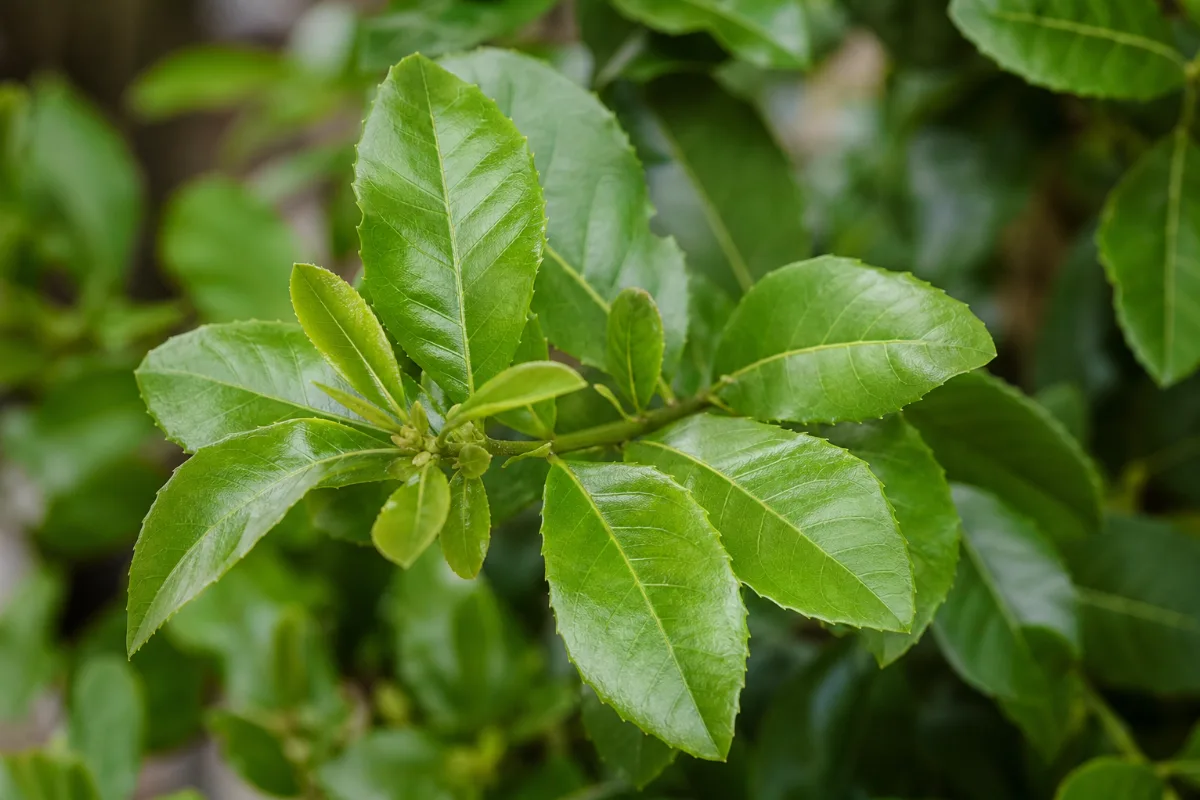
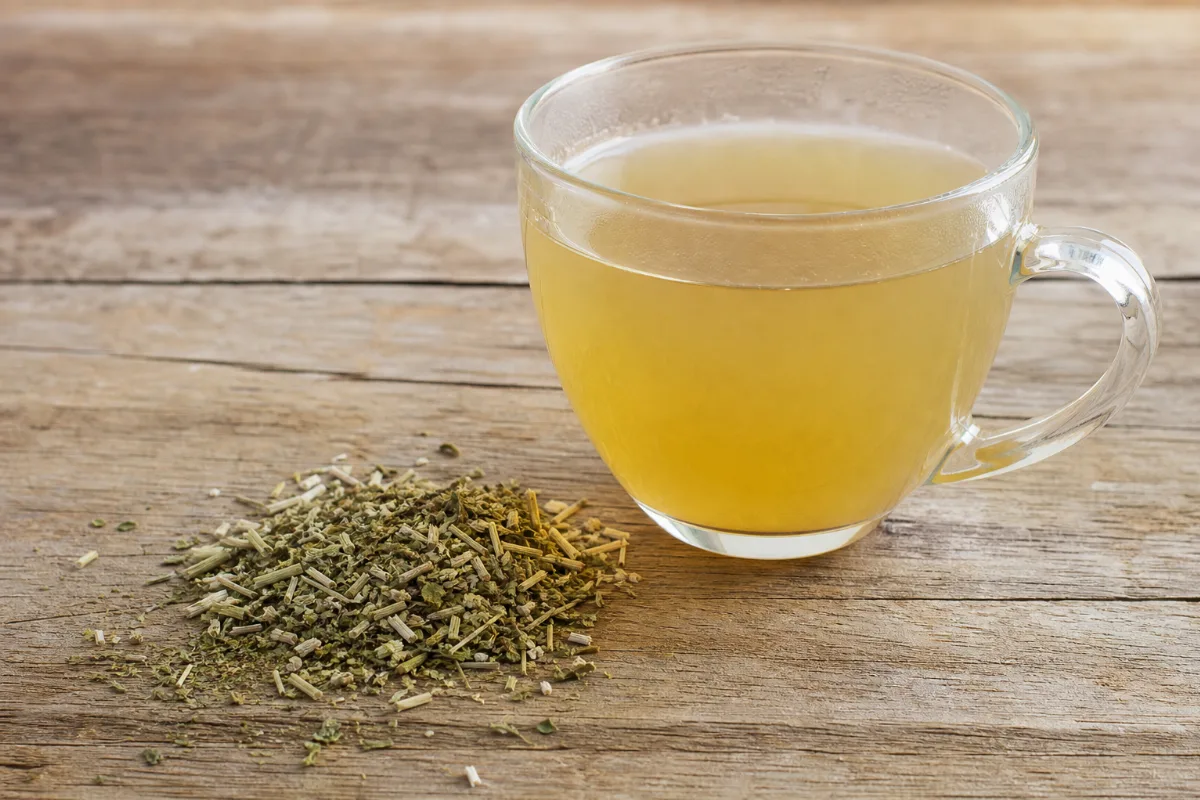
Yerba mate is made from the dried leaves of Ilex paraguariensis, a South American shrub of the holly family. The leaf is steeped in water as a tea and traditionally drunk through a metal straw. It is consumed mostly in South America, where it is a daily social drink.
The leaf contains caffeine and theobromine, which are stimulants, polyphenols (plant antioxidants) such as chlorogenic acids, and saponins. Many mate leaves are dried over smoke, which can add chemicals called PAH.
Why very hot mate is the main safety issue
In 2016 IARC (the WHO cancer agency) put very hot drinks, 65 C or hotter, in Group 2A, 'probably carcinogenic to humans'. Mate was part of how this was found, because it is traditionally drunk very hot. Mate that is not very hot was not classifiable.
A pooled study of two large case-control studies found that the odds of food-pipe cancer rose in a straight line with the lifetime amount of mate and were highest at very hot temperatures. Meta-analyses of mostly case-control studies report about double the odds of cancers of the mouth, throat and food pipe in mate drinkers, and one found no difference between cold and hot mate. A modelling study judged PAH from mate to be a smaller risk than heat. The honest summary: heat is the best-supported cause, heavy long-term drinking adds to it, and PAH cannot be ruled out.
Caffeine, pregnancy and medicines
Mate contains caffeine, so it can cause trouble sleeping, a fast heartbeat, anxiety, headache and a small rise in blood pressure. The EU monograph says not to take it before bedtime and not to use it with ulcers, high blood pressure, irregular heartbeat or an overactive thyroid.
The EU says to avoid mate in pregnancy and breastfeeding. EFSA says total caffeine from all sources up to 200 mg a day does not raise concern for the fetus. Mate can interact with MAO-inhibitor medicines, stimulant-type medicines, sedatives and medicines that affect the liver enzyme CYP1A2, and with lithium. Tell your doctor or pharmacist about everything you take.
How strong the evidence is
A 2023 systematic review of 32 studies reported benefits for metabolism, antioxidant and anti-inflammatory markers, weight, exercise, mood and appetite, but 22 of the studies were at high risk of bias and the certainty ranged from moderate to very low. A 2025 meta-analysis of 13 trials found lower after-meal sugar in pre-diabetes (2 trials) and no effect on lipids, BMI or waist.
Most trials were small, short and did not separate caffeine from other compounds. No trial in pregnancy exists, and no mate-specific interaction study was found.
At a glance
Traditional uses history, not proof
- Daily social drink in Argentina, Uruguay, Paraguay and southern Brazil, traditionally sipped hot through a metal straw (IARC); cold and warm styles also exist.
- Used for centuries by indigenous peoples as a social and medicinal drink (review abstract, Heck and de Mejia 2008).
- EU traditional herbal medicine for symptoms of tiredness and weakness (tea).
- EU traditional herbal medicine to increase urine flow as an aid in minor urinary complaints (tea).
Studied for research
- Fat use during exercise, low
- Exercise performance, mixed (cyclist time trial better, strength unchanged)
- Mood, focus and energy ratings, very low
- Blood sugar and HbA1c in pre-diabetes, low
- Cholesterol, mixed (no pooled effect)
- Body weight and body fat, mixed
- Blood pressure and blood vessels, mixed
- Alertness from caffeine, tiredness, urine flow and Parkinson's association: insufficient
Main compounds
- Caffeine, a stimulant that varies by leaf and brewing; a lab study found 148 to 245 ug/mL in extracts
- Theobromine, a milder stimulant
- Chlorogenic and caffeoylquinic acids and other polyphenols (antioxidants)
- Saponins; and, in smoke-dried leaf, PAH contaminants such as benzo[a]pyrene
Common forms
- Loose leaf infusion, traditionally hot with a metal straw
- Cold infusion (tereré)
- Tea bags
- Capsules and extracts used in some trials
- Smoke-dried versus other leaf; blended products and energy drinks (not covered by the studies read)
Research links: EU herbal monograph on mate leaf (European Medicines Agency) · IARC Q&A on coffee, mate and very hot beverages · EMA mate leaf page and review addendum (2021) · Research Library · Genes & Biomarkers Library
The plant and its history
- Accepted scientific name
- Ilex paraguariensis A.St.-Hil.
- Naming authority
- A.St.-Hil. (Auguste de Saint-Hilaire); accepted species in the GBIF backbone (key 5414252), exact match, checked 2026-10-25
- Synonyms
- GBIF lists synonyms including Ilex mate A.St.-Hil., Ilex domestica Reissek, Ilex curitibensis Miers, Ilex bonplandiana Munter and Ilex congonhas Liais (first 10 names returned also include forms and varieties).
- Common names
- Yerba mate; mate; Paraguay tea (English); Yerba mate; mate (Spanish); Mate, folha (leaf); erva-mate (Portuguese); Mate (feuille de) (French); Mateblatter (German); Mate, blad (Dutch)
- Botanical family
- Aquifoliaceae (holly family)
- Classification
- Plantae > Tracheophyta > Magnoliopsida > Aquifoliales > Aquifoliaceae > Ilex > Ilex paraguariensis
- Native range
- South America. IARC calls it a South American shrub whose infusion is consumed mostly in South America; its epidemiology studies are from Argentina, Brazil, Paraguay and Uruguay.
- Habitat
- Not verified in the sources read. A lab study compared leaf from three cultivation systems in southern Brazil (monoculture, agroforestry, shaded native).
- What the plant looks like
- Leaves: Leaves are the part used (EU monograph: Mate folium).
- Cultivation
- Leaf from monoculture, agroforestry and shaded native systems differed in caffeine and phenolic content in one Brazilian study (Strassmann 2008).
- Harvest and processing
- Leaves are often dried over smoke; this can add PAH (Oranuba 2019). The EU monograph says PAH content should be controlled and that the herbal tea is the comminuted leaf. A 2018 Pharmacopoeia monograph for mate leaf exists (EMA addendum).
- Look-alikes and adulterants
- Name: Ilex dumosa Reissek; Note: A different holly species accepted in GBIF. Whether it is sold mixed with mate was not checked.; Name: Mislabelled 'Paraguay tea'; Note: In 1995 a New York lot labelled Paraguay Tea contained belladonna alkaloids and no caffeine (Hsu 1995).; Name: Guarana, green tea, coffee; Note: Other caffeine-containing products; not the same plant, with different compounds and evidence.
The plant and the parts used
Traditional use and history history, not clinical proof
| Tradition or era | Documented use | Source |
|---|---|---|
| South American indigenous peoples | Used for centuries as a social and medicinal beverage (Heck and de Mejia 2008, abstract). | p18034743 |
| Southern South America | Traditionally drunk very hot through a metal straw; also warm or cold (IARC). | s-iarc-qa-vol116 |
| European Union, 2007-2011 | Added to the EU herbal inventory in 2007; a monograph for traditional use (fatigue and weakness; flushing the urinary tract) was published in 2011. | s-ema-mate-page |
| 1991 and 2016, IARC | Hot mate classed 2A in 1991; in 2016 mate drunk not very hot was Group 3, and very hot beverages including very hot mate Group 2A. | s-iarc-qa-vol116 |
| 2021, EMA review | The periodic review found 32 relevant new references and none that justified a change to the monograph. | s-ema-addendum-mate-2021 |
Traditional use shows how a plant was used. It does not show that a supplement works or is safe today.
What is inside, and how it may work
What the plant contains and how those compounds act in cells and animals. Laboratory and animal mechanisms are not proven effects in people.
Main compounds
| Compound | Family | Where it is concentrated | Activity studied | Level of evidence |
|---|---|---|---|---|
| Caffeine PubChem 2519 | methylxanthine alkaloid | Leaf In lab extracts from different Brazilian leaf samples, caffeine was 148.07 ug/mL (young leaf) and 244.63 ug/mL (mature leaf) in the highest-content system (Strassmann 2008); amounts vary with leaf, growing system and brewing. | Central nervous system stimulant; raises alertness, can disturb sleep, speed the heartbeat and raise blood pressure; crosses the placenta and enters breast milk. 38 9 10 | Human data |
| Theobromine PubChem 5429 | methylxanthine alkaloid | Leaf 11.46 ug/mL in mature leaf extract in the same study (lower than in young leaf, value for young leaf not in the abstract). | A milder stimulant related to caffeine; found alongside caffeine in the blood and milk of a mate-drinking mother. 38 27 | Human data |
| Theophylline PubChem 2153 | methylxanthine alkaloid | Leaf (disputed) Not detected in the leaf samples tested by Strassmann 2008; Hsu 1995 says Paraguay tea contains caffeine and theophylline. | A stimulant and airway-relaxing drug. Whether real mate contains it is disputed in the sources read. 38 17 | Laboratory research |
| Chlorogenic and caffeoylquinic acids (CGAs/CQAs) PubChem 1794427 | phenolic acids | Leaf A mate extract used in a trial gave 580 mg of caffeoylquinic acid derivatives a day; total phenolics in leaf extracts were 135 to 150 ug/mL in the highest system (Strassmann 2008). PubChem CID is for chlorogenic acid. | Polyphenol antioxidants in the lab; suggested as the compounds behind metabolic effects in one trial, not proven. 15 38 37 | Human data |
| Other polyphenols (hydroxycinnamic acids and flavonoids) | polyphenols | Leaf Mate provided over 35% of dietary polyphenols in a survey of 279 Argentine breastfeeding women, from 18 hydroxycinnamic acids and flavonoids. | Antioxidants in the lab; one possible reason for the iron-absorption effect (not tested). 37 35 | Human data |
| Saponins (matesaponins) | triterpene saponins | Leaf Named in the abstract of the cyclist trial; amounts not read. PubChem identifier not verified. | Mentioned as part of mate's make-up; their role in any effect is unknown. 3 | Human data |
| Polycyclic aromatic hydrocarbons, for example benzo[a]pyrene (a contaminant, not a plant compound) PubChem 2336 | process contaminant | Smoke-dried leaf Benzo[a]pyrene commonly above 25 ng/g in commercial dry samples and up to 600 ng/g in some; 1% to 50% passes into the infusion depending on method. | Cancer-linked chemicals formed when leaf is dried over smoke; their share of the cancer risk of mate is debated. 34 33 | Laboratory research |
Mechanisms, receptors and pathways
| Target or pathway | Gene or receptor | What was found | Level |
|---|---|---|---|
| Adenosine receptor blockade by caffeine (general knowledge) | adenosine A1 and A2A receptors | Caffeine's general stimulant action. This detail was not taken from a source read for this file and is labelled as general pharmacology, not mate-specific. | Pharmacological theory |
| Adrenaline release and fat use | adrenergic signalling | In trained cyclists mate raised resting plasma adrenaline and fat use during submaximal exercise; fat use correlated with blood glycerol (r = 0.758). 3 | Human data |
| Heat injury of the food pipe lining | thermal injury to mucosa | Animal experiments show very hot liquids promote tumours; the pooled human data show risk rising with temperature (extra odds per litre per day-year 0.016 for very hot vs 0.004 for warm). 18 26 | Human data |
| Chemical carcinogens (PAH) | PAH metabolism | Smoke-dried leaf carries PAH; urine PAH breakdown products rose with recent mate drinking (EMA summary of Lopes 2018). A risk model put PAH risk far below the heat risk. 34 11 33 | Human data |
| Gut hormones | ghrelin and GIP | After 8 weeks of mate tea, ghrelin and GIP fell; GLP-1 and adipocytokines did not change. 5 | Human data |
| Blood vessel formation | angiogenesis (chick embryo membrane) | Mate extract and caffeine promoted new blood vessel formation in chick embryo membranes without detectable embryo toxicity. 38 | Animal research |
| Drug-metabolising enzymes | CYP2D6 (reporter assay); CYP3A | In Caco-2 cell reporter assays mate extract decreased CYP2D6 signal and had no effect on CYP3A (EMA summary of Feltrin 2019). 11 | Laboratory research |
| Iron uptake | dietary non-heme iron absorption | A mate infusion cut blood iron after an iron-containing meal by about 88% in people with haemochromatosis. The mechanism was not stated. 35 | Human data |
Absorption, metabolism and elimination
- Absorption
- No mate-specific data. For caffeine in general, EFSA says it is absorbed rapidly and completely, effects start 15 to 30 minutes after intake and last for hours.
- Distribution
- Caffeine crosses the placenta and enters breast milk (EU monograph). In one case caffeine and theobromine were found in placenta, cord blood, meconium, newborn urine and hair, and breast milk.
- Metabolism
- Caffeine is cleared by the liver enzyme CYP1A2; some medicines block it (Carrillo 2001 review). Metabolism of mate's polyphenols was not covered by the sources read.
- Elimination
- Average caffeine half-life in healthy adults is about 4 hours (range 2 to 8), varying with age, weight, pregnancy, medicines and liver health (EFSA).
- Bioavailability
- Not studied for mate compounds in the sources read.
Isolated compounds versus whole extracts
Mate is a mixture of caffeine, theobromine, polyphenols and saponins. No trial compared whole mate with caffeine alone or a decaffeinated mate, so effects cannot be assigned to one compound. Results from tea, capsules, extracts and a three-ingredient tablet are different products and cannot be swapped. Lab extracts also differed in caffeine by growing system and leaf age.
Nutritional composition
Mate gives mostly polyphenols rather than vitamins or minerals in the sources read; it supplied over 35% of dietary polyphenols in Argentine breastfeeding women. A mate infusion cut iron absorption from a meal in people with haemochromatosis.
4 mixed findings3 low certainty3 very low certainty4 not enough evidence
What is Yerba Mate good for?
The main proposed uses and how strong the human evidence is for each. "Very low" or "low" means a few small or unclear studies, "mixed" means studies disagree, and "insufficient" means there is not enough to judge. Nothing about mate is rated above low. These results come from specific teas, capsules, extracts and, in one case, a three-ingredient tablet, and cannot be moved to other products. Caffeine was never separated from other compounds in the leaf.
Benefits, one by one
Each card is a research question, not a promise. Tap a goal to filter. Open a card to see the studies, doses and limits.
Alertness and focus (caffeine effect)
Not enough evidenceMate contains caffeine, which in general raises alertness and cuts sleepiness. We found no trial that tested mate for attention, memory or thinking tests, so any alertness effect is assumed from caffeine, not shown for mate.
4 studiesNothing to report as a trial setting.
Studies, doses and limits
What the trials found
EFSA says caffeine in moderate doses increases alertness and reduces sleepiness, and effects start 15 to 30 minutes after intake and last hours. The 2023 systematic review of mate lists mood and other effects but no cognitive test trial is highlighted in its abstract. We did not find a mate-specific attention trial.
Results
No mate-specific result on attention, memory or reaction tests was found.
Effect sizes as reported
Not applicable.
Why this rating
No mate trial on thinking tests was found. The claim rests on caffeine in general. Mate leaf contains caffeine (and some theobromine), so some of what is seen may be caffeine rather than anything special about mate. None of the trials below separated the two.
Form and dose studied
Nothing to report as a trial setting.
Who was studied
Healthy adults (for caffeine in general).
Limits
Mate's caffeine content varies by leaf and brewing; a lab study found 148 to 245 ug/mL of caffeine in extracts of different leaf samples (Strassmann 2008), so the lift will differ from cup to cup.
Why researchers looked
Mate is drunk for a lift, much as coffee is. Its main stimulant is caffeine.
Traditional use
Drunk daily in Argentina, Uruguay, Paraguay and southern Brazil as a social and stimulating drink (IARC Q&A; Heck and de Mejia 2008).
Proposed mechanism Pharmacological theory
Caffeine blocks the brain's tiredness signals. This is general knowledge about caffeine, not something shown for mate in the sources read.
A proposed mechanism does not show that the effect happens in people.
The same caffeine can cause trouble sleeping, a fast heartbeat and anxiety; see the safety file. The EU monograph says not to take mate before bedtime.
Mood, focus and energy ratings
Very low certaintyIn one small trial of 12 active women, a single dose of mate raised self-rated focus, energy and concentration and lowered hunger ratings during a 30-minute cycle. The 2023 review also lists mood among its findings. These are quick self-ratings in a very small study.
2 studiesTrial setting: 2 g of mate, one session, before exercise. Not advice.
Studies, doses and limits
What the trials found
Alkhatib 2017: 12 healthy active women took 2 g of mate or placebo in a repeated-measures design. POMS (Profile of Mood States) measures of focus, energy and concentration rose (P < 0.05). The 2023 review (32 studies) lists mood benefits, but 22 of its studies were at high risk of bias.
Results
POMS focus, energy and concentration higher with mate (P < 0.05); no time effect or interaction was found.
Effect sizes as reported
No confidence intervals in the abstract.
Why this rating
One tiny crossover study with self-rated scores, one dose, and no way to rule out expectation or caffeine. The systematic review found most of its included studies at high risk of bias; its certainty ranged from moderate to very low.
Form and dose studied
Trial setting: 2 g of mate, one session, before exercise. Not advice.
Who was studied
Healthy active women.
Limits
Single session; mood scores are subjective; caffeine not separated.
Why researchers looked
Mate is sold as a mood and energy drink.
Traditional use
Mate is a stimulating social drink in South America; traditional EU use is for tiredness and weakness.
Proposed mechanism Pharmacological theory
Possibly caffeine and related compounds acting on the brain. Not tested in the trial.
A proposed mechanism does not show that the effect happens in people.
Caffeine can make some people jittery or anxious.
Fat burning during exercise
Low certaintyIn two small trials, mate taken before exercise raised the share of energy that came from fat: in 12 active women (single dose) and in 11 trained male cyclists (after 5 days of mate). It does not show that mate causes weight loss.
3 studiesTrial settings: 2 g in a single dose, or 5 g a day for 5 days plus 1 …
Studies, doses and limits
What the trials found
Alkhatib 2017 (12 women, 2 g, crossover): fat oxidation was 0.21 +/- 0.07 g/min with mate vs 0.17 +/- 0.06 with placebo during 30 minutes of cycling (P < 0.05). Areta 2018 (11 well-trained men, 5 g a day for 5 days, double-blind crossover): fat use rose 23% at 30-50% of maximum oxygen uptake (effect size 0.8 +/- 0.55) and resting adrenaline rose (P = 0.002).
Results
Fat oxidation +0.04 g/min (0.21 vs 0.17) in women; fat use +23% at low-to-moderate effort in cyclists.
Effect sizes as reported
Effect size 0.8 +/- 0.55 (95% CI) in cyclists.
Why this rating
Two small crossover trials in different groups both found more fat use, which is consistent, but each had 11 to 12 people, short follow-up, and placebo that did not match caffeine. A change in the fuel mix during exercise is a lab measure and is not the same as body-fat loss. Mate leaf contains caffeine (and some theobromine), so some of what is seen may be caffeine rather than anything special about mate. None of the trials below separated the two.
Form and dose studied
Trial settings: 2 g in a single dose, or 5 g a day for 5 days plus 1 hour before testing. Not advice.
Who was studied
Healthy active women; well-trained male cyclists.
Limits
Very small; fuel mix is not weight loss; adrenaline rise may also explain faster heartbeat.
Why researchers looked
Mate has been marketed for fat loss and for exercise.
Traditional use
No traditional use for exercise is documented in the sources read.
Proposed mechanism Preliminary mechanism
In the cyclist trial mate raised resting plasma adrenaline, and fat use correlated with blood glycerol. The authors do not prove cause.
A proposed mechanism does not show that the effect happens in people.
Higher adrenaline may mean a faster heartbeat or jitters in some people.
Exercise performance and strength
Mixed findingsOne small trial in trained cyclists found a slightly faster 30-minute time trial after mate (about 2%). A pilot trial in 10 active men found no change in maximal strength. So mate may help a little with endurance effort but not with lifting.
2 studiesTrial settings: 5 g a day for 5 days (cyclists); a single dose of ext…
Studies, doses and limits
What the trials found
Areta 2018: the time trial improved from 30.1 +/- 1.8 to 29.4 +/- 1.4 minutes with mate (about 2.2% +/- 2%; P = 0.0278), with 7 W more power (P = 0.0418). Lobo 2022 (10 men, single dose 1 hour before): leg press 225 +/- 56.2 vs 223 +/- 64.3 kg (P = 0.743) and bench press 59.5 vs 59.5 kg (P = 1.000); no change.
Results
Time trial about 2.2% faster (cyclists); strength unchanged (men).
Effect sizes as reported
2.2% +/- 2% (95% CI) for the time trial.
Why this rating
One positive small trial in 11 well-trained cyclists and one null pilot in 10 men, testing different types of effort. Neither can separate caffeine from other mate compounds.
Form and dose studied
Trial settings: 5 g a day for 5 days (cyclists); a single dose of extract one hour before (strength). Not advice.
Who was studied
Well-trained male cyclists; physically active men.
Limits
Tiny trials; performance results are for the exact test used.
Why researchers looked
Athletes use caffeine-containing products to improve performance.
Traditional use
Not documented in the sources read.
Proposed mechanism Preliminary mechanism
Unknown. The authors of the cyclist trial note that the performance gain was unrelated to the fat-use measures.
A proposed mechanism does not show that the effect happens in people.
None specific beyond the caffeine cautions.
Tiredness and weakness (EU traditional use)
Not enough evidenceThe European Union accepts mate leaf tea as a traditional herbal medicine for symptoms of tiredness and a feeling of weakness. This is based on long use, not on clinical trials.
3 studiesThe EU monograph describes herbal tea use for adults; amounts are not…
Studies, doses and limits
What the trials found
The EMA monograph is based on long-standing use. A 2021 review of 32 newer references found none that justified changing the monograph, and the assessor noted that the trials used commercial samples or extracts that may not match the monograph's herbal tea.
Results
Traditional-use status, not a measured benefit.
Effect sizes as reported
Not applicable.
Why this rating
Traditional-use authorisation requires plausibility and long use, not proof of effect. No trial of mate tea for fatigue was found.
Form and dose studied
The EU monograph describes herbal tea use for adults; amounts are not given here.
Who was studied
Adults only; not recommended under 18.
Limits
No trials. A caffeine lift is not a cure for lasting tiredness, which needs a doctor's check.
Why researchers looked
Mate leaf has been used for tiredness for generations in South America and has been taken up in European herbal medicine.
Traditional use
EU HMPC monograph (2010) lists traditional use for symptoms of fatigue and sensation of weakness, as an herbal tea, with a doctor to be seen if symptoms last longer than 1 week.
Proposed mechanism Pharmacological theory
Caffeine content is the likely reason, but the monograph does not assess how it works.
A proposed mechanism does not show that the effect happens in people.
Not before bedtime; avoid with heart disease, ulcers, high blood pressure, overactive thyroid (see safety file).
Parkinson's disease (observational hint only)
Not enough evidenceA case-control study summarised by the EU in 2021 found an inverse link between drinking mate and Parkinson's disease. This is a hint from an observational study, read second-hand, and is not evidence that mate protects the brain.
1 studiesNot applicable.
Studies, doses and limits
What the trials found
The EMA addendum (2021) states that Gatto et al. (2015) described, from a case-control study, an inverse association between mate drinking and Parkinson's disease. The original paper was not read; numbers are not available to us.
Results
Association only; no numbers read.
Effect sizes as reported
Not available.
Why this rating
Only a second-hand summary of one case-control study. Case-control studies cannot show cause.
Form and dose studied
Not applicable.
Who was studied
Habitual mate drinkers (observational).
Limits
Original study not read.
Why researchers looked
Caffeine drinking has been linked to lower Parkinson's risk in general; mate was checked in South America.
Traditional use
None.
Proposed mechanism Pharmacological theory
Caffeine's effects on brain signalling are a suggested reason. Not tested for mate.
A proposed mechanism does not show that the effect happens in people.
None specific.
Blood sugar and HbA1c (pre-diabetes and type 2 diabetes)
Low certaintyA 2025 meta-analysis found that in 2 small trials in people with pre-diabetes, mate was linked with lower after-meal sugar, lower HbA1c and lower insulin resistance. Fasting sugar and insulin did not change across the pooled trials. A small pilot found lower fasting sugar and HbA1c in type 2 diabetes. Findings rest on very few small trials.
4 studiesTrial settings: tea 330 mL three times a day for 60 days; a three-ing…
Studies, doses and limits
What the trials found
Li 2025 (13 trials; pre-diabetes sub-analysis of 2 trials): after-meal glucose MD -12.76 (95% CI -16.78 to -8.74), HbA1c MD -0.37 (-0.56 to -0.18), HOMA MD -0.24 (-0.37 to -0.11); fasting glucose and fasting insulin not significant overall. Klein 2012 (58 people, 330 mL three times a day, 60 days, no placebo drink): in type 2 diabetes fasting glucose fell 25.0 mg/dL and HbA1c 0.85 points. Derosa 2020 used a three-ingredient tablet (mate, white mulberry and chromium); fasting glucose fell 7.8% but mate cannot be credited. Gebara 2021: no significant overall treatment effect; fasting glucose fell within the mate group only.
Results
After-meal glucose -12.76 (95% CI -16.78 to -8.74); HbA1c -0.37 (95% CI -0.56 to -0.18) in 2 pre-diabetes trials.
Effect sizes as reported
See results.
Why this rating
A meta-analysis found these effects but pooled only 2 trials, and the authors say more research is needed. The pilot had no placebo drink. The combination-tablet trial cannot be credited to mate. Certainty is low at best.
Form and dose studied
Trial settings: tea 330 mL three times a day for 60 days; a three-ingredient tablet once daily for 3 months. Not advice.
Who was studied
People with pre-diabetes or type 2 diabetes.
Limits
Few, small trials; the drink lowered sugar in small groups but the larger set of trials was null for fasting sugar.
Why researchers looked
Animal studies and small human studies suggested that mate lowers blood sugar.
Traditional use
Not a documented traditional use in the sources read.
Proposed mechanism Preliminary mechanism
Not established. Authors of the studies mention polyphenols (such as caffeoylquinic acids) but did not test how it works.
A proposed mechanism does not show that the effect happens in people.
Check with a doctor before using mate alongside diabetes medicines, as combined effects have not been studied.
Cholesterol and triglycerides
Mixed findingsTwo meta-analyses found no overall change in total cholesterol, LDL, HDL or triglycerides with mate. Some single trials saw small changes, but the controlled evidence does not support a cholesterol-lowering claim.
6 studiesTrial settings: 1 litre a day for 8 weeks; 3 servings a day for 8 wee…
Studies, doses and limits
What the trials found
Masson 2022 (7 experimental studies, 378 people): total cholesterol MD 6.4 (95% CI -2.2 to 15.0), LDL-C 5.5 (-1.5 to 12.6), HDL-C 0.4 (-2.8 to 3.7), triglycerides 5.7 (0.0 to 11.4); no significant change. Li 2025: no significant effect on any lipid. Bravo 2025: LDL-C fell in people with normal cholesterol, but in the high-cholesterol group mate and the control drink lowered lipids similarly. Gebara 2021: HDL-C rose 10% in a high-risk subgroup. Balsan 2019: serum PON-1 rose with mate and was linked with a rise in HDL-C.
Results
No significant pooled change in lipids (Masson 2022; Li 2025).
Effect sizes as reported
See results.
Why this rating
Pooled analyses are null; single trials found small shifts. The evidence is not strong enough to say mate lowers cholesterol, so we rate it mixed and lean toward no effect.
Form and dose studied
Trial settings: 1 litre a day for 8 weeks; 3 servings a day for 8 weeks; an extract with 580 mg caffeoylquinic acids a day. Not advice.
Who was studied
People with normal or high cholesterol, or overweight.
Limits
Small trials; baseline differences affected the pooled result.
Why researchers looked
Early work and animal studies suggested mate lowers cholesterol.
Traditional use
Not documented in the sources read.
Proposed mechanism Preliminary mechanism
Not tested in people.
A proposed mechanism does not show that the effect happens in people.
None specific.
Body weight and body fat
Mixed findingsOne 30-person trial in Korea found less body fat and a lower waist-hip ratio after 12 weeks of mate capsules. A 2025 meta-analysis of 13 trials found no significant effect on waist size or BMI. So the evidence for weight loss is weak and mixed.
4 studiesTrial setting: 3 g a day in capsules for 12 weeks. Not advice.
Studies, doses and limits
What the trials found
Kim 2015 (30 adults with obesity, 12 weeks, 3 g a day vs placebo): body fat mass (P = 0.036), percent body fat (P = 0.030) and waist-hip ratio (P = 0.004) fell more with mate. Li 2025: no significant effect on waist circumference or BMI. Bravo 2025: body fat percentage and triceps skinfold fell only in healthy people, with no effect on total body weight.
Results
Body fat mass, percent body fat and waist-hip ratio lower (P 0.036, 0.030, 0.004) in the 30-person trial; no pooled effect on BMI or waist.
Effect sizes as reported
No confidence intervals in the abstract.
Why this rating
A small positive trial against a null pooled analysis and a trial where only healthy people lost a little skinfold. Weight itself did not change.
Form and dose studied
Trial setting: 3 g a day in capsules for 12 weeks. Not advice.
Who was studied
Korean adults with obesity; healthy adults.
Limits
Tiny trial; body weight results not given in the abstract.
Why researchers looked
Mate is sold for weight loss.
Traditional use
Not documented in the sources read.
Proposed mechanism Preliminary mechanism
Not established. Possible effects on fat use during exercise and appetite are discussed in other sections.
A proposed mechanism does not show that the effect happens in people.
None specific beyond the caffeine cautions.
Appetite and fullness
Very low certaintyIn the 12-woman exercise trial, hunger and desire to eat ratings were lower after mate. The 2023 review mentions appetite effects too. This is a single small study of self-rated hunger.
2 studiesTrial setting: 2 g, single dose with exercise. Not advice.
Studies, doses and limits
What the trials found
Alkhatib 2017: hunger, prospective eating and desire to eat visual-analogue scores were lower with mate than with placebo (P < 0.05). The 2023 review lists appetite among its observed benefits.
Results
Lower self-rated hunger scores (P < 0.05); values not given in the abstract.
Effect sizes as reported
Not available.
Why this rating
One small study of self-ratings; the review authors found most of their included studies at high risk of bias.
Form and dose studied
Trial setting: 2 g, single dose with exercise. Not advice.
Who was studied
Healthy active women.
Limits
Subjective; one session.
Why researchers looked
Appetite control is a reason people try mate for weight control.
Traditional use
Not documented.
Proposed mechanism Preliminary mechanism
Not established. The study measured hunger scores only.
A proposed mechanism does not show that the effect happens in people.
None specific.
Blood pressure and blood vessel function
Mixed findingsResults are mixed. In an 8-week trial, blood pressure fell with mate tea; in a 4-week extract trial and a single-dose trial there were no clear effects. Caffeine itself can raise blood pressure a little. The EU lists high blood pressure as a reason not to use mate.
5 studiesTrial settings: 3 servings a day for 8 weeks; one hot or cold infusio…
Studies, doses and limits
What the trials found
Bravo 2025 (3 servings a day for 8 weeks vs a decaffeinated drink): blood pressure fell in all participants (values not in the abstract). Filipini 2024 (13 adults, single hot or cold infusion): flow-mediated dilation was higher than after water (P < 0.05) but blood pressure, heart rate and heart rate variability showed no intervention effect. Gebara 2021: no overall treatment effect. For context, a meta-analysis of caffeine trials (Noordzij 2005) found regular caffeine intake raised blood pressure by 4.16/2.41 mmHg (median 410 mg a day).
Results
Mixed: lower blood pressure in one 8-week trial; no acute or 4-week effect in others.
Effect sizes as reported
See results.
Why this rating
Different trials, designs and comparison drinks gave different answers. The decaffeinated control in Bravo means caffeine may have influenced the comparison.
Form and dose studied
Trial settings: 3 servings a day for 8 weeks; one hot or cold infusion; extract with 580 mg caffeoylquinic acids a day for 4 weeks. Not advice.
Who was studied
Healthy adults; people at moderate heart risk.
Limits
Small trials; number of participants not in the abstract for the largest one.
Why researchers looked
Polyphenols in mate may help blood vessels; caffeine acts the other way.
Traditional use
Not documented.
Proposed mechanism Preliminary mechanism
Not established.
A proposed mechanism does not show that the effect happens in people.
People with high blood pressure or irregular heartbeat should follow the EU contraindication.
Inflammation and antioxidant markers
Very low certaintySeveral trials reported changes in lab markers of inflammation or antioxidant defence, such as a 9.7% rise in the antioxidant enzyme PON-1 and falls in inflammatory cytokines. These are lab markers, not proven health benefits.
4 studiesTrial settings: 1 litre of tea a day for 8 weeks; 3 servings a day fo…
Studies, doses and limits
What the trials found
Balsan 2019 (142 people, 1 litre a day for 8 weeks): PON-1 +9.7% (P = 0.005) with mate; green tea had no effect. Bravo 2025: inflammatory cytokines, chemokines and colony-stimulating factors fell after 8 weeks. Gebara 2021: CRP fell 50% and IL-6 fell 19% in a subgroup. The 2023 review reports consistent antioxidant and anti-inflammatory activity but mostly from studies at high risk of bias.
Results
PON-1 +9.7% (P = 0.005); CRP -50% and IL-6 -19% in a subgroup.
Effect sizes as reported
Not reported in the abstracts.
Why this rating
These are marker changes, partly from subgroups, with no proof they translate into fewer illnesses.
Form and dose studied
Trial settings: 1 litre of tea a day for 8 weeks; 3 servings a day for 8 weeks; extract for 4 weeks. Not advice.
Who was studied
People with overweight and high cholesterol; men at higher heart risk; healthy adults.
Limits
Marker changes; subgroup results.
Why researchers looked
Mate is rich in polyphenols, which are antioxidants in the lab.
Traditional use
Not documented.
Proposed mechanism Laboratory research
Polyphenols can act as antioxidants in the lab; whether this matters in the body is not shown here.
A proposed mechanism does not show that the effect happens in people.
None specific.
Urine flow (EU traditional use)
Not enough evidenceThe EU accepts mate leaf tea as a traditional herbal medicine to increase the amount of urine to help flush the urinary tract in minor urinary complaints. This is based on long use, not trials.
2 studiesThe monograph describes herbal tea use for adults. Not advice.
Studies, doses and limits
What the trials found
Traditional-use status only. No trial was found.
Results
No measured effect.
Effect sizes as reported
Not applicable.
Why this rating
Authorisation rests on long-standing use, not clinical evidence.
Form and dose studied
The monograph describes herbal tea use for adults. Not advice.
Who was studied
Adults.
Limits
No trials. People who must limit fluids or have a blocked urinary tract should not use it (EU contraindication).
Why researchers looked
Mate is a mild diuretic in traditional use, as are other caffeine-containing drinks.
Traditional use
EU HMPC monograph lists this as indication 2 for adults; see a doctor if symptoms last more than 2 weeks, or with fever, painful urination, spasms or blood in urine.
Proposed mechanism Pharmacological theory
Caffeine is a mild diuretic; not studied for mate in the sources read.
A proposed mechanism does not show that the effect happens in people.
Not for people who should limit fluid intake.
Lower iron absorption (a benefit only in iron overload)
Low certaintyIn 14 people with hereditary haemochromatosis (iron overload), a mate infusion with a meal sharply reduced the iron absorbed from that meal. This could help people with iron overload, but could be a problem for people short of iron.
1 studiesTrial setting: 200 mL of leaf infusion with an 11.4 mg iron meal. Not…
Studies, doses and limits
What the trials found
Pagliosa 2021 (14 patients, randomised crossover): blood iron AUC after the meal was 173.3 +/- 44.7 umol h/L with mate vs 1449.4 +/- 241.5 with water (P < 0.001). No adverse effects were seen. The authors suggest mate as a possible add-on for iron overload.
Results
Post-meal iron AUC about 88% lower with mate than water (computed from the two reported means).
Effect sizes as reported
Not reported.
Why this rating
Randomised crossover design but only 14 people and a single meal. The size of the effect is large. The effect on long-term iron stores was not tested.
Form and dose studied
Trial setting: 200 mL of leaf infusion with an 11.4 mg iron meal. Not advice.
Who was studied
People with HFE-type hereditary haemochromatosis on maintenance treatment.
Limits
Single meal; no long-term measure.
Why researchers looked
Polyphenol-rich teas are known to bind iron; mate was tested in haemochromatosis.
Traditional use
Not documented.
Proposed mechanism Pharmacological theory
The abstract does not state how it works. Polyphenols binding iron are a common explanation, but that was not tested.
A proposed mechanism does not show that the effect happens in people.
People with low iron or anaemia should ask a doctor or pharmacist about drinking mate with meals.
Connections to the rest of health
How Yerba Mate connects to the rest of our health knowledge graph. Every link says what kind of connection it is. A safety link (for example to the liver) is a warning, not a benefit. A study that merely mentions a topic never creates a benefit link.
Explore every connection: goals, body systems, organs, symptoms, genes
A. Wellness goals
| Connected to | Kind of connection | Evidence status | Context | Studies |
|---|---|---|---|---|
| Blood sugar balance | Potential benefit | Low certainty | Lower after-meal sugar and HbA1c in 2 small trials in a meta-analysis. Blood sugar and HbA1c (pre-diabetes and type 2 diabetes): A 2025 meta-analysis found that in 2 small trials in people with pre-diabetes, mate was linked with lower after-meal sugar, lower HbA1c and lower insulin resistance. Fasting sugar and insulin did not change across the pooled trials. A small pilot found lower fasting sugar and HbA1c in type 2 diabetes. Findings rest on very few small trials. Preparation or compound: Mate tea or extract in pre-diabetes |
24 23 8 15 |
| Mental Clarity | Biological association | Not enough evidence | Alertness and focus (caffeine effect): Mate contains caffeine, which in general raises alertness and cuts sleepiness. We found no trial that tested mate for attention, memory or thinking tests, so any alertness effect is assumed from caffeine, not shown for mate. | 9 21 38 10 |
| Better Focus | Biological association | Not enough evidence | Alertness and focus (caffeine effect): Mate contains caffeine, which in general raises alertness and cuts sleepiness. We found no trial that tested mate for attention, memory or thinking tests, so any alertness effect is assumed from caffeine, not shown for mate. | 9 21 38 10 |
| Energy Boost | Biological association | Not enough evidence | Alertness and focus (caffeine effect): Mate contains caffeine, which in general raises alertness and cuts sleepiness. We found no trial that tested mate for attention, memory or thinking tests, so any alertness effect is assumed from caffeine, not shown for mate. | 9 21 38 10 |
| Mood Balance | Potential benefit | Very low certainty | Mood, focus and energy ratings: In one small trial of 12 active women, a single dose of mate raised self-rated focus, energy and concentration and lowered hunger ratings during a 30-minute cycle. The 2023 review also lists mood among its findings. These are quick self-ratings in a very small study. | 1 21 |
| Better Focus | Potential benefit | Very low certainty | Mood, focus and energy ratings: In one small trial of 12 active women, a single dose of mate raised self-rated focus, energy and concentration and lowered hunger ratings during a 30-minute cycle. The 2023 review also lists mood among its findings. These are quick self-ratings in a very small study. | 1 21 |
| Energy Boost | Potential benefit | Very low certainty | Mood, focus and energy ratings: In one small trial of 12 active women, a single dose of mate raised self-rated focus, energy and concentration and lowered hunger ratings during a 30-minute cycle. The 2023 review also lists mood among its findings. These are quick self-ratings in a very small study. | 1 21 |
| Metabolic Health | Demonstrated clinical effect | Low certainty | Fat burning during exercise: In two small trials, mate taken before exercise raised the share of energy that came from fat: in 12 active women (single dose) and in 11 trained male cyclists (after 5 days of mate). It does not show that mate causes weight loss. Lower iron absorption (a benefit only in iron overload): In 14 people with hereditary haemochromatosis (iron overload), a mate infusion with a meal sharply reduced the iron absorbed from that meal. This could help people with iron overload, but could be a problem for people short of iron. | 1 3 21 35 |
| Weight Management | Demonstrated clinical effect | Low certainty | Fat burning during exercise: In two small trials, mate taken before exercise raised the share of energy that came from fat: in 12 active women (single dose) and in 11 trained male cyclists (after 5 days of mate). It does not show that mate causes weight loss. | 1 3 21 |
| Endurance Support | Demonstrated clinical effect | Low certainty | Fat burning during exercise: In two small trials, mate taken before exercise raised the share of energy that came from fat: in 12 active women (single dose) and in 11 trained male cyclists (after 5 days of mate). It does not show that mate causes weight loss. | 1 3 21 |
| Physical Stamina | Potential benefit | Mixed findings | Exercise performance and strength: One small trial in trained cyclists found a slightly faster 30-minute time trial after mate (about 2%). A pilot trial in 10 active men found no change in maximal strength. So mate may help a little with endurance effort but not with lifting. | 3 25 |
| Endurance Support | Potential benefit | Mixed findings | Exercise performance and strength: One small trial in trained cyclists found a slightly faster 30-minute time trial after mate (about 2%). A pilot trial in 10 active men found no change in maximal strength. So mate may help a little with endurance effort but not with lifting. | 3 25 |
| Peak Performance | Potential benefit | Mixed findings | Exercise performance and strength: One small trial in trained cyclists found a slightly faster 30-minute time trial after mate (about 2%). A pilot trial in 10 active men found no change in maximal strength. So mate may help a little with endurance effort but not with lifting. | 3 25 |
| Reduce Fatigue | Traditional use | Not enough evidence | Tiredness and weakness (EU traditional use): The European Union accepts mate leaf tea as a traditional herbal medicine for symptoms of tiredness and a feeling of weakness. This is based on long use, not on clinical trials. | 10 11 12 |
| Energy Boost | Traditional use | Not enough evidence | Tiredness and weakness (EU traditional use): The European Union accepts mate leaf tea as a traditional herbal medicine for symptoms of tiredness and a feeling of weakness. This is based on long use, not on clinical trials. | 10 11 12 |
| Brain Health | Biological association | Not enough evidence | Parkinson's disease (observational hint only): A case-control study summarised by the EU in 2021 found an inverse link between drinking mate and Parkinson's disease. This is a hint from an observational study, read second-hand, and is not evidence that mate protects the brain. | 11 |
| Healthy Aging | Biological association | Not enough evidence | Parkinson's disease (observational hint only): A case-control study summarised by the EU in 2021 found an inverse link between drinking mate and Parkinson's disease. This is a hint from an observational study, read second-hand, and is not evidence that mate protects the brain. | 11 |
| Metabolic Health | Potential benefit | Low certainty | Blood sugar and HbA1c (pre-diabetes and type 2 diabetes): A 2025 meta-analysis found that in 2 small trials in people with pre-diabetes, mate was linked with lower after-meal sugar, lower HbA1c and lower insulin resistance. Fasting sugar and insulin did not change across the pooled trials. A small pilot found lower fasting sugar and HbA1c in type 2 diabetes. Findings rest on very few small trials. Body weight and body fat: One 30-person trial in Korea found less body fat and a lower waist-hip ratio after 12 weeks of mate capsules. A 2025 meta-analysis of 13 trials found no significant effect on waist size or BMI. So the evidence for weight loss is weak and mixed. | 24 23 8 15 22 5 21 1 |
| Cholesterol Balance | Potential benefit | Mixed findings | Cholesterol and triglycerides: Two meta-analyses found no overall change in total cholesterol, LDL, HDL or triglycerides with mate. Some single trials saw small changes, but the controlled evidence does not support a cholesterol-lowering claim. | 28 24 5 15 4 23 |
| Heart Health | Potential benefit | Mixed findings | Cholesterol and triglycerides: Two meta-analyses found no overall change in total cholesterol, LDL, HDL or triglycerides with mate. Some single trials saw small changes, but the controlled evidence does not support a cholesterol-lowering claim. Blood pressure and blood vessel function: Results are mixed. In an 8-week trial, blood pressure fell with mate tea; in a 4-week extract trial and a single-dose trial there were no clear effects. Caffeine itself can raise blood pressure a little. The EU lists high blood pressure as a reason not to use mate. | 28 24 5 15 4 23 13 32 10 |
| Weight Management | Potential benefit | Mixed findings | Body weight and body fat: One 30-person trial in Korea found less body fat and a lower waist-hip ratio after 12 weeks of mate capsules. A 2025 meta-analysis of 13 trials found no significant effect on waist size or BMI. So the evidence for weight loss is weak and mixed. Appetite and fullness: In the 12-woman exercise trial, hunger and desire to eat ratings were lower after mate. The 2023 review mentions appetite effects too. This is a single small study of self-rated hunger. | 22 24 5 21 1 |
| Blood Pressure Support | Potential benefit | Mixed findings | Blood pressure and blood vessel function: Results are mixed. In an 8-week trial, blood pressure fell with mate tea; in a 4-week extract trial and a single-dose trial there were no clear effects. Caffeine itself can raise blood pressure a little. The EU lists high blood pressure as a reason not to use mate. | 5 13 15 32 10 |
| Inflammation Balance | Preliminary mechanism | Very low certainty | Inflammation and antioxidant markers: Several trials reported changes in lab markers of inflammation or antioxidant defence, such as a 9.7% rise in the antioxidant enzyme PON-1 and falls in inflammatory cytokines. These are lab markers, not proven health benefits. | 4 5 15 21 |
| Healthy Aging | Preliminary mechanism | Very low certainty | Inflammation and antioxidant markers: Several trials reported changes in lab markers of inflammation or antioxidant defence, such as a 9.7% rise in the antioxidant enzyme PON-1 and falls in inflammatory cytokines. These are lab markers, not proven health benefits. | 4 5 15 21 |
| Digestive Support | Traditional use | Not enough evidence | Urine flow (EU traditional use): The EU accepts mate leaf tea as a traditional herbal medicine to increase the amount of urine to help flush the urinary tract in minor urinary complaints. This is based on long use, not trials. | 10 12 |
B. Body systems
| Connected to | Kind of connection | Evidence status | Context | Studies |
|---|---|---|---|---|
| Digestive system (food pipe) | Adverse effect or risk | Moderate certainty | Higher odds of oesophageal squamous cell cancer, strongest with temperature and amount. Higher odds of oesophageal squamous cell cancer; IARC Group 2A for very hot beverages. Preparation or compound: Very hot and heavy mate drinking |
18 26 2 29 |
| Nervous system | Adverse effect or risk | Moderate certainty | Sleep problems, jitteriness; caffeine reaches the fetus and milk. Sleep disturbance and anxiety; crosses placenta and enters milk. Preparation or compound: Caffeine |
9 10 27 |
| Cardiovascular system | Adverse effect or risk | Low certainty | Fast heartbeat and angina reported in mate trials; blood pressure rise with caffeine; EU contraindicates in hypertension and arrhythmia. Preparation or compound: Caffeine |
24 32 10 |
| Liver | Adverse effect or risk | Very low certainty | One published case of acute hepatitis; one multi-supplement report. Preparation or compound: Commercial mate tea |
36 11 |
| Nervous System | Biological association | Not enough evidence | Studied for: Alertness and focus (caffeine effect) Studied for: Mood, focus and energy ratings | 9 21 38 10 1 11 12 |
| Stress Mood | Biological association | Very low certainty | Studied for: Mood, focus and energy ratings | 1 21 |
| Metabolism Weight | Biological association | Low certainty | Studied for: Fat burning during exercise Studied for: Blood sugar and HbA1c (pre-diabetes and type 2 diabetes) | 1 3 21 24 23 8 15 22 5 |
| Musculoskeletal System | Biological association | Low certainty | Studied for: Fat burning during exercise Studied for: Exercise performance and strength | 1 3 21 25 |
| Endocrine System | Biological association | Low certainty | Studied for: Blood sugar and HbA1c (pre-diabetes and type 2 diabetes) Studied for: Lower iron absorption (a benefit only in iron overload) | 24 23 8 15 35 |
| Cardiovascular System | Biological association | Mixed findings | Studied for: Cholesterol and triglycerides Studied for: Blood pressure and blood vessel function | 28 24 5 15 4 23 13 32 10 21 |
| Digestive System | Biological association | Very low certainty | Studied for: Appetite and fullness Studied for: Lower iron absorption (a benefit only in iron overload) | 1 21 35 |
| Immune System | Biological association | Very low certainty | Studied for: Inflammation and antioxidant markers | 4 5 15 21 |
| Urinary System | Biological association | Not enough evidence | Studied for: Urine flow (EU traditional use) | 10 12 |
E. Health conditions
| Connected to | Kind of connection | Evidence status | Context | Studies |
|---|---|---|---|---|
| Oesophageal (food pipe) cancer | Adverse effect or risk | Moderate certainty | See key safety. Preparation or compound: Very hot mate; possibly PAH |
18 26 33 |
I. Biomarkers
| Connected to | Kind of connection | Evidence status | Context | Studies |
|---|---|---|---|---|
| Fat oxidation during exercise | Biological association | Low certainty | Measured in trials: raised. A lab change is not the same as a health benefit. | 1 3 |
| Resting plasma adrenaline | Biological association | Low certainty | Measured in trials: raised. A lab change is not the same as a health benefit. | 3 |
| 30-minute cycling time trial | Biological association | Very low certainty | Measured in trials: lowered. A lab change is not the same as a health benefit. | 3 |
| Mood ratings (POMS focus, energy and concentration) | Biological association | Very low certainty | Measured in trials: raised. A lab change is not the same as a health benefit. | 1 |
| Maximal strength (one-repetition maximum) | Biological association | Very low certainty | Measured in trials: no-change. A lab change is not the same as a health benefit. | 25 |
| After-meal blood glucose | Biological association | Low certainty | Measured in trials: lowered. A lab change is not the same as a health benefit. | 24 |
| HbA1c | Biological association | Low certainty | Measured in trials: lowered. A lab change is not the same as a health benefit. | 24 23 |
| Fasting blood glucose | Biological association | Mixed findings | Measured in trials: mixed. A lab change is not the same as a health benefit. | 24 23 15 |
| LDL cholesterol | Biological association | Mixed findings | Measured in trials: no-change. A lab change is not the same as a health benefit. | 28 5 |
| HDL cholesterol | Biological association | Very low certainty | Measured in trials: mixed. A lab change is not the same as a health benefit. | 28 15 |
| Triglycerides | Biological association | Low certainty | Measured in trials: no-change. A lab change is not the same as a health benefit. | 28 24 |
| Body fat percentage and waist-hip ratio | Biological association | Mixed findings | Measured in trials: mixed. A lab change is not the same as a health benefit. | 22 24 |
| Blood pressure | Biological association | Mixed findings | Measured in trials: mixed. A lab change is not the same as a health benefit. | 5 13 32 |
| CRP and interleukin-6 | Biological association | Very low certainty | Measured in trials: lowered. A lab change is not the same as a health benefit. | 15 5 |
| Paraoxonase-1 (PON-1) | Biological association | Low certainty | Measured in trials: raised. A lab change is not the same as a health benefit. | 4 |
| Blood iron after a meal | Biological association | Low certainty | Measured in trials: lowered. A lab change is not the same as a health benefit. | 35 |
J. Genes, receptors and enzymes
| Connected to | Kind of connection | Evidence status | Context | Studies |
|---|---|---|---|---|
| CYP1A2 | Preliminary mechanism | Pharmacological theory | Clears caffeine; blockers can raise caffeine levels. | 6 |
| CYP2D6 | Preliminary mechanism | In vitro | Mate extract lowered a CYP2D6 reporter signal in cells; clinical meaning unknown. | 11 |
| Paraoxonase-1 (PON1) | Preliminary mechanism | Human | Rose 9.7% after 8 weeks of mate tea; linked with HDL. | 4 |
K. Biological pathways
L. Active compounds
| Connected to | Kind of connection | Evidence status | Context | Studies |
|---|---|---|---|---|
| Caffeine | Biological association | Human | Central nervous system stimulant; raises alertness, can disturb sleep, speed the heartbeat and raise blood pressure; crosses the placenta and enters breast milk. Preparation or compound: Leaf |
38 9 10 |
| Theobromine | Biological association | Human | A milder stimulant related to caffeine; found alongside caffeine in the blood and milk of a mate-drinking mother. Preparation or compound: Leaf |
38 27 |
| Theophylline | Biological association | In vitro | A stimulant and airway-relaxing drug. Whether real mate contains it is disputed in the sources read. Preparation or compound: Leaf (disputed) |
38 17 |
| Chlorogenic and caffeoylquinic acids (CGAs/CQAs) | Biological association | Human | Polyphenol antioxidants in the lab; suggested as the compounds behind metabolic effects in one trial, not proven. Preparation or compound: Leaf |
15 38 37 |
| Other polyphenols (hydroxycinnamic acids and flavonoids) | Biological association | Human | Antioxidants in the lab; one possible reason for the iron-absorption effect (not tested). Preparation or compound: Leaf |
37 35 |
| Saponins (matesaponins) | Biological association | Human | Mentioned as part of mate's make-up; their role in any effect is unknown. Preparation or compound: Leaf |
3 |
| Polycyclic aromatic hydrocarbons, for example benzo[a]pyrene (a contaminant, not a plant compound) | Biological association | In vitro | Cancer-linked chemicals formed when leaf is dried over smoke; their share of the cancer risk of mate is debated. Preparation or compound: Smoke-dried leaf |
34 33 |
Each connection is stored with the ingredient, the connected record, the kind of connection, the evidence status, the supporting studies, the preparation or compound involved, and a review date (last reviewed October 25, 2026).
Evidence at a glance: what changed in 16 lab markers
Tap a number to show only those markers. Counts are markers, not people.
The evidence
The research centre for Yerba Mate. Every record here was checked against PubMed or the publisher's page; we never list a study we have not verified.
Evidence by outcome
Bars show how many studies we found for each outcome, not how well it works. People are added up across trials only (reviews are not added, to avoid double counting).
How we rate evidence
High certainty
Several well-run trials or reviews agree; further research is unlikely to change the picture much.
Moderate certainty
Good trials point the same way, but some doubt remains.
Low certainty
Small, short or inconsistent trials. The finding could change with better research.
Very low certainty
Very little or very weak human data. Treat as a possibility only.
Mixed findings
Trials or reviews disagree with each other.
Not enough evidence
Not enough human research to say either way.
Evidence against
Good research found no benefit, or found harm.
We take the reviewers' own risk-of-bias and GRADE statements where they exist, and otherwise judge from study size, design, consistency, directness and whether a product matches what is sold. Many publications do not make evidence high. Method note: We searched PubMed, read the EU herbal monograph and the 2021 review addendum, the EMA mate page, the IARC Q&A on mate and very hot beverages and the EFSA caffeine explainer, and checked the plant name in GBIF and NCBI Taxonomy and compounds in PubChem. Only abstracts were read for the PubMed studies. Some sources were not verified: no NCCIH page on mate was found; the NIH LiverTox and LactMed pages could not be opened; FDA, German Commission E and WHO statements were not checked; the full IARC Monograph and EFSA opinion were not read; the Parkinson's, urinary PAH, fungal and CYP2D6 findings are known only through the EU addendum. Funding and industry links could not be read from the abstracts. Certainty ratings are the compiler's own reading, not formal grades. No study is cited that we could not verify.
Study library: every study we checked 38
| Study | Design | People | Product, dose, length | Result |
|---|---|---|---|---|
| Alkhatib 2017 Yerba Maté (Ilex paraguariensis) Metabolic, Satiety, and Mood State Effects at Rest and during Prolonged Exercise. Nutrients · PMID 28809814 · DOI |
Randomised crossover trial |
12 12 healthy active women |
Mate (single dose) before 30 minutes of cycling leaf 2 g Single session · vs Placebo |
Fat oxidation during the 30-minute cycle was higher with mate than placebo (0.21 +/- 0.07 vs 0.17 +/- 0.06 g/min, P < 0.05). Hunger, prospective eating and desire to eat scores were lower. POMS measures of focus, energy and concentration were higher (P < 0.05). No time effect or interaction effect was found for any variable. Small, short-term changes in fat use, appetite and mood scores (Not reported in the abstract) Methods, limits and fundingOutcomes: Fat burning (fat oxidation) by indirect calorimetry, mood (POMS), appetite scores Limitations: 12 women, one session. Subjective scores can be affected by expectation. Caffeine was not separated from other mate compounds. Funding and conflicts: Authors declare no conflict of interest Read: abstract |
| Andrici 2013 Maté consumption and the risk of esophageal squamous cell carcinoma: a meta-analysis. Diseases of the esophagus : official journal of the International Society for Diseases of the Esophagus · PMID 22891687 · DOI |
Meta-analysis |
9 studies with 1565 oesophageal squamous cell carcinoma cases | Mate drinking leaf Ever vs never; highest vs lowest intake Habitual · vs Never or lowest intake |
Ever vs never drinking: OR 2.57 (95% CI 1.66-3.98). Higher vs low intake: OR 2.76 (95% CI 1.33-5.73) vs OR 1.84 (95% CI 1.12-3.00). Heterogeneity was seen in two analyses and publication bias was present. Higher odds of oesophageal squamous cell cancer (OR 2.57 (1.66-3.98)) Methods, limits and fundingOutcomes: Oesophageal squamous cell carcinoma Limitations: Publication bias and heterogeneity; observational data. Funding and conflicts: Not stated in the abstract; industry links not checked Read: abstract |
| Areta 2018 Metabolic and Performance Effects of Yerba Mate on Well-trained Cyclists. Medicine and science in sports and exercise · PMID 29117073 · DOI |
Randomised double blind crossover trial |
11 11 well-trained male cyclists (9 completed the time trial) |
Mate leaf 5 g a day for 5 days plus 1 hour before the tests 5 days · vs Maltodextrin placebo |
Mate raised resting plasma adrenaline (P = 0.002) and increased fat use by 23% at 30-50% of maximum oxygen uptake (effect size 0.8 +/- 0.55). In the time trial, finishing time improved from 30.1 +/- 1.8 to 29.4 +/- 1.4 minutes (about 2.2% +/- 2%; effect size 0.38; P = 0.0278), with 7 W more power (P = 0.0418). The performance gain was unrelated to fat use measures. Small performance gain and more fat use in trained cyclists (Time trial 2.2% +/- 2% (95% CI)) Methods, limits and fundingOutcomes: Fat use during exercise, plasma adrenaline, time-trial performance (about 30 minutes) Limitations: 11 men, small crossover. Caffeine or other mate compounds could explain the performance effect; this was not tested. Funding and conflicts: Not stated in the abstract; industry links not checked (a mate-effect study with a commercial interest in the product is possible but not known) Read: abstract |
| Balsan 2019 Effect of yerba mate and green tea on paraoxonase and leptin levels in patients affected by overweight or obesity and dyslipidemia: a randomized clinical trial. Nutrition journal · PMID 30660196 · DOI |
Randomised controlled trial |
142 142 men and women aged 35-60 with overweight or obesity and untreated high cholesterol |
Mate tea vs green tea vs apple tea (control) leaf 1 litre a day 8 weeks · vs Apple tea |
Mate raised serum PON-1 by 9.7% (P = 0.005); the difference from green tea and apple tea was significant (P = 0.036). The rise in PON-1 was linked with a rise in HDL-C (P = 0.004). Green tea had no significant effect on PON-1 or leptin. Small rise in an antioxidant enzyme (Not reported in the abstract) Methods, limits and fundingOutcomes: Paraoxonase-1 (PON-1, an antioxidant enzyme) and leptin Limitations: The main result is a lab marker, not a health outcome. Leptin results for mate are not given in the abstract. Funding and conflicts: Authors declare no competing interests Registration: NCT00933647 Read: abstract |
| Bravo 2025 Yerba Mate (Ilex paraguariensis St. Hill.) Tea May Have Cardiometabolic Beneficial Effects in Healthy and At-Risk Subjects: A Randomized, Controlled, Blind, Crossover Trial in Nonhabitual Consumers. Molecular nutrition & food research · PMID 40263915 · DOI |
Randomised crossover trial |
Healthy and hypercholesterolaemic adults who did not usually drink mate | Mate tea (three servings a day) vs a decaffeinated isotonic drink leaf Three servings a day 8 weeks · vs Decaffeinated isotonic drink |
After 8 weeks of mate, blood pressure and inflammatory cytokines, chemokines and colony-stimulating factors fell in all participants. LDL-C fell in people with normal cholesterol; in the high-cholesterol group mate and the control drink lowered lipids similarly. Ghrelin and GIP fell; GLP-1 and adipocytokines did not change. Body fat percentage and triceps skinfold fell only in healthy people, with no change in total body weight. Some favourable changes in markers; control drink had similar effects on cholesterol in the high-cholesterol group (Not reported in the abstract) Methods, limits and fundingOutcomes: Weight and body fat, blood pressure, blood lipids, glucose metabolism, inflammation markers, endothelial markers, gut hormones Limitations: The number of participants is not given in the abstract (5 authors listed). The control drink was decaffeinated, so caffeine is part of what differs. The trial was registered after it was done (retrospective). Funding and conflicts: Authors declare no conflicts of interest Registration: NCT06729905 (retrospective) Read: abstract |
| Carrillo 2000 Clinically significant pharmacokinetic interactions between dietary caffeine and medications. Clinical pharmacokinetics · PMID 10976659 · DOI |
Review |
Review of dietary caffeine and medicine interactions | Caffeine from coffee, tea and soft drinks (not mate-specific) not applicable Not applicable Not applicable · vs Not applicable |
Caffeine's toxic effects extend its drug effects: seizures and delirium at the worst, and a range from faster heartbeat to arrhythmia. CYP1A2 helps clear caffeine, and several medicines are potent CYP1A2 inhibitors: fluvoxamine, mexiletine, clozapine, psoralens, furafylline, theophylline and quinolones (enoxacin). Their use with caffeine can cause toxic effects. The authors advise considering dietary caffeine when planning or assessing drug therapy. Background for caffeine interactions Methods, limits and fundingOutcomes: Caffeine toxicity and CYP1A2-based drug interactions Limitations: A 2001 review about caffeine in general, not mate. The list of drugs is the paper's; mate has not been tested with them. Funding and conflicts: Not stated in the abstract; industry links not checked Read: abstract |
| Dasanayake 2010 Maté drinking and oral and oro-pharyngeal cancer: a systematic review and meta-analysis. Oral oncology · PMID 20036605 · DOI |
Meta-analysis |
566 4 case-control studies in Latin America (879 mate users, 1128 non- or low users; 566 oral and oro-pharyngeal cancers) |
Mate drinking leaf Not stated Habitual · vs Non- or low mate users |
Summary odds ratio 2.11 (95% CI 1.39-3.19); population attributable risk for mate drinking 16%. The authors say it is not known whether the risk is from the temperature of the drink or from something in mate. About double the odds in mate users (OR 2.11 (1.39-3.19)) Methods, limits and fundingOutcomes: Oral and oro-pharyngeal cancer Limitations: Only 4 case-control studies; the cause (heat or chemicals) was not separated. Funding and conflicts: Not stated in the abstract; industry links not checked Read: abstract |
| Derosa 2020 Ilex paraguariensis, white mulberry and chromium picolinate in patients with pre-diabetes. Phytotherapy research : PTR · PMID 31994278 · DOI |
Randomised double blind trial |
Adults with pre-diabetes (impaired fasting glucose or glucose tolerance) | A COMBINATION tablet: Ilex paraguariensis, white mulberry and chromium picolinate leaf (mate); other ingredients too 1 tablet at breakfast 3 months · vs Placebo |
With the combination tablet, fasting plasma glucose fell 7.8% and HOMA-IR fell 7.9%; triglycerides fell 8.3%; M value was higher than at the start and than placebo. About 16.6% returned to normal glucose (under 100 mg/dL). Improvement with a three-ingredient product (cannot be credited to mate) (Not reported in the abstract) Methods, limits and fundingOutcomes: Fasting glucose, insulin resistance (HOMA-IR), M value (insulin sensitivity), triglycerides Limitations: Three active ingredients, so mate cannot be separated out. Number of participants is not in the abstract. Funding not stated. Funding and conflicts: Not stated in the abstract; combination product, possible commercial link not checked Read: abstract |
| European Food Safety Authority 2015 Caffeine: EFSA explains risk assessment (summary of the 2015 Scientific Opinion on the safety of caffeine) EFSA · Source |
Regulatory summary |
Not applicable | Caffeine from all dietary sources not applicable Not applicable Not applicable · vs Not applicable |
Single doses up to 200 mg (about 3 mg/kg) from all sources do not raise safety concerns for healthy adults. Single doses of 100 mg (about 1.4 mg/kg) may affect sleep in some adults, especially close to bedtime. Intakes up to 400 mg a day (about 5.7 mg/kg) through the day do not raise concerns for healthy adults, except pregnant women. Pregnant and lactating women: intakes from all sources up to 200 mg a day do not raise safety concerns for the fetus. Children and adolescents: 3 mg/kg a day. In healthy adults the half-life is about 4 hours (range 2 to 8). Effects may start 15 to 30 minutes after intake. Short-term adverse effects can include interrupted sleep, anxiety and behaviour changes; long-term excess has been linked to heart problems and, in pregnancy, stunted fetal growth. The opinion does not cover people with disease or caffeine with medicines. Not applicable Methods, limits and fundingLimitations: The explainer (not the full opinion, which could not be opened) was read. It covers caffeine from all sources, not mate in particular. Funding and conflicts: Public body or regulator; no commercial funding applies Read: full-text |
| European Medicines Agency 2010 Community herbal monograph on Ilex paraguariensis St. Hilaire, folium (EMA/HMPC/580539/2008), Final European Medicines Agency · Source |
Regulatory monograph |
Not applicable | Mate leaf (Ilex paraguariensis folium) leaf Not applicable Not applicable · vs Not applicable |
Traditional use only. Indication 1: symptoms of fatigue and sensation of weakness (stop and see a doctor if symptoms last longer than 1 week). Indication 2: to increase the amount of urine for flushing the urinary tract in minor urinary complaints (2 weeks). Herbal tea only. Contraindicated: hypersensitivity; gastric and duodenal ulcers; cardiovascular disorders such as hypertension and arrhythmia; hyperthyroidism; conditions where less fluid is advised, e.g. blocked urinary tract. Not for under 18. Not recommended before bedtime (may disturb sleep). Interactions: persons taking MAO-inhibitor drugs should use mate with caution; caffeine-containing preparations reduce sedative action and increase side effects of sympathomimetic drugs. Pregnancy and lactation: limited data; use should be avoided. Undesirable effects: none known. No overdose reported. Caffeine crosses the placenta and is in breast milk. Reproductive toxicity, genotoxicity and carcinogenicity tests not performed. PAH content should be adequately controlled. Not applicable Methods, limits and fundingLimitations: A traditional-use monograph from 2010 that relies on long-standing use, not on trials. 'None known' for side effects sits oddly with the caffeine contraindications. Funding and conflicts: Public body or regulator; no commercial funding applies Read: full-text |
| European Medicines Agency 2021 Addendum to Assessment report on Ilex paraguariensis St. Hilaire, folium (EMA/HMPC/599113/2020) European Medicines Agency · Source |
Regulatory assessment addendum |
Not applicable | Mate leaf (Ilex paraguariensis folium) leaf Not applicable Not applicable · vs Not applicable |
Review found 1496 new references; 32 were considered relevant; 0 justify a revision of the monograph. A Ph. Eur. monograph on Mate folium was added in 2018. It summarises: observational studies in postmenopausal women (fewer diagnoses of dyslipidaemia, hypertension, heart disease; higher bone density); metabolic trials with mixed effects; a case-control inverse link with Parkinson's disease; a 120-person mouth-cell study with no extra micronuclei in mate drinkers; Lopes 2018 (244 adults): urinary PAH metabolites rose with recent mate drinking, a source of PAH exposure; Lubin 2014; Vieira 2010 (fungal growth in 8 of 8 brands tested, 7 with substantial growth) with a caution for people with weak immune systems; the Rodriguez 2019 acute hepatitis case; one 2014 EudraVigilance report of toxic hepatitis in a woman who took three supplements; an in-vitro reporter assay in which mate extract lowered CYP2D6 but not CYP3A; rodent studies with no toxicity at 2 g/kg for 12 weeks. Not applicable Methods, limits and fundingLimitations: Describes studies second-hand; several (Lopes, Pegoraro, Vieira, Feltrin) were not read in the original. The assessor judged commercial samples used in trials may not match the monograph's herbal tea. Funding and conflicts: Public body or regulator; no commercial funding applies Read: full-text |
| European Medicines Agency 2026 Mate folium - herbal medicinal product (EMA page) European Medicines Agency · Source |
Regulator web page |
Not applicable | Mate leaf (Ilex paraguariensis folium) leaf Not applicable Not applicable · vs Not applicable |
Status: assessment finalised; outcome: European Union herbal monograph. Therapeutic areas: fatigue and weakness; urinary tract and genital disorders. Added to inventory 07/09/2007; draft monograph published 16/07/2009; final community herbal monograph published 28/01/2011; HMPC opinion and final assessment report 14/02/2011; addendum 29/06/2021; periodic review calls for data 2018 and 2020. The page says EMA is still developing further information. Not applicable Methods, limits and fundingLimitations: Page shows status and dates only. Funding and conflicts: Public body or regulator; no commercial funding applies Read: full-text |
| Filipini 2024 The Acute Ingestion of Yerba Mate (Ilex paraguariensis) Infusion Does Not Modify Endothelial Function, Hemodynamics, or Heart Rate Variability: A Randomized Crossover Clinical Trial. Plant foods for human nutrition (Dordrecht, Netherlands) · PMID 39708247 · DOI |
Randomised crossover trial |
13 13 healthy adults aged 18-40 |
Hot or cold mate infusion, single dose leaf Single serving (amount not in abstract) Single session; measured at 40 and 80 minutes · vs Water |
Flow-mediated dilation was higher after both hot and cold mate than after water (P < 0.05), but there were no time-by-treatment effects. Blood pressure, heart rate and heart rate variability changed over time but showed no intervention effect. The authors conclude there were no acute effects on blood vessel function, central haemodynamics or autonomic measures, and that temperature made no difference. No clear acute effect on heart and blood vessel measures (Not reported in the abstract) Methods, limits and fundingOutcomes: Flow-mediated dilation (blood vessel function), blood pressure, heart rate, heart rate variability Limitations: 13 people; single dose; the abstract's conclusion and the flow-mediated dilation result point in slightly different directions. Funding and conflicts: Authors declare no competing interests Registration: U1111-1289-9324 (retrospective) Read: abstract |
| GBIF Secretariat 2026 GBIF Backbone Taxonomy: Ilex paraguariensis A.St.-Hil. (key 5414252) GBIF API · Source |
Database record |
Not applicable | Not applicable not applicable Not applicable Not applicable · vs Not applicable |
Accepted species, family Aquifoliaceae, order Aquifoliales, class Magnoliopsida, phylum Tracheophyta, kingdom Plantae. Checked 2026-10-25. Synonyms include Ilex mate A.St.-Hil., Ilex domestica Reissek, Ilex curitibensis Miers, Ilex bonplandiana Munter and Ilex congonhas Liais. Ilex dumosa Reissek is a separate accepted species. Not applicable Methods, limits and fundingLimitations: Taxonomic data only. Funding and conflicts: Public body or regulator; no commercial funding applies Read: full-text |
| Gebara 2020 A Randomized Crossover Intervention Study on the Effect a Standardized Maté Extract (Ilex paraguariensis A. St.-Hil.) in Men Predisposed to Cardiovascular Risk. Nutrients · PMID 33374524 · DOI |
Randomised double blind crossover trial |
34 34 men aged 45-65 with at most one criterion of metabolic syndrome |
Encapsulated dry mate extract providing 580 mg of caffeoylquinic acids a day leaf Extract with 580 mg caffeoylquinic acids a day 4 weeks, with 2 weeks washout · vs Placebo |
No significant treatment effects overall. Fasting glucose fell between day 0 and day 28 in the mate group only (-0.57 +/- 0.11 mmol/L). In people with intermediate to high Framingham risk, HDL-C rose 10%. In a subgroup, CRP fell 50% and IL-6 fell 19%. Mostly null overall; some subgroup findings (Not reported in the abstract) Methods, limits and fundingOutcomes: Body measures, blood pressure, glucose, lipids, blood vessel and inflammation markers Limitations: Overall no significant effect; the subgroup findings were not pre-specified in the abstract and need repeating. Men only. Funding and conflicts: Funding statement says the funders had no role in design, analysis or publication; the funders are not named in the abstract Read: abstract |
| Greenwood 2014 Caffeine intake during pregnancy and adverse birth outcomes: a systematic review and dose-response meta-analysis. European journal of epidemiology · PMID 25179792 · DOI |
Meta-analysis |
60 publications (53 cohort and case-control studies) on caffeine in pregnancy | Caffeine from all sources (not mate-specific) not applicable Dose-response Pregnancy · vs Lower caffeine intake |
For each 100-unit increase in caffeine intake (the abstract prints '100 g'; read as an increment of intake), risk rose 14% (95% CI 10-19) for miscarriage, 19% (5-35) for stillbirth, 7% (1-12) for low birth weight and 10% (6-14) for small-for-gestational-age babies; preterm delivery did not rise (2%, -2 to 6). There was no identifiable threshold. The authors say the associations were generally modest within the usual range and may reflect bias, and that keeping current recommendations is a wise precaution. Higher caffeine goes with more pregnancy problems in observational data (See results) Methods, limits and fundingOutcomes: Miscarriage, stillbirth, preterm birth, low birth weight, small for gestational age Limitations: Observational data; much heterogeneity and signs of publication bias; the unit in the abstract is misprinted so exact size of an increment is not stated here. Funding and conflicts: Not stated in the abstract; industry links not checked Read: abstract |
| Hsu 1995 Anticholinergic poisoning associated with herbal tea. Archives of internal medicine · PMID 7487247 |
Case series / outbreak report |
7 Seven people from three families in New York City |
A lot of tea labelled 'Paraguay Tea' leaf (labelled) Not stated 3-day outbreak · vs None |
Signs were dry skin, high temperature, fast heartbeat, dilated pupils, agitation and hallucinations. Gas chromatography of the tea found belladonna alkaloids and neither caffeine nor theophylline. The tea came from one lot, one importer and one shop; no further cases were reported after it was quarantined. Mislabelled product poisoned seven people Methods, limits and fundingOutcomes: Anticholinergic poisoning signs; tea analysis Limitations: Outbreak from 1995; it shows an adulteration risk, not a risk of real mate. Funding and conflicts: Not stated in the abstract; industry links not checked Read: abstract |
| International Agency for Research on Cancer (WHO) 2016 Q&A on Monographs Volume 116: Coffee, mate, and very hot beverages IARC · Source |
Regulatory / agency Q&A |
Not applicable | Mate infusion and very hot beverages leaf Not applicable Not applicable · vs Not applicable |
Drinking mate that is not very hot: not classifiable as to carcinogenicity (Group 3). Very hot beverages (65 C or above) are classed as probably carcinogenic to humans (Group 2A); there is no separate evaluation for very hot mate but it is included in that group. In 1991 hot mate was classed 2A on limited evidence. Mate is traditionally drunk very hot using a metal straw. The evaluation of mate rests mainly on nine case-control studies in Argentina, Brazil, Paraguay and Uruguay; the carcinogenicity of mate itself has been studied in one rat experiment. Studies found oesophageal cancer linked to very hot mate but not warm or cold mate; experiments in rats and mice found effects of very hot liquids but no carcinogenic effect of mate. Very hot is based on animal studies suggesting effects at 65 C or above. Not applicable Methods, limits and fundingLimitations: Q&A summary, not the full Monograph (Volume 116). IARC says classification is about hazard, not the size of risk; the Q&A also notes other explanations (diet, tobacco, alcohol) existed in early studies. Funding and conflicts: Public body or regulator; no commercial funding applies Read: full-text |
| Islami 2009 High-temperature beverages and foods and esophageal cancer risk--a systematic review. International journal of cancer · PMID 19415743 · DOI |
Systematic review |
59 studies of hot drinks and foods and oesophageal cancer | Hot coffee, tea, mate and other hot foods and drinks leaf (for mate) Amount and temperature Habitual · vs Lower temperature or amount |
For coffee and tea, little link with amount but most studies showed higher risk with higher drinking temperature. For mate, few studies, but they consistently showed risk rising with both amount and temperature, and these were independent. The authors say results strongly suggest that high-temperature drinking raises oesophageal cancer risk. Heat is a consistent risk factor Methods, limits and fundingOutcomes: Oesophageal cancer risk by amount and temperature Limitations: Observational studies; the authors call for standardised methods. Funding and conflicts: Not stated in the abstract; industry links not checked Read: abstract |
| Jefferson 1988 Lithium tremor and caffeine intake: two cases of drinking less and shaking more. The Journal of clinical psychiatry · PMID 3338980 |
Case report |
2 Two patients taking lithium |
Coffee (caffeine) stopped not applicable Not applicable Not stated · vs None |
Lithium tremor got worse in two patients when coffee was removed from their diets. The authors think a fall in the kidneys' lithium clearance raised the blood lithium level. Two cases Methods, limits and fundingOutcomes: Lithium tremor Limitations: 1988 report of two patients and coffee, not mate; the abstract states the mechanism as thought, not proven. Funding and conflicts: Not stated in the abstract; industry links not checked Read: abstract |
| José 2023 Physiological effects of yerba maté (Ilex paraguariensis): a systematic review. Nutrition reviews · PMID 36647770 · DOI |
Systematic review |
32 studies in many populations (randomised, non-randomised and observational), searched to 2022 | Yerba mate in many forms (tea, extract, capsules) leaf Varied Varied · vs Control or no mate in most studies |
1096 records, 32 studies included. The authors report consistent effects on metabolism, antioxidant and anti-inflammatory activity, and also benefits for body weight and composition, exercise performance, mood and appetite. Risk of bias was high in 22 studies, moderate in 9 and low in 1. Certainty of evidence ranged from moderate to very low (GRADE). Mostly favourable findings, but from studies at high risk of bias Methods, limits and fundingOutcomes: Metabolism, antioxidant and anti-inflammatory markers, body weight and composition, exercise performance, mood, appetite, heart and brain protection Limitations: Only the abstract was read, so the certainty rating for each outcome is not known. Mixes tea, extracts and many designs. The authors' wording ('can be used within a balanced diet') is more positive than the quality of the studies supports. Funding and conflicts: Not stated in the abstract; industry links not checked Registration: PROSPERO CRD42020200196 Read: abstract |
| Kim 2015 Anti-obesity effects of Yerba Mate (Ilex Paraguariensis): a randomized, double-blind, placebo-controlled clinical trial. BMC complementary and alternative medicine · PMID 26408319 · DOI |
Randomised double blind trial |
30 30 Korean adults with obesity (BMI 25 to under 35, raised waist-hip ratio) |
Mate capsules leaf 3 g a day (three capsules at each of three meals) 12 weeks · vs Placebo capsules |
Body fat mass (P = 0.036), percent body fat (P = 0.030) and waist-hip ratio (P = 0.004) fell more with mate than placebo. No clinically significant changes in safety measures. Small fall in body fat measures (Not reported in the abstract) Methods, limits and fundingOutcomes: Body fat mass, percent body fat, waist-hip ratio, blood lipids, safety measures Limitations: Only 15 per group; the abstract says no confidence intervals; body weight and BMI results are not given in the abstract. The authors' wording ('potent anti-obesity reagent') goes beyond a 30-person trial. Funding and conflicts: Not stated in the abstract; industry links not checked Registration: NCT01778257 Read: abstract |
| Klein 2011 Mate tea (Ilex paraguariensis) improves glycemic and lipid profiles of type 2 diabetes and pre-diabetes individuals: a pilot study. Journal of the American College of Nutrition · PMID 22081618 · DOI |
Randomised pilot study |
58 29 adults with type 2 diabetes and 29 with pre-diabetes |
Roasted mate tea, with or without diet counselling leaf 330 mL three times a day 60 days · vs Diet counselling alone (no placebo drink) |
In type 2 diabetes, mate tea lowered fasting glucose (by 25.0 mg/dL), HbA1c (by 0.85 percentage points) and LDL-C (by 13.5 mg/dL) (P < 0.05). In pre-diabetes, mate plus counselling lowered LDL-C (11 mg/dL), non-HDL-C (21.5 mg/dL) and triglycerides (53.0 mg/dL), but those people also changed their diet. Improvements in sugar and cholesterol in a small pilot (Not reported in the abstract) Methods, limits and fundingOutcomes: Fasting glucose, HbA1c, LDL-C, non-HDL-C, triglycerides Limitations: Small pilot, no placebo drink, groups not blinded; the diet changes in the counselling groups confound the lipid findings. Funding and conflicts: Not stated in the abstract Read: abstract |
| Li 2025 Yerba Maté and its impact on glycemic control and metabolic health: a systematic review and meta-analysis. Frontiers in endocrinology · PMID 41244043 · DOI |
Meta-analysis |
13 randomised trials (people with high cholesterol, overweight or obesity, pre-diabetes, and healthy people), searched to January 2025 | Yerba mate (tea and extracts) leaf Varied Varied · vs Placebo or control drinks |
In 2 trials of people with pre-diabetes, mate was linked with lower after-meal glucose (MD -12.76, 95% CI -16.78 to -8.74), lower HbA1c (MD -0.37, CI -0.56 to -0.18) and lower HOMA index (MD -0.24, CI -0.37 to -0.11). No significant effect on triglycerides, total cholesterol, HDL-C, LDL-C, fasting glucose, fasting insulin, waist or BMI. Adverse events listed: mucosal irritation, insomnia, tachycardia, angina, headache and stomach and bowel discomfort. Possible benefit for after-meal sugar in pre-diabetes (2 trials); no effect on lipids or weight (See results (per outcome)) Methods, limits and fundingOutcomes: Blood sugar, HbA1c, insulin resistance (HOMA), cholesterol, triglycerides, waist size, BMI, adverse events Limitations: The sugar result rests on only 2 trials; the authors say further research is needed. GRADE was used but the per-outcome grades were not seen in the abstract. The list of adverse events does not say how often each occurred. Funding and conflicts: Authors declare no commercial or financial relationships Registration: PROSPERO CRD42023369270 Read: abstract |
| Lobo 2022 Acute Supplementation of Yerba Mate Extract Did Not Change Muscle Strength in Physically Active Men Following the Strength Muscle Test: A Pilot Clinical Trial. Nutrients · PMID 35807800 · DOI |
Randomised crossover pilot |
10 10 physically active men (average age 25.5) |
Mate extract (single dose), one hour before strength tests leaf Single dose (amount not in abstract) Single session · vs Placebo |
No difference. Leg press: 225 +/- 56.2 kg with mate vs 223 +/- 64.3 kg with placebo (P = 0.743, Cohen's d = 0.03). Bench press: 59.5 +/- 20.7 vs 59.5 +/- 21.5 kg (P = 1.000). No effect on maximal strength (Not reported) Methods, limits and fundingOutcomes: One-repetition maximum on bench press and leg press Limitations: Pilot of 10 men, single dose. Funding and conflicts: Authors declare no conflict of interest Read: abstract |
| Lubin 2014 Maté drinking and esophageal squamous cell carcinoma in South America: pooled results from two large multicenter case-control studies. Cancer epidemiology, biomarkers & prevention : a publication of the American Association for Cancer Research, cosponsored by the American Society of Preventive Oncology · PMID 24130226 · DOI |
Pooled case control |
4629 Pooled analysis of two large case-control studies in Uruguay, Argentina, Brazil and Paraguay: 1,400 oesophageal squamous cell carcinoma cases and 3,229 controls |
Mate drinking at warm, hot and very hot temperatures leaf Cumulative litres per day-year Lifelong habit · vs People without the cancer |
Ever vs never: OR 1.60 (95% CI 1.2-2.2). Odds rose in a straight line with cumulative mate drunk. The extra odds per litre per day-year were 0.004 (-0.002 to 0.013) for warm, 0.007 (0.003-0.013) for hot and 0.016 (0.009-0.027) for very hot mate, a significant difference (P < 0.01). The strength of association rose with temperature. Risk rises with amount and with temperature (Ever vs never OR 1.60 (1.2-2.2)) Methods, limits and fundingOutcomes: Oesophageal squamous cell carcinoma Limitations: Case-control design (recall and confounding possible). Subgroup findings (younger people, never-drinkers of alcohol) were post hoc. The data cannot rule out PAH contamination as well as heat. Funding and conflicts: Authors report no conflicts of interest Read: abstract |
| Martín 2007 Neonatal withdrawal syndrome after chronic maternal drinking of mate. Therapeutic drug monitoring · PMID 17304161 · DOI |
Case report |
1 One premature newborn and mother who drank a lot of homemade mate |
Homemade mate, heavy drinking in pregnancy and breastfeeding leaf Not stated Pregnancy and breastfeeding · vs None |
The newborn was jittery and irritable, with a high-pitched cry, stiff limbs and brisk reflexes, which the authors called neonatal withdrawal syndrome. High caffeine and theobromine were found in the placenta, cord blood, newborn urine, hair, meconium and breast milk. Symptoms faded by 84 hours, though some irritability remained at discharge on day 24. The mother was advised to cut down to at most 2 cups a day while breastfeeding. A single case Methods, limits and fundingOutcomes: Newborn signs; caffeine and theobromine in samples Limitations: One case; cannot show how often this happens or prove cause. Intake was not measured in the abstract. Funding and conflicts: Not stated in the abstract; industry links not checked Read: abstract |
| Masson 2022 Effect of Yerba Mate (Ilex paraguariensis) on Lipid Levels: A Systematic Review and Meta-Analysis. Plant foods for human nutrition (Dordrecht, Netherlands) · PMID 35829819 · DOI |
Meta-analysis |
378 13 studies eligible; 7 experimental studies (378 people) in the pooled analysis |
Yerba mate leaf Varied Varied · vs Control groups |
Qualitative results were conflicting. Pooled differences (mate minus control): total cholesterol 6.4 (95% CI -2.2 to 15.0), LDL-C 5.5 (CI -1.5 to 12.6), HDL-C 0.4 (CI -2.8 to 3.7), triglycerides 5.7 (CI 0.0 to 11.4). No significant change in lipids. No difference in cholesterol or triglycerides (See results) Methods, limits and fundingOutcomes: Total cholesterol, LDL-C, HDL-C, triglycerides Limitations: Small, inconclusive studies; baseline lipid differences may have influenced results (meta-regression). Funding and conflicts: Not stated in the abstract; industry links not checked Read: abstract |
| Mello 2018 Maté consumption association with upper aerodigestive tract cancers: A systematic review and meta-analysis. Oral oncology · PMID 29909900 · DOI |
Meta-analysis |
18 studies (15 in the pooled analysis) of mate drinking and cancers of the mouth, throat, food pipe and voice box (upper aerodigestive tract) | Mate drinking (traditional infusion) leaf Self-reported; more than 1 litre a day vs less Habitual · vs Non-drinkers or low intake |
Overall odds ratio 2.24 (95% CI 1.74-2.87). Consistent positive association at all sub-sites (oral, pharynx, oesophagus, larynx). No difference between cold or warm and hot or very hot mate (OR 1.08, 95% CI 0.83-1.41). More than 1 litre a day vs less: OR 1.72 (95% CI 1.47-2.01). The authors conclude the odds were higher regardless of temperature. Higher odds of cancer in mate drinkers, mainly from case-control studies (OR 2.24 (1.74-2.87)) Methods, limits and fundingOutcomes: Odds of upper aerodigestive tract cancer (oral, pharynx, oesophagus, larynx) Limitations: Observational (mostly case-control) data from South America; smoking, alcohol and diet can confuse such studies. The no-difference-by-temperature finding disagrees with the pooled analysis by Lubin 2014 and with IARC's reading, which point to very hot drinking. Funding and conflicts: Not stated in the abstract Read: abstract |
| NCBI 2026 NCBI Taxonomy: Ilex paraguariensis (taxonomy id 185542) NCBI Taxonomy (E-utilities) · Source |
Database record |
Not applicable | Not applicable not applicable Not applicable Not applicable · vs Not applicable |
A search of NCBI Taxonomy for the scientific name returned a single record, taxonomy id 185542, on 2026-10-25. The full record was not opened because the service was busy. Not applicable Methods, limits and fundingLimitations: Only the id match was seen. Funding and conflicts: Public body or regulator; no commercial funding applies Read: summary-only |
| NCCIH (NIH) 2026 NCCIH page on yerba mate: not found nccih.nih.gov · Source |
Search note |
Not applicable | Not applicable not applicable Not applicable Not applicable · vs Not applicable |
On 2026-10-25 the address nccih.nih.gov/health/yerba-mate returned 'not found' and no NCCIH 'herbs at a glance' page for mate was located. No NCCIH statement on mate is therefore reported. Not applicable Methods, limits and fundingLimitations: Absence of a page is not evidence of anything. Funding and conflicts: Public body or regulator; no commercial funding applies Read: summary-only |
| Noordzij 2005 Blood pressure response to chronic intake of coffee and caffeine: a meta-analysis of randomized controlled trials. Journal of hypertension · PMID 15834273 · DOI |
Meta-analysis |
1010 16 randomised trials (25 strata) of at least 7 days; 1,010 people |
Coffee or caffeine (not mate) not applicable Coffee median 725 mL/day; caffeine median 410 mg/day 7 days or more · vs Control |
Pooled rise of 2.04 mmHg systolic (95% CI 1.10-2.99) and 0.73 mmHg diastolic (0.14-1.31). Caffeine trials: systolic 4.16 (2.13-6.20) and diastolic 2.41 (0.98-3.84) mmHg; coffee trials: systolic 1.22 (0.52-1.92) and diastolic 0.49 (-0.06 to 1.04) mmHg. Effects on heart rate were negligible. Regular caffeine raises blood pressure slightly (Systolic +4.16 mmHg (2.13-6.20) for caffeine) Methods, limits and fundingOutcomes: Blood pressure and heart rate Limitations: About coffee and caffeine, not mate; published 2005. Funding and conflicts: Not stated in the abstract; industry links not checked Read: abstract |
| Okaru 2018 Comparative oesophageal cancer risk assessment of hot beverage consumption (coffee, mate and tea): the margin of exposure of PAH vs very hot temperatures. BMC cancer · PMID 29490609 · DOI |
Risk assessment modelling |
Modelled exposure to PAH from coffee, mate and tea; literature-based | Mate, coffee and tea infusions leaf 1 cup (0.2 L) used in the model Not applicable · vs Not applicable |
For all scenarios the average MOE for benzo[a]pyrene and PAH4 was above 100,000 whatever the drink, which is described as very low risk. The MOE for very hot drinking temperature was below 1. Per cup, mate gave the highest individual PAH exposure (2.85E-04 BaP and 7.22E-04 PAH4 ug/kg bw/day). The authors conclude the temperature effect, not PAH exposure, may pose an oesophageal cancer risk. Heat looks like a bigger risk than PAH (MOE >100,000 (PAH) vs <1 (temperature)) Methods, limits and fundingOutcomes: Margin of exposure (MOE) for PAH versus temperature in relation to oesophageal cancer Limitations: A modelling study; relies on published PAH figures and transfer rates; not a study of people. Funding and conflicts: Authors declare no competing interests Read: abstract |
| Oranuba 2019 Polycyclic aromatic hydrocarbons as a potential source of carcinogenicity of mate. Journal of environmental science and health. Part C, Environmental carcinogenesis & ecotoxicology reviews · PMID 30596334 · DOI |
Review in-vitro |
10 articles that measured PAH in commercial dry mate; 7 that measured transfer into the drink | Dry mate leaf and infusions leaf Not applicable Not applicable · vs Not applicable |
Mate leaves are often dried by smoking. Nearly all studies found very high PAH in dry samples: benzo[a]pyrene was over 25 ng/g in most studies and up to 600 ng/g in some. Transfer into the infusion varied from 1% to 50% depending on the method. The authors recommend studies that mimic real mate drinking. Smoke-dried leaf can carry high PAH; how much reaches the cup is unclear Methods, limits and fundingOutcomes: PAH content of dry leaf and the share that reaches the drink Limitations: Narrative review of lab measurements; not a study of cancer in people. Funding and conflicts: Not stated in the abstract; industry links not checked Read: abstract |
| Pagliosa 2021 Ilex paraguariensis (A. St.-Hil.) leaf infusion decreases iron absorption in patients with hereditary hemochromatosis: a randomized controlled crossover study. Food & function · PMID 34173816 · DOI |
Randomised crossover trial |
14 14 people with hereditary haemochromatosis (HFE type) on maintenance treatment |
Mate leaf infusion with an iron-containing meal leaf 200 mL with a meal containing 11.4 mg iron Two single meals, one week apart · vs 200 mL water |
Blood iron AUC was far lower with mate (173.3 +/- 44.7 umol h/L) than with water (1449.4 +/- 241.5 umol h/L) (P < 0.001). No adverse effects were seen. The authors suggest mate could help control iron overload. Strongly reduced iron absorption from a meal (Not reported) Methods, limits and fundingOutcomes: Blood iron over 4 hours after the meal (AUC) Limitations: 14 people, one meal, no long-term data. The same effect could be unwelcome for people who are low in iron. Funding and conflicts: Not stated in the abstract Read: abstract |
| Rodriguez 2019 Acute Hepatitis Secondary to the Use of Ilex paraguariensis (Mate Tea): A Case Report and Review of Literature. Case reports in hepatology · PMID 31737383 · DOI |
Case report |
1 A 21-year-old man |
Mate tea (commercial, drunk daily for four months in Argentina) leaf Daily, sometimes twice a day About 4 months · vs None |
The authors describe acute hepatitis attributed to mate and call it the first written case of mate tea liver injury. EMA's 2021 addendum summarises it as a cholestatic pattern, with viral hepatitis tests negative and liver tests back to normal after about two months; co-workers who drank the same tea had no complaints. A single case Methods, limits and fundingOutcomes: Acute hepatitis Limitations: PubMed abstract is brief; the details come from the EMA addendum. Cause not proven; the tea may have been adulterated (as the authors note). The RUCAM figure in the EMA text (65.4) does not fit the usual scale and is not relied on here. Funding and conflicts: Authors declare no conflict of interest Read: abstract + EMA addendum summary |
| Scotta 2022 [Yerba mate as a safe polyphenolic source during human lactation]. Revista medica del Instituto Mexicano del Seguro Social · PMID 36048727 |
Cross sectional study |
279 279 breastfeeding women in Argentina, first 6 months after birth |
Mate infusions (tube-sipped and in-cup) leaf Self-reported usual intake Habitual · vs Comparison by intake level |
Mate gave more than 35% of dietary polyphenols. No body-measure or breast-milk nutrient or marker differences were found. The authors conclude mate did not compromise lactation or maternal nutrition. No harm to milk nutrients or markers found Methods, limits and fundingOutcomes: Body measures and breast milk nutrients and markers Limitations: A survey, not a trial. It did not measure caffeine in milk or infant sleep, irritability or growth, so it cannot show the drink is safe for babies. Abstract only; funding not stated. Funding and conflicts: Not stated in the abstract; industry links not checked Read: abstract |
| Strassmann 2008 Quantitation of methylxanthinic alkaloids and phenolic compounds in mate (Ilex paraguariensis) and their effects on blood vessel formation in chick embryos. Journal of agricultural and food chemistry · PMID 18729465 · DOI |
Laboratory study animal |
Leaf samples from three growing systems in southern Brazil; chick embryo membranes | Mate aqueous extract and caffeine young and mature leaf 1.03-4.12 uM per disk (caffeine) 2-day-old chick embryos · vs Untreated membranes |
Monoculture leaf had the highest phenolics (149.68 ug/mL young, 135.50 ug/mL mature) and caffeine (148.07 ug/mL young, 244.63 ug/mL mature). Theophylline was not detected; mature leaf had less theobromine (11.46 ug/mL). Mate extract and caffeine promoted new blood vessel formation and embryo growth in chick membranes without detectable embryo toxicity. Lab finding only Methods, limits and fundingOutcomes: Caffeine, theobromine and phenolics in leaf; blood vessel formation Limitations: Chick embryo membranes; not people. Contents are for the lab extracts and growing systems tested. Funding and conflicts: Not stated in the abstract; industry links not checked Read: abstract |
What we do not know yet
- What the evidence supports: the cancer link with very hot drinking is the best-documented finding. Benefit findings are low certainty at best, from small trials.
- What is uncertain: whether heat or PAH explains the cancer link, whether any effects come from caffeine rather than the leaf, and how big the blood-sugar effect really is (2 trials).
- What is missing: no trial of mate on attention, no pregnancy or infant trial, no interaction study with any medicine, no long-term trial, and no large independent trials.
- What we could not check: NIH LiverTox and LactMed, FDA, Commission E and WHO statements, the full EFSA opinion and the original papers behind the EU summary of Parkinson's, PAH urine and fungi studies. No NCCIH page was found.
How new research is added
New studies are found by a saved PubMed search and are placed in a review queue. A person reads each one before it changes any evidence rating or safety wording. New publications never change ratings automatically.
Lab markers
What changed in blood or saliva tests during trials. A changed number is not the same as feeling or being healthier, and we give no "normal ranges".
Metabolic 5
HbA1c
Lowered in trials
A blood test that shows average blood sugar over about three months.
Low certaintyResults and what it means
Why it was measured
Standard measure of long-term blood sugar control.
Statistical vs. clinical meaning
Small trials; the pilot had no placebo drink.
Safety implication
None directly.
| Study | Result | People | Product |
|---|---|---|---|
| 24 | Mean difference -0.37 (95% CI -0.56 to -0.18) in pre-diabetes; 2 trials. | People with pre-diabetes | Mate tea or extract |
| 23 | Fell 0.85 percentage points in type 2 diabetes with mate tea alone (P < 0.05). | 29 adults with type 2 diabetes | 330 mL roasted mate tea three times a day, 60 days |
Fasting blood glucose
Mixed results in trials
Blood sugar after a night without food.
Mixed findingsResults and what it means
Why it was measured
Everyday measure of sugar control.
Statistical vs. clinical meaning
Pooled null result versus small positive trials.
Safety implication
None directly.
| Study | Result | People | Product |
|---|---|---|---|
| 24 | No significant pooled effect on fasting glucose or fasting insulin. | 13 RCTs | Mate |
| 23 | Fell 25.0 mg/dL in type 2 diabetes. | 29 adults with type 2 diabetes | Mate tea 60 days |
| 15 | No significant treatment effect overall; a fall of 0.57 +/- 0.11 mmol/L within the mate group only. | 34 men | Extract, 580 mg caffeoylquinic acids a day, 4 weeks |
LDL cholesterol
No clear change in trials
The 'bad' cholesterol carried in the blood.
Mixed findingsResults and what it means
Why it was measured
Heart disease risk marker.
Statistical vs. clinical meaning
Pooled null; one trial positive in a subgroup.
Safety implication
None directly.
HDL cholesterol
Mixed results in trials
The 'good' cholesterol.
Very low certaintyResults and what it means
Why it was measured
Heart disease risk marker.
Statistical vs. clinical meaning
Subgroup finding.
Safety implication
None directly.
Triglycerides
No clear change in trials
Fats in the blood.
Low certaintyResults and what it means
Inflammatory 1
CRP and interleukin-6
Lowered in trials
Blood markers of inflammation.
Very low certaintyResults and what it means
Why it was measured
General inflammation markers.
Statistical vs. clinical meaning
Subgroup and marker findings.
Safety implication
None directly.
Other 10
Fat oxidation during exercise
Raised in trials
How many grams of fat the body burns per minute, worked out from the oxygen breathed in and carbon dioxide breathed out (indirect calorimetry).
Low certaintyResults and what it means
Why it was measured
Used to see whether the body switches fuel from sugar to fat during exercise.
Statistical vs. clinical meaning
A change in the fuel mix during one exercise session does not mean lasting fat loss.
Safety implication
None directly.
| Study | Result | People | Product |
|---|---|---|---|
| 1 | 0.21 +/- 0.07 g/min with mate vs 0.17 +/- 0.06 g/min with placebo over 30 minutes of cycling (P < 0.05). | 12 healthy active women | 2 g mate, single dose |
| 3 | Fat use +23% at 30-50% of maximum oxygen uptake (effect size 0.8 +/- 0.55); no difference in the harder time trial. | 11 well-trained male cyclists | 5 g mate a day for 5 days plus 1 hour before |
Resting plasma adrenaline
Raised in trials
The stress hormone (also called epinephrine) that speeds the heart and mobilises fuel.
Low certaintyResults and what it means
Why it was measured
Possible explanation for the change in fuel use.
Statistical vs. clinical meaning
A one-trial finding; the rise may go with a faster heartbeat or jitters.
Safety implication
May relate to the fast heartbeat some people notice with caffeine.
| Study | Result | People | Product |
|---|---|---|---|
| 3 | Resting plasma adrenaline rose with mate (P = 0.002); value not given in the abstract. | 11 well-trained male cyclists | 5 g mate a day for 5 days |
30-minute cycling time trial
Lowered in trials
How fast a person finishes a set amount of cycling work.
Very low certaintyResults and what it means
Why it was measured
A practical test of endurance performance.
Statistical vs. clinical meaning
Small gain in 9 to 11 people; a repeat is needed.
Safety implication
None directly.
| Study | Result | People | Product |
|---|---|---|---|
| 3 | 30.1 +/- 1.8 min with placebo vs 29.4 +/- 1.4 min with mate (about 2.2% +/- 2%, P = 0.0278); 7 W more power (P = 0.0418). | 9 of 11 cyclists completed the trial | 5 g mate a day for 5 days |
Mood ratings (POMS focus, energy and concentration)
Raised in trials
A questionnaire in which people rate their mood and energy.
Very low certaintyResults and what it means
Why it was measured
Subjective sense of focus and energy.
Statistical vs. clinical meaning
Self-rated and short-term.
Safety implication
None directly.
| Study | Result | People | Product |
|---|---|---|---|
| 1 | POMS focus, energy and concentration higher with mate than placebo (P < 0.05); values not given in the abstract. | 12 healthy active women | 2 g mate, single dose |
Maximal strength (one-repetition maximum)
No clear change in trials
The heaviest weight a person can lift once.
Very low certaintyResults and what it means
Why it was measured
Tests whether mate helps strength.
Statistical vs. clinical meaning
No effect found in a pilot of 10.
Safety implication
None.
| Study | Result | People | Product |
|---|---|---|---|
| 25 | Leg press 225 +/- 56.2 kg vs 223 +/- 64.3 kg (P = 0.743); bench press 59.5 +/- 20.7 vs 59.5 +/- 21.5 kg (P = 1.000). | 10 physically active men | Mate extract, single dose 1 hour before |
After-meal blood glucose
Lowered in trials
Blood sugar measured after eating.
Low certaintyResults and what it means
Why it was measured
A guide to how well the body handles sugar after a meal.
Statistical vs. clinical meaning
Based on 2 trials.
Safety implication
None directly.
| Study | Result | People | Product |
|---|---|---|---|
| 24 | Mean difference -12.76 (95% CI -16.78 to -8.74) in pre-diabetes; pooled from 2 trials. | People with pre-diabetes | Mate tea or extract |
Body fat percentage and waist-hip ratio
Mixed results in trials
How much of the body is fat and how it is spread.
Mixed findingsResults and what it means
Why it was measured
Weight-loss trials look at fat rather than weight alone.
Statistical vs. clinical meaning
One small positive trial against a null pooled analysis.
Safety implication
None directly.
Blood pressure
Mixed results in trials
The force of blood in the arteries.
Mixed findingsResults and what it means
Why it was measured
Heart risk marker.
Statistical vs. clinical meaning
Different durations and comparison drinks.
Safety implication
Caffeine can raise blood pressure slightly (Noordzij 2005).
Paraoxonase-1 (PON-1)
Raised in trials
An enzyme linked to HDL that helps protect blood fats from oxidation.
Low certaintyResults and what it means
Why it was measured
Antioxidant capacity marker.
Statistical vs. clinical meaning
A marker; not a health outcome.
Safety implication
None directly.
| Study | Result | People | Product |
|---|---|---|---|
| 4 | +9.7% with mate (P = 0.005); linked with HDL-C rise (P = 0.004). | 142 adults with overweight or obesity and high cholesterol | 1 litre mate tea a day, 8 weeks |
Blood iron after a meal
Lowered in trials
How much iron appears in the blood in the 4 hours after eating.
Low certaintyResults and what it means
Why it was measured
Measures iron absorption.
Statistical vs. clinical meaning
Large effect, 14 people, one meal.
Safety implication
Could help iron overload but may matter for people short of iron.
| Study | Result | People | Product |
|---|---|---|---|
| 35 | AUC 173.3 +/- 44.7 umol h/L with mate vs 1449.4 +/- 241.5 with water (P < 0.001). | 14 people with hereditary haemochromatosis | 200 mL mate leaf infusion with an iron meal |
Safety
What studies and official sources say about side effects, medicines and who should check first. Each point shows what kind of evidence it comes from.
Main points to know 8
- Very hot mate is linked with cancers of the food pipe, mouth and throat. IARC (WHO) classes very hot drinks (65 C or hotter) as probably cancer-causing to people (Group 2A). Mate is traditionally drunk very hot through a metal straw, and IARC includes very hot mate in that group. Mate drunk warm or cold was not classifiable (Group 3). A pooled study of two large case-control studies found oesophageal cancer odds rose in a straight line with the amount of mate drunk over a lifetime, and the link was strongest at very hot temperatures. Meta-analyses of mostly case-control studies in South America report about double the odds of cancers of the mouth, throat and food pipe in mate drinkers (for example OR 2.24, 95% CI 1.74-2.87, upper aerodigestive tract), and one meta-analysis found no difference between cold or warm and hot or very hot mate. So heat seems to be a major cause, but the studies cannot fully rule out PAH chemicals in smoke-dried leaf. Meta-analysis 18 26 29 2 7 19
- Caffeine: sleep, heartbeat, blood pressure and anxiety. Mate contains caffeine. Trials of mate listed trouble sleeping (insomnia), fast heartbeat (tachycardia), angina, headache, stomach and bowel upset and irritation of the lining of the mouth. EFSA says even 100 mg of caffeine close to bedtime can affect sleep in some adults, and caffeine may cause anxiety. The EU monograph says mate should not be taken before bedtime. A meta-analysis of caffeine trials found regular caffeine raised blood pressure a little (about 4/2 mmHg at a median of 410 mg a day). Meta-analysis 24 9 10 32
- Pregnancy and breastfeeding: avoid or keep caffeine low. The EU monograph says mate use should be avoided in pregnancy and breastfeeding because data are limited and caffeine crosses the placenta and reaches breast milk. EFSA says caffeine from all sources up to 200 mg a day does not raise concern for the fetus. A meta-analysis found more miscarriage, stillbirth and low-birth-weight with higher caffeine intake, with no clear safe threshold, though the size was modest and may reflect bias. A case report linked heavy mate drinking in pregnancy to a jittery newborn with caffeine in milk. A survey of 279 breastfeeding women found no change in milk nutrients but did not look at infant effects. Authoritative guidance 10 9 16 27 37
- Medicine interactions: stimulants, MAO inhibitors, CYP1A2 drugs, lithium, diabetes drugs. The EU monograph says people taking MAO-inhibitor medicines should use mate with caution, and that caffeine-containing products weaken sedatives and increase side effects of sympathomimetic (stimulant-type) medicines. Caffeine is cleared by the liver enzyme CYP1A2, and some medicines that block it can raise caffeine to toxic levels. Changes in coffee intake have been reported to change lithium levels. No interaction study was done with mate itself. Authoritative guidance 10 6 20
- Smoke-dried leaf can carry cancer-linked PAH chemicals. Mate leaves are often smoke-dried. A review found that nearly all commercial dry samples tested had high PAH levels (benzo[a]pyrene commonly above 25 ng/g, up to 600 ng/g), though only 1% to 50% passed into the drink. A urine study summarised by the EU found PAH breakdown products rose with recent mate drinking. A modelling study judged PAH risk from mate to be low compared with the effect of heat. The EU monograph says PAH content should be adequately controlled. Laboratory research 34 11 33 10
- Liver injury: case reports only. One published case of acute hepatitis in a young man was attributed to daily mate tea; liver tests returned to normal after about two months. A second EU safety-database report involved a woman who took three supplements, so mate was an unlikely sole cause. The cause is unproven and the tea may have been adulterated. Case report 36 11
- Mislabelled 'Paraguay tea' poisoned seven people. In 1995 a lot of tea labelled 'Paraguay Tea' held belladonna alkaloids and no caffeine. It caused anticholinergic poisoning in seven people (dry skin, high temperature, fast heartbeat, large pupils, agitation, hallucinations). Case report 17
- It cuts iron absorption from a meal. In 14 people with iron overload (haemochromatosis), mate with a meal strongly reduced the iron that reached the blood. People who are low in iron or anaemic might be affected the other way. Controlled trial 35
Side effects 10
| Effect | How often | Severity and recovery | Evidence |
|---|---|---|---|
| Trouble sleeping Listed among adverse events in the 2025 meta-analysis; frequency not given in the abstract. EFSA says 100 mg of caffeine near bedtime can affect sleep. | Not established | mild to moderate Not described; the EU says do not use before bedtime. | Controlled trial 24 10 9 |
| Fast heartbeat, angina Listed as adverse events in the 2025 meta-analysis of mate trials; counts are not in the abstract. People with arrhythmia are advised not to use it (EU). | Not established | moderate to severe Not described | Controlled trial 24 |
| Headache Listed in the 2025 meta-analysis; frequency not given. | Not established | mild Not described | Controlled trial 24 |
| Stomach and bowel upset; irritation of the mouth lining Listed in the 2025 meta-analysis (gastrointestinal discomfort, mucosal irritation). The EU says mate should not be used with gastric or duodenal ulcers. | Not established | mild Not described | Controlled trial 24 |
| Anxiety, jitteriness From caffeine in general; not measured in mate trials in the abstracts read. | Not established | mild to moderate Not described | Pharmacological theory 9 |
| Higher blood pressure Seen with regular caffeine in a meta-analysis of coffee and caffeine trials. In mate trials blood pressure did not rise (one fell). | Not established | mild Not described | Meta-analysis 32 |
| Withdrawal-type jitteriness in a newborn after heavy maternal mate drinking One case; premature baby. | Not established | moderate Faded by 84 hours; some irritability at discharge on day 24 | Case report 27 |
| Acute hepatitis (cholestatic pattern) One case; causation unproven. | Not established | severe Liver tests returned to normal after about two months in the one published case | Case report 36 11 |
| Cancer of the food pipe, mouth, throat and voice box with long-term hot or heavy drinking Observational; strongest for very hot, high-volume drinking. | Not established | severe Not reversible once cancer develops | Meta-analysis 29 26 2 18 |
| No serious adverse effects in a 12-week capsule trial 30 adults; no clinically significant safety changes. Too small to detect rare problems. The EU monograph lists undesirable effects as 'none known'. | Not established | none observed Not applicable | Controlled trial 22 |
Liver
One published case of acute hepatitis (cholestatic pattern) in a 21-year-old man who drank commercial mate tea daily for four months was attributed to mate, with viral hepatitis tests negative and recovery in about two months; his co-workers drinking the same tea had no complaints, and the EU assessor said the tea may not match a standard herbal mate tea and could have been adulterated. The EU safety database also holds one 2014 report of toxic hepatitis in a woman who took three supplements, one of them mate; EMA found no new safety concern. In rats, a mate extract at 2 g/kg for 12 weeks did not damage the liver. The NIH LiverTox entry could not be opened (the site blocks automated requests), so no LiverTox likelihood score is given. 36 11
How often. No frequency is known. Two reports over decades of very wide use point to rarity but do not prove it.
Monitoring. No agency monitoring advice was found. Anyone with liver disease or taking medicines that affect the liver should ask a doctor or pharmacist. Yellow skin or eyes, dark urine or severe stomach pain need medical care.
- Rodriguez 2019: 21-year-old man, acute hepatitis, cholestatic pattern, recovered in about two months.
- EudraVigilance 2014: woman aged 32 on three supplements, toxic hepatitis; mate considered a less likely cause.
This is a safety connection. It is not evidence that Yerba Mate supports liver health.
Medicines and supplements 8
| With | Why it matters | Importance | Evidence | What to do |
|---|---|---|---|---|
| Stimulants and sympathomimetic medicines (for example decongestants, ADHD stimulants, asthma drugs, other caffeine products such as guarana, energy drinks, coffee) prescription and over-the-counter | Caffeine adds to the stimulating action of these medicines. | The EU monograph says caffeine-containing preparations increase side effects caused by sympathomimetic drugs. Total caffeine adds up across drinks and supplements. | Authoritative guidance Low certainty 10 9 | Tell your doctor or pharmacist about all caffeine sources you use. |
| MAO-inhibitor medicines (a class of antidepressant and Parkinson's drugs) prescription | The EU monograph asks for caution but does not explain the mechanism. Caffeine and MAO inhibitors both can raise heart rate and blood pressure. | EU monograph: persons taking MAO-inhibitor drugs should use mate with caution. No mate-specific study. | Authoritative guidance Very low certainty 10 | Do not combine without asking the prescriber. |
| Medicines that block CYP1A2 (for example fluvoxamine, ciprofloxacin and other quinolones, mexiletine) and medicines cleared by CYP1A2 (for example clozapine, theophylline) prescription | CYP1A2 helps clear caffeine. Blocking it can raise caffeine levels and toxicity (seizures, delirium, arrhythmia). The reverse also matters for medicines such as theophylline and clozapine. | A review of dietary caffeine says several drugs are potent CYP1A2 inhibitors and can cause toxic effects with caffeine. Not tested with mate. | Pharmacological theory Low certainty 6 | Ask your pharmacist before regularly drinking mate with these medicines. |
| Lithium prescription | Caffeine may increase the kidneys' clearance of lithium. In two patients, lithium tremor worsened when coffee was stopped, which suggests a rise in blood lithium. | Two case reports with coffee (1988). The authors say the mechanism is thought, not proven. Not studied with mate. | Case report Very low certainty 20 | Keep caffeine intake steady and tell the prescriber before changing it. |
| Diabetes medicines (insulin, sulfonylureas, metformin and others) prescription | Pooled trials found mate may lower after-meal sugar in pre-diabetes. That could add to the effect of diabetes medicines. This has not been tested. | No interaction study was found. Caffeine may also change how the body handles sugar; this was not assessed. | Pharmacological theory Very low certainty 24 | People on diabetes medicines should monitor sugar and tell their doctor if using mate regularly. |
| Sedatives and sleep medicines prescription | Caffeine counteracts sedation. | The EU monograph says caffeine-containing preparations reduce sedative action. | Authoritative guidance Low certainty 10 | Avoid mate near bedtime or when relying on a sedative. |
| Iron supplements and iron-rich meals nutrient | Mate infusion cut the iron absorbed from a meal in people with haemochromatosis. | A randomised crossover trial in 14 people. Relevance to people who are low in iron is unstudied. | Controlled trial Low certainty 35 | People with anaemia or low iron should ask a doctor or pharmacist about timing. |
| Medicines handled by CYP2D6 prescription | In a lab cell assay, mate extract lowered a CYP2D6 reporter signal but did not affect CYP3A. Whether this matters in people is unknown. | In-vitro finding, summarised in the EMA addendum; the original paper was not read. | Laboratory research Very low certainty 11 | No action unless a doctor advises; ask the pharmacist about CYP2D6 medicines. |
Who should check first 10
| Situation | Advice | Evidence |
|---|---|---|
| Allergy to mate or its ingredients | Do not use. EU monograph contraindication. | Authoritative guidance 10 |
| Stomach or duodenal ulcers | Do not use. EU monograph contraindication. | Authoritative guidance 10 |
| Heart and blood-vessel disorders such as high blood pressure and abnormal heart rhythm | Do not use. EU monograph contraindication. | Authoritative guidance 10 |
| Overactive thyroid | Do not use. EU monograph contraindication. | Authoritative guidance 10 |
| Conditions where less fluid is advised, such as a blocked urinary tract | Do not use. EU monograph contraindication. | Authoritative guidance 10 |
| Pregnancy and breastfeeding | The EU says use should be avoided; EFSA gives 200 mg a day of total caffeine as the level not raising concern for the fetus. | Authoritative guidance 10 9 |
| Children and adolescents under 18 | Not recommended (EU monograph: lack of adequate data). | Authoritative guidance 10 |
| Taking it before bedtime | Not recommended: may cause sleep disturbance (EU monograph). | Authoritative guidance 10 |
| A weakened immune system | The EU addendum cites a study in which most mate brands grew fungi in the lab and suggests people with weak immune systems might be at risk; this is a theoretical concern. | Laboratory research 11 |
| People who already have mouth, throat or food-pipe cancer risk factors (smoking, heavy alcohol, a habit of very hot drinks) | Avoid very hot mate. This is a precaution drawn from the cancer studies, not an official contraindication. | Authoritative guidance 18 26 |
Overdose, product quality and regulators
Summary. Mate tea has a long record of use and the EU lists no overdose cases. The main concerns are not acute toxicity but long-term cancer risk with very hot or heavy drinking, caffeine effects, PAH content of smoke-dried leaf and rare reports of liver injury or adulteration.
Animal. In rats, a dried mate extract at 2 g/kg by mouth caused no deaths or toxic signs in a single dose and no changes in behaviour, weight or tissues of stomach, kidney, liver and small intestine over 12 weeks (also in rabbits), per the EMA addendum. The EU monograph says reproductive, genotoxicity and carcinogenicity tests have not been performed. IARC notes one rat experiment on mate's carcinogenicity and experiments in rats and mice where very hot liquids, but not mate, had carcinogenic effects.
Human doses studied. Trials gave mate tea or capsules for single doses to 12 weeks; the only safety statement in the abstracts is 'no clinically significant changes' in the 12-week capsule trial of 30 people.
High dose or long term signals. Long-term heavy drinking in South America (over 1 litre a day) was linked with higher odds of cancers of the upper aerodigestive tract (OR 1.72, 95% CI 1.47-2.01 vs less than 1 litre).
Overdose response. The EU monograph reports no case of overdose. Caffeine toxicity in general includes seizures, delirium and arrhythmia (Carrillo 2001 review).
Genotoxicity. EU monograph: tests have not been performed. A 120-person mouth-cell study summarised by the EU found no extra micronuclei in mate drinkers.
Toxic plant parts. Not applicable for the usual leaf. The danger comes from product mix-ups (belladonna in a mislabelled 1995 tea) and from heat and smoke-drying.
Smoke-drying can add PAH. Fungi can grow on leaf. One mislabelled lot held belladonna. Heavy-metal and mineral content was not read.
PAH in smoke-dried leaf. Nearly all published measurements of commercial dry mate found high PAH, with benzo[a]pyrene commonly over 25 ng/g and up to 600 ng/g; 1% to 50% reached the drink depending on method. A modelling study put PAH risk well below the risk from very hot drinking. 34 33
Urinary PAH in drinkers. In 244 adults, urinary PAH breakdown products rose with recent mate drinking, and phenanthrene metabolites in non-smoking mate drinkers were similar to or higher than in non-drinking smokers (Lopes 2018, as summarised by the EU). 11
Fungal growth. In a study summarised by the EU, 7 of 8 southern Brazilian brands showed substantial fungal growth, and some fungi survived hot-water temperatures. The authors suggested people with weak immune systems could be at risk. 11
Wrong plant in the packet. A 1995 lot labelled 'Paraguay Tea' contained belladonna alkaloids and no caffeine. 17
Heavy metals and minerals. A 2015 paper on toxic elements in mate exists but was not read.
| Body | Action | Date |
|---|---|---|
| European Medicines Agency, Committee on Herbal Medicinal Products (HMPC) (European Union) | Community herbal monograph, mate leaf (Ilex paraguariensis folium), traditional use only, as herbal tea, for adults: symptoms of fatigue and weakness (doctor if over 1 week), and increasing urine flow in minor urinary complaints (doctor if over 2 weeks). Contraindicated in hypersensitivity, gastric and duodenal ulcers, hypertension and arrhythmia and other cardiovascular disorders, hyperthyroidism, and where reduced fluid intake is advised. Not recommended under 18 or before bedtime. Caution with MAO inhibitors; caffeine increases side effects of sympathomimetics and reduces sedative action. Avoid in pregnancy and breastfeeding. Undesirable effects 'none known'. PAH content to be controlled. source | 2010-05-06 |
| European Medicines Agency, HMPC (European Union) | Addendum (periodic review) to the assessment report: 1496 new references identified, 32 relevant, 0 justify a revision of the monograph. source | 2021-06-29 |
| European Medicines Agency (European Union) | Status page for mate leaf: assessment finalised; outcome is an EU herbal monograph; areas fatigue and weakness and urinary tract; further periodic review calls for data in 2018 and 2020. source | 2026-10-25 |
| International Agency for Research on Cancer (WHO) (International) | Monographs Volume 116 (2016): very hot beverages (65 C or above) probably carcinogenic to humans (Group 2A); mate drunk not very hot not classifiable (Group 3). In 1991 hot mate had been Group 2A. source | 2016 |
| European Food Safety Authority (European Union) | Scientific Opinion on the safety of caffeine (2015): up to 400 mg a day for healthy adults, single doses up to 200 mg, up to 200 mg a day in pregnancy and lactation, 100 mg can affect sleep near bedtime. source | 2015 |
| NCCIH (US National Institutes of Health) (United States) | No NCCIH page on yerba mate was found. source | 2026-10-25 |
When to get medical help
- Chest pain, a racing or irregular heartbeat that does not settle, fainting, or a seizure after mate or any caffeine product: get emergency help.
- After a mislabelled or unknown 'herbal tea': hot dry skin, very high temperature, large pupils, agitation or hallucinations: call emergency services (anticholinergic poisoning).
- Yellow skin or eyes, dark urine, severe stomach pain: see a doctor promptly (possible liver problem).
- Trouble swallowing, food sticking, unexplained weight loss, a long-lasting mouth sore or hoarse voice in a long-term very-hot-mate drinker: see a doctor soon.
- A pregnant or breastfeeding person with a jittery, irritable baby who drinks a lot of mate: talk to a doctor or midwife.
Stop the supplement and contact a clinician or emergency service. In the US, Poison Control is 1-800-222-1222.
General information only, not medical advice. Ask a clinician or pharmacist before use, especially with medicines, in pregnancy or with a health condition. See the Natural Remedy Safety guide.
Frequently asked questions
Is yerba mate good for weight loss?
The evidence is weak and mixed. One 30-person trial found less body fat and a lower waist-hip ratio after 12 weeks, but a pooled analysis of 13 trials found no significant effect on BMI or waist, and total weight did not change in another trial. In two small trials it raised fat use during exercise, which is not the same as losing fat. Eating well and moving matter far more. Ask a doctor or pharmacist about amounts.
Does yerba mate lower blood sugar?
Does it lower cholesterol?
Does yerba mate give energy and focus?
Does yerba mate improve exercise?
Can yerba mate cause cancer?
Very hot drinks, including very hot mate, are classed by IARC as probably cancer-causing for the food pipe. Long-term heavy mate drinking in South America goes with about double the odds of cancers of the mouth, throat and food pipe in meta-analyses, mostly from case-control studies that cannot prove cause. Mate drunk warm or cold was not classifiable. Letting it cool before drinking is the practical lesson.
Does the temperature really matter, or is it the leaf?
The best-supported answer is temperature. A pooled study found risk rose with temperature, IARC found effects in animals for very hot liquids but not for mate itself, and a model put PAH risk below the heat risk. One meta-analysis found no difference by temperature, and PAH from smoke-dried leaf may add risk, so both are possible.
Is yerba mate safe in pregnancy or while breastfeeding?
The EU says to avoid it because data are limited and caffeine reaches the baby and breast milk. EFSA says total caffeine up to 200 mg a day from all sources does not raise concern for the fetus. One case report linked heavy mate drinking to a jittery newborn. A survey of 279 breastfeeding women found no change in milk nutrients but did not study babies. Ask your midwife or doctor.
What are the side effects?
The ones reported in mate trials include trouble sleeping, fast heartbeat, angina, headache, stomach and bowel upset and irritation of the mouth lining. Caffeine can also cause anxiety and raise blood pressure slightly. The EU says to avoid it with ulcers, high blood pressure, irregular heartbeat and overactive thyroid, and not to use it before bedtime.
Does it interact with medicines?
Possibly. The EU says to use caution with MAO-inhibitor drugs and that caffeine weakens sedatives and adds to stimulant-type medicines. Caffeine is cleared by CYP1A2 and some drugs (such as fluvoxamine and quinolone antibiotics) can raise caffeine levels. Changing coffee intake has changed lithium levels in case reports. Mate itself has not been tested with these drugs.
Can it harm the liver or be fake?
Should people with low iron be careful?
Possibly. In 14 people with iron overload, mate with a meal sharply cut iron absorption. If you are anaemic or low in iron, ask a doctor or pharmacist about drinking mate with meals.
Explore by health goal
Metabolic HealthEnergy BoostWeight ManagementBetter FocusEndurance SupportHealthy AgingHeart HealthMental ClarityMood BalancePhysical StaminaPeak PerformanceReduce FatigueBrain HealthBlood Sugar BalanceCholesterol BalanceBlood Pressure SupportInflammation BalanceDigestive Support
Editorial transparency
- Written by
- AlternativeMed editorial team. Research compiled with AI assistance, then checked against PubMed records.
- Medical review
- None. This page has not been reviewed by a physician or pharmacist.
- First published
- 2026-10-25
- Last substantive update
- 2026-10-25
- How we research
- We searched PubMed, read the EU herbal monograph and the 2021 review addendum, the EMA mate page, the IARC Q&A on mate and very hot beverages and the EFSA caffeine explainer, and checked the plant name in GBIF and NCBI Taxonomy and compounds in PubChem. Only abstracts were read for the PubMed studies. Some sources were not verified: no NCCIH page on mate was found; the NIH LiverTox and LactMed pages could not be opened; FDA, German Commission E and WHO statements were not checked; the full IARC Monograph and EFSA opinion were not read; the Parkinson's, urinary PAH, fungal and CYP2D6 findings are known only through the EU addendum. Funding and industry links could not be read from the abstracts. Certainty ratings are the compiler's own reading, not formal grades. No study is cited that we could not verify.
- How we rate evidence
- See "How we rate evidence" in the Evidence tab.
- Independence
- No product is promoted on this page. No affiliate links are shown. If one is added later it will be labelled and kept apart from the evidence.
Sources 38
Each source was opened and checked. Where we read only the abstract, it says so. The small numbers in the text point here.
- Alkhatib A, Atcheson R. Yerba Maté (Ilex paraguariensis) Metabolic, Satiety, and Mood State Effects at Rest and during Prolonged Exercise.. Nutrients. 2017. PMID 28809814. DOI 10.3390/nu9080882. (abstract)
- Andrici J, Eslick GD. Maté consumption and the risk of esophageal squamous cell carcinoma: a meta-analysis.. Diseases of the esophagus : official journal of the International Society for Diseases of the Esophagus. 2013. PMID 22891687. DOI 10.1111/j.1442-2050.2012.01393.x. (abstract)
- Areta JL, Austarheim I, Wangensteen H, et al.. Metabolic and Performance Effects of Yerba Mate on Well-trained Cyclists.. Medicine and science in sports and exercise. 2018. PMID 29117073. DOI 10.1249/MSS.0000000000001482. (abstract)
- Balsan G, Pellanda LC, Sausen G, et al.. Effect of yerba mate and green tea on paraoxonase and leptin levels in patients affected by overweight or obesity and dyslipidemia: a randomized clinical trial.. Nutrition journal. 2019. PMID 30660196. DOI 10.1186/s12937-018-0426-y. (abstract)
- Bravo L, Martínez-López S, Sierra-Cinos JL, et al.. Yerba Mate (Ilex paraguariensis St. Hill.) Tea May Have Cardiometabolic Beneficial Effects in Healthy and At-Risk Subjects: A Randomized, Controlled, Blind, Crossover Trial in Nonhabitual Consumers.. Molecular nutrition & food research. 2025. PMID 40263915. DOI 10.1002/mnfr.70065. (abstract)
- Carrillo JA, Benitez J. Clinically significant pharmacokinetic interactions between dietary caffeine and medications.. Clinical pharmacokinetics. 2000. PMID 10976659. DOI 10.2165/00003088-200039020-00004. (abstract)
- Dasanayake AP, Silverman AJ, Warnakulasuriya S. Maté drinking and oral and oro-pharyngeal cancer: a systematic review and meta-analysis.. Oral oncology. 2010. PMID 20036605. DOI 10.1016/j.oraloncology.2009.07.006. (abstract)
- Derosa G, D'Angelo A, Maffioli P. Ilex paraguariensis, white mulberry and chromium picolinate in patients with pre-diabetes.. Phytotherapy research : PTR. 2020. PMID 31994278. DOI 10.1002/ptr.6611. (abstract)
- European Food Safety Authority. Caffeine: EFSA explains risk assessment (summary of the 2015 Scientific Opinion on the safety of caffeine). EFSA. 2015. (full-text)
- European Medicines Agency, Committee on Herbal Medicinal Products (HMPC). Community herbal monograph on Ilex paraguariensis St. Hilaire, folium (EMA/HMPC/580539/2008), Final. European Medicines Agency. 2010. (full-text)
- European Medicines Agency, HMPC. Addendum to Assessment report on Ilex paraguariensis St. Hilaire, folium (EMA/HMPC/599113/2020). European Medicines Agency. 2021. (full-text)
- European Medicines Agency. Mate folium - herbal medicinal product (EMA page). European Medicines Agency. 2026. (full-text)
- Filipini RE, José MFB, Speretta GFF. The Acute Ingestion of Yerba Mate (Ilex paraguariensis) Infusion Does Not Modify Endothelial Function, Hemodynamics, or Heart Rate Variability: A Randomized Crossover Clinical Trial.. Plant foods for human nutrition (Dordrecht, Netherlands). 2024. PMID 39708247. DOI 10.1007/s11130-024-01254-y. (abstract)
- GBIF Secretariat. GBIF Backbone Taxonomy: Ilex paraguariensis A.St.-Hil. (key 5414252). GBIF API. 2026. (full-text)
- Gebara KS, Gasparotto Junior A, Palozi RAC, et al.. A Randomized Crossover Intervention Study on the Effect a Standardized Maté Extract (Ilex paraguariensis A. St.-Hil.) in Men Predisposed to Cardiovascular Risk.. Nutrients. 2020. PMID 33374524. DOI 10.3390/nu13010014. (abstract)
- Greenwood DC, Thatcher NJ, Ye J, et al.. Caffeine intake during pregnancy and adverse birth outcomes: a systematic review and dose-response meta-analysis.. European journal of epidemiology. 2014. PMID 25179792. DOI 10.1007/s10654-014-9944-x. (abstract)
- Hsu CK, Leo P, Shastry D, et al.. Anticholinergic poisoning associated with herbal tea.. Archives of internal medicine. 1995. PMID 7487247. (abstract)
- International Agency for Research on Cancer (WHO). Q&A on Monographs Volume 116: Coffee, mate, and very hot beverages. IARC. 2016. (full-text)
- Islami F, Boffetta P, Ren JS, et al.. High-temperature beverages and foods and esophageal cancer risk--a systematic review.. International journal of cancer. 2009. PMID 19415743. DOI 10.1002/ijc.24445. (abstract)
- Jefferson JW. Lithium tremor and caffeine intake: two cases of drinking less and shaking more.. The Journal of clinical psychiatry. 1988. PMID 3338980. (abstract)
- José MFB, Machado RP, Araujo PAB, et al.. Physiological effects of yerba maté (Ilex paraguariensis): a systematic review.. Nutrition reviews. 2023. PMID 36647770. DOI 10.1093/nutrit/nuac109. (abstract)
- Kim SY, Oh MR, Kim MG, et al.. Anti-obesity effects of Yerba Mate (Ilex Paraguariensis): a randomized, double-blind, placebo-controlled clinical trial.. BMC complementary and alternative medicine. 2015. PMID 26408319. DOI 10.1186/s12906-015-0859-1. (abstract)
- Klein GA, Stefanuto A, Boaventura BC, et al.. Mate tea (Ilex paraguariensis) improves glycemic and lipid profiles of type 2 diabetes and pre-diabetes individuals: a pilot study.. Journal of the American College of Nutrition. 2011. PMID 22081618. DOI 10.1080/07315724.2011.10719975. (abstract)
- Li D, Yue L, Peng X, et al.. Yerba Maté and its impact on glycemic control and metabolic health: a systematic review and meta-analysis.. Frontiers in endocrinology. 2025. PMID 41244043. DOI 10.3389/fendo.2025.1641592. (abstract)
- Lobo PCB, da Silva DD, Pimentel GD. Acute Supplementation of Yerba Mate Extract Did Not Change Muscle Strength in Physically Active Men Following the Strength Muscle Test: A Pilot Clinical Trial.. Nutrients. 2022. PMID 35807800. DOI 10.3390/nu14132619. (abstract)
- Lubin JH, De Stefani E, Abnet CC, et al.. Maté drinking and esophageal squamous cell carcinoma in South America: pooled results from two large multicenter case-control studies.. Cancer epidemiology, biomarkers & prevention : a publication of the American Association for Cancer Research, cosponsored by the American Society of Preventive Oncology. 2014. PMID 24130226. DOI 10.1158/1055-9965.EPI-13-0796. (abstract)
- Martín I, López-Vílchez MA, Mur A, et al.. Neonatal withdrawal syndrome after chronic maternal drinking of mate.. Therapeutic drug monitoring. 2007. PMID 17304161. DOI 10.1097/FTD.0b013e31803257ed. (abstract)
- Masson W, Barbagelata L, Lobo M, et al.. Effect of Yerba Mate (Ilex paraguariensis) on Lipid Levels: A Systematic Review and Meta-Analysis.. Plant foods for human nutrition (Dordrecht, Netherlands). 2022. PMID 35829819. DOI 10.1007/s11130-022-00991-2. (abstract)
- Mello FW, Scotti FM, Melo G, et al.. Maté consumption association with upper aerodigestive tract cancers: A systematic review and meta-analysis.. Oral oncology. 2018. PMID 29909900. DOI 10.1016/j.oraloncology.2018.04.023. (abstract)
- NCBI. NCBI Taxonomy: Ilex paraguariensis (taxonomy id 185542). NCBI Taxonomy (E-utilities). 2026. (summary-only)
- NCCIH (NIH). NCCIH page on yerba mate: not found. nccih.nih.gov. 2026. (summary-only)
- Noordzij M, Uiterwaal CS, Arends LR, et al.. Blood pressure response to chronic intake of coffee and caffeine: a meta-analysis of randomized controlled trials.. Journal of hypertension. 2005. PMID 15834273. DOI 10.1097/01.hjh.0000166828.94699.1d. (abstract)
- Okaru AO, Rullmann A, Farah A, et al.. Comparative oesophageal cancer risk assessment of hot beverage consumption (coffee, mate and tea): the margin of exposure of PAH vs very hot temperatures.. BMC cancer. 2018. PMID 29490609. DOI 10.1186/s12885-018-4060-z. (abstract)
- Oranuba E, Deng H, Peng J, et al.. Polycyclic aromatic hydrocarbons as a potential source of carcinogenicity of mate.. Journal of environmental science and health. Part C, Environmental carcinogenesis & ecotoxicology reviews. 2019. PMID 30596334. DOI 10.1080/10590501.2019.1555323. (abstract)
- Pagliosa CM , Vieira FGK , Dias BV , et al.. Ilex paraguariensis (A. St.-Hil.) leaf infusion decreases iron absorption in patients with hereditary hemochromatosis: a randomized controlled crossover study.. Food & function. 2021. PMID 34173816. DOI 10.1039/d1fo00482d. (abstract)
- Rodriguez EA, Teixeira Yokoda R, Payton DE, et al.. Acute Hepatitis Secondary to the Use of Ilex paraguariensis (Mate Tea): A Case Report and Review of Literature.. Case reports in hepatology. 2019. PMID 31737383. DOI 10.1155/2019/8459205. (abstract + EMA addendum summary)
- Scotta AV, Cortez MV, Orosz L, et al.. [Yerba mate as a safe polyphenolic source during human lactation].. Revista medica del Instituto Mexicano del Seguro Social. 2022. PMID 36048727. (abstract)
- Strassmann BB, Vieira AR, Pedrotti EL, et al.. Quantitation of methylxanthinic alkaloids and phenolic compounds in mate (Ilex paraguariensis) and their effects on blood vessel formation in chick embryos.. Journal of agricultural and food chemistry. 2008. PMID 18729465. DOI 10.1021/jf801041f. (abstract)