Herbs & Botanicals · Traditional European cough herb
Cowslip
Primula veris · also called Primula, primula root, primula flower, cowslip primrose
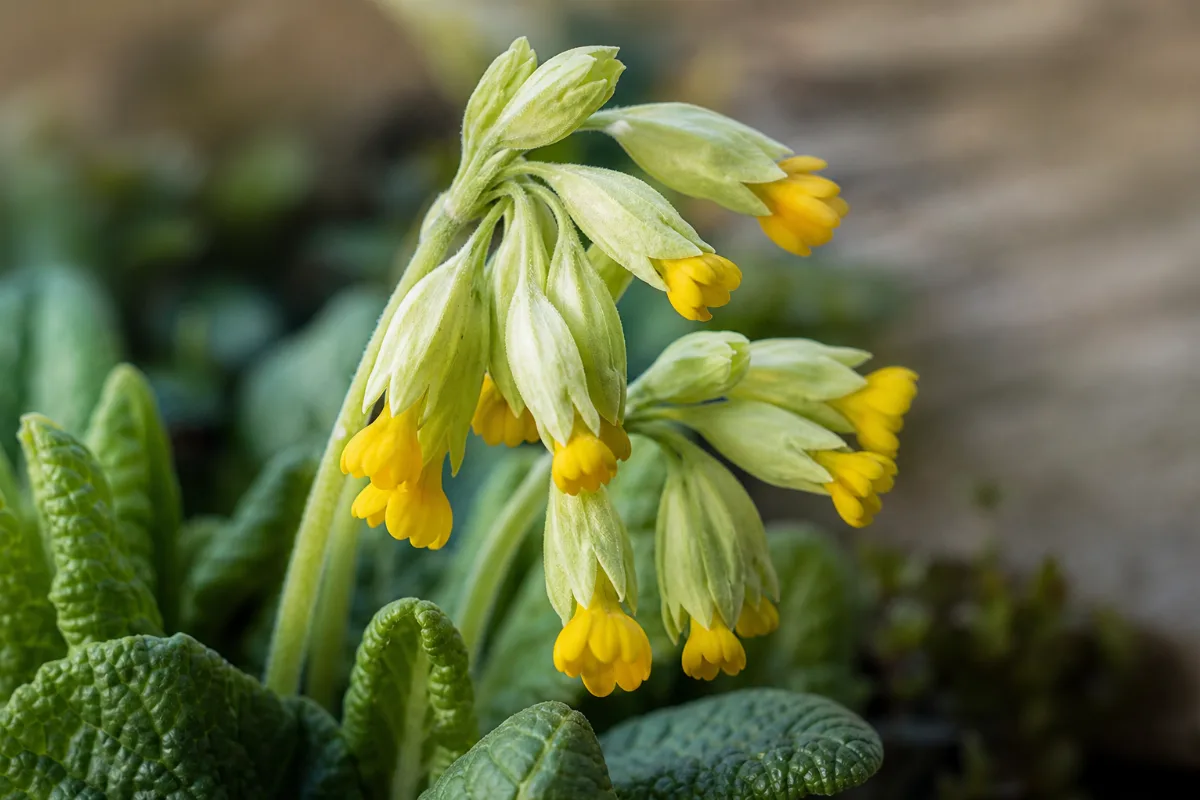
Cowslip is a yellow European spring flower whose flowers and roots are used as traditional cough remedies. The EU accepts them as expectorants for coughs with colds, based on long use. We found no trial of cowslip on its own; the trials are of thyme plus primrose root products, and of Sinupret, a mixture that includes cowslip flower. Key caution: do not use it if you are allergic to primula plants, and avoid it in pregnancy, breastfeeding and young children.
General information, not medical advice. Last substantive update · Not medically reviewed. A named clinician has not signed off on this page. How this page is made
About Cowslip
Cowslip (Primula veris) is a European plant whose flower and root are traditional cough herbs. The EU accepts them for coughs with colds on long use. Real trials exist only for thyme plus primrose root products and for the Sinupret mixture, not for cowslip on its own.
What cowslip is
Cowslip is a spring wildflower of the primrose family. Two parts are used: the yellow flowers and the root. The EU herbal committee also covers a close relative, oxlip (Primula elatior), in the same monographs.
The root holds saponins, such as primulic acid, and phenolic glycosides called primverin and primulaverin. Saponins are the compounds thought to give the cough effect.
What the evidence shows
The EU regulator accepted cowslip root and flower as traditional expectorants for coughs with colds. That means long use, not trial proof. It found no clinical trials of the flower, and none of the root as the only active ingredient.
For thyme plus primrose root products, two placebo-controlled trials in adults with acute bronchitis found bigger improvements than placebo. In 361 adults, daytime coughing fits fell 67.1% with the tablet and 51.3% with placebo. In 150 adults, 58.7% were symptom free with the drops against 5.3% on placebo. The placebo groups also improved a lot, and these were branded products with funding not stated in the abstracts. The EU accepts specific combinations as well-established use in adults. A third trial compared two thyme plus primrose liquids and had no placebo.
Sinupret and sinus infection
Cowslip flower is one ingredient in Sinupret, a German sinus product (its makeup is not stated in the abstracts we read, so we have not verified it here). Pooled data from two trials of the extract in 589 adults found the symptom score fell from 10.02 to 2.47 with the extract and from 9.87 to 3.63 with placebo. A 2016 systematic review said it might be helpful but that the trials are few and uneven. These findings are for the whole mixture, not for cowslip.
How it may work
The EU assessment report proposes that saponins irritate the stomach lining, which reflexly raises airway secretions and thins phlegm. This is not proven in people. In mice and cell tests, a thyme plus primula root tablet lowered lung inflammation and a mucus protein.
Not the same as evening primrose
Evening primrose (Oenothera biennis) is a different plant, sold for its seed oil. Do not swap it for cowslip.
At a glance
Traditional uses history, not proof
- Flower tea or root preparations for chesty coughs with a cold
- Part of European herbal cough and sinus products
Studied for research
- Cough and acute bronchitis (as thyme plus primrose root products)
- Acute sinus infection (as part of the Sinupret mixture)
- Mucus and inflammation, in lab and animal work
Main compounds
- Triterpenoid saponins, including primulic acid (root)
- Phenolic glycosides: primverin and primulaverin (root)
- Primin, a skin allergen in other primula plants (not in the root)
Common forms
- Dried flower or root tea (traditional)
- Liquid extracts and tinctures
- Dry or soft root extracts
- Thyme plus primula root combination products
Research links: EMA: primula root summary · EMA: primula flower summary · EMA: thyme plus primula root summary · Thyme plus primrose root, placebo trial in 361 adults (2007) · Thyme plus primrose root drops, placebo trial (2005) · BNO 1016 (Sinupret extract) in sinus infection (2015) · Systematic review of herbs for acute sinus infection (2016) · Primula obconica contact allergy (2004) · Research Library · Genes & Biomarkers Library
The plant and its history
- Accepted scientific name
- Primula veris L.
- Naming authority
- L.
- Common names
- Cowslip (English); Primula (English); Primula root (Primulae radix) (Latin pharmacopoeia name); Primula flower (Primulae flos) (Latin pharmacopoeia name)
- Botanical family
- Primulaceae (primrose family)
- Classification
- Plantae > Ericales > Primulaceae > Primula > Primula veris
- Native range
- Europe and western Asia (not verified in a source we could read).
- Habitat
- Not described in the sources read.
- What the plant looks like
- Roots: Rhizome and root are the part used in primula root products.; Stems: Not described.; Leaves: Not described.; Flowers: Yellow flowers are the part used in primula flower products (EMA).; Fruit: Not described.; Cultivation: Not verified.
- Cultivation
- Not verified.
- Harvest and processing
- EMA says the medicinal preparations are dried and comminuted plant, or liquid, soft or dry extracts.
- Look-alikes and adulterants
- Name: Oxlip (Primula elatior); Note: A close relative that the EU monographs cover together with cowslip.; Name: Primula obconica (poison primrose, a houseplant); Note: A different species known for causing skin contact allergy through primin. Not the medicinal herb.; Name: Evening primrose (Oenothera biennis); Note: A different plant from a different family, sold for its seed oil. Not the same herb.; Name: Primrose (Primula vulgaris); Note: A relative; the EU monographs name only P. veris and P. elatior.
- Sustainability and conservation
- Not assessed here.
Traditional use and history history, not clinical proof
| Tradition or era | Documented use | Source |
|---|---|---|
| European folk medicine | Flower tea and root preparations used for chesty coughs with colds. The EMA accepts this as traditional use (at least 30 years, including 15 in the EU). | s-ema-radix |
| Modern German phytotherapy | Primrose root combined with thyme in branded cough products; EMA accepts specific combinations as well-established use for productive cough in adults. | s-ema-combo |
Traditional use shows how a plant was used. It does not show that a supplement works or is safe today.
What is inside, and how it may work
What the plant contains and how those compounds act in cells and animals. Laboratory and animal mechanisms are not proven effects in people.
Main compounds
| Compound | Family | Where it is concentrated | Activity studied | Level of evidence |
|---|---|---|---|---|
| Primulic acid (triterpenoid saponin) PubChem 90474507 | triterpenoid saponin | root Not stated | Thought to irritate the stomach lining and so increase airway secretion (proposed) 5 19 | Lab animal |
| Primulaverin (phenolic glycoside) PubChem 3083558 | phenolic glycoside (methoxy-salicylic acid methyl ester primeveroside) | root Primverin and primulaverin together up to 2.3% (EMA) | Odour compounds after drying; aspirin-like chemistry is a theoretical interaction concern 5 19 | Lab animal |
| Primverin (phenolic glycoside) PubChem 12305731 | phenolic glycoside | root See above | As above 5 19 | Lab animal |
| Primin (quinone) PubChem 84800 | benzoquinone | aerial parts; Primula obconica Not stated | Skin contact allergen (mainly P. obconica); EMA says not in the root 1 13 5 19 | Human data |
Mechanisms, receptors and pathways
| Target or pathway | Gene or receptor | What was found | Level |
|---|---|---|---|
| Reflex increase in airway secretions | Not identified | Proposed: saponins irritate the stomach lining, which reflexly raises bronchial secretion, thins mucus and lowers its stickiness. Surface-tension effects of saponins may also help. Not proven in people (EMA assessment report). 5 | Lab animal |
| Mucus production and inflammation (thyme plus primula root combination) | MUC5AC; IL-8 (older cell study) | In mice and human airway cells a thyme plus primula root tablet lowered lung inflammation and a main mucus protein. An older cell study found primula extract lowered an inflammatory signal, with thyme adding to it. 20 5 | Lab animal |
| Antifungal and antibacterial effects | Not applicable | Common to saponins; primula root extracts showed stronger antifungal than antibacterial effects in old lab tests. 5 | Laboratory research |
Absorption, metabolism and elimination
- Absorption
- No data (EMA assessment report: no pharmacokinetic data available).
- Distribution
- No data.
- Metabolism
- No data for primula. Blood alcohol from an ethanol-containing combination liquid was measured in children (low).
- Elimination
- No data.
- Bioavailability
- Not established.
Isolated compounds versus whole extracts
The root works, if it works, as a whole extract of many saponins. No single compound has been shown to account for the traditional effect. The human trials used thyme plus primrose root mixtures, so even the whole-root effect on its own is untested.
Nutritional composition
Cowslip is a medicinal herb. It is not a source of a nutrient we can rely on.
2 low certainty4 not enough evidence
What was looked at
The 6 benefits and uses checked for Cowslip, each with how strong the evidence is. Tap one to open it.
- Cough with a cold: cowslip flower or root on its own (traditional use)Not enough evidence
- Acute bronchitis with a productive cough: thyme plus primula root productsLow certainty
- Cough in children: thyme plus primrose root liquidNot enough evidence
- Thinning and clearing mucus (how it may work, from lab and animal studies)Not enough evidence
- Acute sinus infection: Sinupret plant mixture (cowslip flower is one ingredient)Low certainty
- Germ-fighting effects in the labNot enough evidence
Lab markers tracked in the studies
Daytime coughing fitsBronchitis Severity Score (BSS)Blood alcohol after a liquid dose (children)MUC5AC mucin (animal and cell tests)Major symptom score (acute sinus infection)Sinus quality-of-life questionnaire
What is Cowslip good for?
Cowslip alone is accepted in the EU only on traditional use. Results from trials belong to combination products. See the Safety tab before use.
Benefits, one by one
Each card is a research question, not a promise. Tap a goal to filter. Open a card to see the studies, doses and limits.
Cough with a cold: cowslip flower or root on its own (traditional use)
Not enough evidenceIn the EU, cowslip flower and root are accepted as traditional herbal expectorants for coughs with colds. That approval rests on long use. The EU regulator says there are no clinical studies of cowslip flower, and none of the root as the only active ingredient.
3 studiesEU-accepted forms are dried flower or root as tea, liquid extracts an…
Studies, doses and limits
What the trials found
No clinical trial of cowslip flower or of the root as the only active ingredient was found by the EU regulator (assessment report, 2012; public summaries). We found none either.
Results
No trial results exist for cowslip alone.
Effect sizes as reported
None available.
Why this rating
Tradition and old laboratory work only; no controlled trial of cowslip on its own.
Form and dose studied
EU-accepted forms are dried flower or root as tea, liquid extracts and dry extracts. We do not give amounts here; ask a doctor or pharmacist.
Who was studied
EU wording: adults and adolescents over 12 for most preparations; some root preparations from 4 to 12.
Limits
Traditional-use approval is not proof that it works. Most pharmacology is old laboratory work.
Why researchers looked
People in Europe have used cowslip flower tea and root preparations for chesty coughs for a very long time. Regulators checked the evidence.
Traditional use
Long traditional use in Europe; accepted by the EU herbal committee (HMPC) as traditional use.
Proposed mechanism Lab animal
Proposed: saponins in the root irritate the stomach lining, which reflexly increases airway secretions and thins mucus. Not proven in people.
A proposed mechanism does not show that the effect happens in people.
Do not use if allergic to primula plants. Avoid in pregnancy and breastfeeding; EMA says use in children under 12 is not established. See the Safety tab.
Acute bronchitis with a productive cough: thyme plus primula root products
Low certaintyIn two placebo-controlled trials of branded thyme plus primrose root products, adults with acute bronchitis had bigger drops in cough and bronchitis scores than on placebo. These results belong to the combination products, not to primula root alone. The EU accepts certain thyme plus primula root products for productive cough in adults.
4 studiesTested products: Bronchipret TP tablets and Bronchicum drops (thyme p…
Studies, doses and limits
What the trials found
Two randomised placebo-controlled trials: 361 adults (dry-extract tablet, 11 days) and 150 adults (drops, 7 to 9 days). A third trial (189 adults) compared two thyme plus primrose root liquids with each other and had no placebo.
Results
In the 361-adult trial, daytime coughing fits fell 67.1% with the combination and 51.3% with placebo (p<0.0001). In the 150-adult trial the Bronchitis Severity Score fell from 12.0 to 1.0 with the combination and from 11.7 to 6.5 with placebo; 58.7% vs 5.3% were symptom free. Side effects were few and similar to placebo.
Effect sizes as reported
Cough-fit drop 67.1% vs 51.3%; severity score difference 5.8 points; symptom free 58.7% vs 5.3% (different trials, different products).
Why this rating
Two placebo-controlled trials, but both are of branded commercial products and funding is not stated in the abstracts. The placebo groups improved a lot. No independent review (such as a Cochrane review) was found. EMA rates specific combinations as well-established use. We rate this low for the combination and insufficient for primula alone.
Form and dose studied
Tested products: Bronchipret TP tablets and Bronchicum drops (thyme plus primrose root). Amounts are not given here.
Who was studied
Adults whose acute bronchitis had started within about 2 days.
Limits
A different product (not cowslip alone). Short colds often settle by themselves. Manufacturer links likely but not confirmed in the abstracts.
Why researchers looked
Thyme plus primula root is a classic German cough pairing, and manufacturers have run trials of their own products.
Traditional use
Used for chesty coughs in Europe; accepted by the HMPC as well-established use for specific combinations.
Proposed mechanism Animal research
Unknown in people. In mice and cell tests the combination lowered lung inflammation and a mucus protein (MUC5AC).
A proposed mechanism does not show that the effect happens in people.
Do not use if allergic to primula plants. Avoid in pregnancy and breastfeeding; EMA says use in children under 12 is not established. See the Safety tab.
Cough in children: thyme plus primrose root liquid
Not enough evidenceThe only child data we found is a small uncontrolled study of 16 children aged 1 to 12 using a thyme plus primrose root liquid. It was set up to check blood alcohol, not to prove benefit. The EU regulator says children's studies of these combinations had no control group.
2 studiesAlcohol-containing liquid (4.9% ethanol in the product tested).
Studies, doses and limits
What the trials found
One uncontrolled study, 16 children (aged 1 to 12), 7 to 9 days.
Results
All blood alcohol levels stayed under the EMA safety threshold. The Bronchitis Severity Score fell from 6.6 to 0.9. Tolerability was rated good or very good in over 90% of cases.
Effect sizes as reported
Not a controlled comparison.
Why this rating
Very small, no control group. It shows low blood alcohol in this product, not that the product works.
Form and dose studied
Alcohol-containing liquid (4.9% ethanol in the product tested).
Who was studied
Children 1 to 12 years.
Limits
No control group; the improvement may be natural recovery.
Why researchers looked
The liquid contains ethanol, so researchers checked whether it raised a child's blood alcohol.
Traditional use
Some thyme plus primula root products are accepted in the EU from age 4 or 12 depending on the product.
Proposed mechanism Not studied
Not studied.
A proposed mechanism does not show that the effect happens in people.
Children under 12: EMA says use of most primula preparations is not established. Ask a doctor first.
Thinning and clearing mucus (how it may work, from lab and animal studies)
Not enough evidenceLab and animal work suggests primula saponins and a thyme plus primula root combination act on airway mucus and inflammation. This is early science, not proof for people.
2 studiesNot applicable.
Studies, doses and limits
What the trials found
No human data on the mechanism.
Results
In mice with lung inflammation, a thyme plus primula root tablet cut immune-cell influx, a mucus protein (MUC5AC) and goblet-cell numbers; cell tests agreed. An older cell study (cited by EMA) found primula extract lowered an inflammation signal (IL-8) and that thyme added to the effect.
Effect sizes as reported
Not applicable (animal and cell work).
Why this rating
Animal and cell studies only, mostly on a combination product.
Form and dose studied
Not applicable.
Who was studied
Not applicable.
Limits
Cannot be credited to primula alone or assumed in people.
Why researchers looked
Researchers want to know why the herb might help a chesty cough.
Traditional use
Traditional description: it helps loosen phlegm.
Proposed mechanism Lab animal
Proposed reflex action through the stomach lining; lab evidence of lowered inflammation signals and mucin production for the thyme plus primula combination.
A proposed mechanism does not show that the effect happens in people.
Do not use if allergic to primula plants. Avoid in pregnancy and breastfeeding; EMA says use in children under 12 is not established. See the Safety tab.
Acute sinus infection: Sinupret plant mixture (cowslip flower is one ingredient)
Low certaintyCowslip flower is one of several plants in Sinupret, a German sinus product. A pooled analysis of two placebo-controlled trials of its extract found a small extra symptom improvement over placebo. A systematic review said it might be helpful but the trials are few and uneven. These results are for the whole mixture, not for cowslip.
2 studiesTested as a fixed branded extract; amounts not given here.
Studies, doses and limits
What the trials found
Pooled data from two placebo-controlled trials in 589 adults with acute viral rhinosinusitis (15 days); a 2016 systematic review of seven trials of six herbal products.
Results
Symptom score fell from 10.02 to 2.47 with BNO 1016 and from 9.87 to 3.63 with placebo (difference 1.16 points, p<0.0001); quality of life also improved more (p=0.0015). The review judged BNO 1016 and BNO 101 (Sinupret) 'might be helpful'.
Effect sizes as reported
Difference of 1.16 symptom points over placebo.
Why this rating
Mixture product with several plants, unknown contribution of cowslip; few trials; branded product with funding not stated; reviewers call for more research.
Form and dose studied
Tested as a fixed branded extract; amounts not given here.
Who was studied
Adults with acute viral rhinosinusitis.
Limits
Cannot be credited to cowslip alone.
Why researchers looked
Sinupret is a branded mixture used in Europe for blocked and infected sinuses; cowslip flower is among its plants (per the product's wider literature; composition is not stated in the abstracts we read and is NOT verified here).
Traditional use
Cowslip flower tea has been used traditionally for colds.
Proposed mechanism Not studied
Unknown for cowslip. Mixture effects are not explained in the abstracts read.
A proposed mechanism does not show that the effect happens in people.
Do not use if allergic to primula plants. Avoid in pregnancy and breastfeeding; EMA says use in children under 12 is not established. See the Safety tab.
Germ-fighting effects in the lab
Not enough evidenceOld lab experiments found that primula root saponins can slow fungi and some bacteria in a dish. This is a common property of saponins from many plants and has not been tested in people.
1 studiesNot applicable.
Studies, doses and limits
What the trials found
No human data.
Results
Primula root extracts were among the more active against fungi in a 1966 comparison of 30 saponin plants; antibacterial effect was weaker (as reported by the EMA assessment report).
Effect sizes as reported
Not applicable.
Why this rating
Old in vitro work, reported second-hand through the EMA report.
Form and dose studied
Not applicable.
Who was studied
Not applicable.
Limits
Does not show any benefit in infections.
Why researchers looked
Researchers tested plant saponins against microbes.
Traditional use
None specific.
Proposed mechanism Lab animal
Saponins can disturb microbe cell membranes (general property; not shown for cowslip in people).
A proposed mechanism does not show that the effect happens in people.
Do not use if allergic to primula plants. Avoid in pregnancy and breastfeeding; EMA says use in children under 12 is not established. See the Safety tab.
Connections to the rest of health
How Cowslip connects to the rest of our health knowledge graph. Every link says what kind of connection it is. A safety link (for example to the liver) is a warning, not a benefit. A study that merely mentions a topic never creates a benefit link.
Explore every connection: goals, body systems, organs, symptoms, genes
A. Wellness goals
| Connected to | Kind of connection | Evidence status | Context | Studies |
|---|---|---|---|---|
| Breathing Support | Traditional use | Not enough evidence | Cough with a cold: cowslip flower or root on its own (traditional use): In the EU, cowslip flower and root are accepted as traditional herbal expectorants for coughs with colds. That approval rests on long use. The EU regulator says there are no clinical studies of cowslip flower, and none of the root as the only active ingredient. | 2 3 5 |
| Immune Support | Traditional use | Not enough evidence | Cough with a cold: cowslip flower or root on its own (traditional use): In the EU, cowslip flower and root are accepted as traditional herbal expectorants for coughs with colds. That approval rests on long use. The EU regulator says there are no clinical studies of cowslip flower, and none of the root as the only active ingredient. | 2 3 5 |
| Breathing Support | Low certainty | Acute bronchitis with a productive cough: thyme plus primula root products: In two placebo-controlled trials of branded thyme plus primrose root products, adults with acute bronchitis had bigger drops in cough and bronchitis scores than on placebo. These results belong to the combination products, not to primula root alone. The EU accepts certain thyme plus primula root products for productive cough in adults. Cough in children: thyme plus primrose root liquid: The only child data we found is a small uncontrolled study of 16 children aged 1 to 12 using a thyme plus primrose root liquid. It was set up to check blood alcohol, not to prove benefit. The EU regulator says children's studies of these combinations had no control group. | 15 11 12 4 17 14 16 | |
| Breathing Support | Not enough evidence | Thinning and clearing mucus (how it may work, from lab and animal studies): Lab and animal work suggests primula saponins and a thyme plus primula root combination act on airway mucus and inflammation. This is early science, not proof for people. | 20 5 | |
| Immune Support | Low certainty | Acute sinus infection: Sinupret plant mixture (cowslip flower is one ingredient): Cowslip flower is one of several plants in Sinupret, a German sinus product. A pooled analysis of two placebo-controlled trials of its extract found a small extra symptom improvement over placebo. A systematic review said it might be helpful but the trials are few and uneven. These results are for the whole mixture, not for cowslip. | 14 16 | |
| Immune Support | Not enough evidence | Germ-fighting effects in the lab: Old lab experiments found that primula root saponins can slow fungi and some bacteria in a dish. This is a common property of saponins from many plants and has not been tested in people. | 5 |
B. Body systems
| Connected to | Kind of connection | Evidence status | Context | Studies |
|---|---|---|---|---|
| Respiratory System | Biological association | Not enough evidence | Studied for: Cough with a cold: cowslip flower or root on its own (traditional use) Studied for: Acute bronchitis with a productive cough: thyme plus primula root products | 2 3 5 15 11 12 4 17 20 14 16 |
| Immune System | Biological association | Not enough evidence | Studied for: Germ-fighting effects in the lab | 5 |
I. Biomarkers
| Connected to | Kind of connection | Evidence status | Context | Studies |
|---|---|---|---|---|
| Daytime coughing fits | Biological association | Low certainty | Measured in trials: decrease. A lab change is not the same as a health benefit. | 15 |
| Bronchitis Severity Score (BSS) | Biological association | Low certainty | Measured in trials: decrease. A lab change is not the same as a health benefit. | 11 15 |
| Blood alcohol after a liquid dose (children) | Biological association | Low certainty | Measured in trials: stayed below threshold. A lab change is not the same as a health benefit. | 17 |
| MUC5AC mucin (animal and cell tests) | Biological association | Very low certainty | Measured in trials: decrease (mice and cells). A lab change is not the same as a health benefit. | 20 |
| Major symptom score (acute sinus infection) | Biological association | Low certainty | Measured in trials: decrease. A lab change is not the same as a health benefit. | 14 |
| Sinus quality-of-life questionnaire | Biological association | Low certainty | Measured in trials: improvement. A lab change is not the same as a health benefit. | 14 |
L. Active compounds
| Connected to | Kind of connection | Evidence status | Context | Studies |
|---|---|---|---|---|
| Primulic acid (root saponin) | Low certainty | Main type of saponin in cowslip root; thought to drive the expectorant action. Main saponin type in cowslip root; thought to drive the expectorant action. Preparation or compound: root |
5 | |
| Primin | Adverse effect or risk | Moderate certainty | Skin allergen of primula plants (mainly the houseplant P. obconica), not found in the root per EMA. Preparation or compound: aerial parts and Primula obconica |
1 13 5 |
| Primulic acid (triterpenoid saponin) | Biological association | Lab animal | Thought to irritate the stomach lining and so increase airway secretion (proposed) Preparation or compound: root |
5 19 |
| Primulaverin (phenolic glycoside) | Biological association | Lab animal | Odour compounds after drying; aspirin-like chemistry is a theoretical interaction concern Preparation or compound: root |
5 19 |
| Primverin (phenolic glycoside) | Biological association | Lab animal | As above Preparation or compound: root |
5 19 |
| Primin (quinone) | Biological association | Human | Skin contact allergen (mainly P. obconica); EMA says not in the root Preparation or compound: aerial parts; Primula obconica |
1 13 5 19 |
Each connection is stored with the ingredient, the connected record, the kind of connection, the evidence status, the supporting studies, the preparation or compound involved, and a review date (last reviewed October 25, 2026).
The evidence
The research centre for Cowslip. Every record here was checked against PubMed or the publisher's page; we never list a study we have not verified.
Evidence by outcome
Bars show how many studies we found for each outcome, not how well it works. People are added up across trials only (reviews are not added, to avoid double counting).
How we rate evidence
High certainty
Several well-run trials or reviews agree; further research is unlikely to change the picture much.
Moderate certainty
Good trials point the same way, but some doubt remains.
Low certainty
Small, short or inconsistent trials. The finding could change with better research.
Very low certainty
Very little or very weak human data. Treat as a possibility only.
Mixed findings
Trials or reviews disagree with each other.
Not enough evidence
Not enough human research to say either way.
Evidence against
Good research found no benefit, or found harm.
We take the reviewers' own risk-of-bias and GRADE statements where they exist, and otherwise judge from study size, design, consistency, directness and whether a product matches what is sold. Many publications do not make evidence high. Method note: We built on our existing summary, read PubMed abstracts, and read the EMA public summaries, monographs, assessment report and 2025 addendum. FDA, NCCIH and WHO pages were not read, and the page says so.
Study library: every study we checked 20
| Study | Design | People | Product, dose, length | Result |
|---|---|---|---|---|
| Connolly 2004 Primula obconica--is contact allergy on the decline? Contact Dermatitis · PMID 15500665 · DOI |
Other observational |
UK patients patch-tested for primin allergy, 1995 to 2002; UK seed suppliers and retailers | Patch tests with primin (the main skin allergen of the houseplant Primula obconica); no one took a herbal product Not applicable Not stated in abstract Not applicable · vs None |
The yearly rate of primin contact allergy fell from 0.785% (1995/1996) to 0.429% (2002), a significant drop (P=0.001), after primin-free varieties of Primula obconica appeared. The authors say primin is still an important allergen. Primin allergy still occurs but is falling Methods, limits and fundingOutcomes: Rate of positive primin patch tests Limitations: About a different species (P. obconica, a houseplant), not cowslip. Shows that contact allergy exists in the genus; it does not show cowslip tea or root products cause it. Funding and conflicts: Not stated in abstract Read: abstract |
| EMA 2016 Primulae radix - herbal medicinal product (public summary) European Medicines Agency · Source |
Regulatory not applicable |
Not applicable | Not applicable Not applicable Not stated in abstract Not applicable · vs None |
The HMPC concluded that primula root (Primula veris and/or P. elatior) can be used as an expectorant for coughs with colds, based on long-standing (traditional) use. Most root preparations are for adults and adolescents over 12; some specific ones may be used from 4 to 12 years. The conclusion rests on traditional use because there is not enough clinical-trial evidence. There are no clinical studies with preparations containing primula root only. Lab studies showed more airway secretions, making phlegm thinner. See a doctor if symptoms last over a week or worsen. Traditional use only (EU) Methods, limits and fundingOutcomes: Regulator conclusions Limitations: Page paraphrased; the public summary is first published 2016 per the page. No trial of the root alone. Funding and conflicts: Public regulator (EU) Read: web page |
| EMA 2016 Primulae flos - herbal medicinal product (public summary) European Medicines Agency · Source |
Regulatory not applicable |
Not applicable | Not applicable Not applicable Not stated in abstract Not applicable · vs None |
The HMPC concluded that primula flower can be used as an expectorant for coughs with colds, based on traditional use, in adults and adolescents over 12. No clinical studies have been carried out with primula flower. Primula flower medicines must not be used by people allergic to primula flower or other primula species. Allergic reactions have been reported. Traditional use only (EU); allergy warning Methods, limits and fundingOutcomes: Regulator conclusions Limitations: Page paraphrased. No trial of the flower. Funding and conflicts: Public regulator (EU) Read: web page |
| EMA 2016 Thymi herba and Primulae radix combination - herbal medicinal product (public summary) European Medicines Agency · Source |
Regulatory not applicable |
Not applicable | Not applicable Not applicable Not stated in abstract Not applicable · vs None |
The HMPC concluded that certain thyme plus primula root preparations can be used as an expectorant for productive cough in adults based on well-established use (clinical studies in adults). Other combinations are accepted for coughs with colds on traditional use. Studies in children had no control group, so firm conclusions could not be drawn. Well-established use (adults, specific combinations); children uncontrolled Methods, limits and fundingOutcomes: Regulator conclusions Limitations: Applies to the specific thyme plus primula root combinations, not to primula alone. Funding and conflicts: Public regulator (EU) Read: web page |
| EMA HMPC 2012 Assessment report on Primula veris L. and/or Primula elatior (L.) Hill, radix (EMA/HMPC/113577/2012) European Medicines Agency · Source |
Regulatory not applicable |
Not applicable | Not applicable Not applicable Not stated in abstract Not applicable · vs None |
Controlled clinical studies with preparations containing primula root as the only active ingredient are lacking, so only traditional use is possible. The root contains triterpenoid saponins and phenolic glycosides (primverin, primulaverin, up to 2.3%). The root does not contain primin; the report says the skin-allergy compounds occur in the aerial parts. It proposes that saponins irritate the stomach lining and so reflexly increase airway secretions, which thins mucus (a proposed, not proven, mechanism). Saponins in general are thought to increase absorption of other substances; no interactions have been reported. Lab experiments showed antifungal and some antibacterial effects typical of saponins. No toxicity data specific to Primula were available. Traditional use only; lab mechanisms; no signals of concern Methods, limits and fundingOutcomes: Regulator conclusions Limitations: Report from 2012; most pharmacology is old laboratory work. Funding and conflicts: Public regulator (EU) Read: full text (PDF text) |
| EMA HMPC 2012 Community herbal monograph on Primula veris L. and/or Primula elatior (L.) Hill, flos (EMA/HMPC/136582/2012) European Medicines Agency · Source |
Regulatory not applicable |
Not applicable | Not applicable Not applicable Not stated in abstract Not applicable · vs None |
Contraindication: hypersensitivity to the active substance or to other Primula species. Use in children under 12 not established. Caution in people with gastritis or stomach ulcer. Interactions: none reported. Pregnancy and breastfeeding: not recommended (safety not established). Undesirable effects: allergic reactions may occur, frequency not known. Overdose may cause stomach upset, vomiting or diarrhoea. Safety wording of the EU monograph (flower) Methods, limits and fundingOutcomes: Regulator conclusions Limitations: Monograph dated 2012. Funding and conflicts: Public regulator (EU) Read: full text (PDF text) |
| EMA HMPC 2012 Community herbal monograph on Primula veris L. and/or Primula elatior (L.) Hill, radix (EMA/HMPC/104095/2012) European Medicines Agency · Source |
Regulatory not applicable |
Not applicable | Not applicable Not applicable Not stated in abstract Not applicable · vs None |
Contraindication: hypersensitivity to the active substance. Caution in people with gastritis or stomach ulcer. Use in children under 12 not established (some preparations: not recommended under 4). Pregnancy and breastfeeding: safety not established, use not recommended. Interactions: none reported. Undesirable effects: none known. Overdose may cause stomach upset, vomiting or diarrhoea. No tests of reproductive toxicity, genotoxicity or cancer were done. Safety wording of the EU monograph (root) Methods, limits and fundingOutcomes: Regulator conclusions Limitations: Monograph dated 2012; the 2025 review found no reason to change it. Funding and conflicts: Public regulator (EU) Read: full text (PDF text) |
| EMA HMPC 2025 Addendum to assessment report on Primula veris L. / Primula elatior (L.) Hill, radix (EMA/HMPC/216180/2025) European Medicines Agency · Source |
Regulatory not applicable |
Not applicable | Not applicable Not applicable Not stated in abstract Not applicable · vs None |
In its 2012-2025 review the HMPC found two case reports in the EU safety database (EudraVigilance): one Stevens-Johnson syndrome and one toxic epidermal necrolysis, both severe skin reactions. It judged that these might be related to the illness, other medicines taken at the same time, or chance, and that neither could be tied to primula root, so the monograph did not need changing. Two severe skin case reports; no causal link established Methods, limits and fundingOutcomes: Regulator conclusions Limitations: Case reports cannot show cause. Not a safe-use guarantee either. Funding and conflicts: Public regulator (EU) Read: full text (PDF text) |
| GBIF 2026 GBIF Backbone Taxonomy species match: Primula veris GBIF API · Source |
Database not applicable |
Not applicable | Not applicable Not applicable Not stated in abstract Not applicable · vs None |
Primula veris L. is the ACCEPTED name (GBIF key 8377689), family Primulaceae, order Ericales, exact match. Accepted name confirmed Methods, limits and fundingOutcomes: Regulator conclusions Limitations: Database record; paraphrased. Funding and conflicts: Public regulator (EU) Read: web page |
| GBIF 2026 GBIF Backbone Taxonomy species match: Primula elatior GBIF API · Source |
Database not applicable |
Not applicable | Not applicable Not applicable Not stated in abstract Not applicable · vs None |
Primula elatior (L.) L. is the ACCEPTED name (GBIF key 5414326), family Primulaceae, exact match. Accepted name confirmed Methods, limits and fundingOutcomes: Regulator conclusions Limitations: Database record; paraphrased. Funding and conflicts: Public regulator (EU) Read: web page |
| Gruenwald 2005 Efficacy and tolerability of a fixed combination of thyme and primrose root in patients with acute bronchitis. A double-blind, randomized, placebo-controlled clinical trial. Arzneimittelforschung · PMID 16366041 · DOI |
Controlled trial |
150 Adult outpatients with untreated acute bronchitis for under 48 hours |
Thyme fluid extract plus primrose root tincture drops (Bronchicum Tropfen, a branded combination) Thyme herb and primrose root Drops five times daily (as reported) 7 to 9 days · vs Placebo |
The score fell from 12.0 to 1.0 with the combination and from 11.7 to 6.5 with placebo (difference 5.8 points, p<=0.001, intention-to-treat). 58.7% were symptom free with the combination and 5.3% with placebo. Few side effects (2 vs 5 events); none serious. Larger fall in the Bronchitis Severity Score than placebo; more patients symptom free Methods, limits and fundingOutcomes: Bronchitis Severity Score (BSS); symptom-free patients; adverse events Limitations: Result belongs to this thyme plus primrose root product, not to primrose root alone. 17 of 150 patients were left out of the per-protocol analysis. Single-country commercial brand trial. Funding and conflicts: Not stated in abstract; a branded commercial product, so manufacturer involvement is likely but not confirmed here Read: abstract |
| Gruenwald 2006 Evaluation of the non-inferiority of a fixed combination of thyme fluid- and primrose root extract in comparison to a fixed combination of thyme fluid extract and primrose root tincture in patients with acute bronchitis. A single-blind, randomized, bi-centric clinical trial. Arzneimittelforschung · PMID 17009838 · DOI |
Controlled trial |
189 Adult outpatients with untreated acute bronchitis for under 48 hours |
Thyme fluid extract plus primrose root fluid extract (Bronchicum Elixir S) versus thyme plus primrose root tincture drops Thyme herb and primrose root Elixir 6 x 5 ml or drops 5 x 1 ml daily (as reported) 7 to 9 days · vs The other thyme plus primrose root product (no placebo) |
The score fell about 76% with the elixir and 77% with the drops, with no difference between them. About 52 to 54% were symptom free in each group. No serious side effects. Two thyme plus primrose root products worked about equally Methods, limits and fundingOutcomes: Bronchitis Severity Score; symptom-free patients; adverse events Limitations: No placebo group, so it cannot show benefit over no treatment. It only suggests the two liquid forms are comparable. Single-blind. 71 patients were left out of the per-protocol analysis. Funding and conflicts: Not stated in abstract; branded commercial products, so manufacturer involvement is likely but not confirmed here Read: abstract |
| Hassan 2023 Botanical Briefs: Primula obconica Dermatitis. Cutis · PMID 37224501 · DOI |
Narrative review |
Review of plant-induced contact dermatitis from Primula obconica | Skin contact with the plant; no one took a herbal product Whole plant Not stated in abstract Not applicable · vs None |
Primula obconica, a houseplant, can cause contact dermatitis, often on the face, hands and fingertips. The main allergens are primin and miconidin. Treatment is mainly to avoid the plant and use a topical steroid. Contact allergy is real for P. obconica Methods, limits and fundingOutcomes: Features, allergens and treatment of the dermatitis Limitations: About a different species and skin contact, not cowslip taken by mouth. Funding and conflicts: Not stated in abstract Read: abstract |
| Jund 2015 Herbal drug BNO 1016 is safe and effective in the treatment of acute viral rhinosinusitis. Acta Otolaryngol · PMID 25496178 · DOI |
Meta-analysis |
589 Adults with acute viral rhinosinusitis (pooled data from two placebo-controlled trials) |
BNO 1016, a Sinupret plant extract (five-plant combination; cowslip flower is one part, not stated in the abstract) Mixed plant extract 3 x 160 mg daily (as reported) 15 days · vs Placebo |
The symptom score fell from 10.02 to 2.47 with BNO 1016 and from 9.87 to 3.63 with placebo. The between-group difference was 1.16 points (p<0.0001). Quality of life also favoured BNO 1016 (p=0.0015). Small but significant extra improvement over placebo Methods, limits and fundingOutcomes: Major symptom score (day 14); quality-of-life questionnaire; safety Limitations: Result belongs to the whole plant mixture, not to cowslip. Pooled data from two trials of the same product; funding not stated in the abstract (branded product, manufacturer involvement likely). Funding and conflicts: Not stated in abstract; branded product Read: abstract |
| Kemmerich 2007 Evaluation of efficacy and tolerability of a fixed combination of dry extracts of thyme herb and primrose root in adults suffering from acute bronchitis with productive cough. A prospective, double-blind, placebo-controlled multicentre clinical trial. Arzneimittelforschung · PMID 17966760 · DOI |
Controlled trial |
361 Adult outpatients with acute bronchitis, productive cough, 10 or more coughing fits a day |
Thyme herb plus primrose root dry-extract tablet (Bronchipret TP, a branded combination) Thyme herb and primrose root 1 tablet three times daily (as reported) 11 days · vs Matched placebo |
Coughing fits fell by 67.1% with the combination and 51.3% with placebo (p<0.0001). Half of the starting cough count was reached about 2 days sooner with the combination. Responder rates were higher at visit 2 (77.5% vs 60.1%) and visit 3 (92.9% vs 75.8%). Side effects were similar in both groups; none were severe. Greater fall in coughing fits than placebo (67.1% vs 51.3%); placebo group also improved a lot Methods, limits and fundingOutcomes: Fall in daytime coughing fits (days 7-9); Bronchitis Severity Score; adverse events Limitations: Result belongs to this thyme plus primrose root product, not to primrose root alone. Placebo group improved strongly (colds often settle by themselves). Phase IV trial of a commercial product. Funding and conflicts: Not stated in abstract; a branded commercial product, so manufacturer involvement is likely but not confirmed here Read: abstract |
| Koch 2016 A Systematic Review of Phytotherapy for Acute Rhinosinusitis. Forsch Komplementmed · PMID 27404100 · DOI |
Systematic review |
Patients with acute rhinosinusitis (seven randomised or controlled trials of six herbal products) | Herbal products including BNO 1016 and BNO 101 (Sinupret) Mixed Not stated in abstract Not applicable · vs Placebo or other |
Seven trials were included, with mixed risk of bias. The reviewers concluded that BNO 1016 and BNO 101 "might be helpful" and that more and better trials are needed. Possibly helpful; low number of trials, mixed quality Methods, limits and fundingOutcomes: Symptom outcomes; risk of bias Limitations: Few trials and uneven quality; the review covers whole plant mixtures, not cowslip alone. Funding and conflicts: Not stated in abstract Read: abstract |
| Ludwig 2016 Evaluation of Blood Alcohol Concentrations after Oral Administration of a Fixed Combination of Thyme Herb and Primrose Root Fluid Extract to Children with Acute Bronchitis. Drug Res (Stuttg) · PMID 25823507 · DOI |
Other clinical |
16 Children aged 1 to 12 years with acute bronchitis for 48 hours or less |
Thyme herb plus primrose root fluid extract (Bronchicum Elixir, 4.9% ethanol) Thyme herb and primrose root Not stated in abstract 7 to 9 days · vs None |
All blood alcohol levels were below the safety threshold used by the EMA. The Bronchitis Severity Score fell from 6.6 to 0.9. Tolerability was rated good or very good in over 90% of cases. Blood alcohol stayed low; symptoms improved (uncontrolled) Methods, limits and fundingOutcomes: Blood alcohol levels after a dose (main aim); Bronchitis Severity Score; tolerability Limitations: Only 16 children and no control group, so it cannot show the product caused the improvement. Designed to check alcohol safety, not to prove benefit. Funding and conflicts: Not stated in abstract; a branded commercial product Read: abstract |
| NCBI Bookshelf 2026 NCBI Bookshelf search for LiverTox / LactMed entries on Primula NCBI Bookshelf · Source |
Database not applicable |
Not applicable | Not applicable Not applicable Not stated in abstract Not applicable · vs None |
A search of NCBI Bookshelf for primula or primrose with LiverTox or LactMed returned only an entry for Evening Primrose (a different plant) and the LactMed database front pages. No LiverTox or LactMed entry for Primula veris was found. No LiverTox or LactMed entry found Methods, limits and fundingOutcomes: Regulator conclusions Limitations: A negative search is not proof there is no liver or breastfeeding data. Funding and conflicts: Public regulator (EU) Read: web page |
| PubChem (NCBI) 2026 PubChem compound records: primulic acid, primulaverin, primverin, primin PubChem API · Source |
Database not applicable |
Not applicable | Not applicable Not applicable Not stated in abstract Not applicable · vs None |
PubChem returned: primulic acid CID 90474507 (C54H88O23); primulaverin CID 3083558 (C20H28O13); primverin CID 12305731 (C20H28O13); primin CID 84800 (C12H16O3). CIDs and formulas confirmed Methods, limits and fundingOutcomes: Regulator conclusions Limitations: Name lookups only; structure not reviewed. Funding and conflicts: Public regulator (EU) Read: web page |
| Seibel 2018 In vivo and in vitro investigation of anti-inflammatory and mucus-regulatory activities of a fixed combination of thyme and primula extracts. Pulm Pharmacol Ther · PMID 29698781 · DOI |
Animal in vitro animal |
Mice with lung inflammation; human respiratory epithelial cells in culture | Thyme herb plus primula root extract tablet (Bronchipret TP) given by mouth to mice; cell tests Thyme herb and primula root Not stated in abstract Up to 3 days (mice) · vs Untreated/inflamed controls |
The combination reduced immune-cell influx into the lung, the rise in mucin MUC5AC and goblet cell numbers in mice. Cell tests supported the mucin effect. Less lung inflammation and less mucus-protein in mice and cells Methods, limits and fundingOutcomes: Immune-cell influx into the lung; MUC5AC mucin protein; goblet cell numbers Limitations: Animal and cell work with a combination product; cannot be credited to primula alone or assumed to apply to people. Funding and any links to the product maker are not stated in the abstract. Funding and conflicts: Not stated in abstract Read: abstract |
What we do not know yet
- No clinical trial of cowslip flower or of primula root alone.
- Trials of thyme plus primrose root are of branded products; funding not stated.
- Sinupret results cannot be separated from its other plants.
- Little data in children, pregnancy or breastfeeding.
- No liver, kidney or long-term data.
- Salicylate and blood-thinner interactions untested.
How new research is added
New studies are found by a saved PubMed search and are placed in a review queue. A person reads each one before it changes any safety wording.
Lab markers
What changed in blood or saliva tests during trials. A changed number is not the same as feeling or being healthier, and we give no "normal ranges".
Other 6
Daytime coughing fits
Decrease in trials
Number of coughing fits counted by the patient during the day.
Low certaintyResults and what it means
Why it was measured
A direct measure of how much a cough bothers people.
Statistical vs. clinical meaning
Real symptom measure, but one trial of one branded combination.
Safety implication
Not a safety measure.
| Study | Result | People | Product |
|---|---|---|---|
| 15 | Fits fell 67.1% from the start with the thyme plus primrose root tablet and 51.3% with placebo (p<0.0001). | 361 adults with acute bronchitis | Thyme herb plus primrose root dry extract, 11 days |
Bronchitis Severity Score (BSS)
Decrease in trials
A doctor-rated score of cough, phlegm, chest rattling, chest pain and breathlessness.
Low certaintyResults and what it means
Why it was measured
Standard way to track acute bronchitis in trials.
Statistical vs. clinical meaning
Consistent direction in two trials of branded products; funding not stated.
Safety implication
Not a safety measure.
| Study | Result | People | Product |
|---|---|---|---|
| 11 | Score fell from 12.0 to 1.0 with the thyme plus primrose root drops and from 11.7 to 6.5 with placebo. | 150 adults with acute bronchitis | Thyme plus primrose root tincture drops, 7 to 9 days |
| 15 | More people responded with the tablet than with placebo at day 4 (77.5% vs 60.1%) and day 10 (92.9% vs 75.8%). | 361 adults | Thyme herb plus primrose root dry extract |
Blood alcohol after a liquid dose (children)
Stayed below threshold in trials
Alcohol level in the blood after an alcohol-containing herbal liquid.
Low certaintyResults and what it means
Why it was measured
The liquid contains ethanol, which matters for children.
Statistical vs. clinical meaning
Very small study; a safety check, not an effect measure.
Safety implication
Shows low alcohol exposure for this product only.
| Study | Result | People | Product |
|---|---|---|---|
| 17 | All values were below the EMA threshold of 0.125 per mille; the mean at 45 minutes was 0.0029 per mille. | 16 children aged 1 to 12 | Thyme plus primrose root liquid, 4.9% ethanol |
MUC5AC mucin (animal and cell tests)
Decrease (mice and cells) in trials
A main mucus protein made by airway cells.
Very low certaintyResults and what it means
Why it was measured
Excess thick mucus is a feature of bronchitis.
Statistical vs. clinical meaning
Animal and cell work only; not shown in people.
Safety implication
Not applicable.
| Study | Result | People | Product |
|---|---|---|---|
| 20 | The thyme plus primula root tablet lowered the rise in MUC5AC protein and goblet cells in mice with lung inflammation; cell tests supported it. | Mice; human airway cells in culture | Thyme herb plus primula root extract |
Major symptom score (acute sinus infection)
Decrease in trials
Doctor-rated score of the main sinus symptoms.
Low certaintyResults and what it means
Why it was measured
Standard outcome in sinus infection trials.
Statistical vs. clinical meaning
Small extra gain over placebo from a plant mixture.
Safety implication
Not a safety measure.
| Study | Result | People | Product |
|---|---|---|---|
| 14 | Score fell from 10.02 to 2.47 with BNO 1016 and from 9.87 to 3.63 with placebo; difference 1.16 points (p<0.0001). | 589 adults with acute viral rhinosinusitis (two trials pooled) | BNO 1016 plant extract, 15 days |
Sinus quality-of-life questionnaire
Improvement in trials
Patient questionnaire on sinus symptoms and their effect on daily life.
Low certaintyResults and what it means
Why it was measured
Shows how people feel, not just what a doctor scores.
Statistical vs. clinical meaning
Direction favours the mixture; size not reported in the abstract.
Safety implication
Not a safety measure.
| Study | Result | People | Product |
|---|---|---|---|
| 14 | Quality of life improved more with BNO 1016 than with placebo (p=0.0015); no numbers given in the abstract. | 589 adults | BNO 1016, 15 days |
Safety
What studies and official sources say about side effects, medicines and who should check first. Each point shows what kind of evidence it comes from.
Main points to know 4
- Do not use if you are allergic to primula plants. The EU flower monograph says primula flower must not be used by anyone allergic to it or to other Primula species, and that allergic reactions have been reported. The houseplant Primula obconica is a well-known cause of skin contact allergy through its compound primin; the EMA report says primin is found in the aerial parts, not the root. Skin allergy to P. obconica is about a different species and touching the plant; it does not show that cowslip tea causes it. Regulatory 6 3 5 1 13
- Not for pregnancy, breastfeeding or young children. The EU monographs say safety in pregnancy and breastfeeding has not been established and use is not recommended. Use under 12 is not established for most preparations. No studies in these groups were found. Regulatory 7 6
- Stomach irritation: caution with gastritis or ulcer. Saponins can irritate the stomach lining (this is part of the proposed way the herb works). The EU monographs advise caution in people with gastritis or stomach ulcer. Large amounts may cause stomach upset, vomiting or diarrhoea. Regulatory 7 6 5
- Evidence for cowslip itself is thin, so its safety record is thin too. The EU regulator found no clinical trials of primula root alone or flower, and no Primula-specific toxicity data. Reproductive toxicity, genotoxicity and cancer tests have not been done. 'None known' side effects means little was reported, not that none exist. Regulatory 5 7
Side effects 4
| Effect | How often | Severity and recovery | Evidence |
|---|---|---|---|
| Allergic reactions (flower products) The EMA flower monograph lists allergic reactions of unknown frequency. | Not known | varies Not described | Regulatory 6 3 |
| Stomach upset, vomiting or diarrhoea (overdose) EMA says very high doses may cause these; the report cites older reference books. | Not known | mild to moderate Expected to settle | Regulatory 7 5 |
| Severe skin reactions (Stevens-Johnson syndrome, toxic epidermal necrolysis): two case reports The HMPC could not link either case to primula root; illness, other medicines or chance may explain them. Listed so you know they exist, not as proof of cause. | Two reports in EU database, 2012 to 2025 | serious Not described | Pharmacovigilance report 8 |
| Few side effects in trials of thyme plus primrose root combinations Branded combination products; rates cannot be assigned to primula alone. | 2 vs 5 events (150-adult trial); no difference from placebo (361-adult trial) | mild Not described | Controlled trial 11 15 |
Liver
No case of liver injury linked to primula was found in the sources read. Neither LiverTox nor LactMed has a Primula veris entry (a search found only evening primrose, a different plant). The EMA assessment report says general saponin studies in rats showed liver-metabolism changes only at higher oral doses and that Primula-specific toxicity data are lacking. Absence of reports is not proof of safety. 18 5
How often. Unknown.
Monitoring. No official monitoring advice found. Seek care for yellow skin or eyes, dark urine or pale stools.
This is a safety connection. It is not evidence that Cowslip supports liver health.
Medicines and supplements 4
| With | Why it matters | Importance | Evidence | What to do |
|---|---|---|---|---|
| Aspirin and other salicylates (people with aspirin or salicylate allergy) prescription / OTC | Root phenolic glycosides (primverin, primulaverin) are sugar compounds of methoxy-salicylic acid methyl esters, so a salicylate link is a chemical possibility. No report of a reaction was found. | Unknown. Theory only. | Pharmacological theory Not enough evidence 5 | If you react to aspirin, mention it to your pharmacist before using primula products. |
| Blood thinners (warfarin, other anticoagulants) prescription | Salicylate-type esters could in theory add to blood thinning. The EMA report says no interactions have been reported; no study of primula with anticoagulants was found. | Unknown. Reasoned concern only. | Pharmacological theory Not enough evidence 5 7 | Ask your doctor or pharmacist before combining, especially if your INR is closely watched. |
| Other medicines taken by mouth prescription / OTC | Saponins in general are thought to increase absorption of other substances in the gut. This is a postulated effect; no interaction has been reported. | Unknown. | Pharmacological theory Not enough evidence 5 | If you take medicines with a narrow safety margin, ask your pharmacist. |
| Alcohol-containing liquid products alcohol | Many liquid extracts and tinctures contain ethanol; EMA requires ethanol labelling. | Matters for children, pregnancy, alcohol-use disorder, driving and medicines that react with alcohol. | Regulatory Moderate certainty 7 17 | Check the label for alcohol. In children, a small study of one syrup found blood alcohol below the EMA threshold, which does not apply to other products. |
Who should check first 5
| Situation | Advice | Evidence |
|---|---|---|
| Allergy to primula (including other Primula species) | Do not use. The EU flower monograph lists this as a contraindication. | Regulatory 6 3 |
| Pregnancy and breastfeeding | Avoid. Safety is not established. | Regulatory 7 6 |
| Children under 12 (most preparations) | Avoid unless a doctor advises; use is not established. A few root preparations are accepted in the EU from age 4 to 12 in specific products. | Regulatory 7 2 |
| Gastritis or stomach ulcer | Use caution and ask a doctor first. | Regulatory 7 6 |
| Cough with breathlessness, fever or pus-coloured phlegm, or lasting over a week | See a doctor; these can signal a more serious chest infection. | Regulatory 7 2 |
Overdose, product quality and regulators
Summary. No Primula-specific toxicity data were available to the EMA. The root saponins can irritate the stomach and gut. Large amounts may cause nausea, vomiting or diarrhoea.
Animal. The EMA report cites saponin studies in rats in general: no signs of toxic absorption, but liver-metabolism changes and kidney-cell fatty change at higher oral doses of saponins. Not specific to Primula.
Human doses studied. Not given here.
High dose or long term signals. Not studied.
Overdose response. Stomach upset, vomiting or diarrhoea (EMA monograph).
Genotoxicity. Reproductive toxicity, genotoxicity and cancer tests have not been performed (EMA monograph).
Toxic plant parts. Primin and other quinoid skin allergens are in the aerial parts of Primula (leaves, stems), not the root, per the EMA report. The houseplant Primula obconica is the classic skin allergen; cowslip is a different species.
We found no contamination or adulteration study for cowslip products. Primula veris and P. elatior are covered together in EU rules, and look-alike Primula species exist.
Species mix-ups. EU monographs cover Primula veris and/or P. elatior together. Other Primula species may differ in allergens, and the flower monograph's allergy warning extends to other Primula species. 6
| Body | Action | Date |
|---|---|---|
| European Medicines Agency (HMPC) (European Union) | Traditional-use monographs for primula root and flower as expectorants for coughs with colds; well-established use for specific thyme plus primula root combinations in adults. 2025 review kept the root monograph unchanged. source | Monographs 2012; public summaries 2016; addendum 2025 |
| LiverTox / LactMed (NCBI) (United States) | No Primula veris entry found in a Bookshelf search (only evening primrose). source | 2026-10-25 |
When to get medical help
- Rash, itching, swelling of the face or lips, or trouble breathing after use (allergy; get urgent care)
- Widespread painful skin rash, blistering or peeling, or sores in the mouth or eyes (rare severe skin reaction reported)
- Breathlessness, fever or pus-coloured phlegm, or a cough lasting over a week
Stop the supplement and contact a clinician or emergency service. In the US, Poison Control is 1-800-222-1222.
General information only, not medical advice. Ask a clinician or pharmacist before use, especially with medicines, in pregnancy or with a health condition. See the Natural Remedy Safety guide.
Frequently asked questions
What is cowslip?
Is cowslip proven to treat coughs?
What did the thyme plus primrose root trials show?
Does cowslip work for sinus infections?
What is in cowslip root?
Can cowslip cause allergy?
Is cowslip safe in pregnancy or breastfeeding?
Can children take it?
Does it irritate the stomach?
Does it interact with aspirin or blood thinners?
Are there serious side effects?
None known from trials, but the EU safety database lists two case reports of severe skin reactions (Stevens-Johnson syndrome and toxic epidermal necrolysis). Regulators could not link them to primula root. Seek urgent care for a spreading painful rash, blisters or peeling.
How much should I take?
This page does not give amounts. Ask a doctor or pharmacist, and follow the leaflet of any licensed product. See a doctor if the cough lasts over a week or comes with fever or breathlessness.
Explore by health goal
Editorial transparency
- Written by
- AlternativeMed editorial team. Research compiled with AI assistance, then checked against PubMed records.
- Medical review
- None. This page has not been reviewed by a physician or pharmacist.
- First published
- 2026-10-25
- Last substantive update
- 2026-10-25
- How we research
- We built on our existing summary, read PubMed abstracts, and read the EMA public summaries, monographs, assessment report and 2025 addendum. FDA, NCCIH and WHO pages were not read, and the page says so.
- How we rate evidence
- See "How we rate evidence" in the Evidence tab.
- Independence
- No product is promoted on this page. No affiliate links are shown.
Sources 20
Each source was opened and checked. Where we read only the abstract, it says so. The small numbers in the text point here.
- Connolly M, McCune J, Dauncey E, Lovell CR. Primula obconica--is contact allergy on the decline?. Contact Dermatitis. 2004. PMID 15500665. DOI 10.1111/j.0105-1873.2004.00427.x. (abstract)
- EMA. Primulae radix - herbal medicinal product (public summary). European Medicines Agency. 2016. (web page)
- EMA. Primulae flos - herbal medicinal product (public summary). European Medicines Agency. 2016. (web page)
- EMA. Thymi herba and Primulae radix combination - herbal medicinal product (public summary). European Medicines Agency. 2016. (web page)
- EMA HMPC. Assessment report on Primula veris L. and/or Primula elatior (L.) Hill, radix (EMA/HMPC/113577/2012). European Medicines Agency. 2012. (full text (PDF text))
- EMA HMPC. Community herbal monograph on Primula veris L. and/or Primula elatior (L.) Hill, flos (EMA/HMPC/136582/2012). European Medicines Agency. 2012. (full text (PDF text))
- EMA HMPC. Community herbal monograph on Primula veris L. and/or Primula elatior (L.) Hill, radix (EMA/HMPC/104095/2012). European Medicines Agency. 2012. (full text (PDF text))
- EMA HMPC. Addendum to assessment report on Primula veris L. / Primula elatior (L.) Hill, radix (EMA/HMPC/216180/2025). European Medicines Agency. 2025. (full text (PDF text))
- GBIF. GBIF Backbone Taxonomy species match: Primula veris. GBIF API. 2026. (web page)
- GBIF. GBIF Backbone Taxonomy species match: Primula elatior. GBIF API. 2026. (web page)
- Gruenwald J, Graubaum HJ, Busch R. Efficacy and tolerability of a fixed combination of thyme and primrose root in patients with acute bronchitis. A double-blind, randomized, placebo-controlled clinical trial.. Arzneimittelforschung. 2005. PMID 16366041. DOI 10.1055/s-0031-1296916. (abstract)
- Gruenwald J, Graubaum HJ, Busch R. Evaluation of the non-inferiority of a fixed combination of thyme fluid- and primrose root extract in comparison to a fixed combination of thyme fluid extract and primrose root tincture in patients with acute bronchitis. A single-blind, randomized, bi-centric clinical trial.. Arzneimittelforschung. 2006. PMID 17009838. DOI 10.1055/s-0031-1296754. (abstract)
- Hassan S, Mohammed TO, Malik S, Abouchaleh N. Botanical Briefs: Primula obconica Dermatitis.. Cutis. 2023. PMID 37224501. DOI 10.12788/cutis.0721. (abstract)
- Jund R, Mondigler M, Stammer H, Stierna P, et al.. Herbal drug BNO 1016 is safe and effective in the treatment of acute viral rhinosinusitis.. Acta Otolaryngol. 2015. PMID 25496178. DOI 10.3109/00016489.2014.952047. (abstract)
- Kemmerich B. Evaluation of efficacy and tolerability of a fixed combination of dry extracts of thyme herb and primrose root in adults suffering from acute bronchitis with productive cough. A prospective, double-blind, placebo-controlled multicentre clinical trial.. Arzneimittelforschung. 2007. PMID 17966760. DOI 10.1055/s-0031-1296656. (abstract)
- Koch AK, Klose P, Lauche R, Cramer H. A Systematic Review of Phytotherapy for Acute Rhinosinusitis.. Forsch Komplementmed. 2016. PMID 27404100. DOI 10.1159/000447467. (abstract)
- Ludwig S, Stier H, Weykam S. Evaluation of Blood Alcohol Concentrations after Oral Administration of a Fixed Combination of Thyme Herb and Primrose Root Fluid Extract to Children with Acute Bronchitis.. Drug Res (Stuttg). 2016. PMID 25823507. DOI 10.1055/s-0034-1398543. (abstract)
- NCBI Bookshelf. NCBI Bookshelf search for LiverTox / LactMed entries on Primula. NCBI Bookshelf. 2026. (web page)
- PubChem (NCBI). PubChem compound records: primulic acid, primulaverin, primverin, primin. PubChem API. 2026. (web page)
- Seibel J, Kryshen K, Pongracz JE, Lehner MD. In vivo and in vitro investigation of anti-inflammatory and mucus-regulatory activities of a fixed combination of thyme and primula extracts.. Pulm Pharmacol Ther. 2018. PMID 29698781. DOI 10.1016/j.pupt.2018.04.009. (abstract)