Herbs & Botanicals · Herbs · Traditional bitter herb for cough and digestion, with almost no human research
Horehound
Marrubium vulgare L. · also called White horehound, common horehound, hoarhound, marrube blanc (French), marrubio blanco (Spanish), Andorn (German), Marrubii herba
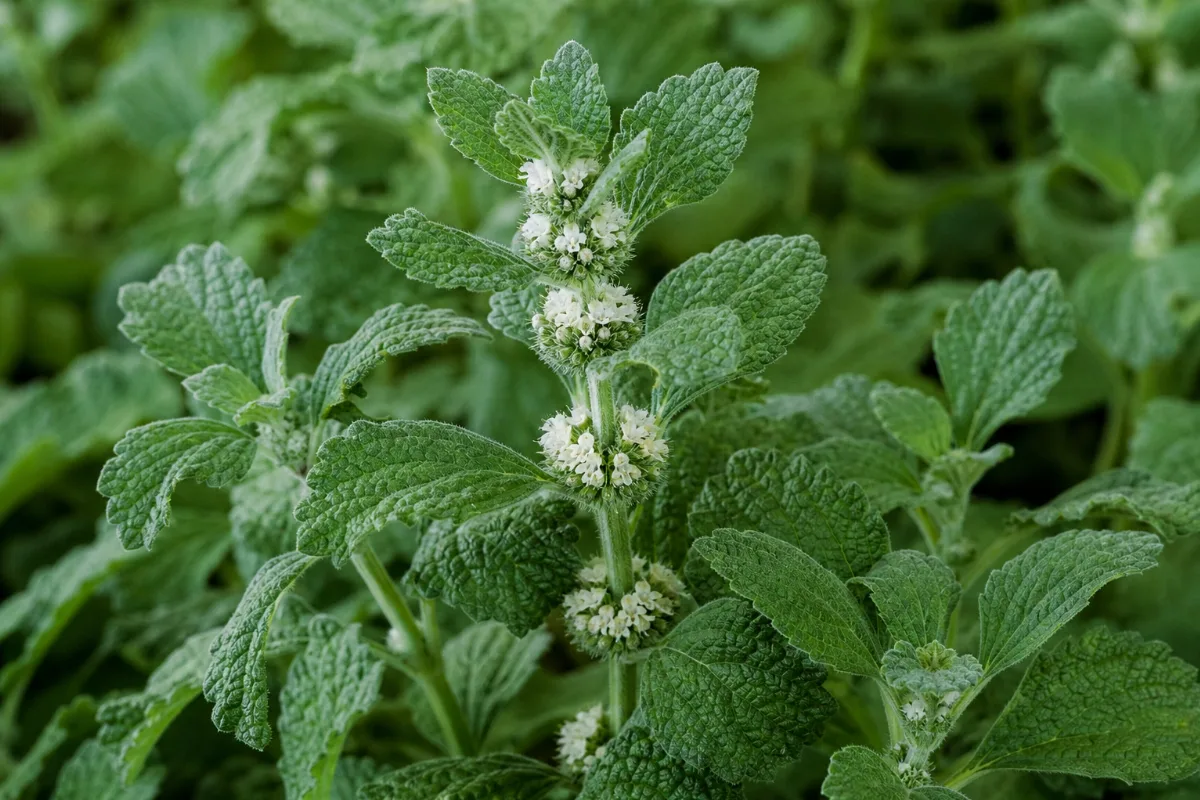
White horehound is a grey, downy plant of the mint family. Its flowering tops are used as a bitter tea, syrup or extract, mainly to loosen phlegm in a cough with a cold and to ease mild indigestion. The EU accepts it as a traditional herbal medicine for these uses, based on long use and not on trials. It is a different plant from black horehound (Ballota nigra), which this page does not cover.
General information, not medical advice. Last substantive update · Not medically reviewed. A named clinician has not signed off on this page. How this page is made
About Horehound
White horehound (Marrubium vulgare) is a bitter mint-family herb used as a tea, syrup or extract. The EU accepts it as a traditional medicine for cough with a cold, mild indigestion and temporary loss of appetite, based on long use. No controlled trial of the herb alone supports any use. The one human trial, in type 2 diabetes, found almost no effect on blood sugar. Safety documents list no side effects or interactions, but also say pregnancy and breastfeeding safety is not established and list liver disease, bile duct blockage and mint-family allergy as reasons not to use it. Ask a doctor or pharmacist about amounts.
What it is
White horehound is Marrubium vulgare L., in the mint family (Lamiaceae). The flowering aerial parts are cut and dried for tea, powder, juice or liquid extract. Its bitter taste comes mainly from marrubiin, and the European Pharmacopoeia sets a minimum marrubiin content for the herb.
Do not confuse it with black horehound (Ballota nigra), a different plant that this page does not cover. The EU report warns that look-alikes such as black horehound and catnip can end up in trade.
How it has been used
Horehound has been a cough and chest remedy in Europe since antiquity, often boiled with honey into a syrup, and it is also a classic bitter for digestion. The EU assessment report quotes old herbals for these uses; those quotations were not checked in the original books.
In 2013 the EU's herbal committee gave it a traditional-use monograph for cough with a cold, mild indigestion with bloating and gas, and temporary loss of appetite, for adults and adolescents over 12.
What the research shows
No controlled trial of the herb alone has tested cough, phlegm or indigestion. The EU says it approves these uses on tradition and that controlled studies needed for well-established use have not been done.
The only human trial of horehound alone was a 21-day diabetes study with no placebo group in which blood sugar fell 0.64%. A 56-child trial of a five-ingredient cough syrup that contains horehound found lower cough scores than placebo, but the result belongs to the combination and was paid for by the maker.
Blood pressure, pain, stomach, liver and antioxidant findings come from rats, mice and test tubes. A 2026 review says most evidence is in vitro or animal and clinical data remain scarce.
At a glance
Traditional uses history, not proof
- Ancient Greece and the Middle Ages: the EU assessment report quotes Dioscorides, Hildegard von Bingen and others recommending it for cough and for clearing mucus from the chest. These are secondary quotations and were not checked in the old books.
- Europe, 1800s and 1900s: a common chest remedy, often boiled into a honey syrup for coughs, hoarseness and bronchitis, and brewed as horehound ale.
- German-speaking Europe: used mainly as a bitter remedy for digestion and appetite.
- North Africa, Mexico and Brazil: folk use for blood pressure, diabetes, inflammation, stomach and breathing problems.
- European Union: a traditional-use herbal monograph (2013) for cough with a cold, mild indigestion with bloating and gas, and temporary loss of appetite. "Traditional" means long use, not proof from modern trials.
Studied for research
- Cough with a cold, insufficient for the herb alone (traditional use); very low for one children's trial of a five-ingredient syrup
- Mild indigestion, bloating and poor appetite, insufficient (traditional use, no trials)
- Blood sugar in type 2 diabetes, insufficient (one small trial found almost no effect)
- Blood pressure, insufficient (rat studies only)
- Pain, swelling, stomach lining and liver protection, antioxidant and germ-killing activity: lab and animal findings only
- Cholesterol and blood fats, insufficient (small change in one trial)
Main compounds
- Marrubiin, a bitter labdane diterpene and the marker compound of the herb
- Marrubenol, a related diterpene that relaxed rat blood vessels in the lab
- Acteoside (verbascoside) and other phenolic compounds, and flavonoids such as apigenin and luteolin
- A trace of essential oil and tannins
Common forms
- Tea (infusion) of the dried flowering tops
- Syrups, lozenges and candies, often with honey and other herbs
- Liquid extract or tincture (usually contains alcohol)
- Powder or capsules of the dried herb
- Pressed juice (EU monograph)
Research links: EU herbal monograph on white horehound (European Medicines Agency) · EU assessment report on white horehound (European Medicines Agency) · EU public summary on white horehound (European Medicines Agency) · Horehound tea trial in type 2 diabetes (abstract) · Children's cough syrup trial with horehound in a combination (abstract) · Review of white horehound research (2026, abstract) · Research Library · Genes & Biomarkers Library
The plant and its history
- Accepted scientific name
- Marrubium vulgare L.
- Naming authority
- L. (Linnaeus)
- Synonyms
- Marrubium album Garsault; Marrubium germanicum Schrank ex Steud.; Marrubium apulum Ten.; Marrubium hamatum Kunth
- Common names
- White horehound (English); Horehound / hoarhound / common horehound (English); Marrubio blanco, marrubio (Spanish (EMA and RxList)); Marrube blanc, herbe vierge (French); Gewoehnlicher Andorn (German); Marroio-branco (Portuguese (Brazil)); Marrubii herba (Latin pharmacy name)
- Botanical family
- Lamiaceae (mint family, also called Labiatae; it includes sage, thyme and lavender)
- Classification
- Plantae > Tracheophyta > Magnoliopsida > Lamiales > Lamiaceae > Marrubium > Marrubium vulgare
- Native range
- Not retrieved from a botanical database. Sources read say it is used across Europe and the southern and eastern Mediterranean and that the EU trade supply comes mainly from European countries and north-west Africa; the 2016 review says it was introduced to the Americas during colonisation, where it became popular in Mexico and Brazil.
- Habitat
- Not verified from a botanical source.
- What the plant looks like
- Roots: A root is mentioned in some traditional texts; the EU uses the aerial parts.; Stems: Not verified.; Leaves: Not described beyond the pharmacopoeial note that the herb has a bitter taste and pleasant odour.; Flowers: The medicinal herb is the whole or cut dried flowering aerial parts (European Pharmacopoeia definition quoted by the EMA).; Fruit: Not relevant; not verified.
- Cultivation
- The EMA report says the plant is cultivated or gathered. No detail verified.
- Harvest and processing
- Dried, cut or crushed flowering aerial parts; prepared as a comminuted herb for tea, powder, pressed juice or liquid extract (EU monograph).
- Look-alikes and adulterants
- Name: Black horehound (Ballota nigra L.); Note: A separate accepted species (GBIF 2926894). Possible confusion in trade (EMA); not covered here.; Name: Catnip (Nepeta cataria); Note: Named by the EMA as a possible mix-up.; Name: Stachys germanica; Note: Named by the EMA as a possible mix-up.; Name: Other Marrubium species (M. incanum, M. remotum, M. peregrinum); Note: The EMA report lists Marrubium remotum and a species printed 'incantum' (likely incanum); Berger 1954 says a herb sold as 'black horehound' was Marrubium peregrinum.
- Sustainability and conservation
- Not verified. No assessment was retrieved.
Traditional use and history history, not clinical proof
| Tradition or era | Documented use | Source |
|---|---|---|
| Antiquity and the Middle Ages (Europe) | The EMA report quotes Dioscorides for cough and to clear mucus from the chest, Hildegard von Bingen and Matthiolus for cough, and Tabernaemontanus to clear the chest and lungs of coarse mucus. These are secondary quotations; the old books were not checked. | s-ema-hmpc-marrubii-assessment |
| Early modern to 20th century (Europe) | Listed by Paracelsus as a lung preparation and by Lonicerus as expectorant and diuretic; Dragendorff (1898) lists it for catarrhs; Potter's Cyclopaedia (1941) calls it perhaps the most popular herbal chest remedy and mentions Horehound Ale; Steinmetz (1954) describes a honey syrup for coughs, hoarseness and bronchitis. | s-ema-hmpc-marrubii-assessment |
| German-speaking Europe | Used mainly as a bitter remedy for digestion and appetite (Knoess 2006, via the EMA). | s-ema-hmpc-marrubii-assessment |
| North Africa and France | Tunisian folk medicine used it as a hypotensive, hypoglycaemic and heart tonic (Kadri 2011); a 1927 French source describes it as an antiarrhythmic (via the EMA). Used in Morocco in folk medicine. | s-ema-hmpc-marrubii-assessment |
| Americas | Introduced during colonisation and popular in Mexico and Brazil (as 'maromba', 'marroio' or 'marroio-branco') for breathing complaints, poor appetite, dyspepsia, type 2 diabetes and high blood pressure. | p27271209 |
| Modern regulation | Included in the European Pharmacopoeia from the 5th edition (2005) and given an EU traditional-use monograph in 2013 for cough with a cold, mild dyspepsia and temporary loss of appetite. | s-ema-hmpc-marrubii-monograph |
Traditional use shows how a plant was used. It does not show that a supplement works or is safe today.
What is inside, and how it may work
What the plant contains and how those compounds act in cells and animals. Laboratory and animal mechanisms are not proven effects in people.
Main compounds
| Compound | Family | Where it is concentrated | Activity studied | Level of evidence |
|---|---|---|---|---|
| Marrubiin PubChem 73401 | furanic labdane diterpene (lactone) | Aerial parts; most in young leaves and buds 0.12 to 1% of the herb (Blaschek via EMA); at least 0.7% required by the Pharmacopoeia | Responsible for the bitter taste. Relaxed rat aorta in a dish; reduced pain in mice and ulcers in mice (summaries). Marker compound of the herb. 7 4 14 | Laboratory research |
| Marrubenol PubChem 10449689 | furanic labdane diterpene | Aerial parts | More potent than marrubiin at relaxing rat aorta; blocks L-type calcium channels (EMA summary), but much weaker than verapamil. 7 4 14 | Laboratory research |
| Acteoside (verbascoside) PubChem 5281800 | phenylethanoid glycoside | Aerial parts | Used as a quality marker for the herb (EMA report); antioxidant in lab tests. 4 14 | Laboratory research |
| Apigenin and luteolin (flavones) PubChem 5280443 | flavonoids | Aerial parts | Listed among the flavonoids of the herb (CIDs 5280443 apigenin and 5280445 luteolin). Antioxidant in lab tests. 4 14 | Laboratory research |
| Chlorogenic and caffeic acids PubChem 1794427 | hydroxycinnamic acids | Aerial parts | Phenolic acids named by the EMA report (chlorogenic acid CID 1794427; caffeic acid CID 689043). The report notes there is no rosmarinic acid. 4 14 | Laboratory research |
| Tannins | tannins (up to 7%) | Aerial parts up to 7% (Blaschek via EMA) | Astringent; no specific activity studied here. 4 | Laboratory research |
| Essential oil (monoterpenes) | volatile oil | Aerial parts traces, 0.05 to 0.06% | Includes alpha-pinene, camphene, sabinene and others; the HMPC suggests oils and bitters may stimulate airway secretions. 4 9 | Pharmacological theory |
| Choline, betonicine and potassium salts | nitrogen compounds and minerals | Aerial parts choline 0.2%, betonicine 0.3% (via EMA) | Listed as constituents; no activity discussed. 4 | Laboratory research |
Mechanisms, receptors and pathways
| Target or pathway | Gene or receptor | What was found | Level |
|---|---|---|---|
| L-type voltage-dependent calcium channels (blood vessel muscle) | L-type calcium channel | Marrubenol blocked L-type calcium channels in rat arteries (EMA summary of El Bardai 2003); extract and compounds relaxed rat aorta (abstract). 7 4 | Laboratory research |
| Blood pressure in hypertensive rats | Water extract lowered systolic pressure in hypertensive rats but not normal rats, and over 10 weeks matched amlodipine and improved small-artery relaxation. 6 8 | Animal research | |
| Bitter taste, saliva and airway secretions | The HMPC noted that the bitter substances and essential oils may stimulate appetite and secretions from the lining of the airways. Proposed explanation; not shown in people. 9 4 | Pharmacological theory | |
| Pain pathways (non-opioid) | In mice, marrubiin reduced writhing pain and naloxone did not block the effect (EMA summary). 4 | Animal research | |
| Stomach lining protection | A methanol extract and marrubiin protected mouse stomachs from alcohol and indomethacin damage (EMA summary). 4 5 | Animal research | |
| Glucose handling | Extracts lowered blood sugar in rabbits and diabetic rats (EMA summary), yet the 2004 trial in people found almost no change. 4 12 16 | Animal research | |
| LDL oxidation | A methanol extract protected human LDL from oxidation in a dish and helped HDL-mediated cholesterol removal (Berrougui 2006 via EMA). 4 | Laboratory research | |
| Bile flow | In rats, marrubiinic acid and its sodium salt stimulated bile flow but marrubiin itself did not (Krejci and Zadina 1959, via EMA). 4 | Animal research |
Absorption, metabolism and elimination
- Absorption
- No published pharmacokinetic data exist in people (EMA assessment report).
- Distribution
- Not found.
- Metabolism
- Not found. The EMA report states no effects on drug-metabolising enzymes or P-glycoprotein are known.
- Elimination
- Not found.
- Bioavailability
- Not found. The EMA notes there is no knowledge of plasma concentrations of the compounds in the clinical situation.
Isolated compounds versus whole extracts
Marrubiin gets most attention and sets the quality standard (at least 0.7% in the herb), but it is not the whole story. Marrubenol was the stronger vessel relaxant in a dish, and marrubiinic acid, not marrubiin, stimulated bile flow in rats. Phenolic compounds such as acteoside are used as quality markers, and extract composition varies with season and extraction method. Results from isolated marrubiin or lab extracts cannot be carried over to tea or capsules.
Nutritional composition
Horehound is not a food source of nutrients. It is used as a herb, in candies and in horehound ale, and the herb contains small amounts of potassium salts and choline.
1 very low certainty11 not enough evidence
What is Horehound good for?
The main proposed uses and how strong the human evidence is for each. "Very low" means one small or hard-to-read study, and "insufficient" means there is not enough to judge, because the evidence is traditional use, animal work or one tiny trial. Nothing about white horehound is rated higher than very low. These results come from specific teas, extracts and syrups and cannot be moved to other products.
Benefits, one by one
Each card is a research question, not a promise. Tap a goal to filter. Open a card to see the studies, doses and limits.
Cough with a cold (loosening phlegm)
Not enough evidenceThe EU accepts white horehound herb as a traditional medicine to help bring up phlegm in a cough with a cold, for people over 12. That rests on long use, not on trial results. No trial of horehound on its own for cough was found.
4 studiesTea, powder, pressed juice and liquid extract are the forms in the EU…
Studies, doses and limits
What the trials found
No controlled trial of horehound alone for cough was found. The EMA says controlled studies needed for well-established use have not been done, and approves it as traditional use only (at least 30 years of use, 15 in the EU).
Results
Traditional-use approval for adults and adolescents over 12; patients should see a doctor or practitioner if cough lasts longer than one week.
Effect sizes as reported
none (no human trial of horehound alone)
Why this rating
Long use and a regulator's acceptance show it has been used safely, not that it works. No trial of the single herb exists.
Form and dose studied
Tea, powder, pressed juice and liquid extract are the forms in the EU monograph. Ask a doctor or pharmacist about amounts.
Who was studied
Adults and adolescents over 12 (EU). Not established under 12.
Limits
Traditional-use status is not proof of benefit. Cough with a cold usually clears by itself, so people feel better either way.
Why researchers looked
It is the oldest and best-known use in Europe.
Traditional use
The EMA report quotes old texts: Dioscorides gave it for cough and to clear mucus from the chest, Hildegard von Bingen and Matthiolus for cough, and Tabernaemontanus to purify chest and lungs of coarse mucus. Potter's Cyclopaedia (1941) called it perhaps the most popular herbal chest remedy. These are secondary quotations in the EMA report and were not checked in the original books.
Proposed mechanism Pharmacological theory
The HMPC noted that the bitter substances and essential oils may stimulate appetite and secretions from the lining of the airways. This is a plausible idea, not a shown effect in people.
A proposed mechanism does not show that the effect happens in people.
See the safety section: avoid in pregnancy and breastfeeding, liver and bile duct disease, and allergy to the mint family.
Cough in children (horehound inside a five-ingredient syrup)
Very low certaintyIn one small trial, children with a cough from a cold got better sooner on a syrup that contained horehound plus honey and three other plants than on a look-alike syrup. The trial cannot tell us whether horehound did anything.
2 studiesSyrup with honey and five plant extracts (a medical device). This tel…
Studies, doses and limits
What the trials found
One randomised, double-blind, placebo-controlled pilot trial (Nunez 2024) of 56 children aged 5 to 11 with a cough of 3 to 7 days, given the syrup or a placebo syrup for 7 days.
Results
Night-time cough scores were lower than placebo from day 4 (28% lower, rising to 71% lower by day 7) and day-time scores from day 3 (22% lower, rising to 71% by day 7). Sleep of children and parents improved. No side effects were seen.
Effect sizes as reported
Cough scores 22% to 71% lower than placebo on days 3 to 7 (p<.05); no confidence intervals in the paper's text that we read
Why this rating
A pilot trial of 56 children, a sponsor-run study, and a combination product, so the benefit cannot be given to horehound. Honey on its own is known to soothe cough.
Form and dose studied
Syrup with honey and five plant extracts (a medical device). This tells us nothing about horehound tea or capsules.
Who was studied
Children 5 to 11 with a cough from a cold. Note the EU monograph does not establish horehound for children under 12.
Limits
Small; sponsored by the maker (Cinfa Laboratories), with some authors linked to the company; combination product; short follow-up.
Why researchers looked
A syrup maker tested its product, which contains horehound flower extract along with eucalyptus honey and extracts of sundew, ivy and plantain.
Traditional use
Horehound is a classic ingredient of cough syrups and sweets in Europe.
Proposed mechanism Pharmacological theory
The authors credit mainly a soothing coating on the throat (the honey and plant gums) and the combined actions of the herbs. Horehound's share is unknown.
A proposed mechanism does not show that the effect happens in people.
No adverse effects were reported in this trial. Do not give horehound products to children under 12 without a doctor's advice.
Asthma, bronchitis and whooping cough (traditional)
Not enough evidenceFolk medicine in Europe, North Africa and Brazil has used horehound for bronchitis and asthma. No controlled trial exists, and the EMA says an Italian folk-use survey cannot prove it works for asthma.
2 studiesDecoctions in folk use. Not a recommendation.
Studies, doses and limits
What the trials found
Folk-use descriptions only. The EMA states the survey cannot prove efficacy for acute asthma or for preventing asthma.
Results
No trial results.
Effect sizes as reported
none
Why this rating
Only traditional-use reports; no controlled data.
Form and dose studied
Decoctions in folk use. Not a recommendation.
Who was studied
None studied.
Limits
Asthma can be dangerous; a herb is not a substitute for prescribed asthma care.
Why researchers looked
Traditional use in Sardinia, Mediterranean North Africa and Brazil is documented in surveys.
Traditional use
The EMA report describes a Sardinian survey (Ballero 1998) of a decoction taken for asthma, with five patients described, and a PDR entry listing bronchitis, whooping cough, asthma and tuberculosis as folk uses.
Proposed mechanism Pharmacological theory
A survey author suggested flavonoids might stop the release of allergy chemicals, as the drug cromoglycate does. This is a guess, not a shown effect.
A proposed mechanism does not show that the effect happens in people.
Anyone with asthma should keep using prescribed treatment and ask a doctor before trying herbs.
Mild indigestion, bloating and poor appetite
Not enough evidenceThe EU accepts white horehound as a traditional medicine for mild indigestion with bloating and gas, and for a temporary loss of appetite. No trial results exist; the bitter taste is the usual explanation.
4 studiesThe EU monograph says the preparations are taken about half an hour b…
Studies, doses and limits
What the trials found
No clinical trial of horehound for indigestion or appetite was found. The EMA approves traditional use only; see a practitioner if symptoms last more than two weeks.
Results
Traditional-use approval only.
Effect sizes as reported
none
Why this rating
Traditional use, plausible bitter-herb action, no trials.
Form and dose studied
The EU monograph says the preparations are taken about half an hour before meals. Ask a doctor or pharmacist about amounts.
Who was studied
Adults and adolescents over 12 (EU).
Limits
Persistent indigestion or lost appetite can signal other illness and should be checked.
Why researchers looked
Bitter herbs have long been used before meals to stimulate appetite, and German-speaking areas know horehound mainly as a bitter remedy.
Traditional use
The EMA report says that in German-speaking areas horehound is used as a bitter remedy, while in English-speaking and Mediterranean areas it is used for breathing complaints.
Proposed mechanism Pharmacological theory
Bitter preparations increase saliva and stomach secretion. The EMA says efficacy for appetite loss can only be assumed in people with reduced stomach secretion. Animal tests also suggest muscle-relaxing effects on the gut.
A proposed mechanism does not show that the effect happens in people.
The EMA advises people with active peptic ulcer, gallstones or other bile duct disorders to consult a doctor first, and lists liver disease and bile duct blockage as contraindications.
Blood sugar in type 2 diabetes
Not enough evidenceIn the one human trial, a horehound leaf tea barely changed blood sugar in people with type 2 diabetes who were already on treatment. Animal studies report blood-sugar lowering, but that has not been confirmed in people.
4 studiesInfusion of dried leaves in sachets, three times a day before meals, …
Studies, doses and limits
What the trials found
One randomised, double-blind trial (Herrera-Arellano 2004) in 43 people with poorly controlled type 2 diabetes who kept their usual treatment: 21 got horehound tea and 22 got Cecropia obtusifolia tea for 21 days. There was no placebo group.
Results
Fasting glucose fell 0.64% on horehound, cholesterol 4.16% and triglycerides 5.78%. The Cecropia tea did better for glucose and cholesterol. The EMA calls the horehound effect minimal.
Effect sizes as reported
Glucose -0.64%, cholesterol -4.16%, triglycerides -5.78% (horehound, 21 people); between-group difference in favour of Cecropia reported significant
Why this rating
One small 3-week trial with no placebo found almost no effect; animal results did not carry over.
Form and dose studied
Infusion of dried leaves in sachets, three times a day before meals, 3 g of herb a day (from the EMA report).
Who was studied
Adults with poorly controlled type 2 diabetes on glibenclamide-type treatment.
Limits
21 people on horehound, 3 weeks, no placebo, background drug treatment. Funding not stated in the abstract.
Why researchers looked
Folk medicine in Mexico, North Africa and elsewhere has used horehound for diabetes.
Traditional use
Used in Tunisian folk medicine as hypotensive, hypoglycaemic and cardiotonic (Kadri 2011, as quoted by the EMA).
Proposed mechanism Animal research
Animal tests in rabbits and rats reported lower blood sugar after extract, as summarised in the EMA report and the 2026 review. The way it might work in people is unknown.
A proposed mechanism does not show that the effect happens in people.
Five mild side effects occurred in the horehound group (nausea, dry mouth, excess saliva, dizziness, loss of appetite). Consumer references warn it might add to diabetes medicines; see safety.
Blood pressure
Not enough evidenceIn rats with high blood pressure a horehound water extract lowered pressure about as much as the drug amlodipine. No human blood pressure trial of horehound was found, and the EMA says the one human trial it reviewed showed no blood-pressure effect.
5 studiesWater extracts in rats. Not comparable with tea in people.
Studies, doses and limits
What the trials found
None in people for blood pressure. The EMA report says no hypotensive effect was found in the clinical study it reviewed, so none is expected at usual tea amounts.
Results
Rats: pressure lowered in hypertensive rats but not normal rats (2001); similar fall to amlodipine over 10 weeks, with better small-artery relaxation (2004).
Effect sizes as reported
Rat studies: similar systolic fall to amlodipine (the EMA report quotes 33 mm Hg for the extract and 37 mm Hg for amlodipine)
Why this rating
Animal and lab results only.
Form and dose studied
Water extracts in rats. Not comparable with tea in people.
Who was studied
Rats (spontaneously hypertensive strain).
Limits
Rat data do not show the effect in people.
Why researchers looked
Folk medicine in North Africa uses a water extract as a blood-pressure remedy.
Traditional use
Hypotensive use is listed in Tunisian and Moroccan folk medicine (EMA report).
Proposed mechanism Animal research
In rat blood vessels the extract and two of its compounds, marrubenol and marrubiin, relax vessel muscle. The EMA report says marrubenol blocks L-type calcium channels, a way amlodipine also works. In a dish, both compounds were much weaker than the drug verapamil.
A proposed mechanism does not show that the effect happens in people.
A consumer reference says horehound might lower blood pressure and should be used cautiously with blood-pressure medicines; the EU monograph lists no interaction.
Pain and swelling (inflammation)
Not enough evidenceIn mice and rats, horehound extract and its compound marrubiin reduced pain and swelling. No human trial of this was found.
4 studiesExtracts and isolated marrubiin in animal tests; not tea in people.
Studies, doses and limits
What the trials found
No human trial found. ESCOP's summary lists analgesic and anti-oedematous (anti-swelling) properties from in vivo experiments.
Results
Animal and lab results only.
Effect sizes as reported
none (no human numbers)
Why this rating
Mouse and rat studies only.
Form and dose studied
Extracts and isolated marrubiin in animal tests; not tea in people.
Who was studied
Mice, rats, isolated tissue.
Limits
Animal doses and routes (often injected) do not carry over to tea or capsules.
Why researchers looked
Brazilian folk medicine uses it for inflammation.
Traditional use
Used for inflammation, gut and breathing complaints in Brazil (De Souza 1998 and others, as quoted by the EMA).
Proposed mechanism Animal research
The EMA report describes marrubiin reducing pain in mice by a non-opioid route (naloxone did not block it) and extracts relaxing gut and uterus muscle in dishes. Only a summary of those papers was read.
A proposed mechanism does not show that the effect happens in people.
Do not use it instead of pain or anti-inflammatory care from a doctor.
Stomach lining protection (ulcers)
Not enough evidenceIn mice, a horehound leaf extract and marrubiin reduced stomach damage caused by alcohol and by indomethacin. This has not been tested in people.
3 studiesMethanol extract and marrubiin in mice; not tea.
Studies, doses and limits
What the trials found
None.
Results
Mouse results only.
Effect sizes as reported
Mice: curative ratio about 74% (extract) versus about 80% (omeprazole), from the EMA summary
Why this rating
Animal only.
Form and dose studied
Methanol extract and marrubiin in mice; not tea.
Who was studied
Mice.
Limits
Methanol extracts are not what people drink. The EMA also advises people with active peptic ulcer to consult a doctor before use.
Why researchers looked
Brazilian folk use for stomach complaints.
Traditional use
Gastrointestinal complaints are a traditional use in Brazil.
Proposed mechanism Animal research
Reported as protection of the stomach lining in mouse ulcer models (De Oliveira 2011, as summarised in the EMA report, where the extract at 100 mg/kg cured about 74% of alcohol-induced damage against about 80% for omeprazole).
A proposed mechanism does not show that the effect happens in people.
A stomach ulcer needs medical care; see the safety section for the EMA caution.
Liver protection
Not enough evidenceAnimal studies report that horehound extracts protect the liver. No human study was found, and the EU monograph lists liver disease as a reason not to use it.
3 studiesExtracts in animals.
Studies, doses and limits
What the trials found
None.
Results
Animal results only.
Effect sizes as reported
none
Why this rating
Animal only, and the regulator's contraindication points the other way for people with liver disease.
Form and dose studied
Extracts in animals.
Who was studied
Animals.
Limits
A liver benefit in animals has not been checked in people.
Why researchers looked
Traditionally used for liver and gallbladder complaints.
Traditional use
RxList lists liver and gallbladder problems among traditional uses.
Proposed mechanism Animal research
Reported mainly as an antioxidant effect in animal liver-injury models (2026 review).
A proposed mechanism does not show that the effect happens in people.
The EU monograph contraindicates use in liver disease and bile duct obstruction. This is a caution, not a benefit.
Antioxidant and germ-killing activity (lab)
Not enough evidenceIn test tubes and animals, horehound extracts show antioxidant activity and act against some bacteria, fungi and parasites. These are lab findings, not shown to help people.
3 studiesLab extracts.
Studies, doses and limits
What the trials found
None. The EMA says in-vitro tests are not enough to conclude a clinical benefit.
Results
Lab results only.
Effect sizes as reported
none
Why this rating
In-vitro and animal studies only; results differ between extracts.
Form and dose studied
Lab extracts.
Who was studied
None.
Limits
Extract composition varies widely, which the 2026 review notes limits any clinical interpretation.
Why researchers looked
The plant is rich in phenolic compounds (such as acteoside) and flavonoids.
Traditional use
Tradition uses it for infections of the chest and skin wounds.
Proposed mechanism Laboratory research
Antioxidant activity of phenolic compounds in chemical tests; antimicrobial results vary: the EMA report lists one 1988 study with no activity against three bacteria and others with activity against several bacteria.
A proposed mechanism does not show that the effect happens in people.
Not a replacement for treating an infection.
Cholesterol and blood fats
Not enough evidenceIn the same small diabetes trial, horehound tea moved cholesterol and triglycerides only a few percent. A lab test in the EMA report suggests protection of LDL cholesterol from oxidation, which has not been tested in people.
3 studiesLeaf infusion, 21 days.
Studies, doses and limits
What the trials found
Herrera-Arellano 2004: 21 people with type 2 diabetes drank horehound tea for 21 days; cholesterol changed 4.16% and triglycerides 5.78% (no placebo group).
Results
Small changes in a small uncontrolled-for-placebo trial; the other plant in the trial did better.
Effect sizes as reported
Cholesterol -4.16%, triglycerides -5.78% (horehound arm)
Why this rating
One small trial, small changes, no placebo.
Form and dose studied
Leaf infusion, 21 days.
Who was studied
Adults with poorly controlled type 2 diabetes.
Limits
Blood test changes are not heart outcomes.
Why researchers looked
A lipid-lowering effect is mentioned in the animal literature.
Traditional use
No traditional use for blood fats was found in the sources read.
Proposed mechanism Laboratory research
The EMA report describes a methanol extract protecting human LDL from oxidation in a dish (Berrougui 2006).
A proposed mechanism does not show that the effect happens in people.
None specific.
Heart rhythm (traditional use, with a safety signal)
Not enough evidenceFrench tradition used horehound to calm irregular heartbeat, yet the EMA report and a consumer reference say large amounts may increase the risk of abnormal heart rhythm. No human trial exists either way.
2 studiesNot applicable.
Studies, doses and limits
What the trials found
None. The EMA report cites List 1976 saying large doses can cause arrhythmia, with no dose or case details. A mouse study of 1 g/kg infusion saw a fast heartbeat after 1 hour.
Results
No trial results.
Effect sizes as reported
none
Why this rating
Opposite claims, neither backed by controlled data.
Form and dose studied
Not applicable.
Who was studied
None.
Limits
Do not use horehound for a heart condition.
Why researchers looked
Pages and Comte (1927) described it as an antiarrhythmic in France, as quoted by the EMA.
Traditional use
Tunisian folk medicine used it as a heart tonic (Kadri 2011, via the EMA).
Proposed mechanism Pharmacological theory
Not established. The compounds relax blood vessels by blocking calcium channels in rat tissue, but no heart-rhythm study of horehound was found.
A proposed mechanism does not show that the effect happens in people.
People with heart rhythm problems or taking heart-rhythm medicines should avoid large amounts and ask a doctor.
Connections to the rest of health
How Horehound connects to the rest of our health knowledge graph. Every link says what kind of connection it is. A safety link (for example to the liver) is a warning, not a benefit. A study that merely mentions a topic never creates a benefit link.
Explore every connection: goals, body systems, organs, symptoms, genes
A. Wellness goals
| Connected to | Kind of connection | Evidence status | Context | Studies |
|---|---|---|---|---|
| Immune Support | Traditional use | Not enough evidence | Cough with a cold (loosening phlegm): The EU accepts white horehound herb as a traditional medicine to help bring up phlegm in a cough with a cold, for people over 12. That rests on long use, not on trial results. No trial of horehound on its own for cough was found. Asthma, bronchitis and whooping cough (traditional): Folk medicine in Europe, North Africa and Brazil has used horehound for bronchitis and asthma. No controlled trial exists, and the EMA says an Italian folk-use survey cannot prove it works for asthma. | 3 4 9 16 17 |
| Immune Support | Potential benefit | Very low certainty | Cough in children (horehound inside a five-ingredient syrup): In one small trial, children with a cough from a cold got better sooner on a syrup that contained horehound plus honey and three other plants than on a look-alike syrup. The trial cannot tell us whether horehound did anything. | 15 3 |
| Digestive Support | Traditional use | Not enough evidence | Mild indigestion, bloating and poor appetite: The EU accepts white horehound as a traditional medicine for mild indigestion with bloating and gas, and for a temporary loss of appetite. No trial results exist; the bitter taste is the usual explanation. | 3 4 9 5 |
| Blood Sugar Balance | Potential benefit | Not enough evidence | Blood sugar in type 2 diabetes: In the one human trial, a horehound leaf tea barely changed blood sugar in people with type 2 diabetes who were already on treatment. Animal studies report blood-sugar lowering, but that has not been confirmed in people. | 12 4 16 18 |
| Blood Pressure Support | Preliminary mechanism | Not enough evidence | Blood pressure: In rats with high blood pressure a horehound water extract lowered pressure about as much as the drug amlodipine. No human blood pressure trial of horehound was found, and the EMA says the one human trial it reviewed showed no blood-pressure effect. | 6 8 7 4 18 |
| Inflammation Balance | Preliminary mechanism | Not enough evidence | Pain and swelling (inflammation): In mice and rats, horehound extract and its compound marrubiin reduced pain and swelling. No human trial of this was found. Antioxidant and germ-killing activity (lab): In test tubes and animals, horehound extracts show antioxidant activity and act against some bacteria, fungi and parasites. These are lab findings, not shown to help people. | 4 5 16 1 |
| Digestive Support | Preliminary mechanism | Not enough evidence | Stomach lining protection (ulcers): In mice, a horehound leaf extract and marrubiin reduced stomach damage caused by alcohol and by indomethacin. This has not been tested in people. | 4 5 16 |
| Liver Support | Preliminary mechanism | Not enough evidence | Liver protection: Animal studies report that horehound extracts protect the liver. No human study was found, and the EU monograph lists liver disease as a reason not to use it. | 16 5 3 |
| Immune Support | Preliminary mechanism | Not enough evidence | Antioxidant and germ-killing activity (lab): In test tubes and animals, horehound extracts show antioxidant activity and act against some bacteria, fungi and parasites. These are lab findings, not shown to help people. | 4 16 1 |
| Cholesterol Balance | Potential benefit | Not enough evidence | Cholesterol and blood fats: In the same small diabetes trial, horehound tea moved cholesterol and triglycerides only a few percent. A lab test in the EMA report suggests protection of LDL cholesterol from oxidation, which has not been tested in people. | 12 4 1 |
| Heart Health | Potential benefit | Not enough evidence | Cholesterol and blood fats: In the same small diabetes trial, horehound tea moved cholesterol and triglycerides only a few percent. A lab test in the EMA report suggests protection of LDL cholesterol from oxidation, which has not been tested in people. | 12 4 1 |
| Heart Health | Traditional use | Not enough evidence | Heart rhythm (traditional use, with a safety signal): French tradition used horehound to calm irregular heartbeat, yet the EMA report and a consumer reference say large amounts may increase the risk of abnormal heart rhythm. No human trial exists either way. | 4 18 |
B. Body systems
| Connected to | Kind of connection | Evidence status | Context | Studies |
|---|---|---|---|---|
| Respiratory System | Biological association | Not enough evidence | Studied for: Cough with a cold (loosening phlegm) Studied for: Cough in children (horehound inside a five-ingredient syrup) | 3 4 9 16 15 17 |
| Digestive System | Biological association | Not enough evidence | Studied for: Mild indigestion, bloating and poor appetite Studied for: Stomach lining protection (ulcers) | 3 4 9 5 16 |
| Endocrine System | Biological association | Not enough evidence | Studied for: Blood sugar in type 2 diabetes | 12 4 16 18 |
| Cardiovascular System | Biological association | Not enough evidence | Studied for: Blood pressure Studied for: Cholesterol and blood fats | 6 8 7 4 18 12 1 |
| Musculoskeletal System | Biological association | Not enough evidence | Studied for: Pain and swelling (inflammation) | 4 5 16 1 |
| Hepatic System | Biological association | Not enough evidence | Studied for: Liver protection | 16 5 3 |
| Immune System | Biological association | Not enough evidence | Studied for: Antioxidant and germ-killing activity (lab) | 4 16 1 |
C. Body parts and organs
| Connected to | Kind of connection | Evidence status | Context | Studies |
|---|---|---|---|---|
| Heart | Adverse effect or risk | Very low certainty | Theoretical risk of abnormal rhythm; no human case. Preparation or compound: Large amounts |
4 18 |
| Liver | Contraindication | Low certainty | EU monograph contraindicates use in liver disease and bile duct obstruction. Preparation or compound: Aerial parts |
3 |
| Kidneys | Adverse effect or risk | Very low certainty | One case report of acute kidney injury. Preparation or compound: Three-plant mixture with wormwood and centaury |
19 |
| Skin | Adverse effect or risk | Very low certainty | Contact dermatitis noted in older sources. Preparation or compound: Juice or topical use |
4 18 |
E. Health conditions
| Connected to | Kind of connection | Evidence status | Context | Studies |
|---|---|---|---|---|
| Pregnancy and breastfeeding | Contraindication | Low certainty | Not recommended: safety not established (EU). Preparation or compound: Aerial parts |
3 4 18 |
| Allergy to the mint family | Contraindication | Low certainty | Listed in the EU monograph. Preparation or compound: Aerial parts |
3 |
I. Biomarkers
| Connected to | Kind of connection | Evidence status | Context | Studies |
|---|---|---|---|---|
| Fasting blood glucose | Biological association | Not enough evidence | Measured in trials: no-change. A lab change is not the same as a health benefit. | 12 4 18 |
| Systolic blood pressure (rats) | Biological association | Not enough evidence | Measured in trials: lowered. A lab change is not the same as a health benefit. | 8 6 4 |
| Day-time and night-time cough scores (children) | Biological association | Very low certainty | Measured in trials: lowered. A lab change is not the same as a health benefit. | 15 |
| Total cholesterol | Biological association | Not enough evidence | Measured in trials: no-change. A lab change is not the same as a health benefit. | 12 4 |
| Triglycerides | Biological association | Not enough evidence | Measured in trials: no-change. A lab change is not the same as a health benefit. | 12 4 |
| Creatinine and urea (kidney markers) | Biological association | Very low certainty | Measured in trials: no-change. A lab change is not the same as a health benefit. | 12 4 19 |
K. Biological pathways
| Connected to | Kind of connection | Evidence status | Context | Studies |
|---|---|---|---|---|
| L-type voltage-dependent calcium channels | Preliminary mechanism | In vitro | Blocked by marrubenol in rat artery tissue; basis of the vessel-relaxing effect seen in lab work. | 7 4 |
| Drug-metabolising enzymes and P-glycoprotein | Preliminary mechanism | Not enough evidence | No known effects (EMA); not studied. | 4 |
L. Active compounds
| Connected to | Kind of connection | Evidence status | Context | Studies |
|---|---|---|---|---|
| Marrubiin | Biological association | In vitro | Responsible for the bitter taste. Relaxed rat aorta in a dish; reduced pain in mice and ulcers in mice (summaries). Marker compound of the herb. Preparation or compound: Aerial parts; most in young leaves and buds |
7 4 14 |
| Marrubenol | Biological association | In vitro | More potent than marrubiin at relaxing rat aorta; blocks L-type calcium channels (EMA summary), but much weaker than verapamil. Preparation or compound: Aerial parts |
7 4 14 |
| Acteoside (verbascoside) | Biological association | In vitro | Used as a quality marker for the herb (EMA report); antioxidant in lab tests. Preparation or compound: Aerial parts |
4 14 |
| Apigenin and luteolin (flavones) | Biological association | In vitro | Listed among the flavonoids of the herb (CIDs 5280443 apigenin and 5280445 luteolin). Antioxidant in lab tests. Preparation or compound: Aerial parts |
4 14 |
| Chlorogenic and caffeic acids | Biological association | In vitro | Phenolic acids named by the EMA report (chlorogenic acid CID 1794427; caffeic acid CID 689043). The report notes there is no rosmarinic acid. Preparation or compound: Aerial parts |
4 14 |
| Tannins | Biological association | In vitro | Astringent; no specific activity studied here. Preparation or compound: Aerial parts |
4 |
| Essential oil (monoterpenes) | Biological association | Pharmacological theory | Includes alpha-pinene, camphene, sabinene and others; the HMPC suggests oils and bitters may stimulate airway secretions. Preparation or compound: Aerial parts |
4 9 |
| Choline, betonicine and potassium salts | Biological association | In vitro | Listed as constituents; no activity discussed. Preparation or compound: Aerial parts |
4 |
Each connection is stored with the ingredient, the connected record, the kind of connection, the evidence status, the supporting studies, the preparation or compound involved, and a review date (last reviewed October 25, 2026).
Evidence at a glance: what changed in 6 lab markers
Tap a number to show only those markers. Counts are markers, not people.
The evidence
The research centre for Horehound. Every record here was checked against PubMed or the publisher's page; we never list a study we have not verified.
Evidence by outcome
Bars show how many studies we found for each outcome, not how well it works. People are added up across trials only (reviews are not added, to avoid double counting).
How we rate evidence
High certainty
Several well-run trials or reviews agree; further research is unlikely to change the picture much.
Moderate certainty
Good trials point the same way, but some doubt remains.
Low certainty
Small, short or inconsistent trials. The finding could change with better research.
Very low certainty
Very little or very weak human data. Treat as a possibility only.
Mixed findings
Trials or reviews disagree with each other.
Not enough evidence
Not enough human research to say either way.
Evidence against
Good research found no benefit, or found harm.
We take the reviewers' own risk-of-bias and GRADE statements where they exist, and otherwise judge from study size, design, consistency, directness and whether a product matches what is sold. Many publications do not make evidence high. Method note: We read the EU herbal monograph and assessment report for white horehound in full, the EU public summary, the ESCOP summary and a consumer reference (RxList), and read the abstracts of the available trials, reviews and animal studies in PubMed. Pages that could not be found are marked as not found.
Study library: every study we checked 19
| Study | Design | People | Product, dose, length | Result |
|---|---|---|---|---|
| Acimovic 2020 Marrubium vulgare L.: A Phytochemical and Pharmacological Overview Molecules · PMID 32599693 · DOI |
Narrative review animal |
Review of published literature | White horehound aerial parts |
Describes marrubiin as the labdane diterpene characteristic of the genus, plus phenolic compounds. Discusses antioxidant, anti-inflammatory, wound-healing, antihypertensive, hypolipidemic, sedative and antimicrobial potential, mainly from lab and animal work. The authors say firmer evidence and well-designed clinical trials are needed for well-established use. Lab and animal findings only Methods, limits and fundingOutcomes: Chemistry and reported activities Limitations: Narrative review; abstract only read. Funding and conflicts: No conflict declared Read: abstract |
| Ciganda et al. (cited by EMA) 2003 Ciganda et al. 2003: Montevideo Poison Centre survey of herbal infusions taken to end a pregnancy (as described in the EMA assessment report) Cited in EMA/HMPC/604273/2012 · Source |
Case series |
86 poison-centre calls, 1986 to 1999, involving 30 plant species | Home-made mixtures; horehound in one case unspecified |
Abortion occurred in 23 of the 86 cases, but not in the one case that included Marrubium. The survey concluded Marrubium was not associated with abortion. 1 case with horehound, no abortion Methods, limits and fundingOutcomes: Abortion after ingestion Limitations: A single mixed-plant case; cannot show safety. Original not opened; known only from the EMA description. Funding and conflicts: None Read: summary-only |
| EMA Committee on Herbal Medicinal Products (HMPC) 2013 Community herbal monograph on Marrubium vulgare L., herba (EMA/HMPC/604271/2012) EMA/HMPC/604271/2012, adopted 9 July 2013 · Source |
Authoritative guidance |
Adolescents over 12, adults and elderly; traditional use only | White horehound aerial parts (tea, powder, juice, liquid extract) aerial parts (flowering) |
Traditional use only: expectorant in cough with a cold, mild dyspepsia with bloating and flatulence, temporary loss of appetite. Contraindicated in hypersensitivity to the plant or other Lamiaceae, and in bile duct obstruction, cholangitis, liver disease and ileus. People with active peptic ulcer, gallstones or other biliary disorders should consult a doctor first. Not established under 12. Interactions: none reported. Pregnancy and breastfeeding: not recommended for lack of data; no fertility data. Undesirable effects: none known. Overdose: no case reported. Reproductive toxicity, genotoxicity and carcinogenicity tests have not been performed. Traditional-use status (long use, not proof from trials) Methods, limits and fundingOutcomes: Indications, contraindications, warnings, interactions, pregnancy and lactation, undesirable effects, overdose Limitations: A traditional-use document: it does not prove that horehound works. Read in full (6 pages) from the EMA PDF on 2026-10-25. Funding and conflicts: None (regulator document) Read: full-text |
| EMA Committee on Herbal Medicinal Products (HMPC) 2013 Assessment report on Marrubium vulgare L., herba (EMA/HMPC/604273/2012) EMA/HMPC/604273/2012 · Source |
Authoritative guidance |
Review of traditional use, lab and animal data, one clinical trial and safety reports | White horehound aerial parts and preparations aerial parts |
Controlled clinical studies needed for well-established use have not been performed. Herrera-Arellano 2004 (type 2 diabetes) found no hypoglycaemic and no hypotensive effect for horehound. Safety: no adverse events in German and other member-state databases; no overdose; no interaction reports (Williamson 2005 via WHO Uppsala data found none); theoretically large amounts may raise the risk of abnormal heart rhythms (List 1976, no details); animal data on abortive activity in rats but not convincing in guinea pigs and mice; one 1962 list names horehound juice as a possible cause of contact dermatitis; a 2005 report of wound bleeding after hip surgery in a man taking a four-herb product that included horehound and ginkgo. No pharmacokinetic data, and no standard toxicity, genotoxicity, carcinogenicity or reproductive toxicity studies were available. Confusion with Ballota nigra and other look-alikes is possible. Benefit-risk judged positive for the traditional uses. Regulator's overview and conclusions Methods, limits and fundingOutcomes: History of use, constituents, pharmacology, toxicology, clinical data, safety Limitations: Secondary descriptions of older studies; the original papers were not opened. Read in full-text extract (27 pages) on 2026-10-25. Funding and conflicts: None (regulator document) Read: full-text |
| ESCOP (European Scientific Cooperative on Phytotherapy) 2013 Marrubii herba (White Horehound) - ESCOP monograph summary page ESCOP monograph (published 2013), summary page · Source |
Authoritative guidance |
Summary of a paid monograph | White horehound dried flowering aerial parts aerial parts |
Indications named: dyspeptic complaints such as bloating and flatulence, lack of appetite, and catarrh of the upper respiratory tract. The summary says in vitro experiments show antioxidant, vasorelaxant, antiproliferative and antimicrobial activities, and in vivo (animal) experiments show analgesic, gastroprotective, hypoglycaemic, anti-oedematous, anti-hypertensive and hepatoprotective properties. Summary only Methods, limits and fundingOutcomes: Indications and the range of lab and animal findings Limitations: Only the free summary page was read; the full monograph (contraindications, warnings) is sold and was not read. Funding and conflicts: Professional society (non-profit) Read: summary-only |
| El Bardai 2001 Pharmacological evidence of hypotensive activity of Marrubium vulgare and Foeniculum vulgare in spontaneously hypertensive rat Clin Exp Hypertens · PMID 11349824 · DOI |
Animal research animal |
Spontaneously hypertensive rats and normal-pressure rats | Water extract of horehound aerial parts aerial parts oral, rat doses days |
Oral horehound extract lowered systolic blood pressure in hypertensive rats but not in normal rats. It did not increase water or salt excretion. In the aorta, extract reduced contraction to noradrenaline and potassium chloride, more in hypertensive-rat vessels. Lower systolic pressure in hypertensive rats only Methods, limits and fundingOutcomes: Systolic blood pressure, urine output, aorta contraction Limitations: Rats, not people. The EMA report adds that the dose was 80 mg extract per kg a day for 5 days (secondary description). Read: abstract |
| El Bardai 2003 The vasorelaxant activity of marrubenol and marrubiin from Marrubium vulgare Planta Med · PMID 12567286 · DOI |
Laboratory research in-vitro |
Isolated rat aorta | Aerial-part extract; isolated marrubenol and marrubiin aerial parts |
Crude extracts strongly inhibited contraction of rat aorta; the furanic labdane diterpenes marrubenol and marrubiin were the most active compounds. Vessel relaxation in a dish Methods, limits and fundingOutcomes: Inhibition of potassium-induced contraction Limitations: A short letter; in-vitro only. The EMA report adds that both compounds were much weaker than verapamil and that marrubenol blocks L-type calcium channels (secondary description). Read: abstract |
| El Bardai 2004 Comparative study of the antihypertensive activity of Marrubium vulgare and of the dihydropyridine calcium antagonist amlodipine in spontaneously hypertensive rat Clin Exp Hypertens · PMID 15554450 · DOI |
Animal research animal |
Spontaneously hypertensive rats | Water extract of horehound aerial parts versus amlodipine aerial parts oral 10 weeks · vs amlodipine; placebo |
Both horehound extract and amlodipine lowered systolic pressure by a similar amount over 10 weeks. Horehound reduced vessel thickening in the aorta only, and improved relaxation of small arteries to acetylcholine, which amlodipine did not. Similar pressure fall to amlodipine in rats Methods, limits and fundingOutcomes: Systolic pressure, blood vessel remodelling, vessel relaxation Limitations: Rats, not people; no human blood pressure trial of horehound was found. Read: abstract |
| European Medicines Agency 2014 Marrubii herba - herbal medicinal product (EMA public summary) EMA herbal medicines web page · Source |
Authoritative guidance |
General public summary of the HMPC conclusions | White horehound aerial parts aerial parts |
White horehound can be used, on the basis of long-standing use, as an expectorant in cough with a cold, for mild dyspepsia (bloating, flatulence) and for temporary loss of appetite; only adults and adolescents over 12; see a practitioner if cough lasts over a week, or dyspepsia and appetite loss over two weeks. EMA says clinical-trial evidence is insufficient. At the time of assessment no side effects had been reported. The HMPC noted that the bitter substances and essential oils may stimulate appetite and secretions from the lining of the airways. Traditional-use status Methods, limits and fundingOutcomes: Plain-language summary of uses, evidence and risks Limitations: Public summary; the detail is in the monograph and assessment report. Funding and conflicts: None (regulator document) Read: full-text |
| GBIF Secretariat 2026 GBIF Backbone Taxonomy: Ballota nigra L. GBIF API (species 2926894) · Source |
Database record |
Taxonomic record | not applicable not applicable |
Ballota nigra L. (black horehound) is a separate accepted species, key 2926894, family Lamiaceae. It is a different plant from white horehound and is not covered by this profile. Identity record Methods, limits and fundingOutcomes: Accepted name of black horehound Limitations: Used only to keep the two plants apart. Funding and conflicts: None Read: summary-only |
| GBIF Secretariat 2026 GBIF Backbone Taxonomy: Marrubium vulgare L. GBIF API (species 2927069) · Source |
Database record |
Taxonomic record | not applicable not applicable |
Accepted species Marrubium vulgare L., key 2927069, family Lamiaceae, order Lamiales, match confidence 100. Synonyms include Marrubium album and Marrubium germanicum. English vernacular names include horehound, hoarhound and common hoarhound. Identity record Methods, limits and fundingOutcomes: Accepted name, family, synonyms Limitations: Distribution and native range were not retrieved. Funding and conflicts: None Read: summary-only |
| Herrera-Arellano 2004 Clinical trial of Cecropia obtusifolia and Marrubium vulgare leaf extracts on blood glucose and serum lipids in type 2 diabetics Phytomedicine · PMID 15636168 · DOI |
Controlled trial |
43 43 outpatients with poorly controlled type 2 diabetes, all keeping their usual treatment (glibenclamide per the EMA report) |
Infusion of dried horehound leaves (aqueous extract) leaf Filter-paper sachet infusion before meals, 3 g of herb a day according to the EMA report 21 days · vs Cecropia obtusifolia infusion (active comparator); no placebo group |
21 people got horehound, 22 got Cecropia. In the horehound group fasting glucose fell 0.64%, cholesterol 4.16% and triglycerides 5.78%. In the Cecropia group glucose fell 15.25% and cholesterol and triglycerides changed by 14.62% and 42.0% (the abstract and the EMA report word the direction differently). The difference between groups for glucose and cholesterol was significant, in favour of Cecropia. The EMA report says kidney markers (creatinine, urea) showed no pathological change and lists five mild, temporary side effects in the horehound group: nausea, dry mouth, excess salivation, dizziness and loss of appetite. Horehound: glucose -0.64%, cholesterol -4.16%, triglycerides -5.78% (21 people, 21 days) Methods, limits and fundingOutcomes: Fasting glucose, cholesterol, triglycerides, kidney markers, side effects Limitations: Small, 21 people on horehound, 3 weeks, no placebo group (the comparison was another plant), everyone also on diabetes medicine, no confidence intervals in the abstract. Blood test change is not a health outcome. Funding not stated in the abstract. Read: abstract |
| Jayasekera et al. (cited by EMA) 2005 Jayasekera et al. 2005: wound haemorrhage after hip surgery in a man taking a four-herb product (as described in the EMA assessment report) Cited in EMA/HMPC/604273/2012 · Source |
Case report |
65-year-old man after total hip replacement | Herbal medicine containing Gingko biloba, Piper lango, Marrubium vulgare and Citraria islandica (names as printed in the EMA report) unspecified not known up to the day of surgery · vs none |
He had an acute wound haemorrhage, needed 4 units of blood, and the bleeding stopped after about 8 hours. The EMA report notes Ginkgo is known to increase bleeding risk and that the formulation and dose were unknown, so no link to horehound is made. One case, cause not assigned Methods, limits and fundingOutcomes: Postoperative bleeding Limitations: Original paper not opened; known only from the EMA description. Cannot show horehound was involved. Funding and conflicts: None Read: summary-only |
| NCBI PubChem 2026 PubChem: marrubiin (CID 73401), marrubenol (CID 10449689), verbascoside/acteoside (CID 5281800) PubChem PUG REST · Source |
Database record |
Chemical records | not applicable not applicable |
PubChem gives marrubiin as C20H28O4 (CID 73401), marrubenol C20H32O4 (CID 10449689), verbascoside (acteoside) C29H36O15 (CID 5281800), apigenin 5280443, luteolin 5280445, chlorogenic acid 1794427 and caffeic acid 689043. The EMA assessment report prints marrubiin as C20H20O4, which looks like a typographical slip. Identifier check Methods, limits and fundingOutcomes: Compound identifiers and formulas Limitations: Identifiers only; no activity data. Funding and conflicts: None Read: summary-only |
| Nunez 2024 Efficacy and tolerability of SEDIFLU in treating dry or productive cough in the pediatric population (SEPEDIA): A pilot, randomized, double-blind, placebo-controlled, multicenter clinical trial Clin Pediatr (Phila) · PMID 38323572 · DOI |
Controlled trial |
56 56 children (mean age 8.65, range 5 to 11) with dry or productive cough lasting 3 to 7 days from an upper respiratory infection |
Combination syrup: eucalyptus honey with dry extracts of horehound flowers, sundew flowers, ivy leaves and plantain leaves (a medical device) flower (horehound) plus other plants 10 ml twice a day (study amount, not a recommendation) 7 days · vs Inactive look-alike syrup (placebo) |
Children given the syrup had lower night-time cough scores than placebo from day 4 (28% lower, rising to 71% lower at day 7) and lower day-time scores from day 3 (22% lower, rising to 71% at day 7). Sleep scores of child and parents improved. No adverse effects were seen in either group. Cough scores 22% to 71% lower than placebo, days 3 to 7 (p<.05) Methods, limits and fundingOutcomes: Day-time and night-time cough scores, sleep of child and parents, safety Limitations: Pilot study of 56 children (27 syrup, 29 placebo). The syrup is a five-ingredient combination, so the result cannot be credited to horehound, and honey alone soothes cough. Sponsored by Cinfa Laboratories, and two authors have worked with the company. Children aged 5 to 11 are below the EU monograph's age limit of 12 for horehound alone. Full text read through PMC. Funding and conflicts: Sponsored by Cinfa Laboratories; some authors are advisers to or have run studies for the company Read: full-text |
| Ouadghiri 2026 Comprehensive analysis of the pharmacological potentials of Marrubium vulgare (white horehound): a recent overview of phytochemistry and biological activities Naturwissenschaften · PMID 42734823 · DOI |
Narrative review animal |
Review of published literature on Marrubium vulgare | White horehound and marrubiin mostly aerial parts |
Reports antioxidant, anti-inflammatory, antimicrobial, antidiabetic, hepatoprotective, gastroprotective, cardioprotective, neuroprotective and antiproliferative activity. The authors say most evidence is in vitro or animal and clinical data remain scarce, with variable extract composition and limited information on pharmacokinetics, long-term safety and standardisation. Lab and animal findings only Methods, limits and fundingOutcomes: Phytochemistry, traditional use and biological activities Limitations: Narrative review; method of selecting studies is not described in the abstract. Funding and conflicts: No competing interests declared Read: abstract |
| Rodriguez Villanueva 2016 An Insight into a Blockbuster Phytomedicine; Marrubium vulgare L. Herb. More of a Myth than a Reality? Phytother Res · PMID 27271209 · DOI |
Narrative review animal |
Critical review of research on white horehound | White horehound aerial parts and root aerial parts and root |
The abstract lists the traditional uses (bronchitis, colds, asthma, poor appetite, dyspepsia, type 2 diabetes, high blood pressure) and says the aim is to critically analyse the quality of the results so far. Its conclusions are not given in the abstract. No conclusions in abstract Methods, limits and fundingOutcomes: Traditional uses and quality of research results Limitations: Only the abstract was read, so we do not state what the review concluded; its title asks whether the reputation is a myth. Read: abstract |
| RxList (consumer drug reference 2026 White Horehound - uses, side effects, interactions (RxList consumer reference) RxList supplements page · Source |
Authoritative guidance |
General consumer reference page; not a regulator | White horehound (above-ground parts) aerial parts |
Rates evidence as insufficient for every use listed (diabetes, cough and colds, indigestion, and others). Says food amounts are likely safe and medicinal oral amounts possibly safe, very large amounts may cause vomiting, and skin use can cause skin reactions. Says oral use in pregnancy is likely unsafe because it might start menstruation and could cause a miscarriage; in breastfeeding stay with food amounts. Says it might lower blood sugar (moderate interaction rating with diabetes medicines), might lower blood pressure, may cause irregular heartbeat in people with heart problems, and should be stopped at least 2 weeks before surgery. The page does not give primary sources for these statements. Consumer-reference statements Methods, limits and fundingOutcomes: Uses, safety, precautions, interactions Limitations: No primary study is cited on the page; several cautions are theoretical and differ from the EU monograph, which lists none of these interactions. Funding and conflicts: Commercial publisher Read: full-text |
| Selles 2024 Acute Kidney Injury Following the Ingestion of a Medicinal Plants' Mixture: A Case Report Case Rep Nephrol · PMID 39735399 · DOI |
Case report |
1 One 17-year-old patient in Algiers with severe acute kidney failure, erosive gastritis and anaemia |
Mixture of Artemisia absinthium (wormwood), Marrubium vulgare (white horehound) and Centaurium erythraea (centaury) unspecified not stated in abstract chronic intake · vs none |
After other explanations were ruled out, the authors attributed the kidney failure to the chronic intake of the three-plant mixture. A kidney biopsy showed interstitial nephritis (inflammation in the kidney tissue) without antibody deposits. One case, cause attributed by the authors Methods, limits and fundingOutcomes: Cause of acute kidney failure Limitations: A single case with three plants taken together; it cannot show that horehound was responsible. Preparation, amount and duration are not given in the abstract. Funding and conflicts: None declared Read: abstract |
What we do not know yet
- No controlled trial of white horehound alone for cough, phlegm or indigestion.
- No placebo-controlled trial for blood sugar; the one trial compared with another plant.
- No human blood pressure trial.
- No toxicity, cancer-risk or reproductive tests to modern standards, and no human absorption data.
- Pregnancy and breastfeeding safety rest on an old animal study and a consumer reference.
- NCCIH, LiverTox, LactMed and the ESCOP full monograph could not be read or were not found.
How new research is added
New studies are found by a saved PubMed search and placed in a review queue. A person reads each one before it changes any rating or safety wording.
Lab markers
What changed in blood or saliva tests during trials. A changed number is not the same as feeling or being healthier, and we give no "normal ranges".
Metabolic 3
Fasting blood glucose
No clear change in trials
Blood sugar after an overnight fast.
Not enough evidenceResults and what it means
Why it was measured
It is the standard day-to-day check of diabetes control.
Statistical vs. clinical meaning
A 0.64% change is tiny and no placebo group was used.
Safety implication
A consumer reference warns of low blood sugar with diabetes medicines; the trial did not report low blood sugar episodes.
| Study | Result | People | Product |
|---|---|---|---|
| 12 | Horehound tea: glucose down 0.64% after 21 days (the Cecropia group fell 15.25%) | 21 people on horehound (43 in the trial) with poorly controlled type 2 diabetes, on usual treatment | Horehound leaf infusion, 21 days |
Total cholesterol
No clear change in trials
The total amount of cholesterol in the blood.
Not enough evidenceResults and what it means
Triglycerides
No clear change in trials
A type of fat in the blood.
Not enough evidenceOrgan function 1
Creatinine and urea (kidney markers)
No clear change in trials
Waste products in the blood that rise when the kidneys work less well.
Very low certaintyResults and what it means
Why it was measured
Used here as a safety check.
Statistical vs. clinical meaning
Short study, few people; this is reassuring only for 3 weeks of tea in that group.
Safety implication
A separate case report links a three-plant mixture containing horehound with kidney injury (see safety).
| Study | Result | People | Product |
|---|---|---|---|
| 12 | EMA report: no pathological change in creatinine or urea at the end of the 21-day study | Horehound arm of the diabetes trial | Horehound leaf infusion |
Other 2
Systolic blood pressure (rats)
Lowered in trials
The top number of a blood pressure reading, measured here in rats.
Not enough evidenceResults and what it means
Why it was measured
Used to test whether an extract lowers blood pressure.
Statistical vs. clinical meaning
Animal only; no human blood pressure result exists.
Safety implication
Possible additive effect with blood-pressure medicines is a theoretical caution.
Day-time and night-time cough scores (children)
Lowered in trials
Diary scores of how often and how badly a child coughs.
Very low certaintyResults and what it means
Why it was measured
It is how cough trials measure symptoms.
Statistical vs. clinical meaning
Scores are reported by parents and children; colds improve by themselves, which is why a placebo group matters. The result belongs to the syrup, not to horehound alone.
Safety implication
No adverse effects seen in this trial.
| Study | Result | People | Product |
|---|---|---|---|
| 15 | Night-time score 28% lower than placebo at day 4, up to 71% lower at day 7; day-time score 22% lower at day 3, up to 71% at day 7 | 56 children aged 5 to 11 with a cough of 3 to 7 days | Five-ingredient syrup including horehound flower extract, 7 days |
Safety
What studies and official sources say about side effects, medicines and who should check first. Each point shows what kind of evidence it comes from.
Main points to know 7
- Horehound has a long record of traditional use with no adverse events in the EU databases, but almost no safety testing. The EU found no side effects, overdoses or deaths reported for horehound medicines in the German drug-safety database, other member states or the standard herbal textbooks it checked, and judged the benefit-risk balance positive for the traditional uses. The same documents also say the usual formal tests for toxicity, cancer risk, gene damage and reproductive harm have not been done, and there are no human absorption data. Absence of reports is not proof of safety. Authoritative guidance 3 4 9
- Avoid in pregnancy and breastfeeding. The EU monograph says safety in pregnancy and breastfeeding has not been established and use is not recommended. The assessment report adds that a rat study showed some abortive activity but a guinea pig and mouse study did not convince, and that one poison-centre case involving horehound in a mixture was not followed by abortion. A consumer reference goes further and calls oral use in pregnancy likely unsafe because it might start menstruation; we found no primary study for that claim. Authoritative guidance 3 4 2 18
- Not for liver disease, bile duct blockage or gut obstruction. The EU monograph lists bile duct obstruction, cholangitis, liver disease and ileus (blocked bowel) as contraindications, and says people with active peptic ulcer, gallstones or other bile duct disorders should consult a doctor first. The documents we read do not explain the reason. Authoritative guidance 3
- Allergy to horehound or other plants in the mint family. The monograph contraindicates use if you are allergic to white horehound or to other plants of the Lamiaceae family (mint, sage, thyme, lavender and relatives). Older sources list horehound juice as a possible cause of contact skin inflammation. Authoritative guidance 3 4
- Possible effects on blood sugar, blood pressure and heart rhythm are cautions, not proven effects. A consumer reference says horehound might lower blood sugar and blood pressure and might cause irregular heartbeat in people with heart problems. The EU assessment report says large amounts may theoretically raise the risk of abnormal heart rhythms and cites a 1976 source without dose or case details. In the one human trial, horehound tea barely changed blood sugar and the EMA says it did not lower blood pressure. The EU monograph lists no interactions. Pharmacological theory 18 4 12
- One case report links a three-plant mixture containing horehound to kidney injury. A 17-year-old developed severe acute kidney failure that the authors attributed to chronic intake of wormwood, white horehound and centaury together. One case with three plants cannot show which plant was responsible, or that horehound was. Case report 19
- Children under 12. The EU says use in children under 12 is not established for lack of data. A 2024 trial of a five-ingredient syrup that contained horehound in 56 children aged 5 to 11 reported no adverse effects, but that does not clear horehound alone. Authoritative guidance 3 15
Side effects 7
| Effect | How often | Severity and recovery | Evidence |
|---|---|---|---|
| Nausea, dry mouth, excess saliva, dizziness, loss of appetite From the 3-week tea trial in people with type 2 diabetes. | Five side effects were listed in the horehound group (21 people); how many people had them is not stated | mild and temporary Treatment did not need to be stopped (EMA report) | Controlled trial 12 4 |
| Vomiting with very large oral amounts Consumer reference statement with no primary study cited. | Not established | mild to moderate not stated | Authoritative guidance 18 |
| Skin reactions or contact dermatitis The EMA report cites a 1962 list of occupational plant hazards naming horehound juice; RxList says applying it to the skin can cause reactions. | Not established | mild not stated | Authoritative guidance 18 4 |
| Headache or loss of appetite with large amounts of bitter herbs in general The EMA describes this for bitter herbs (amara) as a group, not for horehound specifically. | Not established | mild not stated | Authoritative guidance 4 |
| Abnormal heart rhythm with large amounts Theoretical. No human case is documented in the sources read. In a mouse test, an infusion at 1 g/kg caused a fast heartbeat after one hour (EMA summary of Jaouhari 1999). | Not established | potentially serious not known | Pharmacological theory 4 18 |
| Acute kidney injury (one case, with wormwood and centaury) Cause cannot be assigned to horehound. | Not established | serious outcome not given in the abstract | Case report 19 |
| Heavy wound bleeding after hip surgery (one case, four-herb product incl. ginkgo) The EMA notes ginkgo is known to raise bleeding risk and that formulation and dose were unknown; no link to horehound is made. | Not established | serious bleeding stopped after about 8 hours and a 4-unit transfusion | Case report 13 |
Liver
We found no published human case of liver injury attributed to white horehound, and no LiverTox entry. The EU monograph nevertheless lists liver disease and bile duct obstruction as contraindications without giving a reason in the documents read. Animal studies and a 2026 review describe liver-protective effects, which are lab findings and say nothing about people with liver disease. 3 16
How often. No frequency of liver injury was found. Not finding reports is not proof that none occur.
Monitoring. No agency monitoring advice was found. Yellow skin or eyes, dark urine or pale stools after taking any herb are reasons to stop and see a doctor. People with liver or bile duct disease should not use it without medical advice (EU monograph).
This is a safety connection. It is not evidence that Horehound supports liver health.
Medicines and supplements 7
| With | Why it matters | Importance | Evidence | What to do |
|---|---|---|---|---|
| Diabetes medicines (insulin, sulfonylureas such as glibenclamide, and others) prescription | Theory from animal studies that horehound lowers blood sugar. A consumer reference rates it a moderate interaction and says to monitor blood sugar. | In the one trial, 21 people drank horehound tea for 3 weeks on top of diabetes treatment and glucose fell 0.64%; the listed side effects did not include low blood sugar. The EU monograph lists no interaction. | Pharmacological theory Very low certainty 18 12 4 3 | If you use diabetes medicine, tell your doctor or pharmacist before using horehound and check blood sugar as advised. |
| Blood pressure medicines prescription | Rat studies show lowered pressure and calcium-channel-blocking activity of marrubenol, like amlodipine. | The EMA says no hypotensive effect was found in the clinical study it reviewed, so none is expected at usual tea amounts. A consumer reference still advises caution with low blood pressure or blood-pressure drugs. | Animal research Very low certainty 6 8 4 18 | Ask your doctor or pharmacist if you take blood pressure medicine. |
| Medicines for heart rhythm and heart medicines in general prescription | The EMA report says large amounts may theoretically increase the risk of abnormal heart rhythm and should be avoided by people on rhythm-affecting drugs. | No human interaction case found; the source behind the statement (List 1976) gives no dose or case details. | Pharmacological theory Very low certainty 4 18 | Avoid large amounts and ask a doctor if you have a heart rhythm condition or take heart medicines. |
| Blood thinners and surgery prescription | No blood-thinning mechanism was shown for horehound. One surgery bleed involved a product that also contained ginkgo. | Unknown. The consumer reference says to stop it 2 weeks before surgery because of possible blood sugar effects, which is a precaution and not based on a cited study. | Case report Very low certainty 13 18 4 | Tell your surgeon and anaesthetist about any herb, including horehound, well before an operation. |
| Drugs handled by liver enzymes or the P-glycoprotein pump prescription | No studies found. The EMA report states no effects on drug-metabolising enzymes or P-glycoprotein are known. | Not studied. Williamson (2005), using WHO Uppsala data, found no interactions between horehound and conventional medicines (as reported by the EMA). | Authoritative guidance Not enough evidence 4 | Not knowing is not the same as safe; tell your pharmacist about all herbs you take. |
| Other herbs in the same mixture (wormwood, centaury, ginkgo and others) herb | Not known. Horehound is often sold mixed with other herbs in cough and digestive products. | Both documented serious events (kidney injury, surgical bleeding) involved mixtures, so the cause cannot be assigned. | Case report Very low certainty 19 13 | Check every ingredient in a combination product. |
| Alcohol (liquid extracts and tinctures) other | The EU monograph requires an ethanol label on extracts containing ethanol; the liquid extract form uses 20 to 30% ethanol. | Relevant for people avoiding alcohol, driving, or taking medicines that clash with alcohol. The monograph says no driving studies were done. | Authoritative guidance High certainty 3 | Read the label of tinctures and liquid extracts. |
Who should check first 10
| Situation | Advice | Evidence |
|---|---|---|
| Allergy to white horehound or other mint-family (Lamiaceae) plants | Do not use. | Authoritative guidance 3 |
| Liver disease, bile duct obstruction, cholangitis, or ileus (blocked bowel) | Do not use (EU monograph). | Authoritative guidance 3 |
| Active peptic ulcer, gallstones or other bile duct disorders | Talk to a doctor before using (EU monograph). | Authoritative guidance 3 |
| Pregnancy and breastfeeding | Not recommended. Safety has not been established, and a consumer reference calls oral use in pregnancy likely unsafe. | Authoritative guidance 3 4 18 |
| Children under 12 | Not established. Ask a doctor. | Authoritative guidance 3 |
| Heart rhythm problems or heart medicines | Avoid large amounts; ask a doctor. | Pharmacological theory 4 18 |
| Diabetes treated with medicine, or low blood pressure | Ask your doctor or pharmacist before use; monitor as advised. | Pharmacological theory 18 12 |
| Kidney disease | No agency caution found, but one case of kidney injury followed a mixture containing horehound; ask a doctor. | Case report 19 |
| Planned surgery | Tell your surgical team. A consumer reference suggests stopping at least 2 weeks before. | Authoritative guidance 18 13 |
| Cough lasting more than one week, or indigestion and appetite loss lasting more than two weeks | See a doctor (EU monograph). | Authoritative guidance 3 9 |
Overdose, product quality and regulators
Summary. No poisoning or overdose has been reported for white horehound medicines. The standard toxicity, genotoxicity, cancer and reproductive tests have not been done, according to the EMA.
Animal. The EMA report describes a mouse study where an infusion at 1 g/kg by mouth caused a fast heartbeat after 1 hour and loss of appetite after 3 hours, with no tissue damage, and a rat study where a methanol extract at 2,000 mg/kg showed no toxic signs (toxic dose judged higher than 2,000 mg/kg). Only the EMA summaries were read.
Human doses studied. Leaf infusion of 3 g herb a day for 21 days in 21 people with type 2 diabetes; a five-ingredient syrup for 7 days in 27 children given the active product.
High dose or long term signals. Large amounts may cause vomiting (consumer reference) and, in theory, abnormal heart rhythm (EMA report). No long-term human safety data exist.
Overdose response. No overdose case has been reported (EU monograph). Seek urgent care for chest pain, fainting or a very fast or irregular heartbeat.
Genotoxicity. Not tested (EU monograph: tests on reproductive toxicity, genotoxicity and carcinogenicity have not been performed).
Toxic plant parts. No toxic plant part is named. The aerial parts (leaves, stems, flowers) are used. Some texts also mention the root in traditional use.
The main quality risk is getting the wrong plant. No surveys of heavy metals, pesticides or microbes in horehound products were found.
Look-alike plants. The EMA report says confusion is possible with black horehound (Ballota nigra), catnip (Nepeta cataria), Stachys germanica and two other Marrubium species. It also notes that a herb sold as 'black horehound' in older trade was Marrubium peregrinum. 4 10
Strength varies. The European Pharmacopoeia requires at least 0.7% marrubiin in the dried herb, but marrubiin content varies by season and extraction, and the 2026 review says extract composition and standardisation vary widely. 4 16
Combination products. Many cough and digestive products mix horehound with other herbs; the EU summary does not cover combinations. 9
| Body | Action | Date |
|---|---|---|
| European Medicines Agency, Committee on Herbal Medicinal Products (HMPC) (European Union) | Community herbal monograph on Marrubium vulgare L., herba (EMA/HMPC/604271/2012): traditional use as an expectorant in cough with a cold, for mild dyspepsia with bloating and flatulence, and in temporary loss of appetite; adults and adolescents over 12. source | 2013-07-09 |
| European Medicines Agency, HMPC assessment report (European Union) | Assessment report (EMA/HMPC/604273/2012): no controlled clinical studies; benefit-risk balance positive for traditional use; requirements for a Community list entry not fulfilled for lack of safety data. source | 2013 |
| European Medicines Agency, public summary (European Union) | Plain-language summary of the HMPC conclusions. source | 2014 |
When to get medical help
- Chest pain, fainting, a very fast, pounding or irregular heartbeat.
- Yellow skin or eyes, dark urine or pale stools, or severe stomach pain (liver or bile duct problem).
- Swelling of the face, lips or tongue, trouble breathing or a spreading rash (allergy).
- Very little urine, swelling in the legs or sudden tiredness with nausea (kidney problem).
- Shaking, sweating, confusion or faintness in someone on diabetes medicine (low blood sugar).
- A cough with blood, fever, breathlessness, or cough that lasts more than one week.
- Bleeding after surgery that will not stop.
Stop the supplement and contact a clinician or emergency service. In the US, Poison Control is 1-800-222-1222.
General information only, not medical advice. Ask a clinician or pharmacist before use, especially with medicines, in pregnancy or with a health condition. See the Natural Remedy Safety guide.
Frequently asked questions
What is white horehound?
Is white horehound the same as black horehound?
Does horehound help a cough?
It is accepted in the EU as a traditional herbal medicine to help bring up phlegm in a cough with a cold, but this rests on long use. No controlled trial of the herb alone was found. One children's trial of a five-ingredient syrup that contained horehound was positive, but that result cannot be credited to horehound.
Does horehound help indigestion or appetite?
Does horehound lower blood sugar?
Does horehound lower blood pressure?
Is horehound safe in pregnancy or breastfeeding?
Who should not use horehound?
The EU lists liver disease, bile duct obstruction, cholangitis, blocked bowel and allergy to horehound or other mint-family plants as contraindications. People with an active stomach ulcer or gallstones should ask a doctor first, and children under 12 are not covered.
Can horehound interact with my medicines?
Can horehound hurt the liver or kidneys?
Is it safe before surgery?
Explore by health goal
Immune SupportDigestive SupportInflammation BalanceHeart HealthBlood Sugar BalanceBlood Pressure SupportLiver SupportCholesterol Balance
Editorial transparency
- Written by
- AlternativeMed editorial team. Research compiled with AI assistance, then checked against PubMed records and regulator documents.
- Medical review
- None. This page has not been reviewed by a physician or pharmacist.
- First published
- 2026-10-25
- Last substantive update
- 2026-10-25
- How we research
- We read the EU herbal monograph and assessment report for white horehound in full, the EU public summary, the ESCOP summary and a consumer reference (RxList), and read the abstracts of the available trials, reviews and animal studies in PubMed. Pages that could not be found are marked as not found.
- How we rate evidence
- See "How we rate evidence" in the Evidence tab.
- Independence
- No product is promoted on this page. No affiliate links are shown.
Sources 19
Each source was opened and checked. Where we read only the abstract, it says so. The small numbers in the text point here.
- Acimovic M, Jeremic K, Salaj N, et al.. Marrubium vulgare L.: A Phytochemical and Pharmacological Overview. Molecules. 2020. PMID 32599693. DOI 10.3390/molecules25122898. (abstract)
- Ciganda et al. (cited by EMA). Ciganda et al. 2003: Montevideo Poison Centre survey of herbal infusions taken to end a pregnancy (as described in the EMA assessment report). Cited in EMA/HMPC/604273/2012. 2003. (summary-only)
- EMA Committee on Herbal Medicinal Products (HMPC). Community herbal monograph on Marrubium vulgare L., herba (EMA/HMPC/604271/2012). EMA/HMPC/604271/2012, adopted 9 July 2013. 2013. (full-text)
- EMA Committee on Herbal Medicinal Products (HMPC). Assessment report on Marrubium vulgare L., herba (EMA/HMPC/604273/2012). EMA/HMPC/604273/2012. 2013. (full-text)
- ESCOP (European Scientific Cooperative on Phytotherapy). Marrubii herba (White Horehound) - ESCOP monograph summary page. ESCOP monograph (published 2013), summary page. 2013. (summary-only)
- El Bardai S, Lyoussi B, Wibo M, Morel N. Pharmacological evidence of hypotensive activity of Marrubium vulgare and Foeniculum vulgare in spontaneously hypertensive rat. Clin Exp Hypertens. 2001. PMID 11349824. DOI 10.1081/ceh-100102671. (abstract)
- El Bardai S, Morel N, Wibo M, et al.. The vasorelaxant activity of marrubenol and marrubiin from Marrubium vulgare. Planta Med. 2003. PMID 12567286. DOI 10.1055/s-2003-37042. (abstract)
- El Bardai S, Lyoussi B, Wibo M, Morel N. Comparative study of the antihypertensive activity of Marrubium vulgare and of the dihydropyridine calcium antagonist amlodipine in spontaneously hypertensive rat. Clin Exp Hypertens. 2004. PMID 15554450. DOI 10.1081/ceh-200031818. (abstract)
- European Medicines Agency. Marrubii herba - herbal medicinal product (EMA public summary). EMA herbal medicines web page. 2014. (full-text)
- GBIF Secretariat. GBIF Backbone Taxonomy: Ballota nigra L.. GBIF API (species 2926894). 2026. (summary-only)
- GBIF Secretariat. GBIF Backbone Taxonomy: Marrubium vulgare L.. GBIF API (species 2927069). 2026. (summary-only)
- Herrera-Arellano A, Aguilar-Santamaria L, Garcia-Hernandez B, et al.. Clinical trial of Cecropia obtusifolia and Marrubium vulgare leaf extracts on blood glucose and serum lipids in type 2 diabetics. Phytomedicine. 2004. PMID 15636168. DOI 10.1016/j.phymed.2004.01.006. (abstract)
- Jayasekera et al. (cited by EMA). Jayasekera et al. 2005: wound haemorrhage after hip surgery in a man taking a four-herb product (as described in the EMA assessment report). Cited in EMA/HMPC/604273/2012. 2005. (summary-only)
- NCBI PubChem. PubChem: marrubiin (CID 73401), marrubenol (CID 10449689), verbascoside/acteoside (CID 5281800). PubChem PUG REST. 2026. (summary-only)
- Nunez C, Chiatti MC, Tansella F, et al.. Efficacy and tolerability of SEDIFLU in treating dry or productive cough in the pediatric population (SEPEDIA): A pilot, randomized, double-blind, placebo-controlled, multicenter clinical trial. Clin Pediatr (Phila). 2024. PMID 38323572. DOI 10.1177/00099228241228074. (full-text)
- Ouadghiri Z, El Faqer O, Wahnou H, et al.. Comprehensive analysis of the pharmacological potentials of Marrubium vulgare (white horehound): a recent overview of phytochemistry and biological activities. Naturwissenschaften. 2026. PMID 42734823. DOI 10.1007/s00114-026-02156-6. (abstract)
- Rodriguez Villanueva J, Martin Esteban J. An Insight into a Blockbuster Phytomedicine; Marrubium vulgare L. Herb. More of a Myth than a Reality?. Phytother Res. 2016. PMID 27271209. DOI 10.1002/ptr.5661. (abstract)
- RxList (consumer drug reference, Natural Medicines content). White Horehound - uses, side effects, interactions (RxList consumer reference). RxList supplements page. 2026. (full-text)
- Selles A, Afir Y, Rahou Y, et al.. Acute Kidney Injury Following the Ingestion of a Medicinal Plants' Mixture: A Case Report. Case Rep Nephrol. 2024. PMID 39735399. DOI 10.1155/crin/8207758. (abstract)