Elecampane (Inula helenium): Uses, Evidence and Safety
Elecampane (Inula helenium) root: traditional use for chest and skin complaints, why human evidence is not found, and the daisy-family allergy point to know.
Content last updated . This page has not been medically reviewed.
Safety first. Supplements can cause side effects and interact with medicines. Read mushroom safety and interactions before you use any mushroom product.
What is Elecampane good for?
What the body uses it for, and how strong the evidence is. A normal job in the body is not proof that extra supplements add benefit; each card says which.
Traditional use for chest (respiratory) complaints
Not enough evidenceThe root has long been used in traditional medicine for coughs and chest complaints. We found no human trials of elecampane alone.
Supplements: No human trials found; traditional use is not evidence of benefit.
Traditional use for skin complaints
Not enough evidenceSkin ailments are another traditional use of the root. This is tradition, not proof it works.
Supplements: No human trials found; traditional use is not evidence of benefit.
Antibacterial activity in the laboratory
Lab or animal research onlyIn lab tests, root extracts and sesquiterpene lactones were active against staphylococcal bacteria. This does not show a tea or capsule works in people.
Supplements: Laboratory finding only; the authors say further research is warranted.
Anti-inflammatory effects in the laboratory
Lab or animal research onlyA review of three Muxiang roots (not elecampane alone) lists anti-inflammatory effects of their sesquiterpene lactones in lab and animal work.
Supplements: Preclinical only; no human evidence found for elecampane.
Liver and nerve protection in the laboratory
Lab or animal research onlyThe same review lists liver-protective and nerve-protective effects in preclinical work, and also anticancer effects.
Supplements: Preclinical only; not shown in people.
Safety in pregnancy, medicines, liver or surgery not described
Not enough evidenceThe sources we read give no safety data on pregnancy, breastfeeding, drug interactions, liver, bleeding or surgery. Lack of data is not proof of safety.
Supplements: No data found.
Connected topics
Open a group to see how each topic connects and how strong the evidence is.
Body systems (2)
- Immune SystemDocumented risk
In patch tests of people allergic to daisy-family plants, elecampane was among garden plants that triggered skin allergy. This is an immune reaction, not a sign of a health benefit.
- Integumentary SystemDocumented risk
Elecampane was among daisy-family garden plants that caused skin allergy in patch testing of allergic patients.
Body parts (1)
- SkinDocumented risk
Contact (skin) allergy to daisy-family plants including elecampane was found in Danish patients; alantolactone, a main root compound, was among frequent triggers.
Conditions & symptoms (1)
- Contact DermatitisDocumented risk
Elecampane was among daisy-family garden plants that gave positive patch tests in Compositae-allergic patients; this concerns skin contact allergy.
Documented risks and interactions (2)
- Daisy-family (Compositae) contact allergy. Elecampane is among garden plants that triggered skin allergy in patch tests of people allergic to daisy-family plants. Ask a clinician first if you have that allergy.
- Look-alike root confusion (Muxiang names). Three different roots are sold as Muxiang in Chinese medicine, and elecampane is one. Check the botanical name and plant part on the label.
Plain summary: elecampane is a daisy-family plant whose root has been used traditionally for respiratory and skin complaints. We did not find good human trials of it. Most published work is laboratory research. Anyone allergic to daisy-family plants (for example wild chamomile, yarrow or arnica) should ask a clinician before trying it, because elecampane is among plants reported to sensitize people with that allergy. [1]
Overview
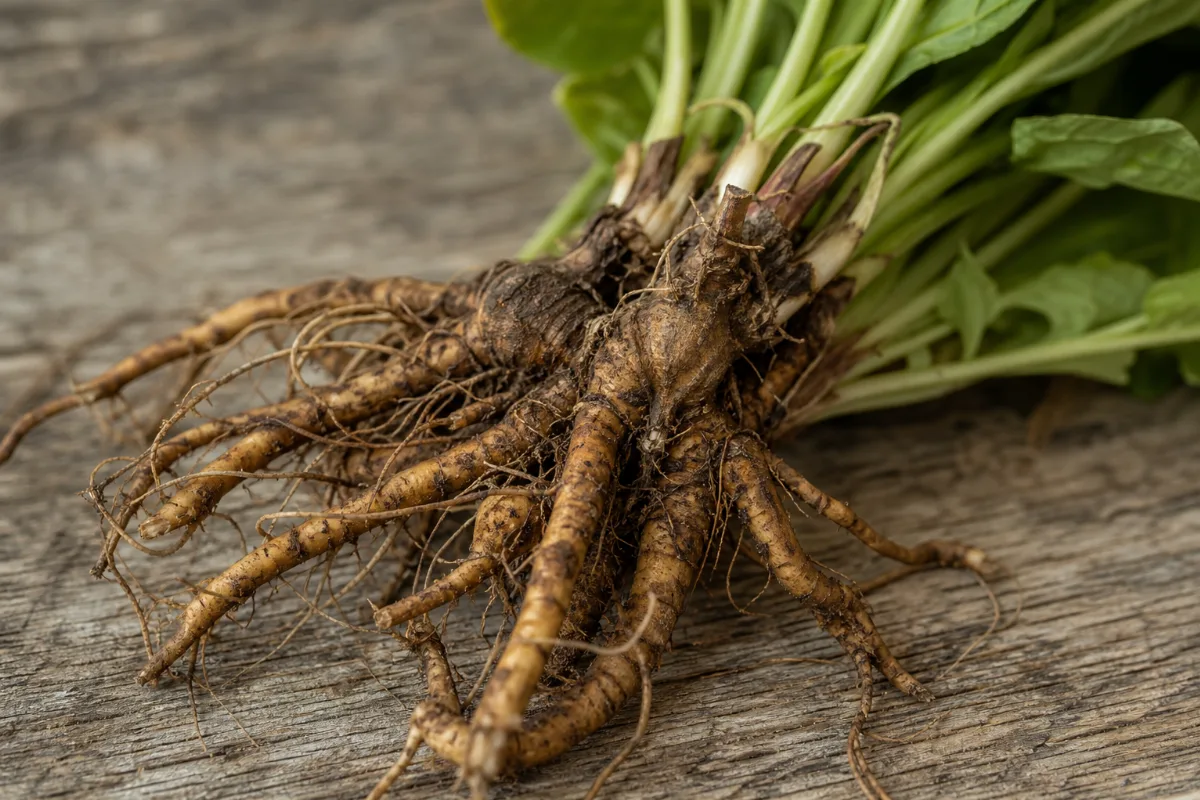
Elecampane is the species Inula helenium L., in the daisy family (Asteraceae, also called Compositae). [2] The root is the part used. [3][4] A 2026 review notes that three different roots are all sold in Chinese medicine under confusable "Muxiang" names, and that elecampane (Tu-Mu-Xiang) is one of them. [4] Because the review says similarities between the varieties lead to confusion, labels with the botanical name and plant part matter. [4]Names, plant part and look-alike traps
Check that a product names Inula helenium and the root. "Muxiang" on a label can refer to a different plant. [4] We give no identification or foraging advice for this plant; for wild plants, use local botanists or extension services. See common names to scientific names.Traditional use (not proof)
In Irish ethnomedical literature elecampane is often indicated for respiratory and skin ailments. [3] In traditional Chinese medicine the roots of the three Muxiang varieties are commonly used. [4] These are descriptions of tradition, not evidence that the root works.What research shows
| Use | What the source found | Strength of evidence | Form and population |
|---|---|---|---|
| Cough, bronchitis, other respiratory uses | Proper evidence not found. We searched PubMed for Inula helenium, elecampane, and randomized or clinical studies, and read the 2026 ethnomedicine review; the results were laboratory studies and reviews, not human trials of elecampane alone. | Traditional use only | n/a |
| Antibacterial activity | In the lab, root extracts and compounds called sesquiterpene lactones were active against staphylococcal bacteria; the authors say further research is warranted. [3] | Preclinical (cells or lab) | Root extracts in vitro |
| Anti-inflammatory, anticancer, liver and nerve effects | A review of all three Muxiang roots (not elecampane alone) lists these as effects of their sesquiterpene lactones. [4] | Preclinical (cells or animals) | Compounds and extracts in the lab |
Lab findings do not show that a tea, capsule or tincture will do the same in a person. See how to read a herb study.
Forms and why the form matters
Traditional hydro-ethanolic extracts of the root were used in the antibacterial study. [3] The sources we read do not describe human product forms. We give no preparation instructions. See herb forms and preparations.Safety
- Daisy-family allergy (the main documented point). In a Danish study of 190 patients allergic to Compositae plants, garden plants including elecampane were additional important allergenic plants, and one of the sesquiterpene lactone allergens, alantolactone, was among the most frequent triggers of positive patch tests. [1] Alantolactone is a main compound of elecampane root. [3] This was patch testing for skin allergy, not a study of elecampane products taken by mouth. See herbal allergy and cross-reactivity. If you have hives, swelling or trouble breathing, call 911 (US).
- Medicines. Not described in the sources we read. See how interactions work and ask a pharmacist.
- Pregnancy, breastfeeding and children. Not described in the sources we read. Lack of information is not proof of safety. See pregnancy and breastfeeding and children and teens.
- Liver, kidney, bleeding, surgery. Not described in the sources we read. Tell the surgical team about any herb: herbs before and after surgery.
- Contamination and mislabeling. Confusion between roots with similar names is documented. [4] See adulteration and substitution of herbs.
Quality
Choose products that state the botanical name and plant part. See quality testing and certifications.Official statements
We did not find a European herbal monograph page for elecampane; the page we tried returned "not found." We do not state any regulator position.Frequently asked questions
Does elecampane help a cough?
Proper evidence not found in human trials. Traditional use for respiratory ailments is documented in Irish ethnomedical literature. [3]
Is elecampane a daisy-family plant?
Yes, it is in the daisy family (Asteraceae). [2] In Danish patients allergic to Compositae plants, wild chamomile, yarrow and arnica also triggered patch tests. [1] People with that allergy should ask a clinician first.
Is elecampane safe?
The sources we read give no safety data for people beyond allergy findings. [1] Lack of data is not proof of safety.
What is the scientific name?
Inula helenium L. [2]
What is Muxiang?
It is a Chinese-medicine name used for several confusable roots, including elecampane. [4]
References
- Sensitization and cross-reaction patterns in Danish Compositae-allergic patients. Contact Dermatitis 2001. Read 2026-10-23.
- GBIF Backbone Taxonomy, Inula helenium L.. Read 2026-10-23.
- From Monographs to Chromatograms: The Antimicrobial Potential of Inula helenium L. (Elecampane) Naturalised in Ireland. Molecules. 2022. Read 2026-10-23.
- Aucklandia lappa, Vladimiria souliei, and Inula helenium: a comprehensive review on the ethnomedicines, phytochemicals, quality control and pharmacology of three confusable Muxiang varieties (2015-2025). J Ethnopharmacol. 2026. Read 2026-10-23.